outsource digital marketing

Outsource Digital Marketing: A Practical Guide for Growing Businesses

Outsource Digital Marketing: A Practical Guide for Growing Businesses

Digital marketing can help a business reach new customers, build its reputation and grow sales. But managing it well takes time and a mix of skills, from content creation and search engine optimisation to paid advertising and analytics. For many businesses, outsourcing some or all of their digital marketing is a practical way to access that expertise without building a large in-house team.

Outsourcing is not simply handing over your marketing and hoping for the best. The strongest partnerships start with clear goals, open communication and a shared understanding of what success looks like.

What does it mean to outsource digital marketing?

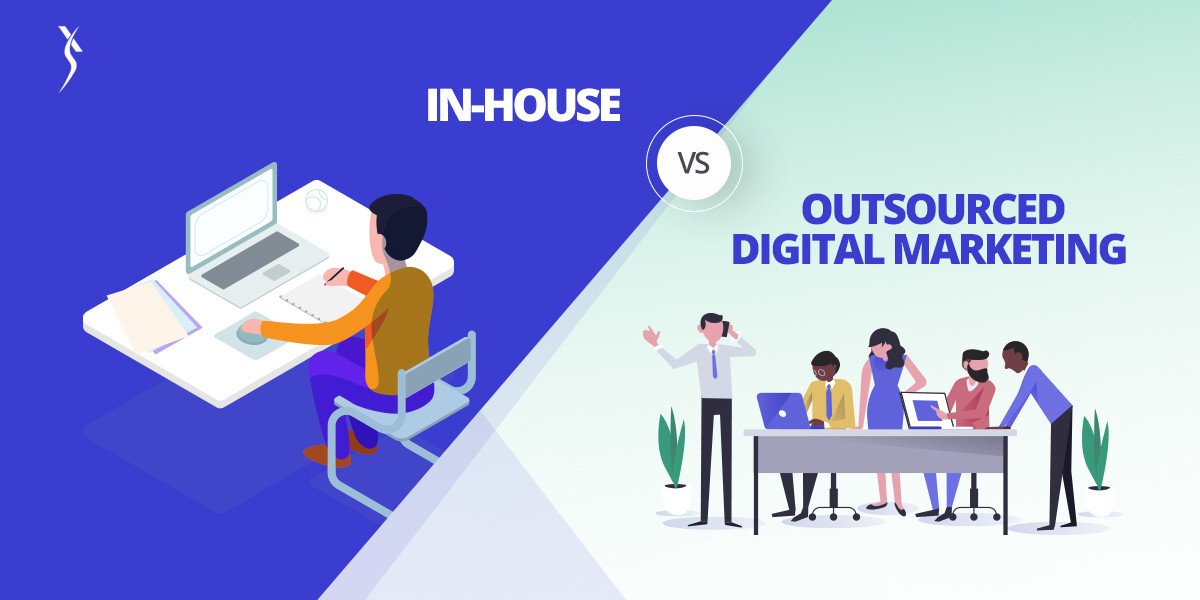
Outsourcing digital marketing means working with an external agency, consultant or specialist to plan and deliver some or all of your online marketing activity. The arrangement can be flexible. You might bring in a specialist for one project, such as a website launch, or appoint a marketing partner to support ongoing campaigns.

Common services include:

  • Search engine optimisation (SEO)
  • Pay-per-click (PPC) and paid social campaigns
  • Social media strategy and management
  • Content strategy, copywriting and design
  • Email marketing and automation
  • Website design, development and conversion optimisation
  • Analytics, reporting and marketing strategy

Why outsource digital marketing?

Access specialist skills

Digital marketing covers a broad range of disciplines, and the platforms and best practices are constantly changing. An external team may bring together specialists with experience across several channels, giving your business access to skills that would be difficult or costly to recruit individually.

Make better use of your time

Planning campaigns, producing content and monitoring results can take up a significant amount of time. Outsourcing some of this work allows your team to focus on customers, products and other priorities, while marketing activity continues to move forward.

Scale support to suit your needs

Your requirements may change over time. You may need extra support for a product launch, seasonal campaign or period of rapid growth, then a lighter level of input afterwards. An outsourced arrangement can often be adjusted more easily than a permanent team.

Bring a fresh perspective

People close to a business can sometimes find it difficult to see its marketing from a customer’s point of view. An external partner can offer an independent perspective, identify opportunities and challenge assumptions constructively.

What should you keep in-house?

Outsourcing does not mean stepping away from marketing altogether. Your business still needs to provide direction, share knowledge and make decisions. Internal teams are often best placed to explain your products, customers, culture and commercial priorities.

A useful approach is to outsource specialist delivery while retaining ownership of the overall business strategy. Agree who is responsible for approvals, customer insight, budgets and reporting before work begins.

How to choose a digital marketing partner

Start with clear objectives

Before approaching agencies or consultants, decide what you want to achieve. For example, you might want to increase qualified enquiries, improve online sales, grow organic search traffic or strengthen customer retention. Clear objectives make it easier to assess whether a potential partner is right for you.

Look for relevant experience

Ask about their experience with businesses like yours, the services they provide and how they approach similar challenges. Case studies can be helpful, but look beyond headline results. Find out what work was carried out, over what period and how success was measured.

Understand how they measure results

Good reporting should connect marketing activity to your business goals. Depending on your objectives, useful measures might include qualified leads, conversion rates, revenue, customer acquisition cost or return on advertising spend. Be wary of relying on surface-level figures, such as impressions or follower counts, without understanding how they contribute to meaningful outcomes.

Check communication and responsibilities

Discuss how often you will meet, who your main contact will be and what information the partner will need from your team. Make sure you understand what is included in the fee, how additional work is approved and who owns assets such as website content, advertising accounts and creative files.

Common challenges to consider

Outsourcing can bring valuable expertise, but it is not an instant fix. Results may take time, particularly in areas such as SEO and content marketing. An external partner will also need accurate information and timely feedback from your business to do their work effectively.

To reduce the risk of misunderstandings, set expectations at the outset. Agree objectives, budgets, timelines, reporting arrangements and decision-making processes. Keep access to your own digital accounts and make sure important knowledge does not sit with one person or provider alone.

Is outsourcing right for your business?

Outsourcing digital marketing may suit businesses that need specialist expertise, want to increase capacity or are not ready to recruit a full in-house team. It can also work well alongside internal staff, with an external partner providing technical support or campaign delivery.

The right arrangement depends on your goals, budget and the skills you already have. Begin by identifying where your marketing needs the most support, then look for a partner who can explain their approach clearly and measure progress against outcomes that matter to your business.

Making outsourcing work

Successful outsourcing is built on collaboration. Share your business goals and customer knowledge, give your partner access to the information they need, and review performance regularly. With clear responsibilities and realistic expectations, an external marketing team can become a valuable extension of your business and help you make more of your digital opportunities.


Six Essential Tips for Successfully Outsourcing Digital Marketing

  1. Set clear goals before outsourcing.
  2. Choose an agency with relevant experience.
  3. Agree budgets, deliverables and timelines upfront.
  4. Keep ownership of your accounts and data.
  5. Schedule regular performance reviews.
  6. Make sure the agency understands your audience and brand.

Set clear goals before outsourcing.

Before outsourcing your digital marketing, set clear goals so you and your chosen partner understand what success looks like. Decide what you want to achieve, such as increasing qualified enquiries, growing online sales or improving website traffic, and agree how progress will be measured. Clear goals help shape the right strategy, focus the budget and make it easier to assess whether your marketing is delivering results.

Choose an agency with relevant experience.

Choose an agency with relevant experience in your industry, audience or type of campaign. They’re more likely to understand your challenges, recognise what resonates with your customers and recommend a practical approach. Ask for examples of similar work and how results were measured, so you can judge whether their experience matches your goals.

Agree budgets, deliverables and timelines upfront.

Agreeing budgets, deliverables and timelines upfront helps keep your outsourced digital marketing on track. Be clear about what work is included, when you expect it to be completed and how much you have allocated, including any additional costs such as advertising spend. Setting these expectations early helps prevent misunderstandings, makes progress easier to review and gives both sides a clear basis for managing changes along the way.

Keep ownership of your accounts and data.

Keep ownership of your digital marketing accounts and data, even when working with an external agency or freelancer. Set up platforms such as Google Analytics, Google Ads and social media accounts in your business’s name, and grant your partner the access they need to do their work. This keeps your records, audiences and campaign history under your control, makes it easier to review performance, and helps ensure a smooth transition if you change providers.

Schedule regular performance reviews.

Schedule regular performance reviews to check whether your outsourced digital marketing is delivering against the goals you agreed. Review key measures such as qualified leads, conversions, website traffic and campaign costs, and discuss what is working, what needs to change and why. Consistent check-ins help you and your marketing partner spot issues early, make informed decisions and keep activity aligned with your business priorities.

Make sure the agency understands your audience and brand.

Before outsourcing your digital marketing, make sure the agency takes time to understand your audience, your brand and what makes your business different. They should be clear about your customers’ needs, your tone of voice and the promises you make, so their campaigns feel consistent and relevant. Share useful customer insights and brand guidelines, and ask how the agency will apply them in its work. The better they understand your business, the more effectively they can create marketing that connects with the right people.

how to do digital marketing

How to Do Digital Marketing: A Practical Guide to Growing Your Business

How to Do Digital Marketing: A Practical Guide

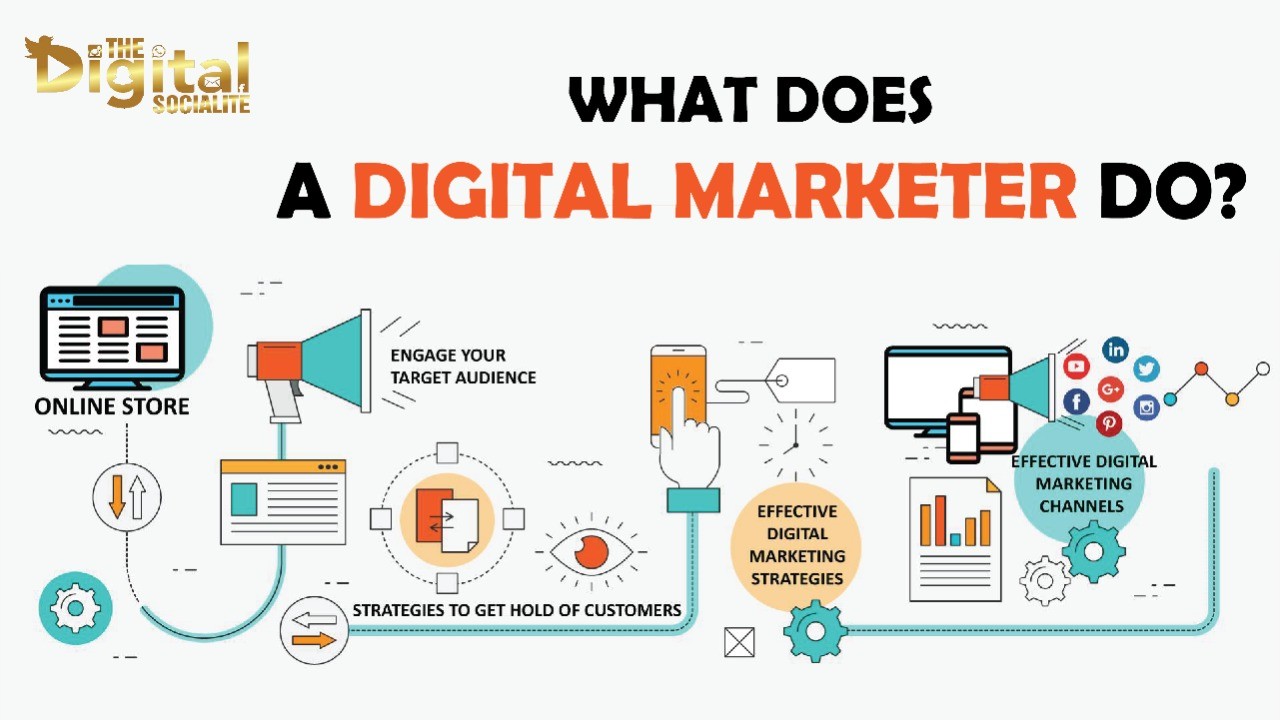
Digital marketing helps businesses reach and engage customers through online channels. It can include search engines, social media, email, websites, online advertising and more. The best results come from choosing the right mix of channels, understanding your audience and improving your activity over time—not simply posting everywhere.

Whether you run a small business or are developing a larger marketing plan, these steps can help you get started.

Set clear marketing goals

Begin by deciding what you want your digital marketing to achieve. A clear goal gives your activity direction and helps you judge whether it is working.

Your goals might include:

  • Increasing sales or bookings
  • Generating enquiries or leads
  • Building awareness of your business
  • Growing an email subscriber list
  • Encouraging repeat purchases

Make goals specific and measurable. For example, instead of aiming to “get more website traffic”, you might aim to increase relevant organic visits by 15% over the next six months.

Understand your audience

Effective marketing starts with knowing who you want to reach. Consider what your ideal customers need, what problems they are trying to solve and how they choose between different options.

Useful sources of insight include customer conversations, sales enquiries, reviews, website analytics and research into your market. You can use this information to create audience profiles covering factors such as customers’ needs, interests, location and preferred ways of finding information.

Focus on useful insights rather than assumptions. A clear understanding of your audience will help you choose suitable messages, channels and offers.

Make your website work hard

Your website is often the place where people decide whether to take the next step. Make sure it clearly explains what you offer, who it is for and what visitors should do next.

Check that your website:

  • Works well on mobile phones and tablets
  • Loads quickly and is easy to navigate
  • Uses clear, helpful language
  • Includes prominent calls to action, such as “Get a quote” or “Book a consultation”
  • Provides accurate contact details and relevant trust signals
  • Can be used by people with different access needs

Review important pages regularly, especially those that attract visitors from search, social media or advertising.

Create useful content

Content marketing means creating and sharing material that helps your audience. This could include service pages, articles, videos, guides, case studies, email newsletters or social posts.

Start with the questions customers ask most often. Explain your products or services clearly, share practical advice and show how your business can help. Good content should be accurate, original and written for people—not just created to include keywords.

Plan content around your business goals and publish at a pace you can maintain. A small number of useful, well-presented pieces is often more valuable than frequent posts with little substance.

Improve your visibility in search

Search engine optimisation (SEO) helps people find your website when they look for relevant products, services or information. SEO is a long-term activity, but some fundamentals can make a strong start:

  • Research the words and questions your audience uses when searching
  • Write clear page titles and headings that accurately describe each page
  • Create helpful content that answers genuine questions
  • Use descriptive links between related pages on your site
  • Keep your business information accurate and consistent, particularly for local searches
  • Make your website fast, mobile-friendly and easy for search engines to understand

Avoid tactics that promise quick rankings through keyword stuffing or artificial links. Focus on building a useful website and a good experience for visitors.

Choose social media channels carefully

You do not need to be active on every social media platform. Choose the channels your audience uses and that suit your business. For example, a visually led brand may benefit from image or video platforms, while a business selling to other organisations might prioritise professional networks.

Share a balanced mix of content, such as advice, updates, product information and behind-the-scenes material. Make time to respond to comments and messages. Social media is most effective when it supports genuine communication, not just one-way promotion.

Use email marketing thoughtfully

Email can help you build relationships with people who have chosen to hear from your business. You might send useful updates, new content, event invitations or relevant offers.

Keep emails focused and make it easy for readers to understand why they are receiving them. Use a clear subject line, include a straightforward way to unsubscribe and only send marketing emails where you have the appropriate permission or other lawful basis. In the UK, businesses must follow applicable data protection and electronic marketing rules, including UK GDPR and the Privacy and Electronic Communications Regulations (PECR).

Consider paid advertising

Paid digital advertising can help you reach a defined audience or promote a specific offer. Options include search adverts, social media adverts, display advertising and sponsored content.

Before spending money, decide what action you want people to take and how you will measure it. Start with a controlled budget, test different audiences and messages, and check that the landing page matches the advert. Pause or adjust campaigns that are not delivering useful results.

Measure what matters

Use analytics and platform reporting to understand how people find and interact with your marketing. Choose measures that relate to your goals rather than focusing only on figures such as likes or page views.

Depending on your objectives, useful measures could include:

  • Qualified enquiries and conversion rate
  • Sales, bookings or revenue
  • Cost per lead or cost per sale
  • Relevant website visits and search visibility
  • Email sign-ups, clicks and unsubscribes
  • Repeat purchases or customer retention

Make sure tracking is configured appropriately and respect people’s privacy choices. If you use cookies or similar technologies, check the rules that apply and provide suitable information and controls.

Test, learn and improve

Digital marketing works best as an ongoing cycle. Review your results regularly, identify what is performing well and make one or two considered changes at a time. You could test different headlines, images, calls to action or audience groups.

Give changes enough time to produce meaningful data, but do not continue investing in activity that consistently fails to support your goals. Keep a record of what you try and what you learn.

Build a simple digital marketing plan

A practical plan does not need to be complicated. Write down:

  1. Your main business and marketing goals
  2. The audience you want to reach
  3. The channels most likely to reach that audience
  4. The content or campaigns you will create
  5. Your budget, responsibilities and timescales
  6. The measures you will use to assess progress

Start with a manageable number of activities, do them consistently and refine your approach using evidence. By combining clear goals, useful content, suitable channels and regular measurement, you can build digital marketing that supports sustainable business growth.


Mastering Digital Marketing: 7 Essential Tips for Success

  1. Set clear, measurable marketing goals.
  2. Know your audience and tailor your messages.
  3. Create useful, engaging content consistently.
  4. Optimise your website for mobile and search.
  5. Use social media channels your audience prefers.
  6. Test adverts and emails, then refine them.
  7. Track results and focus on what works.

Set clear, measurable marketing goals.

Set clear, measurable marketing goals so you know what your digital activity is working towards and can assess its impact. Rather than aiming to “get more customers”, choose a specific target, such as increasing online enquiries by 15% over the next three months or growing your email subscribers by 200. Make sure each goal is relevant to your business, has a timescale and can be tracked using reliable data. This will help you focus your time and budget on the marketing activities most likely to make a difference.

Know your audience and tailor your messages.

Know your audience and tailor your messages to their needs, interests and priorities. Think about the questions they ask, the challenges they face and what matters when choosing a product or service. Use these insights to create relevant content and choose the channels they are most likely to use. A clear, personal message is more likely to capture attention, build trust and encourage people to take the next step.

Create useful, engaging content consistently.

Create useful, engaging content consistently to give your audience a reason to pay attention and return to your business. Share helpful advice, answer common questions and explain how your products or services can meet customers’ needs. Choose formats that suit your audience—such as articles, videos, email updates or social media posts—and follow a realistic schedule you can maintain. Focus on quality and relevance rather than posting for the sake of it, and use audience feedback and performance data to improve what you create.

Optimise your website for mobile and search so people can find you and use your site easily, wherever they are. Make sure pages load quickly, text is easy to read on smaller screens and navigation is straightforward. Use clear page titles, descriptive headings and helpful content that answers the questions your audience is searching for. A fast, accessible, mobile-friendly website creates a better experience for visitors and can support your visibility in search results.

Use social media channels your audience prefers.

Choose the social media channels your audience already uses, rather than trying to be active on every platform. Find out where your customers spend their time and what kind of content they engage with, then focus your efforts there. This helps you share relevant posts, build stronger connections and make better use of your time and budget.

Test adverts and emails, then refine them.

Test different versions of your adverts and emails to find out what resonates with your audience. Try changing one element at a time, such as the headline, image, subject line or call to action, and compare results using relevant measures like clicks, enquiries or sales. Use what you learn to refine future campaigns, while giving each test enough time and reach to produce meaningful results.

Track results and focus on what works.

Track your digital marketing results to understand which activities are bringing in valuable visits, enquiries or sales. Choose measures that match your goals, such as conversion rates, cost per lead or repeat purchases, and review them regularly. Put more time and budget into the channels and messages that perform well, and adjust or stop those that do not. Keep testing small changes so you can build on what works and make better-informed decisions over time.

ecommerce digital marketing

Mastering Ecommerce Digital Marketing Strategies for Online Success

The Power of Ecommerce Digital Marketing

The Power of Ecommerce Digital Marketing

In today’s digital age, ecommerce has revolutionised the way businesses operate and connect with consumers. With the rise of online shopping, having a strong digital marketing strategy is essential for any ecommerce business looking to succeed in a competitive marketplace.

Targeted Advertising

One of the key advantages of ecommerce digital marketing is the ability to target specific audiences with precision. Through tools like social media advertising and Google Ads, businesses can reach potential customers based on their demographics, interests, and online behaviour. This targeted approach not only increases the chances of conversion but also maximises the return on investment for marketing campaigns.

SEO and Content Marketing

Search Engine Optimisation (SEO) and content marketing play a crucial role in driving organic traffic to ecommerce websites. By optimising website content for relevant keywords and creating high-quality blog posts or product descriptions, businesses can improve their search engine rankings and attract more visitors. A well-executed SEO strategy can significantly enhance visibility and credibility in the online marketplace.

Email Marketing and Customer Retention

Email marketing remains a powerful tool for engaging customers and driving repeat purchases in ecommerce. By sending personalised promotional offers, product recommendations, or newsletters to subscribers, businesses can nurture relationships with existing customers and encourage loyalty. Effective email marketing campaigns not only boost sales but also contribute to long-term customer retention and brand advocacy.

Data Analytics and Performance Tracking

One of the advantages of digital marketing in ecommerce is the ability to track performance metrics accurately. By utilising tools like Google Analytics or e-commerce platforms’ built-in analytics features, businesses can monitor key performance indicators such as website traffic, conversion rates, and customer behaviour. This data-driven approach enables businesses to make informed decisions, identify areas for improvement, and optimise their digital marketing strategies for better results.

In conclusion, ecommerce digital marketing is a powerful tool that empowers businesses to reach their target audience effectively, drive sales growth, and build lasting relationships with customers. By leveraging various digital marketing channels and techniques, ecommerce businesses can stay competitive in an ever-evolving online landscape and achieve sustainable success.


8 Essential Tips for Boosting Your E-commerce Digital Marketing Strategy

  1. Optimize your website for mobile devices to cater to users on-the-go.
  2. Utilize social media platforms to engage with your audience and drive traffic to your online store.
  3. Implement email marketing campaigns to nurture leads and encourage repeat purchases.
  4. Use high-quality images and videos to showcase your products effectively.
  5. Offer various payment options to accommodate different customer preferences.
  6. Optimise product descriptions and use relevant keywords for better search engine visibility.
  7. Provide excellent customer service to build trust and loyalty with your customers.
  8. Monitor key metrics such as conversion rates, traffic sources, and customer behaviour to make data-driven decisions.

Optimize your website for mobile devices to cater to users on-the-go.

In the realm of ecommerce digital marketing, a crucial tip is to optimise your website for mobile devices to accommodate users who are constantly on-the-go. With the increasing prevalence of smartphones and tablets as primary browsing devices, ensuring a seamless and responsive mobile experience is paramount. By prioritising mobile optimisation, businesses can enhance user engagement, improve conversion rates, and ultimately provide a convenient shopping experience that aligns with the fast-paced lifestyle of modern consumers.

Utilize social media platforms to engage with your audience and drive traffic to your online store.

To maximise the impact of your ecommerce digital marketing efforts, it is crucial to leverage social media platforms effectively. By actively engaging with your audience on platforms such as Facebook, Instagram, and Twitter, you can build a community around your brand, foster meaningful relationships with customers, and drive traffic to your online store. Through compelling content, interactive posts, and targeted advertising campaigns, you can create a buzz around your products or services, increase brand visibility, and ultimately boost sales. Embracing social media as a key component of your digital marketing strategy can help you connect with a wider audience and enhance the overall success of your ecommerce business.

Implement email marketing campaigns to nurture leads and encourage repeat purchases.

Implementing email marketing campaigns is a crucial strategy in ecommerce digital marketing. By utilising personalised and targeted emails, businesses can nurture leads, build relationships with potential customers, and ultimately encourage repeat purchases. Email campaigns allow businesses to stay connected with their audience, provide valuable content and offers, and drive engagement that leads to increased customer loyalty. By focusing on building strong relationships through email marketing, businesses can create a loyal customer base that continuously supports their brand and contributes to long-term success in the competitive ecommerce landscape.

Use high-quality images and videos to showcase your products effectively.

In the realm of ecommerce digital marketing, a crucial tip for success is to utilise high-quality images and videos to effectively showcase your products. Visual content plays a significant role in capturing the attention of online shoppers and conveying the value and features of your offerings. By presenting clear, detailed images and engaging videos that highlight the unique selling points of your products, you can enhance the overall shopping experience for customers, build trust in your brand, and ultimately drive conversions. Remember, a picture is worth a thousand words – make sure your visuals speak volumes about the quality and appeal of what you have to offer.

Offer various payment options to accommodate different customer preferences.

To maximise sales and enhance customer satisfaction in ecommerce digital marketing, it is crucial to offer a variety of payment options to cater to different customer preferences. By providing flexibility in payment methods such as credit/debit cards, digital wallets, bank transfers, and buy now, pay later services, businesses can accommodate diverse consumer needs and streamline the checkout process. This approach not only increases the likelihood of completing transactions but also builds trust with customers by offering a convenient and secure payment experience tailored to their preferences.

Optimise product descriptions and use relevant keywords for better search engine visibility.

To enhance search engine visibility and attract more potential customers, it is essential for ecommerce businesses to optimise their product descriptions by incorporating relevant keywords. By strategically selecting and integrating keywords that align with consumer search queries, businesses can improve their website’s ranking on search engine results pages. Crafting informative and engaging product descriptions not only helps in attracting organic traffic but also enhances the overall user experience, leading to increased conversions and sales opportunities in the competitive online marketplace.

Provide excellent customer service to build trust and loyalty with your customers.

In the realm of ecommerce digital marketing, offering exceptional customer service is a fundamental tip for cultivating trust and fostering loyalty with your customer base. By prioritising prompt and personalised assistance, addressing queries and concerns promptly, and ensuring a seamless shopping experience, businesses can establish a strong rapport with customers. Building trust through outstanding customer service not only enhances brand reputation but also encourages repeat purchases and positive word-of-mouth referrals, ultimately contributing to long-term success in the competitive ecommerce landscape.

Monitor key metrics such as conversion rates, traffic sources, and customer behaviour to make data-driven decisions.

Monitoring key metrics such as conversion rates, traffic sources, and customer behaviour is essential in ecommerce digital marketing. By analysing these data points, businesses can gain valuable insights into the effectiveness of their marketing strategies and the overall performance of their online store. This data-driven approach allows businesses to make informed decisions, identify areas for improvement, and optimise their digital marketing efforts to maximise results. Ultimately, by leveraging these key metrics, businesses can enhance their online presence, drive sales growth, and create a more engaging and personalised experience for their customers.