How an Online Marketing Services Company Can Help Your Business Grow
For many businesses, being visible online is essential to attracting customers and building lasting relationships. But with so many channels, tools and tactics available, it can be difficult to know where to focus. An online marketing services company can help bring these activities together, creating a clear strategy to reach the right people and support your business goals.
What is an online marketing services company?
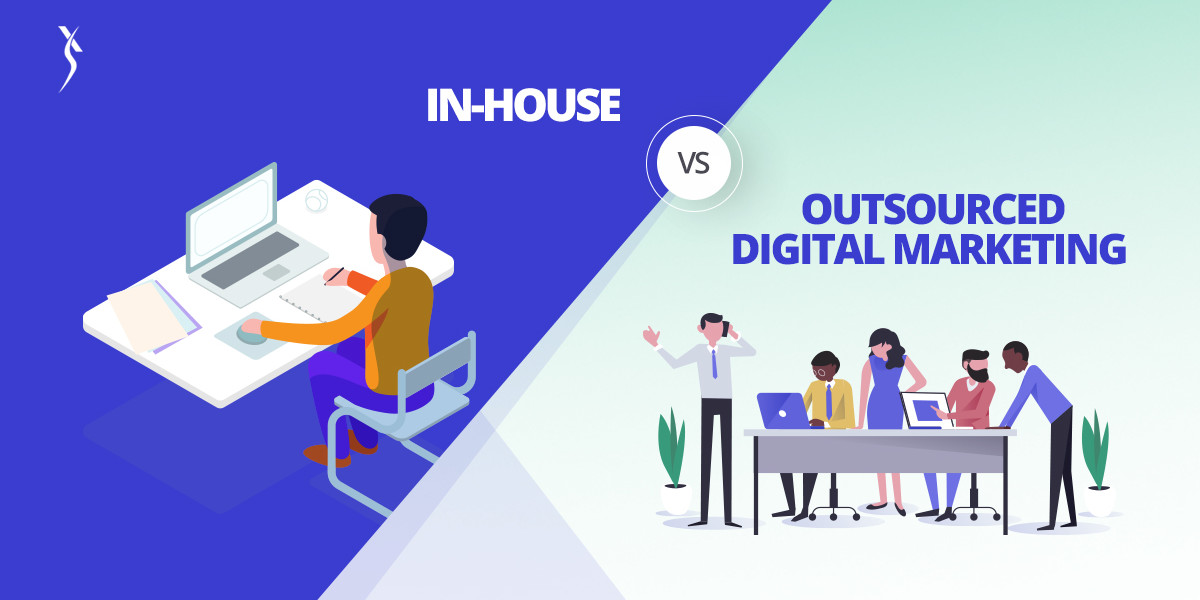
An online marketing services company helps businesses promote their products or services across digital channels. Depending on your needs, this may include search engine optimisation (SEO), paid advertising, social media marketing, email campaigns, content creation, website design and analytics.
Some companies provide a complete digital marketing service, while others specialise in particular areas. The right approach depends on your audience, budget, objectives and the resources available within your business.
Services that support your online growth
Search engine optimisation
SEO helps improve the visibility of your website in search engine results. It can involve researching relevant search terms, improving website content and structure, and addressing technical issues that affect how search engines understand your pages. SEO is usually a long-term activity: results can take time, but well-planned work can help attract people who are actively looking for what you offer.
Paid search and social advertising
Paid campaigns can put your business in front of specific audiences across search engines and social platforms. A marketing partner can help plan campaigns, choose targeting options, write adverts and monitor performance. Regular testing and optimisation can help make the most of your advertising budget.
Content marketing
Useful, relevant content can answer customers’ questions and help them make informed decisions. This might include articles, guides, videos, case studies or product pages. A content strategy connects these materials to your wider marketing goals and gives your audience a reason to return.
Social media marketing
Social media can help businesses share updates, build a community and take part in conversations with customers. The most effective approach is not necessarily to be active on every platform. It is to choose the channels that suit your audience, create content consistently and respond thoughtfully.
Email marketing
Email remains a practical way to communicate with people who have chosen to hear from your business. Campaigns may include newsletters, product updates or automated messages. Clear permissions, useful content and sensible sending frequency help keep email communications relevant.
Website design and optimisation
Your website is often a key part of the customer journey. A marketing company may help improve its design, accessibility, page speed and content, as well as make it easier for visitors to take the next step. This could mean making an enquiry, booking a service or completing a purchase.
Why work with an online marketing services company?
Working with an experienced partner can bring specialist skills and an outside perspective to your marketing. It may also help your team coordinate activity across different channels, make better use of performance data and focus on the work most likely to support your objectives.
A good company will take time to understand your business before recommending a plan. It should explain what it proposes to do, how progress will be measured and what you can realistically expect. Marketing results depend on many factors, so clear communication is important from the outset.
Choosing the right marketing partner
Before appointing a provider, consider the following:
- Your objectives: Be clear about what you want to achieve, such as increasing enquiries, improving online sales or building awareness.
- Relevant experience: Ask about work with businesses of a similar size, sector or level of complexity.
- Services and approach: Check that the company’s skills match your needs and that its recommendations are tailored to your business.
- Reporting: Find out which measures will be used and how often results will be reviewed.
- Communication: Agree who your main contact will be, how updates will be shared and how decisions will be made.
- Ownership and access: Confirm that you retain appropriate access to your website, advertising accounts, analytics and marketing assets.
- Budget and terms: Make sure fees, project scope, timelines and cancellation terms are clear before work begins.
Make marketing measurable
Effective online marketing is more than publishing content or running adverts. It involves setting meaningful goals, choosing suitable channels and reviewing what happens next. Measures might include website visits, qualified enquiries, conversion rates, online sales or the cost of acquiring a customer. The right measures depend on what success means for your business.
Regular reviews help identify what is working and where adjustments may be needed. They also create an opportunity to respond to changes in customer behaviour, competition and the wider digital landscape.
Building a strategy for the long term
An online marketing services company can provide expertise, structure and practical support, but successful marketing is a partnership. The strongest results often come when a provider understands your business and customers, while your team shares its knowledge and stays involved in key decisions.
With clear goals, a considered strategy and consistent measurement, online marketing can help your business reach new audiences and create stronger connections with existing customers. The first step is to identify what you need to achieve and find a partner whose approach is transparent, collaborative and suited to your ambitions.
7 Essential Tips for Selecting an Online Marketing Services Company
- Define clear goals before choosing a marketing company.
- Check its experience in your industry.
- Ask for case studies and measurable results.
- Make sure services match your business needs.
- Agree on budgets, timelines and reporting.
- Look for clear communication and honest advice.
- Review performance regularly and adjust your strategy.
Define clear goals before choosing a marketing company.
Before choosing an online marketing services company, define what you want your marketing to achieve. Your goals might include increasing website enquiries, growing online sales, improving brand awareness or reaching a new audience. Clear, measurable objectives help you find a company with the right expertise, agree realistic expectations and track whether its work is delivering results.
Check its experience in your industry.
Check whether the online marketing services company has experience in your industry. A provider familiar with your market may better understand your audience, competitors and sector-specific challenges, helping it recommend relevant strategies. Ask for examples of similar work and how it measured success, while remembering that a strong approach should be tailored to your business rather than relying on a one-size-fits-all solution.
Ask for case studies and measurable results.
When choosing an online marketing services company, ask for case studies that show how it has helped businesses with goals similar to yours. Look for measurable results, such as increased qualified enquiries, higher conversion rates or improved return on advertising spend, and ask how these were tracked. Clear evidence can help you assess the company’s experience and understand what outcomes may be realistic for your business.
Make sure services match your business needs.
Before choosing an online marketing services company, identify what your business needs most. You may be looking to improve search visibility, generate more enquiries, increase online sales or strengthen your social media presence. Check that the company offers the relevant expertise and can tailor its services to your goals, audience and budget. A focused approach is often more effective than paying for a broad package that includes services you do not need.
Agree on budgets, timelines and reporting.
Agree on budgets, timelines and reporting before work begins so everyone understands what will be delivered, when it will happen and how success will be measured. Ask your online marketing services company to provide a clear breakdown of costs, set realistic milestones and explain how often you’ll receive updates. This helps avoid surprises, keeps campaigns aligned with your goals and makes it easier to see where your marketing budget is having an impact.
Look for clear communication and honest advice.
When choosing an online marketing services company, look for clear communication and honest advice. A good partner will explain its recommendations in plain English, keep you updated on progress and be open about costs, timescales and potential challenges. They should set realistic expectations rather than promise instant results, and make sure you understand how their work supports your business goals.
Review performance regularly and adjust your strategy.
Review your marketing performance regularly to understand what is working and where there is room to improve. Track useful measures, such as website visits, enquiries, conversions and campaign costs, and compare them with your business goals. An online marketing services company can help interpret the results and recommend practical changes, from refining your audience targeting to updating content or reallocating budget. Regular adjustments keep your strategy responsive to customer behaviour and changing market conditions.