The Power of Digital Media and Marketing
Digital media and marketing have revolutionised the way businesses connect with their audiences in today’s fast-paced world. With the rise of the internet and social media, companies now have unprecedented opportunities to reach and engage with consumers on a global scale.
What is Digital Media?
Digital media refers to any form of content that is stored in digital format and can be shared electronically. This includes websites, social media platforms, online videos, podcasts, and more. The beauty of digital media lies in its ability to be easily accessed, shared, and interacted with by users across various devices.
The Role of Digital Marketing
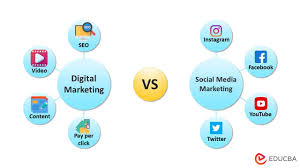
Digital marketing utilises digital channels such as social media, search engines, email, and websites to promote products or services to target audiences. It allows businesses to tailor their marketing efforts based on consumer behaviour, preferences, and demographics. By leveraging data analytics and targeting capabilities, digital marketing enables companies to deliver personalised messages that resonate with their customers.
The Benefits of Digital Media and Marketing
There are numerous benefits to incorporating digital media and marketing into your business strategy:
- Wider Reach: With digital platforms, you can reach a larger audience across different geographical locations.
- Increased Engagement: Interactive content such as videos or polls can boost engagement levels with your target audience.
- Cost-Effective: Digital marketing campaigns are often more cost-effective than traditional advertising methods like print or TV ads.
- Real-Time Analytics: You can track the performance of your campaigns in real-time and make adjustments for better results.
- Targeted Advertising: Digital marketing allows you to target specific demographics or interests for more effective advertising.
The Future of Digital Media and Marketing
As technology continues to evolve, so too will the landscape of digital media and marketing. Artificial intelligence, virtual reality, voice search, and other emerging technologies will shape the future of how businesses connect with consumers online. Staying ahead of these trends will be crucial for companies looking to remain competitive in the digital age.
In conclusion, embracing digital media and marketing is essential for businesses seeking to thrive in today’s interconnected world. By leveraging the power of digital channels, companies can build brand awareness, engage with customers on a personal level, and drive business growth like never before.
8 Essential Tips for Mastering Digital Media and Marketing
- Understand your target audience to tailor your content and messaging effectively.
- Consistently engage with your audience through various digital channels to build relationships.
- Utilize data analytics to track and measure the performance of your digital marketing campaigns.
- Create high-quality, relevant, and shareable content to attract and retain customers.
- Stay updated with the latest trends in digital media and marketing to stay ahead of the competition.
- Mobile-first” approach is crucial as mobile usage continues to rise globally.
- SEO” or Search Engine Optimization is key for increasing visibility on search engines.
- Social media influencers” can be powerful tools for reaching a wider audience and building credibility.
Understand your target audience to tailor your content and messaging effectively.
To maximise the impact of your digital media and marketing efforts, it is crucial to have a deep understanding of your target audience. By gaining insights into their preferences, behaviours, and demographics, you can tailor your content and messaging in a way that resonates with them effectively. This personalised approach not only enhances engagement but also increases the likelihood of converting leads into loyal customers. Understanding your target audience is the cornerstone of successful digital marketing strategies that drive meaningful connections and deliver tangible results.
Consistently engage with your audience through various digital channels to build relationships.
Consistently engaging with your audience through a variety of digital channels is a key strategy in building lasting relationships with your customers. By maintaining a presence on platforms where your target audience is active, such as social media, email newsletters, and online forums, you can foster meaningful interactions and create a sense of community around your brand. This ongoing engagement not only helps to strengthen customer loyalty but also allows you to gather valuable feedback and insights that can inform your marketing strategies and enhance the overall customer experience.
Utilize data analytics to track and measure the performance of your digital marketing campaigns.
To maximise the effectiveness of your digital marketing campaigns, it is essential to utilise data analytics to track and measure their performance. By analysing key metrics such as website traffic, conversion rates, and customer engagement, you can gain valuable insights into the success of your marketing efforts. This data-driven approach allows you to make informed decisions, optimise your strategies in real-time, and ultimately enhance the overall impact of your digital media initiatives.
Create high-quality, relevant, and shareable content to attract and retain customers.
Creating high-quality, relevant, and shareable content is a key tip in digital media and marketing. By producing content that resonates with your target audience, you can capture their attention, build trust, and establish your brand as a valuable resource. Shareable content not only attracts new customers but also helps retain existing ones by keeping them engaged and connected to your brand. Whether it’s informative articles, engaging videos, or interactive infographics, investing in quality content creation is essential for driving customer engagement and loyalty in today’s competitive digital landscape.
Stay updated with the latest trends in digital media and marketing to stay ahead of the competition.
Staying updated with the latest trends in digital media and marketing is crucial for businesses aiming to stay ahead of the competition. By keeping abreast of emerging technologies, consumer behaviours, and industry best practices, companies can adapt their strategies to remain relevant and competitive in the ever-evolving digital landscape. Embracing new trends allows businesses to innovate, engage with their target audience effectively, and ultimately drive success in today’s dynamic market environment.
Mobile-first” approach is crucial as mobile usage continues to rise globally.
In today’s digital landscape, adopting a “mobile-first” approach is imperative as mobile usage continues to soar on a global scale. With more and more people accessing the internet and engaging with content through their mobile devices, businesses must prioritise mobile-friendly strategies to effectively reach and connect with their target audience. By ensuring that websites, ads, and content are optimised for mobile viewing, companies can enhance user experience, increase engagement, and stay ahead in the ever-evolving realm of digital media and marketing.
SEO” or Search Engine Optimization is key for increasing visibility on search engines.
“SEO, or Search Engine Optimization, plays a crucial role in enhancing visibility on search engines. By implementing effective SEO strategies, businesses can improve their website’s ranking in search results, making it easier for potential customers to find them online. Optimizing content with relevant keywords, improving site speed and user experience, and building quality backlinks are just some of the ways SEO can help drive organic traffic to a website. Investing in SEO is essential for businesses looking to boost their online presence and attract more qualified leads through improved search engine visibility.”
Social media influencers” can be powerful tools for reaching a wider audience and building credibility.
Utilising “social media influencers” can be a potent strategy in digital media and marketing. These individuals have the ability to connect with a vast audience and establish trust and credibility within their niche. By partnering with social media influencers whose values align with your brand, you can effectively amplify your message, increase brand awareness, and engage with a wider demographic. Leveraging the influence of these individuals can be a valuable asset in expanding your reach and solidifying your brand’s reputation in the digital landscape.