
advertisements

Unleashing the Potential of Effective Advertisements in the Digital Age

The Power of Advertisements

The Power of Advertisements

Advertisements play a crucial role in today’s highly competitive business environment. They are a powerful tool used by companies to promote their products or services, build brand awareness, and attract new customers. In a world inundated with information, advertisements help businesses cut through the noise and connect with their target audience.

Effective advertising not only informs consumers about a product or service but also persuades them to make a purchase. Through compelling visuals, catchy slogans, and strategic placement, advertisements have the ability to influence consumer behaviour and drive sales.

Moreover, advertisements have the potential to shape societal values and perceptions. They can reflect cultural trends, challenge stereotypes, and spark important conversations. Advertisements have the power to inspire change and create a lasting impact on society.

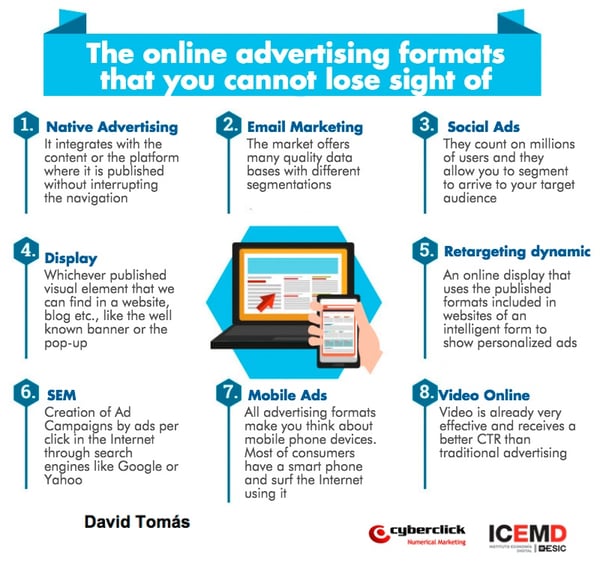
With the rise of digital marketing, advertisements have evolved beyond traditional mediums such as print and television. Online advertising offers businesses the opportunity to reach a global audience in real-time through social media platforms, search engines, and targeted display ads.

However, amidst the proliferation of advertisements in the digital space, consumers have become more discerning than ever. They demand authenticity, relevance, and value from brands. Successful advertisers understand the importance of creating meaningful connections with their audience by delivering engaging content that resonates with their needs and aspirations.

In conclusion, advertisements are not just about selling products; they are about storytelling, building relationships, and shaping culture. When done right, advertisements have the power to captivate hearts and minds, driving positive outcomes for both businesses and society as a whole.


Top 7 Tips for Crafting Effective Advertisements

  1. Clearly define your target audience
  2. Create compelling and engaging content
  3. Use high-quality images or videos
  4. Include a strong call to action
  5. Test different ad formats and placements
  6. Monitor and analyse ad performance regularly
  7. Stay updated on advertising trends and best practices

Clearly define your target audience

Clearly defining your target audience is a fundamental tip in creating effective advertisements. By understanding the demographics, interests, and behaviours of your target market, you can tailor your messaging and visuals to resonate with them on a deeper level. This targeted approach not only increases the relevance of your ads but also enhances the likelihood of engaging potential customers and driving conversions. Identifying and segmenting your audience allows you to craft compelling advertisements that speak directly to their needs and preferences, ultimately maximising the impact of your advertising efforts.

Create compelling and engaging content

Creating compelling and engaging content is essential in the realm of advertisements. Capturing the attention of your audience and holding their interest is key to conveying your message effectively. By crafting content that resonates with your target demographic, you can establish a meaningful connection that drives engagement and encourages action. Whether through captivating visuals, persuasive storytelling, or interactive elements, compelling content has the power to leave a lasting impression and inspire positive responses from viewers.

Use high-quality images or videos

Utilising high-quality images or videos in advertisements can significantly enhance their impact and effectiveness. Clear, crisp visuals not only grab the viewer’s attention but also convey professionalism and credibility. By investing in visually appealing content, businesses can create a lasting impression on their audience and increase engagement levels. High-quality visuals have the power to evoke emotions, tell a compelling story, and ultimately drive conversions. In today’s visually-driven world, using top-notch images or videos is a key strategy to make advertisements stand out and resonate with viewers.

Include a strong call to action

In the realm of advertisements, incorporating a compelling call to action is paramount. A strong call to action serves as a guiding beacon for the audience, prompting them to take a specific desired action, whether it be making a purchase, signing up for a newsletter, or visiting a website. By clearly outlining what steps the viewer should take next, a well-crafted call to action not only enhances engagement but also increases the likelihood of converting interest into tangible results. In essence, a strong call to action acts as the catalyst that propels viewers towards meaningful interaction with the advertisement’s message and ultimately drives desired outcomes for the advertiser.

Test different ad formats and placements

Testing different ad formats and placements is a crucial tip for maximising the effectiveness of advertisements. By experimenting with various formats such as images, videos, or interactive content, and testing different placements across platforms like social media, websites, or search engines, businesses can gain valuable insights into what resonates best with their target audience. This iterative approach not only helps in identifying the most successful ad strategies but also allows for continuous improvement and optimisation to drive better results and engagement.

Monitor and analyse ad performance regularly

Monitoring and analysing ad performance regularly is a crucial tip for any successful advertising campaign. By tracking key metrics such as click-through rates, conversion rates, and return on investment, advertisers can gain valuable insights into the effectiveness of their ads. This data allows them to identify what is working well and what needs improvement, enabling them to make informed decisions to optimise their advertising strategy for better results. Regular monitoring and analysis ensure that advertisers stay agile and responsive in an ever-changing digital landscape, ultimately maximising the impact of their advertisements.

Staying updated on advertising trends and best practices is essential for businesses looking to stay ahead in the competitive world of marketing. By keeping abreast of the latest developments in the advertising industry, companies can adapt their strategies to resonate with evolving consumer preferences and behaviour. Embracing innovative approaches and incorporating best practices ensures that advertisements remain relevant, engaging, and effective in reaching target audiences. Continuous learning and implementation of new trends can give businesses a competitive edge and drive success in their advertising campaigns.

digital marketing strategist google

Unlocking Success: The Role of a Google Digital Marketing Strategist

The Role of a Digital Marketing Strategist at Google

In the fast-paced world of digital marketing, Google plays a central role in shaping strategies and driving success for businesses online. A Digital Marketing Strategist at Google is a key player in helping companies navigate the complexities of the digital landscape and achieve their marketing objectives.

Responsibilities of a Digital Marketing Strategist at Google

One of the primary responsibilities of a Digital Marketing Strategist at Google is to develop and implement comprehensive digital marketing campaigns that leverage Google’s suite of tools and platforms. This includes creating targeted advertising campaigns on Google Ads, utilising data insights from Google Analytics to optimise performance, and maximising visibility through organic search with SEO best practices.

Furthermore, a Digital Marketing Strategist at Google is tasked with staying abreast of industry trends and updates to ensure that their strategies are cutting-edge and effective. They must also collaborate with cross-functional teams to align marketing efforts with overall business goals and drive growth.

Skills Required for Success

To excel as a Digital Marketing Strategist at Google, individuals need a combination of technical expertise, analytical skills, and creativity. Proficiency in using tools such as Google Ads, Google Analytics, and Search Console is essential, as is the ability to interpret data to make informed decisions.

Moreover, strong communication skills are vital for effectively conveying strategy recommendations to stakeholders and driving consensus within teams. Adaptability and a willingness to learn are also crucial traits for navigating the ever-evolving digital landscape.

The Impact of a Digital Marketing Strategist at Google

A skilled Digital Marketing Strategist at Google can make a significant impact on the success of businesses by crafting targeted campaigns that reach the right audiences at the right time. By leveraging Google’s powerful platforms and insights, they can drive brand awareness, generate leads, and ultimately increase conversions for their clients.

In conclusion, the role of a Digital Marketing Strategist at Google is instrumental in helping businesses harness the full potential of digital marketing to achieve their objectives in an increasingly competitive online environment.


9 Essential Tips for Mastering Digital Marketing Strategies with Google

  1. Stay updated with Google’s algorithm changes to adapt your strategies accordingly.
  2. Utilize Google Analytics to track website performance and user behaviour.
  3. Optimize your website for mobile devices as Google prioritizes mobile-friendly sites.
  4. Create high-quality, relevant content that aligns with Google’s search intent guidelines.
  5. Implement SEO best practices to improve organic search rankings on Google.
  6. Use Google Ads effectively to reach targeted audiences and drive conversions.
  7. Leverage Google My Business for local SEO and enhancing online visibility.
  8. Regularly monitor and analyse key performance indicators (KPIs) using tools like Google Data Studio.
  9. Engage with the digital marketing community through platforms like Google forums and webinars.

Stay updated with Google’s algorithm changes to adapt your strategies accordingly.

To thrive as a Digital Marketing Strategist at Google, it is crucial to stay informed about Google’s algorithm changes and updates. By keeping abreast of these developments, strategists can adapt their marketing strategies proactively to ensure optimal performance and visibility online. Being aware of the latest algorithm changes allows them to adjust tactics, refine approaches, and stay ahead of the curve in the dynamic world of digital marketing.

Utilize Google Analytics to track website performance and user behaviour.

To maximise the effectiveness of digital marketing strategies, it is crucial for a Digital Marketing Strategist at Google to utilise Google Analytics to track website performance and user behaviour. By leveraging the insights provided by Google Analytics, strategists can gain valuable data on how users interact with a website, which pages are most popular, where traffic is coming from, and much more. This data allows for informed decision-making and enables strategists to optimise campaigns, improve user experience, and ultimately drive better results for their clients.

Optimize your website for mobile devices as Google prioritizes mobile-friendly sites.

To maximise your digital marketing strategy on Google, it is crucial to prioritise mobile optimization for your website. Given Google’s emphasis on mobile-friendly sites, ensuring that your website is responsive and user-friendly on mobile devices can significantly impact your search engine rankings and overall online visibility. By optimising your website for mobile devices, you not only cater to the growing number of mobile users but also align with Google’s preferences, ultimately enhancing the user experience and driving traffic to your site.

Create high-quality, relevant content that aligns with Google’s search intent guidelines.

To succeed as a Digital Marketing Strategist at Google, it is crucial to create high-quality, relevant content that aligns with Google’s search intent guidelines. By understanding the search intent behind user queries, strategists can tailor content that not only attracts visitors but also provides valuable information that meets their needs. Adhering to Google’s guidelines ensures that the content remains visible and ranks well in search results, ultimately driving organic traffic and engagement for businesses online.

Implement SEO best practices to improve organic search rankings on Google.

By implementing SEO best practices, a digital marketing strategist at Google can enhance a website’s visibility and improve its organic search rankings on the search engine. This involves optimising website content, meta tags, and back-end structure to align with Google’s algorithms and user intent. By focusing on relevant keywords, high-quality content, and user experience, the strategist can drive organic traffic to the site and increase its chances of appearing prominently in search results. This strategic approach not only boosts the website’s online presence but also establishes a strong foundation for long-term success in digital marketing efforts.

Use Google Ads effectively to reach targeted audiences and drive conversions.

Utilising Google Ads effectively is a crucial strategy for Digital Marketing Strategists at Google to reach specific target audiences and boost conversion rates. By crafting targeted ad campaigns that align with audience interests and search behaviours, strategists can maximise visibility and engagement. Leveraging the diverse targeting options within Google Ads, such as demographics, keywords, and remarketing, allows for precise audience segmentation and tailored messaging. This strategic approach not only increases the likelihood of reaching potential customers but also enhances the chances of converting leads into valuable customers, ultimately driving business growth and success in the digital realm.

Leverage Google My Business for local SEO and enhancing online visibility.

To enhance online visibility and improve local SEO efforts, digital marketing strategists at Google can leverage the power of Google My Business. By optimising and regularly updating their business listings on Google My Business, companies can ensure that their information is accurate and up-to-date for potential customers searching for local services or products. This not only helps businesses appear in relevant local search results but also increases trust and credibility among consumers looking for nearby solutions. Utilising Google My Business effectively is a valuable strategy for digital marketing strategists to boost online visibility and drive traffic to physical locations.

Regularly monitor and analyse key performance indicators (KPIs) using tools like Google Data Studio.

To excel as a Digital Marketing Strategist at Google, it is essential to regularly monitor and analyse key performance indicators (KPIs) using tools like Google Data Studio. By tracking metrics such as website traffic, conversion rates, and engagement levels, strategists can gain valuable insights into the effectiveness of their campaigns and make data-driven decisions to optimise performance. Google Data Studio provides a comprehensive platform for visualising and interpreting data, enabling strategists to identify trends, spot opportunities for improvement, and demonstrate the impact of their strategies on business outcomes.

Engage with the digital marketing community through platforms like Google forums and webinars.

To enhance your expertise as a digital marketing strategist at Google, it is essential to engage actively with the digital marketing community through platforms such as Google forums and webinars. By participating in discussions, sharing insights, and learning from industry experts, you can stay updated on the latest trends, best practices, and tools in the dynamic world of digital marketing. Networking with like-minded professionals can provide valuable connections and fresh perspectives that can help elevate your strategies and drive success in your role.

digital marketing near me

Unlocking Success: Harnessing the Power of Digital Marketing Near Me

The Importance of Digital Marketing Near Me

In today’s digital age, the significance of local digital marketing cannot be overstated. As businesses strive to connect with their target audience and drive growth, the concept of “digital marketing near me” has emerged as a powerful strategy to reach local customers effectively. Whether you are a small business or a large corporation, leveraging local digital marketing can have a significant impact on your success.

Connecting with Your Local Audience

One of the key advantages of implementing digital marketing strategies tailored to your local area is the ability to connect with your target audience on a personal level. By focusing on localised content and targeting specific geographical locations, you can engage with potential customers who are more likely to convert into loyal clients. This personalised approach helps build trust and credibility within your community.

Enhancing Brand Visibility

When you invest in local digital marketing efforts, you increase your brand’s visibility within your target market. By optimising your online presence for local search queries and utilising geotargeted advertising, you can ensure that your business appears prominently in relevant search results. This heightened visibility not only attracts more local customers but also sets you apart from competitors who may not be prioritising their local digital marketing strategies.

Driving Foot Traffic and Conversions

Local digital marketing initiatives such as Google My Business listings, local SEO optimisation, and targeted social media campaigns can drive foot traffic to your physical location and increase conversions. By providing potential customers with accurate information about your business, including address, contact details, opening hours, and customer reviews, you make it easier for them to choose your products or services over competitors.

Measuring Success and ROI

One of the significant advantages of digital marketing near me is the ability to track and measure the success of your campaigns accurately. By using analytics tools to monitor website traffic, engagement metrics, conversion rates, and other key performance indicators (KPIs), you can gain valuable insights into the effectiveness of your localised marketing efforts. This data-driven approach allows you to refine your strategies based on real-time feedback and maximise return on investment (ROI).

Embracing Local Digital Marketing

In conclusion, embracing digital marketing near me is essential for businesses looking to thrive in today’s competitive market landscape. By prioritising localised strategies that resonate with your community and leveraging the power of online platforms to reach nearby customers effectively, you can position your brand for success and sustainable growth. Invest in building strong relationships with local consumers through targeted digital marketing initiatives tailored to their needs and preferences.


Maximising Local Impact: The Top 6 Advantages of Digital Marketing Near You

  1. Enhances personal connection with local customers
  2. Increases brand visibility within the target market
  3. Drives foot traffic to physical locations
  4. Improves conversion rates by providing relevant information
  5. Enables accurate tracking of campaign performance and ROI
  6. Tailors marketing strategies to meet the specific needs of local audience


Challenges of Local Digital Marketing: Navigating Limited Reach, Competition, and Resources

  1. Limited Reach
  2. Increased Competition
  3. Dependency on Location
  4. Resource Intensive
  5. Limited Scalability

Enhances personal connection with local customers

One significant advantage of implementing digital marketing strategies tailored to local customers is the enhancement of personal connections with the community. By focusing on creating content and campaigns that resonate with the specific needs and interests of local customers, businesses can establish a sense of familiarity and trust. This personalised approach helps foster stronger relationships with the target audience, leading to increased loyalty and engagement. Through targeted messaging and relevant communication, businesses can demonstrate their understanding of local preferences, values, and concerns, ultimately building a deeper connection with customers in the area.

Increases brand visibility within the target market

One significant advantage of implementing digital marketing strategies tailored to local areas is the increase in brand visibility within the target market. By focusing on localised content and leveraging geotargeted advertising, businesses can ensure that their brand appears prominently in relevant search results, making it more visible to potential customers in the area. This heightened visibility not only attracts local consumers but also helps differentiate the brand from competitors who may not be prioritising their local digital marketing efforts.

Drives foot traffic to physical locations

An important benefit of implementing digital marketing strategies tailored to local areas is the ability to drive foot traffic to physical locations. By leveraging tools such as Google My Business listings, local SEO optimisation, and targeted social media campaigns, businesses can attract nearby customers to their brick-and-mortar stores or offices. Providing accurate information about the business’s location, contact details, and operating hours through online channels not only increases visibility but also encourages potential customers to visit the physical premises, ultimately leading to higher foot traffic and potential conversions.

Improves conversion rates by providing relevant information

Digital marketing near me improves conversion rates by providing relevant information to local customers. By tailoring content and advertising to specific geographical locations, businesses can offer potential clients the information they need at the right time and in the right place. This personalised approach not only enhances the customer experience but also increases the likelihood of converting leads into sales. When local consumers find accurate and pertinent information about products or services that meet their needs, they are more inclined to take action, resulting in higher conversion rates and improved business outcomes.

Enables accurate tracking of campaign performance and ROI

An important advantage of implementing digital marketing strategies tailored to local areas is the ability to accurately track campaign performance and return on investment (ROI). By utilising analytics tools and monitoring key performance indicators, businesses can gain valuable insights into the effectiveness of their localised marketing efforts. This data-driven approach allows for real-time assessment of the impact of campaigns, enabling businesses to make informed decisions, refine strategies, and maximise the ROI on their digital marketing investments.

Tailors marketing strategies to meet the specific needs of local audience

An important advantage of digital marketing near me is its ability to tailor marketing strategies to meet the specific needs of the local audience. By understanding the unique preferences, behaviours, and demographics of customers in a particular area, businesses can create targeted campaigns that resonate with local consumers on a personal level. This personalised approach not only increases engagement and brand loyalty but also drives conversions by delivering relevant content and offers that address the specific interests and concerns of the local community.

Limited Reach

One significant drawback of local digital marketing strategies is the limited reach they offer in comparison to broader, national campaigns. While focusing on targeting specific geographical areas can be effective for engaging with local audiences, it may result in missing out on potential customers outside of the designated region. Businesses seeking to expand their reach beyond local boundaries may find it challenging to achieve widespread brand awareness and customer acquisition solely through localised digital marketing efforts. To overcome this con, a balanced approach that combines both local and national digital marketing strategies may be necessary to maximise reach and impact across diverse target segments.

Increased Competition

An inherent con of implementing digital marketing strategies focused on local markets is the potential for increased competition from other businesses vying for the attention of the same audience. By narrowing the scope to target a specific geographic area, businesses may find themselves in a more saturated market where competitors are also vying for the same pool of local customers. This heightened competition can make it challenging to stand out and capture the attention of potential clients, requiring businesses to differentiate themselves through innovative strategies and compelling messaging to carve out their niche in the local market.

Dependency on Location

An inherent drawback of relying on digital marketing near me is the potential dependency on location. Businesses that heavily rely on local customers may encounter challenges during economic downturns or demographic shifts in the area. In such situations, where the local market experiences fluctuations or declines, businesses may struggle to maintain their customer base and revenue streams. This dependency on a specific location highlights the importance of diversifying marketing strategies and customer outreach efforts to mitigate the risks associated with external factors beyond the business’s control.

Resource Intensive

One significant drawback of digital marketing near me is its resource-intensive nature. Implementing and managing multiple local digital marketing campaigns can place a heavy demand on businesses in terms of time, effort, and budget. Creating tailored content for different local audiences, optimising for various geographical locations, and monitoring the performance of individual campaigns require dedicated resources and expertise. Moreover, allocating sufficient budget for each localised strategy can strain financial resources, especially for small businesses with limited marketing budgets. The need for ongoing maintenance and optimisation further adds to the resource burden, making it challenging for businesses to sustain multiple local digital marketing initiatives effectively.

Limited Scalability

One significant drawback of relying solely on digital marketing near me is the limited scalability it offers. While localised strategies can be highly effective in targeting a specific geographical area and engaging with local customers, they may struggle to scale beyond that region. This limitation can hinder businesses’ opportunities for expansion into new markets and reaching a broader audience. Without a more extensive reach, businesses may find it challenging to grow beyond their local boundaries and tap into new growth prospects outside their immediate vicinity.

strategic internet marketing services

Unlocking Success: The Power of Strategic Internet Marketing Services

Strategic Internet Marketing Services

The Power of Strategic Internet Marketing Services

In today’s digital age, having a strong online presence is essential for businesses to succeed. Strategic internet marketing services play a crucial role in helping companies reach their target audience, increase brand visibility, and drive conversions. Let’s explore the key benefits of utilising strategic internet marketing services:

Targeted Approach

Strategic internet marketing allows businesses to target specific demographics, interests, and behaviours of their potential customers. By analysing data and consumer insights, marketers can create tailored campaigns that resonate with the target audience, leading to higher engagement and conversion rates.

Enhanced Brand Visibility

Effective internet marketing strategies such as search engine optimisation (SEO), social media marketing, and content marketing can significantly boost a company’s online visibility. This increased visibility not only attracts more traffic to the website but also strengthens brand awareness and credibility in the digital space.

Improved ROI

By strategically allocating resources and focusing on high-return activities, businesses can maximise their return on investment (ROI) through internet marketing services. Whether it’s through pay-per-click (PPC) advertising or email marketing campaigns, a well-planned strategy can yield measurable results and drive business growth.

Data-Driven Decision Making

One of the key advantages of strategic internet marketing is the abundance of data available for analysis. Marketers can track and measure the performance of their campaigns in real-time, allowing them to make informed decisions based on actionable insights. This data-driven approach enables continuous optimisation and refinement of marketing strategies for better results.

Competitive Edge

In today’s competitive landscape, businesses that leverage strategic internet marketing services gain a significant edge over their competitors. By staying ahead of industry trends, adapting to changing consumer behaviour, and implementing innovative digital strategies, companies can position themselves as industry leaders and attract a loyal customer base.

In conclusion, strategic internet marketing services are essential for businesses looking to thrive in the digital age. By adopting a targeted approach, enhancing brand visibility, improving ROI, leveraging data-driven insights, and gaining a competitive edge, companies can achieve sustainable growth and success in the online marketplace.


Essential FAQs About Strategic Internet Marketing Services

  1. What is strategic internet marketing?
  2. Why is strategic internet marketing important for businesses?
  3. How can strategic internet marketing help increase brand visibility?
  4. What are the key components of a successful internet marketing strategy?
  5. How does data analysis play a role in strategic internet marketing services?
  6. What are the common challenges businesses face when implementing internet marketing strategies?
  7. How can businesses measure the effectiveness of their strategic internet marketing campaigns?
  8. Are there different types of strategic internet marketing services available to choose from?

What is strategic internet marketing?

Strategic internet marketing refers to the deliberate planning and execution of online marketing activities with a clear focus on achieving specific business objectives. It involves identifying target audiences, analysing market trends, and developing tailored strategies to reach and engage potential customers effectively. Strategic internet marketing goes beyond basic promotion and advertising by incorporating data-driven insights, continuous evaluation, and adaptation of tactics to maximise results. By aligning online initiatives with overall business goals, strategic internet marketing aims to enhance brand visibility, drive traffic, generate leads, and ultimately increase conversions for sustainable business growth in the digital landscape.

Why is strategic internet marketing important for businesses?

In today’s highly competitive digital landscape, strategic internet marketing plays a vital role in the success of businesses. By implementing a well-thought-out internet marketing strategy, businesses can effectively reach their target audience, increase brand awareness, and drive conversions. Strategic internet marketing allows companies to engage with customers on various online platforms, tailor their messaging to specific demographics, and track the performance of their campaigns in real-time. This data-driven approach not only helps businesses make informed decisions but also enables them to stay ahead of the competition and build a strong online presence. Ultimately, strategic internet marketing is crucial for businesses seeking to expand their reach, enhance brand visibility, and achieve sustainable growth in the digital realm.

How can strategic internet marketing help increase brand visibility?

Strategic internet marketing plays a pivotal role in enhancing brand visibility by utilising targeted digital strategies to reach and engage with the right audience. By implementing techniques such as search engine optimisation (SEO), social media marketing, content creation, and online advertising, businesses can improve their online presence and visibility across various digital channels. Through strategic internet marketing efforts, companies can ensure that their brand appears prominently in search engine results, social media feeds, and relevant online platforms, thereby increasing brand awareness and attracting more potential customers. Consistent and well-planned internet marketing campaigns help establish a strong brand identity, build credibility with the target audience, and ultimately drive traffic to the website or online platforms, leading to increased visibility and recognition in the competitive digital landscape.

What are the key components of a successful internet marketing strategy?

A successful internet marketing strategy comprises several key components that work together to achieve desired outcomes. Firstly, defining clear objectives and target audience is essential to guide the direction of the strategy. Effective use of search engine optimisation (SEO) to improve website visibility and attract organic traffic is crucial. Engaging content creation tailored to the target audience helps build brand credibility and drive conversions. Leveraging social media platforms for audience engagement and brand promotion is another vital component. Email marketing campaigns for nurturing leads and maintaining customer relationships play a significant role in a successful internet marketing strategy. Regular performance analysis, data-driven decision-making, and continuous optimisation are also essential components to ensure the strategy remains effective and adaptable in the dynamic digital landscape.

How does data analysis play a role in strategic internet marketing services?

Data analysis plays a pivotal role in strategic internet marketing services by providing valuable insights that drive decision-making and optimisation. By analysing data related to website traffic, user behaviour, campaign performance, and customer interactions, marketers can identify trends, patterns, and opportunities to refine their strategies for maximum effectiveness. This data-driven approach enables businesses to target the right audience with the right message at the right time, leading to improved engagement, conversions, and ROI. Through continuous monitoring and analysis of data metrics, companies can adapt their internet marketing efforts in real-time, ensuring they stay agile and competitive in the dynamic digital landscape.

What are the common challenges businesses face when implementing internet marketing strategies?

When businesses embark on implementing internet marketing strategies, they often encounter common challenges that can impact their success. One prevalent issue is the ever-evolving digital landscape, which requires businesses to stay updated with the latest trends and technologies to remain competitive. Additionally, defining clear objectives and target audiences, allocating resources effectively, measuring ROI accurately, and ensuring consistent brand messaging across various online channels are key challenges faced by businesses in executing successful internet marketing strategies. Overcoming these hurdles demands strategic planning, continuous monitoring, and a willingness to adapt to changes in the dynamic online environment.

How can businesses measure the effectiveness of their strategic internet marketing campaigns?

Businesses can measure the effectiveness of their strategic internet marketing campaigns through various key performance indicators (KPIs) that align with their specific goals and objectives. Tracking metrics such as website traffic, conversion rates, click-through rates, engagement levels on social media platforms, email open rates, and return on investment (ROI) can provide valuable insights into the success of a campaign. By analysing these metrics and comparing them against predefined benchmarks, businesses can evaluate the impact of their marketing efforts, identify areas for improvement, and make data-driven decisions to optimise future strategies for greater success.

Are there different types of strategic internet marketing services available to choose from?

Yes, there are various types of strategic internet marketing services available to choose from, each catering to different aspects of a comprehensive digital marketing strategy. Some common types include search engine optimisation (SEO) to improve website visibility on search engines, pay-per-click (PPC) advertising for targeted online advertising, social media marketing to engage with audiences on platforms like Facebook and Instagram, content marketing for creating valuable and relevant content, email marketing for personalised communication with customers, and analytics to track and measure the performance of campaigns. By selecting the right mix of these services based on business goals and target audience, companies can create a tailored strategy that maximises their online presence and drives results.

Understanding Content Marketing Agency Costs: A Comprehensive Guide

The Costs of Hiring a Content Marketing Agency

Content marketing has become an essential strategy for businesses looking to engage their audience, build brand awareness, and drive conversions. While some companies choose to handle their content creation in-house, many opt to hire a content marketing agency to leverage the expertise and resources of professionals in the field. However, one common question that arises when considering hiring a content marketing agency is: how much does it cost?

Factors Influencing Costs

The costs of hiring a content marketing agency can vary widely depending on several factors:

  • Scope of Work: The complexity and scale of the project will have a significant impact on costs. A comprehensive content marketing strategy involving multiple channels and deliverables will typically cost more than a smaller, focused campaign.
  • Expertise and Experience: Agencies with a proven track record of success and specialised expertise may charge higher fees for their services.
  • Content Types: Different types of content require varying levels of effort and resources. For example, video production or interactive content may incur additional costs compared to standard blog posts or social media updates.
  • Frequency of Content Production: Regularly producing high-quality content requires ongoing time and effort. Agencies may offer different pricing models based on the frequency of content creation.
  • Additional Services: Some agencies provide additional services such as SEO optimisation, social media management, or email marketing as part of their content marketing packages. These extras can impact overall costs.

Cost Structures

Content marketing agencies typically offer several pricing structures to accommodate different client needs:

  • Project-Based Pricing: Clients pay a fixed fee for a specific project or campaign, which is agreed upon upfront based on the scope of work.
  • Retainer-Based Pricing: Clients pay a recurring monthly fee for ongoing content marketing services. This model provides consistency and allows for long-term planning.
  • Pricing Per Deliverable: Some agencies charge based on individual deliverables, such as blog posts, infographics, or videos. This allows clients to customise their package based on their needs.
  • Hourly Rates: In some cases, agencies may charge by the hour for their services. This model is less common but can be used for specific tasks or consulting work.

Evaluating ROI

When considering the costs of hiring a content marketing agency, it’s essential to evaluate the potential return on investment (ROI). A well-executed content marketing strategy can yield significant benefits in terms of increased website traffic, lead generation, brand visibility, and customer engagement. By analysing key performance metrics and tracking outcomes, businesses can determine the effectiveness of their investment in content marketing services.

In conclusion, while the costs of hiring a content marketing agency may vary depending on various factors and pricing structures, businesses should view it as an investment in their long-term success. By partnering with a reputable agency that aligns with their goals and values, companies can unlock the full potential of content marketing to achieve tangible results.


Understanding the Costs of Hiring a Content Marketing Agency: FAQs and Key Considerations

  1. 1. How much does it cost to hire a content marketing agency?
  2. 2. What factors influence the costs of hiring a content marketing agency?
  3. 3. Are there different pricing structures offered by content marketing agencies?
  4. 4. Do content marketing agencies charge based on the scope of work?
  5. 5. What additional services may impact the overall costs of hiring a content marketing agency?
  6. 6. How can businesses evaluate the ROI of investing in a content marketing agency?
  7. 7. Are there industry benchmarks for typical costs associated with content marketing agencies?
  8. 8. Can businesses customise their packages based on their specific needs and budget when working with a content marketing agency?

1. How much does it cost to hire a content marketing agency?

One of the most frequently asked questions regarding content marketing agency services is, “How much does it cost to hire a content marketing agency?” The costs of hiring a content marketing agency can vary depending on factors such as the scope of work, expertise and experience of the agency, types of content required, frequency of content production, and additional services included in the package. Different agencies offer various pricing structures, including project-based pricing, retainer-based pricing, pricing per deliverable, and hourly rates. It is essential for businesses to carefully consider these factors and evaluate the potential return on investment when determining the cost of hiring a content marketing agency.

2. What factors influence the costs of hiring a content marketing agency?

When considering the costs of hiring a content marketing agency, it is important to understand the factors that influence pricing. Several key elements can impact the overall costs, including the scope of work required, the expertise and experience of the agency, the types of content involved, the frequency of content production, and any additional services provided. The complexity and scale of the project, along with the level of specialised expertise needed, will play a significant role in determining the cost structure. By evaluating these influencing factors carefully, businesses can make informed decisions when selecting a content marketing agency that aligns with their budget and objectives.

3. Are there different pricing structures offered by content marketing agencies?

Yes, content marketing agencies typically offer different pricing structures to cater to the diverse needs of their clients. Common pricing models include project-based pricing, where clients pay a fixed fee for a specific project or campaign agreed upon upfront; retainer-based pricing, involving a recurring monthly fee for ongoing services; pricing per deliverable, where costs are based on individual content pieces like blog posts or videos; and hourly rates for specific tasks or consulting work. Each pricing structure has its advantages and may be tailored to suit the scope and requirements of the content marketing strategy being implemented.

4. Do content marketing agencies charge based on the scope of work?

Yes, content marketing agencies often charge based on the scope of work involved in a project. The complexity and scale of the content marketing campaign play a significant role in determining the overall cost. Agencies consider factors such as the number of deliverables, types of content required, level of expertise needed, and the resources involved in creating and implementing the strategy. By aligning pricing with the scope of work, agencies can provide transparent cost estimates that reflect the time, effort, and value they will bring to the client’s content marketing initiatives.

5. What additional services may impact the overall costs of hiring a content marketing agency?

When considering the overall costs of hiring a content marketing agency, it is crucial to take into account the additional services that may impact pricing. These extra services can include search engine optimisation (SEO) strategies to enhance content visibility, social media management to amplify reach and engagement, email marketing campaigns for targeted communication, and analytics reporting for tracking performance metrics. Each of these supplementary offerings contributes to a comprehensive content marketing strategy but may incur additional costs depending on the agency’s pricing structure. Businesses should carefully evaluate their needs and goals to determine which additional services are essential for achieving their desired outcomes while staying within their budget constraints.

6. How can businesses evaluate the ROI of investing in a content marketing agency?

Businesses can evaluate the return on investment (ROI) of investing in a content marketing agency by tracking key performance indicators (KPIs) that align with their business objectives. Metrics such as website traffic, lead generation, conversion rates, social media engagement, and brand visibility can provide valuable insights into the effectiveness of the content marketing strategy implemented by the agency. By analysing these KPIs over time and comparing them to the costs incurred in hiring the agency, businesses can determine the impact of their investment and make informed decisions about future collaborations with content marketing professionals.

7. Are there industry benchmarks for typical costs associated with content marketing agencies?

When it comes to the frequently asked question of whether there are industry benchmarks for typical costs associated with content marketing agencies, the answer is not straightforward. While there are general guidelines and averages available, the costs can vary significantly based on factors such as the scope of work, agency expertise, and specific client requirements. It’s essential for businesses considering hiring a content marketing agency to request detailed proposals and quotes tailored to their unique needs to get a more accurate understanding of potential costs. By engaging in thorough discussions with prospective agencies and comparing proposals, companies can gain insights into industry standards and make informed decisions regarding their content marketing investments.

8. Can businesses customise their packages based on their specific needs and budget when working with a content marketing agency?

Businesses often wonder whether they can customise their packages to align with their specific needs and budget when partnering with a content marketing agency. The answer is typically yes – many content marketing agencies offer flexible options that allow businesses to tailor their packages according to their unique requirements and financial constraints. By collaborating closely with the agency and clearly defining goals, target audience, desired outcomes, and budget limitations, businesses can work together to create a customised content marketing strategy that maximises value and delivers results within the allocated budget. This personalised approach ensures that businesses get the most out of their investment in content marketing services.

marketing company

Elevate Your Brand with a Leading Marketing Company in the UK

The Role of a Marketing Company in Today’s Business Landscape

The Role of a Marketing Company in Today’s Business Landscape

In today’s highly competitive business environment, the role of a marketing company has become more crucial than ever. Marketing companies play a vital role in helping businesses reach their target audience, build brand awareness, and drive sales. They are experts in creating and implementing strategic marketing campaigns that effectively promote products and services.

Marketing companies utilise a range of tools and techniques to achieve their clients’ marketing goals. From digital marketing strategies such as social media campaigns, search engine optimisation (SEO), and pay-per-click advertising to traditional marketing methods like print ads and direct mail, these companies have the expertise to craft tailored solutions for each client.

One of the key advantages of hiring a marketing company is access to specialised knowledge and skills. Marketing professionals stay up-to-date with the latest industry trends and best practices, ensuring that their clients benefit from cutting-edge strategies that deliver results. By outsourcing their marketing efforts to a dedicated agency, businesses can focus on their core operations while leaving the promotional activities in capable hands.

Furthermore, marketing companies bring a fresh perspective to the table. They can offer insights and ideas that may not have been considered internally, providing innovative approaches to reaching target audiences and differentiating brands from competitors. This outside perspective can be invaluable in developing effective marketing campaigns that resonate with consumers.

Ultimately, the role of a marketing company is to help businesses thrive in today’s dynamic marketplace. By leveraging their expertise, creativity, and strategic thinking, these companies empower brands to connect with customers in meaningful ways and achieve sustainable growth.


7 Essential Marketing Tips to Elevate Your Company’s Success

  1. Understand your target audience to tailor your marketing strategies effectively.
  2. Utilise social media platforms to engage with customers and build brand awareness.
  3. Create compelling content that showcases your company’s unique selling points.
  4. Invest in SEO to improve online visibility and attract more organic traffic.
  5. Collaborate with influencers or other businesses for mutual promotion and reach a wider audience.
  6. Track and analyse key performance metrics to measure the success of your marketing campaigns.
  7. Stay updated on industry trends and adapt your strategies accordingly to stay competitive.

Understand your target audience to tailor your marketing strategies effectively.

To maximise the effectiveness of your marketing strategies, it is essential to have a deep understanding of your target audience. By comprehensively grasping the demographics, preferences, behaviours, and needs of your audience, you can tailor your marketing efforts to resonate with them on a personal level. This targeted approach allows you to craft messages and campaigns that are more likely to capture their attention, engage them effectively, and ultimately drive conversions. Understanding your target audience is the cornerstone of successful marketing campaigns that yield tangible results and foster long-lasting relationships with customers.

Utilise social media platforms to engage with customers and build brand awareness.

In today’s digital age, it is essential for marketing companies to utilise social media platforms effectively to engage with customers and build brand awareness. By creating compelling content, interacting with followers, and leveraging the reach of popular social networks, marketing companies can establish a strong online presence for their clients. Engaging with customers on platforms like Facebook, Instagram, and Twitter not only allows businesses to communicate directly with their target audience but also helps in fostering brand loyalty and driving customer engagement. Through strategic social media management, marketing companies can showcase their clients’ unique value propositions and create meaningful connections that resonate with consumers in an increasingly competitive market landscape.

Create compelling content that showcases your company’s unique selling points.

To effectively market your company, it is essential to create compelling content that highlights your unique selling points. By showcasing what sets your business apart from competitors, such as innovative products, exceptional customer service, or a strong brand ethos, you can capture the attention of your target audience and differentiate yourself in the market. Engaging content that effectively communicates your company’s strengths and values will resonate with consumers and help build brand loyalty over time.

Invest in SEO to improve online visibility and attract more organic traffic.

Investing in SEO is a strategic move for any marketing company looking to enhance online visibility and drive organic traffic to their clients’ websites. By optimising website content, meta tags, and back-end coding, SEO efforts can improve search engine rankings and make it easier for potential customers to discover the business online. With a focus on relevant keywords and quality content, SEO not only increases visibility but also attracts highly targeted organic traffic, leading to better engagement and conversion rates. In today’s digital landscape, prioritising SEO is key to staying competitive and maximising online reach for businesses of all sizes.

Collaborate with influencers or other businesses for mutual promotion and reach a wider audience.

Collaborating with influencers or other businesses for mutual promotion is a highly effective strategy to expand your reach and engage with a wider audience. By partnering with influencers who have a strong following or aligning with complementary businesses, you can leverage their existing audience to increase brand visibility and credibility. This collaborative approach not only helps in reaching new potential customers but also allows for creative cross-promotional opportunities that can drive engagement and foster brand loyalty. Embracing such partnerships can be a valuable asset in enhancing your marketing efforts and achieving greater impact in today’s competitive business landscape.

Track and analyse key performance metrics to measure the success of your marketing campaigns.

To ensure the effectiveness of your marketing campaigns, it is essential to track and analyse key performance metrics. By monitoring metrics such as website traffic, conversion rates, click-through rates, and engagement levels, you can gain valuable insights into the impact of your marketing efforts. This data allows you to make informed decisions, identify areas for improvement, and optimise your strategies for better results. Tracking and analysing key performance metrics is a fundamental practice that enables marketing companies to measure success accurately and refine their campaigns for maximum impact in today’s competitive business landscape.

To stay competitive in the ever-evolving business landscape, it is essential for marketing companies to stay updated on industry trends and adapt their strategies accordingly. By keeping a pulse on the latest developments in marketing techniques, consumer behaviour, and technology advancements, marketing companies can position themselves as innovative leaders in the field. This proactive approach not only allows them to anticipate changes in the market but also enables them to tailor their strategies to meet the evolving needs of their clients and target audience effectively. By staying ahead of the curve and embracing change, marketing companies can maintain a competitive edge and drive success for their clients in a dynamic and competitive marketplace.

Exploring the Best Digital Campaigns: Examples of Industry Excellence

Best Digital Campaigns

The Power of Digital Campaigns: Examples of the Best in the Industry

In today’s digital age, a successful marketing campaign can make all the difference for a brand looking to stand out in a crowded marketplace. Digital campaigns have the power to engage audiences, drive brand awareness, and ultimately lead to increased sales and customer loyalty. Let’s explore some of the best digital campaigns that have captured our attention:

Nike’s “Dream Crazy” Campaign

Nike’s “Dream Crazy” campaign featuring Colin Kaepernick sparked conversations worldwide. The powerful message of believing in your dreams and standing up for what you believe in resonated with audiences across different demographics. This campaign not only showcased Nike’s commitment to social issues but also generated significant buzz and engagement on social media.

Coca-Cola’s “Share a Coke” Campaign

Coca-Cola’s “Share a Coke” campaign took personalisation to a new level by replacing its logo with popular names on their bottles and cans. This simple yet effective idea encouraged consumers to share a Coke with friends and family, leading to increased brand loyalty and sales. The campaign was widely praised for its creativity and ability to connect with consumers on a personal level.

Airbnb’s #WeAccept Campaign

Airbnb’s #WeAccept campaign was launched in response to the global refugee crisis, promoting acceptance and inclusivity. The company aired a powerful Super Bowl ad highlighting the importance of diversity and unity, which struck a chord with audiences worldwide. This campaign showcased Airbnb as a socially responsible brand that values diversity and equality.

Old Spice’s “The Man Your Man Could Smell Like” Campaign

Old Spice’s iconic “The Man Your Man Could Smell Like” campaign revolutionised how brands engage with consumers online. The humorous commercials featuring Isaiah Mustafa quickly went viral, creating a cult following for the brand among younger audiences. This campaign demonstrated the importance of creativity and humour in capturing audience attention in the digital space.

These examples highlight the impact that well-executed digital campaigns can have on brand perception and consumer engagement. By leveraging creativity, storytelling, and technology, brands can create memorable experiences that resonate with their target audience and drive business results.


Top 5 Tips for Crafting Successful Digital Campaigns

  1. Define clear objectives and goals for your digital campaign.
  2. Understand your target audience to create relevant and engaging content.
  3. Utilize multiple digital channels to reach a wider audience.
  4. Monitor and analyse campaign performance to make data-driven decisions for optimization.
  5. Continuously test and iterate on different elements of your campaign for improvement.

Define clear objectives and goals for your digital campaign.

To run a successful digital campaign, it is crucial to define clear objectives and goals from the outset. By establishing specific targets such as increasing brand awareness, driving website traffic, or generating leads, you can create a focused strategy that aligns with your overall marketing objectives. Clear objectives not only provide direction for your campaign but also enable you to measure its success effectively. Whether aiming to boost engagement on social media or drive conversions on your website, setting clear goals ensures that your digital campaign remains purposeful and results-driven.

Understand your target audience to create relevant and engaging content.

To create successful digital campaigns, it is crucial to understand your target audience thoroughly. By gaining insights into their preferences, behaviours, and needs, you can tailor your content to resonate with them effectively. Crafting relevant and engaging content that speaks directly to your audience’s interests and challenges is key to capturing their attention and driving meaningful interactions. By prioritising audience understanding in your campaign strategy, you can build stronger connections with your target demographic and increase the likelihood of achieving your marketing goals.

Utilize multiple digital channels to reach a wider audience.

To create successful digital campaigns, it is essential to utilise multiple digital channels effectively in order to reach a wider audience. By diversifying your approach and leveraging various online platforms such as social media, email marketing, search engine optimisation, and display advertising, you can maximise your campaign’s visibility and engagement. This multi-channel strategy allows you to connect with audiences across different touchpoints, increasing the likelihood of reaching and resonating with a broader range of potential customers.

Monitor and analyse campaign performance to make data-driven decisions for optimization.

Monitoring and analysing campaign performance is crucial in the realm of digital marketing. By tracking key metrics and interpreting data insights, businesses can make informed decisions to optimise their campaigns for maximum effectiveness. Data-driven strategies allow for a deeper understanding of audience behaviour, enabling marketers to refine targeting, messaging, and overall campaign execution. This iterative process of measurement and adjustment based on real-time data not only improves ROI but also ensures that digital campaigns remain relevant and impactful in today’s dynamic online landscape.

Continuously test and iterate on different elements of your campaign for improvement.

In the realm of best digital campaigns, a crucial tip for success is to continuously test and iterate on various elements of your campaign to drive improvement. By engaging in ongoing testing and refinement, you can gather valuable insights into what resonates most with your audience and refine your strategies accordingly. This iterative approach allows you to adapt to changing trends, preferences, and market dynamics, ultimately enhancing the effectiveness and impact of your digital campaigns.

paid digital marketing

Unlocking the Potential of Paid Digital Marketing: Strategies for Success

The Power of Paid Digital Marketing

The Power of Paid Digital Marketing

In today’s competitive online landscape, businesses are constantly seeking ways to stand out and reach their target audience effectively. One powerful tool that has revolutionised the way brands connect with customers is paid digital marketing.

Paid digital marketing involves leveraging online advertising platforms to promote products or services through paid placements. This strategy allows businesses to target specific demographics, interests, and behaviours, ensuring that their message reaches the right people at the right time.

Benefits of Paid Digital Marketing

Targeted Reach: With paid digital marketing, businesses can precisely target their ideal customers based on various parameters such as age, location, interests, and online behaviour. This targeted approach increases the likelihood of conversions and maximises ROI.

Immediate Results: Unlike organic strategies that take time to gain traction, paid digital marketing delivers immediate results. Businesses can launch campaigns quickly and start seeing increased website traffic, leads, and sales in a short period.

Measurable Performance: One of the key advantages of paid digital marketing is its measurability. Businesses can track key performance indicators (KPIs) such as click-through rates, conversion rates, and return on ad spend (ROAS) to evaluate the effectiveness of their campaigns and make data-driven decisions for future strategies.

Popular Paid Digital Marketing Channels

Search Engine Advertising: Platforms like Google Ads allow businesses to bid on keywords related to their products or services and display ads at the top of search engine results pages (SERPs).

Social Media Advertising: Social media platforms such as Facebook, Instagram, Twitter, and LinkedIn offer robust advertising options that enable businesses to target specific audiences based on demographics, interests, and behaviours.

Display Advertising: Display ads appear on websites within ad networks and can be targeted based on user behaviour or website content relevance.

In Conclusion

Paid digital marketing has become an indispensable tool for businesses looking to enhance their online visibility, drive traffic to their websites, and generate leads effectively. By harnessing the power of targeted advertising across various online channels, businesses can achieve remarkable results and stay ahead in today’s competitive digital landscape.


Understanding Paid Digital Marketing: Top 9 Frequently Asked Questions

  1. How to do paid digital marketing?
  2. What is most paid in digital marketing?
  3. Can you get paid for digital marketing?
  4. What are examples of paid marketing?
  5. What is paid digital marketing?
  6. What are paid digital marketing channels?
  7. What is a paid marketing strategy?
  8. What is the paid marketing?
  9. How does a digital marketer get paid?

How to do paid digital marketing?

To effectively engage in paid digital marketing, businesses can follow a strategic approach that involves several key steps. Firstly, it is essential to define clear objectives and identify the target audience to ensure that campaigns are tailored to reach the right people. Researching relevant keywords, demographics, and interests can help in creating targeted ads that resonate with potential customers. Choosing the appropriate digital marketing channels, such as search engine advertising or social media platforms, is crucial for maximising reach and impact. Regular monitoring of campaign performance through analytics and adjusting strategies based on data insights is also vital to optimise results and achieve desired outcomes in paid digital marketing efforts.

What is most paid in digital marketing?

In the realm of paid digital marketing, one of the most significant aspects that businesses invest in is targeted advertising. Targeted advertising allows businesses to tailor their marketing messages to specific demographics, interests, and behaviours, ensuring that their ads reach the right audience at the right time. By investing in targeted advertising, businesses can maximise their ROI by reaching potential customers who are more likely to engage with their products or services, ultimately leading to increased conversions and sales.

Can you get paid for digital marketing?

In the realm of digital marketing, professionals often wonder, “Can you get paid for digital marketing?” The answer is a resounding yes. Digital marketing offers a plethora of career opportunities where individuals can earn a living by leveraging their skills in areas such as social media management, search engine optimisation (SEO), content creation, email marketing, and more. Companies across industries are willing to invest in digital marketing expertise to enhance their online presence, reach their target audience, and drive business growth. As businesses increasingly recognise the value of effective digital strategies, skilled digital marketers are in high demand and can command competitive salaries or fees for their services.

What are examples of paid marketing?

Paid marketing encompasses a variety of strategies and channels that businesses can utilise to promote their products or services through paid placements. Examples of paid marketing include search engine advertising, where businesses bid on keywords to display ads on search engine results pages; social media advertising on platforms like Facebook, Instagram, Twitter, and LinkedIn to target specific audiences based on demographics and interests; display advertising that appears on websites within ad networks and can be targeted based on user behaviour or website content relevance; and influencer marketing, where brands collaborate with influencers to promote their products or services to a larger audience. These examples demonstrate the diverse opportunities available in paid marketing to reach and engage with target customers effectively.

What is paid digital marketing?

Paid digital marketing refers to the practice of using online advertising platforms to promote products or services through paid placements. This strategic approach allows businesses to target specific audiences based on demographics, interests, and online behaviours. By investing in paid digital marketing, businesses can increase their online visibility, drive traffic to their websites, and ultimately generate leads and sales. This method offers immediate results compared to organic strategies and provides measurable performance metrics to evaluate the effectiveness of campaigns. Paid digital marketing has become a vital tool for businesses aiming to reach their target audience effectively in today’s competitive online landscape.

What are paid digital marketing channels?

Paid digital marketing channels encompass a variety of online platforms and mediums through which businesses can promote their products or services by paying for ad placements. These channels include search engine advertising, social media advertising, display advertising, video advertising, email marketing, and more. Each channel offers unique targeting options and formats to reach specific audiences effectively. By utilising a combination of paid digital marketing channels, businesses can maximise their reach, engage with potential customers, and drive conversions to achieve their marketing goals in the competitive online landscape.

What is a paid marketing strategy?

A paid marketing strategy refers to the approach businesses take to promote their products or services through paid advertising channels online. It involves allocating a budget towards targeted advertisements on platforms such as search engines, social media, and display networks to reach specific audiences. By strategically investing in paid marketing tactics, businesses can increase brand visibility, drive website traffic, generate leads, and ultimately boost sales. This method allows companies to leverage data-driven insights and analytics to optimise their campaigns for maximum impact and return on investment in today’s competitive digital landscape.

What is the paid marketing?

Paid marketing, also known as paid digital marketing, refers to the practice of promoting products or services through online advertising channels for a fee. This form of marketing involves businesses paying to display their ads on various platforms such as search engines, social media networks, and websites. Paid marketing allows companies to target specific audiences based on demographics, interests, and behaviours, ensuring that their message reaches the right people at the right time. By investing in paid marketing strategies, businesses can increase brand visibility, drive website traffic, and generate leads effectively in today’s competitive digital landscape.

How does a digital marketer get paid?

In the realm of paid digital marketing, the compensation structure for digital marketers varies depending on the specific role and engagement. Typically, digital marketers can be paid through several methods, including a fixed salary, hourly rates, project-based fees, or performance-based incentives such as commissions or bonuses tied to the success of campaigns. Some digital marketers may also work on a freelance or contract basis, where payment terms are negotiated upfront based on the scope of work and deliverables. Ultimately, how a digital marketer gets paid is determined by factors such as their expertise, experience level, and the nature of the marketing services provided.

saas content marketing agency

Unlocking Success: The Role of a SaaS Content Marketing Agency

The Power of SaaS Content Marketing Agencies

The Power of SaaS Content Marketing Agencies

In the competitive world of Software as a Service (SaaS), effective marketing is crucial for success. SaaS companies rely on reaching and engaging their target audience to drive conversions and grow their customer base. This is where SaaS content marketing agencies play a vital role.

What is a SaaS Content Marketing Agency?

A SaaS content marketing agency specialises in creating and distributing valuable, relevant, and consistent content to attract and retain a clearly defined audience for SaaS businesses. These agencies understand the unique challenges and opportunities within the SaaS industry and tailor their strategies to meet the specific needs of SaaS companies.

The Benefits of Working with a SaaS Content Marketing Agency

Expertise: SaaS content marketing agencies have a deep understanding of the SaaS landscape and know how to create content that resonates with target audiences in this industry.

Strategy Development: These agencies can develop comprehensive content marketing strategies that align with the goals and objectives of SaaS businesses, helping them achieve long-term success.

Content Creation: From blog posts and whitepapers to videos and infographics, SaaS content marketing agencies produce high-quality content that educates, informs, and engages potential customers.

SEO Optimisation: By incorporating search engine optimisation (SEO) best practices into their content creation process, these agencies help improve the visibility of SaaS businesses online.

Conclusion

In conclusion, partnering with a SaaS content marketing agency can give your SaaS business a competitive edge in the digital landscape. By leveraging their expertise, strategic approach, and creative content creation capabilities, you can effectively reach your target audience, drive conversions, and ultimately grow your business in the dynamic world of SaaS.


Understanding SaaS Content Marketing Agencies: Key Services and Benefits

  1. What services do SaaS content marketing agencies offer?
  2. How can a SaaS content marketing agency help my business?
  3. What makes SaaS content marketing agencies different from traditional marketing agencies?
  4. How do SaaS content marketing agencies measure the success of their campaigns?
  5. What should I look for when choosing a SaaS content marketing agency?

What services do SaaS content marketing agencies offer?

SaaS content marketing agencies offer a range of services tailored to meet the specific needs of Software as a Service businesses. These services typically include content strategy development, content creation such as blog posts, articles, whitepapers, and videos, search engine optimisation (SEO) to improve online visibility, social media marketing to engage with audiences, email marketing campaigns to nurture leads, and analytics and reporting to track performance and make data-driven decisions. By providing a comprehensive suite of services, SaaS content marketing agencies help SaaS companies effectively reach their target audience, drive conversions, and grow their business in the competitive digital landscape.

How can a SaaS content marketing agency help my business?

A SaaS content marketing agency can significantly benefit your business by leveraging its expertise in creating and distributing tailored content to engage your target audience effectively. These agencies understand the nuances of the SaaS industry and can develop strategic content marketing plans that align with your business goals. From crafting compelling blog posts and informative whitepapers to producing engaging videos and infographics, a SaaS content marketing agency can enhance your online presence, drive traffic to your website, generate leads, and ultimately boost conversions. By harnessing their skills in SEO optimisation and content strategy, these agencies can help position your SaaS business as a thought leader in the industry, increasing brand visibility and attracting potential customers.

What makes SaaS content marketing agencies different from traditional marketing agencies?

SaaS content marketing agencies differentiate themselves from traditional marketing agencies through their specialised focus on creating and distributing content tailored specifically for the Software as a Service (SaaS) industry. These agencies possess a deep understanding of the unique challenges and opportunities within the SaaS landscape, allowing them to develop targeted strategies that resonate with SaaS audiences. Unlike traditional marketing agencies that may offer a broad range of services, SaaS content marketing agencies leverage their expertise to craft high-quality content, implement SEO best practices, and drive engagement that is specifically designed to meet the needs of SaaS businesses. By aligning their efforts with the nuances of the SaaS sector, these agencies can deliver tailored solutions that help SaaS companies stand out in a competitive digital marketplace.

How do SaaS content marketing agencies measure the success of their campaigns?

SaaS content marketing agencies measure the success of their campaigns through a variety of key performance indicators (KPIs) tailored to the unique goals of SaaS businesses. Common metrics include website traffic, lead generation, conversion rates, customer acquisition cost, customer lifetime value, and overall return on investment (ROI). By analysing these KPIs, agencies can track the effectiveness of their content marketing efforts, identify areas for improvement, and demonstrate the tangible impact of their campaigns on the growth and success of SaaS companies.

What should I look for when choosing a SaaS content marketing agency?

When selecting a SaaS content marketing agency, there are several key factors to consider to ensure you make the right choice for your business. Firstly, look for an agency with experience and expertise in the SaaS industry, as they will understand the unique challenges and opportunities that come with marketing SaaS products. Additionally, consider their track record of success with previous clients and their ability to develop tailored strategies that align with your business goals. It is also important to assess their content creation capabilities, SEO knowledge, and overall approach to digital marketing to ensure they can effectively reach and engage your target audience. Transparency, communication, and a collaborative working style are also essential qualities to look for in a SaaS content marketing agency to foster a successful partnership.

video content marketing agency

Unlocking Success: The Role of a Video Content Marketing Agency

Article: Video Content Marketing Agency

The Power of Video Content Marketing Agencies

In today’s digital age, video content has become a powerful tool for businesses to engage with their audience and drive conversions. As the demand for high-quality video content continues to rise, the role of video content marketing agencies has become increasingly crucial.

What is a Video Content Marketing Agency?

A video content marketing agency is a specialised firm that helps businesses create, distribute, and promote video content to reach their target audience effectively. These agencies combine creative storytelling with strategic marketing techniques to deliver compelling videos that resonate with viewers.

The Benefits of Working with a Video Content Marketing Agency

Professional Expertise: Video content marketing agencies have a team of skilled professionals who understand the nuances of creating engaging videos that drive results.

Strategic Approach: These agencies develop tailored strategies to ensure that your video content aligns with your marketing goals and resonates with your target audience.

Creative Excellence: From scriptwriting to production and editing, video content marketing agencies excel in delivering visually appealing and impactful videos that capture attention.

Increased Visibility: By leveraging the expertise of a video content marketing agency, businesses can enhance their online presence and reach a wider audience through various digital platforms.

Conclusion

Video content marketing agencies play a vital role in helping businesses leverage the power of video to connect with their audience in meaningful ways. By partnering with these agencies, businesses can elevate their brand presence, drive engagement, and achieve their marketing objectives through compelling visual storytelling.


Top 5 Tips for Effective Video Content Marketing: Engaging Your Audience and Boosting Visibility

  1. Understand your target audience to create relevant and engaging video content.
  2. Focus on storytelling to connect with viewers on an emotional level.
  3. Maintain a consistent brand voice and style across all video content.
  4. Utilize SEO techniques to optimize video titles, descriptions, and tags for better visibility.
  5. Engage with your audience through comments, polls, and interactive elements in your videos.

Understand your target audience to create relevant and engaging video content.

To maximise the impact of your video content marketing strategy, it is essential to have a deep understanding of your target audience. By identifying their preferences, interests, and behaviours, you can tailor your video content to resonate with them effectively. Creating relevant and engaging videos that address the specific needs and desires of your audience will not only capture their attention but also foster a stronger connection with your brand. This personalised approach is key to driving engagement and achieving success in your video content marketing efforts.

Focus on storytelling to connect with viewers on an emotional level.

To effectively engage with viewers and establish a lasting connection, it is essential for video content marketing agencies to focus on storytelling. By crafting narratives that resonate on an emotional level, agencies can capture the audience’s attention and create a meaningful impact. Emotions have the power to drive action and foster a sense of connection, making storytelling a powerful tool in building brand loyalty and driving conversions. Through compelling storytelling, video content marketing agencies can create memorable experiences that leave a lasting impression on viewers, leading to increased engagement and brand awareness.

Maintain a consistent brand voice and style across all video content.

Maintaining a consistent brand voice and style across all video content is essential for building a strong and recognisable brand identity. By ensuring that your videos convey a cohesive message and reflect your brand values consistently, you can establish trust and credibility with your audience. Consistency in brand voice and style helps to reinforce brand recall and create a unified experience for viewers, enhancing brand loyalty and engagement. Whether it’s the tone of voice, visual elements, or overall messaging, aligning your video content with your brand guidelines can help strengthen your brand presence and make a lasting impression on your target audience.

Utilize SEO techniques to optimize video titles, descriptions, and tags for better visibility.

To enhance the visibility of your video content and reach a wider audience, it is essential to incorporate SEO techniques into your video titles, descriptions, and tags. By optimising these elements with relevant keywords and phrases, you can improve the chances of your videos appearing in search engine results and attracting more viewers. Effective SEO practices not only increase the discoverability of your videos but also contribute to building a strong online presence for your brand through strategic video content marketing efforts.

Engage with your audience through comments, polls, and interactive elements in your videos.

To maximise the impact of your video content marketing strategy, it is essential to actively engage with your audience by incorporating interactive elements such as comments, polls, and other engaging features within your videos. By encouraging viewers to participate and share their thoughts, you can foster a sense of community, gather valuable feedback, and create a more immersive viewing experience. This interactive approach not only strengthens the connection with your audience but also enhances the overall effectiveness of your video content in driving engagement and building brand loyalty.