top digital marketing companies

Exploring the Top Digital Marketing Companies Setting Industry Standards

Top Digital Marketing Companies

The Best Digital Marketing Companies in the Industry

Digital marketing has become a crucial aspect of any business’s success in today’s digital age. With the ever-changing landscape of online marketing, it’s essential to partner with a reputable digital marketing company to ensure your brand stands out and reaches its target audience effectively. Here are some of the top digital marketing companies that are leading the way:

WebFX

WebFX is a full-service digital marketing agency known for its data-driven approach and innovative strategies. They offer a wide range of services, including SEO, PPC, social media marketing, and web design, to help businesses achieve their online goals.

Neil Patel Digital

Neil Patel Digital is founded by renowned digital marketer Neil Patel and is known for its expertise in content marketing, SEO, and conversion rate optimization. They have worked with numerous Fortune 500 companies and startups alike to drive results through strategic digital campaigns.

Ignite Visibility

Ignite Visibility is a top-rated digital marketing agency that focuses on delivering customised solutions tailored to each client’s unique needs. Their services include SEO, paid media, social media management, and email marketing, all aimed at maximising ROI for their clients.

Disruptive Advertising

Disruptive Advertising specialises in paid advertising services across various platforms such as Google Ads, Facebook Ads, and Amazon Ads. They are known for their data-driven approach and commitment to delivering measurable results for their clients.

Blue Fountain Media

Blue Fountain Media is a digital agency that offers a comprehensive suite of services including web design, branding, content strategy, and digital marketing. They work with clients across various industries to create engaging online experiences that drive conversions and build brand loyalty.

These are just a few of the top digital marketing companies that are setting industry standards and helping businesses succeed in the competitive online landscape. When choosing a digital marketing partner for your business, consider factors such as expertise, track record, and alignment with your goals to ensure you find the right fit for your brand’s needs.


Essential FAQs About Leading Digital Marketing Companies: Services, Selection, and Investment

  1. 1. What services do top digital marketing companies offer?
  2. 2. How can I choose the best digital marketing company for my business?
  3. 3. What are the key factors to consider when selecting a digital marketing agency?
  4. 4. How much does it cost to hire a top digital marketing company?
  5. 5. Can digital marketing companies guarantee results for my business?
  6. 6. What sets top digital marketing companies apart from others in the industry?
  7. 7. How important is it for businesses to invest in digital marketing services?

1. What services do top digital marketing companies offer?

Top digital marketing companies offer a wide range of services tailored to help businesses thrive in the online world. These services typically include search engine optimisation (SEO) to improve website visibility and organic traffic, pay-per-click (PPC) advertising for targeted online campaigns, social media marketing to engage with audiences on popular platforms, content marketing strategies to drive brand awareness and customer engagement, email marketing campaigns for effective communication with leads and customers, as well as web design and development services to create user-friendly and visually appealing websites. Top digital marketing companies combine these services strategically to deliver comprehensive solutions that meet the unique needs of their clients and drive measurable results in the competitive digital landscape.

2. How can I choose the best digital marketing company for my business?

When looking to choose the best digital marketing company for your business, it is essential to consider several key factors. Firstly, assess the company’s expertise and experience in your industry. A digital marketing agency that has a proven track record of success working with businesses similar to yours is more likely to understand your specific needs and deliver effective strategies. Additionally, review their portfolio and client testimonials to gauge the quality of their work and results achieved. Communication and transparency are also crucial – ensure that the agency communicates clearly, sets realistic expectations, and keeps you informed throughout the process. Finally, consider factors such as budget, services offered, and cultural fit to find a digital marketing partner that aligns with your business goals and values.

3. What are the key factors to consider when selecting a digital marketing agency?

When selecting a digital marketing agency, there are several key factors to consider to ensure you choose the right partner for your business needs. Firstly, it is essential to evaluate the agency’s expertise and track record in delivering results within your industry. Look for case studies and client testimonials to gauge their effectiveness. Secondly, consider the range of services offered by the agency and whether they align with your specific goals and objectives. Communication and transparency are also crucial factors – choose an agency that values open communication and keeps you informed throughout the process. Lastly, assess the agency’s approach to data analysis and reporting to ensure that they can provide measurable insights into the performance of your digital campaigns. By carefully considering these factors, you can select a digital marketing agency that is best suited to help you achieve your online marketing goals effectively.

4. How much does it cost to hire a top digital marketing company?

When considering the cost of hiring a top digital marketing company, it is essential to understand that pricing can vary significantly depending on the services required, the scope of the project, and the reputation of the agency. Top digital marketing companies typically offer customised solutions tailored to each client’s specific needs, which can impact pricing. Factors such as the complexity of the campaign, target audience size, desired outcomes, and duration of services all play a role in determining the cost. It is advisable to request quotes from multiple agencies and compare their offerings to find a balance between quality service and budget considerations.

5. Can digital marketing companies guarantee results for my business?

When it comes to the question of whether digital marketing companies can guarantee results for your business, it’s important to understand that while reputable agencies can certainly drive significant growth and success through their expertise and strategies, there are no absolute guarantees in the dynamic world of digital marketing. Factors such as market conditions, competition, and changes in algorithms can all impact the outcomes of a campaign. However, top digital marketing companies will work closely with you to set realistic goals, track progress, and make data-driven adjustments to maximise results and ROI for your business. Transparency, communication, and a collaborative approach are key in achieving success with a digital marketing partner.

6. What sets top digital marketing companies apart from others in the industry?

Top digital marketing companies set themselves apart from others in the industry through a combination of factors that showcase their expertise and effectiveness. These companies often have a proven track record of delivering tangible results for their clients, backed by innovative strategies and data-driven approaches. They stay ahead of the curve by constantly adapting to the ever-evolving digital landscape and leveraging cutting-edge technologies to drive success. Additionally, top digital marketing companies excel in understanding their clients’ unique needs and tailoring bespoke solutions that align with their goals, ultimately leading to enhanced brand visibility, increased engagement, and improved ROI.

7. How important is it for businesses to invest in digital marketing services?

Investing in digital marketing services is crucial for businesses looking to thrive in today’s competitive landscape. In a world where consumers are increasingly turning to online channels to discover and engage with brands, having a strong digital presence is essential for reaching and connecting with target audiences effectively. Digital marketing services offer businesses the opportunity to enhance their visibility, build brand awareness, drive website traffic, generate leads, and ultimately increase sales and revenue. By leveraging the expertise of top digital marketing companies, businesses can stay ahead of the curve, adapt to changing market trends, and achieve sustainable growth in the digital realm.

digital mkt

Unlocking Success: Navigating the Digital Marketing Landscape in the UK

The Power of Digital Marketing in Today’s Business Landscape

The Power of Digital Marketing in Today’s Business Landscape

In the digital age, where consumers are constantly connected through various online channels, the significance of digital marketing cannot be overstated. Digital marketing has revolutionised the way businesses reach and engage with their target audience, offering unparalleled opportunities for growth and success.

One of the key advantages of digital marketing is its ability to precisely target specific demographics and tailor messaging to individual preferences. Through tools such as social media advertising, email campaigns, and search engine optimisation (SEO), businesses can reach potential customers with relevant content at the right time.

Furthermore, digital marketing provides valuable insights into consumer behaviour and campaign performance through data analytics. By tracking key metrics such as website traffic, click-through rates, and conversion rates, businesses can refine their strategies for optimal results.

Another benefit of digital marketing is its cost-effectiveness compared to traditional forms of advertising. With digital channels, businesses can reach a wider audience at a fraction of the cost, making it accessible to companies of all sizes.

Moreover, digital marketing offers a level playing field for businesses to compete in the global marketplace. Small businesses can leverage digital platforms to showcase their products or services alongside industry giants, reaching audiences far beyond their local market.

As technology continues to evolve and consumer preferences shift towards online interactions, the importance of digital marketing will only continue to grow. Businesses that embrace digital strategies and adapt to changing trends will position themselves for long-term success in today’s competitive business landscape.

Whether you are a start-up looking to establish your online presence or an established company seeking to expand your reach, investing in digital marketing is essential for staying relevant and competitive in the modern business world.


Essential FAQs on Digital Marketing: Strategies, Importance, and Overcoming Challenges

  1. What is digital marketing and why is it important?
  2. What are the key components of a successful digital marketing strategy?
  3. How can social media platforms be leveraged for digital marketing purposes?
  4. What is search engine optimisation (SEO) and how does it impact digital marketing?
  5. How can businesses measure the effectiveness of their digital marketing campaigns?
  6. What are some common challenges faced by businesses in implementing digital marketing strategies?

What is digital marketing and why is it important?

Digital marketing encompasses all online activities aimed at promoting products or services through digital channels such as websites, social media, email, search engines, and more. Its importance lies in its ability to reach a vast audience in a targeted and cost-effective manner. In today’s digital age, where consumers are increasingly reliant on online platforms for information and purchases, digital marketing offers businesses the opportunity to connect with their target market, build brand awareness, drive traffic to their websites, generate leads, and ultimately increase sales. By leveraging the power of digital marketing strategies and tools, businesses can stay competitive in a constantly evolving marketplace and effectively engage with their customers in meaningful ways.

What are the key components of a successful digital marketing strategy?

When considering the key components of a successful digital marketing strategy, several crucial elements come into play. Firstly, a well-defined target audience is essential to tailor messaging and content that resonates with potential customers. Effective use of various digital channels such as social media, email marketing, search engine optimisation (SEO), and pay-per-click (PPC) advertising is vital for reaching and engaging with the target audience. Additionally, compelling and relevant content that provides value to the audience is crucial for building brand credibility and trust. Regular monitoring and analysis of key performance indicators (KPIs) allow for continuous optimisation of the strategy to ensure maximum effectiveness and return on investment. An integrated approach that aligns all these components cohesively is fundamental to driving success in the dynamic landscape of digital marketing.

How can social media platforms be leveraged for digital marketing purposes?

Social media platforms offer a powerful avenue for businesses to enhance their digital marketing efforts. By leveraging social media channels effectively, businesses can engage with their target audience in real-time, build brand awareness, drive website traffic, and generate leads. Through strategic content creation, targeted advertising campaigns, and community engagement, businesses can cultivate a loyal following and establish a strong online presence. Social media platforms also provide valuable data insights that can inform marketing strategies and help businesses tailor their messaging to resonate with their audience. Overall, utilising social media for digital marketing purposes can yield significant benefits in terms of brand visibility, customer engagement, and ultimately, business growth.

What is search engine optimisation (SEO) and how does it impact digital marketing?

Search Engine Optimisation (SEO) is a fundamental aspect of digital marketing that focuses on improving a website’s visibility and ranking in search engine results pages. By optimising various elements such as keywords, meta tags, and content quality, SEO aims to enhance a website’s relevance and authority in the eyes of search engines like Google. The impact of SEO on digital marketing is significant, as it directly influences organic traffic, website credibility, and overall online presence. A well-executed SEO strategy can drive targeted traffic to a website, increase brand visibility, and ultimately lead to higher conversion rates and business growth. In today’s competitive online landscape, understanding and implementing effective SEO practices are essential for businesses looking to succeed in digital marketing.

How can businesses measure the effectiveness of their digital marketing campaigns?

In the realm of digital marketing, a frequently asked question revolves around how businesses can measure the effectiveness of their digital marketing campaigns. To gauge the success of their efforts, businesses can employ various metrics and tools such as website analytics, click-through rates, conversion rates, social media engagement, and return on investment (ROI) analysis. By tracking these key performance indicators, businesses can assess the impact of their digital marketing initiatives, identify areas for improvement, and make data-driven decisions to optimise their strategies for maximum effectiveness and success in reaching their target audience.

What are some common challenges faced by businesses in implementing digital marketing strategies?

Implementing digital marketing strategies can present various challenges for businesses. One common hurdle is the rapid pace of technological advancements, which requires companies to stay updated with the latest trends and tools to remain competitive. Additionally, navigating the vast and ever-changing digital landscape can be overwhelming, making it challenging for businesses to identify the most effective channels and tactics for reaching their target audience. Budget constraints and resource limitations also pose significant challenges, as investing in digital marketing initiatives often requires a balance between cost-effectiveness and desired outcomes. Overcoming these challenges demands strategic planning, continuous learning, and adaptability to ensure successful implementation of digital marketing strategies in today’s dynamic business environment.

Unlocking the True Digital Marketing Meaning: Strategies for Success

The Meaning of Digital Marketing

The Meaning of Digital Marketing

Digital marketing is a dynamic and ever-evolving field that encompasses all online marketing efforts to promote products or services using digital channels. In today’s digital age, businesses leverage various digital technologies and platforms to connect with their target audience in a strategic and impactful way.

Key Components of Digital Marketing

There are several key components that make up digital marketing:

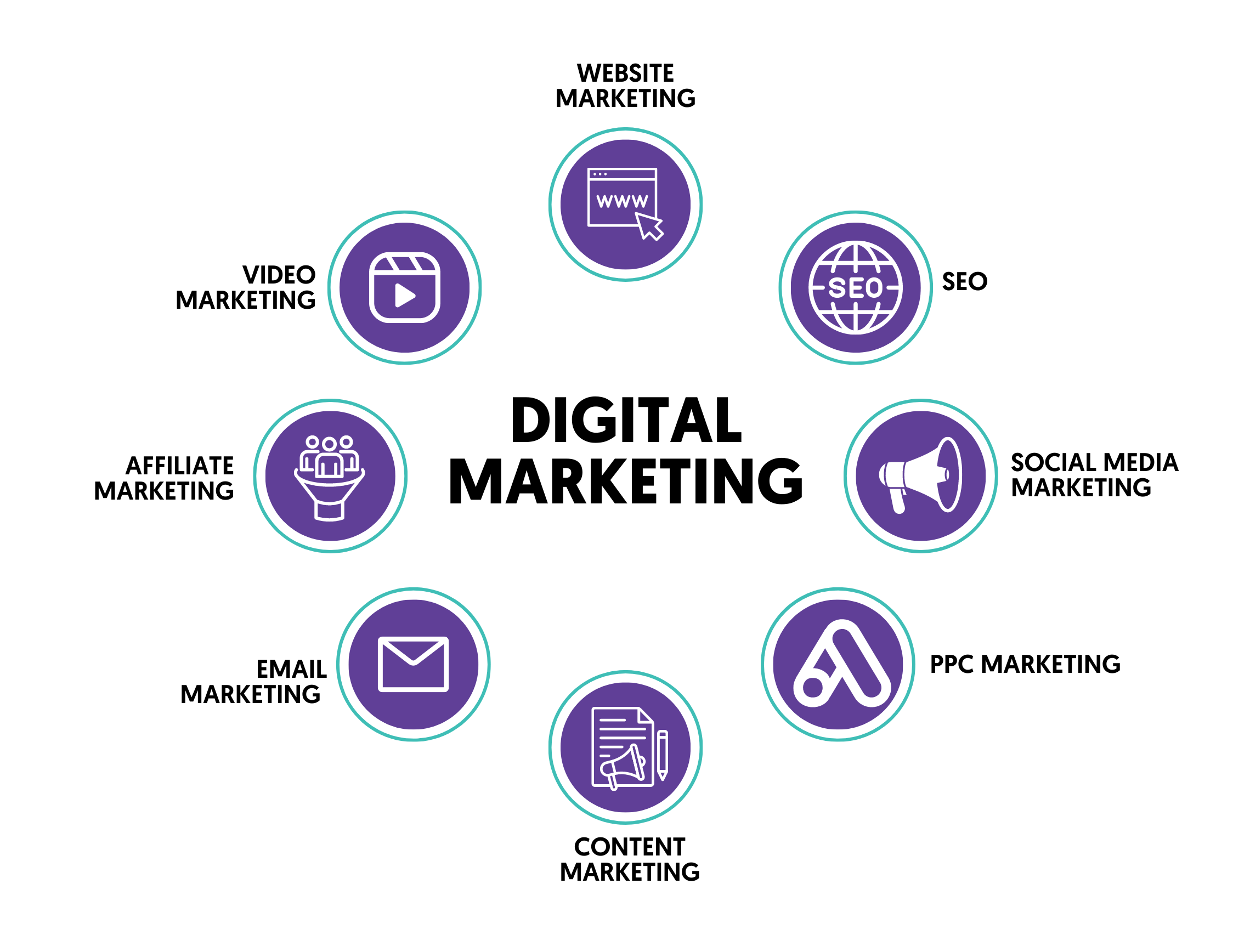
  • Search Engine Optimization (SEO): SEO involves optimizing your website to improve its visibility in search engine results pages, driving organic traffic.
  • Content Marketing: Content marketing focuses on creating and distributing valuable, relevant content to attract and engage a specific audience.
  • Social Media Marketing: Social media marketing involves promoting your brand and content on social media platforms to increase brand awareness and drive traffic.
  • Email Marketing: Email marketing involves sending targeted emails to prospects and customers to nurture leads and build customer relationships.
  • Pay-Per-Click (PPC) Advertising: PPC advertising allows businesses to place ads on search engines or websites and pay a fee each time the ad is clicked.

The Importance of Digital Marketing

In today’s highly competitive business landscape, digital marketing plays a crucial role in reaching and engaging target audiences effectively. It offers businesses the opportunity to connect with customers in real-time, track performance metrics accurately, and adjust strategies based on data-driven insights.

The Future of Digital Marketing

As technology continues to advance rapidly, the future of digital marketing holds exciting possibilities. Artificial intelligence, machine learning, augmented reality, and other emerging technologies will further revolutionize how businesses interact with consumers online. Staying ahead of these trends will be essential for businesses looking to stay competitive in the digital marketplace.

In conclusion, digital marketing is more than just a buzzword—it is a powerful tool that can help businesses thrive in the digital age by reaching the right audience with the right message at the right time.


Understanding Digital Marketing: Key Roles, Concepts, and Examples Explained

  1. What does a job in digital marketing do?
  2. What does a digital marketer do?
  3. Why is it called digital marketing?
  4. What is digital marketing in easy words?
  5. What is digital marketing example?
  6. What are the 5 key of digital marketing?
  7. What is meant by digital marketing?

What does a job in digital marketing do?

A job in digital marketing involves developing and implementing online strategies to promote products or services, increase brand awareness, and engage with target audiences through various digital channels. Professionals in this field utilise a range of digital marketing techniques such as SEO, content marketing, social media management, email campaigns, and online advertising to drive traffic, generate leads, and ultimately boost conversions for businesses. They analyse data and metrics to measure the effectiveness of campaigns, identify trends, and make informed decisions to optimise marketing efforts. A career in digital marketing requires creativity, analytical skills, adaptability to changing trends, and a deep understanding of consumer behaviour in the online space.

What does a digital marketer do?

A digital marketer is responsible for developing and implementing online marketing strategies to promote products or services through various digital channels. Their role involves creating engaging content, managing social media platforms, executing email campaigns, analysing data to track performance, and optimising digital advertising efforts. Digital marketers work to enhance brand visibility, drive website traffic, generate leads, and ultimately increase conversions. They stay up-to-date with the latest trends in digital technology and consumer behaviour to ensure their marketing efforts are effective and aligned with the overall business goals.

Why is it called digital marketing?

Digital marketing is named as such because it refers to the use of digital technologies and channels to promote products or services to consumers. Unlike traditional marketing methods that rely on physical materials and offline interactions, digital marketing harnesses the power of the internet, mobile devices, social media platforms, and other digital mediums to reach target audiences. The term “digital” highlights the shift towards online strategies and tactics in response to the increasing importance of digital platforms in today’s interconnected world. By leveraging these digital tools, businesses can connect with their audience in a more targeted, measurable, and cost-effective manner, driving engagement and conversions in the digital realm.

What is digital marketing in easy words?

Digital marketing, in simple terms, refers to the use of online channels and platforms to promote products or services. It involves various strategies such as search engine optimization (SEO), social media marketing, email campaigns, and pay-per-click advertising to reach and engage target audiences. Essentially, digital marketing leverages the power of the internet to connect businesses with potential customers in a more targeted and measurable way compared to traditional marketing methods.

What is digital marketing example?

Digital marketing encompasses a wide range of strategies and tactics used by businesses to promote their products or services online. An example of digital marketing could be a company running a targeted Facebook advertising campaign to reach a specific demographic group interested in their products. By creating engaging ad content and leveraging Facebook’s targeting capabilities, the company can effectively connect with potential customers, drive traffic to their website, and ultimately increase sales. This example demonstrates how digital marketing utilises online platforms to engage with audiences in a more personalised and measurable way compared to traditional marketing methods.

What are the 5 key of digital marketing?

In the realm of digital marketing, understanding the five key components is essential for crafting successful online strategies. These components include Search Engine Optimization (SEO), Content Marketing, Social Media Marketing, Email Marketing, and Pay-Per-Click (PPC) Advertising. SEO focuses on improving website visibility in search engine results, while content marketing aims to engage audiences with valuable content. Social media marketing leverages platforms to boost brand awareness, email marketing nurtures customer relationships through targeted campaigns, and PPC advertising enables businesses to drive traffic through paid ads. Mastering these five pillars of digital marketing is crucial for businesses looking to thrive in the digital landscape and connect effectively with their target audience.

What is meant by digital marketing?

Digital marketing refers to the practice of promoting products or services using various online channels and digital technologies. It encompasses a wide range of strategies and tactics aimed at reaching and engaging target audiences through platforms such as search engines, social media, email, and websites. In essence, digital marketing leverages the power of the internet to connect businesses with their customers in a more personalised and interactive manner. By utilising tools like SEO, content marketing, social media advertising, and email campaigns, businesses can enhance their online presence, drive traffic to their websites, and ultimately generate leads and conversions.

digital marketing firm

Elevate Your Online Presence with a Leading Digital Marketing Firm

The Role of a Digital Marketing Firm in Today’s Business Landscape

In the fast-paced digital age, businesses are constantly seeking ways to stand out in a crowded online marketplace. This is where a digital marketing firm plays a crucial role. A digital marketing firm is a strategic partner that helps businesses navigate the complexities of the digital world and reach their target audience effectively.

Services Offered by Digital Marketing Firms

Digital marketing firms offer a wide range of services designed to enhance a company’s online presence and drive growth. These services may include:

  • Search Engine Optimization (SEO): Optimising website content and structure to improve search engine rankings and increase organic traffic.
  • Pay-Per-Click (PPC) Advertising: Creating and managing targeted advertising campaigns to drive traffic and conversions.
  • Social Media Marketing: Developing strategies to engage with audiences on popular social media platforms and build brand awareness.
  • Email Marketing: Crafting personalised email campaigns to nurture leads and maintain customer relationships.
  • Content Marketing: Creating valuable, relevant content to attract and retain customers, ultimately driving profitable customer action.

The Benefits of Working with a Digital Marketing Firm

Collaborating with a digital marketing firm offers several advantages for businesses looking to succeed in the digital space. Some key benefits include:

  • Expertise: Digital marketing firms have specialised knowledge and experience in various aspects of online marketing, ensuring that strategies are effective and results-driven.
  • Data-Driven Approach: Digital marketing firms use data analytics to track performance metrics and make informed decisions for continuous improvement.
  • Creative Solutions: With a team of creative professionals, digital marketing firms can develop innovative campaigns that resonate with target audiences.
  • Saves Time and Resources: Outsourcing digital marketing tasks to a firm allows businesses to focus on core operations while experts handle their online presence.

In Conclusion

A digital marketing firm serves as a valuable partner for businesses seeking growth and success in the competitive digital landscape. By leveraging expertise, creativity, and data-driven strategies, these firms help companies achieve their online objectives and connect with their target audience effectively. Embracing the services of a digital marketing firm can be the key to unlocking new opportunities and maximising online potential in today’s business environment.


Top 8 FAQs About Choosing and Working with a Digital Marketing Firm

  1. What services does a digital marketing firm offer?
  2. How can a digital marketing firm help my business grow?
  3. What is the difference between digital marketing and traditional marketing?
  4. How do I choose the right digital marketing firm for my business?
  5. What results can I expect from working with a digital marketing firm?
  6. Is social media marketing included in the services of a digital marketing firm?
  7. Do I need a large budget to hire a digital marketing firm?
  8. Can a digital marketing firm help improve my website’s search engine ranking?

What services does a digital marketing firm offer?

A digital marketing firm offers a comprehensive range of services tailored to enhance a company’s online presence and drive growth in the digital landscape. These services typically include search engine optimization (SEO) to improve website visibility, pay-per-click (PPC) advertising for targeted campaigns, social media marketing to engage with audiences, email marketing for customer communication, and content marketing to attract and retain customers. By leveraging expertise in these areas, digital marketing firms help businesses reach their target audience effectively and achieve their online objectives.

How can a digital marketing firm help my business grow?

A digital marketing firm can significantly contribute to the growth of your business by leveraging its expertise in online strategies and tactics. Through services such as search engine optimization (SEO), pay-per-click (PPC) advertising, social media marketing, email campaigns, and content creation, a digital marketing firm can enhance your online presence and reach a wider audience. By developing targeted campaigns, analysing data to make informed decisions, and implementing creative solutions, a digital marketing firm can help increase brand visibility, drive traffic to your website, generate leads, and ultimately boost conversions. With their specialised knowledge and experience in the digital landscape, a digital marketing firm can provide tailored solutions that align with your business goals and contribute to sustainable growth in today’s competitive market.

What is the difference between digital marketing and traditional marketing?

In the realm of marketing, the distinction between digital marketing and traditional marketing lies in their approaches to reaching and engaging with audiences. Traditional marketing encompasses conventional methods such as print ads, TV commercials, and direct mail, while digital marketing utilises online channels like social media, email campaigns, and search engine optimisation. The key differentiator is the ability of digital marketing to target specific demographics, track real-time performance metrics, and engage with audiences in a more interactive and personalised manner. In contrast, traditional marketing often relies on mass distribution and has limited capabilities for audience segmentation and precise measurement of results. As consumer behaviours continue to shift towards online platforms, understanding the nuances between digital and traditional marketing is essential for businesses to adapt their strategies effectively in today’s dynamic marketplace.

How do I choose the right digital marketing firm for my business?

When selecting the right digital marketing firm for your business, it is essential to consider several key factors to ensure a successful partnership. Begin by assessing the firm’s expertise and experience in your industry, as well as their track record of delivering results for clients. Look for a firm that aligns with your business goals and values, and offers a comprehensive range of services that meet your specific needs. Additionally, consider the firm’s communication style, transparency, and ability to tailor strategies to suit your unique requirements. By conducting thorough research, asking relevant questions, and seeking recommendations, you can confidently choose a digital marketing firm that will help elevate your brand and drive growth in the digital realm.

What results can I expect from working with a digital marketing firm?

When partnering with a digital marketing firm, businesses can expect to see tangible results in terms of increased online visibility, enhanced brand awareness, higher website traffic, improved lead generation, and ultimately, a boost in conversions and revenue. Digital marketing firms utilise a range of strategies tailored to each client’s specific goals, such as search engine optimisation (SEO), pay-per-click (PPC) advertising, social media marketing, and content creation. By leveraging expertise in these areas and implementing data-driven approaches, businesses can experience measurable growth and success in the competitive digital landscape through their collaboration with a digital marketing firm.

Is social media marketing included in the services of a digital marketing firm?

Social media marketing is a common service offered by digital marketing firms. It involves creating and implementing strategies to engage with audiences on various social media platforms such as Facebook, Instagram, Twitter, and LinkedIn. Social media marketing aims to build brand awareness, drive website traffic, and generate leads through targeted content and advertising campaigns. By leveraging the power of social media, digital marketing firms help businesses connect with their target audience effectively and enhance their online presence in today’s competitive digital landscape.

Do I need a large budget to hire a digital marketing firm?

When considering hiring a digital marketing firm, one common question that arises is whether a large budget is necessary. The answer to this question varies depending on the specific needs and goals of your business. While some digital marketing firms may require a substantial budget for comprehensive campaigns, many firms offer tailored solutions that can be adapted to different budget sizes. It’s important to communicate your budget constraints with the firm upfront so that they can propose strategies that align with your financial resources while still delivering impactful results. Ultimately, the key is to find a digital marketing firm that can provide value within your budget parameters and help you achieve your online marketing objectives effectively.

Can a digital marketing firm help improve my website’s search engine ranking?

Engaging the services of a digital marketing firm can indeed play a significant role in enhancing your website’s search engine ranking. A reputable digital marketing firm will have experts in search engine optimisation (SEO) who can implement strategies to improve your website’s visibility and relevance to search engines. By conducting keyword research, optimising on-page elements, building quality backlinks, and monitoring performance metrics, a digital marketing firm can help boost your website’s organic traffic and ultimately improve its search engine ranking over time. Collaborating with a digital marketing firm can be a valuable investment in achieving better online visibility and attracting more qualified leads to your website.

digital marketing marketing

Mastering the Art of Digital Marketing: Strategies for Effective Online Marketing

The Power of Digital Marketing

The Power of Digital Marketing

In today’s digital age, marketing has evolved significantly with the rise of digital channels and technologies. Digital marketing encompasses a wide range of online tactics and strategies aimed at reaching and engaging target audiences to promote products or services. Let’s explore the key aspects that make digital marketing a powerful tool for businesses:

Targeted Reach

Digital marketing allows businesses to target specific demographics, interests, and behaviours of their audience with precision. Through tools like social media advertising, search engine optimisation (SEO), and email marketing, businesses can tailor their messages to resonate with the right people at the right time.

Cost-Effective

Compared to traditional marketing methods such as print or TV ads, digital marketing is often more cost-effective. Businesses can allocate their budgets efficiently by choosing targeted online campaigns that deliver measurable results. This cost-effectiveness makes digital marketing accessible to businesses of all sizes.

Measurable Results

One of the significant advantages of digital marketing is the ability to track and measure campaign performance in real-time. Analytics tools provide valuable insights into key metrics such as website traffic, conversion rates, click-through rates, and more. This data allows businesses to adjust their strategies on the fly for optimal results.

Enhanced Engagement

Digital marketing offers various interactive channels for engaging with customers in meaningful ways. Social media platforms, blogs, videos, and email campaigns enable businesses to build relationships with their audience through valuable content and two-way communication. This engagement fosters brand loyalty and drives customer retention.

Global Reach

With digital marketing, businesses can expand their reach beyond geographical boundaries and target audiences worldwide. The internet provides a platform for reaching potential customers across different regions and time zones, opening up new opportunities for growth and expansion.

Adaptability

In the fast-paced digital landscape, businesses need to stay agile and adapt quickly to changes in consumer behaviour and market trends. Digital marketing offers the flexibility to test different strategies, refine approaches based on data insights, and pivot campaigns as needed to stay ahead of the competition.

In conclusion, digital marketing has revolutionised the way businesses connect with their audiences and drive growth in today’s competitive marketplace. By harnessing the power of digital channels effectively, businesses can achieve greater visibility, engagement, and ROI than ever before.


Essential FAQs on Digital Marketing: A Comprehensive Guide for Beginners and Experts

  1. What is the 3 major part of digital marketing?
  2. How do beginners start digital marketing?
  3. What are 4 keys of digital marketing?
  4. What exactly do digital marketing do?
  5. What is digital marketing and an example?
  6. What is digital marketing good for?
  7. What is the 3 digital marketing?
  8. What are the 5 stages of digital marketing?
  9. What is digital marketing in marketing?
  10. What are the 4 main of digital marketing?
  11. What are the 7 types of digital marketing?
  12. What are the 7 P’s of digital marketing?
  13. Is digital marketing Easy?
  14. What are some examples of digital marketing?
  15. What is the 3-3-3 rule in marketing?
  16. What are the 4 P’s of digital marketing?
  17. What are the 5 of digital marketing?
  18. What are examples of digital marketing?
  19. What are the 4 types of digital marketing?
  20. How can I do digital marketing?
  21. What are the 7 M of digital marketing?
  22. What type of marketing is digital marketing?
  23. What is digital marketing example?

What is the 3 major part of digital marketing?

In the realm of digital marketing, the three major components that form the foundation of any successful strategy are search engine optimisation (SEO), social media marketing, and content marketing. SEO focuses on improving a website’s visibility in search engine results to drive organic traffic. Social media marketing involves leveraging platforms like Facebook, Instagram, and Twitter to engage with audiences and promote products or services. Content marketing revolves around creating valuable and relevant content to attract and retain customers, ultimately driving profitable customer action. These three pillars work together synergistically to enhance brand presence, reach target audiences, and achieve marketing objectives in the digital landscape.

How do beginners start digital marketing?

For beginners looking to venture into the world of digital marketing, a solid starting point is to gain a foundational understanding of key concepts and strategies. This can involve taking online courses or certifications to learn about topics such as search engine optimisation (SEO), social media marketing, email campaigns, and content creation. Practical experience through internships or freelance projects can also provide valuable hands-on learning opportunities. Building a strong online presence through personal branding and networking within the digital marketing community can further enhance skills and knowledge. By investing time in education, gaining practical experience, and staying updated on industry trends, beginners can embark on their digital marketing journey with confidence and readiness to grow in this dynamic field.

What are 4 keys of digital marketing?

When it comes to digital marketing, understanding the four key elements is essential for success. The first key is targeting the right audience through precise demographic and behavioural segmentation. Next, engaging content creation plays a crucial role in capturing and retaining audience interest. Utilising data analytics to measure and optimise campaign performance is another vital key to digital marketing success. Lastly, staying abreast of emerging trends and technologies ensures that businesses remain competitive and innovative in their digital marketing strategies. By focusing on these four keys – audience targeting, content creation, analytics, and innovation – businesses can effectively navigate the dynamic landscape of digital marketing and achieve their goals.

What exactly do digital marketing do?

Digital marketing encompasses a wide range of online strategies and tactics aimed at promoting products or services through digital channels. Essentially, digital marketing involves leveraging platforms such as social media, search engines, email, and websites to reach and engage target audiences. It includes activities like content creation, search engine optimisation (SEO), pay-per-click (PPC) advertising, social media marketing, email campaigns, and more. The primary goal of digital marketing is to drive brand awareness, generate leads, increase website traffic, and ultimately convert prospects into customers. By utilising various digital tools and techniques, businesses can effectively communicate their message to the right audience at the right time to achieve their marketing objectives.

What is digital marketing and an example?

Digital marketing refers to the use of online channels and technologies to promote products or services to a targeted audience. It encompasses a wide range of strategies, such as social media marketing, search engine optimisation (SEO), email marketing, and content marketing, among others. An example of digital marketing is a company using Facebook ads to promote its new range of skincare products to women aged 25-40 who have shown an interest in beauty products. By utilising targeted advertising on a popular social media platform, the company can reach its desired audience effectively and measure the campaign’s success through engagement metrics and sales conversions.

What is digital marketing good for?

Digital marketing is highly effective for businesses looking to enhance their online presence, reach target audiences with precision, and drive measurable results. By leveraging digital channels such as social media, search engines, email campaigns, and content marketing, businesses can effectively promote their products or services to a global audience. Digital marketing offers cost-effective strategies that provide measurable results in real-time, allowing businesses to track performance and adjust their tactics for optimal outcomes. Additionally, digital marketing fosters enhanced engagement with customers through interactive platforms, building brand loyalty and driving customer retention. Overall, digital marketing is a powerful tool for businesses seeking to increase visibility, expand their reach, and achieve growth in today’s competitive marketplace.

What is the 3 digital marketing?

In the realm of digital marketing, the concept of the “3 digital marketing” refers to the three core pillars that form the foundation of a successful online marketing strategy. These pillars typically include content marketing, social media marketing, and search engine optimisation (SEO). Content marketing focuses on creating valuable and relevant content to attract and engage target audiences. Social media marketing involves leveraging social platforms to build brand awareness, drive traffic, and foster customer relationships. SEO is essential for improving a website’s visibility in search engine results, making it easier for potential customers to find your business online. By integrating these three key elements into their digital marketing efforts, businesses can enhance their online presence and achieve their marketing goals effectively.

What are the 5 stages of digital marketing?

In digital marketing, the five stages of a typical customer journey are crucial for understanding and engaging with target audiences effectively. The first stage is awareness, where businesses aim to attract the attention of potential customers and make them aware of their products or services. This is followed by the consideration stage, where consumers evaluate their options and compare different offerings. The conversion stage is where the actual sale or desired action takes place, turning leads into customers. Post-conversion, businesses focus on retention to build long-term relationships with customers and encourage repeat purchases. Finally, the advocacy stage involves turning satisfied customers into brand advocates who promote the business through word-of-mouth and online reviews, completing the cycle of digital marketing success.

What is digital marketing in marketing?

Digital marketing in marketing refers to the use of online channels and technologies to promote products or services and engage with target audiences. It encompasses a wide range of tactics such as social media marketing, search engine optimisation (SEO), email marketing, content creation, and online advertising. The goal of digital marketing is to reach potential customers where they spend their time online, deliver tailored messages that resonate with their needs and interests, and drive conversions. By leveraging the power of digital platforms, businesses can increase brand awareness, generate leads, and ultimately boost sales in today’s competitive marketplace.

What are the 4 main of digital marketing?

In digital marketing, the four main pillars encompass various strategies and tactics that businesses utilise to reach and engage their target audience effectively. These pillars include search engine optimisation (SEO), which focuses on improving a website’s visibility in search engine results; social media marketing, which leverages platforms like Facebook, Instagram, and Twitter to connect with customers; pay-per-click (PPC) advertising, where businesses pay for ad placements on search engines or social media based on user clicks; and content marketing, which involves creating valuable and relevant content to attract and retain customers. These four pillars form the foundation of a robust digital marketing strategy that can drive brand awareness, customer engagement, and ultimately, business growth.

What are the 7 types of digital marketing?

In the realm of digital marketing, understanding the various types of strategies and channels available is crucial for crafting a comprehensive and effective marketing plan. The seven key types of digital marketing include search engine optimisation (SEO), pay-per-click (PPC) advertising, social media marketing, content marketing, email marketing, affiliate marketing, and influencer marketing. Each of these tactics plays a unique role in reaching and engaging target audiences online, driving traffic to websites, generating leads, and ultimately boosting conversions. By utilising a combination of these digital marketing approaches, businesses can create a well-rounded strategy to achieve their goals and stand out in the competitive digital landscape.

What are the 7 P’s of digital marketing?

The 7 P’s of digital marketing refer to the key elements that businesses need to consider when developing their online strategies. These include Product, Price, Place, Promotion, People, Process, and Physical Evidence. Each ‘P’ plays a crucial role in shaping a comprehensive digital marketing plan. From defining the product or service offering to determining pricing strategies, selecting the right channels for promotion, understanding the target audience, establishing efficient processes, and providing tangible evidence of value, the 7 P’s provide a framework for businesses to create successful and impactful digital marketing campaigns.

Is digital marketing Easy?

The question of whether digital marketing is easy is a common one among those exploring the realm of online promotion. While digital marketing offers a plethora of tools and platforms to reach target audiences, it is not inherently easy. Success in digital marketing requires a deep understanding of various strategies, consistent effort, and adaptability to the ever-evolving digital landscape. Effective digital marketing involves continuous learning, data analysis, and strategic decision-making to achieve desired outcomes. While it may seem daunting at first, with dedication and the right approach, individuals and businesses can harness the power of digital marketing to enhance their online presence and drive growth.

What are some examples of digital marketing?

Digital marketing encompasses a wide range of strategies and tactics aimed at reaching and engaging target audiences online. Some common examples of digital marketing include search engine optimisation (SEO) to improve website visibility in search results, social media marketing to connect with audiences on platforms like Facebook and Instagram, email marketing to nurture leads and drive conversions, pay-per-click (PPC) advertising for targeted campaigns, content marketing to provide valuable information to users, and influencer partnerships to leverage the reach of popular personalities. These are just a few examples of the diverse approaches that businesses can utilise in their digital marketing efforts to achieve their goals effectively.

What is the 3-3-3 rule in marketing?

The 3-3-3 rule in marketing refers to a strategic approach that involves focusing on three key elements: the right message, delivered to the right audience, through the right channel. By adhering to this rule, marketers aim to create targeted and impactful campaigns that resonate with their target market. This rule emphasises the importance of crafting compelling content, understanding the needs and preferences of the target audience, and selecting appropriate channels for reaching and engaging customers effectively. Following the 3-3-3 rule can help businesses enhance their marketing efforts and achieve better results in today’s competitive digital landscape.

What are the 4 P’s of digital marketing?

In the realm of digital marketing, the concept of the 4 P’s refers to Product, Price, Place, and Promotion. These fundamental elements serve as pillars for developing effective marketing strategies in the digital landscape. Product focuses on understanding and enhancing the offering to meet customer needs. Price involves setting competitive pricing strategies that resonate with target audiences. Place pertains to selecting the right channels and platforms to reach customers where they are most active online. Promotion encompasses tactics for raising brand awareness, driving engagement, and ultimately converting leads into customers through various digital marketing techniques. Understanding and leveraging the 4 P’s of digital marketing can help businesses create impactful campaigns that deliver results in today’s dynamic online environment.

What are the 5 of digital marketing?

In the realm of digital marketing, understanding the core pillars is essential for crafting successful strategies. The five key components of digital marketing encompass search engine optimisation (SEO), social media marketing, email marketing, content marketing, and pay-per-click (PPC) advertising. Each of these elements plays a crucial role in reaching and engaging target audiences, driving traffic to websites, and ultimately converting leads into customers. By leveraging these fundamental aspects of digital marketing effectively, businesses can enhance their online presence, build brand awareness, and achieve measurable results in today’s competitive digital landscape.

What are examples of digital marketing?

Digital marketing encompasses a wide array of strategies and tactics aimed at promoting products or services online. Some common examples of digital marketing include search engine optimisation (SEO) to improve website visibility in search engine results, pay-per-click (PPC) advertising for targeted online ads, social media marketing to engage with audiences on platforms like Facebook and Instagram, email marketing for personalised communication with customers, content marketing through blogs and videos to provide valuable information, and influencer marketing to leverage the influence of popular individuals or brands to reach a wider audience. These examples demonstrate the diverse and dynamic nature of digital marketing in today’s digital landscape.

What are the 4 types of digital marketing?

In the realm of digital marketing, there are four main types that businesses often leverage to reach their target audiences effectively. These include search engine optimisation (SEO), which focuses on improving a website’s visibility in search engine results pages; pay-per-click (PPC) advertising, where businesses pay for ad placements on search engines and websites; social media marketing, which involves promoting products or services on social platforms to engage with users; and content marketing, which revolves around creating and sharing valuable content to attract and retain customers. Each type plays a crucial role in a comprehensive digital marketing strategy, offering unique benefits and opportunities for businesses to connect with their audience in meaningful ways.

How can I do digital marketing?

To embark on a successful digital marketing journey, it is essential to start by defining clear objectives and understanding your target audience. Researching your market and competitors can provide valuable insights into trends and opportunities. Next, develop a comprehensive digital marketing strategy that incorporates various tactics such as search engine optimisation (SEO), social media marketing, content creation, email campaigns, and paid advertising. Consistent monitoring and analysis of key performance indicators (KPIs) will help you evaluate the effectiveness of your efforts and make informed decisions to optimise your digital marketing activities for maximum impact. Remember, digital marketing is an ongoing process that requires creativity, adaptability, and a commitment to engaging with your audience authentically.

What are the 7 M of digital marketing?

The 7 M’s of digital marketing refer to the key components that are essential for a successful digital marketing strategy. These include Market, Message, Media, Method, Money, Measurement, and Management. Understanding the target market and crafting a compelling message are crucial for engaging with the right audience. Choosing the appropriate media channels and methods to deliver the message effectively is essential for reaching potential customers. Allocating budget wisely, measuring campaign performance, and managing resources efficiently are also vital aspects of a comprehensive digital marketing plan that can drive business growth and success in the online realm.

What type of marketing is digital marketing?

Digital marketing is a form of marketing that utilises online channels and digital technologies to promote products or services to target audiences. It encompasses a wide range of tactics such as social media marketing, search engine optimisation (SEO), email marketing, content marketing, and more. Unlike traditional marketing methods, digital marketing leverages the power of the internet to reach consumers where they spend a significant amount of their time – online. By engaging with customers through interactive and personalised strategies, digital marketing enables businesses to build brand awareness, drive website traffic, generate leads, and ultimately increase sales in today’s digitally connected world.

What is digital marketing example?

Digital marketing encompasses a wide range of online strategies and tactics used by businesses to promote their products or services. An example of digital marketing is social media advertising, where companies leverage platforms like Facebook, Instagram, or LinkedIn to reach their target audience with targeted ads. Another example is search engine optimisation (SEO), which involves optimising website content to improve its visibility in search engine results. Email marketing is also a common digital marketing example, where businesses send personalised emails to subscribers to promote offers or updates. These examples illustrate the diverse and dynamic nature of digital marketing in engaging and connecting with audiences in the digital realm.

advertising

Mastering the Art of Effective Advertising Strategies

The Power of Advertising: Shaping Consumer Perceptions

The Power of Advertising: Shaping Consumer Perceptions

Advertising is a powerful tool that businesses use to communicate with their target audience, promote their products or services, and ultimately drive sales. It plays a crucial role in shaping consumer perceptions and influencing purchasing decisions.

One of the key benefits of advertising is its ability to create brand awareness. Through strategic advertising campaigns, companies can introduce their brand to a wide audience and establish a strong presence in the market. Consistent and compelling advertising helps build brand recognition and loyalty among consumers.

Moreover, advertising allows businesses to highlight the unique selling points of their products or services. By showcasing the features and benefits of what they offer, companies can differentiate themselves from competitors and attract potential customers. Effective advertising conveys a clear message that resonates with the target audience, prompting them to take action.

In today’s digital age, advertising has evolved beyond traditional mediums such as print and television to encompass online channels like social media and search engines. Digital advertising offers greater targeting capabilities, allowing businesses to reach specific demographics with precision. This personalised approach enhances the effectiveness of advertising campaigns and maximises return on investment.

Furthermore, advertising plays a significant role in driving consumer behaviour. By creating engaging and persuasive content, advertisers can influence how consumers perceive a product or service. Cleverly crafted advertisements have the power to evoke emotions, trigger desires, and prompt immediate action, leading to increased sales and revenue for businesses.

In conclusion, advertising is an indispensable tool for businesses looking to connect with consumers, build brand awareness, drive sales, and stay ahead in a competitive marketplace. By harnessing the power of advertising effectively, companies can shape consumer perceptions, influence purchasing decisions, and ultimately achieve their marketing objectives.


Understanding Advertising: Key Questions and Concepts Explained

  1. What is advertisement and its types?
  2. Why is the advertising?
  3. How do you explain advertising?
  4. What is advertising and example?
  5. What is known as advertising?
  6. What do you mean advertising?
  7. What are the means of advertising?
  8. What are types of advertising?
  9. Which is an advertisement?
  10. What is the main purpose of advertising?
  11. What is the difference between marketing and advertising?
  12. What are the 5 principles of advertising?

What is advertisement and its types?

Advertising is a strategic communication tool used by businesses to promote their products or services to a target audience. It involves creating persuasive messages and delivering them through various channels to attract and engage consumers. There are several types of advertising, including print advertising in newspapers and magazines, broadcast advertising on television and radio, digital advertising on websites and social media platforms, outdoor advertising on billboards and posters, and more. Each type of advertising serves different purposes and caters to specific audience preferences, allowing businesses to reach their target market effectively and achieve their marketing goals.

Why is the advertising?

The question “Why is advertising?” is frequently asked as it delves into the fundamental purpose and significance of advertising in the business world. Advertising serves as a vital communication tool that enables companies to reach their target audience, promote their products or services, and build brand awareness. By investing in advertising, businesses can differentiate themselves from competitors, attract new customers, and ultimately drive sales. Advertising plays a crucial role in shaping consumer perceptions, influencing purchasing decisions, and maintaining a competitive edge in the market. In essence, advertising is essential for businesses to connect with consumers, convey their unique value proposition, and achieve their marketing objectives effectively.

How do you explain advertising?

Explaining advertising involves highlighting its role as a strategic communication tool used by businesses to promote their products or services to a target audience. Advertising encompasses various mediums, such as print, television, digital platforms, and more, to convey persuasive messages that aim to influence consumer behaviour and drive sales. It is a creative process that involves crafting compelling content and visuals to capture the attention of consumers and differentiate a brand from its competitors. Ultimately, advertising serves as a bridge between businesses and consumers, helping to build brand awareness, establish credibility, and ultimately achieve marketing objectives in a competitive marketplace.

What is advertising and example?

Advertising is a strategic communication tool used by businesses to promote their products or services to a target audience. It involves creating and delivering persuasive messages through various channels to influence consumer behaviour and drive sales. An example of advertising can be seen in television commercials where companies showcase their products in a visually engaging way while highlighting key benefits to attract potential customers. Through creative storytelling and compelling visuals, advertising aims to capture the attention of consumers, create brand awareness, and ultimately encourage them to make a purchase decision.

What is known as advertising?

Advertising is the strategic communication process through which businesses promote their products or services to a target audience. It involves creating and disseminating persuasive messages through various channels, such as print, television, radio, online platforms, and social media, with the aim of influencing consumer behaviour and driving sales. Advertising is known for its ability to build brand awareness, differentiate products from competitors, and ultimately generate revenue for companies. By crafting compelling messages that resonate with consumers, advertising plays a vital role in shaping perceptions and creating a lasting impact in the minds of the audience.

What do you mean advertising?

Advertising refers to the strategic communication efforts employed by businesses and organisations to promote their products, services, or brand to a target audience. It encompasses a wide range of marketing activities aimed at creating awareness, generating interest, and ultimately driving consumer action. Through various channels such as print, television, radio, online platforms, and more, advertising seeks to convey persuasive messages that highlight the unique selling points of a product or service. By leveraging creative content and effective storytelling, advertising plays a vital role in influencing consumer perceptions, shaping brand identity, and ultimately contributing to business growth and success.

What are the means of advertising?

There are various means of advertising that businesses can utilise to reach their target audience and promote their products or services effectively. Traditional advertising methods include print media such as newspapers and magazines, broadcast media like television and radio, as well as outdoor advertising through billboards and signage. In the digital age, online advertising has become increasingly popular, encompassing channels such as social media platforms, search engines, email marketing, and display ads. Each advertising medium offers unique advantages in terms of reach, targeting capabilities, and engagement levels, allowing businesses to choose the most suitable means to connect with their desired audience and achieve their marketing goals.

What are types of advertising?

There are various types of advertising that businesses can utilise to reach their target audience and promote their products or services effectively. Some common forms of advertising include traditional methods such as print ads in newspapers and magazines, television commercials, radio spots, and outdoor billboards. In the digital realm, businesses can leverage online advertising channels like social media ads, search engine marketing, display banners, email marketing, and influencer partnerships to engage with consumers in a more targeted and interactive manner. Each type of advertising has its own strengths and advantages, allowing businesses to choose the most suitable platforms to communicate their message and achieve their marketing goals.

Which is an advertisement?

An advertisement is a promotional message or communication that aims to inform, persuade, or remind consumers about a product, service, or brand. It can take various forms, such as print ads in newspapers or magazines, commercials on television or radio, online banners on websites, sponsored posts on social media platforms, and more. Advertisements are designed to grab the attention of the target audience and convey a specific message that promotes the benefits or features of the advertised offering. Ultimately, the goal of an advertisement is to influence consumer behaviour by encouraging people to take a desired action, such as making a purchase or visiting a website.

What is the main purpose of advertising?

The main purpose of advertising is to communicate with target audiences, promote products or services, and drive consumer engagement and sales. Advertising serves as a powerful tool for businesses to create brand awareness, differentiate themselves from competitors, and influence consumer perceptions. By conveying compelling messages through various channels, such as print, television, digital media, and social platforms, advertising aims to attract attention, generate interest, and ultimately persuade individuals to take desired actions, whether it be making a purchase or engaging with a brand. In essence, the primary goal of advertising is to achieve marketing objectives by effectively reaching and resonating with the intended audience.

What is the difference between marketing and advertising?

The key distinction between marketing and advertising lies in their scope and purpose. Marketing encompasses a broader set of activities that involve identifying customer needs, creating products or services that meet those needs, determining pricing strategies, and developing channels for distribution. It is a strategic process that focuses on understanding the market, target audience, and competition to create a comprehensive plan for achieving business goals. On the other hand, advertising is a specific component of marketing that involves promoting products or services through paid messages across various media channels to reach and influence the target audience. While marketing sets the overall direction and strategy, advertising plays a tactical role in executing specific campaigns to communicate with customers and drive sales.

What are the 5 principles of advertising?

When exploring the question of the five principles of advertising, it is essential to delve into the core foundations that guide successful advertising strategies. These principles typically include clarity in messaging to convey a compelling and concise brand message, creativity to capture audience attention and differentiate from competitors, consistency in branding to establish a strong identity and build brand recognition, targeting the right audience through effective market segmentation and research, and measurement of advertising effectiveness through analytics and key performance indicators. By adhering to these principles, advertisers can create impactful campaigns that resonate with their target audience and drive desired outcomes.

digital marketing for dummies

Demystifying Digital Marketing for Dummies: A Beginner’s Guide to Online Success

Digital Marketing for Dummies

The Basics of Digital Marketing for Beginners

Digital marketing can seem like a complex and daunting world, but it doesn’t have to be. Whether you’re a small business owner, a marketing enthusiast, or simply curious about the digital landscape, this guide is here to help you understand the fundamentals of digital marketing.

What is Digital Marketing?

Digital marketing encompasses all online strategies and tactics used to promote and sell products or services. It includes various channels such as websites, social media, email, search engines, and more. The goal of digital marketing is to reach and engage with potential customers in the online space.

Key Components of Digital Marketing

Here are some essential components of digital marketing:

  • Website: Your website is your online storefront. It should be user-friendly, visually appealing, and optimised for search engines.
  • Social Media: Platforms like Facebook, Instagram, Twitter, and LinkedIn are powerful tools for building brand awareness and engaging with your audience.
  • Email Marketing: Sending targeted emails to your subscribers can help nurture leads and drive conversions.
  • SEO (Search Engine Optimisation): Optimising your website for search engines can improve its visibility in search results and drive organic traffic.
  • PPC (Pay-Per-Click) Advertising: Running targeted ads on platforms like Google Ads can help you reach your target audience quickly.

Tips for Getting Started in Digital Marketing

If you’re new to digital marketing, here are some tips to help you get started:

  1. Educate Yourself: Take advantage of online resources like blogs, courses, and webinars to learn more about digital marketing strategies.
  2. Create a Plan: Define your goals, target audience, and budget before diving into digital marketing activities.
  3. Track Your Progress: Use analytics tools to monitor the performance of your campaigns and make data-driven decisions.
  4. Stay Updated: The digital landscape is constantly evolving. Stay informed about industry trends and updates to stay ahead of the curve.

In Conclusion

Digital marketing may seem overwhelming at first glance, but with the right knowledge and approach, anyone can navigate this dynamic field successfully. By understanding the key components of digital marketing and following best practices, you can leverage the power of online channels to grow your business or personal brand effectively.

If you’re still feeling unsure about where to start with digital marketing, don’t hesitate to seek guidance from professionals or agencies who specialise in this area. Remember that continuous learning and adaptation are key to thriving in the ever-changing world of digital marketing.


Digital Marketing for Beginners: 9 Essential Tips to Boost Your Online Strategy

  1. Understand your target audience
  2. Create a strong online presence with a professional website
  3. Utilize social media platforms for marketing purposes
  4. Implement search engine optimization (SEO) strategies to improve visibility
  5. Engage with your audience through valuable content creation
  6. Use email marketing to nurture leads and build relationships
  7. Track and analyse data to make informed decisions
  8. Stay updated on digital marketing trends and best practices
  9. Experiment with different strategies to find what works best for your business

Understand your target audience

Understanding your target audience is a crucial aspect of digital marketing for beginners. By identifying who your ideal customers are, their preferences, behaviours, and needs, you can tailor your marketing efforts to resonate with them effectively. This knowledge allows you to create content that is relevant and engaging, choose the right channels to reach your audience, and ultimately drive conversions. Investing time in understanding your target audience will not only improve the success of your digital marketing campaigns but also build stronger relationships with potential customers.

Create a strong online presence with a professional website

Creating a strong online presence with a professional website is essential for any business looking to succeed in the digital age. Your website serves as the virtual face of your brand and is often the first point of contact for potential customers. A well-designed and user-friendly website not only enhances credibility but also helps to showcase your products or services effectively. By investing in a professional website, you can establish trust with your audience, improve brand visibility, and ultimately drive conversions. Remember, your website is a powerful tool that can significantly impact your digital marketing efforts and overall business success.

Utilize social media platforms for marketing purposes

In the realm of digital marketing for beginners, a crucial tip is to harness the power of social media platforms for promotional activities. With billions of active users across various platforms like Facebook, Instagram, Twitter, and LinkedIn, social media offers an unparalleled opportunity to connect with your target audience, build brand awareness, and drive engagement. By crafting compelling content tailored to each platform’s unique features and audience preferences, businesses can effectively leverage social media as a cost-effective and impactful marketing tool to boost their online presence and reach potential customers.

Implement search engine optimization (SEO) strategies to improve visibility

To enhance your online presence and attract more organic traffic to your website, it is crucial to implement search engine optimization (SEO) strategies effectively. By optimising your website with relevant keywords, high-quality content, and user-friendly design, you can improve its visibility in search engine results pages. SEO helps search engines like Google understand the relevance of your site to users’ queries, ultimately driving more targeted traffic to your digital assets. By focusing on SEO best practices, you can increase your online visibility and reach a wider audience interested in your products or services.

Engage with your audience through valuable content creation

Engaging with your audience through valuable content creation is a fundamental aspect of successful digital marketing. By creating content that is informative, entertaining, or inspiring, you can establish a meaningful connection with your target audience. Whether it’s through blog posts, social media updates, videos, or infographics, providing valuable content not only attracts and retains the attention of your audience but also positions you as an authority in your industry. Remember to tailor your content to address the needs and interests of your audience to foster engagement and build long-lasting relationships.

Use email marketing to nurture leads and build relationships

In the realm of digital marketing, utilising email marketing can be a powerful strategy for nurturing leads and establishing strong relationships with your audience. By sending targeted and relevant content to your subscribers, you can keep them engaged, provide value, and guide them through the buyer’s journey. Email marketing allows you to personalise your communication, build trust with potential customers, and ultimately drive conversions. It serves as a direct line of communication between your brand and your audience, fostering long-term relationships that can lead to increased loyalty and repeat business.

Track and analyse data to make informed decisions

Tracking and analysing data is a crucial aspect of digital marketing for beginners. By monitoring the performance of your campaigns and website, you can gain valuable insights into what is working well and what needs improvement. This data-driven approach allows you to make informed decisions based on real-time information, helping you optimise your strategies for better results. Whether it’s tracking website traffic, email open rates, or social media engagement, analysing data empowers you to adjust your tactics effectively and achieve your digital marketing goals more efficiently.

To excel in digital marketing, it is crucial to stay updated on the latest trends and best practices in the ever-evolving landscape. By keeping abreast of industry developments, new technologies, and consumer behaviours, you can adapt your strategies to remain relevant and competitive. Continuous learning and staying informed about digital marketing trends will not only help you stay ahead of the curve but also enable you to make informed decisions that drive success in your online campaigns.

Experiment with different strategies to find what works best for your business

To excel in digital marketing, it is crucial to experiment with various strategies to determine which ones yield the best results for your business. By testing different approaches across platforms such as social media, email marketing, SEO, and PPC advertising, you can identify what resonates most with your target audience and drives the highest engagement and conversions. Embracing a mindset of continuous experimentation and adaptation allows you to refine your digital marketing efforts over time and maximise the impact on your business’s growth and success.

marketing advertising

Mastering the Art of Marketing Advertising: Strategies for Success

The Power of Marketing Advertising

The Power of Marketing Advertising

Marketing advertising plays a crucial role in promoting products and services, creating brand awareness, and driving sales. It is a strategic communication tool that businesses use to reach their target audience and influence consumer behaviour.

Benefits of Marketing Advertising

Effective marketing advertising can:

  • Build Brand Awareness: By consistently showcasing your brand through various advertising channels, you can increase recognition and familiarity among consumers.
  • Drive Sales: Well-executed advertising campaigns can attract new customers, encourage repeat business, and ultimately boost sales revenue.
  • Engage Customers: Engaging and creative advertisements can capture the attention of your target audience, sparking interest and interaction with your brand.
  • Establish Credibility: Through strategic messaging and storytelling, advertising can help build trust and credibility for your brand in the eyes of consumers.
  • Stay Competitive: In today’s competitive market landscape, effective advertising can help differentiate your brand from competitors and stand out in the crowd.

Types of Marketing Advertising

There are various forms of marketing advertising, including:

  • Digital Advertising: Utilising online platforms such as social media, search engines, display ads, and email marketing to reach a digital audience.
  • Print Advertising: Traditional print mediums like newspapers, magazines, brochures, and flyers for targeted offline marketing campaigns.
  • Broadcast Advertising: Television and radio commercials that reach a wide audience through visual and audio storytelling.
  • Outdoor Advertising: Billboards, posters, bus wraps, and other outdoor signage for high-visibility brand exposure.

In conclusion, marketing advertising is a powerful tool that businesses can leverage to connect with their target audience effectively. By understanding the benefits of advertising and utilising various channels strategically, businesses can drive growth, enhance brand visibility, and achieve their marketing objectives.


Understanding Marketing Advertising: Key Questions Answered for Business Success

  1. What is marketing advertising and why is it important?
  2. How can businesses benefit from marketing advertising?
  3. What are the different types of marketing advertising channels available?
  4. How can I create an effective marketing advertising campaign?
  5. What metrics should I track to measure the success of my marketing advertising efforts?

What is marketing advertising and why is it important?

Marketing advertising is a strategic communication tool used by businesses to promote their products or services to a target audience. It involves creating and delivering persuasive messages through various channels to influence consumer behaviour, build brand awareness, and drive sales. Marketing advertising is important because it helps businesses connect with their customers, differentiate themselves from competitors, and establish a strong brand presence in the market. By effectively utilising advertising strategies, businesses can engage with their audience, convey their value proposition, and ultimately achieve their marketing objectives.

How can businesses benefit from marketing advertising?

Businesses can benefit significantly from marketing advertising in several ways. Firstly, it helps in building brand awareness by reaching a wide audience and establishing recognition for the products or services offered. Additionally, marketing advertising can drive sales by attracting new customers and encouraging repeat business through compelling messaging and promotions. Furthermore, it allows businesses to engage with their target audience effectively, creating opportunities for interaction and relationship-building. Ultimately, marketing advertising enables businesses to stay competitive in the market, differentiate themselves from competitors, and ultimately achieve their growth objectives.

What are the different types of marketing advertising channels available?

When exploring the diverse landscape of marketing advertising, it’s common to inquire about the various types of channels available for reaching target audiences effectively. These channels encompass a wide range of mediums, including digital platforms such as social media, search engines, and email marketing, which offer extensive reach and engagement opportunities. Additionally, traditional avenues like print advertising in newspapers and magazines, broadcast advertising on television and radio, as well as outdoor signage such as billboards and posters, provide tangible visibility for brands. Understanding the multitude of marketing advertising channels allows businesses to craft comprehensive strategies that resonate with their audience across different touchpoints and maximise their impact in the competitive market environment.

How can I create an effective marketing advertising campaign?

Creating an effective marketing advertising campaign involves careful planning, strategic execution, and a deep understanding of your target audience. Start by defining clear objectives for your campaign and identifying key performance indicators to measure success. Conduct thorough market research to understand consumer preferences, behaviours, and trends. Tailor your messaging and creative content to resonate with your target audience, ensuring consistency across all advertising channels. Utilise a mix of digital, print, broadcast, and outdoor advertising mediums to reach a diverse audience. Regularly monitor and analyse campaign performance data to make informed adjustments and optimise results. By following these steps and staying agile in response to feedback, you can create a compelling and impactful marketing advertising campaign that drives engagement and delivers results for your brand.

What metrics should I track to measure the success of my marketing advertising efforts?

When evaluating the success of marketing advertising efforts, it is essential to track various metrics to gauge performance accurately. Some key metrics to consider include conversion rates, click-through rates, return on investment (ROI), cost per acquisition (CPA), and customer lifetime value (CLV). Conversion rates indicate the percentage of users who take a desired action after viewing an ad, such as making a purchase or signing up for a newsletter. Click-through rates measure the number of clicks on an ad relative to the number of impressions it receives. ROI helps assess the profitability of advertising campaigns by comparing the revenue generated to the costs incurred. CPA calculates the average cost required to acquire a new customer through advertising efforts. Lastly, CLV estimates the total value a customer brings to a business over their entire relationship. By tracking these metrics and analysing their trends over time, businesses can gain valuable insights into the effectiveness of their marketing advertising strategies and make informed decisions for future campaigns.

top internet marketing agency

Elevate Your Online Presence with the Top Internet Marketing Agency in the UK

Top Internet Marketing Agency

The Best Internet Marketing Agency for Your Business

In today’s digital age, having a strong online presence is crucial for the success of any business. This is where internet marketing agencies come into play, helping businesses navigate the complex world of digital marketing to reach their target audience effectively. If you’re looking to elevate your online marketing efforts, partnering with a top internet marketing agency can make all the difference.

What Sets a Top Internet Marketing Agency Apart?

A top internet marketing agency stands out for its expertise, innovation, and proven track record of delivering results. These agencies have a deep understanding of the digital landscape and stay ahead of trends to ensure their clients stay competitive in the online market.

Services Offered by Top Internet Marketing Agencies

From search engine optimisation (SEO) and pay-per-click (PPC) advertising to social media management and content marketing, top internet marketing agencies offer a wide range of services to help businesses grow their online presence. These agencies tailor their strategies to meet the unique needs of each client, ensuring maximum impact and return on investment.

Benefits of Working with a Top Internet Marketing Agency

Collaborating with a top internet marketing agency can bring numerous benefits to your business, including:

  • Increase Online Visibility: By implementing effective digital marketing strategies, your business can reach a wider audience and increase brand awareness.
  • Drive Targeted Traffic: Through targeted advertising and SEO techniques, a top agency can drive quality traffic to your website, increasing the likelihood of conversions.
  • Expertise and Guidance: Benefit from the expertise of experienced professionals who understand the nuances of online marketing and can provide valuable guidance tailored to your business goals.
  • Data-Driven Approach: Top agencies rely on data analytics to measure performance and make informed decisions that lead to continuous improvement in your online campaigns.

Choose Wisely for Optimal Results

When selecting an internet marketing agency for your business, it’s essential to do thorough research and choose one that aligns with your goals and values. Look for testimonials, case studies, and client reviews to gauge the agency’s reputation and past successes. By partnering with a top internet marketing agency, you can take your digital marketing efforts to new heights and achieve sustainable growth in today’s competitive online landscape.


Key Insights into Partnering with a Leading Internet Marketing Agency: Top 7 FAQs

  1. What services do top internet marketing agencies offer?
  2. How can a top internet marketing agency help my business grow online?
  3. What sets a top internet marketing agency apart from others?
  4. How do I choose the right internet marketing agency for my business?
  5. What are the benefits of working with a top internet marketing agency?
  6. Can a top internet marketing agency improve my website’s search engine ranking?
  7. How do top internet marketing agencies measure the success of their campaigns?

What services do top internet marketing agencies offer?

Top internet marketing agencies offer a comprehensive range of services designed to enhance a business’s online presence and drive digital success. These services typically include search engine optimisation (SEO) to improve website visibility in search engine results, pay-per-click (PPC) advertising for targeted online campaigns, social media management to engage with audiences across various platforms, content marketing for valuable and relevant content creation, email marketing for direct communication with customers, and analytics to track and measure the performance of digital strategies. By leveraging a combination of these services, top internet marketing agencies help businesses reach their target audience effectively and achieve their online marketing goals.

How can a top internet marketing agency help my business grow online?

A top internet marketing agency can significantly boost your business’s online growth by leveraging their expertise in digital strategies. Through services such as search engine optimisation (SEO), pay-per-click (PPC) advertising, social media management, and content marketing, these agencies can enhance your online visibility, drive targeted traffic to your website, and increase brand awareness. By tailoring their approaches to meet your specific business goals, a top internet marketing agency can provide valuable guidance and insights to maximise your online presence. Their data-driven approach ensures that your online campaigns are continuously refined for optimal performance, ultimately leading to sustainable growth and success in the competitive digital landscape.

What sets a top internet marketing agency apart from others?

A top internet marketing agency distinguishes itself from others through its exceptional expertise, innovative strategies, and proven track record of delivering tangible results. These agencies possess a deep understanding of the ever-evolving digital landscape and stay ahead of trends to ensure their clients remain competitive in the online market. By offering tailored solutions that align with each client’s unique goals and requirements, top internet marketing agencies consistently drive success and maximise return on investment. Their commitment to excellence, creativity, and data-driven approach sets them apart as industry leaders in helping businesses thrive in the digital realm.

How do I choose the right internet marketing agency for my business?

When selecting the right internet marketing agency for your business, it is essential to consider several key factors. Start by assessing the agency’s expertise and track record in delivering successful digital marketing campaigns. Look for agencies that have experience working with businesses similar to yours and can demonstrate tangible results. Additionally, consider the range of services offered by the agency and ensure they align with your specific marketing goals. Transparency, communication, and a collaborative approach are also crucial aspects to look for when choosing an internet marketing agency, as these factors contribute to a successful partnership that drives growth and maximises your online presence.

What are the benefits of working with a top internet marketing agency?

Partnering with a top internet marketing agency offers a myriad of benefits for businesses looking to enhance their online presence. From increasing online visibility and driving targeted traffic to benefiting from expert guidance and a data-driven approach, working with a top agency can significantly boost your digital marketing efforts. These agencies bring a wealth of expertise and experience to the table, ensuring that your online campaigns are strategic, effective, and tailored to meet your specific business goals. By collaborating with a top internet marketing agency, you can unlock the potential for sustainable growth and success in the competitive online landscape.

Can a top internet marketing agency improve my website’s search engine ranking?

Engaging the services of a top internet marketing agency can indeed have a significant impact on improving your website’s search engine ranking. With their expertise in search engine optimisation (SEO) techniques, these agencies can implement strategies to enhance your website’s visibility and relevance in search engine results. By conducting thorough keyword research, optimizing on-page elements, creating high-quality content, and building authoritative backlinks, a top internet marketing agency can help boost your website’s rankings and drive organic traffic to your site. Their data-driven approach and continuous monitoring of performance metrics ensure that your website remains competitive in the ever-evolving digital landscape.

How do top internet marketing agencies measure the success of their campaigns?

Top internet marketing agencies measure the success of their campaigns through a combination of key performance indicators (KPIs) and data analytics. These agencies utilise various metrics such as website traffic, conversion rates, click-through rates, engagement levels, and return on investment (ROI) to evaluate the effectiveness of their campaigns. By tracking and analysing these metrics, top agencies can assess the impact of their strategies, identify areas for improvement, and make data-driven decisions to optimise future campaigns. This analytical approach allows them to demonstrate tangible results to clients and continuously refine their digital marketing efforts for maximum success.

digital campaign

Unlocking Success: The Impact of a Strategic Digital Campaign

The Power of a Successful Digital Campaign

The Power of a Successful Digital Campaign

In today’s digital age, a well-executed digital campaign can be a game-changer for businesses looking to reach their target audience effectively. A digital campaign refers to the strategic use of online platforms and tools to promote products, services, or messages to a specific audience.

One of the key advantages of a digital campaign is its ability to reach a large and targeted audience at a relatively low cost compared to traditional marketing methods. With the right strategy in place, businesses can engage with potential customers across various online channels such as social media, email marketing, search engines, and websites.

Furthermore, digital campaigns offer real-time data and analytics that provide valuable insights into the performance of the campaign. By tracking metrics such as click-through rates, conversion rates, and engagement levels, businesses can measure the effectiveness of their campaigns and make data-driven decisions to optimise future efforts.

Personalisation is another significant benefit of digital campaigns. By leveraging user data and preferences, businesses can tailor their messages and content to resonate with individual customers on a more personal level. This personalised approach not only enhances customer experience but also increases the likelihood of conversion and brand loyalty.

Moreover, digital campaigns allow for greater flexibility and agility in adapting to changing market conditions or consumer trends. With the ability to quickly adjust strategies based on real-time feedback, businesses can stay ahead of the competition and remain relevant in an ever-evolving digital landscape.

In conclusion, a successful digital campaign has the power to elevate a business’s online presence, drive engagement with target audiences, generate leads and conversions, and ultimately contribute to overall business growth. By harnessing the potential of digital marketing channels effectively, businesses can unlock new opportunities for success in today’s competitive marketplace.


Essential Insights: Answering 9 Common Questions About Digital Campaigns

  1. How do you start a digital campaign?
  2. What is the best digital campaign?
  3. What is a digital campaign meaning?
  4. How do digital campaigns work?
  5. What is the advantage of digital campaign?
  6. What do you mean by digital campaign?
  7. What is a digital campaign?
  8. What is an example of a digital marketing campaign?
  9. What should a digital campaign include?

How do you start a digital campaign?

When embarking on a digital campaign, the initial steps are crucial in setting the foundation for success. To start a digital campaign effectively, it is essential to begin with a clear understanding of your objectives and target audience. Define your goals, whether they are to increase brand awareness, drive website traffic, or boost sales. Conduct thorough research to identify your target audience’s demographics, preferences, and online behaviour. Next, develop a comprehensive strategy that outlines the channels, tactics, and messaging you will use to reach and engage with your audience. Set measurable KPIs to track the performance of your campaign and make data-driven adjustments as needed. By following a strategic approach from the outset, you can maximise the effectiveness of your digital campaign and achieve your desired outcomes.

What is the best digital campaign?

When it comes to identifying the best digital campaign, there is no one-size-fits-all answer. The effectiveness of a digital campaign depends on various factors, including the goals of the business, target audience, budget, industry trends, and the chosen digital marketing channels. What may work well for one company may not necessarily yield the same results for another. It is essential to tailor a digital campaign specifically to meet the unique needs and objectives of each individual business. Conducting thorough research, setting clear objectives, and continuously monitoring and adjusting strategies based on performance data are key elements in determining the success of a digital campaign.

What is a digital campaign meaning?

A digital campaign refers to a strategic marketing initiative that utilises online platforms and tools to promote products, services, or messages to a specific audience. It involves the coordinated use of various digital channels such as social media, email marketing, search engines, and websites to reach and engage with target customers effectively. The primary goal of a digital campaign is to drive brand awareness, increase customer engagement, generate leads or conversions, and ultimately achieve business objectives in the digital space. By leveraging data-driven insights and personalised content, businesses can create impactful digital campaigns that resonate with their audience and deliver measurable results.

How do digital campaigns work?

Digital campaigns work by leveraging various online platforms and tools to promote products, services, or messages to a specific target audience. These campaigns typically involve strategic planning, content creation, and targeted distribution across channels such as social media, search engines, email marketing, and websites. By defining clear objectives, identifying the target audience, and selecting the most appropriate digital channels, businesses can effectively reach and engage with their desired customers. Monitoring key performance metrics and analysing data allows for continuous optimisation of the campaign to maximise its impact and achieve desired outcomes. Ultimately, digital campaigns work by combining creativity, technology, and data-driven insights to deliver compelling messages that resonate with audiences and drive desired actions.

What is the advantage of digital campaign?

One of the key advantages of a digital campaign lies in its ability to reach a targeted audience efficiently and cost-effectively in today’s digital landscape. By leveraging online platforms such as social media, search engines, and email marketing, businesses can engage with potential customers on a more personal level and tailor their messages to resonate with individual preferences. Additionally, the real-time data and analytics provided by digital campaigns offer valuable insights into performance metrics, enabling businesses to measure the effectiveness of their strategies and make informed decisions for future optimisation. The flexibility and agility of digital campaigns also allow businesses to adapt quickly to changing market conditions, ensuring they stay competitive and relevant in an ever-evolving digital environment.

What do you mean by digital campaign?

A digital campaign refers to a strategic marketing initiative that utilises online platforms and tools to promote products, services, or messages to a specific audience. It involves the targeted use of digital channels such as social media, email marketing, search engines, and websites to engage with potential customers and drive desired outcomes. Digital campaigns are designed to reach a wide audience in a cost-effective manner while providing real-time data and analytics for measuring performance and making informed decisions. Personalisation and flexibility are key aspects of digital campaigns, allowing businesses to tailor their messaging to individual preferences and adapt strategies quickly in response to market dynamics.

What is a digital campaign?

A digital campaign is a strategic initiative that utilises various online platforms and tools to promote products, services, or messages to a specific target audience. In essence, it involves the coordinated use of digital marketing channels such as social media, email marketing, search engines, and websites to engage with potential customers and drive desired outcomes. By leveraging the power of digital technologies, businesses can reach a wider audience, track performance metrics in real-time, personalise messaging for individual consumers, and adapt their strategies quickly to achieve marketing objectives effectively.

What is an example of a digital marketing campaign?

An example of a digital marketing campaign is the “Share a Coke” campaign launched by Coca-Cola. This innovative campaign personalised Coca-Cola bottles with popular names and encouraged customers to share photos of their personalised bottles on social media using the hashtag #ShareACoke. The campaign not only created a buzz on social platforms but also fostered user engagement and generated user-generated content, resulting in increased brand awareness and customer loyalty. By leveraging digital channels effectively, Coca-Cola successfully connected with its audience in a fun and interactive way, showcasing the power of a creative and well-executed digital marketing campaign.

What should a digital campaign include?

A successful digital campaign should encompass a well-thought-out strategy that includes key elements to maximise its effectiveness. Firstly, defining clear campaign objectives and target audience is crucial to ensure the message resonates with the right people. Engaging and relevant content tailored to the preferences of the audience is essential for capturing their attention. Utilising multiple online channels such as social media, email marketing, search engine optimisation, and display advertising can help reach a wider audience. Tracking and analysing campaign performance through data metrics allows for continuous optimisation and improvement. Lastly, incorporating a call-to-action to encourage desired actions from the audience is vital for driving conversions and achieving campaign goals.