digital marketing strategy 2019

Unlocking Success: Navigating the Digital Marketing Strategy Landscape in 2019

Digital Marketing Strategy 2019

The Evolution of Digital Marketing Strategy in 2019

In 2019, digital marketing continued to evolve at a rapid pace, with new trends and strategies shaping the way businesses connect with their audiences online. A successful digital marketing strategy in 2019 required a blend of creativity, data-driven insights, and a focus on delivering personalized experiences to consumers.

Key Trends in Digital Marketing Strategy

One of the key trends that emerged in 2019 was the increasing importance of mobile marketing. With more people accessing the internet through mobile devices, businesses had to ensure that their digital marketing strategies were optimized for mobile platforms.

Personalization also played a significant role in digital marketing strategy in 2019. Consumers expected tailored experiences and relevant content, leading businesses to invest in data analytics and automation tools to deliver personalized messages at scale.

Data-Driven Decision Making

Data-driven decision making became essential for businesses looking to stay competitive in the digital landscape. By leveraging analytics tools and customer insights, companies could better understand their target audience and optimize their marketing efforts for maximum impact.

The Rise of Content Marketing

Content marketing continued to be a cornerstone of successful digital marketing strategies in 2019. High-quality, engaging content helped businesses attract and retain customers, build brand credibility, and improve search engine rankings.

Social Media Engagement

Social media platforms remained crucial for engaging with audiences and building brand awareness. In 2019, businesses focused on creating authentic connections with their followers through compelling social media content and interactive campaigns.

Conclusion

As we reflect on the digital marketing landscape of 2019, it is clear that innovation and adaptability were key drivers of success. Businesses that embraced new technologies, prioritized customer experience, and leveraged data insights were able to create impactful digital marketing strategies that resonated with their target audience.


Exploring Key Concepts and Strategies in Digital Marketing: FAQs on the 4 P’s, 7 C’s, 5 D’s, and More

  1. What are the 4 P’s of digital marketing?
  2. What are the 7 C’s of digital marketing?
  3. What are the strategies of digital marketing?
  4. What are the 5 D’s of digital marketing?
  5. What is the 70 20 10 rule in digital marketing?
  6. What are the 7 P’s of digital marketing?

What are the 4 P’s of digital marketing?

In digital marketing strategy for 2019, understanding the concept of the 4 P’s is crucial. The 4 P’s of digital marketing refer to Product, Price, Place, and Promotion. These fundamental elements serve as a framework for businesses to develop effective marketing strategies tailored to the digital landscape. By focusing on product offerings, pricing strategies, distribution channels, and promotional tactics, businesses can create a comprehensive and cohesive digital marketing plan that resonates with their target audience and drives success in the competitive online marketplace.

What are the 7 C’s of digital marketing?

The 7 C’s of digital marketing refer to a framework that outlines key elements for developing a successful digital marketing strategy in 2019. These 7 C’s include content, context, community, customization, communication, connection, and commerce. Each of these components plays a crucial role in engaging with audiences effectively, building brand awareness, and driving conversions in the dynamic digital landscape of 2019. By incorporating the 7 C’s into their digital marketing strategies, businesses can create meaningful connections with their target audience and achieve sustainable growth online.

What are the strategies of digital marketing?

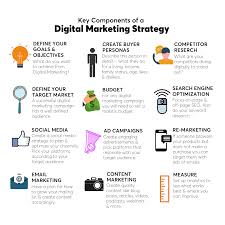
In 2019, the question “What are the strategies of digital marketing?” was a frequently asked one as businesses sought to navigate the ever-changing digital landscape. Digital marketing strategies encompassed a wide range of approaches aimed at reaching and engaging target audiences online. From search engine optimisation (SEO) and content marketing to social media advertising and email campaigns, businesses explored diverse tactics to enhance their online presence and drive conversions. The key was to tailor these strategies to align with specific business goals, target audience preferences, and industry trends in order to achieve measurable success in the digital realm.

What are the 5 D’s of digital marketing?

In the realm of digital marketing strategy for 2019, a frequently asked question revolved around the concept of the “5 D’s of digital marketing.” These 5 D’s – Digital Devices, Digital Platforms, Digital Media, Digital Data, and Digital Technology – encapsulate the key elements that businesses need to consider when crafting their digital marketing strategies. Understanding and leveraging these 5 D’s effectively can help businesses navigate the complex digital landscape, engage with their target audience across various channels, and drive meaningful results in their online marketing efforts.

What is the 70 20 10 rule in digital marketing?

The 70 20 10 rule in digital marketing is a strategic framework that suggests how businesses should allocate their resources for content creation and distribution. According to this rule, 70% of the budget should be spent on proven and successful marketing strategies, 20% on innovative ideas that have the potential to deliver good results, and the remaining 10% on experimental or risky initiatives. By following the 70 20 10 rule, businesses can strike a balance between leveraging established tactics, exploring new opportunities, and taking calculated risks to drive growth and innovation in their digital marketing efforts.

What are the 7 P’s of digital marketing?

In the realm of digital marketing strategy in 2019, the concept of the 7 P’s of digital marketing emerged as a frequently asked question. The 7 P’s refer to the key elements that businesses need to consider when developing their digital marketing strategies. These include Product, Price, Place, Promotion, People, Process, and Physical Evidence. Each ‘P’ plays a crucial role in shaping a comprehensive and effective digital marketing plan that aligns with the goals and objectives of the business while meeting the needs and expectations of the target audience in the ever-evolving digital landscape.

digital marketing campaigns

Unlocking Success: Maximising Your Digital Marketing Campaigns

The Power of Digital Marketing Campaigns

The Power of Digital Marketing Campaigns

In today’s digital age, the landscape of marketing has evolved significantly. Businesses are increasingly turning to digital marketing campaigns to reach their target audience, drive engagement, and ultimately boost sales. Digital marketing campaigns offer a range of benefits that traditional marketing methods simply cannot match.

Targeted Reach

One of the key advantages of digital marketing campaigns is the ability to target specific demographics with precision. Through tools like social media advertising and Google AdWords, businesses can tailor their messages to reach the right audience at the right time. This targeted approach not only increases the effectiveness of campaigns but also ensures that marketing budgets are spent efficiently.

Measurable Results

Unlike traditional marketing methods where measuring ROI can be challenging, digital marketing campaigns provide detailed analytics that allow businesses to track performance in real-time. Metrics such as website traffic, conversion rates, and engagement levels can be monitored closely, enabling marketers to make data-driven decisions and optimise their strategies for better results.

Cost-Effective Solutions

Digital marketing campaigns offer cost-effective solutions for businesses of all sizes. Compared to traditional advertising channels like print or TV, digital platforms often have lower entry barriers and allow for more flexibility in budget allocation. This means that even small businesses with limited resources can run targeted campaigns that deliver significant returns on investment.

Enhanced Customer Engagement

Interactivity is a key feature of digital marketing campaigns that sets them apart from traditional methods. Through social media contests, email newsletters, live chats, and other tools, businesses can engage with their audience in real-time and build meaningful relationships. This two-way communication fosters brand loyalty and encourages customers to become advocates for the business.

Adaptability and Innovation

In the fast-paced world of digital marketing, staying ahead of trends is crucial for success. Digital marketing campaigns allow businesses to experiment with new ideas quickly and adapt their strategies based on feedback and performance data. This agility enables businesses to innovate constantly and stay relevant in an ever-changing market.

In conclusion, digital marketing campaigns have revolutionised the way businesses promote their products and services. By harnessing the power of targeted reach, measurable results, cost-effective solutions, enhanced customer engagement, adaptability, and innovation, businesses can create impactful campaigns that resonate with their audience and drive growth.


Eight Key Advantages of Digital Marketing Campaigns: From Targeted Reach to Enhanced Brand Loyalty

  1. Targeted reach to specific demographics
  2. Measurable results with detailed analytics
  3. Cost-effective solutions for businesses of all sizes
  4. Enhanced customer engagement through interactivity
  5. Ability to adapt and innovate quickly based on data
  6. Global reach beyond geographical limitations
  7. Improved brand visibility and recognition online
  8. Increased brand loyalty through personalised communication


Exploring the Challenges of Digital Marketing Campaigns: Overcoming Information Overload, Ad Blocking, and More

  1. 1. Information Overload
  2. 2. Ad Blocking
  3. 3. Privacy Concerns
  4. 4. Technical Challenges
  5. 5. Competition
  6. 6. Rapid Changes
  7. 7. Negative Feedback Amplification

Targeted reach to specific demographics

A significant advantage of digital marketing campaigns is their ability to achieve targeted reach to specific demographics with precision. By utilising tools such as social media advertising and Google AdWords, businesses can tailor their messages to resonate with the right audience at the right time. This focused approach not only enhances the effectiveness of campaigns but also ensures that marketing efforts are directed towards individuals who are most likely to be interested in the products or services being promoted. Ultimately, this targeted reach helps businesses maximise their marketing ROI and establish meaningful connections with their target demographic.

Measurable results with detailed analytics

One of the key advantages of digital marketing campaigns is the ability to obtain measurable results through detailed analytics. By leveraging tools and platforms that provide in-depth data insights, businesses can track the performance of their campaigns in real-time. This allows marketers to monitor key metrics such as website traffic, conversion rates, engagement levels, and more. With access to such valuable data, businesses can make informed decisions, optimise their strategies, and allocate resources effectively to maximise the impact of their digital marketing efforts.

Cost-effective solutions for businesses of all sizes

Digital marketing campaigns offer a cost-effective solution for businesses of all sizes, providing a level playing field for both small startups and established corporations to reach their target audience without breaking the bank. Unlike traditional advertising channels that often come with high costs and limited flexibility, digital platforms allow businesses to allocate their budgets strategically, ensuring that every pound spent delivers maximum impact. This affordability and scalability make digital marketing campaigns a valuable tool for businesses looking to achieve measurable results within their financial constraints.

Enhanced customer engagement through interactivity

Enhanced customer engagement through interactivity is a key advantage of digital marketing campaigns. By leveraging tools such as social media contests, email newsletters, live chats, and interactive content, businesses can create meaningful interactions with their audience in real-time. This two-way communication not only fosters a sense of connection and loyalty but also allows businesses to gather valuable feedback and insights from their customers. Ultimately, by engaging customers actively through digital channels, businesses can build stronger relationships and drive brand advocacy for long-term success.

Ability to adapt and innovate quickly based on data

One of the key advantages of digital marketing campaigns is their ability to adapt and innovate swiftly based on data-driven insights. By closely monitoring performance metrics such as website traffic, engagement rates, and conversion numbers, businesses can make informed decisions in real-time to optimise their strategies for better results. This agility allows companies to experiment with new ideas, adjust their tactics on the fly, and stay ahead of trends in the dynamic digital landscape. Ultimately, the ability to adapt and innovate quickly based on data empowers businesses to continuously refine their campaigns for maximum impact and effectiveness.

Global reach beyond geographical limitations

Digital marketing campaigns offer businesses a significant advantage by providing a global reach beyond geographical limitations. Through online channels such as social media, search engines, and email marketing, businesses can connect with audiences worldwide, breaking down barriers of distance and time zones. This expansive reach allows businesses to target specific international markets, expand their customer base, and increase brand visibility on a global scale, ultimately driving growth and opportunities for success in diverse regions around the world.

Improved brand visibility and recognition online

In the realm of digital marketing campaigns, one notable advantage is the enhanced brand visibility and recognition that businesses can achieve online. By strategically promoting their brand across various digital channels such as social media, search engines, and websites, companies can increase their online presence and reach a wider audience. This heightened visibility not only helps in attracting potential customers but also reinforces brand recognition among existing ones, ultimately establishing a stronger brand identity in the digital space.

Increased brand loyalty through personalised communication

Digital marketing campaigns excel in fostering increased brand loyalty through personalised communication. By leveraging data analytics and customer insights, businesses can tailor their messages and offers to individual preferences and behaviours. This personalised approach makes customers feel valued and understood, leading to stronger emotional connections with the brand. As a result, customers are more likely to remain loyal, engage with the brand on a deeper level, and become advocates who actively promote the business to others. This emphasis on personalised communication not only enhances customer satisfaction but also contributes to long-term brand loyalty and sustainable growth for the business.

1. Information Overload

In the realm of digital marketing campaigns, a significant drawback lies in the phenomenon of information overload. With consumers being inundated by a constant stream of digital marketing messages across various platforms, there is a risk of overwhelming them and causing message fatigue. The sheer volume of promotional content can dilute the impact of individual messages, making it challenging for businesses to capture and retain the attention of their target audience amidst the noise of competing brands and advertisements. This oversaturation may lead to decreased engagement and effectiveness of marketing efforts, highlighting the importance of crafting targeted and compelling content that cuts through the clutter to resonate with consumers.

2. Ad Blocking

Many internet users utilise ad-blocking software as a means to enhance their browsing experience by reducing the intrusion of ads. This practice poses a significant challenge for digital marketing campaigns, as the visibility and reach of advertisements are hindered. Ad blocking undermines the effectiveness of targeted advertising efforts, limiting the exposure of brands to potential customers. Marketers must navigate this conundrum by exploring alternative strategies that focus on creating engaging content and building authentic relationships with their audience to circumvent the barriers posed by ad blockers.

3. Privacy Concerns

Data privacy concerns have become a significant drawback of digital marketing campaigns, with consumers increasingly worried about the handling of their personal information. The collection and use of data for targeted advertising purposes have sparked debates on privacy rights and ethical considerations. As businesses gather more data to tailor their campaigns, there is a growing need for transparency and accountability to address these valid consumer concerns.

4. Technical Challenges

One significant drawback of digital marketing campaigns is the technical challenges that businesses may face when implementing and managing complex digital marketing tools and platforms. Without the required expertise, navigating the intricacies of these tools can prove to be a daunting task. From setting up tracking pixels to integrating various software systems, businesses may find themselves overwhelmed by the technical aspects of digital marketing. This can lead to inefficiencies in campaign execution and hinder the ability to fully leverage the potential of digital marketing strategies.

5. Competition

In the realm of digital marketing campaigns, one significant drawback is the intense competition that businesses face in the online landscape. The sheer volume of brands vying for consumer attention creates a crowded and competitive environment where standing out becomes a daunting challenge. With countless competitors all striving to capture the same audience’s interest, businesses must navigate through a sea of noise to ensure their message is heard and their brand is noticed. This fierce competition underscores the importance of developing unique strategies and compelling content to differentiate oneself in a saturated digital market.

6. Rapid Changes

One significant drawback of digital marketing campaigns is the rapid pace at which trends in the digital landscape change. Keeping up with these constant shifts demands continuous monitoring and quick adaptation to ensure that marketing strategies remain relevant and effective. Failure to stay abreast of emerging trends and technologies can result in campaigns becoming outdated and ineffective, highlighting the challenging nature of navigating the ever-evolving digital marketing environment.

7. Negative Feedback Amplification

In the realm of digital marketing campaigns, a significant drawback lies in the potential for negative feedback amplification. In today’s interconnected online world, any unfavourable reviews or criticism regarding a campaign can swiftly gain traction and spread widely across various platforms. This rapid dissemination of negative feedback has the power to tarnish a brand’s reputation and undermine the effectiveness of the entire marketing effort. Managing and mitigating such instances of negative amplification requires careful monitoring, swift response strategies, and a proactive approach to maintaining brand credibility in the digital sphere.

online marketing campaign

Unlocking Success: Mastering Your Online Marketing Campaign Strategy

The Power of Online Marketing Campaigns

In today’s digital age, online marketing campaigns have become essential for businesses looking to reach their target audience and drive growth. Whether you are a small start-up or a large corporation, leveraging the power of online marketing can significantly impact your brand’s visibility and success.

What is an Online Marketing Campaign?

An online marketing campaign is a strategic effort to promote a product, service, or brand through various online channels. These campaigns can take many forms, including social media advertising, email marketing, search engine optimisation (SEO), content marketing, and more. The goal is to engage with potential customers, generate leads, and ultimately convert them into loyal clients.

The Benefits of Online Marketing Campaigns

One of the key advantages of online marketing campaigns is their ability to reach a highly targeted audience. Through data analytics and audience segmentation, businesses can tailor their messages to specific demographics, interests, and behaviours. This level of personalisation increases the likelihood of converting leads into sales.

Online marketing campaigns also offer measurable results. Unlike traditional marketing methods such as print advertising or TV commercials, digital campaigns provide detailed analytics that track engagement metrics like click-through rates, conversion rates, and return on investment (ROI). This data allows businesses to refine their strategies for optimal performance.

Tips for a Successful Online Marketing Campaign

When planning an online marketing campaign, it’s essential to define clear objectives and target audience segments. Understanding your goals will help you choose the most effective channels and messaging strategies to achieve them.

Consistent branding across all digital touchpoints is crucial for building trust and credibility with your audience. Ensure that your messaging aligns with your brand values and resonates with your target market.

Regularly monitor and analyse the performance of your campaign using key performance indicators (KPIs) such as website traffic, conversion rates, and customer engagement metrics. Use this data to make informed decisions and optimise your campaign for better results.

In Conclusion

Online marketing campaigns have revolutionised the way businesses connect with consumers in the digital age. By leveraging the power of online channels and data-driven strategies, businesses can effectively promote their products or services to a global audience while maximising their return on investment. Embrace the opportunities that online marketing presents and watch your business thrive in the digital landscape.


Essential Tips for Crafting a Successful Online Marketing Campaign

  1. Define clear goals and objectives for your campaign
  2. Identify your target audience to tailor your message effectively
  3. Create engaging and relevant content to attract and retain customers
  4. Utilize various online channels such as social media, email, and SEO optimisation
  5. Monitor campaign performance using analytics tools to make data-driven decisions
  6. Test different strategies and tactics to find what works best for your business
  7. Stay updated on the latest trends in online marketing to stay competitive
  8. Engage with your audience through interactive content and timely responses

Define clear goals and objectives for your campaign

Defining clear goals and objectives for your online marketing campaign is crucial for its success. By clearly outlining what you aim to achieve, whether it’s increasing brand awareness, generating leads, or driving sales, you provide a roadmap for your campaign strategy. These defined goals not only help align your team’s efforts but also enable you to measure the effectiveness of your campaign accurately. With well-defined objectives, you can tailor your messaging and tactics to meet specific outcomes, leading to a more focused and impactful online marketing campaign.

Identify your target audience to tailor your message effectively

Identifying your target audience is a crucial step in creating a successful online marketing campaign. By understanding the demographics, interests, and behaviours of your audience, you can tailor your message effectively to resonate with them. This personalised approach not only increases engagement but also enhances the chances of converting leads into loyal customers. Knowing your target audience allows you to craft compelling content that speaks directly to their needs and interests, ultimately driving better results for your campaign.

Create engaging and relevant content to attract and retain customers

Creating engaging and relevant content is a crucial aspect of any successful online marketing campaign. By producing content that resonates with your target audience, you can capture their attention, build trust, and establish your brand as a valuable resource. Engaging content not only attracts new customers but also helps retain existing ones by providing them with valuable information and insights. Whether it’s through blog posts, social media updates, videos, or infographics, delivering high-quality and relevant content is key to fostering long-lasting relationships with your audience in the digital realm.

Utilize various online channels such as social media, email, and SEO optimisation

To maximise the impact of your online marketing campaign, it is crucial to leverage a diverse range of online channels. By utilising platforms like social media, email marketing, and SEO optimisation, businesses can reach a wider audience and engage with potential customers in different ways. Social media platforms offer opportunities for real-time interaction and community building, while email marketing allows for targeted messaging and personalised communication. Additionally, SEO optimisation helps improve visibility in search engine results, driving organic traffic to your website. By integrating these various online channels into your campaign strategy, you can enhance brand awareness, generate leads, and ultimately boost conversions for your business.

Monitor campaign performance using analytics tools to make data-driven decisions

Monitoring campaign performance using analytics tools is crucial for making informed, data-driven decisions in online marketing campaigns. By tracking key metrics such as website traffic, conversion rates, and customer engagement, businesses can gain valuable insights into the effectiveness of their strategies. This data allows marketers to identify areas for improvement, optimise campaign performance, and allocate resources more efficiently to achieve the desired results. Ultimately, leveraging analytics tools empowers businesses to adapt and refine their online marketing campaigns for maximum impact and return on investment.

Test different strategies and tactics to find what works best for your business

Testing different strategies and tactics is a crucial aspect of running a successful online marketing campaign. By experimenting with various approaches, businesses can gain valuable insights into what resonates best with their target audience and drives the desired results. Whether it’s testing different ad creatives, refining email marketing techniques, or exploring new social media platforms, the process of trial and error can help businesses identify the most effective strategies to achieve their marketing goals. Continuous testing and adaptation based on data-driven results are key to optimising performance and maximising the impact of online marketing efforts for long-term success.

To stay competitive in the ever-evolving landscape of online marketing, it is crucial to stay updated on the latest trends and innovations. By keeping abreast of industry developments, emerging technologies, and shifting consumer behaviours, businesses can adapt their online marketing strategies to remain relevant and competitive. Whether it’s harnessing the power of social media influencers, implementing artificial intelligence in marketing automation, or exploring new content formats, staying informed allows businesses to stay ahead of the curve and maximise their impact in the digital realm.

Engage with your audience through interactive content and timely responses

To maximise the effectiveness of your online marketing campaign, it is crucial to engage with your audience through interactive content and provide timely responses. Interactive content, such as polls, quizzes, and live Q&A sessions, not only captivates your audience but also encourages active participation and feedback. Additionally, responding promptly to comments, messages, and inquiries shows that you value customer engagement and fosters a sense of connection and trust with your audience. By actively engaging with your audience and providing timely responses, you can enhance the overall success of your online marketing efforts and build lasting relationships with your customers.

social media advertising

Unlocking the Potential of Social Media Advertising: A Guide to Effective Strategies

The Power of Social Media Advertising

The Power of Social Media Advertising

Social media advertising has revolutionised the way businesses connect with their target audience. With the rise of platforms like Facebook, Instagram, Twitter, and LinkedIn, companies now have unprecedented access to a vast pool of potential customers.

One of the key advantages of social media advertising is its ability to target specific demographics with precision. Through advanced targeting options, businesses can tailor their ads to reach users based on factors such as age, location, interests, and online behaviour. This level of targeting ensures that ads are seen by the right people, increasing the likelihood of engagement and conversion.

Furthermore, social media advertising offers unparalleled reach and visibility. With billions of active users across various platforms, businesses can amplify their brand message to a global audience at a fraction of the cost compared to traditional advertising methods. Whether it’s promoting products, driving website traffic, or increasing brand awareness, social media advertising provides a powerful platform for achieving marketing objectives.

In addition to targeting and reach, social media advertising also allows for real-time performance tracking and optimisation. Businesses can monitor key metrics such as click-through rates, conversions, and engagement levels to measure the effectiveness of their campaigns. This data-driven approach enables continuous refinement and improvement to maximise ROI and drive better results over time.

As social media continues to evolve and play an integral role in people’s lives, leveraging its advertising capabilities has become essential for businesses looking to stay competitive in today’s digital landscape. By harnessing the power of social media advertising, companies can engage with their audience on a personal level, build brand loyalty, and drive sustainable growth in an increasingly interconnected world.


Maximising Impact: The Top 7 Advantages of Social Media Advertising

  1. Precise targeting options to reach specific demographics
  2. Cost-effective compared to traditional advertising methods
  3. Global reach with access to billions of active users
  4. Increased brand visibility and awareness
  5. Real-time performance tracking for campaign optimisation
  6. Ability to engage with the audience on a personal level
  7. Facilitates building brand loyalty and trust


Challenges of Social Media Advertising: Navigating Ad Fatigue, Blockers, and Privacy Concerns

  1. 1. Ad fatigue
  2. 2. Ad blockers
  3. 3. Costly competition
  4. 4. Negative feedback
  5. 5. Limited organic reach
  6. 6. Data privacy concerns

Precise targeting options to reach specific demographics

Social media advertising offers a significant advantage through its precise targeting options, allowing businesses to tailor their ads to reach specific demographics with accuracy. By leveraging advanced targeting tools based on factors such as age, location, interests, and online behaviour, companies can ensure that their messages resonate with the right audience segments. This level of precision not only increases the effectiveness of ad campaigns but also enhances engagement and conversion rates by delivering relevant content to the individuals most likely to be interested in their products or services.

Cost-effective compared to traditional advertising methods

Social media advertising offers a significant advantage in terms of cost-effectiveness when compared to traditional advertising methods. Businesses can reach a large and targeted audience on social media platforms at a fraction of the cost of traditional print, TV, or radio ads. With the ability to set specific budgets, track performance metrics in real-time, and adjust campaigns as needed, social media advertising provides a cost-efficient solution for companies looking to maximise their marketing budget and achieve measurable results.

Global reach with access to billions of active users

One of the standout advantages of social media advertising is its unparalleled global reach, granting businesses access to billions of active users across various platforms. This vast audience presents a unique opportunity for companies to amplify their brand message and engage with potential customers on a global scale. By tapping into this extensive user base, businesses can expand their reach far beyond traditional boundaries, increasing brand visibility and opening up new avenues for growth and market expansion.

Increased brand visibility and awareness

Social media advertising offers businesses the opportunity to significantly boost their brand visibility and awareness. By strategically promoting content and ads across popular social platforms, companies can reach a broader audience and increase their brand recognition. This increased visibility not only helps in attracting new customers but also reinforces brand loyalty among existing ones. Through targeted campaigns that showcase the unique value proposition of the brand, businesses can leave a lasting impression on users, ultimately driving engagement and fostering a strong brand presence in the competitive digital landscape.

Real-time performance tracking for campaign optimisation

One significant advantage of social media advertising is the ability to conduct real-time performance tracking for campaign optimisation. By monitoring key metrics such as engagement rates, click-throughs, and conversions in real-time, businesses can make data-driven decisions to adjust their strategies on the fly. This agile approach allows for continuous refinement and improvement of advertising campaigns, leading to better results and a higher return on investment. The ability to track performance in real-time empowers businesses to adapt quickly to changing market conditions and consumer behaviour, ensuring that their advertising efforts remain effective and relevant in a dynamic digital landscape.

Ability to engage with the audience on a personal level

Social media advertising offers businesses the unique advantage of engaging with their audience on a personal level. By leveraging the interactive nature of social platforms, companies can create tailored content that resonates with individual users, fostering a sense of connection and authenticity. This personalised approach not only enhances brand loyalty but also encourages meaningful interactions, feedback, and customer relationships. Through targeted messaging and direct communication, businesses can establish a genuine rapport with their audience, leading to increased trust, engagement, and long-term customer retention.

Facilitates building brand loyalty and trust

Social media advertising serves as a powerful tool in facilitating the building of brand loyalty and trust among consumers. By engaging with audiences on social platforms through targeted and personalised content, businesses can establish meaningful connections that resonate with their customers. Consistent interaction, transparency, and authenticity in communication foster trust, while showcasing brand values and fostering a sense of community help to cultivate lasting loyalty. Through strategic use of social media advertising, companies can nurture relationships with their audience, enhance brand perception, and create a loyal customer base that advocates for their brand.

1. Ad fatigue

One significant drawback of social media advertising is ad fatigue, where users may experience a sense of weariness from encountering repetitive ads on their feeds. This phenomenon can result in decreased engagement levels as individuals become desensitised to the content being promoted. The oversaturation of similar advertisements can lead to a negative user experience, potentially causing users to ignore or scroll past ads altogether. To combat ad fatigue, businesses need to employ strategic ad rotation, creative variation, and audience targeting to ensure that their ads remain fresh and relevant to maintain user interest and maximise campaign effectiveness.

2. Ad blockers

One significant drawback of social media advertising is the prevalence of ad blockers among users. Ad-blocking software has become increasingly popular, allowing individuals to filter out unwanted ads, including those on social media platforms. As a result, businesses investing in social media advertising may find their ads blocked and their reach limited, impacting the effectiveness of their campaigns. This challenge underscores the need for marketers to explore alternative strategies to engage with audiences who actively avoid traditional forms of online advertising.

3. Costly competition

The rise in popularity of social media advertising has brought about a significant challenge for businesses: the escalating costs due to heightened competition. As more companies flock to social media platforms to promote their products and services, the bidding war for ad space intensifies, resulting in inflated advertising expenses. This increased competition makes it harder for businesses, especially smaller ones with limited budgets, to effectively reach their target audience without having to allocate substantial resources towards advertising campaigns. The cost factor poses a notable con of social media advertising, requiring businesses to strategize carefully and optimise their campaigns to achieve cost-effective results amidst the competitive landscape.

4. Negative feedback

In certain instances, social media advertising can be accompanied by negative feedback from users, which has the potential to harm a brand’s reputation. Negative comments or feedback on ads can spread quickly across social platforms, influencing how the public perceives a company or its products. Managing and addressing such feedback effectively is crucial to mitigating any adverse impact on brand image and maintaining a positive online reputation.

5. Limited organic reach

In the realm of social media advertising, one significant drawback is the limited organic reach that businesses face on platforms. With algorithms favouring paid content, organic posts often struggle to gain visibility among users. This shift in prioritisation makes it increasingly challenging for businesses to organically reach their target audience without allocating resources towards paid advertising efforts. As a result, companies must navigate this landscape strategically to ensure their message resonates with their audience effectively, despite the limitations of organic reach on social media platforms.

6. Data privacy concerns

Social media advertising’s reliance on user data for targeting purposes raises significant data privacy concerns. As businesses utilise this data to tailor ads to specific demographics, consumers are increasingly wary of how their personal information is being used. This has led to growing apprehension among users about the protection of their data and the potential implications of targeted advertising on their online privacy. The lack of transparency in data collection practices and the risk of data breaches have fuelled concerns, potentially leading to backlash from consumers who value their privacy rights in the digital age.

online advertising solutions

Unlocking the Potential: Effective Online Advertising Solutions for Your Business

Online Advertising Solutions

The Power of Online Advertising Solutions

In today’s digital age, online advertising has become a crucial component of any successful marketing strategy. With the vast reach and targeting capabilities of online platforms, businesses have the opportunity to connect with their target audience in a more direct and effective way than ever before.

Types of Online Advertising Solutions

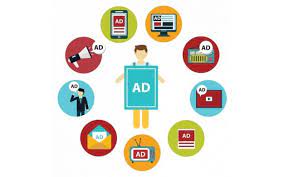
There are various types of online advertising solutions available to businesses, each offering unique benefits and targeting options:

  • Search Engine Marketing (SEM): SEM involves placing ads on search engine results pages to drive traffic to your website based on relevant keywords.
  • Social Media Advertising: Platforms like Facebook, Instagram, and LinkedIn offer targeted advertising options to reach specific demographics and interests.
  • Display Advertising: Display ads appear on websites, apps, or social media platforms in the form of banners or interactive multimedia content.
  • Video Advertising: Video ads can be displayed on platforms like YouTube or social media channels to engage users with visual content.
  • Native Advertising: Native ads blend in with the content of a website or platform, providing a seamless user experience while promoting your brand.

The Benefits of Online Advertising

Online advertising solutions offer numerous advantages for businesses looking to increase their online visibility and drive conversions:

  • Targeted Reach: With detailed targeting options, you can reach specific audiences based on demographics, interests, behaviour, and more.
  • Data-driven Insights: Online advertising provides valuable data and analytics that allow you to track performance metrics and optimise your campaigns for better results.
  • Creative Flexibility: From text-based ads to immersive multimedia experiences, online advertising offers a range of creative formats to engage your audience effectively.
  • Cost-effective Solutions: Compared to traditional advertising methods, online advertising often offers cost-effective options with flexible budgets and measurable ROI.

In Conclusion

Online advertising solutions play a vital role in helping businesses connect with their target audience, increase brand awareness, and drive conversions. By utilising the diverse range of online advertising platforms and strategies available today, businesses can create impactful campaigns that deliver tangible results in the digital landscape.


8 Essential Tips for Effective Online Advertising Strategies

  1. Define your target audience clearly to maximise the effectiveness of your ads.
  2. Use compelling visuals and concise, engaging copy to grab users’ attention.
  3. Optimise your ads for mobile devices as a significant portion of users browse on smartphones and tablets.
  4. Regularly monitor and analyse the performance of your ads to make data-driven decisions for improvements.
  5. Consider using retargeting strategies to reach users who have previously shown interest in your products or services.
  6. Utilise A/B testing to compare different ad variations and determine which ones resonate best with your audience.
  7. Explore different online advertising platforms such as Google Ads, Facebook Ads, and LinkedIn Ads to diversify your reach.
  8. Stay updated on industry trends and algorithm changes to adapt your online advertising strategies accordingly.

Define your target audience clearly to maximise the effectiveness of your ads.

Defining your target audience clearly is a crucial tip when it comes to online advertising solutions. By understanding who your ideal customers are in terms of demographics, interests, and behaviour, you can tailor your ads to resonate with them effectively. This targeted approach not only increases the relevance of your ads but also maximises the chances of engaging and converting potential customers. By defining your target audience clearly, you can ensure that your online advertising efforts are focused and yield the best results for your business.

Use compelling visuals and concise, engaging copy to grab users’ attention.

To maximise the impact of your online advertising campaigns, it is essential to utilise compelling visuals and concise, engaging copy that captivates users’ attention from the outset. By combining visually appealing graphics with clear and persuasive messaging, you can create ads that stand out in a crowded digital space and entice users to take action. Remember, first impressions are key in online advertising, so make sure your visuals and copy work together harmoniously to grab users’ attention and drive engagement effectively.

Optimise your ads for mobile devices as a significant portion of users browse on smartphones and tablets.

To maximise the effectiveness of your online advertising campaigns, it is crucial to optimise your ads for mobile devices. With a significant portion of users accessing the internet through smartphones and tablets, ensuring that your ads are mobile-friendly can greatly enhance engagement and conversion rates. By designing ads that are visually appealing, load quickly, and provide a seamless user experience on mobile devices, you can effectively reach and connect with a larger audience in today’s mobile-centric digital landscape.

Regularly monitor and analyse the performance of your ads to make data-driven decisions for improvements.

Regularly monitoring and analysing the performance of your online ads is essential for making informed, data-driven decisions to enhance their effectiveness. By tracking key metrics such as click-through rates, conversion rates, and engagement levels, you can gain valuable insights into what is working well and where adjustments may be needed. This proactive approach allows you to optimise your ad campaigns in real time, ensuring that your advertising efforts are targeted, relevant, and ultimately more successful in achieving your marketing goals.

Consider using retargeting strategies to reach users who have previously shown interest in your products or services.

Consider incorporating retargeting strategies into your online advertising solutions to effectively reach users who have previously expressed interest in your products or services. By targeting these engaged users with tailored ads as they continue to browse the web, you can remind them of your offerings and encourage them to revisit your website or make a purchase. Retargeting can help increase brand recall, drive conversions, and maximise the impact of your digital marketing efforts by keeping your brand top-of-mind for potential customers.

Utilise A/B testing to compare different ad variations and determine which ones resonate best with your audience.

Utilising A/B testing in your online advertising strategy can be a game-changer. By comparing different ad variations, you gain valuable insights into what resonates best with your target audience. This data-driven approach allows you to refine your ads based on real performance metrics, ultimately improving engagement and conversion rates. A/B testing empowers you to make informed decisions that maximise the impact of your online advertising campaigns and drive better results.

Explore different online advertising platforms such as Google Ads, Facebook Ads, and LinkedIn Ads to diversify your reach.

To maximise the effectiveness of your online advertising strategy, it is essential to explore various online advertising platforms such as Google Ads, Facebook Ads, and LinkedIn Ads. Diversifying your reach across these platforms allows you to target different audiences and engage with potential customers in diverse online environments. Each platform offers unique targeting options and features that can help you tailor your campaigns to specific demographics, interests, and behaviours. By utilising a mix of online advertising platforms, you can enhance your brand visibility and increase the chances of reaching your target audience effectively.

Staying updated on industry trends and algorithm changes is essential for adapting online advertising strategies effectively. In the dynamic digital landscape, keeping abreast of the latest developments allows businesses to remain competitive and maximise the impact of their campaigns. By understanding industry trends and algorithm updates, businesses can make informed decisions on targeting, messaging, and ad formats to ensure their online advertising efforts resonate with their target audience and drive optimal results.