digital campaign

Unlocking Success: The Impact of a Strategic Digital Campaign

The Power of a Successful Digital Campaign

The Power of a Successful Digital Campaign

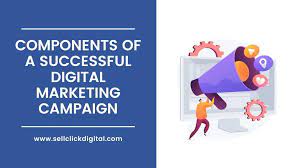
In today’s digital age, a well-executed digital campaign can be a game-changer for businesses looking to reach their target audience effectively. A digital campaign refers to the strategic use of online platforms and tools to promote products, services, or messages to a specific audience.

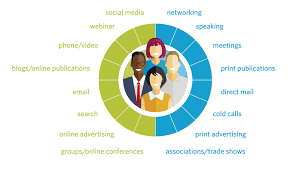
One of the key advantages of a digital campaign is its ability to reach a large and targeted audience at a relatively low cost compared to traditional marketing methods. With the right strategy in place, businesses can engage with potential customers across various online channels such as social media, email marketing, search engines, and websites.

Furthermore, digital campaigns offer real-time data and analytics that provide valuable insights into the performance of the campaign. By tracking metrics such as click-through rates, conversion rates, and engagement levels, businesses can measure the effectiveness of their campaigns and make data-driven decisions to optimise future efforts.

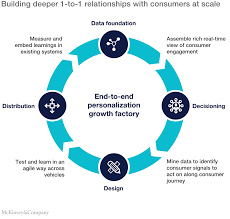
Personalisation is another significant benefit of digital campaigns. By leveraging user data and preferences, businesses can tailor their messages and content to resonate with individual customers on a more personal level. This personalised approach not only enhances customer experience but also increases the likelihood of conversion and brand loyalty.

Moreover, digital campaigns allow for greater flexibility and agility in adapting to changing market conditions or consumer trends. With the ability to quickly adjust strategies based on real-time feedback, businesses can stay ahead of the competition and remain relevant in an ever-evolving digital landscape.

In conclusion, a successful digital campaign has the power to elevate a business’s online presence, drive engagement with target audiences, generate leads and conversions, and ultimately contribute to overall business growth. By harnessing the potential of digital marketing channels effectively, businesses can unlock new opportunities for success in today’s competitive marketplace.


Essential Insights: Answering 9 Common Questions About Digital Campaigns

  1. How do you start a digital campaign?
  2. What is the best digital campaign?
  3. What is a digital campaign meaning?
  4. How do digital campaigns work?
  5. What is the advantage of digital campaign?
  6. What do you mean by digital campaign?
  7. What is a digital campaign?
  8. What is an example of a digital marketing campaign?
  9. What should a digital campaign include?

How do you start a digital campaign?

When embarking on a digital campaign, the initial steps are crucial in setting the foundation for success. To start a digital campaign effectively, it is essential to begin with a clear understanding of your objectives and target audience. Define your goals, whether they are to increase brand awareness, drive website traffic, or boost sales. Conduct thorough research to identify your target audience’s demographics, preferences, and online behaviour. Next, develop a comprehensive strategy that outlines the channels, tactics, and messaging you will use to reach and engage with your audience. Set measurable KPIs to track the performance of your campaign and make data-driven adjustments as needed. By following a strategic approach from the outset, you can maximise the effectiveness of your digital campaign and achieve your desired outcomes.

What is the best digital campaign?

When it comes to identifying the best digital campaign, there is no one-size-fits-all answer. The effectiveness of a digital campaign depends on various factors, including the goals of the business, target audience, budget, industry trends, and the chosen digital marketing channels. What may work well for one company may not necessarily yield the same results for another. It is essential to tailor a digital campaign specifically to meet the unique needs and objectives of each individual business. Conducting thorough research, setting clear objectives, and continuously monitoring and adjusting strategies based on performance data are key elements in determining the success of a digital campaign.

What is a digital campaign meaning?

A digital campaign refers to a strategic marketing initiative that utilises online platforms and tools to promote products, services, or messages to a specific audience. It involves the coordinated use of various digital channels such as social media, email marketing, search engines, and websites to reach and engage with target customers effectively. The primary goal of a digital campaign is to drive brand awareness, increase customer engagement, generate leads or conversions, and ultimately achieve business objectives in the digital space. By leveraging data-driven insights and personalised content, businesses can create impactful digital campaigns that resonate with their audience and deliver measurable results.

How do digital campaigns work?

Digital campaigns work by leveraging various online platforms and tools to promote products, services, or messages to a specific target audience. These campaigns typically involve strategic planning, content creation, and targeted distribution across channels such as social media, search engines, email marketing, and websites. By defining clear objectives, identifying the target audience, and selecting the most appropriate digital channels, businesses can effectively reach and engage with their desired customers. Monitoring key performance metrics and analysing data allows for continuous optimisation of the campaign to maximise its impact and achieve desired outcomes. Ultimately, digital campaigns work by combining creativity, technology, and data-driven insights to deliver compelling messages that resonate with audiences and drive desired actions.

What is the advantage of digital campaign?

One of the key advantages of a digital campaign lies in its ability to reach a targeted audience efficiently and cost-effectively in today’s digital landscape. By leveraging online platforms such as social media, search engines, and email marketing, businesses can engage with potential customers on a more personal level and tailor their messages to resonate with individual preferences. Additionally, the real-time data and analytics provided by digital campaigns offer valuable insights into performance metrics, enabling businesses to measure the effectiveness of their strategies and make informed decisions for future optimisation. The flexibility and agility of digital campaigns also allow businesses to adapt quickly to changing market conditions, ensuring they stay competitive and relevant in an ever-evolving digital environment.

What do you mean by digital campaign?

A digital campaign refers to a strategic marketing initiative that utilises online platforms and tools to promote products, services, or messages to a specific audience. It involves the targeted use of digital channels such as social media, email marketing, search engines, and websites to engage with potential customers and drive desired outcomes. Digital campaigns are designed to reach a wide audience in a cost-effective manner while providing real-time data and analytics for measuring performance and making informed decisions. Personalisation and flexibility are key aspects of digital campaigns, allowing businesses to tailor their messaging to individual preferences and adapt strategies quickly in response to market dynamics.

What is a digital campaign?

A digital campaign is a strategic initiative that utilises various online platforms and tools to promote products, services, or messages to a specific target audience. In essence, it involves the coordinated use of digital marketing channels such as social media, email marketing, search engines, and websites to engage with potential customers and drive desired outcomes. By leveraging the power of digital technologies, businesses can reach a wider audience, track performance metrics in real-time, personalise messaging for individual consumers, and adapt their strategies quickly to achieve marketing objectives effectively.

What is an example of a digital marketing campaign?

An example of a digital marketing campaign is the “Share a Coke” campaign launched by Coca-Cola. This innovative campaign personalised Coca-Cola bottles with popular names and encouraged customers to share photos of their personalised bottles on social media using the hashtag #ShareACoke. The campaign not only created a buzz on social platforms but also fostered user engagement and generated user-generated content, resulting in increased brand awareness and customer loyalty. By leveraging digital channels effectively, Coca-Cola successfully connected with its audience in a fun and interactive way, showcasing the power of a creative and well-executed digital marketing campaign.

What should a digital campaign include?

A successful digital campaign should encompass a well-thought-out strategy that includes key elements to maximise its effectiveness. Firstly, defining clear campaign objectives and target audience is crucial to ensure the message resonates with the right people. Engaging and relevant content tailored to the preferences of the audience is essential for capturing their attention. Utilising multiple online channels such as social media, email marketing, search engine optimisation, and display advertising can help reach a wider audience. Tracking and analysing campaign performance through data metrics allows for continuous optimisation and improvement. Lastly, incorporating a call-to-action to encourage desired actions from the audience is vital for driving conversions and achieving campaign goals.

digital marketing strategy for a brand

Elevating Your Brand with an Effective Digital Marketing Strategy

The Power of Digital Marketing Strategy for Building a Strong Brand

In today’s digital age, having a robust digital marketing strategy is essential for any brand looking to establish a strong online presence and connect with their target audience effectively. A well-crafted digital marketing strategy not only helps in increasing brand visibility but also drives engagement, generates leads, and ultimately boosts sales. Here are key elements that contribute to a successful digital marketing strategy:

Define Your Goals

Before diving into the world of digital marketing, it’s crucial to define clear and measurable goals for your brand. Whether you aim to increase website traffic, improve brand awareness, or drive conversions, setting specific objectives will guide your digital marketing efforts in the right direction.

Know Your Audience

Understanding your target audience is fundamental in creating relevant and engaging content that resonates with them. Conduct market research to identify your audience’s demographics, interests, and online behaviour. This information will help tailor your messaging and delivery channels to reach the right people at the right time.

Content is King

Compelling content lies at the core of any successful digital marketing strategy. Create high-quality content that educates, entertains, or inspires your audience. Whether it’s blog posts, videos, infographics, or social media posts, valuable content builds trust with your audience and establishes your brand as an authority in your industry.

Utilise Multiple Channels

Diversify your digital marketing efforts by leveraging various online channels such as social media platforms, email marketing, search engine optimisation (SEO), pay-per-click advertising (PPC), and influencer partnerships. Each channel offers unique opportunities to engage with different segments of your target audience.

Analyse and Optimise

Regularly monitor the performance of your digital marketing campaigns using analytics tools to track key metrics such as website traffic, conversion rates, click-through rates, and engagement levels. Use this data to identify what works well and what needs improvement, allowing you to refine your strategies for better results.

A well-executed digital marketing strategy can propel your brand towards success in the competitive online landscape. By focusing on clear goals, understanding your audience, creating compelling content, utilising multiple channels effectively, and continuously analysing and optimising performance, you can build a strong brand presence that resonates with consumers and drives business growth.


8 Essential Tips for Crafting an Effective Digital Marketing Strategy for Your Brand

  1. Define your target audience clearly to tailor your marketing efforts effectively.
  2. Create engaging and relevant content to attract and retain customers.
  3. Utilize social media platforms to connect with your audience and build brand awareness.
  4. Optimize your website for search engines (SEO) to improve visibility and drive organic traffic.
  5. Implement email marketing campaigns to nurture leads and maintain customer relationships.
  6. Monitor key performance indicators (KPIs) regularly to track the success of your digital marketing efforts.
  7. Invest in paid advertising such as Google Ads or social media ads for targeted reach and increased conversions.
  8. Stay updated with the latest trends in digital marketing to adapt strategies for better results.

Define your target audience clearly to tailor your marketing efforts effectively.

Defining your target audience clearly is a fundamental tip in crafting a successful digital marketing strategy for a brand. By understanding the demographics, interests, and behaviours of your audience, you can tailor your marketing efforts effectively to resonate with them. This targeted approach ensures that your messaging reaches the right people at the right time, increasing engagement and driving meaningful interactions that ultimately lead to building a loyal customer base.

Create engaging and relevant content to attract and retain customers.

Creating engaging and relevant content is a cornerstone of a successful digital marketing strategy for any brand. By producing content that resonates with your target audience, you can capture their attention, build trust, and establish your brand as a valuable resource. Engaging content not only attracts new customers but also helps retain existing ones by providing them with valuable information, entertainment, or inspiration. By consistently delivering high-quality and relevant content across various online platforms, you can foster meaningful connections with your audience and drive long-term customer loyalty.

Utilize social media platforms to connect with your audience and build brand awareness.

Utilising social media platforms is a powerful strategy to engage with your target audience and enhance brand visibility. By actively participating on platforms like Facebook, Instagram, Twitter, and LinkedIn, you can create meaningful connections with your followers, share valuable content, and establish your brand as a trusted authority in your industry. Consistent interaction on social media not only helps in building brand awareness but also fosters customer loyalty and drives organic growth through word-of-mouth referrals. Embrace the opportunity to engage with your audience where they are most active online, and watch as your brand presence flourishes in the digital realm.

Optimize your website for search engines (SEO) to improve visibility and drive organic traffic.

Optimising your website for search engines (SEO) is a crucial element of a successful digital marketing strategy for any brand. By implementing SEO best practices, you can improve your website’s visibility in search engine results, making it easier for potential customers to find you online. This increased visibility not only drives organic traffic to your site but also enhances your brand’s credibility and trustworthiness in the eyes of both users and search engines. Investing in SEO can yield long-term benefits by helping you reach a wider audience and attract valuable leads who are actively searching for products or services like yours.

Implement email marketing campaigns to nurture leads and maintain customer relationships.

Implementing email marketing campaigns is a powerful strategy for brands to nurture leads and maintain strong customer relationships. By sending targeted and personalised emails to subscribers, brands can provide valuable content, promotions, and updates that keep their audience engaged and informed. Email marketing allows brands to stay top-of-mind with potential customers, guide them through the sales funnel, and encourage repeat business from existing customers. With the right approach, email campaigns can build trust, loyalty, and ultimately drive conversions for the brand.

Monitor key performance indicators (KPIs) regularly to track the success of your digital marketing efforts.

Monitoring key performance indicators (KPIs) regularly is crucial to evaluating the effectiveness of your digital marketing strategy for a brand. By tracking metrics such as website traffic, conversion rates, engagement levels, and click-through rates, you can gain valuable insights into what is working well and where improvements are needed. This data-driven approach allows you to make informed decisions, optimise your campaigns, and ultimately drive better results for your brand in the competitive online landscape.

Invest in paid advertising such as Google Ads or social media ads for targeted reach and increased conversions.

To maximise the reach and effectiveness of your digital marketing strategy, consider investing in paid advertising channels like Google Ads or social media ads. These platforms offer targeted options that allow you to reach specific demographics, interests, and behaviours, increasing the likelihood of conversions. By strategically allocating your budget towards paid advertising, you can amplify your brand’s visibility and drive valuable traffic to your website or landing pages, ultimately leading to higher conversion rates and a stronger ROI.

Staying updated with the latest trends in digital marketing is crucial for brands looking to enhance their strategies and achieve better results. By keeping abreast of emerging technologies, consumer behaviours, and industry innovations, brands can adapt their digital marketing approaches to stay relevant and competitive in the ever-evolving online landscape. Embracing new trends allows brands to connect with their target audience more effectively, drive engagement, and ultimately improve their overall performance in the digital realm.

organic digital marketing

Unlocking the Potential of Organic Digital Marketing Strategies

The Power of Organic Digital Marketing

The Power of Organic Digital Marketing

In today’s digital age, organic digital marketing has become a crucial strategy for businesses looking to establish a strong online presence and connect with their target audience in a meaningful way. Unlike paid advertising, organic digital marketing focuses on building long-term relationships with customers through authentic and valuable content.

What is Organic Digital Marketing?

Organic digital marketing encompasses various tactics such as search engine optimisation (SEO), content marketing, social media engagement, and email marketing. The key principle behind organic marketing is to attract and engage audiences naturally, without relying on paid promotions or advertisements.

The Benefits of Organic Digital Marketing

One of the main advantages of organic digital marketing is its ability to foster trust and credibility among consumers. By consistently delivering high-quality content that resonates with your target audience, you can position your brand as an industry authority and build loyalty over time.

Furthermore, organic digital marketing is cost-effective compared to paid advertising. While paid campaigns can yield immediate results, organic strategies have a lasting impact and can generate sustainable traffic to your website or social media channels without ongoing investment.

Tips for Successful Organic Digital Marketing

  • Focus on Quality Content: Create relevant and engaging content that adds value to your audience’s lives.
  • Optimise for SEO: Use targeted keywords and optimise your website for search engines to improve visibility.
  • Build Relationships: Engage with your audience on social media platforms and respond to their feedback to foster connections.
  • Monitor Performance: Track key metrics such as website traffic, engagement rates, and conversion rates to evaluate the effectiveness of your organic strategies.

The Future of Organic Digital Marketing

As consumer preferences continue to evolve, businesses must adapt their digital marketing strategies to meet changing demands. Organic digital marketing provides a sustainable approach that prioritises authenticity, relevance, and customer-centricity – qualities that are essential for long-term success in the competitive online landscape.


Six Advantages of Organic Digital Marketing: Building Trust, Authority, and Sustainable Growth

  1. Builds trust and credibility with your target audience
  2. Cost-effective compared to paid advertising
  3. Generates sustainable traffic over time
  4. Positions your brand as an industry authority
  5. Fosters long-term relationships with customers
  6. Adds value to your audience’s lives through quality content


Challenges of Organic Digital Marketing: Navigating Slow Results, High Competition, and More

  1. Slow Results
  2. High Competition
  3. Resource Intensive
  4. Algorithm Changes
  5. Limited Reach
  6. Measurement Challenges

Builds trust and credibility with your target audience

Building trust and credibility with your target audience is a fundamental benefit of organic digital marketing. By consistently delivering valuable and relevant content that resonates with your audience’s interests and needs, you establish your brand as a reliable source of information. This trust not only fosters long-term relationships with customers but also positions your business as an industry authority, enhancing credibility and loyalty within your target market.

Cost-effective compared to paid advertising

Organic digital marketing offers a significant advantage in being cost-effective when compared to paid advertising. While paid campaigns can deliver immediate results, organic strategies provide a sustainable approach that generates long-term benefits without the need for continuous financial investment. By focusing on creating valuable content and engaging with audiences authentically, businesses can build trust and credibility over time, driving organic traffic to their online platforms without incurring ongoing advertising costs. This cost-effectiveness makes organic digital marketing an attractive option for businesses looking to maximise their marketing budget and achieve lasting success in the digital realm.

Generates sustainable traffic over time

An inherent benefit of organic digital marketing is its ability to generate sustainable traffic over time. By consistently producing valuable content and optimising for search engines, businesses can attract and engage their target audience organically. Unlike paid advertising that requires ongoing investment, organic strategies build a strong foundation for long-term success by driving consistent traffic to websites, social media channels, and other digital platforms. This sustainable approach not only increases brand visibility but also fosters lasting relationships with customers, ultimately leading to continued growth and success in the digital realm.

Positions your brand as an industry authority

Organic digital marketing has the remarkable ability to position your brand as an industry authority. By consistently delivering valuable and relevant content that resonates with your target audience, organic strategies establish trust and credibility within your industry. This positioning not only enhances brand reputation but also helps to differentiate your business from competitors, ultimately solidifying your authority and expertise in the eyes of consumers.

Fosters long-term relationships with customers

Organic digital marketing excels in fostering long-term relationships with customers by prioritising authentic interactions and providing valuable content that resonates with the target audience. Unlike short-term paid campaigns, organic strategies focus on building trust and credibility over time, leading to increased customer loyalty and engagement. By consistently delivering meaningful and relevant messaging, businesses can establish strong connections with their customers, ultimately driving repeat business and advocacy for the brand.

Adds value to your audience’s lives through quality content

Organic digital marketing excels in adding significant value to your audience’s lives through the creation and dissemination of high-quality content. By focusing on delivering relevant and engaging material that resonates with their interests and needs, businesses can establish a genuine connection with their target demographic. This approach not only helps in building trust and credibility but also ensures that the audience derives meaningful benefits from the content, leading to increased engagement, loyalty, and ultimately, long-term customer relationships.

Slow Results

Organic digital marketing strategies, while effective in the long run, are often associated with the con of slow results. Unlike paid advertising that can deliver immediate outcomes, organic approaches such as search engine optimisation and content marketing require patience and consistent effort to build momentum and see substantial results. This delay in seeing significant returns can be a challenge for businesses seeking quick wins or facing time-sensitive objectives. However, the enduring benefits of organic digital marketing, including enhanced credibility and sustainable growth, make it a valuable investment despite the initial time lag in yielding tangible outcomes.

High Competition

In the realm of organic digital marketing, one significant drawback is the high level of competition that businesses face in their efforts to secure visibility and engagement. As the focus on organic strategies grows, the online landscape becomes increasingly saturated with brands vying for attention. This intense competition necessitates a more strategic and nuanced approach to stand out amidst the sea of content, making it challenging for businesses to achieve significant reach and impact organically.

Resource Intensive

In the realm of organic digital marketing, a notable drawback is its resource-intensive nature. The process of consistently producing and upholding high-calibre content demands a substantial allocation of both time and resources. From conducting thorough research to crafting engaging materials, the endeavour to sustain an effective organic marketing strategy can be labour-intensive and financially demanding. This aspect poses a challenge for businesses aiming to strike a balance between investing in quality content creation and managing other operational priorities within their constraints.

Algorithm Changes

One significant drawback of organic digital marketing is the challenge posed by algorithm changes in search engines. These frequent updates can have a significant impact on organic search rankings, making it necessary for businesses to continually adapt their strategies to remain visible and competitive. The dynamic nature of search engine algorithms requires constant monitoring and adjustment, adding complexity and uncertainty to organic marketing efforts. This ongoing need for adaptation can be time-consuming and resource-intensive for businesses striving to maintain their online presence through organic means.

Limited Reach

In the realm of organic digital marketing, one significant drawback is the limitation in reach, particularly evident in the declining organic reach on social media platforms over time. This trend poses a considerable challenge for businesses aiming to expand their audience organically without resorting to paid promotions. The reduced visibility of organic content makes it increasingly difficult to reach a broader audience and engage with potential customers without investing additional resources into paid advertising strategies. As social media algorithms evolve and prioritise paid content, businesses must navigate this conundrum by refining their organic marketing tactics to maximise impact within the constraints of limited organic reach.

Measurement Challenges

Attribution and measuring the direct impact of organic marketing efforts on key performance indicators can present a significant challenge in the realm of digital marketing. Unlike paid advertising, where tracking conversions and attributing success is more straightforward, organic strategies often face difficulties in accurately quantifying their impact. The multifaceted nature of organic marketing, such as SEO, content creation, and social media engagement, makes it challenging to attribute specific outcomes solely to organic efforts. This complexity underscores the importance of developing comprehensive measurement frameworks and analytics tools to gain a deeper understanding of the effectiveness of organic digital marketing initiatives.

web marketing consultant

Navigating Online Success with a Skilled Web Marketing Consultant

The Role of a Web Marketing Consultant in Driving Online Success

The Role of a Web Marketing Consultant in Driving Online Success

In today’s digital age, having a strong online presence is crucial for the success of any business. This is where a web marketing consultant plays a vital role in helping businesses navigate the complexities of the online world and reach their target audience effectively.

What Does a Web Marketing Consultant Do?

A web marketing consultant is a professional who specialises in developing and implementing strategies to promote a business or brand online. They are experts in various aspects of digital marketing, including search engine optimisation (SEO), pay-per-click (PPC) advertising, social media marketing, email marketing, and content creation.

By conducting thorough research and analysis, a web marketing consultant identifies the best channels and tactics to reach the target audience and achieve the desired goals. They work closely with clients to develop customised strategies that align with their business objectives and budget constraints.

The Benefits of Hiring a Web Marketing Consultant

There are several benefits to hiring a web marketing consultant for your business:

  • Expertise: A web marketing consultant brings specialised knowledge and skills to the table, ensuring that your online campaigns are executed effectively.
  • Time-Saving: By outsourcing your digital marketing efforts to a consultant, you can focus on other aspects of your business while knowing that your online presence is in good hands.
  • Measurable Results: A web marketing consultant uses data-driven techniques to track the performance of your campaigns and make informed decisions for continuous improvement.
  • Innovation: Keeping up with the latest trends and technologies in digital marketing can be challenging. A consultant stays abreast of industry developments and implements innovative strategies to keep your business ahead of the competition.

Conclusion

A web marketing consultant plays a crucial role in helping businesses succeed in the competitive online landscape. By leveraging their expertise and experience, businesses can enhance their visibility, attract more customers, and achieve sustainable growth. If you are looking to boost your online presence and drive success through digital channels, consider partnering with a web marketing consultant today.


Maximise Your Online Presence: The Top 6 Benefits of Hiring a Web Marketing Consultant

  1. Specialised expertise in digital marketing strategies
  2. Customised solutions tailored to meet business objectives
  3. Data-driven approach for measurable results
  4. Saves time by outsourcing online marketing efforts
  5. Keeps up with industry trends and innovations
  6. Helps businesses stay ahead of competition in the online landscape


Potential Drawbacks of Hiring a Web Marketing Consultant: Cost, Dependency, and Loss of Control

  1. Costly
  2. Dependency
  3. Lack of Control

Specialised expertise in digital marketing strategies

A key advantage of hiring a web marketing consultant is their specialised expertise in digital marketing strategies. These professionals possess in-depth knowledge and skills in various online marketing techniques, such as search engine optimisation, social media marketing, and content creation. By leveraging their expertise, businesses can benefit from tailored strategies that are designed to enhance online visibility, engage target audiences effectively, and drive measurable results. The specialised knowledge of a web marketing consultant ensures that businesses stay ahead of the curve in the ever-evolving digital landscape, ultimately leading to increased brand awareness and sustainable growth.

Customised solutions tailored to meet business objectives

Web marketing consultants offer a valuable pro by providing customised solutions tailored to meet specific business objectives. By understanding the unique needs and goals of each client, these consultants can develop strategies that are precisely aligned with the business’s vision and objectives. This tailored approach ensures that the digital marketing efforts are focused and effective, ultimately leading to better outcomes and success for the business in the online realm.

Data-driven approach for measurable results

A key advantage of hiring a web marketing consultant is their data-driven approach, which enables businesses to achieve measurable results. By analysing and interpreting relevant data, these consultants can track the performance of online campaigns with precision, allowing for informed decision-making and continuous improvement. This focus on data not only provides valuable insights into the effectiveness of marketing strategies but also ensures that resources are allocated efficiently to maximise ROI and drive tangible outcomes for the business.

Saves time by outsourcing online marketing efforts

By outsourcing online marketing efforts to a web marketing consultant, businesses can save valuable time that can be redirected towards other core activities. Web marketing consultants bring expertise and efficiency to the table, allowing businesses to focus on their strengths while leaving the complexities of digital marketing in capable hands. This time-saving benefit not only streamlines operations but also ensures that online marketing efforts are managed effectively and strategically, leading to better results and business growth in the competitive online landscape.

One key advantage of hiring a web marketing consultant is their commitment to staying abreast of industry trends and innovations. By continuously monitoring the ever-evolving digital landscape, these consultants ensure that your online strategies remain current and effective. Their knowledge of emerging technologies and best practices allows them to implement cutting-edge solutions that keep your business ahead of the curve, maximising your online presence and driving success in a rapidly changing market.

Helps businesses stay ahead of competition in the online landscape

In the fast-paced and ever-evolving online landscape, a web marketing consultant serves as a valuable asset in helping businesses maintain a competitive edge. By staying abreast of the latest trends, technologies, and strategies in digital marketing, these professionals enable businesses to adapt swiftly and effectively to changes in the online environment. Through innovative approaches and tailored solutions, web marketing consultants empower businesses to not only keep up with but also stay ahead of their competition, ultimately driving growth and success in the digital realm.

Costly

For small businesses with constrained budgets, one significant drawback of hiring a web marketing consultant is the cost involved. The fees charged by these professionals can often be high, making it a financial challenge for smaller enterprises to afford their services. This expense may deter some businesses from seeking the expertise of a web marketing consultant, despite the potential benefits they could bring in terms of online visibility and customer engagement. As a result, cost considerations can be a significant barrier for small businesses looking to enhance their digital marketing efforts through external consultancy.

Dependency

One significant drawback of relying on a web marketing consultant for digital marketing strategies is the potential dependency it can create, which may hinder the development of in-house skills within the business. By constantly outsourcing digital marketing tasks to a consultant, employees may miss out on valuable opportunities to learn and grow their own expertise in this area. This dependency can limit the long-term sustainability of the business’s digital marketing efforts, as internal capabilities and knowledge may not be adequately developed or nurtured. It is essential for businesses to strike a balance between leveraging external expertise and investing in building internal skills to ensure continued success in the ever-evolving digital landscape.

Lack of Control

When businesses opt to outsource their online marketing efforts to a web marketing consultant, one significant drawback they may encounter is the potential loss of control. Entrusting external professionals with the task of managing digital campaigns can lead to a sense of detachment and uncertainty regarding the direction and execution of marketing strategies. Businesses may find it challenging to maintain a hands-on approach and make real-time adjustments, which could result in a perceived lack of control over their online presence and branding efforts.

digital marketing communication

Unlocking the Potential of Digital Marketing Communication

Digital Marketing Communication

The Power of Digital Marketing Communication

In today’s fast-paced digital world, effective communication is key to reaching and engaging with your target audience. Digital marketing communication plays a vital role in connecting businesses with their customers in a meaningful and impactful way.

What is Digital Marketing Communication?

Digital marketing communication encompasses all online strategies and tactics used by businesses to promote their products or services, build brand awareness, and drive customer engagement. This includes various channels such as social media, email marketing, content marketing, search engine optimisation (SEO), pay-per-click advertising, and more.

The Benefits of Digital Marketing Communication

One of the main advantages of digital marketing communication is its ability to reach a large audience quickly and cost-effectively. Through targeted campaigns, businesses can tailor their messages to specific demographics, interests, and behaviours, increasing the likelihood of conversion.

Furthermore, digital marketing allows for real-time monitoring and analysis of campaign performance. Businesses can track metrics such as website traffic, click-through rates, conversion rates, and more to measure the effectiveness of their communication efforts and make data-driven decisions for future strategies.

Key Strategies for Effective Digital Marketing Communication

  • Content Marketing: Creating valuable and relevant content that resonates with your target audience can help build trust and credibility for your brand.
  • Social Media Engagement: Leveraging social media platforms to interact with customers, share updates, run promotions, and drive traffic to your website.
  • Email Marketing: Sending personalised emails to subscribers with tailored content and offers can nurture leads and encourage repeat business.
  • Search Engine Optimisation (SEO): Optimising your website for search engines can improve visibility in search results and drive organic traffic.
  • Data Analytics: Using tools to track and analyse user behaviour allows businesses to refine their strategies for better results.

In Conclusion

Digital marketing communication is a powerful tool for businesses looking to connect with their target audience in today’s digital landscape. By implementing strategic campaigns across various online channels and continuously refining their approach based on data insights, businesses can effectively engage customers, drive conversions, and achieve long-term success.


Mastering Digital Marketing Communication: 8 Essential Tips for Success

  1. Understand your target audience and tailor your message to their needs and preferences.
  2. Utilise multiple digital channels such as social media, email, and website content to reach a wider audience.
  3. Create engaging and relevant content that resonates with your audience to drive interest and interaction.
  4. Consistently monitor and analyse data metrics to assess the effectiveness of your digital marketing strategies.
  5. Personalise communication where possible to build stronger connections with customers or clients.
  6. Stay updated on current trends in digital marketing to remain competitive in the online landscape.
  7. Utilise SEO techniques to improve visibility and ranking on search engine results pages (SERPs).
  8. Encourage feedback from customers through surveys or reviews to continually improve your digital marketing efforts.

Understand your target audience and tailor your message to their needs and preferences.

To excel in digital marketing communication, it is crucial to have a deep understanding of your target audience. By identifying their needs, preferences, and behaviours, businesses can tailor their messages effectively to resonate with their audience. Personalising content and delivering relevant information that addresses the specific interests of the target demographic not only enhances engagement but also fosters a stronger connection with customers. This customer-centric approach is key to driving successful digital marketing campaigns and achieving desired outcomes in today’s competitive online landscape.

Utilise multiple digital channels such as social media, email, and website content to reach a wider audience.

To maximise the reach and impact of your digital marketing communication efforts, it is essential to leverage multiple channels effectively. By utilising platforms like social media, email marketing, and website content in a cohesive strategy, businesses can engage with a broader audience and increase brand visibility. Each channel offers unique opportunities to connect with customers at different touchpoints along their digital journey, allowing for a more comprehensive and targeted approach to reaching potential customers and fostering lasting relationships.

Create engaging and relevant content that resonates with your audience to drive interest and interaction.

To enhance your digital marketing communication strategy, focus on creating compelling and tailored content that connects with your audience on a personal level. By delivering engaging and relevant material that speaks to their needs and interests, you can capture their attention, spark curiosity, and encourage meaningful interactions. This approach not only cultivates a sense of trust and loyalty but also drives interest in your brand, ultimately leading to increased engagement and conversions.

Consistently monitor and analyse data metrics to assess the effectiveness of your digital marketing strategies.

Consistently monitoring and analysing data metrics is crucial in assessing the effectiveness of your digital marketing strategies. By tracking key performance indicators such as website traffic, conversion rates, click-through rates, and engagement metrics, businesses can gain valuable insights into the impact of their campaigns. This data-driven approach allows for informed decision-making, enabling businesses to refine their strategies, optimise performance, and ultimately achieve better results in reaching and engaging with their target audience online.

Personalise communication where possible to build stronger connections with customers or clients.

Personalising communication is a crucial strategy in digital marketing to foster stronger connections with customers or clients. By tailoring messages, offers, and content to individual preferences and behaviours, businesses can create a more engaging and relevant experience for their audience. Personalisation shows that you understand and care about your customers’ needs, leading to increased loyalty, trust, and ultimately, higher conversion rates. In today’s competitive digital landscape, the ability to connect on a personal level can set businesses apart and drive long-term success.

Staying updated on current trends in digital marketing is essential to maintaining a competitive edge in the ever-evolving online landscape. By keeping abreast of the latest developments, businesses can adapt their strategies to meet changing consumer behaviours and preferences, ensuring that they stay relevant and engaging to their target audience. Embracing new trends and technologies allows businesses to innovate and differentiate themselves from competitors, ultimately driving success in the dynamic world of digital marketing communication.

Utilise SEO techniques to improve visibility and ranking on search engine results pages (SERPs).

By utilising SEO techniques in your digital marketing communication strategy, you can enhance your online visibility and boost your ranking on search engine results pages (SERPs). Implementing effective SEO practices such as keyword optimisation, creating high-quality content, and improving website structure can help drive organic traffic to your site and increase the likelihood of being discovered by potential customers searching for relevant products or services. By focusing on SEO, you can improve your online presence and attract more targeted traffic to your website, ultimately leading to better engagement and conversions.

Encourage feedback from customers through surveys or reviews to continually improve your digital marketing efforts.

Encouraging feedback from customers through surveys or reviews is a valuable strategy to enhance your digital marketing communication efforts. By actively seeking input from your audience, you gain valuable insights into their preferences, needs, and satisfaction levels. This feedback loop allows you to identify areas for improvement, refine your strategies, and tailor your messaging to better resonate with your target market. Ultimately, by listening to and acting upon customer feedback, you can strengthen customer relationships, boost brand loyalty, and drive the success of your digital marketing campaigns.

digital marketing ads

Unlocking the Potential of Digital Marketing Ads: Strategies for Success

The Power of Digital Marketing Ads

The Power of Digital Marketing Ads

In today’s digital age, the landscape of advertising has shifted dramatically towards online platforms. Digital marketing ads have become a powerful tool for businesses to reach their target audience effectively and efficiently. With the ability to target specific demographics, interests, and behaviours, digital marketing ads offer a level of precision that traditional advertising methods simply cannot match.

Benefits of Digital Marketing Ads

Targeted Reach: One of the key advantages of digital marketing ads is the ability to target specific audiences based on various criteria such as age, location, interests, and online behaviour. This targeted approach ensures that your ads are seen by the right people at the right time.

Cost-Effective: Compared to traditional advertising channels like print or television, digital marketing ads are often more cost-effective. Businesses can set their budget and only pay when their ads are clicked or viewed, making it a cost-efficient option for reaching a large audience.

Measurable Results: Digital marketing ads provide detailed analytics that allow businesses to track the performance of their campaigns in real-time. Metrics such as click-through rates, conversion rates, and return on investment (ROI) can be easily monitored and analysed to optimise ad campaigns for better results.

Trends in Digital Marketing Ads

Video Advertising: Video content continues to dominate the digital landscape, with video ads proving to be highly engaging and effective in capturing audience attention. Short-form videos on platforms like YouTube and social media have become popular choices for advertisers looking to make an impact.

Personalisation: Personalised ads that cater to individual preferences and behaviours are gaining traction in digital marketing. By delivering tailored content to consumers based on their browsing history or interactions with a brand, businesses can create more meaningful connections with their audience.

Mobile Advertising: With the increasing use of smartphones and mobile devices, mobile advertising has become a critical component of digital marketing strategies. Mobile-optimised ads that are designed for smaller screens and quick interactions are essential for reaching consumers on-the-go.

The Future of Digital Marketing Ads

The evolution of technology and consumer behaviour will continue to shape the future of digital marketing ads. Artificial intelligence (AI), augmented reality (AR), and voice search are just a few trends that are expected to influence how businesses create and deliver digital ads in the years to come.

As businesses adapt to these changes and embrace innovative approaches in digital advertising, one thing remains clear – digital marketing ads will remain a vital tool for connecting with audiences in an increasingly competitive online marketplace.


9 Essential Tips for Crafting Effective Digital Marketing Ads

  1. Understand your target audience thoroughly before creating ads.
  2. Use compelling and relevant visuals to grab attention.
  3. Craft concise and clear ad copy that conveys your message effectively.
  4. Include a strong call-to-action (CTA) to prompt user engagement.
  5. Utilize A/B testing to optimize ad performance and effectiveness.
  6. Ensure your ads are mobile-friendly for a seamless user experience.
  7. Monitor and analyse ad metrics regularly to make data-driven decisions.
  8. Consider retargeting strategies to reach users who have shown interest in your products/services.
  9. Stay updated with digital marketing trends and adjust your ad strategies accordingly.

Understand your target audience thoroughly before creating ads.

To maximise the effectiveness of your digital marketing ads, it is essential to have a deep understanding of your target audience before creating any campaigns. By thoroughly researching and analysing the demographics, interests, behaviours, and preferences of your audience, you can tailor your ads to resonate with them on a more personal level. This targeted approach not only increases the chances of engaging potential customers but also enhances the overall impact and success of your advertising efforts. Understanding your target audience allows you to create compelling ad content that speaks directly to their needs and interests, ultimately leading to higher conversion rates and a more significant return on investment for your digital marketing campaigns.

Use compelling and relevant visuals to grab attention.

In the realm of digital marketing ads, using compelling and relevant visuals is a crucial tip to capture the audience’s attention effectively. Visual content has the power to convey messages quickly and engage viewers on a deeper level. By incorporating eye-catching imagery, graphics, or videos that resonate with your target audience, you can create a lasting impact and increase the likelihood of driving conversions. Remember, in the fast-paced online world, captivating visuals are key to standing out amidst the noise and making a memorable impression.

Craft concise and clear ad copy that conveys your message effectively.

Crafting concise and clear ad copy is essential in digital marketing ads to effectively convey your message to your target audience. By keeping your messaging succinct and to the point, you can capture the attention of users quickly and communicate your value proposition clearly. Clear ad copy helps to eliminate any confusion and ensures that potential customers understand the benefits of your product or service at a glance. Remember, in the fast-paced digital world, brevity is key – so make every word count in your ad copy to drive engagement and conversions.

Include a strong call-to-action (CTA) to prompt user engagement.

In the realm of digital marketing ads, incorporating a compelling call-to-action (CTA) is paramount in driving user engagement and encouraging desired actions from your audience. A strong CTA serves as a clear directive that prompts users to take the next step, whether it be making a purchase, signing up for a newsletter, or requesting more information. By crafting an enticing CTA that resonates with your target audience and aligns with your campaign objectives, you can effectively guide users towards conversion and maximise the impact of your digital marketing efforts.

Utilize A/B testing to optimize ad performance and effectiveness.

Utilizing A/B testing is a valuable strategy in digital marketing ads to optimize ad performance and effectiveness. By testing different variations of your ads with small changes in elements such as copy, images, or calls-to-action, you can gather valuable data on what resonates best with your target audience. This data-driven approach allows you to make informed decisions on which ad elements are most effective in driving engagement and conversions, ultimately leading to improved campaign results and a higher return on investment.

Ensure your ads are mobile-friendly for a seamless user experience.

To maximise the effectiveness of your digital marketing ads, it is crucial to ensure that they are mobile-friendly. With the increasing use of smartphones and tablets for browsing the internet, creating ads that are optimised for mobile devices is essential for providing users with a seamless and engaging experience. By designing ads that load quickly, display properly on smaller screens, and have clear call-to-action buttons, businesses can enhance user engagement and drive better results from their mobile advertising campaigns.

Monitor and analyse ad metrics regularly to make data-driven decisions.

Monitoring and analysing ad metrics regularly is crucial in digital marketing ads to make informed, data-driven decisions. By tracking key performance indicators such as click-through rates, conversion rates, and return on investment, businesses can gain valuable insights into the effectiveness of their ad campaigns. This data allows marketers to identify trends, optimise strategies, and allocate resources more efficiently to maximise results. Ultimately, by leveraging data analytics in this way, businesses can refine their digital marketing efforts and achieve greater success in reaching and engaging their target audience.

Consider retargeting strategies to reach users who have shown interest in your products/services.

Consider implementing retargeting strategies as part of your digital marketing ads campaign to effectively reach users who have already shown interest in your products or services. By targeting these potential customers who have visited your website or interacted with your brand in some way, you can stay top-of-mind and encourage them to take the next step towards making a purchase. Retargeting allows you to tailor your ads specifically to this audience segment, increasing the likelihood of conversion and maximising the impact of your advertising efforts.

To maximise the effectiveness of your digital marketing ads, it is crucial to stay informed about the latest trends in the ever-evolving digital landscape and be willing to adapt your advertising strategies accordingly. By keeping abreast of emerging technologies, consumer behaviours, and industry best practices, you can ensure that your ad campaigns remain relevant and impactful. Remember, staying updated with digital marketing trends allows you to stay ahead of the curve and maintain a competitive edge in reaching and engaging your target audience effectively.

effective digital marketing strategy

Crafting an Effective Digital Marketing Strategy for Success

The Key Elements of an Effective Digital Marketing Strategy

The Key Elements of an Effective Digital Marketing Strategy

In today’s digital age, having a strong online presence is crucial for the success of any business. A well-crafted digital marketing strategy can help you reach your target audience, increase brand awareness, and drive conversions. Here are some key elements to consider when developing an effective digital marketing strategy:

Define Your Goals

Before diving into digital marketing tactics, it’s essential to clearly define your goals. Whether you aim to increase website traffic, generate leads, or boost sales, having specific and measurable objectives will guide your strategy and help you track your progress.

Know Your Audience

Understanding your target audience is fundamental to creating relevant and engaging content. Conduct market research to identify the demographics, interests, and online behaviour of your potential customers. This insight will enable you to tailor your messaging and delivery channels to resonate with your audience.

Utilise Multiple Channels

A successful digital marketing strategy often involves leveraging multiple channels to reach a wider audience. From social media and email marketing to search engine optimisation (SEO) and pay-per-click (PPC) advertising, diversifying your approach can maximise your reach and engagement levels.

Content is King

Compelling content lies at the core of any effective digital marketing strategy. Whether it’s blog posts, videos, infographics, or social media updates, creating high-quality and valuable content will attract and retain your audience’s attention. Remember to keep your messaging consistent with your brand voice and values.

Monitor and Analyse Performance

Regularly monitoring the performance of your digital marketing efforts is crucial for refining your strategy and achieving optimal results. Use analytics tools to track key metrics such as website traffic, conversion rates, click-through rates, and engagement levels. By analysing this data, you can identify what works well and what areas need improvement.

Adapt and Evolve

The digital landscape is constantly evolving, so it’s important to stay agile and adapt to changes in consumer behaviour and technology trends. Be open to experimenting with new strategies and tactics while continuously optimising your existing campaigns based on performance insights.

In conclusion, an effective digital marketing strategy requires careful planning, audience understanding, creative content creation, data-driven analysis, and a willingness to adapt to market dynamics. By implementing these key elements into your approach, you can enhance brand visibility, engage with customers effectively, and drive business growth in the competitive online marketplace.


Nine Benefits of an Effective Digital Marketing Strategy: Boosting Visibility, Engagement, and Growth

  1. Increased brand visibility online
  2. Targeted reach to specific audience segments
  3. Cost-effective compared to traditional marketing methods
  4. Ability to track and measure campaign performance in real-time
  5. Enhanced engagement with customers through interactive content
  6. Improved lead generation and conversion rates
  7. Opportunity for global reach and expansion of market presence
  8. Facilitates personalised communication with customers
  9. Adaptable to changing trends and consumer behaviour


Challenges in Crafting an Effective Digital Marketing Strategy: Resource Demands, Rapid Changes, Market Saturation, and Measurement Complexity

  1. 1. Resource Intensive
  2. 2. Rapid Changes
  3. 3. Saturation
  4. 4. Measurement Complexity

Increased brand visibility online

Increased brand visibility online is a significant advantage of implementing an effective digital marketing strategy. By strategically promoting your brand across various online channels such as social media, search engines, and websites, you can enhance your visibility to a wider audience. This heightened visibility not only increases brand recognition but also helps establish credibility and trust among potential customers. With a strong online presence, your brand can stand out in the crowded digital landscape and attract more attention, ultimately leading to greater brand awareness and potential business growth.

Targeted reach to specific audience segments

An important advantage of implementing an effective digital marketing strategy is the ability to achieve targeted reach to specific audience segments. By identifying and understanding different audience groups based on demographics, interests, and online behaviour, businesses can tailor their marketing messages and content to resonate with these specific segments. This targeted approach increases the likelihood of engaging with the right audience, driving higher conversion rates, and ultimately maximising the return on investment for digital marketing campaigns.

Cost-effective compared to traditional marketing methods

One significant advantage of implementing an effective digital marketing strategy is its cost-effectiveness when compared to traditional marketing methods. Digital channels offer businesses the opportunity to reach a large audience at a fraction of the cost associated with traditional advertising mediums such as print, television, or radio. With targeted online campaigns, businesses can allocate their budget more efficiently by reaching specific demographics and measuring the impact of their marketing efforts in real-time. This cost-effective approach allows businesses to maximise their return on investment and achieve measurable results while staying within their budget constraints.

Ability to track and measure campaign performance in real-time

An invaluable benefit of implementing an effective digital marketing strategy is the ability to track and measure campaign performance in real-time. By leveraging analytics tools and data metrics, businesses can gain immediate insights into the effectiveness of their marketing efforts. This real-time monitoring allows for quick adjustments and optimisations to maximise results, ensuring that resources are allocated efficiently and strategies are fine-tuned for optimal performance.

Enhanced engagement with customers through interactive content

Enhanced engagement with customers through interactive content is a key benefit of an effective digital marketing strategy. By creating interactive elements such as quizzes, polls, videos, and games, businesses can captivate their audience and encourage active participation. This not only increases customer interaction but also fosters a sense of connection and loyalty. Interactive content allows brands to personalise the user experience, gather valuable insights into customer preferences, and ultimately build stronger relationships with their target audience.

Improved lead generation and conversion rates

An effective digital marketing strategy can significantly enhance lead generation and conversion rates for businesses. By targeting the right audience with tailored content and engaging marketing campaigns across various online channels, companies can attract qualified leads and guide them through the conversion funnel more effectively. This proactive approach not only increases the quantity of leads but also improves the quality, resulting in higher conversion rates and ultimately boosting sales and revenue.

Opportunity for global reach and expansion of market presence

An effective digital marketing strategy offers businesses the opportunity for global reach and expansion of market presence. By leveraging online channels such as social media, search engines, and email marketing, companies can connect with audiences worldwide and increase brand visibility on a global scale. This enables businesses to tap into new markets, reach diverse demographics, and establish a strong international presence without the limitations of traditional geographical boundaries. With the right digital marketing approach, businesses can extend their market reach beyond local constraints and unlock growth opportunities in a borderless digital landscape.

Facilitates personalised communication with customers

An important advantage of an effective digital marketing strategy is its ability to facilitate personalised communication with customers. By leveraging data analytics and segmentation techniques, businesses can tailor their messages and offers to match the specific preferences and behaviours of individual customers. This personalised approach not only enhances customer engagement but also fosters stronger relationships, leading to increased brand loyalty and higher conversion rates. Through targeted communication, businesses can deliver relevant content that resonates with each customer, ultimately driving better results and long-term success in the competitive digital landscape.

An important advantage of an effective digital marketing strategy is its adaptability to changing trends and consumer behaviour. By staying attuned to shifts in the digital landscape and evolving consumer preferences, businesses can adjust their marketing tactics swiftly to remain relevant and engaging. This flexibility allows companies to capitalise on emerging opportunities, connect with their target audience more effectively, and stay ahead of the competition in a dynamic online environment.

1. Resource Intensive

One notable drawback of an effective digital marketing strategy is its resource-intensive nature. The process of developing and executing a successful digital marketing plan demands a substantial investment of time, effort, and financial resources. From conducting market research and creating engaging content to managing multiple online channels and analysing performance metrics, the comprehensive nature of digital marketing initiatives can place a strain on a company’s resources. Businesses must carefully balance the costs associated with implementing such strategies against the potential benefits in terms of brand visibility and customer engagement.

2. Rapid Changes

One significant drawback of implementing an effective digital marketing strategy is the rapid pace of change within the digital landscape. The constant evolution of technology and emerging trends poses a challenge for businesses to stay up-to-date and adapt their strategies accordingly. This fast-paced environment requires continuous monitoring and adjustment to ensure that marketing efforts remain relevant and effective in reaching the target audience amidst ever-changing digital dynamics.

3. Saturation

In the realm of digital marketing, one significant drawback is the issue of saturation. The vast proliferation of online content and advertisements has created a highly competitive landscape where businesses struggle to differentiate themselves and capture the attention of their target audience amidst the overwhelming noise. Standing out in this crowded digital space requires innovative strategies and compelling content to cut through the clutter and make a lasting impact on consumers.

4. Measurement Complexity

One significant drawback of implementing an effective digital marketing strategy is the complexity associated with measuring its success. Tracking a multitude of metrics and data points to evaluate the performance of digital campaigns can be overwhelming for many businesses. The need to interpret and make sense of this data poses a challenge, requiring dedicated resources and expertise to ensure accurate analysis and decision-making. This measurement complexity can hinder some organisations from fully understanding the impact of their digital marketing efforts and optimising their strategies accordingly.

internet marketing consultant

Navigating the Digital Realm: The Role of an Internet Marketing Consultant

The Role of an Internet Marketing Consultant

The Role of an Internet Marketing Consultant

Internet marketing has become a crucial aspect of any business’s success in the digital age. With the vast online landscape and ever-evolving technologies, businesses need expert guidance to navigate the complexities of digital marketing. This is where an internet marketing consultant plays a vital role.

What Does an Internet Marketing Consultant Do?

An internet marketing consultant is a professional who specialises in developing and implementing online marketing strategies to help businesses achieve their goals. They have in-depth knowledge of various digital marketing channels, such as search engine optimisation (SEO), pay-per-click advertising (PPC), social media marketing, email marketing, and content marketing.

Internet marketing consultants work closely with businesses to understand their objectives, target audience, and industry landscape. Based on this information, they create customised digital marketing plans that align with the client’s goals and budget.

The Benefits of Hiring an Internet Marketing Consultant

There are several benefits to hiring an internet marketing consultant for your business:

  • Expertise: Internet marketing consultants have the expertise and experience to drive results through effective digital strategies.
  • Customised Solutions: Consultants tailor their recommendations to suit your specific business needs and objectives.
  • Stay Ahead of Trends: Consultants stay updated on the latest trends and technologies in digital marketing to keep your business competitive.
  • Data-Driven Approach: Consultants use data analysis and performance tracking to optimise campaigns for maximum ROI.

Conclusion

In today’s competitive online landscape, having a strong digital presence is essential for business growth. An internet marketing consultant can provide valuable insights and expertise to help you navigate the complexities of online marketing successfully. By partnering with a skilled consultant, you can take your digital strategy to the next level and achieve tangible results for your business.


Top 5 Essential Tips for Effective Internet Marketing Consultancy

  1. Understand the client’s business goals and target audience thoroughly.
  2. Stay updated with the latest digital marketing trends and tools.
  3. Provide data-driven insights and recommendations for effective online campaigns.
  4. Communicate clearly and regularly with clients to ensure alignment on strategies and objectives.
  5. Continuously evaluate and adjust marketing strategies based on performance metrics.

Understand the client’s business goals and target audience thoroughly.

To succeed as an internet marketing consultant, it is essential to thoroughly understand the client’s business goals and target audience. By gaining a deep understanding of what the client aims to achieve and who their target audience is, consultants can tailor bespoke digital marketing strategies that resonate with the right demographic and drive meaningful results. This foundational knowledge forms the basis for creating effective campaigns that align with the client’s objectives and ultimately contribute to their success in the online realm.

To thrive in the ever-evolving digital marketing landscape, it is crucial for internet marketing consultants to stay abreast of the latest trends and tools. By keeping up-to-date with emerging technologies and innovative strategies, consultants can offer clients cutting-edge solutions that drive results. Continuous learning and adaptation to new trends not only enhance a consultant’s expertise but also ensure they remain at the forefront of the dynamic digital marketing industry, delivering effective and impactful strategies for their clients’ success.

Provide data-driven insights and recommendations for effective online campaigns.

To maximise the success of online campaigns, it is essential for an internet marketing consultant to offer data-driven insights and recommendations. By analysing relevant data and metrics, consultants can identify trends, measure performance, and make informed decisions to optimise digital marketing strategies. This approach ensures that online campaigns are targeted, efficient, and yield measurable results, ultimately helping businesses achieve their marketing objectives in the competitive digital landscape.

Communicate clearly and regularly with clients to ensure alignment on strategies and objectives.

Effective communication is key for internet marketing consultants to establish a strong rapport with clients and ensure alignment on strategies and objectives. By communicating clearly and regularly, consultants can gain a deep understanding of the client’s vision and goals, leading to the development of tailored digital marketing strategies that resonate with the client’s brand identity. Regular updates and transparent discussions help maintain trust and collaboration between the consultant and the client, ultimately driving successful outcomes in the dynamic world of online marketing.

Continuously evaluate and adjust marketing strategies based on performance metrics.

In the realm of internet marketing consultancy, a key tip for success is to consistently assess and adapt marketing strategies according to performance metrics. By closely monitoring the effectiveness of various digital campaigns through metrics such as conversion rates, click-through rates, and engagement levels, consultants can make informed decisions on refining and optimising strategies for better results. This data-driven approach ensures that marketing efforts remain aligned with business objectives and are continuously fine-tuned to maximise impact in the dynamic online landscape.

marketing company

Elevate Your Brand with a Leading Marketing Company in the UK

The Role of a Marketing Company in Today’s Business Landscape

The Role of a Marketing Company in Today’s Business Landscape

In today’s highly competitive business environment, the role of a marketing company has become more crucial than ever. Marketing companies play a vital role in helping businesses reach their target audience, build brand awareness, and drive sales. They are experts in creating and implementing strategic marketing campaigns that effectively promote products and services.

Marketing companies utilise a range of tools and techniques to achieve their clients’ marketing goals. From digital marketing strategies such as social media campaigns, search engine optimisation (SEO), and pay-per-click advertising to traditional marketing methods like print ads and direct mail, these companies have the expertise to craft tailored solutions for each client.

One of the key advantages of hiring a marketing company is access to specialised knowledge and skills. Marketing professionals stay up-to-date with the latest industry trends and best practices, ensuring that their clients benefit from cutting-edge strategies that deliver results. By outsourcing their marketing efforts to a dedicated agency, businesses can focus on their core operations while leaving the promotional activities in capable hands.

Furthermore, marketing companies bring a fresh perspective to the table. They can offer insights and ideas that may not have been considered internally, providing innovative approaches to reaching target audiences and differentiating brands from competitors. This outside perspective can be invaluable in developing effective marketing campaigns that resonate with consumers.

Ultimately, the role of a marketing company is to help businesses thrive in today’s dynamic marketplace. By leveraging their expertise, creativity, and strategic thinking, these companies empower brands to connect with customers in meaningful ways and achieve sustainable growth.


7 Essential Marketing Tips to Elevate Your Company’s Success

  1. Understand your target audience to tailor your marketing strategies effectively.
  2. Utilise social media platforms to engage with customers and build brand awareness.
  3. Create compelling content that showcases your company’s unique selling points.
  4. Invest in SEO to improve online visibility and attract more organic traffic.
  5. Collaborate with influencers or other businesses for mutual promotion and reach a wider audience.
  6. Track and analyse key performance metrics to measure the success of your marketing campaigns.
  7. Stay updated on industry trends and adapt your strategies accordingly to stay competitive.

Understand your target audience to tailor your marketing strategies effectively.

To maximise the effectiveness of your marketing strategies, it is essential to have a deep understanding of your target audience. By comprehensively grasping the demographics, preferences, behaviours, and needs of your audience, you can tailor your marketing efforts to resonate with them on a personal level. This targeted approach allows you to craft messages and campaigns that are more likely to capture their attention, engage them effectively, and ultimately drive conversions. Understanding your target audience is the cornerstone of successful marketing campaigns that yield tangible results and foster long-lasting relationships with customers.

Utilise social media platforms to engage with customers and build brand awareness.

In today’s digital age, it is essential for marketing companies to utilise social media platforms effectively to engage with customers and build brand awareness. By creating compelling content, interacting with followers, and leveraging the reach of popular social networks, marketing companies can establish a strong online presence for their clients. Engaging with customers on platforms like Facebook, Instagram, and Twitter not only allows businesses to communicate directly with their target audience but also helps in fostering brand loyalty and driving customer engagement. Through strategic social media management, marketing companies can showcase their clients’ unique value propositions and create meaningful connections that resonate with consumers in an increasingly competitive market landscape.

Create compelling content that showcases your company’s unique selling points.

To effectively market your company, it is essential to create compelling content that highlights your unique selling points. By showcasing what sets your business apart from competitors, such as innovative products, exceptional customer service, or a strong brand ethos, you can capture the attention of your target audience and differentiate yourself in the market. Engaging content that effectively communicates your company’s strengths and values will resonate with consumers and help build brand loyalty over time.

Invest in SEO to improve online visibility and attract more organic traffic.

Investing in SEO is a strategic move for any marketing company looking to enhance online visibility and drive organic traffic to their clients’ websites. By optimising website content, meta tags, and back-end coding, SEO efforts can improve search engine rankings and make it easier for potential customers to discover the business online. With a focus on relevant keywords and quality content, SEO not only increases visibility but also attracts highly targeted organic traffic, leading to better engagement and conversion rates. In today’s digital landscape, prioritising SEO is key to staying competitive and maximising online reach for businesses of all sizes.

Collaborate with influencers or other businesses for mutual promotion and reach a wider audience.

Collaborating with influencers or other businesses for mutual promotion is a highly effective strategy to expand your reach and engage with a wider audience. By partnering with influencers who have a strong following or aligning with complementary businesses, you can leverage their existing audience to increase brand visibility and credibility. This collaborative approach not only helps in reaching new potential customers but also allows for creative cross-promotional opportunities that can drive engagement and foster brand loyalty. Embracing such partnerships can be a valuable asset in enhancing your marketing efforts and achieving greater impact in today’s competitive business landscape.

Track and analyse key performance metrics to measure the success of your marketing campaigns.

To ensure the effectiveness of your marketing campaigns, it is essential to track and analyse key performance metrics. By monitoring metrics such as website traffic, conversion rates, click-through rates, and engagement levels, you can gain valuable insights into the impact of your marketing efforts. This data allows you to make informed decisions, identify areas for improvement, and optimise your strategies for better results. Tracking and analysing key performance metrics is a fundamental practice that enables marketing companies to measure success accurately and refine their campaigns for maximum impact in today’s competitive business landscape.

To stay competitive in the ever-evolving business landscape, it is essential for marketing companies to stay updated on industry trends and adapt their strategies accordingly. By keeping a pulse on the latest developments in marketing techniques, consumer behaviour, and technology advancements, marketing companies can position themselves as innovative leaders in the field. This proactive approach not only allows them to anticipate changes in the market but also enables them to tailor their strategies to meet the evolving needs of their clients and target audience effectively. By staying ahead of the curve and embracing change, marketing companies can maintain a competitive edge and drive success for their clients in a dynamic and competitive marketplace.

Exploring the Best Digital Campaigns: Examples of Industry Excellence

Best Digital Campaigns

The Power of Digital Campaigns: Examples of the Best in the Industry

In today’s digital age, a successful marketing campaign can make all the difference for a brand looking to stand out in a crowded marketplace. Digital campaigns have the power to engage audiences, drive brand awareness, and ultimately lead to increased sales and customer loyalty. Let’s explore some of the best digital campaigns that have captured our attention:

Nike’s “Dream Crazy” Campaign

Nike’s “Dream Crazy” campaign featuring Colin Kaepernick sparked conversations worldwide. The powerful message of believing in your dreams and standing up for what you believe in resonated with audiences across different demographics. This campaign not only showcased Nike’s commitment to social issues but also generated significant buzz and engagement on social media.

Coca-Cola’s “Share a Coke” Campaign

Coca-Cola’s “Share a Coke” campaign took personalisation to a new level by replacing its logo with popular names on their bottles and cans. This simple yet effective idea encouraged consumers to share a Coke with friends and family, leading to increased brand loyalty and sales. The campaign was widely praised for its creativity and ability to connect with consumers on a personal level.

Airbnb’s #WeAccept Campaign

Airbnb’s #WeAccept campaign was launched in response to the global refugee crisis, promoting acceptance and inclusivity. The company aired a powerful Super Bowl ad highlighting the importance of diversity and unity, which struck a chord with audiences worldwide. This campaign showcased Airbnb as a socially responsible brand that values diversity and equality.

Old Spice’s “The Man Your Man Could Smell Like” Campaign

Old Spice’s iconic “The Man Your Man Could Smell Like” campaign revolutionised how brands engage with consumers online. The humorous commercials featuring Isaiah Mustafa quickly went viral, creating a cult following for the brand among younger audiences. This campaign demonstrated the importance of creativity and humour in capturing audience attention in the digital space.

These examples highlight the impact that well-executed digital campaigns can have on brand perception and consumer engagement. By leveraging creativity, storytelling, and technology, brands can create memorable experiences that resonate with their target audience and drive business results.


Top 5 Tips for Crafting Successful Digital Campaigns

  1. Define clear objectives and goals for your digital campaign.
  2. Understand your target audience to create relevant and engaging content.
  3. Utilize multiple digital channels to reach a wider audience.
  4. Monitor and analyse campaign performance to make data-driven decisions for optimization.
  5. Continuously test and iterate on different elements of your campaign for improvement.

Define clear objectives and goals for your digital campaign.

To run a successful digital campaign, it is crucial to define clear objectives and goals from the outset. By establishing specific targets such as increasing brand awareness, driving website traffic, or generating leads, you can create a focused strategy that aligns with your overall marketing objectives. Clear objectives not only provide direction for your campaign but also enable you to measure its success effectively. Whether aiming to boost engagement on social media or drive conversions on your website, setting clear goals ensures that your digital campaign remains purposeful and results-driven.

Understand your target audience to create relevant and engaging content.

To create successful digital campaigns, it is crucial to understand your target audience thoroughly. By gaining insights into their preferences, behaviours, and needs, you can tailor your content to resonate with them effectively. Crafting relevant and engaging content that speaks directly to your audience’s interests and challenges is key to capturing their attention and driving meaningful interactions. By prioritising audience understanding in your campaign strategy, you can build stronger connections with your target demographic and increase the likelihood of achieving your marketing goals.

Utilize multiple digital channels to reach a wider audience.

To create successful digital campaigns, it is essential to utilise multiple digital channels effectively in order to reach a wider audience. By diversifying your approach and leveraging various online platforms such as social media, email marketing, search engine optimisation, and display advertising, you can maximise your campaign’s visibility and engagement. This multi-channel strategy allows you to connect with audiences across different touchpoints, increasing the likelihood of reaching and resonating with a broader range of potential customers.

Monitor and analyse campaign performance to make data-driven decisions for optimization.

Monitoring and analysing campaign performance is crucial in the realm of digital marketing. By tracking key metrics and interpreting data insights, businesses can make informed decisions to optimise their campaigns for maximum effectiveness. Data-driven strategies allow for a deeper understanding of audience behaviour, enabling marketers to refine targeting, messaging, and overall campaign execution. This iterative process of measurement and adjustment based on real-time data not only improves ROI but also ensures that digital campaigns remain relevant and impactful in today’s dynamic online landscape.

Continuously test and iterate on different elements of your campaign for improvement.

In the realm of best digital campaigns, a crucial tip for success is to continuously test and iterate on various elements of your campaign to drive improvement. By engaging in ongoing testing and refinement, you can gather valuable insights into what resonates most with your audience and refine your strategies accordingly. This iterative approach allows you to adapt to changing trends, preferences, and market dynamics, ultimately enhancing the effectiveness and impact of your digital campaigns.