Navigating the Dynamic Performance Marketing World: Strategies for Success

The World of Performance Marketing: Driving Success in the Digital Age

Performance marketing has emerged as a powerful strategy in the digital landscape, offering businesses a targeted and measurable approach to reaching their audience and driving growth. In today’s fast-paced world, where competition is fierce and consumer behaviour is constantly evolving, performance marketing has become essential for companies looking to maximise their online presence and achieve tangible results.

What is Performance Marketing?

Performance marketing is a comprehensive strategy that focuses on driving specific actions or outcomes, such as clicks, conversions, or sales. Unlike traditional marketing approaches that rely on broad messaging and brand awareness, performance marketing is highly data-driven and results-oriented. It allows businesses to track the effectiveness of their campaigns in real-time and optimise them for maximum impact.

The Key Components of Performance Marketing

Performance marketing encompasses a range of tactics and channels, including:

  • Search Engine Marketing (SEM): Utilising paid search advertising to drive traffic to websites based on relevant keywords.
  • Affiliate Marketing: Partnering with third-party affiliates who promote products or services in exchange for a commission on sales.
  • Social Media Advertising: Leveraging platforms like Facebook, Instagram, and LinkedIn to target specific audiences with tailored ads.
  • Email Marketing: Sending targeted emails to segmented lists to nurture leads and drive conversions.
  • Content Marketing: Creating valuable content that attracts and engages audiences while subtly promoting products or services.

The Benefits of Performance Marketing

One of the primary advantages of performance marketing is its measurability. Businesses can track key performance indicators (KPIs) such as click-through rates, conversion rates, return on ad spend (ROAS), and more in real-time. This data-driven approach allows for continuous optimisation of campaigns to improve results and maximise ROI.

Furthermore, performance marketing offers unparalleled targeting capabilities, enabling businesses to reach specific demographics, interests, behaviours, and even individual users with precision. This level of granularity ensures that marketing efforts are directed towards those most likely to convert, increasing efficiency and reducing wasted ad spend.

The Future of Performance Marketing

In an increasingly digital world where consumers are inundated with advertising messages from all directions, the need for targeted, relevant marketing has never been greater. As technology continues to advance and consumer expectations evolve, performance marketing will play an even more significant role in helping businesses cut through the noise and connect with their audience effectively.

By embracing the principles of performance marketing – data-driven decision-making, precise targeting, continuous optimisation – businesses can stay ahead of the curve and drive success in the ever-evolving digital landscape.

Contact us today to explore how performance marketing can elevate your brand’s online presence and drive meaningful results for your business.


Understanding Performance Marketing: Key Concepts, Strategies, and Success Stories

  1. What is performance marketing and how does it differ from traditional marketing?
  2. What are the key components of a successful performance marketing strategy?
  3. How can businesses measure the success of their performance marketing campaigns?
  4. What are some common metrics used to evaluate the effectiveness of performance marketing?
  5. How does performance marketing help businesses reach their target audience more effectively?
  6. What role does data play in driving decisions within a performance marketing campaign?
  7. Can you provide examples of successful performance marketing campaigns in different industries?

What is performance marketing and how does it differ from traditional marketing?

Performance marketing is a targeted and results-driven approach that focuses on specific actions or outcomes, such as clicks, conversions, or sales. Unlike traditional marketing, which often relies on broad messaging and brand awareness, performance marketing is highly data-driven and measurable. The key difference lies in its accountability – performance marketing allows businesses to track the effectiveness of their campaigns in real-time, optimise them based on data insights, and achieve a clear return on investment (ROI). By leveraging digital channels and precise targeting capabilities, performance marketing enables businesses to reach their desired audience with precision and efficiency, driving tangible results while maximising cost-effectiveness.

What are the key components of a successful performance marketing strategy?

To create a successful performance marketing strategy, it is essential to focus on key components that drive results and achieve business objectives. These components typically include a well-defined target audience, clear campaign objectives, strategic selection of relevant channels (such as SEM, social media, and email marketing), compelling and engaging content, robust tracking and analytics tools for measuring performance, continuous optimization based on data insights, and a strong emphasis on testing and refining tactics to maximise ROI. By integrating these elements cohesively, businesses can develop a comprehensive performance marketing strategy that effectively reaches and engages their target audience while driving desired actions and outcomes.

How can businesses measure the success of their performance marketing campaigns?

Businesses can measure the success of their performance marketing campaigns through a variety of key performance indicators (KPIs) that reflect the campaign’s effectiveness in achieving its objectives. Common metrics used to evaluate performance marketing campaigns include click-through rates, conversion rates, return on ad spend (ROAS), cost per acquisition (CPA), and customer lifetime value (CLV). By tracking these metrics and analysing the data collected, businesses can gain valuable insights into the impact of their campaigns, identify areas for improvement, and make informed decisions to optimise future marketing efforts for maximum results.

What are some common metrics used to evaluate the effectiveness of performance marketing?

In the world of performance marketing, several key metrics are commonly used to assess the effectiveness of campaigns and strategies. These metrics include click-through rate (CTR), conversion rate, return on ad spend (ROAS), cost per acquisition (CPA), and customer lifetime value (CLV). CTR measures the percentage of users who click on an ad or link, indicating engagement and interest. Conversion rate tracks the proportion of visitors who complete a desired action, such as making a purchase or filling out a form. ROAS calculates the revenue generated for every pound spent on advertising, providing insight into campaign profitability. CPA determines the cost associated with acquiring a new customer, helping to optimise marketing budgets efficiently. Finally, CLV estimates the total value that a customer is expected to bring to a business over their entire relationship, guiding long-term marketing strategies and customer retention efforts. By analysing these metrics comprehensively, businesses can gauge the impact of their performance marketing initiatives and make informed decisions to drive success in the digital realm.

How does performance marketing help businesses reach their target audience more effectively?

Performance marketing empowers businesses to reach their target audience more effectively by leveraging data-driven strategies and precise targeting capabilities. Unlike traditional marketing approaches that rely on broad messaging, performance marketing allows businesses to tailor their campaigns to specific demographics, interests, behaviours, and even individual users. By analysing real-time metrics such as click-through rates and conversion rates, businesses can optimise their campaigns for maximum impact, ensuring that their messages resonate with the right audience at the right time. This level of granularity not only increases the efficiency of marketing efforts but also enhances the overall return on investment (ROI) by directing resources towards those most likely to convert. Ultimately, performance marketing enables businesses to engage with their target audience in a more personalised and relevant manner, driving meaningful results and fostering long-term customer relationships.

What role does data play in driving decisions within a performance marketing campaign?

Data plays a crucial role in driving decisions within a performance marketing campaign. By analysing and interpreting data related to key performance indicators (KPIs) such as click-through rates, conversion rates, and return on ad spend (ROAS), marketers can gain valuable insights into the effectiveness of their campaigns. This data-driven approach allows for informed decision-making, enabling marketers to optimise targeting, messaging, and budget allocation to maximise results and return on investment. In essence, data empowers marketers to make strategic choices that drive success and ensure that their performance marketing efforts are aligned with the goals of the campaign.

Can you provide examples of successful performance marketing campaigns in different industries?

Certainly! Successful performance marketing campaigns can be found across various industries, showcasing the versatility and effectiveness of this targeted approach. In the e-commerce sector, companies like Amazon have excelled in leveraging performance marketing tactics to drive conversions and increase sales through personalised recommendations and retargeting strategies. In the travel industry, Expedia’s use of search engine marketing (SEM) and affiliate partnerships has proven highly successful in reaching travellers at different stages of their journey. Additionally, in the healthcare sector, companies like Babylon Health have effectively utilised content marketing and social media advertising to raise awareness and acquire new customers. These examples highlight how performance marketing can be tailored to suit the unique needs and objectives of different industries while delivering measurable results.

seo sem marketing

Unlocking the Potential: SEO and SEM Strategies for Effective Marketing

The Power of SEO and SEM Marketing

The Power of SEO and SEM Marketing

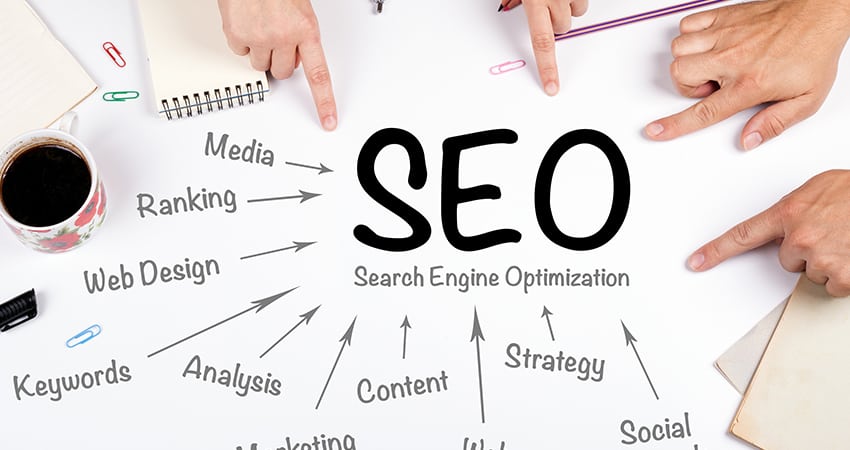
In the digital age, having a strong online presence is crucial for businesses looking to reach their target audience and drive growth. Search Engine Optimization (SEO) and Search Engine Marketing (SEM) are two powerful tools that can help businesses improve their visibility and attract more customers.

Search Engine Optimization (SEO)

SEO is the process of optimizing your website to rank higher in search engine results pages organically. By using relevant keywords, creating high-quality content, and improving website performance, businesses can increase their chances of appearing at the top of search engine results for relevant queries. This not only drives more traffic to their website but also enhances brand credibility and trust among users.

Search Engine Marketing (SEM)

SEM involves paid advertising efforts to promote a website’s visibility in search engine results pages. Through tools like Google Ads, businesses can create targeted ads that appear at the top of search results for specific keywords. SEM allows businesses to reach a wider audience quickly and generate immediate traffic to their websites. By carefully managing ad campaigns and monitoring performance metrics, businesses can maximise their return on investment through SEM.

The Benefits of SEO and SEM

Both SEO and SEM play complementary roles in enhancing a business’s online presence:

  • Increased Visibility: By appearing at the top of search engine results, businesses can attract more clicks and visits to their websites.
  • Targeted Traffic: SEO helps attract organic traffic from users actively searching for relevant information, while SEM allows businesses to target specific demographics with paid ads.
  • Improved Brand Awareness: Consistent visibility in search results boosts brand recognition and trust among potential customers.
  • Measurable Results: Both SEO and SEM provide valuable data on user behaviour, allowing businesses to track performance metrics and adjust strategies accordingly.

In Conclusion

SEO and SEM are essential components of a successful digital marketing strategy. By leveraging these tools effectively, businesses can enhance their online visibility, attract more customers, and ultimately drive growth in today’s competitive digital landscape.


18 Common Questions About SEO and SEM Marketing Explained

  1. What is SEO and SEM?
  2. What is SEM in marketing?
  3. Is SEO or SEM paid?
  4. What is an SEO in marketing?
  5. What is SEO in digital marketing?
  6. What is SEM used for in marketing?
  7. What is a SEO in marketing?
  8. What does SEO SEM means?
  9. What is SEO vs SEM vs SMO?
  10. What is SEM and SEO in digital marketing?
  11. What is SEM mean in marketing?
  12. What is the role of SEO and SEM in a marketing campaign?
  13. How to do marketing on SEO and SEM?
  14. Which is better SEO or SEM?
  15. Are SEM and SEO the same?
  16. Is SEO or SEM better?
  17. What does SEO and SEM do?
  18. Is Google Ads SEO or SEM?

What is SEO and SEM?

Search Engine Optimization (SEO) and Search Engine Marketing (SEM) are two fundamental pillars of digital marketing that play a crucial role in enhancing a business’s online visibility and driving traffic to its website. SEO involves optimising a website’s content, structure, and performance to rank higher in organic search results, thereby attracting more relevant traffic. On the other hand, SEM focuses on paid advertising strategies to promote a website through targeted ads that appear at the top of search engine results for specific keywords. Both SEO and SEM are essential tools for businesses looking to increase their online presence, attract potential customers, and achieve success in the competitive digital landscape.

What is SEM in marketing?

In the realm of digital marketing, SEM, which stands for Search Engine Marketing, plays a pivotal role in enhancing a company’s online visibility and driving targeted traffic to its website. SEM involves the strategic use of paid advertising campaigns to promote a business’s presence in search engine results pages. By utilising tools like Google Ads, businesses can create tailored ads that appear prominently when users search for specific keywords related to their products or services. This proactive approach allows companies to reach their target audience effectively and generate immediate traffic, making SEM an indispensable component of a comprehensive digital marketing strategy.

Is SEO or SEM paid?

In the realm of digital marketing, it is important to distinguish between Search Engine Optimization (SEO) and Search Engine Marketing (SEM) in terms of payment structure. SEO focuses on organic strategies to improve a website’s visibility in search engine results without direct payment to search engines. On the other hand, SEM involves paid advertising efforts, such as pay-per-click (PPC) campaigns, where businesses pay for their ads to appear in prominent positions on search engine results pages. While SEO does not involve direct payments for placement, SEM requires businesses to allocate a budget for ad placements and clicks. Both SEO and SEM are valuable tools in enhancing online presence, with each offering distinct advantages based on the business goals and budget considerations.

What is an SEO in marketing?

In the realm of marketing, SEO, which stands for Search Engine Optimization, plays a pivotal role in enhancing a website’s visibility and organic traffic through strategic techniques. Essentially, SEO in marketing involves the process of optimising various elements of a website to improve its ranking on search engine results pages. By focusing on factors such as keyword research, content quality, and user experience, businesses can tailor their online presence to meet the criteria set by search engines like Google. This concerted effort not only boosts a website’s chances of appearing higher in search results but also contributes to building credibility and trust with users seeking relevant information or products online.

What is SEO in digital marketing?

In the realm of digital marketing, SEO, which stands for Search Engine Optimization, plays a pivotal role in enhancing a website’s visibility and ranking on search engine results pages. SEO involves a strategic approach to optimizing various elements of a website, such as content, keywords, and user experience, with the goal of improving organic traffic from search engines. By understanding and implementing SEO best practices, businesses can increase their online presence, attract more relevant visitors to their site, and ultimately achieve higher conversion rates. In essence, SEO is the cornerstone of successful digital marketing efforts that aim to drive sustainable growth and establish a strong online presence in today’s competitive landscape.

What is SEM used for in marketing?

Search Engine Marketing (SEM) plays a crucial role in marketing by providing businesses with a powerful tool to enhance their online visibility and reach their target audience effectively. SEM is primarily used to promote websites through paid advertising efforts on search engines like Google. By creating targeted ads that appear at the top of search results for specific keywords, businesses can increase their online presence, drive traffic to their websites, and generate leads or sales. SEM allows businesses to reach a wider audience quickly and measurably, making it an essential component of any comprehensive digital marketing strategy aiming to achieve tangible results in today’s competitive online landscape.

What is a SEO in marketing?

In the realm of marketing, SEO, which stands for Search Engine Optimization, plays a vital role in enhancing a company’s online visibility and reach. SEO involves implementing strategies to improve a website’s ranking on search engine results pages organically. By focusing on relevant keywords, high-quality content creation, and technical optimization, businesses can increase their chances of appearing at the top of search results for specific queries. Ultimately, SEO helps businesses attract more organic traffic, build brand credibility, and connect with their target audience effectively in the digital landscape.

What does SEO SEM means?

Search Engine Optimization (SEO) and Search Engine Marketing (SEM) are two crucial components of digital marketing strategies aimed at improving a website’s visibility and driving traffic. SEO focuses on optimising a website to rank higher in organic search results, while SEM involves paid advertising efforts to enhance visibility in search engine results pages. In essence, SEO aims to attract organic traffic through content optimisation and keyword targeting, while SEM utilises paid ads to target specific audiences and drive immediate traffic to a website. Together, SEO and SEM play complementary roles in boosting online presence and achieving marketing objectives effectively.

What is SEO vs SEM vs SMO?

When it comes to digital marketing strategies, understanding the differences between SEO, SEM, and SMO is crucial for businesses aiming to enhance their online presence. Search Engine Optimization (SEO) focuses on improving a website’s organic visibility in search engine results by optimising content and website structure. Search Engine Marketing (SEM), on the other hand, involves paid advertising to drive immediate traffic and increase visibility through targeted ads. Social Media Optimization (SMO) aims to boost a brand’s presence on social media platforms by engaging with users and creating shareable content. Each of these strategies plays a unique role in driving traffic, improving brand awareness, and reaching target audiences effectively in the competitive online landscape.

What is SEM and SEO in digital marketing?

In the realm of digital marketing, Search Engine Marketing (SEM) and Search Engine Optimization (SEO) are two key strategies that businesses employ to enhance their online visibility and attract potential customers. SEM involves paid advertising efforts to promote a website’s visibility in search engine results pages, while SEO focuses on optimising a website’s content and structure to improve organic search rankings. Both SEM and SEO play vital roles in driving traffic to websites, increasing brand awareness, and ultimately boosting business growth in the competitive digital landscape. By understanding the nuances of SEM and SEO, businesses can craft comprehensive digital marketing strategies that effectively reach their target audience and achieve their marketing goals.

What is SEM mean in marketing?

In the realm of marketing, SEM stands for Search Engine Marketing. SEM encompasses paid advertising efforts that businesses undertake to enhance their online visibility in search engine results pages. Through the strategic use of tools like Google Ads, businesses can create targeted ads that appear prominently in search results for specific keywords relevant to their products or services. SEM allows companies to reach a broader audience quickly and generate immediate traffic to their websites, ultimately driving brand awareness and customer engagement in the competitive digital landscape.

What is the role of SEO and SEM in a marketing campaign?

In a marketing campaign, the roles of Search Engine Optimization (SEO) and Search Engine Marketing (SEM) are crucial for enhancing online visibility and driving targeted traffic to a business’s website. SEO focuses on optimising website content and structure to improve organic search engine rankings, thereby increasing visibility among users searching for relevant information. On the other hand, SEM involves paid advertising strategies to place ads at the top of search engine results pages, allowing businesses to reach a wider audience and generate immediate traffic. Together, SEO and SEM work hand in hand to boost brand awareness, attract potential customers, and achieve measurable results that contribute to the overall success of a marketing campaign.

How to do marketing on SEO and SEM?

When it comes to marketing through SEO and SEM, the key lies in understanding the unique strategies and techniques that each method offers. For SEO marketing, businesses should focus on optimising their website with relevant keywords, creating high-quality content, and improving user experience to enhance organic visibility in search engine results. On the other hand, SEM marketing involves setting up targeted ad campaigns through platforms like Google Ads to reach a specific audience quickly. By combining both SEO and SEM efforts strategically, businesses can maximise their online presence, attract more traffic, and ultimately achieve their marketing goals effectively in the digital landscape.

Which is better SEO or SEM?

When considering the question of whether SEO or SEM is better for your digital marketing strategy, it’s important to understand that both SEO and SEM serve distinct purposes and can complement each other effectively. SEO focuses on improving organic search visibility over time through strategies like keyword optimization and content creation, while SEM involves paid advertising to generate immediate traffic and leads. The choice between SEO and SEM depends on your specific goals, timeline, and budget. For long-term sustainable growth, investing in SEO can help establish a strong online presence. On the other hand, if you seek quick results and are willing to allocate a budget for advertising, SEM can provide immediate visibility. Ultimately, a combination of both SEO and SEM tailored to your business objectives is often the most effective approach in maximising online visibility and driving results.

Are SEM and SEO the same?

When it comes to digital marketing, a common question that arises is whether Search Engine Marketing (SEM) and Search Engine Optimization (SEO) are the same. While both SEM and SEO aim to improve a website’s visibility in search engine results, they differ in their approaches. SEO focuses on optimizing a website’s content and structure to rank organically in search results, while SEM involves paid advertising efforts to promote a website’s visibility through targeted ads. In essence, SEO is about enhancing organic search traffic over time, while SEM provides immediate visibility through paid campaigns. Understanding the nuances between SEM and SEO is essential for businesses looking to develop a comprehensive digital marketing strategy that maximises their online presence effectively.

Is SEO or SEM better?

When considering whether SEO or SEM is better for your digital marketing strategy, it’s essential to understand their distinct roles and benefits. SEO focuses on improving organic search visibility by optimising website content and structure, helping businesses rank higher in search engine results over time. On the other hand, SEM involves paid advertising to instantly boost visibility and drive targeted traffic to a website. The choice between SEO and SEM depends on your specific goals, timeline, and budget. While SEO offers long-term benefits and credibility, SEM provides immediate results and precise targeting options. Ultimately, a combination of both strategies can maximise your online presence and deliver optimal results for your business objectives.

What does SEO and SEM do?

SEO (Search Engine Optimization) and SEM (Search Engine Marketing) play crucial roles in enhancing a business’s online visibility and driving traffic to their website. SEO focuses on improving a website’s organic search rankings by using relevant keywords, creating quality content, and enhancing user experience. On the other hand, SEM involves paid advertising efforts to promote a website’s visibility in search engine results pages through targeted ads. Both SEO and SEM work together to increase a business’s online presence, attract more visitors, and ultimately boost brand awareness and customer engagement in the competitive digital landscape.

Is Google Ads SEO or SEM?

When considering the question “Is Google Ads SEO or SEM?”, it’s important to understand the distinction between the two. Google Ads, formerly known as Google AdWords, falls under the category of Search Engine Marketing (SEM). SEM involves paid advertising efforts to promote a website’s visibility in search engine results pages. Google Ads allows businesses to create targeted ads that appear at the top of search results for specific keywords, helping them reach a wider audience and generate immediate traffic. On the other hand, Search Engine Optimization (SEO) focuses on optimising a website to rank higher in search engine results organically. While both SEO and SEM are crucial for enhancing online visibility, Google Ads specifically aligns with SEM strategies by providing a platform for paid advertising campaigns.

Enhancing Your Digital Strategy with Expert Online Marketing Consulting Services

The Power of Online Marketing Consulting Services

In today’s digital age, having a strong online presence is crucial for the success of any business. With the vast array of marketing strategies available, navigating the online landscape can be overwhelming. This is where online marketing consulting services come into play.

Online marketing consulting services offer businesses expert guidance and support in developing and executing effective digital marketing strategies. Whether you are a small start-up or a well-established company, leveraging the expertise of online marketing consultants can help you maximise your online reach and drive growth.

Benefits of Online Marketing Consulting Services

Strategic Planning: Online marketing consultants work closely with businesses to develop customised strategies that align with their goals and target audience. By conducting thorough research and analysis, consultants can identify opportunities for growth and create a roadmap for success.

Digital Advertising: From pay-per-click campaigns to social media advertising, online marketing consultants have the expertise to optimise your advertising efforts for maximum ROI. They can help you reach your target audience effectively and efficiently through targeted campaigns.

Search Engine Optimisation (SEO): Improving your website’s visibility on search engines is essential for driving organic traffic. Online marketing consultants can provide SEO audits, keyword research, and content optimisation strategies to boost your search engine rankings.

Social Media Management: Maintaining an active presence on social media platforms is key to engaging with your audience and building brand awareness. Online marketing consultants can develop social media strategies tailored to your business objectives and manage your social media accounts effectively.

Choosing the Right Online Marketing Consultant

When selecting an online marketing consultant for your business, it is essential to consider their experience, track record, and approach to digital marketing. Look for consultants who have a proven history of delivering results for clients in your industry and who demonstrate a deep understanding of current digital trends.

By partnering with a reputable online marketing consultant, you can gain valuable insights into the ever-evolving world of digital marketing and stay ahead of the competition. Invest in professional guidance today to unlock the full potential of your online presence and drive sustainable growth for your business.


Maximising Success: Six Essential Tips for Effective Online Marketing Consultancy

  1. Understand your client’s business goals and target audience thoroughly.
  2. Offer tailored online marketing strategies based on the client’s needs and budget.
  3. Stay updated with the latest digital marketing trends and tools to provide effective solutions.
  4. Provide regular performance reports and analytics to track the success of campaigns.
  5. Communicate clearly and regularly with clients to ensure transparency and trust.
  6. Continuously evaluate and adjust strategies to improve results and ROI.

Understand your client’s business goals and target audience thoroughly.

To maximise the effectiveness of online marketing consulting services, it is essential to have a deep understanding of your client’s business goals and target audience. By thoroughly comprehending the objectives and aspirations of the business, consultants can tailor strategies that align with these goals and drive meaningful results. Similarly, gaining insight into the target audience allows for the creation of targeted campaigns that resonate with potential customers, ultimately leading to increased engagement and conversions. Understanding both the business goals and target audience is fundamental in crafting successful online marketing strategies that deliver tangible outcomes for clients.

Offer tailored online marketing strategies based on the client’s needs and budget.

By offering tailored online marketing strategies based on the client’s specific needs and budget, online marketing consulting services can provide a personalised approach to digital growth. This customised strategy ensures that resources are optimally allocated to achieve the client’s objectives effectively and efficiently. Whether it involves targeted advertising, search engine optimisation, or social media management, aligning the strategy with the client’s budget ensures a cost-effective solution that maximises results and delivers a strong return on investment.

To excel in the field of online marketing consulting services, it is essential to stay updated with the latest digital marketing trends and tools. By keeping abreast of industry developments, consultants can offer clients innovative and effective solutions that align with current best practices. Embracing new technologies and strategies allows consultants to adapt to the ever-changing digital landscape, ensuring that they provide valuable insights and recommendations that drive success for their clients.

Provide regular performance reports and analytics to track the success of campaigns.

To ensure the effectiveness of online marketing consulting services, it is essential to provide regular performance reports and analytics to track the success of campaigns. By monitoring key metrics and analysing data insights, businesses can gain valuable feedback on the performance of their digital marketing strategies. These reports not only help in assessing the impact of campaigns but also enable consultants to make data-driven decisions for continuous improvement and optimisation. Regular reporting and analytics play a crucial role in measuring ROI, identifying areas for enhancement, and ultimately achieving long-term success in online marketing efforts.

Communicate clearly and regularly with clients to ensure transparency and trust.

Effective communication is key in the realm of online marketing consulting services. By communicating clearly and regularly with clients, consultants can establish transparency and build trust throughout the collaboration process. Keeping clients informed about progress, strategies, and results fosters a strong client-consultant relationship, ensuring that goals are aligned and expectations are met. Transparent communication not only enhances client satisfaction but also paves the way for successful outcomes in the dynamic world of digital marketing.

Continuously evaluate and adjust strategies to improve results and ROI.

To maximise the effectiveness of online marketing consulting services, it is crucial to continuously evaluate and adjust strategies to enhance results and return on investment (ROI). By monitoring key performance indicators and analysing data, businesses can identify areas for improvement and make informed decisions to optimise their digital marketing efforts. This iterative approach allows for agility in responding to market trends and consumer behaviour, ultimately leading to greater success in achieving business objectives through online marketing initiatives.

internet marketing agency

Empowering Your Business Growth: The Role of an Expert Internet Marketing Agency

The Role of an Internet Marketing Agency in Boosting Your Online Presence

In today’s digital age, having a strong online presence is crucial for businesses looking to reach their target audience and stay ahead of the competition. This is where an internet marketing agency plays a vital role in helping businesses navigate the complex world of digital marketing and maximise their online visibility.

What Does an Internet Marketing Agency Do?

An internet marketing agency specialises in developing and implementing strategies to promote a business’s products or services online. This involves a range of activities, including search engine optimisation (SEO), pay-per-click (PPC) advertising, social media marketing, content creation, email marketing, and more.

By leveraging these digital channels effectively, an internet marketing agency can help businesses drive traffic to their websites, generate leads, increase sales, and build brand awareness in the competitive online landscape.

The Benefits of Hiring an Internet Marketing Agency

There are several key benefits to partnering with an internet marketing agency:

  • Expertise: Internet marketing agencies have a team of professionals with expertise in various digital marketing disciplines. They stay up-to-date with the latest trends and best practices to deliver effective strategies tailored to your business goals.
  • Time-Saving: Outsourcing your digital marketing efforts to an agency frees up your time to focus on other aspects of your business. Letting experts handle your online presence allows you to concentrate on core operations.
  • Cost-Effective: Hiring an internet marketing agency can be more cost-effective than hiring an in-house team. Agencies have the tools and resources needed for successful campaigns without the overhead costs associated with hiring full-time employees.
  • Data-Driven Results: Internet marketing agencies use data analytics to track and measure the performance of campaigns. This data-driven approach allows for continuous optimisation and improved results over time.

In Conclusion

An internet marketing agency plays a crucial role in helping businesses establish a strong online presence and reach their target audience effectively. By leveraging the expertise of professionals in the field, businesses can enhance their digital strategy, drive growth, and stay competitive in today’s fast-paced digital landscape.

If you’re looking to take your online presence to the next level, consider partnering with an internet marketing agency to unlock new opportunities for success in the digital realm.


Comprehensive Guide to Common Queries About Internet Marketing Agencies

  1. Who is the best digital marketing agency?
  2. What are internet marketing services?
  3. What is an Internet marketing agency?
  4. Who are the big 4 ad agencies?
  5. Who are the big 5 advertising agencies?
  6. What is an online marketing agency?
  7. How much should I pay a digital marketing agency?
  8. How much does a digital marketing agency charge?
  9. What is TMD marketing?
  10. What is internet marketing example?
  11. What is an internet marketing business?
  12. How much does it cost to do marketing on the internet?
  13. What are the 6 areas of Internet marketing?
  14. What is an online marketing company?
  15. What is media marketing agency?
  16. What is an example of an online agency?
  17. How many digital marketing agencies are there in the UK?
  18. How do I start an Internet marketing agency?
  19. Which agency is best for digital marketing?
  20. What does a media marketing agency do?
  21. Which company is best in digital marketing?
  22. Which is the best digital marketing agency?
  23. Is digital marketing legal in the UK?
  24. What does a marketing agency do?
  25. What is an agency in digital marketing?
  26. Who is the best online marketing company?
  27. What does an Internet marketing agency do?
  28. What is Internet marketing called?

Who is the best digital marketing agency?

When it comes to determining the best digital marketing agency, the answer can vary depending on specific needs and objectives. The best agency for one business may not necessarily be the best fit for another. Factors such as industry expertise, track record of success, range of services offered, client testimonials, and budget considerations all play a role in selecting the right digital marketing partner. It’s essential for businesses to research and evaluate various agencies to find one that aligns with their goals and values, ultimately leading to a successful and productive partnership in achieving online marketing objectives.

What are internet marketing services?

Internet marketing services encompass a range of strategies and techniques designed to promote a business’s products or services online. These services may include search engine optimisation (SEO) to improve website visibility in search engine results, pay-per-click (PPC) advertising for targeted online campaigns, social media marketing to engage with audiences on various platforms, content creation for valuable and relevant information, email marketing for direct communication with customers, and more. Internet marketing services aim to enhance a business’s online presence, drive traffic to its website, generate leads, increase sales, and build brand awareness in the competitive digital landscape. By utilising these services effectively, businesses can reach their target audience and achieve their marketing goals in the online world.

What is an Internet marketing agency?

An internet marketing agency is a specialised firm that offers a range of services to help businesses promote their products or services online. These agencies leverage various digital marketing strategies, such as search engine optimisation (SEO), pay-per-click (PPC) advertising, social media marketing, content creation, email marketing, and more, to enhance a business’s online presence and reach its target audience effectively. By utilising the expertise of professionals in the field, an internet marketing agency assists businesses in driving traffic to their websites, generating leads, increasing sales, and building brand awareness in the competitive online landscape.

Who are the big 4 ad agencies?

In the realm of advertising, the term “Big 4 ad agencies” typically refers to four major global advertising agencies known for their significant influence and reach in the industry. These agencies are WPP, Omnicom Group, Publicis Groupe, and Interpublic Group (IPG). Collectively, they hold a substantial market share and work with a wide range of clients on advertising campaigns across various media channels. Their expertise and extensive networks make them key players in shaping the landscape of modern advertising and marketing strategies.

Who are the big 5 advertising agencies?

When it comes to the big players in the advertising industry, the term “Big 5” often refers to five major global advertising agencies known for their vast influence and reach. These agencies are WPP, Omnicom Group, Publicis Groupe, Interpublic Group, and Dentsu Group. Each of these agencies has a significant presence in the advertising world, working with a wide range of clients across various industries to create impactful and memorable campaigns that resonate with audiences worldwide.

What is an online marketing agency?

An online marketing agency is a professional service provider that specialises in developing and implementing digital marketing strategies to promote businesses and their offerings on the internet. These agencies utilise a range of online channels, such as search engines, social media platforms, email campaigns, and content creation, to enhance a company’s online presence, drive targeted traffic to their website, generate leads, increase sales, and ultimately boost brand visibility and awareness in the competitive online landscape. By leveraging their expertise in various digital marketing disciplines, an online marketing agency helps businesses navigate the complexities of the digital world and achieve their goals effectively in today’s interconnected marketplace.

How much should I pay a digital marketing agency?

Determining the cost of hiring a digital marketing agency can vary depending on various factors such as the scope of services required, the size of your business, and the level of expertise needed. Pricing structures can range from monthly retainers to project-based fees or performance-based models. It’s essential to discuss your specific goals and budget with potential agencies to receive tailored quotes that align with your objectives. Investing in a reputable digital marketing agency that offers transparent pricing and delivers measurable results can be a valuable asset in achieving your online marketing goals effectively.

How much does a digital marketing agency charge?

When it comes to the cost of hiring a digital marketing agency, the fees can vary depending on several factors such as the scope of services required, the size of your business, and the level of expertise needed. Digital marketing agencies typically offer a range of pricing models, including monthly retainers, project-based fees, and performance-based pricing. It’s important to discuss your specific needs with potential agencies to get a clear understanding of their pricing structure and how it aligns with your budget and goals. Remember that investing in a reputable digital marketing agency can yield significant returns in terms of increased online visibility, lead generation, and overall business growth.

What is TMD marketing?

TMD marketing, also known as Targeted Marketing Development, is a strategic approach used by internet marketing agencies to tailor marketing campaigns specifically to target audiences based on demographic, behavioural, or psychographic factors. This personalised approach allows businesses to reach the right customers with the right message at the right time, leading to higher engagement and conversion rates. TMD marketing involves in-depth research and analysis to understand the preferences and behaviours of target audiences, enabling businesses to create more effective and impactful marketing strategies that drive results.

What is internet marketing example?

An example of internet marketing is the use of social media platforms such as Facebook, Instagram, and Twitter to promote products or services online. Businesses can create engaging content, run targeted advertising campaigns, and interact with their audience to increase brand awareness, drive website traffic, and generate leads. By leveraging the power of social media channels, businesses can reach a wider audience and engage with potential customers in a more interactive and personalised way, ultimately leading to increased sales and business growth.

What is an internet marketing business?

An internet marketing business is a company that specialises in promoting products or services online through various digital channels. These businesses leverage strategies such as search engine optimisation (SEO), pay-per-click (PPC) advertising, social media marketing, content creation, email campaigns, and more to help clients increase their online visibility and reach their target audience effectively. Internet marketing businesses play a crucial role in assisting companies in navigating the complex world of digital marketing and developing tailored strategies to enhance their online presence, drive traffic to their websites, generate leads, and ultimately boost sales and brand awareness in the competitive online landscape.

How much does it cost to do marketing on the internet?

One of the most frequently asked questions about internet marketing agencies is, “How much does it cost to do marketing on the internet?” The cost of internet marketing can vary significantly depending on factors such as the scope of services required, the size of the target audience, the competitiveness of the industry, and the goals of the marketing campaign. Internet marketing agencies typically offer a range of pricing options, from fixed packages to customised solutions tailored to meet specific budget requirements. It is essential for businesses to discuss their needs and objectives with an internet marketing agency to determine a cost-effective strategy that aligns with their budget and delivers measurable results.

What are the 6 areas of Internet marketing?

Internet marketing encompasses a wide range of strategies and tactics aimed at promoting businesses online. The six key areas of Internet marketing include search engine optimisation (SEO), pay-per-click (PPC) advertising, social media marketing, content marketing, email marketing, and influencer marketing. Each of these areas plays a crucial role in enhancing a business’s online visibility, driving traffic to their website, engaging with their target audience, and ultimately converting leads into customers. By leveraging these diverse Internet marketing channels effectively, businesses can create a comprehensive digital strategy that maximises their online presence and boosts their overall success in the competitive digital landscape.

What is an online marketing company?

An online marketing company, also known as an internet marketing agency, is a professional firm that specialises in promoting businesses and their products or services through various digital channels. These companies utilise a range of online strategies such as search engine optimisation (SEO), pay-per-click (PPC) advertising, social media marketing, email campaigns, and content creation to help businesses increase their online visibility, attract more customers, and achieve their marketing goals in the competitive online landscape. By leveraging the expertise of an online marketing company, businesses can enhance their digital presence and reach their target audience effectively in today’s digital age.

What is media marketing agency?

A media marketing agency is a specialised firm that focuses on creating and implementing strategic marketing campaigns across various media channels to promote a brand, product, or service. These agencies leverage different forms of media, such as television, radio, print, digital platforms, and social media, to reach and engage with target audiences effectively. By utilising the power of media channels, a media marketing agency helps businesses enhance their visibility, build brand awareness, drive customer engagement, and ultimately achieve their marketing objectives in a dynamic and competitive landscape.

What is an example of an online agency?

An example of an online agency is Digital Marketing Agency Ltd., a leading internet marketing agency that specialises in providing comprehensive digital solutions to businesses looking to enhance their online presence. With a team of experts skilled in SEO, PPC advertising, social media marketing, and content creation, Digital Marketing Agency Ltd. helps clients achieve their digital marketing goals and drive measurable results. Their client-centric approach and track record of success make them a prime example of an effective online agency dedicated to helping businesses succeed in the competitive digital landscape.

How many digital marketing agencies are there in the UK?

The exact number of digital marketing agencies in the UK is constantly changing due to the dynamic nature of the industry. With the increasing demand for digital marketing services, there are numerous agencies operating across the UK, ranging from small boutique firms to large full-service agencies. While it is challenging to provide an exact figure, it is safe to say that there is a diverse and competitive landscape of digital marketing agencies in the UK, offering a wide range of services to cater to the needs of businesses looking to enhance their online presence and reach their target audience effectively.

How do I start an Internet marketing agency?

Starting an internet marketing agency requires careful planning and strategic execution. To begin, you should conduct thorough market research to understand the industry landscape, identify your target audience, and assess your competition. Next, define your services and unique value proposition to differentiate yourself in the market. Establishing a strong online presence through a professional website and active social media profiles is essential for attracting potential clients. Building a network of industry contacts and leveraging referrals can also help kickstart your agency. Finally, focus on delivering high-quality services, staying updated on digital marketing trends, and continuously refining your strategies to ensure long-term success in the competitive internet marketing industry.

Which agency is best for digital marketing?

When considering which agency is best for digital marketing, it is essential to look for a company that aligns with your specific business goals and needs. The best agency for digital marketing will have a track record of success in delivering results for clients in your industry, a team of skilled professionals with expertise in various digital marketing disciplines, a transparent and collaborative approach to working with clients, and a commitment to staying up-to-date with the latest trends and technologies in the ever-evolving digital landscape. Conducting thorough research, reading client testimonials, and scheduling consultations can help you determine which agency is the best fit to help you achieve your digital marketing objectives effectively.

What does a media marketing agency do?

A media marketing agency specialises in creating and executing strategic marketing campaigns across various media channels to promote a business’s products or services. These agencies leverage traditional media (such as television, radio, print) as well as digital platforms (including social media, online advertising, email marketing) to reach and engage with target audiences effectively. By developing tailored strategies and content that resonate with consumers, a media marketing agency helps businesses enhance their brand visibility, drive customer engagement, and ultimately achieve their marketing goals in today’s competitive landscape.

Which company is best in digital marketing?

When it comes to determining the best company in digital marketing, the answer can vary depending on specific business needs and goals. There are several top digital marketing agencies known for their expertise, innovative strategies, and successful track records in helping businesses achieve online success. Conducting thorough research, reading client testimonials, and evaluating case studies can help identify a digital marketing agency that aligns with your objectives and delivers the results you seek. Ultimately, the best company in digital marketing is one that understands your unique requirements, offers tailored solutions, and demonstrates a proven ability to drive growth and engagement in the ever-evolving digital landscape.

Which is the best digital marketing agency?

When it comes to determining the best digital marketing agency, the answer can vary depending on individual business needs and goals. The best agency for one company may not necessarily be the ideal choice for another. Factors to consider when evaluating digital marketing agencies include their expertise in specific areas such as SEO, PPC, social media marketing, content creation, and overall industry experience. It is essential to research and compare agencies based on their track record, client testimonials, case studies, and the alignment of their services with your business objectives to find the right fit that can deliver results tailored to your unique requirements.

Digital marketing is legal in the UK as long as it complies with relevant laws and regulations governing data protection, consumer rights, and advertising standards. Businesses engaging in digital marketing activities must adhere to the General Data Protection Regulation (GDPR) guidelines to ensure the lawful processing of personal data. Additionally, digital marketing campaigns must be transparent, honest, and not misleading to consumers. By following these legal requirements, businesses can leverage the power of digital marketing effectively while staying compliant with UK regulations.

What does a marketing agency do?

A marketing agency specialises in developing and implementing strategies to promote a business’s products or services through various online and offline channels. These agencies work closely with clients to understand their goals and target audience, creating tailored marketing campaigns that drive brand awareness, generate leads, increase sales, and ultimately grow the business. From digital marketing tactics such as SEO, PPC advertising, social media management, content creation, and email marketing to traditional advertising methods like print and TV campaigns, a marketing agency offers a comprehensive range of services to help businesses achieve their marketing objectives effectively.

What is an agency in digital marketing?

An agency in digital marketing is a professional service provider that specialises in creating and implementing strategic online marketing campaigns for businesses. These agencies utilise various digital channels such as search engines, social media, email, and content marketing to promote a company’s products or services to a targeted audience. By leveraging their expertise in areas like SEO, PPC advertising, and social media management, digital marketing agencies help businesses enhance their online visibility, attract potential customers, and ultimately drive growth and success in the competitive digital landscape.

Who is the best online marketing company?

When it comes to determining the best online marketing company, the answer can vary depending on specific needs and objectives. The best online marketing company for one business may not necessarily be the best fit for another. Factors such as industry expertise, track record of success, range of services offered, and client testimonials all play a role in identifying the most suitable online marketing company. It is essential for businesses to conduct thorough research, compare options, and consider their unique requirements before selecting an online marketing company that aligns with their goals and values.

What does an Internet marketing agency do?

An Internet marketing agency specialises in developing and implementing strategies to promote a business’s products or services online. This involves a range of activities, including search engine optimisation (SEO), pay-per-click (PPC) advertising, social media marketing, content creation, email marketing, and more. By leveraging these digital channels effectively, an Internet marketing agency can help businesses drive traffic to their websites, generate leads, increase sales, and build brand awareness in the competitive online landscape. The agency’s expertise lies in crafting tailored digital marketing campaigns that align with the client’s goals and target audience, ultimately maximising their online visibility and impact.

What is Internet marketing called?

Internet marketing is commonly referred to as online marketing or digital marketing. It encompasses a range of strategies and tactics used to promote products or services on the internet. Internet marketing leverages various online channels such as search engines, social media platforms, email, and websites to reach target audiences and drive engagement. By utilising these digital channels effectively, businesses can increase brand visibility, generate leads, and ultimately boost sales in the competitive online landscape.

real estate online marketing

Mastering Real Estate Online Marketing Strategies for Success in the Digital Age

Real Estate Online Marketing

The Power of Real Estate Online Marketing

In today’s digital age, the real estate industry has witnessed a significant shift towards online marketing strategies. With the vast majority of property searches starting on the internet, it has become essential for real estate professionals to establish a strong online presence to reach potential buyers and sellers.

Benefits of Online Marketing for Real Estate

Online marketing offers numerous benefits for real estate agents and agencies. Here are some key advantages:

  • Increased Visibility: By utilising online marketing channels such as social media, search engine optimisation (SEO), and email campaigns, real estate professionals can increase their visibility and reach a wider audience.
  • Targeted Advertising: Online marketing allows for precise targeting of specific demographics, interests, and locations, ensuring that your message reaches the right audience at the right time.
  • Cost-Effective: Compared to traditional marketing methods, online marketing is often more cost-effective and offers a higher return on investment (ROI).
  • Data Analytics: With online marketing tools, real estate professionals can track and analyse data to understand user behaviour, measure campaign performance, and make informed decisions to optimise their strategies.
  • Better Engagement: Through engaging content such as virtual property tours, high-quality images, and informative blogs, online marketing helps create a more immersive experience for potential clients.

Tips for Successful Real Estate Online Marketing

To maximise the effectiveness of your online marketing efforts in the real estate industry, consider implementing the following tips:

  1. Create a Mobile-Friendly Website: Ensure that your website is responsive and optimised for mobile devices to provide a seamless browsing experience for users on smartphones and tablets.
  2. Utilise High-Quality Visuals: Use professional photography and videos to showcase properties effectively and capture the attention of potential buyers.
  3. Leverage Social Media Platforms: Engage with your audience on social media platforms such as Facebook, Instagram, and LinkedIn to build relationships and promote your listings.
  4. Implement SEO Strategies: Optimise your website content with relevant keywords to improve search engine rankings and drive organic traffic to your site.
  5. Create Compelling Content: Publish informative blog posts, property guides, market insights, and other valuable content to establish yourself as an authority in the real estate industry.

In conclusion, real estate online marketing offers unparalleled opportunities for professionals in the industry to connect with clients, showcase properties effectively, and drive business growth. By embracing digital strategies and staying ahead of trends, real estate agents can position themselves for success in today’s competitive market.


Top 9 Frequently Asked Questions About Online Marketing for Real Estate

  1. Is digital marketing good for real estate?
  2. What is the 3 3 3 rule in marketing?
  3. What marketing works best for real estate agents?
  4. Which is the best digital marketing for real estate?
  5. How do you do marketing in real estate?
  6. How can I do digital marketing in real estate?
  7. What type of marketing is best for real estate?
  8. What is internet marketing in real estate?
  9. Does Facebook marketing work for real estate?

Is digital marketing good for real estate?

Digital marketing is highly beneficial for the real estate industry. It offers real estate professionals a powerful platform to showcase properties, engage with potential buyers and sellers, and expand their reach in a competitive market. Through targeted online strategies such as social media advertising, search engine optimisation, and email campaigns, real estate agents can effectively promote listings, build brand awareness, and generate leads. The data-driven nature of digital marketing also allows for precise tracking of performance metrics, enabling professionals to refine their strategies for optimal results. In today’s digital landscape, embracing digital marketing is essential for real estate professionals looking to stay ahead and succeed in an increasingly online-focused industry.

What is the 3 3 3 rule in marketing?

The “3 3 3 rule” in marketing refers to a strategy that involves sending three emails a week, posting on social media platforms three times a day, and updating your blog with new content three times a week. This rule aims to maintain consistent communication with your audience, drive engagement, and establish your brand as a reliable source of information in the competitive real estate market. By adhering to the “3 3 3 rule,” real estate professionals can effectively nurture leads, build relationships with potential clients, and ultimately boost their online presence and visibility.

What marketing works best for real estate agents?

When it comes to determining the most effective marketing strategies for real estate agents, a multi-faceted approach often yields the best results. Successful real estate agents commonly utilise a combination of online and offline marketing tactics to reach a diverse audience and generate leads. Online marketing channels such as social media advertising, search engine optimisation (SEO), email campaigns, and targeted online ads have proven to be highly effective in reaching potential buyers and sellers in today’s digital landscape. Additionally, traditional marketing methods like networking events, direct mail campaigns, and local print advertising can also play a valuable role in building brand awareness and establishing credibility within the community. By employing a comprehensive marketing mix tailored to their target market, real estate agents can maximise their visibility, engage with clients effectively, and ultimately drive business growth.

Which is the best digital marketing for real estate?

When it comes to real estate online marketing, the question of which is the best digital marketing strategy often arises. The answer to this question may vary depending on the specific goals and target audience of a real estate professional or agency. Some popular digital marketing strategies for real estate include search engine optimisation (SEO) to improve online visibility, social media marketing to engage with potential clients, email campaigns to nurture leads, and content marketing to provide valuable information to prospects. Ultimately, the best digital marketing approach for real estate is one that aligns with the business objectives, resonates with the target market, and delivers measurable results in terms of lead generation and conversions.

How do you do marketing in real estate?

Marketing in real estate involves a strategic approach to promoting properties and services to attract potential buyers or sellers. To effectively market in real estate, professionals utilise a combination of online and offline tactics. Online marketing strategies may include creating a user-friendly website, optimising content for search engines, engaging on social media platforms, and utilising email campaigns. Offline marketing efforts often involve traditional methods such as networking events, direct mailers, and signage. By implementing a well-rounded marketing plan that leverages both digital and traditional channels, real estate professionals can reach their target audience effectively and drive business growth.

How can I do digital marketing in real estate?

To effectively implement digital marketing in the real estate industry, professionals can start by developing a comprehensive online marketing strategy tailored to their target audience and business goals. This may involve creating a mobile-friendly website with high-quality visuals of properties, utilising social media platforms for engagement and promotion, implementing SEO strategies to improve online visibility, and producing compelling content such as property guides and market insights. By embracing digital tools and techniques, real estate agents can enhance their online presence, reach a wider audience, and ultimately drive success in today’s competitive market.

What type of marketing is best for real estate?

When considering the most effective marketing strategies for real estate, a combination of online and offline tactics often yields the best results. In today’s digital landscape, online marketing channels such as social media advertising, search engine optimisation (SEO), email campaigns, and virtual property tours play a crucial role in reaching and engaging with potential buyers and sellers. However, traditional marketing methods like networking events, direct mail campaigns, and print advertising should not be overlooked, as they can also contribute to building brand awareness and establishing credibility in the competitive real estate market. By integrating a mix of online and offline marketing approaches tailored to the target audience and property type, real estate professionals can maximise their visibility, attract qualified leads, and ultimately drive successful transactions.

What is internet marketing in real estate?

Internet marketing in real estate refers to the strategic use of online channels and platforms to promote properties, attract potential buyers or tenants, and generate leads for real estate professionals. This multifaceted approach encompasses various digital marketing techniques such as search engine optimisation (SEO), social media marketing, email campaigns, online advertising, and content creation. By leveraging the power of the internet, real estate agents can increase their visibility, target specific audiences effectively, and engage with clients in a more personalised and interactive manner. Internet marketing in real estate plays a crucial role in driving property sales, enhancing brand awareness, and staying competitive in today’s digital landscape.

Does Facebook marketing work for real estate?

When it comes to real estate online marketing, a frequently asked question is, “Does Facebook marketing work for real estate?” The answer is a resounding yes. Facebook marketing can be highly effective for real estate professionals looking to reach a targeted audience, showcase properties, and generate leads. With its extensive user base and powerful advertising tools, Facebook offers real estate agents the opportunity to engage with potential buyers and sellers in a visually appealing and interactive manner. By leveraging features such as targeted ads, engaging content, and lead generation forms, real estate professionals can effectively promote listings, build brand awareness, and drive conversions through Facebook marketing strategies.

digital marketing near me

Unlocking Local Success: Digital Marketing Near Me

Digital Marketing Near Me: Harnessing the Power of Local Expertise

Digital Marketing Near Me: Harnessing the Power of Local Expertise

In today’s digital age, having a strong online presence is essential for businesses to thrive. Whether you are a small local shop or a large corporation, digital marketing can help you reach your target audience and drive growth. When looking for digital marketing services, considering options near you can offer unique advantages.

The Benefits of Choosing Local Digital Marketing Services

Personalised Service: Working with a local digital marketing agency allows for more personalised and tailored services. They understand the local market dynamics and can create strategies that resonate with your specific audience.

Quick Communication: Proximity facilitates quick and efficient communication. Being able to meet face-to-face with your digital marketing team can lead to better collaboration and faster decision-making.

Local Insights: Local agencies have insights into the community, culture, and trends that can give your marketing campaigns an edge. They understand what drives local consumers and how to position your brand effectively.

Finding the Right Digital Marketing Partner Near You

When searching for digital marketing services near you, consider factors such as experience, expertise, portfolio, and client testimonials. Look for agencies that align with your business goals and values to ensure a successful partnership.

Remember, digital marketing is not just about reaching a global audience; it’s also about connecting with your local community in meaningful ways. By harnessing the power of local expertise, you can elevate your brand presence and drive growth in your target market.

Get Started Today

Ready to take your digital marketing efforts to the next level? Explore local options near you and discover how harnessing the power of local expertise can propel your business forward in the digital landscape.


8 Essential Tips for Boosting Your Local Digital Marketing Strategy

  1. Optimize your website for local search keywords to attract nearby customers.
  2. Utilize Google My Business to enhance your online presence and visibility in local searches.
  3. Engage with your local community on social media platforms to build relationships and brand loyalty.
  4. Create targeted ads for a specific radius around your location to reach potential customers near you.
  5. Collaborate with local influencers or businesses to expand your reach in the area.
  6. Collect and showcase customer reviews and testimonials from local clients to build trust with new prospects.
  7. Attend or host local events to network with other businesses and promote your services within the community.
  8. Offer exclusive promotions or discounts for locals through email marketing campaigns.

Optimize your website for local search keywords to attract nearby customers.

To maximise the impact of your digital marketing efforts in your local area, it is crucial to optimise your website for local search keywords. By incorporating relevant keywords that reflect your location and target audience, you can enhance your visibility in local search results and attract nearby customers actively seeking your products or services. This strategic approach not only improves your website’s search engine ranking but also increases the likelihood of connecting with potential customers in your community, ultimately driving more foot traffic and conversions to your business.

Utilize Google My Business to enhance your online presence and visibility in local searches.

By utilising Google My Business, you can significantly enhance your online presence and visibility in local searches. This powerful tool allows you to manage your business information, interact with customers, and showcase your offerings on Google Search and Maps. By ensuring that your business details are accurate and up-to-date on Google My Business, you can improve your chances of being discovered by local customers searching for products or services like yours. It’s a valuable asset for boosting your visibility in the digital landscape and connecting with potential clients in your area effectively.

Engage with your local community on social media platforms to build relationships and brand loyalty.

Engaging with your local community on social media platforms is a powerful strategy to foster relationships and cultivate brand loyalty. By actively participating in conversations, responding to comments, and sharing relevant content, you can establish a strong connection with your audience. This approach not only helps in building trust but also creates a sense of community around your brand, ultimately leading to increased customer loyalty and advocacy. Embracing the local community through social media can be a game-changer in your digital marketing efforts, enhancing brand visibility and driving meaningful interactions with your target audience.

Create targeted ads for a specific radius around your location to reach potential customers near you.

Creating targeted ads for a specific radius around your location is a smart strategy in digital marketing. By focusing on reaching potential customers near you, you can maximise the impact of your advertising efforts and connect with local audiences more effectively. This approach allows you to tailor your messages to suit the preferences and needs of people in your immediate vicinity, increasing the likelihood of attracting new customers and driving foot traffic to your business.

Collaborate with local influencers or businesses to expand your reach in the area.

Collaborating with local influencers or businesses is a powerful strategy to enhance your digital marketing efforts in your area. By partnering with individuals or organisations that already have a strong presence and following locally, you can tap into their audience and expand your reach effectively. This collaboration not only helps you connect with potential customers but also builds credibility and trust within the community, ultimately boosting brand awareness and driving engagement in the local market.

Collect and showcase customer reviews and testimonials from local clients to build trust with new prospects.

Collecting and showcasing customer reviews and testimonials from local clients is a powerful strategy in digital marketing near me. By highlighting positive experiences and feedback from satisfied customers within the community, businesses can establish credibility and build trust with new prospects. Genuine testimonials act as social proof, demonstrating the quality of products or services and reassuring potential customers of the brand’s reliability. Leveraging local client reviews not only enhances reputation but also fosters a sense of connection with the target audience, ultimately driving engagement and conversions.

Attend or host local events to network with other businesses and promote your services within the community.

Attending or hosting local events is a valuable tip for leveraging digital marketing near you. By actively participating in community gatherings, you have the opportunity to network with other businesses and showcase your services to a targeted local audience. Engaging with fellow entrepreneurs and potential customers in person can help build meaningful connections and establish your brand as a trusted presence within the community. This personal touch can complement your online marketing efforts and create a strong foundation for business growth in your area.

Offer exclusive promotions or discounts for locals through email marketing campaigns.

By offering exclusive promotions or discounts tailored for locals through targeted email marketing campaigns, businesses can effectively engage with their community and drive customer loyalty. Providing special deals to local customers not only fosters a sense of appreciation but also encourages repeat business and word-of-mouth referrals. This personalised approach in digital marketing near me can help businesses strengthen their relationships with the local audience and boost sales while creating a strong brand presence in the community.

digital marketing services company

Elevate Your Brand with a Leading Digital Marketing Services Company

The Power of Digital Marketing Services Companies in Today’s Business Landscape

In the digital age, having a strong online presence is essential for businesses looking to reach and engage with their target audience effectively. This is where digital marketing services companies play a crucial role in helping businesses navigate the ever-evolving digital landscape and achieve their marketing goals.

What Do Digital Marketing Services Companies Offer?

Digital marketing services companies provide a wide range of services designed to enhance a business’s online visibility, attract more customers, and ultimately drive revenue growth. Some common services offered by these companies include:

  • Search Engine Optimization (SEO): Optimising a website to rank higher in search engine results pages, increasing organic traffic and visibility.
  • Pay-Per-Click (PPC) Advertising: Running targeted advertising campaigns to drive immediate traffic to a website and generate leads.
  • Social Media Marketing: Creating and managing social media campaigns to engage with audiences on platforms like Facebook, Instagram, Twitter, and LinkedIn.
  • Email Marketing: Sending personalised emails to nurture leads, promote products or services, and build customer relationships.
  • Content Marketing: Creating valuable and relevant content to attract and retain a clearly defined audience.

The Benefits of Working with a Digital Marketing Services Company

Collaborating with a digital marketing services company offers numerous benefits for businesses seeking to establish a strong online presence:

  • Expertise: Digital marketing professionals have the knowledge and skills needed to develop effective strategies tailored to each client’s unique goals.
  • Data-Driven Approach: These companies leverage data analytics tools to track performance metrics and make informed decisions that drive results.
  • Creative Solutions: They bring fresh perspectives and innovative ideas to help businesses stand out in competitive markets.
  • Saves Time and Resources: Outsourcing digital marketing allows businesses to focus on core operations while experts handle the intricacies of online marketing campaigns.

The Future of Digital Marketing Services Companies

As technology continues to advance rapidly, the role of digital marketing services companies will only become more critical for businesses looking to thrive in the digital landscape. From AI-driven automation tools to personalised customer experiences, these companies will continue evolving their strategies to stay ahead of trends and deliver impactful results for their clients.

In conclusion, partnering with a reputable digital marketing services company can be the key to unlocking your business’s full potential in the digital realm. By harnessing their expertise and resources, you can elevate your brand, reach new audiences, and drive sustainable growth in today’s competitive market environment.


9 Essential Tips for Enhancing Your Digital Marketing Services Company

  1. Understand your target audience to create targeted marketing strategies.
  2. Utilise social media platforms to engage with potential customers.
  3. Invest in search engine optimisation (SEO) to improve online visibility.
  4. Create high-quality content that adds value to your audience.
  5. Offer various digital marketing services to cater to different client needs.
  6. Monitor and analyse key performance indicators (KPIs) regularly for insights and improvements.
  7. Build strong relationships with clients through excellent customer service.
  8. Stay updated on the latest digital marketing trends and technologies.
  9. Collaborate with influencers or other businesses for wider reach.

Understand your target audience to create targeted marketing strategies.

To maximise the effectiveness of your digital marketing efforts, it is crucial to understand your target audience thoroughly. By gaining insights into their demographics, preferences, behaviours, and needs, you can create tailored and targeted marketing strategies that resonate with them on a deeper level. This understanding allows digital marketing services companies to deliver personalised content, engage with the right audience through the most effective channels, and ultimately drive meaningful interactions that lead to increased brand awareness and conversions. By prioritising audience understanding in your digital marketing approach, you can build stronger connections with your target market and achieve better results for your business.

Utilise social media platforms to engage with potential customers.

To maximise your digital marketing efforts, it is essential for a digital marketing services company to leverage social media platforms effectively in order to connect and engage with potential customers. By creating compelling content, interacting with users, and running targeted campaigns on platforms such as Facebook, Instagram, Twitter, and LinkedIn, businesses can build meaningful relationships with their audience, drive brand awareness, and ultimately increase conversions. Social media provides a valuable channel for businesses to share their message, showcase their products or services, and foster a sense of community among followers, leading to long-term customer loyalty and advocacy.

Invest in search engine optimisation (SEO) to improve online visibility.

Investing in search engine optimisation (SEO) is a crucial strategy for any business looking to enhance its online visibility and reach a wider audience. By optimising your website’s content and structure according to search engine algorithms, you can improve your organic search rankings and attract more targeted traffic to your site. A strong SEO strategy not only boosts your online visibility but also establishes credibility with search engines and users alike, ultimately leading to increased brand awareness and potential conversions. Embracing SEO as part of your digital marketing efforts can significantly impact your online presence and help you stay ahead in the competitive digital landscape.

Create high-quality content that adds value to your audience.

Creating high-quality content that adds value to your audience is a fundamental strategy for any digital marketing services company. By producing engaging and informative content that resonates with your target audience, you can establish credibility, build trust, and foster lasting relationships with customers. Whether it’s through blog posts, videos, social media updates, or email newsletters, delivering valuable content not only attracts new leads but also keeps existing customers engaged and loyal. In a competitive digital landscape, quality content serves as a powerful tool to differentiate your brand and drive meaningful interactions that drive business growth.

Offer various digital marketing services to cater to different client needs.

To maximise client satisfaction and effectiveness, a digital marketing services company should offer a diverse range of services tailored to meet the unique needs and objectives of each client. By providing a comprehensive suite of digital marketing services, such as SEO, PPC advertising, social media marketing, email marketing, and content creation, companies can ensure that they can address a wide spectrum of client requirements and preferences. This approach not only demonstrates flexibility and expertise but also enables businesses to create customised strategies that resonate with their target audience and drive tangible results.

Monitor and analyse key performance indicators (KPIs) regularly for insights and improvements.

Monitoring and analysing key performance indicators (KPIs) regularly is a crucial practice for any digital marketing services company. By tracking metrics such as website traffic, conversion rates, click-through rates, and engagement levels, companies can gain valuable insights into the effectiveness of their marketing strategies. This data-driven approach allows them to identify areas for improvement, make informed decisions, and optimise campaigns to achieve better results. Regular KPI analysis not only helps in measuring success but also enables companies to adapt quickly to changing market trends and customer preferences, ultimately driving continuous growth and success in the competitive digital landscape.

Build strong relationships with clients through excellent customer service.

Building strong relationships with clients through excellent customer service is a cornerstone of success for any digital marketing services company. By prioritising exceptional customer service, companies can foster trust, loyalty, and long-term partnerships with their clients. Listening to their needs, providing timely support, and going the extra mile to exceed expectations not only enhances client satisfaction but also sets the foundation for mutual growth and success. Effective communication and a customer-centric approach are key in building enduring relationships that drive positive outcomes for both the company and its clients in the dynamic world of digital marketing.

To thrive in the competitive world of digital marketing, it is crucial for digital marketing services companies to stay updated on the latest trends and technologies. By keeping abreast of industry developments, such as algorithm changes, emerging platforms, and innovative tools, these companies can adapt their strategies to remain relevant and effective in reaching target audiences. Embracing new trends and technologies not only showcases a company’s commitment to innovation but also ensures that they can deliver cutting-edge solutions that drive results for their clients in today’s dynamic digital landscape.

Collaborate with influencers or other businesses for wider reach.

Collaborating with influencers or other businesses can significantly amplify your brand’s reach and engagement in the digital marketing landscape. By partnering with influencers who have a strong online presence and a loyal following, you can tap into their audience and leverage their influence to promote your products or services effectively. Similarly, teaming up with complementary businesses allows you to reach a broader demographic and benefit from shared resources and expertise. These strategic partnerships not only expand your reach but also enhance credibility and trust among consumers, ultimately driving growth and success for your business in the competitive digital market.

online marketing strategist

Crafting Success: The Essential Role of an Online Marketing Strategist

The Role of an Online Marketing Strategist in Today’s Digital Landscape

In the fast-paced world of digital marketing, the role of an online marketing strategist is more crucial than ever. As businesses strive to reach and engage with their target audiences in the online realm, the expertise and guidance of a skilled strategist can make all the difference in achieving success.

What Does an Online Marketing Strategist Do?

An online marketing strategist is responsible for developing and implementing comprehensive digital marketing strategies to help businesses achieve their goals. This involves a deep understanding of various online channels, such as social media, search engine optimisation (SEO), pay-per-click advertising, email marketing, and content creation.

By conducting market research, analysing data, and staying abreast of industry trends, an online marketing strategist can identify opportunities for growth and devise tailored strategies to maximise a business’s online presence and visibility.

The Importance of Strategy in Digital Marketing

Effective digital marketing is not just about posting content or running ads; it requires a strategic approach that aligns with a business’s objectives and target audience. An online marketing strategist plays a key role in creating cohesive and results-driven campaigns that resonate with customers and drive conversions.

Furthermore, in today’s competitive digital landscape, having a well-defined strategy is essential for standing out from the crowd and making a meaningful impact. An online marketing strategist can help businesses differentiate themselves through innovative tactics and compelling storytelling that captivates audiences.

Driving Business Growth Through Strategic Marketing

Ultimately, the goal of an online marketing strategist is to drive business growth by leveraging the power of digital channels effectively. Whether it’s increasing brand awareness, generating leads, or boosting sales, a well-crafted digital strategy can pave the way for success in today’s interconnected world.

By continuously evaluating performance metrics, refining strategies based on insights, and adapting to changing market dynamics, an online marketing strategist ensures that businesses stay ahead of the curve and remain relevant in the eyes of their target audience.

In Conclusion

In conclusion, the role of an online marketing strategist is indispensable for businesses looking to thrive in the digital age. By combining creativity with data-driven insights and strategic thinking, these professionals help businesses navigate the complexities of online marketing and achieve tangible results that propel them towards success.


Mastering Online Marketing: 6 Essential Tips for Strategic Success

  1. Understand your target audience and their preferences.
  2. Stay updated with the latest trends in digital marketing.
  3. Create a strong online presence through various channels.
  4. Set clear and measurable goals for your online marketing campaigns.
  5. Analyse data regularly to track the performance of your strategies.
  6. Engage with your audience through interactive content and social media.

Understand your target audience and their preferences.

To excel as an online marketing strategist, it is essential to thoroughly understand your target audience and their preferences. By delving into the demographics, behaviours, and interests of your audience, you can tailor your marketing efforts to resonate with them effectively. This insight allows you to craft compelling messages, choose the right channels for engagement, and deliver content that truly speaks to the needs and desires of your audience. Ultimately, by putting your audience at the centre of your strategy, you can build stronger connections, drive engagement, and achieve meaningful results in the competitive digital landscape.

To excel as an online marketing strategist, it is imperative to stay updated with the latest trends in digital marketing. The digital landscape is constantly evolving, with new technologies, platforms, and consumer behaviours shaping the way businesses engage with their audiences online. By keeping abreast of emerging trends and best practices, a marketing strategist can adapt their strategies to remain relevant and effective in reaching and resonating with target audiences. Continuous learning and staying ahead of the curve are key to success in navigating the dynamic world of digital marketing.

Create a strong online presence through various channels.

To maximise the impact of your digital marketing efforts, it is essential for an online marketing strategist to create a robust online presence across multiple channels. By strategically utilising platforms such as social media, search engines, email marketing, and content creation, businesses can effectively reach and engage with their target audience. A strong online presence not only enhances brand visibility but also builds credibility and trust among customers. Through cohesive and consistent messaging across different channels, an online marketing strategist can establish a compelling digital footprint that resonates with audiences and drives business growth.

Set clear and measurable goals for your online marketing campaigns.

Setting clear and measurable goals for your online marketing campaigns is essential for success in the digital landscape. By defining specific objectives, such as increasing website traffic, generating leads, or improving conversion rates, you create a roadmap that guides your marketing efforts and allows you to track progress effectively. Clear goals provide focus and direction, enabling you to allocate resources efficiently and make data-driven decisions to optimise campaign performance. With measurable goals in place, you can assess the effectiveness of your strategies, identify areas for improvement, and ultimately achieve meaningful results that align with your business objectives.

Analyse data regularly to track the performance of your strategies.

Regularly analysing data is a crucial tip for online marketing strategists to track the effectiveness of their strategies. By monitoring key performance metrics and interpreting data insights, strategists can gain valuable information about the impact of their campaigns, identify areas for improvement, and make informed decisions to optimise future marketing efforts. Data analysis not only provides valuable feedback on strategy performance but also helps in adjusting tactics in real-time to ensure maximum ROI and success in the ever-evolving digital landscape.

Engage with your audience through interactive content and social media.

To maximise the impact of your online marketing strategy, it is essential to engage with your audience through interactive content and social media. By creating compelling and interactive posts, such as polls, quizzes, or live videos, you can foster a sense of connection and dialogue with your followers. Social media platforms offer a dynamic space to interact with your audience in real-time, gather feedback, and build relationships that strengthen brand loyalty. Embracing interactive content and engaging with your audience on social media not only enhances the overall user experience but also helps to drive meaningful interactions and conversions for your business.

strategic internet marketing services

Unlocking Success: The Power of Strategic Internet Marketing Services

Strategic Internet Marketing Services

The Power of Strategic Internet Marketing Services

In today’s digital age, having a strong online presence is essential for businesses to succeed. Strategic internet marketing services play a crucial role in helping companies reach their target audience, increase brand visibility, and drive conversions. Let’s explore the key benefits of utilising strategic internet marketing services:

Targeted Approach

Strategic internet marketing allows businesses to target specific demographics, interests, and behaviours of their potential customers. By analysing data and consumer insights, marketers can create tailored campaigns that resonate with the target audience, leading to higher engagement and conversion rates.

Enhanced Brand Visibility

Effective internet marketing strategies such as search engine optimisation (SEO), social media marketing, and content marketing can significantly boost a company’s online visibility. This increased visibility not only attracts more traffic to the website but also strengthens brand awareness and credibility in the digital space.

Improved ROI

By strategically allocating resources and focusing on high-return activities, businesses can maximise their return on investment (ROI) through internet marketing services. Whether it’s through pay-per-click (PPC) advertising or email marketing campaigns, a well-planned strategy can yield measurable results and drive business growth.

Data-Driven Decision Making

One of the key advantages of strategic internet marketing is the abundance of data available for analysis. Marketers can track and measure the performance of their campaigns in real-time, allowing them to make informed decisions based on actionable insights. This data-driven approach enables continuous optimisation and refinement of marketing strategies for better results.

Competitive Edge

In today’s competitive landscape, businesses that leverage strategic internet marketing services gain a significant edge over their competitors. By staying ahead of industry trends, adapting to changing consumer behaviour, and implementing innovative digital strategies, companies can position themselves as industry leaders and attract a loyal customer base.

In conclusion, strategic internet marketing services are essential for businesses looking to thrive in the digital age. By adopting a targeted approach, enhancing brand visibility, improving ROI, leveraging data-driven insights, and gaining a competitive edge, companies can achieve sustainable growth and success in the online marketplace.


Essential FAQs About Strategic Internet Marketing Services

  1. What is strategic internet marketing?
  2. Why is strategic internet marketing important for businesses?
  3. How can strategic internet marketing help increase brand visibility?
  4. What are the key components of a successful internet marketing strategy?
  5. How does data analysis play a role in strategic internet marketing services?
  6. What are the common challenges businesses face when implementing internet marketing strategies?
  7. How can businesses measure the effectiveness of their strategic internet marketing campaigns?
  8. Are there different types of strategic internet marketing services available to choose from?

What is strategic internet marketing?

Strategic internet marketing refers to the deliberate planning and execution of online marketing activities with a clear focus on achieving specific business objectives. It involves identifying target audiences, analysing market trends, and developing tailored strategies to reach and engage potential customers effectively. Strategic internet marketing goes beyond basic promotion and advertising by incorporating data-driven insights, continuous evaluation, and adaptation of tactics to maximise results. By aligning online initiatives with overall business goals, strategic internet marketing aims to enhance brand visibility, drive traffic, generate leads, and ultimately increase conversions for sustainable business growth in the digital landscape.

Why is strategic internet marketing important for businesses?

In today’s highly competitive digital landscape, strategic internet marketing plays a vital role in the success of businesses. By implementing a well-thought-out internet marketing strategy, businesses can effectively reach their target audience, increase brand awareness, and drive conversions. Strategic internet marketing allows companies to engage with customers on various online platforms, tailor their messaging to specific demographics, and track the performance of their campaigns in real-time. This data-driven approach not only helps businesses make informed decisions but also enables them to stay ahead of the competition and build a strong online presence. Ultimately, strategic internet marketing is crucial for businesses seeking to expand their reach, enhance brand visibility, and achieve sustainable growth in the digital realm.

How can strategic internet marketing help increase brand visibility?

Strategic internet marketing plays a pivotal role in enhancing brand visibility by utilising targeted digital strategies to reach and engage with the right audience. By implementing techniques such as search engine optimisation (SEO), social media marketing, content creation, and online advertising, businesses can improve their online presence and visibility across various digital channels. Through strategic internet marketing efforts, companies can ensure that their brand appears prominently in search engine results, social media feeds, and relevant online platforms, thereby increasing brand awareness and attracting more potential customers. Consistent and well-planned internet marketing campaigns help establish a strong brand identity, build credibility with the target audience, and ultimately drive traffic to the website or online platforms, leading to increased visibility and recognition in the competitive digital landscape.

What are the key components of a successful internet marketing strategy?

A successful internet marketing strategy comprises several key components that work together to achieve desired outcomes. Firstly, defining clear objectives and target audience is essential to guide the direction of the strategy. Effective use of search engine optimisation (SEO) to improve website visibility and attract organic traffic is crucial. Engaging content creation tailored to the target audience helps build brand credibility and drive conversions. Leveraging social media platforms for audience engagement and brand promotion is another vital component. Email marketing campaigns for nurturing leads and maintaining customer relationships play a significant role in a successful internet marketing strategy. Regular performance analysis, data-driven decision-making, and continuous optimisation are also essential components to ensure the strategy remains effective and adaptable in the dynamic digital landscape.

How does data analysis play a role in strategic internet marketing services?

Data analysis plays a pivotal role in strategic internet marketing services by providing valuable insights that drive decision-making and optimisation. By analysing data related to website traffic, user behaviour, campaign performance, and customer interactions, marketers can identify trends, patterns, and opportunities to refine their strategies for maximum effectiveness. This data-driven approach enables businesses to target the right audience with the right message at the right time, leading to improved engagement, conversions, and ROI. Through continuous monitoring and analysis of data metrics, companies can adapt their internet marketing efforts in real-time, ensuring they stay agile and competitive in the dynamic digital landscape.

What are the common challenges businesses face when implementing internet marketing strategies?

When businesses embark on implementing internet marketing strategies, they often encounter common challenges that can impact their success. One prevalent issue is the ever-evolving digital landscape, which requires businesses to stay updated with the latest trends and technologies to remain competitive. Additionally, defining clear objectives and target audiences, allocating resources effectively, measuring ROI accurately, and ensuring consistent brand messaging across various online channels are key challenges faced by businesses in executing successful internet marketing strategies. Overcoming these hurdles demands strategic planning, continuous monitoring, and a willingness to adapt to changes in the dynamic online environment.

How can businesses measure the effectiveness of their strategic internet marketing campaigns?

Businesses can measure the effectiveness of their strategic internet marketing campaigns through various key performance indicators (KPIs) that align with their specific goals and objectives. Tracking metrics such as website traffic, conversion rates, click-through rates, engagement levels on social media platforms, email open rates, and return on investment (ROI) can provide valuable insights into the success of a campaign. By analysing these metrics and comparing them against predefined benchmarks, businesses can evaluate the impact of their marketing efforts, identify areas for improvement, and make data-driven decisions to optimise future strategies for greater success.

Are there different types of strategic internet marketing services available to choose from?

Yes, there are various types of strategic internet marketing services available to choose from, each catering to different aspects of a comprehensive digital marketing strategy. Some common types include search engine optimisation (SEO) to improve website visibility on search engines, pay-per-click (PPC) advertising for targeted online advertising, social media marketing to engage with audiences on platforms like Facebook and Instagram, content marketing for creating valuable and relevant content, email marketing for personalised communication with customers, and analytics to track and measure the performance of campaigns. By selecting the right mix of these services based on business goals and target audience, companies can create a tailored strategy that maximises their online presence and drives results.

global digital marketing agency

Empowering Businesses Worldwide: The Role of a Global Digital Marketing Agency

The Rise of Global Digital Marketing Agencies

In today’s interconnected world, the demand for digital marketing services has never been higher. Businesses of all sizes are recognising the importance of establishing a strong online presence to reach and engage with their target audiences. This shift towards digital marketing has paved the way for the rise of global digital marketing agencies.

Global digital marketing agencies are companies that offer a wide range of digital marketing services on an international scale. These agencies have the expertise and resources to help businesses expand their reach across borders and connect with audiences in different countries and regions.

Key Features of Global Digital Marketing Agencies:

  • International Expertise: Global digital marketing agencies have teams of professionals with diverse cultural backgrounds and language skills. This enables them to create targeted campaigns that resonate with local audiences around the world.
  • Strategic Partnerships: These agencies often have established partnerships with key players in various industries and markets, allowing them to leverage these connections for the benefit of their clients.
  • Data-Driven Approach: Global digital marketing agencies rely on data analytics and market research to inform their strategies. They track performance metrics closely to optimise campaigns for maximum impact.
  • Multichannel Marketing: From social media and search engine optimisation (SEO) to email marketing and content creation, global digital marketing agencies offer a comprehensive suite of services to help businesses engage with their target audiences across multiple channels.

The Benefits of Working with a Global Digital Marketing Agency:

Collaborating with a global digital marketing agency can bring numerous benefits to businesses looking to expand their online presence internationally. Some key advantages include:

  • Access to Diverse Markets: By partnering with a global agency, businesses can tap into new markets and reach audiences in different parts of the world that they may not have been able to access otherwise.
  • Cross-Cultural Expertise: Global agencies understand the nuances of different cultures and can tailor marketing campaigns accordingly, ensuring that messages are relevant and resonate with local audiences.
  • Economies of Scale: Working with a single agency for all your international marketing needs can lead to cost savings and greater efficiency compared to managing multiple vendors in different regions.

In conclusion, global digital marketing agencies play a vital role in helping businesses navigate the complexities of the global marketplace. Their strategic approach, international expertise, and multichannel capabilities make them valuable partners for companies looking to succeed in an increasingly interconnected world.


Unlocking Global Potential: 7 Advantages of Partnering with a Global Digital Marketing Agency

  1. Access to diverse markets worldwide
  2. Expertise in cross-cultural marketing
  3. Ability to reach international audiences effectively
  4. Comprehensive multichannel marketing strategies
  5. Data-driven approach for optimised campaigns
  6. Strategic partnerships for enhanced opportunities
  7. Cost-effective solutions through economies of scale


Challenges Faced by Global Digital Marketing Agencies: Navigating Communication, Culture, and Compliance

  1. Communication Challenges
  2. Cultural Misunderstandings
  3. Lack of Local Insights
  4. Coordination Issues
  5. Budget Constraints
  6. Regulatory Compliance
  7. Risk of Overextension

Access to diverse markets worldwide

One significant advantage of partnering with a global digital marketing agency is the unparalleled access it provides to diverse markets worldwide. By leveraging the agency’s international expertise and network, businesses can expand their reach beyond borders and connect with audiences in different countries and regions. This access to diverse markets opens up new growth opportunities, allowing businesses to tap into previously untapped customer segments and establish a strong global presence that drives long-term success.

Expertise in cross-cultural marketing

Global digital marketing agencies offer a significant advantage in their expertise in cross-cultural marketing. With teams comprising professionals from diverse cultural backgrounds, these agencies possess the knowledge and understanding needed to create tailored marketing campaigns that resonate with audiences across different regions and countries. By leveraging their cross-cultural expertise, global digital marketing agencies can help businesses navigate cultural nuances, language differences, and consumer behaviours to ensure that their messages are not only relevant but also impactful in various markets worldwide.

Ability to reach international audiences effectively

Global digital marketing agencies excel in their ability to reach international audiences effectively. With their deep understanding of diverse cultures, languages, and market dynamics, these agencies can tailor marketing campaigns that resonate with audiences around the world. By leveraging their expertise in multichannel strategies and data-driven insights, global digital marketing agencies can help businesses expand their reach beyond borders and connect with potential customers on a global scale. This proficiency in reaching international audiences effectively sets these agencies apart and enables businesses to achieve significant growth and success in the global marketplace.

Comprehensive multichannel marketing strategies

One of the key advantages of partnering with a global digital marketing agency is their ability to develop comprehensive multichannel marketing strategies. These agencies leverage a diverse range of online channels, including social media, search engines, email marketing, and content creation, to create integrated campaigns that reach and engage with target audiences across various platforms. By implementing a multichannel approach, businesses can enhance their brand visibility, drive traffic to their websites, and ultimately increase conversions. Global digital marketing agencies excel in crafting tailored strategies that leverage the strengths of each channel to deliver cohesive and effective marketing campaigns that resonate with audiences worldwide.

Data-driven approach for optimised campaigns

Global digital marketing agencies excel in their data-driven approach to crafting and executing campaigns. By leveraging advanced analytics and market research, these agencies are able to gather valuable insights and track key performance metrics to continuously refine and optimise marketing strategies. This data-driven approach ensures that campaigns are highly targeted, relevant, and effective in reaching the right audiences with the right message at the right time. Through meticulous analysis and adjustment based on real-time data, global digital marketing agencies can maximise the impact of their campaigns and deliver measurable results for their clients.

Strategic partnerships for enhanced opportunities

One significant advantage of partnering with a global digital marketing agency is the opportunity to leverage strategic partnerships for enhanced business opportunities. These agencies often have established relationships with key players in various industries and markets, allowing them to access valuable resources, networks, and expertise that can help their clients expand their reach and achieve their marketing objectives more effectively. By tapping into these partnerships, businesses can gain a competitive edge and unlock new growth opportunities on a global scale.

Cost-effective solutions through economies of scale

One significant advantage of partnering with a global digital marketing agency is the ability to access cost-effective solutions through economies of scale. By consolidating services and resources on an international level, these agencies can offer competitive pricing and streamlined processes that result in cost savings for their clients. This approach not only helps businesses achieve their marketing goals more efficiently but also maximises their return on investment by leveraging the collective expertise and resources of a global network.

Communication Challenges

Communication Challenges: Managing communication across different time zones and languages can be a significant hurdle for global digital marketing agencies. Coordinating meetings, sharing updates, and ensuring clear and effective communication with clients and team members located in various parts of the world can be complex and time-consuming. Language barriers may also arise, leading to misunderstandings or misinterpretations of information. Overcoming these communication challenges requires careful planning, use of technology tools for remote collaboration, and a strong emphasis on clarity and transparency in all interactions to ensure smooth operations and successful outcomes for global digital marketing campaigns.

Cultural Misunderstandings

Cultural misunderstandings can pose a significant challenge for global digital marketing agencies. Variations in cultural norms, values, and perceptions across different regions can result in unintended misinterpretations of marketing messages. Failure to account for these differences may lead to ineffective campaigns that fail to resonate with the target audience or, worse, cause offence. To mitigate this conundrum, it is crucial for global digital marketing agencies to conduct thorough research into the cultural nuances of each target market and tailor their strategies accordingly to ensure messages are culturally sensitive and relevant.

Lack of Local Insights

Global digital marketing agencies may face the con of lacking local insights, which can hinder the effectiveness of campaigns in specific markets. Without a deep understanding of local nuances, preferences, and trends, these agencies may struggle to tailor their strategies to resonate with target audiences on a more granular level. This limitation could result in campaigns that miss the mark or fail to connect with consumers in a meaningful way, highlighting the importance of incorporating local expertise and insights into global marketing efforts for optimal results.

Coordination Issues

When working with a global digital marketing agency, one significant con to consider is the potential for coordination issues. Managing activities and strategies across multiple regions can be a challenging task, leading to complexities that may result in inconsistencies or delays in the execution of campaigns. Different time zones, cultural nuances, and communication barriers can all contribute to coordination challenges, impacting the effectiveness and timeliness of marketing efforts. It is essential for businesses to address these issues proactively and establish clear communication channels to minimise the risk of disruptions in their global marketing initiatives.

Budget Constraints

Budget constraints can pose a significant challenge for global digital marketing agencies. Managing budgets for international campaigns becomes complex due to fluctuating exchange rates and varying cost structures in different regions. The uncertainty surrounding currency values can impact the overall effectiveness of marketing strategies, making it difficult to accurately predict and control expenses. This financial instability adds an extra layer of difficulty for agencies striving to deliver cost-effective solutions while maintaining high-quality services across multiple markets.

Regulatory Compliance

Navigating regulatory compliance poses a significant challenge for global digital marketing agencies. Adhering to the diverse regulations and data privacy laws of different countries can complicate marketing strategies and campaigns. Ensuring that all activities are in line with legal requirements adds an extra layer of complexity to the already intricate process of reaching international audiences. Failure to comply with these regulations can result in legal consequences and damage to a company’s reputation, highlighting the importance of thorough understanding and meticulous implementation of regulatory compliance measures in global marketing efforts.

Risk of Overextension

One significant con of partnering with a global digital marketing agency is the risk of overextension. Attempting to target multiple markets simultaneously can strain resources and lead to a lack of focus in marketing efforts. The agency may struggle to allocate sufficient time, manpower, and budget to each market effectively, resulting in diluted impact and reduced effectiveness of marketing initiatives. This risk of overextension highlights the importance of careful strategic planning and prioritisation when engaging with a global digital marketing agency to ensure that resources are optimally utilised for maximum results.