brand marketing

Mastering the Art of Brand Marketing: Building a Lasting Connection with Consumers

The Power of Brand Marketing

The Power of Brand Marketing

In today’s competitive business landscape, brand marketing plays a crucial role in shaping the success and longevity of a company. Brand marketing goes beyond just promoting products or services; it is about creating a strong and memorable identity that resonates with consumers on a deeper level.

A well-defined brand can set a company apart from its competitors, build trust with customers, and ultimately drive loyalty and advocacy. By consistently delivering on its brand promise and values, a company can cultivate a loyal customer base that becomes its biggest advocates.

Effective brand marketing involves crafting a clear brand message that communicates the unique value proposition of the company. This message should be conveyed through various channels, including advertising, social media, PR, and customer interactions. Consistency is key in reinforcing the brand image and creating a cohesive brand experience for consumers.

Brand marketing also extends to visual elements such as logos, colour schemes, and typography that form the visual identity of the brand. These elements help create instant recognition and association with the brand, making it easier for consumers to identify and connect with the company.

Moreover, successful brand marketing goes beyond acquiring new customers; it focuses on building lasting relationships with existing customers. By engaging with customers through personalised experiences and meaningful interactions, companies can foster loyalty and encourage repeat business.

Ultimately, brand marketing is about creating an emotional connection with consumers that goes beyond just transactions. It is about building a community of loyal followers who believe in the values and vision of the brand. In today’s digital age, where competition is fierce and consumer attention is fleeting, investing in strong brand marketing is essential for companies looking to stand out and thrive in the market.


Eight Essential Tips for Effective Brand Marketing

  1. Understand your target audience thoroughly.
  2. Develop a strong brand identity and message.
  3. Consistently communicate your brand values and story.
  4. Utilise multiple marketing channels to reach your audience.
  5. Create engaging and shareable content.
  6. Build relationships with influencers in your industry.
  7. Monitor and analyse the performance of your marketing efforts.
  8. Adapt and evolve your brand strategy based on feedback and market trends.

Understand your target audience thoroughly.

To succeed in brand marketing, it is crucial to thoroughly understand your target audience. By delving deep into the demographics, preferences, behaviours, and needs of your audience, you can tailor your brand message and marketing strategies to resonate with them effectively. This understanding allows you to create personalised and relevant experiences that connect with your audience on a meaningful level, ultimately building trust and loyalty towards your brand. By putting in the effort to truly know and empathise with your target audience, you can craft compelling brand narratives that drive engagement and long-term relationships with customers.

Develop a strong brand identity and message.

Developing a strong brand identity and message is a fundamental tip in brand marketing. A cohesive brand identity, including elements such as logos, colour schemes, and typography, helps to create instant recognition and build trust with consumers. By defining a clear and compelling brand message that communicates the unique value proposition of the company, businesses can differentiate themselves from competitors and establish a lasting connection with their target audience. Consistency in conveying this message across all marketing channels is key to reinforcing the brand image and creating a memorable brand experience for customers.

Consistently communicate your brand values and story.

To establish a strong brand presence and connect with consumers on a deeper level, it is essential to consistently communicate your brand values and story. By articulating the core beliefs and mission behind your brand, you can build trust and loyalty among your target audience. Sharing your brand story in a compelling and authentic manner helps create an emotional connection with consumers, making your brand more relatable and memorable. Consistent communication of your brand values and narrative across all touchpoints reinforces the identity of your brand and fosters long-term relationships with customers.

Utilise multiple marketing channels to reach your audience.

To maximise the impact of your brand marketing efforts, it is essential to utilise multiple marketing channels to reach your target audience effectively. By diversifying your approach and engaging with consumers across various platforms such as social media, email marketing, content marketing, and traditional advertising channels, you can increase brand visibility and connect with potential customers at different touchpoints. This multi-channel strategy allows you to reach a wider audience, reinforce your brand message consistently, and create a more integrated and cohesive brand experience that resonates with your target market.

Create engaging and shareable content.

Creating engaging and shareable content is a fundamental tip in brand marketing. By crafting content that resonates with your target audience, evokes emotions, and provides value, you can capture their attention and encourage them to share it with others. Engaging content not only helps in building brand awareness but also fosters a sense of community around your brand. By focusing on creating content that is informative, entertaining, or inspiring, you can connect with your audience on a deeper level and encourage them to become advocates for your brand, amplifying your reach and impact in the digital landscape.

Build relationships with influencers in your industry.

Building relationships with influencers in your industry can be a powerful strategy in brand marketing. By partnering with influencers who have a strong following and credibility in your niche, you can leverage their influence to reach a wider audience and enhance brand visibility. Collaborating with influencers allows you to tap into their engaged community and build trust with potential customers through authentic recommendations and endorsements. This approach not only helps increase brand awareness but also enables you to establish meaningful connections with your target market, ultimately driving brand loyalty and long-term success.

Monitor and analyse the performance of your marketing efforts.

Monitoring and analysing the performance of your marketing efforts is a critical aspect of brand marketing. By tracking key metrics such as engagement rates, conversion rates, and ROI, you can gain valuable insights into the effectiveness of your strategies and campaigns. This data-driven approach allows you to identify what is working well and what areas may need improvement, enabling you to make informed decisions to optimise your brand marketing efforts for better results. Regular monitoring and analysis help you stay agile in responding to market trends and consumer behaviour, ensuring that your brand remains relevant and competitive in the ever-evolving landscape of digital marketing.

Adapting and evolving your brand strategy based on feedback and market trends is crucial in the ever-changing landscape of brand marketing. By actively listening to customer feedback and staying informed about market trends, you can make informed decisions that keep your brand relevant and competitive. Embracing change and being flexible in your approach allows you to continuously refine your brand strategy, ensuring that it resonates with your target audience and effectively communicates your unique value proposition. This iterative process of adaptation not only helps you stay ahead of the curve but also strengthens the connection between your brand and its consumers, fostering long-term loyalty and success.

seo sem marketing

Unlocking the Potential: SEO and SEM Strategies for Effective Marketing

The Power of SEO and SEM Marketing

The Power of SEO and SEM Marketing

In the digital age, having a strong online presence is crucial for businesses looking to reach their target audience and drive growth. Search Engine Optimization (SEO) and Search Engine Marketing (SEM) are two powerful tools that can help businesses improve their visibility and attract more customers.

Search Engine Optimization (SEO)

SEO is the process of optimizing your website to rank higher in search engine results pages organically. By using relevant keywords, creating high-quality content, and improving website performance, businesses can increase their chances of appearing at the top of search engine results for relevant queries. This not only drives more traffic to their website but also enhances brand credibility and trust among users.

Search Engine Marketing (SEM)

SEM involves paid advertising efforts to promote a website’s visibility in search engine results pages. Through tools like Google Ads, businesses can create targeted ads that appear at the top of search results for specific keywords. SEM allows businesses to reach a wider audience quickly and generate immediate traffic to their websites. By carefully managing ad campaigns and monitoring performance metrics, businesses can maximise their return on investment through SEM.

The Benefits of SEO and SEM

Both SEO and SEM play complementary roles in enhancing a business’s online presence:

  • Increased Visibility: By appearing at the top of search engine results, businesses can attract more clicks and visits to their websites.
  • Targeted Traffic: SEO helps attract organic traffic from users actively searching for relevant information, while SEM allows businesses to target specific demographics with paid ads.
  • Improved Brand Awareness: Consistent visibility in search results boosts brand recognition and trust among potential customers.
  • Measurable Results: Both SEO and SEM provide valuable data on user behaviour, allowing businesses to track performance metrics and adjust strategies accordingly.

In Conclusion

SEO and SEM are essential components of a successful digital marketing strategy. By leveraging these tools effectively, businesses can enhance their online visibility, attract more customers, and ultimately drive growth in today’s competitive digital landscape.


18 Common Questions About SEO and SEM Marketing Explained

  1. What is SEO and SEM?
  2. What is SEM in marketing?
  3. Is SEO or SEM paid?
  4. What is an SEO in marketing?
  5. What is SEO in digital marketing?
  6. What is SEM used for in marketing?
  7. What is a SEO in marketing?
  8. What does SEO SEM means?
  9. What is SEO vs SEM vs SMO?
  10. What is SEM and SEO in digital marketing?
  11. What is SEM mean in marketing?
  12. What is the role of SEO and SEM in a marketing campaign?
  13. How to do marketing on SEO and SEM?
  14. Which is better SEO or SEM?
  15. Are SEM and SEO the same?
  16. Is SEO or SEM better?
  17. What does SEO and SEM do?
  18. Is Google Ads SEO or SEM?

What is SEO and SEM?

Search Engine Optimization (SEO) and Search Engine Marketing (SEM) are two fundamental pillars of digital marketing that play a crucial role in enhancing a business’s online visibility and driving traffic to its website. SEO involves optimising a website’s content, structure, and performance to rank higher in organic search results, thereby attracting more relevant traffic. On the other hand, SEM focuses on paid advertising strategies to promote a website through targeted ads that appear at the top of search engine results for specific keywords. Both SEO and SEM are essential tools for businesses looking to increase their online presence, attract potential customers, and achieve success in the competitive digital landscape.

What is SEM in marketing?

In the realm of digital marketing, SEM, which stands for Search Engine Marketing, plays a pivotal role in enhancing a company’s online visibility and driving targeted traffic to its website. SEM involves the strategic use of paid advertising campaigns to promote a business’s presence in search engine results pages. By utilising tools like Google Ads, businesses can create tailored ads that appear prominently when users search for specific keywords related to their products or services. This proactive approach allows companies to reach their target audience effectively and generate immediate traffic, making SEM an indispensable component of a comprehensive digital marketing strategy.

Is SEO or SEM paid?

In the realm of digital marketing, it is important to distinguish between Search Engine Optimization (SEO) and Search Engine Marketing (SEM) in terms of payment structure. SEO focuses on organic strategies to improve a website’s visibility in search engine results without direct payment to search engines. On the other hand, SEM involves paid advertising efforts, such as pay-per-click (PPC) campaigns, where businesses pay for their ads to appear in prominent positions on search engine results pages. While SEO does not involve direct payments for placement, SEM requires businesses to allocate a budget for ad placements and clicks. Both SEO and SEM are valuable tools in enhancing online presence, with each offering distinct advantages based on the business goals and budget considerations.

What is an SEO in marketing?

In the realm of marketing, SEO, which stands for Search Engine Optimization, plays a pivotal role in enhancing a website’s visibility and organic traffic through strategic techniques. Essentially, SEO in marketing involves the process of optimising various elements of a website to improve its ranking on search engine results pages. By focusing on factors such as keyword research, content quality, and user experience, businesses can tailor their online presence to meet the criteria set by search engines like Google. This concerted effort not only boosts a website’s chances of appearing higher in search results but also contributes to building credibility and trust with users seeking relevant information or products online.

What is SEO in digital marketing?

In the realm of digital marketing, SEO, which stands for Search Engine Optimization, plays a pivotal role in enhancing a website’s visibility and ranking on search engine results pages. SEO involves a strategic approach to optimizing various elements of a website, such as content, keywords, and user experience, with the goal of improving organic traffic from search engines. By understanding and implementing SEO best practices, businesses can increase their online presence, attract more relevant visitors to their site, and ultimately achieve higher conversion rates. In essence, SEO is the cornerstone of successful digital marketing efforts that aim to drive sustainable growth and establish a strong online presence in today’s competitive landscape.

What is SEM used for in marketing?

Search Engine Marketing (SEM) plays a crucial role in marketing by providing businesses with a powerful tool to enhance their online visibility and reach their target audience effectively. SEM is primarily used to promote websites through paid advertising efforts on search engines like Google. By creating targeted ads that appear at the top of search results for specific keywords, businesses can increase their online presence, drive traffic to their websites, and generate leads or sales. SEM allows businesses to reach a wider audience quickly and measurably, making it an essential component of any comprehensive digital marketing strategy aiming to achieve tangible results in today’s competitive online landscape.

What is a SEO in marketing?

In the realm of marketing, SEO, which stands for Search Engine Optimization, plays a vital role in enhancing a company’s online visibility and reach. SEO involves implementing strategies to improve a website’s ranking on search engine results pages organically. By focusing on relevant keywords, high-quality content creation, and technical optimization, businesses can increase their chances of appearing at the top of search results for specific queries. Ultimately, SEO helps businesses attract more organic traffic, build brand credibility, and connect with their target audience effectively in the digital landscape.

What does SEO SEM means?

Search Engine Optimization (SEO) and Search Engine Marketing (SEM) are two crucial components of digital marketing strategies aimed at improving a website’s visibility and driving traffic. SEO focuses on optimising a website to rank higher in organic search results, while SEM involves paid advertising efforts to enhance visibility in search engine results pages. In essence, SEO aims to attract organic traffic through content optimisation and keyword targeting, while SEM utilises paid ads to target specific audiences and drive immediate traffic to a website. Together, SEO and SEM play complementary roles in boosting online presence and achieving marketing objectives effectively.

What is SEO vs SEM vs SMO?

When it comes to digital marketing strategies, understanding the differences between SEO, SEM, and SMO is crucial for businesses aiming to enhance their online presence. Search Engine Optimization (SEO) focuses on improving a website’s organic visibility in search engine results by optimising content and website structure. Search Engine Marketing (SEM), on the other hand, involves paid advertising to drive immediate traffic and increase visibility through targeted ads. Social Media Optimization (SMO) aims to boost a brand’s presence on social media platforms by engaging with users and creating shareable content. Each of these strategies plays a unique role in driving traffic, improving brand awareness, and reaching target audiences effectively in the competitive online landscape.

What is SEM and SEO in digital marketing?

In the realm of digital marketing, Search Engine Marketing (SEM) and Search Engine Optimization (SEO) are two key strategies that businesses employ to enhance their online visibility and attract potential customers. SEM involves paid advertising efforts to promote a website’s visibility in search engine results pages, while SEO focuses on optimising a website’s content and structure to improve organic search rankings. Both SEM and SEO play vital roles in driving traffic to websites, increasing brand awareness, and ultimately boosting business growth in the competitive digital landscape. By understanding the nuances of SEM and SEO, businesses can craft comprehensive digital marketing strategies that effectively reach their target audience and achieve their marketing goals.

What is SEM mean in marketing?

In the realm of marketing, SEM stands for Search Engine Marketing. SEM encompasses paid advertising efforts that businesses undertake to enhance their online visibility in search engine results pages. Through the strategic use of tools like Google Ads, businesses can create targeted ads that appear prominently in search results for specific keywords relevant to their products or services. SEM allows companies to reach a broader audience quickly and generate immediate traffic to their websites, ultimately driving brand awareness and customer engagement in the competitive digital landscape.

What is the role of SEO and SEM in a marketing campaign?

In a marketing campaign, the roles of Search Engine Optimization (SEO) and Search Engine Marketing (SEM) are crucial for enhancing online visibility and driving targeted traffic to a business’s website. SEO focuses on optimising website content and structure to improve organic search engine rankings, thereby increasing visibility among users searching for relevant information. On the other hand, SEM involves paid advertising strategies to place ads at the top of search engine results pages, allowing businesses to reach a wider audience and generate immediate traffic. Together, SEO and SEM work hand in hand to boost brand awareness, attract potential customers, and achieve measurable results that contribute to the overall success of a marketing campaign.

How to do marketing on SEO and SEM?

When it comes to marketing through SEO and SEM, the key lies in understanding the unique strategies and techniques that each method offers. For SEO marketing, businesses should focus on optimising their website with relevant keywords, creating high-quality content, and improving user experience to enhance organic visibility in search engine results. On the other hand, SEM marketing involves setting up targeted ad campaigns through platforms like Google Ads to reach a specific audience quickly. By combining both SEO and SEM efforts strategically, businesses can maximise their online presence, attract more traffic, and ultimately achieve their marketing goals effectively in the digital landscape.

Which is better SEO or SEM?

When considering the question of whether SEO or SEM is better for your digital marketing strategy, it’s important to understand that both SEO and SEM serve distinct purposes and can complement each other effectively. SEO focuses on improving organic search visibility over time through strategies like keyword optimization and content creation, while SEM involves paid advertising to generate immediate traffic and leads. The choice between SEO and SEM depends on your specific goals, timeline, and budget. For long-term sustainable growth, investing in SEO can help establish a strong online presence. On the other hand, if you seek quick results and are willing to allocate a budget for advertising, SEM can provide immediate visibility. Ultimately, a combination of both SEO and SEM tailored to your business objectives is often the most effective approach in maximising online visibility and driving results.

Are SEM and SEO the same?

When it comes to digital marketing, a common question that arises is whether Search Engine Marketing (SEM) and Search Engine Optimization (SEO) are the same. While both SEM and SEO aim to improve a website’s visibility in search engine results, they differ in their approaches. SEO focuses on optimizing a website’s content and structure to rank organically in search results, while SEM involves paid advertising efforts to promote a website’s visibility through targeted ads. In essence, SEO is about enhancing organic search traffic over time, while SEM provides immediate visibility through paid campaigns. Understanding the nuances between SEM and SEO is essential for businesses looking to develop a comprehensive digital marketing strategy that maximises their online presence effectively.

Is SEO or SEM better?

When considering whether SEO or SEM is better for your digital marketing strategy, it’s essential to understand their distinct roles and benefits. SEO focuses on improving organic search visibility by optimising website content and structure, helping businesses rank higher in search engine results over time. On the other hand, SEM involves paid advertising to instantly boost visibility and drive targeted traffic to a website. The choice between SEO and SEM depends on your specific goals, timeline, and budget. While SEO offers long-term benefits and credibility, SEM provides immediate results and precise targeting options. Ultimately, a combination of both strategies can maximise your online presence and deliver optimal results for your business objectives.

What does SEO and SEM do?

SEO (Search Engine Optimization) and SEM (Search Engine Marketing) play crucial roles in enhancing a business’s online visibility and driving traffic to their website. SEO focuses on improving a website’s organic search rankings by using relevant keywords, creating quality content, and enhancing user experience. On the other hand, SEM involves paid advertising efforts to promote a website’s visibility in search engine results pages through targeted ads. Both SEO and SEM work together to increase a business’s online presence, attract more visitors, and ultimately boost brand awareness and customer engagement in the competitive digital landscape.

Is Google Ads SEO or SEM?

When considering the question “Is Google Ads SEO or SEM?”, it’s important to understand the distinction between the two. Google Ads, formerly known as Google AdWords, falls under the category of Search Engine Marketing (SEM). SEM involves paid advertising efforts to promote a website’s visibility in search engine results pages. Google Ads allows businesses to create targeted ads that appear at the top of search results for specific keywords, helping them reach a wider audience and generate immediate traffic. On the other hand, Search Engine Optimization (SEO) focuses on optimising a website to rank higher in search engine results organically. While both SEO and SEM are crucial for enhancing online visibility, Google Ads specifically aligns with SEM strategies by providing a platform for paid advertising campaigns.

marketing digital marketing

Unlocking the Potential of Digital Marketing Strategies in Today’s Business Landscape

The Power of Digital Marketing in Today’s Business Landscape

In the fast-paced digital age, traditional marketing strategies are no longer enough to cut through the noise and reach your target audience. This is where digital marketing comes into play, offering businesses a powerful tool to connect with customers, build brand awareness, and drive sales.

What is Digital Marketing?

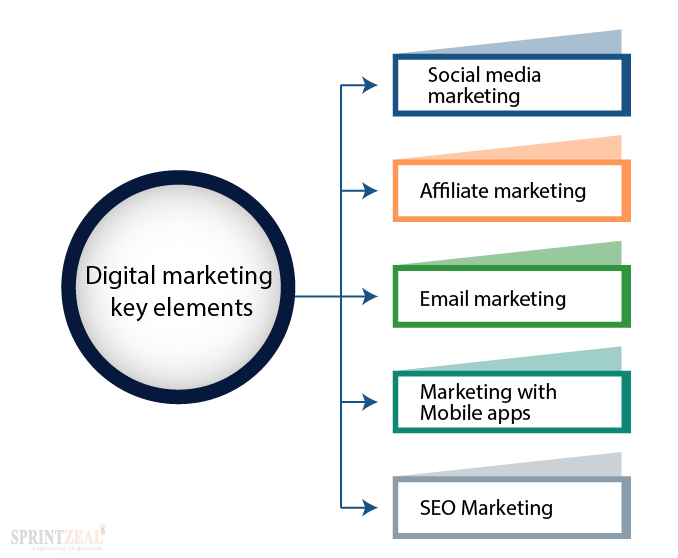
Digital marketing encompasses a wide range of online tactics and channels aimed at promoting products or services through digital technologies. This can include social media marketing, search engine optimisation (SEO), email marketing, content marketing, pay-per-click advertising, and more. The key advantage of digital marketing lies in its ability to reach a global audience quickly and cost-effectively.

The Benefits of Digital Marketing

One of the major benefits of digital marketing is its measurability. Unlike traditional marketing methods, digital campaigns can be tracked and analysed in real time, allowing businesses to adjust their strategies based on data-driven insights. This level of flexibility enables companies to optimise their campaigns for better results and ROI.

Furthermore, digital marketing offers unparalleled targeting capabilities. Through tools like demographic segmentation and behavioural targeting, businesses can tailor their messages to specific audience segments, ensuring that their marketing efforts resonate with the right people at the right time.

The Future of Marketing

As technology continues to evolve at a rapid pace, so too does the field of digital marketing. Emerging trends such as artificial intelligence, voice search optimisation, and influencer marketing are reshaping the way businesses engage with consumers online. By staying abreast of these trends and embracing innovative strategies, companies can stay ahead of the competition and drive growth in an increasingly competitive marketplace.

Conclusion

In conclusion, digital marketing has become an indispensable tool for businesses looking to thrive in today’s digital-first world. By leveraging the power of online channels and data-driven insights, companies can create targeted campaigns that resonate with their audience and drive tangible results. Embracing digital marketing is not just an option – it’s a necessity for any business looking to succeed in the modern marketplace.


Top 11 Frequently Asked Questions About Digital Marketing

  1. What is the salary in digital marketing?
  2. What is digital marketer in marketing?
  3. Do digital marketers make good money?
  4. What is digital marketing example?
  5. What is meant by digital marketing?
  6. What’s an example of digital marketing?
  7. What are the seven types of digital marketing?
  8. What type of marketing is digital marketing?
  9. What are the 4 types of digital marketing?
  10. What is digital marketing in marketing?
  11. Is digital marketing a good career?

What is the salary in digital marketing?

The salary in digital marketing can vary depending on factors such as job role, experience level, location, and the specific industry. Entry-level positions in digital marketing may offer salaries starting from around £20,000 to £30,000 per year, while more senior roles or positions in larger companies can command significantly higher salaries. Digital marketing professionals with specialised skills or certifications, such as SEO specialists or PPC managers, may also earn higher salaries due to the demand for their expertise. Overall, the salary range in digital marketing is broad and offers opportunities for growth and advancement based on individual skills and experience.

What is digital marketer in marketing?

A digital marketer in marketing is a professional who specialises in promoting products or services using various online channels and strategies. Digital marketers are skilled in leveraging digital technologies such as social media, search engines, email, and content marketing to reach target audiences and drive engagement. Their responsibilities may include developing digital marketing campaigns, analysing data to measure campaign performance, and optimising strategies for maximum effectiveness. Digital marketers play a crucial role in helping businesses establish a strong online presence, build brand awareness, and ultimately drive conversions in the ever-evolving digital landscape.

Do digital marketers make good money?

The earning potential for digital marketers can vary depending on factors such as experience, skills, industry, and location. In general, digital marketers have the opportunity to make good money due to the high demand for their expertise in today’s digital-centric business landscape. Those with a strong track record of delivering successful campaigns and staying current with industry trends often command higher salaries and lucrative opportunities. With the right skills and dedication, digital marketers can indeed enjoy a rewarding career with competitive compensation packages.

What is digital marketing example?

Digital marketing encompasses a wide range of strategies and tactics used by businesses to promote their products or services online. An example of digital marketing is social media advertising, where companies leverage platforms like Facebook, Instagram, or LinkedIn to reach their target audience with targeted ads. Another example is search engine optimisation (SEO), which involves optimising a website to rank higher in search engine results pages, increasing visibility and organic traffic. Email marketing is also a common digital marketing example, where businesses send personalised emails to subscribers to promote products, share news, or nurture customer relationships. These examples demonstrate the diverse and effective ways in which digital marketing can be utilised to achieve business goals in the online space.

What is meant by digital marketing?

Digital marketing refers to the use of online channels and digital technologies to promote products or services to a target audience. This encompasses a wide range of tactics such as social media marketing, search engine optimisation (SEO), email marketing, content marketing, pay-per-click advertising, and more. The key advantage of digital marketing lies in its ability to reach a global audience quickly and cost-effectively, allowing businesses to connect with customers in a more targeted and measurable way compared to traditional marketing methods. In essence, digital marketing is about leveraging the power of the internet and technology to engage with consumers, build brand awareness, drive traffic, and ultimately achieve business objectives in the digital realm.

What’s an example of digital marketing?

An example of digital marketing is social media advertising, where businesses leverage platforms like Facebook, Instagram, or LinkedIn to promote their products or services to a targeted audience. Through strategic ad placements and audience segmentation, companies can reach potential customers based on their interests, demographics, and online behaviour. Social media advertising allows businesses to engage with users in a more interactive and personalised way, driving brand awareness, website traffic, and ultimately conversions. This example illustrates how digital marketing utilises online channels to connect with consumers in a cost-effective and measurable manner.

What are the seven types of digital marketing?

In the realm of digital marketing, there are seven key types that businesses often leverage to reach and engage their target audience effectively. These include search engine optimisation (SEO), which focuses on improving a website’s visibility in search engine results; pay-per-click (PPC) advertising, where advertisers pay a fee each time their ad is clicked; social media marketing, which involves promoting products or services on social platforms; content marketing, aimed at creating valuable and relevant content to attract and retain customers; email marketing, utilising email campaigns to communicate with prospects and customers; affiliate marketing, where businesses reward affiliates for driving traffic or sales; and finally, influencer marketing, which involves collaborating with influential individuals to promote products or services. Each type of digital marketing offers unique opportunities for businesses to connect with their audience in meaningful ways and drive results.

What type of marketing is digital marketing?

Digital marketing is a form of marketing that utilises online channels and digital technologies to promote products or services to a target audience. It encompasses a wide range of tactics, including social media marketing, search engine optimisation (SEO), email marketing, content marketing, pay-per-click advertising, and more. Unlike traditional marketing methods, digital marketing leverages the power of the internet to reach a global audience quickly and cost-effectively. With its focus on data-driven insights and measurable results, digital marketing has become an essential tool for businesses looking to engage with consumers in today’s digital-first world.

What are the 4 types of digital marketing?

In the realm of digital marketing, there are four primary types that businesses commonly utilise to reach and engage their target audiences effectively. These include search engine optimisation (SEO), which focuses on improving a website’s visibility in search engine results; social media marketing, where brands leverage platforms like Facebook, Instagram, and Twitter to connect with customers; pay-per-click (PPC) advertising, involving paid ads displayed on search engines and websites; and content marketing, which entails creating valuable and relevant content to attract and retain customers. Each type plays a crucial role in a comprehensive digital marketing strategy, offering unique opportunities for businesses to enhance their online presence and drive success in the digital landscape.

What is digital marketing in marketing?

Digital marketing in marketing refers to the use of online channels and digital technologies to promote products or services to a target audience. It encompasses a wide range of strategies, including social media marketing, search engine optimisation (SEO), email marketing, content marketing, pay-per-click advertising, and more. The goal of digital marketing is to connect with customers in the digital space, build brand awareness, drive website traffic, generate leads, and ultimately increase sales. By leveraging the power of digital platforms and data-driven insights, businesses can create targeted and personalised campaigns that engage consumers effectively in today’s increasingly digital landscape.

Is digital marketing a good career?

The question of whether digital marketing is a good career choice is one that many individuals ponder in today’s digital age. With the increasing importance of online presence and digital strategies for businesses, the demand for skilled digital marketers is on the rise. A career in digital marketing offers diverse opportunities for growth, creativity, and innovation. Professionals in this field have the chance to work across various industries, utilise cutting-edge tools and technologies, and make a significant impact on business outcomes. As the digital landscape continues to evolve, a career in digital marketing presents an exciting and rewarding path for those passionate about leveraging online channels to drive success.

online marketing and advertising

Maximising Your Reach: The Essentials of Online Marketing and Advertising

The Power of Online Marketing and Advertising

The Power of Online Marketing and Advertising

In today’s digital age, online marketing and advertising have become essential tools for businesses looking to reach their target audience effectively. With the vast reach of the internet and the ability to target specific demographics, online marketing offers unparalleled opportunities for businesses to promote their products or services.

Benefits of Online Marketing and Advertising

One of the key benefits of online marketing is its cost-effectiveness compared to traditional forms of advertising. With online marketing, businesses can reach a larger audience at a fraction of the cost, making it ideal for companies with limited marketing budgets.

Furthermore, online marketing allows businesses to track and measure the effectiveness of their campaigns in real-time. This data-driven approach enables businesses to make informed decisions about their marketing strategies and optimise their campaigns for better results.

Types of Online Marketing Strategies

There are various online marketing strategies that businesses can utilise to promote their products or services:

  • Search Engine Optimisation (SEO): SEO involves optimising a website’s content to improve its visibility on search engines like Google. By ranking higher in search results, businesses can attract more organic traffic to their websites.
  • Pay-Per-Click (PPC) Advertising: PPC advertising allows businesses to display ads on search engines or other platforms and pay only when users click on them. This targeted approach ensures that businesses reach users who are actively searching for their products or services.
  • Social Media Marketing: Social media platforms like Facebook, Instagram, and Twitter offer powerful tools for businesses to engage with their audience, build brand awareness, and drive traffic to their websites.
  • Email Marketing: Email marketing remains a popular strategy for nurturing leads and converting them into customers. By sending personalised emails to subscribers, businesses can promote their products or services directly to interested individuals.

The Future of Online Marketing

As technology continues to evolve, so too will the landscape of online marketing and advertising. Businesses that embrace new trends and technologies will be well-positioned to stay ahead of the competition and connect with their target audience in meaningful ways.

In conclusion, online marketing and advertising offer immense potential for businesses looking to expand their reach, drive sales, and build brand loyalty. By leveraging the power of digital channels effectively, businesses can achieve remarkable results in today’s competitive marketplace.


Understanding Online Marketing and Advertising: Answers to 20 Common Questions

  1. How do I become an online advertising marketer?
  2. What is online advertising with example?
  3. What is the difference between advertising and online marketing?
  4. What is the difference between marketing and advertising?
  5. What is the difference between advertising and marketing?
  6. What is the difference between advertising and digital marketing?
  7. Which is an example of online advertising?
  8. What are online marketing and advertising tools?
  9. What is online advertising strategy?
  10. What are the two types of online advertising?
  11. What are the 4 types of online marketing?
  12. What are types of online marketing?
  13. What is the 7 times 7 rule in marketing?
  14. What is the advantage of online marketing and advertising?
  15. What is an example of online advertising and marketing?
  16. What is online marketing and advertising explain in detail?
  17. What are 8 types of online advertising?
  18. Is online marketing and online advertising same?
  19. What are online advertising services?
  20. What is the main purpose of online advertising?

How do I become an online advertising marketer?

To become an online advertising marketer, it is essential to acquire a combination of relevant skills and experience in the digital marketing field. Start by gaining a solid understanding of online advertising platforms such as Google Ads, social media advertising, and display advertising. Familiarise yourself with key concepts like targeting, bidding strategies, and ad copywriting. Consider pursuing certifications or courses in digital marketing to enhance your knowledge and credibility. Practical experience through internships or freelance projects can also be invaluable in honing your skills as an online advertising marketer. Stay updated on industry trends and best practices to adapt to the ever-changing landscape of online marketing effectively.

What is online advertising with example?

Online advertising refers to the practice of promoting products or services on the internet through various digital channels to reach a targeted audience. An example of online advertising is display advertising, where businesses create visual ads that are displayed on websites, apps, or social media platforms. These ads can be in the form of banners, videos, or interactive content and are strategically placed to attract the attention of potential customers. Display advertising allows businesses to increase brand visibility, drive traffic to their websites, and ultimately generate leads or sales by reaching users who are likely to be interested in their offerings.

What is the difference between advertising and online marketing?

In the realm of digital marketing, the distinction between advertising and online marketing lies in their scope and approach. Advertising typically refers to the promotion of products or services through paid channels, such as TV commercials, print ads, or online display ads. On the other hand, online marketing encompasses a broader range of strategies aimed at promoting businesses digitally, including activities like search engine optimisation (SEO), social media marketing, content marketing, email campaigns, and more. While advertising is a subset of online marketing that focuses on paid promotions, online marketing involves a holistic approach to reaching and engaging with target audiences through various digital channels.

What is the difference between marketing and advertising?

When it comes to online marketing and advertising, a common question that arises is the difference between marketing and advertising. While both terms are often used interchangeably, there is a distinct contrast between the two. Marketing encompasses a broader set of activities that involve identifying customer needs, creating products or services to meet those needs, pricing strategies, distribution channels, and promotional efforts. On the other hand, advertising specifically refers to the paid promotion of products or services through various channels to reach a target audience. In essence, marketing is a comprehensive strategy that includes advertising as one of its components to achieve business goals effectively in the digital realm.

What is the difference between advertising and marketing?

In the realm of online marketing and advertising, a frequently asked question often revolves around understanding the distinction between advertising and marketing. While advertising is a specific component of marketing, marketing encompasses a broader range of activities aimed at promoting and selling products or services. Advertising refers to the paid promotion of products or services through various channels, such as online ads, TV commercials, or sponsored content. On the other hand, marketing involves a strategic approach that includes market research, branding, pricing, distribution, and customer engagement to achieve long-term business goals. Understanding the nuanced differences between advertising and marketing is crucial for businesses looking to develop comprehensive strategies that effectively reach their target audience and drive success in the digital landscape.

What is the difference between advertising and digital marketing?

When discussing the difference between advertising and digital marketing, it is important to understand that advertising is a component of digital marketing. Advertising refers to the promotion of products or services through paid channels such as TV commercials, print ads, and online banners. On the other hand, digital marketing encompasses a broader range of activities beyond traditional advertising, including strategies like search engine optimisation (SEO), social media marketing, email marketing, and content creation. Digital marketing leverages various online platforms to engage with target audiences, build brand awareness, drive traffic, and ultimately achieve business goals in a more holistic and interactive manner compared to traditional advertising methods.

Which is an example of online advertising?

An example of online advertising is display advertising, where businesses create visual ads in various formats such as banners, images, or videos to promote their products or services on websites and apps. These ads are strategically placed on relevant websites that attract the target audience, allowing businesses to reach potential customers while they browse the internet. Display advertising is a common form of online marketing that helps businesses increase brand visibility and drive traffic to their websites.

What are online marketing and advertising tools?

Online marketing and advertising tools encompass a wide range of digital resources and platforms designed to help businesses promote their products or services online. These tools include but are not limited to search engine optimisation (SEO) tools for improving website visibility, pay-per-click (PPC) advertising platforms for targeted ad placements, social media management tools for engaging with audiences across various platforms, email marketing software for sending personalised campaigns, and analytics tools for tracking and measuring the effectiveness of marketing efforts. By leveraging these diverse tools effectively, businesses can enhance their online presence, reach their target audience, and achieve their marketing goals in the digital realm.

What is online advertising strategy?

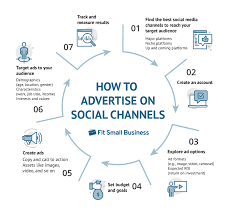
An online advertising strategy refers to a comprehensive plan that outlines how a business will use digital channels to promote its products or services to target audiences. This strategy typically involves identifying specific goals, defining target demographics, selecting appropriate online advertising platforms (such as social media, search engines, or display networks), creating engaging ad content, setting budgets and timelines, and measuring the effectiveness of campaigns through key performance indicators (KPIs). A well-crafted online advertising strategy is crucial for businesses to maximise their online presence, drive traffic to their websites, generate leads, and ultimately achieve their marketing objectives in the competitive digital landscape.

What are the two types of online advertising?

In the realm of online marketing and advertising, businesses commonly utilise two main types of online advertising: display advertising and search advertising. Display advertising involves the placement of visual ads, such as banners or videos, on websites to attract the attention of users. On the other hand, search advertising focuses on displaying text ads within search engine results pages, targeting users who are actively searching for specific keywords related to the advertiser’s products or services. Both types of online advertising play crucial roles in reaching and engaging target audiences effectively in the digital landscape.

What are the 4 types of online marketing?

When it comes to online marketing, there are four main types of strategies that businesses commonly utilise to promote their products or services. These include Search Engine Optimisation (SEO), Pay-Per-Click (PPC) Advertising, Social Media Marketing, and Email Marketing. Each type of online marketing strategy offers unique benefits and allows businesses to reach their target audience in different ways. By incorporating a mix of these strategies into their marketing efforts, businesses can enhance their online presence, engage with customers effectively, and drive conversions for their products or services.

What are types of online marketing?

When it comes to online marketing, there are various types of strategies that businesses can utilise to promote their products or services effectively. Some common types of online marketing include Search Engine Optimisation (SEO), which focuses on improving a website’s visibility on search engines; Pay-Per-Click (PPC) Advertising, where businesses pay for ads only when users click on them; Social Media Marketing, using platforms like Facebook and Instagram to engage with the audience; and Email Marketing, which involves sending targeted emails to subscribers to promote products or services. Each type of online marketing strategy offers unique benefits and can be tailored to suit the specific goals and target audience of a business.

What is the 7 times 7 rule in marketing?

The “7 times 7 rule” in marketing refers to the idea that a potential customer needs to see or hear a marketing message at least seven times before they take action or make a purchase. This rule emphasises the importance of repetition and consistency in marketing campaigns to build brand awareness, establish trust, and ultimately drive conversions. By reinforcing the message multiple times through various channels, businesses can increase their chances of capturing the attention of their target audience and influencing their buying decisions effectively.

What is the advantage of online marketing and advertising?

The advantage of online marketing and advertising lies in its ability to provide businesses with cost-effective and targeted strategies to reach their desired audience. Unlike traditional forms of advertising, online marketing offers precise targeting options that allow businesses to tailor their campaigns to specific demographics, interests, and behaviours. This level of targeting ensures that businesses can maximise their return on investment by reaching the right people at the right time. Additionally, online marketing provides real-time analytics and insights that enable businesses to track the performance of their campaigns and make data-driven decisions to optimise results. Overall, the advantage of online marketing and advertising is its efficiency, effectiveness, and ability to deliver measurable results for businesses of all sizes.

What is an example of online advertising and marketing?

An example of online advertising and marketing is display advertising, where businesses promote their products or services through visual ads on websites, apps, or social media platforms. These ads can be in the form of banners, videos, or interactive content and are strategically placed to reach the target audience. Display advertising allows businesses to increase brand visibility, drive traffic to their websites, and generate leads by capturing the attention of users as they browse online. By tracking metrics such as click-through rates and conversions, businesses can evaluate the effectiveness of their display advertising campaigns and make data-driven decisions to enhance their online marketing strategies.

What is online marketing and advertising explain in detail?

Online marketing and advertising encompass a range of strategies and techniques used by businesses to promote their products or services on digital platforms. Online marketing involves activities such as search engine optimisation (SEO), pay-per-click (PPC) advertising, social media marketing, email marketing, and content marketing. These strategies aim to increase brand visibility, drive website traffic, generate leads, and ultimately boost sales. Online advertising, on the other hand, refers to the paid promotion of products or services through various online channels like search engines, social media platforms, display ads, and sponsored content. By combining these approaches strategically, businesses can effectively reach their target audience, engage with potential customers, and achieve their marketing objectives in the ever-evolving digital landscape.

What are 8 types of online advertising?

When it comes to online marketing and advertising, there are various types of online advertising strategies that businesses can leverage to promote their products or services effectively. Some common types include display advertising, search engine marketing (SEM), social media advertising, native advertising, video advertising, email marketing, influencer marketing, and affiliate marketing. Each of these types offers unique opportunities for businesses to reach their target audience and drive engagement, ultimately contributing to the success of their digital marketing campaigns.

Is online marketing and online advertising same?

Online marketing and online advertising are related concepts but not exactly the same. Online marketing encompasses a broader range of strategies aimed at promoting a business or brand on digital platforms, including online advertising. While online advertising specifically refers to paid promotional activities such as display ads, search engine marketing, social media ads, and sponsored content. Online marketing, on the other hand, includes both paid and organic methods to drive traffic, engage audiences, and ultimately achieve business goals through various online channels. In essence, online advertising is a subset of online marketing that focuses on paid promotional efforts to reach target audiences effectively.

What are online advertising services?

Online advertising services encompass a range of strategies and tools used to promote products or services on digital platforms. These services typically include activities such as pay-per-click (PPC) advertising, display advertising, social media advertising, search engine marketing (SEM), and email marketing. By leveraging these services, businesses can target specific audiences, increase brand visibility, drive website traffic, and ultimately boost sales. Online advertising services play a crucial role in helping businesses reach their marketing goals in the competitive online landscape by providing tailored solutions to connect with potential customers effectively.

What is the main purpose of online advertising?

The main purpose of online advertising is to promote products or services using digital channels to reach a targeted audience. By leveraging the internet and various online platforms, businesses aim to increase brand awareness, drive website traffic, generate leads, and ultimately boost sales. Online advertising allows businesses to precisely target their desired demographic, track campaign performance in real-time, and adjust strategies accordingly for optimal results. Overall, the primary goal of online advertising is to engage with potential customers in a cost-effective and measurable way to achieve specific marketing objectives.

marketing strategy

Crafting an Effective Marketing Strategy for Business Growth

The Importance of a Strong Marketing Strategy

The Importance of a Strong Marketing Strategy

In today’s competitive business environment, a well-defined marketing strategy is essential for the success of any company. A marketing strategy outlines the approach a business will take to promote its products or services to its target audience effectively. It serves as a roadmap that guides all marketing efforts and helps achieve specific business objectives.

Key Components of a Marketing Strategy

A robust marketing strategy typically includes the following key components:

  • Market Research: Understanding the market landscape, including competitors, customer needs, and industry trends.
  • Target Audience: Identifying and defining the ideal customer segments that the company aims to reach.
  • Unique Selling Proposition (USP): Communicating what sets the company’s products or services apart from competitors.
  • Messaging and Positioning: Crafting compelling messages that resonate with the target audience and positioning the brand effectively in the market.
  • Marketing Channels: Determining the most effective channels (such as social media, email, SEO, etc.) to reach and engage with customers.
  • Budget and Timeline: Allocating resources efficiently and setting clear timelines for implementation.

The Benefits of an Effective Marketing Strategy

An effective marketing strategy offers numerous benefits to a business, including:

  • Increased Brand Awareness: A well-crafted strategy helps raise brand visibility and recognition among target audiences.
  • Customer Engagement: Engaging marketing campaigns foster stronger relationships with customers and encourage loyalty.
  • Sales Growth: A targeted approach can lead to increased sales conversions and revenue generation.
  • Competitive Advantage: By differentiating itself in the market, a company can gain a competitive edge over rivals.
  • Data-Driven Decisions: Regular monitoring and analysis of marketing performance allow for data-driven decision-making and continuous improvement.

In Conclusion

A strong marketing strategy is not just a plan; it is a vital tool for businesses looking to thrive in today’s dynamic marketplace. By investing time and resources into developing a comprehensive strategy tailored to their unique goals and audience, companies can position themselves for long-term success and growth.


Essential Insights into Crafting and Understanding Effective Marketing Strategies

  1. What is a marketing strategy and why is it important?
  2. How do you develop an effective marketing strategy?
  3. What are the key components of a successful marketing strategy?
  4. How can market research help in shaping a marketing strategy?
  5. What role does digital marketing play in a modern marketing strategy?

What is a marketing strategy and why is it important?

A marketing strategy is a comprehensive plan that outlines how a business will promote its products or services to its target audience effectively. It serves as a roadmap guiding all marketing efforts and plays a crucial role in achieving specific business goals. A well-defined marketing strategy helps businesses identify their target market, differentiate themselves from competitors, and communicate their unique value proposition to customers. By outlining the tactics and channels to be used, setting clear objectives, and allocating resources efficiently, a strong marketing strategy can drive brand awareness, customer engagement, and ultimately lead to increased sales and business growth. In essence, a solid marketing strategy is essential for businesses looking to establish a strong market presence and achieve sustainable success in today’s competitive landscape.

How do you develop an effective marketing strategy?

Developing an effective marketing strategy involves a systematic approach that begins with thorough market research to understand the target audience, competitors, and industry trends. It is essential to define clear objectives and goals that align with the overall business vision. Crafting a unique selling proposition (USP) that differentiates the brand from competitors is crucial. Tailoring messaging and positioning to resonate with the target audience helps in creating impactful marketing campaigns. Selecting the most suitable marketing channels and allocating resources effectively are key steps in implementing the strategy. Regular monitoring, analysis, and adaptation based on performance data are necessary for continuous improvement and success in achieving desired outcomes.

What are the key components of a successful marketing strategy?

When considering the key components of a successful marketing strategy, several crucial elements come to light. Market research plays a fundamental role in understanding the competitive landscape, customer needs, and industry trends. Identifying and defining the target audience is paramount for tailored messaging and effective engagement. A clear Unique Selling Proposition (USP) helps differentiate the brand from competitors. Crafting compelling messaging, selecting appropriate marketing channels, allocating resources efficiently, and setting clear timelines are all essential components that collectively contribute to the success of a well-rounded marketing strategy.

How can market research help in shaping a marketing strategy?

Market research plays a crucial role in shaping a marketing strategy by providing valuable insights into the market landscape, consumer behaviour, and competitor activities. By conducting thorough market research, businesses can gain a deeper understanding of their target audience’s needs, preferences, and pain points. This information enables companies to tailor their marketing strategies to effectively reach and engage with their customers. Moreover, market research helps identify emerging trends, assess the competitive environment, and uncover new opportunities for growth. Ultimately, leveraging the findings from market research allows businesses to make informed decisions, refine their messaging, and develop strategies that resonate with their target market, leading to more successful marketing campaigns and overall business success.

What role does digital marketing play in a modern marketing strategy?

In the realm of modern marketing strategy, digital marketing plays a pivotal role in shaping the way businesses connect with their target audience. With the increasing reliance on digital platforms and technologies, incorporating digital marketing into a comprehensive strategy has become essential for reaching and engaging customers effectively. Through channels such as social media, email campaigns, search engine optimisation (SEO), and online advertising, businesses can enhance brand visibility, drive customer engagement, and generate leads in a cost-effective manner. Digital marketing enables companies to leverage data analytics to track performance metrics, refine strategies based on insights, and stay agile in responding to market trends swiftly. Embracing digital marketing as a core component of a modern marketing strategy empowers businesses to adapt to the ever-evolving landscape and connect with consumers in meaningful ways that drive growth and success.

advertisements

Unleashing the Potential of Effective Advertisements in the Digital Age

The Power of Advertisements

The Power of Advertisements

Advertisements play a crucial role in today’s highly competitive business environment. They are a powerful tool used by companies to promote their products or services, build brand awareness, and attract new customers. In a world inundated with information, advertisements help businesses cut through the noise and connect with their target audience.

Effective advertising not only informs consumers about a product or service but also persuades them to make a purchase. Through compelling visuals, catchy slogans, and strategic placement, advertisements have the ability to influence consumer behaviour and drive sales.

Moreover, advertisements have the potential to shape societal values and perceptions. They can reflect cultural trends, challenge stereotypes, and spark important conversations. Advertisements have the power to inspire change and create a lasting impact on society.

With the rise of digital marketing, advertisements have evolved beyond traditional mediums such as print and television. Online advertising offers businesses the opportunity to reach a global audience in real-time through social media platforms, search engines, and targeted display ads.

However, amidst the proliferation of advertisements in the digital space, consumers have become more discerning than ever. They demand authenticity, relevance, and value from brands. Successful advertisers understand the importance of creating meaningful connections with their audience by delivering engaging content that resonates with their needs and aspirations.

In conclusion, advertisements are not just about selling products; they are about storytelling, building relationships, and shaping culture. When done right, advertisements have the power to captivate hearts and minds, driving positive outcomes for both businesses and society as a whole.


Top 7 Tips for Crafting Effective Advertisements

  1. Clearly define your target audience
  2. Create compelling and engaging content
  3. Use high-quality images or videos
  4. Include a strong call to action
  5. Test different ad formats and placements
  6. Monitor and analyse ad performance regularly
  7. Stay updated on advertising trends and best practices

Clearly define your target audience

Clearly defining your target audience is a fundamental tip in creating effective advertisements. By understanding the demographics, interests, and behaviours of your target market, you can tailor your messaging and visuals to resonate with them on a deeper level. This targeted approach not only increases the relevance of your ads but also enhances the likelihood of engaging potential customers and driving conversions. Identifying and segmenting your audience allows you to craft compelling advertisements that speak directly to their needs and preferences, ultimately maximising the impact of your advertising efforts.

Create compelling and engaging content

Creating compelling and engaging content is essential in the realm of advertisements. Capturing the attention of your audience and holding their interest is key to conveying your message effectively. By crafting content that resonates with your target demographic, you can establish a meaningful connection that drives engagement and encourages action. Whether through captivating visuals, persuasive storytelling, or interactive elements, compelling content has the power to leave a lasting impression and inspire positive responses from viewers.

Use high-quality images or videos

Utilising high-quality images or videos in advertisements can significantly enhance their impact and effectiveness. Clear, crisp visuals not only grab the viewer’s attention but also convey professionalism and credibility. By investing in visually appealing content, businesses can create a lasting impression on their audience and increase engagement levels. High-quality visuals have the power to evoke emotions, tell a compelling story, and ultimately drive conversions. In today’s visually-driven world, using top-notch images or videos is a key strategy to make advertisements stand out and resonate with viewers.

Include a strong call to action

In the realm of advertisements, incorporating a compelling call to action is paramount. A strong call to action serves as a guiding beacon for the audience, prompting them to take a specific desired action, whether it be making a purchase, signing up for a newsletter, or visiting a website. By clearly outlining what steps the viewer should take next, a well-crafted call to action not only enhances engagement but also increases the likelihood of converting interest into tangible results. In essence, a strong call to action acts as the catalyst that propels viewers towards meaningful interaction with the advertisement’s message and ultimately drives desired outcomes for the advertiser.

Test different ad formats and placements

Testing different ad formats and placements is a crucial tip for maximising the effectiveness of advertisements. By experimenting with various formats such as images, videos, or interactive content, and testing different placements across platforms like social media, websites, or search engines, businesses can gain valuable insights into what resonates best with their target audience. This iterative approach not only helps in identifying the most successful ad strategies but also allows for continuous improvement and optimisation to drive better results and engagement.

Monitor and analyse ad performance regularly

Monitoring and analysing ad performance regularly is a crucial tip for any successful advertising campaign. By tracking key metrics such as click-through rates, conversion rates, and return on investment, advertisers can gain valuable insights into the effectiveness of their ads. This data allows them to identify what is working well and what needs improvement, enabling them to make informed decisions to optimise their advertising strategy for better results. Regular monitoring and analysis ensure that advertisers stay agile and responsive in an ever-changing digital landscape, ultimately maximising the impact of their advertisements.

Staying updated on advertising trends and best practices is essential for businesses looking to stay ahead in the competitive world of marketing. By keeping abreast of the latest developments in the advertising industry, companies can adapt their strategies to resonate with evolving consumer preferences and behaviour. Embracing innovative approaches and incorporating best practices ensures that advertisements remain relevant, engaging, and effective in reaching target audiences. Continuous learning and implementation of new trends can give businesses a competitive edge and drive success in their advertising campaigns.

advertising

Mastering the Art of Effective Advertising Strategies

The Power of Advertising: Shaping Consumer Perceptions

The Power of Advertising: Shaping Consumer Perceptions

Advertising is a powerful tool that businesses use to communicate with their target audience, promote their products or services, and ultimately drive sales. It plays a crucial role in shaping consumer perceptions and influencing purchasing decisions.

One of the key benefits of advertising is its ability to create brand awareness. Through strategic advertising campaigns, companies can introduce their brand to a wide audience and establish a strong presence in the market. Consistent and compelling advertising helps build brand recognition and loyalty among consumers.

Moreover, advertising allows businesses to highlight the unique selling points of their products or services. By showcasing the features and benefits of what they offer, companies can differentiate themselves from competitors and attract potential customers. Effective advertising conveys a clear message that resonates with the target audience, prompting them to take action.

In today’s digital age, advertising has evolved beyond traditional mediums such as print and television to encompass online channels like social media and search engines. Digital advertising offers greater targeting capabilities, allowing businesses to reach specific demographics with precision. This personalised approach enhances the effectiveness of advertising campaigns and maximises return on investment.

Furthermore, advertising plays a significant role in driving consumer behaviour. By creating engaging and persuasive content, advertisers can influence how consumers perceive a product or service. Cleverly crafted advertisements have the power to evoke emotions, trigger desires, and prompt immediate action, leading to increased sales and revenue for businesses.

In conclusion, advertising is an indispensable tool for businesses looking to connect with consumers, build brand awareness, drive sales, and stay ahead in a competitive marketplace. By harnessing the power of advertising effectively, companies can shape consumer perceptions, influence purchasing decisions, and ultimately achieve their marketing objectives.


Understanding Advertising: Key Questions and Concepts Explained

  1. What is advertisement and its types?
  2. Why is the advertising?
  3. How do you explain advertising?
  4. What is advertising and example?
  5. What is known as advertising?
  6. What do you mean advertising?
  7. What are the means of advertising?
  8. What are types of advertising?
  9. Which is an advertisement?
  10. What is the main purpose of advertising?
  11. What is the difference between marketing and advertising?
  12. What are the 5 principles of advertising?

What is advertisement and its types?

Advertising is a strategic communication tool used by businesses to promote their products or services to a target audience. It involves creating persuasive messages and delivering them through various channels to attract and engage consumers. There are several types of advertising, including print advertising in newspapers and magazines, broadcast advertising on television and radio, digital advertising on websites and social media platforms, outdoor advertising on billboards and posters, and more. Each type of advertising serves different purposes and caters to specific audience preferences, allowing businesses to reach their target market effectively and achieve their marketing goals.

Why is the advertising?

The question “Why is advertising?” is frequently asked as it delves into the fundamental purpose and significance of advertising in the business world. Advertising serves as a vital communication tool that enables companies to reach their target audience, promote their products or services, and build brand awareness. By investing in advertising, businesses can differentiate themselves from competitors, attract new customers, and ultimately drive sales. Advertising plays a crucial role in shaping consumer perceptions, influencing purchasing decisions, and maintaining a competitive edge in the market. In essence, advertising is essential for businesses to connect with consumers, convey their unique value proposition, and achieve their marketing objectives effectively.

How do you explain advertising?

Explaining advertising involves highlighting its role as a strategic communication tool used by businesses to promote their products or services to a target audience. Advertising encompasses various mediums, such as print, television, digital platforms, and more, to convey persuasive messages that aim to influence consumer behaviour and drive sales. It is a creative process that involves crafting compelling content and visuals to capture the attention of consumers and differentiate a brand from its competitors. Ultimately, advertising serves as a bridge between businesses and consumers, helping to build brand awareness, establish credibility, and ultimately achieve marketing objectives in a competitive marketplace.

What is advertising and example?

Advertising is a strategic communication tool used by businesses to promote their products or services to a target audience. It involves creating and delivering persuasive messages through various channels to influence consumer behaviour and drive sales. An example of advertising can be seen in television commercials where companies showcase their products in a visually engaging way while highlighting key benefits to attract potential customers. Through creative storytelling and compelling visuals, advertising aims to capture the attention of consumers, create brand awareness, and ultimately encourage them to make a purchase decision.

What is known as advertising?

Advertising is the strategic communication process through which businesses promote their products or services to a target audience. It involves creating and disseminating persuasive messages through various channels, such as print, television, radio, online platforms, and social media, with the aim of influencing consumer behaviour and driving sales. Advertising is known for its ability to build brand awareness, differentiate products from competitors, and ultimately generate revenue for companies. By crafting compelling messages that resonate with consumers, advertising plays a vital role in shaping perceptions and creating a lasting impact in the minds of the audience.

What do you mean advertising?

Advertising refers to the strategic communication efforts employed by businesses and organisations to promote their products, services, or brand to a target audience. It encompasses a wide range of marketing activities aimed at creating awareness, generating interest, and ultimately driving consumer action. Through various channels such as print, television, radio, online platforms, and more, advertising seeks to convey persuasive messages that highlight the unique selling points of a product or service. By leveraging creative content and effective storytelling, advertising plays a vital role in influencing consumer perceptions, shaping brand identity, and ultimately contributing to business growth and success.

What are the means of advertising?

There are various means of advertising that businesses can utilise to reach their target audience and promote their products or services effectively. Traditional advertising methods include print media such as newspapers and magazines, broadcast media like television and radio, as well as outdoor advertising through billboards and signage. In the digital age, online advertising has become increasingly popular, encompassing channels such as social media platforms, search engines, email marketing, and display ads. Each advertising medium offers unique advantages in terms of reach, targeting capabilities, and engagement levels, allowing businesses to choose the most suitable means to connect with their desired audience and achieve their marketing goals.

What are types of advertising?

There are various types of advertising that businesses can utilise to reach their target audience and promote their products or services effectively. Some common forms of advertising include traditional methods such as print ads in newspapers and magazines, television commercials, radio spots, and outdoor billboards. In the digital realm, businesses can leverage online advertising channels like social media ads, search engine marketing, display banners, email marketing, and influencer partnerships to engage with consumers in a more targeted and interactive manner. Each type of advertising has its own strengths and advantages, allowing businesses to choose the most suitable platforms to communicate their message and achieve their marketing goals.

Which is an advertisement?

An advertisement is a promotional message or communication that aims to inform, persuade, or remind consumers about a product, service, or brand. It can take various forms, such as print ads in newspapers or magazines, commercials on television or radio, online banners on websites, sponsored posts on social media platforms, and more. Advertisements are designed to grab the attention of the target audience and convey a specific message that promotes the benefits or features of the advertised offering. Ultimately, the goal of an advertisement is to influence consumer behaviour by encouraging people to take a desired action, such as making a purchase or visiting a website.

What is the main purpose of advertising?

The main purpose of advertising is to communicate with target audiences, promote products or services, and drive consumer engagement and sales. Advertising serves as a powerful tool for businesses to create brand awareness, differentiate themselves from competitors, and influence consumer perceptions. By conveying compelling messages through various channels, such as print, television, digital media, and social platforms, advertising aims to attract attention, generate interest, and ultimately persuade individuals to take desired actions, whether it be making a purchase or engaging with a brand. In essence, the primary goal of advertising is to achieve marketing objectives by effectively reaching and resonating with the intended audience.

What is the difference between marketing and advertising?

The key distinction between marketing and advertising lies in their scope and purpose. Marketing encompasses a broader set of activities that involve identifying customer needs, creating products or services that meet those needs, determining pricing strategies, and developing channels for distribution. It is a strategic process that focuses on understanding the market, target audience, and competition to create a comprehensive plan for achieving business goals. On the other hand, advertising is a specific component of marketing that involves promoting products or services through paid messages across various media channels to reach and influence the target audience. While marketing sets the overall direction and strategy, advertising plays a tactical role in executing specific campaigns to communicate with customers and drive sales.

What are the 5 principles of advertising?

When exploring the question of the five principles of advertising, it is essential to delve into the core foundations that guide successful advertising strategies. These principles typically include clarity in messaging to convey a compelling and concise brand message, creativity to capture audience attention and differentiate from competitors, consistency in branding to establish a strong identity and build brand recognition, targeting the right audience through effective market segmentation and research, and measurement of advertising effectiveness through analytics and key performance indicators. By adhering to these principles, advertisers can create impactful campaigns that resonate with their target audience and drive desired outcomes.

online digital marketing

Unlocking the Potential of Online Digital Marketing Strategies

The Power of Online Digital Marketing

The Power of Online Digital Marketing

In today’s digital age, online digital marketing has become an essential tool for businesses looking to reach and engage with their target audience effectively. With the rise of the internet and social media, traditional marketing strategies have evolved to adapt to the changing landscape.

Online digital marketing encompasses a wide range of tactics and techniques aimed at promoting products or services through digital channels such as websites, social media platforms, search engines, email, and more. This form of marketing offers businesses the opportunity to connect with potential customers in a more targeted and personalised way than ever before.

The Benefits of Online Digital Marketing

One of the key advantages of online digital marketing is its ability to reach a global audience instantly. With just a few clicks, businesses can connect with customers from around the world, breaking down geographical barriers and expanding their reach exponentially.

Furthermore, online digital marketing allows for precise targeting and segmentation of audiences based on demographics, interests, behaviour, and more. This targeted approach ensures that marketing efforts are directed towards those most likely to be interested in what a business has to offer, increasing the chances of conversion.

Key Strategies in Online Digital Marketing

Some key strategies commonly used in online digital marketing include search engine optimisation (SEO), pay-per-click advertising (PPC), social media marketing, content marketing, email marketing, and influencer partnerships. Each strategy plays a unique role in reaching and engaging with target audiences through various digital channels.

The Future of Online Digital Marketing

As technology continues to advance at a rapid pace, the future of online digital marketing holds endless possibilities. From artificial intelligence-driven personalisation to immersive virtual reality experiences, businesses are constantly exploring new ways to captivate audiences and drive meaningful interactions online.

In conclusion, online digital marketing is an indispensable tool for businesses seeking to thrive in today’s competitive marketplace. By leveraging the power of digital channels effectively, businesses can enhance brand visibility, generate leads, increase sales, and build lasting relationships with customers. Embracing online digital marketing is not just an option—it’s a necessity for success in the modern business landscape.


Unlocking Success: 8 Key Benefits of Online Digital Marketing

  1. Global Reach
  2. Targeted Advertising
  3. Cost-Effective
  4. Measurable Results
  5. Increased Engagement
  6. Brand Visibility
  7. Improved Customer Relationships
  8. Competitive Advantage


Challenges in Online Digital Marketing: Navigating Information Overload, Ad Blockers, Privacy Concerns, and More

  1. 1. Information Overload
  2. 2. Ad Blockers
  3. 3. Privacy Concerns
  4. 4. Competition
  5. 5. Rapid Changes
  6. 6. Costly Mistakes

Global Reach

One of the significant advantages of online digital marketing is its unparalleled global reach, allowing businesses to connect with a worldwide audience instantly. Through digital channels such as websites, social media platforms, and search engines, businesses can transcend geographical boundaries and engage with potential customers from diverse corners of the globe in real-time. This instantaneous connection enables businesses to expand their reach exponentially and tap into new markets, driving brand awareness and growth on a global scale.

Targeted Advertising

Targeted advertising is a powerful advantage of online digital marketing, allowing businesses to tailor their messages and promotions to specific demographics, interests, and behaviours of their target audience. By understanding the unique characteristics and preferences of different customer segments, businesses can create highly relevant and personalised campaigns that resonate with their audience on a deeper level. This precision targeting not only increases the likelihood of engagement and conversion but also helps businesses maximise their marketing budget by reaching those most likely to be interested in their products or services.

Cost-Effective

In the realm of online digital marketing, one significant advantage lies in its cost-effectiveness, as it frequently yields a superior return on investment compared to traditional marketing approaches. By leveraging digital channels strategically, businesses can reach their target audience more efficiently and at a lower cost, ultimately maximising their marketing budget and achieving measurable results that contribute to long-term business growth.

Measurable Results

One significant advantage of online digital marketing is the ability to achieve measurable results through real-time tracking and analysis of campaign performance. By utilising various analytics tools and metrics, businesses can monitor the effectiveness of their marketing efforts instantly. This data-driven approach allows for quick adjustments and optimisations to enhance campaign performance, ultimately leading to more targeted and successful outcomes. The ability to track and analyse results in real-time provides valuable insights that help businesses make informed decisions and maximise their return on investment in digital marketing strategies.

Increased Engagement

One significant advantage of online digital marketing is the ability to boost engagement by interacting with customers through a variety of digital channels. Through platforms such as social media, email, websites, and online advertising, businesses can actively engage with their target audience in real-time, fostering meaningful connections and building relationships. This interactive approach not only enhances customer satisfaction but also allows for personalised communication tailored to individual preferences and behaviours, ultimately leading to increased brand loyalty and customer retention.

Brand Visibility

Enhancing brand visibility is a crucial advantage of online digital marketing, allowing businesses to amplify their presence and reach across various online platforms. By strategically utilising digital channels such as websites, social media, search engines, and email, businesses can increase their brand’s exposure to a wider audience. This heightened visibility not only boosts brand recognition but also helps establish credibility and trust among consumers in the digital realm. Ultimately, a strong online presence can lead to greater brand awareness, increased engagement, and ultimately drive conversions for the business.

Improved Customer Relationships

Improved Customer Relationships is a significant advantage of online digital marketing, allowing businesses to build lasting connections with their customers through personalised interactions. By leveraging data analytics and customer insights, businesses can tailor their marketing efforts to meet the specific needs and preferences of individual customers. This personalised approach not only enhances customer satisfaction but also fosters loyalty and trust, ultimately leading to long-term relationships that benefit both the business and the customer.

Competitive Advantage

In the fast-paced and ever-evolving business landscape, one significant advantage of online digital marketing is the ability to stay ahead of competitors by leveraging innovative digital strategies. By embracing digital channels effectively, businesses can differentiate themselves, engage with their target audience in more meaningful ways, and establish a competitive edge in the market. Whether through targeted advertising, personalised content, or data-driven insights, harnessing the power of online digital marketing allows companies to adapt quickly to changing trends and consumer preferences, ultimately positioning themselves as industry leaders and driving sustainable growth.

1. Information Overload

In the realm of online digital marketing, a significant drawback is the issue of information overload. The sheer volume of marketing messages bombarding consumers through various digital channels can lead to a sense of overwhelm. As consumers are inundated with promotional content at every turn, they may become desensitised and inclined to tune out or ignore marketing efforts altogether. This challenge highlights the importance of crafting targeted and engaging content that cuts through the noise to capture and retain the attention of consumers in an increasingly crowded online landscape.

2. Ad Blockers

One significant drawback of online digital marketing is the prevalence of ad blockers among internet users. With the increasing use of ad-blocking software, the visibility and impact of online ads are significantly diminished. This poses a challenge for businesses relying on digital advertising to reach their target audience, as ad blockers prevent ads from being displayed to users who have actively chosen to avoid them. As a result, the effectiveness of online marketing campaigns may be compromised, leading to reduced engagement and conversion rates.

3. Privacy Concerns

Privacy concerns represent a significant drawback of online digital marketing. The collection of user data as part of digital marketing strategies can raise serious privacy issues and lead to potential breaches of trust between businesses and consumers. With the growing emphasis on data protection and privacy regulations, such as GDPR, businesses must navigate the delicate balance between personalising marketing efforts and respecting the privacy rights of individuals. Failure to address these privacy concerns adequately can erode consumer trust and damage brand reputation in the long run.

4. Competition

In the realm of online digital marketing, one significant drawback is the intense competition that businesses face in the crowded online landscape. With numerous companies vying for attention and consumer engagement, standing out amidst a sea of competitors poses a formidable challenge. The need to differentiate one’s brand, products, or services becomes crucial in order to capture the target audience’s interest and loyalty in a fiercely competitive environment.

5. Rapid Changes

One significant drawback of online digital marketing is the rapid pace of change. Trends, algorithms, and best practices in digital marketing evolve swiftly, demanding continuous adaptation and updates to remain relevant in the ever-shifting landscape. This constant need for adjustment can be challenging for businesses to keep up with, requiring ongoing monitoring, learning, and implementation of new strategies to effectively engage with audiences and stay ahead of competitors.

6. Costly Mistakes

Ineffective digital marketing strategies can be a costly conundrum for businesses, as they risk squandering valuable resources and budget on tactics that fail to deliver the desired results. From poorly targeted ads to inefficient campaign management, making mistakes in online digital marketing can not only drain financial resources but also hinder the overall effectiveness of a company’s marketing efforts. It is crucial for businesses to carefully plan and execute their digital marketing strategies to avoid falling into the trap of wasteful spending and missed opportunities for growth.

internet marketing agency

Empowering Your Business Growth: The Role of an Expert Internet Marketing Agency

The Role of an Internet Marketing Agency in Boosting Your Online Presence

In today’s digital age, having a strong online presence is crucial for businesses looking to reach their target audience and stay ahead of the competition. This is where an internet marketing agency plays a vital role in helping businesses navigate the complex world of digital marketing and maximise their online visibility.

What Does an Internet Marketing Agency Do?

An internet marketing agency specialises in developing and implementing strategies to promote a business’s products or services online. This involves a range of activities, including search engine optimisation (SEO), pay-per-click (PPC) advertising, social media marketing, content creation, email marketing, and more.

By leveraging these digital channels effectively, an internet marketing agency can help businesses drive traffic to their websites, generate leads, increase sales, and build brand awareness in the competitive online landscape.

The Benefits of Hiring an Internet Marketing Agency

There are several key benefits to partnering with an internet marketing agency:

  • Expertise: Internet marketing agencies have a team of professionals with expertise in various digital marketing disciplines. They stay up-to-date with the latest trends and best practices to deliver effective strategies tailored to your business goals.
  • Time-Saving: Outsourcing your digital marketing efforts to an agency frees up your time to focus on other aspects of your business. Letting experts handle your online presence allows you to concentrate on core operations.
  • Cost-Effective: Hiring an internet marketing agency can be more cost-effective than hiring an in-house team. Agencies have the tools and resources needed for successful campaigns without the overhead costs associated with hiring full-time employees.
  • Data-Driven Results: Internet marketing agencies use data analytics to track and measure the performance of campaigns. This data-driven approach allows for continuous optimisation and improved results over time.

In Conclusion

An internet marketing agency plays a crucial role in helping businesses establish a strong online presence and reach their target audience effectively. By leveraging the expertise of professionals in the field, businesses can enhance their digital strategy, drive growth, and stay competitive in today’s fast-paced digital landscape.

If you’re looking to take your online presence to the next level, consider partnering with an internet marketing agency to unlock new opportunities for success in the digital realm.


Comprehensive Guide to Common Queries About Internet Marketing Agencies

  1. Who is the best digital marketing agency?
  2. What are internet marketing services?
  3. What is an Internet marketing agency?
  4. Who are the big 4 ad agencies?
  5. Who are the big 5 advertising agencies?
  6. What is an online marketing agency?
  7. How much should I pay a digital marketing agency?
  8. How much does a digital marketing agency charge?
  9. What is TMD marketing?
  10. What is internet marketing example?
  11. What is an internet marketing business?
  12. How much does it cost to do marketing on the internet?
  13. What are the 6 areas of Internet marketing?
  14. What is an online marketing company?
  15. What is media marketing agency?
  16. What is an example of an online agency?
  17. How many digital marketing agencies are there in the UK?
  18. How do I start an Internet marketing agency?
  19. Which agency is best for digital marketing?
  20. What does a media marketing agency do?
  21. Which company is best in digital marketing?
  22. Which is the best digital marketing agency?
  23. Is digital marketing legal in the UK?
  24. What does a marketing agency do?
  25. What is an agency in digital marketing?
  26. Who is the best online marketing company?
  27. What does an Internet marketing agency do?
  28. What is Internet marketing called?

Who is the best digital marketing agency?

When it comes to determining the best digital marketing agency, the answer can vary depending on specific needs and objectives. The best agency for one business may not necessarily be the best fit for another. Factors such as industry expertise, track record of success, range of services offered, client testimonials, and budget considerations all play a role in selecting the right digital marketing partner. It’s essential for businesses to research and evaluate various agencies to find one that aligns with their goals and values, ultimately leading to a successful and productive partnership in achieving online marketing objectives.

What are internet marketing services?

Internet marketing services encompass a range of strategies and techniques designed to promote a business’s products or services online. These services may include search engine optimisation (SEO) to improve website visibility in search engine results, pay-per-click (PPC) advertising for targeted online campaigns, social media marketing to engage with audiences on various platforms, content creation for valuable and relevant information, email marketing for direct communication with customers, and more. Internet marketing services aim to enhance a business’s online presence, drive traffic to its website, generate leads, increase sales, and build brand awareness in the competitive digital landscape. By utilising these services effectively, businesses can reach their target audience and achieve their marketing goals in the online world.

What is an Internet marketing agency?

An internet marketing agency is a specialised firm that offers a range of services to help businesses promote their products or services online. These agencies leverage various digital marketing strategies, such as search engine optimisation (SEO), pay-per-click (PPC) advertising, social media marketing, content creation, email marketing, and more, to enhance a business’s online presence and reach its target audience effectively. By utilising the expertise of professionals in the field, an internet marketing agency assists businesses in driving traffic to their websites, generating leads, increasing sales, and building brand awareness in the competitive online landscape.

Who are the big 4 ad agencies?

In the realm of advertising, the term “Big 4 ad agencies” typically refers to four major global advertising agencies known for their significant influence and reach in the industry. These agencies are WPP, Omnicom Group, Publicis Groupe, and Interpublic Group (IPG). Collectively, they hold a substantial market share and work with a wide range of clients on advertising campaigns across various media channels. Their expertise and extensive networks make them key players in shaping the landscape of modern advertising and marketing strategies.

Who are the big 5 advertising agencies?

When it comes to the big players in the advertising industry, the term “Big 5” often refers to five major global advertising agencies known for their vast influence and reach. These agencies are WPP, Omnicom Group, Publicis Groupe, Interpublic Group, and Dentsu Group. Each of these agencies has a significant presence in the advertising world, working with a wide range of clients across various industries to create impactful and memorable campaigns that resonate with audiences worldwide.

What is an online marketing agency?

An online marketing agency is a professional service provider that specialises in developing and implementing digital marketing strategies to promote businesses and their offerings on the internet. These agencies utilise a range of online channels, such as search engines, social media platforms, email campaigns, and content creation, to enhance a company’s online presence, drive targeted traffic to their website, generate leads, increase sales, and ultimately boost brand visibility and awareness in the competitive online landscape. By leveraging their expertise in various digital marketing disciplines, an online marketing agency helps businesses navigate the complexities of the digital world and achieve their goals effectively in today’s interconnected marketplace.

How much should I pay a digital marketing agency?

Determining the cost of hiring a digital marketing agency can vary depending on various factors such as the scope of services required, the size of your business, and the level of expertise needed. Pricing structures can range from monthly retainers to project-based fees or performance-based models. It’s essential to discuss your specific goals and budget with potential agencies to receive tailored quotes that align with your objectives. Investing in a reputable digital marketing agency that offers transparent pricing and delivers measurable results can be a valuable asset in achieving your online marketing goals effectively.

How much does a digital marketing agency charge?

When it comes to the cost of hiring a digital marketing agency, the fees can vary depending on several factors such as the scope of services required, the size of your business, and the level of expertise needed. Digital marketing agencies typically offer a range of pricing models, including monthly retainers, project-based fees, and performance-based pricing. It’s important to discuss your specific needs with potential agencies to get a clear understanding of their pricing structure and how it aligns with your budget and goals. Remember that investing in a reputable digital marketing agency can yield significant returns in terms of increased online visibility, lead generation, and overall business growth.

What is TMD marketing?

TMD marketing, also known as Targeted Marketing Development, is a strategic approach used by internet marketing agencies to tailor marketing campaigns specifically to target audiences based on demographic, behavioural, or psychographic factors. This personalised approach allows businesses to reach the right customers with the right message at the right time, leading to higher engagement and conversion rates. TMD marketing involves in-depth research and analysis to understand the preferences and behaviours of target audiences, enabling businesses to create more effective and impactful marketing strategies that drive results.

What is internet marketing example?

An example of internet marketing is the use of social media platforms such as Facebook, Instagram, and Twitter to promote products or services online. Businesses can create engaging content, run targeted advertising campaigns, and interact with their audience to increase brand awareness, drive website traffic, and generate leads. By leveraging the power of social media channels, businesses can reach a wider audience and engage with potential customers in a more interactive and personalised way, ultimately leading to increased sales and business growth.

What is an internet marketing business?

An internet marketing business is a company that specialises in promoting products or services online through various digital channels. These businesses leverage strategies such as search engine optimisation (SEO), pay-per-click (PPC) advertising, social media marketing, content creation, email campaigns, and more to help clients increase their online visibility and reach their target audience effectively. Internet marketing businesses play a crucial role in assisting companies in navigating the complex world of digital marketing and developing tailored strategies to enhance their online presence, drive traffic to their websites, generate leads, and ultimately boost sales and brand awareness in the competitive online landscape.

How much does it cost to do marketing on the internet?

One of the most frequently asked questions about internet marketing agencies is, “How much does it cost to do marketing on the internet?” The cost of internet marketing can vary significantly depending on factors such as the scope of services required, the size of the target audience, the competitiveness of the industry, and the goals of the marketing campaign. Internet marketing agencies typically offer a range of pricing options, from fixed packages to customised solutions tailored to meet specific budget requirements. It is essential for businesses to discuss their needs and objectives with an internet marketing agency to determine a cost-effective strategy that aligns with their budget and delivers measurable results.

What are the 6 areas of Internet marketing?

Internet marketing encompasses a wide range of strategies and tactics aimed at promoting businesses online. The six key areas of Internet marketing include search engine optimisation (SEO), pay-per-click (PPC) advertising, social media marketing, content marketing, email marketing, and influencer marketing. Each of these areas plays a crucial role in enhancing a business’s online visibility, driving traffic to their website, engaging with their target audience, and ultimately converting leads into customers. By leveraging these diverse Internet marketing channels effectively, businesses can create a comprehensive digital strategy that maximises their online presence and boosts their overall success in the competitive digital landscape.

What is an online marketing company?

An online marketing company, also known as an internet marketing agency, is a professional firm that specialises in promoting businesses and their products or services through various digital channels. These companies utilise a range of online strategies such as search engine optimisation (SEO), pay-per-click (PPC) advertising, social media marketing, email campaigns, and content creation to help businesses increase their online visibility, attract more customers, and achieve their marketing goals in the competitive online landscape. By leveraging the expertise of an online marketing company, businesses can enhance their digital presence and reach their target audience effectively in today’s digital age.

What is media marketing agency?

A media marketing agency is a specialised firm that focuses on creating and implementing strategic marketing campaigns across various media channels to promote a brand, product, or service. These agencies leverage different forms of media, such as television, radio, print, digital platforms, and social media, to reach and engage with target audiences effectively. By utilising the power of media channels, a media marketing agency helps businesses enhance their visibility, build brand awareness, drive customer engagement, and ultimately achieve their marketing objectives in a dynamic and competitive landscape.

What is an example of an online agency?

An example of an online agency is Digital Marketing Agency Ltd., a leading internet marketing agency that specialises in providing comprehensive digital solutions to businesses looking to enhance their online presence. With a team of experts skilled in SEO, PPC advertising, social media marketing, and content creation, Digital Marketing Agency Ltd. helps clients achieve their digital marketing goals and drive measurable results. Their client-centric approach and track record of success make them a prime example of an effective online agency dedicated to helping businesses succeed in the competitive digital landscape.

How many digital marketing agencies are there in the UK?

The exact number of digital marketing agencies in the UK is constantly changing due to the dynamic nature of the industry. With the increasing demand for digital marketing services, there are numerous agencies operating across the UK, ranging from small boutique firms to large full-service agencies. While it is challenging to provide an exact figure, it is safe to say that there is a diverse and competitive landscape of digital marketing agencies in the UK, offering a wide range of services to cater to the needs of businesses looking to enhance their online presence and reach their target audience effectively.

How do I start an Internet marketing agency?

Starting an internet marketing agency requires careful planning and strategic execution. To begin, you should conduct thorough market research to understand the industry landscape, identify your target audience, and assess your competition. Next, define your services and unique value proposition to differentiate yourself in the market. Establishing a strong online presence through a professional website and active social media profiles is essential for attracting potential clients. Building a network of industry contacts and leveraging referrals can also help kickstart your agency. Finally, focus on delivering high-quality services, staying updated on digital marketing trends, and continuously refining your strategies to ensure long-term success in the competitive internet marketing industry.

Which agency is best for digital marketing?

When considering which agency is best for digital marketing, it is essential to look for a company that aligns with your specific business goals and needs. The best agency for digital marketing will have a track record of success in delivering results for clients in your industry, a team of skilled professionals with expertise in various digital marketing disciplines, a transparent and collaborative approach to working with clients, and a commitment to staying up-to-date with the latest trends and technologies in the ever-evolving digital landscape. Conducting thorough research, reading client testimonials, and scheduling consultations can help you determine which agency is the best fit to help you achieve your digital marketing objectives effectively.

What does a media marketing agency do?

A media marketing agency specialises in creating and executing strategic marketing campaigns across various media channels to promote a business’s products or services. These agencies leverage traditional media (such as television, radio, print) as well as digital platforms (including social media, online advertising, email marketing) to reach and engage with target audiences effectively. By developing tailored strategies and content that resonate with consumers, a media marketing agency helps businesses enhance their brand visibility, drive customer engagement, and ultimately achieve their marketing goals in today’s competitive landscape.

Which company is best in digital marketing?

When it comes to determining the best company in digital marketing, the answer can vary depending on specific business needs and goals. There are several top digital marketing agencies known for their expertise, innovative strategies, and successful track records in helping businesses achieve online success. Conducting thorough research, reading client testimonials, and evaluating case studies can help identify a digital marketing agency that aligns with your objectives and delivers the results you seek. Ultimately, the best company in digital marketing is one that understands your unique requirements, offers tailored solutions, and demonstrates a proven ability to drive growth and engagement in the ever-evolving digital landscape.

Which is the best digital marketing agency?

When it comes to determining the best digital marketing agency, the answer can vary depending on individual business needs and goals. The best agency for one company may not necessarily be the ideal choice for another. Factors to consider when evaluating digital marketing agencies include their expertise in specific areas such as SEO, PPC, social media marketing, content creation, and overall industry experience. It is essential to research and compare agencies based on their track record, client testimonials, case studies, and the alignment of their services with your business objectives to find the right fit that can deliver results tailored to your unique requirements.

Digital marketing is legal in the UK as long as it complies with relevant laws and regulations governing data protection, consumer rights, and advertising standards. Businesses engaging in digital marketing activities must adhere to the General Data Protection Regulation (GDPR) guidelines to ensure the lawful processing of personal data. Additionally, digital marketing campaigns must be transparent, honest, and not misleading to consumers. By following these legal requirements, businesses can leverage the power of digital marketing effectively while staying compliant with UK regulations.

What does a marketing agency do?

A marketing agency specialises in developing and implementing strategies to promote a business’s products or services through various online and offline channels. These agencies work closely with clients to understand their goals and target audience, creating tailored marketing campaigns that drive brand awareness, generate leads, increase sales, and ultimately grow the business. From digital marketing tactics such as SEO, PPC advertising, social media management, content creation, and email marketing to traditional advertising methods like print and TV campaigns, a marketing agency offers a comprehensive range of services to help businesses achieve their marketing objectives effectively.

What is an agency in digital marketing?

An agency in digital marketing is a professional service provider that specialises in creating and implementing strategic online marketing campaigns for businesses. These agencies utilise various digital channels such as search engines, social media, email, and content marketing to promote a company’s products or services to a targeted audience. By leveraging their expertise in areas like SEO, PPC advertising, and social media management, digital marketing agencies help businesses enhance their online visibility, attract potential customers, and ultimately drive growth and success in the competitive digital landscape.

Who is the best online marketing company?

When it comes to determining the best online marketing company, the answer can vary depending on specific needs and objectives. The best online marketing company for one business may not necessarily be the best fit for another. Factors such as industry expertise, track record of success, range of services offered, and client testimonials all play a role in identifying the most suitable online marketing company. It is essential for businesses to conduct thorough research, compare options, and consider their unique requirements before selecting an online marketing company that aligns with their goals and values.

What does an Internet marketing agency do?

An Internet marketing agency specialises in developing and implementing strategies to promote a business’s products or services online. This involves a range of activities, including search engine optimisation (SEO), pay-per-click (PPC) advertising, social media marketing, content creation, email marketing, and more. By leveraging these digital channels effectively, an Internet marketing agency can help businesses drive traffic to their websites, generate leads, increase sales, and build brand awareness in the competitive online landscape. The agency’s expertise lies in crafting tailored digital marketing campaigns that align with the client’s goals and target audience, ultimately maximising their online visibility and impact.

What is Internet marketing called?

Internet marketing is commonly referred to as online marketing or digital marketing. It encompasses a range of strategies and tactics used to promote products or services on the internet. Internet marketing leverages various online channels such as search engines, social media platforms, email, and websites to reach target audiences and drive engagement. By utilising these digital channels effectively, businesses can increase brand visibility, generate leads, and ultimately boost sales in the competitive online landscape.

integrated digital marketing

Mastering the Art of Integrated Digital Marketing: Strategies for Success

The Power of Integrated Digital Marketing

Integrated digital marketing is a strategic approach that combines various online channels and tactics to create a cohesive and seamless experience for consumers. In today’s fast-paced digital landscape, where consumers are constantly bombarded with information, integrated marketing is essential for businesses looking to stand out and engage their target audience effectively.

What is Integrated Digital Marketing?

Integrated digital marketing involves synchronising different aspects of online marketing, such as search engine optimisation (SEO), social media marketing, email campaigns, content creation, and paid advertising, into a unified strategy. By aligning these channels and ensuring consistent messaging across all touchpoints, businesses can create a more impactful and memorable brand experience for their customers.

The Benefits of Integrated Digital Marketing

Improved Brand Consistency: By maintaining a consistent brand voice and visual identity across all digital channels, businesses can build trust and recognition among their target audience.

Enhanced Customer Experience: Integrated marketing allows businesses to provide a seamless customer journey from awareness to conversion, leading to higher engagement and loyalty.

Increased ROI: By coordinating different marketing efforts, businesses can maximise their resources and achieve better results in terms of lead generation, sales, and overall return on investment.

Key Strategies for Implementing Integrated Digital Marketing

Develop a Comprehensive Strategy: Start by defining your goals, target audience, key messages, and KPIs. This will help guide your integrated marketing efforts towards achieving measurable results.

Use Data Analytics: Leverage data analytics tools to track the performance of your campaigns across various channels. This data-driven approach will enable you to make informed decisions and optimise your strategies for better outcomes.

Coordinate Campaigns Across Channels: Ensure that your messaging is consistent across all digital platforms to create a unified brand experience for your audience. Integrate your content strategy with SEO, social media, email marketing, and other tactics for maximum impact.

The Future of Integrated Digital Marketing

In an increasingly competitive digital landscape, integrated marketing will continue to play a crucial role in helping businesses cut through the noise and connect with their target audience effectively. By embracing this holistic approach to online marketing, businesses can drive growth, foster customer loyalty, and stay ahead of the curve in the ever-evolving digital world.


9 Essential Tips for Crafting a Successful Integrated Digital Marketing Strategy

  1. 1. Define clear objectives and goals for your integrated digital marketing strategy.
  2. 2. Understand your target audience to tailor your messages effectively across different channels.
  3. 3. Ensure consistency in branding and messaging to maintain a cohesive brand image.
  4. 4. Use data analytics to track and measure the performance of your campaigns across various platforms.
  5. 5. Integrate SEO best practices to improve visibility and drive organic traffic to your website.
  6. 6. Utilize social media platforms strategically to engage with customers and build relationships.
  7. 7. Implement email marketing campaigns to nurture leads and maintain communication with customers.
  8. 8. Consider using paid advertising such as PPC campaigns for targeted reach and quick results.
  9. 9. Regularly review and adjust your strategies based on insights gathered from performance metrics.

1. Define clear objectives and goals for your integrated digital marketing strategy.

To maximise the effectiveness of your integrated digital marketing strategy, it is crucial to define clear objectives and goals from the outset. By establishing specific and measurable targets, such as increasing website traffic, generating leads, or boosting brand awareness, you can align your marketing efforts towards achieving tangible results. Clear objectives not only provide focus and direction but also serve as benchmarks for evaluating the success of your integrated digital campaigns. Setting well-defined goals ensures that your strategy remains purposeful and impactful in engaging your target audience across various online channels.

2. Understand your target audience to tailor your messages effectively across different channels.

To maximise the impact of integrated digital marketing, it is crucial to have a deep understanding of your target audience. By gaining insights into their preferences, behaviours, and needs, you can tailor your messages effectively across various online channels. This personalised approach not only enhances engagement but also fosters stronger connections with your audience, ultimately driving better results and building long-lasting relationships with customers.

3. Ensure consistency in branding and messaging to maintain a cohesive brand image.

To succeed in integrated digital marketing, it is crucial to ensure consistency in branding and messaging across all online channels. By maintaining a cohesive brand image, businesses can build trust and recognition among their target audience. Consistent branding helps reinforce the brand’s values, personality, and visual identity, creating a seamless experience for consumers as they interact with the brand across different touchpoints. This unified approach not only enhances brand recall but also strengthens customer loyalty and engagement in the long run.

4. Use data analytics to track and measure the performance of your campaigns across various platforms.

Utilising data analytics to monitor and evaluate the effectiveness of your campaigns across different platforms is a crucial aspect of integrated digital marketing. By leveraging data-driven insights, businesses can gain valuable information on the performance of their marketing efforts, identify trends, and make informed decisions to optimise their strategies for better results. Tracking key metrics and analysing campaign data allows businesses to refine their approach, allocate resources effectively, and ultimately enhance the overall impact of their integrated marketing initiatives.

5. Integrate SEO best practices to improve visibility and drive organic traffic to your website.

Integrating SEO best practices is essential for enhancing visibility and driving organic traffic to your website. By optimising your online content with relevant keywords, meta tags, and quality backlinks, you can improve your search engine rankings and attract more qualified visitors to your site. Implementing SEO strategies as part of your integrated digital marketing approach not only boosts your online presence but also helps you reach a wider audience who are actively searching for products or services like yours.

6. Utilize social media platforms strategically to engage with customers and build relationships.

Utilising social media platforms strategically is a key aspect of integrated digital marketing. By engaging with customers and building relationships through platforms such as Facebook, Instagram, Twitter, and LinkedIn, businesses can create a direct line of communication with their target audience. This interaction not only helps in fostering brand loyalty but also allows for real-time feedback and insights that can inform future marketing strategies. By leveraging the power of social media in a thoughtful and purposeful manner, businesses can strengthen their online presence and connect with customers on a more personal level.

7. Implement email marketing campaigns to nurture leads and maintain communication with customers.

Implementing email marketing campaigns is a crucial aspect of integrated digital marketing. By utilising targeted and personalised emails, businesses can nurture leads, build relationships with customers, and drive engagement. Email campaigns allow for ongoing communication with customers, providing valuable updates, promotions, and relevant content that keep the brand top-of-mind. This consistent interaction helps to foster trust and loyalty among customers, ultimately leading to increased conversions and long-term success for the business.

8. Consider using paid advertising such as PPC campaigns for targeted reach and quick results.

When implementing integrated digital marketing strategies, it is essential to consider utilising paid advertising options like PPC campaigns. Pay-Per-Click (PPC) advertising allows businesses to target specific audiences with precision and achieve quick results. By investing in PPC campaigns, businesses can increase their online visibility, drive targeted traffic to their website, and generate leads effectively. This paid advertising approach complements other digital marketing efforts and can provide a significant boost to overall campaign performance.

9. Regularly review and adjust your strategies based on insights gathered from performance metrics.

Regularly reviewing and adjusting your digital marketing strategies based on insights gathered from performance metrics is crucial for the success of integrated digital marketing efforts. By analysing key performance indicators such as website traffic, conversion rates, engagement metrics, and ROI, businesses can identify what is working well and what needs improvement. This data-driven approach allows businesses to make informed decisions, optimise their campaigns for better results, and stay agile in responding to changing market dynamics. Continuous monitoring and adjustment ensure that integrated marketing strategies remain effective and aligned with business goals in the ever-evolving digital landscape.