online marketing and advertising

Maximising Your Reach: The Essentials of Online Marketing and Advertising

The Power of Online Marketing and Advertising

The Power of Online Marketing and Advertising

In today’s digital age, online marketing and advertising have become essential tools for businesses looking to reach their target audience effectively. With the vast reach of the internet and the ability to target specific demographics, online marketing offers unparalleled opportunities for businesses to promote their products or services.

Benefits of Online Marketing and Advertising

One of the key benefits of online marketing is its cost-effectiveness compared to traditional forms of advertising. With online marketing, businesses can reach a larger audience at a fraction of the cost, making it ideal for companies with limited marketing budgets.

Furthermore, online marketing allows businesses to track and measure the effectiveness of their campaigns in real-time. This data-driven approach enables businesses to make informed decisions about their marketing strategies and optimise their campaigns for better results.

Types of Online Marketing Strategies

There are various online marketing strategies that businesses can utilise to promote their products or services:

  • Search Engine Optimisation (SEO): SEO involves optimising a website’s content to improve its visibility on search engines like Google. By ranking higher in search results, businesses can attract more organic traffic to their websites.
  • Pay-Per-Click (PPC) Advertising: PPC advertising allows businesses to display ads on search engines or other platforms and pay only when users click on them. This targeted approach ensures that businesses reach users who are actively searching for their products or services.
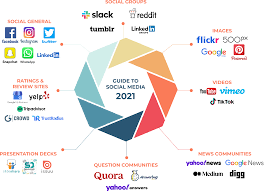
  • Social Media Marketing: Social media platforms like Facebook, Instagram, and Twitter offer powerful tools for businesses to engage with their audience, build brand awareness, and drive traffic to their websites.
  • Email Marketing: Email marketing remains a popular strategy for nurturing leads and converting them into customers. By sending personalised emails to subscribers, businesses can promote their products or services directly to interested individuals.

The Future of Online Marketing

As technology continues to evolve, so too will the landscape of online marketing and advertising. Businesses that embrace new trends and technologies will be well-positioned to stay ahead of the competition and connect with their target audience in meaningful ways.

In conclusion, online marketing and advertising offer immense potential for businesses looking to expand their reach, drive sales, and build brand loyalty. By leveraging the power of digital channels effectively, businesses can achieve remarkable results in today’s competitive marketplace.


Understanding Online Marketing and Advertising: Answers to 20 Common Questions

  1. How do I become an online advertising marketer?
  2. What is online advertising with example?
  3. What is the difference between advertising and online marketing?
  4. What is the difference between marketing and advertising?
  5. What is the difference between advertising and marketing?
  6. What is the difference between advertising and digital marketing?
  7. Which is an example of online advertising?
  8. What are online marketing and advertising tools?
  9. What is online advertising strategy?
  10. What are the two types of online advertising?
  11. What are the 4 types of online marketing?
  12. What are types of online marketing?
  13. What is the 7 times 7 rule in marketing?
  14. What is the advantage of online marketing and advertising?
  15. What is an example of online advertising and marketing?
  16. What is online marketing and advertising explain in detail?
  17. What are 8 types of online advertising?
  18. Is online marketing and online advertising same?
  19. What are online advertising services?
  20. What is the main purpose of online advertising?

How do I become an online advertising marketer?

To become an online advertising marketer, it is essential to acquire a combination of relevant skills and experience in the digital marketing field. Start by gaining a solid understanding of online advertising platforms such as Google Ads, social media advertising, and display advertising. Familiarise yourself with key concepts like targeting, bidding strategies, and ad copywriting. Consider pursuing certifications or courses in digital marketing to enhance your knowledge and credibility. Practical experience through internships or freelance projects can also be invaluable in honing your skills as an online advertising marketer. Stay updated on industry trends and best practices to adapt to the ever-changing landscape of online marketing effectively.

What is online advertising with example?

Online advertising refers to the practice of promoting products or services on the internet through various digital channels to reach a targeted audience. An example of online advertising is display advertising, where businesses create visual ads that are displayed on websites, apps, or social media platforms. These ads can be in the form of banners, videos, or interactive content and are strategically placed to attract the attention of potential customers. Display advertising allows businesses to increase brand visibility, drive traffic to their websites, and ultimately generate leads or sales by reaching users who are likely to be interested in their offerings.

What is the difference between advertising and online marketing?

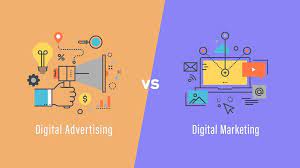
In the realm of digital marketing, the distinction between advertising and online marketing lies in their scope and approach. Advertising typically refers to the promotion of products or services through paid channels, such as TV commercials, print ads, or online display ads. On the other hand, online marketing encompasses a broader range of strategies aimed at promoting businesses digitally, including activities like search engine optimisation (SEO), social media marketing, content marketing, email campaigns, and more. While advertising is a subset of online marketing that focuses on paid promotions, online marketing involves a holistic approach to reaching and engaging with target audiences through various digital channels.

What is the difference between marketing and advertising?

When it comes to online marketing and advertising, a common question that arises is the difference between marketing and advertising. While both terms are often used interchangeably, there is a distinct contrast between the two. Marketing encompasses a broader set of activities that involve identifying customer needs, creating products or services to meet those needs, pricing strategies, distribution channels, and promotional efforts. On the other hand, advertising specifically refers to the paid promotion of products or services through various channels to reach a target audience. In essence, marketing is a comprehensive strategy that includes advertising as one of its components to achieve business goals effectively in the digital realm.

What is the difference between advertising and marketing?

In the realm of online marketing and advertising, a frequently asked question often revolves around understanding the distinction between advertising and marketing. While advertising is a specific component of marketing, marketing encompasses a broader range of activities aimed at promoting and selling products or services. Advertising refers to the paid promotion of products or services through various channels, such as online ads, TV commercials, or sponsored content. On the other hand, marketing involves a strategic approach that includes market research, branding, pricing, distribution, and customer engagement to achieve long-term business goals. Understanding the nuanced differences between advertising and marketing is crucial for businesses looking to develop comprehensive strategies that effectively reach their target audience and drive success in the digital landscape.

What is the difference between advertising and digital marketing?

When discussing the difference between advertising and digital marketing, it is important to understand that advertising is a component of digital marketing. Advertising refers to the promotion of products or services through paid channels such as TV commercials, print ads, and online banners. On the other hand, digital marketing encompasses a broader range of activities beyond traditional advertising, including strategies like search engine optimisation (SEO), social media marketing, email marketing, and content creation. Digital marketing leverages various online platforms to engage with target audiences, build brand awareness, drive traffic, and ultimately achieve business goals in a more holistic and interactive manner compared to traditional advertising methods.

Which is an example of online advertising?

An example of online advertising is display advertising, where businesses create visual ads in various formats such as banners, images, or videos to promote their products or services on websites and apps. These ads are strategically placed on relevant websites that attract the target audience, allowing businesses to reach potential customers while they browse the internet. Display advertising is a common form of online marketing that helps businesses increase brand visibility and drive traffic to their websites.

What are online marketing and advertising tools?

Online marketing and advertising tools encompass a wide range of digital resources and platforms designed to help businesses promote their products or services online. These tools include but are not limited to search engine optimisation (SEO) tools for improving website visibility, pay-per-click (PPC) advertising platforms for targeted ad placements, social media management tools for engaging with audiences across various platforms, email marketing software for sending personalised campaigns, and analytics tools for tracking and measuring the effectiveness of marketing efforts. By leveraging these diverse tools effectively, businesses can enhance their online presence, reach their target audience, and achieve their marketing goals in the digital realm.

What is online advertising strategy?

An online advertising strategy refers to a comprehensive plan that outlines how a business will use digital channels to promote its products or services to target audiences. This strategy typically involves identifying specific goals, defining target demographics, selecting appropriate online advertising platforms (such as social media, search engines, or display networks), creating engaging ad content, setting budgets and timelines, and measuring the effectiveness of campaigns through key performance indicators (KPIs). A well-crafted online advertising strategy is crucial for businesses to maximise their online presence, drive traffic to their websites, generate leads, and ultimately achieve their marketing objectives in the competitive digital landscape.

What are the two types of online advertising?

In the realm of online marketing and advertising, businesses commonly utilise two main types of online advertising: display advertising and search advertising. Display advertising involves the placement of visual ads, such as banners or videos, on websites to attract the attention of users. On the other hand, search advertising focuses on displaying text ads within search engine results pages, targeting users who are actively searching for specific keywords related to the advertiser’s products or services. Both types of online advertising play crucial roles in reaching and engaging target audiences effectively in the digital landscape.

What are the 4 types of online marketing?

When it comes to online marketing, there are four main types of strategies that businesses commonly utilise to promote their products or services. These include Search Engine Optimisation (SEO), Pay-Per-Click (PPC) Advertising, Social Media Marketing, and Email Marketing. Each type of online marketing strategy offers unique benefits and allows businesses to reach their target audience in different ways. By incorporating a mix of these strategies into their marketing efforts, businesses can enhance their online presence, engage with customers effectively, and drive conversions for their products or services.

What are types of online marketing?

When it comes to online marketing, there are various types of strategies that businesses can utilise to promote their products or services effectively. Some common types of online marketing include Search Engine Optimisation (SEO), which focuses on improving a website’s visibility on search engines; Pay-Per-Click (PPC) Advertising, where businesses pay for ads only when users click on them; Social Media Marketing, using platforms like Facebook and Instagram to engage with the audience; and Email Marketing, which involves sending targeted emails to subscribers to promote products or services. Each type of online marketing strategy offers unique benefits and can be tailored to suit the specific goals and target audience of a business.

What is the 7 times 7 rule in marketing?

The “7 times 7 rule” in marketing refers to the idea that a potential customer needs to see or hear a marketing message at least seven times before they take action or make a purchase. This rule emphasises the importance of repetition and consistency in marketing campaigns to build brand awareness, establish trust, and ultimately drive conversions. By reinforcing the message multiple times through various channels, businesses can increase their chances of capturing the attention of their target audience and influencing their buying decisions effectively.

What is the advantage of online marketing and advertising?

The advantage of online marketing and advertising lies in its ability to provide businesses with cost-effective and targeted strategies to reach their desired audience. Unlike traditional forms of advertising, online marketing offers precise targeting options that allow businesses to tailor their campaigns to specific demographics, interests, and behaviours. This level of targeting ensures that businesses can maximise their return on investment by reaching the right people at the right time. Additionally, online marketing provides real-time analytics and insights that enable businesses to track the performance of their campaigns and make data-driven decisions to optimise results. Overall, the advantage of online marketing and advertising is its efficiency, effectiveness, and ability to deliver measurable results for businesses of all sizes.

What is an example of online advertising and marketing?

An example of online advertising and marketing is display advertising, where businesses promote their products or services through visual ads on websites, apps, or social media platforms. These ads can be in the form of banners, videos, or interactive content and are strategically placed to reach the target audience. Display advertising allows businesses to increase brand visibility, drive traffic to their websites, and generate leads by capturing the attention of users as they browse online. By tracking metrics such as click-through rates and conversions, businesses can evaluate the effectiveness of their display advertising campaigns and make data-driven decisions to enhance their online marketing strategies.

What is online marketing and advertising explain in detail?

Online marketing and advertising encompass a range of strategies and techniques used by businesses to promote their products or services on digital platforms. Online marketing involves activities such as search engine optimisation (SEO), pay-per-click (PPC) advertising, social media marketing, email marketing, and content marketing. These strategies aim to increase brand visibility, drive website traffic, generate leads, and ultimately boost sales. Online advertising, on the other hand, refers to the paid promotion of products or services through various online channels like search engines, social media platforms, display ads, and sponsored content. By combining these approaches strategically, businesses can effectively reach their target audience, engage with potential customers, and achieve their marketing objectives in the ever-evolving digital landscape.

What are 8 types of online advertising?

When it comes to online marketing and advertising, there are various types of online advertising strategies that businesses can leverage to promote their products or services effectively. Some common types include display advertising, search engine marketing (SEM), social media advertising, native advertising, video advertising, email marketing, influencer marketing, and affiliate marketing. Each of these types offers unique opportunities for businesses to reach their target audience and drive engagement, ultimately contributing to the success of their digital marketing campaigns.

Is online marketing and online advertising same?

Online marketing and online advertising are related concepts but not exactly the same. Online marketing encompasses a broader range of strategies aimed at promoting a business or brand on digital platforms, including online advertising. While online advertising specifically refers to paid promotional activities such as display ads, search engine marketing, social media ads, and sponsored content. Online marketing, on the other hand, includes both paid and organic methods to drive traffic, engage audiences, and ultimately achieve business goals through various online channels. In essence, online advertising is a subset of online marketing that focuses on paid promotional efforts to reach target audiences effectively.

What are online advertising services?

Online advertising services encompass a range of strategies and tools used to promote products or services on digital platforms. These services typically include activities such as pay-per-click (PPC) advertising, display advertising, social media advertising, search engine marketing (SEM), and email marketing. By leveraging these services, businesses can target specific audiences, increase brand visibility, drive website traffic, and ultimately boost sales. Online advertising services play a crucial role in helping businesses reach their marketing goals in the competitive online landscape by providing tailored solutions to connect with potential customers effectively.

What is the main purpose of online advertising?

The main purpose of online advertising is to promote products or services using digital channels to reach a targeted audience. By leveraging the internet and various online platforms, businesses aim to increase brand awareness, drive website traffic, generate leads, and ultimately boost sales. Online advertising allows businesses to precisely target their desired demographic, track campaign performance in real-time, and adjust strategies accordingly for optimal results. Overall, the primary goal of online advertising is to engage with potential customers in a cost-effective and measurable way to achieve specific marketing objectives.
digital marketing firm

Elevate Your Online Presence with a Leading Digital Marketing Firm

The Role of a Digital Marketing Firm in Today’s Business Landscape

In the fast-paced digital age, businesses are constantly seeking ways to stand out in a crowded online marketplace. This is where a digital marketing firm plays a crucial role. A digital marketing firm is a strategic partner that helps businesses navigate the complexities of the digital world and reach their target audience effectively.

Services Offered by Digital Marketing Firms

Digital marketing firms offer a wide range of services designed to enhance a company’s online presence and drive growth. These services may include:

  • Search Engine Optimization (SEO): Optimising website content and structure to improve search engine rankings and increase organic traffic.
  • Pay-Per-Click (PPC) Advertising: Creating and managing targeted advertising campaigns to drive traffic and conversions.
  • Social Media Marketing: Developing strategies to engage with audiences on popular social media platforms and build brand awareness.
  • Email Marketing: Crafting personalised email campaigns to nurture leads and maintain customer relationships.
  • Content Marketing: Creating valuable, relevant content to attract and retain customers, ultimately driving profitable customer action.

The Benefits of Working with a Digital Marketing Firm

Collaborating with a digital marketing firm offers several advantages for businesses looking to succeed in the digital space. Some key benefits include:

  • Expertise: Digital marketing firms have specialised knowledge and experience in various aspects of online marketing, ensuring that strategies are effective and results-driven.
  • Data-Driven Approach: Digital marketing firms use data analytics to track performance metrics and make informed decisions for continuous improvement.
  • Creative Solutions: With a team of creative professionals, digital marketing firms can develop innovative campaigns that resonate with target audiences.
  • Saves Time and Resources: Outsourcing digital marketing tasks to a firm allows businesses to focus on core operations while experts handle their online presence.

In Conclusion

A digital marketing firm serves as a valuable partner for businesses seeking growth and success in the competitive digital landscape. By leveraging expertise, creativity, and data-driven strategies, these firms help companies achieve their online objectives and connect with their target audience effectively. Embracing the services of a digital marketing firm can be the key to unlocking new opportunities and maximising online potential in today’s business environment.


Top 8 FAQs About Choosing and Working with a Digital Marketing Firm

  1. What services does a digital marketing firm offer?
  2. How can a digital marketing firm help my business grow?
  3. What is the difference between digital marketing and traditional marketing?
  4. How do I choose the right digital marketing firm for my business?
  5. What results can I expect from working with a digital marketing firm?
  6. Is social media marketing included in the services of a digital marketing firm?
  7. Do I need a large budget to hire a digital marketing firm?
  8. Can a digital marketing firm help improve my website’s search engine ranking?

What services does a digital marketing firm offer?

A digital marketing firm offers a comprehensive range of services tailored to enhance a company’s online presence and drive growth in the digital landscape. These services typically include search engine optimization (SEO) to improve website visibility, pay-per-click (PPC) advertising for targeted campaigns, social media marketing to engage with audiences, email marketing for customer communication, and content marketing to attract and retain customers. By leveraging expertise in these areas, digital marketing firms help businesses reach their target audience effectively and achieve their online objectives.

How can a digital marketing firm help my business grow?

A digital marketing firm can significantly contribute to the growth of your business by leveraging its expertise in online strategies and tactics. Through services such as search engine optimization (SEO), pay-per-click (PPC) advertising, social media marketing, email campaigns, and content creation, a digital marketing firm can enhance your online presence and reach a wider audience. By developing targeted campaigns, analysing data to make informed decisions, and implementing creative solutions, a digital marketing firm can help increase brand visibility, drive traffic to your website, generate leads, and ultimately boost conversions. With their specialised knowledge and experience in the digital landscape, a digital marketing firm can provide tailored solutions that align with your business goals and contribute to sustainable growth in today’s competitive market.

What is the difference between digital marketing and traditional marketing?

In the realm of marketing, the distinction between digital marketing and traditional marketing lies in their approaches to reaching and engaging with audiences. Traditional marketing encompasses conventional methods such as print ads, TV commercials, and direct mail, while digital marketing utilises online channels like social media, email campaigns, and search engine optimisation. The key differentiator is the ability of digital marketing to target specific demographics, track real-time performance metrics, and engage with audiences in a more interactive and personalised manner. In contrast, traditional marketing often relies on mass distribution and has limited capabilities for audience segmentation and precise measurement of results. As consumer behaviours continue to shift towards online platforms, understanding the nuances between digital and traditional marketing is essential for businesses to adapt their strategies effectively in today’s dynamic marketplace.

How do I choose the right digital marketing firm for my business?

When selecting the right digital marketing firm for your business, it is essential to consider several key factors to ensure a successful partnership. Begin by assessing the firm’s expertise and experience in your industry, as well as their track record of delivering results for clients. Look for a firm that aligns with your business goals and values, and offers a comprehensive range of services that meet your specific needs. Additionally, consider the firm’s communication style, transparency, and ability to tailor strategies to suit your unique requirements. By conducting thorough research, asking relevant questions, and seeking recommendations, you can confidently choose a digital marketing firm that will help elevate your brand and drive growth in the digital realm.

What results can I expect from working with a digital marketing firm?

When partnering with a digital marketing firm, businesses can expect to see tangible results in terms of increased online visibility, enhanced brand awareness, higher website traffic, improved lead generation, and ultimately, a boost in conversions and revenue. Digital marketing firms utilise a range of strategies tailored to each client’s specific goals, such as search engine optimisation (SEO), pay-per-click (PPC) advertising, social media marketing, and content creation. By leveraging expertise in these areas and implementing data-driven approaches, businesses can experience measurable growth and success in the competitive digital landscape through their collaboration with a digital marketing firm.

Is social media marketing included in the services of a digital marketing firm?

Social media marketing is a common service offered by digital marketing firms. It involves creating and implementing strategies to engage with audiences on various social media platforms such as Facebook, Instagram, Twitter, and LinkedIn. Social media marketing aims to build brand awareness, drive website traffic, and generate leads through targeted content and advertising campaigns. By leveraging the power of social media, digital marketing firms help businesses connect with their target audience effectively and enhance their online presence in today’s competitive digital landscape.

Do I need a large budget to hire a digital marketing firm?

When considering hiring a digital marketing firm, one common question that arises is whether a large budget is necessary. The answer to this question varies depending on the specific needs and goals of your business. While some digital marketing firms may require a substantial budget for comprehensive campaigns, many firms offer tailored solutions that can be adapted to different budget sizes. It’s important to communicate your budget constraints with the firm upfront so that they can propose strategies that align with your financial resources while still delivering impactful results. Ultimately, the key is to find a digital marketing firm that can provide value within your budget parameters and help you achieve your online marketing objectives effectively.

Can a digital marketing firm help improve my website’s search engine ranking?

Engaging the services of a digital marketing firm can indeed play a significant role in enhancing your website’s search engine ranking. A reputable digital marketing firm will have experts in search engine optimisation (SEO) who can implement strategies to improve your website’s visibility and relevance to search engines. By conducting keyword research, optimising on-page elements, building quality backlinks, and monitoring performance metrics, a digital marketing firm can help boost your website’s organic traffic and ultimately improve its search engine ranking over time. Collaborating with a digital marketing firm can be a valuable investment in achieving better online visibility and attracting more qualified leads to your website.

digital media

Unleashing the Power of Digital Media: A Guide to Navigating the Digital Landscape

The Impact of Digital Media in Today’s World

The Impact of Digital Media in Today’s World

Digital media has revolutionised the way we communicate, consume information, and interact with the world around us. In this digital age, the influence of digital media is pervasive and continues to shape our lives in profound ways.

What is Digital Media?

Digital media encompasses a wide range of online platforms and technologies that enable the creation, distribution, and consumption of content in various forms such as text, images, videos, and audio. From social media networks to streaming services, digital media has transformed how we connect with others and access entertainment.

The Role of Digital Media in Society

Digital media plays a crucial role in shaping public discourse, sharing news and information, and influencing opinions. Social media platforms have become powerful tools for individuals and organisations to engage with audiences on a global scale.

The Evolution of Digital Marketing

Businesses have embraced digital media as a key component of their marketing strategies. Online advertising, influencer partnerships, and content marketing have become essential tactics for reaching target audiences effectively in the digital realm.

The Future of Digital Media

As technology continues to advance rapidly, the future of digital media holds endless possibilities. Virtual reality (VR), augmented reality (AR), artificial intelligence (AI), and other emerging technologies are poised to redefine how we experience digital content and interact with the digital world.

Conclusion

In conclusion, digital media has become an integral part of our daily lives, transforming how we communicate, consume information, and engage with the world around us. As we navigate this ever-evolving landscape of digital innovation, it is essential to harness the power of digital media responsibly and ethically for the betterment of society.


Top 8 Tips for Mastering Digital Media Engagement and Strategy

  1. 1. Create engaging and relevant content for your target audience.
  2. 2. Use high-quality images and videos to capture attention.
  3. 3. Interact with your audience through comments and messages to build relationships.
  4. 4. Utilize analytics tools to track performance and make data-driven decisions.
  5. 5. Stay updated on the latest trends in digital media to remain competitive.
  6. 6. Collaborate with influencers or other brands for wider reach.
  7. 7. Implement SEO strategies to improve visibility on search engines.
  8. 8. Monitor and respond promptly to feedback to show that you value your audience.

1. Create engaging and relevant content for your target audience.

To maximise the impact of your digital media strategy, it is crucial to create engaging and relevant content tailored specifically for your target audience. By understanding the preferences, interests, and needs of your audience, you can develop content that resonates with them and encourages meaningful interactions. Whether it’s informative articles, captivating visuals, or interactive videos, delivering valuable and engaging content will help strengthen your connection with your audience and drive engagement across digital platforms.

2. Use high-quality images and videos to capture attention.

In the realm of digital media, employing high-quality images and videos is a strategic tip to captivate audience attention effectively. Visually appealing content not only enhances the overall aesthetic of digital platforms but also serves as a powerful tool to engage and retain viewers. By utilising crisp images and compelling videos, businesses can create a memorable and immersive experience for their target audience, ultimately increasing brand visibility and fostering stronger connections with consumers in today’s visually-driven online landscape.

3. Interact with your audience through comments and messages to build relationships.

Interacting with your audience through comments and messages is a valuable tip in the realm of digital media. By engaging with your audience in a meaningful way, you can foster relationships, build trust, and create a sense of community around your brand or content. Responding to comments and messages shows that you value your audience’s input and are willing to listen to their feedback, ultimately strengthening the connection between you and your followers. This interactive approach not only enhances user experience but also helps in building a loyal and engaged online community.

4. Utilize analytics tools to track performance and make data-driven decisions.

Utilising analytics tools to track performance and make data-driven decisions is a crucial tip in the realm of digital media. By leveraging these tools effectively, businesses can gain valuable insights into the performance of their online campaigns, websites, and content. Analysing data allows for a deeper understanding of audience behaviour, preferences, and trends, enabling organisations to make informed decisions that drive success in the digital landscape. Embracing analytics empowers businesses to optimise their strategies, refine their approaches, and ultimately achieve better results in reaching and engaging with their target audience.

To remain competitive in the digital landscape, it is crucial to stay updated on the latest trends in digital media. By keeping abreast of emerging technologies, changing consumer behaviours, and innovative strategies, businesses can adapt and evolve their digital presence to stay ahead of the curve. Being proactive in monitoring and implementing new trends in digital media not only helps organisations maintain relevance but also opens up opportunities for growth and success in a rapidly evolving online environment.

6. Collaborate with influencers or other brands for wider reach.

Collaborating with influencers or other brands is a valuable tip in leveraging digital media for broader outreach and engagement. By partnering with influencers who have a strong online presence and a dedicated following, businesses can tap into new audiences and increase brand visibility. Additionally, collaborating with complementary brands can create synergies that benefit both parties and enhance the overall reach of marketing campaigns. Strategic partnerships in the digital space can amplify brand messaging, foster credibility, and drive meaningful connections with consumers in today’s competitive online landscape.

7. Implement SEO strategies to improve visibility on search engines.

Implementing SEO strategies is essential for enhancing visibility on search engines in the digital landscape. By optimising website content with relevant keywords, meta tags, and quality backlinks, businesses can improve their search engine rankings and attract more organic traffic. A strong SEO strategy not only increases online visibility but also helps in reaching a wider audience and driving sustainable growth in the competitive online market.

8. Monitor and respond promptly to feedback to show that you value your audience.

Monitoring and responding promptly to feedback is a crucial tip in digital media that demonstrates a genuine appreciation for your audience. By actively engaging with feedback, whether positive or negative, you show that you value the opinions and experiences of your audience. This proactive approach not only helps in building trust and loyalty but also allows you to address any concerns or issues promptly, leading to improved relationships with your audience and enhancing the overall effectiveness of your digital media strategy.

digital agency

Unlocking Success: The Power of a Digital Agency in Today’s Business World

The Role of a Digital Agency in Today’s Business Landscape

The Role of a Digital Agency in Today’s Business Landscape

In the fast-paced and ever-evolving digital age, businesses are constantly seeking ways to stay ahead of the competition and connect with their target audience effectively. This is where digital agencies play a crucial role in helping companies navigate the complex world of online marketing and technology.

A digital agency is a team of experts who specialise in various aspects of digital marketing, web design, development, and strategy. These agencies work closely with businesses to create and implement tailored digital solutions that drive growth, increase brand visibility, and enhance online presence.

Services Offered by Digital Agencies:

Digital agencies offer a wide range of services to meet the diverse needs of their clients. Some common services include:

  • Web Design and Development: Creating visually appealing and user-friendly websites that reflect the brand’s identity and engage visitors.
  • Digital Marketing: Developing comprehensive marketing strategies that encompass SEO, social media marketing, email campaigns, PPC advertising, and more to reach target audiences effectively.
  • Content Creation: Producing high-quality content such as blogs, videos, infographics, and social media posts to engage users and drive traffic to websites.
  • Data Analytics: Utilising data-driven insights to track performance metrics, measure ROI, and make informed decisions for future campaigns.
  • Mobile App Development: Designing and developing mobile applications that provide seamless user experiences on smartphones and tablets.

The Benefits of Working with a Digital Agency:

Collaborating with a digital agency offers numerous benefits for businesses looking to establish a strong online presence:

  • Expertise: Digital agencies have specialised knowledge and experience in various areas of digital marketing and technology.
  • Innovation: They stay up-to-date with the latest trends and technologies to deliver cutting-edge solutions for clients.
  • Creative Solutions: Digital agencies bring fresh ideas and creative strategies to help businesses stand out in crowded online spaces.
  • Time-Saving: Outsourcing digital tasks to an agency allows businesses to focus on core operations while experts handle their online presence.
  • Measurable Results: Digital agencies use analytics tools to track performance metrics and provide insights for continuous improvement.

In conclusion, partnering with a digital agency is essential for businesses looking to thrive in today’s competitive digital landscape. By leveraging the expertise of professionals who understand the nuances of online marketing and technology, companies can achieve their goals efficiently and effectively.


Exploring Digital Agencies: 13 Common Questions Answered

  1. Which digital agency is best?
  2. Which is the best digital agency?
  3. What is a digital service agency?
  4. What does a digital agency do?
  5. How many digital agencies are there in the UK?
  6. Is a digital marketing agency legit?
  7. What do digital agencies do?
  8. How do I find a digital agency?
  9. How do I become a digital agency?
  10. What is the goal of a digital agency?
  11. What is a digital agency job?
  12. Who are the Big 6 digital agencies?
  13. How can I start a digital agency?

Which digital agency is best?

When it comes to determining the best digital agency for your specific needs, there is no one-size-fits-all answer. The “best” digital agency will vary depending on factors such as your industry, budget, goals, and the services you require. It is essential to research and evaluate different agencies based on their expertise, track record, client testimonials, and portfolio to find a partner that aligns with your business objectives. Ultimately, the best digital agency for you will be one that understands your unique requirements and can deliver tailored solutions to help you achieve success in the digital realm.

Which is the best digital agency?

When it comes to determining the best digital agency, the answer is not straightforward as it largely depends on the specific needs and goals of a business. The best digital agency for one company may not necessarily be the best fit for another. Factors such as industry expertise, services offered, pricing, track record of success, and client testimonials all play a crucial role in determining the ideal digital agency. It is recommended for businesses to thoroughly research and evaluate different agencies to find one that aligns closely with their objectives and values, ultimately leading to a successful partnership that yields tangible results in the digital realm.

What is a digital service agency?

A digital service agency, also known as a digital agency, is a specialised firm that offers a range of digital services to help businesses establish and enhance their online presence. These agencies typically provide services such as web design, digital marketing, content creation, social media management, and data analytics. By leveraging their expertise in various aspects of the digital landscape, a digital service agency assists businesses in reaching their target audience effectively, increasing brand visibility, and driving growth through tailored online strategies.

What does a digital agency do?

A digital agency is a professional team that specialises in providing a wide range of digital services to help businesses establish and enhance their online presence. From web design and development to digital marketing strategies, a digital agency offers expertise in various areas to help clients reach their target audience effectively. These agencies work closely with businesses to create customised solutions that align with their goals, drive growth, increase brand visibility, and ultimately boost their online success.

How many digital agencies are there in the UK?

The exact number of digital agencies in the UK is difficult to pinpoint due to the dynamic nature of the industry and the constant emergence of new agencies. The UK boasts a vibrant and diverse digital agency landscape, with a multitude of companies offering a wide range of services, from web design and development to digital marketing and e-commerce solutions. As businesses increasingly recognise the importance of establishing a strong online presence, the demand for digital agency services continues to grow, leading to a thriving ecosystem of creative and innovative firms catering to various client needs across different sectors.

Is a digital marketing agency legit?

In the realm of digital marketing, the question of whether a digital marketing agency is legitimate is a common concern for businesses seeking professional assistance in navigating the online landscape. It is crucial for companies to conduct thorough research and due diligence before engaging with any agency to ensure credibility and trustworthiness. Legitimate digital marketing agencies demonstrate their legitimacy through transparent communication, proven track records of successful campaigns, client testimonials, and adherence to industry standards and best practices. By partnering with a reputable and established digital marketing agency, businesses can confidently leverage their expertise to achieve their online marketing goals effectively.

What do digital agencies do?

Digital agencies specialise in providing a wide range of services aimed at helping businesses establish and enhance their online presence. From web design and development to digital marketing strategies, content creation, data analytics, and mobile app development, digital agencies offer tailored solutions to meet the unique needs of their clients. These agencies leverage their expertise in the digital landscape to drive growth, increase brand visibility, engage target audiences effectively, and ultimately help businesses achieve their online goals. By staying up-to-date with the latest trends and technologies, digital agencies play a crucial role in guiding companies through the complexities of online marketing and technology to ensure success in today’s competitive business environment.

How do I find a digital agency?

When looking to find a digital agency, it is essential to start by defining your specific needs and goals for your online presence. Researching online and seeking recommendations from industry peers can help you identify reputable agencies with a track record of success. Consider factors such as the agency’s expertise in your industry, the services they offer, their portfolio of work, and client testimonials. Requesting consultations with potential agencies can also provide valuable insights into their approach and compatibility with your business objectives. Ultimately, selecting a digital agency that aligns with your vision and values will be key to achieving successful outcomes in enhancing your online strategy.

How do I become a digital agency?

To establish a successful digital agency, individuals typically need a combination of skills, experience, and strategic planning. Firstly, gaining expertise in key areas such as digital marketing, web design, content creation, and data analytics is essential. Building a strong portfolio showcasing past projects and successes can help attract potential clients. Additionally, networking within the industry and staying updated on the latest trends and technologies is crucial for staying competitive. Developing a solid business plan outlining services offered, target market, pricing strategies, and marketing tactics is also vital in setting up and growing a thriving digital agency.

What is the goal of a digital agency?

The primary goal of a digital agency is to help businesses thrive in the online sphere by providing tailored digital solutions that enhance brand visibility, engage target audiences, and drive growth. These agencies leverage their expertise in areas such as web design, digital marketing, content creation, and data analytics to create impactful strategies that align with the client’s objectives. By staying abreast of the latest trends and technologies, digital agencies aim to deliver innovative and effective solutions that ultimately lead to increased online presence and business success.

What is a digital agency job?

A digital agency’s job encompasses a wide range of responsibilities focused on helping businesses succeed in the digital realm. From designing and developing websites to creating and executing digital marketing strategies, a digital agency’s role is to enhance a company’s online presence, increase brand visibility, drive traffic, and ultimately boost conversions. These agencies leverage their expertise in areas such as web design, SEO, social media marketing, content creation, and data analytics to provide comprehensive solutions tailored to meet the unique needs of each client. By staying abreast of the latest trends and technologies in the digital landscape, digital agencies play a vital role in guiding businesses towards success in the ever-evolving online world.

Who are the Big 6 digital agencies?

The term “Big 6 digital agencies” refers to some of the largest and most influential digital marketing agencies in the industry. While the specific list may vary depending on sources and criteria, commonly recognised names often include agencies such as WPP, Omnicom, Publicis, Interpublic Group, Dentsu, and Havas. These agencies have established themselves as leaders in the digital marketing space, offering a wide range of services and solutions to help businesses navigate the complexities of online marketing and technology. Their expertise, resources, and global reach make them key players in shaping the digital landscape and driving innovation within the industry.

How can I start a digital agency?

Starting a digital agency requires careful planning and strategic decision-making. To begin, it is essential to define your niche and target market, identifying the specific services you will offer and the audience you aim to serve. Building a strong online presence through a professional website and active social media profiles is crucial for attracting clients. Additionally, acquiring the necessary skills and expertise in areas such as web design, digital marketing, and project management is vital for delivering high-quality services. Networking with industry professionals, attending relevant events, and staying updated on the latest trends in digital technology are also key steps towards establishing a successful digital agency.

seo marketing

Unlocking the Potential of SEO Marketing: A Guide to Digital Success

The Power of SEO Marketing

The Power of SEO Marketing

SEO (Search Engine Optimization) marketing is a crucial component of any successful digital marketing strategy. It involves optimizing your online content to improve its visibility in search engine results pages, ultimately driving more organic traffic to your website.

By implementing effective SEO techniques, you can enhance your website’s ranking on search engines like Google, making it easier for potential customers to find your business online. This increased visibility can lead to higher website traffic, greater brand awareness, and ultimately more conversions.

Key Benefits of SEO Marketing:

  • Increased Website Traffic: By appearing higher in search results, you are more likely to attract clicks from users searching for relevant keywords.
  • Improved Brand Visibility: Ranking well in search engines helps establish your brand as a trusted authority in your industry.
  • Cost-Effective Marketing: Compared to traditional advertising methods, SEO offers a high return on investment and long-term benefits.
  • Targeted Audience Reach: SEO allows you to target specific keywords and demographics, reaching users who are actively searching for products or services like yours.
  • Data-Driven Insights: Through analytics tools, you can track the performance of your SEO efforts and make informed decisions to further optimize your strategy.

In today’s competitive online landscape, investing in SEO marketing is essential for businesses looking to stand out and reach their target audience effectively. Whether you are a small local business or a global corporation, harnessing the power of SEO can significantly impact your online success.


Understanding SEO Marketing: Key Questions and Insights for Success

  1. What is SEO marketing and why is it important?
  2. How does SEO help improve website visibility?
  3. What are the key components of a successful SEO strategy?
  4. How long does it take to see results from SEO efforts?
  5. Can I do SEO on my own or should I hire a professional?
  6. What are the latest trends in SEO marketing?

What is SEO marketing and why is it important?

SEO marketing, or Search Engine Optimization marketing, is a strategic approach to improving a website’s visibility in search engine results pages. It involves optimizing online content with relevant keywords, meta tags, and backlinks to increase organic traffic and enhance online presence. SEO marketing is crucial for businesses as it helps them reach a wider audience, drive targeted traffic to their websites, and establish credibility and trust with potential customers. By appearing higher in search engine rankings, businesses can attract more clicks, generate leads, and ultimately increase conversions. In today’s digital age, where online visibility plays a significant role in business success, investing in SEO marketing is essential for staying competitive and reaching your target audience effectively.

How does SEO help improve website visibility?

SEO plays a vital role in enhancing website visibility by employing various strategies that optimise online content to rank higher in search engine results. By targeting relevant keywords, improving website structure and performance, creating high-quality content, and building backlinks from reputable sources, SEO helps search engines like Google recognise and index web pages more effectively. As a result, websites that implement strong SEO practices are more likely to appear prominently in search results, increasing their visibility to potential visitors and driving organic traffic to the site.

What are the key components of a successful SEO strategy?

A successful SEO strategy comprises several key components that work together to improve a website’s visibility and ranking in search engine results. These components include keyword research to identify relevant search terms, on-page optimization such as meta tags and content quality, technical SEO for site structure and performance, link building to establish authority, and regular monitoring and analysis to track progress and make necessary adjustments. By integrating these elements effectively, businesses can enhance their online presence, attract more organic traffic, and ultimately achieve their digital marketing goals through a well-rounded SEO strategy.

How long does it take to see results from SEO efforts?

When it comes to SEO marketing, one frequently asked question is, “How long does it take to see results from SEO efforts?” The timeline for seeing tangible results from SEO strategies can vary depending on various factors such as the competitiveness of keywords, the quality of content, the website’s current status, and the consistency of SEO efforts. Generally, it may take several weeks to several months before significant improvements in search engine rankings and organic traffic are noticeable. Patience and ongoing optimisation are key when it comes to reaping the full benefits of SEO marketing for long-term success.

Can I do SEO on my own or should I hire a professional?

When it comes to the question of whether to do SEO on your own or hire a professional, the answer depends on various factors. While it is possible to learn and implement basic SEO strategies yourself, hiring a professional can offer several advantages. SEO professionals have in-depth knowledge of the latest trends and algorithms, allowing them to create more effective and tailored strategies for your website. They also have access to advanced tools and resources that can help improve your site’s visibility and rankings. Ultimately, deciding whether to do SEO yourself or enlist the help of a professional will depend on your time, budget, and expertise in the field.

In the dynamic realm of SEO marketing, staying abreast of the latest trends is paramount to maintaining a competitive edge. Currently, some of the key trends in SEO marketing include the rise of voice search optimization, the increasing importance of mobile-first indexing, and the growing significance of user experience in search rankings. Furthermore, featured snippets and rich snippets are gaining prominence in capturing user attention and driving organic traffic. Embracing these evolving trends can help businesses adapt their SEO strategies to align with current best practices and enhance their online visibility effectively.

ecommerce

Unlocking the Potential of Ecommerce: A Guide to Online Retail Success

The Rise of Ecommerce: Changing the Way We Shop

The Rise of Ecommerce: Changing the Way We Shop

In recent years, ecommerce has revolutionised the way we shop. With the convenience of online shopping, consumers can browse and purchase products from the comfort of their own homes, at any time of day or night.

One of the key advantages of ecommerce is the wide range of products and services available at our fingertips. From clothing and electronics to groceries and even services like online courses, the options are virtually endless. This accessibility has opened up new opportunities for businesses to reach a global audience and for consumers to access a diverse array of goods.

Moreover, ecommerce offers a seamless shopping experience with features like user-friendly interfaces, secure payment gateways, and convenient delivery options. Customers can compare prices, read reviews, and make informed decisions without leaving their homes.

For businesses, ecommerce provides a platform to showcase their products, connect with customers directly, and track sales data for better decision-making. The ability to personalise recommendations based on customer preferences also enhances the overall shopping experience.

As technology continues to advance, we can expect further innovations in ecommerce such as virtual reality shopping experiences, voice-activated assistants for ordering products, and enhanced security measures to protect customer data.

In conclusion, ecommerce has transformed the retail landscape by offering convenience, choice, and efficiency to both businesses and consumers. It has become an integral part of our daily lives and is set to shape the future of retail in exciting ways.


8 Essential Tips for Boosting Your Ecommerce Success

  1. 1. Create a user-friendly and visually appealing website design.
  2. 2. Provide detailed product descriptions and high-quality images.
  3. 3. Offer various payment options to cater to different customer preferences.
  4. 4. Implement reliable security measures to protect customer data.
  5. 5. Utilize social media and online marketing strategies to drive traffic to your store.
  6. 6. Provide excellent customer service to build trust and loyalty with customers.
  7. 7. Regularly update your inventory and introduce new products to keep customers engaged.
  8. 8. Analyze data and metrics to make informed decisions for improving the performance of your ecommerce business.

1. Create a user-friendly and visually appealing website design.

Creating a user-friendly and visually appealing website design is crucial for ecommerce success. A well-designed website not only enhances the overall shopping experience for customers but also builds trust and credibility in your brand. Clear navigation, intuitive layout, high-quality images, and engaging visuals can help capture the attention of visitors and encourage them to explore your products or services further. By prioritising user experience and aesthetics in your website design, you can create a positive first impression and increase the likelihood of conversions.

2. Provide detailed product descriptions and high-quality images.

When setting up an ecommerce website, it is crucial to provide detailed product descriptions and high-quality images to enhance the shopping experience for customers. Clear and informative product descriptions help potential buyers make informed decisions about their purchases, reducing the likelihood of returns or dissatisfied customers. Additionally, high-quality images showcase the products in the best light, giving shoppers a closer look at what they are considering buying. By focusing on detailed descriptions and captivating visuals, ecommerce businesses can build trust with their audience and increase the likelihood of successful sales conversions.

3. Offer various payment options to cater to different customer preferences.

To enhance the shopping experience and cater to diverse customer preferences, it is essential for ecommerce businesses to offer a variety of payment options. By providing choices such as credit/debit cards, digital wallets, bank transfers, and even buy now, pay later services, businesses can accommodate different customer preferences and increase the likelihood of completing a purchase. This flexibility not only improves convenience for customers but also helps in building trust and loyalty towards the brand.

4. Implement reliable security measures to protect customer data.

Implementing reliable security measures to protect customer data is paramount in the world of ecommerce. With online transactions becoming increasingly common, customers need assurance that their personal and financial information is safe from potential threats. By prioritising robust security protocols, such as encryption technologies and secure payment gateways, businesses can build trust with their customers and safeguard sensitive data against cyber attacks. Maintaining a strong focus on data protection not only enhances customer confidence but also ensures compliance with regulatory standards, ultimately contributing to a secure and trustworthy online shopping environment.

5. Utilize social media and online marketing strategies to drive traffic to your store.

To maximise the reach and visibility of your ecommerce store, it is essential to leverage the power of social media and online marketing strategies. By utilising platforms such as Facebook, Instagram, and Twitter, you can engage with your target audience, build brand awareness, and drive traffic to your online store. Implementing effective marketing campaigns, including targeted ads and promotions, can help attract potential customers and encourage them to explore your products or services. With the right social media and online marketing tactics in place, you can enhance your online presence and increase sales opportunities for your ecommerce business.

6. Provide excellent customer service to build trust and loyalty with customers.

Providing excellent customer service is a crucial aspect of running a successful ecommerce business. By offering responsive and helpful support to customers, you not only address their concerns promptly but also build trust and loyalty. When customers feel valued and supported, they are more likely to return for future purchases and recommend your brand to others. Investing in exceptional customer service can set your ecommerce store apart from competitors and create lasting relationships with your audience.

7. Regularly update your inventory and introduce new products to keep customers engaged.

To maximise success in ecommerce, it is essential to regularly update your inventory and introduce new products. By keeping your product range fresh and engaging, you can capture the interest of customers and encourage repeat visits to your online store. This practice not only helps to retain existing customers but also attracts new ones, showcasing your commitment to offering innovative and relevant products that meet their needs. Keeping up with market trends and customer preferences through regular updates can significantly enhance the overall shopping experience and drive growth for your ecommerce business.

8. Analyze data and metrics to make informed decisions for improving the performance of your ecommerce business.

Analyse data and metrics to make informed decisions for enhancing the performance of your ecommerce business. By closely monitoring key indicators such as website traffic, conversion rates, customer engagement, and sales trends, you can gain valuable insights into what is working well and areas that may need improvement. Utilising this data-driven approach allows you to make strategic adjustments, tailor your marketing strategies, and optimise the overall customer experience, ultimately leading to increased efficiency and profitability for your online business.

marketing strategy

Crafting an Effective Marketing Strategy for Business Growth

The Importance of a Strong Marketing Strategy

The Importance of a Strong Marketing Strategy

In today’s competitive business environment, a well-defined marketing strategy is essential for the success of any company. A marketing strategy outlines the approach a business will take to promote its products or services to its target audience effectively. It serves as a roadmap that guides all marketing efforts and helps achieve specific business objectives.

Key Components of a Marketing Strategy

A robust marketing strategy typically includes the following key components:

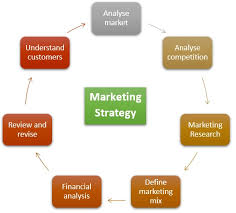
  • Market Research: Understanding the market landscape, including competitors, customer needs, and industry trends.
  • Target Audience: Identifying and defining the ideal customer segments that the company aims to reach.
  • Unique Selling Proposition (USP): Communicating what sets the company’s products or services apart from competitors.
  • Messaging and Positioning: Crafting compelling messages that resonate with the target audience and positioning the brand effectively in the market.
  • Marketing Channels: Determining the most effective channels (such as social media, email, SEO, etc.) to reach and engage with customers.
  • Budget and Timeline: Allocating resources efficiently and setting clear timelines for implementation.

The Benefits of an Effective Marketing Strategy

An effective marketing strategy offers numerous benefits to a business, including:

  • Increased Brand Awareness: A well-crafted strategy helps raise brand visibility and recognition among target audiences.
  • Customer Engagement: Engaging marketing campaigns foster stronger relationships with customers and encourage loyalty.
  • Sales Growth: A targeted approach can lead to increased sales conversions and revenue generation.
  • Competitive Advantage: By differentiating itself in the market, a company can gain a competitive edge over rivals.
  • Data-Driven Decisions: Regular monitoring and analysis of marketing performance allow for data-driven decision-making and continuous improvement.

In Conclusion

A strong marketing strategy is not just a plan; it is a vital tool for businesses looking to thrive in today’s dynamic marketplace. By investing time and resources into developing a comprehensive strategy tailored to their unique goals and audience, companies can position themselves for long-term success and growth.


Essential Insights into Crafting and Understanding Effective Marketing Strategies

  1. What is a marketing strategy and why is it important?
  2. How do you develop an effective marketing strategy?
  3. What are the key components of a successful marketing strategy?
  4. How can market research help in shaping a marketing strategy?
  5. What role does digital marketing play in a modern marketing strategy?

What is a marketing strategy and why is it important?

A marketing strategy is a comprehensive plan that outlines how a business will promote its products or services to its target audience effectively. It serves as a roadmap guiding all marketing efforts and plays a crucial role in achieving specific business goals. A well-defined marketing strategy helps businesses identify their target market, differentiate themselves from competitors, and communicate their unique value proposition to customers. By outlining the tactics and channels to be used, setting clear objectives, and allocating resources efficiently, a strong marketing strategy can drive brand awareness, customer engagement, and ultimately lead to increased sales and business growth. In essence, a solid marketing strategy is essential for businesses looking to establish a strong market presence and achieve sustainable success in today’s competitive landscape.

How do you develop an effective marketing strategy?

Developing an effective marketing strategy involves a systematic approach that begins with thorough market research to understand the target audience, competitors, and industry trends. It is essential to define clear objectives and goals that align with the overall business vision. Crafting a unique selling proposition (USP) that differentiates the brand from competitors is crucial. Tailoring messaging and positioning to resonate with the target audience helps in creating impactful marketing campaigns. Selecting the most suitable marketing channels and allocating resources effectively are key steps in implementing the strategy. Regular monitoring, analysis, and adaptation based on performance data are necessary for continuous improvement and success in achieving desired outcomes.

What are the key components of a successful marketing strategy?

When considering the key components of a successful marketing strategy, several crucial elements come to light. Market research plays a fundamental role in understanding the competitive landscape, customer needs, and industry trends. Identifying and defining the target audience is paramount for tailored messaging and effective engagement. A clear Unique Selling Proposition (USP) helps differentiate the brand from competitors. Crafting compelling messaging, selecting appropriate marketing channels, allocating resources efficiently, and setting clear timelines are all essential components that collectively contribute to the success of a well-rounded marketing strategy.

How can market research help in shaping a marketing strategy?

Market research plays a crucial role in shaping a marketing strategy by providing valuable insights into the market landscape, consumer behaviour, and competitor activities. By conducting thorough market research, businesses can gain a deeper understanding of their target audience’s needs, preferences, and pain points. This information enables companies to tailor their marketing strategies to effectively reach and engage with their customers. Moreover, market research helps identify emerging trends, assess the competitive environment, and uncover new opportunities for growth. Ultimately, leveraging the findings from market research allows businesses to make informed decisions, refine their messaging, and develop strategies that resonate with their target market, leading to more successful marketing campaigns and overall business success.

What role does digital marketing play in a modern marketing strategy?

In the realm of modern marketing strategy, digital marketing plays a pivotal role in shaping the way businesses connect with their target audience. With the increasing reliance on digital platforms and technologies, incorporating digital marketing into a comprehensive strategy has become essential for reaching and engaging customers effectively. Through channels such as social media, email campaigns, search engine optimisation (SEO), and online advertising, businesses can enhance brand visibility, drive customer engagement, and generate leads in a cost-effective manner. Digital marketing enables companies to leverage data analytics to track performance metrics, refine strategies based on insights, and stay agile in responding to market trends swiftly. Embracing digital marketing as a core component of a modern marketing strategy empowers businesses to adapt to the ever-evolving landscape and connect with consumers in meaningful ways that drive growth and success.

email marketing

Unlocking the Potential of Email Marketing: Strategies for Success

The Power of Email Marketing

The Power of Email Marketing

Email marketing remains one of the most effective tools in a marketer’s arsenal. With the rise of social media and other digital channels, some may overlook the impact that a well-crafted email campaign can have on engaging and converting audiences.

Building Relationships

One of the key strengths of email marketing is its ability to nurture relationships with your audience. By delivering relevant and valuable content directly to their inbox, you can establish trust and credibility over time. Personalised emails that address the recipient by name and cater to their interests are more likely to resonate with them.

Driving Conversions

Email marketing is also a powerful tool for driving conversions. Whether you’re promoting a new product, offering a discount, or inviting recipients to an event, emails can be tailored to encourage action. By including clear calls-to-action and tracking performance metrics, you can measure the success of your campaigns and make data-driven decisions for future strategies.

Increasing Brand Awareness

Consistent communication through email helps reinforce your brand identity in the minds of your audience. By maintaining a cohesive visual style and tone across your emails, you can strengthen brand recognition and differentiate yourself from competitors. Sharing valuable content such as blog posts, case studies, or customer testimonials can further position your brand as an industry leader.

Best Practices for Email Marketing

  • Segmentation: Divide your email list into segments based on demographics, behaviour, or preferences to deliver targeted content.
  • A/B Testing: Experiment with different subject lines, content formats, and send times to optimise engagement rates.
  • Maintain Compliance: Ensure that your emails comply with data protection regulations such as GDPR to build trust with recipients.
  • Analyse Results: Monitor key performance indicators like open rates, click-through rates, and conversion rates to evaluate the effectiveness of your campaigns.

In conclusion, email marketing continues to be a valuable tool for engaging audiences, driving conversions, and increasing brand awareness. By leveraging its potential through strategic planning, personalisation, and analytics, businesses can unlock the full power of email as part of their digital marketing strategy.


Five Key Advantages of Email Marketing: Cost-Effective, Targeted, Measurable, Brand-Strengthening, and Engaging

  1. Cost-effective
  2. Targeted messaging
  3. Measurable results
  4. Brand reinforcement
  5. High engagement


Challenges of Email Marketing: Overcoming Spam Risks, Visual Limitations, Deliverability Issues, and Standing Out

  1. Risk of being marked as spam
  2. Limited visual impact
  3. Dependence on email deliverability
  4. Difficulty in standing out

Cost-effective

Email marketing offers a cost-effective solution for businesses to connect with a wide audience when compared to traditional marketing channels. With minimal overheads and the ability to reach a large number of recipients instantly, email campaigns provide an efficient way to deliver targeted messages and promotions without the high costs associated with print or broadcast advertising. This affordability makes email marketing a valuable tool for businesses looking to maximise their marketing budget and achieve measurable results.

Targeted messaging

Email marketing’s ability to deliver targeted messaging is a game-changer in the realm of digital communication. By tailoring content to recipient demographics and behaviour, businesses can create personalised and relevant messages that resonate with their audience on a deeper level. This level of customisation not only enhances engagement but also increases the likelihood of conversions as recipients feel understood and valued. The power of targeted messaging lies in its capacity to deliver the right message to the right person at the right time, ultimately driving stronger connections and results for brands.

Measurable results

Email marketing offers a significant advantage in its ability to provide measurable results through detailed analytics. By tracking performance metrics such as open rates, click-through rates, conversion rates, and more, businesses can gain valuable insights into the effectiveness of their email campaigns. This data allows marketers to identify what resonates with their audience, refine their strategies accordingly, and ultimately improve the outcomes of future campaigns. The ability to measure and analyse results empowers businesses to make data-driven decisions that maximise the impact of their email marketing efforts.

Brand reinforcement

Email marketing plays a crucial role in brand reinforcement by consistently delivering a unified message, visuals, and content with every email sent. By maintaining a cohesive brand identity across all communications, businesses can strengthen brand recognition and loyalty among their audience. This consistency helps differentiate the brand from competitors and builds trust with recipients, ultimately solidifying the brand’s position in the minds of consumers.

High engagement

Email marketing offers a significant advantage in terms of high engagement due to the direct delivery of emails to the recipient’s inbox. This direct communication channel increases the likelihood of interaction as emails are personalised and tailored to the recipient’s preferences. By reaching audiences directly in their inbox, businesses can capture attention, drive engagement, and foster meaningful relationships with their target audience, ultimately leading to higher conversion rates and increased brand loyalty.

Risk of being marked as spam

One significant drawback of email marketing is the risk of being marked as spam. When email campaigns are ineffective or when businesses bombard recipients with excessive emails, there is a high probability of recipients flagging these emails as spam. This action not only diminishes the chances of reaching the intended audience but also jeopardises the sender’s reputation. Once marked as spam, future emails from the sender are more likely to be filtered out or sent directly to the recipients’ spam folders, hindering the effectiveness of email marketing efforts. It is crucial for businesses to carefully consider their email frequency and content to avoid falling victim to this conundrum.

Limited visual impact

One significant drawback of email marketing is its limited visual impact compared to platforms like social media. Due to constraints on design and interactivity within email formats, the ability to create visually engaging content is restricted. This limitation can hinder the overall user experience and may lead to decreased engagement from recipients who are accustomed to more visually stimulating content on other digital channels. As a result, businesses must carefully consider how to maximise the impact of their emails through compelling copywriting and strategic use of visuals within the constraints of the medium.

Dependence on email deliverability

Dependence on email deliverability poses a significant challenge in email marketing. Factors such as spam filters and technical issues can hinder the successful delivery of your emails to recipients’ inboxes, thereby limiting the reach and effectiveness of your campaigns. Despite crafting compelling content and implementing targeted strategies, the unpredictability of email deliverability remains a constant concern for marketers, highlighting the importance of monitoring deliverability metrics and refining practices to enhance the chances of reaching the intended audience.

Difficulty in standing out

In the realm of email marketing, a significant challenge lies in the difficulty of standing out amidst the sea of messages flooding individuals’ inboxes on a daily basis. With the sheer volume of emails vying for attention, it becomes increasingly tough to capture and maintain the interest of recipients. Crafting compelling and distinctive content that cuts through the noise and resonates with the audience is essential yet daunting in a landscape where competition for visibility is fierce. Marketers must navigate this conundrum by employing creative strategies and personalisation techniques to ensure their messages are not lost in the deluge of emails clamouring for attention.

search engine marketing

Unlocking Success: The Essential Guide to Search Engine Marketing Strategies

Article: Search Engine Marketing

The Power of Search Engine Marketing

Search Engine Marketing (SEM) is a powerful digital marketing strategy that aims to increase a website’s visibility in search engine results pages. It encompasses both organic search engine optimisation (SEO) and paid advertising tactics, such as pay-per-click (PPC) campaigns.

Key Components of SEM:

1. SEO: SEO focuses on improving a website’s organic search ranking by optimising its content, meta tags, and backlinks. By enhancing the site’s relevance and authority, SEO helps attract more organic traffic from search engines like Google.

2. PPC Advertising: PPC campaigns involve bidding on keywords relevant to your business and paying for ads to appear at the top of search engine results. These ads are cost-effective as you only pay when a user clicks on your ad, making it an efficient way to drive targeted traffic to your site.

The Benefits of SEM:

  • Increased Visibility: SEM helps your website appear prominently in search results, increasing its visibility to potential customers.
  • Targeted Traffic: By targeting specific keywords and demographics, SEM drives high-quality traffic to your site from users actively searching for your products or services.
  • Measurable Results: SEM provides detailed analytics that allow you to track the performance of your campaigns and make data-driven decisions to optimise your strategy.
  • Cost-Effective Advertising: With PPC advertising, you have control over your budget and can adjust bids based on performance, ensuring you get the most out of your marketing spend.

In Conclusion

Search Engine Marketing is a valuable tool for businesses looking to enhance their online presence and reach their target audience effectively. By combining SEO best practices with strategic PPC campaigns, businesses can drive qualified traffic to their websites and achieve measurable results in today’s competitive digital landscape.


Top 6 Benefits of Search Engine Marketing: Boosting Visibility, Traffic, and Brand Awareness

  1. Increased online visibility
  2. Targeted traffic generation
  3. Measurable results and analytics
  4. Cost-effective advertising options
  5. Enhanced brand awareness
  6. Competitive advantage in search engine rankings


Five Challenges of Search Engine Marketing: Navigating Costs, Competition, and More

  1. 1. Costly Investment
  2. 2. Competitive Landscape
  3. 3. Ad Blindness
  4. 4. Click Fraud
  5. 5. Constant Monitoring Required

Increased online visibility

Increased online visibility is a key advantage of search engine marketing. By implementing effective SEO strategies and running targeted PPC campaigns, businesses can significantly improve their presence in search engine results pages. This enhanced visibility not only helps attract more organic traffic but also ensures that the website is easily discoverable by potential customers who are actively searching for relevant products or services. Ultimately, increased online visibility through search engine marketing can lead to greater brand awareness, higher website traffic, and improved chances of converting visitors into loyal customers.

Targeted traffic generation

One of the key advantages of Search Engine Marketing is its ability to generate targeted traffic to a website. By strategically selecting relevant keywords and demographics, SEM ensures that the website appears in front of users actively seeking the products or services offered. This targeted approach not only increases the likelihood of attracting potential customers but also enhances the overall quality of traffic, leading to higher conversion rates and improved return on investment for businesses.

Measurable results and analytics

One of the key advantages of Search Engine Marketing is the ability to obtain measurable results and detailed analytics. By leveraging tools such as Google Analytics and other tracking platforms, businesses can gain valuable insights into the performance of their SEM campaigns. These analytics provide data on metrics like website traffic, click-through rates, conversion rates, and more, allowing businesses to assess the effectiveness of their marketing efforts accurately. With this information at hand, companies can make informed decisions to refine their strategies, allocate resources efficiently, and ultimately achieve better ROI from their SEM initiatives.

Cost-effective advertising options

One significant advantage of search engine marketing is the cost-effective advertising options it offers. With pay-per-click (PPC) campaigns, businesses have control over their budget and only pay when a user clicks on their ad. This means that companies can reach a targeted audience without incurring high costs upfront, making SEM an efficient and affordable way to drive traffic to their websites and generate leads.

Enhanced brand awareness

Search Engine Marketing (SEM) plays a crucial role in enhancing brand awareness by increasing a company’s visibility in search engine results. By strategically targeting relevant keywords and appearing at the top of search pages, businesses can boost their brand recognition among potential customers. This heightened visibility not only drives more traffic to the website but also establishes the brand as a credible and authoritative presence in its industry. With SEM, businesses can effectively showcase their products or services to a wider audience, ultimately strengthening brand awareness and loyalty.

Competitive advantage in search engine rankings

One significant advantage of Search Engine Marketing is the ability to gain a competitive edge in search engine rankings. By implementing effective SEM strategies, businesses can improve their visibility and ranking positions in search engine results pages ahead of their competitors. Securing higher rankings not only increases brand visibility but also enhances credibility and trust among users, ultimately driving more organic traffic to the website. This competitive advantage in search engine rankings can lead to increased brand recognition, customer engagement, and ultimately, higher conversion rates for businesses striving to stand out in the digital landscape.

1. Costly Investment

Search Engine Marketing, particularly PPC advertising, can pose a significant challenge due to its costly nature. To secure top ad placements and effectively compete in the digital landscape, businesses often need to allocate a substantial budget. This financial investment can be daunting for smaller companies or those with limited resources, making it a con of Search Engine Marketing that needs careful consideration and strategic planning to ensure a positive return on investment.

2. Competitive Landscape

In the realm of Search Engine Marketing, one significant drawback is the fiercely competitive landscape it presents. Small businesses often find it challenging to distinguish themselves amidst larger competitors with substantial marketing budgets. The intense competition for ad placements and keywords can drive up costs and make it harder for smaller players to achieve prominent visibility in search engine results. This dynamic nature of the SEM space requires strategic planning and innovative approaches for smaller businesses to carve out their niche and compete effectively in the digital arena.

3. Ad Blindness

One significant drawback of search engine marketing is the phenomenon of ad blindness, where users become accustomed to ignoring paid search results. In a digital landscape saturated with advertisements, users may develop a tendency to overlook paid listings and instead gravitate towards organic search results or other types of online content. This can diminish the effectiveness of SEM campaigns, as businesses may struggle to capture the attention of their target audience amidst the abundance of paid advertising. Marketers need to be mindful of ad blindness and employ strategies that enhance the visibility and relevance of their paid ads to combat this challenge effectively.

4. Click Fraud

One significant drawback of Search Engine Marketing, particularly in Pay-Per-Click campaigns, is the issue of click fraud. Click fraud involves malicious activities such as competitors or automated bots clicking on ads repeatedly to exhaust your advertising budget without generating legitimate leads. This unethical practice not only wastes resources but also distorts campaign performance metrics, making it challenging for businesses to accurately assess the effectiveness of their marketing efforts and achieve a positive return on investment.

5. Constant Monitoring Required

One significant drawback of Search Engine Marketing is the constant monitoring and adjustment it demands to maintain competitiveness and achieve optimal performance. Effective SEM campaigns necessitate regular scrutiny and fine-tuning to keep up with evolving trends and algorithms. This continuous need for monitoring requires a significant investment of time and effort, making it a resource-intensive aspect of SEM that can be challenging for businesses to sustain in the long run.

social media marketing

Maximising Business Growth Through Effective Social Media Marketing

The Power of Social Media Marketing

The Power of Social Media Marketing

Social media has revolutionised the way businesses connect with their audience. With billions of users worldwide, platforms like Facebook, Instagram, Twitter, and LinkedIn offer unparalleled opportunities for brands to engage with customers and promote their products or services.

Social media marketing is more than just posting updates or sharing content. It involves strategic planning, targeted messaging, and consistent interaction to build brand awareness, drive website traffic, and generate leads.

Benefits of Social Media Marketing

  • Increased Brand Visibility: By maintaining an active presence on social media, businesses can reach a wider audience and increase brand recognition.
  • Engagement with Customers: Social media provides a platform for direct communication with customers, allowing businesses to address queries, receive feedback, and foster relationships.
  • Lead Generation: Through targeted advertising and compelling content, social media can help businesses attract potential customers and convert them into leads.
  • Drive Website Traffic: Sharing links to your website on social media can drive traffic and improve your site’s SEO ranking.
  • Data Analysis: Social media platforms offer valuable insights into audience demographics, preferences, and behaviours that can inform future marketing strategies.

Tips for Effective Social Media Marketing

  1. Define Your Goals: Clearly outline your objectives for social media marketing, whether it’s increasing sales, building brand loyalty, or driving website traffic.
  2. Know Your Audience: Understand the demographics and interests of your target audience to tailor your content effectively.
  3. Create Engaging Content: Develop high-quality content that resonates with your audience and encourages interaction.
  4. Maintain Consistency: Post regularly and engage with followers consistently to keep your brand top-of-mind.
  5. Analyse Results: Monitor metrics such as engagement rates, click-through rates, and conversions to evaluate the success of your social media campaigns.

In conclusion, social media marketing offers businesses a powerful tool to connect with customers, boost brand visibility, and drive business growth. By implementing effective strategies and engaging content, businesses can leverage the full potential of social media to achieve their marketing goals.


Essential FAQs on Social Media Marketing: Strategies, Platforms, and Future Trends

  1. What is social media marketing and why is it important?
  2. Which social media platforms are best for marketing?
  3. How can businesses use social media to promote their products or services?
  4. What are the benefits of using paid advertising on social media?
  5. How can businesses measure the effectiveness of their social media marketing campaigns?
  6. What are some common mistakes to avoid in social media marketing?
  7. How often should businesses post on social media for optimal engagement?
  8. What trends are shaping the future of social media marketing?

What is social media marketing and why is it important?

Social media marketing is a strategic approach that utilises social media platforms to promote products or services, engage with customers, and build brand awareness. It involves creating and sharing content tailored to target audiences, running targeted advertising campaigns, and interacting with followers to achieve marketing objectives. Social media marketing is important for businesses as it offers a cost-effective way to reach a large audience, build relationships with customers, drive website traffic, generate leads, and ultimately increase sales. By leveraging the power of social media, businesses can enhance their online presence, connect with their target market on a personal level, and stay competitive in today’s digital landscape.

Which social media platforms are best for marketing?

When considering which social media platforms are best for marketing, it is essential to assess the unique characteristics and target audience of each platform. Facebook, with its vast user base and diverse demographics, is a popular choice for businesses looking to reach a wide audience. Instagram, known for its visual appeal and engagement opportunities, is ideal for brands focusing on visual content and storytelling. LinkedIn caters to a professional audience, making it suitable for B2B marketing and networking. Twitter’s real-time nature is beneficial for timely updates and customer engagement. Ultimately, the best platforms for marketing depend on the specific goals, target audience, and content strategy of each business.

How can businesses use social media to promote their products or services?

Businesses can utilise social media as a powerful platform to promote their products or services by implementing strategic marketing tactics. Firstly, businesses should identify their target audience and choose the most relevant social media platforms where their audience is active. By creating engaging and visually appealing content, such as product images, videos, or informative posts, businesses can capture the attention of users and generate interest in their offerings. Leveraging paid advertising options on social media platforms allows businesses to reach a wider audience and drive traffic to their website or online store. Additionally, actively engaging with followers through responding to comments, messages, and conducting polls or contests can foster customer loyalty and increase brand awareness. Overall, by crafting a cohesive social media marketing strategy that focuses on delivering value to customers while showcasing products or services effectively, businesses can effectively leverage social media to promote their offerings and drive sales.

What are the benefits of using paid advertising on social media?

Utilising paid advertising on social media offers a multitude of benefits for businesses looking to enhance their online presence and reach a targeted audience effectively. Paid advertising allows brands to amplify their visibility and reach beyond organic posts, ensuring that their content is seen by a larger segment of their target demographic. By leveraging paid ads, businesses can drive website traffic, generate leads, increase brand awareness, and ultimately boost conversions. Additionally, the robust targeting options available through social media platforms enable businesses to tailor their ads to specific demographics, interests, and behaviours, maximising the return on investment and achieving measurable results.

How can businesses measure the effectiveness of their social media marketing campaigns?

Businesses can measure the effectiveness of their social media marketing campaigns through various metrics and analytics tools. Key performance indicators (KPIs) such as engagement rates, reach, click-through rates, conversion rates, and return on investment (ROI) provide valuable insights into the impact of social media efforts. By tracking these metrics over time, businesses can assess the success of their campaigns, identify areas for improvement, and make data-driven decisions to optimise their social media strategy. Additionally, conducting A/B testing, monitoring audience feedback, and using social media analytics platforms can help businesses evaluate the performance of their campaigns and ensure they are meeting their marketing objectives.

What are some common mistakes to avoid in social media marketing?

When it comes to social media marketing, avoiding common mistakes is crucial for achieving success. Some frequent pitfalls to steer clear of include inconsistent posting schedules, neglecting audience engagement, overly promotional content that lacks authenticity, ignoring analytics and failing to adjust strategies accordingly, and not tailoring content to suit each platform’s unique features and audience preferences. By being mindful of these errors and adopting a strategic approach that prioritises quality, relevance, and audience interaction, businesses can maximise the impact of their social media marketing efforts and build stronger connections with their target audience.

How often should businesses post on social media for optimal engagement?

Finding the right balance in social media posting frequency is crucial for optimal engagement. While there is no one-size-fits-all answer, businesses should aim to maintain a consistent posting schedule that aligns with their audience’s preferences and platform algorithms. Posting too frequently can overwhelm followers, leading to disengagement, while posting too infrequently may cause your brand to be forgotten. It’s essential to monitor engagement metrics and adjust your posting frequency accordingly to strike the right balance and keep your audience engaged and interested in your content.

The future of social media marketing is being shaped by several key trends that are transforming the way businesses engage with their audience online. From the rise of video content and live streaming to the increasing importance of influencer collaborations and personalised messaging, these trends are driving innovation and pushing boundaries in the digital marketing landscape. As social media platforms continue to evolve and user behaviours shift, businesses must adapt their strategies to stay relevant and effectively reach their target audience in a dynamic and competitive online environment.