digital product marketing

Mastering the Art of Digital Product Marketing: Strategies for Success in the Online World

The Power of Digital Product Marketing

The Power of Digital Product Marketing

In today’s digital age, the success of a product often hinges on its marketing strategy. Digital product marketing has emerged as a powerful tool for businesses to reach their target audience, drive engagement, and ultimately boost sales.

Understanding Digital Product Marketing

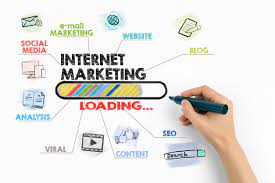
Digital product marketing involves promoting and selling products or services using online channels such as websites, social media, email campaigns, and search engine optimisation (SEO). This approach allows businesses to connect with consumers in a more targeted and measurable way compared to traditional marketing methods.

The Benefits of Digital Product Marketing

One of the key benefits of digital product marketing is its ability to reach a global audience quickly and cost-effectively. With the right strategies in place, businesses can increase brand awareness, generate leads, and convert prospects into loyal customers.

Furthermore, digital product marketing provides valuable data insights that can be used to refine marketing campaigns and improve overall performance. By analysing metrics such as website traffic, conversion rates, and customer behaviour, businesses can make informed decisions to enhance their marketing efforts.

Effective Strategies for Digital Product Marketing

To succeed in digital product marketing, businesses must employ a variety of strategies tailored to their target audience and goals. These may include:

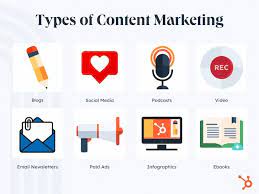
  • Content Marketing: Creating valuable and engaging content that resonates with the target audience.
  • Social Media Marketing: Leveraging popular social platforms to connect with customers and drive brand visibility.
  • Email Marketing: Sending targeted emails to nurture leads and encourage repeat purchases.
  • Paid Advertising: Using paid channels such as Google Ads or social media ads to reach a wider audience.
  • Search Engine Optimisation (SEO): Optimising website content to improve search engine rankings and attract organic traffic.

In Conclusion

Digital product marketing offers endless possibilities for businesses looking to expand their reach and drive growth. By embracing digital channels and implementing effective strategies, companies can position themselves for success in today’s competitive marketplace.


Comprehensive Guide to Digital Product Marketing: Addressing 26 Key Questions

  1. What are the example of digital products?
  2. What are the 7 P’s of digital marketing?
  3. What are 4 P’s in digital marketing?
  4. How the 4 P’s are used in digital marketing?
  5. What is an example of a digital product?
  6. How do you market a product using digital marketing?
  7. What is a digital marketing example?
  8. What is a digital product and examples?
  9. What are the four types of digital marketing?
  10. How to do a digital marketing of any product?
  11. What are examples of digital products?
  12. What are the 4 P’s of digital marketing?
  13. How do you promote a digital product?
  14. What are the seven types of digital marketing?
  15. What is a digital product example?
  16. What is Digital Marketing example?
  17. What is digital product in marketing?
  18. What are the most profitable digital products?
  19. What’s an example of a digital product?
  20. What’s an example of digital marketing?
  21. What is digital product strategy?
  22. What are the 4 types of digital marketing?
  23. What are the 3 types of digital marketing?
  24. What is digital marketing product?
  25. Which is are example of digital marketing?
  26. What is digital marketing and example?

What are the example of digital products?

Digital products encompass a wide range of offerings that are intangible and exist in the digital realm. Examples of digital products include software applications, e-books, online courses, digital music or videos, mobile apps, webinars, podcasts, and digital artwork. These products are created and distributed electronically, allowing users to access them instantly from their devices such as computers, smartphones, or tablets. Digital products offer convenience, scalability, and often provide a unique user experience that traditional physical products cannot replicate.

What are the 7 P’s of digital marketing?

The 7 P’s of digital marketing refer to the key elements that businesses need to consider when developing their digital marketing strategies. These include Product (the goods or services being offered), Price (the cost of the product), Place (where and how the product is distributed), Promotion (how the product is promoted to target audiences), People (understanding and engaging with the target customers), Process (the procedures involved in delivering the product), and Physical Evidence (the tangible aspects that support the product or service). By carefully addressing each of these P’s, businesses can create comprehensive and effective digital marketing campaigns that resonate with their audience and drive success in the competitive online landscape.

What are 4 P’s in digital marketing?

The 4 Ps in digital marketing refer to Product, Price, Place, and Promotion. These fundamental components form the core framework for developing a successful digital marketing strategy. Product focuses on creating a valuable offering that meets customer needs, while Price involves setting competitive pricing to attract target audiences. Place refers to the distribution channels used to reach customers effectively, and Promotion encompasses the various tactics employed to raise awareness and drive engagement with the product or service in the digital realm. By carefully considering and integrating these 4 Ps into their digital marketing efforts, businesses can enhance their online presence and achieve their marketing objectives efficiently.

How the 4 P’s are used in digital marketing?

In digital marketing, the traditional marketing concept of the 4 P’s (Product, Price, Place, and Promotion) has been adapted to suit the online landscape. Each of the 4 P’s plays a crucial role in shaping digital marketing strategies. Product refers to how businesses position and present their offerings online, ensuring they meet customer needs and stand out in a competitive market. Price involves setting competitive pricing strategies that resonate with online consumers. Place focuses on the various digital channels and platforms where products are made available to customers, such as websites, social media, and e-commerce marketplaces. Promotion entails leveraging digital tools like social media advertising, email campaigns, and search engine optimisation to create awareness and drive engagement for products or services in the online space. By effectively utilising the 4 P’s in digital marketing strategies, businesses can enhance their online presence and achieve their marketing objectives successfully.

What is an example of a digital product?

A digital product is any intangible asset or service that is delivered electronically, typically through online platforms or software applications. An example of a digital product could be an e-book, a mobile app, a subscription-based streaming service like Netflix, or a software tool such as Adobe Photoshop. These products are created and distributed digitally, allowing users to access them instantly and conveniently through their devices. Digital products have become increasingly popular in today’s digital economy due to their scalability, ease of distribution, and ability to cater to diverse consumer needs.

How do you market a product using digital marketing?

To successfully market a product using digital marketing, businesses must first identify their target audience and understand their preferences and behaviours. Utilising a mix of digital channels such as social media, email campaigns, search engine optimisation (SEO), and content marketing is essential to reach and engage with potential customers effectively. Crafting compelling and relevant content tailored to the target audience’s needs, running targeted advertising campaigns, and analysing data to refine strategies are key components of a successful digital product marketing approach. By leveraging the power of digital tools and platforms strategically, businesses can enhance brand visibility, generate leads, and drive conversions in today’s competitive online landscape.

What is a digital marketing example?

A common example of digital marketing is the use of social media platforms such as Facebook, Instagram, or Twitter to promote products or services. Businesses can create engaging posts, run targeted advertising campaigns, and interact with their audience to increase brand visibility and drive customer engagement. By leveraging the vast reach and targeting capabilities of social media channels, companies can effectively showcase their offerings to a specific demographic or interest group, ultimately leading to increased sales and brand loyalty.

What is a digital product and examples?

A digital product is any intangible asset or service that is delivered electronically, typically through the internet or other digital channels. Examples of digital products include e-books, software applications, online courses, mobile apps, streaming services like Netflix, and digital downloads such as music or video content. These products are created and distributed digitally, offering convenience and accessibility to consumers worldwide. Digital products play a significant role in today’s economy, providing innovative solutions and entertainment options to users across various industries.

What are the four types of digital marketing?

In the realm of digital product marketing, understanding the four key types of digital marketing is essential for crafting a comprehensive strategy to promote products effectively online. The four main types include search engine optimisation (SEO), pay-per-click advertising (PPC), social media marketing, and email marketing. SEO focuses on improving a website’s visibility in search engine results, while PPC involves paying for ads that appear when specific keywords are searched. Social media marketing utilises platforms like Facebook and Instagram to engage with audiences, and email marketing involves sending targeted messages to subscribers. By leveraging these diverse approaches, businesses can maximise their digital presence and connect with their target customers in meaningful ways.

How to do a digital marketing of any product?

When it comes to digital marketing of any product, the key lies in developing a comprehensive strategy that leverages various online channels to reach and engage with the target audience effectively. To start, businesses should identify their target market and understand their preferences and behaviours. Creating compelling and relevant content is essential to attract and retain customers. Utilising social media platforms, email campaigns, search engine optimisation (SEO), and paid advertising can help increase brand visibility and drive conversions. Regularly analysing performance metrics and adapting strategies based on data insights is crucial for continuous improvement in digital product marketing efforts.

What are examples of digital products?

Digital products encompass a wide range of offerings that are intangible and exist in the digital realm. Examples of digital products include e-books, online courses, software applications, mobile apps, digital music and videos, webinars, podcasts, templates, and digital artwork. These products are created and distributed electronically, allowing consumers to access them instantly from their devices. Digital products have become increasingly popular due to their convenience, scalability, and ability to reach a global audience with minimal overhead costs.

What are the 4 P’s of digital marketing?

In the realm of digital marketing, the concept of the 4 P’s refers to Product, Price, Place, and Promotion. These fundamental principles serve as a framework for businesses to develop effective marketing strategies in the digital landscape. Product entails understanding and crafting offerings that meet consumer needs, while Price involves setting competitive prices that reflect value. Place focuses on selecting the right channels to reach target audiences, and Promotion encompasses tactics to communicate and engage with customers effectively online. By leveraging the 4 P’s of digital marketing, businesses can create cohesive and impactful campaigns that drive success in today’s competitive market environment.

How do you promote a digital product?

Promoting a digital product involves a strategic approach to reach and engage with the target audience effectively. To promote a digital product successfully, businesses can utilise a variety of marketing tactics such as content marketing, social media promotion, email campaigns, paid advertising, and search engine optimisation. By creating compelling and relevant content that resonates with the target audience, leveraging social media platforms to increase brand visibility, sending targeted email campaigns to nurture leads, investing in paid advertising channels to reach a wider audience, and optimising website content for search engines, businesses can effectively promote their digital products and drive engagement that leads to increased sales and brand loyalty.

What are the seven types of digital marketing?

In the realm of digital product marketing, understanding the seven key types of digital marketing is crucial for crafting effective strategies to promote products and engage with target audiences. These seven types encompass various online channels and tactics, including search engine optimisation (SEO), social media marketing, content marketing, email marketing, pay-per-click (PPC) advertising, affiliate marketing, and influencer marketing. Each type offers unique opportunities to connect with consumers, drive traffic to websites, and ultimately boost sales. By leveraging a combination of these digital marketing approaches, businesses can enhance their online presence and achieve their marketing objectives effectively.

What is a digital product example?

A digital product example is any product or service that is delivered or accessed electronically, typically through digital channels such as the internet or mobile devices. Examples of digital products include e-books, software applications, online courses, streaming services like Netflix, and digital downloads such as music or video content. These products are intangible and can be easily distributed and consumed online, making them convenient for both businesses and consumers in today’s digital landscape.

What is Digital Marketing example?

Digital marketing encompasses a wide range of strategies and tactics used to promote products or services online. An example of digital marketing is social media advertising, where businesses create targeted ads to reach specific audiences on platforms like Facebook, Instagram, or LinkedIn. These ads can be tailored based on demographics, interests, and behaviours to increase engagement and drive conversions. Social media advertising is just one of many examples of how digital marketing leverages online channels to connect with consumers in a more personalised and measurable way.

What is digital product in marketing?

In the realm of marketing, a digital product refers to any intangible offering that is created and distributed through digital channels. This can encompass a wide range of products, such as software applications, e-books, online courses, subscription services, and digital downloads. Digital products are designed to be accessed and consumed online, providing convenience and accessibility to consumers. In the context of digital product marketing, businesses leverage various online strategies to promote and sell these offerings to their target audience effectively. By understanding the unique characteristics and benefits of digital products, marketers can tailor their approaches to drive engagement, conversions, and ultimately achieve success in the digital marketplace.

What are the most profitable digital products?

When it comes to digital product marketing, the question of “What are the most profitable digital products?” is a common one. The profitability of digital products can vary depending on various factors such as market demand, target audience, pricing strategy, and competition. Generally, some of the most profitable digital products include software applications, online courses, e-books, subscription-based services, and digital downloads like music and templates. However, the key to success lies in identifying a niche market, delivering high-quality content or services, and implementing effective marketing strategies to maximise profitability in the digital landscape.

What’s an example of a digital product?

In the realm of digital product marketing, an example of a digital product is a mobile application (app) that offers a range of functionalities or services to users on their smartphones or tablets. These apps can serve various purposes, such as entertainment, productivity, communication, or e-commerce. Businesses often develop and market these digital products to cater to specific user needs and preferences, leveraging strategies like app store optimisation, user acquisition campaigns, and ongoing updates to enhance user experience and drive engagement.

What’s an example of digital marketing?

An example of digital marketing is social media advertising, where businesses promote their products or services on platforms like Facebook, Instagram, or Twitter to reach a targeted audience. Through engaging ad campaigns, businesses can showcase their offerings to potential customers based on demographics, interests, and online behaviour. Social media advertising allows companies to enhance brand visibility, drive traffic to their websites, and ultimately increase sales by leveraging the vast reach and interactive nature of social platforms in the digital realm.

What is digital product strategy?

Digital product strategy refers to the comprehensive plan and approach that businesses develop to effectively design, create, and market their digital products or services. It involves defining clear objectives, identifying target audiences, conducting market research, and outlining the steps needed to achieve success in the digital realm. A solid digital product strategy encompasses elements such as product positioning, feature prioritisation, user experience design, pricing strategies, and ongoing product iteration based on data-driven insights. By crafting a well-thought-out digital product strategy, businesses can maximise their chances of creating products that resonate with customers and drive business growth in the competitive online landscape.

What are the 4 types of digital marketing?

In the realm of digital product marketing, there are four primary types of digital marketing strategies that businesses often utilise to promote their products or services effectively. These include search engine optimisation (SEO), which focuses on improving a website’s visibility in search engine results; social media marketing, where businesses engage with their audience on platforms like Facebook, Instagram, and Twitter; pay-per-click (PPC) advertising, involving paid ads displayed on search engines and social media platforms; and content marketing, which entails creating and distributing valuable content to attract and engage target customers. Each of these digital marketing approaches plays a crucial role in helping businesses reach their target audience and achieve their marketing objectives.

What are the 3 types of digital marketing?

In the realm of digital product marketing, there are three main types of digital marketing strategies that businesses commonly utilise to promote their products or services online. These include search engine optimisation (SEO), which focuses on improving a website’s visibility in search engine results; social media marketing, which involves leveraging social platforms to engage with audiences and build brand awareness; and pay-per-click (PPC) advertising, where businesses pay for their ads to appear when users search for specific keywords or phrases. Each of these digital marketing approaches plays a crucial role in reaching and engaging target audiences effectively in the digital landscape.

What is digital marketing product?

A digital marketing product refers to a tangible or intangible offering that is designed to promote and sell products or services using online channels. It encompasses a range of strategies and techniques aimed at reaching target audiences through digital platforms such as websites, social media, email campaigns, and search engine optimisation. Digital marketing products play a crucial role in enhancing brand visibility, driving customer engagement, and ultimately increasing sales in the competitive landscape of the digital age.

Which is are example of digital marketing?

Digital marketing encompasses a wide range of strategies and tactics aimed at promoting products or services online. Examples of digital marketing include search engine optimisation (SEO), pay-per-click advertising (PPC), social media marketing, email marketing, content marketing, influencer partnerships, affiliate marketing, and online PR campaigns. Each of these methods plays a crucial role in reaching target audiences, driving engagement, and ultimately converting leads into customers in the digital landscape.

What is digital marketing and example?

Digital marketing encompasses a wide range of online strategies and tactics used by businesses to promote their products or services to a digital audience. An example of digital marketing is social media advertising, where companies leverage platforms like Facebook, Instagram, or LinkedIn to reach their target customers with targeted ads based on demographics, interests, and online behaviour. By utilising social media advertising, businesses can increase brand awareness, drive website traffic, and ultimately boost sales by engaging with their audience in a more personalised and interactive way compared to traditional advertising methods.

digital media marketing

Unleashing the Potential of Digital Media Marketing: Strategies for Success

The Power of Digital Media Marketing

The Power of Digital Media Marketing

In today’s digital age, the way businesses market their products and services has undergone a significant transformation. Digital media marketing has become a powerful tool for reaching and engaging with target audiences in a more personalised and effective manner.

Digital media marketing encompasses a wide range of online channels and platforms, including social media, search engines, email, websites, and mobile apps. By leveraging these digital channels strategically, businesses can connect with their customers in real-time, build brand awareness, drive traffic to their websites, and ultimately increase sales.

Benefits of Digital Media Marketing

  • Targeted Reach: With digital media marketing, businesses can target specific demographics, interests, and behaviours to reach the right audience for their products or services.
  • Measurable Results: Unlike traditional marketing methods, digital media marketing allows for precise tracking and analysis of campaign performance metrics such as website traffic, conversions, click-through rates, and more.
  • Cost-Effective: Digital media marketing offers various cost-effective options compared to traditional advertising channels. Businesses can reach a larger audience at a fraction of the cost.
  • Engagement: Through interactive content such as videos, social media posts, and blogs, businesses can engage with their audience on a more personal level and build lasting relationships.
  • Global Reach: With the internet breaking down geographical barriers, digital media marketing enables businesses to expand their reach beyond local markets to a global audience.

Trends in Digital Media Marketing

The landscape of digital media marketing is constantly evolving with new trends emerging regularly. Some current trends include influencer marketing, voice search optimization, chatbots for customer service, interactive content like AR/VR experiences, and personalised messaging based on user behaviour.

As technology continues to advance and consumer behaviours shift towards online interactions, businesses must adapt their digital media marketing strategies to stay relevant and competitive in today’s market.

In conclusion, digital media marketing offers immense opportunities for businesses to connect with their target audience effectively in the digital realm. By embracing the power of digital channels and staying abreast of emerging trends, businesses can drive growth and success in the ever-evolving landscape of online marketing.


9 Essential Tips for Mastering Digital Media Marketing

  1. Identify your target audience and tailor your content to their preferences.
  2. Utilise various digital platforms such as social media, email, and search engines for marketing.
  3. Create engaging and shareable content to increase brand visibility.
  4. Utilise analytics tools to track the performance of your campaigns and make data-driven decisions.
  5. Stay updated with the latest trends in digital marketing to remain competitive.
  6. Interact with your audience through comments, messages, and feedback to build a loyal customer base.
  7. Collaborate with influencers or other brands for wider reach and credibility.
  8. Optimise your website for mobile devices as a significant portion of internet users access content through mobiles.
  9. Run targeted advertising campaigns to reach specific demographics or interests.

Identify your target audience and tailor your content to their preferences.

To maximise the effectiveness of your digital media marketing efforts, it is essential to identify your target audience and tailor your content to their preferences. Understanding the demographics, interests, and behaviours of your audience allows you to create personalised and relevant content that resonates with them. By crafting messages that speak directly to the needs and interests of your target audience, you can increase engagement, build brand loyalty, and ultimately drive conversions. This strategic approach not only enhances the effectiveness of your marketing campaigns but also fosters stronger connections with your customers in the digital landscape.

Utilise various digital platforms such as social media, email, and search engines for marketing.

To maximise the impact of digital media marketing, it is essential to utilise a diverse range of online platforms. By leveraging channels like social media, email, and search engines strategically, businesses can reach their target audience effectively and engage with them in meaningful ways. Social media platforms offer the opportunity to connect with customers in real-time and build brand awareness, while email marketing allows for direct communication and personalised messaging. Additionally, search engine marketing enables businesses to enhance their online visibility and drive traffic to their websites. By incorporating these digital platforms into their marketing strategies, businesses can create a comprehensive and dynamic online presence that resonates with their audience.

Create engaging and shareable content to increase brand visibility.

Creating engaging and shareable content is a crucial tip in digital media marketing to enhance brand visibility. By crafting content that resonates with the target audience, businesses can capture their attention and encourage them to share it with others, thereby expanding the reach of the brand. Engaging content that sparks conversation, evokes emotions, or provides value to the audience is more likely to be shared across social media platforms, leading to increased brand awareness and visibility in the digital space.

Utilise analytics tools to track the performance of your campaigns and make data-driven decisions.

To maximise the effectiveness of your digital media marketing campaigns, it is essential to utilise analytics tools to track their performance meticulously. By leveraging data-driven insights provided by these tools, businesses can gain valuable information on key metrics such as website traffic, user engagement, conversion rates, and more. This data empowers marketers to make informed decisions, optimise their strategies in real-time, and refine their campaigns for better results. Ultimately, harnessing analytics tools enables businesses to enhance the efficiency and impact of their digital marketing efforts in a targeted and measurable way.

To stay competitive in the ever-evolving landscape of digital media marketing, it is crucial to stay updated with the latest trends and advancements in the industry. By keeping abreast of emerging technologies, consumer behaviours, and innovative strategies, businesses can adapt their digital marketing efforts to meet the changing needs of their target audience. Remaining informed about current trends allows businesses to stay ahead of the curve, engage with customers in meaningful ways, and ultimately maintain a competitive edge in the digital marketplace.

Interact with your audience through comments, messages, and feedback to build a loyal customer base.

To build a loyal customer base through digital media marketing, it is essential to actively engage with your audience. By responding to comments, messages, and feedback from customers in a timely and personalised manner, businesses can foster a sense of connection and trust. This interaction not only shows that you value your customers’ opinions but also helps in building long-lasting relationships that can lead to increased brand loyalty and advocacy. Embracing this approach not only enhances customer satisfaction but also strengthens the overall reputation and credibility of the business in the digital space.

Collaborate with influencers or other brands for wider reach and credibility.

Collaborating with influencers or other brands in your digital media marketing strategy can significantly enhance your reach and credibility. By partnering with individuals or companies that have a strong following or reputation in your industry, you can tap into their existing audience and leverage their influence to promote your products or services. This collaboration not only expands your brand’s visibility to a wider demographic but also lends credibility and authenticity to your marketing efforts, as consumers are more likely to trust recommendations from familiar faces or trusted brands. In today’s competitive digital landscape, strategic partnerships with influencers and brands can be a powerful way to amplify your message and connect with potential customers on a deeper level.

Optimise your website for mobile devices as a significant portion of internet users access content through mobiles.

To maximise the effectiveness of your digital media marketing efforts, it is crucial to optimise your website for mobile devices. With a significant portion of internet users accessing content through mobiles, ensuring that your website is mobile-friendly can enhance user experience and engagement. By creating a responsive design that adapts seamlessly to various screen sizes and devices, you can cater to the growing number of mobile users and improve accessibility to your content, ultimately driving traffic and conversions on your site.

Run targeted advertising campaigns to reach specific demographics or interests.

Running targeted advertising campaigns is a key strategy in digital media marketing to effectively reach specific demographics or interests. By tailoring advertisements to resonate with the preferences and characteristics of a particular audience segment, businesses can maximise their campaign’s impact and engagement. This approach not only increases the likelihood of reaching potential customers who are more likely to convert but also allows for a more efficient allocation of marketing resources. Targeted advertising campaigns enable businesses to deliver personalised messages that speak directly to the needs and interests of their target audience, ultimately driving higher levels of engagement and conversion rates in the digital landscape.

digital media marketing

Mastering the Art of Digital Media Marketing: Strategies for Success in the Online Landscape

The Power of Digital Media Marketing

The Power of Digital Media Marketing

Digital media marketing has revolutionised the way businesses connect with their target audiences in today’s digital age. With the rise of social media platforms, search engines, and online advertising, digital marketing offers a powerful and cost-effective way to reach potential customers and build brand awareness.

One of the key advantages of digital media marketing is its ability to precisely target specific demographics based on factors such as age, location, interests, and online behaviour. This targeted approach ensures that marketing messages are delivered to the right people at the right time, increasing the likelihood of conversion.

Furthermore, digital media marketing allows for real-time tracking and analysis of campaign performance. Marketers can monitor key metrics such as website traffic, engagement rates, and conversion rates to measure the effectiveness of their campaigns and make data-driven decisions for future strategies.

Social media platforms play a crucial role in digital media marketing by providing businesses with a direct channel to engage with their audience in a more personal and interactive way. Through social media advertising and content creation, businesses can foster relationships with customers, build brand loyalty, and drive traffic to their websites.

Search engine optimisation (SEO) is another essential component of digital media marketing that helps businesses improve their online visibility and rank higher in search engine results. By optimising website content and structure according to search engine algorithms, businesses can attract organic traffic and increase their chances of being found by potential customers.

In conclusion, digital media marketing offers unparalleled opportunities for businesses to expand their reach, engage with their audience effectively, and drive business growth in an increasingly competitive market. By leveraging the power of digital channels strategically and creatively, businesses can stay ahead of the curve and achieve sustainable success in today’s digital landscape.


Advantages of Digital Media Marketing: Precision, Cost-Effectiveness, and Global Reach

  1. Precise targeting of specific demographics
  2. Cost-effective compared to traditional marketing methods
  3. Real-time tracking and analysis of campaign performance
  4. Increased brand visibility and awareness online
  5. Engagement with customers in a more personal and interactive way
  6. Ability to reach a global audience with minimal effort
  7. Opportunity to create targeted and relevant content for different segments
  8. Flexibility to adjust strategies quickly based on performance data


Challenges of Digital Media Marketing: Platform Overload, Reputation Risks, and ROI Measurement

  1. Digital media marketing can be overwhelming due to the vast number of platforms and tools available, making it challenging for businesses to choose the most effective ones.
  2. There is a risk of negative feedback or backlash on social media platforms, which can damage a brand’s reputation if not managed properly.
  3. Measuring the ROI of digital media marketing efforts can be complex and time-consuming, especially when attributing conversions across multiple online channels.

Precise targeting of specific demographics

Digital media marketing provides businesses with the valuable advantage of precise targeting of specific demographics. By utilising data analytics and audience segmentation tools, marketers can tailor their campaigns to reach the exact audience most likely to be interested in their products or services. This targeted approach not only increases the efficiency of marketing efforts but also enhances the relevance and impact of messages delivered to potential customers, resulting in higher conversion rates and improved return on investment.

Cost-effective compared to traditional marketing methods

Digital media marketing offers a significant advantage in terms of cost-effectiveness compared to traditional marketing methods. With digital channels, businesses can reach a larger audience at a fraction of the cost of traditional advertising mediums such as print or television. Moreover, digital marketing allows for precise targeting, ensuring that marketing budgets are allocated efficiently towards reaching the most relevant and engaged audiences. This cost-effective approach not only maximises the return on investment but also enables businesses of all sizes to compete on a level playing field in the ever-evolving digital landscape.

Real-time tracking and analysis of campaign performance

One of the significant advantages of digital media marketing is the ability to conduct real-time tracking and analysis of campaign performance. This pro allows marketers to monitor key metrics such as website traffic, engagement rates, and conversion rates instantly. By gaining insights into how their campaigns are performing in real-time, businesses can make data-driven decisions, adjust strategies on the fly, and optimise their marketing efforts effectively to achieve better results.

Increased brand visibility and awareness online

Digital media marketing provides businesses with the invaluable benefit of increased brand visibility and awareness online. By utilising various digital channels such as social media, search engines, and online advertising, businesses can reach a wider audience and make their brand more visible to potential customers. This enhanced online presence not only helps in attracting new customers but also reinforces brand recognition among existing ones, ultimately leading to greater brand awareness and credibility in the digital space.

Engagement with customers in a more personal and interactive way

Digital media marketing enables businesses to engage with their customers in a more personal and interactive manner, fostering stronger relationships and building brand loyalty. Through social media platforms, businesses can interact directly with their audience, respond to comments and messages, and create tailored content that resonates with individual preferences. This personalised approach helps businesses understand their customers better, address their needs effectively, and create meaningful connections that go beyond traditional marketing strategies. By engaging customers in a more personal and interactive way, businesses can cultivate trust, loyalty, and long-term relationships that drive customer satisfaction and business growth.

Ability to reach a global audience with minimal effort

One significant advantage of digital media marketing is the ability to reach a global audience with minimal effort. Through online platforms and tools, businesses can expand their reach beyond geographical boundaries and connect with potential customers worldwide at the click of a button. This unparalleled access to a diverse and vast audience allows businesses to promote their products or services on a global scale, increasing brand visibility and opening up new opportunities for growth without the need for extensive resources or physical presence in multiple locations.

Opportunity to create targeted and relevant content for different segments

One significant advantage of digital media marketing is the opportunity it provides to create targeted and relevant content for different segments of the audience. By utilising data-driven insights and analytics, businesses can tailor their messaging to specific demographics, interests, and behaviours, ensuring that their content resonates with each segment on a personal level. This level of customisation not only enhances engagement and conversion rates but also strengthens brand loyalty by delivering valuable and meaningful content that meets the unique needs of different customer segments.

Flexibility to adjust strategies quickly based on performance data

One of the key advantages of digital media marketing is the flexibility it offers in adjusting strategies quickly based on performance data. By closely monitoring metrics such as website traffic, engagement rates, and conversion rates in real-time, businesses can make informed decisions to optimise their campaigns for better results. This agility allows marketers to adapt to changing market conditions and consumer behaviour swiftly, ensuring that their digital marketing efforts remain effective and aligned with their goals.

Digital media marketing can be overwhelming due to the vast number of platforms and tools available, making it challenging for businesses to choose the most effective ones.

Navigating the realm of digital media marketing can be a daunting task for businesses, primarily due to the sheer abundance of platforms and tools at their disposal. The extensive variety of options often leads to decision paralysis, making it challenging for businesses to discern which platforms and tools will yield the most effective results for their specific needs. This overwhelming array of choices can result in wasted time and resources as businesses strive to identify the most suitable digital marketing strategies to drive their online presence and engage with their target audience effectively.

There is a risk of negative feedback or backlash on social media platforms, which can damage a brand’s reputation if not managed properly.

In the realm of digital media marketing, one significant drawback is the potential for negative feedback or backlash on social media platforms. In today’s interconnected world, a single misstep or controversial statement can quickly escalate and tarnish a brand’s reputation if not handled with care. Negative comments, reviews, or viral incidents can spread rapidly across social media channels, impacting consumer perception and trust in the brand. Therefore, effective reputation management and proactive communication strategies are crucial to mitigate such risks and maintain a positive brand image in the digital landscape.

Measuring the ROI of digital media marketing efforts can be complex and time-consuming, especially when attributing conversions across multiple online channels.

Measuring the return on investment (ROI) of digital media marketing efforts can present a significant challenge due to the complexity and time-consuming nature of attributing conversions across various online channels. Determining which specific digital touchpoints contribute to a conversion can be intricate, as customers often interact with multiple channels before making a purchase decision. This complexity not only requires sophisticated tracking and analytics tools but also demands a comprehensive understanding of customer behaviour across different platforms to accurately assess the effectiveness of each marketing initiative.

digital marketing transformation

Navigating the Era of Digital Marketing Transformation

Digital Marketing Transformation: Embracing the Future

Digital Marketing Transformation: Embracing the Future

In today’s fast-paced digital landscape, businesses are constantly evolving to stay ahead of the competition. One key area that has seen significant transformation in recent years is digital marketing. As technology continues to advance and consumer behaviours shift, companies must adapt their marketing strategies to effectively engage with their target audience.

The Shift Towards Digital

Gone are the days when traditional marketing methods alone could drive success for businesses. With the rise of the internet and social media, digital marketing has become essential for reaching and connecting with customers in a meaningful way. From social media advertising to email campaigns and search engine optimisation, digital channels offer a plethora of opportunities for businesses to promote their products and services.

Personalisation and Data-Driven Insights

One of the key advantages of digital marketing is the ability to personalise content based on user preferences and behaviour. By leveraging data analytics and insights, companies can create targeted campaigns that resonate with their audience on a more individual level. This personalised approach not only enhances customer experience but also improves conversion rates and ROI.

Embracing Technology

Advancements in technology such as artificial intelligence, machine learning, and automation have revolutionised the way businesses execute their marketing strategies. AI-powered tools can analyse vast amounts of data in real-time, enabling marketers to make informed decisions quickly and efficiently. Automation streamlines processes, saving time and resources while ensuring consistency across campaigns.

Adapting to Changing Trends

As consumer preferences evolve, so must digital marketing strategies. Businesses need to stay abreast of emerging trends such as voice search, video content, influencer marketing, and interactive experiences to remain relevant in today’s competitive market. By staying agile and responsive to changing trends, companies can position themselves for long-term success in the digital realm.

The Future of Digital Marketing

Looking ahead, digital marketing will continue to evolve at a rapid pace as technology advances and consumer expectations shift. Companies that embrace this transformation and invest in innovative strategies will be best positioned to thrive in an increasingly digital world. By staying proactive, adaptive, and customer-centric, businesses can unlock new opportunities for growth and engagement.


Understanding Digital Marketing Transformation: Key Questions and Insights for Businesses

  1. What is digital marketing transformation?
  2. Why is digital marketing transformation important for businesses?
  3. How can digital marketing transformation benefit my company?
  4. What are the key trends driving digital marketing transformation?
  5. How can businesses adapt to the changing landscape of digital marketing?
  6. What role does data analytics play in digital marketing transformation?
  7. Are there risks involved in implementing digital marketing transformation strategies?
  8. How can companies measure the success of their digital marketing transformation efforts?

What is digital marketing transformation?

Digital marketing transformation refers to the strategic overhaul of traditional marketing practices to adapt to the digital landscape. It involves leveraging technology, data analytics, and online channels to engage with target audiences in more personalised and effective ways. This process encompasses shifting from conventional marketing methods towards digital strategies that are agile, data-driven, and customer-centric. Digital marketing transformation enables businesses to stay competitive in a rapidly evolving digital environment by embracing innovation, automation, and continual adaptation to meet the changing needs and preferences of consumers.

Why is digital marketing transformation important for businesses?

In today’s digital age, digital marketing transformation is crucial for businesses seeking to stay competitive and relevant in an increasingly online world. By embracing digital marketing transformation, companies can effectively reach their target audience through various online channels, engage with customers on a more personal level, and drive meaningful interactions that lead to increased brand awareness and loyalty. Furthermore, leveraging data-driven insights and advanced technologies allows businesses to optimise their marketing strategies, improve efficiency, and ultimately achieve better results. In essence, digital marketing transformation is essential for businesses to adapt to changing consumer behaviours, stay ahead of the curve, and unlock new growth opportunities in the dynamic landscape of the digital realm.

How can digital marketing transformation benefit my company?

Digital marketing transformation can significantly benefit your company by enhancing its ability to reach and engage with a broader audience more effectively. By adopting digital marketing strategies, your business can leverage data-driven insights to tailor campaigns that resonate with specific customer segments, thus improving conversion rates and return on investment. Furthermore, digital marketing provides the flexibility to quickly adapt to market changes and consumer trends, ensuring your company remains competitive. It also allows for more efficient allocation of resources through automation and advanced analytics, freeing up time for your team to focus on strategic initiatives. Ultimately, embracing digital marketing transformation can lead to increased brand visibility, improved customer relationships, and sustainable business growth.

In the realm of digital marketing transformation, understanding the key trends that are propelling change is crucial for businesses seeking to stay ahead of the curve. From the increasing focus on personalisation and data-driven insights to the adoption of emerging technologies like artificial intelligence and automation, these trends are reshaping how companies engage with their target audience. Furthermore, the shift towards mobile-first strategies, the rise of influencer marketing, and the importance of sustainability and ethical practices are also driving forces behind the evolution of digital marketing. By embracing these key trends and incorporating them into their strategies, businesses can navigate the ever-changing digital landscape with agility and innovation.

How can businesses adapt to the changing landscape of digital marketing?

In response to the frequently asked question on digital marketing transformation, businesses can adapt to the changing landscape by prioritising agility, innovation, and data-driven decision-making. It is essential for companies to stay informed about emerging trends and technologies in digital marketing, as well as continuously monitor and analyse consumer behaviour to tailor their strategies accordingly. By fostering a culture of adaptability and embracing new tools and techniques, businesses can effectively navigate the evolving digital landscape and position themselves for sustained success in reaching and engaging with their target audience.

What role does data analytics play in digital marketing transformation?

Data analytics plays a crucial role in digital marketing transformation by providing valuable insights that drive strategic decision-making and campaign optimisation. By analysing data from various sources, such as website traffic, social media engagement, and customer interactions, businesses can gain a deeper understanding of their target audience’s preferences and behaviours. This data-driven approach allows marketers to personalise content, target specific demographics more effectively, measure the success of campaigns accurately, and identify areas for improvement. Ultimately, data analytics empowers companies to make informed decisions that lead to increased ROI, better customer engagement, and overall success in the ever-evolving digital landscape.

Are there risks involved in implementing digital marketing transformation strategies?

Implementing digital marketing transformation strategies can indeed carry certain risks that businesses should be aware of. One potential risk is the need for substantial investment in technology and resources to support the transformation process. Additionally, there may be challenges in integrating new digital tools and platforms seamlessly with existing systems, which could disrupt operations if not managed effectively. Another risk is the rapid pace of change in the digital landscape, requiring companies to continuously adapt their strategies to stay competitive. However, with careful planning, a clear vision, and a willingness to embrace innovation, these risks can be mitigated, and businesses can reap the rewards of successful digital marketing transformation.

How can companies measure the success of their digital marketing transformation efforts?

In the realm of digital marketing transformation, a common query revolves around how companies can gauge the effectiveness of their endeavours. To measure the success of their digital marketing transformation efforts, companies can employ a range of key performance indicators (KPIs) tailored to their specific goals. Metrics such as website traffic, conversion rates, customer engagement, lead generation, return on investment (ROI), and brand visibility can provide valuable insights into the impact of digital marketing initiatives. By analysing these KPIs and leveraging data analytics tools, companies can track progress, identify areas for improvement, and make informed decisions to optimise their digital marketing strategies for sustained growth and success.

digital marketing transformation

Unlocking Success: The Power of Digital Marketing Transformation in Today’s Business Landscape

Digital Marketing Transformation

The Power of Digital Marketing Transformation

In today’s fast-paced digital landscape, businesses are constantly evolving to stay ahead of the curve. One key aspect of this evolution is the transformation of traditional marketing strategies into digital marketing solutions. Digital marketing transformation is not just a trend; it is a necessity for businesses looking to thrive in the digital age.

What is Digital Marketing Transformation?

Digital marketing transformation involves the integration of digital technologies and data-driven strategies to enhance marketing efforts and reach target audiences more effectively. It encompasses a shift from traditional methods such as print ads and billboards to online channels like social media, search engine optimisation (SEO), email marketing, and more.

The Benefits of Digital Marketing Transformation

Embracing digital marketing transformation offers businesses numerous benefits, including:

  • Increased Reach: Digital platforms allow businesses to reach a global audience instantaneously, breaking geographical barriers.
  • Targeted Advertising: Data analytics enable precise targeting of specific demographics, increasing the efficiency of advertising campaigns.
  • Measurable Results: Digital marketing provides real-time analytics that allow businesses to track campaign performance and adjust strategies accordingly.
  • Cost-Effectiveness: Compared to traditional marketing methods, digital marketing often offers a higher return on investment due to its targeted approach.
  • Enhanced Customer Engagement: Interactive features like social media engagement and personalised content help businesses connect with their audience on a deeper level.

Key Strategies for Successful Digital Marketing Transformation

To successfully implement digital marketing transformation, businesses should consider the following strategies:

  1. Data-Driven Decision Making: Utilise data analytics to understand customer behaviour and preferences, allowing for more targeted campaigns.
  2. Multichannel Approach: Engage with customers across various online platforms to maximise visibility and engagement.
  3. Ongoing Learning and Adaptation: Stay up-to-date with industry trends and continuously adapt strategies to remain competitive in the digital space.

In Conclusion

Digital marketing transformation is not just an option for businesses; it is a vital component of staying relevant in today’s increasingly digital world. By embracing digital technologies and adopting data-driven strategies, businesses can unlock new opportunities for growth, engagement, and success in the ever-evolving marketplace.

Contact us today to learn how we can help your business navigate the realm of digital marketing transformation!


6 Essential Tips for Mastering Digital Marketing Transformation

  1. Understand your target audience and their online behaviour.
  2. Create a strong online presence across various digital platforms.
  3. Utilise data analytics to track and measure the performance of your digital marketing efforts.
  4. Invest in search engine optimisation (SEO) to improve visibility and ranking on search engines.
  5. Engage with your audience through interactive content such as videos, quizzes, and polls.
  6. Stay updated with the latest digital marketing trends and technologies to adapt and evolve your strategies.

Understand your target audience and their online behaviour.

To succeed in digital marketing transformation, it is crucial to understand your target audience and their online behaviour. By gaining insights into the preferences, habits, and demographics of your audience, you can tailor your digital marketing strategies to effectively reach and engage with them. Understanding how your target audience interacts online allows you to create targeted campaigns that resonate with their interests, leading to increased brand awareness, customer engagement, and ultimately, business growth.

Create a strong online presence across various digital platforms.

Creating a strong online presence across a variety of digital platforms is essential for successful digital marketing transformation. By establishing a consistent and engaging presence on platforms such as social media, search engines, and email marketing, businesses can reach a wider audience, increase brand visibility, and foster meaningful connections with customers. This multichannel approach not only enhances brand recognition but also allows for targeted communication tailored to different segments of the target market, ultimately driving engagement and conversion rates.

Utilise data analytics to track and measure the performance of your digital marketing efforts.

By utilising data analytics to track and measure the performance of your digital marketing efforts, you can gain valuable insights into the effectiveness of your strategies. Data-driven analysis allows you to understand customer behaviour, identify trends, and make informed decisions to optimise your campaigns for maximum impact. Tracking key metrics and performance indicators enables you to refine your approach, target specific demographics more effectively, and ultimately enhance the overall success of your digital marketing initiatives.

Invest in search engine optimisation (SEO) to improve visibility and ranking on search engines.

Investing in search engine optimisation (SEO) is a crucial step in digital marketing transformation. By focusing on SEO strategies, businesses can enhance their online visibility and improve their ranking on search engines like Google. This not only increases the likelihood of attracting organic traffic to their website but also helps them reach a wider audience of potential customers actively searching for products or services in their industry. Prioritising SEO as part of the digital marketing strategy can lead to long-term benefits by establishing a strong online presence and driving sustainable growth for the business.

Engage with your audience through interactive content such as videos, quizzes, and polls.

To enhance your digital marketing transformation, it is crucial to engage with your audience through interactive content like videos, quizzes, and polls. These interactive elements not only capture the attention of your target audience but also encourage active participation and feedback. By incorporating such engaging content into your digital strategy, you can create a more immersive and personalised experience for your audience, fostering stronger connections and driving higher levels of engagement with your brand.

To thrive in the realm of digital marketing transformation, it is crucial to stay abreast of the latest trends and technologies shaping the industry. By continuously updating your knowledge and embracing new tools, you can adapt your strategies effectively and evolve with the ever-changing digital landscape. Keeping pace with emerging trends allows businesses to remain competitive, engage with their target audience more effectively, and drive meaningful results in their digital marketing efforts.

digital marketing techniques

Maximising Business Growth Through Effective Digital Marketing Techniques

Digital Marketing Techniques

The Power of Digital Marketing Techniques

In today’s digital age, businesses are constantly seeking innovative ways to reach and engage with their target audience. Digital marketing techniques have become essential tools for companies looking to expand their online presence and drive growth. Let’s explore some effective strategies that can help businesses succeed in the digital realm:

Search Engine Optimization (SEO)

SEO is crucial for improving a website’s visibility in search engine results. By optimising website content and structure, businesses can increase organic traffic and attract more qualified leads.

Content Marketing

Creating valuable and relevant content helps businesses establish authority in their industry and build trust with their audience. Content marketing includes blogs, videos, infographics, and social media posts that engage users and drive conversions.

Social Media Marketing

Social media platforms provide a powerful channel for businesses to connect with their target audience, build brand awareness, and drive traffic to their website. Engaging content, targeted ads, and influencer partnerships can all enhance a company’s social media presence.

Email Marketing

Email marketing remains a cost-effective way to nurture leads and retain customers. Personalised email campaigns can deliver tailored messages to subscribers, promoting products or services and driving conversions.

Pay-Per-Click (PPC) Advertising

PPC advertising allows businesses to reach a specific audience through targeted ads on search engines or social media platforms. By paying only when users click on the ad, companies can maximise their ROI and track campaign performance effectively.

Data Analytics

Data analytics play a crucial role in evaluating the success of digital marketing campaigns. By analysing key metrics such as website traffic, conversion rates, and customer behaviour, businesses can refine their strategies for better results.

In conclusion, digital marketing techniques offer endless possibilities for businesses to connect with consumers in the digital landscape. By leveraging these strategies effectively, companies can enhance brand visibility, drive engagement, and achieve sustainable growth in today’s competitive market.


Exploring the Advantages of Digital Marketing: Enhancing Visibility, Targeting Audiences, and Levelling the Playing Field

  1. Increased brand visibility and awareness in the digital space.
  2. Targeted reach to specific audiences based on demographics, interests, and behaviour.
  3. Cost-effective compared to traditional marketing methods like print or TV ads.
  4. Real-time tracking and analytics to measure campaign performance and ROI.
  5. Ability to engage with customers in a personalised and interactive manner.
  6. Opportunity for small businesses to compete with larger competitors on a level playing field.


Exploring the Drawbacks of Digital Marketing: From Saturation to Measurement Challenges

  1. 1. Saturation
  2. 2. Information Overload
  3. 3. Ad Blindness
  4. 4. Privacy Concerns
  5. 5. Rapid Changes
  6. 6. Budget Constraints
  7. 7. Measurement Challenges

Increased brand visibility and awareness in the digital space.

One significant advantage of utilising digital marketing techniques is the enhanced brand visibility and awareness it offers in the vast digital space. By strategically implementing tactics such as search engine optimisation, social media marketing, and content creation, businesses can boost their online presence and reach a wider audience. This increased visibility not only helps in attracting potential customers but also reinforces brand recognition and credibility, ultimately leading to improved brand awareness among target demographics. In today’s competitive market, establishing a strong digital footprint is essential for standing out amidst the noise and capturing the attention of consumers.

Targeted reach to specific audiences based on demographics, interests, and behaviour.

Digital marketing techniques offer businesses the invaluable advantage of targeted reach to specific audiences based on demographics, interests, and behaviour. By leveraging data analytics and sophisticated targeting tools, companies can tailor their marketing messages to resonate with the right audience segments. This personalised approach not only increases the likelihood of engaging potential customers but also enhances overall campaign effectiveness by delivering relevant content that aligns with the preferences and behaviours of the target audience. Ultimately, this precision targeting capability empowers businesses to maximise their marketing ROI and drive meaningful interactions with their desired customer base.

Cost-effective compared to traditional marketing methods like print or TV ads.

Digital marketing techniques offer a significant advantage in terms of cost-effectiveness when compared to traditional marketing methods such as print or TV ads. With digital marketing, businesses can reach a wider audience at a fraction of the cost, making it an attractive option for companies with limited budgets. By utilising online channels like social media, email campaigns, and search engine optimisation, businesses can achieve targeted results without the hefty price tag associated with traditional advertising mediums. This affordability factor allows businesses of all sizes to compete on a level playing field in the digital arena and maximise their return on investment.

Real-time tracking and analytics to measure campaign performance and ROI.

One significant advantage of digital marketing techniques is the ability to utilise real-time tracking and analytics to measure campaign performance and return on investment (ROI). By monitoring key metrics such as website traffic, click-through rates, conversions, and customer engagement in real-time, businesses can gain valuable insights into the effectiveness of their marketing efforts. This data-driven approach allows companies to make informed decisions, optimise campaigns on the fly, and allocate resources more efficiently to maximise ROI.

Ability to engage with customers in a personalised and interactive manner.

Digital marketing techniques offer businesses the invaluable advantage of engaging with customers in a personalised and interactive manner. Through targeted content, tailored email campaigns, and interactive social media posts, companies can establish meaningful connections with their audience on a one-to-one level. This personalised approach not only enhances customer satisfaction but also fosters brand loyalty and encourages active participation, ultimately leading to increased conversions and long-term relationships with customers.

Opportunity for small businesses to compete with larger competitors on a level playing field.

Digital marketing techniques level the playing field for small businesses, offering them the opportunity to compete with larger competitors on equal footing. Through targeted strategies such as SEO, social media marketing, and email campaigns, small businesses can reach their target audience effectively and build brand awareness without the need for a large advertising budget. This accessibility to a global market allows small businesses to showcase their unique offerings and compete based on the quality of their products or services rather than sheer financial resources. In this digital landscape, creativity and innovation can help small businesses stand out and thrive alongside industry giants.

1. Saturation

In the realm of digital marketing, one significant drawback is the issue of saturation. The online landscape is overflowing with businesses vying for attention, making it increasingly difficult for companies to distinguish themselves from their competitors. With countless brands utilising similar digital marketing techniques, standing out and capturing the target audience’s interest poses a considerable challenge. This saturation can lead to fierce competition, diminishing the effectiveness of marketing efforts and requiring businesses to devise innovative strategies to break through the noise and make a lasting impact on consumers.

2. Information Overload

In the realm of digital marketing techniques, a significant drawback is the issue of information overload. With the constant bombardment of online content and advertisements, consumers often find themselves overwhelmed with a surplus of information, ultimately resulting in reduced attention spans. This saturation of digital material can make it challenging for businesses to capture and maintain the focus of their target audience amidst the sea of competing messages vying for attention. As a consequence, companies must navigate this conundrum strategically to ensure that their marketing efforts cut through the noise and resonate effectively with consumers in an increasingly crowded digital landscape.

3. Ad Blindness

In the realm of digital marketing techniques, one significant drawback is the phenomenon of ad blindness. As technology advances and online advertising becomes more prevalent, many users have grown accustomed to ignoring or even actively blocking digital ads. This trend poses a challenge for businesses trying to reach their target audience effectively, as ad blindness diminishes the impact and effectiveness of advertising efforts in capturing users’ attention and driving engagement. Marketers must find creative ways to overcome this hurdle and deliver compelling content that resonates with audiences amidst the sea of digital noise.

4. Privacy Concerns

Privacy concerns have emerged as a significant drawback of digital marketing techniques. With the increasing focus on data privacy, consumers have become more cautious about how their personal information is collected and used online. This heightened awareness has prompted stricter regulations and limitations on targeted advertising practices, impacting the way businesses can reach and engage with their target audience. As a result, companies must navigate these privacy concerns carefully to build trust with consumers and ensure compliance with evolving data protection laws.

5. Rapid Changes

One significant drawback of digital marketing techniques is the rapid pace at which trends and technologies change. Businesses must continuously adjust their strategies to keep up with the ever-evolving digital landscape. This constant need for adaptation can be challenging and time-consuming, as what works today may not be effective tomorrow. Staying relevant in the face of rapid changes requires businesses to invest significant resources in monitoring trends, experimenting with new approaches, and staying ahead of the competition. Failure to adapt swiftly can result in missed opportunities and decreased effectiveness of marketing efforts.

6. Budget Constraints

Budget constraints pose a significant challenge for small businesses looking to implement effective digital marketing campaigns. The investment required for successful digital marketing strategies can be substantial, making it difficult for smaller companies with limited financial resources to compete with larger corporations. This financial barrier may hinder small businesses from fully utilising the potential of digital marketing techniques to reach their target audience and achieve their business objectives. Finding cost-effective solutions or alternative strategies becomes essential for overcoming this con and maximising the impact of digital marketing within budget limitations.

7. Measurement Challenges

One significant drawback of digital marketing techniques is the challenge of measurement. Evaluating the effectiveness of digital marketing campaigns can be daunting due to the vast array of metrics available and the necessity for precise data analysis. Businesses often struggle to interpret these metrics accurately, leading to uncertainty about the true impact of their digital marketing efforts. Inaccurate measurement can hinder decision-making processes and make it difficult to assess the return on investment, ultimately affecting the overall success of a digital marketing strategy.

digital marketing techniques

Mastering Effective Digital Marketing Techniques for Online Success

The Power of Digital Marketing Techniques in Today’s Business Landscape

In the fast-paced digital age, traditional marketing strategies are no longer sufficient to capture the attention of modern consumers. Businesses must adapt and embrace innovative digital marketing techniques to stay relevant and competitive in the ever-evolving online landscape.

Search Engine Optimization (SEO)

SEO is a fundamental digital marketing technique that focuses on improving a website’s visibility in search engine results. By optimising website content, keywords, and meta tags, businesses can increase their organic traffic and reach a wider audience. A strong SEO strategy is essential for driving quality traffic and boosting online presence.

Content Marketing

Content marketing involves creating and distributing valuable, relevant content to attract and engage target audiences. From blog posts and videos to social media updates and infographics, compelling content can help businesses build brand awareness, establish authority in their industry, and drive customer engagement.

Social Media Marketing

Social media platforms have become powerful tools for connecting with customers and building brand loyalty. Through targeted social media campaigns, businesses can reach specific demographics, drive website traffic, generate leads, and foster meaningful interactions with their audience. Engaging content that resonates with followers is key to successful social media marketing.

Email Marketing

Email marketing remains a highly effective digital marketing technique for nurturing leads and converting prospects into customers. Personalised email campaigns that deliver relevant content, promotions, and updates can help businesses build relationships with their audience, drive sales conversions, and increase customer retention.

Pay-Per-Click Advertising (PPC)

PPC advertising allows businesses to bid on keywords to display targeted ads on search engines or websites. With PPC campaigns, businesses pay only when users click on their ads, making it a cost-effective way to drive immediate traffic to websites and generate leads. Strategic keyword selection and ad placement are essential for maximising the ROI of PPC campaigns.

Data Analytics

Data analytics plays a crucial role in measuring the effectiveness of digital marketing techniques. By analysing key metrics such as website traffic, conversion rates, click-through rates, and engagement levels, businesses can gain valuable insights into consumer behaviour and preferences. Data-driven decisions enable businesses to refine their digital marketing strategies for optimal results.

In conclusion, digital marketing techniques offer endless possibilities for businesses looking to expand their online reach, engage with customers effectively, and drive business growth. By leveraging the power of SEO, content marketing, social media marketing, email campaigns…


Essential FAQs on Digital Marketing Techniques: A Comprehensive Guide

  1. What is digital marketing and why is it important?
  2. How can search engine optimization (SEO) benefit my business?
  3. What are the key components of a successful content marketing strategy?
  4. How can social media marketing help me reach my target audience?
  5. What are the best practices for email marketing campaigns?
  6. How does pay-per-click (PPC) advertising work and when should I use it?
  7. What role does data analytics play in digital marketing strategies?
  8. How can I measure the success of my digital marketing efforts?
  9. What are some emerging trends in digital marketing techniques?

What is digital marketing and why is it important?

Digital marketing encompasses a range of online strategies and tactics aimed at promoting products or services through digital channels such as websites, social media, email, search engines, and more. It is essential in today’s digital age as it allows businesses to reach a global audience, engage with customers in real-time, track and measure results accurately, and adapt campaigns quickly based on data insights. Digital marketing offers cost-effective ways to connect with target audiences, build brand awareness, drive website traffic, generate leads, and ultimately increase sales conversions. Embracing digital marketing techniques is crucial for businesses to stay competitive, establish a strong online presence, and achieve long-term success in the ever-evolving digital landscape.

How can search engine optimization (SEO) benefit my business?

Search engine optimization (SEO) can greatly benefit your business by improving your online visibility and driving organic traffic to your website. By implementing effective SEO strategies, you can enhance your website’s ranking in search engine results pages, making it easier for potential customers to find you online. Increased visibility means more opportunities for your business to attract qualified leads and convert them into customers. Additionally, a strong SEO presence can help establish credibility and trust with your target audience, ultimately leading to long-term success and sustainable growth for your business in the competitive digital landscape.

What are the key components of a successful content marketing strategy?

A successful content marketing strategy comprises several key components that work together to drive engagement, build brand awareness, and attract and retain customers. Firstly, understanding the target audience is crucial in creating content that resonates with their interests and needs. High-quality, relevant, and valuable content is essential for establishing credibility and authority in the industry. Consistency in publishing content across various platforms helps maintain audience interest and visibility. Utilising SEO techniques to optimise content for search engines enhances discoverability. Moreover, incorporating a mix of formats such as blog posts, videos, infographics, and social media updates can cater to different preferences and increase engagement levels. Monitoring performance metrics and analysing data allows for continuous improvement and adjustment of the content strategy to achieve desired outcomes.

How can social media marketing help me reach my target audience?

Social media marketing is a powerful tool that can help businesses effectively reach their target audience in today’s digital landscape. By leveraging social media platforms such as Facebook, Instagram, Twitter, and LinkedIn, businesses can connect with specific demographics, engage with potential customers, and build brand awareness. Through targeted content creation, strategic ad campaigns, and interactive engagement with followers, businesses can tailor their messaging to resonate with their target audience and drive meaningful interactions. Social media marketing enables businesses to reach a wider audience, increase website traffic, generate leads, and ultimately convert followers into loyal customers by fostering relationships and building trust through authentic communication.

What are the best practices for email marketing campaigns?

When it comes to email marketing campaigns, implementing best practices is essential for achieving success and driving engagement with your audience. Some key best practices include personalisation to make emails more relevant and tailored to individual recipients, segmenting your email lists based on demographics or behaviours to deliver targeted content, creating compelling subject lines that grab attention and encourage opens, ensuring mobile responsiveness for optimal viewing on all devices, and regularly testing and analysing campaign performance to refine strategies and improve results. By following these best practices, businesses can maximise the effectiveness of their email marketing campaigns and enhance customer relationships.

How does pay-per-click (PPC) advertising work and when should I use it?

Pay-per-click (PPC) advertising is a digital marketing technique where businesses bid on keywords to display targeted ads on search engines or websites. When users search for relevant terms, these ads appear prominently, and businesses pay a fee each time someone clicks on their ad. PPC advertising is effective for generating immediate traffic to websites, increasing brand visibility, and driving conversions. Businesses should consider using PPC when they want to reach a specific audience quickly, promote new products or services, increase website traffic, or complement their organic search efforts. By strategically selecting keywords, monitoring campaign performance, and refining ad targeting, businesses can maximise the impact of their PPC campaigns and achieve their marketing goals efficiently.

What role does data analytics play in digital marketing strategies?

Data analytics plays a pivotal role in digital marketing strategies by providing valuable insights into consumer behaviour, preferences, and trends. By analysing data metrics such as website traffic, conversion rates, click-through rates, and engagement levels, businesses can make informed decisions to optimise their marketing campaigns for maximum effectiveness. Data analytics enables businesses to track the performance of their digital marketing efforts, identify areas for improvement, and refine their strategies to better target their audience and achieve measurable results. In today’s competitive online landscape, leveraging data analytics is essential for driving successful digital marketing campaigns and staying ahead of the curve.

How can I measure the success of my digital marketing efforts?

Measuring the success of your digital marketing efforts is essential for evaluating the effectiveness of your strategies and identifying areas for improvement. Key performance indicators (KPIs) such as website traffic, conversion rates, click-through rates, engagement metrics, and return on investment (ROI) can provide valuable insights into the performance of your campaigns. By tracking and analysing these metrics using tools like Google Analytics and social media analytics platforms, you can assess the impact of your digital marketing activities, identify what is working well, and make data-driven decisions to optimise your future strategies for greater success.

In the dynamic realm of digital marketing, businesses are constantly seeking to stay ahead by embracing emerging trends that shape the industry. Some of the key emerging trends in digital marketing techniques include the rise of artificial intelligence and machine learning for personalised customer experiences, the increasing importance of voice search optimization to cater to voice-activated devices, the growing significance of influencer marketing for authentic brand promotion, the adoption of interactive content such as quizzes and polls to enhance user engagement, and the evolution of augmented reality (AR) and virtual reality (VR) experiences for immersive brand storytelling. Embracing these emerging trends can help businesses navigate the ever-changing digital landscape and connect with their target audience in innovative ways.

digital marketing strategy consultant

Unlocking Success: The Role of a Digital Marketing Strategy Consultant

The Role of a Digital Marketing Strategy Consultant

In today’s fast-paced digital landscape, businesses are constantly seeking ways to stand out and reach their target audience effectively. This is where a digital marketing strategy consultant plays a crucial role. A digital marketing strategy consultant is an expert who helps businesses develop and implement strategic plans to achieve their marketing goals in the online realm.

Key Responsibilities

A digital marketing strategy consultant works closely with businesses to understand their objectives, target audience, and competitive landscape. They conduct thorough research and analysis to identify opportunities for growth and create data-driven strategies that align with the overall business goals.

Some key responsibilities of a digital marketing strategy consultant include:

  • Developing comprehensive digital marketing plans tailored to the specific needs of each client.
  • Implementing strategies across various online channels such as social media, search engine optimisation (SEO), email marketing, and pay-per-click (PPC) advertising.
  • Monitoring and analysing campaign performance to make data-driven decisions and optimise results.
  • Providing valuable insights and recommendations to improve overall marketing effectiveness.
  • Staying up-to-date with the latest trends and technologies in digital marketing to ensure clients remain competitive in the market.

The Benefits of Hiring a Digital Marketing Strategy Consultant

By enlisting the services of a digital marketing strategy consultant, businesses can gain several advantages:

  • Expertise: Consultants bring specialised knowledge and experience to the table, helping businesses navigate the complexities of digital marketing.
  • Fresh Perspective: Consultants offer an external viewpoint that can uncover new opportunities and innovative approaches for reaching target audiences.
  • Efficiency: With a clear roadmap in place, businesses can streamline their marketing efforts and allocate resources more effectively.
  • Metric-Driven Results: Consultants focus on measurable outcomes, allowing businesses to track progress and make informed decisions based on data.

In Conclusion

A digital marketing strategy consultant plays a vital role in helping businesses navigate the ever-evolving world of online marketing. By leveraging their expertise and insights, businesses can develop effective strategies that drive growth, increase brand visibility, and ultimately achieve success in the digital space.


Crafting Success: Essential Tips for Digital Marketing Strategy Consultants

  1. Understand the client’s business goals and target audience thoroughly.
  2. Conduct a comprehensive analysis of the current digital marketing strategies in place.
  3. Create a customised digital marketing plan tailored to the client’s needs and budget.
  4. Stay updated with the latest trends and technologies in digital marketing.
  5. Focus on data-driven decision-making to track performance and make adjustments as needed.
  6. Provide regular reports and insights to demonstrate the effectiveness of the strategies implemented.

Understand the client’s business goals and target audience thoroughly.

To excel as a digital marketing strategy consultant, it is imperative to thoroughly understand the client’s business goals and target audience. By delving deep into the client’s objectives and gaining insights into their target demographic, consultants can tailor bespoke strategies that resonate with the audience and align with the overarching business goals. This foundational understanding not only ensures that marketing efforts are focused and effective but also establishes a solid framework for driving meaningful results in the digital realm.

Conduct a comprehensive analysis of the current digital marketing strategies in place.

To maximise the effectiveness of a digital marketing strategy consultant, it is essential to conduct a thorough analysis of the existing digital marketing strategies in place. By evaluating current practices, identifying strengths and weaknesses, and understanding what has worked well or needs improvement, the consultant can develop tailored recommendations for enhancing the overall digital marketing approach. This analysis serves as a crucial foundation for creating a strategic roadmap that aligns with the business goals and optimises performance across various online channels.

Create a customised digital marketing plan tailored to the client’s needs and budget.

Creating a customised digital marketing plan tailored to the client’s specific needs and budget is essential for the success of any business. A digital marketing strategy consultant can work closely with the client to understand their unique goals, target audience, and available resources. By developing a personalised plan that aligns with these factors, the consultant can maximise the impact of the marketing efforts while staying within budget constraints. This tailored approach ensures that every aspect of the digital strategy is designed to deliver optimal results and drive growth for the client’s business.

To excel as a digital marketing strategy consultant, it is essential to stay updated with the latest trends and technologies in the dynamic field of digital marketing. By keeping abreast of emerging tools, platforms, and strategies, consultants can offer innovative solutions to clients and ensure their marketing efforts remain relevant and effective in an ever-evolving digital landscape. Continuous learning and adaptation to new trends are key to delivering impactful results and staying ahead of the competition in the fast-paced world of digital marketing.

Focus on data-driven decision-making to track performance and make adjustments as needed.

To excel as a digital marketing strategy consultant, it is essential to prioritise data-driven decision-making. By closely monitoring key performance indicators and metrics, consultants can track the effectiveness of marketing campaigns and strategies. This approach enables them to identify areas for improvement, make timely adjustments, and optimise outcomes for their clients. Embracing data-driven insights empowers consultants to deliver results that are not only measurable but also tailored to meet the evolving needs of businesses in the dynamic digital landscape.

Provide regular reports and insights to demonstrate the effectiveness of the strategies implemented.

To ensure the success of digital marketing strategies, it is essential for a digital marketing strategy consultant to provide regular reports and insights that demonstrate the effectiveness of the implemented strategies. By tracking key performance indicators and analysing data, consultants can offer valuable feedback to clients on the progress of their campaigns. These reports not only showcase the impact of the strategies but also help in making informed decisions for future marketing efforts. Regular reporting fosters transparency and accountability, allowing clients to have a clear understanding of the return on investment and the overall effectiveness of their digital marketing initiatives.

best digital marketing

Unlocking Success: Best Practices for Digital Marketing in the UK

The Power of Digital Marketing: Strategies for Success

In today’s fast-paced and highly competitive business landscape, digital marketing has become a crucial tool for reaching and engaging with target audiences. With the right strategies in place, businesses can effectively promote their products or services, build brand awareness, and drive conversions. Let’s explore some of the best digital marketing practices that can help your business thrive in the digital realm.

Search Engine Optimization (SEO)

SEO is a cornerstone of digital marketing that focuses on improving a website’s visibility in search engine results. By optimising your website’s content and structure according to relevant keywords and best practices, you can increase organic traffic and attract potential customers who are actively searching for your offerings.

Content Marketing

Content is king in the digital world, and a well-crafted content marketing strategy can help you engage with your audience, establish thought leadership, and drive conversions. Whether it’s blog posts, videos, infographics, or social media updates, valuable and relevant content can attract and retain customers while building trust in your brand.

Social Media Marketing

Social media platforms provide businesses with a powerful channel to connect with their target audience on a personal level. By creating compelling social media campaigns, sharing engaging content, and interacting with followers, businesses can boost brand awareness, drive website traffic, and foster customer loyalty.

Email Marketing

Email marketing remains one of the most effective tools for nurturing leads and converting prospects into customers. By delivering personalised messages to subscribers based on their preferences and behaviour, businesses can drive engagement, promote products or services, and generate sales.

Pay-Per-Click Advertising (PPC)

PPC advertising allows businesses to reach their target audience through paid ads displayed on search engines or social media platforms. By bidding on relevant keywords and targeting specific demographics, businesses can drive immediate traffic to their websites and achieve measurable results in terms of clicks, conversions, and ROI.

Analytics and Data-driven Decision Making

Analytical tools provide valuable insights into the performance of digital marketing campaigns by tracking key metrics such as website traffic, conversion rates, click-through rates, and more. By analysing this data regularly and making data-driven decisions based on performance insights, businesses can optimise their strategies for maximum effectiveness.

In conclusion,digital marketing offers businesses unparalleled opportunities to reach their target audience,engage with customers,and achieve measurable results online.Whether you’re just starting out or looking to enhance your existing strategies,implementing these best practiceswould undoubtedly set you on the path to success in the ever-evolving digital landscape.


Top 5 FAQs About Effective Digital Marketing Strategies

  1. What is digital marketing and why is it important?
  2. What are the key components of a successful digital marketing strategy?
  3. How can I measure the effectiveness of my digital marketing efforts?
  4. What are the latest trends in digital marketing that businesses should be aware of?
  5. How can I choose the right digital marketing channels for my business?

What is digital marketing and why is it important?

Digital marketing encompasses a range of online strategies and tactics aimed at promoting products or services through digital channels such as websites, social media, email, search engines, and more. Its importance lies in its ability to reach a vast audience, engage with customers in real-time, and track performance metrics accurately. In today’s digital age, where consumers are increasingly turning to the internet for information and purchases, a strong digital marketing presence is essential for businesses to stay competitive, build brand awareness, drive traffic, generate leads, and ultimately increase revenue. By leveraging the power of digital marketing, businesses can connect with their target audience effectively and adapt to the ever-changing dynamics of the online marketplace.

What are the key components of a successful digital marketing strategy?

A successful digital marketing strategy comprises several key components that work together to achieve desired outcomes. Firstly, a well-defined target audience is essential, as understanding their needs and preferences is crucial for crafting relevant and engaging content. Search engine optimisation (SEO) plays a vital role in improving online visibility and driving organic traffic to the website. Content marketing, including high-quality and valuable content across various channels, helps build brand authority and attract potential customers. Social media engagement allows businesses to interact with their audience, increase brand awareness, and drive website traffic. Email marketing enables personalised communication with subscribers, nurturing leads and converting them into loyal customers. Additionally, effective data analysis and continuous optimisation based on performance metrics are key for refining strategies and achieving long-term success in the dynamic digital landscape.

How can I measure the effectiveness of my digital marketing efforts?

Measuring the effectiveness of your digital marketing efforts is essential for evaluating the success of your strategies and making informed decisions to optimise future campaigns. Key performance indicators (KPIs) such as website traffic, conversion rates, click-through rates, social media engagement, and return on investment (ROI) can provide valuable insights into the impact of your digital marketing initiatives. By analysing these metrics regularly and comparing them against predefined goals, you can determine what is working well and where adjustments may be needed to improve overall performance. Utilising analytics tools and tracking software can help you track and measure the success of your digital marketing efforts accurately, allowing you to refine your approach for maximum effectiveness.

In the dynamic world of digital marketing, staying abreast of the latest trends is essential for businesses aiming to stay competitive and relevant. Some of the current trends that businesses should be aware of include the rise of artificial intelligence and machine learning in personalising customer experiences, the increasing importance of video content for engaging audiences across platforms, the growing significance of voice search optimization with the proliferation of smart devices, and the emphasis on sustainability and ethical practices in brand messaging. By embracing these trends and adapting their strategies accordingly, businesses can effectively connect with their target audience and drive success in today’s digital landscape.

How can I choose the right digital marketing channels for my business?

When it comes to selecting the most suitable digital marketing channels for your business, it is essential to consider your target audience, business goals, and budget constraints. Conducting thorough market research to understand where your audience spends their time online can help you identify the most effective channels to reach them. Additionally, evaluating the strengths and weaknesses of each channel, such as social media, email marketing, SEO, or PPC advertising, can guide you in making informed decisions based on which platforms align best with your business objectives. By testing different channels and monitoring their performance through analytics, you can refine your strategy over time and focus on the channels that yield the best results for your business.

digital marketing near me

Unlocking Success: Harnessing the Power of Digital Marketing Near Me

The Importance of Digital Marketing Near Me

In today’s digital age, the significance of local digital marketing cannot be overstated. As businesses strive to connect with their target audience and drive growth, the concept of “digital marketing near me” has emerged as a powerful strategy to reach local customers effectively. Whether you are a small business or a large corporation, leveraging local digital marketing can have a significant impact on your success.

Connecting with Your Local Audience

One of the key advantages of implementing digital marketing strategies tailored to your local area is the ability to connect with your target audience on a personal level. By focusing on localised content and targeting specific geographical locations, you can engage with potential customers who are more likely to convert into loyal clients. This personalised approach helps build trust and credibility within your community.

Enhancing Brand Visibility

When you invest in local digital marketing efforts, you increase your brand’s visibility within your target market. By optimising your online presence for local search queries and utilising geotargeted advertising, you can ensure that your business appears prominently in relevant search results. This heightened visibility not only attracts more local customers but also sets you apart from competitors who may not be prioritising their local digital marketing strategies.

Driving Foot Traffic and Conversions

Local digital marketing initiatives such as Google My Business listings, local SEO optimisation, and targeted social media campaigns can drive foot traffic to your physical location and increase conversions. By providing potential customers with accurate information about your business, including address, contact details, opening hours, and customer reviews, you make it easier for them to choose your products or services over competitors.

Measuring Success and ROI

One of the significant advantages of digital marketing near me is the ability to track and measure the success of your campaigns accurately. By using analytics tools to monitor website traffic, engagement metrics, conversion rates, and other key performance indicators (KPIs), you can gain valuable insights into the effectiveness of your localised marketing efforts. This data-driven approach allows you to refine your strategies based on real-time feedback and maximise return on investment (ROI).

Embracing Local Digital Marketing

In conclusion, embracing digital marketing near me is essential for businesses looking to thrive in today’s competitive market landscape. By prioritising localised strategies that resonate with your community and leveraging the power of online platforms to reach nearby customers effectively, you can position your brand for success and sustainable growth. Invest in building strong relationships with local consumers through targeted digital marketing initiatives tailored to their needs and preferences.


Maximising Local Impact: The Top 6 Advantages of Digital Marketing Near You

  1. Enhances personal connection with local customers
  2. Increases brand visibility within the target market
  3. Drives foot traffic to physical locations
  4. Improves conversion rates by providing relevant information
  5. Enables accurate tracking of campaign performance and ROI
  6. Tailors marketing strategies to meet the specific needs of local audience


Challenges of Local Digital Marketing: Navigating Limited Reach, Competition, and Resources

  1. Limited Reach
  2. Increased Competition
  3. Dependency on Location
  4. Resource Intensive
  5. Limited Scalability

Enhances personal connection with local customers

One significant advantage of implementing digital marketing strategies tailored to local customers is the enhancement of personal connections with the community. By focusing on creating content and campaigns that resonate with the specific needs and interests of local customers, businesses can establish a sense of familiarity and trust. This personalised approach helps foster stronger relationships with the target audience, leading to increased loyalty and engagement. Through targeted messaging and relevant communication, businesses can demonstrate their understanding of local preferences, values, and concerns, ultimately building a deeper connection with customers in the area.

Increases brand visibility within the target market

One significant advantage of implementing digital marketing strategies tailored to local areas is the increase in brand visibility within the target market. By focusing on localised content and leveraging geotargeted advertising, businesses can ensure that their brand appears prominently in relevant search results, making it more visible to potential customers in the area. This heightened visibility not only attracts local consumers but also helps differentiate the brand from competitors who may not be prioritising their local digital marketing efforts.

Drives foot traffic to physical locations

An important benefit of implementing digital marketing strategies tailored to local areas is the ability to drive foot traffic to physical locations. By leveraging tools such as Google My Business listings, local SEO optimisation, and targeted social media campaigns, businesses can attract nearby customers to their brick-and-mortar stores or offices. Providing accurate information about the business’s location, contact details, and operating hours through online channels not only increases visibility but also encourages potential customers to visit the physical premises, ultimately leading to higher foot traffic and potential conversions.

Improves conversion rates by providing relevant information

Digital marketing near me improves conversion rates by providing relevant information to local customers. By tailoring content and advertising to specific geographical locations, businesses can offer potential clients the information they need at the right time and in the right place. This personalised approach not only enhances the customer experience but also increases the likelihood of converting leads into sales. When local consumers find accurate and pertinent information about products or services that meet their needs, they are more inclined to take action, resulting in higher conversion rates and improved business outcomes.

Enables accurate tracking of campaign performance and ROI

An important advantage of implementing digital marketing strategies tailored to local areas is the ability to accurately track campaign performance and return on investment (ROI). By utilising analytics tools and monitoring key performance indicators, businesses can gain valuable insights into the effectiveness of their localised marketing efforts. This data-driven approach allows for real-time assessment of the impact of campaigns, enabling businesses to make informed decisions, refine strategies, and maximise the ROI on their digital marketing investments.

Tailors marketing strategies to meet the specific needs of local audience

An important advantage of digital marketing near me is its ability to tailor marketing strategies to meet the specific needs of the local audience. By understanding the unique preferences, behaviours, and demographics of customers in a particular area, businesses can create targeted campaigns that resonate with local consumers on a personal level. This personalised approach not only increases engagement and brand loyalty but also drives conversions by delivering relevant content and offers that address the specific interests and concerns of the local community.

Limited Reach

One significant drawback of local digital marketing strategies is the limited reach they offer in comparison to broader, national campaigns. While focusing on targeting specific geographical areas can be effective for engaging with local audiences, it may result in missing out on potential customers outside of the designated region. Businesses seeking to expand their reach beyond local boundaries may find it challenging to achieve widespread brand awareness and customer acquisition solely through localised digital marketing efforts. To overcome this con, a balanced approach that combines both local and national digital marketing strategies may be necessary to maximise reach and impact across diverse target segments.

Increased Competition

An inherent con of implementing digital marketing strategies focused on local markets is the potential for increased competition from other businesses vying for the attention of the same audience. By narrowing the scope to target a specific geographic area, businesses may find themselves in a more saturated market where competitors are also vying for the same pool of local customers. This heightened competition can make it challenging to stand out and capture the attention of potential clients, requiring businesses to differentiate themselves through innovative strategies and compelling messaging to carve out their niche in the local market.

Dependency on Location

An inherent drawback of relying on digital marketing near me is the potential dependency on location. Businesses that heavily rely on local customers may encounter challenges during economic downturns or demographic shifts in the area. In such situations, where the local market experiences fluctuations or declines, businesses may struggle to maintain their customer base and revenue streams. This dependency on a specific location highlights the importance of diversifying marketing strategies and customer outreach efforts to mitigate the risks associated with external factors beyond the business’s control.

Resource Intensive

One significant drawback of digital marketing near me is its resource-intensive nature. Implementing and managing multiple local digital marketing campaigns can place a heavy demand on businesses in terms of time, effort, and budget. Creating tailored content for different local audiences, optimising for various geographical locations, and monitoring the performance of individual campaigns require dedicated resources and expertise. Moreover, allocating sufficient budget for each localised strategy can strain financial resources, especially for small businesses with limited marketing budgets. The need for ongoing maintenance and optimisation further adds to the resource burden, making it challenging for businesses to sustain multiple local digital marketing initiatives effectively.

Limited Scalability

One significant drawback of relying solely on digital marketing near me is the limited scalability it offers. While localised strategies can be highly effective in targeting a specific geographical area and engaging with local customers, they may struggle to scale beyond that region. This limitation can hinder businesses’ opportunities for expansion into new markets and reaching a broader audience. Without a more extensive reach, businesses may find it challenging to grow beyond their local boundaries and tap into new growth prospects outside their immediate vicinity.