online digital marketing

Mastering the Art of Online Digital Marketing: Strategies for Success in the Digital Age

The Power of Online Digital Marketing

In today’s digital age, online marketing has become a crucial tool for businesses looking to reach and engage with their target audience. With the increasing number of internet users worldwide, the opportunities for businesses to connect with potential customers online are endless. Online digital marketing encompasses a wide range of strategies and tactics that can help businesses build brand awareness, drive traffic to their websites, and ultimately increase sales.

Key Components of Online Digital Marketing

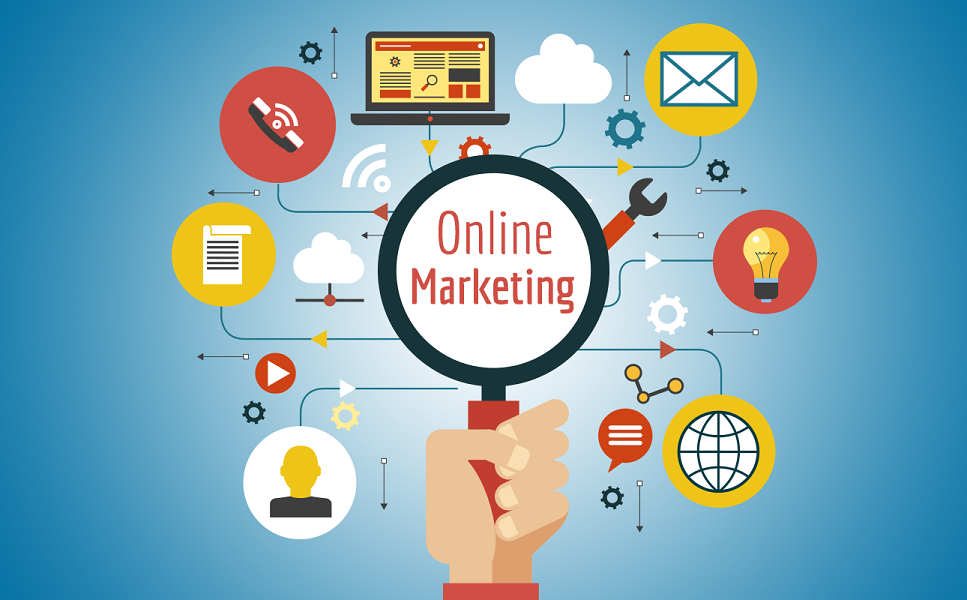
Online digital marketing includes various components such as search engine optimisation (SEO), pay-per-click (PPC) advertising, social media marketing, email marketing, content marketing, and more. Each component plays a unique role in helping businesses achieve their marketing goals.

Search Engine Optimisation (SEO)

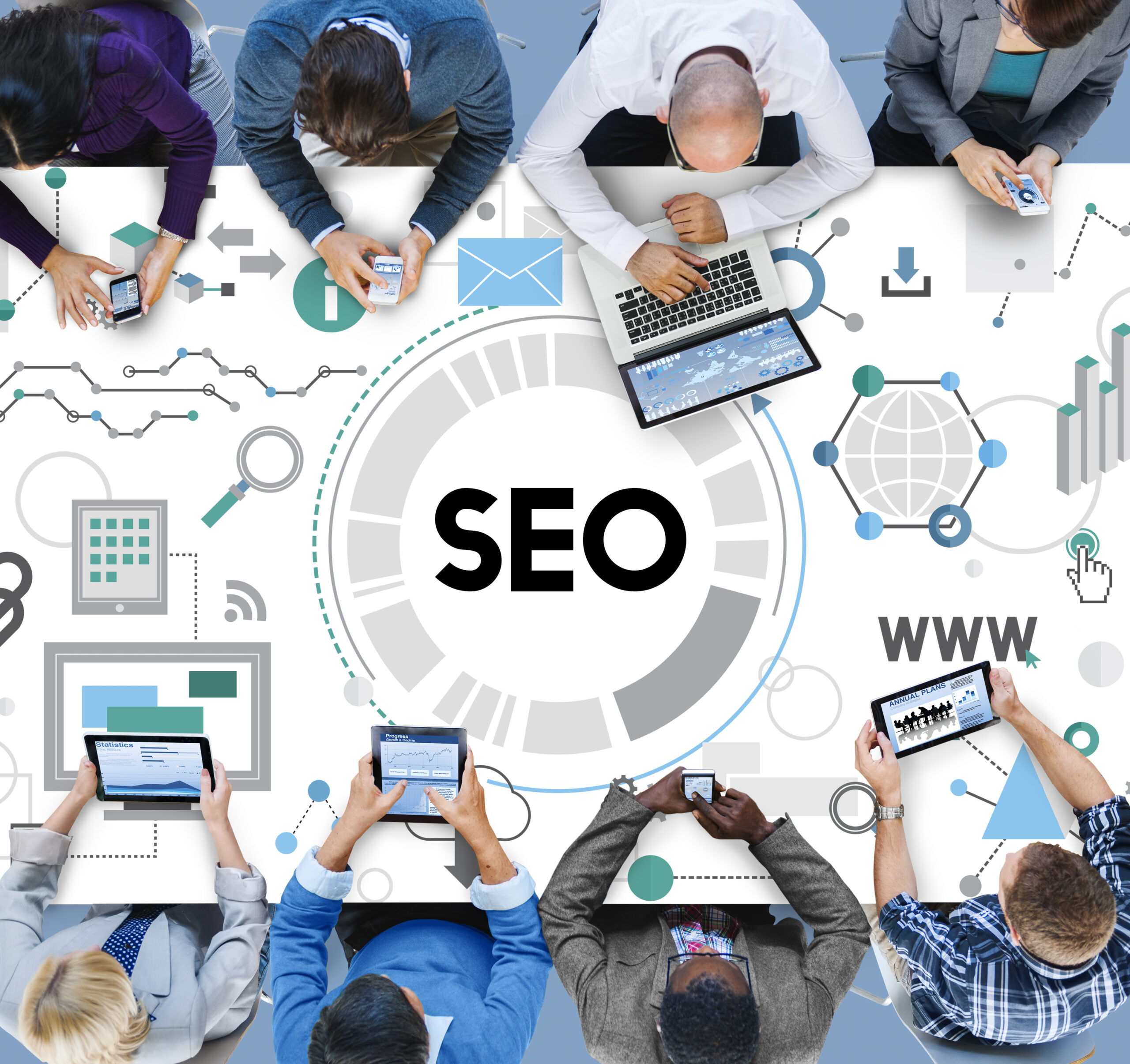
SEO is the practice of optimising your website to rank higher in search engine results pages. By improving your website’s visibility in search engines like Google, you can attract more organic traffic and increase your chances of reaching potential customers who are actively searching for products or services related to your business.

Pay-Per-Click (PPC) Advertising

PPC advertising involves placing ads on search engines or other platforms and paying a fee each time someone clicks on your ad. This form of advertising allows businesses to target specific keywords or demographics and drive targeted traffic to their websites quickly.

Social Media Marketing

Social media has become a powerful tool for businesses to connect with their audience, build relationships, and promote their products or services. Platforms like Facebook, Instagram, Twitter, and LinkedIn offer various advertising options that allow businesses to reach their target audience effectively.

Email Marketing

Email marketing involves sending commercial messages to a group of people via email. This form of marketing is highly effective for nurturing leads, promoting new products or services, and keeping customers engaged with your brand over time.

The Benefits of Online Digital Marketing

There are numerous benefits to incorporating online digital marketing into your overall marketing strategy. Some key advantages include:

  • Increased Brand Visibility: By implementing online digital marketing strategies, you can enhance your brand’s visibility and reach a wider audience online.
  • Targeted Advertising: Online digital marketing allows you to target specific demographics or interests, ensuring that your message reaches the right people at the right time.
  • Measurable Results: With online digital marketing tools like analytics and tracking software, you can measure the success of your campaigns in real-time and make data-driven decisions to improve performance.
  • Cost-Effective: Compared to traditional forms of advertising, online digital marketing is often more cost-effective and offers a higher return on investment (ROI).

In Conclusion

Online digital marketing has revolutionised the way businesses promote their products and services in the digital age. By leveraging the power of SEO, PPC advertising, social media marketing, email campaigns, and other strategies, businesses can connect with their audience in meaningful ways and drive tangible results for their bottom line. Embracing online digital marketing is essential for staying competitive in today’s fast-paced business environment.


Understanding Online Digital Marketing: Key Strategies, Platforms, and Success Metrics for Businesses

  1. What is online digital marketing and why is it important for businesses?
  2. What are the key components of online digital marketing strategies?
  3. How can search engine optimisation (SEO) benefit my business’s online presence?
  4. What social media platforms are most effective for online digital marketing?
  5. How can businesses measure the success of their online digital marketing campaigns?

What is online digital marketing and why is it important for businesses?

Online digital marketing refers to the use of various online channels and strategies to promote products or services, engage with target audiences, and drive business growth. It encompasses a wide range of tactics such as search engine optimisation (SEO), pay-per-click (PPC) advertising, social media marketing, email campaigns, content creation, and more. Online digital marketing is crucial for businesses in today’s digital landscape as it allows them to reach a larger audience, increase brand visibility, generate leads, and ultimately boost sales. By leveraging the power of online platforms and tools, businesses can connect with their target customers in a more targeted and cost-effective manner compared to traditional marketing methods. Embracing online digital marketing is essential for staying competitive and relevant in an increasingly digital world.

What are the key components of online digital marketing strategies?

When it comes to online digital marketing strategies, understanding the key components is essential for success. The primary components include search engine optimisation (SEO), pay-per-click (PPC) advertising, social media marketing, email marketing, content marketing, and data analytics. SEO focuses on improving website visibility in search engine results, while PPC advertising involves paid ads to drive targeted traffic. Social media marketing leverages platforms like Facebook and Instagram to engage with audiences. Email marketing involves sending commercial messages via email to nurture leads. Content marketing aims to create valuable content for the target audience. Lastly, data analytics helps measure and optimise campaign performance for better results in online digital marketing efforts.

How can search engine optimisation (SEO) benefit my business’s online presence?

Search engine optimisation (SEO) plays a crucial role in enhancing your business’s online presence by improving your website’s visibility in search engine results pages. By implementing SEO best practices such as keyword optimisation, quality content creation, and technical enhancements, your website is more likely to rank higher for relevant search queries. This increased visibility not only drives organic traffic to your site but also boosts brand credibility and trust among users. Ultimately, a strong SEO strategy can lead to increased website traffic, higher conversion rates, and long-term success for your business in the competitive online landscape.

What social media platforms are most effective for online digital marketing?

When it comes to online digital marketing, businesses often wonder which social media platforms are most effective for reaching their target audience. The choice of social media platforms depends on various factors such as the nature of the business, target demographics, and marketing goals. However, some of the most commonly effective platforms for online digital marketing include Facebook, Instagram, Twitter, LinkedIn, and Pinterest. Each platform offers unique features and audience demographics that can be leveraged to create engaging content, build brand awareness, drive website traffic, and generate leads. It is essential for businesses to understand their target audience and choose the social media platforms that align best with their marketing objectives to maximise their online presence and engagement.

How can businesses measure the success of their online digital marketing campaigns?

Businesses can measure the success of their online digital marketing campaigns through various key performance indicators (KPIs) that provide valuable insights into campaign performance and effectiveness. Metrics such as website traffic, conversion rates, click-through rates, engagement levels on social media platforms, email open rates, and return on investment (ROI) are commonly used to evaluate the impact of digital marketing efforts. By tracking and analysing these KPIs, businesses can assess the reach, engagement, and conversion rates of their campaigns, allowing them to make data-driven decisions to optimise future strategies and maximise results.

internet marketing agency

Empowering Your Business Growth: The Role of an Expert Internet Marketing Agency

The Role of an Internet Marketing Agency in Boosting Your Online Presence

In today’s digital age, having a strong online presence is crucial for businesses looking to reach their target audience and stay ahead of the competition. This is where an internet marketing agency plays a vital role in helping businesses navigate the complex world of digital marketing and maximise their online visibility.

What Does an Internet Marketing Agency Do?

An internet marketing agency specialises in developing and implementing strategies to promote a business’s products or services online. This involves a range of activities, including search engine optimisation (SEO), pay-per-click (PPC) advertising, social media marketing, content creation, email marketing, and more.

By leveraging these digital channels effectively, an internet marketing agency can help businesses drive traffic to their websites, generate leads, increase sales, and build brand awareness in the competitive online landscape.

The Benefits of Hiring an Internet Marketing Agency

There are several key benefits to partnering with an internet marketing agency:

  • Expertise: Internet marketing agencies have a team of professionals with expertise in various digital marketing disciplines. They stay up-to-date with the latest trends and best practices to deliver effective strategies tailored to your business goals.
  • Time-Saving: Outsourcing your digital marketing efforts to an agency frees up your time to focus on other aspects of your business. Letting experts handle your online presence allows you to concentrate on core operations.
  • Cost-Effective: Hiring an internet marketing agency can be more cost-effective than hiring an in-house team. Agencies have the tools and resources needed for successful campaigns without the overhead costs associated with hiring full-time employees.
  • Data-Driven Results: Internet marketing agencies use data analytics to track and measure the performance of campaigns. This data-driven approach allows for continuous optimisation and improved results over time.

In Conclusion

An internet marketing agency plays a crucial role in helping businesses establish a strong online presence and reach their target audience effectively. By leveraging the expertise of professionals in the field, businesses can enhance their digital strategy, drive growth, and stay competitive in today’s fast-paced digital landscape.

If you’re looking to take your online presence to the next level, consider partnering with an internet marketing agency to unlock new opportunities for success in the digital realm.


Comprehensive Guide to Common Queries About Internet Marketing Agencies

  1. Who is the best digital marketing agency?
  2. What are internet marketing services?
  3. What is an Internet marketing agency?
  4. Who are the big 4 ad agencies?
  5. Who are the big 5 advertising agencies?
  6. What is an online marketing agency?
  7. How much should I pay a digital marketing agency?
  8. How much does a digital marketing agency charge?
  9. What is TMD marketing?
  10. What is internet marketing example?
  11. What is an internet marketing business?
  12. How much does it cost to do marketing on the internet?
  13. What are the 6 areas of Internet marketing?
  14. What is an online marketing company?
  15. What is media marketing agency?
  16. What is an example of an online agency?
  17. How many digital marketing agencies are there in the UK?
  18. How do I start an Internet marketing agency?
  19. Which agency is best for digital marketing?
  20. What does a media marketing agency do?
  21. Which company is best in digital marketing?
  22. Which is the best digital marketing agency?
  23. Is digital marketing legal in the UK?
  24. What does a marketing agency do?
  25. What is an agency in digital marketing?
  26. Who is the best online marketing company?
  27. What does an Internet marketing agency do?
  28. What is Internet marketing called?

Who is the best digital marketing agency?

When it comes to determining the best digital marketing agency, the answer can vary depending on specific needs and objectives. The best agency for one business may not necessarily be the best fit for another. Factors such as industry expertise, track record of success, range of services offered, client testimonials, and budget considerations all play a role in selecting the right digital marketing partner. It’s essential for businesses to research and evaluate various agencies to find one that aligns with their goals and values, ultimately leading to a successful and productive partnership in achieving online marketing objectives.

What are internet marketing services?

Internet marketing services encompass a range of strategies and techniques designed to promote a business’s products or services online. These services may include search engine optimisation (SEO) to improve website visibility in search engine results, pay-per-click (PPC) advertising for targeted online campaigns, social media marketing to engage with audiences on various platforms, content creation for valuable and relevant information, email marketing for direct communication with customers, and more. Internet marketing services aim to enhance a business’s online presence, drive traffic to its website, generate leads, increase sales, and build brand awareness in the competitive digital landscape. By utilising these services effectively, businesses can reach their target audience and achieve their marketing goals in the online world.

What is an Internet marketing agency?

An internet marketing agency is a specialised firm that offers a range of services to help businesses promote their products or services online. These agencies leverage various digital marketing strategies, such as search engine optimisation (SEO), pay-per-click (PPC) advertising, social media marketing, content creation, email marketing, and more, to enhance a business’s online presence and reach its target audience effectively. By utilising the expertise of professionals in the field, an internet marketing agency assists businesses in driving traffic to their websites, generating leads, increasing sales, and building brand awareness in the competitive online landscape.

Who are the big 4 ad agencies?

In the realm of advertising, the term “Big 4 ad agencies” typically refers to four major global advertising agencies known for their significant influence and reach in the industry. These agencies are WPP, Omnicom Group, Publicis Groupe, and Interpublic Group (IPG). Collectively, they hold a substantial market share and work with a wide range of clients on advertising campaigns across various media channels. Their expertise and extensive networks make them key players in shaping the landscape of modern advertising and marketing strategies.

Who are the big 5 advertising agencies?

When it comes to the big players in the advertising industry, the term “Big 5” often refers to five major global advertising agencies known for their vast influence and reach. These agencies are WPP, Omnicom Group, Publicis Groupe, Interpublic Group, and Dentsu Group. Each of these agencies has a significant presence in the advertising world, working with a wide range of clients across various industries to create impactful and memorable campaigns that resonate with audiences worldwide.

What is an online marketing agency?

An online marketing agency is a professional service provider that specialises in developing and implementing digital marketing strategies to promote businesses and their offerings on the internet. These agencies utilise a range of online channels, such as search engines, social media platforms, email campaigns, and content creation, to enhance a company’s online presence, drive targeted traffic to their website, generate leads, increase sales, and ultimately boost brand visibility and awareness in the competitive online landscape. By leveraging their expertise in various digital marketing disciplines, an online marketing agency helps businesses navigate the complexities of the digital world and achieve their goals effectively in today’s interconnected marketplace.

How much should I pay a digital marketing agency?

Determining the cost of hiring a digital marketing agency can vary depending on various factors such as the scope of services required, the size of your business, and the level of expertise needed. Pricing structures can range from monthly retainers to project-based fees or performance-based models. It’s essential to discuss your specific goals and budget with potential agencies to receive tailored quotes that align with your objectives. Investing in a reputable digital marketing agency that offers transparent pricing and delivers measurable results can be a valuable asset in achieving your online marketing goals effectively.

How much does a digital marketing agency charge?

When it comes to the cost of hiring a digital marketing agency, the fees can vary depending on several factors such as the scope of services required, the size of your business, and the level of expertise needed. Digital marketing agencies typically offer a range of pricing models, including monthly retainers, project-based fees, and performance-based pricing. It’s important to discuss your specific needs with potential agencies to get a clear understanding of their pricing structure and how it aligns with your budget and goals. Remember that investing in a reputable digital marketing agency can yield significant returns in terms of increased online visibility, lead generation, and overall business growth.

What is TMD marketing?

TMD marketing, also known as Targeted Marketing Development, is a strategic approach used by internet marketing agencies to tailor marketing campaigns specifically to target audiences based on demographic, behavioural, or psychographic factors. This personalised approach allows businesses to reach the right customers with the right message at the right time, leading to higher engagement and conversion rates. TMD marketing involves in-depth research and analysis to understand the preferences and behaviours of target audiences, enabling businesses to create more effective and impactful marketing strategies that drive results.

What is internet marketing example?

An example of internet marketing is the use of social media platforms such as Facebook, Instagram, and Twitter to promote products or services online. Businesses can create engaging content, run targeted advertising campaigns, and interact with their audience to increase brand awareness, drive website traffic, and generate leads. By leveraging the power of social media channels, businesses can reach a wider audience and engage with potential customers in a more interactive and personalised way, ultimately leading to increased sales and business growth.

What is an internet marketing business?

An internet marketing business is a company that specialises in promoting products or services online through various digital channels. These businesses leverage strategies such as search engine optimisation (SEO), pay-per-click (PPC) advertising, social media marketing, content creation, email campaigns, and more to help clients increase their online visibility and reach their target audience effectively. Internet marketing businesses play a crucial role in assisting companies in navigating the complex world of digital marketing and developing tailored strategies to enhance their online presence, drive traffic to their websites, generate leads, and ultimately boost sales and brand awareness in the competitive online landscape.

How much does it cost to do marketing on the internet?

One of the most frequently asked questions about internet marketing agencies is, “How much does it cost to do marketing on the internet?” The cost of internet marketing can vary significantly depending on factors such as the scope of services required, the size of the target audience, the competitiveness of the industry, and the goals of the marketing campaign. Internet marketing agencies typically offer a range of pricing options, from fixed packages to customised solutions tailored to meet specific budget requirements. It is essential for businesses to discuss their needs and objectives with an internet marketing agency to determine a cost-effective strategy that aligns with their budget and delivers measurable results.

What are the 6 areas of Internet marketing?

Internet marketing encompasses a wide range of strategies and tactics aimed at promoting businesses online. The six key areas of Internet marketing include search engine optimisation (SEO), pay-per-click (PPC) advertising, social media marketing, content marketing, email marketing, and influencer marketing. Each of these areas plays a crucial role in enhancing a business’s online visibility, driving traffic to their website, engaging with their target audience, and ultimately converting leads into customers. By leveraging these diverse Internet marketing channels effectively, businesses can create a comprehensive digital strategy that maximises their online presence and boosts their overall success in the competitive digital landscape.

What is an online marketing company?

An online marketing company, also known as an internet marketing agency, is a professional firm that specialises in promoting businesses and their products or services through various digital channels. These companies utilise a range of online strategies such as search engine optimisation (SEO), pay-per-click (PPC) advertising, social media marketing, email campaigns, and content creation to help businesses increase their online visibility, attract more customers, and achieve their marketing goals in the competitive online landscape. By leveraging the expertise of an online marketing company, businesses can enhance their digital presence and reach their target audience effectively in today’s digital age.

What is media marketing agency?

A media marketing agency is a specialised firm that focuses on creating and implementing strategic marketing campaigns across various media channels to promote a brand, product, or service. These agencies leverage different forms of media, such as television, radio, print, digital platforms, and social media, to reach and engage with target audiences effectively. By utilising the power of media channels, a media marketing agency helps businesses enhance their visibility, build brand awareness, drive customer engagement, and ultimately achieve their marketing objectives in a dynamic and competitive landscape.

What is an example of an online agency?

An example of an online agency is Digital Marketing Agency Ltd., a leading internet marketing agency that specialises in providing comprehensive digital solutions to businesses looking to enhance their online presence. With a team of experts skilled in SEO, PPC advertising, social media marketing, and content creation, Digital Marketing Agency Ltd. helps clients achieve their digital marketing goals and drive measurable results. Their client-centric approach and track record of success make them a prime example of an effective online agency dedicated to helping businesses succeed in the competitive digital landscape.

How many digital marketing agencies are there in the UK?

The exact number of digital marketing agencies in the UK is constantly changing due to the dynamic nature of the industry. With the increasing demand for digital marketing services, there are numerous agencies operating across the UK, ranging from small boutique firms to large full-service agencies. While it is challenging to provide an exact figure, it is safe to say that there is a diverse and competitive landscape of digital marketing agencies in the UK, offering a wide range of services to cater to the needs of businesses looking to enhance their online presence and reach their target audience effectively.

How do I start an Internet marketing agency?

Starting an internet marketing agency requires careful planning and strategic execution. To begin, you should conduct thorough market research to understand the industry landscape, identify your target audience, and assess your competition. Next, define your services and unique value proposition to differentiate yourself in the market. Establishing a strong online presence through a professional website and active social media profiles is essential for attracting potential clients. Building a network of industry contacts and leveraging referrals can also help kickstart your agency. Finally, focus on delivering high-quality services, staying updated on digital marketing trends, and continuously refining your strategies to ensure long-term success in the competitive internet marketing industry.

Which agency is best for digital marketing?

When considering which agency is best for digital marketing, it is essential to look for a company that aligns with your specific business goals and needs. The best agency for digital marketing will have a track record of success in delivering results for clients in your industry, a team of skilled professionals with expertise in various digital marketing disciplines, a transparent and collaborative approach to working with clients, and a commitment to staying up-to-date with the latest trends and technologies in the ever-evolving digital landscape. Conducting thorough research, reading client testimonials, and scheduling consultations can help you determine which agency is the best fit to help you achieve your digital marketing objectives effectively.

What does a media marketing agency do?

A media marketing agency specialises in creating and executing strategic marketing campaigns across various media channels to promote a business’s products or services. These agencies leverage traditional media (such as television, radio, print) as well as digital platforms (including social media, online advertising, email marketing) to reach and engage with target audiences effectively. By developing tailored strategies and content that resonate with consumers, a media marketing agency helps businesses enhance their brand visibility, drive customer engagement, and ultimately achieve their marketing goals in today’s competitive landscape.

Which company is best in digital marketing?

When it comes to determining the best company in digital marketing, the answer can vary depending on specific business needs and goals. There are several top digital marketing agencies known for their expertise, innovative strategies, and successful track records in helping businesses achieve online success. Conducting thorough research, reading client testimonials, and evaluating case studies can help identify a digital marketing agency that aligns with your objectives and delivers the results you seek. Ultimately, the best company in digital marketing is one that understands your unique requirements, offers tailored solutions, and demonstrates a proven ability to drive growth and engagement in the ever-evolving digital landscape.

Which is the best digital marketing agency?

When it comes to determining the best digital marketing agency, the answer can vary depending on individual business needs and goals. The best agency for one company may not necessarily be the ideal choice for another. Factors to consider when evaluating digital marketing agencies include their expertise in specific areas such as SEO, PPC, social media marketing, content creation, and overall industry experience. It is essential to research and compare agencies based on their track record, client testimonials, case studies, and the alignment of their services with your business objectives to find the right fit that can deliver results tailored to your unique requirements.

Digital marketing is legal in the UK as long as it complies with relevant laws and regulations governing data protection, consumer rights, and advertising standards. Businesses engaging in digital marketing activities must adhere to the General Data Protection Regulation (GDPR) guidelines to ensure the lawful processing of personal data. Additionally, digital marketing campaigns must be transparent, honest, and not misleading to consumers. By following these legal requirements, businesses can leverage the power of digital marketing effectively while staying compliant with UK regulations.

What does a marketing agency do?

A marketing agency specialises in developing and implementing strategies to promote a business’s products or services through various online and offline channels. These agencies work closely with clients to understand their goals and target audience, creating tailored marketing campaigns that drive brand awareness, generate leads, increase sales, and ultimately grow the business. From digital marketing tactics such as SEO, PPC advertising, social media management, content creation, and email marketing to traditional advertising methods like print and TV campaigns, a marketing agency offers a comprehensive range of services to help businesses achieve their marketing objectives effectively.

What is an agency in digital marketing?

An agency in digital marketing is a professional service provider that specialises in creating and implementing strategic online marketing campaigns for businesses. These agencies utilise various digital channels such as search engines, social media, email, and content marketing to promote a company’s products or services to a targeted audience. By leveraging their expertise in areas like SEO, PPC advertising, and social media management, digital marketing agencies help businesses enhance their online visibility, attract potential customers, and ultimately drive growth and success in the competitive digital landscape.

Who is the best online marketing company?

When it comes to determining the best online marketing company, the answer can vary depending on specific needs and objectives. The best online marketing company for one business may not necessarily be the best fit for another. Factors such as industry expertise, track record of success, range of services offered, and client testimonials all play a role in identifying the most suitable online marketing company. It is essential for businesses to conduct thorough research, compare options, and consider their unique requirements before selecting an online marketing company that aligns with their goals and values.

What does an Internet marketing agency do?

An Internet marketing agency specialises in developing and implementing strategies to promote a business’s products or services online. This involves a range of activities, including search engine optimisation (SEO), pay-per-click (PPC) advertising, social media marketing, content creation, email marketing, and more. By leveraging these digital channels effectively, an Internet marketing agency can help businesses drive traffic to their websites, generate leads, increase sales, and build brand awareness in the competitive online landscape. The agency’s expertise lies in crafting tailored digital marketing campaigns that align with the client’s goals and target audience, ultimately maximising their online visibility and impact.

What is Internet marketing called?

Internet marketing is commonly referred to as online marketing or digital marketing. It encompasses a range of strategies and tactics used to promote products or services on the internet. Internet marketing leverages various online channels such as search engines, social media platforms, email, and websites to reach target audiences and drive engagement. By utilising these digital channels effectively, businesses can increase brand visibility, generate leads, and ultimately boost sales in the competitive online landscape.

real estate online marketing

Maximising Sales: Real Estate Online Marketing Strategies for Success

The Power of Real Estate Online Marketing

The Power of Real Estate Online Marketing

In today’s digital age, the real estate industry has seen a significant shift towards online marketing strategies. With more and more prospective buyers and tenants turning to the internet to search for properties, having a strong online presence is crucial for real estate professionals looking to reach a wider audience and drive sales.

Benefits of Online Marketing in Real Estate

Increased Visibility: By utilising online marketing techniques such as search engine optimisation (SEO) and social media advertising, real estate agents can increase their visibility and attract more potential clients.

Targeted Advertising: Online marketing allows real estate professionals to target specific demographics and locations, ensuring that their marketing efforts are reaching the right audience.

Cost-Effective: Compared to traditional marketing methods, online marketing in real estate tends to be more cost-effective, allowing agents to maximise their budget and achieve better results.

Effective Online Marketing Strategies for Real Estate

Professional Website: A well-designed and user-friendly website is essential for showcasing properties and providing valuable information to potential clients.

High-Quality Visuals: Utilise high-quality images and videos to showcase properties effectively and capture the attention of prospective buyers.

Social Media Engagement: Engage with your audience on social media platforms such as Facebook, Instagram, and LinkedIn to build relationships and promote your listings.

The Future of Real Estate Marketing

The future of real estate marketing lies in embracing innovative technologies such as virtual reality tours, chatbots for customer service, and data-driven insights for targeted advertising. By staying ahead of the curve and leveraging the power of online marketing, real estate professionals can position themselves for success in an increasingly competitive market.

Contact us today to learn how our tailored online marketing solutions can help elevate your real estate business to new heights.


Top 5 Tips for Enhancing Real Estate Online Marketing Success

  1. Utilize high-quality photos and videos to showcase properties effectively.
  2. Optimize your website for search engines to improve visibility and attract more potential buyers.
  3. Engage with your audience through social media platforms to build relationships and increase brand awareness.
  4. Consider using virtual tours or 360-degree videos to provide immersive experiences for remote property viewings.
  5. Collect and showcase testimonials from satisfied clients to establish credibility and trust with potential customers.

Utilize high-quality photos and videos to showcase properties effectively.

Utilising high-quality photos and videos is a crucial tip in real estate online marketing to effectively showcase properties. Visual content plays a significant role in capturing the interest of potential buyers and tenants, providing them with a compelling and immersive experience of the property. By showcasing properties with stunning visuals, real estate professionals can create a lasting impression, increase engagement, and ultimately drive more interest and inquiries towards the listings.

Optimize your website for search engines to improve visibility and attract more potential buyers.

Optimising your real estate website for search engines is a crucial tip in online marketing. By implementing effective SEO strategies, you can enhance your website’s visibility, making it easier for potential buyers to find your listings. Appearing higher in search engine results increases the chances of attracting qualified leads and ultimately driving more sales. Investing time and effort into optimising your website for search engines can significantly impact your online presence and help you stand out in a competitive real estate market.
Engage with your audience through social media platforms to build relationships and increase brand awareness.

Engaging with your audience on social media platforms is a powerful tip for real estate online marketing. By actively interacting with potential clients on platforms like Facebook, Instagram, and LinkedIn, you can build meaningful relationships and establish trust. This not only helps in increasing brand awareness but also allows you to showcase your expertise, share valuable insights, and promote your property listings effectively. Social media engagement is a key strategy for real estate professionals looking to connect with their target audience in a more personal and engaging way.

Consider using virtual tours or 360-degree videos to provide immersive experiences for remote property viewings.

Consider incorporating virtual tours or 360-degree videos into your real estate online marketing strategy to offer immersive experiences for remote property viewings. By utilising these innovative technologies, potential buyers can explore properties from the comfort of their own homes, gaining a realistic sense of the space and layout. This interactive approach not only enhances the viewing experience but also helps to attract and engage a wider audience, ultimately leading to more informed and confident buying decisions.

Collect and showcase testimonials from satisfied clients to establish credibility and trust with potential customers.

Collecting and showcasing testimonials from satisfied clients is a powerful strategy in real estate online marketing. By sharing positive feedback and experiences from past customers, real estate professionals can establish credibility and build trust with potential clients. Testimonials serve as social proof of the agent’s expertise and reliability, helping to reassure prospective buyers or tenants that they are making the right choice in working with them. This transparent approach not only enhances the agent’s reputation but also creates a sense of authenticity that resonates with customers seeking a trustworthy partner in their real estate journey.

digital marketing summit

Unleashing Innovation at the Digital Marketing Summit: A Gateway to Growth

The Power of Digital Marketing Summit: Unleashing Innovation and Growth

In today’s fast-paced digital landscape, staying ahead of the curve is crucial for businesses looking to make an impact. Enter the Digital Marketing Summit – a gathering of industry experts, thought leaders, and innovators coming together to explore the latest trends, strategies, and technologies shaping the future of digital marketing.

Why Attend a Digital Marketing Summit?

Attending a Digital Marketing Summit offers a unique opportunity to gain valuable insights, network with like-minded professionals, and stay abreast of the ever-evolving digital marketing landscape. From keynote presentations to interactive workshops and panel discussions, these summits provide a platform for learning, collaboration, and inspiration.

Key Benefits of Participating

  • Knowledge Sharing: Learn from industry experts about best practices, emerging trends, and innovative strategies that can help elevate your digital marketing efforts.
  • Networking Opportunities: Connect with peers, potential partners, and industry influencers to expand your professional network and foster new collaborations.
  • Inspiration: Gain fresh perspectives and insights that can spark creativity and drive innovation within your own marketing initiatives.
  • Practical Takeaways: Acquire actionable tips, tools, and techniques that you can implement immediately to enhance your digital marketing campaigns.

The Future of Digital Marketing

The digital marketing landscape is constantly evolving, driven by advancements in technology, changes in consumer behaviour, and shifting market dynamics. By participating in a Digital Marketing Summit, you can stay informed about the latest trends such as AI-driven marketing strategies, influencer collaborations, personalised customer experiences, data analytics insights – all of which are shaping the future of digital marketing.

Conclusion

A Digital Marketing Summit is not just an event – it’s an opportunity to immerse yourself in a world of innovation, creativity, and growth. Whether you’re a seasoned marketer looking to stay ahead of the curve or a newcomer eager to learn from industry experts, attending a summit can be a game-changer for your professional development and business success. Embrace the power of digital marketing summits and unlock new possibilities for your brand’s journey towards success in the digital age.


Maximise Your Experience: 9 Essential Tips for Navigating a Digital Marketing Summit

  1. Plan your schedule in advance to attend key sessions and workshops.
  2. Network with industry professionals to build valuable connections.
  3. Stay updated on the latest trends and technologies in digital marketing.
  4. Engage with speakers by asking questions and participating in discussions.
  5. Take notes during sessions to retain valuable information and insights.
  6. Utilise social media platforms to share highlights from the summit.
  7. Visit exhibitor booths to learn about new tools and services available in the market.
  8. Participate in interactive activities or contests for a chance to win prizes or recognition.
  9. Follow up with contacts after the summit to maintain relationships and explore potential collaborations.

Plan your schedule in advance to attend key sessions and workshops.

Planning your schedule in advance is a crucial tip for making the most of your experience at a Digital Marketing Summit. By identifying key sessions and workshops that align with your interests and goals, you can ensure that you don’t miss out on valuable insights and networking opportunities. Setting aside time to attend these important sessions allows you to maximise your learning potential, engage with industry experts, and gain practical takeaways that can positively impact your digital marketing strategies. Prioritising your schedule in advance helps you make the most of every moment at the summit, ensuring a productive and enriching experience.

Network with industry professionals to build valuable connections.

Networking with industry professionals at a Digital Marketing Summit is a valuable opportunity to establish meaningful connections that can propel your career and business forward. By engaging with like-minded individuals, sharing insights, and building relationships, you not only expand your professional network but also open doors to potential collaborations, partnerships, and new opportunities. These connections can lead to valuable knowledge exchanges, mentorship opportunities, and even future business ventures, making networking an essential component of maximising the benefits of attending a Digital Marketing Summit.

Staying updated on the latest trends and technologies in digital marketing is essential for staying competitive in today’s rapidly evolving landscape. By keeping abreast of new developments, strategies, and tools, businesses can adapt their marketing efforts to meet changing consumer preferences and market demands. Attending a Digital Marketing Summit provides a valuable opportunity to learn about cutting-edge innovations, industry best practices, and emerging trends that can help businesses stay ahead of the curve and drive success in their digital marketing campaigns.

Engage with speakers by asking questions and participating in discussions.

To make the most of your experience at a Digital Marketing Summit, it is highly beneficial to actively engage with speakers by asking insightful questions and participating in discussions. By interacting with industry experts and thought leaders, you not only gain valuable knowledge and perspectives but also establish connections that can lead to new opportunities and collaborations. Sharing your thoughts, seeking clarification, and contributing to the dialogue can enhance your learning experience and help you stay informed about the latest trends shaping the digital marketing landscape. Remember, active participation is key to maximising the benefits of attending a Digital Marketing Summit.

Take notes during sessions to retain valuable information and insights.

Taking notes during sessions at a Digital Marketing Summit is a valuable practice to retain key information and insights shared by industry experts and thought leaders. By jotting down key points, strategies, and tips, you can create a personalised reference guide that will help you recall important details long after the summit has ended. These notes can serve as a valuable resource for implementing new ideas, refining your digital marketing strategies, and staying ahead in the ever-evolving landscape of digital marketing.

Utilise social media platforms to share highlights from the summit.

One effective tip to maximise the impact of a Digital Marketing Summit is to leverage social media platforms to share key highlights and insights gained during the event. By actively engaging with your audience on platforms such as Twitter, LinkedIn, and Instagram, you can extend the reach of the summit beyond its physical confines, spark discussions, and generate buzz around the valuable learnings and experiences acquired. Sharing real-time updates, quotes from speakers, photos, and videos not only showcases your participation but also positions your brand as an active player in the digital marketing space, fostering connections and building credibility within the industry.

Visit exhibitor booths to learn about new tools and services available in the market.

Visiting exhibitor booths at a Digital Marketing Summit is a valuable tip for attendees looking to stay informed about the latest tools and services available in the market. By exploring these booths, participants can discover innovative solutions, cutting-edge technologies, and new services that can enhance their digital marketing strategies. Engaging with exhibitors provides a hands-on opportunity to learn about industry trends, compare offerings, and make informed decisions on incorporating new tools into their marketing arsenal. It’s a great way to stay ahead of the competition and ensure that your digital marketing efforts remain relevant and effective in today’s dynamic landscape.

Participate in interactive activities or contests for a chance to win prizes or recognition.

Participating in interactive activities or contests at a Digital Marketing Summit not only adds an element of fun and engagement to the event but also offers a valuable opportunity to showcase your skills and creativity. By taking part in these activities, you not only stand a chance to win exciting prizes or recognition but also get to network with fellow attendees, exchange ideas, and gain inspiration from others in the industry. Whether it’s a creative challenge, a quiz, or a hands-on workshop, getting involved in these interactive sessions can enhance your overall summit experience and leave you with new insights and connections that can benefit your digital marketing efforts in the long run.

Follow up with contacts after the summit to maintain relationships and explore potential collaborations.

After attending a Digital Marketing Summit, it is essential to follow up with contacts to nurture relationships and explore potential collaborations. By reaching out to the connections made during the summit, you can solidify your network, exchange ideas, and possibly form strategic partnerships that could benefit your business in the long run. Maintaining these relationships demonstrates professionalism, fosters trust, and opens doors to new opportunities for growth and innovation in the dynamic world of digital marketing.

best digital marketing

Unlocking Success: Best Practices for Digital Marketing in the UK

The Power of Digital Marketing: Strategies for Success

In today’s fast-paced and highly competitive business landscape, digital marketing has become a crucial tool for reaching and engaging with target audiences. With the right strategies in place, businesses can effectively promote their products or services, build brand awareness, and drive conversions. Let’s explore some of the best digital marketing practices that can help your business thrive in the digital realm.

Search Engine Optimization (SEO)

SEO is a cornerstone of digital marketing that focuses on improving a website’s visibility in search engine results. By optimising your website’s content and structure according to relevant keywords and best practices, you can increase organic traffic and attract potential customers who are actively searching for your offerings.

Content Marketing

Content is king in the digital world, and a well-crafted content marketing strategy can help you engage with your audience, establish thought leadership, and drive conversions. Whether it’s blog posts, videos, infographics, or social media updates, valuable and relevant content can attract and retain customers while building trust in your brand.

Social Media Marketing

Social media platforms provide businesses with a powerful channel to connect with their target audience on a personal level. By creating compelling social media campaigns, sharing engaging content, and interacting with followers, businesses can boost brand awareness, drive website traffic, and foster customer loyalty.

Email Marketing

Email marketing remains one of the most effective tools for nurturing leads and converting prospects into customers. By delivering personalised messages to subscribers based on their preferences and behaviour, businesses can drive engagement, promote products or services, and generate sales.

Pay-Per-Click Advertising (PPC)

PPC advertising allows businesses to reach their target audience through paid ads displayed on search engines or social media platforms. By bidding on relevant keywords and targeting specific demographics, businesses can drive immediate traffic to their websites and achieve measurable results in terms of clicks, conversions, and ROI.

Analytics and Data-driven Decision Making

Analytical tools provide valuable insights into the performance of digital marketing campaigns by tracking key metrics such as website traffic, conversion rates, click-through rates, and more. By analysing this data regularly and making data-driven decisions based on performance insights, businesses can optimise their strategies for maximum effectiveness.

In conclusion,digital marketing offers businesses unparalleled opportunities to reach their target audience,engage with customers,and achieve measurable results online.Whether you’re just starting out or looking to enhance your existing strategies,implementing these best practiceswould undoubtedly set you on the path to success in the ever-evolving digital landscape.


Top 5 FAQs About Effective Digital Marketing Strategies

  1. What is digital marketing and why is it important?
  2. What are the key components of a successful digital marketing strategy?
  3. How can I measure the effectiveness of my digital marketing efforts?
  4. What are the latest trends in digital marketing that businesses should be aware of?
  5. How can I choose the right digital marketing channels for my business?

What is digital marketing and why is it important?

Digital marketing encompasses a range of online strategies and tactics aimed at promoting products or services through digital channels such as websites, social media, email, search engines, and more. Its importance lies in its ability to reach a vast audience, engage with customers in real-time, and track performance metrics accurately. In today’s digital age, where consumers are increasingly turning to the internet for information and purchases, a strong digital marketing presence is essential for businesses to stay competitive, build brand awareness, drive traffic, generate leads, and ultimately increase revenue. By leveraging the power of digital marketing, businesses can connect with their target audience effectively and adapt to the ever-changing dynamics of the online marketplace.

What are the key components of a successful digital marketing strategy?

A successful digital marketing strategy comprises several key components that work together to achieve desired outcomes. Firstly, a well-defined target audience is essential, as understanding their needs and preferences is crucial for crafting relevant and engaging content. Search engine optimisation (SEO) plays a vital role in improving online visibility and driving organic traffic to the website. Content marketing, including high-quality and valuable content across various channels, helps build brand authority and attract potential customers. Social media engagement allows businesses to interact with their audience, increase brand awareness, and drive website traffic. Email marketing enables personalised communication with subscribers, nurturing leads and converting them into loyal customers. Additionally, effective data analysis and continuous optimisation based on performance metrics are key for refining strategies and achieving long-term success in the dynamic digital landscape.

How can I measure the effectiveness of my digital marketing efforts?

Measuring the effectiveness of your digital marketing efforts is essential for evaluating the success of your strategies and making informed decisions to optimise future campaigns. Key performance indicators (KPIs) such as website traffic, conversion rates, click-through rates, social media engagement, and return on investment (ROI) can provide valuable insights into the impact of your digital marketing initiatives. By analysing these metrics regularly and comparing them against predefined goals, you can determine what is working well and where adjustments may be needed to improve overall performance. Utilising analytics tools and tracking software can help you track and measure the success of your digital marketing efforts accurately, allowing you to refine your approach for maximum effectiveness.

In the dynamic world of digital marketing, staying abreast of the latest trends is essential for businesses aiming to stay competitive and relevant. Some of the current trends that businesses should be aware of include the rise of artificial intelligence and machine learning in personalising customer experiences, the increasing importance of video content for engaging audiences across platforms, the growing significance of voice search optimization with the proliferation of smart devices, and the emphasis on sustainability and ethical practices in brand messaging. By embracing these trends and adapting their strategies accordingly, businesses can effectively connect with their target audience and drive success in today’s digital landscape.

How can I choose the right digital marketing channels for my business?

When it comes to selecting the most suitable digital marketing channels for your business, it is essential to consider your target audience, business goals, and budget constraints. Conducting thorough market research to understand where your audience spends their time online can help you identify the most effective channels to reach them. Additionally, evaluating the strengths and weaknesses of each channel, such as social media, email marketing, SEO, or PPC advertising, can guide you in making informed decisions based on which platforms align best with your business objectives. By testing different channels and monitoring their performance through analytics, you can refine your strategy over time and focus on the channels that yield the best results for your business.

digital marketing in 2022

Navigating the Future: Digital Marketing Trends in 2022

Digital Marketing in 2022: Trends and Strategies

As we move further into the digital age, the landscape of digital marketing continues to evolve at a rapid pace. In 2022, businesses are navigating an increasingly complex environment where technology and consumer behaviour are constantly changing. Here, we explore some of the key trends and strategies that are shaping digital marketing this year.

The Rise of Artificial Intelligence

Artificial Intelligence (AI) is becoming an integral part of digital marketing strategies. From chatbots providing customer service to AI-driven analytics offering insights into consumer behaviour, businesses are leveraging AI to enhance efficiency and personalise customer experiences. In 2022, expect to see more sophisticated AI applications that can predict trends and automate tasks, allowing marketers to focus on strategy and creativity.

Video Content Dominance

Video content continues to dominate digital marketing channels. Platforms like YouTube, TikTok, and Instagram Reels have made video a preferred medium for engaging audiences. In 2022, creating short-form video content that is authentic and relatable will be crucial for capturing attention in a crowded marketplace. Live streaming is also gaining traction as it offers real-time engagement with audiences.

Privacy-First Marketing

With increasing concerns about data privacy, consumers are more conscious about how their information is used. The implementation of regulations such as GDPR has changed how businesses collect and handle data. In 2022, marketers need to prioritise transparency and ensure compliance while building trust with their audience through ethical data practices.

The Importance of Personalisation

Personalisation remains a key trend in digital marketing. Consumers expect tailored experiences that cater to their individual preferences. By leveraging data analytics and customer insights, businesses can create personalised content that resonates with their audience, leading to increased engagement and loyalty.

Omnichannel Marketing Strategies

An omnichannel approach ensures a seamless experience across various platforms and devices. In 2022, integrating online and offline channels will be essential for delivering consistent messaging and enhancing customer journey touchpoints. This strategy not only improves brand visibility but also fosters stronger relationships with customers.

Sustainability in Marketing

Sustainability has become a significant consideration for consumers when choosing brands. Companies are now expected to demonstrate their commitment to environmental responsibility through sustainable practices and transparent communication. Digital marketing campaigns in 2022 should highlight these efforts as part of brand storytelling.

Conclusion

The world of digital marketing in 2022 is dynamic and full of opportunities for those willing to adapt quickly to new trends and technologies. By embracing innovation while prioritising consumer needs and preferences, businesses can effectively navigate this ever-evolving landscape.


Top 6 Digital Marketing Tips for 2022: Boost Engagement and Stay Competitive

  1. Focus on creating high-quality and engaging content to attract and retain customers.
  2. Utilize social media platforms effectively to connect with your target audience.
  3. Optimize your website for mobile devices to enhance user experience and SEO performance.
  4. Implement email marketing campaigns to nurture leads and maintain customer relationships.
  5. Stay updated with the latest digital marketing trends and tools to remain competitive in the market.
  6. Analyse data regularly to track the performance of your digital marketing strategies and make informed decisions.

Focus on creating high-quality and engaging content to attract and retain customers.

In the realm of digital marketing in 2022, a crucial tip is to prioritise the creation of high-quality and engaging content to captivate and retain customers. By crafting compelling content that resonates with your target audience, businesses can establish a strong connection with customers, fostering brand loyalty and driving engagement. In an era where consumer attention is fragmented across various online platforms, delivering valuable and relevant content is key to standing out amidst the digital noise and building lasting relationships with customers.

Utilize social media platforms effectively to connect with your target audience.

In 2022, one key tip for successful digital marketing is to utilise social media platforms effectively to connect with your target audience. With the vast reach and engagement opportunities offered by platforms like Facebook, Instagram, Twitter, and LinkedIn, businesses can establish meaningful connections with their target demographic. By crafting compelling content tailored to each platform and engaging with followers through comments, messages, and live interactions, companies can build brand loyalty, drive traffic to their websites, and ultimately boost conversions. In the competitive digital landscape of 2022, harnessing the power of social media is essential for fostering relationships and staying relevant in the eyes of consumers.

Optimize your website for mobile devices to enhance user experience and SEO performance.

In 2022, one crucial tip for digital marketing success is to optimise your website for mobile devices. With the increasing use of smartphones and tablets, ensuring that your site is mobile-friendly is essential for providing a seamless user experience. Not only does this enhance user satisfaction, but it also boosts your SEO performance, as search engines like Google prioritise mobile-responsive websites in their rankings. By prioritising mobile optimisation, businesses can attract and retain more visitors while improving their online visibility and search engine rankings.

Implement email marketing campaigns to nurture leads and maintain customer relationships.

In 2022, implementing email marketing campaigns is a valuable strategy to nurture leads and cultivate lasting relationships with customers. By delivering targeted and personalised content directly to their inboxes, businesses can engage with their audience on a more intimate level, providing relevant information, promotions, and updates. Email marketing allows for ongoing communication with leads at different stages of the sales funnel, helping to build trust and loyalty over time. By consistently delivering value through email campaigns, businesses can strengthen customer relationships and drive conversions in the competitive digital landscape of 2022.

To stay competitive in the market in 2022, it is essential for businesses to stay updated with the latest digital marketing trends and tools. The digital landscape is constantly evolving, with new technologies and strategies emerging regularly. By keeping abreast of these developments, businesses can adapt their marketing efforts to meet changing consumer behaviours and preferences. Embracing innovation and leveraging cutting-edge tools will not only help businesses stay ahead of the competition but also drive growth and success in the dynamic world of digital marketing.

Analyse data regularly to track the performance of your digital marketing strategies and make informed decisions.

In 2022, it is essential for businesses to analyse data regularly to track the performance of their digital marketing strategies and make informed decisions. By monitoring key metrics such as website traffic, conversion rates, and engagement levels, companies can gain valuable insights into the effectiveness of their campaigns. This data-driven approach enables marketers to identify trends, optimise their strategies in real-time, and allocate resources efficiently to achieve their marketing goals. Regular analysis of data not only helps businesses stay competitive in the digital landscape but also empowers them to adapt quickly to changing market dynamics and consumer preferences.

digital marketing overview

Navigating the Digital Marketing Landscape: An Overview of Strategies and Trends

Digital Marketing Overview

The Power of Digital Marketing: An Overview

In today’s digital age, marketing has evolved significantly with the rise of digital platforms and technologies. Digital marketing encompasses a wide range of strategies and techniques aimed at promoting products or services using online channels. It has become an essential component for businesses looking to reach their target audiences effectively and efficiently.

Key Components of Digital Marketing

Digital marketing includes various components such as:

  • Search Engine Optimization (SEO): Optimising websites to improve search engine rankings and increase organic traffic.
  • Pay-Per-Click (PPC) Advertising: Running paid advertising campaigns on search engines or social media platforms to drive targeted traffic.
  • Social Media Marketing: Utilising social media platforms to engage with audiences, build brand awareness, and drive conversions.
  • Email Marketing: Sending targeted emails to prospects and customers to promote products or services and nurture relationships.
  • Content Marketing: Creating valuable and relevant content to attract and retain a specific audience, ultimately driving profitable customer action.
  • Analytics and Data Analysis: Monitoring and analysing campaign performance to make data-driven decisions for continuous improvement.

The Benefits of Digital Marketing

Digital marketing offers numerous benefits for businesses, including:

  • Increased Reach: With the vast reach of the internet, businesses can connect with a global audience regardless of geographical boundaries.
  • Targeted Advertising: Digital marketing allows businesses to target specific demographics, interests, behaviours, and locations with precision.
  • Cost-Effective Solutions: Compared to traditional marketing methods, digital marketing often provides a more cost-effective way to reach a larger audience.
  • Data-Driven Insights: Through analytics tools, businesses can gain valuable insights into customer behaviour, preferences, and campaign performance for informed decision-making.
  • Innovative Strategies: The dynamic nature of digital marketing allows businesses to adapt quickly to changing trends and consumer preferences for better engagement.

In Conclusion

Digital marketing has revolutionised the way businesses promote their products or services in the digital landscape. By leveraging the power of online channels and data-driven strategies, businesses can enhance their visibility, engage with their target audiences effectively, and drive measurable results. Embracing digital marketing is essential for staying competitive in today’s fast-paced business environment.


9 Essential Tips for Mastering Digital Marketing Strategies

  1. Understand your target audience
  2. Create a strong online presence
  3. Utilize social media effectively
  4. Optimize your website for search engines (SEO)
  5. Invest in pay-per-click advertising (PPC)
  6. Use email marketing to engage with customers
  7. Analyse data to track and improve performance
  8. Focus on quality content creation
  9. Stay updated with the latest digital marketing trends

Understand your target audience

Understanding your target audience is a crucial aspect of digital marketing. By gaining insights into the demographics, behaviours, preferences, and needs of your audience, you can tailor your marketing strategies to effectively engage and connect with them. This understanding allows you to create relevant and compelling content that resonates with your target audience, leading to increased brand awareness, customer loyalty, and ultimately, driving conversions. Investing time in understanding your target audience ensures that your digital marketing efforts are targeted and impactful, resulting in a more successful and sustainable marketing campaign.

Create a strong online presence

Creating a strong online presence is crucial in the realm of digital marketing. By establishing a cohesive and engaging presence across various online platforms, businesses can effectively connect with their target audience, build brand credibility, and increase visibility. A strong online presence not only enhances brand awareness but also fosters trust among consumers, ultimately driving traffic and conversions. Through consistent branding, valuable content creation, and active engagement with followers, businesses can solidify their position in the digital landscape and stand out amidst competition.

Utilize social media effectively

To maximise the impact of your digital marketing efforts, it is crucial to utilise social media effectively. Social media platforms offer a powerful avenue for engaging with your target audience, building brand awareness, and driving conversions. By creating compelling content tailored to each platform, actively interacting with followers, and leveraging analytics to refine your strategy, you can harness the full potential of social media to enhance your brand presence and achieve your marketing goals.

Optimize your website for search engines (SEO)

To maximise your online visibility and attract organic traffic, it is crucial to optimise your website for search engines through effective Search Engine Optimization (SEO) practices. By incorporating relevant keywords, creating high-quality content, improving site speed and user experience, and obtaining backlinks from reputable sources, you can enhance your website’s search engine rankings and increase its chances of being discovered by potential customers. SEO plays a vital role in driving targeted traffic to your site and improving your overall digital marketing performance.

Invest in pay-per-click advertising (PPC)

Investing in pay-per-click advertising (PPC) is a crucial component of a comprehensive digital marketing strategy. With PPC, businesses have the opportunity to target specific audiences, drive relevant traffic to their websites, and achieve measurable results in a cost-effective manner. By carefully selecting keywords, creating compelling ad copy, and monitoring campaign performance, businesses can maximise their ROI and reach potential customers at the right moment in their buying journey. PPC offers a level of control and flexibility that allows businesses to adjust their campaigns in real-time based on data insights, ensuring optimal performance and driving conversions effectively.

Use email marketing to engage with customers

Utilising email marketing is a powerful strategy to engage with customers and nurture relationships effectively. By sending targeted and personalised emails, businesses can communicate directly with their audience, providing valuable content, promotions, and updates. Email marketing allows for direct interaction, encouraging customer loyalty and driving conversions. With the ability to segment email lists based on customer preferences and behaviours, businesses can tailor their messages to resonate with different segments of their audience, ultimately enhancing engagement and fostering long-term relationships.

Analyse data to track and improve performance

In digital marketing, analysing data to track and improve performance is a crucial tip for achieving success. By monitoring key metrics such as website traffic, conversion rates, click-through rates, and engagement levels, businesses can gain valuable insights into the effectiveness of their marketing campaigns. This data-driven approach allows businesses to identify areas for improvement, make informed decisions, and optimise their strategies for better results. Continuous analysis of data enables businesses to adapt to changing trends, refine their tactics, and ultimately enhance their overall digital marketing performance.

Focus on quality content creation

In the realm of digital marketing, a key tip to remember is to focus on quality content creation. Content is the cornerstone of any successful digital marketing strategy, as it serves to engage and resonate with your target audience. By creating high-quality and valuable content that addresses the needs and interests of your audience, you can establish credibility, build trust, and drive meaningful interactions. Whether it’s informative blog posts, engaging social media updates, or compelling videos, prioritising quality content creation can set you apart in a crowded online landscape and help you achieve your marketing goals effectively.

To stay ahead in the ever-evolving landscape of digital marketing, it is crucial to stay updated with the latest trends and innovations. By keeping abreast of emerging technologies, consumer behaviours, and industry developments, businesses can adapt their strategies to remain relevant and competitive. Whether it’s exploring new social media platforms, implementing cutting-edge tools for data analysis, or embracing innovative content formats, staying informed about digital marketing trends is key to driving successful campaigns and engaging with target audiences effectively.

digital marketing overview

Navigating the Digital Marketing Landscape: An Overview

Digital Marketing Overview

The Power of Digital Marketing: An Overview

In today’s digital age, businesses are constantly seeking ways to reach and engage with their target audiences online. This is where digital marketing plays a crucial role. Digital marketing encompasses a wide range of strategies and tactics aimed at promoting products or services through various online channels.

Key Components of Digital Marketing

Digital marketing includes but is not limited to the following key components:

  • Search Engine Optimization (SEO): Optimising websites to improve search engine rankings and increase organic traffic.
  • Pay-Per-Click (PPC) Advertising: Running targeted ads on search engines or social media platforms to drive traffic and conversions.
  • Social Media Marketing: Leveraging social media platforms to build brand awareness, engage with customers, and drive website traffic.
  • Email Marketing: Sending targeted emails to nurture leads, promote products, and maintain customer relationships.
  • Content Marketing: Creating valuable and relevant content to attract and retain a specific audience.
  • Analytics and Reporting: Measuring the performance of digital marketing campaigns through data analysis to make informed decisions.

The Benefits of Digital Marketing

Digital marketing offers several benefits for businesses looking to establish a strong online presence:

  • Increased Reach: Reach a global audience beyond geographical boundaries.
  • Cost-Effective: Digital marketing can be more cost-effective than traditional advertising methods.
  • Precise Targeting: Target specific demographics, interests, or behaviours for better engagement.
  • Data-Driven Insights: Obtain valuable insights into consumer behaviour and campaign performance for continuous improvement.
  • Multimedia Capabilities: Utilise various forms of content such as text, images, videos, and infographics to engage with audiences effectively.

In Conclusion

Digital marketing is an essential tool for businesses looking to thrive in the competitive online landscape. By leveraging the power of digital channels and strategies, businesses can connect with their target audiences, drive conversions, and ultimately achieve their marketing goals in a measurable way.


Frequently Asked Questions: An Overview of Digital Marketing Essentials

  1. What is digital marketing?
  2. Why is digital marketing important for businesses?
  3. What are the key components of digital marketing?
  4. How does SEO contribute to digital marketing strategies?
  5. What role does social media play in digital marketing?
  6. How can businesses benefit from email marketing?
  7. Why is data analysis crucial in measuring the success of digital marketing campaigns?

What is digital marketing?

Digital marketing refers to the use of various online channels and strategies to promote products or services, engage with target audiences, and drive conversions. It encompasses a wide range of tactics such as search engine optimisation (SEO), pay-per-click (PPC) advertising, social media marketing, email marketing, content creation, and data analytics. In essence, digital marketing leverages the power of the internet and digital technologies to reach a broader audience, build brand awareness, and achieve marketing objectives in a measurable way.

Why is digital marketing important for businesses?

In today’s digital era, the importance of digital marketing for businesses cannot be overstated. Digital marketing offers a cost-effective and efficient way for businesses to reach their target audiences, build brand awareness, and drive conversions. With the majority of consumers turning to online channels to research products and services, having a strong digital presence is crucial for staying competitive in the market. Digital marketing allows businesses to precisely target their ideal customers, track campaign performance in real-time, and adapt strategies based on data-driven insights. By embracing digital marketing strategies, businesses can effectively engage with their audience, increase brand visibility, and ultimately achieve their marketing objectives in a rapidly evolving digital landscape.

What are the key components of digital marketing?

When exploring the digital marketing landscape, it is essential to understand the key components that shape its effectiveness. The key components of digital marketing encompass a diverse range of strategies and tactics aimed at enhancing online visibility and engagement. These components include Search Engine Optimization (SEO) to improve website rankings, Pay-Per-Click (PPC) Advertising for targeted promotion, Social Media Marketing for audience engagement, Email Marketing for personalised communication, Content Marketing for valuable content creation, and Analytics and Reporting for data-driven insights. By leveraging these key components effectively, businesses can create impactful digital marketing campaigns that resonate with their target audience and drive meaningful results.

How does SEO contribute to digital marketing strategies?

Search Engine Optimization (SEO) plays a vital role in digital marketing strategies by enhancing a website’s visibility and driving organic traffic from search engines. By optimising website content, structure, and keywords, SEO helps improve search engine rankings, making it easier for potential customers to find the site when searching for relevant products or services. This increased visibility not only boosts website traffic but also enhances brand credibility and trust among users. Additionally, SEO complements other digital marketing tactics such as content marketing and social media by ensuring that the website is easily discoverable and accessible to target audiences, ultimately contributing to a holistic and effective digital marketing strategy.

What role does social media play in digital marketing?

Social media plays a pivotal role in digital marketing by providing businesses with a powerful platform to engage and connect with their target audience on a personal level. Through social media channels, businesses can build brand awareness, drive website traffic, generate leads, and foster customer relationships. Social media enables businesses to create and share content that resonates with their audience, encouraging likes, shares, comments, and ultimately increasing brand visibility. Additionally, social media platforms offer valuable insights into consumer behaviour and preferences, allowing businesses to tailor their marketing strategies for maximum impact. In essence, social media is an integral component of digital marketing that facilitates meaningful interactions between brands and consumers in the online space.

How can businesses benefit from email marketing?

Businesses can benefit significantly from email marketing as it offers a direct and personalised way to engage with their target audience. By sending targeted and relevant emails, businesses can nurture leads, build brand loyalty, promote products or services, and drive conversions. Email marketing allows businesses to reach a large number of people at a relatively low cost compared to traditional marketing methods. With the ability to track open rates, click-through rates, and other metrics, businesses can gain valuable insights into customer behaviour and preferences, enabling them to tailor their campaigns for better results. Overall, email marketing is a powerful tool that can help businesses strengthen relationships with customers and achieve their marketing objectives effectively.

Why is data analysis crucial in measuring the success of digital marketing campaigns?

Data analysis is crucial in measuring the success of digital marketing campaigns for several reasons. By analysing data collected from various online channels, businesses can gain valuable insights into the performance of their campaigns. This analysis helps in understanding customer behaviour, identifying trends, and determining the effectiveness of different marketing strategies. With data-driven insights, businesses can make informed decisions to optimise their campaigns, allocate resources more effectively, and ultimately achieve better results in reaching and engaging with their target audience.

digital marketing expert

Unlocking Success: The Essential Role of a Digital Marketing Expert

The Role of a Digital Marketing Expert in Today’s Business Landscape

In the fast-paced world of digital marketing, the role of a digital marketing expert has become increasingly crucial for businesses looking to thrive in the online sphere. A digital marketing expert is a skilled professional who possesses a deep understanding of digital channels, strategies, and tools to help companies reach their target audience effectively.

Key Responsibilities of a Digital Marketing Expert

A digital marketing expert is tasked with developing and implementing comprehensive digital marketing strategies tailored to the specific goals and needs of a business. This includes:

  • Search Engine Optimization (SEO): Optimising website content and structure to improve search engine rankings and increase organic traffic.
  • Pay-Per-Click (PPC) Advertising: Creating and managing targeted online advertising campaigns to drive traffic and conversions.
  • Social Media Marketing: Developing engaging social media campaigns to build brand awareness, engage with customers, and drive website traffic.
  • Email Marketing: Crafting effective email campaigns to nurture leads, retain customers, and drive sales.
  • Data Analysis: Monitoring key performance metrics, analysing data trends, and making data-driven decisions to optimise marketing efforts.

The Importance of Digital Marketing in Today’s Business World

In an era where consumers are increasingly turning to online channels for information and purchases, having a strong digital presence is essential for businesses to stay competitive. A digital marketing expert plays a pivotal role in helping companies navigate the complexities of the digital landscape and connect with their target audience in meaningful ways.

By leveraging their expertise in various digital marketing techniques, tools, and platforms, a digital marketing expert can help businesses enhance brand visibility, generate leads, increase conversions, and ultimately drive revenue growth. Their strategic insights and creative approaches can make a significant impact on the success of a company’s overall marketing efforts.

Conclusion

In conclusion, the role of a digital marketing expert is indispensable in today’s business environment. By staying abreast of industry trends, leveraging cutting-edge technologies, and implementing innovative strategies, these professionals are instrumental in helping businesses achieve their marketing objectives and stay ahead of the competition in the ever-evolving digital landscape.

If you are looking to elevate your brand’s online presence and maximise your digital marketing efforts, partnering with a skilled digital marketing expert can be the key to unlocking new opportunities for growth and success.


Top 5 Benefits of Hiring a Digital Marketing Expert for Your Business

  1. Expertise in leveraging digital channels to reach a wider audience
  2. Ability to craft targeted and personalised marketing campaigns for specific demographics
  3. Proficiency in analysing data and measuring the effectiveness of marketing strategies
  4. Stay updated on the latest trends and technologies in the digital marketing landscape
  5. Help businesses increase brand visibility, generate leads, and drive revenue growth through online channels


Challenges of Hiring a Digital Marketing Expert: High Costs, Skill Variability, Time Demands, and Market Saturation

  1. Costly Investment
  2. Skill Variability
  3. Time-Intensive
  4. Market Saturation

Expertise in leveraging digital channels to reach a wider audience

With expertise in leveraging digital channels to reach a wider audience, a digital marketing expert possesses the knowledge and skills necessary to expand a company’s online reach and visibility. By utilising various digital platforms and strategies effectively, such as social media, search engine optimisation, and email marketing, they can target specific demographics and engage with a broader audience base. This ability not only increases brand awareness but also drives traffic, leads, and conversions, ultimately contributing to the overall growth and success of the business in the competitive digital landscape.

Ability to craft targeted and personalised marketing campaigns for specific demographics

One of the key advantages of a digital marketing expert is their ability to craft targeted and personalised marketing campaigns tailored to specific demographics. By leveraging data-driven insights and sophisticated targeting tools, these experts can create highly relevant and engaging content that resonates with different audience segments. This personalised approach not only enhances brand loyalty and engagement but also increases the likelihood of conversion, as it speaks directly to the unique needs and preferences of each demographic group.

Proficiency in analysing data and measuring the effectiveness of marketing strategies

A notable advantage of a digital marketing expert is their proficiency in analysing data and measuring the effectiveness of marketing strategies. By leveraging data analytics tools and techniques, these professionals can gather valuable insights into the performance of various digital marketing campaigns. This data-driven approach allows them to identify trends, track key performance indicators, and make informed decisions to optimise marketing efforts for maximum impact and ROI. Through meticulous analysis and measurement, digital marketing experts can continuously refine strategies, target the right audience, and drive tangible results for businesses in today’s competitive online landscape.

Staying updated on the latest trends and technologies in the digital marketing landscape is a key advantage of working with a digital marketing expert. By continuously monitoring industry developments and emerging tools, these professionals can leverage cutting-edge strategies to keep your business ahead of the curve. Whether it’s implementing new social media algorithms, utilising innovative advertising platforms, or adopting data-driven approaches, a digital marketing expert’s commitment to staying informed ensures that your marketing efforts remain relevant, effective, and competitive in today’s rapidly evolving digital world.

Help businesses increase brand visibility, generate leads, and drive revenue growth through online channels

A digital marketing expert brings invaluable expertise to help businesses increase brand visibility, generate leads, and drive revenue growth through online channels. By crafting targeted strategies and leveraging various digital marketing tools and techniques, they can enhance a company’s online presence, attract potential customers, and ultimately boost sales. Their ability to navigate the complexities of the digital landscape enables businesses to reach their target audience effectively and achieve tangible results in terms of brand recognition, lead generation, and revenue expansion.

Costly Investment

For smaller businesses with constrained budgets, investing in a digital marketing expert can pose a significant financial challenge. The cost of hiring a skilled professional in this field may exceed the allocated resources, making it a daunting prospect for companies operating on limited funds. This financial barrier can impede smaller businesses from accessing the expertise and guidance needed to effectively navigate the digital marketing landscape and compete with larger enterprises. As a result, finding cost-effective solutions or alternative strategies becomes essential for these businesses to maximise their online presence and reach their target audience without overspending on digital marketing services.

Skill Variability

Skill variability is a notable con when it comes to digital marketing experts. While some professionals excel in certain areas of digital marketing, they may lack expertise in others, creating potential gaps in knowledge and skills. This variability can impact the overall effectiveness of a digital marketing strategy, as it requires a diverse set of skills to cover all aspects comprehensively. Businesses must carefully assess the skill set of a digital marketing expert to ensure they have the necessary expertise in key areas to deliver successful outcomes and maximise the impact of their digital marketing efforts.

Time-Intensive

One significant drawback of being a digital marketing expert is the time-intensive nature of developing and implementing effective strategies. The process of crafting and executing successful digital marketing campaigns demands meticulous attention to detail, continuous monitoring of performance metrics, and making timely adjustments to optimise results. This constant need for monitoring and refinement can be demanding, often requiring long hours and a high level of dedication to ensure that the desired outcomes are achieved. Balancing the time-consuming nature of digital marketing efforts with other responsibilities can be a challenge for professionals in this field.

Market Saturation

Market saturation is a significant con of the digital marketing expert industry. With the rising number of professionals in this field, businesses are faced with intense competition, making it increasingly difficult to differentiate and select the most suitable expert for their unique requirements. This saturation can create challenges for companies seeking to stand out in a crowded market and find a digital marketing partner who truly understands their goals and can deliver effective strategies tailored to their specific needs.

digital marketing analytics

Unlocking Success: Harnessing the Power of Digital Marketing Analytics

The Power of Digital Marketing Analytics

In today’s digital age, data is king. Understanding the performance of your digital marketing efforts is crucial for making informed decisions and maximising your return on investment. This is where digital marketing analytics comes into play, providing valuable insights into the effectiveness of your campaigns and helping you optimise your strategies for success.

What is Digital Marketing Analytics?

Digital marketing analytics involves the collection, analysis, and interpretation of data from various online channels to evaluate the performance of marketing campaigns. By tracking key metrics such as website traffic, conversion rates, engagement levels, and customer behaviour, businesses can gain a deeper understanding of their audience and make data-driven decisions to improve their marketing efforts.

The Benefits of Digital Marketing Analytics

Measure Performance: Analytics tools allow you to track the performance of your campaigns in real-time, giving you insights into what’s working and what’s not.

Identify Trends: By analysing data over time, you can identify trends and patterns that can help you anticipate changes in consumer behaviour and adjust your strategies accordingly.

Optimise Campaigns: With analytics data, you can pinpoint areas for improvement and make adjustments to optimise your campaigns for better results.

ROI Tracking: By measuring the impact of your marketing efforts against your investment, you can determine the return on investment (ROI) of each campaign and allocate resources more effectively.

Key Metrics to Track

When it comes to digital marketing analytics, there are several key metrics that businesses should track to gauge the success of their campaigns:

  • Traffic Sources: Understand where your website traffic is coming from – whether it’s organic search, social media, or paid advertising.
  • Conversion Rate: Measure how effectively your website converts visitors into leads or customers.
  • Bounce Rate: Monitor the percentage of visitors who leave your site without engaging further – a high bounce rate may indicate issues with user experience or content relevance.
  • Social Media Engagement: Track likes, shares, comments, and other interactions on social media platforms to gauge audience engagement with your content.

The Future of Digital Marketing Analytics

The field of digital marketing analytics is constantly evolving with advancements in technology and data analysis tools. As businesses continue to harness the power of data-driven insights for strategic decision-making, we can expect to see even more sophisticated analytics solutions that provide deeper levels of insight and personalisation for targeted marketing campaigns.

In conclusion, digital marketing analytics is a powerful tool that empowers businesses to make smarter decisions based on real-time data. By leveraging analytics tools effectively, businesses can drive growth, improve customer engagement, and stay ahead in today’s competitive digital landscape.


8 Essential Tips for Mastering Digital Marketing Analytics in the UK

  1. Set clear goals and objectives for your digital marketing campaigns.
  2. Use tools like Google Analytics to track website traffic and user behaviour.
  3. Regularly analyse key performance indicators (KPIs) to measure the success of your campaigns.
  4. Implement A/B testing to optimize your marketing strategies based on data-driven insights.
  5. Utilize heatmaps and click tracking to understand how users interact with your website.
  6. Monitor social media metrics to gauge the effectiveness of your social media marketing efforts.
  7. Segment your audience data to tailor personalised marketing messages for different customer groups.
  8. Stay updated with industry trends and advancements in digital marketing analytics tools.

Set clear goals and objectives for your digital marketing campaigns.

Setting clear goals and objectives for your digital marketing campaigns is essential for success. By defining specific targets such as increasing website traffic, improving conversion rates, or boosting brand awareness, you provide a clear direction for your efforts and enable more accurate measurement of your campaign’s performance. Clear goals not only help you focus your resources effectively but also allow you to tailor your strategies to achieve the desired outcomes. With well-defined objectives in place, you can track progress more efficiently, make data-driven decisions, and ultimately optimise your digital marketing efforts for maximum impact.

Use tools like Google Analytics to track website traffic and user behaviour.

To enhance your digital marketing strategy, it is essential to utilise tools such as Google Analytics to monitor website traffic and user behaviour effectively. By leveraging the insights provided by Google Analytics, you can gain a comprehensive understanding of how users interact with your website, which pages they visit most frequently, how long they stay on each page, and where they come from. This valuable data allows you to make informed decisions about your marketing efforts, optimise your website for better user experience, and tailor your campaigns to target specific audiences more effectively.

Regularly analyse key performance indicators (KPIs) to measure the success of your campaigns.

Regularly analysing key performance indicators (KPIs) is essential for measuring the success of your digital marketing campaigns. By monitoring metrics such as website traffic, conversion rates, and engagement levels, you can gain valuable insights into the effectiveness of your strategies and make data-driven decisions to optimise your campaigns for better results. Tracking KPIs allows you to identify trends, spot areas for improvement, and ultimately maximise the return on investment of your marketing efforts. Consistent analysis of KPIs enables you to stay agile and responsive in a dynamic digital landscape, ensuring that your campaigns are on track to meet your business objectives.

Implement A/B testing to optimize your marketing strategies based on data-driven insights.

Implementing A/B testing in your digital marketing strategy can be a game-changer when it comes to optimising your campaigns based on data-driven insights. By testing different variations of your content, design, or messaging with a sample audience, you can gather valuable data on what resonates best with your target audience. This allows you to make informed decisions on which elements are most effective in driving engagement and conversions, ultimately leading to more successful and impactful marketing strategies.

Utilize heatmaps and click tracking to understand how users interact with your website.

To enhance your understanding of user behaviour on your website, it is recommended to utilise heatmaps and click tracking tools. Heatmaps visually represent where users are clicking, scrolling, and spending the most time on your web pages. By analysing this data, you can gain valuable insights into how users interact with your website, identify areas of high engagement or potential friction points, and make informed decisions to optimise the user experience for better conversions and engagement.

Monitor social media metrics to gauge the effectiveness of your social media marketing efforts.

Monitoring social media metrics is essential to evaluate the effectiveness of your social media marketing efforts. By tracking key metrics such as likes, shares, comments, and engagement rates on social media platforms, businesses can gain valuable insights into how their audience is interacting with their content. This data allows businesses to identify trends, measure the impact of their social media campaigns, and make informed decisions to optimise their strategies for better results. Social media metrics provide a window into the performance of your social media marketing efforts and help you tailor your approach to better resonate with your target audience.

Segment your audience data to tailor personalised marketing messages for different customer groups.

Segmenting your audience data is a valuable strategy in digital marketing analytics that allows you to tailor personalised marketing messages for different customer groups. By dividing your audience into distinct segments based on demographics, behaviour, or preferences, you can create targeted campaigns that resonate with each group’s specific needs and interests. This approach not only enhances the relevance of your marketing messages but also improves engagement and conversion rates by delivering content that speaks directly to the individual characteristics of each segment. Effective audience segmentation can lead to more effective marketing strategies and ultimately drive better results for your business.

To excel in digital marketing analytics, it is essential to stay informed about industry trends and the latest advancements in analytics tools. By keeping up-to-date with emerging technologies and best practices, businesses can leverage new opportunities to enhance their data analysis capabilities and gain a competitive edge in the digital landscape. Continuous learning and adaptation to industry developments ensure that your digital marketing strategies remain relevant and effective in reaching your target audience with precision and impact.