seo and online marketing

Mastering the Art of SEO and Online Marketing: A Guide to Digital Success

SEO and Online Marketing

The Power of SEO and Online Marketing

In today’s digital age, having a strong online presence is crucial for businesses to succeed. Search Engine Optimization (SEO) and online marketing play key roles in helping businesses reach their target audience, increase visibility, and drive traffic to their websites.

SEO: Enhancing Visibility

SEO is the practice of optimizing your website to rank higher in search engine results pages (SERPs). By using relevant keywords, creating high-quality content, and improving website performance, businesses can improve their visibility online. This increased visibility not only drives more organic traffic to the website but also builds credibility and trust with potential customers.

Online Marketing: Reaching Your Audience

Online marketing encompasses various strategies such as social media marketing, email marketing, pay-per-click advertising, and content marketing. These techniques help businesses connect with their target audience on different digital platforms. By creating engaging content and targeted campaigns, businesses can effectively reach potential customers and drive conversions.

The Synergy of SEO and Online Marketing

When combined, SEO and online marketing create a powerful synergy that maximizes results for businesses. SEO helps improve website visibility and organic traffic, while online marketing strategies amplify this visibility through targeted campaigns on social media and other platforms. This integrated approach not only boosts brand awareness but also drives lead generation and sales.

Conclusion

In conclusion, SEO and online marketing are essential components of a successful digital strategy. By investing in these practices, businesses can enhance their online presence, attract more customers, and ultimately grow their revenue. Embracing the power of SEO and online marketing is key to staying competitive in today’s digital landscape.


Essential FAQs on SEO and Online Marketing: Strategies, Impact, and Measurement

  1. What is SEO and why is it important for online marketing?
  2. How can I improve my website’s SEO?
  3. What are the key elements of a successful SEO strategy?
  4. What is the difference between organic and paid search results?
  5. How does social media marketing impact SEO?
  6. What role does content marketing play in online marketing?
  7. How can email marketing contribute to an effective digital strategy?
  8. What are the benefits of investing in pay-per-click (PPC) advertising?
  9. How can businesses measure the success of their SEO and online marketing efforts?

What is SEO and why is it important for online marketing?

Search Engine Optimization (SEO) is a fundamental aspect of online marketing that focuses on improving a website’s visibility and ranking in search engine results pages. By strategically using relevant keywords, optimizing website content, and enhancing user experience, SEO helps businesses attract organic traffic and reach their target audience more effectively. In the competitive digital landscape, having a strong SEO strategy is crucial for businesses to increase online visibility, build credibility, and drive conversions. Ultimately, SEO plays a vital role in ensuring that businesses can maximise their online presence and achieve long-term success in the ever-evolving world of digital marketing.

How can I improve my website’s SEO?

To enhance your website’s SEO, it is essential to focus on several key areas. Firstly, conducting thorough keyword research and strategically incorporating relevant keywords into your website’s content can improve its visibility in search engine results. Additionally, optimizing meta tags, headers, and image alt text with targeted keywords can further boost your site’s SEO performance. Creating high-quality, engaging content that is valuable to your audience not only improves user experience but also increases the likelihood of earning backlinks from reputable sites. Regularly monitoring and analysing your website’s performance through tools like Google Analytics can help identify areas for improvement and track the effectiveness of your SEO efforts. By implementing these strategies consistently and staying up-to-date with SEO best practices, you can enhance your website’s SEO and drive more organic traffic to your site.

What are the key elements of a successful SEO strategy?

When it comes to developing a successful SEO strategy, several key elements are essential for achieving optimal results. Firstly, thorough keyword research is crucial to identify relevant search terms that align with your target audience’s intent. Creating high-quality, engaging content that incorporates these keywords naturally is another vital element. Additionally, ensuring your website is technically sound, mobile-friendly, and user-friendly plays a significant role in improving search engine rankings. Building high-quality backlinks from reputable sources and regularly monitoring and analysing performance metrics are also critical components of a successful SEO strategy. By integrating these key elements effectively, businesses can enhance their online visibility, attract more organic traffic, and ultimately drive meaningful results in their digital marketing efforts.

What is the difference between organic and paid search results?

When it comes to SEO and online marketing, understanding the difference between organic and paid search results is crucial. Organic search results are listings that appear naturally on search engine results pages (SERPs) based on their relevance to the user’s query. These results are not influenced by payment and are earned through effective SEO practices such as keyword optimization and quality content creation. On the other hand, paid search results are advertisements that appear at the top or bottom of SERPs, marked as “Ad.” Advertisers pay for these placements based on specific keywords or targeting criteria. While organic results provide long-term visibility and credibility, paid results offer immediate visibility and can be a valuable part of a comprehensive online marketing strategy. Understanding how to leverage both organic and paid search results can help businesses effectively reach their target audience and achieve their marketing goals.

How does social media marketing impact SEO?

Social media marketing plays a significant role in impacting SEO by enhancing brand visibility, driving website traffic, and increasing engagement. When businesses actively engage with their audience on social media platforms, they create opportunities for users to share their content, which can lead to backlinks and increased referral traffic to their website. Additionally, social signals such as likes, shares, and comments are considered by search engines as indicators of content relevance and popularity, which can positively influence search engine rankings. By incorporating social media marketing strategies into their SEO efforts, businesses can strengthen their online presence and improve their overall digital marketing performance.

What role does content marketing play in online marketing?

Content marketing plays a pivotal role in online marketing by serving as the foundation for engaging and attracting target audiences. Through strategic creation and distribution of valuable, relevant content, businesses can establish credibility, build brand awareness, and foster relationships with their customers. High-quality content not only helps improve search engine rankings through SEO but also drives traffic to websites, increases conversions, and ultimately contributes to the overall success of online marketing efforts. In essence, content marketing acts as a powerful tool in connecting businesses with their audience and driving meaningful engagement in the digital landscape.

How can email marketing contribute to an effective digital strategy?

Email marketing plays a pivotal role in enhancing an effective digital strategy by providing a direct and personalised channel to engage with customers. Through targeted email campaigns, businesses can deliver relevant content, promotions, and updates to their audience, nurturing relationships and driving conversions. By leveraging email marketing tools to segment subscribers based on their preferences and behaviour, businesses can tailor their messaging for maximum impact. This strategic approach not only helps in building brand loyalty but also contributes to increasing website traffic, generating leads, and ultimately boosting sales. Email marketing’s ability to deliver timely and tailored messages makes it a valuable asset in any comprehensive digital strategy.

What are the benefits of investing in pay-per-click (PPC) advertising?

Investing in pay-per-click (PPC) advertising offers a range of benefits for businesses looking to enhance their online marketing efforts. One key advantage of PPC advertising is its ability to deliver immediate results by driving targeted traffic to a website. With PPC, businesses only pay when a user clicks on their ad, making it a cost-effective way to reach potential customers. Additionally, PPC allows for precise targeting, enabling businesses to tailor their ads to specific demographics, locations, and interests. This level of targeting helps increase the likelihood of conversions and maximise return on investment (ROI) for businesses investing in PPC advertising.

How can businesses measure the success of their SEO and online marketing efforts?

Businesses can measure the success of their SEO and online marketing efforts through various key performance indicators (KPIs) such as website traffic, conversion rates, keyword rankings, and return on investment (ROI). Monitoring website traffic allows businesses to track the number of visitors to their site and identify trends over time. Conversion rates indicate how effectively visitors are being converted into customers or leads. Keyword rankings show where the business ranks in search engine results for specific terms, reflecting the effectiveness of SEO strategies. Finally, ROI analysis helps businesses assess the profitability of their online marketing campaigns by comparing the costs incurred with the revenue generated. By regularly evaluating these metrics, businesses can gain valuable insights into the impact of their SEO and online marketing activities and make informed decisions to optimise their strategies for greater success.

internet marketing seo

Unlocking the Power of SEO in Internet Marketing Strategies

The Power of SEO in Internet Marketing

The Power of SEO in Internet Marketing

Search Engine Optimization (SEO) plays a crucial role in the world of internet marketing. It is the practice of enhancing your website’s visibility on search engine results pages to drive organic traffic and improve online presence.

SEO involves a combination of strategies and techniques aimed at improving your website’s ranking for relevant keywords that potential customers are searching for. By optimising your site’s content, structure, and performance, you can attract more visitors and increase your chances of converting them into customers.

Benefits of SEO in Internet Marketing:

  • Increased Visibility: By appearing higher in search engine results, your website is more likely to be seen by users searching for products or services related to your business.
  • Targeted Traffic: SEO helps you reach a specific audience interested in what you offer, increasing the likelihood of generating leads and sales.
  • Builds Credibility: A well-optimised website with high rankings conveys trust and authority to users, establishing your brand as a reputable source in your industry.
  • Cost-Effective Marketing: Compared to traditional advertising methods, SEO offers a cost-effective way to attract quality traffic over the long term.
  • Analytics and Insights: SEO tools provide valuable data on user behaviour, keyword performance, and other metrics that can help you refine your marketing strategy for better results.

Key SEO Strategies for Internet Marketing Success:

To harness the power of SEO effectively, consider implementing the following strategies:

  1. Keyword Research: Identify relevant keywords that reflect what your target audience is searching for online.
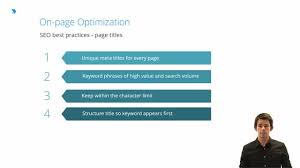
  2. On-Page Optimization: Optimise your website’s content, meta tags, headings, and images to align with targeted keywords.
  3. Quality Content Creation: Produce engaging and informative content that resonates with users and encourages them to stay on your site.
  4. Link Building: Acquire high-quality backlinks from reputable websites to boost your site’s authority and credibility.
  5. User Experience (UX) Improvement: Ensure that your website is user-friendly, fast-loading, and mobile-responsive for a positive user experience.

In conclusion, SEO is an essential component of successful internet marketing strategies. By investing time and resources into optimising your website for search engines, you can enhance visibility, attract targeted traffic, build credibility, and achieve long-term growth for your business online.


22 Common Questions About SEO and Its Role in Internet Marketing

  1. What is difference between SEO and online marketing?
  2. What is SEO and how it works?
  3. What is SEO example?
  4. What is a SEO in marketing?
  5. How SEO is done?
  6. Why is SEO important in Internet marketing?
  7. How do I use SEO in digital marketing?
  8. How is SEO used in digital marketing?
  9. What are the 4 types of SEO?
  10. What are the 3 types of SEO?
  11. What is SEO and how it will work?
  12. What is SEO marketing for beginners?
  13. What is SEO role in marketing?
  14. What is SEO marketing and how it works?
  15. What is Internet marketing in SEO?
  16. What are the 4 stages of SEO?
  17. How to use SEO in online marketing?
  18. What are the four types of SEO?
  19. How Internet marketing is different from SEO marketing?
  20. What is an example of an SEO?
  21. How much does SEO cost in the UK?
  22. What is SEO for beginners?

What is difference between SEO and online marketing?

In the realm of internet marketing, a common query often arises regarding the distinction between SEO and online marketing. While SEO (Search Engine Optimization) is a specific subset of online marketing, focusing primarily on improving a website’s visibility in search engine results through organic tactics such as keyword optimization and content enhancement, online marketing encompasses a broader spectrum of strategies aimed at promoting products or services over the internet. Online marketing includes various channels such as social media marketing, email marketing, pay-per-click advertising, and content marketing, all working together to drive traffic, generate leads, and increase conversions. In essence, SEO is a vital component of online marketing that contributes to enhancing a website’s search engine rankings and overall digital presence within the larger framework of online promotional activities.

What is SEO and how it works?

Search Engine Optimization (SEO) is a fundamental aspect of internet marketing that focuses on improving a website’s visibility and ranking on search engine results pages. In essence, SEO involves implementing various strategies and techniques to enhance a website’s relevance and authority in the eyes of search engines like Google. This includes optimising website content, meta tags, images, and other elements to align with targeted keywords that users are likely to search for. By improving these elements and acquiring high-quality backlinks from reputable sources, websites can increase their chances of appearing higher in search results, driving organic traffic and ultimately boosting online visibility and engagement.

What is SEO example?

In the realm of internet marketing, a common query often arises: “What is SEO, and can you provide an example?” Search Engine Optimization (SEO) is the practice of enhancing a website’s visibility on search engine results pages through various strategies. An example of SEO in action would be a business optimising its website with relevant keywords, high-quality content, and user-friendly design to rank higher on search engine results for specific search queries. By implementing SEO techniques effectively, businesses can attract more organic traffic and improve their online presence, ultimately leading to increased visibility and potential customer engagement.

What is a SEO in marketing?

In the realm of internet marketing, SEO, which stands for Search Engine Optimization, plays a pivotal role in enhancing a website’s visibility and attracting organic traffic. SEO in marketing refers to the practice of optimising various elements of a website to improve its ranking on search engine results pages for specific keywords relevant to the business or industry. By strategically implementing SEO techniques such as keyword research, on-page optimization, and link building, marketers aim to increase their website’s chances of being discovered by users searching for related products or services online. Ultimately, SEO in marketing is about driving targeted traffic to a website and improving its overall online presence to achieve business objectives.

How SEO is done?

Search Engine Optimization (SEO) is the process of improving a website’s visibility on search engine results pages through various strategies and techniques. SEO is done by conducting thorough keyword research to identify relevant terms that users are searching for, optimizing on-page elements such as meta tags, headings, and content, building high-quality backlinks from reputable sites, improving website performance and user experience, and regularly monitoring and adjusting strategies based on analytics data. Effective SEO involves a combination of technical expertise, content creation, and continuous refinement to enhance a website’s ranking and attract organic traffic from search engines.

Why is SEO important in Internet marketing?

Search Engine Optimization (SEO) is paramount in Internet marketing due to its pivotal role in enhancing a website’s visibility and driving organic traffic. By strategically optimising a site’s content, structure, and performance, SEO helps businesses rank higher on search engine results pages for relevant keywords. This increased visibility not only attracts more visitors but also targets a specific audience interested in the products or services offered. Ultimately, SEO builds credibility, establishes trust with users, and provides a cost-effective marketing strategy that yields long-term benefits for businesses looking to succeed online.

How do I use SEO in digital marketing?

In digital marketing, utilising SEO involves implementing strategies to enhance a website’s visibility and ranking on search engine results pages. To effectively use SEO in digital marketing, businesses should focus on conducting thorough keyword research to identify relevant terms that their target audience is searching for. Optimising website content, meta tags, and headings with these keywords can help improve organic search performance. Additionally, creating high-quality, engaging content that provides value to users can attract more traffic and increase the chances of conversion. Link building, improving website user experience, and monitoring analytics are also key aspects of integrating SEO into a comprehensive digital marketing strategy.

How is SEO used in digital marketing?

SEO plays a vital role in digital marketing by enhancing a website’s visibility and driving organic traffic through search engine results. By strategically implementing SEO techniques such as keyword research, on-page optimization, and link building, businesses can improve their online presence and attract targeted audiences searching for relevant products or services. SEO not only helps websites rank higher in search engine results pages but also builds credibility, increases brand visibility, and ultimately contributes to the overall success of digital marketing campaigns.

What are the 4 types of SEO?

In the realm of internet marketing SEO, one frequently asked question is, “What are the 4 types of SEO?” The four main types of SEO are on-page SEO, off-page SEO, technical SEO, and local SEO. On-page SEO focuses on optimising individual web pages to improve their search engine rankings and attract organic traffic. Off-page SEO involves activities outside the website to enhance its authority and relevance, such as link building. Technical SEO deals with the backend elements of a website to improve its crawling and indexing by search engines. Lastly, local SEO targets specific geographic locations to help businesses appear in local search results and connect with nearby customers effectively. Understanding these different types of SEO is essential for creating a comprehensive digital marketing strategy that drives online success.

What are the 3 types of SEO?

In the realm of internet marketing SEO, it is common to encounter the frequently asked question: “What are the 3 types of SEO?” The three main types of SEO are on-page SEO, off-page SEO, and technical SEO. On-page SEO focuses on optimising individual web pages to improve their search engine rankings and attract organic traffic. Off-page SEO involves activities outside of your website, such as link building and social media marketing, to enhance your site’s authority and credibility. Technical SEO deals with the backend aspects of a website, including site speed, mobile-friendliness, and structured data markup, to ensure optimal performance and indexing by search engines. Understanding and implementing these three types of SEO strategies are essential for a comprehensive approach to improving your online visibility and driving organic traffic to your website.

What is SEO and how it will work?

Search Engine Optimization (SEO) is a fundamental aspect of internet marketing that focuses on improving a website’s visibility and ranking on search engine results pages. SEO works by implementing various strategies and techniques to enhance a website’s relevance and authority in the eyes of search engines like Google. This involves optimising content, meta tags, keywords, and technical aspects of a site to make it more attractive to search engine algorithms. By following best practices and staying up-to-date with the latest trends in SEO, businesses can increase their online presence, drive organic traffic, and ultimately achieve better visibility and higher rankings on search engines.

What is SEO marketing for beginners?

SEO marketing for beginners is a fundamental aspect of digital marketing that focuses on improving a website’s visibility in search engine results pages. Search Engine Optimization (SEO) involves various strategies and techniques aimed at enhancing a website’s relevance and authority to rank higher for specific keywords. For beginners, SEO marketing entails learning how to optimise website content, structure, and performance to attract organic traffic and improve online presence. By understanding the basics of SEO, beginners can create a solid foundation for implementing effective marketing strategies that drive targeted traffic and boost brand visibility in the competitive online landscape.

What is SEO role in marketing?

Search Engine Optimization (SEO) plays a pivotal role in marketing by enhancing a website’s visibility on search engine results pages. SEO helps businesses attract organic traffic by optimising their online presence for relevant keywords. By improving a website’s ranking, SEO increases the likelihood of reaching a targeted audience interested in the products or services offered. Ultimately, SEO contributes to building credibility, increasing brand awareness, and driving valuable traffic that can lead to conversions and business growth in the competitive digital landscape.

What is SEO marketing and how it works?

SEO marketing, also known as Search Engine Optimization marketing, is a fundamental strategy in the realm of digital marketing. It involves optimising a website to improve its visibility on search engine results pages for specific keywords relevant to the business. By implementing various techniques such as keyword research, on-page optimisation, and link building, SEO aims to increase organic traffic and enhance a website’s ranking in search engine algorithms. Ultimately, SEO marketing works by making a website more attractive and accessible to both search engines and users, leading to higher visibility, targeted traffic, and improved online presence for businesses.

What is Internet marketing in SEO?

Internet marketing in SEO refers to the strategies and techniques used to promote a website or online business through search engine optimisation. It involves enhancing a website’s visibility on search engine results pages by targeting specific keywords relevant to the business and industry. Internet marketing in SEO aims to drive organic traffic to a website, increase its online presence, and improve its ranking on search engines like Google. By implementing effective SEO tactics such as keyword research, on-page optimisation, and link building, businesses can attract more visitors, generate leads, and ultimately boost their online success.

What are the 4 stages of SEO?

Understanding the four stages of SEO is crucial for implementing an effective digital marketing strategy. The first stage is the initial assessment, where thorough research and analysis are conducted to identify target keywords, assess competitors, and evaluate the current state of the website. The second stage involves on-page optimization, focusing on refining website content, meta tags, and internal linking structure to improve search engine visibility. Off-page optimization is the third stage, which entails building quality backlinks from authoritative sources to boost domain authority and enhance online reputation. The final stage is continuous monitoring and adaptation, where performance metrics are tracked, algorithms are updated, and strategies are adjusted to maintain and improve search rankings over time.

How to use SEO in online marketing?

Utilising SEO in online marketing involves implementing a range of strategies to enhance a website’s visibility and attract organic traffic from search engines. To effectively use SEO in online marketing, businesses should focus on conducting thorough keyword research to identify relevant terms that their target audience is searching for. Optimising website content, meta tags, and headings with these keywords is essential for improving search engine rankings. Additionally, building high-quality backlinks, creating engaging content, and ensuring a positive user experience on the website are key factors in leveraging SEO for successful online marketing campaigns. By integrating these tactics strategically, businesses can maximise their online presence and reach their desired audience effectively.

What are the four types of SEO?

In the realm of internet marketing SEO, one frequently asked question is: “What are the four types of SEO?” The four main types of SEO are on-page SEO, off-page SEO, technical SEO, and local SEO. On-page SEO focuses on optimizing individual web pages to improve search engine rankings and attract organic traffic. Off-page SEO involves activities outside your website to enhance its online authority and credibility. Technical SEO deals with the technical aspects of a website to ensure it is easily crawlable and indexable by search engines. Lastly, local SEO targets local search results to help businesses connect with nearby customers effectively. Understanding these four types of SEO is essential for creating a comprehensive digital marketing strategy that drives visibility and engagement online.

How Internet marketing is different from SEO marketing?

Internet marketing and SEO marketing are closely related but distinct concepts in the digital realm. Internet marketing encompasses a broader range of strategies and tactics aimed at promoting products or services online, including SEO as one of its components. SEO marketing, on the other hand, specifically focuses on optimising a website to improve its visibility and ranking in search engine results pages. While internet marketing involves various channels such as social media, email marketing, content marketing, and paid advertising, SEO marketing hones in on organic search traffic through targeted keyword optimisation and website enhancements. Both disciplines play crucial roles in driving online success, with internet marketing serving as the overarching strategy and SEO marketing serving as a key tactic within that strategy.

What is an example of an SEO?

An example of SEO (Search Engine Optimization) in internet marketing is the process of optimising a website’s content, structure, and performance to improve its visibility on search engine results pages. For instance, by conducting keyword research and strategically incorporating relevant keywords into website content, meta tags, and headings, a business can increase its chances of ranking higher for specific search queries. Additionally, implementing on-page optimization techniques such as improving site speed, mobile responsiveness, and user experience can further enhance a website’s SEO performance and attract more organic traffic from search engines.

How much does SEO cost in the UK?

When it comes to the cost of SEO services in the UK, the pricing can vary depending on several factors such as the scope of work, the competitiveness of the industry, and the level of expertise required. Generally, SEO services in the UK can range from a few hundred pounds to several thousand pounds per month. It’s important for businesses to consider their specific goals and budget when determining how much to invest in SEO. Working with a reputable agency that offers transparent pricing and customised strategies tailored to your needs can help ensure you get the best value for your investment in improving your online visibility and driving organic traffic to your website.

What is SEO for beginners?

Search Engine Optimization (SEO) for beginners is a fundamental aspect of digital marketing aimed at improving a website’s visibility on search engine results pages. In simple terms, SEO involves implementing strategies and techniques to enhance a website’s content, structure, and performance in order to rank higher for relevant keywords. For newcomers to the world of SEO, it is essential to understand the basics such as keyword research, on-page optimization, and link building. By mastering these foundational concepts, beginners can start their journey towards increasing organic traffic, attracting targeted audiences, and ultimately achieving online success.

seo's

Unlocking the Potential: Maximising Your SEO’s Impact

The Power of SEO: Boosting Your Online Visibility

The Power of SEO: Boosting Your Online Visibility

In today’s digital age, Search Engine Optimization (SEO) has become a crucial tool for businesses looking to enhance their online presence and reach a wider audience. SEO is the practice of optimizing your website to rank higher in search engine results pages, making it more visible to potential customers searching for relevant keywords.

By implementing effective SEO strategies, businesses can significantly increase their organic traffic and improve their online visibility. Here are some key benefits of investing in SEO:

  • Increased Website Traffic: By improving your website’s search engine ranking, you can attract more visitors who are actively searching for products or services related to your business.
  • Enhanced User Experience: SEO involves optimizing your website’s structure and content to make it more user-friendly, resulting in a better overall experience for visitors.
  • Build Trust and Credibility: Websites that appear at the top of search results are often perceived as more trustworthy and credible by users, leading to increased brand reputation.
  • Cost-Effective Marketing: Compared to traditional advertising methods, SEO offers a cost-effective way to drive targeted traffic to your website over the long term.
  • Stay Ahead of Competition: In today’s competitive online landscape, investing in SEO can give you a competitive edge by helping you outrank competitors in search results.

To harness the full power of SEO, it is essential to stay up-to-date with the latest trends and algorithms used by search engines like Google. Regularly updating your website with high-quality content, optimizing for mobile devices, and building quality backlinks are just a few strategies that can help improve your SEO performance.

In conclusion, SEO plays a vital role in boosting your online visibility and driving valuable traffic to your website. By investing in effective SEO strategies, businesses can position themselves for long-term success in the digital marketplace.


Understanding SEO: Key Questions and Insights for Effective Optimisation

  1. What is SEO and why is it important?
  2. How does SEO work?
  3. What are the key components of a successful SEO strategy?
  4. How long does it take to see results from SEO efforts?
  5. Is SEO better than paid advertising?
  6. What are common mistakes to avoid in SEO?

What is SEO and why is it important?

Search Engine Optimization (SEO) is the practice of optimizing a website to improve its visibility in search engine results pages. It involves various techniques such as keyword research, content optimization, and link building to help a website rank higher in search engine listings. SEO is important because it helps businesses attract organic traffic from users actively searching for products or services related to their industry. By enhancing their online visibility through SEO, businesses can increase website traffic, improve user experience, build credibility, and stay ahead of competitors in the digital landscape. Ultimately, investing in SEO can lead to long-term success and growth for businesses online.

How does SEO work?

Search Engine Optimization (SEO) works by improving a website’s visibility and ranking on search engine results pages through various strategies and techniques. SEO involves optimizing website content, meta tags, images, and backlinks to make it more relevant and valuable to search engines like Google. By targeting specific keywords related to the business or industry, SEO helps websites attract organic traffic from users searching for relevant information or products. Additionally, factors such as website speed, mobile-friendliness, and user experience also play a crucial role in SEO success. Ultimately, the goal of SEO is to enhance a website’s online presence, increase its visibility to potential customers, and drive valuable organic traffic for long-term success.

What are the key components of a successful SEO strategy?

When it comes to crafting a successful SEO strategy, several key components play a crucial role in enhancing a website’s visibility and driving organic traffic. These components include keyword research to identify relevant search terms, on-page optimization to ensure that content is structured and tagged correctly, quality link building to establish authority and credibility, mobile-friendliness for improved user experience on different devices, and regular monitoring and analysis of performance metrics to make informed adjustments. By integrating these essential elements into an SEO strategy, businesses can effectively improve their search engine rankings and attract valuable traffic to their websites.

How long does it take to see results from SEO efforts?

Achieving tangible results from SEO efforts is a common concern for many businesses. The timeline for seeing noticeable outcomes from SEO strategies can vary depending on various factors such as the competitiveness of the industry, the current state of the website, and the effectiveness of the implemented SEO tactics. Generally, it may take several months to start seeing significant improvements in search engine rankings and organic traffic. Consistent and strategic SEO efforts, including content creation, technical optimization, and link building, are essential for long-term success in improving online visibility and driving valuable traffic to a website. Patience and persistence are key when it comes to reaping the benefits of SEO initiatives.

Is SEO better than paid advertising?

When comparing SEO to paid advertising, the choice between the two often depends on the specific goals and budget of a business. SEO, or Search Engine Optimization, focuses on improving organic search visibility and driving sustainable, long-term traffic to a website. While it may take time to see results with SEO, the benefits can be significant in terms of cost-effectiveness and building credibility with users. On the other hand, paid advertising offers more immediate results and allows businesses to target specific audiences through paid placements. Ultimately, a combination of both SEO and paid advertising can be a powerful strategy for maximising online visibility and reaching a diverse range of potential customers.

What are common mistakes to avoid in SEO?

When it comes to SEO, there are several common mistakes that businesses should avoid to ensure the effectiveness of their digital marketing efforts. One key mistake is neglecting the importance of keyword research and targeting. Failing to identify and optimise for relevant keywords can hinder a website’s visibility in search engine results. Another mistake is overlooking the importance of quality content creation. Content that is not engaging, informative, or relevant to the target audience can negatively impact a website’s SEO performance. Additionally, neglecting on-page optimization elements such as meta tags, headings, and image alt text can also hinder a website’s ranking potential. By addressing these common mistakes and implementing best practices in SEO strategy, businesses can improve their online visibility and attract more organic traffic to their websites.

seo sem marketing

Unlocking the Potential: SEO and SEM Strategies for Effective Marketing

The Power of SEO and SEM Marketing

The Power of SEO and SEM Marketing

In the digital age, having a strong online presence is crucial for businesses looking to reach their target audience and drive growth. Search Engine Optimization (SEO) and Search Engine Marketing (SEM) are two powerful tools that can help businesses improve their visibility and attract more customers.

Search Engine Optimization (SEO)

SEO is the process of optimizing your website to rank higher in search engine results pages organically. By using relevant keywords, creating high-quality content, and improving website performance, businesses can increase their chances of appearing at the top of search engine results for relevant queries. This not only drives more traffic to their website but also enhances brand credibility and trust among users.

Search Engine Marketing (SEM)

SEM involves paid advertising efforts to promote a website’s visibility in search engine results pages. Through tools like Google Ads, businesses can create targeted ads that appear at the top of search results for specific keywords. SEM allows businesses to reach a wider audience quickly and generate immediate traffic to their websites. By carefully managing ad campaigns and monitoring performance metrics, businesses can maximise their return on investment through SEM.

The Benefits of SEO and SEM

Both SEO and SEM play complementary roles in enhancing a business’s online presence:

  • Increased Visibility: By appearing at the top of search engine results, businesses can attract more clicks and visits to their websites.
  • Targeted Traffic: SEO helps attract organic traffic from users actively searching for relevant information, while SEM allows businesses to target specific demographics with paid ads.
  • Improved Brand Awareness: Consistent visibility in search results boosts brand recognition and trust among potential customers.
  • Measurable Results: Both SEO and SEM provide valuable data on user behaviour, allowing businesses to track performance metrics and adjust strategies accordingly.

In Conclusion

SEO and SEM are essential components of a successful digital marketing strategy. By leveraging these tools effectively, businesses can enhance their online visibility, attract more customers, and ultimately drive growth in today’s competitive digital landscape.


18 Common Questions About SEO and SEM Marketing Explained

  1. What is SEO and SEM?
  2. What is SEM in marketing?
  3. Is SEO or SEM paid?
  4. What is an SEO in marketing?
  5. What is SEO in digital marketing?
  6. What is SEM used for in marketing?
  7. What is a SEO in marketing?
  8. What does SEO SEM means?
  9. What is SEO vs SEM vs SMO?
  10. What is SEM and SEO in digital marketing?
  11. What is SEM mean in marketing?
  12. What is the role of SEO and SEM in a marketing campaign?
  13. How to do marketing on SEO and SEM?
  14. Which is better SEO or SEM?
  15. Are SEM and SEO the same?
  16. Is SEO or SEM better?
  17. What does SEO and SEM do?
  18. Is Google Ads SEO or SEM?

What is SEO and SEM?

Search Engine Optimization (SEO) and Search Engine Marketing (SEM) are two fundamental pillars of digital marketing that play a crucial role in enhancing a business’s online visibility and driving traffic to its website. SEO involves optimising a website’s content, structure, and performance to rank higher in organic search results, thereby attracting more relevant traffic. On the other hand, SEM focuses on paid advertising strategies to promote a website through targeted ads that appear at the top of search engine results for specific keywords. Both SEO and SEM are essential tools for businesses looking to increase their online presence, attract potential customers, and achieve success in the competitive digital landscape.

What is SEM in marketing?

In the realm of digital marketing, SEM, which stands for Search Engine Marketing, plays a pivotal role in enhancing a company’s online visibility and driving targeted traffic to its website. SEM involves the strategic use of paid advertising campaigns to promote a business’s presence in search engine results pages. By utilising tools like Google Ads, businesses can create tailored ads that appear prominently when users search for specific keywords related to their products or services. This proactive approach allows companies to reach their target audience effectively and generate immediate traffic, making SEM an indispensable component of a comprehensive digital marketing strategy.

Is SEO or SEM paid?

In the realm of digital marketing, it is important to distinguish between Search Engine Optimization (SEO) and Search Engine Marketing (SEM) in terms of payment structure. SEO focuses on organic strategies to improve a website’s visibility in search engine results without direct payment to search engines. On the other hand, SEM involves paid advertising efforts, such as pay-per-click (PPC) campaigns, where businesses pay for their ads to appear in prominent positions on search engine results pages. While SEO does not involve direct payments for placement, SEM requires businesses to allocate a budget for ad placements and clicks. Both SEO and SEM are valuable tools in enhancing online presence, with each offering distinct advantages based on the business goals and budget considerations.

What is an SEO in marketing?

In the realm of marketing, SEO, which stands for Search Engine Optimization, plays a pivotal role in enhancing a website’s visibility and organic traffic through strategic techniques. Essentially, SEO in marketing involves the process of optimising various elements of a website to improve its ranking on search engine results pages. By focusing on factors such as keyword research, content quality, and user experience, businesses can tailor their online presence to meet the criteria set by search engines like Google. This concerted effort not only boosts a website’s chances of appearing higher in search results but also contributes to building credibility and trust with users seeking relevant information or products online.

What is SEO in digital marketing?

In the realm of digital marketing, SEO, which stands for Search Engine Optimization, plays a pivotal role in enhancing a website’s visibility and ranking on search engine results pages. SEO involves a strategic approach to optimizing various elements of a website, such as content, keywords, and user experience, with the goal of improving organic traffic from search engines. By understanding and implementing SEO best practices, businesses can increase their online presence, attract more relevant visitors to their site, and ultimately achieve higher conversion rates. In essence, SEO is the cornerstone of successful digital marketing efforts that aim to drive sustainable growth and establish a strong online presence in today’s competitive landscape.

What is SEM used for in marketing?

Search Engine Marketing (SEM) plays a crucial role in marketing by providing businesses with a powerful tool to enhance their online visibility and reach their target audience effectively. SEM is primarily used to promote websites through paid advertising efforts on search engines like Google. By creating targeted ads that appear at the top of search results for specific keywords, businesses can increase their online presence, drive traffic to their websites, and generate leads or sales. SEM allows businesses to reach a wider audience quickly and measurably, making it an essential component of any comprehensive digital marketing strategy aiming to achieve tangible results in today’s competitive online landscape.

What is a SEO in marketing?

In the realm of marketing, SEO, which stands for Search Engine Optimization, plays a vital role in enhancing a company’s online visibility and reach. SEO involves implementing strategies to improve a website’s ranking on search engine results pages organically. By focusing on relevant keywords, high-quality content creation, and technical optimization, businesses can increase their chances of appearing at the top of search results for specific queries. Ultimately, SEO helps businesses attract more organic traffic, build brand credibility, and connect with their target audience effectively in the digital landscape.

What does SEO SEM means?

Search Engine Optimization (SEO) and Search Engine Marketing (SEM) are two crucial components of digital marketing strategies aimed at improving a website’s visibility and driving traffic. SEO focuses on optimising a website to rank higher in organic search results, while SEM involves paid advertising efforts to enhance visibility in search engine results pages. In essence, SEO aims to attract organic traffic through content optimisation and keyword targeting, while SEM utilises paid ads to target specific audiences and drive immediate traffic to a website. Together, SEO and SEM play complementary roles in boosting online presence and achieving marketing objectives effectively.

What is SEO vs SEM vs SMO?

When it comes to digital marketing strategies, understanding the differences between SEO, SEM, and SMO is crucial for businesses aiming to enhance their online presence. Search Engine Optimization (SEO) focuses on improving a website’s organic visibility in search engine results by optimising content and website structure. Search Engine Marketing (SEM), on the other hand, involves paid advertising to drive immediate traffic and increase visibility through targeted ads. Social Media Optimization (SMO) aims to boost a brand’s presence on social media platforms by engaging with users and creating shareable content. Each of these strategies plays a unique role in driving traffic, improving brand awareness, and reaching target audiences effectively in the competitive online landscape.

What is SEM and SEO in digital marketing?

In the realm of digital marketing, Search Engine Marketing (SEM) and Search Engine Optimization (SEO) are two key strategies that businesses employ to enhance their online visibility and attract potential customers. SEM involves paid advertising efforts to promote a website’s visibility in search engine results pages, while SEO focuses on optimising a website’s content and structure to improve organic search rankings. Both SEM and SEO play vital roles in driving traffic to websites, increasing brand awareness, and ultimately boosting business growth in the competitive digital landscape. By understanding the nuances of SEM and SEO, businesses can craft comprehensive digital marketing strategies that effectively reach their target audience and achieve their marketing goals.

What is SEM mean in marketing?

In the realm of marketing, SEM stands for Search Engine Marketing. SEM encompasses paid advertising efforts that businesses undertake to enhance their online visibility in search engine results pages. Through the strategic use of tools like Google Ads, businesses can create targeted ads that appear prominently in search results for specific keywords relevant to their products or services. SEM allows companies to reach a broader audience quickly and generate immediate traffic to their websites, ultimately driving brand awareness and customer engagement in the competitive digital landscape.

What is the role of SEO and SEM in a marketing campaign?

In a marketing campaign, the roles of Search Engine Optimization (SEO) and Search Engine Marketing (SEM) are crucial for enhancing online visibility and driving targeted traffic to a business’s website. SEO focuses on optimising website content and structure to improve organic search engine rankings, thereby increasing visibility among users searching for relevant information. On the other hand, SEM involves paid advertising strategies to place ads at the top of search engine results pages, allowing businesses to reach a wider audience and generate immediate traffic. Together, SEO and SEM work hand in hand to boost brand awareness, attract potential customers, and achieve measurable results that contribute to the overall success of a marketing campaign.

How to do marketing on SEO and SEM?

When it comes to marketing through SEO and SEM, the key lies in understanding the unique strategies and techniques that each method offers. For SEO marketing, businesses should focus on optimising their website with relevant keywords, creating high-quality content, and improving user experience to enhance organic visibility in search engine results. On the other hand, SEM marketing involves setting up targeted ad campaigns through platforms like Google Ads to reach a specific audience quickly. By combining both SEO and SEM efforts strategically, businesses can maximise their online presence, attract more traffic, and ultimately achieve their marketing goals effectively in the digital landscape.

Which is better SEO or SEM?

When considering the question of whether SEO or SEM is better for your digital marketing strategy, it’s important to understand that both SEO and SEM serve distinct purposes and can complement each other effectively. SEO focuses on improving organic search visibility over time through strategies like keyword optimization and content creation, while SEM involves paid advertising to generate immediate traffic and leads. The choice between SEO and SEM depends on your specific goals, timeline, and budget. For long-term sustainable growth, investing in SEO can help establish a strong online presence. On the other hand, if you seek quick results and are willing to allocate a budget for advertising, SEM can provide immediate visibility. Ultimately, a combination of both SEO and SEM tailored to your business objectives is often the most effective approach in maximising online visibility and driving results.

Are SEM and SEO the same?

When it comes to digital marketing, a common question that arises is whether Search Engine Marketing (SEM) and Search Engine Optimization (SEO) are the same. While both SEM and SEO aim to improve a website’s visibility in search engine results, they differ in their approaches. SEO focuses on optimizing a website’s content and structure to rank organically in search results, while SEM involves paid advertising efforts to promote a website’s visibility through targeted ads. In essence, SEO is about enhancing organic search traffic over time, while SEM provides immediate visibility through paid campaigns. Understanding the nuances between SEM and SEO is essential for businesses looking to develop a comprehensive digital marketing strategy that maximises their online presence effectively.

Is SEO or SEM better?

When considering whether SEO or SEM is better for your digital marketing strategy, it’s essential to understand their distinct roles and benefits. SEO focuses on improving organic search visibility by optimising website content and structure, helping businesses rank higher in search engine results over time. On the other hand, SEM involves paid advertising to instantly boost visibility and drive targeted traffic to a website. The choice between SEO and SEM depends on your specific goals, timeline, and budget. While SEO offers long-term benefits and credibility, SEM provides immediate results and precise targeting options. Ultimately, a combination of both strategies can maximise your online presence and deliver optimal results for your business objectives.

What does SEO and SEM do?

SEO (Search Engine Optimization) and SEM (Search Engine Marketing) play crucial roles in enhancing a business’s online visibility and driving traffic to their website. SEO focuses on improving a website’s organic search rankings by using relevant keywords, creating quality content, and enhancing user experience. On the other hand, SEM involves paid advertising efforts to promote a website’s visibility in search engine results pages through targeted ads. Both SEO and SEM work together to increase a business’s online presence, attract more visitors, and ultimately boost brand awareness and customer engagement in the competitive digital landscape.

Is Google Ads SEO or SEM?

When considering the question “Is Google Ads SEO or SEM?”, it’s important to understand the distinction between the two. Google Ads, formerly known as Google AdWords, falls under the category of Search Engine Marketing (SEM). SEM involves paid advertising efforts to promote a website’s visibility in search engine results pages. Google Ads allows businesses to create targeted ads that appear at the top of search results for specific keywords, helping them reach a wider audience and generate immediate traffic. On the other hand, Search Engine Optimization (SEO) focuses on optimising a website to rank higher in search engine results organically. While both SEO and SEM are crucial for enhancing online visibility, Google Ads specifically aligns with SEM strategies by providing a platform for paid advertising campaigns.

digital marketing for hospitals

Revolutionising Healthcare: The Impact of Digital Marketing for Hospitals

Digital Marketing for Hospitals

The Power of Digital Marketing for Hospitals

In today’s digital age, the healthcare industry is increasingly turning to digital marketing strategies to reach and engage with patients. Hospitals are recognising the importance of establishing a strong online presence to connect with their target audience effectively. Digital marketing offers hospitals a range of tools and techniques to enhance their visibility, build trust, and ultimately drive patient acquisition and retention.

Benefits of Digital Marketing for Hospitals

Increased Reach: Through digital marketing channels such as social media, search engine optimisation (SEO), and email marketing, hospitals can reach a wider audience beyond their local community. This expanded reach allows hospitals to attract patients from different regions or even internationally.

Targeted Advertising: Digital marketing enables hospitals to target specific demographics based on factors such as age, location, interests, and online behaviour. This targeted approach ensures that marketing messages are delivered to the most relevant audience, increasing the likelihood of engagement and conversion.

Enhanced Brand Awareness: By consistently sharing valuable content and engaging with patients on digital platforms, hospitals can strengthen their brand presence and reputation. Building brand awareness through digital marketing helps hospitals stand out in a competitive healthcare landscape.

Key Strategies for Hospital Digital Marketing

Content Marketing: Creating informative and engaging content such as blog posts, articles, videos, and infographics can position hospitals as thought leaders in healthcare. Educational content can help build trust with patients and establish credibility.

Social Media Engagement: Maintaining an active presence on social media platforms allows hospitals to interact with patients in real-time, share updates about services or events, and address patient queries or concerns promptly.

Search Engine Optimisation (SEO): Optimising hospital websites for search engines can improve visibility in search results when potential patients are looking for relevant healthcare services or information online. SEO techniques include keyword research, on-page optimisation, and link building.

The Future of Hospital Digital Marketing

The landscape of digital marketing is constantly evolving, presenting new opportunities for hospitals to connect with patients in meaningful ways. Embracing emerging technologies such as artificial intelligence (AI), chatbots, virtual reality (VR), and telemedicine can further enhance the patient experience and drive engagement.

In conclusion, digital marketing offers hospitals a powerful platform to engage with current and prospective patients effectively. By leveraging the right strategies and tools, hospitals can not only increase their online visibility but also foster lasting relationships with patients based on trust and value.


9 Advantages of Digital Marketing for Hospitals: Expanding Reach and Building Trust

  1. Increased reach to a wider audience beyond local communities.
  2. Targeted advertising based on demographics and online behaviour.
  3. Enhanced brand awareness and reputation building.
  4. Cost-effective compared to traditional marketing methods.
  5. Real-time engagement with patients through social media platforms.
  6. Measurable results through analytics and data tracking.
  7. Improved patient education through informative content marketing.
  8. Enhanced patient trust and credibility with consistent online presence.
  9. Opportunities for innovation with emerging technologies like AI and VR.


Challenges in Digital Marketing for Hospitals: Privacy, Compliance, and Information Overload

  1. Privacy Concerns
  2. Regulatory Compliance
  3. Information Overload

Increased reach to a wider audience beyond local communities.

Digital marketing provides hospitals with a significant advantage by expanding their reach to a broader audience beyond local communities. Through online channels such as social media, search engines, and email campaigns, hospitals can connect with individuals from different regions or even internationally. This increased reach allows hospitals to attract a diverse range of patients, raise awareness about their services, and ultimately drive engagement and patient acquisition on a global scale.

Targeted advertising based on demographics and online behaviour.

Digital marketing for hospitals offers the advantage of targeted advertising based on demographics and online behaviour. By leveraging data on factors such as age, location, interests, and online activity, hospitals can tailor their marketing messages to specific audience segments. This targeted approach ensures that the right content reaches the right people at the right time, increasing the effectiveness of marketing campaigns and ultimately driving patient engagement and conversions. Hospitals can deliver personalised messages that resonate with their target demographic, leading to higher levels of relevance and response from potential patients.

Enhanced brand awareness and reputation building.

Enhanced brand awareness and reputation building are crucial benefits of digital marketing for hospitals. By consistently sharing valuable content, engaging with patients on social media platforms, and showcasing expertise through educational materials, hospitals can strengthen their brand presence in the digital space. This proactive approach not only helps hospitals stand out in a competitive healthcare landscape but also builds trust and credibility among patients, ultimately enhancing their reputation as trusted healthcare providers.

Cost-effective compared to traditional marketing methods.

Digital marketing for hospitals offers a significant advantage in terms of cost-effectiveness when compared to traditional marketing methods. By leveraging digital channels such as social media, email campaigns, and online advertising, hospitals can reach a larger audience at a fraction of the cost of traditional marketing avenues like print ads or TV commercials. This cost-effective approach allows hospitals to allocate their marketing budget more efficiently, targeting specific demographics with precision and maximising the return on investment.

Real-time engagement with patients through social media platforms.

One significant advantage of digital marketing for hospitals is the ability to engage with patients in real-time through social media platforms. By maintaining an active presence on platforms such as Facebook, Twitter, and Instagram, hospitals can interact with patients promptly, address their queries or concerns, share important updates about services or events, and provide valuable health information. This real-time engagement not only fosters a sense of transparency and accessibility but also allows hospitals to build stronger relationships with patients by being responsive and attentive to their needs.

Measurable results through analytics and data tracking.

One significant advantage of digital marketing for hospitals is the ability to obtain measurable results through analytics and data tracking. By leveraging advanced analytics tools, hospitals can track the performance of their digital marketing campaigns in real-time, gaining valuable insights into key metrics such as website traffic, conversion rates, and patient engagement. This data-driven approach allows hospitals to make informed decisions, optimise their marketing strategies, and allocate resources effectively to achieve tangible results and continually improve their online presence.

Improved patient education through informative content marketing.

Digital marketing for hospitals offers a significant advantage in the form of improved patient education through informative content marketing. By creating and sharing valuable content such as articles, blog posts, videos, and infographics, hospitals can educate patients about various health conditions, treatment options, preventive care measures, and overall wellness. This educational approach not only empowers patients to make informed healthcare decisions but also establishes the hospital as a trusted source of reliable information in the eyes of the audience. Patient education through content marketing plays a crucial role in building strong relationships with patients based on transparency, credibility, and support.

Enhanced patient trust and credibility with consistent online presence.

An essential benefit of digital marketing for hospitals is the ability to cultivate enhanced patient trust and credibility through a consistent online presence. By maintaining active engagement on digital platforms and sharing valuable, informative content regularly, hospitals can establish themselves as reliable sources of healthcare information. This consistent online presence not only helps build trust with patients but also reinforces the hospital’s credibility in the eyes of the public, ultimately leading to stronger patient relationships and loyalty.

Opportunities for innovation with emerging technologies like AI and VR.

Digital marketing for hospitals opens up exciting opportunities for innovation through the integration of emerging technologies such as artificial intelligence (AI) and virtual reality (VR). By harnessing the power of AI, hospitals can enhance patient care through personalised interactions, predictive analytics for better treatment outcomes, and streamlined administrative processes. Additionally, VR technology can revolutionise patient education and therapy by offering immersive experiences that aid in understanding complex medical procedures and providing therapeutic interventions. Embracing these cutting-edge technologies in digital marketing allows hospitals to stay at the forefront of healthcare advancements and deliver enhanced services to their patients.

Privacy Concerns

Privacy Concerns: One significant con of digital marketing for hospitals is the potential privacy concerns it may raise among patients. Patients may feel apprehensive about the security and confidentiality of their personal health information shared online through digital marketing channels. The risk of data breaches or misuse of sensitive data can erode trust between patients and healthcare providers, highlighting the importance of robust data protection measures and transparent communication practices in hospital digital marketing efforts.

Regulatory Compliance

Hospitals face a significant challenge in terms of regulatory compliance when it comes to digital marketing. Strict regulations like GDPR and HIPAA impose stringent requirements on how patient data is collected, stored, and used in online marketing efforts. Hospitals must diligently navigate these complex regulations to safeguard patient privacy and maintain compliance, adding an extra layer of complexity to their digital marketing initiatives. Failure to adhere to these regulations can result in severe penalties and damage to the hospital’s reputation, making regulatory compliance a critical con that hospitals must carefully manage in their digital marketing strategies.

Information Overload

In a saturated digital landscape, hospitals face the con of information overload, making it challenging to stand out and engage their target audience effectively. With numerous healthcare providers vying for attention online, hospitals may find it difficult to cut through the noise and deliver their message in a way that resonates with patients. The abundance of information available can lead to confusion and decision fatigue for individuals seeking healthcare services, potentially hindering hospitals’ efforts to attract and retain patients in a competitive digital environment.

effective online marketing

Maximising Business Growth Through Effective Online Marketing Strategies

Effective Online Marketing

The Power of Effective Online Marketing

In today’s digital age, online marketing has become a crucial tool for businesses to reach and engage with their target audience. Effective online marketing strategies can drive traffic, generate leads, and ultimately boost sales. Let’s explore the key components of successful online marketing:

Search Engine Optimization (SEO)

SEO is essential for improving your website’s visibility in search engine results. By optimising your website’s content and structure, you can increase organic traffic and attract more potential customers.

Social Media Marketing

Social media platforms offer a powerful way to connect with your audience, build brand awareness, and drive engagement. By creating compelling content and engaging with followers, you can strengthen your online presence.

Email Marketing

Email marketing remains an effective way to nurture leads and convert them into customers. Personalised email campaigns can deliver targeted messages to your audience and drive conversions.

Content Marketing

High-quality content is key to attracting and retaining customers. By creating relevant and valuable content, such as blog posts, videos, or infographics, you can establish authority in your industry and build trust with your audience.

Pay-Per-Click (PPC) Advertising

PPC advertising allows you to reach a targeted audience through paid ads on search engines and social media platforms. By carefully selecting keywords and monitoring performance, you can maximise the effectiveness of your ad campaigns.

In conclusion, effective online marketing requires a strategic approach that leverages various digital channels to connect with your audience and achieve your business goals. By incorporating SEO, social media marketing, email marketing, content marketing, and PPC advertising into your overall strategy, you can create a powerful online presence that drives results.


Five Essential Tips for Effective Online Marketing Success

  1. Create engaging and relevant content to attract your target audience.
  2. Utilize social media platforms to reach a wider audience and engage with customers.
  3. Optimize your website for search engines to improve visibility and attract organic traffic.
  4. Use email marketing campaigns to stay connected with your customers and promote new products or services.
  5. Monitor and analyse data regularly to measure the success of your online marketing efforts and make necessary adjustments.

Create engaging and relevant content to attract your target audience.

Creating engaging and relevant content is a fundamental tip for effective online marketing. By crafting content that resonates with your target audience’s interests and needs, you can capture their attention and establish a connection with them. Engaging content not only attracts visitors to your website or social media platforms but also encourages them to interact, share, and ultimately convert into loyal customers. Remember, quality content that adds value to your audience’s lives is key to building trust and credibility in the digital space.

Utilize social media platforms to reach a wider audience and engage with customers.

Utilising social media platforms is a valuable tip for effective online marketing. By leveraging platforms such as Facebook, Instagram, Twitter, and LinkedIn, businesses can expand their reach to a wider audience and actively engage with customers. Social media provides a direct channel for communication, allowing companies to share updates, respond to inquiries, and build relationships with their target market. Engaging content on social media can drive brand awareness, foster customer loyalty, and ultimately lead to increased sales and conversions.

Optimize your website for search engines to improve visibility and attract organic traffic.

To enhance your online presence and drive organic traffic to your website, it is essential to optimise your site for search engines. By implementing effective search engine optimisation (SEO) strategies, such as using relevant keywords, creating high-quality content, and improving site structure, you can improve your website’s visibility in search engine results pages. This not only helps attract more visitors to your site but also increases the chances of reaching your target audience and converting them into valuable leads or customers.

Use email marketing campaigns to stay connected with your customers and promote new products or services.

Utilising email marketing campaigns is a valuable strategy for maintaining a strong connection with your customer base and showcasing new products or services. By regularly engaging with your subscribers through targeted emails, you can provide them with relevant updates, special offers, and valuable information, ultimately fostering loyalty and driving conversions. Email marketing allows you to personalise your messaging and reach customers directly in their inbox, making it an effective tool for building relationships and promoting your brand effectively in the online space.

Monitor and analyse data regularly to measure the success of your online marketing efforts and make necessary adjustments.

Monitoring and analysing data regularly is a crucial tip for effective online marketing. By tracking key metrics such as website traffic, engagement rates, conversion rates, and ROI, businesses can gain valuable insights into the performance of their online marketing efforts. This data-driven approach allows companies to identify what strategies are working well and where improvements are needed. By making necessary adjustments based on data analysis, businesses can optimise their online marketing campaigns for better results and ultimately achieve their marketing objectives more effectively.

healthcare digital marketing

Transforming Healthcare Through Digital Marketing Strategies

Healthcare Digital Marketing

The Impact of Digital Marketing in Healthcare

In today’s digital age, the healthcare industry is leveraging the power of digital marketing to reach and engage with patients in innovative ways. Digital marketing has revolutionised how healthcare providers connect with their target audience, improve patient outcomes, and enhance overall healthcare experiences.

Benefits of Healthcare Digital Marketing

Digital marketing offers numerous benefits to healthcare organisations:

  • Increased Patient Engagement: Through social media, email campaigns, and online content, healthcare providers can engage with patients on a more personal level, providing valuable information and building trust.
  • Enhanced Brand Awareness: Effective digital marketing strategies can help healthcare organisations increase their visibility and establish a strong brand presence in the competitive healthcare landscape.
  • Precise Targeting: Digital marketing allows healthcare providers to target specific demographics and tailor their messages to reach the right audience at the right time.
  • Data-Driven Insights: By analysing digital marketing data and metrics, healthcare organisations can gain valuable insights into patient behaviour, preferences, and trends, enabling them to make informed decisions.
  • Improved Patient Education: Through online resources such as blogs, videos, and webinars, healthcare providers can educate patients about various health conditions, treatments, and preventive care measures.

The Future of Healthcare Digital Marketing

As technology continues to advance rapidly, the future of healthcare digital marketing holds even greater potential. From personalised medicine to telehealth services, digital marketing will play a crucial role in shaping the future of healthcare delivery and patient engagement.


Seven Essential Tips for Effective Healthcare Digital Marketing

  1. 1. Utilise social media platforms to engage with your audience and share valuable healthcare information.
  2. 2. Create a user-friendly website that is mobile-responsive for easy access on different devices.
  3. 3. Implement SEO strategies to improve your online visibility and attract more potential patients.
  4. 4. Develop informative and visually appealing content such as blogs, videos, and infographics to educate your audience.
  5. 5. Use email marketing campaigns to stay connected with patients, promote services, and share relevant updates.
  6. 6. Collaborate with influencers or healthcare professionals to reach a wider audience and build credibility.
  7. 7. Monitor analytics regularly to track the performance of your digital marketing efforts and make data-driven decisions.

1. Utilise social media platforms to engage with your audience and share valuable healthcare information.

Utilising social media platforms is a valuable tip in healthcare digital marketing to effectively engage with your audience and share important healthcare information. By leveraging the reach and interactivity of platforms such as Facebook, Twitter, and Instagram, healthcare providers can connect with patients on a more personal level, foster trust, and deliver relevant content that educates and empowers individuals to make informed health decisions. This proactive approach not only enhances patient engagement but also strengthens the provider-patient relationship, ultimately leading to improved health outcomes and a more connected healthcare community.

2. Create a user-friendly website that is mobile-responsive for easy access on different devices.

Creating a user-friendly website that is mobile-responsive is a crucial tip in healthcare digital marketing. In today’s mobile-centric world, patients expect easy access to healthcare information and services on their smartphones and tablets. A mobile-responsive website ensures that users can navigate the site seamlessly on various devices, providing a positive user experience and encouraging engagement. By prioritising mobile responsiveness, healthcare providers can reach a wider audience and enhance patient satisfaction with convenient access to valuable health resources.

3. Implement SEO strategies to improve your online visibility and attract more potential patients.

Implementing SEO strategies is essential in healthcare digital marketing to enhance online visibility and attract a larger pool of potential patients. By optimising your website with relevant keywords, creating high-quality content, and improving your site’s technical aspects, you can increase your search engine rankings and make it easier for patients to find you online. SEO not only helps drive organic traffic to your website but also establishes your authority in the healthcare industry, ultimately leading to more patient inquiries and appointments.

4. Develop informative and visually appealing content such as blogs, videos, and infographics to educate your audience.

To enhance your healthcare digital marketing strategy, it is essential to develop informative and visually appealing content, including blogs, videos, and infographics. By creating engaging content that educates your audience about various health topics, treatments, and preventive care measures, you can establish credibility, build trust with patients, and differentiate your brand in the competitive healthcare landscape. Visual elements such as videos and infographics can make complex medical information more digestible and engaging for your audience, leading to increased patient engagement and improved overall healthcare experiences.

5. Use email marketing campaigns to stay connected with patients, promote services, and share relevant updates.

Utilising email marketing campaigns is a valuable strategy in healthcare digital marketing to maintain a strong connection with patients, promote services effectively, and share pertinent updates. By sending targeted and informative emails, healthcare providers can keep patients engaged, informed, and aware of the latest developments in healthcare services. This approach not only enhances patient communication but also helps to build trust and loyalty towards the healthcare organisation.

6. Collaborate with influencers or healthcare professionals to reach a wider audience and build credibility.

Collaborating with influencers or healthcare professionals is a strategic tip in healthcare digital marketing to expand reach and establish credibility. By partnering with individuals who have a strong influence in the healthcare industry, organisations can tap into their existing audience base and leverage their expertise to engage with a wider demographic. This collaboration not only helps in reaching a larger audience but also enhances the brand’s credibility and trustworthiness, as it is endorsed by respected figures within the healthcare community. Leveraging influencers or healthcare professionals can significantly boost visibility and foster stronger connections with patients and stakeholders in the digital space.

7. Monitor analytics regularly to track the performance of your digital marketing efforts and make data-driven decisions.

Monitoring analytics regularly is a crucial tip in healthcare digital marketing. By tracking the performance of your digital marketing efforts through data analysis, you can gain valuable insights into the effectiveness of your strategies. This data-driven approach allows healthcare providers to make informed decisions, optimise campaigns, and adjust tactics to better engage with patients and improve overall outcomes. Regular monitoring of analytics ensures that your digital marketing efforts remain aligned with your goals and continually evolve to meet the changing needs of your target audience.

seo and internet marketing

Unlocking Success: The Intersection of SEO and Internet Marketing

The Power of SEO and Internet Marketing

The Power of SEO and Internet Marketing

In today’s digital age, having a strong online presence is crucial for the success of any business. Search Engine Optimization (SEO) and Internet Marketing play key roles in helping businesses reach their target audience, increase visibility, and drive traffic to their websites.

SEO: Enhancing Visibility

SEO is the process of optimizing a website to improve its ranking on search engine results pages. By strategically incorporating relevant keywords, creating high-quality content, and improving website performance, businesses can enhance their visibility online. This increased visibility not only attracts more organic traffic but also helps build credibility and trust with potential customers.

Internet Marketing: Reaching the Right Audience

Internet marketing encompasses a range of strategies such as social media marketing, email marketing, content marketing, and pay-per-click advertising. These tactics allow businesses to target specific demographics, engage with their audience on various platforms, and drive conversions. By leveraging internet marketing techniques effectively, businesses can increase brand awareness, generate leads, and ultimately boost sales.

The Synergy Between SEO and Internet Marketing

When combined strategically, SEO and internet marketing can amplify the impact of each other. For example, SEO efforts can help drive organic traffic to a website while internet marketing campaigns can further promote that content to a wider audience through paid channels. This synergy maximizes exposure, increases engagement, and ultimately leads to better ROI for businesses.

Conclusion

SEO and internet marketing are powerful tools that businesses can leverage to expand their online presence and connect with their target audience effectively. By investing in these strategies and staying abreast of digital trends, businesses can position themselves for success in the competitive online landscape.


Understanding SEO: Key Questions Answered on Its Role in Online and Digital Marketing

  1. Is SEO part of online marketing?
  2. What is SEO marketing strategy?
  3. Does SEO come under digital marketing?
  4. What is the role of SEO in internet marketing?
  5. What are the 4 types of SEO?
  6. How is SEO used in digital marketing?
  7. What is SEO and how it works?
  8. What are the 3 types of SEO?
  9. What is SEO in online marketing?
  10. What is SEO and Internet marketing?
  11. What is SEO in marketing?
  12. How to use SEO in online marketing?
  13. What is SEO and why is it important?
  14. What is difference between SEO and digital marketing?
  15. How is Internet marketing different from SEO marketing?
  16. What is SEO & How it works?
  17. What is SEO in internet marketing?

Is SEO part of online marketing?

Yes, SEO is indeed a crucial component of online marketing. While online marketing encompasses a range of strategies to promote products or services on the internet, SEO plays a fundamental role in improving a website’s visibility and ranking on search engine results pages. By optimising website content, structure, and performance according to search engine algorithms, businesses can attract organic traffic and enhance their online presence. Therefore, integrating SEO into online marketing efforts is essential for reaching a wider audience, increasing brand awareness, and driving conversions in the digital landscape.

What is SEO marketing strategy?

A SEO marketing strategy refers to the comprehensive plan and tactics implemented to improve a website’s visibility and ranking on search engine results pages. This strategy typically involves keyword research, on-page optimization, content creation, link building, and performance analysis. By strategically incorporating these elements, businesses aim to attract organic traffic, enhance brand visibility, and ultimately drive conversions. A well-defined SEO marketing strategy is essential for businesses looking to compete effectively in the digital landscape and reach their target audience with relevant and engaging content.

Does SEO come under digital marketing?

Yes, SEO falls under the umbrella of digital marketing. Search Engine Optimization (SEO) is a crucial component of digital marketing strategies aimed at improving a website’s visibility and ranking on search engine results pages. By optimising various aspects of a website, including content, keywords, and backlinks, SEO helps businesses attract organic traffic and enhance their online presence. Incorporating SEO tactics into a comprehensive digital marketing plan can significantly impact a business’s online visibility, audience engagement, and overall success in the digital landscape.

What is the role of SEO in internet marketing?

In the realm of internet marketing, SEO plays a pivotal role in enhancing visibility and driving organic traffic to websites. SEO, or Search Engine Optimization, involves optimizing website content, structure, and performance to improve its ranking on search engine results pages. By strategically incorporating relevant keywords, creating high-quality content, and improving user experience, businesses can attract more visitors who are actively searching for their products or services. This increased visibility not only boosts website traffic but also helps establish credibility and trust with potential customers. In essence, SEO acts as a foundational element of internet marketing strategies by ensuring that businesses can be easily found online by their target audience.

What are the 4 types of SEO?

When it comes to Search Engine Optimization (SEO), understanding the different types is essential for implementing an effective strategy. The four main types of SEO include on-page SEO, off-page SEO, technical SEO, and local SEO. On-page SEO focuses on optimizing individual web pages with relevant content and keywords. Off-page SEO involves building quality backlinks from external websites to improve a site’s authority and credibility. Technical SEO deals with the technical aspects of a website, such as site speed and mobile-friendliness. Local SEO targets local search results to help businesses attract nearby customers. By incorporating these various types of SEO into a comprehensive marketing plan, businesses can enhance their online visibility and reach their target audience more effectively.

How is SEO used in digital marketing?

In digital marketing, SEO plays a crucial role in enhancing a website’s visibility and driving organic traffic from search engines. By strategically incorporating relevant keywords, optimizing website content and structure, and improving user experience, SEO helps businesses rank higher in search engine results pages. This increased visibility not only attracts more potential customers but also builds credibility and trust with the target audience. Ultimately, integrating SEO into digital marketing strategies ensures that businesses can reach their target market effectively and achieve long-term success online.

What is SEO and how it works?

Search Engine Optimization (SEO) is a fundamental aspect of digital marketing that focuses on improving a website’s visibility and ranking on search engine results pages. SEO involves various strategies and techniques, such as keyword research, content optimization, link building, and technical enhancements, all aimed at enhancing a website’s relevance and authority in the eyes of search engines like Google. By aligning with search engine algorithms and user intent, SEO helps websites attract organic traffic, increase online visibility, and ultimately drive more qualified leads and conversions. In essence, SEO works by fine-tuning a website to meet the criteria set by search engines for higher rankings, thereby improving its chances of being discovered by users searching for relevant information or products online.

What are the 3 types of SEO?

When it comes to Search Engine Optimization (SEO), there are three main types that businesses and website owners should be aware of. The first type is On-Page SEO, which involves optimizing individual web pages with relevant content, meta tags, and keywords to improve their search engine rankings. The second type is Off-Page SEO, which focuses on building backlinks from reputable websites to increase a site’s authority and credibility in the eyes of search engines. Lastly, Technical SEO involves optimizing the technical aspects of a website, such as site speed, mobile-friendliness, and structured data markup, to enhance its performance in search results. Understanding and implementing these three types of SEO can help businesses improve their online visibility and attract more organic traffic to their websites.

What is SEO in online marketing?

In the realm of online marketing, SEO, short for Search Engine Optimization, plays a pivotal role in enhancing a website’s visibility and ranking on search engine results pages. SEO involves a range of strategies and techniques aimed at improving a website’s relevance and authority in the eyes of search engines like Google. By optimising key elements such as content, keywords, meta tags, and backlinks, businesses can increase their chances of being discovered by users searching for relevant information or products online. Ultimately, SEO is a fundamental component of online marketing that helps businesses attract organic traffic, build brand credibility, and achieve long-term success in the digital landscape.

What is SEO and Internet marketing?

Search Engine Optimization (SEO) is a digital marketing strategy focused on improving a website’s visibility and ranking on search engine results pages. By optimising content, keywords, and technical aspects of a website, SEO aims to attract organic traffic and enhance online presence. On the other hand, Internet marketing encompasses various online strategies such as social media marketing, email campaigns, and paid advertising to promote products or services and engage with target audiences across digital platforms. Together, SEO and Internet marketing work hand in hand to drive traffic, increase brand awareness, and ultimately boost businesses’ online success.

What is SEO in marketing?

SEO, which stands for Search Engine Optimization, is a fundamental aspect of marketing that focuses on enhancing a website’s visibility and ranking on search engine results pages. In essence, SEO involves implementing strategies to improve a website’s relevance and authority in the eyes of search engines like Google. By incorporating relevant keywords, creating high-quality content, optimizing website structure, and building backlinks from reputable sources, businesses can increase their chances of appearing higher in search results. Ultimately, SEO in marketing aims to drive organic traffic to a website, improve brand visibility, and attract potential customers who are actively searching for products or services related to the business.

How to use SEO in online marketing?

When considering how to use SEO in online marketing, it is essential to focus on strategic keyword research, on-page optimization, and high-quality content creation. By identifying relevant keywords that align with your target audience’s search intent and incorporating them naturally into your website content, meta tags, and headings, you can improve your site’s visibility in search engine results. Additionally, creating informative and engaging content that addresses the needs of your audience not only enhances user experience but also helps establish your authority in your industry. Regularly monitoring and adjusting your SEO strategies based on analytics data and algorithm updates is key to maintaining a strong online presence and driving organic traffic to your website.

What is SEO and why is it important?

Search Engine Optimization (SEO) is the practice of enhancing a website’s visibility on search engine results pages through various techniques such as keyword optimization, content creation, and link building. SEO is crucial for businesses as it helps improve their online presence, drive organic traffic to their websites, and increase brand credibility. By ranking higher in search engine results, businesses can reach a wider audience, attract potential customers actively searching for their products or services, and ultimately boost conversions. In essence, SEO plays a vital role in helping businesses establish a strong digital footprint and stay competitive in the ever-evolving online landscape.

What is difference between SEO and digital marketing?

When considering the difference between SEO and digital marketing, it is important to understand that SEO is actually a subset of digital marketing. While SEO focuses specifically on improving a website’s visibility and ranking on search engine results pages through tactics like keyword optimization and content creation, digital marketing encompasses a broader range of online strategies such as social media marketing, email campaigns, pay-per-click advertising, and more. In essence, SEO is a crucial component of digital marketing that specifically targets organic search traffic, whereas digital marketing encompasses a wider scope of online promotional activities aimed at reaching and engaging with target audiences across various digital platforms.

How is Internet marketing different from SEO marketing?

Internet marketing and SEO marketing are two distinct but interconnected components of a comprehensive digital strategy. Internet marketing encompasses a broader range of tactics, including social media marketing, email marketing, content marketing, and paid advertising, aimed at promoting a brand online and engaging with target audiences across various platforms. On the other hand, SEO marketing specifically focuses on optimizing a website’s visibility in search engine results through strategies like keyword research, content creation, and technical enhancements. While internet marketing aims to reach and engage audiences through diverse channels, SEO marketing primarily targets improving organic search rankings to drive traffic and enhance online visibility. Both are essential in achieving online success, with internet marketing focusing on overall brand promotion and engagement while SEO marketing hones in on search engine visibility and ranking improvements.

What is SEO & How it works?

Search Engine Optimization (SEO) is a fundamental aspect of digital marketing that focuses on improving a website’s visibility and ranking on search engine results pages. SEO works by implementing various strategies and techniques to enhance the relevance and authority of a website in the eyes of search engines like Google. This involves optimising on-page elements such as keywords, meta tags, and content quality, as well as off-page factors like backlinks and social signals. By aligning with search engine algorithms and providing valuable, user-centric content, SEO aims to drive organic traffic to a website, increase its online presence, and ultimately improve its chances of being discovered by potential customers searching for relevant products or services.

What is SEO in internet marketing?

Search Engine Optimization (SEO) in internet marketing refers to the practice of enhancing a website’s visibility and ranking on search engine results pages through organic strategies. SEO involves various techniques such as keyword research, content optimization, link building, and technical improvements to make a website more relevant and authoritative in the eyes of search engines like Google. By improving SEO, businesses can attract more organic traffic, increase brand visibility, and ultimately drive conversions. SEO is an essential component of internet marketing as it helps businesses reach their target audience effectively and compete in the digital landscape.

seo digital company

Enhancing Online Visibility: The Role of an SEO Digital Company

SEO Digital Company: Driving Online Success

SEO Digital Company: Driving Online Success

In today’s digital age, having a strong online presence is crucial for businesses to thrive. Search Engine Optimization (SEO) plays a pivotal role in improving a company’s visibility and ranking on search engine results pages. This is where an SEO digital company comes into play.

What Does an SEO Digital Company Do?

An SEO digital company specialises in enhancing a website’s performance in organic search results. By employing various strategies and techniques, such as keyword research, on-page optimization, link building, and content creation, an SEO company helps businesses improve their online visibility and attract more relevant traffic.

The Benefits of Hiring an SEO Digital Company

Partnering with an SEO digital company offers several advantages:

  • Increased Visibility: By optimising your website for search engines, an SEO company helps your business rank higher in search results, making it more visible to potential customers.
  • Targeted Traffic: Through targeted keyword strategies, an SEO digital company drives quality traffic to your website from users actively searching for your products or services.
  • Improved User Experience: SEO companies focus on enhancing user experience by making websites faster, mobile-friendly, and easy to navigate.
  • Analytical Insights: With the help of analytics tools, an SEO company provides valuable insights into website performance and user behaviour, enabling data-driven decision-making.
  • Long-Term Results: While SEO is a continuous process, the results of effective optimization efforts can have a lasting impact on your online presence and brand visibility.

Choosing the Right SEO Digital Company

When selecting an SEO digital company for your business needs, consider the following factors:

  • Experience and Expertise: Look for a company with a proven track record of delivering successful SEO campaigns across various industries.
  • Transparency: Ensure the company provides clear communication and regular reporting on the progress of your SEO initiatives.
  • Creative Approach: Seek an agency that offers innovative solutions tailored to your specific business goals and target audience.
  • Ethical Practices: Choose an SEO company that follows ethical practices and adheres to search engine guidelines to avoid penalties.

In conclusion, investing in the services of an experienced SEO digital company can significantly impact your online success. By improving your website’s visibility, attracting targeted traffic, and enhancing user experience, an SEO partner can help you achieve sustainable growth in the competitive digital landscape.


Top 5 Benefits of Partnering with an SEO Digital Company: Boost Your Online Presence and Brand Visibility

  1. Increased online visibility
  2. Targeted traffic generation
  3. Improved user experience on the website
  4. Access to analytical insights for data-driven decisions
  5. Potential for long-term positive impact on brand visibility


Challenges of SEO Digital Companies: Costs, Time, Uncertainty, Algorithm Dependency, and Penalty Risks

  1. Costly Investment
  2. Time-Consuming Process
  3. Uncertain Outcomes
  4. Dependency on Algorithms
  5. Risk of Penalties

Increased online visibility

Increased online visibility is a key benefit of partnering with an SEO digital company. By implementing effective search engine optimisation strategies, businesses can improve their website’s ranking on search engine results pages, making it more likely to be seen by potential customers. This heightened visibility not only drives more traffic to the website but also enhances brand recognition and credibility in the competitive online landscape. Ultimately, increased online visibility through SEO efforts can lead to greater exposure, improved lead generation, and enhanced opportunities for business growth and success.

Targeted traffic generation

One significant advantage of partnering with an SEO digital company is the ability to generate targeted traffic to your website. By implementing strategic keyword research and optimisation techniques, an SEO company can attract users who are actively searching for the products or services you offer. This targeted traffic not only increases the likelihood of converting visitors into customers but also enhances the overall quality of interactions on your website, leading to improved engagement and higher chances of achieving your business goals.

Improved user experience on the website

Enhancing user experience on a website is a key benefit of partnering with an SEO digital company. By focusing on factors such as site speed, mobile responsiveness, and intuitive navigation, SEO experts ensure that visitors have a seamless and enjoyable interaction with the website. This improved user experience not only encourages visitors to stay longer on the site but also increases the likelihood of them engaging with the content and taking desired actions, ultimately leading to higher conversion rates and customer satisfaction.

Access to analytical insights for data-driven decisions

An SEO digital company provides businesses with invaluable access to analytical insights that serve as the foundation for making data-driven decisions. By leveraging advanced analytics tools and monitoring key performance metrics, businesses can gain a deep understanding of their online presence, user behaviour, and campaign effectiveness. These insights empower companies to make informed decisions based on real-time data, enabling them to refine their strategies, allocate resources efficiently, and maximise their ROI in the competitive digital landscape.

Potential for long-term positive impact on brand visibility

By utilising the services of an SEO digital company, businesses have the opportunity to experience a potential long-term positive impact on their brand visibility. Through strategic search engine optimisation techniques and consistent efforts to enhance online presence, an SEO partner can help elevate a company’s visibility in search results over time. This increased visibility not only attracts more relevant traffic but also fosters brand recognition and trust among target audiences, ultimately contributing to sustained growth and success in the digital realm.

Costly Investment

SEO services can be a costly investment, particularly for small businesses operating with constrained budgets. The expenses associated with hiring an SEO digital company can sometimes pose a financial challenge for smaller enterprises looking to improve their online presence. The high costs involved in comprehensive SEO strategies may deter some businesses from fully utilising these services, making it essential for companies to carefully weigh the potential benefits against the financial implications before committing to such an investment.

Time-Consuming Process

Achieving significant results through SEO can be a time-consuming process, often requiring ongoing effort and patience. Unlike some marketing strategies that may deliver quick returns, SEO is a long-term investment that gradually builds organic visibility and credibility for a website. Businesses seeking immediate results may find the time it takes to see substantial improvements in search engine rankings challenging. However, the long-term benefits of a well-executed SEO strategy can outweigh the initial time investment, leading to sustainable growth and increased online presence over time.

Uncertain Outcomes

Uncertain Outcomes: One significant drawback of partnering with an SEO digital company is the inherent uncertainty surrounding the outcomes of SEO strategies. Despite the expertise and efforts put forth by SEO professionals, there is no absolute assurance of attaining top rankings on search engines. The dynamic nature of search algorithms and the competitive landscape make it challenging to predict the exact results of SEO campaigns, leading to potential fluctuations in performance and rankings. This unpredictability can pose a risk for businesses seeking concrete and immediate returns on their investment in SEO services.

Dependency on Algorithms

One significant drawback of relying on SEO digital companies is the dependency on algorithms. Search engine algorithms undergo frequent updates and changes, which can directly impact the effectiveness of existing SEO strategies. This constant evolution necessitates continuous adaptation and adjustment of tactics to align with the latest algorithm requirements. As a result, businesses partnering with SEO agencies may find themselves in a perpetual cycle of re-evaluating and modifying their approaches to maintain visibility and rankings in search engine results.

Risk of Penalties

Engaging in unethical or black-hat SEO practices poses a significant con for SEO digital companies as it carries the risk of penalties from search engines. These penalties can have detrimental consequences on a website’s ranking and online visibility. By resorting to tactics that violate search engine guidelines, such as keyword stuffing, cloaking, or buying backlinks, businesses not only jeopardise their current rankings but also damage their long-term reputation. It is essential for SEO digital companies to uphold ethical practices to avoid the pitfalls of penalties and safeguard their clients’ online presence.