digital marketing techniques

Mastering Effective Digital Marketing Techniques for Online Success

The Power of Digital Marketing Techniques in Today’s Business Landscape

In the fast-paced digital age, traditional marketing strategies are no longer sufficient to capture the attention of modern consumers. Businesses must adapt and embrace innovative digital marketing techniques to stay relevant and competitive in the ever-evolving online landscape.

Search Engine Optimization (SEO)

SEO is a fundamental digital marketing technique that focuses on improving a website’s visibility in search engine results. By optimising website content, keywords, and meta tags, businesses can increase their organic traffic and reach a wider audience. A strong SEO strategy is essential for driving quality traffic and boosting online presence.

Content Marketing

Content marketing involves creating and distributing valuable, relevant content to attract and engage target audiences. From blog posts and videos to social media updates and infographics, compelling content can help businesses build brand awareness, establish authority in their industry, and drive customer engagement.

Social Media Marketing

Social media platforms have become powerful tools for connecting with customers and building brand loyalty. Through targeted social media campaigns, businesses can reach specific demographics, drive website traffic, generate leads, and foster meaningful interactions with their audience. Engaging content that resonates with followers is key to successful social media marketing.

Email Marketing

Email marketing remains a highly effective digital marketing technique for nurturing leads and converting prospects into customers. Personalised email campaigns that deliver relevant content, promotions, and updates can help businesses build relationships with their audience, drive sales conversions, and increase customer retention.

Pay-Per-Click Advertising (PPC)

PPC advertising allows businesses to bid on keywords to display targeted ads on search engines or websites. With PPC campaigns, businesses pay only when users click on their ads, making it a cost-effective way to drive immediate traffic to websites and generate leads. Strategic keyword selection and ad placement are essential for maximising the ROI of PPC campaigns.

Data Analytics

Data analytics plays a crucial role in measuring the effectiveness of digital marketing techniques. By analysing key metrics such as website traffic, conversion rates, click-through rates, and engagement levels, businesses can gain valuable insights into consumer behaviour and preferences. Data-driven decisions enable businesses to refine their digital marketing strategies for optimal results.

In conclusion, digital marketing techniques offer endless possibilities for businesses looking to expand their online reach, engage with customers effectively, and drive business growth. By leveraging the power of SEO, content marketing, social media marketing, email campaigns…


Essential FAQs on Digital Marketing Techniques: A Comprehensive Guide

  1. What is digital marketing and why is it important?
  2. How can search engine optimization (SEO) benefit my business?
  3. What are the key components of a successful content marketing strategy?
  4. How can social media marketing help me reach my target audience?
  5. What are the best practices for email marketing campaigns?
  6. How does pay-per-click (PPC) advertising work and when should I use it?
  7. What role does data analytics play in digital marketing strategies?
  8. How can I measure the success of my digital marketing efforts?
  9. What are some emerging trends in digital marketing techniques?

What is digital marketing and why is it important?

Digital marketing encompasses a range of online strategies and tactics aimed at promoting products or services through digital channels such as websites, social media, email, search engines, and more. It is essential in today’s digital age as it allows businesses to reach a global audience, engage with customers in real-time, track and measure results accurately, and adapt campaigns quickly based on data insights. Digital marketing offers cost-effective ways to connect with target audiences, build brand awareness, drive website traffic, generate leads, and ultimately increase sales conversions. Embracing digital marketing techniques is crucial for businesses to stay competitive, establish a strong online presence, and achieve long-term success in the ever-evolving digital landscape.

How can search engine optimization (SEO) benefit my business?

Search engine optimization (SEO) can greatly benefit your business by improving your online visibility and driving organic traffic to your website. By implementing effective SEO strategies, you can enhance your website’s ranking in search engine results pages, making it easier for potential customers to find you online. Increased visibility means more opportunities for your business to attract qualified leads and convert them into customers. Additionally, a strong SEO presence can help establish credibility and trust with your target audience, ultimately leading to long-term success and sustainable growth for your business in the competitive digital landscape.

What are the key components of a successful content marketing strategy?

A successful content marketing strategy comprises several key components that work together to drive engagement, build brand awareness, and attract and retain customers. Firstly, understanding the target audience is crucial in creating content that resonates with their interests and needs. High-quality, relevant, and valuable content is essential for establishing credibility and authority in the industry. Consistency in publishing content across various platforms helps maintain audience interest and visibility. Utilising SEO techniques to optimise content for search engines enhances discoverability. Moreover, incorporating a mix of formats such as blog posts, videos, infographics, and social media updates can cater to different preferences and increase engagement levels. Monitoring performance metrics and analysing data allows for continuous improvement and adjustment of the content strategy to achieve desired outcomes.

How can social media marketing help me reach my target audience?

Social media marketing is a powerful tool that can help businesses effectively reach their target audience in today’s digital landscape. By leveraging social media platforms such as Facebook, Instagram, Twitter, and LinkedIn, businesses can connect with specific demographics, engage with potential customers, and build brand awareness. Through targeted content creation, strategic ad campaigns, and interactive engagement with followers, businesses can tailor their messaging to resonate with their target audience and drive meaningful interactions. Social media marketing enables businesses to reach a wider audience, increase website traffic, generate leads, and ultimately convert followers into loyal customers by fostering relationships and building trust through authentic communication.

What are the best practices for email marketing campaigns?

When it comes to email marketing campaigns, implementing best practices is essential for achieving success and driving engagement with your audience. Some key best practices include personalisation to make emails more relevant and tailored to individual recipients, segmenting your email lists based on demographics or behaviours to deliver targeted content, creating compelling subject lines that grab attention and encourage opens, ensuring mobile responsiveness for optimal viewing on all devices, and regularly testing and analysing campaign performance to refine strategies and improve results. By following these best practices, businesses can maximise the effectiveness of their email marketing campaigns and enhance customer relationships.

How does pay-per-click (PPC) advertising work and when should I use it?

Pay-per-click (PPC) advertising is a digital marketing technique where businesses bid on keywords to display targeted ads on search engines or websites. When users search for relevant terms, these ads appear prominently, and businesses pay a fee each time someone clicks on their ad. PPC advertising is effective for generating immediate traffic to websites, increasing brand visibility, and driving conversions. Businesses should consider using PPC when they want to reach a specific audience quickly, promote new products or services, increase website traffic, or complement their organic search efforts. By strategically selecting keywords, monitoring campaign performance, and refining ad targeting, businesses can maximise the impact of their PPC campaigns and achieve their marketing goals efficiently.

What role does data analytics play in digital marketing strategies?

Data analytics plays a pivotal role in digital marketing strategies by providing valuable insights into consumer behaviour, preferences, and trends. By analysing data metrics such as website traffic, conversion rates, click-through rates, and engagement levels, businesses can make informed decisions to optimise their marketing campaigns for maximum effectiveness. Data analytics enables businesses to track the performance of their digital marketing efforts, identify areas for improvement, and refine their strategies to better target their audience and achieve measurable results. In today’s competitive online landscape, leveraging data analytics is essential for driving successful digital marketing campaigns and staying ahead of the curve.

How can I measure the success of my digital marketing efforts?

Measuring the success of your digital marketing efforts is essential for evaluating the effectiveness of your strategies and identifying areas for improvement. Key performance indicators (KPIs) such as website traffic, conversion rates, click-through rates, engagement metrics, and return on investment (ROI) can provide valuable insights into the performance of your campaigns. By tracking and analysing these metrics using tools like Google Analytics and social media analytics platforms, you can assess the impact of your digital marketing activities, identify what is working well, and make data-driven decisions to optimise your future strategies for greater success.

In the dynamic realm of digital marketing, businesses are constantly seeking to stay ahead by embracing emerging trends that shape the industry. Some of the key emerging trends in digital marketing techniques include the rise of artificial intelligence and machine learning for personalised customer experiences, the increasing importance of voice search optimization to cater to voice-activated devices, the growing significance of influencer marketing for authentic brand promotion, the adoption of interactive content such as quizzes and polls to enhance user engagement, and the evolution of augmented reality (AR) and virtual reality (VR) experiences for immersive brand storytelling. Embracing these emerging trends can help businesses navigate the ever-changing digital landscape and connect with their target audience in innovative ways.

digital marketing overview

Navigating the Digital Marketing Landscape: An Overview of Strategies and Trends

Digital Marketing Overview

The Power of Digital Marketing: An Overview

In today’s digital age, marketing has evolved significantly with the rise of digital platforms and technologies. Digital marketing encompasses a wide range of strategies and techniques aimed at promoting products or services using online channels. It has become an essential component for businesses looking to reach their target audiences effectively and efficiently.

Key Components of Digital Marketing

Digital marketing includes various components such as:

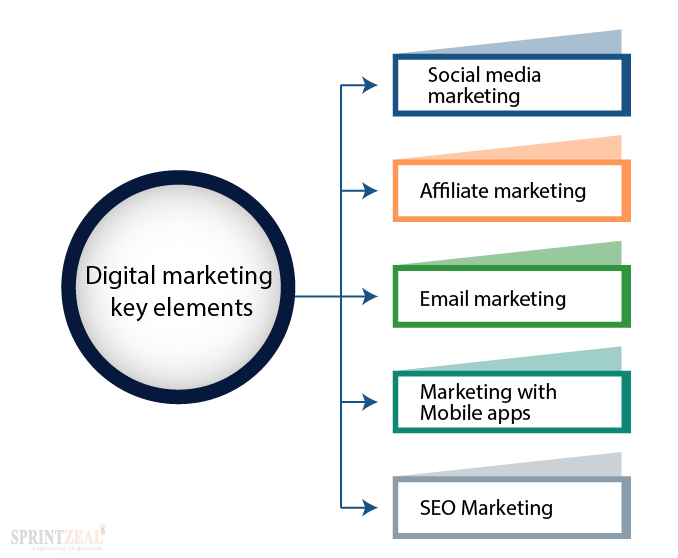
  • Search Engine Optimization (SEO): Optimising websites to improve search engine rankings and increase organic traffic.
  • Pay-Per-Click (PPC) Advertising: Running paid advertising campaigns on search engines or social media platforms to drive targeted traffic.
  • Social Media Marketing: Utilising social media platforms to engage with audiences, build brand awareness, and drive conversions.
  • Email Marketing: Sending targeted emails to prospects and customers to promote products or services and nurture relationships.
  • Content Marketing: Creating valuable and relevant content to attract and retain a specific audience, ultimately driving profitable customer action.
  • Analytics and Data Analysis: Monitoring and analysing campaign performance to make data-driven decisions for continuous improvement.

The Benefits of Digital Marketing

Digital marketing offers numerous benefits for businesses, including:

  • Increased Reach: With the vast reach of the internet, businesses can connect with a global audience regardless of geographical boundaries.
  • Targeted Advertising: Digital marketing allows businesses to target specific demographics, interests, behaviours, and locations with precision.
  • Cost-Effective Solutions: Compared to traditional marketing methods, digital marketing often provides a more cost-effective way to reach a larger audience.
  • Data-Driven Insights: Through analytics tools, businesses can gain valuable insights into customer behaviour, preferences, and campaign performance for informed decision-making.
  • Innovative Strategies: The dynamic nature of digital marketing allows businesses to adapt quickly to changing trends and consumer preferences for better engagement.

In Conclusion

Digital marketing has revolutionised the way businesses promote their products or services in the digital landscape. By leveraging the power of online channels and data-driven strategies, businesses can enhance their visibility, engage with their target audiences effectively, and drive measurable results. Embracing digital marketing is essential for staying competitive in today’s fast-paced business environment.


9 Essential Tips for Mastering Digital Marketing Strategies

  1. Understand your target audience
  2. Create a strong online presence
  3. Utilize social media effectively
  4. Optimize your website for search engines (SEO)
  5. Invest in pay-per-click advertising (PPC)
  6. Use email marketing to engage with customers
  7. Analyse data to track and improve performance
  8. Focus on quality content creation
  9. Stay updated with the latest digital marketing trends

Understand your target audience

Understanding your target audience is a crucial aspect of digital marketing. By gaining insights into the demographics, behaviours, preferences, and needs of your audience, you can tailor your marketing strategies to effectively engage and connect with them. This understanding allows you to create relevant and compelling content that resonates with your target audience, leading to increased brand awareness, customer loyalty, and ultimately, driving conversions. Investing time in understanding your target audience ensures that your digital marketing efforts are targeted and impactful, resulting in a more successful and sustainable marketing campaign.

Create a strong online presence

Creating a strong online presence is crucial in the realm of digital marketing. By establishing a cohesive and engaging presence across various online platforms, businesses can effectively connect with their target audience, build brand credibility, and increase visibility. A strong online presence not only enhances brand awareness but also fosters trust among consumers, ultimately driving traffic and conversions. Through consistent branding, valuable content creation, and active engagement with followers, businesses can solidify their position in the digital landscape and stand out amidst competition.

Utilize social media effectively

To maximise the impact of your digital marketing efforts, it is crucial to utilise social media effectively. Social media platforms offer a powerful avenue for engaging with your target audience, building brand awareness, and driving conversions. By creating compelling content tailored to each platform, actively interacting with followers, and leveraging analytics to refine your strategy, you can harness the full potential of social media to enhance your brand presence and achieve your marketing goals.

Optimize your website for search engines (SEO)

To maximise your online visibility and attract organic traffic, it is crucial to optimise your website for search engines through effective Search Engine Optimization (SEO) practices. By incorporating relevant keywords, creating high-quality content, improving site speed and user experience, and obtaining backlinks from reputable sources, you can enhance your website’s search engine rankings and increase its chances of being discovered by potential customers. SEO plays a vital role in driving targeted traffic to your site and improving your overall digital marketing performance.

Invest in pay-per-click advertising (PPC)

Investing in pay-per-click advertising (PPC) is a crucial component of a comprehensive digital marketing strategy. With PPC, businesses have the opportunity to target specific audiences, drive relevant traffic to their websites, and achieve measurable results in a cost-effective manner. By carefully selecting keywords, creating compelling ad copy, and monitoring campaign performance, businesses can maximise their ROI and reach potential customers at the right moment in their buying journey. PPC offers a level of control and flexibility that allows businesses to adjust their campaigns in real-time based on data insights, ensuring optimal performance and driving conversions effectively.

Use email marketing to engage with customers

Utilising email marketing is a powerful strategy to engage with customers and nurture relationships effectively. By sending targeted and personalised emails, businesses can communicate directly with their audience, providing valuable content, promotions, and updates. Email marketing allows for direct interaction, encouraging customer loyalty and driving conversions. With the ability to segment email lists based on customer preferences and behaviours, businesses can tailor their messages to resonate with different segments of their audience, ultimately enhancing engagement and fostering long-term relationships.

Analyse data to track and improve performance

In digital marketing, analysing data to track and improve performance is a crucial tip for achieving success. By monitoring key metrics such as website traffic, conversion rates, click-through rates, and engagement levels, businesses can gain valuable insights into the effectiveness of their marketing campaigns. This data-driven approach allows businesses to identify areas for improvement, make informed decisions, and optimise their strategies for better results. Continuous analysis of data enables businesses to adapt to changing trends, refine their tactics, and ultimately enhance their overall digital marketing performance.

Focus on quality content creation

In the realm of digital marketing, a key tip to remember is to focus on quality content creation. Content is the cornerstone of any successful digital marketing strategy, as it serves to engage and resonate with your target audience. By creating high-quality and valuable content that addresses the needs and interests of your audience, you can establish credibility, build trust, and drive meaningful interactions. Whether it’s informative blog posts, engaging social media updates, or compelling videos, prioritising quality content creation can set you apart in a crowded online landscape and help you achieve your marketing goals effectively.

To stay ahead in the ever-evolving landscape of digital marketing, it is crucial to stay updated with the latest trends and innovations. By keeping abreast of emerging technologies, consumer behaviours, and industry developments, businesses can adapt their strategies to remain relevant and competitive. Whether it’s exploring new social media platforms, implementing cutting-edge tools for data analysis, or embracing innovative content formats, staying informed about digital marketing trends is key to driving successful campaigns and engaging with target audiences effectively.

digital advertising strategy

Mastering the Art of a Strategic Digital Advertising Strategy

The Power of a Strategic Digital Advertising Strategy

In today’s fast-paced digital landscape, having a well-thought-out digital advertising strategy is crucial for businesses looking to stand out and reach their target audience effectively. With the rise of online platforms and social media channels, the opportunities for reaching potential customers have never been greater. However, without a clear strategy in place, businesses may find themselves lost in the vast sea of digital noise.

Understanding Your Audience

One of the key elements of a successful digital advertising strategy is understanding your target audience. By conducting thorough market research and analysing data, businesses can gain valuable insights into the preferences, behaviours, and demographics of their potential customers. This information allows businesses to create targeted ads that resonate with their audience and drive engagement.

Choosing the Right Platforms

With so many digital advertising platforms available, from social media to search engines to display networks, it can be challenging to determine where to invest your advertising budget. A strategic approach involves selecting the platforms that align with your business goals and target audience. For example, if you are targeting a younger demographic, platforms like Instagram or Snapchat may be more effective than traditional display ads.

Crafting Compelling Ad Creative

The success of a digital advertising campaign often hinges on the quality of the ad creative. Eye-catching visuals, compelling copywriting, and a clear call-to-action are essential components of an effective ad. By testing different variations of ad creative and analysing performance metrics, businesses can refine their approach and maximise results.

Optimising Performance Through Data Analysis

An integral part of any digital advertising strategy is ongoing monitoring and analysis of campaign performance. By tracking key metrics such as click-through rates, conversion rates, and return on investment, businesses can identify what is working well and where improvements can be made. This data-driven approach allows businesses to optimise their campaigns in real-time for better results.

Conclusion

In conclusion, a strategic digital advertising strategy is essential for businesses looking to succeed in today’s competitive online environment. By understanding your audience, choosing the right platforms, crafting compelling ad creative, and optimising performance through data analysis, businesses can create impactful campaigns that drive results. With the right approach and ongoing refinement, digital advertising can be a powerful tool for reaching new customers and growing your business.


Exploring Digital Advertising Strategy: Key Questions and Insights

  1. What is a digital advertising strategy?
  2. What are the four digital marketing strategies?
  3. How does it work a digital advertising strategy?
  4. What are the 5 main strategies of digital marketing?
  5. What is digital strategy in advertising?
  6. What are the four types of digital advertising?
  7. What are the 7 C’s of digital marketing?
  8. How do you create a digital advertising strategy?

What is a digital advertising strategy?

A digital advertising strategy is a comprehensive plan that outlines how a business will use digital channels to reach its target audience, promote its products or services, and achieve its marketing objectives. It involves identifying the most effective platforms for reaching the target audience, creating engaging ad creative, setting clear goals and KPIs, and continuously monitoring and optimising campaign performance. A well-defined digital advertising strategy is essential for businesses to maximise their online presence, drive brand awareness, generate leads, and ultimately increase conversions. By leveraging data-driven insights and staying abreast of industry trends, businesses can develop strategic digital advertising campaigns that deliver tangible results in today’s competitive digital landscape.

What are the four digital marketing strategies?

When it comes to digital marketing strategies, there are four key approaches that businesses often leverage to enhance their online presence and reach their target audience effectively. These strategies include search engine optimisation (SEO), social media marketing, email marketing, and pay-per-click advertising (PPC). SEO focuses on improving a website’s visibility in search engine results, while social media marketing involves engaging with audiences on platforms like Facebook, Instagram, and Twitter. Email marketing allows businesses to communicate directly with customers through personalised messages, and PPC advertising enables businesses to target specific audiences through paid ads. By incorporating these four strategies into a cohesive digital marketing plan, businesses can maximise their online reach and drive meaningful results.

How does it work a digital advertising strategy?

A digital advertising strategy works by leveraging various online platforms and channels to promote a business or product to a specific target audience. It involves identifying the goals and objectives of the campaign, understanding the target audience through data analysis, selecting the most suitable advertising platforms, creating engaging ad content, and continuously monitoring and optimising performance based on key metrics. By strategically planning and implementing digital advertising campaigns, businesses can effectively reach their target audience, drive engagement, and ultimately achieve their desired outcomes in the competitive digital landscape.

What are the 5 main strategies of digital marketing?

When it comes to digital marketing strategies, there are five main approaches that businesses often employ to maximise their online presence and reach their target audience effectively. These strategies include search engine optimisation (SEO) to improve website visibility in search engine results, social media marketing to engage with customers on popular platforms, content marketing to provide valuable and relevant content to attract and retain customers, pay-per-click (PPC) advertising for targeted ad placements, and email marketing for direct communication with customers. By utilising a combination of these strategies strategically, businesses can enhance their digital marketing efforts and achieve their goals in the competitive online landscape.

What is digital strategy in advertising?

Digital strategy in advertising refers to the comprehensive plan and approach that businesses develop to leverage digital channels for promoting their products or services. It encompasses a range of tactics, including selecting the most suitable digital platforms, defining target audiences, creating engaging ad content, and analysing performance metrics to optimise campaign effectiveness. A well-crafted digital advertising strategy aims to maximise reach, engagement, and ultimately conversions by aligning business objectives with the unique opportunities offered by online marketing channels. By strategically utilising digital tools and techniques, businesses can enhance brand visibility, drive traffic to their websites, and cultivate meaningful relationships with their target audience in the ever-evolving digital landscape.

What are the four types of digital advertising?

In the realm of digital advertising strategy, understanding the four main types of digital advertising is crucial for businesses aiming to maximise their online presence and engage with their target audience effectively. The four primary types of digital advertising include display advertising, search advertising, social media advertising, and video advertising. Display advertising involves visually appealing banner ads placed on websites to attract users’ attention. Search advertising utilises pay-per-click (PPC) campaigns to appear prominently in search engine results. Social media advertising leverages platforms like Facebook and Instagram to target specific demographics with tailored ads. Video advertising engages audiences through compelling video content across various online platforms. By incorporating these diverse forms of digital advertising into their strategies, businesses can enhance brand visibility and drive meaningful engagement with their audience.

What are the 7 C’s of digital marketing?

The 7 C’s of digital marketing encompass key principles that guide a successful digital advertising strategy. These include Customer-centricity, Content, Context, Consistency, Creativity, Channels, and Conversion. Customer-centricity emphasises understanding and meeting the needs of the target audience. Content refers to creating engaging and valuable content that resonates with customers. Context involves delivering the right message at the right time and place. Consistency ensures a cohesive brand experience across all touchpoints. Creativity encourages innovative approaches to capture audience attention. Channels focus on selecting the most effective platforms to reach customers. Conversion aims at turning leads into loyal customers through strategic actions. By incorporating these 7 C’s into their digital marketing strategies, businesses can enhance their online presence and drive meaningful engagement with their audience.

How do you create a digital advertising strategy?

Creating a successful digital advertising strategy involves several key steps. Firstly, it is essential to define clear objectives and goals for your campaign, whether it’s increasing brand awareness, driving website traffic, or generating leads. Next, understanding your target audience through thorough research is crucial in crafting tailored messaging that resonates with them. Selecting the right digital advertising platforms based on your audience demographics and behaviour is also vital. Additionally, creating compelling ad creative that captures attention and includes a strong call-to-action can significantly impact campaign performance. Regularly monitoring and analysing campaign data allows for ongoing optimisation to ensure the strategy remains effective and delivers the desired results.

online content marketing

Unlocking the Potential of Online Content Marketing Strategies

The Power of Online Content Marketing

The Power of Online Content Marketing

In today’s digital age, online content marketing has become a vital strategy for businesses looking to connect with their target audience, build brand awareness, and drive engagement. By creating and distributing valuable, relevant content online, companies can attract and retain customers while establishing themselves as industry leaders.

Benefits of Online Content Marketing

There are numerous benefits to incorporating online content marketing into your overall digital strategy:

  • Increased Visibility: Quality content helps improve your search engine rankings, making it easier for potential customers to find you online.
  • Brand Authority: By sharing valuable insights and information, you can position your brand as an authority in your industry, building trust with your audience.
  • Engagement: Compelling content encourages interaction and engagement with your audience, fostering a sense of community around your brand.
  • Lead Generation: Well-crafted content can attract leads and convert them into customers by addressing their needs and pain points.
  • Cost-Effective: Compared to traditional marketing methods, online content marketing offers a cost-effective way to reach a wider audience and drive results.

Tips for Effective Online Content Marketing

To make the most of your online content marketing efforts, consider the following tips:

  1. Know Your Audience: Understand who your target audience is and create content that resonates with their interests and needs.
  2. Create Quality Content: Focus on producing high-quality, relevant content that provides value to your audience and sets you apart from competitors.
  3. Diversify Your Content: Experiment with different types of content such as blog posts, videos, infographics, and podcasts to keep your audience engaged.
  4. Promote Your Content: Utilise social media platforms, email newsletters, and other channels to promote your content and reach a wider audience.
  5. Analyse and Optimise: Monitor the performance of your content using analytics tools and make adjustments based on data insights to improve results over time.

In Conclusion

Online content marketing is a powerful tool for businesses looking to establish a strong online presence, engage with their target audience, and drive business growth. By creating valuable and relevant content that resonates with your audience, you can build brand loyalty, attract new customers, and achieve long-term success in the digital landscape.


Mastering Online Content Marketing: 9 Essential Tips for Success

  1. Understand your target audience and tailor your content to their needs and interests.
  2. Create high-quality, engaging content that provides value to your audience.
  3. Utilise various types of content such as articles, videos, infographics, and podcasts to keep things interesting.
  4. Optimise your content for search engines with relevant keywords and meta tags.
  5. Promote your content across different online platforms to reach a wider audience.
  6. Engage with your audience through comments, messages, and social media interactions.
  7. Analyse the performance of your content using analytics tools to make data-driven decisions.
  8. Stay updated on industry trends and adjust your content strategy accordingly.
  9. Build relationships with influencers or other brands for collaborations that can expand your reach.

Understand your target audience and tailor your content to their needs and interests.

To succeed in online content marketing, it is crucial to have a deep understanding of your target audience. By identifying their needs, preferences, and interests, you can tailor your content to resonate with them effectively. This personalised approach not only enhances engagement but also builds trust and loyalty with your audience. By crafting content that speaks directly to the desires and challenges of your target demographic, you can create meaningful connections that drive results and foster long-term relationships.

Create high-quality, engaging content that provides value to your audience.

Creating high-quality, engaging content that offers genuine value to your audience is a cornerstone of successful online content marketing. By focusing on producing content that resonates with your target demographic, addresses their needs, and sparks their interest, you can establish credibility, build trust, and foster long-lasting relationships with your audience. Quality content not only attracts and retains readers but also positions your brand as a valuable resource in your industry, ultimately driving engagement and loyalty among your followers.

Utilise various types of content such as articles, videos, infographics, and podcasts to keep things interesting.

To enhance your online content marketing strategy, it is essential to utilise a diverse range of content formats, including articles, videos, infographics, and podcasts. By incorporating different types of content, you can cater to varied audience preferences and keep your online presence engaging and dynamic. Articles provide in-depth information, videos offer visual appeal and storytelling opportunities, infographics present data in a visually appealing way, and podcasts enable auditory engagement. This variety not only keeps things interesting for your audience but also helps you effectively communicate your brand message across different platforms.

Optimise your content for search engines with relevant keywords and meta tags.

To maximise the visibility and reach of your online content, it is crucial to optimise it for search engines by incorporating relevant keywords and meta tags. By strategically selecting keywords that align with your target audience’s search queries and including them in your content and meta tags, you can improve your website’s ranking in search engine results pages. This practice not only enhances discoverability but also increases the likelihood of attracting organic traffic to your website, ultimately boosting your online presence and engagement with potential customers.

Promote your content across different online platforms to reach a wider audience.

Promoting your content across various online platforms is a crucial strategy in online content marketing to broaden your reach and engage with a larger audience. By utilising social media channels, email newsletters, industry forums, and other relevant platforms, you can increase visibility for your content and attract diverse segments of your target audience. This multi-platform approach not only enhances brand awareness but also drives traffic to your website, ultimately leading to increased conversions and business growth.

Engage with your audience through comments, messages, and social media interactions.

To maximise the effectiveness of your online content marketing strategy, it is crucial to actively engage with your audience through comments, messages, and social media interactions. By responding promptly to feedback, addressing queries, and fostering discussions on various platforms, you not only demonstrate your commitment to customer satisfaction but also build a sense of community around your brand. Engaging with your audience in a meaningful way helps strengthen relationships, increase brand loyalty, and encourage ongoing interaction, ultimately driving positive results for your business in the digital realm.

Analyse the performance of your content using analytics tools to make data-driven decisions.

Analysing the performance of your content using analytics tools is crucial in online content marketing. By gathering and interpreting data metrics such as website traffic, engagement rates, and conversion rates, you can gain valuable insights into what resonates with your audience and what areas need improvement. This data-driven approach enables you to make informed decisions on refining your content strategy, targeting specific audience segments, and optimising your marketing efforts for better results and increased effectiveness in reaching your business goals.

To maximise the effectiveness of your online content marketing efforts, it is crucial to stay informed about current industry trends and adapt your content strategy accordingly. By keeping abreast of the latest developments in your field, you can ensure that your content remains relevant and engaging to your target audience. Adjusting your strategy in response to industry trends demonstrates a commitment to providing valuable and up-to-date information, helping you maintain a competitive edge and strengthen your brand’s position as a trusted source of expertise in the ever-evolving digital landscape.

Build relationships with influencers or other brands for collaborations that can expand your reach.

Building relationships with influencers or other brands for collaborations is a strategic tip in online content marketing that can significantly expand your reach and enhance your brand visibility. By partnering with influencers who have a strong following or collaborating with complementary brands, you can tap into new audiences, increase engagement, and establish credibility within your industry. These collaborations not only help you reach a wider demographic but also create opportunities for creative content creation and mutual promotion, ultimately driving growth and fostering meaningful connections with your target market.

strategic internet marketing services

Unlocking Success: The Power of Strategic Internet Marketing Services

Strategic Internet Marketing Services

The Power of Strategic Internet Marketing Services

In today’s digital age, having a strong online presence is essential for businesses to succeed. Strategic internet marketing services play a crucial role in helping companies reach their target audience, increase brand visibility, and drive conversions. Let’s explore the key benefits of utilising strategic internet marketing services:

Targeted Approach

Strategic internet marketing allows businesses to target specific demographics, interests, and behaviours of their potential customers. By analysing data and consumer insights, marketers can create tailored campaigns that resonate with the target audience, leading to higher engagement and conversion rates.

Enhanced Brand Visibility

Effective internet marketing strategies such as search engine optimisation (SEO), social media marketing, and content marketing can significantly boost a company’s online visibility. This increased visibility not only attracts more traffic to the website but also strengthens brand awareness and credibility in the digital space.

Improved ROI

By strategically allocating resources and focusing on high-return activities, businesses can maximise their return on investment (ROI) through internet marketing services. Whether it’s through pay-per-click (PPC) advertising or email marketing campaigns, a well-planned strategy can yield measurable results and drive business growth.

Data-Driven Decision Making

One of the key advantages of strategic internet marketing is the abundance of data available for analysis. Marketers can track and measure the performance of their campaigns in real-time, allowing them to make informed decisions based on actionable insights. This data-driven approach enables continuous optimisation and refinement of marketing strategies for better results.

Competitive Edge

In today’s competitive landscape, businesses that leverage strategic internet marketing services gain a significant edge over their competitors. By staying ahead of industry trends, adapting to changing consumer behaviour, and implementing innovative digital strategies, companies can position themselves as industry leaders and attract a loyal customer base.

In conclusion, strategic internet marketing services are essential for businesses looking to thrive in the digital age. By adopting a targeted approach, enhancing brand visibility, improving ROI, leveraging data-driven insights, and gaining a competitive edge, companies can achieve sustainable growth and success in the online marketplace.


Essential FAQs About Strategic Internet Marketing Services

  1. What is strategic internet marketing?
  2. Why is strategic internet marketing important for businesses?
  3. How can strategic internet marketing help increase brand visibility?
  4. What are the key components of a successful internet marketing strategy?
  5. How does data analysis play a role in strategic internet marketing services?
  6. What are the common challenges businesses face when implementing internet marketing strategies?
  7. How can businesses measure the effectiveness of their strategic internet marketing campaigns?
  8. Are there different types of strategic internet marketing services available to choose from?

What is strategic internet marketing?

Strategic internet marketing refers to the deliberate planning and execution of online marketing activities with a clear focus on achieving specific business objectives. It involves identifying target audiences, analysing market trends, and developing tailored strategies to reach and engage potential customers effectively. Strategic internet marketing goes beyond basic promotion and advertising by incorporating data-driven insights, continuous evaluation, and adaptation of tactics to maximise results. By aligning online initiatives with overall business goals, strategic internet marketing aims to enhance brand visibility, drive traffic, generate leads, and ultimately increase conversions for sustainable business growth in the digital landscape.

Why is strategic internet marketing important for businesses?

In today’s highly competitive digital landscape, strategic internet marketing plays a vital role in the success of businesses. By implementing a well-thought-out internet marketing strategy, businesses can effectively reach their target audience, increase brand awareness, and drive conversions. Strategic internet marketing allows companies to engage with customers on various online platforms, tailor their messaging to specific demographics, and track the performance of their campaigns in real-time. This data-driven approach not only helps businesses make informed decisions but also enables them to stay ahead of the competition and build a strong online presence. Ultimately, strategic internet marketing is crucial for businesses seeking to expand their reach, enhance brand visibility, and achieve sustainable growth in the digital realm.

How can strategic internet marketing help increase brand visibility?

Strategic internet marketing plays a pivotal role in enhancing brand visibility by utilising targeted digital strategies to reach and engage with the right audience. By implementing techniques such as search engine optimisation (SEO), social media marketing, content creation, and online advertising, businesses can improve their online presence and visibility across various digital channels. Through strategic internet marketing efforts, companies can ensure that their brand appears prominently in search engine results, social media feeds, and relevant online platforms, thereby increasing brand awareness and attracting more potential customers. Consistent and well-planned internet marketing campaigns help establish a strong brand identity, build credibility with the target audience, and ultimately drive traffic to the website or online platforms, leading to increased visibility and recognition in the competitive digital landscape.

What are the key components of a successful internet marketing strategy?

A successful internet marketing strategy comprises several key components that work together to achieve desired outcomes. Firstly, defining clear objectives and target audience is essential to guide the direction of the strategy. Effective use of search engine optimisation (SEO) to improve website visibility and attract organic traffic is crucial. Engaging content creation tailored to the target audience helps build brand credibility and drive conversions. Leveraging social media platforms for audience engagement and brand promotion is another vital component. Email marketing campaigns for nurturing leads and maintaining customer relationships play a significant role in a successful internet marketing strategy. Regular performance analysis, data-driven decision-making, and continuous optimisation are also essential components to ensure the strategy remains effective and adaptable in the dynamic digital landscape.

How does data analysis play a role in strategic internet marketing services?

Data analysis plays a pivotal role in strategic internet marketing services by providing valuable insights that drive decision-making and optimisation. By analysing data related to website traffic, user behaviour, campaign performance, and customer interactions, marketers can identify trends, patterns, and opportunities to refine their strategies for maximum effectiveness. This data-driven approach enables businesses to target the right audience with the right message at the right time, leading to improved engagement, conversions, and ROI. Through continuous monitoring and analysis of data metrics, companies can adapt their internet marketing efforts in real-time, ensuring they stay agile and competitive in the dynamic digital landscape.

What are the common challenges businesses face when implementing internet marketing strategies?

When businesses embark on implementing internet marketing strategies, they often encounter common challenges that can impact their success. One prevalent issue is the ever-evolving digital landscape, which requires businesses to stay updated with the latest trends and technologies to remain competitive. Additionally, defining clear objectives and target audiences, allocating resources effectively, measuring ROI accurately, and ensuring consistent brand messaging across various online channels are key challenges faced by businesses in executing successful internet marketing strategies. Overcoming these hurdles demands strategic planning, continuous monitoring, and a willingness to adapt to changes in the dynamic online environment.

How can businesses measure the effectiveness of their strategic internet marketing campaigns?

Businesses can measure the effectiveness of their strategic internet marketing campaigns through various key performance indicators (KPIs) that align with their specific goals and objectives. Tracking metrics such as website traffic, conversion rates, click-through rates, engagement levels on social media platforms, email open rates, and return on investment (ROI) can provide valuable insights into the success of a campaign. By analysing these metrics and comparing them against predefined benchmarks, businesses can evaluate the impact of their marketing efforts, identify areas for improvement, and make data-driven decisions to optimise future strategies for greater success.

Are there different types of strategic internet marketing services available to choose from?

Yes, there are various types of strategic internet marketing services available to choose from, each catering to different aspects of a comprehensive digital marketing strategy. Some common types include search engine optimisation (SEO) to improve website visibility on search engines, pay-per-click (PPC) advertising for targeted online advertising, social media marketing to engage with audiences on platforms like Facebook and Instagram, content marketing for creating valuable and relevant content, email marketing for personalised communication with customers, and analytics to track and measure the performance of campaigns. By selecting the right mix of these services based on business goals and target audience, companies can create a tailored strategy that maximises their online presence and drives results.

seo strategy in digital marketing

Maximising Your Online Presence: The Power of SEO Strategy in Digital Marketing

SEO Strategy in Digital Marketing

The Importance of SEO Strategy in Digital Marketing

In the ever-evolving landscape of digital marketing, Search Engine Optimization (SEO) remains a crucial element for businesses looking to improve their online visibility and drive organic traffic to their websites. A well-crafted SEO strategy can make a significant difference in how your brand is perceived by search engines and potential customers.

Key Components of an Effective SEO Strategy:

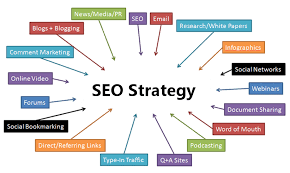
Keyword Research: Understanding the keywords and phrases your target audience is searching for is essential for creating relevant and engaging content that ranks well in search engine results.

On-Page Optimization: Optimizing your website’s structure, content, and meta tags to improve its relevance and readability for both users and search engines.

Quality Content: Creating high-quality, informative, and engaging content that not only attracts visitors but also encourages them to stay on your site and explore further.

Link Building: Building a network of quality backlinks from reputable sites to establish authority and credibility in the eyes of search engines.

The Benefits of an Effective SEO Strategy:

An effective SEO strategy can yield several benefits for your business, including:

  • Increased Visibility: By ranking higher in search engine results pages, you can attract more organic traffic to your website.
  • Better User Experience: A well-optimized website provides a seamless user experience, leading to higher engagement and conversion rates.
  • Credibility and Authority: Ranking well in search results establishes your brand as a credible source of information in your industry.
  • Long-Term Results: Unlike paid advertising, the effects of SEO are long-lasting and can continue to benefit your business over time.

In Conclusion

In today’s competitive digital landscape, implementing a robust SEO strategy is essential for businesses looking to stand out online. By focusing on key elements such as keyword research, on-page optimization, quality content creation, and link building, you can enhance your online presence, attract more visitors, and ultimately drive business growth through organic search traffic.


7 Essential SEO Strategies for Effective Digital Marketing

  1. 1. Conduct keyword research to identify relevant search terms for your target audience.
  2. 2. Optimise on-page elements such as title tags, meta descriptions, and headings with your chosen keywords.
  3. 3. Create high-quality, engaging content that provides value to users and encourages them to stay on your site.
  4. 4. Build quality backlinks from reputable websites to improve your site’s authority and credibility.
  5. 5. Ensure your website is mobile-friendly and has fast loading speeds for a better user experience.
  6. 6. Regularly monitor and analyse your SEO performance using tools like Google Analytics to make data-driven decisions.
  7. 7. Stay updated with the latest SEO trends and algorithm changes to adapt your strategy accordingly.

1. Conduct keyword research to identify relevant search terms for your target audience.

In the realm of digital marketing, a fundamental tip for enhancing your SEO strategy is to conduct thorough keyword research to pinpoint the most relevant search terms for your target audience. By understanding the specific keywords and phrases that your potential customers are using to search for products or services like yours, you can tailor your content and website optimisation efforts to align with their needs and preferences. This proactive approach not only boosts your visibility in search engine results but also helps attract qualified organic traffic that is more likely to convert into valuable leads or customers.

2. Optimise on-page elements such as title tags, meta descriptions, and headings with your chosen keywords.

To enhance your SEO strategy in digital marketing, it is crucial to optimise on-page elements such as title tags, meta descriptions, and headings with your selected keywords. By incorporating relevant keywords into these key areas of your website, you can improve its visibility and relevance to search engines. Crafting compelling title tags and meta descriptions that accurately reflect the content of each page can entice users to click through to your site, while strategically using keywords in headings can help search engines understand the context of your content better. This practice not only boosts your site’s SEO performance but also enhances user experience by providing clear and informative cues about your content.

3. Create high-quality, engaging content that provides value to users and encourages them to stay on your site.

Creating high-quality, engaging content that offers value to users is a fundamental aspect of a successful SEO strategy in digital marketing. By producing content that is informative, relevant, and compelling, businesses can not only attract visitors to their website but also keep them engaged and encourage them to explore further. This approach not only improves the user experience but also signals to search engines that your site offers valuable information, ultimately helping to boost your search engine rankings and drive organic traffic.

Building quality backlinks from reputable websites is a crucial aspect of a successful SEO strategy in digital marketing. By establishing a network of strong backlinks, your site gains authority and credibility in the eyes of search engines, which can significantly impact its ranking in search results. These high-quality backlinks act as endorsements from trusted sources, signalling to search engines that your content is valuable and relevant to users. This not only boosts your site’s visibility but also enhances its reputation within your industry, ultimately driving organic traffic and improving overall online performance.

5. Ensure your website is mobile-friendly and has fast loading speeds for a better user experience.

Ensuring that your website is mobile-friendly and loads quickly is a crucial aspect of an effective SEO strategy in digital marketing. With the increasing use of mobile devices for online browsing, having a responsive design that adapts to different screen sizes not only improves user experience but also contributes to higher search engine rankings. Fast loading speeds further enhance user satisfaction by reducing bounce rates and encouraging visitors to explore your site, ultimately leading to improved engagement and conversion rates. By prioritising mobile-friendliness and speed, you can create a seamless browsing experience that benefits both users and search engine algorithms.

6. Regularly monitor and analyse your SEO performance using tools like Google Analytics to make data-driven decisions.

Regularly monitoring and analysing your SEO performance using tools such as Google Analytics is a vital tip in developing a successful SEO strategy in digital marketing. By tracking key metrics like website traffic, user behaviour, and conversion rates, businesses can gain valuable insights into the effectiveness of their SEO efforts. This data-driven approach enables informed decision-making, allowing for adjustments and refinements to be made to optimise performance and achieve desired results in search engine rankings and overall online visibility.

It is crucial to stay informed about the latest SEO trends and algorithm changes in digital marketing to ensure the effectiveness of your strategy. By keeping up-to-date with industry developments, you can adapt your approach to align with best practices and maximise the impact of your SEO efforts. Remaining vigilant and responsive to changes in search engine algorithms allows you to stay ahead of the curve and maintain a competitive edge in the online landscape.

content marketing agency

Unlocking Success: The Role of a Content Marketing Agency in Your Digital Strategy

The Power of Content Marketing Agencies

The Power of Content Marketing Agencies

In today’s digital age, content is king. Businesses around the world are recognising the importance of creating high-quality, engaging content to attract and retain customers. This is where content marketing agencies come into play.

A content marketing agency is a specialised firm that focuses on creating and distributing valuable, relevant, and consistent content to attract a targeted audience. These agencies work closely with businesses to develop tailored content strategies that align with their goals and objectives.

One of the key advantages of partnering with a content marketing agency is their expertise in producing compelling content that resonates with the target audience. From blog posts and social media updates to videos and infographics, these agencies have the skills and resources to create a wide range of content types that drive engagement and build brand awareness.

Furthermore, content marketing agencies have a deep understanding of SEO (Search Engine Optimisation) best practices, helping businesses improve their online visibility and reach a larger audience. By incorporating relevant keywords and optimising content for search engines, these agencies can enhance a company’s online presence and drive organic traffic to their website.

Another benefit of working with a content marketing agency is their ability to track and measure the performance of your content initiatives. Through analytics tools and data analysis, these agencies can provide valuable insights into how your content is performing, allowing you to make informed decisions and refine your strategy for optimal results.

Overall, the role of a content marketing agency is invaluable in helping businesses create meaningful connections with their target audience through strategic, data-driven content initiatives. By leveraging the expertise and resources of these agencies, businesses can elevate their brand presence, drive customer engagement, and ultimately achieve their marketing objectives in today’s competitive digital landscape.


Top 8 FAQs About Content Marketing Agencies: Starting, Hiring, and Succeeding

  1. How do I start a content agency?
  2. What should I look for in a content marketing agency?
  3. Why should I hire a content marketing agency?
  4. How do I start a content marketing agency?
  5. How do content agencies get clients?
  6. What are the 4 main categories of content marketing?
  7. What companies are good at content marketing?
  8. What does a content marketing agency do?

How do I start a content agency?

Starting a content agency requires careful planning and strategic execution. To begin, it is essential to define your niche and target audience to differentiate your agency in the competitive market. Conduct thorough market research to understand industry trends and identify potential clients. Next, establish a strong brand identity and develop a portfolio showcasing your expertise in content creation, strategy, and marketing. Building a talented team of writers, designers, and marketers is crucial for delivering high-quality services to clients. Additionally, invest in technology and tools that streamline content production and analytics. Networking with industry professionals and actively promoting your agency through digital channels will help attract clients and grow your business effectively.

What should I look for in a content marketing agency?

When considering a content marketing agency, it is essential to look for certain key factors to ensure you are partnering with the right team for your business needs. Firstly, expertise and experience in creating engaging and relevant content across various platforms are crucial. A reputable agency should have a proven track record of delivering successful content strategies that align with your brand’s goals. Additionally, consider their knowledge of SEO best practices and their ability to measure and analyse the performance of your content. Transparency, communication, and a collaborative approach are also vital aspects to look for in a content marketing agency, as they will help foster a strong working relationship and drive effective results for your business.

Why should I hire a content marketing agency?

When considering why to hire a content marketing agency, it’s important to recognise the specialised expertise and resources they bring to the table. Content marketing agencies have a deep understanding of creating and distributing engaging content that resonates with your target audience. By partnering with a content marketing agency, you can benefit from their strategic approach to content creation, tailored to your specific goals and objectives. These agencies also possess the necessary skills in SEO best practices, enabling your business to improve online visibility and drive organic traffic. Ultimately, hiring a content marketing agency allows you to leverage their knowledge and experience to enhance your brand presence, engage customers effectively, and achieve tangible results in the competitive digital landscape.

How do I start a content marketing agency?

Starting a content marketing agency requires careful planning and strategic thinking. To begin, it is essential to define your niche and target market, identifying the specific industries or businesses you aim to serve with your content services. Next, focus on building a strong portfolio showcasing your expertise in content creation, strategy development, and digital marketing. Establishing a network of industry contacts and potential clients can also help kickstart your agency’s growth. Additionally, investing in the right tools and technologies to streamline content production and distribution processes is crucial for delivering high-quality results to your clients. Finally, staying updated on industry trends and continuously honing your skills will ensure your content marketing agency remains competitive and successful in the long run.

How do content agencies get clients?

Content marketing agencies employ various strategies to acquire clients and build lasting relationships. Firstly, many agencies leverage their online presence by showcasing their expertise through informative blogs, case studies, and social media content. This helps attract potential clients who are seeking solutions to their content marketing needs. Additionally, content agencies often engage in networking events, industry conferences, and partnerships with other businesses to expand their reach and connect with potential clients. Referrals from satisfied customers also play a significant role in bringing in new business for content agencies. By demonstrating their capabilities, delivering results, and fostering trust with clients, content agencies can effectively acquire clients and establish themselves as trusted partners in the ever-evolving world of digital marketing.

What are the 4 main categories of content marketing?

Content marketing encompasses a diverse range of strategies and approaches, with the 4 main categories being: written content, visual content, video content, and interactive content. Written content includes articles, blog posts, and whitepapers that aim to inform and educate audiences. Visual content such as infographics and images captivates viewers with compelling visuals. Video content is increasingly popular for its ability to engage and entertain audiences effectively. Interactive content like quizzes and surveys encourages active participation from users, enhancing their overall experience. Each category plays a unique role in a comprehensive content marketing strategy, catering to different audience preferences and driving engagement across various digital platforms.

What companies are good at content marketing?

When it comes to companies excelling in content marketing, several industry leaders stand out for their innovative and effective strategies. Brands like Red Bull, Coca-Cola, and HubSpot are often praised for their exceptional content marketing efforts. Red Bull, known for its high-energy brand image, has successfully leveraged content to engage its audience through extreme sports events and adrenaline-fueled storytelling. Coca-Cola’s “Content 2020” strategy focuses on creating liquid content that resonates with consumers on a personal level, fostering emotional connections with the brand. HubSpot, a pioneer in inbound marketing, provides valuable resources and educational content to help businesses succeed in the digital realm. These companies serve as prime examples of how strategic content marketing can drive brand awareness, customer loyalty, and business growth.

What does a content marketing agency do?

A content marketing agency specialises in creating and distributing valuable, relevant, and consistent content to attract and engage a targeted audience on behalf of businesses. These agencies work closely with clients to develop customised content strategies that align with their marketing goals. From crafting compelling blog posts and social media updates to producing engaging videos and infographics, content marketing agencies utilise their expertise to enhance brand visibility, drive customer engagement, and ultimately help businesses achieve their marketing objectives in the digital landscape.

amazon digital marketing strategy

Unlocking Success: Amazon’s Innovative Digital Marketing Strategy

Amazon Digital Marketing Strategy

The Power of Amazon’s Digital Marketing Strategy

Amazon, the e-commerce giant, has revolutionised the way we shop online. Central to its success is its robust digital marketing strategy that encompasses a range of tactics to attract, engage, and retain customers.

Personalised Recommendations

One key aspect of Amazon’s strategy is its use of data analytics to provide personalised product recommendations to users. By analysing customer behaviour and purchase history, Amazon can suggest relevant products, increasing the likelihood of conversion and enhancing the overall shopping experience.

Search Engine Optimisation (SEO)

Amazon invests heavily in SEO to ensure its products appear prominently in search engine results. By optimising product listings with relevant keywords and high-quality content, Amazon improves visibility and drives traffic to its platform.

Social Media Engagement

Amazon leverages social media channels to engage with customers and promote its products. Through targeted advertising campaigns on platforms like Facebook and Instagram, Amazon reaches a wider audience and drives conversions by directing users to its website.

Email Marketing Campaigns

Email marketing is another integral part of Amazon’s strategy. By sending personalised emails with product recommendations, promotions, and exclusive offers, Amazon nurtures customer relationships and encourages repeat purchases.

Prime Membership Programme

The Prime membership programme is a key component of Amazon’s digital marketing strategy. By offering exclusive benefits such as free shipping, access to streaming services, and special discounts, Amazon incentivises customers to become loyal members who frequently engage with the platform.

Conclusion

In conclusion, Amazon’s digital marketing strategy is a multifaceted approach that combines data-driven insights with innovative tactics to drive customer engagement and loyalty. By staying at the forefront of digital trends and continuously refining its strategies, Amazon continues to dominate the e-commerce landscape.


Understanding Amazon’s Digital Marketing Strategy: Frequently Asked Questions

  1. What digital marketing channels does Amazon use?
  2. Can we do digital marketing on Amazon?
  3. What marketing technique does Amazon use?
  4. What are the digital marketing strategies?
  5. What marketing strategy did Amazon use?
  6. Does Amazon use digital marketing?
  7. What is Amazon digital marketing strategy?
  8. What marketing strategy does Amazon use?
  9. What type of digital marketing does Amazon use?

What digital marketing channels does Amazon use?

Amazon utilises a diverse range of digital marketing channels to reach and engage its vast customer base. Some of the key channels employed by Amazon include personalised recommendations based on user data analysis, search engine optimisation (SEO) to enhance product visibility in search results, social media platforms for targeted advertising campaigns, email marketing for customer engagement and retention, and the Prime membership programme to incentivise loyalty. By leveraging these channels effectively, Amazon maximises its reach and impact in the competitive digital landscape.

Can we do digital marketing on Amazon?

Yes, digital marketing on Amazon is not only possible but also highly effective for businesses looking to increase their online visibility and drive sales. Amazon offers a range of advertising solutions that allow sellers to promote their products to a targeted audience within the platform. From sponsored product ads that appear in search results to display ads that target specific customer segments, Amazon provides ample opportunities for businesses to reach potential customers and drive conversions. By leveraging Amazon’s digital marketing tools and strategies, sellers can enhance their brand presence, boost product visibility, and ultimately maximise their sales potential on the platform.

What marketing technique does Amazon use?

Amazon employs a multifaceted digital marketing strategy that encompasses various techniques to engage and attract customers. Some key marketing techniques used by Amazon include personalised recommendations based on user behaviour and purchase history, search engine optimisation (SEO) to enhance product visibility in search results, social media engagement through targeted advertising campaigns, email marketing to nurture customer relationships and drive repeat purchases, and the Prime membership programme offering exclusive benefits to incentivise customer loyalty. By integrating these techniques seamlessly, Amazon creates a comprehensive marketing approach that drives customer engagement and contributes to its success as an e-commerce giant.

What are the digital marketing strategies?

When it comes to Amazon’s digital marketing strategy, a variety of tactics are employed to maximise reach and engagement with customers. These strategies include personalised product recommendations based on data analytics, search engine optimisation (SEO) to enhance visibility in search results, social media engagement through targeted advertising campaigns, email marketing initiatives for customer retention and promotion, as well as the Prime membership programme offering exclusive benefits to drive loyalty. By integrating these diverse strategies, Amazon effectively leverages digital channels to attract, retain, and satisfy its customer base while staying ahead in the competitive e-commerce landscape.

What marketing strategy did Amazon use?

Amazon has employed a comprehensive and multi-faceted marketing strategy to establish itself as a global e-commerce powerhouse. From personalised product recommendations based on customer data analysis to search engine optimisation (SEO) tactics that enhance visibility, Amazon utilises a range of digital marketing techniques to attract and retain customers. The company also leverages social media platforms for targeted advertising and engages users through email marketing campaigns. Additionally, the Prime membership programme plays a significant role in fostering customer loyalty through exclusive benefits and incentives. Overall, Amazon’s strategic approach to digital marketing is characterised by its adaptability, innovation, and commitment to delivering a seamless shopping experience for its customers.

Does Amazon use digital marketing?

Yes, Amazon employs a comprehensive digital marketing strategy to promote its products and services. From personalised recommendations and search engine optimisation to social media engagement and email marketing campaigns, Amazon utilises a range of digital marketing tactics to attract, engage, and retain customers. The company’s strategic use of data analytics, targeted advertising, and customer-centric initiatives demonstrates its commitment to leveraging digital channels effectively to drive sales and enhance the overall shopping experience for users.

What is Amazon digital marketing strategy?

Amazon’s digital marketing strategy is a comprehensive approach that utilises data analytics, personalised recommendations, search engine optimisation (SEO), social media engagement, email marketing campaigns, and the Prime membership programme to attract, engage, and retain customers. By leveraging these tactics effectively, Amazon enhances the online shopping experience for users, drives traffic to its platform, improves visibility in search engine results, nurtures customer relationships through targeted communication, and incentivises loyalty through exclusive benefits. This multifaceted strategy underscores Amazon’s commitment to innovation and customer-centricity in the competitive e-commerce landscape.

What marketing strategy does Amazon use?

Amazon employs a comprehensive digital marketing strategy that encompasses various tactics to drive customer engagement and boost sales. Key elements of Amazon’s strategy include personalised product recommendations based on user behaviour, search engine optimisation to enhance visibility in search results, social media engagement through targeted advertising campaigns, email marketing with tailored promotions and offers, and the Prime membership programme that incentivises customer loyalty. By leveraging data analytics and innovative approaches, Amazon continues to set the benchmark for effective digital marketing strategies in the e-commerce industry.

What type of digital marketing does Amazon use?

Amazon employs a comprehensive digital marketing strategy that encompasses various tactics to enhance its online presence and drive customer engagement. Some key types of digital marketing used by Amazon include personalised recommendations based on data analytics, search engine optimisation (SEO) to improve product visibility, social media engagement through targeted advertising campaigns, email marketing for customer retention and promotion, and the Prime membership programme to incentivise customer loyalty. By leveraging these diverse digital marketing channels effectively, Amazon maximises its reach and influence in the competitive e-commerce landscape.

effective digital marketing strategy

Crafting an Effective Digital Marketing Strategy for Success

The Key Elements of an Effective Digital Marketing Strategy

The Key Elements of an Effective Digital Marketing Strategy

In today’s digital age, having a strong online presence is crucial for the success of any business. A well-crafted digital marketing strategy can help you reach your target audience, increase brand awareness, and drive conversions. Here are some key elements to consider when developing an effective digital marketing strategy:

Define Your Goals

Before diving into digital marketing tactics, it’s essential to clearly define your goals. Whether you aim to increase website traffic, generate leads, or boost sales, having specific and measurable objectives will guide your strategy and help you track your progress.

Know Your Audience

Understanding your target audience is fundamental to creating relevant and engaging content. Conduct market research to identify the demographics, interests, and online behaviour of your potential customers. This insight will enable you to tailor your messaging and delivery channels to resonate with your audience.

Utilise Multiple Channels

A successful digital marketing strategy often involves leveraging multiple channels to reach a wider audience. From social media and email marketing to search engine optimisation (SEO) and pay-per-click (PPC) advertising, diversifying your approach can maximise your reach and engagement levels.

Content is King

Compelling content lies at the core of any effective digital marketing strategy. Whether it’s blog posts, videos, infographics, or social media updates, creating high-quality and valuable content will attract and retain your audience’s attention. Remember to keep your messaging consistent with your brand voice and values.

Monitor and Analyse Performance

Regularly monitoring the performance of your digital marketing efforts is crucial for refining your strategy and achieving optimal results. Use analytics tools to track key metrics such as website traffic, conversion rates, click-through rates, and engagement levels. By analysing this data, you can identify what works well and what areas need improvement.

Adapt and Evolve

The digital landscape is constantly evolving, so it’s important to stay agile and adapt to changes in consumer behaviour and technology trends. Be open to experimenting with new strategies and tactics while continuously optimising your existing campaigns based on performance insights.

In conclusion, an effective digital marketing strategy requires careful planning, audience understanding, creative content creation, data-driven analysis, and a willingness to adapt to market dynamics. By implementing these key elements into your approach, you can enhance brand visibility, engage with customers effectively, and drive business growth in the competitive online marketplace.


Nine Benefits of an Effective Digital Marketing Strategy: Boosting Visibility, Engagement, and Growth

  1. Increased brand visibility online
  2. Targeted reach to specific audience segments
  3. Cost-effective compared to traditional marketing methods
  4. Ability to track and measure campaign performance in real-time
  5. Enhanced engagement with customers through interactive content
  6. Improved lead generation and conversion rates
  7. Opportunity for global reach and expansion of market presence
  8. Facilitates personalised communication with customers
  9. Adaptable to changing trends and consumer behaviour


Challenges in Crafting an Effective Digital Marketing Strategy: Resource Demands, Rapid Changes, Market Saturation, and Measurement Complexity

  1. 1. Resource Intensive
  2. 2. Rapid Changes
  3. 3. Saturation
  4. 4. Measurement Complexity

Increased brand visibility online

Increased brand visibility online is a significant advantage of implementing an effective digital marketing strategy. By strategically promoting your brand across various online channels such as social media, search engines, and websites, you can enhance your visibility to a wider audience. This heightened visibility not only increases brand recognition but also helps establish credibility and trust among potential customers. With a strong online presence, your brand can stand out in the crowded digital landscape and attract more attention, ultimately leading to greater brand awareness and potential business growth.

Targeted reach to specific audience segments

An important advantage of implementing an effective digital marketing strategy is the ability to achieve targeted reach to specific audience segments. By identifying and understanding different audience groups based on demographics, interests, and online behaviour, businesses can tailor their marketing messages and content to resonate with these specific segments. This targeted approach increases the likelihood of engaging with the right audience, driving higher conversion rates, and ultimately maximising the return on investment for digital marketing campaigns.

Cost-effective compared to traditional marketing methods

One significant advantage of implementing an effective digital marketing strategy is its cost-effectiveness when compared to traditional marketing methods. Digital channels offer businesses the opportunity to reach a large audience at a fraction of the cost associated with traditional advertising mediums such as print, television, or radio. With targeted online campaigns, businesses can allocate their budget more efficiently by reaching specific demographics and measuring the impact of their marketing efforts in real-time. This cost-effective approach allows businesses to maximise their return on investment and achieve measurable results while staying within their budget constraints.

Ability to track and measure campaign performance in real-time

An invaluable benefit of implementing an effective digital marketing strategy is the ability to track and measure campaign performance in real-time. By leveraging analytics tools and data metrics, businesses can gain immediate insights into the effectiveness of their marketing efforts. This real-time monitoring allows for quick adjustments and optimisations to maximise results, ensuring that resources are allocated efficiently and strategies are fine-tuned for optimal performance.

Enhanced engagement with customers through interactive content

Enhanced engagement with customers through interactive content is a key benefit of an effective digital marketing strategy. By creating interactive elements such as quizzes, polls, videos, and games, businesses can captivate their audience and encourage active participation. This not only increases customer interaction but also fosters a sense of connection and loyalty. Interactive content allows brands to personalise the user experience, gather valuable insights into customer preferences, and ultimately build stronger relationships with their target audience.

Improved lead generation and conversion rates

An effective digital marketing strategy can significantly enhance lead generation and conversion rates for businesses. By targeting the right audience with tailored content and engaging marketing campaigns across various online channels, companies can attract qualified leads and guide them through the conversion funnel more effectively. This proactive approach not only increases the quantity of leads but also improves the quality, resulting in higher conversion rates and ultimately boosting sales and revenue.

Opportunity for global reach and expansion of market presence

An effective digital marketing strategy offers businesses the opportunity for global reach and expansion of market presence. By leveraging online channels such as social media, search engines, and email marketing, companies can connect with audiences worldwide and increase brand visibility on a global scale. This enables businesses to tap into new markets, reach diverse demographics, and establish a strong international presence without the limitations of traditional geographical boundaries. With the right digital marketing approach, businesses can extend their market reach beyond local constraints and unlock growth opportunities in a borderless digital landscape.

Facilitates personalised communication with customers

An important advantage of an effective digital marketing strategy is its ability to facilitate personalised communication with customers. By leveraging data analytics and segmentation techniques, businesses can tailor their messages and offers to match the specific preferences and behaviours of individual customers. This personalised approach not only enhances customer engagement but also fosters stronger relationships, leading to increased brand loyalty and higher conversion rates. Through targeted communication, businesses can deliver relevant content that resonates with each customer, ultimately driving better results and long-term success in the competitive digital landscape.

An important advantage of an effective digital marketing strategy is its adaptability to changing trends and consumer behaviour. By staying attuned to shifts in the digital landscape and evolving consumer preferences, businesses can adjust their marketing tactics swiftly to remain relevant and engaging. This flexibility allows companies to capitalise on emerging opportunities, connect with their target audience more effectively, and stay ahead of the competition in a dynamic online environment.

1. Resource Intensive

One notable drawback of an effective digital marketing strategy is its resource-intensive nature. The process of developing and executing a successful digital marketing plan demands a substantial investment of time, effort, and financial resources. From conducting market research and creating engaging content to managing multiple online channels and analysing performance metrics, the comprehensive nature of digital marketing initiatives can place a strain on a company’s resources. Businesses must carefully balance the costs associated with implementing such strategies against the potential benefits in terms of brand visibility and customer engagement.

2. Rapid Changes

One significant drawback of implementing an effective digital marketing strategy is the rapid pace of change within the digital landscape. The constant evolution of technology and emerging trends poses a challenge for businesses to stay up-to-date and adapt their strategies accordingly. This fast-paced environment requires continuous monitoring and adjustment to ensure that marketing efforts remain relevant and effective in reaching the target audience amidst ever-changing digital dynamics.

3. Saturation

In the realm of digital marketing, one significant drawback is the issue of saturation. The vast proliferation of online content and advertisements has created a highly competitive landscape where businesses struggle to differentiate themselves and capture the attention of their target audience amidst the overwhelming noise. Standing out in this crowded digital space requires innovative strategies and compelling content to cut through the clutter and make a lasting impact on consumers.

4. Measurement Complexity

One significant drawback of implementing an effective digital marketing strategy is the complexity associated with measuring its success. Tracking a multitude of metrics and data points to evaluate the performance of digital campaigns can be overwhelming for many businesses. The need to interpret and make sense of this data poses a challenge, requiring dedicated resources and expertise to ensure accurate analysis and decision-making. This measurement complexity can hinder some organisations from fully understanding the impact of their digital marketing efforts and optimising their strategies accordingly.

online content marketing services

Unlocking the Potential of Online Content Marketing Services

Online Content Marketing Services

The Power of Online Content Marketing Services

In today’s digital age, online content marketing has become a crucial strategy for businesses looking to engage with their target audience, build brand awareness, and drive conversions. With the vast amount of information available online, it is essential for companies to create high-quality and relevant content that resonates with their customers.

What are Online Content Marketing Services?

Online content marketing services encompass a range of strategies aimed at creating and distributing valuable content to attract and retain a clearly defined audience. These services may include:

  • Content Strategy: Developing a comprehensive plan to align content creation with business goals and target audience needs.
  • Content Creation: Producing engaging and informative articles, blog posts, videos, infographics, and more to capture the audience’s interest.
  • Content Distribution: Promoting content across various online channels such as social media, email marketing, and search engines to reach a wider audience.
  • Content Analytics: Monitoring and analysing the performance of content campaigns to measure success and make data-driven decisions for future strategies.

The Benefits of Online Content Marketing Services

Effective online content marketing services offer numerous benefits for businesses:

  • Increased Brand Visibility: By consistently producing valuable content, businesses can enhance their online presence and attract more potential customers.
  • Improved Customer Engagement: Quality content helps build trust with customers and encourages them to interact with the brand through likes, shares, comments, and more.
  • Enhanced SEO Performance: Well-optimised content can improve search engine rankings and drive organic traffic to the website.
  • Higher Conversion Rates: Relevant and compelling content can influence buying decisions and convert leads into customers.

In Conclusion

In conclusion, online content marketing services play a vital role in helping businesses connect with their target audience in the digital landscape. By investing in quality content creation, distribution, and analysis, companies can establish themselves as industry leaders and drive meaningful engagement with their customers.


9 Essential Tips for Mastering Online Content Marketing Services

  1. Understand your target audience and their needs.
  2. Create high-quality, engaging content that provides value.
  3. Use SEO techniques to improve visibility in search engines.
  4. Utilise social media platforms to promote your content.
  5. Collaborate with influencers or other brands for wider reach.
  6. Analyse data and track performance to make informed decisions.
  7. Stay updated on industry trends and adapt your strategy accordingly.
  8. Encourage user interaction through comments, shares, and likes.
  9. Provide a clear call-to-action to guide users towards desired outcomes.

Understand your target audience and their needs.

To succeed in online content marketing services, it is crucial to thoroughly understand your target audience and their specific needs. By conducting thorough research and analysis, businesses can tailor their content to resonate with their audience, address their pain points, and provide valuable solutions. This deep understanding allows companies to create engaging and relevant content that not only attracts the right audience but also builds trust and fosters long-lasting relationships with customers. By putting the audience at the forefront of content creation strategies, businesses can effectively drive engagement, conversions, and brand loyalty in the competitive digital landscape.

Create high-quality, engaging content that provides value.

To succeed in online content marketing services, it is essential to focus on creating high-quality, engaging content that offers genuine value to the target audience. By producing content that is informative, entertaining, and relevant to the audience’s needs and interests, businesses can establish credibility, build trust with their customers, and drive meaningful engagement. Quality content not only attracts and retains the audience’s attention but also positions the brand as a valuable resource in its industry, ultimately leading to increased brand visibility and customer loyalty.

Use SEO techniques to improve visibility in search engines.

Utilising SEO techniques is essential for enhancing visibility in search engines as part of effective online content marketing services. By implementing strategies such as keyword research, on-page optimisation, and link building, businesses can improve their website’s ranking in search results and attract more organic traffic. SEO not only helps increase brand visibility but also ensures that the content reaches the right audience at the right time, ultimately driving conversions and achieving business goals.

Utilise social media platforms to promote your content.

To maximise the reach and impact of your online content marketing efforts, it is essential to leverage social media platforms as powerful promotional tools. By strategically sharing your content across platforms such as Facebook, Twitter, Instagram, and LinkedIn, you can engage with a wider audience, drive traffic to your website, and foster meaningful interactions with potential customers. Social media enables you to amplify the visibility of your content, increase brand awareness, and ultimately enhance your overall digital marketing strategy.

Collaborate with influencers or other brands for wider reach.

Collaborating with influencers or other brands can significantly expand the reach of your online content marketing efforts. By partnering with individuals or businesses that have a strong following or influence in your industry, you can tap into their audience and leverage their credibility to increase brand visibility and engagement. This collaborative approach not only helps you reach a wider demographic but also allows you to benefit from the unique perspectives and expertise of your partners, ultimately enhancing the effectiveness of your content marketing strategy.

Analyse data and track performance to make informed decisions.

Analysing data and tracking performance are essential components of effective online content marketing services. By monitoring key metrics such as engagement rates, conversion rates, and website traffic, businesses can gain valuable insights into the effectiveness of their content strategies. This data-driven approach allows companies to identify what is working well and what areas need improvement, enabling them to make informed decisions to optimise their content and achieve better results.

To succeed in online content marketing services, it is essential to stay informed about the latest industry trends and adapt your strategy accordingly. By keeping a close eye on emerging technologies, consumer preferences, and market dynamics, businesses can ensure that their content remains relevant and engaging. Adapting your strategy in response to industry trends not only demonstrates your flexibility but also positions your brand as a forward-thinking authority in the digital space. Embracing change and innovation can lead to increased audience engagement and long-term success in the competitive online landscape.

Encourage user interaction through comments, shares, and likes.

To enhance the effectiveness of online content marketing services, it is essential to encourage user interaction through comments, shares, and likes. By fostering engagement with the audience, businesses can build a sense of community around their content, strengthen relationships with customers, and increase brand visibility. User-generated interactions not only indicate interest and satisfaction but also contribute to organic reach and virality, amplifying the impact of the content across digital platforms.

Provide a clear call-to-action to guide users towards desired outcomes.

In the realm of online content marketing services, a valuable tip is to always provide a clear call-to-action that guides users towards desired outcomes. By incorporating a compelling and easily identifiable call-to-action in your content, such as “Sign up for our newsletter” or “Shop now,” you can prompt users to take the next step in their customer journey. This strategic approach not only enhances user engagement but also increases the likelihood of conversions, ultimately driving the desired results for your business.