content creation

Crafting Compelling Content: Mastering the Art of Content Creation

The Art of Content Creation

The Art of Content Creation

Content creation is a fundamental aspect of any successful digital marketing strategy. It involves the process of producing relevant, valuable, and engaging material to attract and retain a target audience. In today’s fast-paced online world, creating high-quality content is essential for building brand awareness, driving traffic to your website, and establishing credibility in your industry.

Understanding Your Audience

Before diving into content creation, it is crucial to understand your target audience. By knowing their demographics, preferences, and pain points, you can tailor your content to resonate with them effectively. Conducting thorough research and creating buyer personas can help you create content that addresses the specific needs of your audience.

Types of Content

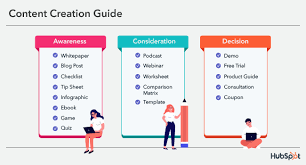
Content comes in various forms, including blog posts, articles, videos, infographics, podcasts, social media posts, and more. Each type serves a different purpose and appeals to different audiences. It is essential to diversify your content strategy to cater to the preferences of your target audience and keep them engaged across different channels.

Creating Compelling Content

To create compelling content that resonates with your audience, it is essential to focus on quality over quantity. Your content should be well-researched, informative, original, and visually appealing. Incorporating storytelling elements can help captivate your audience and establish an emotional connection with them.

Optimising for Search Engines

Search engine optimisation (SEO) plays a crucial role in content creation. By incorporating relevant keywords, meta descriptions, alt text for images, and internal links in your content, you can improve its visibility on search engine results pages (SERPs) and attract organic traffic to your website.

Measuring Success

Once you have created and published your content, it is essential to track its performance using analytics tools. Monitor key metrics such as website traffic, engagement rates, conversion rates, and social shares to evaluate the effectiveness of your content strategy. Use this data to make informed decisions and refine your future content creation efforts.

In Conclusion

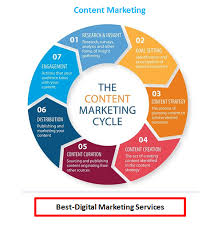
Content creation is an art that requires creativity, strategic thinking, and continuous refinement. By understanding your audience’s needs, creating diverse types of compelling content optimised for search engines and measuring success through analytics tools you can build a successful digital presence that resonates with your target audience.


Essential FAQs on Mastering Content Creation for Business Success

  1. What is content creation?
  2. Why is content creation important for businesses?
  3. How do you create engaging content?
  4. What are the different types of content that can be created?
  5. How can I improve my content creation skills?
  6. What role does storytelling play in content creation?
  7. How important is search engine optimisation (SEO) in content creation?
  8. What tools can help with content creation?

What is content creation?

Content creation encompasses the process of developing and producing valuable and engaging material to attract and retain a specific audience. It involves crafting various forms of content, such as articles, blog posts, videos, infographics, and social media posts, with the aim of delivering relevant information that resonates with the target audience. Content creation is a fundamental component of digital marketing strategies, serving to build brand awareness, drive website traffic, and establish credibility within an industry. By understanding the needs and preferences of the intended audience, content creators can tailor their material to effectively communicate messages that captivate and connect with their viewers or readers.

Why is content creation important for businesses?

Content creation is crucial for businesses as it serves as a powerful tool to engage with their target audience, build brand credibility, and drive traffic to their digital platforms. By consistently producing high-quality and relevant content, businesses can establish themselves as industry experts, attract new customers, and retain existing ones. Effective content creation also plays a vital role in improving search engine visibility, enhancing brand awareness, and fostering meaningful relationships with customers. In today’s competitive market landscape, investing in content creation is essential for businesses looking to stand out, connect with their audience on a deeper level, and ultimately achieve long-term success.

How do you create engaging content?

Creating engaging content is a multifaceted process that involves understanding your target audience, identifying their interests and preferences, and delivering value through compelling storytelling and visuals. To create engaging content, it is essential to conduct thorough research, utilise data-driven insights, and incorporate elements that resonate with your audience emotionally. By focusing on authenticity, relevance, and creativity, you can capture the attention of your audience and foster meaningful connections that drive interaction and encourage them to take action.

What are the different types of content that can be created?

When it comes to content creation, there is a wide range of content types that can be crafted to engage and resonate with audiences. From informative blog posts and articles to visually appealing infographics, engaging videos, entertaining podcasts, and interactive social media posts, the possibilities are endless. Each type of content serves a unique purpose and appeals to different preferences within your target audience. By diversifying your content strategy and exploring various formats, you can effectively capture the attention of your audience across different platforms and channels.

How can I improve my content creation skills?

Improving your content creation skills involves a combination of practice, learning, and staying updated with industry trends. To enhance your skills, consider experimenting with different types of content, such as blog posts, videos, or infographics, to find what resonates best with your audience. Additionally, seek feedback from peers or mentors to gain valuable insights and constructive criticism. Investing time in continuous learning through online courses, workshops, or reading industry blogs can also help you stay informed about the latest techniques and best practices in content creation. Remember that consistency and perseverance are key to honing your content creation skills over time.

What role does storytelling play in content creation?

Storytelling plays a pivotal role in content creation by adding depth, emotion, and relatability to the material. Through storytelling, brands can connect with their audience on a personal level, evoke empathy, and create a memorable experience that resonates long after the content is consumed. By weaving narratives into their content, businesses can capture attention, build trust, and differentiate themselves in a crowded digital landscape. Effective storytelling not only engages the audience but also conveys key messages in a compelling and memorable way, making it an essential element of successful content creation strategies.

How important is search engine optimisation (SEO) in content creation?

Search engine optimisation (SEO) plays a vital role in content creation by enhancing the visibility and discoverability of your content online. Incorporating SEO best practices, such as using relevant keywords, meta descriptions, and internal links, can help improve your content’s ranking on search engine results pages (SERPs). By optimising your content for search engines, you increase the likelihood of attracting organic traffic to your website and reaching a wider audience. Therefore, SEO is essential in content creation as it ensures that your valuable and engaging material is effectively found and consumed by your target audience.

What tools can help with content creation?

When it comes to content creation, there are various tools available to assist in the process and enhance the quality of your output. From content planning and idea generation to design and editing, tools such as content management systems like WordPress, graphic design software like Canva or Adobe Creative Cloud, keyword research tools like SEMrush or Ahrefs, and grammar checking tools like Grammarly can all play a valuable role in streamlining your content creation workflow. These tools can help you create engaging and visually appealing content that resonates with your audience while saving time and improving overall efficiency.

online advertising

Unlocking Success: The Impact of Online Advertising Strategies in the Digital Age

The Power of Online Advertising

The Power of Online Advertising

In today’s digital age, online advertising has revolutionised the way businesses promote their products and services. With the vast reach of the internet, companies can connect with their target audience in ways never before possible.

Targeted Marketing

One of the key advantages of online advertising is its ability to target specific demographics and interests. Through data analytics and user behaviour tracking, businesses can tailor their ads to reach the most relevant audience, increasing the likelihood of conversion.

Cost-Effective Solutions

Compared to traditional forms of advertising such as print or TV, online advertising offers cost-effective solutions for businesses of all sizes. With pay-per-click (PPC) models, companies only pay when users interact with their ads, making it a measurable and efficient way to allocate marketing budgets.

Real-Time Performance Tracking

Online advertising provides real-time performance tracking tools that allow businesses to monitor the effectiveness of their campaigns instantly. By analysing metrics such as click-through rates, conversion rates, and engagement levels, companies can adjust their strategies on the fly to maximise results.

Global Reach

Through online advertising, businesses can reach a global audience without geographical limitations. Whether targeting local customers or expanding into new markets abroad, digital platforms offer unparalleled access to potential customers around the world.

Interactive Engagement

Interactive formats such as video ads, social media promotions, and immersive experiences enable businesses to engage with their audience in dynamic ways. By creating compelling content that resonates with users, companies can build brand loyalty and drive customer retention.

In conclusion, online advertising has transformed the marketing landscape by providing targeted, cost-effective, and measurable solutions for businesses seeking to connect with their audience in meaningful ways. Embracing digital platforms opens up a world of opportunities for companies looking to grow their brand presence and drive success in today’s competitive marketplace.


Essential FAQs on Online Advertising: Understanding, Benefits, and Best Practices

  1. What is online advertising?
  2. How does online advertising work?
  3. What are the benefits of online advertising?
  4. What are the different types of online advertising?
  5. How can businesses measure the effectiveness of online advertising campaigns?
  6. What is retargeting in online advertising?
  7. What are some best practices for creating successful online ads?
  8. How can businesses target specific audiences with online advertising?

What is online advertising?

Online advertising refers to the practice of promoting products, services, or brands on digital platforms such as websites, social media, search engines, and mobile apps. It encompasses various formats including display ads, video ads, sponsored content, and social media promotions. Online advertising allows businesses to reach their target audience in a more targeted and measurable way compared to traditional forms of advertising. By leveraging data analytics and user behaviour tracking, companies can tailor their ad campaigns to specific demographics and interests, ultimately driving engagement, conversions, and brand awareness in the digital realm.

How does online advertising work?

Online advertising operates through a variety of channels and strategies to reach target audiences on the internet. It typically involves businesses creating ads that are displayed on websites, search engines, social media platforms, or mobile apps. These ads can take various forms, such as banner ads, sponsored content, or video promotions. The key mechanism behind online advertising is targeting – using data analytics and user behaviour tracking to deliver relevant ads to specific demographics or interests. Through pay-per-click (PPC) models, businesses only pay when users interact with their ads, making it a cost-effective and measurable way to drive traffic and conversions. Overall, online advertising works by leveraging digital platforms to connect businesses with their desired audience and drive engagement with their products or services.

What are the benefits of online advertising?

Online advertising offers a multitude of benefits for businesses looking to enhance their marketing strategies. One key advantage is the ability to target specific demographics and interests, ensuring that ads reach the most relevant audience for increased conversion rates. Additionally, online advertising provides cost-effective solutions through pay-per-click models, allowing companies to allocate their marketing budgets efficiently. Real-time performance tracking tools enable businesses to monitor campaign effectiveness instantly and make adjustments for optimal results. With a global reach and interactive engagement opportunities, online advertising empowers businesses to connect with a vast audience and build brand loyalty in today’s digital landscape.

What are the different types of online advertising?

When exploring the realm of online advertising, it’s common to ponder about the various types available to businesses. Online advertising encompasses a diverse range of formats and strategies, including display ads, search engine marketing (SEM), social media advertising, video ads, influencer partnerships, email marketing, and native advertising. Each type offers unique benefits and caters to different goals, whether it’s increasing brand awareness, driving website traffic, or boosting conversions. Understanding the nuances of these different online advertising avenues can empower businesses to craft targeted campaigns that resonate with their target audience and yield optimal results in the digital landscape.

How can businesses measure the effectiveness of online advertising campaigns?

Businesses can measure the effectiveness of online advertising campaigns through a variety of key performance indicators (KPIs) that provide valuable insights into the impact and success of their digital strategies. Metrics such as click-through rates, conversion rates, return on investment (ROI), cost per acquisition (CPA), and engagement levels help businesses evaluate the performance of their ads and assess the overall effectiveness of their campaigns. By tracking these KPIs in real-time and analysing the data collected, businesses can make informed decisions, optimise their marketing efforts, and achieve measurable results that align with their objectives.

What is retargeting in online advertising?

Retargeting in online advertising is a powerful strategy that involves targeting users who have previously interacted with a brand’s website or products. This technique allows businesses to display tailored ads to these users as they browse the internet, reminding them of their interest and encouraging them to revisit the site or complete a desired action. By keeping their brand top of mind and re-engaging with potential customers, retargeting helps businesses increase conversion rates and drive meaningful engagement with their target audience.

What are some best practices for creating successful online ads?

When it comes to creating successful online ads, several best practices can help maximise their effectiveness. Firstly, it is crucial to clearly define the target audience and tailor the ad content to resonate with their interests and needs. Compelling visuals and concise, engaging copy are essential to capture users’ attention in the competitive digital landscape. Utilising strong calls-to-action that prompt immediate action can drive conversions. Regularly testing and optimising ad performance based on data analytics ensures continuous improvement. Lastly, maintaining consistency across all elements of the ad campaign, from messaging to branding, contributes to building a strong and recognisable online presence that resonates with the audience. By following these best practices, businesses can create online ads that stand out and deliver measurable results.

How can businesses target specific audiences with online advertising?

Businesses can target specific audiences with online advertising through a variety of sophisticated targeting options available on digital platforms. By leveraging data analytics and user behaviour tracking, businesses can define their target audience based on demographics, interests, online activities, and purchasing behaviour. Utilising tools such as geotargeting, device targeting, and retargeting, businesses can tailor their ads to reach the most relevant audience segments. Additionally, platforms like social media and search engines offer advanced targeting features that allow businesses to refine their audience selection based on factors such as age, gender, location, and even specific interests or behaviours. By utilising these targeted advertising capabilities effectively, businesses can maximise the impact of their campaigns and improve the likelihood of engaging with the right audience for their products or services.

digital marketing agency

Elevate Your Brand with a Leading Digital Marketing Agency in the UK

The Role of a Digital Marketing Agency in Today’s Business Landscape

The Role of a Digital Marketing Agency in Today’s Business Landscape

In the fast-paced digital age, having a strong online presence is crucial for the success of any business. This is where digital marketing agencies play a vital role in helping companies navigate the complex world of digital marketing and reach their target audience effectively.

A digital marketing agency is a team of experts who specialise in various aspects of online marketing, including search engine optimisation (SEO), pay-per-click (PPC) advertising, social media management, content creation, email marketing, and more. These agencies work closely with businesses to develop and implement tailored strategies that drive traffic, generate leads, and increase conversions.

One of the key advantages of partnering with a digital marketing agency is access to specialised knowledge and expertise. Digital marketers stay up-to-date with the latest trends and best practices in the industry, allowing them to create cutting-edge campaigns that deliver results. By leveraging their skills and experience, businesses can stay ahead of the competition and maximise their online visibility.

Furthermore, digital marketing agencies provide valuable insights through data analysis and reporting. By monitoring key performance metrics and tracking campaign progress, agencies can make data-driven decisions to optimise strategies for better outcomes. This analytical approach enables businesses to refine their marketing efforts and achieve measurable success.

Collaborating with a digital marketing agency also offers scalability and flexibility for businesses of all sizes. Whether you are a small startup or a large corporation, an agency can tailor its services to meet your specific needs and budget requirements. This adaptability ensures that you get the most out of your marketing investment without compromising on quality.

In conclusion, the role of a digital marketing agency is indispensable in today’s competitive business landscape. By harnessing the power of digital channels and strategic thinking, these agencies help businesses build brand awareness, engage with customers, and drive growth in an increasingly digital world.


6 Essential Tips for Boosting Your Digital Marketing Agency’s Success

  1. Understand your target audience and their needs.
  2. Create a strong online presence through website and social media platforms.
  3. Utilize various digital marketing channels such as SEO, SEM, and social media advertising.
  4. Provide valuable and engaging content to attract and retain customers.
  5. Analyse data regularly to measure the effectiveness of your campaigns.
  6. Stay updated with the latest trends in digital marketing to remain competitive.

Understand your target audience and their needs.

To maximise the effectiveness of your digital marketing efforts, it is essential to understand your target audience and their needs. By gaining insights into the demographics, preferences, and behaviours of your audience, you can tailor your marketing strategies to resonate with them effectively. This customer-centric approach not only helps in creating relevant and engaging content but also enables you to deliver personalised experiences that drive engagement and conversions. Ultimately, by putting your audience at the forefront of your digital marketing initiatives, you can build stronger connections with them and achieve greater success in reaching your business goals.

Create a strong online presence through website and social media platforms.

Creating a strong online presence through a well-designed website and active engagement on social media platforms is essential for any business looking to succeed in the digital realm. A professional website serves as the digital storefront, showcasing products or services to potential customers 24/7. Meanwhile, social media platforms provide a direct line of communication with the target audience, allowing businesses to build relationships, share valuable content, and increase brand visibility. By leveraging these online channels effectively, a digital marketing agency can help businesses establish credibility, attract new customers, and drive growth in today’s competitive online landscape.

Utilize various digital marketing channels such as SEO, SEM, and social media advertising.

To maximise the impact of your digital marketing efforts, it is essential to leverage a diverse range of online channels. Incorporating strategies like Search Engine Optimisation (SEO), Search Engine Marketing (SEM), and social media advertising can significantly enhance your brand’s visibility and engagement with target audiences. By utilising these different channels effectively, a digital marketing agency can create a comprehensive and integrated approach that drives traffic, boosts conversions, and ultimately helps your business thrive in the competitive online landscape.

Provide valuable and engaging content to attract and retain customers.

To effectively engage with customers and foster long-term relationships, it is essential for a digital marketing agency to focus on delivering valuable and engaging content. By providing informative and relevant content that resonates with the target audience, businesses can attract new customers, retain existing ones, and establish themselves as authorities in their industry. Engaging content not only captures the attention of potential customers but also encourages them to interact with the brand, ultimately leading to increased brand loyalty and customer satisfaction.

Analyse data regularly to measure the effectiveness of your campaigns.

Regularly analysing data is a crucial tip for any digital marketing agency to measure the effectiveness of their campaigns. By monitoring key performance indicators and metrics, such as website traffic, conversion rates, and engagement levels, agencies can gain valuable insights into what is working well and where improvements can be made. This data-driven approach allows agencies to make informed decisions, refine their strategies, and ultimately achieve better results for their clients in the ever-evolving digital landscape.

To remain competitive in the ever-evolving digital landscape, it is essential for businesses to stay updated with the latest trends in digital marketing. By keeping abreast of emerging technologies, consumer behaviours, and industry developments, a digital marketing agency can adapt and innovate its strategies to stay ahead of the curve. This proactive approach not only ensures that businesses remain relevant in the eyes of their target audience but also allows them to leverage new opportunities for growth and success.