international digital marketing

Mastering the Art of International Digital Marketing: Strategies for Global Success

The Power of International Digital Marketing

In today’s interconnected world, businesses are no longer limited by geographical boundaries when it comes to reaching their target audience. International digital marketing has emerged as a powerful tool for companies looking to expand their global footprint and connect with customers around the world.

One of the key advantages of international digital marketing is its ability to transcend physical barriers and engage with diverse audiences in different countries. Through strategic use of online channels such as social media, search engine optimisation (SEO), email marketing, and content creation, businesses can tailor their messages to resonate with specific cultural nuances and preferences.

Moreover, international digital marketing offers a cost-effective way for companies to promote their products or services on a global scale. Compared to traditional marketing methods like print advertising or TV commercials, digital marketing allows for precise targeting and measurement of campaign performance, enabling businesses to optimise their strategies for maximum impact.

Successful international digital marketing requires a deep understanding of local markets, languages, and consumer behaviours. By conducting thorough market research and leveraging data analytics tools, businesses can identify opportunities for growth and develop targeted campaigns that speak directly to the needs and interests of their international audience.

Furthermore, international digital marketing enables companies to build brand awareness and credibility on a global level. By establishing a strong online presence across multiple countries, businesses can enhance their reputation and attract new customers who may have never been exposed to their brand otherwise.

In conclusion, international digital marketing presents an exciting opportunity for businesses to expand their reach beyond borders and connect with audiences worldwide. By harnessing the power of digital technology and embracing cultural diversity, companies can unlock new growth opportunities and drive success in the global marketplace.


Top 5 Tips for Effective International Digital Marketing Strategies

  1. Understand cultural differences and tailor your content accordingly.
  2. Localize your website and digital assets for different markets.
  3. Utilize social media platforms popular in the target countries.
  4. Consider language nuances and idioms when creating content.
  5. Stay up-to-date with international SEO trends and best practices.

Understand cultural differences and tailor your content accordingly.

To succeed in international digital marketing, it is crucial to acknowledge and respect cultural differences and nuances in various markets. By understanding the unique preferences, values, and behaviours of different audiences, businesses can tailor their content and messaging to resonate effectively with each target demographic. This personalised approach not only enhances engagement and relevance but also demonstrates a commitment to building authentic connections with consumers around the world.

Localize your website and digital assets for different markets.

To maximise the effectiveness of your international digital marketing efforts, it is crucial to localise your website and digital assets for different markets. By tailoring your content, language, and design to resonate with the cultural preferences and expectations of specific regions, you can create a more engaging and relevant experience for your target audience. Localisation goes beyond mere translation; it involves adapting your messaging and imagery to reflect the nuances of each market, ultimately enhancing user engagement and driving conversions. Investing in localisation demonstrates a commitment to understanding and connecting with customers on a personal level, leading to increased brand loyalty and success in diverse global markets.

To maximise the effectiveness of international digital marketing efforts, it is essential to utilise social media platforms that are popular in the target countries. By understanding the social media preferences and behaviours of specific regions, businesses can tailor their content and engagement strategies to resonate with local audiences. This approach not only helps to increase brand visibility and engagement but also fosters stronger connections with potential customers in different cultural contexts.

Consider language nuances and idioms when creating content.

When delving into international digital marketing, it is crucial to consider language nuances and idioms when crafting content for different target audiences. Understanding the subtleties of language in various regions can make a significant impact on how your message is received and interpreted by potential customers. By incorporating local idioms and cultural references appropriately, businesses can establish a deeper connection with their international audience and convey their message in a way that resonates authentically with local communities.

To succeed in international digital marketing, it is crucial to stay up-to-date with international SEO trends and best practices. Search engine optimisation plays a vital role in ensuring that your online content is discoverable by global audiences. By keeping abreast of the latest developments in international SEO, such as localised keyword research, multilingual content optimisation, and geo-targeting strategies, businesses can improve their visibility in search engine results across different countries and languages. This proactive approach to SEO not only enhances website traffic and conversions but also helps businesses stay competitive in the ever-evolving digital landscape.

real estate digital marketing

Unlocking Success: Real Estate Digital Marketing Strategies for Property Professionals

Real Estate Digital Marketing: Enhancing Property Sales in the Digital Age

Real Estate Digital Marketing: Enhancing Property Sales in the Digital Age

In today’s digital age, the real estate industry is experiencing a significant shift towards online marketing strategies to reach and engage with potential buyers. Real estate digital marketing has become essential for property agents and developers looking to showcase their listings effectively and attract qualified leads.

The Power of Online Presence

A strong online presence is crucial for real estate professionals to stand out in a competitive market. Through digital marketing channels such as social media, search engine optimisation (SEO), email campaigns, and virtual tours, agents can reach a wider audience and provide immersive experiences that drive interest in properties.

Social Media Marketing

Social media platforms like Facebook, Instagram, and LinkedIn offer valuable opportunities for real estate agents to engage with potential buyers and promote listings. By sharing high-quality photos, videos, and virtual tours of properties, agents can create compelling content that captures the attention of their target audience.

Search Engine Optimisation (SEO)

Optimising real estate websites for search engines is essential to ensure that properties are easily discoverable online. By using relevant keywords, creating informative content, and building quality backlinks, agents can improve their website’s visibility in search engine results pages and attract organic traffic from interested buyers.

Email Campaigns

Email marketing remains a powerful tool for nurturing leads and keeping potential buyers informed about new listings and market updates. By sending personalised emails with engaging content and property recommendations, agents can build relationships with clients and drive conversions effectively.

Virtual Tours and 3D Visualisations

With advancements in technology, virtual tours and 3D visualisations have become popular tools for showcasing properties online. By offering immersive experiences that allow buyers to explore homes from anywhere at any time, agents can provide a more interactive viewing experience that enhances engagement and accelerates the sales process.

Conclusion

Real estate digital marketing has revolutionised the way properties are marketed and sold in today’s digital landscape. By leveraging online channels effectively, real estate professionals can reach a wider audience, generate quality leads, and drive property sales successfully. Embracing digital marketing strategies is key to staying competitive in the ever-evolving real estate industry.


Top 5 Frequently Asked Questions About Real Estate Digital Marketing

  1. What is real estate digital marketing?
  2. How can digital marketing benefit real estate agents?
  3. What are the key strategies for successful real estate digital marketing?
  4. How important is social media in real estate digital marketing?
  5. What role does search engine optimisation (SEO) play in real estate digital marketing?

What is real estate digital marketing?

Real estate digital marketing refers to the strategic use of online channels and digital technologies to promote and sell properties in the real estate industry. This form of marketing encompasses various tactics such as social media advertising, search engine optimisation (SEO), email campaigns, virtual tours, and website optimisation to reach a wider audience of potential buyers. By leveraging digital platforms effectively, real estate professionals can showcase properties, engage with clients, generate leads, and ultimately drive property sales in today’s competitive market.

How can digital marketing benefit real estate agents?

Digital marketing offers numerous benefits for real estate agents looking to enhance their online presence and attract qualified leads. By leveraging digital channels such as social media, search engine optimisation (SEO), email campaigns, and virtual tours, real estate agents can reach a wider audience, showcase their listings effectively, and engage with potential buyers in a more personalised manner. Digital marketing allows agents to build brand awareness, establish credibility in the market, and stay connected with clients through targeted communication strategies. Additionally, by utilising data analytics and tracking tools, agents can measure the performance of their marketing efforts, identify areas for improvement, and adapt their strategies to maximise results. Overall, digital marketing empowers real estate agents to stay competitive in a rapidly evolving industry and drive successful property sales in the digital age.

What are the key strategies for successful real estate digital marketing?

When it comes to successful real estate digital marketing, several key strategies can make a significant difference in attracting potential buyers and driving property sales. First and foremost, creating a strong online presence through engaging website design, search engine optimisation (SEO) techniques, and active social media marketing is essential. Leveraging high-quality visuals such as photos and virtual tours can capture the attention of prospective buyers and showcase properties effectively. Email campaigns tailored to specific target audiences help nurture leads and maintain client relationships. Additionally, leveraging data analytics to track performance metrics and adjust strategies accordingly is crucial for continuous improvement in real estate digital marketing efforts.

How important is social media in real estate digital marketing?

Social media plays a crucial role in real estate digital marketing by providing a platform for agents and developers to connect with potential buyers, showcase properties, and build brand awareness. With the ability to reach a vast audience through platforms like Facebook, Instagram, and LinkedIn, social media allows real estate professionals to share visually engaging content, promote listings, and engage in direct communication with clients. By leveraging social media effectively, agents can enhance their online presence, drive traffic to their websites, and generate leads that can ultimately lead to successful property sales. In today’s competitive real estate market, having a strong social media strategy is essential for staying relevant and engaging with tech-savvy buyers who increasingly turn to social platforms for property research and discovery.

What role does search engine optimisation (SEO) play in real estate digital marketing?

Search engine optimisation (SEO) plays a crucial role in real estate digital marketing by enhancing the visibility and discoverability of property listings online. By implementing SEO best practices such as keyword research, on-page optimisation, and link building, real estate agents can improve their website’s ranking in search engine results pages. This increased visibility not only drives organic traffic to their listings but also attracts qualified leads actively searching for properties. SEO helps real estate professionals establish authority in their market, increase brand awareness, and ultimately drive more conversions by connecting with potential buyers at the right moment in their property search journey.

digital product marketing

Mastering the Art of Digital Product Marketing: Strategies for Success in the Online World

The Power of Digital Product Marketing

The Power of Digital Product Marketing

In today’s digital age, the success of a product often hinges on its marketing strategy. Digital product marketing has emerged as a powerful tool for businesses to reach their target audience, drive engagement, and ultimately boost sales.

Understanding Digital Product Marketing

Digital product marketing involves promoting and selling products or services using online channels such as websites, social media, email campaigns, and search engine optimisation (SEO). This approach allows businesses to connect with consumers in a more targeted and measurable way compared to traditional marketing methods.

The Benefits of Digital Product Marketing

One of the key benefits of digital product marketing is its ability to reach a global audience quickly and cost-effectively. With the right strategies in place, businesses can increase brand awareness, generate leads, and convert prospects into loyal customers.

Furthermore, digital product marketing provides valuable data insights that can be used to refine marketing campaigns and improve overall performance. By analysing metrics such as website traffic, conversion rates, and customer behaviour, businesses can make informed decisions to enhance their marketing efforts.

Effective Strategies for Digital Product Marketing

To succeed in digital product marketing, businesses must employ a variety of strategies tailored to their target audience and goals. These may include:

  • Content Marketing: Creating valuable and engaging content that resonates with the target audience.
  • Social Media Marketing: Leveraging popular social platforms to connect with customers and drive brand visibility.
  • Email Marketing: Sending targeted emails to nurture leads and encourage repeat purchases.
  • Paid Advertising: Using paid channels such as Google Ads or social media ads to reach a wider audience.
  • Search Engine Optimisation (SEO): Optimising website content to improve search engine rankings and attract organic traffic.

In Conclusion

Digital product marketing offers endless possibilities for businesses looking to expand their reach and drive growth. By embracing digital channels and implementing effective strategies, companies can position themselves for success in today’s competitive marketplace.


Comprehensive Guide to Digital Product Marketing: Addressing 26 Key Questions

  1. What are the example of digital products?
  2. What are the 7 P’s of digital marketing?
  3. What are 4 P’s in digital marketing?
  4. How the 4 P’s are used in digital marketing?
  5. What is an example of a digital product?
  6. How do you market a product using digital marketing?
  7. What is a digital marketing example?
  8. What is a digital product and examples?
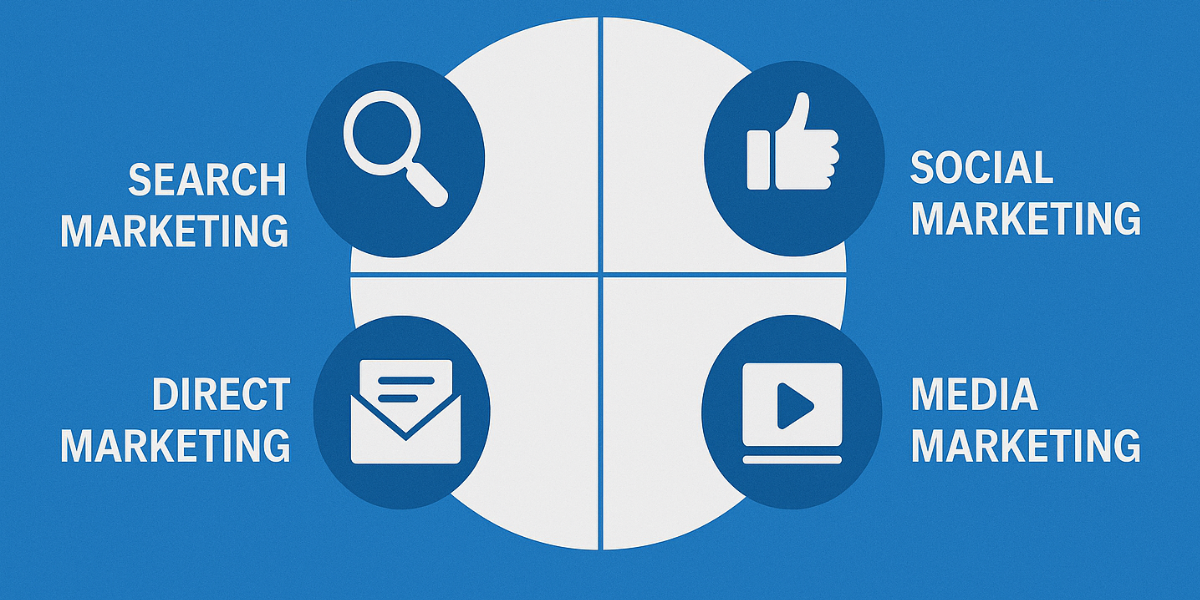
  9. What are the four types of digital marketing?
  10. How to do a digital marketing of any product?
  11. What are examples of digital products?
  12. What are the 4 P’s of digital marketing?
  13. How do you promote a digital product?
  14. What are the seven types of digital marketing?
  15. What is a digital product example?
  16. What is Digital Marketing example?
  17. What is digital product in marketing?
  18. What are the most profitable digital products?
  19. What’s an example of a digital product?
  20. What’s an example of digital marketing?
  21. What is digital product strategy?
  22. What are the 4 types of digital marketing?
  23. What are the 3 types of digital marketing?
  24. What is digital marketing product?
  25. Which is are example of digital marketing?
  26. What is digital marketing and example?

What are the example of digital products?

Digital products encompass a wide range of offerings that are intangible and exist in the digital realm. Examples of digital products include software applications, e-books, online courses, digital music or videos, mobile apps, webinars, podcasts, and digital artwork. These products are created and distributed electronically, allowing users to access them instantly from their devices such as computers, smartphones, or tablets. Digital products offer convenience, scalability, and often provide a unique user experience that traditional physical products cannot replicate.

What are the 7 P’s of digital marketing?

The 7 P’s of digital marketing refer to the key elements that businesses need to consider when developing their digital marketing strategies. These include Product (the goods or services being offered), Price (the cost of the product), Place (where and how the product is distributed), Promotion (how the product is promoted to target audiences), People (understanding and engaging with the target customers), Process (the procedures involved in delivering the product), and Physical Evidence (the tangible aspects that support the product or service). By carefully addressing each of these P’s, businesses can create comprehensive and effective digital marketing campaigns that resonate with their audience and drive success in the competitive online landscape.

What are 4 P’s in digital marketing?

The 4 Ps in digital marketing refer to Product, Price, Place, and Promotion. These fundamental components form the core framework for developing a successful digital marketing strategy. Product focuses on creating a valuable offering that meets customer needs, while Price involves setting competitive pricing to attract target audiences. Place refers to the distribution channels used to reach customers effectively, and Promotion encompasses the various tactics employed to raise awareness and drive engagement with the product or service in the digital realm. By carefully considering and integrating these 4 Ps into their digital marketing efforts, businesses can enhance their online presence and achieve their marketing objectives efficiently.

How the 4 P’s are used in digital marketing?

In digital marketing, the traditional marketing concept of the 4 P’s (Product, Price, Place, and Promotion) has been adapted to suit the online landscape. Each of the 4 P’s plays a crucial role in shaping digital marketing strategies. Product refers to how businesses position and present their offerings online, ensuring they meet customer needs and stand out in a competitive market. Price involves setting competitive pricing strategies that resonate with online consumers. Place focuses on the various digital channels and platforms where products are made available to customers, such as websites, social media, and e-commerce marketplaces. Promotion entails leveraging digital tools like social media advertising, email campaigns, and search engine optimisation to create awareness and drive engagement for products or services in the online space. By effectively utilising the 4 P’s in digital marketing strategies, businesses can enhance their online presence and achieve their marketing objectives successfully.

What is an example of a digital product?

A digital product is any intangible asset or service that is delivered electronically, typically through online platforms or software applications. An example of a digital product could be an e-book, a mobile app, a subscription-based streaming service like Netflix, or a software tool such as Adobe Photoshop. These products are created and distributed digitally, allowing users to access them instantly and conveniently through their devices. Digital products have become increasingly popular in today’s digital economy due to their scalability, ease of distribution, and ability to cater to diverse consumer needs.

How do you market a product using digital marketing?

To successfully market a product using digital marketing, businesses must first identify their target audience and understand their preferences and behaviours. Utilising a mix of digital channels such as social media, email campaigns, search engine optimisation (SEO), and content marketing is essential to reach and engage with potential customers effectively. Crafting compelling and relevant content tailored to the target audience’s needs, running targeted advertising campaigns, and analysing data to refine strategies are key components of a successful digital product marketing approach. By leveraging the power of digital tools and platforms strategically, businesses can enhance brand visibility, generate leads, and drive conversions in today’s competitive online landscape.

What is a digital marketing example?

A common example of digital marketing is the use of social media platforms such as Facebook, Instagram, or Twitter to promote products or services. Businesses can create engaging posts, run targeted advertising campaigns, and interact with their audience to increase brand visibility and drive customer engagement. By leveraging the vast reach and targeting capabilities of social media channels, companies can effectively showcase their offerings to a specific demographic or interest group, ultimately leading to increased sales and brand loyalty.

What is a digital product and examples?

A digital product is any intangible asset or service that is delivered electronically, typically through the internet or other digital channels. Examples of digital products include e-books, software applications, online courses, mobile apps, streaming services like Netflix, and digital downloads such as music or video content. These products are created and distributed digitally, offering convenience and accessibility to consumers worldwide. Digital products play a significant role in today’s economy, providing innovative solutions and entertainment options to users across various industries.

What are the four types of digital marketing?

In the realm of digital product marketing, understanding the four key types of digital marketing is essential for crafting a comprehensive strategy to promote products effectively online. The four main types include search engine optimisation (SEO), pay-per-click advertising (PPC), social media marketing, and email marketing. SEO focuses on improving a website’s visibility in search engine results, while PPC involves paying for ads that appear when specific keywords are searched. Social media marketing utilises platforms like Facebook and Instagram to engage with audiences, and email marketing involves sending targeted messages to subscribers. By leveraging these diverse approaches, businesses can maximise their digital presence and connect with their target customers in meaningful ways.

How to do a digital marketing of any product?

When it comes to digital marketing of any product, the key lies in developing a comprehensive strategy that leverages various online channels to reach and engage with the target audience effectively. To start, businesses should identify their target market and understand their preferences and behaviours. Creating compelling and relevant content is essential to attract and retain customers. Utilising social media platforms, email campaigns, search engine optimisation (SEO), and paid advertising can help increase brand visibility and drive conversions. Regularly analysing performance metrics and adapting strategies based on data insights is crucial for continuous improvement in digital product marketing efforts.

What are examples of digital products?

Digital products encompass a wide range of offerings that are intangible and exist in the digital realm. Examples of digital products include e-books, online courses, software applications, mobile apps, digital music and videos, webinars, podcasts, templates, and digital artwork. These products are created and distributed electronically, allowing consumers to access them instantly from their devices. Digital products have become increasingly popular due to their convenience, scalability, and ability to reach a global audience with minimal overhead costs.

What are the 4 P’s of digital marketing?

In the realm of digital marketing, the concept of the 4 P’s refers to Product, Price, Place, and Promotion. These fundamental principles serve as a framework for businesses to develop effective marketing strategies in the digital landscape. Product entails understanding and crafting offerings that meet consumer needs, while Price involves setting competitive prices that reflect value. Place focuses on selecting the right channels to reach target audiences, and Promotion encompasses tactics to communicate and engage with customers effectively online. By leveraging the 4 P’s of digital marketing, businesses can create cohesive and impactful campaigns that drive success in today’s competitive market environment.

How do you promote a digital product?

Promoting a digital product involves a strategic approach to reach and engage with the target audience effectively. To promote a digital product successfully, businesses can utilise a variety of marketing tactics such as content marketing, social media promotion, email campaigns, paid advertising, and search engine optimisation. By creating compelling and relevant content that resonates with the target audience, leveraging social media platforms to increase brand visibility, sending targeted email campaigns to nurture leads, investing in paid advertising channels to reach a wider audience, and optimising website content for search engines, businesses can effectively promote their digital products and drive engagement that leads to increased sales and brand loyalty.

What are the seven types of digital marketing?

In the realm of digital product marketing, understanding the seven key types of digital marketing is crucial for crafting effective strategies to promote products and engage with target audiences. These seven types encompass various online channels and tactics, including search engine optimisation (SEO), social media marketing, content marketing, email marketing, pay-per-click (PPC) advertising, affiliate marketing, and influencer marketing. Each type offers unique opportunities to connect with consumers, drive traffic to websites, and ultimately boost sales. By leveraging a combination of these digital marketing approaches, businesses can enhance their online presence and achieve their marketing objectives effectively.

What is a digital product example?

A digital product example is any product or service that is delivered or accessed electronically, typically through digital channels such as the internet or mobile devices. Examples of digital products include e-books, software applications, online courses, streaming services like Netflix, and digital downloads such as music or video content. These products are intangible and can be easily distributed and consumed online, making them convenient for both businesses and consumers in today’s digital landscape.

What is Digital Marketing example?

Digital marketing encompasses a wide range of strategies and tactics used to promote products or services online. An example of digital marketing is social media advertising, where businesses create targeted ads to reach specific audiences on platforms like Facebook, Instagram, or LinkedIn. These ads can be tailored based on demographics, interests, and behaviours to increase engagement and drive conversions. Social media advertising is just one of many examples of how digital marketing leverages online channels to connect with consumers in a more personalised and measurable way.

What is digital product in marketing?

In the realm of marketing, a digital product refers to any intangible offering that is created and distributed through digital channels. This can encompass a wide range of products, such as software applications, e-books, online courses, subscription services, and digital downloads. Digital products are designed to be accessed and consumed online, providing convenience and accessibility to consumers. In the context of digital product marketing, businesses leverage various online strategies to promote and sell these offerings to their target audience effectively. By understanding the unique characteristics and benefits of digital products, marketers can tailor their approaches to drive engagement, conversions, and ultimately achieve success in the digital marketplace.

What are the most profitable digital products?

When it comes to digital product marketing, the question of “What are the most profitable digital products?” is a common one. The profitability of digital products can vary depending on various factors such as market demand, target audience, pricing strategy, and competition. Generally, some of the most profitable digital products include software applications, online courses, e-books, subscription-based services, and digital downloads like music and templates. However, the key to success lies in identifying a niche market, delivering high-quality content or services, and implementing effective marketing strategies to maximise profitability in the digital landscape.

What’s an example of a digital product?

In the realm of digital product marketing, an example of a digital product is a mobile application (app) that offers a range of functionalities or services to users on their smartphones or tablets. These apps can serve various purposes, such as entertainment, productivity, communication, or e-commerce. Businesses often develop and market these digital products to cater to specific user needs and preferences, leveraging strategies like app store optimisation, user acquisition campaigns, and ongoing updates to enhance user experience and drive engagement.

What’s an example of digital marketing?

An example of digital marketing is social media advertising, where businesses promote their products or services on platforms like Facebook, Instagram, or Twitter to reach a targeted audience. Through engaging ad campaigns, businesses can showcase their offerings to potential customers based on demographics, interests, and online behaviour. Social media advertising allows companies to enhance brand visibility, drive traffic to their websites, and ultimately increase sales by leveraging the vast reach and interactive nature of social platforms in the digital realm.

What is digital product strategy?

Digital product strategy refers to the comprehensive plan and approach that businesses develop to effectively design, create, and market their digital products or services. It involves defining clear objectives, identifying target audiences, conducting market research, and outlining the steps needed to achieve success in the digital realm. A solid digital product strategy encompasses elements such as product positioning, feature prioritisation, user experience design, pricing strategies, and ongoing product iteration based on data-driven insights. By crafting a well-thought-out digital product strategy, businesses can maximise their chances of creating products that resonate with customers and drive business growth in the competitive online landscape.

What are the 4 types of digital marketing?

In the realm of digital product marketing, there are four primary types of digital marketing strategies that businesses often utilise to promote their products or services effectively. These include search engine optimisation (SEO), which focuses on improving a website’s visibility in search engine results; social media marketing, where businesses engage with their audience on platforms like Facebook, Instagram, and Twitter; pay-per-click (PPC) advertising, involving paid ads displayed on search engines and social media platforms; and content marketing, which entails creating and distributing valuable content to attract and engage target customers. Each of these digital marketing approaches plays a crucial role in helping businesses reach their target audience and achieve their marketing objectives.

What are the 3 types of digital marketing?

In the realm of digital product marketing, there are three main types of digital marketing strategies that businesses commonly utilise to promote their products or services online. These include search engine optimisation (SEO), which focuses on improving a website’s visibility in search engine results; social media marketing, which involves leveraging social platforms to engage with audiences and build brand awareness; and pay-per-click (PPC) advertising, where businesses pay for their ads to appear when users search for specific keywords or phrases. Each of these digital marketing approaches plays a crucial role in reaching and engaging target audiences effectively in the digital landscape.

What is digital marketing product?

A digital marketing product refers to a tangible or intangible offering that is designed to promote and sell products or services using online channels. It encompasses a range of strategies and techniques aimed at reaching target audiences through digital platforms such as websites, social media, email campaigns, and search engine optimisation. Digital marketing products play a crucial role in enhancing brand visibility, driving customer engagement, and ultimately increasing sales in the competitive landscape of the digital age.

Which is are example of digital marketing?

Digital marketing encompasses a wide range of strategies and tactics aimed at promoting products or services online. Examples of digital marketing include search engine optimisation (SEO), pay-per-click advertising (PPC), social media marketing, email marketing, content marketing, influencer partnerships, affiliate marketing, and online PR campaigns. Each of these methods plays a crucial role in reaching target audiences, driving engagement, and ultimately converting leads into customers in the digital landscape.

What is digital marketing and example?

Digital marketing encompasses a wide range of online strategies and tactics used by businesses to promote their products or services to a digital audience. An example of digital marketing is social media advertising, where companies leverage platforms like Facebook, Instagram, or LinkedIn to reach their target customers with targeted ads based on demographics, interests, and online behaviour. By utilising social media advertising, businesses can increase brand awareness, drive website traffic, and ultimately boost sales by engaging with their audience in a more personalised and interactive way compared to traditional advertising methods.

digital marketing techniques

Maximising Business Growth Through Effective Digital Marketing Techniques

Digital Marketing Techniques

The Power of Digital Marketing Techniques

In today’s digital age, businesses are constantly seeking innovative ways to reach and engage with their target audience. Digital marketing techniques have become essential tools for companies looking to expand their online presence and drive growth. Let’s explore some effective strategies that can help businesses succeed in the digital realm:

Search Engine Optimization (SEO)

SEO is crucial for improving a website’s visibility in search engine results. By optimising website content and structure, businesses can increase organic traffic and attract more qualified leads.

Content Marketing

Creating valuable and relevant content helps businesses establish authority in their industry and build trust with their audience. Content marketing includes blogs, videos, infographics, and social media posts that engage users and drive conversions.

Social Media Marketing

Social media platforms provide a powerful channel for businesses to connect with their target audience, build brand awareness, and drive traffic to their website. Engaging content, targeted ads, and influencer partnerships can all enhance a company’s social media presence.

Email Marketing

Email marketing remains a cost-effective way to nurture leads and retain customers. Personalised email campaigns can deliver tailored messages to subscribers, promoting products or services and driving conversions.

Pay-Per-Click (PPC) Advertising

PPC advertising allows businesses to reach a specific audience through targeted ads on search engines or social media platforms. By paying only when users click on the ad, companies can maximise their ROI and track campaign performance effectively.

Data Analytics

Data analytics play a crucial role in evaluating the success of digital marketing campaigns. By analysing key metrics such as website traffic, conversion rates, and customer behaviour, businesses can refine their strategies for better results.

In conclusion, digital marketing techniques offer endless possibilities for businesses to connect with consumers in the digital landscape. By leveraging these strategies effectively, companies can enhance brand visibility, drive engagement, and achieve sustainable growth in today’s competitive market.


Exploring the Advantages of Digital Marketing: Enhancing Visibility, Targeting Audiences, and Levelling the Playing Field

  1. Increased brand visibility and awareness in the digital space.
  2. Targeted reach to specific audiences based on demographics, interests, and behaviour.
  3. Cost-effective compared to traditional marketing methods like print or TV ads.
  4. Real-time tracking and analytics to measure campaign performance and ROI.
  5. Ability to engage with customers in a personalised and interactive manner.
  6. Opportunity for small businesses to compete with larger competitors on a level playing field.


Exploring the Drawbacks of Digital Marketing: From Saturation to Measurement Challenges

  1. 1. Saturation
  2. 2. Information Overload
  3. 3. Ad Blindness
  4. 4. Privacy Concerns
  5. 5. Rapid Changes
  6. 6. Budget Constraints
  7. 7. Measurement Challenges

Increased brand visibility and awareness in the digital space.

One significant advantage of utilising digital marketing techniques is the enhanced brand visibility and awareness it offers in the vast digital space. By strategically implementing tactics such as search engine optimisation, social media marketing, and content creation, businesses can boost their online presence and reach a wider audience. This increased visibility not only helps in attracting potential customers but also reinforces brand recognition and credibility, ultimately leading to improved brand awareness among target demographics. In today’s competitive market, establishing a strong digital footprint is essential for standing out amidst the noise and capturing the attention of consumers.

Targeted reach to specific audiences based on demographics, interests, and behaviour.

Digital marketing techniques offer businesses the invaluable advantage of targeted reach to specific audiences based on demographics, interests, and behaviour. By leveraging data analytics and sophisticated targeting tools, companies can tailor their marketing messages to resonate with the right audience segments. This personalised approach not only increases the likelihood of engaging potential customers but also enhances overall campaign effectiveness by delivering relevant content that aligns with the preferences and behaviours of the target audience. Ultimately, this precision targeting capability empowers businesses to maximise their marketing ROI and drive meaningful interactions with their desired customer base.

Cost-effective compared to traditional marketing methods like print or TV ads.

Digital marketing techniques offer a significant advantage in terms of cost-effectiveness when compared to traditional marketing methods such as print or TV ads. With digital marketing, businesses can reach a wider audience at a fraction of the cost, making it an attractive option for companies with limited budgets. By utilising online channels like social media, email campaigns, and search engine optimisation, businesses can achieve targeted results without the hefty price tag associated with traditional advertising mediums. This affordability factor allows businesses of all sizes to compete on a level playing field in the digital arena and maximise their return on investment.

Real-time tracking and analytics to measure campaign performance and ROI.

One significant advantage of digital marketing techniques is the ability to utilise real-time tracking and analytics to measure campaign performance and return on investment (ROI). By monitoring key metrics such as website traffic, click-through rates, conversions, and customer engagement in real-time, businesses can gain valuable insights into the effectiveness of their marketing efforts. This data-driven approach allows companies to make informed decisions, optimise campaigns on the fly, and allocate resources more efficiently to maximise ROI.

Ability to engage with customers in a personalised and interactive manner.

Digital marketing techniques offer businesses the invaluable advantage of engaging with customers in a personalised and interactive manner. Through targeted content, tailored email campaigns, and interactive social media posts, companies can establish meaningful connections with their audience on a one-to-one level. This personalised approach not only enhances customer satisfaction but also fosters brand loyalty and encourages active participation, ultimately leading to increased conversions and long-term relationships with customers.

Opportunity for small businesses to compete with larger competitors on a level playing field.

Digital marketing techniques level the playing field for small businesses, offering them the opportunity to compete with larger competitors on equal footing. Through targeted strategies such as SEO, social media marketing, and email campaigns, small businesses can reach their target audience effectively and build brand awareness without the need for a large advertising budget. This accessibility to a global market allows small businesses to showcase their unique offerings and compete based on the quality of their products or services rather than sheer financial resources. In this digital landscape, creativity and innovation can help small businesses stand out and thrive alongside industry giants.

1. Saturation

In the realm of digital marketing, one significant drawback is the issue of saturation. The online landscape is overflowing with businesses vying for attention, making it increasingly difficult for companies to distinguish themselves from their competitors. With countless brands utilising similar digital marketing techniques, standing out and capturing the target audience’s interest poses a considerable challenge. This saturation can lead to fierce competition, diminishing the effectiveness of marketing efforts and requiring businesses to devise innovative strategies to break through the noise and make a lasting impact on consumers.

2. Information Overload

In the realm of digital marketing techniques, a significant drawback is the issue of information overload. With the constant bombardment of online content and advertisements, consumers often find themselves overwhelmed with a surplus of information, ultimately resulting in reduced attention spans. This saturation of digital material can make it challenging for businesses to capture and maintain the focus of their target audience amidst the sea of competing messages vying for attention. As a consequence, companies must navigate this conundrum strategically to ensure that their marketing efforts cut through the noise and resonate effectively with consumers in an increasingly crowded digital landscape.

3. Ad Blindness

In the realm of digital marketing techniques, one significant drawback is the phenomenon of ad blindness. As technology advances and online advertising becomes more prevalent, many users have grown accustomed to ignoring or even actively blocking digital ads. This trend poses a challenge for businesses trying to reach their target audience effectively, as ad blindness diminishes the impact and effectiveness of advertising efforts in capturing users’ attention and driving engagement. Marketers must find creative ways to overcome this hurdle and deliver compelling content that resonates with audiences amidst the sea of digital noise.

4. Privacy Concerns

Privacy concerns have emerged as a significant drawback of digital marketing techniques. With the increasing focus on data privacy, consumers have become more cautious about how their personal information is collected and used online. This heightened awareness has prompted stricter regulations and limitations on targeted advertising practices, impacting the way businesses can reach and engage with their target audience. As a result, companies must navigate these privacy concerns carefully to build trust with consumers and ensure compliance with evolving data protection laws.

5. Rapid Changes

One significant drawback of digital marketing techniques is the rapid pace at which trends and technologies change. Businesses must continuously adjust their strategies to keep up with the ever-evolving digital landscape. This constant need for adaptation can be challenging and time-consuming, as what works today may not be effective tomorrow. Staying relevant in the face of rapid changes requires businesses to invest significant resources in monitoring trends, experimenting with new approaches, and staying ahead of the competition. Failure to adapt swiftly can result in missed opportunities and decreased effectiveness of marketing efforts.

6. Budget Constraints

Budget constraints pose a significant challenge for small businesses looking to implement effective digital marketing campaigns. The investment required for successful digital marketing strategies can be substantial, making it difficult for smaller companies with limited financial resources to compete with larger corporations. This financial barrier may hinder small businesses from fully utilising the potential of digital marketing techniques to reach their target audience and achieve their business objectives. Finding cost-effective solutions or alternative strategies becomes essential for overcoming this con and maximising the impact of digital marketing within budget limitations.

7. Measurement Challenges

One significant drawback of digital marketing techniques is the challenge of measurement. Evaluating the effectiveness of digital marketing campaigns can be daunting due to the vast array of metrics available and the necessity for precise data analysis. Businesses often struggle to interpret these metrics accurately, leading to uncertainty about the true impact of their digital marketing efforts. Inaccurate measurement can hinder decision-making processes and make it difficult to assess the return on investment, ultimately affecting the overall success of a digital marketing strategy.

digital and social media marketing

Mastering the Art of Digital and Social Media Marketing: Strategies for Success in the Online World

The Power of Digital and Social Media Marketing in Today’s Business Landscape

In the digital age, where technology continues to evolve at a rapid pace, businesses are increasingly turning to digital and social media marketing to reach their target audiences effectively. Digital marketing encompasses a wide range of online tactics, such as search engine optimisation (SEO), pay-per-click advertising, email marketing, and content creation, all aimed at boosting brand visibility and driving customer engagement.

Social media marketing, on the other hand, focuses on leveraging social platforms like Facebook, Instagram, Twitter, and LinkedIn to connect with consumers on a more personal level. By creating compelling content and engaging with followers in real-time conversations, businesses can build brand loyalty and foster meaningful relationships with their audience.

The Benefits of Digital and Social Media Marketing

One of the key advantages of digital and social media marketing is its ability to target specific demographics with precision. Through data analytics and insights provided by these platforms, businesses can tailor their messaging to resonate with their ideal customers, resulting in higher conversion rates and improved ROI.

Furthermore, digital marketing offers a level playing field for businesses of all sizes. With the right strategy in place, even small enterprises can compete with industry giants by reaching a global audience at a fraction of the cost of traditional advertising methods.

Engagement and Brand Building

Social media platforms provide an interactive space for brands to engage directly with their customers through likes, comments, shares, and direct messages. By fostering two-way communication and listening to customer feedback, businesses can build trust and credibility within their online community.

Moreover, social media serves as a powerful tool for brand building. Consistent branding across various platforms helps create a recognisable identity that resonates with consumers. By sharing valuable content that aligns with their values and interests, businesses can position themselves as industry leaders and thought influencers.

The Future of Marketing

As technology continues to advance and consumer behaviours evolve, digital and social media marketing will play an increasingly pivotal role in shaping the future of advertising. Businesses that embrace these channels early on stand to gain a competitive edge in an ever-changing marketplace.

In conclusion, digital and social media marketing offer unparalleled opportunities for businesses to connect with their target audience in meaningful ways. By harnessing the power of these platforms through strategic planning and creative execution, brands can elevate their online presence and drive sustainable growth in today’s dynamic business landscape.


Top 22 FAQs on Digital and Social Media Marketing: Understanding the Differences and Strategies

  1. Is digital marketing and social media marketing the same?
  2. What are some examples of digital marketing social media marketing?
  3. What is the difference between digital media and social media?
  4. What is digital and social media marketing?
  5. What is digital media and social media?
  6. What is the 5 3 2 rule for social media?
  7. What is the role of social media in digital media marketing?
  8. How do I become a social media digital marketer?
  9. Which is better social media marketing or digital marketing?
  10. What is SMMA and how does it work?
  11. Is digital marketing a good career?
  12. Which is better digital or social media marketing?
  13. What is social media and digital media?
  14. Is digital marketing same as social media marketing?
  15. What is the difference between a digital marketer and social media marketer?
  16. Is digital marketing and social media marketing same?
  17. What are the seven types of digital marketing?
  18. What is the importance of social and digital media marketing?
  19. Is digital media marketing the same as social media marketing?
  20. What are the 4 types of digital marketing?
  21. Which is Better social media marketing and digital marketing?
  22. Is Digital Media marketing and social media marketing the same?

Is digital marketing and social media marketing the same?

The distinction between digital marketing and social media marketing lies in their scope and focus. Digital marketing encompasses a broader range of online strategies, including search engine optimisation, email marketing, content creation, and pay-per-click advertising, aimed at enhancing brand visibility and engaging with target audiences across various digital channels. On the other hand, social media marketing specifically leverages platforms like Facebook, Instagram, Twitter, and LinkedIn to interact with consumers on a more personal level through content sharing, engagement tactics, and community building. While both are integral components of a comprehensive marketing strategy, social media marketing is a subset of the broader umbrella term of digital marketing.

What are some examples of digital marketing social media marketing?

In the realm of digital and social media marketing, there are numerous examples that showcase the diverse strategies and tactics used to engage audiences effectively. One common example of digital marketing is search engine optimisation (SEO), which involves enhancing a website’s visibility on search engine results pages through targeted keywords and content optimisation. Social media marketing, on the other hand, encompasses activities like creating engaging posts on platforms such as Facebook, Instagram, and Twitter to build brand awareness and foster customer relationships. Email marketing is another prevalent form of digital marketing, utilised to deliver personalised messages directly to subscribers’ inboxes. These are just a few examples that highlight the versatility and impact of digital and social media marketing in today’s competitive landscape.

What is the difference between digital media and social media?

Digital media and social media are often used interchangeably, but they serve distinct purposes in the realm of marketing. Digital media encompasses all forms of online communication channels, including websites, blogs, email campaigns, and online advertising. On the other hand, social media specifically refers to platforms designed for social interaction and community engagement, such as Facebook, Twitter, Instagram, and LinkedIn. While digital media provides a broad spectrum of online channels for brand promotion and communication, social media focuses on building relationships with audiences through interactive content sharing and real-time engagement. In essence, digital media is the broader umbrella term that includes social media as a subset dedicated to fostering social connections and conversations within a digital landscape.

What is digital and social media marketing?

Digital and social media marketing refer to the strategic use of online platforms and social networking sites to promote products or services, engage with target audiences, and build brand awareness. Digital marketing encompasses a wide range of tactics, including search engine optimisation (SEO), email marketing, and pay-per-click advertising, while social media marketing focuses on leveraging platforms like Facebook, Instagram, Twitter, and LinkedIn to connect with consumers on a more personal level. By utilising these channels effectively, businesses can reach their target demographics with precision, foster customer relationships through interactive engagement, and establish a strong online presence in today’s competitive digital landscape.

What is digital media and social media?

Digital media refers to any type of content that is stored and transmitted electronically, such as websites, videos, images, and audio files. It encompasses a wide range of online platforms and channels through which information can be shared and consumed. On the other hand, social media specifically refers to online platforms that enable users to create and share content with a network of friends, followers, or the public. These platforms facilitate real-time interactions and conversations among users, allowing for engagement and community building. In essence, digital media is the broader umbrella term that encompasses various forms of online content, while social media is a subset of digital media that focuses on social interactions and user-generated content sharing.

What is the 5 3 2 rule for social media?

The 5-3-2 rule for social media is a popular strategy that guides businesses on how to balance their content mix effectively. According to this rule, for every ten posts shared on social media, five should be curated content from others, three should be original content created by the business, and two should be personal or non-business-related posts. This approach aims to maintain a healthy balance between promotional content and engaging material that adds value to the audience’s feed. By following the 5-3-2 rule, businesses can cultivate a more authentic and engaging online presence while fostering stronger connections with their followers.

What is the role of social media in digital media marketing?

Social media plays a crucial role in digital media marketing by serving as a powerful platform for brands to connect with their target audience on a personal level. Through social media channels, businesses can engage in real-time conversations, share valuable content, and build relationships with customers. Social media also amplifies brand visibility, allowing companies to reach a wider audience and drive traffic to their websites. By leveraging the interactive nature of social platforms, businesses can enhance brand awareness, foster customer loyalty, and ultimately boost their overall digital marketing efforts.

How do I become a social media digital marketer?

To become a social media digital marketer, it is essential to start by gaining a strong understanding of digital marketing principles and social media platforms. Consider enrolling in relevant courses or obtaining certifications to build your knowledge and skills in areas such as content creation, social media analytics, and online advertising. Practical experience through internships or freelance projects can also help you develop hands-on expertise in managing social media campaigns and engaging with audiences effectively. Networking with industry professionals and staying updated on the latest trends in digital marketing will further enhance your career prospects as a successful social media digital marketer.

Which is better social media marketing or digital marketing?

The question of whether social media marketing or digital marketing is better is a common one in the realm of digital advertising. While both approaches have their unique strengths and advantages, it’s essential to understand that they are not mutually exclusive but rather complementary strategies. Social media marketing focuses on building relationships and engaging with audiences on platforms like Facebook, Instagram, and Twitter, while digital marketing encompasses a broader range of online tactics such as SEO, PPC advertising, and email campaigns. Ultimately, the effectiveness of each approach depends on the specific goals and target audience of a business. Integrating both social media and digital marketing strategies can create a holistic and impactful online presence that maximises brand visibility and customer engagement.

What is SMMA and how does it work?

Social Media Marketing Agency (SMMA) is a term used to describe a business that specialises in managing social media accounts and marketing strategies on behalf of other companies. SMMA works by creating and implementing tailored social media campaigns to help businesses increase their online presence, engage with their target audience, and drive conversions. These agencies typically offer services such as content creation, community management, paid advertising, and analytics tracking to ensure that clients achieve their marketing goals effectively. By leveraging the expertise of SMMA professionals, businesses can benefit from strategic insights and industry best practices to maximise their social media impact and grow their brand online.

Is digital marketing a good career?

The question of whether digital marketing is a good career choice is one that many individuals ponder in today’s rapidly evolving business landscape. With the increasing importance of online presence and engagement, digital marketing offers a promising career path with ample opportunities for growth and advancement. Professionals in this field have the chance to work on diverse projects, utilise cutting-edge tools and technologies, and make a tangible impact on businesses’ success. Moreover, the demand for skilled digital marketers continues to rise, making it a lucrative and rewarding career option for those passionate about creativity, analytics, and staying ahead of industry trends.

Which is better digital or social media marketing?

When considering the question of whether digital marketing or social media marketing is better, it’s important to recognise that both play distinct yet complementary roles in a comprehensive marketing strategy. Digital marketing encompasses a broad range of online tactics beyond social media, such as SEO, email campaigns, and content creation, aimed at boosting brand visibility and driving conversions. On the other hand, social media marketing focuses on leveraging platforms like Facebook, Instagram, and Twitter to engage with audiences on a more personal level. Ultimately, the effectiveness of each approach depends on the specific goals and target audience of a business. Integrating both digital and social media strategies can maximise reach and engagement, creating a well-rounded marketing campaign that delivers optimal results.

What is social media and digital media?

Social media refers to online platforms and websites that allow users to create and share content with a wide audience. Popular social media platforms include Facebook, Instagram, Twitter, LinkedIn, and YouTube. Digital media, on the other hand, encompasses a broader range of digital channels used for marketing purposes, including websites, search engines, email campaigns, mobile apps, and online advertising. Both social media and digital media play crucial roles in modern marketing strategies by enabling businesses to reach their target audience effectively through engaging content and interactive communication channels.

Is digital marketing same as social media marketing?

The frequently asked question regarding digital and social media marketing is whether they are the same. While digital marketing encompasses a broader spectrum of online tactics aimed at promoting brands and engaging with audiences across various digital channels, social media marketing specifically focuses on leveraging social platforms to connect with consumers on a more personal level. In essence, social media marketing is a subset of digital marketing, highlighting the importance of utilising both strategies in a comprehensive and integrated approach to maximise brand visibility and engagement in today’s competitive online landscape.

What is the difference between a digital marketer and social media marketer?

In the realm of digital and social media marketing, the distinction between a digital marketer and a social media marketer lies in their areas of focus and expertise. A digital marketer typically oversees a broader spectrum of online marketing strategies, including search engine optimisation (SEO), email marketing, content creation, and pay-per-click advertising, with the goal of enhancing brand visibility across various digital channels. On the other hand, a social media marketer specialises in leveraging social platforms like Facebook, Instagram, Twitter, and LinkedIn to engage with audiences through compelling content, real-time interactions, and community management. While both roles are integral to a comprehensive marketing strategy, a digital marketer tends to have a more holistic approach encompassing all online avenues, whereas a social media marketer hones in on cultivating relationships specifically through social platforms.

Is digital marketing and social media marketing same?

The frequently asked question of whether digital marketing and social media marketing are the same is a common misconception in the realm of online advertising. While both strategies fall under the broader umbrella of digital marketing, they serve distinct purposes. Digital marketing encompasses a wide range of online tactics, including search engine optimisation (SEO), email marketing, pay-per-click advertising, and content creation, aimed at promoting brand visibility and engagement across various digital channels. On the other hand, social media marketing specifically focuses on leveraging social platforms like Facebook, Instagram, Twitter, and LinkedIn to connect with audiences on a more personal level through interactive content and community engagement. Understanding the nuances between these two approaches is crucial for businesses looking to develop a comprehensive online marketing strategy that effectively reaches and engages their target audience.

What are the seven types of digital marketing?

In the realm of digital and social media marketing, understanding the seven key types of digital marketing strategies is crucial for businesses aiming to maximise their online presence and engage with their target audience effectively. These seven types include search engine optimisation (SEO), pay-per-click advertising (PPC), social media marketing, content marketing, email marketing, affiliate marketing, and influencer marketing. Each type serves a unique purpose in reaching and engaging with consumers across various online platforms, allowing businesses to tailor their approach based on their specific goals and target demographics. By leveraging a combination of these digital marketing strategies, businesses can enhance brand visibility, drive customer engagement, and ultimately achieve business growth in the competitive digital landscape.

What is the importance of social and digital media marketing?

The importance of social and digital media marketing lies in its ability to reach and engage with target audiences in a highly targeted and cost-effective manner. In today’s digital age, where consumers spend a significant amount of time online, businesses need to establish a strong presence on social media platforms to build brand awareness, drive customer engagement, and ultimately increase sales. By leveraging the power of digital marketing tools and social media channels, businesses can create personalised campaigns that resonate with their audience, leading to improved brand loyalty, customer retention, and long-term success in the competitive marketplace.

Is digital media marketing the same as social media marketing?

The frequently asked question of whether digital media marketing is the same as social media marketing often arises in discussions about online advertising strategies. While both digital media marketing and social media marketing fall under the broader umbrella of online promotion, they serve distinct purposes. Digital media marketing encompasses a range of online tactics, including search engine optimisation, email campaigns, and display advertising, aimed at reaching target audiences across various digital channels. On the other hand, social media marketing focuses specifically on leveraging social platforms like Facebook, Instagram, and Twitter to engage with users through content creation and community interaction. While both are integral components of a comprehensive digital strategy, each plays a unique role in engaging audiences and driving brand awareness in today’s competitive landscape.

What are the 4 types of digital marketing?

In the realm of digital marketing, there are four primary types that businesses commonly utilise to reach and engage their target audiences effectively. These include search engine optimisation (SEO), which focuses on improving a website’s visibility in search engine results; pay-per-click (PPC) advertising, where advertisers pay a fee each time their ad is clicked; social media marketing, which involves creating and sharing content on social platforms to drive audience engagement; and email marketing, a direct communication strategy that delivers tailored messages to subscribers’ inboxes. Each type offers distinct benefits and plays a crucial role in a comprehensive digital marketing strategy aimed at maximising brand exposure and driving conversions.

Which is Better social media marketing and digital marketing?

The debate between social media marketing and digital marketing often arises, with both playing crucial roles in a comprehensive digital strategy. While social media marketing focuses on leveraging social platforms to engage with audiences on a personal level and build brand loyalty, digital marketing encompasses a broader range of online tactics such as SEO, email marketing, and content creation aimed at boosting brand visibility and driving customer engagement. Ultimately, the effectiveness of each approach depends on the specific goals and target audience of a business. Integrating both social media marketing and digital marketing elements can create a powerful synergy that maximises reach and engagement across various online channels, leading to a more holistic and impactful marketing strategy.

Is Digital Media marketing and social media marketing the same?

Digital media marketing and social media marketing are closely related but not the same. Digital media marketing encompasses a broader spectrum of online tactics, including search engine optimisation, email marketing, pay-per-click advertising, and content creation across various digital channels. On the other hand, social media marketing specifically focuses on leveraging social platforms like Facebook, Instagram, Twitter, and LinkedIn to engage with audiences through interactive content and real-time conversations. While both strategies aim to enhance brand visibility and drive customer engagement in the digital space, social media marketing is just one component of the larger digital marketing landscape.

online marketing strategist

Crafting Success: The Essential Role of an Online Marketing Strategist

The Role of an Online Marketing Strategist in Today’s Digital Landscape

In the fast-paced world of digital marketing, the role of an online marketing strategist is more crucial than ever. As businesses strive to reach and engage with their target audiences in the online realm, the expertise and guidance of a skilled strategist can make all the difference in achieving success.

What Does an Online Marketing Strategist Do?

An online marketing strategist is responsible for developing and implementing comprehensive digital marketing strategies to help businesses achieve their goals. This involves a deep understanding of various online channels, such as social media, search engine optimisation (SEO), pay-per-click advertising, email marketing, and content creation.

By conducting market research, analysing data, and staying abreast of industry trends, an online marketing strategist can identify opportunities for growth and devise tailored strategies to maximise a business’s online presence and visibility.

The Importance of Strategy in Digital Marketing

Effective digital marketing is not just about posting content or running ads; it requires a strategic approach that aligns with a business’s objectives and target audience. An online marketing strategist plays a key role in creating cohesive and results-driven campaigns that resonate with customers and drive conversions.

Furthermore, in today’s competitive digital landscape, having a well-defined strategy is essential for standing out from the crowd and making a meaningful impact. An online marketing strategist can help businesses differentiate themselves through innovative tactics and compelling storytelling that captivates audiences.

Driving Business Growth Through Strategic Marketing

Ultimately, the goal of an online marketing strategist is to drive business growth by leveraging the power of digital channels effectively. Whether it’s increasing brand awareness, generating leads, or boosting sales, a well-crafted digital strategy can pave the way for success in today’s interconnected world.

By continuously evaluating performance metrics, refining strategies based on insights, and adapting to changing market dynamics, an online marketing strategist ensures that businesses stay ahead of the curve and remain relevant in the eyes of their target audience.

In Conclusion

In conclusion, the role of an online marketing strategist is indispensable for businesses looking to thrive in the digital age. By combining creativity with data-driven insights and strategic thinking, these professionals help businesses navigate the complexities of online marketing and achieve tangible results that propel them towards success.


Mastering Online Marketing: 6 Essential Tips for Strategic Success

  1. Understand your target audience and their preferences.
  2. Stay updated with the latest trends in digital marketing.
  3. Create a strong online presence through various channels.
  4. Set clear and measurable goals for your online marketing campaigns.
  5. Analyse data regularly to track the performance of your strategies.
  6. Engage with your audience through interactive content and social media.

Understand your target audience and their preferences.

To excel as an online marketing strategist, it is essential to thoroughly understand your target audience and their preferences. By delving into the demographics, behaviours, and interests of your audience, you can tailor your marketing efforts to resonate with them effectively. This insight allows you to craft compelling messages, choose the right channels for engagement, and deliver content that truly speaks to the needs and desires of your audience. Ultimately, by putting your audience at the centre of your strategy, you can build stronger connections, drive engagement, and achieve meaningful results in the competitive digital landscape.

To excel as an online marketing strategist, it is imperative to stay updated with the latest trends in digital marketing. The digital landscape is constantly evolving, with new technologies, platforms, and consumer behaviours shaping the way businesses engage with their audiences online. By keeping abreast of emerging trends and best practices, a marketing strategist can adapt their strategies to remain relevant and effective in reaching and resonating with target audiences. Continuous learning and staying ahead of the curve are key to success in navigating the dynamic world of digital marketing.

Create a strong online presence through various channels.

To maximise the impact of your digital marketing efforts, it is essential for an online marketing strategist to create a robust online presence across multiple channels. By strategically utilising platforms such as social media, search engines, email marketing, and content creation, businesses can effectively reach and engage with their target audience. A strong online presence not only enhances brand visibility but also builds credibility and trust among customers. Through cohesive and consistent messaging across different channels, an online marketing strategist can establish a compelling digital footprint that resonates with audiences and drives business growth.

Set clear and measurable goals for your online marketing campaigns.

Setting clear and measurable goals for your online marketing campaigns is essential for success in the digital landscape. By defining specific objectives, such as increasing website traffic, generating leads, or improving conversion rates, you create a roadmap that guides your marketing efforts and allows you to track progress effectively. Clear goals provide focus and direction, enabling you to allocate resources efficiently and make data-driven decisions to optimise campaign performance. With measurable goals in place, you can assess the effectiveness of your strategies, identify areas for improvement, and ultimately achieve meaningful results that align with your business objectives.

Analyse data regularly to track the performance of your strategies.

Regularly analysing data is a crucial tip for online marketing strategists to track the effectiveness of their strategies. By monitoring key performance metrics and interpreting data insights, strategists can gain valuable information about the impact of their campaigns, identify areas for improvement, and make informed decisions to optimise future marketing efforts. Data analysis not only provides valuable feedback on strategy performance but also helps in adjusting tactics in real-time to ensure maximum ROI and success in the ever-evolving digital landscape.

Engage with your audience through interactive content and social media.

To maximise the impact of your online marketing strategy, it is essential to engage with your audience through interactive content and social media. By creating compelling and interactive posts, such as polls, quizzes, or live videos, you can foster a sense of connection and dialogue with your followers. Social media platforms offer a dynamic space to interact with your audience in real-time, gather feedback, and build relationships that strengthen brand loyalty. Embracing interactive content and engaging with your audience on social media not only enhances the overall user experience but also helps to drive meaningful interactions and conversions for your business.

top digital marketing agencies

Elevate Your Brand with the Top Digital Marketing Agencies in the UK

The Top Digital Marketing Agencies: Elevating Brands to New Heights

Digital marketing has become an essential component of any successful business strategy in today’s digital age. With the ever-evolving online landscape, businesses are turning to digital marketing agencies to help them navigate the complexities of reaching and engaging with their target audiences effectively. Here are some of the top digital marketing agencies that are leading the way in delivering innovative and impactful solutions:

Wpromote

Wpromote is a full-service digital marketing agency known for its data-driven approach and expertise in a wide range of digital marketing services, including SEO, PPC, social media, and email marketing. With a focus on delivering measurable results and driving ROI for their clients, Wpromote has established itself as a top player in the industry.

Blue Fountain Media

Blue Fountain Media is a digital agency that specialises in web design, development, and digital marketing services. Known for creating visually stunning websites that are also highly functional and user-friendly, Blue Fountain Media helps brands make a lasting impression online while driving traffic and conversions through effective digital marketing strategies.

Digitas

Digitas is a global marketing and technology agency that combines creativity with data-driven insights to deliver personalised experiences that resonate with consumers. With expertise in areas such as content creation, social media management, and customer analytics, Digitas helps brands connect with their audiences in meaningful ways across multiple channels.

iProspect

iProspect is a performance-driven digital marketing agency that specialises in search engine optimisation (SEO), pay-per-click (PPC) advertising, and conversion rate optimisation (CRO). By focusing on driving tangible results for their clients through targeted campaigns and strategic planning, iProspect helps businesses achieve their goals and grow their online presence.

In conclusion, these top digital marketing agencies are at the forefront of helping brands navigate the complexities of the digital landscape and achieve success online. By leveraging their expertise, innovative strategies, and creative approaches, businesses can elevate their brands to new heights and stay ahead of the competition in today’s competitive marketplace.


Top Digital Marketing Agencies: 7 Key Advantages for Business Success

  1. Expertise in a wide range of digital marketing services
  2. Data-driven approach for measurable results
  3. Innovative and creative strategies to stand out online
  4. Access to cutting-edge technology and tools
  5. Ability to reach and engage with target audiences effectively
  6. Customised solutions tailored to meet specific business needs
  7. Proven track record of driving ROI and business growth


Challenges of Engaging Top Digital Marketing Agencies: Costs, Competition, and More

  1. High Costs
  2. Competition
  3. Limited Personalisation
  4. Potential Overpromising
  5. Dependency on External Expertise
  6. Risk of Misalignment

Expertise in a wide range of digital marketing services

Top digital marketing agencies stand out for their expertise in a diverse array of digital marketing services. From search engine optimisation (SEO) and pay-per-click (PPC) advertising to social media management and content creation, these agencies possess a comprehensive skill set that enables them to craft tailored strategies for each client. Their proficiency across various digital channels allows them to deliver integrated campaigns that drive results and maximise online visibility. By leveraging their extensive knowledge and experience in multiple areas of digital marketing, these agencies can effectively position brands for success in the competitive online landscape.

Data-driven approach for measurable results

Top digital marketing agencies excel in implementing a data-driven approach to deliver measurable results for their clients. By harnessing the power of data analytics and insights, these agencies are able to track and measure the effectiveness of their marketing campaigns with precision. This approach allows them to make informed decisions, optimise strategies in real-time, and ultimately achieve tangible outcomes that drive ROI and business growth. The emphasis on data-driven strategies sets top digital marketing agencies apart, enabling them to deliver impactful results that are backed by concrete metrics and performance indicators.

Innovative and creative strategies to stand out online

Top digital marketing agencies excel in developing innovative and creative strategies to help their clients stand out in the crowded online space. By pushing the boundaries of traditional marketing approaches and harnessing the latest technologies and trends, these agencies can create unique and engaging campaigns that capture the attention of target audiences. Whether it’s through captivating content, interactive experiences, or cutting-edge digital solutions, their ability to think outside the box allows brands to make a lasting impact and differentiate themselves in a competitive digital landscape.

Access to cutting-edge technology and tools

Top digital marketing agencies offer businesses access to cutting-edge technology and tools that can revolutionise their online presence. By utilising the latest marketing automation software, data analytics platforms, and AI-powered solutions, these agencies can enhance targeting precision, streamline campaign management, and deliver personalised experiences to target audiences. This technological advantage not only improves the efficiency and effectiveness of digital marketing efforts but also enables businesses to stay ahead of the curve in a rapidly evolving digital landscape.

Ability to reach and engage with target audiences effectively

One of the key advantages of top digital marketing agencies is their ability to reach and engage with target audiences effectively. Through strategic planning, data-driven insights, and innovative approaches, these agencies can identify the right channels and messaging to connect with the specific demographics that businesses aim to reach. By understanding consumer behaviour and preferences, top digital marketing agencies can create compelling campaigns that resonate with audiences, driving brand awareness, engagement, and ultimately conversions. This targeted approach helps businesses maximise their marketing efforts and achieve tangible results in today’s competitive digital landscape.

Customised solutions tailored to meet specific business needs

Top digital marketing agencies excel in providing customised solutions tailored to meet specific business needs. By taking the time to understand the unique goals, challenges, and target audience of each client, these agencies can develop bespoke strategies that align perfectly with the client’s objectives. This personalised approach ensures that businesses receive tailored solutions that are effective, efficient, and ultimately drive results. Whether it’s crafting a comprehensive digital marketing campaign or redesigning a website to enhance user experience, top agencies go the extra mile to deliver solutions that are precisely tailored to meet the specific needs of each business they work with.

Proven track record of driving ROI and business growth

Top digital marketing agencies have a proven track record of driving return on investment (ROI) and fostering business growth for their clients. By implementing data-driven strategies, targeted campaigns, and innovative approaches, these agencies are able to deliver measurable results that translate into increased revenue, enhanced brand visibility, and improved customer engagement. Their expertise in analysing market trends, understanding consumer behaviour, and optimising digital channels enables businesses to achieve tangible outcomes and realise their growth objectives effectively.

High Costs

High Costs: One significant drawback of top digital marketing agencies is their premium pricing, which may pose a challenge for small businesses operating on limited budgets. The expertise and quality of services offered by these top agencies often come at a higher cost, making it difficult for smaller companies to afford their services. This financial barrier can hinder small businesses from accessing the advanced digital marketing strategies and resources that could help them compete effectively in the online marketplace. As a result, some smaller businesses may need to explore more cost-effective alternatives or consider partnering with agencies that offer tailored solutions within their budget constraints.

Competition

In the realm of top digital marketing agencies, one significant con that businesses may encounter is fierce competition for their services. With their proven track records and innovative strategies, these agencies are in high demand, making it challenging for businesses to secure their expertise. The competition from other companies vying for the attention of these top agencies can create hurdles for those seeking to partner with them, potentially leading to delays or missed opportunities in leveraging their specialised skills and knowledge in the ever-evolving digital landscape.

Limited Personalisation

With a large client base, some top digital marketing agencies may face the con of limited personalisation. Due to the sheer volume of clients they serve, these agencies might find it challenging to offer personalised attention and tailored solutions to each individual client. This limitation could potentially result in a one-size-fits-all approach that may not fully address the unique needs and goals of every client. As a consequence, some clients may feel that their specific requirements are not being fully understood or met, leading to potential gaps in communication and alignment between the agency and the client.

Potential Overpromising

Potential Overpromising is a significant con associated with some top digital marketing agencies. In their eagerness to attract clients, these agencies may make lofty promises about the results they can achieve without having the capability to fulfil those commitments. This can lead to unrealistic expectations on the part of the clients and ultimately result in disappointment if the agency fails to deliver on its overpromised outcomes. It is crucial for businesses to be cautious and discerning when selecting a digital marketing agency to avoid falling victim to potential overpromising practices that could harm their brand reputation and bottom line in the long run.

Dependency on External Expertise

One significant drawback of relying heavily on top digital marketing agencies is the risk of developing a dependency on external expertise. By outsourcing all online marketing needs to an agency, businesses may find themselves lacking in-house expertise and knowledge essential for understanding and managing their digital strategies effectively. This over-reliance on external agencies can hinder the development of internal capabilities and limit the business’s ability to adapt quickly to changing market trends and consumer behaviours.

Risk of Misalignment

A significant con of top digital marketing agencies is the risk of misalignment between the agency and the client. When the goals and values of the digital marketing agency do not closely align with those of the client, it can result in miscommunication and ineffective strategies. This lack of alignment can hinder the success of digital marketing campaigns, as it may lead to a disconnect in understanding the target audience, brand identity, and overall objectives. It is crucial for both parties to ensure that there is a shared vision and clear communication to maximise the effectiveness of digital marketing efforts and achieve desired results.

integrated digital marketing services

Unlocking Success: The Power of Integrated Digital Marketing Services

The Power of Integrated Digital Marketing Services

In today’s fast-paced digital landscape, businesses are constantly seeking ways to stand out and reach their target audience effectively. One powerful strategy that has emerged as a game-changer is integrated digital marketing services. This approach combines various online marketing tactics to create a cohesive and seamless experience for customers across multiple channels.

What are Integrated Digital Marketing Services?

Integrated digital marketing services involve the harmonious integration of different online marketing channels such as social media, email marketing, search engine optimisation (SEO), content marketing, and paid advertising. By aligning these channels and strategies, businesses can deliver a unified message to their audience and maximise the impact of their campaigns.

The Benefits of Integration

There are several key benefits to adopting an integrated digital marketing approach:

  • Consistent Brand Messaging: By coordinating your messaging across various channels, you ensure that your brand identity remains consistent and recognisable to your audience.
  • Improved Customer Experience: Integrated campaigns provide a seamless experience for customers as they move through different touchpoints, resulting in enhanced engagement and satisfaction.
  • Optimised Performance: By analysing data from multiple sources, you can gain valuable insights into what works best for your target audience and make informed decisions to improve campaign performance.
  • Cross-Channel Synergy: Integrating different marketing channels allows them to complement each other, amplifying the overall impact of your efforts and driving better results.

How to Implement Integrated Digital Marketing Services

To successfully implement integrated digital marketing services, businesses should follow these key steps:

  1. Define Your Goals: Clearly outline your objectives and KPIs to ensure that all activities align with your overarching strategy.
  2. Create a Unified Strategy: Develop a comprehensive plan that integrates various tactics while maintaining a consistent message and branding across all channels.
  3. Utilise Data Analytics: Regularly monitor and analyse data from different sources to measure performance, identify trends, and make data-driven decisions for continuous improvement.
  4. Foster Collaboration: Encourage collaboration between different teams or agencies involved in your digital marketing efforts to ensure seamless execution and alignment towards shared goals.

The Future of Digital Marketing

In an increasingly competitive online environment, integrated digital marketing services have become essential for businesses looking to stay ahead of the curve. By leveraging the power of integration, companies can create unified campaigns that resonate with their audience, drive engagement, and ultimately lead to increased conversions and revenue. Embrace the future of digital marketing by embracing integration today!


9 Essential Tips for Mastering Integrated Digital Marketing Services

  1. Ensure consistency in branding across all digital channels.
  2. Utilise data analytics to understand customer behaviour and preferences.
  3. Create engaging content that resonates with your target audience.
  4. Implement SEO strategies to improve online visibility and search rankings.
  5. Use social media platforms effectively to connect with customers and build relationships.
  6. Incorporate email marketing campaigns for targeted communication with customers.
  7. Invest in paid advertising to reach a wider audience and drive traffic to your website.
  8. Optimise user experience on your website for seamless navigation and conversion rate optimization.
  9. Monitor performance metrics regularly to track the effectiveness of your digital marketing efforts.

Ensure consistency in branding across all digital channels.

Ensuring consistency in branding across all digital channels is a fundamental tip in integrated digital marketing services. By maintaining a cohesive brand identity, businesses can build trust and recognition with their audience, regardless of the platform or channel they engage with. Consistent branding helps to reinforce key messaging, values, and visual elements, creating a unified experience that resonates with customers and strengthens brand loyalty. Whether it’s social media, email marketing, or paid advertising, aligning branding across all channels is essential for establishing a strong and memorable presence in the digital space.

Utilise data analytics to understand customer behaviour and preferences.

To maximise the effectiveness of integrated digital marketing services, it is crucial to utilise data analytics to gain insights into customer behaviour and preferences. By analysing data from various online channels, businesses can understand how their target audience interacts with their brand, what content resonates most with them, and what drives conversions. This valuable information enables businesses to tailor their marketing strategies accordingly, delivering personalised and relevant experiences that engage customers and drive results.

Create engaging content that resonates with your target audience.

Creating engaging content that resonates with your target audience is a crucial aspect of integrated digital marketing services. By understanding the preferences, interests, and pain points of your audience, you can tailor your content to capture their attention and establish a meaningful connection. Whether it’s through compelling storytelling, informative articles, captivating visuals, or interactive experiences, resonant content not only attracts and retains your audience but also reinforces your brand message across different channels. By prioritising engaging content creation in your integrated marketing strategy, you can cultivate stronger relationships with your audience and drive better results for your business.

Implement SEO strategies to improve online visibility and search rankings.

To enhance online visibility and boost search rankings, incorporating SEO strategies is essential in integrated digital marketing services. By optimising website content, utilising relevant keywords, and improving site structure, businesses can increase their chances of being discovered by potential customers on search engines. Implementing SEO not only enhances visibility but also helps drive organic traffic to the website, ultimately leading to improved brand awareness and higher conversion rates. By prioritising SEO within an integrated digital marketing approach, businesses can strengthen their online presence and achieve sustainable growth in the competitive digital landscape.

Use social media platforms effectively to connect with customers and build relationships.

Utilising social media platforms effectively is a crucial aspect of integrated digital marketing services. By engaging with customers on platforms such as Facebook, Twitter, Instagram, and LinkedIn, businesses can establish meaningful connections and build relationships with their target audience. Through regular interaction, sharing valuable content, and responding to customer inquiries and feedback, companies can foster trust and loyalty among their followers. This personalised approach not only enhances brand visibility but also creates a sense of community that encourages customer engagement and advocacy.

Incorporate email marketing campaigns for targeted communication with customers.

Incorporating email marketing campaigns into your integrated digital marketing strategy is a powerful way to establish targeted communication with customers. By leveraging the personal nature of email, businesses can deliver tailored messages directly to their audience’s inbox, fostering stronger relationships and driving engagement. Email marketing allows for segmentation based on customer preferences and behaviours, enabling businesses to provide relevant content that resonates with individual recipients. Integrating email campaigns into your overall digital marketing mix ensures a cohesive approach that maximises the impact of your messaging across multiple channels, ultimately leading to improved customer retention and conversion rates.

Invest in paid advertising to reach a wider audience and drive traffic to your website.

Investing in paid advertising is a strategic move that can significantly enhance your integrated digital marketing efforts. By utilising paid ads across various platforms, you can expand your reach and target a wider audience that may not be reached through organic methods alone. Paid advertising allows you to drive targeted traffic to your website, increasing visibility and generating valuable leads. This approach complements other digital marketing strategies, creating a cohesive and effective campaign that maximises your online presence and boosts conversions.

Optimise user experience on your website for seamless navigation and conversion rate optimization.

To maximise the effectiveness of integrated digital marketing services, it is crucial to prioritise user experience on your website. By optimising your site for seamless navigation and focusing on conversion rate optimisation, you can create a user-friendly environment that encourages visitors to explore and engage with your content. A well-designed website that is easy to navigate not only enhances the overall user experience but also increases the likelihood of converting visitors into customers. By paying attention to these key elements, businesses can improve their online performance and drive better results from their integrated marketing efforts.

Monitor performance metrics regularly to track the effectiveness of your digital marketing efforts.

Monitoring performance metrics regularly is crucial when it comes to integrated digital marketing services. By tracking key indicators such as website traffic, conversion rates, social media engagement, and email open rates, businesses can gain valuable insights into the effectiveness of their digital marketing efforts. This data allows companies to identify what is working well and what areas may need improvement, enabling them to make informed decisions and optimise their strategies for better results. Regular monitoring of performance metrics is essential for staying agile in the ever-evolving digital landscape and achieving long-term success in online marketing campaigns.

e marketing strategy

Crafting a Successful E-Marketing Strategy for Digital Success

The Power of E-Marketing Strategy in the Digital Age

The Power of E-Marketing Strategy in the Digital Age

In today’s digital landscape, having a strong e-marketing strategy is essential for businesses looking to succeed online. E-marketing, or electronic marketing, encompasses all online efforts to promote products or services and engage with customers. From social media campaigns to email marketing and search engine optimisation (SEO), an effective e-marketing strategy can help businesses reach their target audience and drive conversions.

Benefits of E-Marketing Strategy

One of the key benefits of e-marketing is its ability to reach a global audience at a fraction of the cost of traditional marketing methods. With e-marketing, businesses can target specific demographics, track campaign performance in real-time, and adjust strategies accordingly. This level of flexibility and data-driven decision-making sets e-marketing apart as a powerful tool for business growth.

Components of an Effective E-Marketing Strategy

An effective e-marketing strategy typically includes a mix of tactics tailored to meet the unique goals of the business. This may include:

  • Social Media Marketing: Leveraging platforms like Facebook, Instagram, and LinkedIn to build brand awareness and engage with customers.
  • Email Marketing: Sending targeted emails to subscribers to promote products, share news, and drive traffic to the website.
  • Search Engine Optimisation (SEO): Optimising website content to improve search engine rankings and increase organic traffic.
  • Pay-Per-Click (PPC) Advertising: Running targeted ads on search engines or social media platforms to drive immediate results.
  • Content Marketing: Creating valuable content such as blog posts, videos, or infographics to attract and engage audiences.

Conclusion

In conclusion, an effective e-marketing strategy is crucial for businesses looking to thrive in the digital age. By leveraging various online channels and tactics, businesses can connect with their target audience, drive engagement, and ultimately boost sales. Investing in a well-thought-out e-marketing strategy can set businesses apart from competitors and pave the way for long-term success in today’s competitive online marketplace.


Essential FAQs on Crafting a Successful E-Marketing Strategy

  1. What is e-marketing strategy and why is it important?
  2. How can social media marketing contribute to an effective e-marketing strategy?
  3. What are the key benefits of email marketing in an e-marketing strategy?
  4. How does search engine optimisation (SEO) impact e-marketing strategies?
  5. What role does content marketing play in an effective e-marketing strategy?
  6. How can businesses measure the success of their e-marketing strategies?
  7. What are the common challenges businesses face when implementing e-marketing strategies?
  8. How can pay-per-click (PPC) advertising complement an overall e-marketing strategy?
  9. What trends should businesses consider when developing their e-marketing strategies?

What is e-marketing strategy and why is it important?

An e-marketing strategy refers to the comprehensive plan that businesses develop to promote their products or services online. It encompasses various digital marketing tactics such as social media marketing, email campaigns, search engine optimisation, and content marketing. Having a well-defined e-marketing strategy is crucial in today’s digital age as it allows businesses to reach their target audience effectively, increase brand visibility, drive website traffic, and ultimately boost sales and conversions. By leveraging the power of online channels and data-driven insights, businesses can create meaningful connections with customers, build brand loyalty, and stay competitive in the ever-evolving digital landscape.

How can social media marketing contribute to an effective e-marketing strategy?

Social media marketing plays a crucial role in contributing to an effective e-marketing strategy by providing businesses with a powerful platform to engage with their target audience, build brand awareness, and drive conversions. Through social media channels such as Facebook, Instagram, and Twitter, businesses can create compelling content, interact with customers in real-time, and establish a strong online presence. By leveraging the vast reach and targeting capabilities of social media platforms, businesses can tailor their messaging to specific demographics, track performance metrics, and refine their strategies for optimal results. Ultimately, social media marketing enables businesses to foster meaningful relationships with customers, increase brand loyalty, and generate valuable leads in the digital landscape.

What are the key benefits of email marketing in an e-marketing strategy?

Email marketing plays a crucial role in an e-marketing strategy, offering a multitude of key benefits for businesses. One of the primary advantages is its cost-effectiveness, allowing businesses to reach a large audience at a relatively low cost compared to traditional marketing methods. Additionally, email marketing enables targeted communication with specific segments of the audience, leading to higher engagement and conversion rates. It also provides valuable insights through analytics, allowing businesses to track performance metrics and refine their strategies for better results. Overall, email marketing is a powerful tool that helps businesses build brand awareness, nurture customer relationships, and drive sales in the digital landscape.

How does search engine optimisation (SEO) impact e-marketing strategies?

Search engine optimisation (SEO) plays a crucial role in e-marketing strategies by enhancing the visibility and ranking of a website in search engine results pages. A well-executed SEO strategy can significantly impact e-marketing efforts by driving organic traffic to the website, increasing brand awareness, and improving online credibility. By targeting relevant keywords, optimising website content, and building quality backlinks, businesses can improve their chances of being found by potential customers searching for products or services online. Ultimately, SEO helps businesses reach their target audience more effectively and achieve better results from their e-marketing campaigns.

What role does content marketing play in an effective e-marketing strategy?

Content marketing plays a pivotal role in an effective e-marketing strategy by serving as the backbone that engages and attracts target audiences. Through compelling and relevant content such as blog posts, videos, infographics, and social media posts, businesses can establish their expertise, build trust with customers, and drive traffic to their websites. Quality content not only educates and entertains but also helps improve search engine rankings through SEO strategies. By creating valuable content that resonates with their audience’s needs and interests, businesses can enhance brand visibility, generate leads, and ultimately increase conversions in the competitive digital landscape.

How can businesses measure the success of their e-marketing strategies?

Businesses can measure the success of their e-marketing strategies through a variety of key performance indicators (KPIs) that reflect different aspects of their online efforts. Metrics such as website traffic, conversion rates, email open rates, social media engagement, and return on investment (ROI) can provide valuable insights into the effectiveness of e-marketing campaigns. By tracking and analysing these KPIs regularly, businesses can assess the impact of their strategies, identify areas for improvement, and make data-driven decisions to optimise their e-marketing efforts for greater success in reaching and engaging with their target audience.

What are the common challenges businesses face when implementing e-marketing strategies?

When it comes to implementing e-marketing strategies, businesses often encounter several common challenges that can impact their success in the digital realm. One prevalent issue is the ever-evolving nature of online platforms and technologies, which can make it challenging for businesses to stay updated and adapt their strategies accordingly. Additionally, reaching and engaging the right target audience amidst the vast online competition poses a significant challenge. Furthermore, measuring the effectiveness of e-marketing campaigns and accurately analysing data to make informed decisions can be complex for many businesses. Overcoming these challenges requires a combination of strategic planning, continuous learning, and a willingness to embrace innovation in the dynamic world of e-marketing.

How can pay-per-click (PPC) advertising complement an overall e-marketing strategy?

Pay-per-click (PPC) advertising can be a valuable component of an overall e-marketing strategy by providing businesses with a targeted and measurable way to drive traffic to their website. Unlike organic methods like SEO, PPC allows businesses to immediately appear at the top of search engine results for specific keywords, increasing visibility and attracting potential customers. By complementing other e-marketing tactics such as social media marketing and email campaigns, PPC advertising can help businesses reach a wider audience, generate leads, and ultimately improve conversions. The ability to track and analyse PPC campaign performance in real-time also enables businesses to make data-driven decisions and optimise their overall e-marketing strategy for better results.

When developing their e-marketing strategies, businesses should carefully consider the latest trends in the digital landscape to stay ahead of the competition and engage effectively with their target audience. Some key trends to take into account include the increasing importance of mobile marketing due to the rise in smartphone usage, the growing influence of social media platforms for brand visibility and customer engagement, the emphasis on personalised and interactive content to drive customer loyalty, and the adoption of artificial intelligence and data analytics for more targeted and efficient marketing campaigns. By incorporating these trends into their e-marketing strategies, businesses can enhance their online presence, connect with customers on a deeper level, and achieve sustainable growth in today’s dynamic digital environment.

internet marketing service

Unlocking the Potential of Professional Internet Marketing Services

The Power of Internet Marketing Services

The Power of Internet Marketing Services

In today’s digital age, internet marketing services have become essential for businesses looking to establish a strong online presence and reach their target audience effectively. Internet marketing encompasses a wide range of strategies and techniques that leverage the power of the internet to promote products or services, engage with customers, and drive business growth.

Benefits of Internet Marketing Services

One of the key benefits of internet marketing services is the ability to reach a global audience without geographical limitations. Through channels such as search engine optimisation (SEO), pay-per-click advertising (PPC), social media marketing, email marketing, and content marketing, businesses can connect with potential customers from around the world.

Internet marketing services also offer measurable results, allowing businesses to track the performance of their campaigns in real-time. This data-driven approach enables companies to make informed decisions and optimise their strategies for better outcomes.

Types of Internet Marketing Services

Internet marketing services encompass various tactics tailored to meet specific business goals. SEO focuses on improving a website’s visibility in search engine results, while PPC advertising allows businesses to display ads on search engines and pay only when users click on them.

Social media marketing involves promoting products or services on popular social platforms like Facebook, Instagram, Twitter, and LinkedIn to engage with audiences and build brand awareness. Email marketing targets customers directly through personalised messages sent via email.

The Future of Internet Marketing

As technology continues to evolve, internet marketing services will adapt to new trends and innovations. Artificial intelligence (AI), voice search optimisation, video marketing, and influencer partnerships are among the emerging strategies that businesses can leverage to stay ahead in the competitive online landscape.

By investing in internet marketing services, businesses can enhance their online visibility, attract more leads, convert prospects into customers, and ultimately drive revenue growth. In an increasingly digital world, embracing internet marketing is crucial for staying relevant and competitive in the market.


9 Essential Tips for Mastering Internet Marketing Services

  1. Understand your target audience and their online behaviour.
  2. Create a strong online presence through a professional website and social media profiles.
  3. Implement search engine optimisation (SEO) strategies to improve visibility on search engines.
  4. Utilise pay-per-click (PPC) advertising for immediate results.
  5. Produce high-quality content that is relevant and engaging to your audience.
  6. Engage with your customers through email marketing campaigns.
  7. Monitor and analyse key performance indicators (KPIs) to track the success of your campaigns.
  8. Stay updated with the latest trends and technologies in internet marketing.
  9. Regularly assess and adapt your internet marketing strategies for optimal results.

Understand your target audience and their online behaviour.

To maximise the effectiveness of your internet marketing services, it is crucial to understand your target audience and their online behaviour. By gaining insights into the preferences, interests, and habits of your potential customers, you can tailor your marketing strategies to resonate with them effectively. Understanding where and how your audience interacts online enables you to create targeted campaigns that engage with them in meaningful ways, ultimately leading to higher conversion rates and increased brand loyalty. By investing time in comprehending your target audience’s online behaviour, you can position your business for success in the competitive digital landscape.

Create a strong online presence through a professional website and social media profiles.

Creating a strong online presence through a professional website and engaging social media profiles is a fundamental tip in internet marketing services. A well-designed website acts as a virtual storefront, showcasing your brand identity and offerings to potential customers. Coupled with active and compelling social media profiles, businesses can establish credibility, connect with their target audience, and drive traffic to their online platforms. By maintaining consistency in branding and content across these channels, businesses can effectively communicate their value proposition and build lasting relationships with customers in the digital landscape.

Implement search engine optimisation (SEO) strategies to improve visibility on search engines.

Implementing search engine optimisation (SEO) strategies is crucial for improving visibility on search engines and driving organic traffic to your website. By optimising your website content, meta tags, and technical elements according to SEO best practices, you can increase your chances of ranking higher in search engine results pages. This enhanced visibility not only attracts more relevant visitors to your site but also establishes credibility and trust with both users and search engines, ultimately leading to improved online presence and better conversion rates.

Utilise pay-per-click (PPC) advertising for immediate results.

To achieve immediate results in your online marketing efforts, consider utilising pay-per-click (PPC) advertising. PPC allows businesses to display targeted ads on search engines and pay only when users click on them. This highly effective strategy not only drives immediate traffic to your website but also provides valuable data for refining your marketing campaigns. By investing in PPC advertising, businesses can quickly increase their online visibility, attract relevant leads, and generate measurable results to enhance their overall digital marketing performance.

Produce high-quality content that is relevant and engaging to your audience.

Producing high-quality content that is relevant and engaging to your audience is a fundamental tip in internet marketing services. By creating valuable and compelling content that resonates with your target audience, you can establish credibility, build trust, and attract and retain customers. Whether it’s informative blog posts, captivating videos, or interactive social media posts, delivering content that meets the needs and interests of your audience can drive traffic to your website, increase brand awareness, and ultimately lead to conversions. Quality content not only helps improve your search engine rankings but also fosters meaningful connections with your customers, encouraging them to engage with your brand and become loyal advocates.

Engage with your customers through email marketing campaigns.

To enhance your internet marketing strategy, consider engaging with your customers through targeted email marketing campaigns. Personalised emails tailored to your audience’s preferences and behaviours can help foster stronger relationships, increase brand loyalty, and drive conversions. By delivering relevant content and promotions directly to their inbox, you can keep customers informed, engaged, and interested in your products or services. Email marketing campaigns provide a valuable opportunity to connect with your audience on a more personal level and encourage them to take action, whether it’s making a purchase, signing up for an event, or simply staying updated on your latest offerings.

Monitor and analyse key performance indicators (KPIs) to track the success of your campaigns.

Monitoring and analysing key performance indicators (KPIs) is crucial in the realm of internet marketing services to evaluate the effectiveness and impact of your campaigns. By tracking metrics such as website traffic, conversion rates, click-through rates, and engagement levels, businesses can gain valuable insights into the performance of their online initiatives. This data-driven approach not only helps in measuring success but also enables businesses to make informed decisions, refine strategies, and optimise future campaigns for better results. Regularly monitoring KPIs ensures that businesses stay on track towards achieving their marketing objectives and maximising their return on investment in the digital space.

To maximise the effectiveness of your internet marketing efforts, it is crucial to stay updated with the latest trends and technologies in the field. By keeping abreast of emerging strategies such as artificial intelligence, voice search optimisation, and video marketing, businesses can adapt their online campaigns to meet evolving consumer preferences and stay ahead of the competition. Continuous learning and implementation of new tools and techniques ensure that your internet marketing services remain relevant and impactful in reaching and engaging with your target audience effectively.

Regularly assess and adapt your internet marketing strategies for optimal results.

To maximise the effectiveness of your internet marketing efforts, it is crucial to continuously evaluate and adjust your strategies. By regularly assessing the performance of your campaigns, analysing key metrics, and staying abreast of industry trends, you can identify areas for improvement and make necessary adaptations to achieve optimal results. Flexibility and a willingness to evolve are key in the dynamic world of online marketing, ensuring that your strategies remain relevant and impactful in reaching your target audience and driving business growth.