advertisements

Unleashing the Potential of Effective Advertisements in the Digital Age

The Power of Advertisements

The Power of Advertisements

Advertisements play a crucial role in today’s highly competitive business environment. They are a powerful tool used by companies to promote their products or services, build brand awareness, and attract new customers. In a world inundated with information, advertisements help businesses cut through the noise and connect with their target audience.

Effective advertising not only informs consumers about a product or service but also persuades them to make a purchase. Through compelling visuals, catchy slogans, and strategic placement, advertisements have the ability to influence consumer behaviour and drive sales.

Moreover, advertisements have the potential to shape societal values and perceptions. They can reflect cultural trends, challenge stereotypes, and spark important conversations. Advertisements have the power to inspire change and create a lasting impact on society.

With the rise of digital marketing, advertisements have evolved beyond traditional mediums such as print and television. Online advertising offers businesses the opportunity to reach a global audience in real-time through social media platforms, search engines, and targeted display ads.

However, amidst the proliferation of advertisements in the digital space, consumers have become more discerning than ever. They demand authenticity, relevance, and value from brands. Successful advertisers understand the importance of creating meaningful connections with their audience by delivering engaging content that resonates with their needs and aspirations.

In conclusion, advertisements are not just about selling products; they are about storytelling, building relationships, and shaping culture. When done right, advertisements have the power to captivate hearts and minds, driving positive outcomes for both businesses and society as a whole.


Top 7 Tips for Crafting Effective Advertisements

  1. Clearly define your target audience
  2. Create compelling and engaging content
  3. Use high-quality images or videos
  4. Include a strong call to action
  5. Test different ad formats and placements
  6. Monitor and analyse ad performance regularly
  7. Stay updated on advertising trends and best practices

Clearly define your target audience

Clearly defining your target audience is a fundamental tip in creating effective advertisements. By understanding the demographics, interests, and behaviours of your target market, you can tailor your messaging and visuals to resonate with them on a deeper level. This targeted approach not only increases the relevance of your ads but also enhances the likelihood of engaging potential customers and driving conversions. Identifying and segmenting your audience allows you to craft compelling advertisements that speak directly to their needs and preferences, ultimately maximising the impact of your advertising efforts.

Create compelling and engaging content

Creating compelling and engaging content is essential in the realm of advertisements. Capturing the attention of your audience and holding their interest is key to conveying your message effectively. By crafting content that resonates with your target demographic, you can establish a meaningful connection that drives engagement and encourages action. Whether through captivating visuals, persuasive storytelling, or interactive elements, compelling content has the power to leave a lasting impression and inspire positive responses from viewers.

Use high-quality images or videos

Utilising high-quality images or videos in advertisements can significantly enhance their impact and effectiveness. Clear, crisp visuals not only grab the viewer’s attention but also convey professionalism and credibility. By investing in visually appealing content, businesses can create a lasting impression on their audience and increase engagement levels. High-quality visuals have the power to evoke emotions, tell a compelling story, and ultimately drive conversions. In today’s visually-driven world, using top-notch images or videos is a key strategy to make advertisements stand out and resonate with viewers.

Include a strong call to action

In the realm of advertisements, incorporating a compelling call to action is paramount. A strong call to action serves as a guiding beacon for the audience, prompting them to take a specific desired action, whether it be making a purchase, signing up for a newsletter, or visiting a website. By clearly outlining what steps the viewer should take next, a well-crafted call to action not only enhances engagement but also increases the likelihood of converting interest into tangible results. In essence, a strong call to action acts as the catalyst that propels viewers towards meaningful interaction with the advertisement’s message and ultimately drives desired outcomes for the advertiser.

Test different ad formats and placements

Testing different ad formats and placements is a crucial tip for maximising the effectiveness of advertisements. By experimenting with various formats such as images, videos, or interactive content, and testing different placements across platforms like social media, websites, or search engines, businesses can gain valuable insights into what resonates best with their target audience. This iterative approach not only helps in identifying the most successful ad strategies but also allows for continuous improvement and optimisation to drive better results and engagement.

Monitor and analyse ad performance regularly

Monitoring and analysing ad performance regularly is a crucial tip for any successful advertising campaign. By tracking key metrics such as click-through rates, conversion rates, and return on investment, advertisers can gain valuable insights into the effectiveness of their ads. This data allows them to identify what is working well and what needs improvement, enabling them to make informed decisions to optimise their advertising strategy for better results. Regular monitoring and analysis ensure that advertisers stay agile and responsive in an ever-changing digital landscape, ultimately maximising the impact of their advertisements.

Staying updated on advertising trends and best practices is essential for businesses looking to stay ahead in the competitive world of marketing. By keeping abreast of the latest developments in the advertising industry, companies can adapt their strategies to resonate with evolving consumer preferences and behaviour. Embracing innovative approaches and incorporating best practices ensures that advertisements remain relevant, engaging, and effective in reaching target audiences. Continuous learning and implementation of new trends can give businesses a competitive edge and drive success in their advertising campaigns.

advertisers

Navigating the Digital Landscape: The Vital Role of Advertisers

The Role of Advertisers in the Digital Age

The Role of Advertisers in the Digital Age

Advertisers play a crucial role in today’s digital landscape, where competition for consumers’ attention is fiercer than ever. In a world inundated with information and choices, advertisers serve as the bridge between businesses and their target audiences, helping to create awareness, drive engagement, and ultimately drive sales.

Understanding the Impact of Advertisers

Advertisers leverage various channels and platforms to reach their target audience effectively. From traditional print and broadcast media to online platforms such as social media, search engines, and websites, advertisers use strategic messaging and creative content to capture the attention of consumers.

Through targeted advertising campaigns, advertisers can tailor their messages to specific demographics, interests, and behaviours, ensuring that their efforts are reaching the right people at the right time. This level of precision allows businesses to maximise their marketing budgets and achieve a higher return on investment.

The Evolution of Advertising Strategies

In recent years, the digital revolution has transformed the advertising industry significantly. Advertisers now have access to a wealth of data and analytics that enable them to track campaign performance in real-time, adjust strategies on the fly, and optimise for better results.

Personalisation has also become a key focus for advertisers in the digital age. By delivering tailored messages that resonate with individual consumers, advertisers can create more meaningful connections and drive higher levels of engagement. This shift towards personalised marketing has revolutionised how brands interact with their audiences and build long-lasting relationships.

The Future of Advertising

As technology continues to evolve at a rapid pace, advertisers must stay ahead of trends and embrace innovation to remain competitive. Artificial intelligence, augmented reality, voice search – these are just some of the emerging technologies that are shaping the future of advertising.

Moreover, ethical considerations around data privacy and consumer trust are becoming increasingly important for advertisers. Building transparency and establishing credibility with audiences will be essential for maintaining long-term success in an era where authenticity is paramount.

In Conclusion

Advertisers hold a powerful position in driving brand awareness, customer engagement, and business growth in today’s digital age. By harnessing the latest technologies, embracing data-driven insights, and prioritising consumer trust, advertisers can continue to make a meaningful impact on how businesses connect with their target audiences.


Understanding Advertisers: Types, Roles, and Key Players in the UK

  1. What are the types of advertisers?
  2. What is another name for advertiser?
  3. Who are the biggest advertisers in the UK?
  4. Who is advertiser with example?
  5. How do I find advertisers?
  6. What kind of advertisers are there?
  7. What are the functions of advertisers?
  8. What is another word for advertiser?
  9. What do you mean by advertisers?

What are the types of advertisers?

There are various types of advertisers that businesses can utilise to promote their products or services effectively. Some common categories include display advertisers who use visual ads on websites, search engine advertisers who focus on pay-per-click campaigns to appear in search results, social media advertisers who leverage platforms like Facebook and Instagram for targeted promotions, and influencer advertisers who collaborate with popular personalities to reach their followers. Each type of advertiser offers unique advantages and strategies tailored to different marketing goals and target audiences.

What is another name for advertiser?

Another term commonly used to refer to an advertiser is a “sponsor.” In the realm of marketing and advertising, sponsors are individuals or companies that fund and support promotional activities to reach a specific audience and achieve marketing objectives. Sponsors play a vital role in financing advertising campaigns, events, or media content in exchange for visibility and exposure to their target market.

Who are the biggest advertisers in the UK?

The landscape of advertising in the UK is diverse and dynamic, with a range of industries and companies vying for consumer attention. Some of the biggest advertisers in the UK span across sectors such as retail, finance, automotive, and telecommunications. Companies like Procter & Gamble, Unilever, Sky, Tesco, and BT are known to invest significantly in advertising campaigns to promote their products and services to a wide audience. These industry giants leverage various channels, from television and digital platforms to outdoor advertising, to capture the attention of consumers and maintain their competitive edge in the market.

Who is advertiser with example?

An advertiser is an individual, company, or agency that promotes products or services through various marketing channels to reach a specific target audience. For example, Coca-Cola is a well-known advertiser that uses television commercials, social media campaigns, and billboards to promote its beverages to consumers around the world. Advertisers play a vital role in creating brand awareness, driving sales, and shaping consumer perceptions through strategic messaging and creative content.

How do I find advertisers?

Finding advertisers can be a crucial step in monetising your platform or reaching a wider audience through sponsored content. One effective way to find advertisers is to leverage online advertising networks and platforms that connect publishers with potential advertisers based on their target audience and content niche. Additionally, reaching out directly to brands or agencies that align with your platform’s values and target demographic can also yield fruitful partnerships. Building a strong online presence, showcasing your audience demographics and engagement metrics, and highlighting the benefits of advertising on your platform can help attract potential advertisers looking to reach their desired audience effectively.

What kind of advertisers are there?

In the realm of advertising, there exists a diverse array of advertisers, each with unique characteristics and objectives. Broadly categorised, advertisers can be segmented into various types based on their industry focus, marketing strategies, and target audiences. Some common classifications include brand advertisers who aim to build brand awareness and loyalty through creative storytelling and emotional connections, performance advertisers who focus on driving measurable actions such as clicks or conversions through data-driven campaigns, and direct response advertisers who seek immediate responses from consumers through compelling calls to action. Additionally, there are niche advertisers catering to specific industries or demographics, as well as social impact advertisers dedicated to promoting social causes and driving positive change through their campaigns. The landscape of advertisers is dynamic and multifaceted, reflecting the diverse needs and goals of businesses in reaching their audiences effectively.

What are the functions of advertisers?

The functions of advertisers are multifaceted and essential in the realm of marketing and business. Firstly, advertisers play a pivotal role in creating brand awareness by strategically promoting products or services to target audiences through various channels. They also aim to influence consumer behaviour by crafting persuasive messages that resonate with potential customers. Additionally, advertisers are responsible for driving sales and revenue growth by implementing effective advertising campaigns that generate interest and demand for the offerings of a business. Overall, advertisers serve as the link between businesses and consumers, facilitating communication, engagement, and ultimately, driving business success.

What is another word for advertiser?

In the realm of advertising, another term often used interchangeably with “advertiser” is “sponsor.” A sponsor is an individual or entity that pays for or supports a particular advertisement or promotional activity to reach a target audience. Sponsors play a vital role in funding and disseminating marketing messages, aligning their brand with specific content or events to enhance visibility and engagement with consumers.

What do you mean by advertisers?

Advertisers are individuals or companies that promote products, services, or ideas through various marketing channels to reach and engage with their target audience. Their primary goal is to create awareness, generate interest, and ultimately drive consumer action. Advertisers employ strategic messaging, creative content, and data-driven insights to deliver impactful campaigns that resonate with their intended viewers. In the digital age, advertisers play a vital role in connecting businesses with consumers in a competitive landscape where capturing attention and building brand loyalty are key objectives.

advertising

Mastering the Art of Effective Advertising Strategies

The Power of Advertising: Shaping Consumer Perceptions

The Power of Advertising: Shaping Consumer Perceptions

Advertising is a powerful tool that businesses use to communicate with their target audience, promote their products or services, and ultimately drive sales. It plays a crucial role in shaping consumer perceptions and influencing purchasing decisions.

One of the key benefits of advertising is its ability to create brand awareness. Through strategic advertising campaigns, companies can introduce their brand to a wide audience and establish a strong presence in the market. Consistent and compelling advertising helps build brand recognition and loyalty among consumers.

Moreover, advertising allows businesses to highlight the unique selling points of their products or services. By showcasing the features and benefits of what they offer, companies can differentiate themselves from competitors and attract potential customers. Effective advertising conveys a clear message that resonates with the target audience, prompting them to take action.

In today’s digital age, advertising has evolved beyond traditional mediums such as print and television to encompass online channels like social media and search engines. Digital advertising offers greater targeting capabilities, allowing businesses to reach specific demographics with precision. This personalised approach enhances the effectiveness of advertising campaigns and maximises return on investment.

Furthermore, advertising plays a significant role in driving consumer behaviour. By creating engaging and persuasive content, advertisers can influence how consumers perceive a product or service. Cleverly crafted advertisements have the power to evoke emotions, trigger desires, and prompt immediate action, leading to increased sales and revenue for businesses.

In conclusion, advertising is an indispensable tool for businesses looking to connect with consumers, build brand awareness, drive sales, and stay ahead in a competitive marketplace. By harnessing the power of advertising effectively, companies can shape consumer perceptions, influence purchasing decisions, and ultimately achieve their marketing objectives.


Understanding Advertising: Key Questions and Concepts Explained

  1. What is advertisement and its types?
  2. Why is the advertising?
  3. How do you explain advertising?
  4. What is advertising and example?
  5. What is known as advertising?
  6. What do you mean advertising?
  7. What are the means of advertising?
  8. What are types of advertising?
  9. Which is an advertisement?
  10. What is the main purpose of advertising?
  11. What is the difference between marketing and advertising?
  12. What are the 5 principles of advertising?

What is advertisement and its types?

Advertising is a strategic communication tool used by businesses to promote their products or services to a target audience. It involves creating persuasive messages and delivering them through various channels to attract and engage consumers. There are several types of advertising, including print advertising in newspapers and magazines, broadcast advertising on television and radio, digital advertising on websites and social media platforms, outdoor advertising on billboards and posters, and more. Each type of advertising serves different purposes and caters to specific audience preferences, allowing businesses to reach their target market effectively and achieve their marketing goals.

Why is the advertising?

The question “Why is advertising?” is frequently asked as it delves into the fundamental purpose and significance of advertising in the business world. Advertising serves as a vital communication tool that enables companies to reach their target audience, promote their products or services, and build brand awareness. By investing in advertising, businesses can differentiate themselves from competitors, attract new customers, and ultimately drive sales. Advertising plays a crucial role in shaping consumer perceptions, influencing purchasing decisions, and maintaining a competitive edge in the market. In essence, advertising is essential for businesses to connect with consumers, convey their unique value proposition, and achieve their marketing objectives effectively.

How do you explain advertising?

Explaining advertising involves highlighting its role as a strategic communication tool used by businesses to promote their products or services to a target audience. Advertising encompasses various mediums, such as print, television, digital platforms, and more, to convey persuasive messages that aim to influence consumer behaviour and drive sales. It is a creative process that involves crafting compelling content and visuals to capture the attention of consumers and differentiate a brand from its competitors. Ultimately, advertising serves as a bridge between businesses and consumers, helping to build brand awareness, establish credibility, and ultimately achieve marketing objectives in a competitive marketplace.

What is advertising and example?

Advertising is a strategic communication tool used by businesses to promote their products or services to a target audience. It involves creating and delivering persuasive messages through various channels to influence consumer behaviour and drive sales. An example of advertising can be seen in television commercials where companies showcase their products in a visually engaging way while highlighting key benefits to attract potential customers. Through creative storytelling and compelling visuals, advertising aims to capture the attention of consumers, create brand awareness, and ultimately encourage them to make a purchase decision.

What is known as advertising?

Advertising is the strategic communication process through which businesses promote their products or services to a target audience. It involves creating and disseminating persuasive messages through various channels, such as print, television, radio, online platforms, and social media, with the aim of influencing consumer behaviour and driving sales. Advertising is known for its ability to build brand awareness, differentiate products from competitors, and ultimately generate revenue for companies. By crafting compelling messages that resonate with consumers, advertising plays a vital role in shaping perceptions and creating a lasting impact in the minds of the audience.

What do you mean advertising?

Advertising refers to the strategic communication efforts employed by businesses and organisations to promote their products, services, or brand to a target audience. It encompasses a wide range of marketing activities aimed at creating awareness, generating interest, and ultimately driving consumer action. Through various channels such as print, television, radio, online platforms, and more, advertising seeks to convey persuasive messages that highlight the unique selling points of a product or service. By leveraging creative content and effective storytelling, advertising plays a vital role in influencing consumer perceptions, shaping brand identity, and ultimately contributing to business growth and success.

What are the means of advertising?

There are various means of advertising that businesses can utilise to reach their target audience and promote their products or services effectively. Traditional advertising methods include print media such as newspapers and magazines, broadcast media like television and radio, as well as outdoor advertising through billboards and signage. In the digital age, online advertising has become increasingly popular, encompassing channels such as social media platforms, search engines, email marketing, and display ads. Each advertising medium offers unique advantages in terms of reach, targeting capabilities, and engagement levels, allowing businesses to choose the most suitable means to connect with their desired audience and achieve their marketing goals.

What are types of advertising?

There are various types of advertising that businesses can utilise to reach their target audience and promote their products or services effectively. Some common forms of advertising include traditional methods such as print ads in newspapers and magazines, television commercials, radio spots, and outdoor billboards. In the digital realm, businesses can leverage online advertising channels like social media ads, search engine marketing, display banners, email marketing, and influencer partnerships to engage with consumers in a more targeted and interactive manner. Each type of advertising has its own strengths and advantages, allowing businesses to choose the most suitable platforms to communicate their message and achieve their marketing goals.

Which is an advertisement?

An advertisement is a promotional message or communication that aims to inform, persuade, or remind consumers about a product, service, or brand. It can take various forms, such as print ads in newspapers or magazines, commercials on television or radio, online banners on websites, sponsored posts on social media platforms, and more. Advertisements are designed to grab the attention of the target audience and convey a specific message that promotes the benefits or features of the advertised offering. Ultimately, the goal of an advertisement is to influence consumer behaviour by encouraging people to take a desired action, such as making a purchase or visiting a website.

What is the main purpose of advertising?

The main purpose of advertising is to communicate with target audiences, promote products or services, and drive consumer engagement and sales. Advertising serves as a powerful tool for businesses to create brand awareness, differentiate themselves from competitors, and influence consumer perceptions. By conveying compelling messages through various channels, such as print, television, digital media, and social platforms, advertising aims to attract attention, generate interest, and ultimately persuade individuals to take desired actions, whether it be making a purchase or engaging with a brand. In essence, the primary goal of advertising is to achieve marketing objectives by effectively reaching and resonating with the intended audience.

What is the difference between marketing and advertising?

The key distinction between marketing and advertising lies in their scope and purpose. Marketing encompasses a broader set of activities that involve identifying customer needs, creating products or services that meet those needs, determining pricing strategies, and developing channels for distribution. It is a strategic process that focuses on understanding the market, target audience, and competition to create a comprehensive plan for achieving business goals. On the other hand, advertising is a specific component of marketing that involves promoting products or services through paid messages across various media channels to reach and influence the target audience. While marketing sets the overall direction and strategy, advertising plays a tactical role in executing specific campaigns to communicate with customers and drive sales.

What are the 5 principles of advertising?

When exploring the question of the five principles of advertising, it is essential to delve into the core foundations that guide successful advertising strategies. These principles typically include clarity in messaging to convey a compelling and concise brand message, creativity to capture audience attention and differentiate from competitors, consistency in branding to establish a strong identity and build brand recognition, targeting the right audience through effective market segmentation and research, and measurement of advertising effectiveness through analytics and key performance indicators. By adhering to these principles, advertisers can create impactful campaigns that resonate with their target audience and drive desired outcomes.

best digital marketing campaigns 2022

Exploring the Top Digital Marketing Campaigns of 2022: The Best Strategies Unveiled

Best Digital Marketing Campaigns 2022

The Top Digital Marketing Campaigns Making Waves in 2022

In the ever-evolving digital landscape, staying ahead of the curve is essential for businesses looking to make an impact. In 2022, several standout digital marketing campaigns have captured audience attention and set new standards for creativity and innovation.

Nike’s “Play New” Campaign

Nike’s “Play New” campaign took a bold approach by encouraging consumers to embrace change and step out of their comfort zones. Through engaging storytelling and interactive digital experiences, Nike inspired its audience to push boundaries and redefine their limits.

Coca-Cola’s “Open To Better” Initiative

Coca-Cola’s “Open To Better” initiative focused on promoting positivity and resilience in challenging times. The campaign leveraged social media platforms to spread messages of hope and unity, resonating with audiences worldwide.

Apple’s “Shot on iPhone” Series

Apple continued its successful “Shot on iPhone” series in 2022, showcasing the power of its camera technology through user-generated content. By highlighting the creativity of everyday users, Apple effectively demonstrated the capabilities of its products while fostering a sense of community among its customers.

Airbnb’s “Live Anywhere on Airbnb” Campaign

Airbnb’s “Live Anywhere on Airbnb” campaign tapped into the growing trend of remote work and flexible living arrangements. By offering unique travel experiences tailored to different lifestyles, Airbnb positioned itself as a leader in redefining the concept of home away from home.

McDonald’s “Famous Orders” Collaboration Series

McDonald’s partnered with celebrities and influencers to create signature meal combinations as part of its “Famous Orders” collaboration series. This innovative campaign not only drove engagement but also showcased McDonald’s menu diversity and cultural relevance among different audiences.

These are just a few examples of the best digital marketing campaigns that have left a lasting impression in 20

As businesses continue to adapt to changing consumer behaviours and technological advancements, creativity and authenticity will remain key drivers of successful marketing strategies in the digital age.


Top Digital Marketing Campaigns of 2022: Controversies, Successes, and Effective Strategies

  1. What is the controversial marketing campaign in 2022?
  2. Which company ran the best ad campaign in 2022?
  3. What is the most effective form of advertising for 2022?
  4. What is the most successful marketing campaign to date?

What is the controversial marketing campaign in 2022?

In 2022, one of the most talked-about and controversial marketing campaigns was the “Pepsi’s Bold Statement” campaign. This campaign sparked heated debates and divided opinions due to its provocative messaging and imagery. While some praised Pepsi for taking a bold stance on social issues, others criticised the brand for potentially trivialising important issues for commercial gain. The campaign highlighted the fine line that marketers walk between making a powerful statement and risking backlash in an increasingly socially conscious consumer environment.

Which company ran the best ad campaign in 2022?

In 2022, the question of which company ran the best ad campaign sparked widespread interest and debate in the digital marketing sphere. With numerous innovative and impactful campaigns launched throughout the year, identifying a single standout campaign became a challenging task. Companies like Nike, Coca-Cola, Apple, Airbnb, and McDonald’s all made significant waves with their creative and engaging ad campaigns, each showcasing unique approaches to storytelling, audience engagement, and brand messaging. The quest to determine the ultimate best ad campaign of 2022 reflects the dynamic nature of digital marketing and the ever-evolving strategies employed by brands to capture consumer attention and drive meaningful connections.

What is the most effective form of advertising for 2022?

In 2022, the most effective form of advertising continues to be digital marketing. With the increasing reliance on online platforms and the prevalence of digital devices in consumers’ lives, businesses are finding success in reaching their target audiences through various digital channels. From social media campaigns and influencer partnerships to search engine optimisation and email marketing, digital advertising offers unparalleled reach, targeting capabilities, and measurability. By leveraging the power of data analytics and personalised messaging, businesses can create tailored experiences that resonate with consumers and drive meaningful engagement, making digital marketing the go-to choice for maximising advertising effectiveness in 2022.

What is the most successful marketing campaign to date?

When it comes to the most successful marketing campaign to date, there are several iconic examples that have left a lasting impact on the industry. One standout campaign that continues to be celebrated for its creativity and effectiveness is Apple’s “Think Different” campaign launched in the late 1990s. This campaign not only redefined Apple’s brand identity but also inspired a generation with its powerful message celebrating individuality and innovation. The “Think Different” campaign remains a benchmark for successful marketing strategies, showcasing the power of storytelling and emotional connection in capturing audience attention and loyalty.

digital marketing slideshare

Unlocking the Potential of Digital Marketing Through SlideShare

The Power of Digital Marketing: Unleashing Potential with SlideShare

In today’s fast-paced digital landscape, businesses are constantly seeking innovative ways to reach and engage their target audience. One powerful tool that has emerged as a game-changer in the realm of digital marketing is SlideShare. This platform offers a unique opportunity to showcase your expertise, share valuable content, and connect with a global audience in a visually compelling manner.

Why SlideShare for Digital Marketing?

SlideShare, owned by LinkedIn, is more than just a presentation-sharing platform. It serves as a dynamic hub for professionals, thought leaders, and businesses to share knowledge, insights, and ideas through visually appealing slideshows. Here are some key reasons why SlideShare is an invaluable asset for your digital marketing strategy:

  1. Visual Impact: Visual content is known to capture attention more effectively than text alone. With SlideShare’s interactive slideshows, you can convey complex information in a visually engaging format that resonates with your audience.
  2. SEO Benefits: SlideShare presentations are searchable on search engines like Google. By optimising your slideshows with relevant keywords and tags, you can enhance your online visibility and drive organic traffic to your content.
  3. Lead Generation: SlideShare allows you to embed lead capture forms within your presentations, enabling you to collect valuable contact information from interested viewers. This feature can be instrumental in generating leads and expanding your customer base.
  4. Thought Leadership: By sharing insightful industry trends, best practices, and expert opinions on SlideShare, you can establish yourself as a thought leader in your field. This credibility boost can attract potential clients and partners who value your expertise.

Tips for Effective Digital Marketing on SlideShare

To maximise the impact of your digital marketing efforts on SlideShare, consider the following tips:

  • Create Engaging Content: Craft visually appealing slides that tell a compelling story and provide valuable insights to your audience.
  • Optimise for Search Engines: Use relevant keywords in your slide titles, descriptions, and tags to improve discoverability on search engines.
  • Promote Your Presentations: Share your SlideShare links across social media platforms and embed them on your website or blog to reach a wider audience.
  • Engage with Viewers: Respond to comments, questions, and feedback from viewers to foster conversations and build relationships with your audience.

In Conclusion

Incorporating SlideShare into your digital marketing strategy can open up new avenues for growth and engagement. By leveraging the power of visual storytelling and thought leadership on this platform, you can elevate your brand presence, attract quality leads, and establish meaningful connections with your target audience. Embrace the potential of SlideShare today and watch your digital marketing efforts soar to new heights.


7 Essential Tips for Creating Impactful Digital Marketing SlideShare Presentations

  1. Keep your slides visually appealing with high-quality images and minimal text.
  2. Use a consistent colour scheme and font style throughout your presentation for brand consistency.
  3. Include engaging and relevant content that provides value to your audience.
  4. Utilize data visualisation techniques to present statistics and information in an easy-to-understand way.
  5. Incorporate multimedia elements such as videos or animations to make your presentation more dynamic.
  6. Optimize your slides for SEO by using relevant keywords in titles, descriptions, and tags.
  7. Promote your SlideShare presentation across different digital channels to reach a wider audience.

Keep your slides visually appealing with high-quality images and minimal text.

To enhance the effectiveness of your digital marketing efforts on SlideShare, it is crucial to maintain visually appealing slides by incorporating high-quality images and keeping text to a minimum. By focusing on striking visuals that complement your message, you can capture the attention of viewers and convey information in a clear and engaging manner. The use of minimal text ensures that your key points stand out, making it easier for audiences to digest and retain the content. This approach not only enhances the aesthetic appeal of your presentations but also maximises their impact in delivering your digital marketing message effectively.

Use a consistent colour scheme and font style throughout your presentation for brand consistency.

To enhance brand consistency and recognition in your SlideShare presentation, it is crucial to utilise a consistent colour scheme and font style. By maintaining uniformity in these visual elements throughout your slides, you reinforce your brand identity and establish a cohesive look that resonates with your audience. Consistency in design not only enhances the professionalism of your presentation but also helps to strengthen brand recall and association, making it easier for viewers to connect with your content and remember your brand long after they have engaged with your slides.

Include engaging and relevant content that provides value to your audience.

To maximise the effectiveness of your digital marketing efforts on SlideShare, it is crucial to include engaging and relevant content that offers tangible value to your audience. By crafting slideshows that are both visually appealing and information-rich, you can capture the attention of viewers and establish credibility in your industry. Providing valuable insights, actionable tips, and thought-provoking content not only keeps your audience engaged but also positions your brand as a trusted source of expertise. Remember, delivering meaningful value to your audience is key to building lasting relationships and driving success in digital marketing on SlideShare.

Utilize data visualisation techniques to present statistics and information in an easy-to-understand way.

In the realm of digital marketing on SlideShare, a valuable tip is to leverage data visualisation techniques to effectively communicate statistics and information in a clear and engaging manner. By transforming raw data into visually appealing charts, graphs, and infographics, you can make complex information more accessible and comprehensible to your audience. This approach not only enhances the visual appeal of your presentations but also helps viewers grasp key insights quickly, leading to better engagement and retention of your message.

Incorporate multimedia elements such as videos or animations to make your presentation more dynamic.

Incorporating multimedia elements such as videos or animations into your SlideShare presentation can significantly enhance its impact and engagement. By adding dynamic visual content, you not only capture the attention of your audience but also create a more immersive and memorable experience. Videos and animations can help convey complex ideas in a more digestible format, making your presentation more engaging and compelling. Utilising multimedia elements effectively can elevate the overall quality of your digital marketing efforts on SlideShare and leave a lasting impression on viewers.

Optimize your slides for SEO by using relevant keywords in titles, descriptions, and tags.

To enhance the discoverability of your SlideShare presentations and boost their visibility on search engines, it is essential to optimise your slides for SEO by incorporating relevant keywords in titles, descriptions, and tags. By strategically integrating targeted keywords related to your content, industry, or audience interests, you can improve the chances of your slideshows appearing in search results and attracting organic traffic. This SEO optimisation tactic not only increases the reach of your digital marketing efforts but also ensures that your valuable content reaches the right audience effectively.

Promote your SlideShare presentation across different digital channels to reach a wider audience.

To maximise the impact of your SlideShare presentation in digital marketing, it is essential to promote it across various digital channels. By sharing your slideshows on social media platforms, embedding them on your website or blog, and including them in email newsletters, you can expand your reach and attract a wider audience. This multi-channel approach not only increases visibility but also enhances engagement with potential clients and partners who may discover your content through different online avenues. Embracing diverse digital channels to promote your SlideShare presentation is key to unlocking its full potential and driving meaningful results for your digital marketing strategy.

digital marketing concepts

Unveiling Essential Digital Marketing Concepts for Success

Digital Marketing Concepts

The Fundamentals of Digital Marketing Concepts

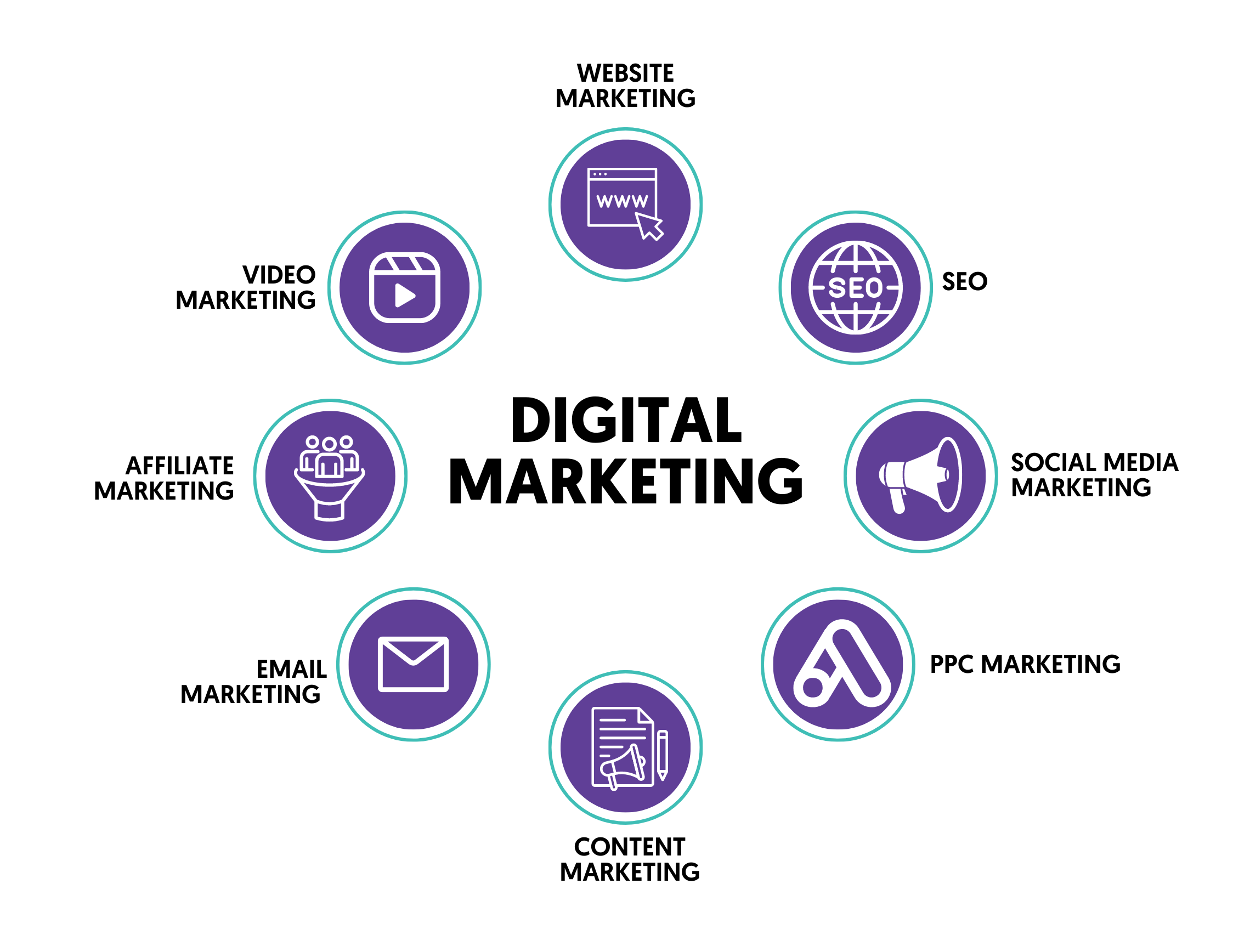
In today’s digital age, understanding key concepts in digital marketing is essential for businesses looking to reach and engage with their target audience effectively. From search engine optimisation (SEO) to social media marketing, here are some fundamental concepts that every marketer should be familiar with:

SEO (Search Engine Optimisation)

SEO is the practice of improving a website’s visibility on search engine results pages through organic (non-paid) methods. By optimising website content and structure, businesses can increase their chances of ranking higher in search engine results, driving more organic traffic to their site.

SEM (Search Engine Marketing)

SEM involves using paid advertising to appear in search engine results pages. This includes pay-per-click (PPC) campaigns that allow businesses to bid on keywords relevant to their products or services and pay when users click on their ads.

Social Media Marketing

Social media marketing involves using social platforms such as Facebook, Instagram, Twitter, and LinkedIn to promote products or services. It includes creating engaging content, running targeted ads, and interacting with followers to build brand awareness and drive conversions.

Content Marketing

Content marketing focuses on creating valuable and relevant content to attract and engage a specific target audience. This can include blog posts, videos, infographics, whitepapers, and more. By providing valuable information, businesses can establish themselves as industry experts and build trust with their audience.

Email Marketing

Email marketing involves sending targeted messages to a list of subscribers with the goal of driving engagement and conversions. This can include promotional offers, newsletters, product updates, and more. Effective email marketing campaigns are personalised, relevant, and provide value to recipients.

Analytics

Analytics is the process of measuring and analysing data from digital marketing efforts to track performance and make informed decisions. By monitoring key metrics such as website traffic, conversion rates, click-through rates, and more, businesses can optimise their strategies for better results.

By understanding these fundamental digital marketing concepts and incorporating them into your overall strategy, you can drive growth for your business online and connect with your target audience in meaningful ways.


Five Essential Tips for Mastering Digital Marketing Strategies

  1. Utilize social media platforms to engage with your audience and promote your brand.
  2. Create high-quality and relevant content to attract and retain customers.
  3. Optimize your website for search engines to improve visibility and drive organic traffic.
  4. Use email marketing campaigns to nurture leads and build relationships with customers.
  5. Track and analyze key performance indicators (KPIs) to measure the success of your digital marketing efforts.

Utilize social media platforms to engage with your audience and promote your brand.

To maximise your digital marketing efforts, it is crucial to leverage social media platforms as powerful tools to interact with your audience and raise awareness of your brand. By engaging with users through compelling content, responding to comments and messages, and running targeted advertising campaigns, you can cultivate a loyal following and drive conversions. Social media provides a direct line of communication with your target market, allowing you to build relationships, showcase your brand’s personality, and ultimately boost your online presence.

Create high-quality and relevant content to attract and retain customers.

Creating high-quality and relevant content is a crucial tip in digital marketing concepts. By producing content that is valuable, informative, and tailored to the needs of your target audience, you can attract and retain customers effectively. Engaging content not only helps in building brand credibility and trust but also encourages customer loyalty and repeat business. Whether it’s through blog posts, videos, social media updates, or email newsletters, delivering content that resonates with your audience can drive engagement, increase brand awareness, and ultimately lead to conversions.

Optimize your website for search engines to improve visibility and drive organic traffic.

To enhance your online presence and attract more visitors, it is crucial to optimise your website for search engines. By implementing effective search engine optimisation (SEO) strategies, you can improve your site’s visibility in search engine results pages and drive organic traffic to your website. This involves enhancing your website’s content, structure, and performance to ensure that it ranks higher in relevant searches, ultimately increasing the likelihood of attracting potential customers who are actively seeking the products or services you offer. By focusing on SEO as a key digital marketing concept, you can boost your online visibility and reach a wider audience in a cost-effective manner.

Use email marketing campaigns to nurture leads and build relationships with customers.

Utilising email marketing campaigns is a powerful strategy in digital marketing to nurture leads and cultivate lasting relationships with customers. By delivering targeted and personalised content directly to subscribers’ inboxes, businesses can engage with their audience on a more intimate level, providing valuable information, promotions, and updates that cater to their specific needs and interests. This proactive approach not only helps in converting leads into customers but also fosters loyalty and trust, ultimately leading to long-term customer relationships built on mutual value and engagement.

Track and analyze key performance indicators (KPIs) to measure the success of your digital marketing efforts.

Tracking and analysing key performance indicators (KPIs) is crucial for evaluating the effectiveness of your digital marketing strategies. By monitoring metrics such as website traffic, conversion rates, click-through rates, and engagement levels, you can gain valuable insights into what is working well and where improvements are needed. These KPIs provide quantifiable data that allows you to make informed decisions, refine your approach, and ultimately maximise the success of your digital marketing campaigns.

digital marketing for beginners

Navigating Digital Marketing for Beginners: A Comprehensive Guide

Digital Marketing for Beginners

Digital Marketing for Beginners

Digital marketing is a powerful tool for businesses of all sizes to reach their target audience and grow their online presence. If you’re new to the world of digital marketing, it can seem overwhelming at first. However, with the right guidance and strategies, you can effectively promote your brand and engage with potential customers. Here are some key concepts to help beginners navigate the realm of digital marketing:

Understanding Digital Marketing

Digital marketing encompasses various online tactics and channels to promote products or services. It includes activities such as search engine optimisation (SEO), social media marketing, email marketing, content creation, pay-per-click advertising, and more. The goal is to connect with your target audience in the digital space and drive conversions.

Key Components of Digital Marketing

Website: Your website is the cornerstone of your online presence. Ensure it is user-friendly, mobile-responsive, and optimised for search engines.

SEO: Search engine optimisation helps improve your website’s visibility in search engine results pages (SERPs) by targeting relevant keywords and creating high-quality content.

Social Media: Utilise social media platforms like Facebook, Instagram, Twitter, and LinkedIn to engage with your audience, share valuable content, and promote your products or services.

Email Marketing: Build an email list and send targeted campaigns to nurture leads, promote offers, and stay connected with customers.

Tips for Beginners

Define Your Goals: Determine what you want to achieve through digital marketing – whether it’s increasing brand awareness, driving website traffic, or generating leads.

Know Your Audience: Understand your target market’s preferences, behaviours, and demographics to tailor your digital marketing efforts effectively.

Test and Learn: Experiment with different strategies, analyse the results, and refine your approach based on what works best for your business.

Conclusion

Digital marketing offers endless opportunities for businesses to connect with their audience in a meaningful way. By understanding the key concepts and implementing effective strategies, beginners can set a strong foundation for successful online marketing campaigns. Remember that consistency and adaptability are key in the ever-evolving landscape of digital marketing.


Essential FAQs: A Beginner’s Guide to Digital Marketing

  1. What is digital marketing and why is it important?
  2. What are the key components of a digital marketing strategy?
  3. How can I improve my website’s search engine ranking?
  4. What social media platforms should I focus on for my business?
  5. How do I start with email marketing and build an email list?
  6. What is the role of content in digital marketing?
  7. How can pay-per-click (PPC) advertising benefit my business?
  8. What analytics tools can help me measure the success of my digital marketing campaigns?
  9. How do I create a budget for digital marketing activities?

What is digital marketing and why is it important?

Digital marketing is a vital aspect of modern business strategy that utilises various online channels to promote products or services and engage with target audiences. Its importance lies in the ability to reach a vast number of potential customers in the digital space, allowing businesses to connect with their audience in a more targeted and cost-effective manner than traditional marketing methods. By leveraging digital marketing techniques such as SEO, social media, email campaigns, and content creation, businesses can increase brand visibility, drive website traffic, generate leads, and ultimately boost sales and revenue. In today’s digital age, having a strong digital marketing strategy is essential for staying competitive and building a successful online presence.

What are the key components of a digital marketing strategy?

When delving into the realm of digital marketing as a beginner, understanding the key components of a digital marketing strategy is crucial. These components typically include a well-designed website that is optimised for search engines (SEO), engaging social media presence, targeted email marketing campaigns, compelling content creation, pay-per-click advertising, and data analytics to measure performance. Each element plays a vital role in reaching and engaging with the target audience effectively, driving conversions, and ultimately achieving the desired business objectives. By incorporating these key components into a cohesive digital marketing strategy, beginners can establish a strong foundation for success in the online landscape.

How can I improve my website’s search engine ranking?

Improving your website’s search engine ranking is crucial for increasing visibility and attracting organic traffic. To enhance your website’s search engine ranking, focus on implementing effective search engine optimisation (SEO) strategies. This includes conducting keyword research to target relevant terms, creating high-quality and engaging content, optimising meta tags and descriptions, improving website loading speed, building quality backlinks from reputable sources, and ensuring mobile responsiveness. Regularly monitoring and analysing your website’s performance using tools like Google Analytics can also help you identify areas for improvement and refine your SEO efforts to boost your search engine ranking.

What social media platforms should I focus on for my business?

When it comes to determining the social media platforms to focus on for your business in the realm of digital marketing, it is essential to consider your target audience and the nature of your products or services. Each social media platform caters to different demographics and user behaviours. For instance, if your business targets a younger audience, platforms like Instagram and TikTok may be more suitable due to their visual and interactive nature. On the other hand, LinkedIn might be ideal for B2B businesses looking to connect with professionals in their industry. It is crucial to research and analyse where your target audience spends their time online to make informed decisions on which platforms will best serve your business goals.

How do I start with email marketing and build an email list?

To start with email marketing and build an email list as a beginner, it is essential to follow a structured approach. Begin by selecting an email marketing platform that suits your needs and allows for easy management of campaigns and subscriber lists. Create valuable and engaging content that resonates with your target audience to encourage them to subscribe to your emails. Utilise various channels such as social media, website pop-ups, and incentives like exclusive offers or content upgrades to attract subscribers. Remember to comply with data protection regulations such as GDPR when collecting and storing email addresses. Consistent communication, segmentation of your email list, and monitoring of performance metrics will help you refine your email marketing strategy over time for optimal results.

What is the role of content in digital marketing?

In the realm of digital marketing, content plays a pivotal role in engaging and connecting with target audiences. High-quality and relevant content serves as the foundation for various digital marketing strategies, including SEO, social media, email marketing, and more. Compelling content not only attracts potential customers but also educates, informs, and entertains them, building trust and credibility for your brand. From blog posts and videos to social media updates and email newsletters, well-crafted content has the power to drive traffic to your website, increase brand visibility, and ultimately convert leads into loyal customers. In essence, content is the driving force behind successful digital marketing campaigns that resonate with audiences and deliver tangible results.

How can pay-per-click (PPC) advertising benefit my business?

Pay-per-click (PPC) advertising can greatly benefit your business by providing a targeted and cost-effective way to reach potential customers online. With PPC ads, you only pay when someone clicks on your ad, making it a measurable and efficient marketing strategy. By carefully selecting keywords, targeting specific audiences, and setting a budget that works for you, PPC advertising can drive relevant traffic to your website, increase brand visibility, and ultimately lead to higher conversions. Additionally, the ability to track and analyse the performance of your PPC campaigns allows you to make data-driven decisions to optimise your advertising efforts for maximum ROI.

What analytics tools can help me measure the success of my digital marketing campaigns?

When delving into digital marketing as a beginner, a common question arises: “What analytics tools can help me measure the success of my digital marketing campaigns?” Tracking the performance of your campaigns is crucial for understanding their impact and making data-driven decisions. Popular analytics tools like Google Analytics, Adobe Analytics, and HubSpot provide valuable insights into website traffic, user behaviour, conversion rates, and more. By leveraging these tools effectively, beginners can gain a comprehensive understanding of their digital marketing efforts and optimise strategies for better results.

How do I create a budget for digital marketing activities?

Creating a budget for digital marketing activities is a crucial step for beginners looking to establish their online presence effectively. Start by defining your goals and objectives, whether it’s increasing website traffic, generating leads, or boosting brand awareness. Consider allocating funds to different channels such as social media advertising, search engine optimisation, content creation, and email marketing based on your target audience and marketing strategy. It’s essential to track the performance of each activity and adjust your budget accordingly to maximise your return on investment. Remember that flexibility and experimentation are key in finding the right balance between cost-effectiveness and achieving your digital marketing goals.

digital marketing 101

Mastering Digital Marketing 101: A Beginner’s Guide to Online Success

Digital Marketing 101: A Beginner’s Guide

In today’s digital age, having a solid understanding of digital marketing is essential for any business looking to succeed online. Whether you are a small start-up or an established corporation, knowing the basics of digital marketing can help you reach your target audience, drive traffic to your website, and ultimately increase sales. Let’s delve into the fundamentals of digital marketing and explore how you can leverage this powerful tool to grow your business.

What is Digital Marketing?

Digital marketing encompasses all online efforts to promote and sell products or services using various digital channels. These channels include search engines, social media platforms, email, and websites. Unlike traditional marketing methods, digital marketing allows businesses to target specific audiences in a more cost-effective and measurable way.

The Core Components of Digital Marketing

There are several key components of digital marketing that every business should be familiar with:

  1. Search Engine Optimization (SEO): SEO involves optimizing your website to improve its visibility in search engine results pages. By using relevant keywords and creating high-quality content, you can attract organic traffic to your site.
  2. Social Media Marketing: Social media platforms like Facebook, Instagram, and Twitter offer a valuable opportunity to engage with your audience, build brand awareness, and drive traffic to your website.
  3. Email Marketing: Email remains one of the most effective ways to communicate with customers. By sending targeted emails with valuable content or promotions, you can nurture leads and convert them into customers.
  4. Content Marketing: Content marketing involves creating and sharing valuable content such as blog posts, videos, and infographics to attract and retain customers. It helps establish your brand as a thought leader in your industry.
  5. Paid Advertising: Paid advertising allows you to reach a larger audience quickly through platforms like Google Ads or social media ads. You can target specific demographics and track the performance of your ads in real-time.

The Benefits of Digital Marketing

Digital marketing offers numerous benefits for businesses of all sizes:

  • Increased Reach: With digital marketing, you can reach a global audience without the limitations of traditional advertising methods.
  • Cost-Effective: Digital marketing is often more affordable than traditional advertising channels like TV or print media.
  • Measurable Results: Digital marketing allows you to track the performance of your campaigns in real-time and make data-driven decisions based on analytics.
  • Better Targeting: With digital marketing tools, you can target specific demographics based on factors like age, location, interests, and behaviour.

In Conclusion

Digital marketing is an essential tool for businesses looking to thrive in today’s competitive landscape. By understanding the core components of digital marketing and leveraging them effectively, you can connect with your target audience, drive traffic to your website, and ultimately grow your business. Whether you are just starting out or looking to enhance your existing strategies, embracing digital marketing is key to staying ahead in the digital world.


8 Key Advantages of Digital Marketing 101: Expanding Reach, Cutting Costs, and Boosting Engagement

  1. Increased global reach
  2. Cost-effective compared to traditional advertising methods
  3. Measurable results with real-time analytics
  4. Target specific demographics based on various factors
  5. Enhanced brand awareness and visibility online
  6. Ability to engage with customers in real-time through social media
  7. Opportunity to create personalized and targeted marketing campaigns
  8. Flexibility to adjust strategies quickly based on performance data


Navigating the Challenges of Digital Marketing: Overcoming Competition, Algorithm Shifts, Information Overload, and Impersonal Interactions

  1. 1. Overwhelming Competition
  2. 2. Constant Algorithm Changes
  3. 3. Potential for Information Overload
  4. 4. Lack of Personal Touch

Increased global reach

One of the key advantages of digital marketing is the ability to achieve increased global reach. Unlike traditional marketing methods that are often limited by geographical boundaries, digital marketing allows businesses to connect with a diverse audience worldwide. Through online channels such as social media, search engines, and email, companies can expand their reach beyond local markets and target potential customers on a global scale. This enhanced reach not only increases brand visibility but also opens up new opportunities for growth and expansion in international markets.

Cost-effective compared to traditional advertising methods

One significant advantage of digital marketing over traditional advertising methods is its cost-effectiveness. Digital marketing allows businesses to reach a wide audience at a fraction of the cost of traditional advertising channels such as TV or print media. With digital marketing tools, businesses can create targeted campaigns that reach specific demographics, track performance in real-time, and make adjustments based on data analytics. This cost-effective approach not only helps businesses save money but also ensures that their marketing efforts are more efficient and yield better results.

Measurable results with real-time analytics

One significant advantage of digital marketing is the ability to measure results with real-time analytics. Unlike traditional marketing methods, digital marketing allows businesses to track the performance of their campaigns instantly and accurately. By analysing real-time data, businesses can gain valuable insights into customer behaviour, campaign effectiveness, and ROI. This data-driven approach enables businesses to make informed decisions, optimise their strategies on the go, and ultimately improve their overall marketing efforts for better results.

Target specific demographics based on various factors

One of the key advantages of digital marketing is the ability to target specific demographics based on various factors. By leveraging data analytics and online targeting tools, businesses can tailor their marketing campaigns to reach audiences based on factors such as age, location, interests, and behaviour. This level of precision allows companies to deliver personalised messages that resonate with their target demographic, leading to higher engagement rates and increased conversion opportunities. With the ability to segment and target specific audiences effectively, digital marketing enables businesses to maximise the impact of their campaigns and achieve better results in a cost-effective manner.

Enhanced brand awareness and visibility online

Enhanced brand awareness and visibility online are key benefits of digital marketing. By utilising various digital channels such as social media, search engine optimisation, and content marketing, businesses can significantly increase their online presence and reach a wider audience. This increased visibility not only helps in attracting new customers but also reinforces brand credibility and trust among existing ones. Through strategic digital marketing efforts, businesses can establish themselves as industry leaders and stay top-of-mind with their target audience in the competitive online landscape.

Ability to engage with customers in real-time through social media

One significant advantage of digital marketing is the ability to engage with customers in real-time through social media platforms. By utilising social media channels such as Facebook, Twitter, and Instagram, businesses can interact with their audience instantly, respond to queries, address concerns, and build meaningful relationships. This real-time engagement not only fosters trust and loyalty but also provides valuable insights into customer preferences and behaviours, allowing businesses to tailor their marketing strategies for maximum impact.

Opportunity to create personalized and targeted marketing campaigns

One significant advantage of digital marketing is the opportunity it provides to create personalised and targeted marketing campaigns. By leveraging data insights and analytics, businesses can tailor their marketing efforts to specific demographics, interests, and behaviours of their target audience. This level of personalisation not only enhances the customer experience but also increases the effectiveness of marketing campaigns by delivering relevant content to the right people at the right time. Ultimately, this approach leads to higher engagement, conversion rates, and customer satisfaction, making personalised and targeted marketing a powerful tool in the digital marketing landscape.

Flexibility to adjust strategies quickly based on performance data

One significant advantage of digital marketing is its flexibility to adjust strategies swiftly based on performance data. By closely monitoring key metrics such as website traffic, conversion rates, and engagement levels, businesses can quickly identify what is working and what needs improvement. This ability to adapt and refine strategies in real-time allows companies to optimise their campaigns for better results, ultimately leading to more effective and efficient marketing efforts in reaching their target audience.

1. Overwhelming Competition

In the realm of digital marketing, one significant challenge that businesses face is the overwhelming competition present in the digital landscape. With numerous competitors vying for consumers’ attention, standing out and capturing your target audience’s interest can be a daunting task. The saturation of the digital market requires businesses to adopt innovative strategies and unique approaches to differentiate themselves and cut through the noise to effectively engage with their audience.

2. Constant Algorithm Changes

One significant drawback of digital marketing is the constant algorithm changes implemented by search engines and social media platforms. These updates often require businesses to adjust their strategies regularly to maintain visibility and effectiveness. Keeping up with these changes can be time-consuming and challenging, as what works today may not necessarily work tomorrow. This dynamic nature of digital marketing algorithms adds a layer of complexity for businesses striving to stay ahead in the online landscape.

3. Potential for Information Overload

One significant drawback of digital marketing is the potential for information overload. The vast array of digital marketing tools and tactics can lead to a sense of overwhelm, making it challenging to determine where to concentrate your efforts effectively. With so many options available, businesses may struggle to navigate the digital landscape and make informed decisions on which strategies will yield the best results. This can result in wasted resources and a lack of clarity on how to optimise their digital marketing efforts for maximum impact.

4. Lack of Personal Touch

In digital marketing, one significant drawback is the lack of personal touch that traditional marketing methods provide. The absence of face-to-face interactions and personalised experiences can hinder the development of strong customer relationships. Without the ability to engage with customers on a more personal level, businesses may struggle to establish trust and loyalty, potentially impacting their overall success in building lasting connections with their target audience.

digital business strategy

Mastering the Art of Digital Business Strategy: A Guide to Success in the Digital Age

The Importance of Digital Business Strategy in Today’s Competitive Landscape

In the fast-paced digital age, having a well-defined digital business strategy is crucial for organisations looking to thrive and stay ahead of the competition. A digital business strategy encompasses a set of plans and actions that leverage digital technologies to achieve specific business objectives and drive growth.

Adapting to Changing Consumer Behaviour

One of the key reasons why a robust digital business strategy is essential is the changing behaviour of consumers. With the increasing use of smartphones, social media, and online shopping platforms, customers now expect seamless digital experiences across all touchpoints. A well-crafted digital strategy can help businesses meet these evolving expectations and deliver personalised, engaging interactions with their target audience.

Enhancing Operational Efficiency

Implementing a digital business strategy can also streamline operations and enhance efficiency within an organisation. By digitising processes, automating repetitive tasks, and leveraging data analytics, businesses can optimise their workflows, reduce costs, and make informed decisions based on real-time insights.

Driving Innovation and Growth

Digital technologies provide endless opportunities for innovation and growth. A strategic approach to digital transformation can enable businesses to explore new revenue streams, expand into new markets, and differentiate themselves from competitors. By embracing emerging technologies such as artificial intelligence, blockchain, or the Internet of Things (IoT), companies can stay at the forefront of industry trends and drive sustainable growth.

Measuring Success and Iterating for Improvement

An effective digital business strategy includes clear metrics and KPIs to measure success and track progress towards goals. By analysing data on key performance indicators such as website traffic, conversion rates, customer engagement metrics, or ROI from marketing campaigns, businesses can identify areas for improvement and make data-driven decisions to optimise their strategies continuously.

Conclusion

In conclusion, in today’s competitive landscape, a well-defined digital business strategy is not just a nice-to-have but a necessity for organisations seeking long-term success. By embracing digital technologies strategically, businesses can adapt to changing consumer preferences, enhance operational efficiency, drive innovation and growth, and ultimately achieve their business objectives in the digital age.


Understanding Digital Business Strategy: Key Questions and Insights for Organisational Success

  1. What is a digital business strategy?
  2. Why is a digital business strategy important for organisations?
  3. How can a digital business strategy help businesses stay competitive?
  4. What are the key components of a successful digital business strategy?
  5. How can businesses align their digital business strategy with their overall goals?
  6. What role does data analytics play in shaping a digital business strategy?
  7. How can businesses measure the success of their digital business strategy?
  8. What are some common challenges that organisations face when implementing a digital business strategy?

What is a digital business strategy?

A digital business strategy is a comprehensive plan that outlines how an organisation will leverage digital technologies to achieve its business objectives and stay competitive in the digital landscape. It involves identifying opportunities for using technology to improve processes, enhance customer experiences, drive innovation, and ultimately achieve sustainable growth. A well-defined digital business strategy aligns with the overall business goals and takes into account factors such as market trends, consumer behaviour, technological advancements, and competitive analysis. By developing a clear roadmap for integrating digital tools and capabilities into the core operations of a business, organisations can adapt to the evolving digital environment and position themselves for long-term success.

Why is a digital business strategy important for organisations?

A digital business strategy is crucial for organisations in today’s digital-centric world as it serves as a roadmap for leveraging technology to achieve business objectives and stay competitive. By embracing digital transformation strategically, organisations can adapt to evolving consumer behaviours, enhance operational efficiency, drive innovation and growth, and measure success through data-driven insights. A well-defined digital business strategy not only enables businesses to meet the expectations of tech-savvy consumers but also empowers them to make informed decisions, optimise processes, and differentiate themselves in the market. Ultimately, a robust digital business strategy is essential for organisations looking to thrive in the digital age and secure long-term success.

How can a digital business strategy help businesses stay competitive?

A well-crafted digital business strategy plays a pivotal role in helping businesses stay competitive in today’s dynamic marketplace. By leveraging digital technologies effectively, businesses can differentiate themselves from competitors, enhance customer experiences, and adapt to changing market trends swiftly. A strategic approach to digital business strategy enables companies to streamline operations, improve efficiency, and drive innovation, ultimately leading to sustainable growth and long-term success. Embracing digital transformation allows businesses to stay agile, responsive, and relevant in an increasingly digital-centric world, positioning them as leaders in their respective industries.

What are the key components of a successful digital business strategy?

A successful digital business strategy comprises several key components that are essential for achieving business objectives in the digital landscape. These components include a clear understanding of the target audience and their needs, the use of data-driven insights to inform decision-making, the integration of digital technologies to enhance customer experiences, the alignment of business goals with digital initiatives, and a focus on continuous innovation and adaptation to stay ahead of the competition. By incorporating these key components into their strategy, businesses can create a solid foundation for success in today’s digital-first world.

How can businesses align their digital business strategy with their overall goals?

Aligning a digital business strategy with overall goals requires a clear understanding of the organisation’s objectives and how digital initiatives can support them. Businesses can start by conducting a comprehensive assessment of their current state, identifying key areas where digital transformation can drive value and contribute to achieving long-term goals. By aligning digital initiatives with overarching business objectives, setting measurable KPIs, and regularly evaluating progress, businesses can ensure that their digital strategy remains in sync with their vision and mission. Effective communication across all levels of the organisation is also crucial to ensure that everyone is aligned towards the same goals and understands the role of digital technologies in achieving them.

What role does data analytics play in shaping a digital business strategy?

Data analytics plays a pivotal role in shaping a digital business strategy by providing valuable insights that drive informed decision-making and strategic planning. By leveraging data analytics tools and techniques, businesses can gain a deeper understanding of customer behaviour, market trends, and operational performance. This data-driven approach enables companies to identify opportunities for growth, optimise processes, personalise customer experiences, and measure the effectiveness of their digital initiatives. Ultimately, data analytics empowers organisations to make evidence-based decisions that align with their business goals and drive success in the digital landscape.

How can businesses measure the success of their digital business strategy?

Businesses can measure the success of their digital business strategy through a variety of key performance indicators (KPIs) that align with their specific objectives. Metrics such as website traffic, conversion rates, customer engagement levels, return on investment (ROI) from digital marketing campaigns, and customer lifetime value can provide valuable insights into the effectiveness of the strategy. Additionally, monitoring social media metrics, email open rates, and online sales data can help businesses track their progress and make data-driven decisions to refine and improve their digital strategies for optimal results. Regularly analysing these KPIs allows businesses to assess performance, identify areas for enhancement, and ensure that their digital business strategy is driving tangible outcomes in line with their goals.

What are some common challenges that organisations face when implementing a digital business strategy?

When organisations embark on implementing a digital business strategy, they often encounter several common challenges along the way. One significant challenge is the resistance to change within the organisation, as employees may be hesitant to adopt new technologies or processes. Another common issue is the lack of internal expertise and resources to effectively execute the digital strategy. Additionally, ensuring data security and compliance with regulations poses a challenge, especially in industries with strict data protection requirements. Furthermore, keeping up with rapid technological advancements and evolving consumer preferences can make it challenging for organisations to stay ahead of the curve and remain competitive in the digital landscape. Addressing these challenges requires careful planning, investment in training and development, collaboration across departments, and a proactive approach to innovation and adaptation.

Navigating the Basics: A Beginner’s Guide to Digital Marketing Strategy

Digital Marketing Strategy for Beginners

Digital Marketing Strategy for Beginners

Embarking on the journey of digital marketing can be both exciting and overwhelming for beginners. With the right strategy in place, you can effectively reach your target audience and achieve your business goals. Here are some key steps to help you kickstart your digital marketing efforts:

Define Your Goals

Before diving into digital marketing, it’s essential to outline clear and achievable goals. Whether you aim to increase website traffic, generate leads, or boost brand awareness, having specific objectives will guide your strategy.

Know Your Audience

Understanding your target audience is crucial for crafting relevant and engaging content. Conduct market research to identify their demographics, preferences, and online behaviour. This insight will help tailor your messaging to resonate with your audience.

Choose the Right Channels

There are various digital marketing channels available, such as social media, email marketing, search engine optimisation (SEO), and pay-per-click (PPC) advertising. Select the channels that align with your goals and where your audience is most active.

Create Compelling Content

Content is king in the digital realm. Develop high-quality and engaging content that educates, entertains, or inspires your audience. From blog posts and videos to infographics and podcasts, explore different formats to capture attention.

Implement SEO Best Practices

Optimising your website for search engines is essential for increasing visibility online. Research keywords relevant to your industry and incorporate them strategically into your content. Focus on creating a user-friendly experience that encourages organic traffic.

Analyse and Optimise Performance

Data-driven decision-making is key to refining your digital marketing strategy over time. Monitor metrics such as website traffic, conversion rates, and engagement levels to assess performance. Use this data to make informed adjustments that enhance results.

By following these foundational steps in digital marketing strategy for beginners, you can establish a strong online presence and connect with your target audience effectively.


Essential Digital Marketing Tips for Beginners: Building an Effective Strategy

  1. Define your target audience clearly to tailor your marketing efforts effectively.
  2. Create engaging and valuable content to attract and retain customers.
  3. Utilize social media platforms to connect with your audience and promote your brand.
  4. Monitor and analyse your data regularly to track the performance of your campaigns.
  5. Stay updated on digital marketing trends and tools to adapt and improve your strategies.

Define your target audience clearly to tailor your marketing efforts effectively.

Defining your target audience clearly is a fundamental tip in digital marketing strategy for beginners. By understanding the demographics, preferences, and behaviours of your audience, you can tailor your marketing efforts effectively to resonate with them. This targeted approach ensures that your messaging is relevant and engaging, increasing the likelihood of connecting with potential customers and achieving your business goals.

Create engaging and valuable content to attract and retain customers.

Creating engaging and valuable content is a fundamental tip in digital marketing strategy for beginners. By offering content that resonates with your target audience, you can capture their attention, build trust, and establish your brand as a valuable resource. Whether it’s informative blog posts, entertaining videos, or interactive infographics, compelling content not only attracts potential customers but also keeps them coming back for more. By consistently delivering content that adds value to their lives, you can foster long-term relationships and drive customer loyalty in the competitive digital landscape.

Utilize social media platforms to connect with your audience and promote your brand.

To enhance your digital marketing strategy as a beginner, make the most of social media platforms to engage with your audience and raise brand awareness. Social media offers a powerful avenue to interact directly with your target demographic, share valuable content, and showcase your brand’s unique personality. By leveraging the reach and engagement capabilities of platforms like Facebook, Instagram, Twitter, and LinkedIn, you can foster meaningful connections with potential customers and establish a strong online presence for your brand.

Monitor and analyse your data regularly to track the performance of your campaigns.

Monitoring and analysing your data regularly is a crucial tip for beginners in digital marketing strategy. By tracking the performance of your campaigns, you gain valuable insights into what is working well and where adjustments may be needed. Understanding key metrics such as website traffic, conversion rates, and engagement levels allows you to make informed decisions to optimise your strategies for better results. Consistent data analysis empowers you to refine your approach and maximise the effectiveness of your digital marketing efforts over time.

Staying updated on digital marketing trends and tools is essential for beginners looking to succeed in the ever-evolving online landscape. By staying informed about the latest developments in the industry, you can adapt your strategies to meet changing consumer behaviours and preferences. Embracing new tools and techniques allows you to enhance your digital marketing efforts, stay ahead of the competition, and ultimately achieve better results for your business.