sem search engine marketing

Unlocking the Potential of SEM: Search Engine Marketing Strategies for Success

The Power of SEM: Search Engine Marketing

The Power of SEM: Search Engine Marketing

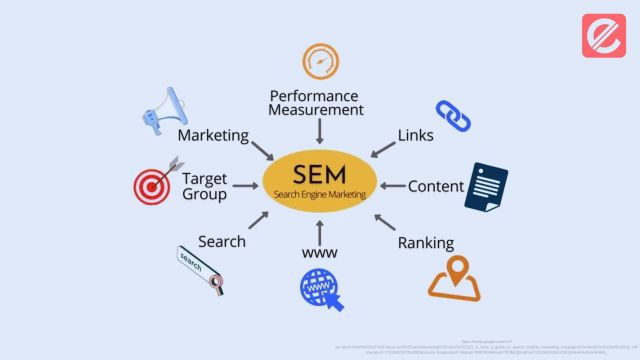
Search Engine Marketing (SEM) is a powerful digital marketing strategy that involves promoting websites by increasing their visibility in search engine results pages through paid advertising. SEM encompasses various tactics such as pay-per-click (PPC) advertising, search engine optimisation (SEO), and other techniques to drive targeted traffic to websites.

Key Components of SEM

Pay-Per-Click (PPC) Advertising: PPC ads are a fundamental aspect of SEM where advertisers pay a fee each time their ad is clicked. This model allows businesses to reach their target audience effectively and drive immediate traffic to their websites.

Search Engine Optimisation (SEO): While PPC focuses on paid advertising, SEO aims to improve a website’s organic search rankings. By optimising website content, meta tags, and other elements, businesses can enhance their visibility in search engine results pages without paying for clicks.

The Benefits of SEM

Increased Visibility: SEM helps businesses increase their online visibility and reach a wider audience by appearing at the top of search engine results pages.

Targeted Advertising: With SEM, businesses can target specific keywords and demographics to ensure that their ads are seen by relevant audiences likely to convert into customers.

Measurable Results: SEM provides detailed analytics and tracking tools that allow businesses to measure the performance of their campaigns accurately. This data helps in refining strategies for better results.

Conclusion

In conclusion, Search Engine Marketing is a valuable tool for businesses looking to enhance their online presence and drive targeted traffic to their websites. By leveraging the power of SEM through PPC advertising, SEO strategies, and other tactics, businesses can achieve measurable results and grow their online success.


8 Essential Tips for Successful Search Engine Marketing (SEM) Campaigns

  1. 1. Conduct keyword research to target relevant search terms.
  2. 2. Create compelling and relevant ad copy for your SEM campaigns.
  3. 3. Utilize ad extensions to provide additional information in your ads.
  4. 4. Monitor and analyse campaign performance regularly to make data-driven decisions.
  5. 5. Optimize landing pages for better user experience and higher conversion rates.
  6. 6. Test different ad variations to identify what resonates best with your audience.
  7. 7. Set clear goals and KPIs to track the success of your SEM efforts.
  8. 8. Stay updated on industry trends and algorithm changes to adapt your strategies accordingly.

1. Conduct keyword research to target relevant search terms.

To maximise the effectiveness of your Search Engine Marketing (SEM) strategy, it is crucial to conduct thorough keyword research to target relevant search terms. By identifying and focusing on the keywords that are most relevant to your business or industry, you can ensure that your ads reach the right audience. Understanding the search terms that potential customers use can help you tailor your SEM campaigns to attract qualified leads and drive meaningful traffic to your website. Conducting keyword research is a foundational step in SEM that can significantly impact the success of your digital marketing efforts.

2. Create compelling and relevant ad copy for your SEM campaigns.

Creating compelling and relevant ad copy is a crucial tip for successful Search Engine Marketing (SEM) campaigns. Engaging ad copy that resonates with your target audience can significantly impact click-through rates and conversions. By crafting persuasive and tailored messages that highlight the unique selling points of your products or services, you can attract the attention of potential customers and drive them to take action. Remember, in the competitive landscape of SEM, well-crafted ad copy can make all the difference in capturing the interest of users and ultimately achieving your marketing goals.

3. Utilize ad extensions to provide additional information in your ads.

When implementing Search Engine Marketing (SEM), it is essential to utilise ad extensions to enhance the effectiveness of your ads. By incorporating ad extensions, businesses can provide additional information such as contact details, location, links to specific pages, and more within their ads. This not only makes the ads more informative and engaging but also increases the chances of attracting potential customers who are seeking specific information related to the products or services being advertised. Ad extensions play a crucial role in improving ad visibility and driving higher click-through rates, ultimately contributing to the overall success of SEM campaigns.

4. Monitor and analyse campaign performance regularly to make data-driven decisions.

Monitoring and analysing campaign performance regularly is a crucial tip in Search Engine Marketing (SEM). By consistently reviewing the data and metrics of SEM campaigns, businesses can make informed, data-driven decisions to optimise their strategies effectively. This practice allows for the identification of trends, areas for improvement, and opportunities for growth, ultimately leading to more successful and efficient SEM campaigns.

5. Optimize landing pages for better user experience and higher conversion rates.

When implementing Search Engine Marketing (SEM) strategies, it is crucial to optimise landing pages for improved user experience and increased conversion rates. By ensuring that landing pages are relevant, engaging, and easy to navigate, businesses can enhance the overall user experience and encourage visitors to take desired actions, such as making a purchase or filling out a contact form. Optimised landing pages not only help in capturing the attention of potential customers but also play a significant role in converting leads into valuable conversions, ultimately maximising the effectiveness of SEM campaigns.

6. Test different ad variations to identify what resonates best with your audience.

When implementing Search Engine Marketing (SEM), it is crucial to test different ad variations to determine which resonates best with your target audience. By conducting A/B testing and experimenting with various ad copy, visuals, and calls-to-action, businesses can gain valuable insights into what drives engagement and conversions. This iterative approach allows for continuous improvement and refinement of SEM campaigns to maximise their effectiveness in reaching and appealing to the desired audience.

7. Set clear goals and KPIs to track the success of your SEM efforts.

Setting clear goals and Key Performance Indicators (KPIs) is essential when implementing Search Engine Marketing (SEM) strategies. By defining specific objectives and measurable metrics, businesses can effectively track the success of their SEM efforts. Whether the goal is to increase website traffic, boost conversions, or improve brand awareness, having clear goals and KPIs in place enables businesses to evaluate performance accurately and make informed decisions to optimise their SEM campaigns for maximum impact.

Staying updated on industry trends and algorithm changes is crucial when implementing Search Engine Marketing strategies. By keeping abreast of the latest developments in the digital marketing landscape, businesses can adapt their SEM tactics to align with current best practices and algorithm updates. This proactive approach ensures that campaigns remain effective and relevant, ultimately leading to improved performance and success in reaching target audiences online.
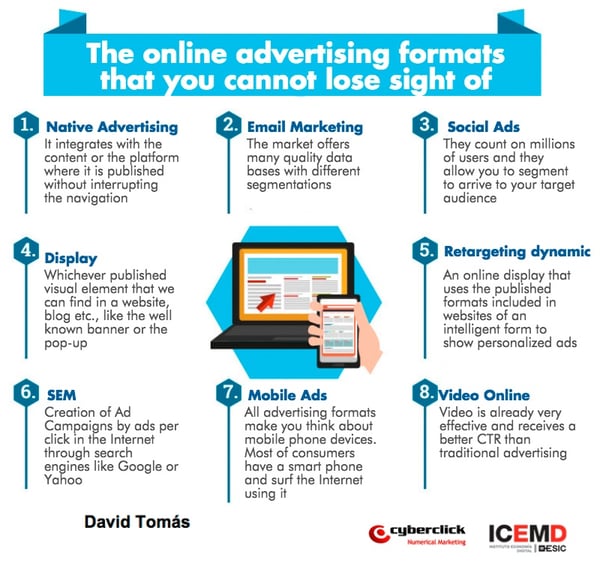
online ads

Unlocking the Potential of Online Ads: Strategies for Success

The Power of Online Ads

The Power of Online Ads

Online advertising has revolutionised the way businesses promote their products and services. With the rise of the internet, online ads have become a crucial component of marketing strategies, allowing companies to reach a global audience with precision targeting and measurable results.

Targeted Advertising

One of the key advantages of online ads is the ability to target specific demographics, interests, and behaviours. Platforms like Google Ads and social media networks offer advanced targeting options that allow advertisers to tailor their campaigns to reach the most relevant audience. This targeted approach not only increases the effectiveness of ads but also maximises return on investment.

Measurable Results

Unlike traditional forms of advertising, online ads provide detailed analytics and insights into campaign performance. Advertisers can track metrics such as click-through rates, conversions, and engagement levels in real-time, enabling them to make data-driven decisions and optimise their campaigns for better results.

Cost-Effective Marketing

Online advertising offers cost-effective solutions for businesses of all sizes. With pay-per-click (PPC) models, advertisers only pay when users interact with their ads, making it a cost-efficient way to reach potential customers. Additionally, online ads allow for flexible budgeting options, giving businesses control over their ad spend and ensuring maximum ROI.

Enhanced Brand Visibility

By utilising online ads across various platforms, businesses can enhance their brand visibility and increase awareness among target audiences. Consistent exposure through strategic ad placements helps build brand recognition and credibility, ultimately driving customer trust and loyalty.

The Future of Advertising

In today’s digital age, online advertising continues to evolve with advancements in technology and consumer behaviour. As more people spend time online across multiple devices, the importance of effective online ad campaigns will only grow. By harnessing the power of online ads, businesses can stay ahead in a competitive market and connect with their audiences in meaningful ways.


Advantages of Online Advertising: Targeted Reach, Cost Efficiency, and Creative Flexibility

  1. 1. Targeted advertising allows reaching specific demographics and interests.
  2. 2. Measurable results provide insights for campaign optimization.
  3. 3. Cost-effective with pay-per-click models and flexible budgeting options.
  4. 4. Enhanced brand visibility through strategic ad placements.
  5. 5. Global reach enables businesses to connect with a diverse audience.
  6. 6. Instant impact with real-time ad delivery and immediate visibility.
  7. 7. Creative flexibility to experiment with different ad formats and messaging.


Challenges of Online Advertising: Addressing Ad Fatigue, Privacy Concerns, and More

  1. Ad fatigue
  2. Ad blockers
  3. Click fraud
  4. Privacy concerns
  5. Banner blindness
  6. Competition
  7. Intrusiveness

1. Targeted advertising allows reaching specific demographics and interests.

Targeted advertising in online ads enables businesses to pinpoint and engage with specific demographics and interests, ensuring that their marketing messages resonate with the right audience. By leveraging advanced targeting tools available on digital platforms, advertisers can tailor their campaigns to reach individuals who are most likely to be interested in their products or services. This precision targeting not only enhances the effectiveness of online ads but also increases the likelihood of driving conversions and achieving marketing objectives.

2. Measurable results provide insights for campaign optimization.

One significant advantage of online ads is the ability to measure results effectively, providing valuable insights for campaign optimization. By tracking key metrics such as click-through rates, conversions, and engagement levels in real-time, advertisers gain a clear understanding of the performance of their ads. These measurable results not only help in evaluating the effectiveness of campaigns but also enable advertisers to make data-driven decisions to refine and improve their strategies for better outcomes. This analytical approach ensures that resources are allocated efficiently, leading to more successful and targeted advertising efforts.

3. Cost-effective with pay-per-click models and flexible budgeting options.

One significant advantage of online ads is their cost-effectiveness, thanks to pay-per-click models and flexible budgeting options. With pay-per-click advertising, businesses only pay when users engage with their ads, ensuring that they get value for their investment. Moreover, the flexibility in budgeting allows companies to set and adjust their ad spend according to their financial capabilities and campaign goals, making online advertising accessible to businesses of all sizes and budgets. This approach not only maximises return on investment but also enables businesses to reach their target audience efficiently without overspending.

4. Enhanced brand visibility through strategic ad placements.

Online ads offer businesses the opportunity to enhance their brand visibility through strategic ad placements. By strategically placing ads across various online platforms, companies can increase their brand’s exposure and reach target audiences effectively. Consistent and targeted ad placements help build brand recognition, establish credibility, and create a lasting impression on potential customers. This increased visibility not only boosts brand awareness but also fosters customer trust and loyalty, ultimately driving business growth and success in a competitive digital landscape.

5. Global reach enables businesses to connect with a diverse audience.

Online ads offer businesses the advantage of global reach, allowing them to connect with a diverse audience across different regions and demographics. By leveraging online advertising platforms, companies can expand their reach beyond traditional boundaries and engage with potential customers worldwide. This broad exposure not only increases brand visibility but also enables businesses to tailor their messaging to resonate with diverse cultural backgrounds and preferences. The ability to reach a global audience through online ads opens up new opportunities for growth and expansion, helping businesses establish a strong presence in international markets.

6. Instant impact with real-time ad delivery and immediate visibility.

Online ads offer businesses the advantage of instant impact through real-time ad delivery and immediate visibility. With online advertising platforms, companies can launch campaigns and have their ads displayed to their target audience almost instantly. This real-time delivery ensures that businesses can reach potential customers at the right moment, increasing the chances of engagement and conversions. The immediate visibility provided by online ads allows businesses to quickly generate awareness and capture the attention of their audience in a fast-paced digital environment.

7. Creative flexibility to experiment with different ad formats and messaging.

Online ads offer businesses the advantage of creative flexibility, allowing them to experiment with various ad formats and messaging strategies. This flexibility enables advertisers to test different approaches, visuals, and messages to determine what resonates best with their target audience. By exploring new ideas and adapting their creative content, companies can continuously refine their advertising efforts for optimal engagement and impact. The ability to experiment with diverse ad formats and messaging is a valuable asset in the dynamic landscape of online advertising, providing opportunities for innovation and growth.

Ad fatigue

Excessive exposure to online ads can lead to ad fatigue, a phenomenon where users become desensitised and disengaged due to the overwhelming volume of advertisements they encounter. As individuals are bombarded with ads across various digital platforms, they may develop a sense of irritation or apathy towards marketing messages, leading to reduced effectiveness in capturing their attention and driving desired actions. Ad fatigue highlights the importance of strategic ad placement, creative content, and frequency capping to prevent audience burnout and ensure that online ads remain impactful and engaging.

Ad blockers

The widespread use of ad-blocking software presents a significant challenge for online advertisers. Ad blockers restrict the display of ads on websites, limiting their reach and diminishing their effectiveness in reaching target audiences. As more internet users opt to block ads to improve their browsing experience, advertisers face the obstacle of reduced visibility and engagement with their online campaigns. This con highlights the importance for businesses to adapt their advertising strategies and explore alternative approaches to connect with consumers in an ad-blocker-aware digital landscape.

Click fraud

Click fraud poses a significant challenge for online advertisers. This deceptive practice, which involves generating fraudulent clicks to manipulate click-through rates, not only drains advertising budgets but also distorts campaign performance metrics. Advertisers may unknowingly pay for clicks that have no genuine interest in their offerings, leading to ineffective targeting and reduced ROI. Combatting click fraud requires vigilance and the implementation of robust measures to safeguard ad campaigns from malicious activities that threaten the integrity of online advertising efforts.

Privacy concerns

Online ads have faced criticism due to privacy concerns, as they frequently depend on user data for targeting purposes. This practice has raised alarms among consumers who are wary of data collection practices and the potential misuse of their personal information. The use of targeted advertising based on user behaviour and preferences has sparked debates about the ethical implications of online ad tracking, leading to growing apprehensions about privacy violations and the need for increased transparency in data handling by advertisers.

In the realm of online advertising, a significant challenge that advertisers face is the phenomenon known as banner blindness. This occurs when users develop a tendency to ignore or consciously avoid display ads due to their pervasive presence and perceived intrusiveness on websites. As a result, the effectiveness of traditional banner ads in capturing users’ attention and driving engagement diminishes, highlighting the importance of innovative and non-intrusive ad formats to combat this growing trend.

Competition

In the realm of online advertising, competition poses a significant challenge for businesses, particularly smaller companies with constrained budgets. The intense competition for ad space often leads to inflated costs as businesses engage in bidding wars to secure visibility. This escalating cost factor can create barriers for smaller enterprises looking to establish a foothold in the digital advertising landscape, limiting their ability to compete effectively against larger competitors with more substantial financial resources.

Intrusiveness

Some online ads are perceived as intrusive or disruptive to the user experience, which can have a detrimental impact on the brand’s image. When ads interrupt online activities or appear overly aggressive, users may develop negative perceptions of the brands behind these advertising tactics. Intrusive ads can create a sense of annoyance and frustration among audiences, potentially driving them away from engaging with the brand in the future. It is essential for businesses to strike a balance between promoting their products or services and respecting the user’s online experience to maintain a positive brand reputation.

search engine marketing

Unlocking Success: The Essential Guide to Search Engine Marketing Strategies

Article: Search Engine Marketing

The Power of Search Engine Marketing

Search Engine Marketing (SEM) is a powerful digital marketing strategy that aims to increase a website’s visibility in search engine results pages. It encompasses both organic search engine optimisation (SEO) and paid advertising tactics, such as pay-per-click (PPC) campaigns.

Key Components of SEM:

1. SEO: SEO focuses on improving a website’s organic search ranking by optimising its content, meta tags, and backlinks. By enhancing the site’s relevance and authority, SEO helps attract more organic traffic from search engines like Google.

2. PPC Advertising: PPC campaigns involve bidding on keywords relevant to your business and paying for ads to appear at the top of search engine results. These ads are cost-effective as you only pay when a user clicks on your ad, making it an efficient way to drive targeted traffic to your site.

The Benefits of SEM:

  • Increased Visibility: SEM helps your website appear prominently in search results, increasing its visibility to potential customers.
  • Targeted Traffic: By targeting specific keywords and demographics, SEM drives high-quality traffic to your site from users actively searching for your products or services.
  • Measurable Results: SEM provides detailed analytics that allow you to track the performance of your campaigns and make data-driven decisions to optimise your strategy.
  • Cost-Effective Advertising: With PPC advertising, you have control over your budget and can adjust bids based on performance, ensuring you get the most out of your marketing spend.

In Conclusion

Search Engine Marketing is a valuable tool for businesses looking to enhance their online presence and reach their target audience effectively. By combining SEO best practices with strategic PPC campaigns, businesses can drive qualified traffic to their websites and achieve measurable results in today’s competitive digital landscape.


Top 6 Benefits of Search Engine Marketing: Boosting Visibility, Traffic, and Brand Awareness

  1. Increased online visibility
  2. Targeted traffic generation
  3. Measurable results and analytics
  4. Cost-effective advertising options
  5. Enhanced brand awareness
  6. Competitive advantage in search engine rankings


Five Challenges of Search Engine Marketing: Navigating Costs, Competition, and More

  1. 1. Costly Investment
  2. 2. Competitive Landscape
  3. 3. Ad Blindness
  4. 4. Click Fraud
  5. 5. Constant Monitoring Required

Increased online visibility

Increased online visibility is a key advantage of search engine marketing. By implementing effective SEO strategies and running targeted PPC campaigns, businesses can significantly improve their presence in search engine results pages. This enhanced visibility not only helps attract more organic traffic but also ensures that the website is easily discoverable by potential customers who are actively searching for relevant products or services. Ultimately, increased online visibility through search engine marketing can lead to greater brand awareness, higher website traffic, and improved chances of converting visitors into loyal customers.

Targeted traffic generation

One of the key advantages of Search Engine Marketing is its ability to generate targeted traffic to a website. By strategically selecting relevant keywords and demographics, SEM ensures that the website appears in front of users actively seeking the products or services offered. This targeted approach not only increases the likelihood of attracting potential customers but also enhances the overall quality of traffic, leading to higher conversion rates and improved return on investment for businesses.

Measurable results and analytics

One of the key advantages of Search Engine Marketing is the ability to obtain measurable results and detailed analytics. By leveraging tools such as Google Analytics and other tracking platforms, businesses can gain valuable insights into the performance of their SEM campaigns. These analytics provide data on metrics like website traffic, click-through rates, conversion rates, and more, allowing businesses to assess the effectiveness of their marketing efforts accurately. With this information at hand, companies can make informed decisions to refine their strategies, allocate resources efficiently, and ultimately achieve better ROI from their SEM initiatives.

Cost-effective advertising options

One significant advantage of search engine marketing is the cost-effective advertising options it offers. With pay-per-click (PPC) campaigns, businesses have control over their budget and only pay when a user clicks on their ad. This means that companies can reach a targeted audience without incurring high costs upfront, making SEM an efficient and affordable way to drive traffic to their websites and generate leads.

Enhanced brand awareness

Search Engine Marketing (SEM) plays a crucial role in enhancing brand awareness by increasing a company’s visibility in search engine results. By strategically targeting relevant keywords and appearing at the top of search pages, businesses can boost their brand recognition among potential customers. This heightened visibility not only drives more traffic to the website but also establishes the brand as a credible and authoritative presence in its industry. With SEM, businesses can effectively showcase their products or services to a wider audience, ultimately strengthening brand awareness and loyalty.

Competitive advantage in search engine rankings

One significant advantage of Search Engine Marketing is the ability to gain a competitive edge in search engine rankings. By implementing effective SEM strategies, businesses can improve their visibility and ranking positions in search engine results pages ahead of their competitors. Securing higher rankings not only increases brand visibility but also enhances credibility and trust among users, ultimately driving more organic traffic to the website. This competitive advantage in search engine rankings can lead to increased brand recognition, customer engagement, and ultimately, higher conversion rates for businesses striving to stand out in the digital landscape.

1. Costly Investment

Search Engine Marketing, particularly PPC advertising, can pose a significant challenge due to its costly nature. To secure top ad placements and effectively compete in the digital landscape, businesses often need to allocate a substantial budget. This financial investment can be daunting for smaller companies or those with limited resources, making it a con of Search Engine Marketing that needs careful consideration and strategic planning to ensure a positive return on investment.

2. Competitive Landscape

In the realm of Search Engine Marketing, one significant drawback is the fiercely competitive landscape it presents. Small businesses often find it challenging to distinguish themselves amidst larger competitors with substantial marketing budgets. The intense competition for ad placements and keywords can drive up costs and make it harder for smaller players to achieve prominent visibility in search engine results. This dynamic nature of the SEM space requires strategic planning and innovative approaches for smaller businesses to carve out their niche and compete effectively in the digital arena.

3. Ad Blindness

One significant drawback of search engine marketing is the phenomenon of ad blindness, where users become accustomed to ignoring paid search results. In a digital landscape saturated with advertisements, users may develop a tendency to overlook paid listings and instead gravitate towards organic search results or other types of online content. This can diminish the effectiveness of SEM campaigns, as businesses may struggle to capture the attention of their target audience amidst the abundance of paid advertising. Marketers need to be mindful of ad blindness and employ strategies that enhance the visibility and relevance of their paid ads to combat this challenge effectively.

4. Click Fraud

One significant drawback of Search Engine Marketing, particularly in Pay-Per-Click campaigns, is the issue of click fraud. Click fraud involves malicious activities such as competitors or automated bots clicking on ads repeatedly to exhaust your advertising budget without generating legitimate leads. This unethical practice not only wastes resources but also distorts campaign performance metrics, making it challenging for businesses to accurately assess the effectiveness of their marketing efforts and achieve a positive return on investment.

5. Constant Monitoring Required

One significant drawback of Search Engine Marketing is the constant monitoring and adjustment it demands to maintain competitiveness and achieve optimal performance. Effective SEM campaigns necessitate regular scrutiny and fine-tuning to keep up with evolving trends and algorithms. This continuous need for monitoring requires a significant investment of time and effort, making it a resource-intensive aspect of SEM that can be challenging for businesses to sustain in the long run.

marketing and digital marketing

Exploring the Power of Marketing in the Digital Age: A Dive into Digital Marketing Strategies

Marketing and Digital Marketing

The Evolution of Marketing: From Traditional to Digital

Marketing has always been a crucial aspect of business growth and success. Over the years, the landscape of marketing has undergone significant transformations, with the rise of digital marketing revolutionising the way businesses connect with their target audiences.

Traditional Marketing

In the past, traditional marketing methods such as print ads, TV commercials, and billboards were dominant in reaching consumers. While these methods were effective in their time, they often lacked precise targeting and real-time data analysis.

The Rise of Digital Marketing

Digital marketing has emerged as a game-changer in the marketing world, offering businesses new ways to engage with customers online. Through channels like social media, email marketing, search engine optimisation (SEO), and pay-per-click advertising (PPC), companies can now reach specific audiences with tailored messages.

The Benefits of Digital Marketing

  • Targeted Advertising: Digital marketing allows businesses to target their ideal customers based on demographics, interests, and online behaviour.
  • Data-Driven Insights: With digital marketing tools, companies can track and analyse campaign performance in real time, enabling them to make informed decisions about future strategies.
  • Creative Flexibility: Digital platforms offer endless possibilities for creativity through interactive content, videos, and personalised messaging.
  • Global Reach: Unlike traditional marketing which is often limited by geography, digital marketing enables businesses to reach a global audience at a fraction of the cost.

The Future of Marketing

As technology continues to advance at a rapid pace, the future of marketing is likely to be even more intertwined with digital innovations. Artificial intelligence (AI), virtual reality (VR), and voice search are just some of the trends shaping the future landscape of marketing.

In conclusion, while traditional marketing still holds value in certain contexts, it is clear that digital marketing offers unparalleled opportunities for businesses to connect with consumers in today’s digital age. By embracing digital strategies and staying ahead of trends, companies can position themselves for success in an ever-evolving marketplace.


Seven Advantages of Marketing and Digital Marketing in the Modern Era

  1. Targeted advertising based on demographics and online behaviour
  2. Real-time data analysis for campaign performance tracking
  3. Cost-effective compared to traditional marketing methods
  4. Global reach to a vast online audience
  5. Creative flexibility with various digital platforms and content formats
  6. Ability to engage with customers through interactive features
  7. Opportunity for continuous optimization and improvement of marketing strategies


Exploring the Challenges of Marketing: From High Competition to Measurement Dilemmas

  1. 1. High Competition
  2. 2. Information Overload
  3. 3. Costly Investments
  4. 4. Rapid Changes
  5. 5. Privacy Concerns
  6. 6. Negative Feedback Amplification
  7. 7. Measurement Challenges

Targeted advertising based on demographics and online behaviour

Targeted advertising based on demographics and online behaviour is a powerful advantage of digital marketing. By leveraging data insights, businesses can tailor their marketing messages to specific audience segments, ensuring that the right message reaches the right people at the right time. This level of precision allows for more effective campaigns, higher engagement rates, and ultimately, increased return on investment. Digital marketing’s ability to target audiences based on demographics and online behaviour not only enhances the customer experience but also maximises the impact of marketing efforts, driving business growth and success.

Real-time data analysis for campaign performance tracking

Real-time data analysis is a significant advantage of digital marketing, allowing businesses to track campaign performance with precision and immediacy. By leveraging digital tools and analytics, companies can access up-to-the-minute insights into how their marketing efforts are resonating with their target audience. This real-time feedback enables quick adjustments to strategies, ensuring that resources are allocated effectively and optimising the overall impact of the campaign. The ability to monitor and adapt in real-time sets digital marketing apart, offering a level of agility and responsiveness that traditional marketing methods struggle to match.

Cost-effective compared to traditional marketing methods

In comparison to traditional marketing methods, one significant advantage of marketing and digital marketing is their cost-effectiveness. Digital marketing offers businesses the opportunity to reach a wider audience at a fraction of the cost associated with traditional advertising channels such as print ads or TV commercials. With targeted online campaigns, businesses can allocate their budgets more efficiently, track their return on investment in real-time, and adjust strategies as needed, making digital marketing a highly cost-effective solution for reaching and engaging with consumers in today’s competitive marketplace.

Global reach to a vast online audience

One significant advantage of digital marketing is its ability to provide businesses with a global reach to a vast online audience. Unlike traditional marketing methods that are often limited by geographical boundaries, digital marketing allows companies to connect with potential customers worldwide. Through various online channels such as social media, search engines, and email campaigns, businesses can target and engage with diverse audiences across different regions, expanding their brand presence and driving growth on a global scale. This unparalleled reach to a vast online audience enables businesses to increase brand visibility, generate leads, and ultimately boost sales in markets beyond their local reach.

Creative flexibility with various digital platforms and content formats

One significant advantage of digital marketing is the creative flexibility it offers through a variety of digital platforms and content formats. Businesses can explore interactive content, videos, infographics, podcasts, and personalised messaging to engage with their target audience in innovative ways. This flexibility allows companies to experiment with different creative strategies and tailor their messaging to resonate with specific customer segments, ultimately enhancing brand visibility and driving customer engagement.

Ability to engage with customers through interactive features

The ability to engage with customers through interactive features is a significant advantage of marketing, especially in the realm of digital marketing. By incorporating interactive elements such as quizzes, polls, videos, and live chats into campaigns, businesses can create immersive experiences that captivate audiences and encourage active participation. This not only enhances brand awareness and customer engagement but also allows for valuable insights into consumer preferences and behaviours. Interactive features in digital marketing enable businesses to build meaningful connections with their target audience, fostering loyalty and driving conversions in an increasingly competitive online landscape.

Opportunity for continuous optimization and improvement of marketing strategies

One significant advantage of marketing, particularly digital marketing, is the opportunity for continuous optimization and improvement of marketing strategies. With digital tools and analytics, businesses can gather real-time data on campaign performance, audience engagement, and conversion rates. This data-driven approach allows companies to identify what works well and what needs adjustment, enabling them to refine their strategies for better results. By constantly monitoring and analysing metrics, businesses can adapt quickly to changing trends and consumer behaviour, ensuring that their marketing efforts remain effective and competitive in the dynamic digital landscape.

1. High Competition

In the realm of marketing, particularly in the digital sphere, one significant drawback is the intense competition that businesses face. The saturated market and the ever-growing number of companies vying for consumer attention make it increasingly difficult for businesses to differentiate themselves and carve out a unique identity. Standing out amidst the sea of competitors requires strategic thinking, creativity, and a deep understanding of target audiences to effectively cut through the noise and make a lasting impact in a highly competitive landscape.

2. Information Overload

In the realm of marketing and digital marketing, a significant drawback is the issue of information overload. In today’s hyper-connected world, consumers are inundated with a constant stream of marketing messages from various channels. This saturation makes it challenging for businesses to cut through the noise and truly engage their target audience. Capturing and maintaining the attention of consumers amidst this deluge of information requires strategic and thoughtful approaches to ensure that marketing efforts are not lost in the sea of competing messages.

3. Costly Investments

Effective marketing campaigns often demand substantial financial resources, making them a costly investment for businesses. Despite the financial commitment, there is no guarantee of immediate returns in the competitive landscape of marketing and digital marketing. Companies must carefully weigh the potential costs against the expected outcomes to ensure that their investments yield desirable results in the long run.

4. Rapid Changes

In the realm of marketing and digital marketing, one significant drawback is the rapid pace of change in trends and technologies. This constant evolution means that strategies implemented today may become obsolete tomorrow, necessitating continual adaptation and updates to remain competitive in the dynamic marketplace. Keeping up with these rapid changes can be challenging for businesses, requiring a proactive approach to stay ahead of the curve and effectively engage with consumers in an ever-shifting landscape.

5. Privacy Concerns

Privacy concerns represent a significant drawback of digital marketing. With the increasing reliance on consumer data for targeted advertising, businesses often tread a fine line between personalisation and invasion of privacy. The collection and utilisation of sensitive information raise ethical dilemmas regarding consent, transparency, and data security. As consumers become more aware of their digital footprint, addressing these privacy concerns becomes paramount for businesses to maintain trust and credibility in the digital realm.

6. Negative Feedback Amplification

In the realm of marketing and digital marketing, one significant con is the phenomenon of negative feedback amplification. With the prevalence of social media channels, any criticism or negative feedback directed towards a business can quickly gain traction and spread like wildfire online. This rapid dissemination of unfavourable comments has the potential to significantly harm a company’s reputation, as it can reach a wide audience within a short period of time. Managing and mitigating negative feedback in the digital space requires vigilance and proactive strategies to protect brand image and maintain customer trust.

7. Measurement Challenges

Measuring the true impact and return on investment (ROI) of marketing activities, especially in digital channels, presents a significant challenge due to the complexity of attribution models and data sources. Determining the exact contribution of each marketing touchpoint towards a conversion or sale can be intricate, as customers often interact with multiple channels before making a purchase. This complexity can lead to difficulties in accurately assessing the effectiveness of different marketing strategies and allocating resources optimally for maximum impact.

best digital marketing

Unlocking Success: Best Practices for Digital Marketing in the UK

The Power of Digital Marketing: Strategies for Success

In today’s fast-paced and highly competitive business landscape, digital marketing has become a crucial tool for reaching and engaging with target audiences. With the right strategies in place, businesses can effectively promote their products or services, build brand awareness, and drive conversions. Let’s explore some of the best digital marketing practices that can help your business thrive in the digital realm.

Search Engine Optimization (SEO)

SEO is a cornerstone of digital marketing that focuses on improving a website’s visibility in search engine results. By optimising your website’s content and structure according to relevant keywords and best practices, you can increase organic traffic and attract potential customers who are actively searching for your offerings.

Content Marketing

Content is king in the digital world, and a well-crafted content marketing strategy can help you engage with your audience, establish thought leadership, and drive conversions. Whether it’s blog posts, videos, infographics, or social media updates, valuable and relevant content can attract and retain customers while building trust in your brand.

Social Media Marketing

Social media platforms provide businesses with a powerful channel to connect with their target audience on a personal level. By creating compelling social media campaigns, sharing engaging content, and interacting with followers, businesses can boost brand awareness, drive website traffic, and foster customer loyalty.

Email Marketing

Email marketing remains one of the most effective tools for nurturing leads and converting prospects into customers. By delivering personalised messages to subscribers based on their preferences and behaviour, businesses can drive engagement, promote products or services, and generate sales.

Pay-Per-Click Advertising (PPC)

PPC advertising allows businesses to reach their target audience through paid ads displayed on search engines or social media platforms. By bidding on relevant keywords and targeting specific demographics, businesses can drive immediate traffic to their websites and achieve measurable results in terms of clicks, conversions, and ROI.

Analytics and Data-driven Decision Making

Analytical tools provide valuable insights into the performance of digital marketing campaigns by tracking key metrics such as website traffic, conversion rates, click-through rates, and more. By analysing this data regularly and making data-driven decisions based on performance insights, businesses can optimise their strategies for maximum effectiveness.

In conclusion,digital marketing offers businesses unparalleled opportunities to reach their target audience,engage with customers,and achieve measurable results online.Whether you’re just starting out or looking to enhance your existing strategies,implementing these best practiceswould undoubtedly set you on the path to success in the ever-evolving digital landscape.


Top 5 FAQs About Effective Digital Marketing Strategies

  1. What is digital marketing and why is it important?
  2. What are the key components of a successful digital marketing strategy?
  3. How can I measure the effectiveness of my digital marketing efforts?
  4. What are the latest trends in digital marketing that businesses should be aware of?
  5. How can I choose the right digital marketing channels for my business?

What is digital marketing and why is it important?

Digital marketing encompasses a range of online strategies and tactics aimed at promoting products or services through digital channels such as websites, social media, email, search engines, and more. Its importance lies in its ability to reach a vast audience, engage with customers in real-time, and track performance metrics accurately. In today’s digital age, where consumers are increasingly turning to the internet for information and purchases, a strong digital marketing presence is essential for businesses to stay competitive, build brand awareness, drive traffic, generate leads, and ultimately increase revenue. By leveraging the power of digital marketing, businesses can connect with their target audience effectively and adapt to the ever-changing dynamics of the online marketplace.

What are the key components of a successful digital marketing strategy?

A successful digital marketing strategy comprises several key components that work together to achieve desired outcomes. Firstly, a well-defined target audience is essential, as understanding their needs and preferences is crucial for crafting relevant and engaging content. Search engine optimisation (SEO) plays a vital role in improving online visibility and driving organic traffic to the website. Content marketing, including high-quality and valuable content across various channels, helps build brand authority and attract potential customers. Social media engagement allows businesses to interact with their audience, increase brand awareness, and drive website traffic. Email marketing enables personalised communication with subscribers, nurturing leads and converting them into loyal customers. Additionally, effective data analysis and continuous optimisation based on performance metrics are key for refining strategies and achieving long-term success in the dynamic digital landscape.

How can I measure the effectiveness of my digital marketing efforts?

Measuring the effectiveness of your digital marketing efforts is essential for evaluating the success of your strategies and making informed decisions to optimise future campaigns. Key performance indicators (KPIs) such as website traffic, conversion rates, click-through rates, social media engagement, and return on investment (ROI) can provide valuable insights into the impact of your digital marketing initiatives. By analysing these metrics regularly and comparing them against predefined goals, you can determine what is working well and where adjustments may be needed to improve overall performance. Utilising analytics tools and tracking software can help you track and measure the success of your digital marketing efforts accurately, allowing you to refine your approach for maximum effectiveness.

In the dynamic world of digital marketing, staying abreast of the latest trends is essential for businesses aiming to stay competitive and relevant. Some of the current trends that businesses should be aware of include the rise of artificial intelligence and machine learning in personalising customer experiences, the increasing importance of video content for engaging audiences across platforms, the growing significance of voice search optimization with the proliferation of smart devices, and the emphasis on sustainability and ethical practices in brand messaging. By embracing these trends and adapting their strategies accordingly, businesses can effectively connect with their target audience and drive success in today’s digital landscape.

How can I choose the right digital marketing channels for my business?

When it comes to selecting the most suitable digital marketing channels for your business, it is essential to consider your target audience, business goals, and budget constraints. Conducting thorough market research to understand where your audience spends their time online can help you identify the most effective channels to reach them. Additionally, evaluating the strengths and weaknesses of each channel, such as social media, email marketing, SEO, or PPC advertising, can guide you in making informed decisions based on which platforms align best with your business objectives. By testing different channels and monitoring their performance through analytics, you can refine your strategy over time and focus on the channels that yield the best results for your business.

digital marketing overview

Navigating the Digital Marketing Landscape: An Overview of Strategies and Trends

Digital Marketing Overview

The Power of Digital Marketing: An Overview

In today’s digital age, marketing has evolved significantly with the rise of digital platforms and technologies. Digital marketing encompasses a wide range of strategies and techniques aimed at promoting products or services using online channels. It has become an essential component for businesses looking to reach their target audiences effectively and efficiently.

Key Components of Digital Marketing

Digital marketing includes various components such as:

  • Search Engine Optimization (SEO): Optimising websites to improve search engine rankings and increase organic traffic.
  • Pay-Per-Click (PPC) Advertising: Running paid advertising campaigns on search engines or social media platforms to drive targeted traffic.
  • Social Media Marketing: Utilising social media platforms to engage with audiences, build brand awareness, and drive conversions.
  • Email Marketing: Sending targeted emails to prospects and customers to promote products or services and nurture relationships.
  • Content Marketing: Creating valuable and relevant content to attract and retain a specific audience, ultimately driving profitable customer action.
  • Analytics and Data Analysis: Monitoring and analysing campaign performance to make data-driven decisions for continuous improvement.

The Benefits of Digital Marketing

Digital marketing offers numerous benefits for businesses, including:

  • Increased Reach: With the vast reach of the internet, businesses can connect with a global audience regardless of geographical boundaries.
  • Targeted Advertising: Digital marketing allows businesses to target specific demographics, interests, behaviours, and locations with precision.
  • Cost-Effective Solutions: Compared to traditional marketing methods, digital marketing often provides a more cost-effective way to reach a larger audience.
  • Data-Driven Insights: Through analytics tools, businesses can gain valuable insights into customer behaviour, preferences, and campaign performance for informed decision-making.
  • Innovative Strategies: The dynamic nature of digital marketing allows businesses to adapt quickly to changing trends and consumer preferences for better engagement.

In Conclusion

Digital marketing has revolutionised the way businesses promote their products or services in the digital landscape. By leveraging the power of online channels and data-driven strategies, businesses can enhance their visibility, engage with their target audiences effectively, and drive measurable results. Embracing digital marketing is essential for staying competitive in today’s fast-paced business environment.


9 Essential Tips for Mastering Digital Marketing Strategies

  1. Understand your target audience
  2. Create a strong online presence
  3. Utilize social media effectively
  4. Optimize your website for search engines (SEO)
  5. Invest in pay-per-click advertising (PPC)
  6. Use email marketing to engage with customers
  7. Analyse data to track and improve performance
  8. Focus on quality content creation
  9. Stay updated with the latest digital marketing trends

Understand your target audience

Understanding your target audience is a crucial aspect of digital marketing. By gaining insights into the demographics, behaviours, preferences, and needs of your audience, you can tailor your marketing strategies to effectively engage and connect with them. This understanding allows you to create relevant and compelling content that resonates with your target audience, leading to increased brand awareness, customer loyalty, and ultimately, driving conversions. Investing time in understanding your target audience ensures that your digital marketing efforts are targeted and impactful, resulting in a more successful and sustainable marketing campaign.

Create a strong online presence

Creating a strong online presence is crucial in the realm of digital marketing. By establishing a cohesive and engaging presence across various online platforms, businesses can effectively connect with their target audience, build brand credibility, and increase visibility. A strong online presence not only enhances brand awareness but also fosters trust among consumers, ultimately driving traffic and conversions. Through consistent branding, valuable content creation, and active engagement with followers, businesses can solidify their position in the digital landscape and stand out amidst competition.

Utilize social media effectively

To maximise the impact of your digital marketing efforts, it is crucial to utilise social media effectively. Social media platforms offer a powerful avenue for engaging with your target audience, building brand awareness, and driving conversions. By creating compelling content tailored to each platform, actively interacting with followers, and leveraging analytics to refine your strategy, you can harness the full potential of social media to enhance your brand presence and achieve your marketing goals.

Optimize your website for search engines (SEO)

To maximise your online visibility and attract organic traffic, it is crucial to optimise your website for search engines through effective Search Engine Optimization (SEO) practices. By incorporating relevant keywords, creating high-quality content, improving site speed and user experience, and obtaining backlinks from reputable sources, you can enhance your website’s search engine rankings and increase its chances of being discovered by potential customers. SEO plays a vital role in driving targeted traffic to your site and improving your overall digital marketing performance.

Invest in pay-per-click advertising (PPC)

Investing in pay-per-click advertising (PPC) is a crucial component of a comprehensive digital marketing strategy. With PPC, businesses have the opportunity to target specific audiences, drive relevant traffic to their websites, and achieve measurable results in a cost-effective manner. By carefully selecting keywords, creating compelling ad copy, and monitoring campaign performance, businesses can maximise their ROI and reach potential customers at the right moment in their buying journey. PPC offers a level of control and flexibility that allows businesses to adjust their campaigns in real-time based on data insights, ensuring optimal performance and driving conversions effectively.

Use email marketing to engage with customers

Utilising email marketing is a powerful strategy to engage with customers and nurture relationships effectively. By sending targeted and personalised emails, businesses can communicate directly with their audience, providing valuable content, promotions, and updates. Email marketing allows for direct interaction, encouraging customer loyalty and driving conversions. With the ability to segment email lists based on customer preferences and behaviours, businesses can tailor their messages to resonate with different segments of their audience, ultimately enhancing engagement and fostering long-term relationships.

Analyse data to track and improve performance

In digital marketing, analysing data to track and improve performance is a crucial tip for achieving success. By monitoring key metrics such as website traffic, conversion rates, click-through rates, and engagement levels, businesses can gain valuable insights into the effectiveness of their marketing campaigns. This data-driven approach allows businesses to identify areas for improvement, make informed decisions, and optimise their strategies for better results. Continuous analysis of data enables businesses to adapt to changing trends, refine their tactics, and ultimately enhance their overall digital marketing performance.

Focus on quality content creation

In the realm of digital marketing, a key tip to remember is to focus on quality content creation. Content is the cornerstone of any successful digital marketing strategy, as it serves to engage and resonate with your target audience. By creating high-quality and valuable content that addresses the needs and interests of your audience, you can establish credibility, build trust, and drive meaningful interactions. Whether it’s informative blog posts, engaging social media updates, or compelling videos, prioritising quality content creation can set you apart in a crowded online landscape and help you achieve your marketing goals effectively.

To stay ahead in the ever-evolving landscape of digital marketing, it is crucial to stay updated with the latest trends and innovations. By keeping abreast of emerging technologies, consumer behaviours, and industry developments, businesses can adapt their strategies to remain relevant and competitive. Whether it’s exploring new social media platforms, implementing cutting-edge tools for data analysis, or embracing innovative content formats, staying informed about digital marketing trends is key to driving successful campaigns and engaging with target audiences effectively.

digital marketing concepts

Unveiling Essential Digital Marketing Concepts for Success

Digital Marketing Concepts

The Fundamentals of Digital Marketing Concepts

In today’s digital age, understanding key concepts in digital marketing is essential for businesses looking to reach and engage with their target audience effectively. From search engine optimisation (SEO) to social media marketing, here are some fundamental concepts that every marketer should be familiar with:

SEO (Search Engine Optimisation)

SEO is the practice of improving a website’s visibility on search engine results pages through organic (non-paid) methods. By optimising website content and structure, businesses can increase their chances of ranking higher in search engine results, driving more organic traffic to their site.

SEM (Search Engine Marketing)

SEM involves using paid advertising to appear in search engine results pages. This includes pay-per-click (PPC) campaigns that allow businesses to bid on keywords relevant to their products or services and pay when users click on their ads.

Social Media Marketing

Social media marketing involves using social platforms such as Facebook, Instagram, Twitter, and LinkedIn to promote products or services. It includes creating engaging content, running targeted ads, and interacting with followers to build brand awareness and drive conversions.

Content Marketing

Content marketing focuses on creating valuable and relevant content to attract and engage a specific target audience. This can include blog posts, videos, infographics, whitepapers, and more. By providing valuable information, businesses can establish themselves as industry experts and build trust with their audience.

Email Marketing

Email marketing involves sending targeted messages to a list of subscribers with the goal of driving engagement and conversions. This can include promotional offers, newsletters, product updates, and more. Effective email marketing campaigns are personalised, relevant, and provide value to recipients.

Analytics

Analytics is the process of measuring and analysing data from digital marketing efforts to track performance and make informed decisions. By monitoring key metrics such as website traffic, conversion rates, click-through rates, and more, businesses can optimise their strategies for better results.

By understanding these fundamental digital marketing concepts and incorporating them into your overall strategy, you can drive growth for your business online and connect with your target audience in meaningful ways.


Five Essential Tips for Mastering Digital Marketing Strategies

  1. Utilize social media platforms to engage with your audience and promote your brand.
  2. Create high-quality and relevant content to attract and retain customers.
  3. Optimize your website for search engines to improve visibility and drive organic traffic.
  4. Use email marketing campaigns to nurture leads and build relationships with customers.
  5. Track and analyze key performance indicators (KPIs) to measure the success of your digital marketing efforts.

Utilize social media platforms to engage with your audience and promote your brand.

To maximise your digital marketing efforts, it is crucial to leverage social media platforms as powerful tools to interact with your audience and raise awareness of your brand. By engaging with users through compelling content, responding to comments and messages, and running targeted advertising campaigns, you can cultivate a loyal following and drive conversions. Social media provides a direct line of communication with your target market, allowing you to build relationships, showcase your brand’s personality, and ultimately boost your online presence.

Create high-quality and relevant content to attract and retain customers.

Creating high-quality and relevant content is a crucial tip in digital marketing concepts. By producing content that is valuable, informative, and tailored to the needs of your target audience, you can attract and retain customers effectively. Engaging content not only helps in building brand credibility and trust but also encourages customer loyalty and repeat business. Whether it’s through blog posts, videos, social media updates, or email newsletters, delivering content that resonates with your audience can drive engagement, increase brand awareness, and ultimately lead to conversions.

Optimize your website for search engines to improve visibility and drive organic traffic.

To enhance your online presence and attract more visitors, it is crucial to optimise your website for search engines. By implementing effective search engine optimisation (SEO) strategies, you can improve your site’s visibility in search engine results pages and drive organic traffic to your website. This involves enhancing your website’s content, structure, and performance to ensure that it ranks higher in relevant searches, ultimately increasing the likelihood of attracting potential customers who are actively seeking the products or services you offer. By focusing on SEO as a key digital marketing concept, you can boost your online visibility and reach a wider audience in a cost-effective manner.

Use email marketing campaigns to nurture leads and build relationships with customers.

Utilising email marketing campaigns is a powerful strategy in digital marketing to nurture leads and cultivate lasting relationships with customers. By delivering targeted and personalised content directly to subscribers’ inboxes, businesses can engage with their audience on a more intimate level, providing valuable information, promotions, and updates that cater to their specific needs and interests. This proactive approach not only helps in converting leads into customers but also fosters loyalty and trust, ultimately leading to long-term customer relationships built on mutual value and engagement.

Track and analyze key performance indicators (KPIs) to measure the success of your digital marketing efforts.

Tracking and analysing key performance indicators (KPIs) is crucial for evaluating the effectiveness of your digital marketing strategies. By monitoring metrics such as website traffic, conversion rates, click-through rates, and engagement levels, you can gain valuable insights into what is working well and where improvements are needed. These KPIs provide quantifiable data that allows you to make informed decisions, refine your approach, and ultimately maximise the success of your digital marketing campaigns.

digital marketing 2018

Exploring the Evolution of Digital Marketing in 2018

Digital Marketing Trends in 2018: A Look Back

The year 2018 marked a significant period of transformation in the digital marketing landscape. As technology continued to evolve at a rapid pace, marketers found themselves adapting to new tools and strategies to engage their audiences more effectively. Here’s a look back at some of the key trends that defined digital marketing in 2018.

The Rise of Artificial Intelligence

Artificial intelligence (AI) began to play a pivotal role in digital marketing strategies. From chatbots providing customer service on websites to AI-driven analytics offering deeper insights into consumer behaviour, businesses started leveraging AI to enhance personalisation and efficiency. This trend set the stage for more sophisticated AI applications in the years that followed.

Video Content Dominance

Video content continued its upward trajectory, becoming an essential component of digital marketing strategies. Platforms like YouTube, Instagram Stories, and Facebook Live gained popularity as marketers realised that video content was more engaging and shareable than traditional text-based content. The success of video marketing highlighted the need for brands to create visually compelling stories.

Voice Search Optimisation

With the increasing adoption of smart speakers and voice assistants like Amazon Alexa and Google Assistant, voice search optimisation emerged as a crucial trend in 20

Marketers began focusing on optimising their content for voice queries, which are typically longer and more conversational than text searches.

Influencer Marketing Maturation

While influencer marketing was not new in 2018, it saw significant maturation as brands became more strategic in their partnerships with influencers. Authenticity became a key focus, with businesses seeking influencers whose values aligned with their brand message to ensure genuine connections with audiences.

Data Privacy Concerns

The introduction of the General Data Protection Regulation (GDPR) by the European Union brought data privacy concerns to the forefront in 20

Marketers had to navigate stricter regulations regarding data collection and user consent, prompting a shift towards greater transparency and trust-building with consumers.

The Impact Moving Forward

The trends observed in 2018 laid the groundwork for future developments in digital marketing. As technology continues to advance, marketers must remain adaptable and forward-thinking to stay ahead of the curve.

In conclusion, 2018 was a year of significant change and growth in digital marketing, driven by technological advancements and evolving consumer expectations. By embracing these changes, businesses were better positioned to connect with their audiences in meaningful ways.


Top 5 Digital Marketing Tips for 2018: Boost Engagement and Reach

  1. Utilize video content for higher engagement
  2. Focus on creating quality and relevant content for your target audience
  3. Optimize your website for mobile devices to reach more users
  4. Utilize social media platforms effectively to connect with your audience
  5. Implement data analytics to track and improve your digital marketing strategies

Utilize video content for higher engagement

In 2018, one of the most impactful tips in digital marketing was the emphasis on utilising video content to achieve higher engagement levels. Video content emerged as a powerful tool for brands to connect with their audiences in a more compelling and interactive way. By incorporating videos into their marketing strategies, businesses were able to convey their messages more effectively, evoke emotions, and create memorable experiences for viewers. This trend not only boosted engagement but also helped brands stand out in a crowded online landscape, making video content an essential component of successful digital marketing campaigns.

Focus on creating quality and relevant content for your target audience

In the realm of digital marketing in 2018, a key tip that emerged was the importance of focusing on creating high-quality and relevant content tailored to your specific target audience. By understanding the interests, needs, and preferences of your audience, businesses were able to deliver content that resonated with them on a deeper level. This approach not only helped in building trust and credibility but also fostered stronger connections with customers, ultimately leading to increased engagement and conversions.

Optimize your website for mobile devices to reach more users

In 2018, a crucial tip for successful digital marketing was to optimise your website for mobile devices in order to reach a broader audience. With the increasing use of smartphones and tablets, ensuring that your website is mobile-friendly became essential for engaging users on the go. By prioritising mobile optimisation, businesses were able to provide a seamless browsing experience, improve user satisfaction, and ultimately expand their reach to attract more visitors and potential customers.

Utilize social media platforms effectively to connect with your audience

In 2018, one crucial tip for successful digital marketing was to utilise social media platforms effectively to connect with your audience. Social media provided a powerful channel for businesses to engage with their target demographic, build brand awareness, and foster meaningful relationships with customers. By creating compelling and relevant content tailored to each platform, businesses could establish a strong online presence and drive user engagement. Leveraging the interactive nature of social media allowed brands to listen to feedback, address customer inquiries promptly, and showcase their unique value propositions in a more personalised manner.

Implement data analytics to track and improve your digital marketing strategies

In 2018, one crucial tip for successful digital marketing was the implementation of data analytics to track and enhance marketing strategies. By utilising data analytics tools, businesses were able to gain valuable insights into the performance of their digital campaigns, allowing them to make informed decisions and adjustments for improved results. This emphasis on data-driven decision-making not only provided a deeper understanding of customer behaviour and preferences but also enabled marketers to optimise their strategies effectively in order to achieve greater success in reaching their target audience.

top internet marketing agency

Elevate Your Online Presence with the Top Internet Marketing Agency in the UK

Top Internet Marketing Agency

The Best Internet Marketing Agency for Your Business

In today’s digital age, having a strong online presence is crucial for the success of any business. This is where internet marketing agencies come into play, helping businesses navigate the complex world of digital marketing to reach their target audience effectively. If you’re looking to elevate your online marketing efforts, partnering with a top internet marketing agency can make all the difference.

What Sets a Top Internet Marketing Agency Apart?

A top internet marketing agency stands out for its expertise, innovation, and proven track record of delivering results. These agencies have a deep understanding of the digital landscape and stay ahead of trends to ensure their clients stay competitive in the online market.

Services Offered by Top Internet Marketing Agencies

From search engine optimisation (SEO) and pay-per-click (PPC) advertising to social media management and content marketing, top internet marketing agencies offer a wide range of services to help businesses grow their online presence. These agencies tailor their strategies to meet the unique needs of each client, ensuring maximum impact and return on investment.

Benefits of Working with a Top Internet Marketing Agency

Collaborating with a top internet marketing agency can bring numerous benefits to your business, including:

  • Increase Online Visibility: By implementing effective digital marketing strategies, your business can reach a wider audience and increase brand awareness.
  • Drive Targeted Traffic: Through targeted advertising and SEO techniques, a top agency can drive quality traffic to your website, increasing the likelihood of conversions.
  • Expertise and Guidance: Benefit from the expertise of experienced professionals who understand the nuances of online marketing and can provide valuable guidance tailored to your business goals.
  • Data-Driven Approach: Top agencies rely on data analytics to measure performance and make informed decisions that lead to continuous improvement in your online campaigns.

Choose Wisely for Optimal Results

When selecting an internet marketing agency for your business, it’s essential to do thorough research and choose one that aligns with your goals and values. Look for testimonials, case studies, and client reviews to gauge the agency’s reputation and past successes. By partnering with a top internet marketing agency, you can take your digital marketing efforts to new heights and achieve sustainable growth in today’s competitive online landscape.


Key Insights into Partnering with a Leading Internet Marketing Agency: Top 7 FAQs

  1. What services do top internet marketing agencies offer?
  2. How can a top internet marketing agency help my business grow online?
  3. What sets a top internet marketing agency apart from others?
  4. How do I choose the right internet marketing agency for my business?
  5. What are the benefits of working with a top internet marketing agency?
  6. Can a top internet marketing agency improve my website’s search engine ranking?
  7. How do top internet marketing agencies measure the success of their campaigns?

What services do top internet marketing agencies offer?

Top internet marketing agencies offer a comprehensive range of services designed to enhance a business’s online presence and drive digital success. These services typically include search engine optimisation (SEO) to improve website visibility in search engine results, pay-per-click (PPC) advertising for targeted online campaigns, social media management to engage with audiences across various platforms, content marketing for valuable and relevant content creation, email marketing for direct communication with customers, and analytics to track and measure the performance of digital strategies. By leveraging a combination of these services, top internet marketing agencies help businesses reach their target audience effectively and achieve their online marketing goals.

How can a top internet marketing agency help my business grow online?

A top internet marketing agency can significantly boost your business’s online growth by leveraging their expertise in digital strategies. Through services such as search engine optimisation (SEO), pay-per-click (PPC) advertising, social media management, and content marketing, these agencies can enhance your online visibility, drive targeted traffic to your website, and increase brand awareness. By tailoring their approaches to meet your specific business goals, a top internet marketing agency can provide valuable guidance and insights to maximise your online presence. Their data-driven approach ensures that your online campaigns are continuously refined for optimal performance, ultimately leading to sustainable growth and success in the competitive digital landscape.

What sets a top internet marketing agency apart from others?

A top internet marketing agency distinguishes itself from others through its exceptional expertise, innovative strategies, and proven track record of delivering tangible results. These agencies possess a deep understanding of the ever-evolving digital landscape and stay ahead of trends to ensure their clients remain competitive in the online market. By offering tailored solutions that align with each client’s unique goals and requirements, top internet marketing agencies consistently drive success and maximise return on investment. Their commitment to excellence, creativity, and data-driven approach sets them apart as industry leaders in helping businesses thrive in the digital realm.

How do I choose the right internet marketing agency for my business?

When selecting the right internet marketing agency for your business, it is essential to consider several key factors. Start by assessing the agency’s expertise and track record in delivering successful digital marketing campaigns. Look for agencies that have experience working with businesses similar to yours and can demonstrate tangible results. Additionally, consider the range of services offered by the agency and ensure they align with your specific marketing goals. Transparency, communication, and a collaborative approach are also crucial aspects to look for when choosing an internet marketing agency, as these factors contribute to a successful partnership that drives growth and maximises your online presence.

What are the benefits of working with a top internet marketing agency?

Partnering with a top internet marketing agency offers a myriad of benefits for businesses looking to enhance their online presence. From increasing online visibility and driving targeted traffic to benefiting from expert guidance and a data-driven approach, working with a top agency can significantly boost your digital marketing efforts. These agencies bring a wealth of expertise and experience to the table, ensuring that your online campaigns are strategic, effective, and tailored to meet your specific business goals. By collaborating with a top internet marketing agency, you can unlock the potential for sustainable growth and success in the competitive online landscape.

Can a top internet marketing agency improve my website’s search engine ranking?

Engaging the services of a top internet marketing agency can indeed have a significant impact on improving your website’s search engine ranking. With their expertise in search engine optimisation (SEO) techniques, these agencies can implement strategies to enhance your website’s visibility and relevance in search engine results. By conducting thorough keyword research, optimizing on-page elements, creating high-quality content, and building authoritative backlinks, a top internet marketing agency can help boost your website’s rankings and drive organic traffic to your site. Their data-driven approach and continuous monitoring of performance metrics ensure that your website remains competitive in the ever-evolving digital landscape.

How do top internet marketing agencies measure the success of their campaigns?

Top internet marketing agencies measure the success of their campaigns through a combination of key performance indicators (KPIs) and data analytics. These agencies utilise various metrics such as website traffic, conversion rates, click-through rates, engagement levels, and return on investment (ROI) to evaluate the effectiveness of their campaigns. By tracking and analysing these metrics, top agencies can assess the impact of their strategies, identify areas for improvement, and make data-driven decisions to optimise future campaigns. This analytical approach allows them to demonstrate tangible results to clients and continuously refine their digital marketing efforts for maximum success.

digital campaign

Unlocking Success: The Impact of a Strategic Digital Campaign

The Power of a Successful Digital Campaign

The Power of a Successful Digital Campaign

In today’s digital age, a well-executed digital campaign can be a game-changer for businesses looking to reach their target audience effectively. A digital campaign refers to the strategic use of online platforms and tools to promote products, services, or messages to a specific audience.

One of the key advantages of a digital campaign is its ability to reach a large and targeted audience at a relatively low cost compared to traditional marketing methods. With the right strategy in place, businesses can engage with potential customers across various online channels such as social media, email marketing, search engines, and websites.

Furthermore, digital campaigns offer real-time data and analytics that provide valuable insights into the performance of the campaign. By tracking metrics such as click-through rates, conversion rates, and engagement levels, businesses can measure the effectiveness of their campaigns and make data-driven decisions to optimise future efforts.

Personalisation is another significant benefit of digital campaigns. By leveraging user data and preferences, businesses can tailor their messages and content to resonate with individual customers on a more personal level. This personalised approach not only enhances customer experience but also increases the likelihood of conversion and brand loyalty.

Moreover, digital campaigns allow for greater flexibility and agility in adapting to changing market conditions or consumer trends. With the ability to quickly adjust strategies based on real-time feedback, businesses can stay ahead of the competition and remain relevant in an ever-evolving digital landscape.

In conclusion, a successful digital campaign has the power to elevate a business’s online presence, drive engagement with target audiences, generate leads and conversions, and ultimately contribute to overall business growth. By harnessing the potential of digital marketing channels effectively, businesses can unlock new opportunities for success in today’s competitive marketplace.


Essential Insights: Answering 9 Common Questions About Digital Campaigns

  1. How do you start a digital campaign?
  2. What is the best digital campaign?
  3. What is a digital campaign meaning?
  4. How do digital campaigns work?
  5. What is the advantage of digital campaign?
  6. What do you mean by digital campaign?
  7. What is a digital campaign?
  8. What is an example of a digital marketing campaign?
  9. What should a digital campaign include?

How do you start a digital campaign?

When embarking on a digital campaign, the initial steps are crucial in setting the foundation for success. To start a digital campaign effectively, it is essential to begin with a clear understanding of your objectives and target audience. Define your goals, whether they are to increase brand awareness, drive website traffic, or boost sales. Conduct thorough research to identify your target audience’s demographics, preferences, and online behaviour. Next, develop a comprehensive strategy that outlines the channels, tactics, and messaging you will use to reach and engage with your audience. Set measurable KPIs to track the performance of your campaign and make data-driven adjustments as needed. By following a strategic approach from the outset, you can maximise the effectiveness of your digital campaign and achieve your desired outcomes.

What is the best digital campaign?

When it comes to identifying the best digital campaign, there is no one-size-fits-all answer. The effectiveness of a digital campaign depends on various factors, including the goals of the business, target audience, budget, industry trends, and the chosen digital marketing channels. What may work well for one company may not necessarily yield the same results for another. It is essential to tailor a digital campaign specifically to meet the unique needs and objectives of each individual business. Conducting thorough research, setting clear objectives, and continuously monitoring and adjusting strategies based on performance data are key elements in determining the success of a digital campaign.

What is a digital campaign meaning?

A digital campaign refers to a strategic marketing initiative that utilises online platforms and tools to promote products, services, or messages to a specific audience. It involves the coordinated use of various digital channels such as social media, email marketing, search engines, and websites to reach and engage with target customers effectively. The primary goal of a digital campaign is to drive brand awareness, increase customer engagement, generate leads or conversions, and ultimately achieve business objectives in the digital space. By leveraging data-driven insights and personalised content, businesses can create impactful digital campaigns that resonate with their audience and deliver measurable results.

How do digital campaigns work?

Digital campaigns work by leveraging various online platforms and tools to promote products, services, or messages to a specific target audience. These campaigns typically involve strategic planning, content creation, and targeted distribution across channels such as social media, search engines, email marketing, and websites. By defining clear objectives, identifying the target audience, and selecting the most appropriate digital channels, businesses can effectively reach and engage with their desired customers. Monitoring key performance metrics and analysing data allows for continuous optimisation of the campaign to maximise its impact and achieve desired outcomes. Ultimately, digital campaigns work by combining creativity, technology, and data-driven insights to deliver compelling messages that resonate with audiences and drive desired actions.

What is the advantage of digital campaign?

One of the key advantages of a digital campaign lies in its ability to reach a targeted audience efficiently and cost-effectively in today’s digital landscape. By leveraging online platforms such as social media, search engines, and email marketing, businesses can engage with potential customers on a more personal level and tailor their messages to resonate with individual preferences. Additionally, the real-time data and analytics provided by digital campaigns offer valuable insights into performance metrics, enabling businesses to measure the effectiveness of their strategies and make informed decisions for future optimisation. The flexibility and agility of digital campaigns also allow businesses to adapt quickly to changing market conditions, ensuring they stay competitive and relevant in an ever-evolving digital environment.

What do you mean by digital campaign?

A digital campaign refers to a strategic marketing initiative that utilises online platforms and tools to promote products, services, or messages to a specific audience. It involves the targeted use of digital channels such as social media, email marketing, search engines, and websites to engage with potential customers and drive desired outcomes. Digital campaigns are designed to reach a wide audience in a cost-effective manner while providing real-time data and analytics for measuring performance and making informed decisions. Personalisation and flexibility are key aspects of digital campaigns, allowing businesses to tailor their messaging to individual preferences and adapt strategies quickly in response to market dynamics.

What is a digital campaign?

A digital campaign is a strategic initiative that utilises various online platforms and tools to promote products, services, or messages to a specific target audience. In essence, it involves the coordinated use of digital marketing channels such as social media, email marketing, search engines, and websites to engage with potential customers and drive desired outcomes. By leveraging the power of digital technologies, businesses can reach a wider audience, track performance metrics in real-time, personalise messaging for individual consumers, and adapt their strategies quickly to achieve marketing objectives effectively.

What is an example of a digital marketing campaign?

An example of a digital marketing campaign is the “Share a Coke” campaign launched by Coca-Cola. This innovative campaign personalised Coca-Cola bottles with popular names and encouraged customers to share photos of their personalised bottles on social media using the hashtag #ShareACoke. The campaign not only created a buzz on social platforms but also fostered user engagement and generated user-generated content, resulting in increased brand awareness and customer loyalty. By leveraging digital channels effectively, Coca-Cola successfully connected with its audience in a fun and interactive way, showcasing the power of a creative and well-executed digital marketing campaign.

What should a digital campaign include?

A successful digital campaign should encompass a well-thought-out strategy that includes key elements to maximise its effectiveness. Firstly, defining clear campaign objectives and target audience is crucial to ensure the message resonates with the right people. Engaging and relevant content tailored to the preferences of the audience is essential for capturing their attention. Utilising multiple online channels such as social media, email marketing, search engine optimisation, and display advertising can help reach a wider audience. Tracking and analysing campaign performance through data metrics allows for continuous optimisation and improvement. Lastly, incorporating a call-to-action to encourage desired actions from the audience is vital for driving conversions and achieving campaign goals.