successful digital marketing campaigns

Unlocking the Secrets of Successful Digital Marketing Campaigns

Successful Digital Marketing Campaigns

The Power of Successful Digital Marketing Campaigns

Digital marketing has revolutionised the way businesses promote their products and services. In today’s digital age, a successful marketing campaign can make all the difference in reaching and engaging with your target audience effectively. Let’s explore what sets apart successful digital marketing campaigns and how they drive business growth.

Creative and Engaging Content

One key element of a successful digital marketing campaign is the creation of creative and engaging content. Whether it’s compelling visuals, informative videos, or captivating copywriting, content that resonates with your audience can help increase brand awareness and drive customer engagement.

Targeted Audience Segmentation

Understanding your target audience is crucial for the success of any digital marketing campaign. By segmenting your audience based on demographics, interests, or online behaviour, you can tailor your messaging to specific groups, increasing the relevance of your content and improving conversion rates.

Data-Driven Strategies

Successful digital marketing campaigns rely on data-driven strategies to measure performance and make informed decisions. By analysing key metrics such as website traffic, click-through rates, and conversion rates, marketers can optimise their campaigns for better results and ROI.

Multichannel Approach

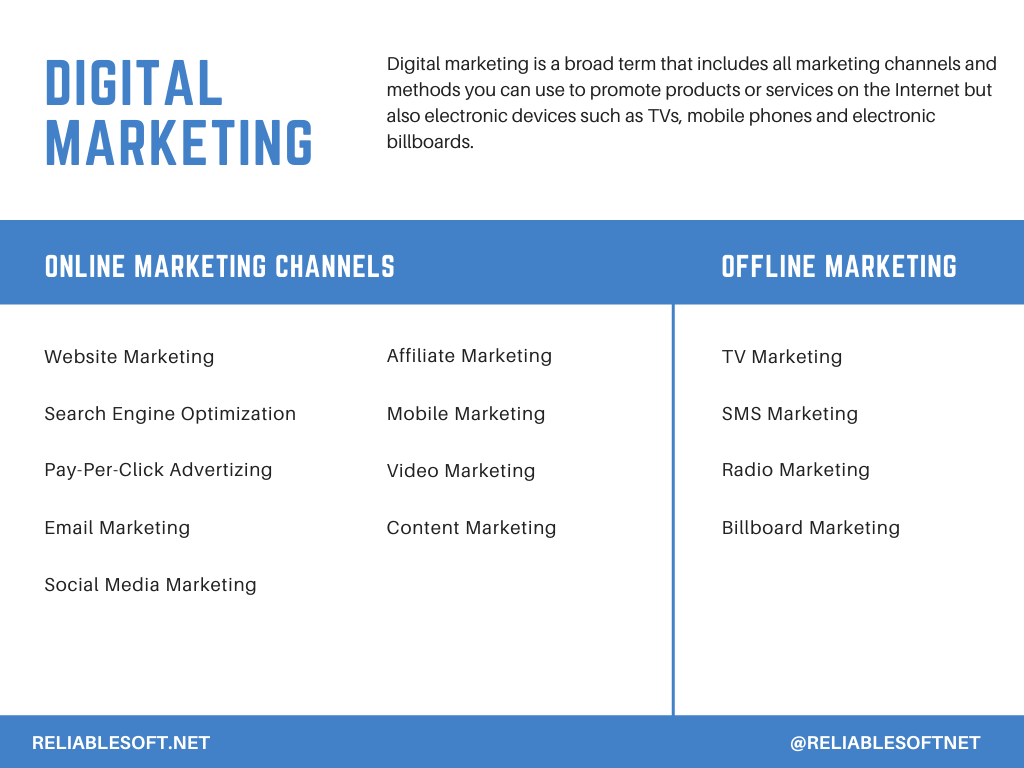
Diversifying your digital marketing efforts across multiple channels can help reach a wider audience and maximise your campaign’s impact. From social media platforms to email marketing and search engine optimisation (SEO), a multichannel approach allows you to engage with customers at various touchpoints along their buying journey.

Consistent Brand Messaging

Consistency is key when it comes to brand messaging in digital marketing campaigns. Maintaining a cohesive brand identity across all channels helps build trust with your audience and reinforces brand recognition. Whether it’s through social media posts, email newsletters, or paid advertising, a consistent message strengthens your brand presence in the minds of consumers.

Conclusion

Successful digital marketing campaigns are not just about reaching a large audience but about engaging with them in meaningful ways that drive results. By focusing on creative content creation, targeted audience segmentation, data-driven strategies, a multichannel approach, and consistent brand messaging, businesses can achieve their marketing goals and stand out in today’s competitive digital landscape.


Top 5 Advantages of Successful Digital Marketing Campaigns

  1. Increased brand visibility and awareness among target audience
  2. Ability to reach a global audience at a fraction of traditional marketing costs
  3. Measurable results through data analytics for informed decision-making
  4. Enhanced customer engagement and interaction for building lasting relationships
  5. Opportunity for real-time adjustments to optimise campaign performance


Challenges in Successful Digital Marketing Campaigns: Navigating Competition, Trends, and Customer Engagement

  1. High competition can make it challenging to stand out among other successful campaigns.
  2. Digital marketing trends evolve rapidly, requiring constant adaptation to stay relevant.
  3. Managing multiple digital channels simultaneously can be overwhelming and resource-intensive.
  4. Measuring the true impact and ROI of a digital marketing campaign can be complex and time-consuming.
  5. Negative feedback or backlash on social media platforms can quickly damage brand reputation.
  6. Relying too heavily on automated tools and algorithms may lead to a loss of personal touch in customer interactions.

Increased brand visibility and awareness among target audience

A significant benefit of successful digital marketing campaigns is the heightened brand visibility and awareness they bring among the intended target audience. By strategically promoting a brand across various online channels, businesses can ensure that their message reaches the right people at the right time, increasing recognition and familiarity with the brand. This enhanced visibility not only attracts potential customers but also reinforces the brand’s presence in the minds of existing customers, ultimately leading to improved customer loyalty and trust.

Ability to reach a global audience at a fraction of traditional marketing costs

One significant advantage of successful digital marketing campaigns is the ability to reach a global audience at a fraction of traditional marketing costs. By leveraging online platforms and tools, businesses can extend their reach beyond geographical boundaries and connect with customers worldwide without the hefty expenses associated with traditional marketing channels. This cost-effective approach not only allows for targeted outreach but also enables businesses to maximise their marketing budget and achieve greater ROI on their campaigns.

Measurable results through data analytics for informed decision-making

One significant advantage of successful digital marketing campaigns is the ability to achieve measurable results through data analytics, enabling businesses to make informed decisions. By analysing key metrics such as website traffic, conversion rates, and customer engagement, marketers can gain valuable insights into the effectiveness of their campaigns. This data-driven approach empowers businesses to identify what works well and what needs improvement, allowing for strategic adjustments to maximise ROI and overall campaign performance.

Enhanced customer engagement and interaction for building lasting relationships

Enhanced customer engagement and interaction are key benefits of successful digital marketing campaigns. By creating meaningful interactions with customers through personalised content, targeted messaging, and interactive experiences, businesses can build lasting relationships that foster loyalty and trust. Through consistent engagement across various digital channels, companies can connect with their audience on a deeper level, understand their needs and preferences better, and ultimately create a community of loyal customers who advocate for their brand. This focus on building relationships leads to increased customer retention, higher customer lifetime value, and ultimately contributes to long-term business success.

Opportunity for real-time adjustments to optimise campaign performance

One significant advantage of successful digital marketing campaigns is the opportunity for real-time adjustments to optimise campaign performance. Unlike traditional marketing methods, digital campaigns allow marketers to monitor and analyse data in real time, enabling them to make quick adjustments based on performance metrics. This flexibility empowers businesses to tweak their strategies on the go, ensuring that resources are allocated efficiently and that the campaign is continually optimised for maximum impact and results.

High competition can make it challenging to stand out among other successful campaigns.

In the realm of successful digital marketing campaigns, one significant challenge that businesses face is the high level of competition. With numerous brands vying for the attention of online audiences, standing out amidst a sea of successful campaigns can be a daunting task. The saturation of the digital landscape means that businesses must continuously innovate and refine their strategies to capture and maintain consumer interest in an increasingly crowded marketplace. Adapting to this competitive environment requires creativity, strategic thinking, and a deep understanding of consumer behaviour to carve out a distinct identity and make a lasting impact in the digital sphere.

In the realm of successful digital marketing campaigns, a notable challenge lies in the rapid evolution of digital marketing trends, demanding continuous adaptation to remain relevant. The dynamic nature of the digital landscape means that strategies and techniques that worked yesterday may not yield the same results tomorrow. Marketers must stay vigilant, keep pace with emerging trends, and be ready to adjust their approaches swiftly to effectively engage with their target audience in an ever-changing online environment.

Managing multiple digital channels simultaneously can be overwhelming and resource-intensive.

Managing multiple digital channels simultaneously can present a significant challenge for businesses embarking on successful digital marketing campaigns. The need to maintain a consistent brand presence across various platforms such as social media, email marketing, and search engines can be overwhelming and resource-intensive. From creating tailored content for each channel to monitoring performance metrics and engaging with audiences effectively, the demand for time, expertise, and resources can strain even the most well-equipped marketing teams. Finding a balance between maximising reach and ensuring quality in each channel becomes crucial to navigating this con of digital marketing successfully.

Measuring the true impact and ROI of a digital marketing campaign can be complex and time-consuming.

Measuring the true impact and return on investment (ROI) of a digital marketing campaign can present a significant challenge for businesses. The complexity and time-consuming nature of accurately assessing the effectiveness of various digital marketing strategies often require in-depth analysis of multiple data points and metrics. From tracking website traffic to monitoring conversion rates and analysing customer engagement, the process of determining the tangible outcomes of a campaign demands careful attention to detail and a thorough understanding of key performance indicators. Despite these obstacles, investing time and resources into comprehensive measurement techniques is essential for businesses aiming to optimise their digital marketing efforts and achieve long-term success in an increasingly competitive online landscape.

Negative feedback or backlash on social media platforms can quickly damage brand reputation.

In the realm of successful digital marketing campaigns, one significant drawback to be wary of is the potential for negative feedback or backlash on social media platforms. In today’s interconnected world, where opinions can spread rapidly and reach a vast audience within seconds, a single misstep or customer dissatisfaction can escalate into a full-blown reputation crisis for a brand. It is essential for businesses to actively monitor and address any negative feedback promptly to mitigate the impact on their brand image and maintain trust with their audience.

Relying too heavily on automated tools and algorithms may lead to a loss of personal touch in customer interactions.

In the realm of successful digital marketing campaigns, a notable con lies in the potential downside of over-reliance on automated tools and algorithms. While these technological advancements can streamline processes and enhance efficiency, there is a risk of sacrificing the personal touch in customer interactions. When human interactions are replaced by automated responses and predetermined algorithms, the genuine connection between businesses and customers may diminish, leading to a loss of authenticity and personalised engagement. Striking a balance between automation and maintaining authentic human connections is crucial to ensure that digital marketing campaigns resonate with audiences on a more personal level.

online marketing companies

Empowering Your Business: The Essential Role of Online Marketing Companies

The Power of Online Marketing Companies

The Power of Online Marketing Companies

In today’s digital age, the role of online marketing companies has become increasingly crucial for businesses looking to thrive in the competitive online landscape. These companies specialise in leveraging digital channels to reach and engage with target audiences effectively.

Online marketing companies offer a wide range of services, including search engine optimisation (SEO), pay-per-click (PPC) advertising, social media marketing, content creation, email marketing, and more. By utilising these strategies, businesses can enhance their online visibility, drive traffic to their websites, generate leads, and ultimately increase sales.

One of the key advantages of working with online marketing companies is their expertise in navigating the complexities of digital marketing. They stay up-to-date with the latest trends and best practices in the industry, allowing them to develop tailored strategies that yield tangible results for their clients.

Furthermore, online marketing companies have access to advanced tools and analytics that enable them to track and measure the performance of campaigns accurately. This data-driven approach allows businesses to make informed decisions and optimise their marketing efforts for maximum effectiveness.

Collaborating with an online marketing company can also save businesses time and resources by outsourcing their digital marketing activities to experts who can deliver high-quality results efficiently. This allows business owners to focus on other aspects of their operations while trusting professionals to handle their online presence.

Overall, online marketing companies play a vital role in helping businesses establish a strong digital presence, connect with their target audience, and achieve their marketing goals. By harnessing the power of digital channels effectively, businesses can stay ahead of the competition and succeed in today’s fast-paced online environment.


Top 23 Frequently Asked Questions About Online Marketing Companies in the UK

  1. Which is the best company for digital marketing job?
  2. What are online marketing companies?
  3. Which agency is best for digital marketing?
  4. Which company is best in marketing?
  5. Who is the top marketing company?
  6. Who are the best digital marketing companies?
  7. Who is the biggest digital marketing company?
  8. Who is the best online marketing?
  9. What are the 4 types of online marketing?
  10. Who is the best online marketer in the world?
  11. How do I start online marketing?
  12. How many digital marketing agencies are in the UK?
  13. What online marketers do?
  14. What is the best online marketing business?
  15. What are good marketing companies?
  16. What are the biggest marketing agencies in the UK?
  17. What companies have best digital marketing?
  18. How many marketing companies are there in the UK?
  19. Which online marketing is the best?
  20. Which is the best online marketing company?
  21. What is online marketing examples?
  22. Which is the best digital marketing agency?
  23. How do I join an online marketing company?

Which is the best company for digital marketing job?

When it comes to the frequently asked question of “Which is the best company for a digital marketing job?”, the answer can vary depending on individual preferences and career goals. Several factors come into play when determining the best company, including company culture, industry reputation, growth opportunities, training and development programmes, work-life balance, and salary packages. It is essential for job seekers to research and evaluate different companies based on these criteria to find the one that aligns with their professional aspirations and values. Conducting thorough research, networking with professionals in the field, and staying updated on industry trends can help individuals identify the ideal company for a rewarding career in digital marketing.

What are online marketing companies?

Online marketing companies are professional firms that specialise in leveraging digital channels to help businesses promote their products or services online. These companies offer a range of services, including search engine optimisation (SEO), pay-per-click (PPC) advertising, social media marketing, content creation, email marketing, and more. By utilising these strategies effectively, online marketing companies help businesses enhance their online visibility, drive targeted traffic to their websites, generate leads, and ultimately increase their online presence and revenue. Working with online marketing companies allows businesses to tap into the expertise of digital marketing professionals who stay abreast of industry trends and best practices to deliver tailored strategies that yield measurable results.

Which agency is best for digital marketing?

When it comes to finding the best agency for digital marketing, there is no one-size-fits-all answer. The ideal agency for digital marketing will depend on various factors such as your specific business goals, budget, target audience, and industry niche. It is essential to research and compare different agencies, considering their expertise, track record, client testimonials, and the range of services they offer. Ultimately, the best agency for digital marketing is one that aligns with your unique needs and can deliver tailored strategies to help you achieve your marketing objectives effectively.

Which company is best in marketing?

When it comes to determining the best marketing company, there is no one-size-fits-all answer as the “best” company can vary depending on specific needs and goals. It’s essential for businesses to consider factors such as industry expertise, track record of success, range of services offered, client testimonials, and overall fit with their business objectives. Conducting thorough research, requesting proposals, and scheduling consultations with potential marketing companies can help businesses make an informed decision based on their unique requirements. Ultimately, the best marketing company is one that aligns closely with a business’s values and vision, delivering results that contribute to its growth and success in the digital landscape.

Who is the top marketing company?

In the realm of online marketing companies, the question of who holds the title of the top marketing company is a common inquiry among businesses seeking digital marketing services. The answer to this question may vary depending on specific criteria such as industry expertise, client satisfaction, innovative strategies, and overall performance metrics. Different companies excel in different areas, making it essential for businesses to conduct thorough research, consider their own unique needs and goals, and select a marketing company that aligns best with their requirements for achieving success in the digital landscape.

Who are the best digital marketing companies?

When it comes to determining the best digital marketing companies, the answer can vary depending on specific needs and objectives. The best digital marketing companies are those that demonstrate a track record of success, possess a deep understanding of industry trends, offer a wide range of services tailored to client needs, and provide excellent customer service. It is essential to research and consider factors such as expertise in various digital marketing channels, client testimonials, case studies, awards and recognitions, and overall reputation within the industry. Ultimately, the best digital marketing company for one business may not be the same for another, as each company has its own unique requirements and goals that should align with the capabilities and strengths of the chosen agency.

Who is the biggest digital marketing company?

When it comes to the question of who the biggest digital marketing company is, the answer may vary depending on different criteria such as revenue, global reach, client base, or range of services offered. Some of the well-known names in the digital marketing industry include agencies like WPP, Omnicom Group, Publicis Groupe, and IPG (Interpublic Group). These companies have established themselves as key players in the digital marketing space, serving a diverse range of clients and offering a comprehensive suite of services to meet various marketing needs. Ultimately, determining the “biggest” digital marketing company can be subjective and may depend on specific metrics or perspectives within the industry.

Who is the best online marketing?

When it comes to the frequently asked question, “Who is the best online marketing company?” the answer can vary depending on specific needs and goals. The term “best” is subjective and may differ from one business to another. It is essential for businesses to consider factors such as expertise, experience, reputation, and alignment with their objectives when selecting an online marketing company. Conducting thorough research, reading reviews, and requesting case studies can help businesses make an informed decision to find the online marketing company that best suits their requirements and can deliver results effectively.

What are the 4 types of online marketing?

In the realm of online marketing, there are four main types of strategies that businesses commonly employ to promote their products or services and engage with their target audience. These include search engine optimisation (SEO), which focuses on improving a website’s visibility in search engine results; pay-per-click (PPC) advertising, where businesses pay for ads displayed on search engines or websites; social media marketing, which involves leveraging social platforms to connect with customers; and content marketing, which entails creating and sharing valuable content to attract and retain a specific audience. Each of these online marketing tactics offers unique benefits and can be tailored to suit different business objectives and target audiences.

Who is the best online marketer in the world?

The question of who is the best online marketer in the world is subjective and can vary depending on individual perspectives and criteria for excellence. With the rapidly evolving landscape of digital marketing, there are numerous talented professionals and agencies globally who have made significant contributions to the field. Factors such as innovative strategies, successful campaigns, industry recognition, client satisfaction, and overall impact on the digital marketing industry all play a role in determining who may be considered among the best online marketers in the world. It is essential for businesses to conduct thorough research and select a marketing partner whose expertise aligns with their specific goals and objectives to achieve success in their online marketing efforts.

How do I start online marketing?

Embarking on your online marketing journey can be both exciting and daunting, but with the right approach, you can set a solid foundation for success. To start online marketing, it’s essential to begin by defining your goals and target audience. Conduct thorough market research to understand your industry landscape and identify key competitors. Next, establish a strong online presence through creating a user-friendly website and setting up profiles on relevant social media platforms. Develop a comprehensive digital marketing strategy that includes elements such as search engine optimisation (SEO), content marketing, social media advertising, and email campaigns. Regularly monitor and analyse your efforts to make data-driven decisions and continuously refine your strategies for optimal results. Remember, consistency and adaptability are key in the ever-evolving world of online marketing.

How many digital marketing agencies are in the UK?

The number of digital marketing agencies in the UK is constantly evolving due to the dynamic nature of the industry. As of [current year], there are thousands of digital marketing agencies operating across the UK, offering a wide range of services to cater to the diverse needs of businesses. From large-scale agencies with a global presence to boutique firms specialising in niche markets, businesses have a plethora of options to choose from when seeking digital marketing expertise. The abundance of digital marketing agencies in the UK reflects the growing demand for online marketing services and highlights the competitiveness of the market as businesses strive to stay ahead in the digital realm.

What online marketers do?

Online marketers play a pivotal role in the digital landscape by implementing strategic campaigns to promote businesses and engage with target audiences online. They utilise a variety of tools and techniques such as search engine optimisation (SEO), social media marketing, email campaigns, pay-per-click (PPC) advertising, and content creation to enhance brand visibility, drive website traffic, generate leads, and ultimately boost sales. Online marketers are adept at analysing data and metrics to measure the effectiveness of campaigns, make data-driven decisions, and continuously refine strategies for optimal results. Their expertise lies in understanding consumer behaviour, identifying trends, and adapting to the ever-evolving digital marketing landscape to help businesses thrive in a competitive online environment.

What is the best online marketing business?

When it comes to determining the best online marketing business, the answer is not one-size-fits-all. The “best” online marketing business for a particular company depends on various factors such as its industry, target audience, budget, goals, and specific needs. It is essential for businesses to conduct thorough research, assess their requirements, and consider factors like the company’s track record, expertise in relevant areas of digital marketing, client testimonials, and overall reputation in the industry. By carefully evaluating these aspects and aligning them with their own objectives, businesses can identify the online marketing company that is best suited to help them achieve success in the digital realm.

What are good marketing companies?

When considering what makes a marketing company good, several key factors come into play. Good marketing companies typically demonstrate a strong track record of success, evidenced by case studies, client testimonials, and industry recognition. They possess a deep understanding of various marketing strategies and channels, adapting them to suit the unique needs and goals of each client. Transparency, communication, and collaboration are also essential traits of good marketing companies, as they work closely with clients to achieve measurable results and foster long-term partnerships. Ultimately, a good marketing company is one that delivers innovative solutions, drives tangible outcomes, and consistently exceeds client expectations in the ever-evolving digital landscape.

What are the biggest marketing agencies in the UK?

One frequently asked question about online marketing companies is, “What are the biggest marketing agencies in the UK?” The UK is home to several renowned marketing agencies that have made a significant impact on the industry with their innovative strategies and creative campaigns. Some of the largest marketing agencies in the UK include WPP, Omnicom Group, Publicis Groupe, Interpublic Group, and Dentsu Group. These agencies have a global presence and work with a diverse range of clients across various sectors, demonstrating their expertise in delivering effective marketing solutions that drive business growth and success.

What companies have best digital marketing?

When it comes to identifying the companies that excel in digital marketing, the landscape is dynamic and ever-evolving. Several factors contribute to determining which companies are considered the best in digital marketing, including their industry expertise, innovative strategies, successful campaigns, and measurable results. Companies such as Google, Facebook, Amazon, and Coca-Cola are often highlighted for their exceptional digital marketing initiatives that have resonated with audiences worldwide. However, it’s essential to recognise that the concept of “best” can vary depending on specific goals and metrics. Ultimately, the best digital marketing companies are those that consistently demonstrate creativity, adaptability, and a deep understanding of their target audience to drive impactful results in the digital realm.

How many marketing companies are there in the UK?

The number of marketing companies in the UK is vast and diverse, reflecting the thriving industry landscape in the country. With a wide range of marketing specialisations, including digital marketing, traditional advertising, public relations, and more, there are numerous firms catering to the varying needs of businesses across different sectors. While an exact count may be challenging to pinpoint due to the continuous emergence of new agencies and freelancers entering the market, it is safe to say that the UK boasts a robust ecosystem of marketing companies offering innovative solutions to help businesses succeed in today’s competitive marketplace.

Which online marketing is the best?

When it comes to determining the best online marketing strategy, there is no one-size-fits-all answer. The effectiveness of an online marketing approach depends on various factors, including the nature of the business, target audience, industry trends, and marketing goals. Some businesses may benefit most from search engine optimisation (SEO) to improve their organic search rankings, while others may find success with pay-per-click (PPC) advertising for immediate visibility. Social media marketing, content marketing, email campaigns, and influencer partnerships are also popular options that can yield significant results depending on the specific objectives of a business. Ultimately, the best online marketing strategy is one that is carefully tailored to meet the unique needs and objectives of a particular business.

Which is the best online marketing company?

When it comes to determining the best online marketing company, there is no one-size-fits-all answer. The “best” company for your business will depend on various factors such as your specific goals, budget, industry, and target audience. It is essential to research and compare different online marketing companies, considering their expertise, track record, client testimonials, and the range of services they offer. Ultimately, the best online marketing company for you will be one that aligns closely with your needs and can deliver tailored strategies to help you achieve your digital marketing objectives effectively.

What is online marketing examples?

Online marketing examples encompass a wide range of digital strategies that businesses use to promote their products or services online. Some common examples include search engine optimisation (SEO) to improve website visibility in search engine results, pay-per-click (PPC) advertising for targeted online ads, social media marketing to engage with audiences on platforms like Facebook and Instagram, email marketing campaigns to reach customers directly, content marketing through blogs and videos to provide valuable information, and influencer partnerships to leverage the reach of popular personalities. These examples showcase the diverse and effective ways in which online marketing companies help businesses connect with their target audiences and achieve their marketing objectives in the digital realm.

Which is the best digital marketing agency?

When it comes to the frequently asked question of “Which is the best digital marketing agency?”, the answer is not straightforward. The best digital marketing agency for one business may not necessarily be the best for another. Factors such as budget, specific goals, target audience, industry expertise, and desired services all play a crucial role in determining the most suitable agency. It is essential for businesses to conduct thorough research, read reviews, and request proposals from multiple agencies to find the one that aligns with their unique needs and objectives. Ultimately, the best digital marketing agency is one that understands your business requirements and can deliver effective strategies to help you achieve your marketing goals successfully.

How do I join an online marketing company?

To join an online marketing company, individuals can start by gaining relevant skills and knowledge in areas such as digital marketing, SEO, social media management, content creation, and analytics. Taking courses or obtaining certifications in these fields can help build a strong foundation. Networking with professionals in the industry and attending industry events can also provide valuable connections and insights. Job boards, recruitment agencies, and online platforms dedicated to digital marketing jobs are great resources for finding opportunities with online marketing companies. Tailoring your CV to highlight relevant experience and showcasing your passion for digital marketing can increase your chances of securing a position with an online marketing company.

mobile marketing in digital marketing

Maximising Success: The Role of Mobile Marketing in Digital Marketing Strategies

Mobile Marketing in Digital Marketing

The Importance of Mobile Marketing in Digital Marketing

In today’s digital age, mobile marketing has become an essential component of any comprehensive digital marketing strategy. With the increasing use of smartphones and tablets, reaching consumers on their mobile devices has never been more critical.

Why Mobile Marketing Matters

Mobile marketing allows businesses to connect with their target audience in a more personal and immediate way. With the majority of internet users accessing content on their mobile devices, it is essential for companies to optimise their marketing efforts for mobile platforms.

Key Strategies for Mobile Marketing

There are several key strategies that businesses can implement to make the most of mobile marketing:

  • Mobile-Friendly Website: Ensure your website is responsive and easily accessible on mobile devices to provide a seamless user experience.
  • Mobile Advertising: Utilise mobile advertising platforms such as Google Ads or social media ads to reach your target audience on their smartphones.
  • App Development: Create a branded mobile app to engage customers directly and provide value through convenient features and services.
  • SMS Marketing: Use text message campaigns to deliver promotions, updates, and alerts directly to customers’ phones.
  • Location-Based Marketing: Utilise geotargeting technologies to deliver targeted offers and messages based on users’ locations.

The Future of Mobile Marketing

As technology continues to evolve, the possibilities for mobile marketing are endless. From augmented reality experiences to voice search optimisation, businesses must stay ahead of trends and adapt their strategies to meet the changing needs of consumers.

In conclusion, integrating mobile marketing into your overall digital marketing strategy is crucial for staying competitive in today’s market. By leveraging the power of mobile devices, businesses can reach their audience more effectively and drive engagement and conversions like never before.


9 Essential Tips for Effective Mobile Marketing in the Digital Age

  1. 1. Create mobile-friendly content that is easy to read and navigate on small screens.
  2. 2. Utilize SMS marketing to reach customers directly on their mobile devices.
  3. 3. Develop a mobile app to provide a more interactive and personalised experience for users.
  4. 4. Use location-based targeting to send relevant offers and promotions to users in specific areas.
  5. 5. Optimise your website for mobile search engines to improve visibility and attract more organic traffic.
  6. 6. Implement mobile payment options to make purchasing easier for customers using smartphones.
  7. 7. Leverage social media platforms that are popular among mobile users to engage with your audience effectively.
  8. 8. A/B test different mobile marketing strategies to identify what resonates best with your target audience.
  9. 9. Monitor key metrics such as app downloads, click-through rates, and conversion rates to measure the success of your mobile marketing efforts.

1. Create mobile-friendly content that is easy to read and navigate on small screens.

Creating mobile-friendly content that is easy to read and navigate on small screens is a fundamental tip in mobile marketing within the realm of digital marketing. With the increasing use of smartphones and tablets for browsing, it is essential for businesses to ensure that their website and content are optimised for mobile devices. By designing content that is visually appealing, concise, and easy to interact with on smaller screens, companies can enhance the user experience and engage customers effectively on their mobile devices. This approach not only improves usability but also contributes to higher conversion rates and customer satisfaction in the competitive digital landscape.

2. Utilize SMS marketing to reach customers directly on their mobile devices.

Utilising SMS marketing is a powerful strategy to directly engage with customers on their mobile devices. By sending personalised and targeted text messages, businesses can deliver promotions, updates, and important information straight to the palm of their customers’ hands. This direct form of communication not only enhances customer engagement but also increases the likelihood of conversions and sales by reaching individuals on a platform they use daily. SMS marketing offers a cost-effective and efficient way to connect with customers in real-time, making it a valuable tool in any comprehensive mobile marketing campaign.

3. Develop a mobile app to provide a more interactive and personalised experience for users.

Developing a mobile app is a strategic tip in mobile marketing that can significantly enhance user engagement and satisfaction. By creating a dedicated app, businesses can offer a more interactive and personalised experience to their users. Through features such as customised content, push notifications, and in-app messaging, companies can establish direct communication channels with their audience, ultimately fostering stronger relationships and driving brand loyalty. A well-designed mobile app not only adds value to the user experience but also sets businesses apart in the competitive digital landscape.

4. Use location-based targeting to send relevant offers and promotions to users in specific areas.

Utilising location-based targeting in mobile marketing is a powerful strategy to deliver personalised offers and promotions to users based on their geographical location. By leveraging this approach, businesses can engage with their target audience in specific areas, increasing the relevance and effectiveness of their marketing campaigns. This not only enhances user experience but also drives higher engagement and conversion rates by delivering content that is tailored to the local context and preferences of the audience.

5. Optimise your website for mobile search engines to improve visibility and attract more organic traffic.

To enhance your mobile marketing efforts in the digital landscape, it is crucial to optimise your website for mobile search engines. By ensuring that your site is mobile-friendly and easily accessible on smartphones and tablets, you can improve its visibility and attract more organic traffic. This strategic approach not only enhances user experience but also boosts your search engine rankings, ultimately driving more valuable traffic to your website. Embracing mobile optimisation is a key step towards maximising your online presence and engaging with a broader audience in today’s mobile-centric world.

6. Implement mobile payment options to make purchasing easier for customers using smartphones.

To enhance the customer experience and streamline the purchasing process for smartphone users, a valuable tip in mobile marketing is to implement mobile payment options. By incorporating convenient and secure payment methods tailored for mobile devices, businesses can make it easier and more efficient for customers to complete transactions on their smartphones. This not only improves user satisfaction but also encourages increased conversions and loyalty through a seamless purchasing journey.

To maximise the impact of your mobile marketing efforts, it is crucial to utilise social media platforms that are widely popular among mobile users. By engaging with your audience on platforms such as Instagram, Facebook, and Twitter, you can create meaningful connections, share valuable content, and interact with customers in real-time. Leveraging these social media channels effectively can help boost brand visibility, drive traffic to your website, and ultimately enhance your overall digital marketing strategy.

8. A/B test different mobile marketing strategies to identify what resonates best with your target audience.

A/B testing different mobile marketing strategies is a valuable tip to enhance your digital marketing efforts. By comparing and analysing the performance of various approaches, you can pinpoint the strategies that resonate most effectively with your target audience. This data-driven approach allows you to refine your mobile marketing campaigns, optimise engagement, and ultimately drive better results. Experimenting with different tactics through A/B testing empowers you to make informed decisions that lead to more successful outcomes in reaching and connecting with your audience on mobile platforms.

9. Monitor key metrics such as app downloads, click-through rates, and conversion rates to measure the success of your mobile marketing efforts.

Monitoring key metrics such as app downloads, click-through rates, and conversion rates is essential in evaluating the effectiveness of your mobile marketing strategies. By tracking these metrics closely, businesses can gain valuable insights into the performance of their campaigns and make data-driven decisions to optimise future efforts. Understanding how users interact with your mobile content and measuring the impact on conversions allows you to refine your approach and ensure that your mobile marketing initiatives are delivering the desired results.

seo strategy in digital marketing

Maximising Your Online Presence: The Power of SEO Strategy in Digital Marketing

SEO Strategy in Digital Marketing

The Importance of SEO Strategy in Digital Marketing

In the ever-evolving landscape of digital marketing, Search Engine Optimization (SEO) remains a crucial element for businesses looking to improve their online visibility and drive organic traffic to their websites. A well-crafted SEO strategy can make a significant difference in how your brand is perceived by search engines and potential customers.

Key Components of an Effective SEO Strategy:

Keyword Research: Understanding the keywords and phrases your target audience is searching for is essential for creating relevant and engaging content that ranks well in search engine results.

On-Page Optimization: Optimizing your website’s structure, content, and meta tags to improve its relevance and readability for both users and search engines.

Quality Content: Creating high-quality, informative, and engaging content that not only attracts visitors but also encourages them to stay on your site and explore further.

Link Building: Building a network of quality backlinks from reputable sites to establish authority and credibility in the eyes of search engines.

The Benefits of an Effective SEO Strategy:

An effective SEO strategy can yield several benefits for your business, including:

  • Increased Visibility: By ranking higher in search engine results pages, you can attract more organic traffic to your website.
  • Better User Experience: A well-optimized website provides a seamless user experience, leading to higher engagement and conversion rates.
  • Credibility and Authority: Ranking well in search results establishes your brand as a credible source of information in your industry.
  • Long-Term Results: Unlike paid advertising, the effects of SEO are long-lasting and can continue to benefit your business over time.

In Conclusion

In today’s competitive digital landscape, implementing a robust SEO strategy is essential for businesses looking to stand out online. By focusing on key elements such as keyword research, on-page optimization, quality content creation, and link building, you can enhance your online presence, attract more visitors, and ultimately drive business growth through organic search traffic.


7 Essential SEO Strategies for Effective Digital Marketing

  1. 1. Conduct keyword research to identify relevant search terms for your target audience.
  2. 2. Optimise on-page elements such as title tags, meta descriptions, and headings with your chosen keywords.
  3. 3. Create high-quality, engaging content that provides value to users and encourages them to stay on your site.
  4. 4. Build quality backlinks from reputable websites to improve your site’s authority and credibility.
  5. 5. Ensure your website is mobile-friendly and has fast loading speeds for a better user experience.
  6. 6. Regularly monitor and analyse your SEO performance using tools like Google Analytics to make data-driven decisions.
  7. 7. Stay updated with the latest SEO trends and algorithm changes to adapt your strategy accordingly.

1. Conduct keyword research to identify relevant search terms for your target audience.

In the realm of digital marketing, a fundamental tip for enhancing your SEO strategy is to conduct thorough keyword research to pinpoint the most relevant search terms for your target audience. By understanding the specific keywords and phrases that your potential customers are using to search for products or services like yours, you can tailor your content and website optimisation efforts to align with their needs and preferences. This proactive approach not only boosts your visibility in search engine results but also helps attract qualified organic traffic that is more likely to convert into valuable leads or customers.

2. Optimise on-page elements such as title tags, meta descriptions, and headings with your chosen keywords.

To enhance your SEO strategy in digital marketing, it is crucial to optimise on-page elements such as title tags, meta descriptions, and headings with your selected keywords. By incorporating relevant keywords into these key areas of your website, you can improve its visibility and relevance to search engines. Crafting compelling title tags and meta descriptions that accurately reflect the content of each page can entice users to click through to your site, while strategically using keywords in headings can help search engines understand the context of your content better. This practice not only boosts your site’s SEO performance but also enhances user experience by providing clear and informative cues about your content.

3. Create high-quality, engaging content that provides value to users and encourages them to stay on your site.

Creating high-quality, engaging content that offers value to users is a fundamental aspect of a successful SEO strategy in digital marketing. By producing content that is informative, relevant, and compelling, businesses can not only attract visitors to their website but also keep them engaged and encourage them to explore further. This approach not only improves the user experience but also signals to search engines that your site offers valuable information, ultimately helping to boost your search engine rankings and drive organic traffic.

Building quality backlinks from reputable websites is a crucial aspect of a successful SEO strategy in digital marketing. By establishing a network of strong backlinks, your site gains authority and credibility in the eyes of search engines, which can significantly impact its ranking in search results. These high-quality backlinks act as endorsements from trusted sources, signalling to search engines that your content is valuable and relevant to users. This not only boosts your site’s visibility but also enhances its reputation within your industry, ultimately driving organic traffic and improving overall online performance.

5. Ensure your website is mobile-friendly and has fast loading speeds for a better user experience.

Ensuring that your website is mobile-friendly and loads quickly is a crucial aspect of an effective SEO strategy in digital marketing. With the increasing use of mobile devices for online browsing, having a responsive design that adapts to different screen sizes not only improves user experience but also contributes to higher search engine rankings. Fast loading speeds further enhance user satisfaction by reducing bounce rates and encouraging visitors to explore your site, ultimately leading to improved engagement and conversion rates. By prioritising mobile-friendliness and speed, you can create a seamless browsing experience that benefits both users and search engine algorithms.

6. Regularly monitor and analyse your SEO performance using tools like Google Analytics to make data-driven decisions.

Regularly monitoring and analysing your SEO performance using tools such as Google Analytics is a vital tip in developing a successful SEO strategy in digital marketing. By tracking key metrics like website traffic, user behaviour, and conversion rates, businesses can gain valuable insights into the effectiveness of their SEO efforts. This data-driven approach enables informed decision-making, allowing for adjustments and refinements to be made to optimise performance and achieve desired results in search engine rankings and overall online visibility.

It is crucial to stay informed about the latest SEO trends and algorithm changes in digital marketing to ensure the effectiveness of your strategy. By keeping up-to-date with industry developments, you can adapt your approach to align with best practices and maximise the impact of your SEO efforts. Remaining vigilant and responsive to changes in search engine algorithms allows you to stay ahead of the curve and maintain a competitive edge in the online landscape.

content for digital marketing agency

Crafting Compelling Content for Your Digital Marketing Agency

Content for Digital Marketing Agency

The Importance of Quality Content for Your Digital Marketing Agency

In the fast-paced world of digital marketing, content is king. Whether it’s engaging blog posts, captivating social media updates, or informative videos, high-quality content plays a crucial role in attracting and retaining customers for your agency.

Building Trust and Credibility

Well-crafted content helps establish your agency as an authority in your industry. By providing valuable insights, useful information, and expert opinions through your content, you can build trust with your audience and enhance your credibility.

Driving Traffic and Conversions

Compelling content is key to driving traffic to your website and converting visitors into leads or customers. By creating SEO-friendly content that resonates with your target audience, you can improve your search engine rankings and attract more qualified leads to your agency.

Engaging Your Audience

Content that is relevant, timely, and engaging can help you connect with your audience on a deeper level. Whether it’s through storytelling, interactive infographics, or live streaming events, creative content can capture the attention of your audience and keep them coming back for more.

Measuring Success

One of the great advantages of digital marketing is the ability to measure the performance of your content in real-time. By tracking metrics such as website traffic, engagement rates, conversion rates, and social shares, you can gain valuable insights into what types of content resonate best with your audience and adjust your strategy accordingly.

Conclusion

In conclusion, quality content is the foundation of a successful digital marketing strategy for any agency. By investing time and resources into creating valuable and engaging content that resonates with your target audience, you can drive traffic to your website, build trust with your customers, and ultimately achieve your business goals.


Essential FAQs About Content Strategies for Digital Marketing Agencies

  1. What are the contents in digital marketing?
  2. What content should I post for digital marketing agency?
  3. What is digital marketing content?
  4. How do you write content for digital marketing?
  5. How do I advertise my digital marketing agency?
  6. What is the best content for digital marketing?
  7. Do digital marketing agencies create content?
  8. How do I promote my digital marketing agency?

What are the contents in digital marketing?

In the realm of digital marketing, the term “content” encompasses a wide array of materials and formats that are strategically created and distributed to engage target audiences online. These contents may include blog posts, social media updates, videos, infographics, podcasts, email newsletters, whitepapers, case studies, webinars, and more. Each type of content serves a specific purpose in conveying information, building brand awareness, driving traffic, generating leads, and ultimately converting prospects into loyal customers. The diversity and versatility of content in digital marketing allow agencies to tailor their strategies to meet the unique needs and preferences of their audience across various digital platforms.

What content should I post for digital marketing agency?

When considering what content to post for your digital marketing agency, it is essential to focus on creating a diverse range of engaging and informative materials that resonate with your target audience. This can include blog posts that showcase your industry expertise, social media updates that highlight your agency’s latest projects and achievements, videos that provide valuable insights or tutorials, and interactive content such as quizzes or infographics. By tailoring your content to address the needs and interests of your audience while staying true to your brand voice and values, you can effectively build credibility, drive traffic, and engage with potential customers in meaningful ways.

What is digital marketing content?

Digital marketing content refers to the various forms of online material created and shared by a digital marketing agency to attract, engage, and convert target audiences. This content can take many forms, including blog posts, social media updates, videos, infographics, whitepapers, and more. The primary goal of digital marketing content is to provide valuable information, entertain or educate the audience, drive traffic to the agency’s website, and ultimately generate leads or sales. By crafting compelling and relevant content tailored to the needs and interests of their target audience, digital marketing agencies can effectively communicate their brand message and build lasting relationships with customers in the digital realm.

How do you write content for digital marketing?

When it comes to writing content for digital marketing, the key is to understand your target audience and tailor your message to resonate with them. Start by conducting thorough research to identify your audience’s preferences, interests, and pain points. Craft compelling and informative content that addresses these needs while incorporating relevant keywords for search engine optimisation (SEO). Utilise a mix of formats such as blog posts, social media updates, videos, and infographics to engage your audience across different channels. Consistency in tone, style, and messaging is essential for building brand identity and trust. Regularly monitor the performance of your content using analytics tools to refine your strategy and ensure it aligns with your marketing goals.

How do I advertise my digital marketing agency?

Advertising your digital marketing agency requires a strategic approach to reach your target audience effectively. Utilise a mix of online advertising channels such as Google Ads, social media platforms, and email marketing to promote your services. Tailor your messaging to showcase your unique value proposition and highlight successful case studies to build credibility. Networking at industry events, collaborating with influencers, and leveraging search engine optimisation techniques can also help increase visibility for your agency. Consistent branding across all channels and a customer-centric approach will set you apart in the competitive digital marketing landscape.

What is the best content for digital marketing?

When it comes to digital marketing, the question of what constitutes the best content is a common one. The answer lies in creating content that is not only relevant and engaging but also tailored to meet the specific needs and preferences of your target audience. From informative blog posts and captivating social media updates to interactive videos and visually appealing infographics, the best content for digital marketing is that which resonates with your audience, drives traffic to your website, and ultimately converts leads into loyal customers. By focusing on quality, relevance, and creativity in your content creation efforts, you can effectively enhance your online presence and achieve success in the competitive digital landscape.

Do digital marketing agencies create content?

Yes, digital marketing agencies often create content as part of their services. Content creation is a fundamental aspect of digital marketing strategies, and agencies play a crucial role in developing various types of content to help businesses achieve their marketing goals. From blog posts and social media updates to videos and infographics, digital marketing agencies leverage content to engage audiences, drive traffic, and enhance brand visibility online. By crafting compelling and relevant content tailored to the client’s target audience, digital marketing agencies can effectively communicate the brand message and attract potential customers in the competitive digital landscape.

How do I promote my digital marketing agency?

Promoting your digital marketing agency involves a strategic approach to showcase your expertise and attract potential clients. Utilising a mix of online marketing tactics such as search engine optimisation (SEO), social media marketing, content marketing, email campaigns, and paid advertising can help increase visibility and generate leads for your agency. Building a strong online presence through a professional website, engaging social media profiles, and valuable content that demonstrates your skills and knowledge in the industry is essential. Networking with other professionals, attending industry events, and seeking partnerships can also help broaden your reach and establish credibility in the competitive digital marketing landscape.

digital marketing for nonprofits

Empowering Nonprofits: Leveraging Digital Marketing Strategies for Impact

Digital Marketing for Nonprofits

The Power of Digital Marketing for Nonprofits

Nonprofit organisations play a crucial role in addressing social issues and making a positive impact on communities. In today’s digital age, harnessing the power of digital marketing can significantly enhance the reach and effectiveness of nonprofit campaigns.

Benefits of Digital Marketing for Nonprofits

Digital marketing offers nonprofits a cost-effective way to raise awareness, engage supporters, and drive donations. Here are some key benefits:

  • Increased Visibility: Through social media, email campaigns, and search engine optimisation (SEO), nonprofits can reach a wider audience and increase visibility for their cause.
  • Targeted Outreach: Digital marketing allows nonprofits to target specific demographics and tailor their messages to resonate with different audience segments.
  • Engagement and Interaction: Platforms like social media provide opportunities for nonprofits to engage with supporters, share stories, and build a community around their cause.
  • Fundraising Opportunities: Online donation platforms and fundraising campaigns enable nonprofits to raise funds efficiently and securely.
  • Data-driven Insights: Digital marketing tools provide valuable data insights that help nonprofits measure the impact of their campaigns and make informed decisions for future strategies.

Effective Strategies for Nonprofit Digital Marketing

To maximise the impact of digital marketing efforts, nonprofits can implement the following strategies:

  1. Social Media Campaigns: Utilise platforms like Facebook, Twitter, Instagram, and LinkedIn to share compelling stories, engage with supporters, and drive donations.
  2. Email Marketing: Build an email list of supporters and donors to send regular updates, newsletters, and fundraising appeals.
  3. Content Marketing: Create valuable content such as blog posts, videos, infographics, and case studies that educate audiences about your cause.
  4. Paid Advertising: Consider investing in targeted online ads to reach specific audiences interested in your nonprofit’s mission.
  5. Search Engine Optimisation (SEO): Optimise your website content to improve search engine rankings and attract more organic traffic.

In Conclusion

Digital marketing has the potential to transform how nonprofits connect with their supporters, raise awareness for their causes, and drive meaningful change. By embracing digital strategies effectively, nonprofits can amplify their impact and create lasting positive outcomes in the communities they serve.


Top 5 Digital Marketing Strategies for Nonprofits to Boost Engagement and Visibility

  1. Utilise social media platforms to engage with your audience and share your mission effectively.
  2. Create compelling and visually appealing content to attract and retain supporters.
  3. Implement email marketing campaigns to keep donors informed about your activities and impact.
  4. Optimise your website for search engines to increase visibility and attract more visitors.
  5. Collaborate with influencers or other organisations to reach a wider audience and amplify your message.

Utilise social media platforms to engage with your audience and share your mission effectively.

To maximise the impact of your nonprofit’s digital marketing efforts, it is essential to utilise social media platforms effectively. Engaging with your audience on platforms like Facebook, Twitter, Instagram, and LinkedIn allows you to share compelling stories, connect with supporters, and communicate your mission in a meaningful way. By leveraging the power of social media, nonprofits can build a strong community around their cause and drive greater awareness and support for their initiatives.

Create compelling and visually appealing content to attract and retain supporters.

Creating compelling and visually appealing content is a key tip in digital marketing for nonprofits. By crafting engaging visuals and impactful messaging, nonprofits can capture the attention of their audience and inspire them to support the cause. Whether through striking images, informative videos, or captivating infographics, visually appealing content can evoke emotion and drive action. By consistently delivering high-quality content that resonates with supporters, nonprofits can not only attract new followers but also retain their existing base, fostering long-term relationships and loyalty towards the organisation’s mission.

Implement email marketing campaigns to keep donors informed about your activities and impact.

Implementing email marketing campaigns is a valuable strategy for nonprofits to keep donors informed about their activities and impact. By sending regular updates, success stories, and donation appeals via email, nonprofits can maintain a strong connection with their supporters and showcase the tangible outcomes of their work. Email marketing provides a direct and cost-effective way to engage donors, nurture relationships, and ultimately drive continued support for the nonprofit’s mission.

Optimise your website for search engines to increase visibility and attract more visitors.

By optimising your nonprofit’s website for search engines, you can enhance its visibility online and attract a larger audience of potential supporters and donors. Implementing SEO strategies such as keyword research, meta tags optimisation, and quality content creation can improve your website’s search engine rankings, making it easier for users to discover and engage with your cause. Increasing visibility through SEO efforts is a crucial step in maximising the impact of your digital marketing initiatives and reaching a wider audience to further your nonprofit’s mission.

Collaborate with influencers or other organisations to reach a wider audience and amplify your message.

Collaborating with influencers or partnering with other organisations is a powerful tip for nonprofits looking to enhance their digital marketing efforts. By leveraging the reach and influence of popular figures or established entities, nonprofits can tap into new audiences and amplify their message effectively. These collaborations not only help increase visibility but also foster credibility and trust among supporters. Building strategic partnerships in the digital space can lead to greater engagement, increased donations, and ultimately, a stronger impact on the causes that nonprofits champion.

digital marketing strategy for a brand

Elevating Your Brand with an Effective Digital Marketing Strategy

The Power of Digital Marketing Strategy for Building a Strong Brand

In today’s digital age, having a robust digital marketing strategy is essential for any brand looking to establish a strong online presence and connect with their target audience effectively. A well-crafted digital marketing strategy not only helps in increasing brand visibility but also drives engagement, generates leads, and ultimately boosts sales. Here are key elements that contribute to a successful digital marketing strategy:

Define Your Goals

Before diving into the world of digital marketing, it’s crucial to define clear and measurable goals for your brand. Whether you aim to increase website traffic, improve brand awareness, or drive conversions, setting specific objectives will guide your digital marketing efforts in the right direction.

Know Your Audience

Understanding your target audience is fundamental in creating relevant and engaging content that resonates with them. Conduct market research to identify your audience’s demographics, interests, and online behaviour. This information will help tailor your messaging and delivery channels to reach the right people at the right time.

Content is King

Compelling content lies at the core of any successful digital marketing strategy. Create high-quality content that educates, entertains, or inspires your audience. Whether it’s blog posts, videos, infographics, or social media posts, valuable content builds trust with your audience and establishes your brand as an authority in your industry.

Utilise Multiple Channels

Diversify your digital marketing efforts by leveraging various online channels such as social media platforms, email marketing, search engine optimisation (SEO), pay-per-click advertising (PPC), and influencer partnerships. Each channel offers unique opportunities to engage with different segments of your target audience.

Analyse and Optimise

Regularly monitor the performance of your digital marketing campaigns using analytics tools to track key metrics such as website traffic, conversion rates, click-through rates, and engagement levels. Use this data to identify what works well and what needs improvement, allowing you to refine your strategies for better results.

A well-executed digital marketing strategy can propel your brand towards success in the competitive online landscape. By focusing on clear goals, understanding your audience, creating compelling content, utilising multiple channels effectively, and continuously analysing and optimising performance, you can build a strong brand presence that resonates with consumers and drives business growth.


8 Essential Tips for Crafting an Effective Digital Marketing Strategy for Your Brand

  1. Define your target audience clearly to tailor your marketing efforts effectively.
  2. Create engaging and relevant content to attract and retain customers.
  3. Utilize social media platforms to connect with your audience and build brand awareness.
  4. Optimize your website for search engines (SEO) to improve visibility and drive organic traffic.
  5. Implement email marketing campaigns to nurture leads and maintain customer relationships.
  6. Monitor key performance indicators (KPIs) regularly to track the success of your digital marketing efforts.
  7. Invest in paid advertising such as Google Ads or social media ads for targeted reach and increased conversions.
  8. Stay updated with the latest trends in digital marketing to adapt strategies for better results.

Define your target audience clearly to tailor your marketing efforts effectively.

Defining your target audience clearly is a fundamental tip in crafting a successful digital marketing strategy for a brand. By understanding the demographics, interests, and behaviours of your audience, you can tailor your marketing efforts effectively to resonate with them. This targeted approach ensures that your messaging reaches the right people at the right time, increasing engagement and driving meaningful interactions that ultimately lead to building a loyal customer base.

Create engaging and relevant content to attract and retain customers.

Creating engaging and relevant content is a cornerstone of a successful digital marketing strategy for any brand. By producing content that resonates with your target audience, you can capture their attention, build trust, and establish your brand as a valuable resource. Engaging content not only attracts new customers but also helps retain existing ones by providing them with valuable information, entertainment, or inspiration. By consistently delivering high-quality and relevant content across various online platforms, you can foster meaningful connections with your audience and drive long-term customer loyalty.

Utilize social media platforms to connect with your audience and build brand awareness.

Utilising social media platforms is a powerful strategy to engage with your target audience and enhance brand visibility. By actively participating on platforms like Facebook, Instagram, Twitter, and LinkedIn, you can create meaningful connections with your followers, share valuable content, and establish your brand as a trusted authority in your industry. Consistent interaction on social media not only helps in building brand awareness but also fosters customer loyalty and drives organic growth through word-of-mouth referrals. Embrace the opportunity to engage with your audience where they are most active online, and watch as your brand presence flourishes in the digital realm.

Optimize your website for search engines (SEO) to improve visibility and drive organic traffic.

Optimising your website for search engines (SEO) is a crucial element of a successful digital marketing strategy for any brand. By implementing SEO best practices, you can improve your website’s visibility in search engine results, making it easier for potential customers to find you online. This increased visibility not only drives organic traffic to your site but also enhances your brand’s credibility and trustworthiness in the eyes of both users and search engines. Investing in SEO can yield long-term benefits by helping you reach a wider audience and attract valuable leads who are actively searching for products or services like yours.

Implement email marketing campaigns to nurture leads and maintain customer relationships.

Implementing email marketing campaigns is a powerful strategy for brands to nurture leads and maintain strong customer relationships. By sending targeted and personalised emails to subscribers, brands can provide valuable content, promotions, and updates that keep their audience engaged and informed. Email marketing allows brands to stay top-of-mind with potential customers, guide them through the sales funnel, and encourage repeat business from existing customers. With the right approach, email campaigns can build trust, loyalty, and ultimately drive conversions for the brand.

Monitor key performance indicators (KPIs) regularly to track the success of your digital marketing efforts.

Monitoring key performance indicators (KPIs) regularly is crucial to evaluating the effectiveness of your digital marketing strategy for a brand. By tracking metrics such as website traffic, conversion rates, engagement levels, and click-through rates, you can gain valuable insights into what is working well and where improvements are needed. This data-driven approach allows you to make informed decisions, optimise your campaigns, and ultimately drive better results for your brand in the competitive online landscape.

Invest in paid advertising such as Google Ads or social media ads for targeted reach and increased conversions.

To maximise the reach and effectiveness of your digital marketing strategy, consider investing in paid advertising channels like Google Ads or social media ads. These platforms offer targeted options that allow you to reach specific demographics, interests, and behaviours, increasing the likelihood of conversions. By strategically allocating your budget towards paid advertising, you can amplify your brand’s visibility and drive valuable traffic to your website or landing pages, ultimately leading to higher conversion rates and a stronger ROI.

Staying updated with the latest trends in digital marketing is crucial for brands looking to enhance their strategies and achieve better results. By keeping abreast of emerging technologies, consumer behaviours, and industry innovations, brands can adapt their digital marketing approaches to stay relevant and competitive in the ever-evolving online landscape. Embracing new trends allows brands to connect with their target audience more effectively, drive engagement, and ultimately improve their overall performance in the digital realm.

digital marketing for hospitals

Revolutionising Healthcare: The Impact of Digital Marketing for Hospitals

Digital Marketing for Hospitals

The Power of Digital Marketing for Hospitals

In today’s digital age, the healthcare industry is increasingly turning to digital marketing strategies to reach and engage with patients. Hospitals are recognising the importance of establishing a strong online presence to connect with their target audience effectively. Digital marketing offers hospitals a range of tools and techniques to enhance their visibility, build trust, and ultimately drive patient acquisition and retention.

Benefits of Digital Marketing for Hospitals

Increased Reach: Through digital marketing channels such as social media, search engine optimisation (SEO), and email marketing, hospitals can reach a wider audience beyond their local community. This expanded reach allows hospitals to attract patients from different regions or even internationally.

Targeted Advertising: Digital marketing enables hospitals to target specific demographics based on factors such as age, location, interests, and online behaviour. This targeted approach ensures that marketing messages are delivered to the most relevant audience, increasing the likelihood of engagement and conversion.

Enhanced Brand Awareness: By consistently sharing valuable content and engaging with patients on digital platforms, hospitals can strengthen their brand presence and reputation. Building brand awareness through digital marketing helps hospitals stand out in a competitive healthcare landscape.

Key Strategies for Hospital Digital Marketing

Content Marketing: Creating informative and engaging content such as blog posts, articles, videos, and infographics can position hospitals as thought leaders in healthcare. Educational content can help build trust with patients and establish credibility.

Social Media Engagement: Maintaining an active presence on social media platforms allows hospitals to interact with patients in real-time, share updates about services or events, and address patient queries or concerns promptly.

Search Engine Optimisation (SEO): Optimising hospital websites for search engines can improve visibility in search results when potential patients are looking for relevant healthcare services or information online. SEO techniques include keyword research, on-page optimisation, and link building.

The Future of Hospital Digital Marketing

The landscape of digital marketing is constantly evolving, presenting new opportunities for hospitals to connect with patients in meaningful ways. Embracing emerging technologies such as artificial intelligence (AI), chatbots, virtual reality (VR), and telemedicine can further enhance the patient experience and drive engagement.

In conclusion, digital marketing offers hospitals a powerful platform to engage with current and prospective patients effectively. By leveraging the right strategies and tools, hospitals can not only increase their online visibility but also foster lasting relationships with patients based on trust and value.


9 Advantages of Digital Marketing for Hospitals: Expanding Reach and Building Trust

  1. Increased reach to a wider audience beyond local communities.
  2. Targeted advertising based on demographics and online behaviour.
  3. Enhanced brand awareness and reputation building.
  4. Cost-effective compared to traditional marketing methods.
  5. Real-time engagement with patients through social media platforms.
  6. Measurable results through analytics and data tracking.
  7. Improved patient education through informative content marketing.
  8. Enhanced patient trust and credibility with consistent online presence.
  9. Opportunities for innovation with emerging technologies like AI and VR.


Challenges in Digital Marketing for Hospitals: Privacy, Compliance, and Information Overload

  1. Privacy Concerns
  2. Regulatory Compliance
  3. Information Overload

Increased reach to a wider audience beyond local communities.

Digital marketing provides hospitals with a significant advantage by expanding their reach to a broader audience beyond local communities. Through online channels such as social media, search engines, and email campaigns, hospitals can connect with individuals from different regions or even internationally. This increased reach allows hospitals to attract a diverse range of patients, raise awareness about their services, and ultimately drive engagement and patient acquisition on a global scale.

Targeted advertising based on demographics and online behaviour.

Digital marketing for hospitals offers the advantage of targeted advertising based on demographics and online behaviour. By leveraging data on factors such as age, location, interests, and online activity, hospitals can tailor their marketing messages to specific audience segments. This targeted approach ensures that the right content reaches the right people at the right time, increasing the effectiveness of marketing campaigns and ultimately driving patient engagement and conversions. Hospitals can deliver personalised messages that resonate with their target demographic, leading to higher levels of relevance and response from potential patients.

Enhanced brand awareness and reputation building.

Enhanced brand awareness and reputation building are crucial benefits of digital marketing for hospitals. By consistently sharing valuable content, engaging with patients on social media platforms, and showcasing expertise through educational materials, hospitals can strengthen their brand presence in the digital space. This proactive approach not only helps hospitals stand out in a competitive healthcare landscape but also builds trust and credibility among patients, ultimately enhancing their reputation as trusted healthcare providers.

Cost-effective compared to traditional marketing methods.

Digital marketing for hospitals offers a significant advantage in terms of cost-effectiveness when compared to traditional marketing methods. By leveraging digital channels such as social media, email campaigns, and online advertising, hospitals can reach a larger audience at a fraction of the cost of traditional marketing avenues like print ads or TV commercials. This cost-effective approach allows hospitals to allocate their marketing budget more efficiently, targeting specific demographics with precision and maximising the return on investment.

Real-time engagement with patients through social media platforms.

One significant advantage of digital marketing for hospitals is the ability to engage with patients in real-time through social media platforms. By maintaining an active presence on platforms such as Facebook, Twitter, and Instagram, hospitals can interact with patients promptly, address their queries or concerns, share important updates about services or events, and provide valuable health information. This real-time engagement not only fosters a sense of transparency and accessibility but also allows hospitals to build stronger relationships with patients by being responsive and attentive to their needs.

Measurable results through analytics and data tracking.

One significant advantage of digital marketing for hospitals is the ability to obtain measurable results through analytics and data tracking. By leveraging advanced analytics tools, hospitals can track the performance of their digital marketing campaigns in real-time, gaining valuable insights into key metrics such as website traffic, conversion rates, and patient engagement. This data-driven approach allows hospitals to make informed decisions, optimise their marketing strategies, and allocate resources effectively to achieve tangible results and continually improve their online presence.

Improved patient education through informative content marketing.

Digital marketing for hospitals offers a significant advantage in the form of improved patient education through informative content marketing. By creating and sharing valuable content such as articles, blog posts, videos, and infographics, hospitals can educate patients about various health conditions, treatment options, preventive care measures, and overall wellness. This educational approach not only empowers patients to make informed healthcare decisions but also establishes the hospital as a trusted source of reliable information in the eyes of the audience. Patient education through content marketing plays a crucial role in building strong relationships with patients based on transparency, credibility, and support.

Enhanced patient trust and credibility with consistent online presence.

An essential benefit of digital marketing for hospitals is the ability to cultivate enhanced patient trust and credibility through a consistent online presence. By maintaining active engagement on digital platforms and sharing valuable, informative content regularly, hospitals can establish themselves as reliable sources of healthcare information. This consistent online presence not only helps build trust with patients but also reinforces the hospital’s credibility in the eyes of the public, ultimately leading to stronger patient relationships and loyalty.

Opportunities for innovation with emerging technologies like AI and VR.

Digital marketing for hospitals opens up exciting opportunities for innovation through the integration of emerging technologies such as artificial intelligence (AI) and virtual reality (VR). By harnessing the power of AI, hospitals can enhance patient care through personalised interactions, predictive analytics for better treatment outcomes, and streamlined administrative processes. Additionally, VR technology can revolutionise patient education and therapy by offering immersive experiences that aid in understanding complex medical procedures and providing therapeutic interventions. Embracing these cutting-edge technologies in digital marketing allows hospitals to stay at the forefront of healthcare advancements and deliver enhanced services to their patients.

Privacy Concerns

Privacy Concerns: One significant con of digital marketing for hospitals is the potential privacy concerns it may raise among patients. Patients may feel apprehensive about the security and confidentiality of their personal health information shared online through digital marketing channels. The risk of data breaches or misuse of sensitive data can erode trust between patients and healthcare providers, highlighting the importance of robust data protection measures and transparent communication practices in hospital digital marketing efforts.

Regulatory Compliance

Hospitals face a significant challenge in terms of regulatory compliance when it comes to digital marketing. Strict regulations like GDPR and HIPAA impose stringent requirements on how patient data is collected, stored, and used in online marketing efforts. Hospitals must diligently navigate these complex regulations to safeguard patient privacy and maintain compliance, adding an extra layer of complexity to their digital marketing initiatives. Failure to adhere to these regulations can result in severe penalties and damage to the hospital’s reputation, making regulatory compliance a critical con that hospitals must carefully manage in their digital marketing strategies.

Information Overload

In a saturated digital landscape, hospitals face the con of information overload, making it challenging to stand out and engage their target audience effectively. With numerous healthcare providers vying for attention online, hospitals may find it difficult to cut through the noise and deliver their message in a way that resonates with patients. The abundance of information available can lead to confusion and decision fatigue for individuals seeking healthcare services, potentially hindering hospitals’ efforts to attract and retain patients in a competitive digital environment.

amazon digital marketing strategy

Unlocking Success: Amazon’s Innovative Digital Marketing Strategy

Amazon Digital Marketing Strategy

The Power of Amazon’s Digital Marketing Strategy

Amazon, the e-commerce giant, has revolutionised the way we shop online. Central to its success is its robust digital marketing strategy that encompasses a range of tactics to attract, engage, and retain customers.

Personalised Recommendations

One key aspect of Amazon’s strategy is its use of data analytics to provide personalised product recommendations to users. By analysing customer behaviour and purchase history, Amazon can suggest relevant products, increasing the likelihood of conversion and enhancing the overall shopping experience.

Search Engine Optimisation (SEO)

Amazon invests heavily in SEO to ensure its products appear prominently in search engine results. By optimising product listings with relevant keywords and high-quality content, Amazon improves visibility and drives traffic to its platform.

Social Media Engagement

Amazon leverages social media channels to engage with customers and promote its products. Through targeted advertising campaigns on platforms like Facebook and Instagram, Amazon reaches a wider audience and drives conversions by directing users to its website.

Email Marketing Campaigns

Email marketing is another integral part of Amazon’s strategy. By sending personalised emails with product recommendations, promotions, and exclusive offers, Amazon nurtures customer relationships and encourages repeat purchases.

Prime Membership Programme

The Prime membership programme is a key component of Amazon’s digital marketing strategy. By offering exclusive benefits such as free shipping, access to streaming services, and special discounts, Amazon incentivises customers to become loyal members who frequently engage with the platform.

Conclusion

In conclusion, Amazon’s digital marketing strategy is a multifaceted approach that combines data-driven insights with innovative tactics to drive customer engagement and loyalty. By staying at the forefront of digital trends and continuously refining its strategies, Amazon continues to dominate the e-commerce landscape.


Understanding Amazon’s Digital Marketing Strategy: Frequently Asked Questions

  1. What digital marketing channels does Amazon use?
  2. Can we do digital marketing on Amazon?
  3. What marketing technique does Amazon use?
  4. What are the digital marketing strategies?
  5. What marketing strategy did Amazon use?
  6. Does Amazon use digital marketing?
  7. What is Amazon digital marketing strategy?
  8. What marketing strategy does Amazon use?
  9. What type of digital marketing does Amazon use?

What digital marketing channels does Amazon use?

Amazon utilises a diverse range of digital marketing channels to reach and engage its vast customer base. Some of the key channels employed by Amazon include personalised recommendations based on user data analysis, search engine optimisation (SEO) to enhance product visibility in search results, social media platforms for targeted advertising campaigns, email marketing for customer engagement and retention, and the Prime membership programme to incentivise loyalty. By leveraging these channels effectively, Amazon maximises its reach and impact in the competitive digital landscape.

Can we do digital marketing on Amazon?

Yes, digital marketing on Amazon is not only possible but also highly effective for businesses looking to increase their online visibility and drive sales. Amazon offers a range of advertising solutions that allow sellers to promote their products to a targeted audience within the platform. From sponsored product ads that appear in search results to display ads that target specific customer segments, Amazon provides ample opportunities for businesses to reach potential customers and drive conversions. By leveraging Amazon’s digital marketing tools and strategies, sellers can enhance their brand presence, boost product visibility, and ultimately maximise their sales potential on the platform.

What marketing technique does Amazon use?

Amazon employs a multifaceted digital marketing strategy that encompasses various techniques to engage and attract customers. Some key marketing techniques used by Amazon include personalised recommendations based on user behaviour and purchase history, search engine optimisation (SEO) to enhance product visibility in search results, social media engagement through targeted advertising campaigns, email marketing to nurture customer relationships and drive repeat purchases, and the Prime membership programme offering exclusive benefits to incentivise customer loyalty. By integrating these techniques seamlessly, Amazon creates a comprehensive marketing approach that drives customer engagement and contributes to its success as an e-commerce giant.

What are the digital marketing strategies?

When it comes to Amazon’s digital marketing strategy, a variety of tactics are employed to maximise reach and engagement with customers. These strategies include personalised product recommendations based on data analytics, search engine optimisation (SEO) to enhance visibility in search results, social media engagement through targeted advertising campaigns, email marketing initiatives for customer retention and promotion, as well as the Prime membership programme offering exclusive benefits to drive loyalty. By integrating these diverse strategies, Amazon effectively leverages digital channels to attract, retain, and satisfy its customer base while staying ahead in the competitive e-commerce landscape.

What marketing strategy did Amazon use?

Amazon has employed a comprehensive and multi-faceted marketing strategy to establish itself as a global e-commerce powerhouse. From personalised product recommendations based on customer data analysis to search engine optimisation (SEO) tactics that enhance visibility, Amazon utilises a range of digital marketing techniques to attract and retain customers. The company also leverages social media platforms for targeted advertising and engages users through email marketing campaigns. Additionally, the Prime membership programme plays a significant role in fostering customer loyalty through exclusive benefits and incentives. Overall, Amazon’s strategic approach to digital marketing is characterised by its adaptability, innovation, and commitment to delivering a seamless shopping experience for its customers.

Does Amazon use digital marketing?

Yes, Amazon employs a comprehensive digital marketing strategy to promote its products and services. From personalised recommendations and search engine optimisation to social media engagement and email marketing campaigns, Amazon utilises a range of digital marketing tactics to attract, engage, and retain customers. The company’s strategic use of data analytics, targeted advertising, and customer-centric initiatives demonstrates its commitment to leveraging digital channels effectively to drive sales and enhance the overall shopping experience for users.

What is Amazon digital marketing strategy?

Amazon’s digital marketing strategy is a comprehensive approach that utilises data analytics, personalised recommendations, search engine optimisation (SEO), social media engagement, email marketing campaigns, and the Prime membership programme to attract, engage, and retain customers. By leveraging these tactics effectively, Amazon enhances the online shopping experience for users, drives traffic to its platform, improves visibility in search engine results, nurtures customer relationships through targeted communication, and incentivises loyalty through exclusive benefits. This multifaceted strategy underscores Amazon’s commitment to innovation and customer-centricity in the competitive e-commerce landscape.

What marketing strategy does Amazon use?

Amazon employs a comprehensive digital marketing strategy that encompasses various tactics to drive customer engagement and boost sales. Key elements of Amazon’s strategy include personalised product recommendations based on user behaviour, search engine optimisation to enhance visibility in search results, social media engagement through targeted advertising campaigns, email marketing with tailored promotions and offers, and the Prime membership programme that incentivises customer loyalty. By leveraging data analytics and innovative approaches, Amazon continues to set the benchmark for effective digital marketing strategies in the e-commerce industry.

What type of digital marketing does Amazon use?

Amazon employs a comprehensive digital marketing strategy that encompasses various tactics to enhance its online presence and drive customer engagement. Some key types of digital marketing used by Amazon include personalised recommendations based on data analytics, search engine optimisation (SEO) to improve product visibility, social media engagement through targeted advertising campaigns, email marketing for customer retention and promotion, and the Prime membership programme to incentivise customer loyalty. By leveraging these diverse digital marketing channels effectively, Amazon maximises its reach and influence in the competitive e-commerce landscape.

google digital marketing

Unlocking the Potential of Google in Digital Marketing

The Power of Google in Digital Marketing

The Power of Google in Digital Marketing

In the realm of digital marketing, Google stands as a towering presence, offering a plethora of tools and platforms that have revolutionised the way businesses connect with their audiences online. From search engine optimisation (SEO) to pay-per-click advertising and analytics, Google’s suite of digital marketing solutions empowers businesses to reach their target customers effectively.

Google Ads: Driving Targeted Traffic

Google Ads, formerly known as Google AdWords, is a powerful advertising platform that allows businesses to create targeted ads that appear on Google’s search results pages and across its vast network of partner websites. By leveraging Google Ads, businesses can reach potential customers at the exact moment they are searching for products or services related to their offerings.

Google Analytics: Understanding Audience Insights

Google Analytics provides invaluable insights into website traffic and user behaviour. By tracking key metrics such as page views, bounce rates, and conversion rates, businesses can gain a deeper understanding of their audience and tailor their digital marketing strategies for optimal results. With Google Analytics, data-driven decision-making becomes the norm.

Google My Business: Enhancing Local Visibility

For businesses looking to enhance their local presence, Google My Business is an indispensable tool. By creating a profile on this platform, businesses can manage their online presence across Google Search and Maps, making it easier for local customers to find and engage with them. With features like customer reviews and business updates, Google My Business helps businesses build trust and credibility within their local communities.

Conclusion

In conclusion, Google’s suite of digital marketing tools offers businesses unparalleled opportunities to connect with their target audiences in meaningful ways. By harnessing the power of platforms like Google Ads, Analytics, and My Business, businesses can drive targeted traffic, gain valuable insights into audience behaviour, and enhance their online visibility. As digital marketing continues to evolve, leveraging the capabilities of Google will remain crucial for staying ahead in today’s competitive online landscape.


Understanding Google Digital Marketing: Key FAQs for Effective Strategies

  1. What is Google Ads and how does it work?
  2. How can Google Analytics help in tracking digital marketing performance?
  3. What are the benefits of using Google My Business for local businesses?
  4. How do I create effective ads on Google Ads to reach my target audience?
  5. What are some best practices for SEO when it comes to Google’s search engine?
  6. Can Google’s digital marketing tools be integrated with other platforms for a comprehensive strategy?

What is Google Ads and how does it work?

Google Ads, formerly known as Google AdWords, is a powerful online advertising platform offered by Google. It allows businesses to create and display ads on Google’s search results pages and its network of partner websites. Google Ads operates on a pay-per-click (PPC) model, where advertisers bid on specific keywords relevant to their target audience. When users search for these keywords, the ads are displayed at the top or bottom of the search results page. Advertisers only pay when users click on their ads, making it a cost-effective way to reach potential customers actively searching for products or services. Additionally, Google Ads provides detailed analytics and performance metrics to help advertisers track the effectiveness of their campaigns and make data-driven decisions to optimise their advertising strategies.

How can Google Analytics help in tracking digital marketing performance?

Google Analytics plays a pivotal role in tracking digital marketing performance by providing businesses with valuable insights into the effectiveness of their online campaigns. Through Google Analytics, businesses can monitor key metrics such as website traffic, user engagement, conversion rates, and more. By analysing this data, businesses can gain a comprehensive understanding of how their digital marketing efforts are performing and identify areas for improvement. With the ability to track and measure the impact of various marketing strategies in real-time, Google Analytics empowers businesses to make informed decisions and optimise their digital marketing initiatives for greater success.

What are the benefits of using Google My Business for local businesses?

Utilising Google My Business offers a multitude of benefits for local businesses seeking to enhance their online presence and connect with potential customers in their vicinity. By creating a profile on Google My Business, businesses can improve their visibility on Google Search and Maps, making it easier for local consumers to discover and engage with them. The platform allows businesses to provide essential information such as contact details, opening hours, and customer reviews, fostering trust and credibility within the local community. Additionally, Google My Business enables businesses to post updates, promotions, and events, keeping customers informed and engaged. Overall, leveraging Google My Business is a valuable strategy for local businesses looking to increase their online visibility, attract more foot traffic, and build strong relationships with their target audience.

How do I create effective ads on Google Ads to reach my target audience?

Creating effective ads on Google Ads to reach your target audience requires a strategic approach that combines compelling ad copy, relevant keywords, and precise targeting. Start by understanding your target audience’s preferences, needs, and behaviours to craft ad messaging that resonates with them. Conduct keyword research to identify the terms your audience is searching for and incorporate these keywords into your ads. Utilise ad extensions to provide additional information and enhance the visibility of your ads. Regularly monitor and analyse the performance of your ads to make data-driven adjustments and optimisations for maximum impact. By continuously refining your ad strategy based on insights and feedback, you can create ads that effectively engage your target audience on Google Ads.

What are some best practices for SEO when it comes to Google’s search engine?

When it comes to optimising your website for Google’s search engine, there are several best practices for SEO that can help improve your visibility and rankings. Firstly, focusing on relevant keywords and incorporating them strategically throughout your content can enhance your site’s relevance to search queries. Creating high-quality, original content that provides value to users is also key, as Google prioritises websites that offer valuable information. Additionally, ensuring your website is mobile-friendly, has fast loading times, and includes meta tags and descriptions can further boost its SEO performance. Regularly monitoring and analysing your site’s performance through tools like Google Analytics can help you track progress and make necessary adjustments to improve your search engine rankings over time.

Can Google’s digital marketing tools be integrated with other platforms for a comprehensive strategy?

Yes, Google’s digital marketing tools can indeed be integrated with other platforms to create a comprehensive marketing strategy. By combining Google’s tools such as Google Ads, Analytics, and My Business with other platforms like social media channels, email marketing software, and customer relationship management (CRM) systems, businesses can create a cohesive and multi-faceted approach to reaching their target audience. This integration allows for a more holistic view of marketing efforts, enabling businesses to track performance across various channels and optimise their strategies for maximum impact. The seamless integration of Google’s tools with other platforms enhances data collection, analysis, and overall campaign effectiveness in the ever-evolving digital landscape.