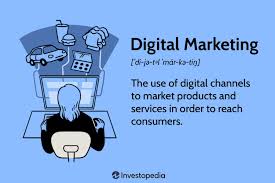
Unlocking the Potential of Digital Marketing with Google

The Power of Google in Digital Marketing

The Power of Google in Digital Marketing

In the realm of digital marketing, Google stands as a colossus, wielding immense influence and offering a plethora of tools and platforms that can help businesses reach their target audiences effectively. From search engine marketing to display advertising, Google has revolutionised the way brands connect with consumers online.

Search Engine Marketing (SEM)

Google’s search engine is the most widely used platform for online searches, making it a crucial channel for businesses to advertise their products or services. With Google Ads, businesses can create targeted campaigns that appear at the top of search results when users enter relevant keywords. This form of SEM allows businesses to reach potential customers at the exact moment they are searching for what they offer.

Display Advertising

Google Display Network offers a vast reach across millions of websites, allowing businesses to showcase their ads in various formats such as banners, videos, and interactive media. This form of display advertising helps businesses increase brand visibility and engage with their target audience through visually appealing content.

Google Analytics

Understanding the performance of digital marketing efforts is essential for optimising strategies and maximising ROI. Google Analytics provides valuable insights into website traffic, user behaviour, and campaign effectiveness. By analysing this data, businesses can make informed decisions to improve their online presence and drive better results.

YouTube Advertising

As one of the largest video platforms globally, YouTube offers a prime opportunity for businesses to reach audiences through video advertising. With options such as TrueView ads and bumper ads, businesses can create engaging video content that captivates viewers and drives brand awareness.

Conclusion

In conclusion, Google plays a pivotal role in digital marketing by offering a diverse range of tools and platforms that empower businesses to connect with their target audience effectively. By leveraging Google’s capabilities in SEM, display advertising, analytics, and video marketing, businesses can enhance their online visibility and achieve their marketing objectives with precision.


Top 5 Google Strategies for Effective Digital Marketing Success

  1. Optimize your website for search engines to improve your Google ranking.
  2. Use Google Ads to reach a larger audience and increase brand visibility.
  3. Create engaging and relevant content to attract and retain customers through Google search results.
  4. Utilize Google Analytics to track website traffic, user behaviour, and campaign performance for data-driven decisions.
  5. Regularly update your Google My Business profile with accurate information to enhance local SEO.

Optimize your website for search engines to improve your Google ranking.

Optimising your website for search engines is a fundamental strategy to enhance your Google ranking and increase visibility online. By implementing SEO best practices such as using relevant keywords, creating high-quality content, and improving site speed and user experience, you can make your website more appealing to search engines like Google. This not only helps drive organic traffic to your site but also boosts your chances of appearing higher in search results, ultimately attracting more potential customers and improving overall digital marketing performance.

Use Google Ads to reach a larger audience and increase brand visibility.

By utilising Google Ads, businesses can expand their reach and enhance brand visibility significantly in the digital landscape. With targeted campaigns that appear prominently in Google search results, companies can connect with a broader audience base precisely when they are actively seeking relevant products or services. This strategic use of Google Ads not only increases brand exposure but also boosts engagement and drives traffic to the business website, ultimately leading to improved conversions and business growth.

Create engaging and relevant content to attract and retain customers through Google search results.

Creating engaging and relevant content is a fundamental tip in digital marketing, especially when utilising Google search results to attract and retain customers. By crafting content that resonates with your target audience’s needs and interests, you can not only capture their attention but also establish credibility and trust. When users find valuable information that meets their queries or solves their problems in Google search results, they are more likely to engage with your brand and return for future interactions, ultimately leading to increased customer loyalty and conversions.

Utilize Google Analytics to track website traffic, user behaviour, and campaign performance for data-driven decisions.

By utilising Google Analytics, businesses can gain valuable insights into their website traffic, user behaviour, and campaign performance. This data-driven approach allows companies to make informed decisions based on real-time information, ultimately leading to more effective digital marketing strategies. By tracking key metrics and analysing user interactions, businesses can optimise their online presence, improve customer engagement, and achieve better results in their marketing efforts.

Regularly update your Google My Business profile with accurate information to enhance local SEO.

Regularly updating your Google My Business profile with accurate information is a crucial tip in digital marketing, particularly for enhancing local SEO. By ensuring that your business details, such as address, phone number, business hours, and services offered, are up-to-date and consistent across all online platforms, you can improve your local search visibility on Google. This practice not only helps potential customers find and contact your business easily but also signals to search engines that your business is active and relevant in the local area, ultimately boosting your local SEO rankings.

ai digital marketing

Revolutionising Strategies: The Role of AI in Digital Marketing

The Impact of AI on Digital Marketing

In recent years, artificial intelligence (AI) has revolutionised various industries, and digital marketing is no exception. As businesses strive to connect with consumers in more personalised and efficient ways, AI technologies have become invaluable tools for marketers looking to enhance their strategies and achieve better results.

Understanding AI in Digital Marketing

AI in digital marketing refers to the use of machine learning algorithms and data analytics to automate processes, personalise customer experiences, and optimise marketing efforts. From chatbots to predictive analytics, AI offers a range of applications that help businesses understand consumer behaviour and make data-driven decisions.

Personalisation at Scale

One of the most significant benefits of AI in digital marketing is its ability to provide personalisation at scale. By analysing vast amounts of data, AI can identify patterns in consumer behaviour and preferences. This allows marketers to create tailored content that resonates with individual users, leading to higher engagement rates and improved customer satisfaction.

Enhanced Customer Insights

AI-powered tools can process and analyse large datasets much faster than humans ever could. This capability enables marketers to gain deeper insights into customer demographics, purchasing habits, and online behaviours. With these insights, businesses can refine their target audience segments and craft more effective marketing campaigns.

Automating Routine Tasks

AI technology excels at automating repetitive tasks such as email marketing campaigns, social media posting, and customer service inquiries through chatbots. By automating these tasks, marketers can focus on more strategic initiatives while ensuring consistency and efficiency in their operations.

Predictive Analytics for Better Decision-Making

Predictive analytics is another area where AI is making a significant impact. By analysing historical data alongside current trends, AI can forecast future behaviours and outcomes. This capability allows marketers to anticipate market changes, optimise resource allocation, and develop proactive strategies that align with consumer demands.

The Future of AI in Digital Marketing

The integration of AI into digital marketing is still evolving. As technology advances, we can expect even more sophisticated applications that will further transform how businesses engage with their audiences. From voice search optimisation to augmented reality experiences, the possibilities are vast.

In conclusion, AI has become an essential component of modern digital marketing strategies. Its ability to deliver personalised experiences, enhance customer insights, automate tasks, and predict future trends makes it an invaluable asset for any business aiming to thrive in the competitive digital landscape.


Exploring AI in Digital Marketing: Answering Common Questions on Strategies, Benefits, Integration, and Tools

  1. What is AI digital marketing?
  2. How does AI impact digital marketing strategies?
  3. What are the benefits of using AI in digital marketing?
  4. Can AI personalise marketing campaigns effectively?
  5. How can businesses integrate AI into their digital marketing efforts?
  6. What are some popular AI tools used in digital marketing?

What is AI digital marketing?

AI digital marketing refers to the integration of artificial intelligence technologies into digital marketing practices to enhance efficiency, personalisation, and decision-making. By leveraging machine learning algorithms and data analytics, AI enables marketers to automate routine tasks, such as email campaigns and social media management, while providing deeper insights into consumer behaviour. This technology allows businesses to deliver personalised content at scale, predict future trends through predictive analytics, and optimise their strategies based on real-time data. Ultimately, AI digital marketing empowers companies to connect with their audiences more effectively and achieve better results in a competitive online environment.

How does AI impact digital marketing strategies?

AI significantly impacts digital marketing strategies by enhancing personalisation, improving customer insights, automating routine tasks, and enabling predictive analytics. With AI, marketers can analyse vast amounts of data to understand consumer behaviour and preferences, allowing them to tailor content and campaigns more effectively. This level of personalisation leads to higher engagement rates and improved customer satisfaction. Additionally, AI automates repetitive tasks such as email marketing and social media management, freeing up time for marketers to focus on strategic initiatives. Predictive analytics powered by AI helps businesses anticipate market trends and make informed decisions, ensuring that their marketing strategies are both proactive and data-driven. Overall, AI enables more efficient and effective digital marketing efforts that can adapt quickly to changing consumer demands.

What are the benefits of using AI in digital marketing?

AI offers numerous benefits in digital marketing, transforming how businesses engage with their audiences. One of the primary advantages is enhanced personalisation; AI can analyse vast amounts of data to tailor content and recommendations to individual preferences, leading to more meaningful customer interactions. Additionally, AI improves efficiency by automating routine tasks such as email campaigns and social media management, allowing marketers to focus on strategic initiatives. The technology also provides valuable insights through predictive analytics, enabling businesses to anticipate consumer behaviour and optimise marketing strategies accordingly. Overall, AI empowers marketers to deliver more targeted, effective campaigns while saving time and resources.

Can AI personalise marketing campaigns effectively?

Yes, AI can effectively personalise marketing campaigns by leveraging data-driven insights to tailor content and offers to individual preferences. Through machine learning algorithms, AI analyses vast amounts of consumer data, including browsing behaviour, purchase history, and demographic information. This analysis enables marketers to segment their audience more precisely and deliver highly relevant content that resonates with each user. As a result, consumers receive personalised experiences that increase engagement and conversion rates. Moreover, AI continuously learns from new data, allowing it to refine its personalisation strategies over time and adapt to changing consumer behaviours. This dynamic approach ensures that marketing campaigns remain effective and aligned with audience expectations.

How can businesses integrate AI into their digital marketing efforts?

Integrating AI into digital marketing efforts involves several strategic steps that businesses can undertake to enhance their marketing capabilities. Firstly, companies should identify areas where AI can add value, such as personalising customer experiences, automating routine tasks, or analysing data for insights. Implementing AI-powered tools like chatbots can improve customer service by providing instant responses and support. Additionally, businesses can utilise AI-driven analytics platforms to process large datasets and gain valuable insights into consumer behaviour and market trends. It’s also essential to ensure that the team is trained to use these technologies effectively and that there is a robust data infrastructure in place to support AI applications. By gradually incorporating AI technologies into their existing marketing strategies, businesses can improve efficiency, drive engagement, and ultimately achieve better results.

In the realm of digital marketing, several AI tools have gained popularity for their ability to streamline processes and enhance campaign effectiveness. Google Analytics employs AI to provide insights into website traffic and user behaviour, enabling marketers to make data-driven decisions. Chatbots, such as those powered by platforms like Drift or Intercom, utilise natural language processing to engage with customers in real-time, improving customer service and lead generation. Tools like HubSpot and Salesforce incorporate AI to personalise email marketing campaigns and manage customer relationships more efficiently. Additionally, content creation tools like Copy.ai use machine learning algorithms to generate compelling copy for various marketing channels. These tools collectively empower marketers to optimise their strategies and achieve better results with less manual effort.

digital marketing seo agency

Unlocking Online Success: The Role of a Digital Marketing SEO Agency

The Role of a Digital Marketing SEO Agency in Boosting Online Visibility

In today’s digital age, having a strong online presence is crucial for businesses looking to reach their target audience and stay ahead of the competition. This is where a Digital Marketing SEO Agency plays a vital role in helping businesses improve their visibility and attract more customers through strategic online marketing efforts.

What is SEO?

SEO, or Search Engine Optimisation, is the practice of enhancing a website’s visibility on search engines like Google. By optimising various elements such as keywords, content, and backlinks, SEO helps websites rank higher in search engine results pages (SERPs), making them more likely to be seen by potential customers.

The Benefits of Hiring a Digital Marketing SEO Agency

Expertise and Experience: A reputable SEO agency has a team of professionals with extensive knowledge and experience in implementing effective SEO strategies. They stay up-to-date with the latest trends and algorithms to ensure your website remains competitive.

Customised Strategies: An SEO agency will tailor their approach to suit your specific business goals and target audience. They will conduct thorough research to identify the most relevant keywords and create content that resonates with your target market.

Improved Website Performance: By optimising your website for search engines, an SEO agency can enhance its speed, user experience, and overall performance. This not only improves your search engine rankings but also enhances the user experience for visitors.

Increased Traffic and Conversions: With higher search engine rankings comes increased organic traffic to your website. This targeted traffic is more likely to convert into leads or sales, ultimately boosting your bottom line.

Choosing the Right SEO Agency

When selecting an SEO agency for your business, consider factors such as their track record, client testimonials, and transparency in their processes. Look for an agency that communicates effectively and provides regular reports on the progress of your campaigns.

By partnering with a reputable Digital Marketing SEO Agency, businesses can unlock the full potential of their online presence and reach new heights in the digital landscape.


Top 5 FAQs About Hiring a Digital Marketing SEO Agency

  1. 1. What services does a digital marketing SEO agency offer?
  2. 2. How can an SEO agency help improve my website’s search engine rankings?
  3. 3. What is the typical cost of hiring a digital marketing SEO agency?
  4. 4. How long does it take to see results from SEO efforts with an agency?
  5. 5. What sets a top digital marketing SEO agency apart from others in the industry?

1. What services does a digital marketing SEO agency offer?

A digital marketing SEO agency offers a wide range of services aimed at improving a business’s online visibility and driving organic traffic to their website. These services typically include keyword research, on-page and off-page SEO optimisation, content creation and optimisation, link building, technical SEO audits, local SEO strategies, and performance tracking and reporting. By utilising these services, a digital marketing SEO agency helps businesses enhance their search engine rankings, attract more qualified leads, increase website traffic, and ultimately boost their online presence and revenue potential.

2. How can an SEO agency help improve my website’s search engine rankings?

An SEO agency can help improve your website’s search engine rankings through a variety of strategic techniques and best practices. They conduct in-depth keyword research to identify relevant terms that your target audience is searching for, optimise on-page elements such as meta tags, headings, and content to align with these keywords, and build high-quality backlinks from authoritative websites to increase your site’s authority. Additionally, they may perform technical SEO audits to ensure that your website meets search engine guidelines and is easily crawlable and indexable. By implementing these strategies effectively, an SEO agency can enhance your website’s visibility in search engine results pages and drive organic traffic to your site.

3. What is the typical cost of hiring a digital marketing SEO agency?

When considering the cost of hiring a digital marketing SEO agency, it is essential to understand that pricing can vary depending on several factors. The typical cost of engaging an SEO agency may be influenced by the scope of services required, the size and complexity of the project, as well as the level of expertise and reputation of the agency. Some agencies offer pricing packages based on specific services such as keyword research, content creation, link building, and ongoing maintenance. It is advisable to request quotes from multiple agencies and compare their offerings to find a solution that aligns with your budget and business goals.

4. How long does it take to see results from SEO efforts with an agency?

The timeline for seeing results from SEO efforts with a digital marketing SEO agency can vary depending on various factors such as the competitiveness of your industry, the current state of your website, and the strategies implemented. Typically, it may take a few months to start seeing noticeable improvements in search engine rankings and organic traffic. However, it’s important to understand that SEO is a long-term investment that requires ongoing effort and patience to achieve sustainable results that can drive significant growth for your business over time.

5. What sets a top digital marketing SEO agency apart from others in the industry?

When considering what sets a top digital marketing SEO agency apart from others in the industry, several key factors come into play. Firstly, top agencies demonstrate a deep understanding of the ever-evolving landscape of SEO and digital marketing trends, allowing them to adapt quickly and effectively to changes. They also have a proven track record of delivering tangible results for their clients, showcasing their expertise and commitment to driving success. Additionally, top agencies often offer customised strategies tailored to each client’s unique needs and goals, providing a personalised approach that sets them apart in delivering exceptional value and impact in the competitive digital marketing arena.

email campaign

Unlocking Success: Maximising Your Email Campaign Potential

The Power of Email Campaigns in Digital Marketing

The Power of Email Campaigns in Digital Marketing

Email campaigns have long been a staple in the world of digital marketing, and for good reason. When executed effectively, email campaigns can be a powerful tool for reaching and engaging with your target audience. Let’s explore why email campaigns are still relevant and how they can benefit your business.

Direct Communication Channel

Email allows you to communicate directly with your audience in a personal and targeted way. By segmenting your email list based on demographics, interests, or past interactions, you can tailor your messages to resonate with different groups of recipients.

Cost-Effective Marketing Strategy

Compared to traditional marketing channels, email campaigns are cost-effective and offer a high return on investment. With minimal expenses involved in sending out emails, you can reach a large number of people at a fraction of the cost of other advertising methods.

Build Customer Relationships

Regularly sending out valuable content, promotions, or updates through email helps build trust and loyalty with your audience. By staying in touch with your customers through email campaigns, you can strengthen relationships and encourage repeat business.

Trackable Performance Metrics

Email marketing platforms provide detailed analytics that allow you to track the performance of your campaigns in real-time. From open rates and click-through rates to conversion metrics, you can measure the effectiveness of your emails and make data-driven decisions to improve future campaigns.

Drive Conversions and Sales

Effective email campaigns have the power to drive conversions and increase sales for your business. Whether it’s promoting new products, offering exclusive discounts, or inviting customers to upcoming events, strategically crafted emails can lead recipients down the path to purchase.

In Conclusion

Email campaigns remain a valuable tool in the digital marketing toolkit for businesses looking to connect with their audience on a personal level, drive engagement, and boost sales. By leveraging the power of email marketing effectively, you can achieve measurable results and grow your brand online.


Nine Essential Tips for Crafting Effective Email Campaigns

  1. Personalise your emails to make them more engaging and relevant to the recipient.
  2. Use a clear and concise subject line to grab the reader’s attention.
  3. Segment your email list based on demographics or past interactions for targeted messaging.
  4. Include a call-to-action that prompts recipients to take a specific action, such as clicking a link or making a purchase.
  5. Optimise your emails for mobile devices as many people check their emails on smartphones or tablets.
  6. Test different elements of your email campaigns, such as subject lines, content, and send times, to see what resonates best with your audience.
  7. Monitor key metrics like open rates, click-through rates, and conversions to evaluate the success of your campaigns.
  8. Avoid using spammy language or excessive punctuation marks that could trigger spam filters.
  9. Provide an option for recipients to easily unsubscribe from future emails in compliance with data protection regulations.

Personalise your emails to make them more engaging and relevant to the recipient.

Personalising your emails is a crucial tip to enhance the effectiveness of your email campaigns. By tailoring your messages to the individual recipient, you can create a more engaging and relevant experience that resonates with their interests and needs. Personalisation goes beyond simply addressing the recipient by name; it involves segmenting your audience, crafting targeted content, and incorporating dynamic elements that speak directly to each recipient. This approach not only increases open rates and click-through rates but also helps build stronger connections with your audience, ultimately leading to improved engagement and conversions.

Use a clear and concise subject line to grab the reader’s attention.

When crafting your email campaign, it is essential to use a clear and concise subject line to capture the reader’s attention from the outset. A compelling subject line not only entices recipients to open your email but also sets the tone for the content inside. By keeping your subject line succinct and relevant to the email’s purpose, you increase the likelihood of engaging your audience and driving them to take action. Remember, the subject line is the first impression your email makes, so make it count by being direct and intriguing.

Segment your email list based on demographics or past interactions for targeted messaging.

Segmenting your email list based on demographics or past interactions is a crucial tip for running successful email campaigns. By categorising your subscribers into specific groups, you can send targeted messages that are more relevant and personalised to their interests and needs. This approach not only increases the chances of engagement but also helps in building stronger relationships with your audience. Understanding your subscribers’ preferences through segmentation allows you to deliver content that resonates with them, ultimately leading to higher open rates, click-through rates, and conversions.

In an effective email campaign, it is crucial to include a compelling call-to-action that encourages recipients to take a specific action, whether it’s clicking a link to learn more, signing up for a webinar, or making a purchase. By clearly guiding recipients on what steps to take next, you can drive engagement and conversions. A well-crafted call-to-action not only directs the recipient’s attention but also motivates them to interact with your content and move further along the customer journey.

Optimise your emails for mobile devices as many people check their emails on smartphones or tablets.

Optimising your emails for mobile devices is crucial in today’s digital landscape, where a significant number of people access their emails on smartphones or tablets. By ensuring that your email campaigns are mobile-responsive and visually appealing on smaller screens, you can enhance the user experience and increase the likelihood of engagement with your content. With more and more consumers relying on mobile devices for their daily communication, optimising your emails for mobile can significantly impact the success of your email marketing efforts.

Test different elements of your email campaigns, such as subject lines, content, and send times, to see what resonates best with your audience.

To maximise the effectiveness of your email campaigns, it is crucial to test various elements such as subject lines, content, and send times. By experimenting with different components, you can gain valuable insights into what resonates best with your audience and drives engagement. Testing allows you to refine your approach and tailor your emails to better meet the preferences of your recipients, ultimately leading to improved results and a stronger connection with your target market.

Monitor key metrics like open rates, click-through rates, and conversions to evaluate the success of your campaigns.

Monitoring key metrics such as open rates, click-through rates, and conversions is essential to evaluating the success of your email campaigns. By tracking these metrics closely, you can gain valuable insights into how your audience is engaging with your content and identify areas for improvement. Open rates indicate the effectiveness of your subject lines and sender reputation, while click-through rates measure the interest and relevance of your email content. Conversions, on the other hand, directly reflect the impact of your campaigns on driving desired actions from your recipients. Regularly analysing these metrics allows you to make data-driven decisions to optimise future campaigns and achieve better results in reaching your marketing goals.

Avoid using spammy language or excessive punctuation marks that could trigger spam filters.

When crafting your email campaign, it is crucial to avoid using spammy language or excessive punctuation marks that could potentially trigger spam filters. By maintaining a professional and concise tone in your email content, you can improve deliverability and ensure that your messages reach the intended recipients’ inboxes. Remember, clear and relevant communication is key to engaging with your audience effectively and building trust in your brand through email marketing efforts.

Provide an option for recipients to easily unsubscribe from future emails in compliance with data protection regulations.

It is essential to provide recipients with a clear and easy option to unsubscribe from future email communications in line with data protection regulations. By offering an unsubscribe link in your emails, you not only demonstrate respect for your audience’s preferences but also ensure compliance with laws such as GDPR. Making the process simple and straightforward for recipients to opt out of receiving further emails helps maintain transparency and trust between your business and its subscribers.

seo marketing digital

Unlocking Success: The Dynamic Intersection of SEO, Marketing, and Digital Strategies

The Power of SEO in Digital Marketing

The Power of SEO in Digital Marketing

In the fast-paced world of digital marketing, Search Engine Optimization (SEO) plays a crucial role in driving organic traffic to websites and increasing online visibility. SEO involves optimizing a website’s content, structure, and user experience to rank higher in search engine results pages (SERPs).

Effective SEO strategies can significantly impact a business’s online presence and overall success. By focusing on relevant keywords, creating high-quality content, and improving site speed and mobile-friendliness, businesses can attract more qualified leads and convert them into loyal customers.

One of the key benefits of SEO is its long-term sustainability. Unlike paid advertising, which stops generating traffic once the budget runs out, SEO efforts can continue to drive organic traffic over time with consistent effort and updates. This makes SEO a cost-effective strategy for businesses looking to establish a strong online presence.

Furthermore, SEO helps build credibility and trust with users. Websites that appear at the top of search results are often perceived as more trustworthy and authoritative by consumers. By consistently providing valuable content and optimizing for user experience, businesses can enhance their reputation and attract more visitors to their site.

As search engines evolve and algorithms become more sophisticated, staying up-to-date with the latest SEO trends is essential for digital marketers. By adapting to changes in search engine algorithms and user behaviour, businesses can maintain their competitive edge and continue to drive organic traffic to their websites.

In conclusion, SEO is a powerful tool that can make a significant impact on a business’s digital marketing efforts. By investing in effective SEO strategies and staying informed about industry trends, businesses can improve their online visibility, attract more qualified leads, and ultimately achieve greater success in the digital landscape.


13 Frequently Asked Questions About SEO in Digital Marketing

  1. Can I do SEO myself?
  2. Does a digital marketer do SEO?
  3. What is better SEO or digital marketing?
  4. How to learn SEO for beginners?
  5. What is SEO in digital marketing?
  6. What is SEO digital media?
  7. What is an example of SEO?
  8. What are the 3 types of SEO?
  9. What is SEO marketing examples?
  10. What are the 4 types of SEO?
  11. Is SEO included in digital marketing?
  12. Which is better SEO or digital marketing?
  13. Can I learn SEO in 10 days?

Can I do SEO myself?

When it comes to SEO marketing in the digital realm, a frequently asked question is, “Can I do SEO myself?” While it is possible for individuals to attempt SEO strategies on their own, it requires a deep understanding of search engine algorithms, keyword research, content optimization, and technical aspects of website structure. SEO is a complex and ever-evolving field that demands continuous learning and adaptation to stay effective. Engaging with professional SEO services can often yield better results as experts have the experience and tools to navigate the intricacies of SEO effectively, ultimately driving more substantial and sustainable organic traffic to your website.

Does a digital marketer do SEO?

In the realm of digital marketing, the question of whether a digital marketer performs SEO is a common one. While digital marketers often encompass a wide range of skills and responsibilities, SEO is indeed a crucial aspect of their toolkit. Digital marketers are typically tasked with developing and implementing comprehensive online strategies to enhance a brand’s visibility and reach its target audience. This includes leveraging SEO techniques to improve a website’s search engine ranking, drive organic traffic, and ultimately achieve marketing objectives. Therefore, it can be said that SEO is an integral part of a digital marketer’s role in today’s competitive online landscape.

What is better SEO or digital marketing?

When comparing SEO and digital marketing, it’s important to understand that they are not mutually exclusive but rather complementary aspects of a comprehensive online strategy. SEO (Search Engine Optimization) is a subset of digital marketing that focuses on improving a website’s visibility in search engine results through organic methods, while digital marketing encompasses a broader range of online tactics such as social media marketing, email campaigns, paid advertising, and content creation. Both SEO and digital marketing play crucial roles in enhancing online presence and driving traffic to websites. While SEO is essential for long-term sustainable growth by improving organic search rankings, digital marketing provides a more holistic approach to reaching and engaging with target audiences through various channels. Ultimately, the effectiveness of each strategy depends on the specific goals and needs of a business, highlighting the importance of integrating both SEO and digital marketing techniques for optimal results in today’s competitive online landscape.

How to learn SEO for beginners?

For beginners looking to learn SEO, there are various resources available to help you understand the fundamentals of Search Engine Optimization. Start by exploring online tutorials, guides, and courses that cover topics such as keyword research, on-page optimization, link building, and analytics. Additionally, joining SEO communities and forums can provide valuable insights and practical tips from experienced professionals in the field. Hands-on practice is key to mastering SEO, so consider working on your own website or collaborating with others to apply your knowledge in real-world scenarios. Continuous learning and staying updated on industry trends will further enhance your skills in SEO marketing digital.

What is SEO in digital marketing?

SEO, which stands for Search Engine Optimization, is a fundamental aspect of digital marketing that focuses on improving a website’s visibility and ranking in search engine results pages (SERPs). In essence, SEO involves implementing various strategies and techniques to enhance a website’s relevance to specific keywords or phrases that users search for online. By optimising content, meta tags, site structure, and other factors, businesses can increase their chances of appearing higher in search results, driving organic traffic and ultimately improving their online presence and visibility to potential customers.

What is SEO digital media?

SEO digital media refers to the practice of optimising digital content, such as websites, blogs, and online platforms, to improve their visibility and ranking on search engine results pages. Search Engine Optimization (SEO) techniques are utilised to enhance the online presence of businesses and individuals by targeting specific keywords, creating high-quality content, and improving website performance. By implementing SEO strategies in digital media, organisations can attract more organic traffic, increase brand awareness, and ultimately drive conversions. SEO digital media plays a crucial role in ensuring that content is easily discoverable by search engines and relevant to users searching for specific information or services online.

What is an example of SEO?

An example of SEO in digital marketing is when a website optimizes its content and structure to rank higher in search engine results for specific keywords or phrases related to its products or services. For instance, a local bakery implementing SEO practices may focus on keywords like “best artisan bread in London” to attract more potential customers searching for that specific product in their area. By incorporating relevant keywords, improving website usability, and earning quality backlinks, the bakery can increase its online visibility and reach a wider audience interested in their offerings. This example showcases how effective SEO strategies can drive organic traffic and enhance a business’s online presence.

What are the 3 types of SEO?

In the realm of digital marketing, understanding the three primary types of SEO is essential for maximising online visibility and driving organic traffic to websites. The first type is on-page SEO, which focuses on optimising individual web pages with relevant keywords, quality content, and meta tags to improve search engine rankings. Off-page SEO, the second type, involves building backlinks from reputable sites, social media engagement, and other external factors to enhance a website’s authority and credibility in the eyes of search engines. Lastly, technical SEO concentrates on improving site structure, speed, and mobile-friendliness to ensure optimal user experience and search engine crawling. By incorporating these three types of SEO into a comprehensive digital marketing strategy, businesses can effectively boost their online presence and attract more qualified leads.

What is SEO marketing examples?

When discussing examples of SEO marketing, it is important to highlight the various strategies and tactics that businesses can implement to improve their online visibility and attract more organic traffic. Some common examples of SEO marketing include keyword research and optimization, creating high-quality and relevant content, improving website structure and navigation, building backlinks from reputable sources, and optimizing for mobile-friendliness. By incorporating these SEO techniques into their digital marketing efforts, businesses can enhance their search engine rankings, drive targeted traffic to their websites, and ultimately achieve their online marketing goals.

What are the 4 types of SEO?

When it comes to SEO marketing in the digital realm, understanding the different types of SEO is essential for a successful online presence. The four main types of SEO are on-page SEO, off-page SEO, technical SEO, and local SEO. On-page SEO focuses on optimizing individual web pages with relevant content, meta tags, and keyword usage. Off-page SEO involves building backlinks and establishing authority through external sources. Technical SEO deals with website performance, structure, and indexing to improve overall site visibility. Local SEO targets geographically specific searches to enhance visibility for local businesses. By incorporating these four types of SEO strategies effectively, businesses can enhance their online presence and attract targeted traffic to their websites.

Is SEO included in digital marketing?

In the realm of digital marketing, a common query often arises: “Is SEO included in digital marketing?” The answer is a resounding yes. Search Engine Optimization (SEO) is an integral component of digital marketing strategies aimed at enhancing online visibility and driving organic traffic to websites. By optimising website content, structure, and user experience to rank higher in search engine results pages (SERPs), SEO plays a vital role in attracting quality leads and improving overall online presence. As such, incorporating SEO into digital marketing efforts is essential for businesses looking to establish a strong online foothold and achieve sustainable growth in the competitive digital landscape.

Which is better SEO or digital marketing?

When comparing SEO and digital marketing, it’s important to understand that they are not mutually exclusive but rather complementary strategies that work together to enhance online visibility and drive traffic. SEO (Search Engine Optimization) is a subset of digital marketing, focusing specifically on optimizing website content to rank higher in search engine results. On the other hand, digital marketing encompasses a broader range of tactics, including SEO, social media marketing, email marketing, and more. While SEO is crucial for organic visibility and long-term sustainability, digital marketing as a whole incorporates various channels to reach and engage with target audiences effectively. Ultimately, the effectiveness of each strategy depends on the specific goals and objectives of the business, highlighting the value of integrating both SEO and digital marketing to achieve comprehensive online success.

Can I learn SEO in 10 days?

Learning SEO in just 10 days can be a challenging task due to the complexity and ever-evolving nature of search engine optimization. While it is possible to gain a basic understanding of SEO principles and techniques within a short timeframe, mastering the intricacies of effective SEO strategy typically requires continuous learning, practice, and adaptation to industry trends. To truly become proficient in SEO and achieve sustainable results, it is recommended to invest time in ongoing education, practical experience, and staying updated with the latest developments in digital marketing. Patience and dedication are key when embarking on the journey to becoming an accomplished SEO practitioner.


best digital marketing firms

Unveiling the Best Digital Marketing Firms Setting Industry Standards

The Top Digital Marketing Firms Leading the Industry

Digital marketing has become an essential component of modern business strategies, and the demand for expert services in this field continues to grow. As businesses strive to reach their target audience in the online realm, the role of digital marketing firms has never been more crucial. Here are some of the best digital marketing firms that are setting industry standards and delivering exceptional results for their clients:

Wunderman Thompson

Wunderman Thompson is a global marketing agency known for its innovative approach to digital marketing. With a focus on data-driven strategies and creative solutions, they help brands connect with their audience in meaningful ways.

Ogilvy

Ogilvy is a renowned advertising agency with a strong presence in the digital marketing space. They combine creativity and strategic thinking to develop campaigns that resonate with consumers and drive results for their clients.

Digitas

Digitas is a digital marketing agency that specialises in creating personalised experiences for consumers across various digital channels. Their data-driven approach helps brands deliver targeted messages that engage and inspire their audience.

Merkle

Merkle is a performance marketing agency that focuses on delivering measurable results for its clients. With expertise in data analytics and customer relationship management, they help businesses optimise their digital marketing efforts for maximum impact.

VMLY&R

VMLY&R is a global brand experience agency that excels in creating integrated digital campaigns that drive engagement and loyalty. Their holistic approach to digital marketing ensures that brands deliver consistent messaging across all touchpoints.

These are just a few examples of the top digital marketing firms leading the industry today. Each of these agencies brings unique strengths and capabilities to the table, helping businesses navigate the complex world of digital marketing with confidence and success.

Whether you are looking to enhance your online presence, engage with your target audience more effectively, or drive conversions through strategic campaigns, partnering with a reputable digital marketing firm can help you achieve your goals and stay ahead of the competition in today’s competitive marketplace.


Top 5 FAQs on Selecting the Best Digital Marketing Firms for Optimal Results

  1. 1. What criteria should I consider when choosing the best digital marketing firm for my business?
  2. 2. How can a top digital marketing firm help improve my online presence and brand visibility?
  3. 3. What are some key services that leading digital marketing firms offer to their clients?
  4. 4. How do I determine the success of a digital marketing campaign managed by a reputable agency?
  5. 5. What sets the best digital marketing firms apart from others in terms of delivering results and ROI?

1. What criteria should I consider when choosing the best digital marketing firm for my business?

When selecting the best digital marketing firm for your business, several key criteria should be taken into consideration to ensure a successful partnership. Firstly, evaluate the firm’s track record and experience in delivering results for clients within your industry. Look for case studies and client testimonials to gauge their effectiveness. Secondly, consider the range of services offered by the firm and whether they align with your specific marketing goals and objectives. Additionally, assess the team’s expertise in areas such as SEO, social media, content marketing, and paid advertising to determine if they can meet your needs comprehensively. Lastly, communication and transparency are vital factors – choose a firm that values open dialogue, provides regular updates on progress, and is responsive to your queries and feedback. By carefully evaluating these criteria, you can select a digital marketing firm that is best suited to help you achieve your business objectives.

2. How can a top digital marketing firm help improve my online presence and brand visibility?

A top digital marketing firm can significantly enhance your online presence and brand visibility through a range of strategic initiatives. By leveraging their expertise in areas such as search engine optimisation (SEO), social media marketing, content creation, and digital advertising, these firms can help increase your website’s visibility in search engine results, attract and engage with your target audience on social platforms, create compelling content that resonates with users, and drive targeted traffic to your website. Through data-driven analysis and continuous optimisation, a top digital marketing firm can tailor customised strategies to improve brand awareness, boost online visibility, and ultimately drive growth for your business in the digital landscape.

3. What are some key services that leading digital marketing firms offer to their clients?

Leading digital marketing firms offer a comprehensive range of services to help their clients achieve success in the online realm. Some key services include strategic planning and consulting, search engine optimisation (SEO), pay-per-click (PPC) advertising, social media marketing, content creation and marketing, email marketing, web design and development, data analytics and reporting, and online reputation management. These services are designed to enhance brand visibility, drive targeted traffic to websites, engage with audiences across various digital channels, and ultimately generate leads and conversions for businesses. By utilising a combination of these services tailored to meet the specific needs of each client, top digital marketing firms are able to deliver impactful results and help businesses thrive in the competitive digital landscape.

4. How do I determine the success of a digital marketing campaign managed by a reputable agency?

Determining the success of a digital marketing campaign managed by a reputable agency involves assessing key performance indicators (KPIs) specific to your campaign goals. These KPIs may include metrics such as website traffic, conversion rates, engagement levels, lead generation, and return on investment (ROI). By analysing these metrics and comparing them against predetermined benchmarks, you can evaluate the effectiveness of the campaign in achieving its objectives. Additionally, tracking qualitative feedback from customers and monitoring brand sentiment can provide valuable insights into the overall impact of the campaign on your target audience. Regular reporting and communication with the agency can help ensure transparency and alignment in assessing the success of the digital marketing efforts.

5. What sets the best digital marketing firms apart from others in terms of delivering results and ROI?

When it comes to distinguishing the best digital marketing firms from others in terms of delivering results and ROI, several key factors come into play. Firstly, top firms have a deep understanding of the latest digital trends and technologies, allowing them to craft innovative strategies that resonate with target audiences. Additionally, they prioritise data-driven decision-making, leveraging analytics to track performance and make informed adjustments for optimal outcomes. Furthermore, the best firms excel in creating personalised experiences for consumers, tailoring content and messaging to engage and convert effectively. Ultimately, a commitment to continuous improvement, transparency in communication, and a focus on achieving tangible results for clients are what truly set the best digital marketing firms apart in delivering exceptional ROI.

digital mkt

Unlocking Success: Navigating the Digital Marketing Landscape in the UK

The Power of Digital Marketing in Today’s Business Landscape

The Power of Digital Marketing in Today’s Business Landscape

In the digital age, where consumers are constantly connected through various online channels, the significance of digital marketing cannot be overstated. Digital marketing has revolutionised the way businesses reach and engage with their target audience, offering unparalleled opportunities for growth and success.

One of the key advantages of digital marketing is its ability to precisely target specific demographics and tailor messaging to individual preferences. Through tools such as social media advertising, email campaigns, and search engine optimisation (SEO), businesses can reach potential customers with relevant content at the right time.

Furthermore, digital marketing provides valuable insights into consumer behaviour and campaign performance through data analytics. By tracking key metrics such as website traffic, click-through rates, and conversion rates, businesses can refine their strategies for optimal results.

Another benefit of digital marketing is its cost-effectiveness compared to traditional forms of advertising. With digital channels, businesses can reach a wider audience at a fraction of the cost, making it accessible to companies of all sizes.

Moreover, digital marketing offers a level playing field for businesses to compete in the global marketplace. Small businesses can leverage digital platforms to showcase their products or services alongside industry giants, reaching audiences far beyond their local market.

As technology continues to evolve and consumer preferences shift towards online interactions, the importance of digital marketing will only continue to grow. Businesses that embrace digital strategies and adapt to changing trends will position themselves for long-term success in today’s competitive business landscape.

Whether you are a start-up looking to establish your online presence or an established company seeking to expand your reach, investing in digital marketing is essential for staying relevant and competitive in the modern business world.


Essential FAQs on Digital Marketing: Strategies, Importance, and Overcoming Challenges

  1. What is digital marketing and why is it important?
  2. What are the key components of a successful digital marketing strategy?
  3. How can social media platforms be leveraged for digital marketing purposes?
  4. What is search engine optimisation (SEO) and how does it impact digital marketing?
  5. How can businesses measure the effectiveness of their digital marketing campaigns?
  6. What are some common challenges faced by businesses in implementing digital marketing strategies?

What is digital marketing and why is it important?

Digital marketing encompasses all online activities aimed at promoting products or services through digital channels such as websites, social media, email, search engines, and more. Its importance lies in its ability to reach a vast audience in a targeted and cost-effective manner. In today’s digital age, where consumers are increasingly reliant on online platforms for information and purchases, digital marketing offers businesses the opportunity to connect with their target market, build brand awareness, drive traffic to their websites, generate leads, and ultimately increase sales. By leveraging the power of digital marketing strategies and tools, businesses can stay competitive in a constantly evolving marketplace and effectively engage with their customers in meaningful ways.

What are the key components of a successful digital marketing strategy?

When considering the key components of a successful digital marketing strategy, several crucial elements come into play. Firstly, a well-defined target audience is essential to tailor messaging and content that resonates with potential customers. Effective use of various digital channels such as social media, email marketing, search engine optimisation (SEO), and pay-per-click (PPC) advertising is vital for reaching and engaging with the target audience. Additionally, compelling and relevant content that provides value to the audience is crucial for building brand credibility and trust. Regular monitoring and analysis of key performance indicators (KPIs) allow for continuous optimisation of the strategy to ensure maximum effectiveness and return on investment. An integrated approach that aligns all these components cohesively is fundamental to driving success in the dynamic landscape of digital marketing.

How can social media platforms be leveraged for digital marketing purposes?

Social media platforms offer a powerful avenue for businesses to enhance their digital marketing efforts. By leveraging social media channels effectively, businesses can engage with their target audience in real-time, build brand awareness, drive website traffic, and generate leads. Through strategic content creation, targeted advertising campaigns, and community engagement, businesses can cultivate a loyal following and establish a strong online presence. Social media platforms also provide valuable data insights that can inform marketing strategies and help businesses tailor their messaging to resonate with their audience. Overall, utilising social media for digital marketing purposes can yield significant benefits in terms of brand visibility, customer engagement, and ultimately, business growth.

What is search engine optimisation (SEO) and how does it impact digital marketing?

Search Engine Optimisation (SEO) is a fundamental aspect of digital marketing that focuses on improving a website’s visibility and ranking in search engine results pages. By optimising various elements such as keywords, meta tags, and content quality, SEO aims to enhance a website’s relevance and authority in the eyes of search engines like Google. The impact of SEO on digital marketing is significant, as it directly influences organic traffic, website credibility, and overall online presence. A well-executed SEO strategy can drive targeted traffic to a website, increase brand visibility, and ultimately lead to higher conversion rates and business growth. In today’s competitive online landscape, understanding and implementing effective SEO practices are essential for businesses looking to succeed in digital marketing.

How can businesses measure the effectiveness of their digital marketing campaigns?

In the realm of digital marketing, a frequently asked question revolves around how businesses can measure the effectiveness of their digital marketing campaigns. To gauge the success of their efforts, businesses can employ various metrics and tools such as website analytics, click-through rates, conversion rates, social media engagement, and return on investment (ROI) analysis. By tracking these key performance indicators, businesses can assess the impact of their digital marketing initiatives, identify areas for improvement, and make data-driven decisions to optimise their strategies for maximum effectiveness and success in reaching their target audience.

What are some common challenges faced by businesses in implementing digital marketing strategies?

Implementing digital marketing strategies can present various challenges for businesses. One common hurdle is the rapid pace of technological advancements, which requires companies to stay updated with the latest trends and tools to remain competitive. Additionally, navigating the vast and ever-changing digital landscape can be overwhelming, making it challenging for businesses to identify the most effective channels and tactics for reaching their target audience. Budget constraints and resource limitations also pose significant challenges, as investing in digital marketing initiatives often requires a balance between cost-effectiveness and desired outcomes. Overcoming these challenges demands strategic planning, continuous learning, and adaptability to ensure successful implementation of digital marketing strategies in today’s dynamic business environment.

digital marketing digital marketing

Unlocking Success: The Power of Digital Marketing in Today’s Business Landscape

The Power of Digital Marketing in Today’s Business Landscape

In the fast-paced world of business, digital marketing has emerged as a powerful tool for reaching and engaging with audiences in a more targeted and cost-effective manner. With the rise of the internet and social media, businesses now have unprecedented opportunities to connect with consumers on a global scale.

Digital marketing encompasses a wide range of strategies and tactics aimed at promoting products or services through online channels such as websites, social media platforms, search engines, email, and more. This multi-faceted approach allows businesses to reach their target audience where they spend most of their time – online.

Benefits of Digital Marketing

One of the key benefits of digital marketing is its ability to provide measurable results. Unlike traditional marketing methods, digital marketing allows businesses to track and analyse their campaigns in real-time, enabling them to make data-driven decisions and optimise their strategies for better performance.

Another advantage of digital marketing is its cost-effectiveness. With digital channels, businesses can reach a larger audience at a fraction of the cost compared to traditional advertising methods. This level playing field allows small businesses to compete with larger corporations on a more equal footing.

Key Strategies in Digital Marketing

Some key strategies commonly used in digital marketing include:

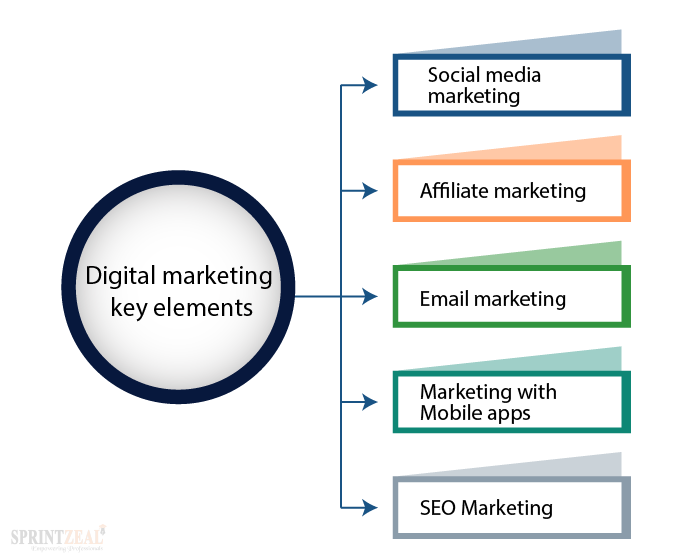
  • Search Engine Optimization (SEO): Optimising website content to improve search engine rankings and increase organic traffic.
  • Pay-Per-Click (PPC) Advertising: Running targeted ads on search engines or social media platforms to drive traffic and conversions.
  • Social Media Marketing: Engaging with audiences on social media platforms to build brand awareness and drive engagement.
  • Email Marketing: Sending targeted emails to nurture leads, promote products/services, and build customer relationships.

The Future of Digital Marketing

As technology continues to evolve at a rapid pace, the future of digital marketing looks promising. Advancements in artificial intelligence, machine learning, data analytics, and automation are reshaping the way businesses interact with consumers online. Personalisation and customisation are becoming increasingly important as consumers seek more tailored experiences from brands.

In conclusion, digital marketing has become an essential component of any successful business strategy in today’s digital age. By leveraging the power of online channels effectively, businesses can reach new audiences, drive engagement, increase brand visibility, and ultimately achieve their business goals in a competitive marketplace.


Exploring the 8 Key Advantages of Digital Marketing: From Cost-Effectiveness to Competitive Edge

  1. Cost-effective
  2. Measurable results
  3. Global reach
  4. Targeted advertising
  5. Brand visibility
  6. Engagement opportunities
  7. Flexibility
  8. Competitive advantage


Challenges of Digital Marketing: Navigating Saturation, Ad Fatigue, Privacy, Complexity, and Rapid Change

  1. 1. Saturation
  2. 2. Ad Fatigue
  3. 3. Privacy Concerns
  4. 4. Technical Complexity
  5. 5. Rapid Changes

Cost-effective

Digital marketing offers a significant advantage in terms of cost-effectiveness for businesses, enabling them to expand their reach and engage with a larger audience at a fraction of the cost associated with traditional marketing approaches. By leveraging digital channels such as social media, search engines, and email, businesses can target specific demographics and measure the effectiveness of their campaigns in real-time, ultimately maximising their return on investment and achieving greater results within their budget constraints.

Measurable results

Businesses benefit greatly from the measurable results offered by digital marketing. By tracking and analysing the performance of their campaigns in real-time, companies can make data-driven decisions that lead to more effective strategies and better outcomes. This ability to gather and interpret data allows businesses to optimise their digital marketing efforts, allocate resources efficiently, and ultimately achieve a higher return on investment.

Global reach

With digital marketing, businesses have the advantage of global reach, enabling them to connect with audiences worldwide and transcend geographical boundaries. This capability allows companies to expand their market reach beyond local limitations and tap into new markets, reaching potential customers in different regions and countries. By leveraging digital channels effectively, businesses can establish a strong online presence on a global scale, increasing brand visibility and opening up opportunities for growth and expansion in diverse markets.

Targeted advertising

Digital marketing’s targeted advertising capability is a game-changer in reaching the right audience with precision. By leveraging digital tools and data analytics, businesses can tailor their marketing messages to specific demographics, interests, and behaviours of their target audience. This level of targeting ensures that marketing efforts are directed towards those most likely to be interested in the products or services being offered, resulting in higher engagement rates and better return on investment. The ability to reach the right people at the right time with the right message is a key advantage of digital marketing that can significantly enhance campaign effectiveness and overall success.

Brand visibility

Through various online channels such as social media and search engines, digital marketing plays a crucial role in enhancing brand visibility and awareness. By strategically utilising platforms where consumers spend a significant amount of their time, businesses can effectively showcase their brand to a wider audience. This increased visibility not only helps in attracting new customers but also reinforces brand recognition among existing ones, ultimately contributing to the overall success and growth of the business in the digital landscape.

Engagement opportunities

Engagement opportunities are a key advantage of digital marketing, as interactive features enable businesses to connect with customers on a more personal level. Through comments, messages, polls, and other interactive tools, businesses can actively engage with their audience, gather feedback, and build stronger relationships. This two-way communication not only fosters trust and loyalty but also provides valuable insights that can be used to tailor marketing strategies to better meet the needs and preferences of customers. By creating meaningful interactions through digital channels, businesses can enhance customer engagement and ultimately drive long-term success.

Flexibility

Digital marketing offers a significant advantage in terms of flexibility. Unlike traditional marketing methods, digital marketing strategies can be easily adjusted and optimised based on real-time data insights. By monitoring key performance indicators and metrics, businesses can quickly identify what is working well and what needs improvement. This agility allows for rapid adjustments to campaigns, targeting, messaging, and more, resulting in better performance and results. The ability to adapt on the fly based on data-driven insights is a powerful asset that can help businesses stay ahead in today’s dynamic and competitive digital landscape.

Competitive advantage

In the realm of digital marketing, a significant advantage is the ability for small businesses to compete on a level playing field with larger corporations. By harnessing innovative digital marketing tactics, small businesses can carve out their niche, reach their target audience effectively, and differentiate themselves in the crowded digital space. This competitive advantage allows small businesses to showcase their unique offerings, engage with customers on a more personal level, and establish a strong online presence that resonates with their audience.

1. Saturation

In the realm of digital marketing, one significant drawback is the issue of saturation. As the digital landscape becomes more densely populated with businesses vying for consumer attention, standing out amidst the competition poses a formidable challenge. With countless brands bombarding consumers through various online channels, capturing and retaining the interest of a target audience has become increasingly difficult. This oversaturation can lead to message fatigue among consumers and diminish the effectiveness of marketing efforts, requiring businesses to adopt innovative strategies to cut through the noise and make a lasting impact.

2. Ad Fatigue

Consumers today are inundated with a constant stream of online advertisements, leading to a phenomenon known as ad fatigue. This oversaturation of ads can result in consumers feeling overwhelmed, annoyed, and even developing negative perceptions towards brands that bombard them with too many advertisements. Ad fatigue can diminish the effectiveness of marketing campaigns, as consumers may begin to tune out or actively avoid ads altogether. To combat this challenge, businesses must focus on delivering relevant and engaging content that resonates with their target audience to avoid contributing to ad fatigue and maintain a positive brand image in the digital space.

3. Privacy Concerns

With data collection and tracking being integral to digital marketing strategies, there are growing concerns about privacy violations and data misuse among consumers. The collection of personal information for targeted advertising purposes has raised ethical questions about the extent to which individuals’ online activities are monitored and used without their explicit consent. As data breaches and privacy scandals continue to make headlines, consumers are becoming more wary of sharing their information online, leading to a loss of trust in businesses that engage in intrusive data practices. Balancing the benefits of targeted marketing with the need to respect consumer privacy remains a significant challenge for digital marketers in today’s landscape.

4. Technical Complexity

Implementing effective digital marketing campaigns can be hindered by the technical complexity involved. Businesses without dedicated resources or expertise in the field may find it daunting to navigate the intricacies of digital marketing strategies. From understanding algorithms for search engine optimisation to setting up and monitoring online advertising campaigns, the technical know-how required can act as a barrier for businesses looking to leverage digital marketing effectively. Without the necessary skills and experience, businesses may struggle to implement campaigns that deliver optimal results and reach their target audience efficiently.

5. Rapid Changes

In the realm of digital marketing, one significant drawback is the rapid pace of change. The digital marketing landscape is in a perpetual state of evolution, with new technologies, algorithms, and trends continuously emerging. This dynamic environment necessitates businesses to remain agile and adaptable in order to keep up with the latest developments and maintain competitiveness. The need for constant learning and swift adjustments can pose challenges for businesses seeking to establish long-term strategies amidst the ever-changing digital marketing landscape.

marketing digital marketing

Unlocking the Potential of Digital Marketing Strategies in Today’s Business Landscape

The Power of Digital Marketing in Today’s Business Landscape

In the fast-paced digital age, traditional marketing strategies are no longer enough to cut through the noise and reach your target audience. This is where digital marketing comes into play, offering businesses a powerful tool to connect with customers, build brand awareness, and drive sales.

What is Digital Marketing?

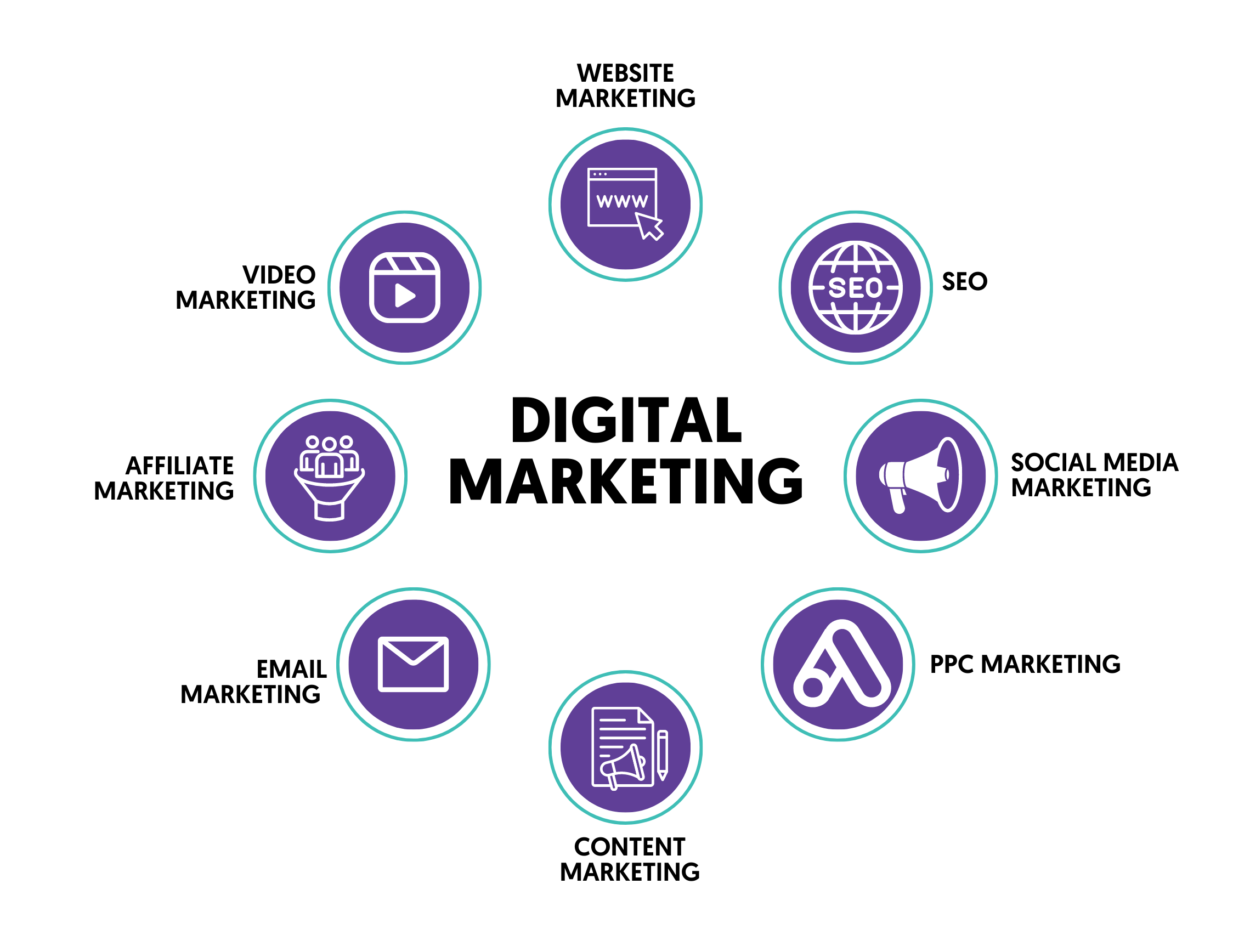
Digital marketing encompasses a wide range of online tactics and channels aimed at promoting products or services through digital technologies. This can include social media marketing, search engine optimisation (SEO), email marketing, content marketing, pay-per-click advertising, and more. The key advantage of digital marketing lies in its ability to reach a global audience quickly and cost-effectively.

The Benefits of Digital Marketing

One of the major benefits of digital marketing is its measurability. Unlike traditional marketing methods, digital campaigns can be tracked and analysed in real time, allowing businesses to adjust their strategies based on data-driven insights. This level of flexibility enables companies to optimise their campaigns for better results and ROI.

Furthermore, digital marketing offers unparalleled targeting capabilities. Through tools like demographic segmentation and behavioural targeting, businesses can tailor their messages to specific audience segments, ensuring that their marketing efforts resonate with the right people at the right time.

The Future of Marketing

As technology continues to evolve at a rapid pace, so too does the field of digital marketing. Emerging trends such as artificial intelligence, voice search optimisation, and influencer marketing are reshaping the way businesses engage with consumers online. By staying abreast of these trends and embracing innovative strategies, companies can stay ahead of the competition and drive growth in an increasingly competitive marketplace.

Conclusion

In conclusion, digital marketing has become an indispensable tool for businesses looking to thrive in today’s digital-first world. By leveraging the power of online channels and data-driven insights, companies can create targeted campaigns that resonate with their audience and drive tangible results. Embracing digital marketing is not just an option – it’s a necessity for any business looking to succeed in the modern marketplace.


Top 11 Frequently Asked Questions About Digital Marketing

  1. What is the salary in digital marketing?
  2. What is digital marketer in marketing?
  3. Do digital marketers make good money?
  4. What is digital marketing example?
  5. What is meant by digital marketing?
  6. What’s an example of digital marketing?
  7. What are the seven types of digital marketing?
  8. What type of marketing is digital marketing?
  9. What are the 4 types of digital marketing?
  10. What is digital marketing in marketing?
  11. Is digital marketing a good career?

What is the salary in digital marketing?

The salary in digital marketing can vary depending on factors such as job role, experience level, location, and the specific industry. Entry-level positions in digital marketing may offer salaries starting from around £20,000 to £30,000 per year, while more senior roles or positions in larger companies can command significantly higher salaries. Digital marketing professionals with specialised skills or certifications, such as SEO specialists or PPC managers, may also earn higher salaries due to the demand for their expertise. Overall, the salary range in digital marketing is broad and offers opportunities for growth and advancement based on individual skills and experience.

What is digital marketer in marketing?

A digital marketer in marketing is a professional who specialises in promoting products or services using various online channels and strategies. Digital marketers are skilled in leveraging digital technologies such as social media, search engines, email, and content marketing to reach target audiences and drive engagement. Their responsibilities may include developing digital marketing campaigns, analysing data to measure campaign performance, and optimising strategies for maximum effectiveness. Digital marketers play a crucial role in helping businesses establish a strong online presence, build brand awareness, and ultimately drive conversions in the ever-evolving digital landscape.

Do digital marketers make good money?

The earning potential for digital marketers can vary depending on factors such as experience, skills, industry, and location. In general, digital marketers have the opportunity to make good money due to the high demand for their expertise in today’s digital-centric business landscape. Those with a strong track record of delivering successful campaigns and staying current with industry trends often command higher salaries and lucrative opportunities. With the right skills and dedication, digital marketers can indeed enjoy a rewarding career with competitive compensation packages.

What is digital marketing example?

Digital marketing encompasses a wide range of strategies and tactics used by businesses to promote their products or services online. An example of digital marketing is social media advertising, where companies leverage platforms like Facebook, Instagram, or LinkedIn to reach their target audience with targeted ads. Another example is search engine optimisation (SEO), which involves optimising a website to rank higher in search engine results pages, increasing visibility and organic traffic. Email marketing is also a common digital marketing example, where businesses send personalised emails to subscribers to promote products, share news, or nurture customer relationships. These examples demonstrate the diverse and effective ways in which digital marketing can be utilised to achieve business goals in the online space.

What is meant by digital marketing?

Digital marketing refers to the use of online channels and digital technologies to promote products or services to a target audience. This encompasses a wide range of tactics such as social media marketing, search engine optimisation (SEO), email marketing, content marketing, pay-per-click advertising, and more. The key advantage of digital marketing lies in its ability to reach a global audience quickly and cost-effectively, allowing businesses to connect with customers in a more targeted and measurable way compared to traditional marketing methods. In essence, digital marketing is about leveraging the power of the internet and technology to engage with consumers, build brand awareness, drive traffic, and ultimately achieve business objectives in the digital realm.

What’s an example of digital marketing?

An example of digital marketing is social media advertising, where businesses leverage platforms like Facebook, Instagram, or LinkedIn to promote their products or services to a targeted audience. Through strategic ad placements and audience segmentation, companies can reach potential customers based on their interests, demographics, and online behaviour. Social media advertising allows businesses to engage with users in a more interactive and personalised way, driving brand awareness, website traffic, and ultimately conversions. This example illustrates how digital marketing utilises online channels to connect with consumers in a cost-effective and measurable manner.

What are the seven types of digital marketing?

In the realm of digital marketing, there are seven key types that businesses often leverage to reach and engage their target audience effectively. These include search engine optimisation (SEO), which focuses on improving a website’s visibility in search engine results; pay-per-click (PPC) advertising, where advertisers pay a fee each time their ad is clicked; social media marketing, which involves promoting products or services on social platforms; content marketing, aimed at creating valuable and relevant content to attract and retain customers; email marketing, utilising email campaigns to communicate with prospects and customers; affiliate marketing, where businesses reward affiliates for driving traffic or sales; and finally, influencer marketing, which involves collaborating with influential individuals to promote products or services. Each type of digital marketing offers unique opportunities for businesses to connect with their audience in meaningful ways and drive results.

What type of marketing is digital marketing?

Digital marketing is a form of marketing that utilises online channels and digital technologies to promote products or services to a target audience. It encompasses a wide range of tactics, including social media marketing, search engine optimisation (SEO), email marketing, content marketing, pay-per-click advertising, and more. Unlike traditional marketing methods, digital marketing leverages the power of the internet to reach a global audience quickly and cost-effectively. With its focus on data-driven insights and measurable results, digital marketing has become an essential tool for businesses looking to engage with consumers in today’s digital-first world.

What are the 4 types of digital marketing?

In the realm of digital marketing, there are four primary types that businesses commonly utilise to reach and engage their target audiences effectively. These include search engine optimisation (SEO), which focuses on improving a website’s visibility in search engine results; social media marketing, where brands leverage platforms like Facebook, Instagram, and Twitter to connect with customers; pay-per-click (PPC) advertising, involving paid ads displayed on search engines and websites; and content marketing, which entails creating valuable and relevant content to attract and retain customers. Each type plays a crucial role in a comprehensive digital marketing strategy, offering unique opportunities for businesses to enhance their online presence and drive success in the digital landscape.

What is digital marketing in marketing?

Digital marketing in marketing refers to the use of online channels and digital technologies to promote products or services to a target audience. It encompasses a wide range of strategies, including social media marketing, search engine optimisation (SEO), email marketing, content marketing, pay-per-click advertising, and more. The goal of digital marketing is to connect with customers in the digital space, build brand awareness, drive website traffic, generate leads, and ultimately increase sales. By leveraging the power of digital platforms and data-driven insights, businesses can create targeted and personalised campaigns that engage consumers effectively in today’s increasingly digital landscape.

Is digital marketing a good career?

The question of whether digital marketing is a good career choice is one that many individuals ponder in today’s digital age. With the increasing importance of online presence and digital strategies for businesses, the demand for skilled digital marketers is on the rise. A career in digital marketing offers diverse opportunities for growth, creativity, and innovation. Professionals in this field have the chance to work across various industries, utilise cutting-edge tools and technologies, and make a significant impact on business outcomes. As the digital landscape continues to evolve, a career in digital marketing presents an exciting and rewarding path for those passionate about leveraging online channels to drive success.

Unlocking the True Digital Marketing Meaning: Strategies for Success

The Meaning of Digital Marketing

The Meaning of Digital Marketing

Digital marketing is a dynamic and ever-evolving field that encompasses all online marketing efforts to promote products or services using digital channels. In today’s digital age, businesses leverage various digital technologies and platforms to connect with their target audience in a strategic and impactful way.

Key Components of Digital Marketing

There are several key components that make up digital marketing:

  • Search Engine Optimization (SEO): SEO involves optimizing your website to improve its visibility in search engine results pages, driving organic traffic.
  • Content Marketing: Content marketing focuses on creating and distributing valuable, relevant content to attract and engage a specific audience.
  • Social Media Marketing: Social media marketing involves promoting your brand and content on social media platforms to increase brand awareness and drive traffic.
  • Email Marketing: Email marketing involves sending targeted emails to prospects and customers to nurture leads and build customer relationships.
  • Pay-Per-Click (PPC) Advertising: PPC advertising allows businesses to place ads on search engines or websites and pay a fee each time the ad is clicked.

The Importance of Digital Marketing

In today’s highly competitive business landscape, digital marketing plays a crucial role in reaching and engaging target audiences effectively. It offers businesses the opportunity to connect with customers in real-time, track performance metrics accurately, and adjust strategies based on data-driven insights.

The Future of Digital Marketing

As technology continues to advance rapidly, the future of digital marketing holds exciting possibilities. Artificial intelligence, machine learning, augmented reality, and other emerging technologies will further revolutionize how businesses interact with consumers online. Staying ahead of these trends will be essential for businesses looking to stay competitive in the digital marketplace.

In conclusion, digital marketing is more than just a buzzword—it is a powerful tool that can help businesses thrive in the digital age by reaching the right audience with the right message at the right time.


Understanding Digital Marketing: Key Roles, Concepts, and Examples Explained

  1. What does a job in digital marketing do?
  2. What does a digital marketer do?
  3. Why is it called digital marketing?
  4. What is digital marketing in easy words?
  5. What is digital marketing example?
  6. What are the 5 key of digital marketing?
  7. What is meant by digital marketing?

What does a job in digital marketing do?

A job in digital marketing involves developing and implementing online strategies to promote products or services, increase brand awareness, and engage with target audiences through various digital channels. Professionals in this field utilise a range of digital marketing techniques such as SEO, content marketing, social media management, email campaigns, and online advertising to drive traffic, generate leads, and ultimately boost conversions for businesses. They analyse data and metrics to measure the effectiveness of campaigns, identify trends, and make informed decisions to optimise marketing efforts. A career in digital marketing requires creativity, analytical skills, adaptability to changing trends, and a deep understanding of consumer behaviour in the online space.

What does a digital marketer do?

A digital marketer is responsible for developing and implementing online marketing strategies to promote products or services through various digital channels. Their role involves creating engaging content, managing social media platforms, executing email campaigns, analysing data to track performance, and optimising digital advertising efforts. Digital marketers work to enhance brand visibility, drive website traffic, generate leads, and ultimately increase conversions. They stay up-to-date with the latest trends in digital technology and consumer behaviour to ensure their marketing efforts are effective and aligned with the overall business goals.

Why is it called digital marketing?

Digital marketing is named as such because it refers to the use of digital technologies and channels to promote products or services to consumers. Unlike traditional marketing methods that rely on physical materials and offline interactions, digital marketing harnesses the power of the internet, mobile devices, social media platforms, and other digital mediums to reach target audiences. The term “digital” highlights the shift towards online strategies and tactics in response to the increasing importance of digital platforms in today’s interconnected world. By leveraging these digital tools, businesses can connect with their audience in a more targeted, measurable, and cost-effective manner, driving engagement and conversions in the digital realm.

What is digital marketing in easy words?

Digital marketing, in simple terms, refers to the use of online channels and platforms to promote products or services. It involves various strategies such as search engine optimization (SEO), social media marketing, email campaigns, and pay-per-click advertising to reach and engage target audiences. Essentially, digital marketing leverages the power of the internet to connect businesses with potential customers in a more targeted and measurable way compared to traditional marketing methods.

What is digital marketing example?

Digital marketing encompasses a wide range of strategies and tactics used by businesses to promote their products or services online. An example of digital marketing could be a company running a targeted Facebook advertising campaign to reach a specific demographic group interested in their products. By creating engaging ad content and leveraging Facebook’s targeting capabilities, the company can effectively connect with potential customers, drive traffic to their website, and ultimately increase sales. This example demonstrates how digital marketing utilises online platforms to engage with audiences in a more personalised and measurable way compared to traditional marketing methods.

What are the 5 key of digital marketing?

In the realm of digital marketing, understanding the five key components is essential for crafting successful online strategies. These components include Search Engine Optimization (SEO), Content Marketing, Social Media Marketing, Email Marketing, and Pay-Per-Click (PPC) Advertising. SEO focuses on improving website visibility in search engine results, while content marketing aims to engage audiences with valuable content. Social media marketing leverages platforms to boost brand awareness, email marketing nurtures customer relationships through targeted campaigns, and PPC advertising enables businesses to drive traffic through paid ads. Mastering these five pillars of digital marketing is crucial for businesses looking to thrive in the digital landscape and connect effectively with their target audience.

What is meant by digital marketing?

Digital marketing refers to the practice of promoting products or services using various online channels and digital technologies. It encompasses a wide range of strategies and tactics aimed at reaching and engaging target audiences through platforms such as search engines, social media, email, and websites. In essence, digital marketing leverages the power of the internet to connect businesses with their customers in a more personalised and interactive manner. By utilising tools like SEO, content marketing, social media advertising, and email campaigns, businesses can enhance their online presence, drive traffic to their websites, and ultimately generate leads and conversions.