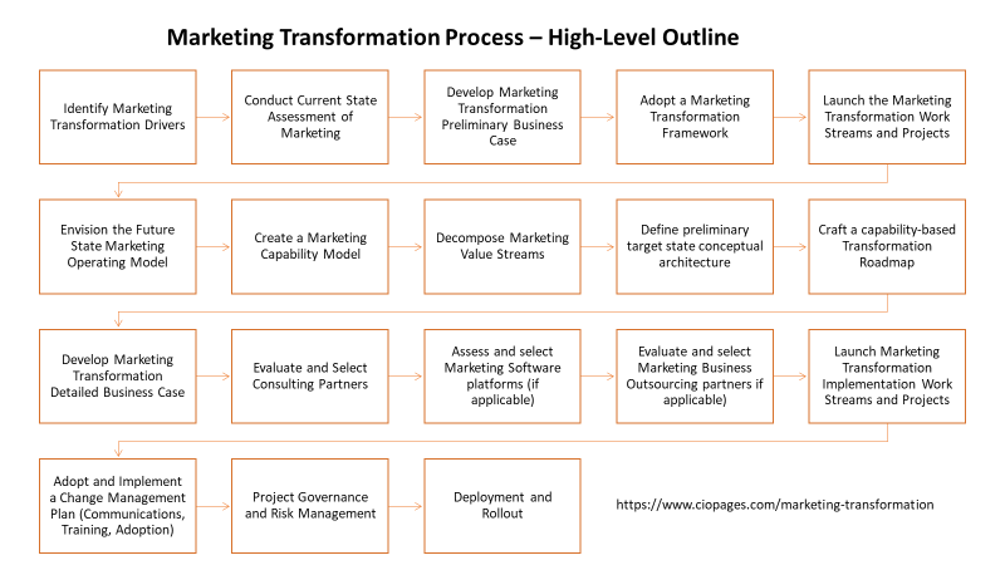
digital marketing transformation

Unlocking Success: The Power of Digital Marketing Transformation in Today’s Business Landscape

Digital Marketing Transformation

The Power of Digital Marketing Transformation

In today’s fast-paced digital landscape, businesses are constantly evolving to stay ahead of the curve. One key aspect of this evolution is the transformation of traditional marketing strategies into digital marketing solutions. Digital marketing transformation is not just a trend; it is a necessity for businesses looking to thrive in the digital age.

What is Digital Marketing Transformation?

Digital marketing transformation involves the integration of digital technologies and data-driven strategies to enhance marketing efforts and reach target audiences more effectively. It encompasses a shift from traditional methods such as print ads and billboards to online channels like social media, search engine optimisation (SEO), email marketing, and more.

The Benefits of Digital Marketing Transformation

Embracing digital marketing transformation offers businesses numerous benefits, including:

  • Increased Reach: Digital platforms allow businesses to reach a global audience instantaneously, breaking geographical barriers.
  • Targeted Advertising: Data analytics enable precise targeting of specific demographics, increasing the efficiency of advertising campaigns.
  • Measurable Results: Digital marketing provides real-time analytics that allow businesses to track campaign performance and adjust strategies accordingly.
  • Cost-Effectiveness: Compared to traditional marketing methods, digital marketing often offers a higher return on investment due to its targeted approach.
  • Enhanced Customer Engagement: Interactive features like social media engagement and personalised content help businesses connect with their audience on a deeper level.

Key Strategies for Successful Digital Marketing Transformation

To successfully implement digital marketing transformation, businesses should consider the following strategies:

  1. Data-Driven Decision Making: Utilise data analytics to understand customer behaviour and preferences, allowing for more targeted campaigns.
  2. Multichannel Approach: Engage with customers across various online platforms to maximise visibility and engagement.
  3. Ongoing Learning and Adaptation: Stay up-to-date with industry trends and continuously adapt strategies to remain competitive in the digital space.

In Conclusion

Digital marketing transformation is not just an option for businesses; it is a vital component of staying relevant in today’s increasingly digital world. By embracing digital technologies and adopting data-driven strategies, businesses can unlock new opportunities for growth, engagement, and success in the ever-evolving marketplace.

Contact us today to learn how we can help your business navigate the realm of digital marketing transformation!


6 Essential Tips for Mastering Digital Marketing Transformation

  1. Understand your target audience and their online behaviour.
  2. Create a strong online presence across various digital platforms.
  3. Utilise data analytics to track and measure the performance of your digital marketing efforts.
  4. Invest in search engine optimisation (SEO) to improve visibility and ranking on search engines.
  5. Engage with your audience through interactive content such as videos, quizzes, and polls.
  6. Stay updated with the latest digital marketing trends and technologies to adapt and evolve your strategies.

Understand your target audience and their online behaviour.

To succeed in digital marketing transformation, it is crucial to understand your target audience and their online behaviour. By gaining insights into the preferences, habits, and demographics of your audience, you can tailor your digital marketing strategies to effectively reach and engage with them. Understanding how your target audience interacts online allows you to create targeted campaigns that resonate with their interests, leading to increased brand awareness, customer engagement, and ultimately, business growth.

Create a strong online presence across various digital platforms.

Creating a strong online presence across a variety of digital platforms is essential for successful digital marketing transformation. By establishing a consistent and engaging presence on platforms such as social media, search engines, and email marketing, businesses can reach a wider audience, increase brand visibility, and foster meaningful connections with customers. This multichannel approach not only enhances brand recognition but also allows for targeted communication tailored to different segments of the target market, ultimately driving engagement and conversion rates.

Utilise data analytics to track and measure the performance of your digital marketing efforts.

By utilising data analytics to track and measure the performance of your digital marketing efforts, you can gain valuable insights into the effectiveness of your strategies. Data-driven analysis allows you to understand customer behaviour, identify trends, and make informed decisions to optimise your campaigns for maximum impact. Tracking key metrics and performance indicators enables you to refine your approach, target specific demographics more effectively, and ultimately enhance the overall success of your digital marketing initiatives.

Invest in search engine optimisation (SEO) to improve visibility and ranking on search engines.

Investing in search engine optimisation (SEO) is a crucial step in digital marketing transformation. By focusing on SEO strategies, businesses can enhance their online visibility and improve their ranking on search engines like Google. This not only increases the likelihood of attracting organic traffic to their website but also helps them reach a wider audience of potential customers actively searching for products or services in their industry. Prioritising SEO as part of the digital marketing strategy can lead to long-term benefits by establishing a strong online presence and driving sustainable growth for the business.

Engage with your audience through interactive content such as videos, quizzes, and polls.

To enhance your digital marketing transformation, it is crucial to engage with your audience through interactive content like videos, quizzes, and polls. These interactive elements not only capture the attention of your target audience but also encourage active participation and feedback. By incorporating such engaging content into your digital strategy, you can create a more immersive and personalised experience for your audience, fostering stronger connections and driving higher levels of engagement with your brand.

To thrive in the realm of digital marketing transformation, it is crucial to stay abreast of the latest trends and technologies shaping the industry. By continuously updating your knowledge and embracing new tools, you can adapt your strategies effectively and evolve with the ever-changing digital landscape. Keeping pace with emerging trends allows businesses to remain competitive, engage with their target audience more effectively, and drive meaningful results in their digital marketing efforts.

digital marketing overview

Navigating the Digital Marketing Landscape: An Overview of Strategies and Trends

Digital Marketing Overview

The Power of Digital Marketing: An Overview

In today’s digital age, marketing has evolved significantly with the rise of digital platforms and technologies. Digital marketing encompasses a wide range of strategies and techniques aimed at promoting products or services using online channels. It has become an essential component for businesses looking to reach their target audiences effectively and efficiently.

Key Components of Digital Marketing

Digital marketing includes various components such as:

  • Search Engine Optimization (SEO): Optimising websites to improve search engine rankings and increase organic traffic.
  • Pay-Per-Click (PPC) Advertising: Running paid advertising campaigns on search engines or social media platforms to drive targeted traffic.
  • Social Media Marketing: Utilising social media platforms to engage with audiences, build brand awareness, and drive conversions.
  • Email Marketing: Sending targeted emails to prospects and customers to promote products or services and nurture relationships.
  • Content Marketing: Creating valuable and relevant content to attract and retain a specific audience, ultimately driving profitable customer action.
  • Analytics and Data Analysis: Monitoring and analysing campaign performance to make data-driven decisions for continuous improvement.

The Benefits of Digital Marketing

Digital marketing offers numerous benefits for businesses, including:

  • Increased Reach: With the vast reach of the internet, businesses can connect with a global audience regardless of geographical boundaries.
  • Targeted Advertising: Digital marketing allows businesses to target specific demographics, interests, behaviours, and locations with precision.
  • Cost-Effective Solutions: Compared to traditional marketing methods, digital marketing often provides a more cost-effective way to reach a larger audience.
  • Data-Driven Insights: Through analytics tools, businesses can gain valuable insights into customer behaviour, preferences, and campaign performance for informed decision-making.
  • Innovative Strategies: The dynamic nature of digital marketing allows businesses to adapt quickly to changing trends and consumer preferences for better engagement.

In Conclusion

Digital marketing has revolutionised the way businesses promote their products or services in the digital landscape. By leveraging the power of online channels and data-driven strategies, businesses can enhance their visibility, engage with their target audiences effectively, and drive measurable results. Embracing digital marketing is essential for staying competitive in today’s fast-paced business environment.


9 Essential Tips for Mastering Digital Marketing Strategies

  1. Understand your target audience
  2. Create a strong online presence
  3. Utilize social media effectively
  4. Optimize your website for search engines (SEO)
  5. Invest in pay-per-click advertising (PPC)
  6. Use email marketing to engage with customers
  7. Analyse data to track and improve performance
  8. Focus on quality content creation
  9. Stay updated with the latest digital marketing trends

Understand your target audience

Understanding your target audience is a crucial aspect of digital marketing. By gaining insights into the demographics, behaviours, preferences, and needs of your audience, you can tailor your marketing strategies to effectively engage and connect with them. This understanding allows you to create relevant and compelling content that resonates with your target audience, leading to increased brand awareness, customer loyalty, and ultimately, driving conversions. Investing time in understanding your target audience ensures that your digital marketing efforts are targeted and impactful, resulting in a more successful and sustainable marketing campaign.

Create a strong online presence

Creating a strong online presence is crucial in the realm of digital marketing. By establishing a cohesive and engaging presence across various online platforms, businesses can effectively connect with their target audience, build brand credibility, and increase visibility. A strong online presence not only enhances brand awareness but also fosters trust among consumers, ultimately driving traffic and conversions. Through consistent branding, valuable content creation, and active engagement with followers, businesses can solidify their position in the digital landscape and stand out amidst competition.

Utilize social media effectively

To maximise the impact of your digital marketing efforts, it is crucial to utilise social media effectively. Social media platforms offer a powerful avenue for engaging with your target audience, building brand awareness, and driving conversions. By creating compelling content tailored to each platform, actively interacting with followers, and leveraging analytics to refine your strategy, you can harness the full potential of social media to enhance your brand presence and achieve your marketing goals.

Optimize your website for search engines (SEO)

To maximise your online visibility and attract organic traffic, it is crucial to optimise your website for search engines through effective Search Engine Optimization (SEO) practices. By incorporating relevant keywords, creating high-quality content, improving site speed and user experience, and obtaining backlinks from reputable sources, you can enhance your website’s search engine rankings and increase its chances of being discovered by potential customers. SEO plays a vital role in driving targeted traffic to your site and improving your overall digital marketing performance.

Invest in pay-per-click advertising (PPC)

Investing in pay-per-click advertising (PPC) is a crucial component of a comprehensive digital marketing strategy. With PPC, businesses have the opportunity to target specific audiences, drive relevant traffic to their websites, and achieve measurable results in a cost-effective manner. By carefully selecting keywords, creating compelling ad copy, and monitoring campaign performance, businesses can maximise their ROI and reach potential customers at the right moment in their buying journey. PPC offers a level of control and flexibility that allows businesses to adjust their campaigns in real-time based on data insights, ensuring optimal performance and driving conversions effectively.

Use email marketing to engage with customers

Utilising email marketing is a powerful strategy to engage with customers and nurture relationships effectively. By sending targeted and personalised emails, businesses can communicate directly with their audience, providing valuable content, promotions, and updates. Email marketing allows for direct interaction, encouraging customer loyalty and driving conversions. With the ability to segment email lists based on customer preferences and behaviours, businesses can tailor their messages to resonate with different segments of their audience, ultimately enhancing engagement and fostering long-term relationships.

Analyse data to track and improve performance

In digital marketing, analysing data to track and improve performance is a crucial tip for achieving success. By monitoring key metrics such as website traffic, conversion rates, click-through rates, and engagement levels, businesses can gain valuable insights into the effectiveness of their marketing campaigns. This data-driven approach allows businesses to identify areas for improvement, make informed decisions, and optimise their strategies for better results. Continuous analysis of data enables businesses to adapt to changing trends, refine their tactics, and ultimately enhance their overall digital marketing performance.

Focus on quality content creation

In the realm of digital marketing, a key tip to remember is to focus on quality content creation. Content is the cornerstone of any successful digital marketing strategy, as it serves to engage and resonate with your target audience. By creating high-quality and valuable content that addresses the needs and interests of your audience, you can establish credibility, build trust, and drive meaningful interactions. Whether it’s informative blog posts, engaging social media updates, or compelling videos, prioritising quality content creation can set you apart in a crowded online landscape and help you achieve your marketing goals effectively.

To stay ahead in the ever-evolving landscape of digital marketing, it is crucial to stay updated with the latest trends and innovations. By keeping abreast of emerging technologies, consumer behaviours, and industry developments, businesses can adapt their strategies to remain relevant and competitive. Whether it’s exploring new social media platforms, implementing cutting-edge tools for data analysis, or embracing innovative content formats, staying informed about digital marketing trends is key to driving successful campaigns and engaging with target audiences effectively.

digital marketing 2021

Navigating the Digital Marketing Landscape in 2021: Trends and Strategies

Digital Marketing Trends in 2021

The Evolution of Digital Marketing in 2021

In the fast-paced world of digital marketing, staying ahead of trends is crucial for success. As we navigate through 2021, several key trends have emerged that are shaping the landscape of digital marketing.

Personalisation is Key

Personalisation has become a cornerstone of effective digital marketing strategies. In 2021, consumers expect tailored experiences that resonate with their needs and preferences. Brands that can deliver personalised content and messaging are more likely to engage and convert their target audience.

Video Content Dominance

Video content continues to reign supreme in the digital marketing realm. With the rise of platforms like TikTok and Instagram Reels, short-form video content has gained popularity among audiences. Brands are leveraging video to tell compelling stories, showcase products, and engage with customers in a more interactive way.

SEO and Voice Search Optimization

Search engine optimisation (SEO) remains a critical component of any digital marketing strategy. In 2021, the focus has shifted towards voice search optimisation as more consumers use voice assistants like Siri and Alexa to find information online. Brands are adapting their SEO tactics to align with voice search queries and provide relevant answers.

Data Privacy and Compliance

With increasing concerns about data privacy and security, brands are prioritising compliance with regulations such as GDPR and CCPA. Building trust with consumers by safeguarding their data is essential for maintaining brand reputation and credibility in the digital space.

The Rise of Influencer Marketing

Influencer marketing continues to be a powerful tool for reaching target audiences authentically. Micro-influencers, in particular, have gained traction for their ability to connect with niche communities and drive engagement. Brands are collaborating with influencers to create authentic content that resonates with their followers.

Conclusion

As we progress through 2021, these trends will continue to shape the landscape of digital marketing. By embracing personalisation, leveraging video content, optimising for voice search, prioritising data privacy, and harnessing the power of influencer marketing, brands can stay competitive in an ever-evolving digital world.


Top 5 Advantages of Digital Marketing in 2021: Expanding Reach and Engagement

  1. Increased Reach
  2. Targeted Advertising
  3. Cost-Effective
  4. Real-Time Analytics
  5. Enhanced Engagement


Challenges in Digital Marketing 2021: Navigating Overload, Fatigue, Privacy, Algorithms, Competition, and Measurement

  1. 1. Information Overload
  2. 2. Ad Fatigue
  3. 3. Privacy Concerns
  4. 4. Algorithm Changes
  5. 5. Competition Intensity
  6. 6. Measurement Complexity

Increased Reach

In 2021, one significant advantage of digital marketing is the increased reach it offers to businesses. Through digital channels, companies can transcend geographical limitations and connect with a global audience. This expanded reach enables businesses to engage with diverse demographics and target markets, fostering brand awareness and driving growth opportunities on a global scale. By leveraging the power of digital marketing, businesses can effectively reach and resonate with audiences worldwide, breaking down traditional barriers to entry into new markets.

Targeted Advertising

In 2021, one significant advantage of digital marketing is the ability to utilise targeted advertising. By leveraging digital channels, businesses can tailor their campaigns to reach specific demographics and interests with precision. This targeted approach not only enhances the relevance of the content delivered to audiences but also increases the overall effectiveness of marketing efforts by ensuring that messages resonate with the right people at the right time.

Cost-Effective

In the realm of digital marketing in 2021, one significant advantage lies in its cost-effectiveness compared to traditional marketing approaches. Digital marketing strategies typically require lower investments while offering a higher return on investment (ROI). This financial efficiency allows businesses of all sizes to reach their target audiences effectively without breaking the bank, making digital marketing a compelling choice for maximising marketing budgets and achieving tangible results.

Real-Time Analytics

One significant advantage of digital marketing in 2021 is the availability of real-time analytics. Through digital platforms, businesses can access immediate data and analytics that offer insights into campaign performance. This real-time information empowers businesses to make timely and informed decisions, adjust strategies on the fly, and optimise their marketing efforts for maximum effectiveness. By leveraging real-time analytics, businesses can stay agile and responsive in a dynamic digital landscape, ultimately driving better results and ROI for their marketing initiatives.

Enhanced Engagement

In 2021, one significant advantage of digital marketing is the enhanced engagement it offers. By utilising social media platforms and interactive content, brands can establish meaningful connections with their target audience. Through engaging posts, interactive campaigns, and real-time interactions, digital marketing facilitates two-way communication that fosters relationships and builds brand loyalty. This level of engagement not only helps brands to understand their audience better but also creates a sense of community and involvement that can lead to increased customer retention and advocacy.

1. Information Overload

In 2021, one significant con of digital marketing is the issue of information overload. The sheer volume of digital marketing content available can overwhelm consumers and make it difficult for brands to differentiate themselves in a crowded online space. With so much information competing for attention, capturing and maintaining audience engagement becomes a formidable challenge for businesses looking to make an impact in the digital realm.

2. Ad Fatigue

In 2021, one notable con of digital marketing is the phenomenon of ad fatigue. With consumers being inundated with traditional advertising methods across various digital platforms, there is a growing sense of immunity towards these ads. This saturation has resulted in reduced engagement levels as audiences become desensitised to repetitive and intrusive advertising messages. As a result, brands are challenged to find innovative ways to capture and maintain consumer attention amidst the noise of digital advertising.

3. Privacy Concerns

In 2021, one significant con of digital marketing is the heightened privacy concerns among consumers. With increased awareness about data privacy issues, individuals have become more cautious when it comes to sharing personal information with brands online. This shift in consumer behaviour has posed a challenge for marketers who rely on collecting and utilising customer data to tailor their campaigns effectively. As privacy regulations continue to evolve, businesses must navigate this landscape carefully to build trust with their audience while respecting their privacy rights.

4. Algorithm Changes

In 2021, one significant drawback of digital marketing is the constant changes to search engine algorithms and social media platforms. These algorithm updates have the potential to significantly affect the visibility and reach of digital marketing campaigns. Marketers must adapt quickly to these changes to ensure their strategies remain effective and their content reaches the intended audience amidst evolving algorithmic preferences.

5. Competition Intensity

In 2021, one significant challenge facing businesses in the realm of digital marketing is the intense competition that characterises the online landscape. The sheer volume of companies vying for consumer attention has created a scenario where smaller businesses struggle to compete with larger corporations in terms of online visibility. This heightened competition poses a barrier for smaller enterprises looking to establish a strong digital presence and reach their target audience effectively.

6. Measurement Complexity

In 2021, one significant drawback of digital marketing is the complexity of measurement. Tracking and evaluating the impact of digital marketing campaigns across various channels can present challenges in determining return on investment (ROI). The intricate nature of monitoring performance metrics and attributing conversions to specific marketing activities can be time-consuming and may hinder marketers from accurately assessing the effectiveness of their strategies. This measurement complexity poses a conundrum for businesses seeking clear insights into the success of their digital marketing endeavours.

best digital campaigns 2019

Exploring the Top Digital Campaigns of 2019: A Showcase of the Best Strategies

Best Digital Campaigns of 2019

The Best Digital Campaigns of 2019

2019 was a year filled with innovative and impactful digital campaigns that captured the attention of audiences worldwide. From creative storytelling to interactive experiences, brands pushed the boundaries of digital marketing to engage and connect with consumers in new and exciting ways.

Nike: Dream Crazy

Nike’s “Dream Crazy” campaign featuring Colin Kaepernick sparked conversations and inspired audiences with its powerful message of believing in your dreams despite obstacles. The campaign resonated with viewers on a personal level, making it one of the most talked-about campaigns of the year.

Burger King: Whopper Detour

Burger King’s “Whopper Detour” campaign cleverly combined mobile technology with a bold marketing strategy. By encouraging customers to order a Whopper through their app while at a McDonald’s location, Burger King successfully drove sales and generated buzz across social media platforms.

Spotify: Wrapped 2019

Spotify’s annual “Wrapped” campaign personalised music listening experiences for users by showcasing their top songs, artists, and genres from the year. The campaign not only engaged existing users but also attracted new audiences through social sharing and personalised recommendations.

Airbnb: Night At The Louvre

Airbnb’s collaboration with the Louvre Museum offered a once-in-a-lifetime opportunity for guests to spend a night inside the iconic museum. This unique experience generated significant media coverage and showcased Airbnb’s commitment to creating unforgettable travel experiences for its customers.

Coca-Cola: #ShareACoke

Coca-Cola continued its successful “Share A Coke” campaign in 2019 by personalising bottles with popular names and encouraging consumers to share them with friends and loved ones. The campaign fostered a sense of connection and community while driving sales and brand loyalty.

In conclusion, the best digital campaigns of 2019 demonstrated the power of creativity, storytelling, and consumer engagement in shaping successful marketing strategies. As we look ahead to future trends in digital marketing, these campaigns serve as inspiration for brands seeking to make a lasting impact on their target audiences.


Top 9 Tips for Crafting Successful Digital Campaigns in 2019

  1. Leverage data analytics to understand your audience better.
  2. Utilise social media platforms for targeted advertising.
  3. Create engaging video content to capture attention quickly.
  4. Incorporate influencer marketing to expand reach and credibility.
  5. Use storytelling techniques to connect emotionally with your audience.
  6. Optimise campaigns for mobile devices as users increasingly access content on-the-go.
  7. Employ A/B testing to refine ad creatives and messaging continuously.
  8. Focus on personalisation to deliver relevant content and offers.
  9. Monitor campaign performance in real-time and adjust strategies as needed.

Leverage data analytics to understand your audience better.

In the realm of best digital campaigns in 2019, a crucial tip emerged: leveraging data analytics to gain deeper insights into your audience. By harnessing the power of data analytics, brands were able to understand their target demographics, preferences, and behaviours more effectively. This invaluable information allowed marketers to tailor their campaigns with precision, ensuring that content resonated with audiences on a personal level. In an era where consumer engagement is paramount, utilising data analytics proved to be a game-changer in creating successful and impactful digital campaigns that not only captured attention but also fostered lasting connections with customers.

Utilise social media platforms for targeted advertising.

In the realm of best digital campaigns in 2019, a crucial tip that stood out was the strategic utilisation of social media platforms for targeted advertising. By leveraging the vast reach and sophisticated targeting capabilities of platforms such as Facebook, Instagram, and Twitter, brands were able to tailor their messages to specific demographics, interests, and behaviours of their desired audience. This approach not only maximised the effectiveness of marketing efforts but also fostered meaningful connections with consumers, ultimately leading to higher engagement and conversion rates.

Create engaging video content to capture attention quickly.

In the realm of best digital campaigns in 2019, a key tip that emerged was the importance of creating engaging video content to capture attention swiftly. Video content has proven to be a powerful tool for brands to connect with their audiences in a dynamic and impactful way. By crafting compelling videos that resonate with viewers from the outset, brands can effectively grab attention and convey their message efficiently in today’s fast-paced digital landscape. This strategy not only helps to engage audiences but also enhances brand visibility and fosters meaningful connections with consumers.

Incorporate influencer marketing to expand reach and credibility.

Incorporating influencer marketing into digital campaigns in 2019 proved to be a highly effective strategy for expanding reach and enhancing credibility. By partnering with influencers who have a loyal following and strong influence within their niche, brands were able to connect with target audiences in a more authentic and engaging way. Leveraging the trust and authority that influencers hold among their followers helped brands to not only increase their reach but also build credibility and foster meaningful connections with consumers. This approach demonstrated the importance of tapping into influencer networks to amplify brand messages and drive successful digital campaigns in 2019.

Use storytelling techniques to connect emotionally with your audience.

In the realm of best digital campaigns in 2019, a key tip that stood out was the effective use of storytelling techniques to establish emotional connections with audiences. By weaving narratives that resonate on a personal level, brands were able to evoke feelings of empathy, inspiration, and relatability among consumers. Through compelling storytelling, these campaigns transcended traditional marketing approaches and fostered deeper relationships with their target audience, ultimately leading to increased engagement and brand loyalty.

Optimise campaigns for mobile devices as users increasingly access content on-the-go.

In the realm of best digital campaigns in 2019, a crucial tip emerged: optimising campaigns for mobile devices is paramount as users increasingly access content on-the-go. With the rise of mobile usage, ensuring that digital campaigns are tailored for seamless viewing and interaction on smartphones and tablets is essential to engaging audiences in today’s fast-paced, mobile-centric world. By prioritising mobile optimisation, brands can enhance user experience, reach a wider audience, and maximise the effectiveness of their digital marketing efforts.

Employ A/B testing to refine ad creatives and messaging continuously.

Employing A/B testing to refine ad creatives and messaging continuously was a key strategy that set apart the best digital campaigns of 2019. By testing different variations of ad content and messaging, brands were able to gather valuable insights into what resonated most with their target audience. This data-driven approach not only optimised campaign performance but also allowed for real-time adjustments to maximise engagement and conversions. In a competitive digital landscape, the ability to iterate and refine based on A/B testing results proved essential in creating successful and impactful marketing campaigns.

Focus on personalisation to deliver relevant content and offers.

In the realm of best digital campaigns in 2019, a key tip that stood out was the emphasis on personalisation to deliver tailored content and offers to consumers. By focusing on personalisation, brands were able to create more meaningful connections with their target audience by providing relevant and engaging experiences. This approach not only enhanced customer satisfaction but also increased engagement and conversion rates, showcasing the importance of delivering content and offers that resonate with individual preferences and needs.

Monitor campaign performance in real-time and adjust strategies as needed.

Monitoring campaign performance in real-time and adjusting strategies as needed is a crucial tip for running successful digital campaigns in 2019. By closely tracking key metrics such as engagement rates, click-through rates, and conversion rates, marketers can quickly identify what is working well and what needs improvement. This real-time data allows for agile decision-making, enabling teams to make timely adjustments to optimise campaign performance and maximise results. By staying responsive to changing trends and audience behaviour, brands can ensure that their digital campaigns remain relevant and effective in reaching their target audience.

best internet marketing

Unleashing the Power of the Best Internet Marketing Strategies for Success

The Power of Internet Marketing: Driving Success in the Digital Age

The Power of Internet Marketing: Driving Success in the Digital Age

In today’s digital landscape, internet marketing has become a crucial tool for businesses looking to reach and engage with their target audiences. With the vast reach and accessibility of the internet, businesses have the opportunity to connect with potential customers on a global scale like never before.

Benefits of Internet Marketing

Internet marketing offers a range of benefits that traditional marketing methods simply cannot match. Here are some key advantages:

  • Global Reach: With internet marketing, businesses can reach audiences around the world, breaking down geographical barriers and expanding their customer base.
  • Targeted Advertising: Internet marketing allows for precise targeting of specific demographics, interests, and behaviours, ensuring that messages are delivered to the right audience at the right time.
  • Cost-Effective: Compared to traditional advertising methods, internet marketing is often more cost-effective and provides a higher return on investment.
  • Data-Driven Insights: Through analytics tools, businesses can track and measure the performance of their online campaigns in real-time, allowing for data-driven decision-making and continuous improvement.
  • Engagement and Interaction: Internet marketing enables businesses to engage with customers through interactive content, social media platforms, and personalised messaging, fostering stronger relationships and brand loyalty.

Key Strategies for Successful Internet Marketing

To make the most of internet marketing opportunities, businesses should consider implementing the following strategies:

  1. Search Engine Optimization (SEO): Optimising website content for search engines can improve visibility and organic traffic.
  2. Social Media Marketing: Leveraging popular social media platforms to engage with audiences and promote products or services.
  3. Email Marketing: Building targeted email campaigns to nurture leads and drive conversions.
  4. Paid Advertising: Utilising pay-per-click (PPC) advertising on search engines and social media channels to reach specific audiences quickly.
  5. Content Marketing: Creating valuable and relevant content to attract, inform, and engage target audiences.

In Conclusion

Internet marketing has revolutionised the way businesses promote their products and services in today’s digital age. By harnessing the power of online channels, businesses can enhance their visibility, connect with customers on a deeper level, and drive success in an increasingly competitive marketplace. Embracing internet marketing is not just an option – it’s essential for staying relevant and thriving in the digital era.


Top 6 Tips for Mastering Internet Marketing: Engaging Your Audience and Boosting Visibility

  1. 1. Understand your target audience and tailor your marketing strategies to appeal to them.
  2. 2. Utilise social media platforms effectively to engage with your audience and promote your brand.
  3. 3. Create high-quality, relevant content that adds value to your audience and helps establish your expertise.
  4. 4. Invest in search engine optimisation (SEO) techniques to improve the visibility of your website in search engine results.
  5. 5. Use email marketing campaigns to stay connected with customers and provide them with valuable information or offers.
  6. 6. Monitor and analyse the performance of your internet marketing efforts regularly to identify areas for improvement.

1. Understand your target audience and tailor your marketing strategies to appeal to them.

To excel in internet marketing, it is crucial to have a deep understanding of your target audience and their preferences. By identifying their needs, interests, and behaviours, businesses can tailor their marketing strategies to resonate with the audience effectively. Whether it’s creating personalised content, targeted advertising campaigns, or engaging on relevant social media platforms, aligning your marketing efforts with the preferences of your target audience is key to driving engagement and achieving success in the digital realm.

2. Utilise social media platforms effectively to engage with your audience and promote your brand.

To maximise the impact of your internet marketing efforts, it is crucial to utilise social media platforms effectively. By engaging with your audience on platforms such as Facebook, Instagram, and Twitter, you can build meaningful relationships, drive brand awareness, and encourage customer loyalty. Posting engaging content, responding to comments and messages promptly, and running targeted advertising campaigns are all key strategies for leveraging the power of social media in promoting your brand successfully.

3. Create high-quality, relevant content that adds value to your audience and helps establish your expertise.

Creating high-quality, relevant content is a fundamental aspect of successful internet marketing. By delivering valuable information that resonates with your audience, you not only engage and build trust with them but also showcase your expertise in your field. This approach not only attracts potential customers but also establishes your brand as a credible source of information, ultimately leading to increased brand awareness and loyalty.

4. Invest in search engine optimisation (SEO) techniques to improve the visibility of your website in search engine results.

Investing in search engine optimisation (SEO) techniques is a crucial step in enhancing the visibility of your website in search engine results. By implementing SEO strategies such as keyword optimisation, quality content creation, and link building, you can improve your website’s ranking and attract more organic traffic. A well-optimised website not only increases your online presence but also helps potential customers find your business more easily, ultimately leading to higher conversion rates and business growth.

5. Use email marketing campaigns to stay connected with customers and provide them with valuable information or offers.

Utilising email marketing campaigns is a powerful strategy to maintain a strong connection with customers and offer them valuable information or exclusive offers. By sending targeted and engaging emails, businesses can keep their audience informed about new products, promotions, and industry updates, fostering brand loyalty and driving conversions. Personalised email content tailored to the recipient’s interests can enhance engagement and encourage repeat business, making email marketing an effective tool for building lasting relationships with customers in the digital age.

6. Monitor and analyse the performance of your internet marketing efforts regularly to identify areas for improvement.

Monitoring and analysing the performance of your internet marketing efforts regularly is a crucial tip for maximising success in the digital realm. By tracking key metrics and data, such as website traffic, click-through rates, and conversion rates, businesses can gain valuable insights into the effectiveness of their online campaigns. Identifying areas for improvement through this analysis allows businesses to refine their strategies, optimise their approach, and ultimately achieve better results in reaching and engaging with their target audience.

online marketing business

Unlocking Success: The Essential Guide to Online Marketing Business Strategies

The Power of Online Marketing Business

The Power of Online Marketing Business

In today’s digital age, online marketing has become a vital component of any successful business strategy. With the increasing reliance on the internet for information and shopping, businesses need to establish a strong online presence to reach their target audience effectively.

Online marketing offers a plethora of opportunities for businesses to connect with customers, build brand awareness, and drive sales. From social media advertising to search engine optimisation (SEO) and email marketing, there are various strategies that businesses can utilise to promote their products and services online.

Benefits of Online Marketing Business

Global Reach: One of the key advantages of online marketing is its ability to reach a global audience. With the right strategies in place, businesses can target customers across different geographical locations and time zones.

Cost-Effective: Compared to traditional marketing methods, online marketing is often more cost-effective. Businesses can reach a large number of potential customers at a fraction of the cost through targeted online campaigns.

Data-Driven Insights: Online marketing provides valuable data and insights that businesses can use to analyse customer behaviour, track campaign performance, and make informed decisions to improve their marketing efforts.

Key Strategies in Online Marketing

Social Media Marketing: Utilising platforms like Facebook, Instagram, Twitter, and LinkedIn to engage with customers, promote products/services, and build brand loyalty.

Search Engine Optimisation (SEO): Optimising website content to improve search engine rankings and increase organic traffic from search engines like Google.

Email Marketing: Sending targeted emails to subscribers with personalised content, promotions, or updates to drive customer engagement and conversions.

The Future of Online Marketing Business

The landscape of online marketing is constantly evolving with advancements in technology and changing consumer behaviours. Businesses that stay abreast of these trends and adapt their strategies accordingly will be well-positioned for success in the digital marketplace.

In conclusion, online marketing business offers immense potential for businesses looking to expand their reach, connect with customers on a deeper level, and drive growth in today’s competitive market environment.


Exploring the Advantages of Online Marketing: From Global Reach to Competitive Edge

  1. Global Reach
  2. Cost-Effective
  3. Targeted Advertising
  4. Data Analytics
  5. Increased Brand Awareness
  6. 24/7 Marketing
  7. Engagement Opportunities
  8. Competitive Edge


Challenges in Online Marketing: Navigating Competition, Ad Blindness, and More

  1. 1. High Competition
  2. 2. Ad Blindness
  3. 3. Technical Skills Required
  4. 4. Data Privacy Concerns
  5. 5. Rapid Changes
  6. 6. Negative Feedback Amplification
  7. 7. Return on Investment (ROI) Uncertainty

Global Reach

In the realm of online marketing business, the significant advantage of global reach empowers companies to extend their influence and connect with a diverse audience spanning various geographical locations. By leveraging digital platforms and targeted strategies, businesses can transcend borders and time zones to engage with potential customers worldwide. This expansive reach not only enhances brand visibility but also opens up new opportunities for growth and market expansion in a highly interconnected global marketplace.

Cost-Effective

Online marketing business offers a significant advantage in its cost-effectiveness, allowing businesses to achieve their marketing goals at a fraction of the cost when compared to traditional methods. By leveraging online platforms and targeted strategies, businesses can reach a larger audience and drive engagement without the hefty price tag associated with traditional marketing channels. This cost-efficient approach not only maximises the return on investment but also enables businesses of all sizes to compete in the digital landscape effectively.

Targeted Advertising

Targeted advertising is a powerful advantage of online marketing business, allowing businesses to tailor their promotional efforts to specific demographics and interests. By utilising data analytics and audience segmentation tools, businesses can pinpoint their target audience with precision, increasing the likelihood of higher conversion rates. This personalised approach not only enhances the effectiveness of marketing campaigns but also helps businesses maximise their return on investment by reaching the right people with the right message at the right time.

Data Analytics

Data analytics is a crucial advantage of online marketing business, providing businesses with valuable insights into customer behaviour and campaign performance. By analysing data metrics such as website traffic, click-through rates, conversion rates, and customer demographics, businesses can make informed decisions to tailor their marketing strategies effectively. This data-driven approach allows businesses to optimise their campaigns, target the right audience segments, and ultimately improve their overall marketing ROI.

Increased Brand Awareness

In the realm of online marketing business, one significant advantage lies in the ability to enhance brand awareness. By leveraging various online channels, businesses can amplify their brand visibility and recognition among their target audience. Through strategic digital campaigns, engaging content, and targeted advertising, companies can effectively boost their brand presence in the digital landscape, ultimately establishing a stronger connection with customers and standing out in a crowded market space.

24/7 Marketing

In the realm of online marketing business, one significant advantage is the 24/7 marketing capability. Your online presence serves as a dedicated marketing tool that operates tirelessly, ensuring your brand reaches potential customers at any given time of the day or night. This round-the-clock accessibility allows businesses to engage with their target audience continuously, maximising opportunities for customer interaction and conversion regardless of the hour.

Engagement Opportunities

One significant advantage of online marketing business is the abundance of engagement opportunities it provides. Through platforms such as social media, emails, and other online channels, businesses can interact with their customers in real-time. This direct interaction allows for immediate feedback, personalised communication, and the building of stronger relationships with customers. By engaging with customers online, businesses can better understand their needs and preferences, leading to more targeted and effective marketing strategies that resonate with their audience.

Competitive Edge

In the dynamic landscape of business, one significant advantage of online marketing is the ability to gain a competitive edge by leveraging innovative digital marketing strategies. By staying ahead of competitors through creative and forward-thinking approaches, businesses can effectively capture the attention of their target audience, enhance brand visibility, and ultimately drive growth in an increasingly competitive market environment. Embracing cutting-edge digital marketing techniques allows businesses to differentiate themselves, establish a strong online presence, and maintain a strategic advantage over rivals in today’s fast-paced digital world.

1. High Competition

In the realm of online marketing, a significant drawback is the high level of competition that businesses face. The digital landscape is saturated with numerous companies vying for the attention of consumers, making it increasingly challenging for businesses to distinguish themselves and carve out a unique presence in the market. Standing out among competitors requires strategic planning, innovative approaches, and consistent efforts to engage and retain customers amidst the fierce competition in the online sphere.

2. Ad Blindness

In the realm of online marketing business, a significant drawback that businesses face is the phenomenon of ad blindness. As internet users are bombarded with a multitude of online advertisements on a daily basis, they are developing a sense of immunity towards these ads, diminishing their impact and effectiveness over time. This poses a challenge for businesses striving to capture the attention of their target audience and highlights the importance of creating more engaging and relevant content to cut through the noise and resonate with consumers in a meaningful way.

3. Technical Skills Required

Implementing complex online marketing strategies may present a significant challenge for businesses due to the technical skills required. Not all companies have the expertise or resources to navigate the intricacies of digital marketing, such as data analysis, SEO optimisation, or web development. This lack of technical know-how can hinder their ability to execute effective online campaigns and fully leverage the potential of digital platforms. As a result, businesses may need to invest in training or seek external assistance from digital marketing professionals to overcome this con and stay competitive in the online landscape.

4. Data Privacy Concerns

In the realm of online marketing business, one significant con that cannot be overlooked is the growing concern over data privacy. In light of escalating data breaches and privacy scandals, customers have become increasingly wary of divulging personal information online. This heightened sense of caution has a direct impact on targeted marketing strategies, as businesses face challenges in collecting and utilising customer data to tailor their marketing efforts effectively. The need to navigate this delicate balance between personalisation and privacy has become a critical consideration for businesses engaging in online marketing practices.

5. Rapid Changes

In the realm of online marketing business, one significant drawback is the rapid pace of change within the digital landscape. The dynamic nature of the online realm means that businesses must continuously adjust their marketing strategies to keep up with evolving trends and consumer behaviours. This constant need for adaptation can pose a challenge for businesses, as staying relevant in such a fast-paced environment requires agility and a willingness to embrace change swiftly and effectively.

6. Negative Feedback Amplification

In the realm of online marketing business, a notable con lies in the phenomenon of Negative Feedback Amplification. In this digital age, negative feedback or reviews concerning a business have the potential to swiftly proliferate across online platforms, posing a significant threat to its reputation if not promptly and adeptly addressed. The rapid dissemination of unfavourable opinions can tarnish a company’s image and erode consumer trust, highlighting the critical importance of proactive reputation management strategies in mitigating such risks.

7. Return on Investment (ROI) Uncertainty

Measuring the exact impact of online marketing efforts on sales and revenue can be a significant challenge, resulting in uncertainties when calculating Return on Investment (ROI). Due to the complex nature of online marketing channels and the multitude of factors that influence consumer behaviour, accurately attributing sales and revenue directly to specific marketing campaigns can be elusive. This uncertainty in ROI calculations can make it difficult for businesses to gauge the effectiveness of their online marketing strategies and allocate resources optimally for maximum impact.

Unlocking Success: Harnessing the Power of Online Marketing on Facebook

The Power of Online Marketing on Facebook

In today’s digital age, online marketing has become a crucial tool for businesses to reach and engage with their target audience. One platform that has revolutionised the way businesses connect with customers is Facebook. With over 2.8 billion active users worldwide, Facebook offers a vast opportunity for businesses to promote their products and services effectively.

Targeted Advertising

One of the key advantages of using Facebook for online marketing is its sophisticated targeting capabilities. Businesses can create customised ads based on demographics, interests, behaviours, and more. This targeted approach ensures that ads are shown to the most relevant audience, increasing the likelihood of engagement and conversion.

Engagement and Interaction

Facebook provides a platform for businesses to interact with their audience in real-time. Through posts, comments, and messages, businesses can build relationships with customers, address queries promptly, and receive valuable feedback. This level of engagement fosters brand loyalty and trust among customers.

Analytical Insights

Facebook’s analytics tools allow businesses to track the performance of their marketing campaigns in real-time. From reach and engagement metrics to conversion rates and ROI, businesses can gain valuable insights into the effectiveness of their online marketing efforts. This data-driven approach enables businesses to make informed decisions and optimise their strategies for better results.

Community Building

By creating a Facebook business page, businesses can build a community around their brand. Through regular updates, promotions, and events, businesses can keep followers informed and engaged. This sense of community fosters brand advocacy as satisfied customers share their positive experiences with others.

Conclusion

Online marketing on Facebook offers businesses a powerful platform to reach and engage with their target audience effectively. By leveraging targeted advertising, fostering engagement and interaction, analysing performance metrics, and building a community around their brand, businesses can maximise the impact of their online marketing efforts on Facebook.

If you’re looking to enhance your online presence and connect with your audience on Facebook, consider incorporating online marketing strategies tailored to this dynamic platform.


Maximise Your Facebook Marketing: 6 Essential Tips for Success

  1. Create engaging and visually appealing content to capture users’ attention.
  2. Utilize Facebook Ads to reach a larger audience and target specific demographics.
  3. Engage with your followers by responding to comments and messages promptly.
  4. Use analytics tools to track the performance of your posts and campaigns for optimization.
  5. Run contests or promotions to increase user interaction and attract new followers.
  6. Collaborate with influencers or other brands for cross-promotion opportunities.

Create engaging and visually appealing content to capture users’ attention.

To maximise the effectiveness of your online marketing efforts on Facebook, it is crucial to create engaging and visually appealing content that captures users’ attention. By crafting compelling visuals and content that resonate with your target audience, you can stand out in their crowded news feeds and drive higher levels of engagement. Whether it’s eye-catching graphics, captivating videos, or thought-provoking captions, focusing on creating content that is both visually appealing and engaging can help you attract and retain the interest of your audience on Facebook.

Utilize Facebook Ads to reach a larger audience and target specific demographics.

By utilising Facebook Ads, businesses can expand their reach and effectively target specific demographics within a larger audience. This powerful tool allows businesses to create customised ads that resonate with their target market based on factors such as age, location, interests, and behaviours. By leveraging Facebook Ads, businesses can maximise the impact of their online marketing efforts by reaching the right audience with tailored messages that drive engagement and conversions.

Engage with your followers by responding to comments and messages promptly.

To maximise the impact of your online marketing efforts on Facebook, it is essential to engage with your followers by responding to comments and messages promptly. By actively interacting with your audience, you demonstrate that you value their feedback and opinions, building trust and loyalty. Prompt responses also create a sense of community around your brand, fostering meaningful connections with your followers. This level of engagement not only enhances the customer experience but also increases the likelihood of conversion and brand advocacy.

Use analytics tools to track the performance of your posts and campaigns for optimization.

Utilising analytics tools to monitor the performance of your posts and campaigns on Facebook is essential for effective online marketing. By tracking key metrics such as reach, engagement, and conversion rates, businesses can gain valuable insights into what resonates with their audience and what strategies are yielding the best results. This data-driven approach allows businesses to make informed decisions, identify areas for improvement, and optimise their online marketing efforts for maximum impact and ROI.

Run contests or promotions to increase user interaction and attract new followers.

To enhance user interaction and attract new followers on Facebook, consider running contests or promotions. Contests and promotions are effective strategies to engage your audience, encourage participation, and generate excitement around your brand. By offering enticing prizes or exclusive deals, you can incentivise users to interact with your content, share your posts, and invite their friends to join in. This not only boosts user engagement but also helps expand your reach and attract a wider audience to your Facebook page. Running contests or promotions can be a fun and interactive way to grow your online presence and foster a sense of community among your followers.

Collaborate with influencers or other brands for cross-promotion opportunities.

To maximise the reach and impact of your online marketing efforts on Facebook, consider collaborating with influencers or other brands for cross-promotion opportunities. By partnering with influencers who have a relevant and engaged following, you can tap into their audience and leverage their credibility to promote your products or services. Similarly, collaborating with complementary brands allows you to reach new audiences and benefit from mutual promotion. Cross-promotion not only expands your reach but also builds credibility and trust among potential customers, ultimately driving engagement and conversions on Facebook.

digital media campaign

Unlocking Success: The Art of Crafting a Strategic Digital Media Campaign

The Power of a Digital Media Campaign

In today’s fast-paced digital world, the importance of a well-executed digital media campaign cannot be overstated. With more and more consumers turning to the internet for information and entertainment, businesses have a unique opportunity to reach their target audience through various online channels.

A digital media campaign encompasses a range of strategies and tactics aimed at promoting a brand, product, or service across digital platforms such as social media, websites, search engines, and mobile apps. By leveraging the power of digital technology, businesses can engage with their audience in meaningful ways and drive desired outcomes.

Key Benefits of a Digital Media Campaign:

  • Increased Reach: With billions of people active on social media and browsing the web daily, a well-planned digital media campaign can help businesses reach a vast audience that traditional marketing methods may struggle to reach.
  • Targeted Advertising: Digital media campaigns allow for precise targeting based on demographics, interests, behaviour, and more. This targeted approach ensures that your message reaches the right people at the right time.
  • Measurable Results: Unlike traditional advertising methods where results can be difficult to track accurately, digital media campaigns provide detailed analytics that allow businesses to measure the effectiveness of their efforts in real-time.
  • Cost-Effective: Digital media campaigns often offer better ROI compared to traditional advertising methods. Businesses can allocate their budget strategically and adjust their campaigns based on performance data.
  • Engagement and Interaction: Through interactive content such as videos, polls, contests, and live streams, businesses can create meaningful connections with their audience and foster engagement that goes beyond passive viewing.

The Elements of a Successful Digital Media Campaign:

A successful digital media campaign typically includes elements such as compelling content creation, strategic distribution across relevant channels, engaging visuals and multimedia assets, targeted advertising tactics, continuous monitoring and optimisation based on performance metrics.

By harnessing the power of data-driven insights and creative storytelling, businesses can create impactful digital media campaigns that resonate with their audience and drive desired actions such as brand awareness, lead generation, website traffic, sales conversions, or customer loyalty.

In conclusion, in an increasingly digitised world where online presence is crucial for business success, investing in a well-planned digital media campaign is not just an option but a necessity. By embracing the opportunities offered by digital technology and adopting innovative strategies tailored to your goals and target audience, you can elevate your brand’s visibility and relevance in the competitive digital landscape.


Essential FAQs on Digital Media Campaigns: Understanding, Implementing, and Optimising for Success

  1. What is a digital media campaign?
  2. Why is a digital media campaign important for businesses?
  3. How can a business benefit from a digital media campaign?
  4. What are the key components of a successful digital media campaign?
  5. How can I measure the success of my digital media campaign?
  6. What platforms can be used in a digital media campaign?
  7. How much does it cost to run a digital media campaign?
  8. What are some best practices for creating engaging content in a digital media campaign?
  9. How often should I update or refresh my digital media campaign?

What is a digital media campaign?

A digital media campaign is a strategic marketing initiative that utilises various online platforms and channels to promote a brand, product, or service to a specific target audience. It involves the creation and distribution of digital content such as advertisements, videos, social media posts, and email campaigns with the goal of achieving specific business objectives. By leveraging the reach and interactivity of digital technology, businesses can engage with their audience in a more personalised and measurable way compared to traditional marketing methods. Digital media campaigns are designed to increase brand visibility, drive website traffic, generate leads, boost sales, or enhance customer engagement through tailored messaging and targeted advertising strategies across digital channels.

Why is a digital media campaign important for businesses?

A digital media campaign is crucial for businesses in today’s digital age due to its ability to reach and engage with a vast online audience. By leveraging digital platforms such as social media, websites, search engines, and mobile apps, businesses can connect with their target demographic in a more targeted and measurable way compared to traditional marketing methods. This targeted approach allows businesses to increase brand visibility, drive website traffic, generate leads, boost sales conversions, and foster customer loyalty. Additionally, the real-time analytics provided by digital media campaigns enable businesses to track performance metrics accurately and make data-driven decisions for continuous improvement and success in the competitive online landscape.

How can a business benefit from a digital media campaign?

A business can benefit significantly from a digital media campaign in numerous ways. Firstly, a well-executed campaign can help increase brand visibility and awareness by reaching a wider online audience that traditional marketing methods may not reach. Secondly, digital media campaigns allow for precise targeting, enabling businesses to tailor their message to specific demographics, interests, and behaviours, resulting in higher engagement and conversion rates. Additionally, the measurable nature of digital media campaigns provides businesses with valuable insights into the effectiveness of their strategies, allowing for real-time adjustments to optimise performance and maximise return on investment. Overall, embracing digital media campaigns can enhance a business’s online presence, drive customer engagement, and ultimately lead to increased sales and business growth.

What are the key components of a successful digital media campaign?

A successful digital media campaign comprises several key components that work together to achieve desired outcomes. First and foremost, defining clear objectives and target audience is essential for effective campaign planning. Compelling and relevant content tailored to the audience’s preferences and needs plays a crucial role in capturing attention and driving engagement. Strategic distribution across various digital channels, including social media, websites, email, and search engines, ensures maximum reach and visibility. Utilising data analytics to track performance metrics allows for continuous monitoring and optimisation of the campaign for improved results. Additionally, incorporating innovative visuals, interactive elements, and targeted advertising tactics can enhance the overall impact of the campaign and drive meaningful interactions with the audience.

How can I measure the success of my digital media campaign?

Measuring the success of a digital media campaign is essential to understanding its impact and effectiveness. Key performance indicators (KPIs) such as website traffic, click-through rates, conversion rates, engagement metrics (likes, shares, comments), lead generation, and return on investment (ROI) can provide valuable insights into the campaign’s performance. By analysing these metrics against predetermined goals and objectives, businesses can evaluate the success of their digital media campaign and make informed decisions on future strategies and optimizations. Additionally, tools like Google Analytics, social media analytics platforms, and email marketing software can help track and measure the various aspects of a campaign to ensure it is delivering the desired results.

What platforms can be used in a digital media campaign?

In a digital media campaign, businesses have a wide array of platforms at their disposal to engage with their target audience effectively. Some popular platforms commonly used in digital media campaigns include social media channels such as Facebook, Instagram, Twitter, LinkedIn, and TikTok. These platforms allow businesses to reach a diverse audience and create engaging content tailored to each platform’s unique features. Additionally, websites and blogs serve as essential platforms for sharing in-depth information and driving traffic to specific landing pages. Email marketing platforms enable businesses to deliver personalised messages directly to their subscribers’ inboxes. Search engines like Google offer opportunities for targeted advertising through pay-per-click campaigns. Each platform offers its own benefits and can be strategically leveraged to maximise the impact of a digital media campaign.

How much does it cost to run a digital media campaign?

The cost of running a digital media campaign can vary significantly depending on various factors such as the scope of the campaign, target audience, chosen channels, duration, and objectives. Digital media campaigns can be tailored to suit different budgets, ranging from small-scale initiatives to large-scale, multi-channel campaigns. Costs may include expenses for content creation, graphic design, ad placements, social media management, analytics tools, and more. It is essential for businesses to define their goals clearly and work with digital marketing experts to develop a strategy that aligns with their budget while maximising the campaign’s effectiveness and return on investment.

What are some best practices for creating engaging content in a digital media campaign?

Creating engaging content is essential for the success of a digital media campaign. Some best practices to consider include understanding your target audience to tailor content that resonates with their interests and needs, incorporating compelling visuals such as images and videos to capture attention, maintaining a consistent brand voice and tone across all platforms, leveraging storytelling techniques to create a narrative that connects with your audience emotionally, encouraging interaction through polls, quizzes, and user-generated content, and analysing performance data to continuously refine and optimise your content strategy for maximum engagement and impact. By following these best practices, businesses can create content that not only attracts attention but also fosters meaningful relationships with their audience in the digital landscape.

How often should I update or refresh my digital media campaign?

When it comes to updating or refreshing your digital media campaign, there is no one-size-fits-all answer as the frequency largely depends on various factors such as your industry, target audience, campaign goals, and performance metrics. However, it is generally recommended to regularly review and assess your campaign’s performance to determine if any updates or refreshes are needed. Keeping up with industry trends, changes in consumer behaviour, and competitor activities can also guide the timing of updates. Striking a balance between consistency and adaptability is key – while maintaining a consistent brand voice and messaging is important, being agile and responsive to market dynamics can help keep your digital media campaign relevant and effective in capturing audience attention.

digital marketing for hospitals

Revolutionising Healthcare: The Impact of Digital Marketing for Hospitals

Digital Marketing for Hospitals

The Power of Digital Marketing for Hospitals

In today’s digital age, the healthcare industry is increasingly turning to digital marketing strategies to reach and engage with patients. Hospitals are recognising the importance of establishing a strong online presence to connect with their target audience effectively. Digital marketing offers hospitals a range of tools and techniques to enhance their visibility, build trust, and ultimately drive patient acquisition and retention.

Benefits of Digital Marketing for Hospitals

Increased Reach: Through digital marketing channels such as social media, search engine optimisation (SEO), and email marketing, hospitals can reach a wider audience beyond their local community. This expanded reach allows hospitals to attract patients from different regions or even internationally.

Targeted Advertising: Digital marketing enables hospitals to target specific demographics based on factors such as age, location, interests, and online behaviour. This targeted approach ensures that marketing messages are delivered to the most relevant audience, increasing the likelihood of engagement and conversion.

Enhanced Brand Awareness: By consistently sharing valuable content and engaging with patients on digital platforms, hospitals can strengthen their brand presence and reputation. Building brand awareness through digital marketing helps hospitals stand out in a competitive healthcare landscape.

Key Strategies for Hospital Digital Marketing

Content Marketing: Creating informative and engaging content such as blog posts, articles, videos, and infographics can position hospitals as thought leaders in healthcare. Educational content can help build trust with patients and establish credibility.

Social Media Engagement: Maintaining an active presence on social media platforms allows hospitals to interact with patients in real-time, share updates about services or events, and address patient queries or concerns promptly.

Search Engine Optimisation (SEO): Optimising hospital websites for search engines can improve visibility in search results when potential patients are looking for relevant healthcare services or information online. SEO techniques include keyword research, on-page optimisation, and link building.

The Future of Hospital Digital Marketing

The landscape of digital marketing is constantly evolving, presenting new opportunities for hospitals to connect with patients in meaningful ways. Embracing emerging technologies such as artificial intelligence (AI), chatbots, virtual reality (VR), and telemedicine can further enhance the patient experience and drive engagement.

In conclusion, digital marketing offers hospitals a powerful platform to engage with current and prospective patients effectively. By leveraging the right strategies and tools, hospitals can not only increase their online visibility but also foster lasting relationships with patients based on trust and value.


9 Advantages of Digital Marketing for Hospitals: Expanding Reach and Building Trust

  1. Increased reach to a wider audience beyond local communities.
  2. Targeted advertising based on demographics and online behaviour.
  3. Enhanced brand awareness and reputation building.
  4. Cost-effective compared to traditional marketing methods.
  5. Real-time engagement with patients through social media platforms.
  6. Measurable results through analytics and data tracking.
  7. Improved patient education through informative content marketing.
  8. Enhanced patient trust and credibility with consistent online presence.
  9. Opportunities for innovation with emerging technologies like AI and VR.


Challenges in Digital Marketing for Hospitals: Privacy, Compliance, and Information Overload

  1. Privacy Concerns
  2. Regulatory Compliance
  3. Information Overload

Increased reach to a wider audience beyond local communities.

Digital marketing provides hospitals with a significant advantage by expanding their reach to a broader audience beyond local communities. Through online channels such as social media, search engines, and email campaigns, hospitals can connect with individuals from different regions or even internationally. This increased reach allows hospitals to attract a diverse range of patients, raise awareness about their services, and ultimately drive engagement and patient acquisition on a global scale.

Targeted advertising based on demographics and online behaviour.

Digital marketing for hospitals offers the advantage of targeted advertising based on demographics and online behaviour. By leveraging data on factors such as age, location, interests, and online activity, hospitals can tailor their marketing messages to specific audience segments. This targeted approach ensures that the right content reaches the right people at the right time, increasing the effectiveness of marketing campaigns and ultimately driving patient engagement and conversions. Hospitals can deliver personalised messages that resonate with their target demographic, leading to higher levels of relevance and response from potential patients.

Enhanced brand awareness and reputation building.

Enhanced brand awareness and reputation building are crucial benefits of digital marketing for hospitals. By consistently sharing valuable content, engaging with patients on social media platforms, and showcasing expertise through educational materials, hospitals can strengthen their brand presence in the digital space. This proactive approach not only helps hospitals stand out in a competitive healthcare landscape but also builds trust and credibility among patients, ultimately enhancing their reputation as trusted healthcare providers.

Cost-effective compared to traditional marketing methods.

Digital marketing for hospitals offers a significant advantage in terms of cost-effectiveness when compared to traditional marketing methods. By leveraging digital channels such as social media, email campaigns, and online advertising, hospitals can reach a larger audience at a fraction of the cost of traditional marketing avenues like print ads or TV commercials. This cost-effective approach allows hospitals to allocate their marketing budget more efficiently, targeting specific demographics with precision and maximising the return on investment.

Real-time engagement with patients through social media platforms.

One significant advantage of digital marketing for hospitals is the ability to engage with patients in real-time through social media platforms. By maintaining an active presence on platforms such as Facebook, Twitter, and Instagram, hospitals can interact with patients promptly, address their queries or concerns, share important updates about services or events, and provide valuable health information. This real-time engagement not only fosters a sense of transparency and accessibility but also allows hospitals to build stronger relationships with patients by being responsive and attentive to their needs.

Measurable results through analytics and data tracking.

One significant advantage of digital marketing for hospitals is the ability to obtain measurable results through analytics and data tracking. By leveraging advanced analytics tools, hospitals can track the performance of their digital marketing campaigns in real-time, gaining valuable insights into key metrics such as website traffic, conversion rates, and patient engagement. This data-driven approach allows hospitals to make informed decisions, optimise their marketing strategies, and allocate resources effectively to achieve tangible results and continually improve their online presence.

Improved patient education through informative content marketing.

Digital marketing for hospitals offers a significant advantage in the form of improved patient education through informative content marketing. By creating and sharing valuable content such as articles, blog posts, videos, and infographics, hospitals can educate patients about various health conditions, treatment options, preventive care measures, and overall wellness. This educational approach not only empowers patients to make informed healthcare decisions but also establishes the hospital as a trusted source of reliable information in the eyes of the audience. Patient education through content marketing plays a crucial role in building strong relationships with patients based on transparency, credibility, and support.

Enhanced patient trust and credibility with consistent online presence.

An essential benefit of digital marketing for hospitals is the ability to cultivate enhanced patient trust and credibility through a consistent online presence. By maintaining active engagement on digital platforms and sharing valuable, informative content regularly, hospitals can establish themselves as reliable sources of healthcare information. This consistent online presence not only helps build trust with patients but also reinforces the hospital’s credibility in the eyes of the public, ultimately leading to stronger patient relationships and loyalty.

Opportunities for innovation with emerging technologies like AI and VR.

Digital marketing for hospitals opens up exciting opportunities for innovation through the integration of emerging technologies such as artificial intelligence (AI) and virtual reality (VR). By harnessing the power of AI, hospitals can enhance patient care through personalised interactions, predictive analytics for better treatment outcomes, and streamlined administrative processes. Additionally, VR technology can revolutionise patient education and therapy by offering immersive experiences that aid in understanding complex medical procedures and providing therapeutic interventions. Embracing these cutting-edge technologies in digital marketing allows hospitals to stay at the forefront of healthcare advancements and deliver enhanced services to their patients.

Privacy Concerns

Privacy Concerns: One significant con of digital marketing for hospitals is the potential privacy concerns it may raise among patients. Patients may feel apprehensive about the security and confidentiality of their personal health information shared online through digital marketing channels. The risk of data breaches or misuse of sensitive data can erode trust between patients and healthcare providers, highlighting the importance of robust data protection measures and transparent communication practices in hospital digital marketing efforts.

Regulatory Compliance

Hospitals face a significant challenge in terms of regulatory compliance when it comes to digital marketing. Strict regulations like GDPR and HIPAA impose stringent requirements on how patient data is collected, stored, and used in online marketing efforts. Hospitals must diligently navigate these complex regulations to safeguard patient privacy and maintain compliance, adding an extra layer of complexity to their digital marketing initiatives. Failure to adhere to these regulations can result in severe penalties and damage to the hospital’s reputation, making regulatory compliance a critical con that hospitals must carefully manage in their digital marketing strategies.

Information Overload

In a saturated digital landscape, hospitals face the con of information overload, making it challenging to stand out and engage their target audience effectively. With numerous healthcare providers vying for attention online, hospitals may find it difficult to cut through the noise and deliver their message in a way that resonates with patients. The abundance of information available can lead to confusion and decision fatigue for individuals seeking healthcare services, potentially hindering hospitals’ efforts to attract and retain patients in a competitive digital environment.

digital brand marketing

Unlocking Success: The Dynamics of Digital Brand Marketing

Digital Brand Marketing

The Power of Digital Brand Marketing

In today’s fast-paced digital landscape, establishing a strong brand presence online is more important than ever. Digital brand marketing plays a crucial role in shaping how customers perceive and interact with a business in the virtual world.

Building Brand Awareness

Digital brand marketing encompasses various strategies aimed at increasing brand awareness among target audiences. Through social media campaigns, content marketing, search engine optimisation (SEO), and email marketing, businesses can reach a wider audience and create lasting impressions.

Creating Brand Loyalty

Engaging with customers through digital channels allows brands to build relationships and foster loyalty. By providing valuable content, personalised interactions, and exceptional customer service online, businesses can establish trust and loyalty that extends beyond transactions.

Driving Conversions

Effective digital brand marketing not only enhances visibility but also drives conversions. By crafting compelling calls-to-action, optimising user experience on websites and landing pages, and leveraging data analytics to refine strategies, brands can convert leads into loyal customers.

Adapting to Trends

The digital landscape is constantly evolving, with new technologies and trends emerging regularly. Successful digital brand marketing involves staying agile and adapting strategies to align with the latest trends, platforms, and consumer behaviours to remain relevant and competitive.

Measuring Success

An essential aspect of digital brand marketing is measuring success through key performance indicators (KPIs) such as website traffic, engagement rates, conversion rates, and return on investment (ROI). By analysing data and metrics, brands can refine their strategies for optimal results.

Conclusion

Digital brand marketing is an indispensable tool for businesses looking to thrive in the digital age. By strategically positioning their brands online, engaging with audiences authentically, and continuously refining their approaches based on data-driven insights, businesses can build strong brand identities that resonate with consumers in the ever-evolving digital landscape.


Essential FAQs on Digital Brand Marketing: Importance, Strategies, and Best Practices

  1. What is digital brand marketing and why is it important?
  2. How can social media be leveraged for digital brand marketing?
  3. What role does content marketing play in digital brand marketing strategies?
  4. How can businesses measure the effectiveness of their digital brand marketing efforts?
  5. What are some common trends and best practices in digital brand marketing?

What is digital brand marketing and why is it important?

Digital brand marketing refers to the strategic use of digital channels and platforms to promote and enhance a brand’s presence online. It encompasses various tactics such as social media marketing, content creation, SEO, email campaigns, and more to engage with target audiences and build brand awareness. Digital brand marketing is crucial in today’s digital age as it allows businesses to connect with their customers in real-time, create meaningful interactions, and establish a distinct identity in a competitive marketplace. By leveraging digital tools and technologies effectively, brands can strengthen customer loyalty, drive conversions, and ultimately differentiate themselves from competitors in the ever-evolving digital landscape.

How can social media be leveraged for digital brand marketing?

Social media serves as a powerful tool for digital brand marketing by offering businesses a platform to engage with their target audience on a personal level. Through strategic content creation, targeted advertising, and community building, businesses can leverage social media to increase brand visibility, drive website traffic, and foster meaningful relationships with customers. By understanding the preferences and behaviours of their audience on various social media platforms, businesses can tailor their messaging to resonate with users effectively, ultimately strengthening brand identity and loyalty in the digital realm.

What role does content marketing play in digital brand marketing strategies?

Content marketing plays a pivotal role in digital brand marketing strategies by serving as a cornerstone for engaging and connecting with target audiences. Through compelling and relevant content, businesses can establish their expertise, build credibility, and foster relationships with customers. Content marketing helps drive brand visibility, attract organic traffic, and differentiate brands in a crowded digital space. By creating valuable content that resonates with their audience’s needs and interests, businesses can enhance brand awareness, nurture leads, and ultimately drive conversions. In essence, content marketing is instrumental in shaping the perception of a brand online and cultivating long-lasting relationships with customers.

How can businesses measure the effectiveness of their digital brand marketing efforts?

Businesses can measure the effectiveness of their digital brand marketing efforts through a range of key performance indicators (KPIs) that provide valuable insights into the impact of their strategies. Metrics such as website traffic, social media engagement, conversion rates, customer acquisition costs, and return on investment (ROI) offer tangible data points to assess the success of digital campaigns. By analysing these KPIs, businesses can gain a comprehensive understanding of how their brand is performing online, identify areas for improvement, and make informed decisions to optimise their digital marketing efforts for greater impact and long-term success.

In the realm of digital brand marketing, staying abreast of common trends and best practices is paramount to achieving success in an increasingly competitive landscape. Some prevalent trends include the rise of influencer marketing, the importance of creating authentic and engaging content, the growing significance of video marketing, and the emphasis on personalisation to enhance customer experiences. Best practices often involve leveraging data analytics to inform strategy decisions, prioritising mobile optimization for seamless user experiences, integrating social media across all touchpoints, and maintaining a consistent brand voice and identity across platforms. By embracing these trends and implementing best practices, businesses can effectively navigate the digital sphere and connect with their target audiences in meaningful ways.