The Power of SEO and Online Marketing
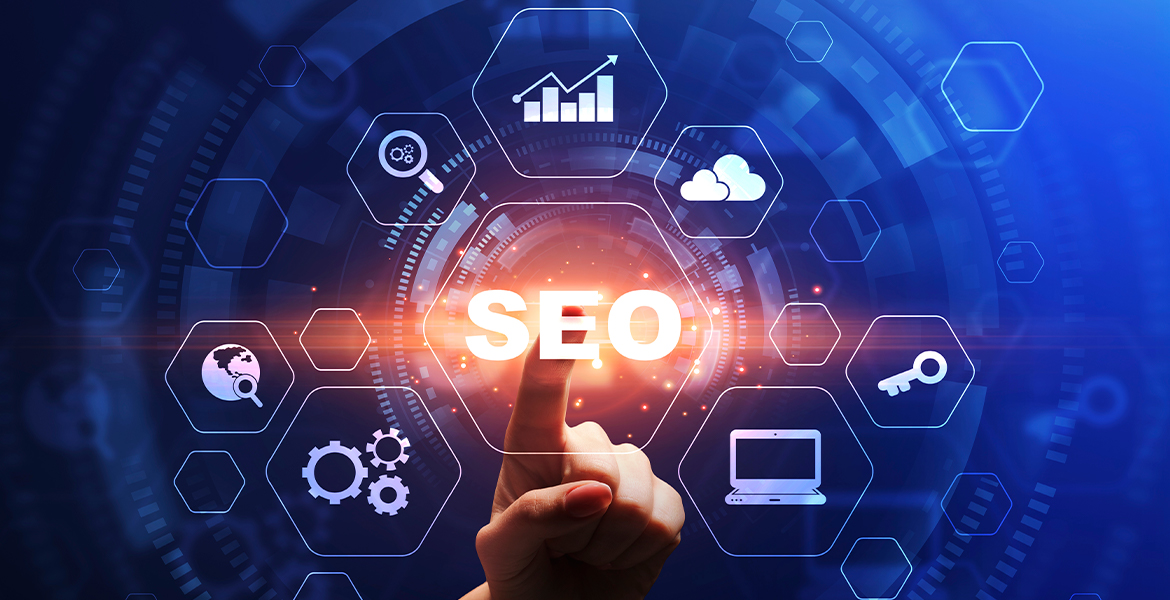
In today’s digital age, having a strong online presence is crucial for businesses to succeed. Search Engine Optimization (SEO) and online marketing play key roles in helping businesses reach their target audience, increase visibility, and drive traffic to their websites.
SEO: Enhancing Visibility
SEO is the practice of optimizing your website to rank higher in search engine results pages (SERPs). By using relevant keywords, creating high-quality content, and improving website performance, businesses can improve their visibility online. This increased visibility not only drives more organic traffic to the website but also builds credibility and trust with potential customers.
Online Marketing: Reaching Your Audience
Online marketing encompasses various strategies such as social media marketing, email marketing, pay-per-click advertising, and content marketing. These techniques help businesses connect with their target audience on different digital platforms. By creating engaging content and targeted campaigns, businesses can effectively reach potential customers and drive conversions.
The Synergy of SEO and Online Marketing
When combined, SEO and online marketing create a powerful synergy that maximizes results for businesses. SEO helps improve website visibility and organic traffic, while online marketing strategies amplify this visibility through targeted campaigns on social media and other platforms. This integrated approach not only boosts brand awareness but also drives lead generation and sales.
Conclusion
In conclusion, SEO and online marketing are essential components of a successful digital strategy. By investing in these practices, businesses can enhance their online presence, attract more customers, and ultimately grow their revenue. Embracing the power of SEO and online marketing is key to staying competitive in today’s digital landscape.
Essential FAQs on SEO and Online Marketing: Strategies, Impact, and Measurement
- What is SEO and why is it important for online marketing?
- How can I improve my website’s SEO?
- What are the key elements of a successful SEO strategy?
- What is the difference between organic and paid search results?
- How does social media marketing impact SEO?
- What role does content marketing play in online marketing?
- How can email marketing contribute to an effective digital strategy?
- What are the benefits of investing in pay-per-click (PPC) advertising?
- How can businesses measure the success of their SEO and online marketing efforts?
What is SEO and why is it important for online marketing?
Search Engine Optimization (SEO) is a fundamental aspect of online marketing that focuses on improving a website’s visibility and ranking in search engine results pages. By strategically using relevant keywords, optimizing website content, and enhancing user experience, SEO helps businesses attract organic traffic and reach their target audience more effectively. In the competitive digital landscape, having a strong SEO strategy is crucial for businesses to increase online visibility, build credibility, and drive conversions. Ultimately, SEO plays a vital role in ensuring that businesses can maximise their online presence and achieve long-term success in the ever-evolving world of digital marketing.
How can I improve my website’s SEO?
To enhance your website’s SEO, it is essential to focus on several key areas. Firstly, conducting thorough keyword research and strategically incorporating relevant keywords into your website’s content can improve its visibility in search engine results. Additionally, optimizing meta tags, headers, and image alt text with targeted keywords can further boost your site’s SEO performance. Creating high-quality, engaging content that is valuable to your audience not only improves user experience but also increases the likelihood of earning backlinks from reputable sites. Regularly monitoring and analysing your website’s performance through tools like Google Analytics can help identify areas for improvement and track the effectiveness of your SEO efforts. By implementing these strategies consistently and staying up-to-date with SEO best practices, you can enhance your website’s SEO and drive more organic traffic to your site.
What are the key elements of a successful SEO strategy?
When it comes to developing a successful SEO strategy, several key elements are essential for achieving optimal results. Firstly, thorough keyword research is crucial to identify relevant search terms that align with your target audience’s intent. Creating high-quality, engaging content that incorporates these keywords naturally is another vital element. Additionally, ensuring your website is technically sound, mobile-friendly, and user-friendly plays a significant role in improving search engine rankings. Building high-quality backlinks from reputable sources and regularly monitoring and analysing performance metrics are also critical components of a successful SEO strategy. By integrating these key elements effectively, businesses can enhance their online visibility, attract more organic traffic, and ultimately drive meaningful results in their digital marketing efforts.
What is the difference between organic and paid search results?
When it comes to SEO and online marketing, understanding the difference between organic and paid search results is crucial. Organic search results are listings that appear naturally on search engine results pages (SERPs) based on their relevance to the user’s query. These results are not influenced by payment and are earned through effective SEO practices such as keyword optimization and quality content creation. On the other hand, paid search results are advertisements that appear at the top or bottom of SERPs, marked as “Ad.” Advertisers pay for these placements based on specific keywords or targeting criteria. While organic results provide long-term visibility and credibility, paid results offer immediate visibility and can be a valuable part of a comprehensive online marketing strategy. Understanding how to leverage both organic and paid search results can help businesses effectively reach their target audience and achieve their marketing goals.
How does social media marketing impact SEO?
Social media marketing plays a significant role in impacting SEO by enhancing brand visibility, driving website traffic, and increasing engagement. When businesses actively engage with their audience on social media platforms, they create opportunities for users to share their content, which can lead to backlinks and increased referral traffic to their website. Additionally, social signals such as likes, shares, and comments are considered by search engines as indicators of content relevance and popularity, which can positively influence search engine rankings. By incorporating social media marketing strategies into their SEO efforts, businesses can strengthen their online presence and improve their overall digital marketing performance.
What role does content marketing play in online marketing?
Content marketing plays a pivotal role in online marketing by serving as the foundation for engaging and attracting target audiences. Through strategic creation and distribution of valuable, relevant content, businesses can establish credibility, build brand awareness, and foster relationships with their customers. High-quality content not only helps improve search engine rankings through SEO but also drives traffic to websites, increases conversions, and ultimately contributes to the overall success of online marketing efforts. In essence, content marketing acts as a powerful tool in connecting businesses with their audience and driving meaningful engagement in the digital landscape.
How can email marketing contribute to an effective digital strategy?
Email marketing plays a pivotal role in enhancing an effective digital strategy by providing a direct and personalised channel to engage with customers. Through targeted email campaigns, businesses can deliver relevant content, promotions, and updates to their audience, nurturing relationships and driving conversions. By leveraging email marketing tools to segment subscribers based on their preferences and behaviour, businesses can tailor their messaging for maximum impact. This strategic approach not only helps in building brand loyalty but also contributes to increasing website traffic, generating leads, and ultimately boosting sales. Email marketing’s ability to deliver timely and tailored messages makes it a valuable asset in any comprehensive digital strategy.
What are the benefits of investing in pay-per-click (PPC) advertising?
Investing in pay-per-click (PPC) advertising offers a range of benefits for businesses looking to enhance their online marketing efforts. One key advantage of PPC advertising is its ability to deliver immediate results by driving targeted traffic to a website. With PPC, businesses only pay when a user clicks on their ad, making it a cost-effective way to reach potential customers. Additionally, PPC allows for precise targeting, enabling businesses to tailor their ads to specific demographics, locations, and interests. This level of targeting helps increase the likelihood of conversions and maximise return on investment (ROI) for businesses investing in PPC advertising.
How can businesses measure the success of their SEO and online marketing efforts?
Businesses can measure the success of their SEO and online marketing efforts through various key performance indicators (KPIs) such as website traffic, conversion rates, keyword rankings, and return on investment (ROI). Monitoring website traffic allows businesses to track the number of visitors to their site and identify trends over time. Conversion rates indicate how effectively visitors are being converted into customers or leads. Keyword rankings show where the business ranks in search engine results for specific terms, reflecting the effectiveness of SEO strategies. Finally, ROI analysis helps businesses assess the profitability of their online marketing campaigns by comparing the costs incurred with the revenue generated. By regularly evaluating these metrics, businesses can gain valuable insights into the impact of their SEO and online marketing activities and make informed decisions to optimise their strategies for greater success.