google digital marketing course

Mastering Digital Marketing with Google’s Comprehensive Course

The Benefits of Taking Google’s Digital Marketing Course

In today’s digital age, having a strong understanding of digital marketing is essential for anyone looking to succeed in the online world. Google, one of the leading tech giants, offers a comprehensive digital marketing course that provides valuable insights and skills to help individuals and businesses thrive in the digital landscape.

What Does the Course Cover?

Google’s digital marketing course covers a wide range of topics essential for anyone looking to excel in online marketing. From search engine optimisation (SEO) and pay-per-click advertising to social media marketing and email campaigns, the course delves into various aspects of digital marketing strategies and best practices.

Key Benefits of Taking the Course

Industry-Recognised Certification: Upon successful completion of the course, participants receive a certification from Google, which is highly regarded in the industry and can enhance your credibility as a digital marketer.

Practical Knowledge: The course is designed to provide practical skills that you can immediately apply to real-world digital marketing campaigns. Whether you are a beginner or have some experience in the field, you will gain valuable insights that can help you succeed.

Updated Content: Given Google’s position at the forefront of technology and innovation, you can be assured that the course content is up-to-date with the latest trends and best practices in digital marketing.

Flexibility: The course is available online, allowing you to study at your own pace and schedule. This flexibility makes it convenient for working professionals or those with busy schedules to pursue their learning goals.

Who Can Benefit from the Course?

The Google digital marketing course is ideal for aspiring marketers, business owners looking to expand their online presence, freelancers seeking to enhance their skill set, or anyone interested in learning more about digital marketing strategies.

In Conclusion

By enrolling in Google’s digital marketing course, you not only gain valuable knowledge and skills but also open up new opportunities for career advancement and business growth. Embrace the power of digital marketing with Google’s comprehensive course and take your online presence to new heights.


Top 10 FAQs About Google’s Digital Marketing Course: What You Need to Know

  1. How many hours is Google digital marketing course?
  2. Is Google digital marketing exam difficult?
  3. Is Google digital marketing Class worth it?
  4. How do I become a digital marketer on Google?
  5. Can you get a job with Google digital marketing certificate?
  6. Can Google digital marketing certificate get you a job?
  7. Is digital marketing by Google is free?
  8. Is Google’s digital marketing course good?
  9. How much is Google digital marketing professional certificate?
  10. Is Google digital marketing course legit?

How many hours is Google digital marketing course?

The duration of Google’s digital marketing course can vary depending on the individual’s pace of learning and commitment. On average, the course is designed to be completed in around 40 hours. However, participants have the flexibility to study at their own convenience and progress through the material at a speed that suits their schedule. Whether you choose to dedicate a few hours each day or complete it in a more intensive timeframe, the course offers a comprehensive learning experience that equips you with valuable skills in digital marketing.

Is Google digital marketing exam difficult?

The difficulty level of the Google digital marketing exam can vary depending on an individual’s level of experience and preparation. For those with a solid understanding of digital marketing concepts and practical experience, the exam may be challenging but manageable with thorough study and practice. However, for beginners or those new to the field, the exam may pose a greater level of difficulty requiring more time and effort to prepare adequately. Overall, with dedication and commitment to learning the material, individuals can overcome the challenges posed by the Google digital marketing exam and achieve success in obtaining their certification.

Is Google digital marketing Class worth it?

When considering whether the Google digital marketing course is worth it, it’s important to weigh the benefits it offers. With industry-recognised certification, practical knowledge that can be applied immediately, up-to-date content reflecting the latest trends, and the flexibility of online learning, the course provides valuable insights for aspiring marketers, business owners, freelancers, and anyone interested in digital marketing. The credibility of a certification from Google and the potential for career advancement make the course a worthwhile investment in enhancing your skills and expanding your opportunities in the digital marketing landscape.

How do I become a digital marketer on Google?

To become a digital marketer on Google, individuals can start by enrolling in Google’s digital marketing course to gain valuable knowledge and skills in the field. This course covers essential topics such as search engine optimisation (SEO), pay-per-click advertising, social media marketing, and email campaigns, providing a solid foundation for aspiring digital marketers. Additionally, gaining practical experience through internships, freelance projects, or working with digital marketing agencies can help individuals apply their learning in real-world scenarios. Networking with industry professionals and staying updated on the latest trends and tools in digital marketing are also crucial steps towards becoming a successful digital marketer on Google.

Can you get a job with Google digital marketing certificate?

Obtaining a Google digital marketing certificate can significantly enhance your job prospects in the digital marketing industry. While the certificate itself does not guarantee a job at Google specifically, it holds substantial value and credibility in the industry. Employers recognise Google’s certification as a testament to your expertise and commitment to mastering digital marketing skills. With this certification, you demonstrate your proficiency in various aspects of digital marketing, making you a more attractive candidate for job opportunities across different organisations and sectors within the field.

Can Google digital marketing certificate get you a job?

The Google digital marketing certificate can indeed enhance your job prospects in the competitive digital marketing industry. While holding this certification may not guarantee a job outright, it demonstrates to potential employers your commitment to learning and mastering essential digital marketing skills. Employers often value certifications from reputable sources like Google, as they signify a certain level of expertise and proficiency in the field. By showcasing your Google digital marketing certificate on your resume or LinkedIn profile, you can differentiate yourself from other candidates and increase your chances of securing a job in digital marketing.

Is digital marketing by Google is free?

When it comes to Google’s digital marketing course, one of the frequently asked questions is whether it is free of charge. The answer is yes – Google’s digital marketing course is indeed free to enrol in and access. This accessibility makes it a valuable resource for individuals looking to enhance their digital marketing skills without any financial barriers. By offering this course for free, Google aims to empower aspiring marketers, business owners, and anyone interested in the world of digital marketing with the knowledge and tools needed to succeed in the online landscape.

Is Google’s digital marketing course good?

Many individuals often wonder, “Is Google’s digital marketing course good?” The answer is a resounding yes. Google’s digital marketing course is highly regarded in the industry for its comprehensive content, practical approach, and industry-recognised certification. With up-to-date content, flexible online learning options, and a focus on practical knowledge that can be applied to real-world scenarios, the course equips participants with valuable skills and insights to excel in the ever-evolving digital marketing landscape. Whether you are a beginner looking to kickstart your career in digital marketing or a seasoned professional seeking to enhance your expertise, Google’s digital marketing course is an excellent choice for anyone looking to upskill and stay ahead in the competitive online marketplace.

How much is Google digital marketing professional certificate?

The cost of obtaining the Google Digital Marketing Professional Certificate varies depending on the platform through which you choose to undertake the course. Typically, the course fee ranges from £39 to £99. However, Google often offers financial assistance and scholarships to make the course more accessible to individuals from diverse backgrounds. It is advisable to check Google’s official website for the most up-to-date information on pricing and any available discounts or financial aid options.

Is Google digital marketing course legit?

The legitimacy of Google’s digital marketing course is a common concern among individuals considering enrolling in the program. Rest assured, Google’s digital marketing course is indeed legitimate and highly reputable in the industry. With Google being a leading authority in the digital realm, the course offers valuable insights, practical skills, and an industry-recognised certification upon completion. By choosing to undertake this course, you can be confident in the quality of education and expertise you will gain to excel in the dynamic field of digital marketing.

Unlocking the True Digital Marketing Meaning: Strategies for Success

The Meaning of Digital Marketing

The Meaning of Digital Marketing

Digital marketing is a dynamic and ever-evolving field that encompasses all online marketing efforts to promote products or services using digital channels. In today’s digital age, businesses leverage various digital technologies and platforms to connect with their target audience in a strategic and impactful way.

Key Components of Digital Marketing

There are several key components that make up digital marketing:

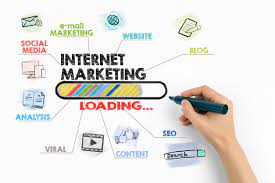
  • Search Engine Optimization (SEO): SEO involves optimizing your website to improve its visibility in search engine results pages, driving organic traffic.
  • Content Marketing: Content marketing focuses on creating and distributing valuable, relevant content to attract and engage a specific audience.
  • Social Media Marketing: Social media marketing involves promoting your brand and content on social media platforms to increase brand awareness and drive traffic.
  • Email Marketing: Email marketing involves sending targeted emails to prospects and customers to nurture leads and build customer relationships.
  • Pay-Per-Click (PPC) Advertising: PPC advertising allows businesses to place ads on search engines or websites and pay a fee each time the ad is clicked.

The Importance of Digital Marketing

In today’s highly competitive business landscape, digital marketing plays a crucial role in reaching and engaging target audiences effectively. It offers businesses the opportunity to connect with customers in real-time, track performance metrics accurately, and adjust strategies based on data-driven insights.

The Future of Digital Marketing

As technology continues to advance rapidly, the future of digital marketing holds exciting possibilities. Artificial intelligence, machine learning, augmented reality, and other emerging technologies will further revolutionize how businesses interact with consumers online. Staying ahead of these trends will be essential for businesses looking to stay competitive in the digital marketplace.

In conclusion, digital marketing is more than just a buzzword—it is a powerful tool that can help businesses thrive in the digital age by reaching the right audience with the right message at the right time.


Understanding Digital Marketing: Key Roles, Concepts, and Examples Explained

  1. What does a job in digital marketing do?
  2. What does a digital marketer do?
  3. Why is it called digital marketing?
  4. What is digital marketing in easy words?
  5. What is digital marketing example?
  6. What are the 5 key of digital marketing?
  7. What is meant by digital marketing?

What does a job in digital marketing do?

A job in digital marketing involves developing and implementing online strategies to promote products or services, increase brand awareness, and engage with target audiences through various digital channels. Professionals in this field utilise a range of digital marketing techniques such as SEO, content marketing, social media management, email campaigns, and online advertising to drive traffic, generate leads, and ultimately boost conversions for businesses. They analyse data and metrics to measure the effectiveness of campaigns, identify trends, and make informed decisions to optimise marketing efforts. A career in digital marketing requires creativity, analytical skills, adaptability to changing trends, and a deep understanding of consumer behaviour in the online space.

What does a digital marketer do?

A digital marketer is responsible for developing and implementing online marketing strategies to promote products or services through various digital channels. Their role involves creating engaging content, managing social media platforms, executing email campaigns, analysing data to track performance, and optimising digital advertising efforts. Digital marketers work to enhance brand visibility, drive website traffic, generate leads, and ultimately increase conversions. They stay up-to-date with the latest trends in digital technology and consumer behaviour to ensure their marketing efforts are effective and aligned with the overall business goals.

Why is it called digital marketing?

Digital marketing is named as such because it refers to the use of digital technologies and channels to promote products or services to consumers. Unlike traditional marketing methods that rely on physical materials and offline interactions, digital marketing harnesses the power of the internet, mobile devices, social media platforms, and other digital mediums to reach target audiences. The term “digital” highlights the shift towards online strategies and tactics in response to the increasing importance of digital platforms in today’s interconnected world. By leveraging these digital tools, businesses can connect with their audience in a more targeted, measurable, and cost-effective manner, driving engagement and conversions in the digital realm.

What is digital marketing in easy words?

Digital marketing, in simple terms, refers to the use of online channels and platforms to promote products or services. It involves various strategies such as search engine optimization (SEO), social media marketing, email campaigns, and pay-per-click advertising to reach and engage target audiences. Essentially, digital marketing leverages the power of the internet to connect businesses with potential customers in a more targeted and measurable way compared to traditional marketing methods.

What is digital marketing example?

Digital marketing encompasses a wide range of strategies and tactics used by businesses to promote their products or services online. An example of digital marketing could be a company running a targeted Facebook advertising campaign to reach a specific demographic group interested in their products. By creating engaging ad content and leveraging Facebook’s targeting capabilities, the company can effectively connect with potential customers, drive traffic to their website, and ultimately increase sales. This example demonstrates how digital marketing utilises online platforms to engage with audiences in a more personalised and measurable way compared to traditional marketing methods.

What are the 5 key of digital marketing?

In the realm of digital marketing, understanding the five key components is essential for crafting successful online strategies. These components include Search Engine Optimization (SEO), Content Marketing, Social Media Marketing, Email Marketing, and Pay-Per-Click (PPC) Advertising. SEO focuses on improving website visibility in search engine results, while content marketing aims to engage audiences with valuable content. Social media marketing leverages platforms to boost brand awareness, email marketing nurtures customer relationships through targeted campaigns, and PPC advertising enables businesses to drive traffic through paid ads. Mastering these five pillars of digital marketing is crucial for businesses looking to thrive in the digital landscape and connect effectively with their target audience.

What is meant by digital marketing?

Digital marketing refers to the practice of promoting products or services using various online channels and digital technologies. It encompasses a wide range of strategies and tactics aimed at reaching and engaging target audiences through platforms such as search engines, social media, email, and websites. In essence, digital marketing leverages the power of the internet to connect businesses with their customers in a more personalised and interactive manner. By utilising tools like SEO, content marketing, social media advertising, and email campaigns, businesses can enhance their online presence, drive traffic to their websites, and ultimately generate leads and conversions.

google digital marketing

Unlocking the Potential of Google in Digital Marketing

The Power of Google in Digital Marketing

The Power of Google in Digital Marketing

In the realm of digital marketing, Google stands as a towering presence, offering a plethora of tools and platforms that have revolutionised the way businesses connect with their audiences online. From search engine optimisation (SEO) to pay-per-click advertising and analytics, Google’s suite of digital marketing solutions empowers businesses to reach their target customers effectively.

Google Ads: Driving Targeted Traffic

Google Ads, formerly known as Google AdWords, is a powerful advertising platform that allows businesses to create targeted ads that appear on Google’s search results pages and across its vast network of partner websites. By leveraging Google Ads, businesses can reach potential customers at the exact moment they are searching for products or services related to their offerings.

Google Analytics: Understanding Audience Insights

Google Analytics provides invaluable insights into website traffic and user behaviour. By tracking key metrics such as page views, bounce rates, and conversion rates, businesses can gain a deeper understanding of their audience and tailor their digital marketing strategies for optimal results. With Google Analytics, data-driven decision-making becomes the norm.

Google My Business: Enhancing Local Visibility

For businesses looking to enhance their local presence, Google My Business is an indispensable tool. By creating a profile on this platform, businesses can manage their online presence across Google Search and Maps, making it easier for local customers to find and engage with them. With features like customer reviews and business updates, Google My Business helps businesses build trust and credibility within their local communities.

Conclusion

In conclusion, Google’s suite of digital marketing tools offers businesses unparalleled opportunities to connect with their target audiences in meaningful ways. By harnessing the power of platforms like Google Ads, Analytics, and My Business, businesses can drive targeted traffic, gain valuable insights into audience behaviour, and enhance their online visibility. As digital marketing continues to evolve, leveraging the capabilities of Google will remain crucial for staying ahead in today’s competitive online landscape.


Understanding Google Digital Marketing: Key FAQs for Effective Strategies

  1. What is Google Ads and how does it work?
  2. How can Google Analytics help in tracking digital marketing performance?
  3. What are the benefits of using Google My Business for local businesses?
  4. How do I create effective ads on Google Ads to reach my target audience?
  5. What are some best practices for SEO when it comes to Google’s search engine?
  6. Can Google’s digital marketing tools be integrated with other platforms for a comprehensive strategy?

What is Google Ads and how does it work?

Google Ads, formerly known as Google AdWords, is a powerful online advertising platform offered by Google. It allows businesses to create and display ads on Google’s search results pages and its network of partner websites. Google Ads operates on a pay-per-click (PPC) model, where advertisers bid on specific keywords relevant to their target audience. When users search for these keywords, the ads are displayed at the top or bottom of the search results page. Advertisers only pay when users click on their ads, making it a cost-effective way to reach potential customers actively searching for products or services. Additionally, Google Ads provides detailed analytics and performance metrics to help advertisers track the effectiveness of their campaigns and make data-driven decisions to optimise their advertising strategies.

How can Google Analytics help in tracking digital marketing performance?

Google Analytics plays a pivotal role in tracking digital marketing performance by providing businesses with valuable insights into the effectiveness of their online campaigns. Through Google Analytics, businesses can monitor key metrics such as website traffic, user engagement, conversion rates, and more. By analysing this data, businesses can gain a comprehensive understanding of how their digital marketing efforts are performing and identify areas for improvement. With the ability to track and measure the impact of various marketing strategies in real-time, Google Analytics empowers businesses to make informed decisions and optimise their digital marketing initiatives for greater success.

What are the benefits of using Google My Business for local businesses?

Utilising Google My Business offers a multitude of benefits for local businesses seeking to enhance their online presence and connect with potential customers in their vicinity. By creating a profile on Google My Business, businesses can improve their visibility on Google Search and Maps, making it easier for local consumers to discover and engage with them. The platform allows businesses to provide essential information such as contact details, opening hours, and customer reviews, fostering trust and credibility within the local community. Additionally, Google My Business enables businesses to post updates, promotions, and events, keeping customers informed and engaged. Overall, leveraging Google My Business is a valuable strategy for local businesses looking to increase their online visibility, attract more foot traffic, and build strong relationships with their target audience.

How do I create effective ads on Google Ads to reach my target audience?

Creating effective ads on Google Ads to reach your target audience requires a strategic approach that combines compelling ad copy, relevant keywords, and precise targeting. Start by understanding your target audience’s preferences, needs, and behaviours to craft ad messaging that resonates with them. Conduct keyword research to identify the terms your audience is searching for and incorporate these keywords into your ads. Utilise ad extensions to provide additional information and enhance the visibility of your ads. Regularly monitor and analyse the performance of your ads to make data-driven adjustments and optimisations for maximum impact. By continuously refining your ad strategy based on insights and feedback, you can create ads that effectively engage your target audience on Google Ads.

What are some best practices for SEO when it comes to Google’s search engine?

When it comes to optimising your website for Google’s search engine, there are several best practices for SEO that can help improve your visibility and rankings. Firstly, focusing on relevant keywords and incorporating them strategically throughout your content can enhance your site’s relevance to search queries. Creating high-quality, original content that provides value to users is also key, as Google prioritises websites that offer valuable information. Additionally, ensuring your website is mobile-friendly, has fast loading times, and includes meta tags and descriptions can further boost its SEO performance. Regularly monitoring and analysing your site’s performance through tools like Google Analytics can help you track progress and make necessary adjustments to improve your search engine rankings over time.

Can Google’s digital marketing tools be integrated with other platforms for a comprehensive strategy?

Yes, Google’s digital marketing tools can indeed be integrated with other platforms to create a comprehensive marketing strategy. By combining Google’s tools such as Google Ads, Analytics, and My Business with other platforms like social media channels, email marketing software, and customer relationship management (CRM) systems, businesses can create a cohesive and multi-faceted approach to reaching their target audience. This integration allows for a more holistic view of marketing efforts, enabling businesses to track performance across various channels and optimise their strategies for maximum impact. The seamless integration of Google’s tools with other platforms enhances data collection, analysis, and overall campaign effectiveness in the ever-evolving digital landscape.

paid digital marketing

Unlocking the Potential of Paid Digital Marketing: Strategies for Success

The Power of Paid Digital Marketing

The Power of Paid Digital Marketing

In today’s competitive online landscape, businesses are constantly seeking ways to stand out and reach their target audience effectively. One powerful tool that has revolutionised the way brands connect with customers is paid digital marketing.

Paid digital marketing involves leveraging online advertising platforms to promote products or services through paid placements. This strategy allows businesses to target specific demographics, interests, and behaviours, ensuring that their message reaches the right people at the right time.

Benefits of Paid Digital Marketing

Targeted Reach: With paid digital marketing, businesses can precisely target their ideal customers based on various parameters such as age, location, interests, and online behaviour. This targeted approach increases the likelihood of conversions and maximises ROI.

Immediate Results: Unlike organic strategies that take time to gain traction, paid digital marketing delivers immediate results. Businesses can launch campaigns quickly and start seeing increased website traffic, leads, and sales in a short period.

Measurable Performance: One of the key advantages of paid digital marketing is its measurability. Businesses can track key performance indicators (KPIs) such as click-through rates, conversion rates, and return on ad spend (ROAS) to evaluate the effectiveness of their campaigns and make data-driven decisions for future strategies.

Popular Paid Digital Marketing Channels

Search Engine Advertising: Platforms like Google Ads allow businesses to bid on keywords related to their products or services and display ads at the top of search engine results pages (SERPs).

Social Media Advertising: Social media platforms such as Facebook, Instagram, Twitter, and LinkedIn offer robust advertising options that enable businesses to target specific audiences based on demographics, interests, and behaviours.

Display Advertising: Display ads appear on websites within ad networks and can be targeted based on user behaviour or website content relevance.

In Conclusion

Paid digital marketing has become an indispensable tool for businesses looking to enhance their online visibility, drive traffic to their websites, and generate leads effectively. By harnessing the power of targeted advertising across various online channels, businesses can achieve remarkable results and stay ahead in today’s competitive digital landscape.


Understanding Paid Digital Marketing: Top 9 Frequently Asked Questions

  1. How to do paid digital marketing?
  2. What is most paid in digital marketing?
  3. Can you get paid for digital marketing?
  4. What are examples of paid marketing?
  5. What is paid digital marketing?
  6. What are paid digital marketing channels?
  7. What is a paid marketing strategy?
  8. What is the paid marketing?
  9. How does a digital marketer get paid?

How to do paid digital marketing?

To effectively engage in paid digital marketing, businesses can follow a strategic approach that involves several key steps. Firstly, it is essential to define clear objectives and identify the target audience to ensure that campaigns are tailored to reach the right people. Researching relevant keywords, demographics, and interests can help in creating targeted ads that resonate with potential customers. Choosing the appropriate digital marketing channels, such as search engine advertising or social media platforms, is crucial for maximising reach and impact. Regular monitoring of campaign performance through analytics and adjusting strategies based on data insights is also vital to optimise results and achieve desired outcomes in paid digital marketing efforts.

What is most paid in digital marketing?

In the realm of paid digital marketing, one of the most significant aspects that businesses invest in is targeted advertising. Targeted advertising allows businesses to tailor their marketing messages to specific demographics, interests, and behaviours, ensuring that their ads reach the right audience at the right time. By investing in targeted advertising, businesses can maximise their ROI by reaching potential customers who are more likely to engage with their products or services, ultimately leading to increased conversions and sales.

Can you get paid for digital marketing?

In the realm of digital marketing, professionals often wonder, “Can you get paid for digital marketing?” The answer is a resounding yes. Digital marketing offers a plethora of career opportunities where individuals can earn a living by leveraging their skills in areas such as social media management, search engine optimisation (SEO), content creation, email marketing, and more. Companies across industries are willing to invest in digital marketing expertise to enhance their online presence, reach their target audience, and drive business growth. As businesses increasingly recognise the value of effective digital strategies, skilled digital marketers are in high demand and can command competitive salaries or fees for their services.

What are examples of paid marketing?

Paid marketing encompasses a variety of strategies and channels that businesses can utilise to promote their products or services through paid placements. Examples of paid marketing include search engine advertising, where businesses bid on keywords to display ads on search engine results pages; social media advertising on platforms like Facebook, Instagram, Twitter, and LinkedIn to target specific audiences based on demographics and interests; display advertising that appears on websites within ad networks and can be targeted based on user behaviour or website content relevance; and influencer marketing, where brands collaborate with influencers to promote their products or services to a larger audience. These examples demonstrate the diverse opportunities available in paid marketing to reach and engage with target customers effectively.

What is paid digital marketing?

Paid digital marketing refers to the practice of using online advertising platforms to promote products or services through paid placements. This strategic approach allows businesses to target specific audiences based on demographics, interests, and online behaviours. By investing in paid digital marketing, businesses can increase their online visibility, drive traffic to their websites, and ultimately generate leads and sales. This method offers immediate results compared to organic strategies and provides measurable performance metrics to evaluate the effectiveness of campaigns. Paid digital marketing has become a vital tool for businesses aiming to reach their target audience effectively in today’s competitive online landscape.

What are paid digital marketing channels?

Paid digital marketing channels encompass a variety of online platforms and mediums through which businesses can promote their products or services by paying for ad placements. These channels include search engine advertising, social media advertising, display advertising, video advertising, email marketing, and more. Each channel offers unique targeting options and formats to reach specific audiences effectively. By utilising a combination of paid digital marketing channels, businesses can maximise their reach, engage with potential customers, and drive conversions to achieve their marketing goals in the competitive online landscape.

What is a paid marketing strategy?

A paid marketing strategy refers to the approach businesses take to promote their products or services through paid advertising channels online. It involves allocating a budget towards targeted advertisements on platforms such as search engines, social media, and display networks to reach specific audiences. By strategically investing in paid marketing tactics, businesses can increase brand visibility, drive website traffic, generate leads, and ultimately boost sales. This method allows companies to leverage data-driven insights and analytics to optimise their campaigns for maximum impact and return on investment in today’s competitive digital landscape.

What is the paid marketing?

Paid marketing, also known as paid digital marketing, refers to the practice of promoting products or services through online advertising channels for a fee. This form of marketing involves businesses paying to display their ads on various platforms such as search engines, social media networks, and websites. Paid marketing allows companies to target specific audiences based on demographics, interests, and behaviours, ensuring that their message reaches the right people at the right time. By investing in paid marketing strategies, businesses can increase brand visibility, drive website traffic, and generate leads effectively in today’s competitive digital landscape.

How does a digital marketer get paid?

In the realm of paid digital marketing, the compensation structure for digital marketers varies depending on the specific role and engagement. Typically, digital marketers can be paid through several methods, including a fixed salary, hourly rates, project-based fees, or performance-based incentives such as commissions or bonuses tied to the success of campaigns. Some digital marketers may also work on a freelance or contract basis, where payment terms are negotiated upfront based on the scope of work and deliverables. Ultimately, how a digital marketer gets paid is determined by factors such as their expertise, experience level, and the nature of the marketing services provided.

seo and internet marketing

Unlocking Success: The Intersection of SEO and Internet Marketing

The Power of SEO and Internet Marketing

The Power of SEO and Internet Marketing

In today’s digital age, having a strong online presence is crucial for the success of any business. Search Engine Optimization (SEO) and Internet Marketing play key roles in helping businesses reach their target audience, increase visibility, and drive traffic to their websites.

SEO: Enhancing Visibility

SEO is the process of optimizing a website to improve its ranking on search engine results pages. By strategically incorporating relevant keywords, creating high-quality content, and improving website performance, businesses can enhance their visibility online. This increased visibility not only attracts more organic traffic but also helps build credibility and trust with potential customers.

Internet Marketing: Reaching the Right Audience

Internet marketing encompasses a range of strategies such as social media marketing, email marketing, content marketing, and pay-per-click advertising. These tactics allow businesses to target specific demographics, engage with their audience on various platforms, and drive conversions. By leveraging internet marketing techniques effectively, businesses can increase brand awareness, generate leads, and ultimately boost sales.

The Synergy Between SEO and Internet Marketing

When combined strategically, SEO and internet marketing can amplify the impact of each other. For example, SEO efforts can help drive organic traffic to a website while internet marketing campaigns can further promote that content to a wider audience through paid channels. This synergy maximizes exposure, increases engagement, and ultimately leads to better ROI for businesses.

Conclusion

SEO and internet marketing are powerful tools that businesses can leverage to expand their online presence and connect with their target audience effectively. By investing in these strategies and staying abreast of digital trends, businesses can position themselves for success in the competitive online landscape.


Understanding SEO: Key Questions Answered on Its Role in Online and Digital Marketing

  1. Is SEO part of online marketing?
  2. What is SEO marketing strategy?
  3. Does SEO come under digital marketing?
  4. What is the role of SEO in internet marketing?
  5. What are the 4 types of SEO?
  6. How is SEO used in digital marketing?
  7. What is SEO and how it works?
  8. What are the 3 types of SEO?
  9. What is SEO in online marketing?
  10. What is SEO and Internet marketing?
  11. What is SEO in marketing?
  12. How to use SEO in online marketing?
  13. What is SEO and why is it important?
  14. What is difference between SEO and digital marketing?
  15. How is Internet marketing different from SEO marketing?
  16. What is SEO & How it works?
  17. What is SEO in internet marketing?

Is SEO part of online marketing?

Yes, SEO is indeed a crucial component of online marketing. While online marketing encompasses a range of strategies to promote products or services on the internet, SEO plays a fundamental role in improving a website’s visibility and ranking on search engine results pages. By optimising website content, structure, and performance according to search engine algorithms, businesses can attract organic traffic and enhance their online presence. Therefore, integrating SEO into online marketing efforts is essential for reaching a wider audience, increasing brand awareness, and driving conversions in the digital landscape.

What is SEO marketing strategy?

A SEO marketing strategy refers to the comprehensive plan and tactics implemented to improve a website’s visibility and ranking on search engine results pages. This strategy typically involves keyword research, on-page optimization, content creation, link building, and performance analysis. By strategically incorporating these elements, businesses aim to attract organic traffic, enhance brand visibility, and ultimately drive conversions. A well-defined SEO marketing strategy is essential for businesses looking to compete effectively in the digital landscape and reach their target audience with relevant and engaging content.

Does SEO come under digital marketing?

Yes, SEO falls under the umbrella of digital marketing. Search Engine Optimization (SEO) is a crucial component of digital marketing strategies aimed at improving a website’s visibility and ranking on search engine results pages. By optimising various aspects of a website, including content, keywords, and backlinks, SEO helps businesses attract organic traffic and enhance their online presence. Incorporating SEO tactics into a comprehensive digital marketing plan can significantly impact a business’s online visibility, audience engagement, and overall success in the digital landscape.

What is the role of SEO in internet marketing?

In the realm of internet marketing, SEO plays a pivotal role in enhancing visibility and driving organic traffic to websites. SEO, or Search Engine Optimization, involves optimizing website content, structure, and performance to improve its ranking on search engine results pages. By strategically incorporating relevant keywords, creating high-quality content, and improving user experience, businesses can attract more visitors who are actively searching for their products or services. This increased visibility not only boosts website traffic but also helps establish credibility and trust with potential customers. In essence, SEO acts as a foundational element of internet marketing strategies by ensuring that businesses can be easily found online by their target audience.

What are the 4 types of SEO?

When it comes to Search Engine Optimization (SEO), understanding the different types is essential for implementing an effective strategy. The four main types of SEO include on-page SEO, off-page SEO, technical SEO, and local SEO. On-page SEO focuses on optimizing individual web pages with relevant content and keywords. Off-page SEO involves building quality backlinks from external websites to improve a site’s authority and credibility. Technical SEO deals with the technical aspects of a website, such as site speed and mobile-friendliness. Local SEO targets local search results to help businesses attract nearby customers. By incorporating these various types of SEO into a comprehensive marketing plan, businesses can enhance their online visibility and reach their target audience more effectively.

How is SEO used in digital marketing?

In digital marketing, SEO plays a crucial role in enhancing a website’s visibility and driving organic traffic from search engines. By strategically incorporating relevant keywords, optimizing website content and structure, and improving user experience, SEO helps businesses rank higher in search engine results pages. This increased visibility not only attracts more potential customers but also builds credibility and trust with the target audience. Ultimately, integrating SEO into digital marketing strategies ensures that businesses can reach their target market effectively and achieve long-term success online.

What is SEO and how it works?

Search Engine Optimization (SEO) is a fundamental aspect of digital marketing that focuses on improving a website’s visibility and ranking on search engine results pages. SEO involves various strategies and techniques, such as keyword research, content optimization, link building, and technical enhancements, all aimed at enhancing a website’s relevance and authority in the eyes of search engines like Google. By aligning with search engine algorithms and user intent, SEO helps websites attract organic traffic, increase online visibility, and ultimately drive more qualified leads and conversions. In essence, SEO works by fine-tuning a website to meet the criteria set by search engines for higher rankings, thereby improving its chances of being discovered by users searching for relevant information or products online.

What are the 3 types of SEO?

When it comes to Search Engine Optimization (SEO), there are three main types that businesses and website owners should be aware of. The first type is On-Page SEO, which involves optimizing individual web pages with relevant content, meta tags, and keywords to improve their search engine rankings. The second type is Off-Page SEO, which focuses on building backlinks from reputable websites to increase a site’s authority and credibility in the eyes of search engines. Lastly, Technical SEO involves optimizing the technical aspects of a website, such as site speed, mobile-friendliness, and structured data markup, to enhance its performance in search results. Understanding and implementing these three types of SEO can help businesses improve their online visibility and attract more organic traffic to their websites.

What is SEO in online marketing?

In the realm of online marketing, SEO, short for Search Engine Optimization, plays a pivotal role in enhancing a website’s visibility and ranking on search engine results pages. SEO involves a range of strategies and techniques aimed at improving a website’s relevance and authority in the eyes of search engines like Google. By optimising key elements such as content, keywords, meta tags, and backlinks, businesses can increase their chances of being discovered by users searching for relevant information or products online. Ultimately, SEO is a fundamental component of online marketing that helps businesses attract organic traffic, build brand credibility, and achieve long-term success in the digital landscape.

What is SEO and Internet marketing?

Search Engine Optimization (SEO) is a digital marketing strategy focused on improving a website’s visibility and ranking on search engine results pages. By optimising content, keywords, and technical aspects of a website, SEO aims to attract organic traffic and enhance online presence. On the other hand, Internet marketing encompasses various online strategies such as social media marketing, email campaigns, and paid advertising to promote products or services and engage with target audiences across digital platforms. Together, SEO and Internet marketing work hand in hand to drive traffic, increase brand awareness, and ultimately boost businesses’ online success.

What is SEO in marketing?

SEO, which stands for Search Engine Optimization, is a fundamental aspect of marketing that focuses on enhancing a website’s visibility and ranking on search engine results pages. In essence, SEO involves implementing strategies to improve a website’s relevance and authority in the eyes of search engines like Google. By incorporating relevant keywords, creating high-quality content, optimizing website structure, and building backlinks from reputable sources, businesses can increase their chances of appearing higher in search results. Ultimately, SEO in marketing aims to drive organic traffic to a website, improve brand visibility, and attract potential customers who are actively searching for products or services related to the business.

How to use SEO in online marketing?

When considering how to use SEO in online marketing, it is essential to focus on strategic keyword research, on-page optimization, and high-quality content creation. By identifying relevant keywords that align with your target audience’s search intent and incorporating them naturally into your website content, meta tags, and headings, you can improve your site’s visibility in search engine results. Additionally, creating informative and engaging content that addresses the needs of your audience not only enhances user experience but also helps establish your authority in your industry. Regularly monitoring and adjusting your SEO strategies based on analytics data and algorithm updates is key to maintaining a strong online presence and driving organic traffic to your website.

What is SEO and why is it important?

Search Engine Optimization (SEO) is the practice of enhancing a website’s visibility on search engine results pages through various techniques such as keyword optimization, content creation, and link building. SEO is crucial for businesses as it helps improve their online presence, drive organic traffic to their websites, and increase brand credibility. By ranking higher in search engine results, businesses can reach a wider audience, attract potential customers actively searching for their products or services, and ultimately boost conversions. In essence, SEO plays a vital role in helping businesses establish a strong digital footprint and stay competitive in the ever-evolving online landscape.

What is difference between SEO and digital marketing?

When considering the difference between SEO and digital marketing, it is important to understand that SEO is actually a subset of digital marketing. While SEO focuses specifically on improving a website’s visibility and ranking on search engine results pages through tactics like keyword optimization and content creation, digital marketing encompasses a broader range of online strategies such as social media marketing, email campaigns, pay-per-click advertising, and more. In essence, SEO is a crucial component of digital marketing that specifically targets organic search traffic, whereas digital marketing encompasses a wider scope of online promotional activities aimed at reaching and engaging with target audiences across various digital platforms.

How is Internet marketing different from SEO marketing?

Internet marketing and SEO marketing are two distinct but interconnected components of a comprehensive digital strategy. Internet marketing encompasses a broader range of tactics, including social media marketing, email marketing, content marketing, and paid advertising, aimed at promoting a brand online and engaging with target audiences across various platforms. On the other hand, SEO marketing specifically focuses on optimizing a website’s visibility in search engine results through strategies like keyword research, content creation, and technical enhancements. While internet marketing aims to reach and engage audiences through diverse channels, SEO marketing primarily targets improving organic search rankings to drive traffic and enhance online visibility. Both are essential in achieving online success, with internet marketing focusing on overall brand promotion and engagement while SEO marketing hones in on search engine visibility and ranking improvements.

What is SEO & How it works?

Search Engine Optimization (SEO) is a fundamental aspect of digital marketing that focuses on improving a website’s visibility and ranking on search engine results pages. SEO works by implementing various strategies and techniques to enhance the relevance and authority of a website in the eyes of search engines like Google. This involves optimising on-page elements such as keywords, meta tags, and content quality, as well as off-page factors like backlinks and social signals. By aligning with search engine algorithms and providing valuable, user-centric content, SEO aims to drive organic traffic to a website, increase its online presence, and ultimately improve its chances of being discovered by potential customers searching for relevant products or services.

What is SEO in internet marketing?

Search Engine Optimization (SEO) in internet marketing refers to the practice of enhancing a website’s visibility and ranking on search engine results pages through organic strategies. SEO involves various techniques such as keyword research, content optimization, link building, and technical improvements to make a website more relevant and authoritative in the eyes of search engines like Google. By improving SEO, businesses can attract more organic traffic, increase brand visibility, and ultimately drive conversions. SEO is an essential component of internet marketing as it helps businesses reach their target audience effectively and compete in the digital landscape.

social media marketing agency

Unlocking Success: The Role of a Social Media Marketing Agency in Your Brand’s Growth

The Power of Social Media Marketing Agencies

The Power of Social Media Marketing Agencies

Social media has become an integral part of our daily lives, with billions of people around the world engaging on platforms like Facebook, Instagram, Twitter, and LinkedIn. For businesses, harnessing the power of social media is essential for reaching and engaging with their target audience.

Enter social media marketing agencies – professional teams dedicated to helping businesses navigate the complexities of social media to drive brand awareness, increase website traffic, and generate leads. These agencies bring a wealth of expertise in creating and implementing effective social media strategies tailored to each client’s unique goals.

Why Choose a Social Media Marketing Agency?

Expertise: Social media marketing agencies have a deep understanding of various platforms and their algorithms. They know how to craft compelling content that resonates with audiences and drives engagement.

Strategy: A good agency will work with you to develop a comprehensive social media strategy that aligns with your overall marketing objectives. They will identify key performance indicators (KPIs) to track success and make data-driven decisions.

Creativity: Social media is a crowded space, and standing out requires creativity. Marketing agencies have creative teams that can develop visually appealing content, captivating copy, and innovative campaigns that capture attention.

The Benefits of Social Media Marketing

Social media marketing offers numerous benefits for businesses:

  • Increased Brand Awareness: By engaging with your audience on social media, you can raise awareness of your brand and establish a strong online presence.
  • Improved Customer Engagement: Social media allows for direct interaction with customers, fostering relationships and building loyalty.
  • Lead Generation: Effective social media campaigns can drive traffic to your website and convert visitors into leads or customers.
  • Data Insights: Social media analytics provide valuable insights into audience behaviour, preferences, and trends that can inform future marketing efforts.

In Conclusion

A social media marketing agency can be a valuable partner in helping your business succeed in the digital age. By leveraging their expertise, creativity, and strategic approach, you can unlock the full potential of social media to achieve your marketing goals and grow your brand.


Maximising Brand Impact: The Top 5 Advantages of Partnering with a Social Media Marketing Agency

  1. Expertise in social media platforms and algorithms
  2. Tailored social media strategies aligned with marketing objectives
  3. Creative content development to capture audience attention
  4. Data-driven decision-making for optimal campaign performance
  5. Increased brand awareness and customer engagement


Challenges of Social Media Marketing Agencies: Cost, Control, and Dependency

  1. Cost
  2. Lack of Control
  3. Dependency

Expertise in social media platforms and algorithms

Social media marketing agencies offer invaluable expertise in understanding the intricacies of various social media platforms and their algorithms. With a deep knowledge of how platforms like Facebook, Instagram, Twitter, and LinkedIn operate, these agencies can craft tailored strategies that maximise engagement and visibility for businesses. By staying informed about the latest trends and updates in the ever-evolving social media landscape, they can help clients navigate the complexities of each platform to achieve optimal results and reach their target audience effectively.

Tailored social media strategies aligned with marketing objectives

One significant advantage of partnering with a social media marketing agency is their ability to develop tailored social media strategies that are closely aligned with your marketing objectives. By understanding your business goals and target audience, these agencies can create bespoke plans that effectively leverage various social media platforms to reach and engage with your customers. This tailored approach ensures that every post, campaign, or interaction on social media is purposeful and contributes towards achieving your overall marketing goals, ultimately maximising the impact of your online presence.

Creative content development to capture audience attention

Creative content development is a key strength of social media marketing agencies, allowing businesses to capture the attention of their target audience in a crowded digital landscape. These agencies excel in crafting visually appealing graphics, engaging videos, and compelling copy that resonate with viewers and drive engagement. By leveraging creativity in content creation, social media marketing agencies help businesses stand out, spark interest, and establish meaningful connections with their audience, ultimately leading to increased brand visibility and customer loyalty.

Data-driven decision-making for optimal campaign performance

Utilising data-driven decision-making is a key advantage of partnering with a social media marketing agency. By analysing metrics and insights from social media platforms, such as engagement rates, click-through rates, and audience demographics, agencies can make informed decisions to optimise campaign performance. This approach allows for targeted and strategic adjustments to be made throughout the campaign to ensure that resources are allocated effectively and that the desired outcomes are achieved. Ultimately, data-driven decision-making enables social media marketing agencies to maximise the impact of their campaigns and deliver measurable results for their clients.

Increased brand awareness and customer engagement

One significant advantage of partnering with a social media marketing agency is the ability to enhance brand awareness and foster customer engagement. Through strategic campaigns and targeted content, businesses can reach a wider audience on social platforms, increasing visibility and recognition for their brand. Moreover, by actively engaging with customers through comments, messages, and interactive content, companies can build strong relationships, gain valuable feedback, and create a loyal customer base. This dual benefit of heightened brand awareness and enhanced customer engagement can lead to long-term success and growth for businesses in the competitive digital landscape.

Cost

When considering the drawbacks of utilising a social media marketing agency, one significant con to take into account is the cost factor. Engaging the services of a social media marketing agency can prove to be costly, particularly for small businesses operating on limited budgets. The expenses involved in hiring professionals to manage and execute social media campaigns may present a financial challenge for smaller enterprises, potentially making it a less feasible option for them to explore in their marketing strategies.

Lack of Control

When working with a social media marketing agency, one significant con to consider is the lack of control you may experience over your social media presence. Entrusting the management of your accounts to an agency means relinquishing some control over content creation and posting schedules. While agencies bring expertise and creativity to the table, it’s important to strike a balance between allowing them freedom to execute their strategies effectively and maintaining oversight to ensure your brand’s voice and messaging align with your vision. Communication and collaboration are key in navigating this potential challenge when partnering with a social media marketing agency.

Dependency

Dependency on a social media marketing agency for all your digital marketing needs can present a significant con. Relying solely on external expertise may result in a lack of in-house knowledge and strategic planning for the long term. While agencies can offer valuable insights and support, building internal capabilities and understanding of digital marketing trends is crucial for sustainable growth and adaptability in an ever-evolving landscape. It is essential for businesses to strike a balance between leveraging external expertise and developing internal skills to ensure a comprehensive and robust digital marketing strategy.

social media agency

Unlocking Success: The Essential Role of a Social Media Agency in Today’s Digital World

The Role of a Social Media Agency in Today’s Digital Landscape

The Role of a Social Media Agency in Today’s Digital Landscape

In the ever-evolving world of digital marketing, social media has become a powerful tool for businesses to connect with their target audience, build brand awareness, and drive engagement. As the importance of social media continues to grow, many businesses are turning to social media agencies to help them navigate this dynamic landscape.

A social media agency is a specialised firm that offers services to manage and enhance a brand’s presence on various social media platforms. These agencies work closely with businesses to develop and execute strategic social media campaigns that align with their marketing objectives.

Services Offered by Social Media Agencies

Social media agencies offer a wide range of services tailored to meet the unique needs of their clients. Some common services include:

  • Social Media Strategy: Developing a comprehensive social media strategy that outlines goals, target audience, content calendar, and key performance indicators.
  • Content Creation: Creating engaging and relevant content such as posts, images, videos, and infographics to captivate the audience.
  • Community Management: Engaging with followers, responding to comments and messages, and fostering a sense of community around the brand.
  • Analytics and Reporting: Monitoring performance metrics, analysing data, and providing insights into the effectiveness of social media campaigns.
  • Social Advertising: Running targeted advertising campaigns on social media platforms to reach specific demographics and drive conversions.

The Benefits of Working with a Social Media Agency

Collaborating with a social media agency can offer several benefits for businesses looking to enhance their online presence:

  • Expertise: Social media agencies have specialists who are knowledgeable about the latest trends and best practices in social media marketing.
  • Time-Saving: Outsourcing social media management allows businesses to focus on core activities while experts handle their online presence.
  • Creative Solutions: Social media agencies bring fresh ideas and creative solutions to help brands stand out in a crowded digital space.
  • Data-Driven Approach: By leveraging data analytics, social media agencies can track performance metrics and make data-driven decisions to optimise campaigns.

In conclusion, in today’s fast-paced digital landscape, working with a social media agency can provide businesses with the expertise and resources needed to leverage the power of social media effectively. By partnering with an experienced agency, businesses can enhance their online visibility, engage with their audience authentically, and achieve their marketing goals in an increasingly competitive digital world.


Top 5 Essential Tips for Running a Successful Social Media Agency

  1. Define clear goals and objectives for your social media campaigns.
  2. Understand your target audience to create relevant and engaging content.
  3. Consistently monitor and analyse performance metrics to measure success.
  4. Stay up-to-date with the latest trends and algorithm changes on social media platforms.
  5. Engage with your followers by responding to comments and messages in a timely manner.

Define clear goals and objectives for your social media campaigns.

To maximise the effectiveness of your social media campaigns, it is crucial to define clear goals and objectives from the outset. By establishing specific targets such as increasing brand awareness, driving website traffic, or boosting engagement levels, you can create focused and measurable strategies that align with your overall marketing objectives. Clear goals not only provide direction for your social media agency but also enable you to track progress, evaluate performance, and make informed decisions to optimise your campaigns for success in the dynamic digital landscape.

Understand your target audience to create relevant and engaging content.

To maximise the impact of your social media campaigns, it is crucial for a social media agency to thoroughly understand your target audience. By gaining insights into their preferences, behaviours, and interests, the agency can tailor content that resonates with your audience, ultimately leading to higher engagement and better results. Creating relevant and engaging content that speaks directly to your target demographic is key to building a strong online presence and fostering meaningful connections with your followers.

Consistently monitor and analyse performance metrics to measure success.

Consistently monitoring and analysing performance metrics is crucial for measuring the success of social media campaigns managed by a social media agency. By tracking key performance indicators such as engagement rates, reach, click-through rates, and conversions, businesses can gain valuable insights into the effectiveness of their social media strategies. This data-driven approach allows for informed decision-making, optimisation of campaigns, and the ability to adapt strategies to achieve better results over time. Regular analysis of performance metrics ensures that efforts are focused on activities that yield the best return on investment, ultimately leading to improved outcomes and a stronger online presence.

To stay ahead in the competitive world of social media marketing, it is crucial for businesses working with a social media agency to stay up-to-date with the latest trends and algorithm changes on various social media platforms. By keeping abreast of these developments, businesses can adapt their strategies effectively, engage with their audience in a meaningful way, and ensure that their content remains relevant and visible to their target audience. Embracing change and being proactive in understanding the evolving landscape of social media can greatly enhance the success of digital marketing efforts.

Engage with your followers by responding to comments and messages in a timely manner.

To maximise the impact of your social media presence, it is crucial to engage with your followers by promptly responding to their comments and messages. By showing that you value their input and are attentive to their feedback, you can foster a sense of community around your brand and build stronger relationships with your audience. Timely responses demonstrate your commitment to customer service and can help create a positive impression of your brand, ultimately leading to increased engagement and loyalty from your followers.

digital marketing jobs

Unlocking Exciting Opportunities in Digital Marketing Jobs

The Rise of Digital Marketing Jobs

The Rise of Digital Marketing Jobs

In today’s digital age, the demand for skilled professionals in the field of digital marketing is higher than ever before. As businesses increasingly shift their focus towards online platforms to reach their target audience, the need for experts who can navigate the complex world of digital marketing has skyrocketed.

Digital marketing jobs encompass a wide range of roles, from social media managers and content creators to SEO specialists and data analysts. Each role plays a crucial part in developing and implementing effective digital marketing strategies that drive engagement, increase brand awareness, and ultimately boost sales.

Key Skills Required

To excel in a digital marketing career, professionals need a diverse skill set that combines creativity with analytical thinking. Some key skills required for digital marketing jobs include:

  • Content Creation: The ability to create engaging and relevant content across various platforms.
  • SEO Knowledge: Understanding search engine algorithms and optimising content for better visibility.
  • Data Analysis: Interpreting data metrics to track campaign performance and make informed decisions.
  • Social Media Management: Managing social media accounts effectively to engage with the target audience.
  • Paid Advertising: Utilising paid advertising channels like Google Ads and Facebook Ads to reach potential customers.

Career Opportunities

The field of digital marketing offers a plethora of career opportunities for individuals with varying levels of experience. Whether you are a recent graduate looking to kickstart your career or an experienced professional seeking new challenges, there is a role for everyone in the dynamic world of digital marketing.

With the continuous evolution of technology and consumer behaviour, digital marketing jobs are constantly evolving to adapt to changing trends. This presents an exciting opportunity for professionals to upskill, stay ahead of the curve, and carve out successful careers in this rapidly growing industry.

Conclusion

In conclusion, digital marketing jobs have become indispensable in today’s business landscape. As companies strive to establish a strong online presence and connect with their target audience on digital platforms, the demand for skilled digital marketers will only continue to rise. Embracing a career in digital marketing opens up a world of possibilities for individuals passionate about leveraging technology to drive business growth and success.


Essential FAQs About Pursuing a Career in Digital Marketing

  1. What qualifications are needed for a career in digital marketing?
  2. What are the key skills required to excel in digital marketing jobs?
  3. How can I kickstart my career in digital marketing?
  4. What are the different roles available in the field of digital marketing?
  5. What is the average salary range for digital marketing professionals?
  6. Are certifications important for advancing in a digital marketing career?
  7. How does one stay updated with the latest trends in digital marketing?
  8. What are the growth prospects like for individuals pursuing a career in digital marketing?

What qualifications are needed for a career in digital marketing?

In the field of digital marketing, the qualifications needed for a successful career can vary depending on the specific role and level of expertise required. While a formal degree in marketing, communications, business, or a related field can provide a solid foundation, what truly sets candidates apart are their practical skills and experience. Employers often value hands-on experience with digital marketing tools and platforms, such as Google Analytics, SEO tools, social media management systems, and content management systems. Certifications in areas like Google Ads or HubSpot can also demonstrate proficiency and dedication to continuous learning in the ever-evolving landscape of digital marketing. Ultimately, a combination of relevant qualifications, practical skills, creativity, analytical thinking, and a passion for staying abreast of industry trends can pave the way for a rewarding career in digital marketing.

What are the key skills required to excel in digital marketing jobs?

To excel in digital marketing jobs, individuals need to possess a diverse skill set that combines creativity with analytical thinking. Key skills required include the ability to create engaging and relevant content across various platforms, understanding search engine algorithms for effective SEO practices, interpreting data metrics to track campaign performance and make informed decisions, managing social media accounts to engage with the target audience effectively, and utilising paid advertising channels like Google Ads and Facebook Ads to reach potential customers. These skills are essential for developing and implementing successful digital marketing strategies that drive engagement, increase brand awareness, and ultimately drive business growth in the ever-evolving online landscape.

How can I kickstart my career in digital marketing?

To kickstart your career in digital marketing, it is essential to first acquire a solid foundation of knowledge in key areas such as SEO, social media marketing, content creation, and data analytics. Consider pursuing relevant certifications or courses to enhance your skills and credibility in the field. Building a strong online presence through personal branding and creating a portfolio of your work can also help showcase your capabilities to potential employers. Networking with industry professionals, attending workshops or conferences, and gaining practical experience through internships or freelance projects are valuable steps towards launching a successful career in digital marketing. Stay curious, adaptable to new trends, and committed to continuous learning to thrive in this dynamic and ever-evolving industry.

What are the different roles available in the field of digital marketing?

In the field of digital marketing, there is a diverse range of roles available to suit various skill sets and interests. Some common roles include social media manager, responsible for creating engaging content and managing online communities; SEO specialist, focused on improving website visibility in search engine results; content marketer, tasked with developing compelling content to attract and retain customers; email marketing specialist, in charge of crafting targeted email campaigns to nurture leads and drive conversions; and digital marketing analyst, who analyses data to track performance and optimise strategies. These roles, among many others, contribute to the multifaceted world of digital marketing, offering opportunities for individuals to specialise in areas that align with their strengths and career aspirations.

What is the average salary range for digital marketing professionals?

One of the most frequently asked questions in the realm of digital marketing jobs is about the average salary range for professionals in this field. The salary range for digital marketing professionals can vary depending on factors such as experience, skills, location, and the specific role within the industry. Generally, entry-level positions may start at a lower salary range, while more senior roles or specialised positions command higher salaries. On average, digital marketing professionals in the UK can expect to earn a competitive salary that reflects their expertise and contribution to driving successful digital marketing campaigns for businesses across various industries.

Are certifications important for advancing in a digital marketing career?

In the realm of digital marketing careers, the question of whether certifications are crucial for career advancement often arises. While certifications can certainly enhance one’s credibility and demonstrate a commitment to continuous learning, their importance may vary depending on the specific role and industry. In some cases, having relevant certifications can provide a competitive edge and open doors to new opportunities. However, practical experience, creativity, and a strong understanding of digital marketing concepts are equally vital for success in this dynamic field. Ultimately, while certifications can be beneficial, they should be viewed as part of a broader skill set that includes hands-on experience and a passion for innovation in digital marketing strategies.

To stay updated with the latest trends in digital marketing, professionals can adopt various strategies. Firstly, subscribing to reputable industry newsletters, blogs, and podcasts can provide valuable insights into emerging trends and best practices. Attending webinars, conferences, and workshops dedicated to digital marketing is another effective way to stay abreast of industry developments. Engaging with online communities and forums allows professionals to exchange ideas and learn from peers. Additionally, continuous learning through online courses and certifications ensures that individuals remain equipped with the latest skills and knowledge required to excel in the ever-evolving field of digital marketing.

What are the growth prospects like for individuals pursuing a career in digital marketing?

Individuals pursuing a career in digital marketing can expect promising growth prospects in today’s digital-centric world. With businesses increasingly investing in online strategies to reach and engage with their target audience, the demand for skilled digital marketers is on the rise. As technology continues to evolve and consumer behaviour shifts towards digital platforms, the opportunities for career advancement and professional development in the field of digital marketing are abundant. Whether specialising in areas such as social media management, content creation, SEO, or data analytics, individuals can look forward to a dynamic and rewarding career path with ample room for growth and innovation.

seo and digital marketing

Unlocking Success: The Intersection of SEO and Digital Marketing Strategies

SEO and Digital Marketing

The Power of SEO and Digital Marketing

In today’s digital age, having a strong online presence is essential for any business looking to succeed. Search Engine Optimization (SEO) and digital marketing play crucial roles in helping businesses reach their target audience, increase visibility, and drive conversions.

SEO: Enhancing Online Visibility

SEO is the practice of optimizing your website to improve its ranking on search engine results pages. By using relevant keywords, creating high-quality content, and building backlinks, businesses can increase their visibility online and attract more organic traffic. A well-executed SEO strategy can lead to higher search engine rankings, increased website traffic, and ultimately, more leads and sales.

Digital Marketing: Reaching Your Audience

Digital marketing encompasses a wide range of strategies aimed at promoting products or services through digital channels such as social media, email marketing, content marketing, and pay-per-click advertising. By leveraging these channels effectively, businesses can engage with their target audience in a meaningful way, build brand awareness, and drive customer engagement.

The Synergy Between SEO and Digital Marketing

While SEO focuses on improving organic search rankings, digital marketing takes a more holistic approach to promoting a brand across various online platforms. When combined strategically, SEO and digital marketing can amplify the impact of each other. For example, optimizing website content for relevant keywords can enhance the effectiveness of paid advertising campaigns by improving quality scores and reducing costs per click.

Conclusion

SEO and digital marketing are powerful tools that businesses can use to connect with their target audience, drive traffic to their websites, and achieve their marketing goals. By investing in these strategies and staying up-to-date with the latest trends in the digital landscape, businesses can stay ahead of the competition and grow their online presence effectively.


Essential FAQs on SEO and Digital Marketing for Business Success

  1. What is SEO and why is it important for my business?
  2. How long does it take to see results from SEO efforts?
  3. What are the key components of a successful digital marketing strategy?
  4. How can social media marketing benefit my business?
  5. What is the difference between organic and paid search results?
  6. Do I need a professional to handle my SEO and digital marketing efforts?
  7. How can content marketing help improve my website’s SEO?
  8. What metrics should I track to measure the success of my digital marketing campaigns?

What is SEO and why is it important for my business?

Search Engine Optimization (SEO) is a fundamental aspect of digital marketing that focuses on improving a website’s visibility and ranking on search engine results pages. By implementing SEO strategies such as keyword optimization, content creation, and link building, businesses can attract more organic traffic to their websites and increase their online presence. SEO is crucial for businesses as it helps them reach their target audience effectively, drive quality traffic to their site, and ultimately boost conversions and sales. In today’s competitive online landscape, having a strong SEO strategy is essential for businesses looking to stand out, build credibility, and establish a strong digital presence.

How long does it take to see results from SEO efforts?

One frequently asked question in the realm of SEO and digital marketing is, “How long does it take to see results from SEO efforts?” The timeline for seeing measurable results from SEO efforts can vary depending on various factors such as the competitiveness of keywords, the quality of content, the website’s current state, and the effectiveness of the SEO strategies implemented. Generally, it can take anywhere from a few weeks to several months to start seeing significant improvements in search engine rankings and organic traffic. Patience, consistency, and ongoing monitoring and adjustments are key elements in achieving long-term success with SEO efforts.

What are the key components of a successful digital marketing strategy?

When it comes to crafting a successful digital marketing strategy, several key components must be carefully considered. Firstly, defining clear and measurable goals is essential to guide your efforts and track progress effectively. Understanding your target audience and creating engaging, relevant content that resonates with them is crucial for building brand awareness and driving engagement. Leveraging various digital channels such as social media, email marketing, SEO, and paid advertising allows for a multi-faceted approach to reaching and connecting with your audience. Regularly analysing data and performance metrics helps in refining strategies for continuous improvement and ensuring that the digital marketing efforts are aligned with business objectives. By incorporating these key components into a cohesive digital marketing strategy, businesses can maximise their online presence and achieve sustainable growth in the competitive digital landscape.

How can social media marketing benefit my business?

Social media marketing can benefit your business in numerous ways. By leveraging social media platforms effectively, you can increase brand awareness, engage with your target audience on a more personal level, drive website traffic, and generate leads. Social media provides a powerful channel for sharing content, promoting products or services, and building relationships with customers. Additionally, social media marketing allows you to gather valuable insights into consumer preferences and behaviours, enabling you to tailor your marketing strategies for better results. Overall, integrating social media into your digital marketing efforts can help boost brand visibility, foster customer loyalty, and ultimately contribute to the growth and success of your business.

What is the difference between organic and paid search results?

When it comes to SEO and digital marketing, understanding the difference between organic and paid search results is crucial. Organic search results are listings on search engine results pages that appear naturally based on their relevance to the user’s query. These results are not influenced by payment and are earned through effective SEO practices such as keyword optimization, quality content creation, and backlink building. On the other hand, paid search results are advertisements that appear at the top or bottom of search engine results pages and are labelled as sponsored content. Advertisers pay for these placements based on a pay-per-click model to ensure their content is displayed prominently to users searching for relevant keywords. By comprehending the distinction between organic and paid search results, businesses can develop a balanced digital marketing strategy that leverages both approaches to maximise online visibility and drive targeted traffic to their websites.

Do I need a professional to handle my SEO and digital marketing efforts?

When it comes to SEO and digital marketing, the question of whether to hire a professional to handle these efforts is a common one. While some businesses may attempt to manage their SEO and digital marketing in-house, working with a professional can offer numerous benefits. A skilled professional brings expertise, experience, and industry knowledge to the table, enabling them to develop and execute tailored strategies that yield tangible results. By entrusting your SEO and digital marketing efforts to a professional, you can save time, stay ahead of the competition, and ensure that your online presence is optimised for success.

How can content marketing help improve my website’s SEO?

Content marketing plays a vital role in enhancing a website’s SEO by providing valuable, relevant, and engaging content that attracts and retains visitors. Search engines like Google value high-quality content that addresses users’ needs and interests. By creating informative articles, blog posts, videos, infographics, and other types of content that incorporate relevant keywords and phrases, you can improve your website’s visibility in search engine results. Additionally, well-crafted content encourages backlinks from other reputable websites, which further boosts your site’s authority and credibility in the eyes of search engines. Overall, a strategic content marketing approach can significantly contribute to improving your website’s SEO performance and driving organic traffic to your site.

What metrics should I track to measure the success of my digital marketing campaigns?

When evaluating the success of your digital marketing campaigns, it is essential to track key metrics that provide valuable insights into their performance and effectiveness. Some important metrics to consider include website traffic, conversion rates, click-through rates, bounce rates, social media engagement, email open rates, and return on investment (ROI). By monitoring these metrics closely, you can gain a comprehensive understanding of how your campaigns are performing, identify areas for improvement, and make data-driven decisions to optimise your digital marketing strategies for greater success.

search engine optimization in digital marketing

Maximising Digital Marketing Success Through Search Engine Optimization

Search Engine Optimization in Digital Marketing

The Importance of Search Engine Optimization in Digital Marketing

Search Engine Optimization (SEO) plays a crucial role in the success of any digital marketing strategy. In today’s highly competitive online landscape, having a strong SEO foundation is essential for businesses looking to improve their visibility, attract organic traffic, and drive conversions.

What is SEO?

SEO is the practice of optimizing your website and content to improve its ranking on search engine results pages (SERPs). By implementing SEO best practices, you can increase your website’s visibility and make it easier for users to find you when they search for relevant keywords.

The Benefits of SEO

  • Increased Visibility: A well-executed SEO strategy can help your website rank higher on search engines, making it more likely to be seen by potential customers.
  • Targeted Traffic: By targeting specific keywords related to your business, you can attract high-quality traffic that is more likely to convert into leads or sales.
  • Improved User Experience: SEO involves optimizing your website for both search engines and users, leading to a better overall user experience and increased engagement.
  • Cost-Effective Marketing: Compared to traditional advertising methods, SEO offers a cost-effective way to reach your target audience and drive long-term results.

Key Elements of SEO

Some key elements of SEO include keyword research, on-page optimization, technical SEO, link building, and content creation. By focusing on these aspects and staying up-to-date with the latest algorithm changes, you can improve your website’s search engine rankings and stay ahead of the competition.

The Future of SEO

As search engines continue to evolve and user behaviours change, the landscape of SEO is constantly shifting. It is important for businesses to adapt their strategies accordingly and stay informed about emerging trends in order to maintain a competitive edge in the digital marketplace.

In conclusion, search engine optimization is an integral part of any successful digital marketing strategy. By investing time and resources into improving your website’s SEO performance, you can drive organic traffic, increase conversions, and achieve long-term growth for your business.


13 Key Questions Answered: Understanding Search Engine Optimization in Digital Marketing

  1. What is Search Engine Optimization in digital marketing?
  2. What is SEO SEM in digital marketing?
  3. What is SEO tool in digital marketing?
  4. What are the 3 types of SEO optimizations?
  5. What is search engine marketing in digital marketing?
  6. What are the 5 important concepts of SEO?
  7. What is SEO strategy in digital marketing?
  8. Is search engine optimization an example of digital marketing?
  9. What is SEO with an example?
  10. Why is SEO important in digital marketing?
  11. What is SEO in digital marketing and its types?
  12. What are the 4 types of SEO?
  13. Is Search Engine Optimization a form of digital marketing?

What is Search Engine Optimization in digital marketing?

Search Engine Optimization (SEO) in digital marketing refers to the practice of enhancing a website’s visibility and ranking on search engine results pages (SERPs) through strategic techniques and best practices. By optimising various elements such as content, keywords, meta tags, and backlinks, SEO aims to improve a website’s organic traffic and attract relevant visitors who are actively searching for products or services related to the business. Ultimately, SEO plays a crucial role in driving online success by increasing a website’s chances of being discovered by potential customers and improving its overall performance in the competitive digital landscape.

What is SEO SEM in digital marketing?

In the realm of digital marketing, a commonly asked question revolves around the distinction between SEO and SEM. SEO, which stands for Search Engine Optimization, focuses on optimizing a website’s content and structure to improve organic search engine rankings. On the other hand, SEM, or Search Engine Marketing, encompasses paid advertising strategies to enhance a website’s visibility in search engine results pages. While SEO aims for organic growth over time, SEM provides immediate visibility through paid campaigns such as pay-per-click (PPC) advertising. Understanding the nuances between SEO and SEM is crucial for businesses looking to develop a comprehensive digital marketing strategy that maximizes their online presence and drives targeted traffic to their websites.

What is SEO tool in digital marketing?

In digital marketing, an SEO tool refers to software or online platforms designed to help businesses improve their search engine optimization efforts. These tools provide valuable insights and data that enable marketers to analyse and enhance their website’s performance in search engine results pages. SEO tools can assist in keyword research, on-page optimization, backlink analysis, site auditing, and tracking rankings. By utilising SEO tools effectively, businesses can streamline their SEO processes, identify areas for improvement, and ultimately boost their online visibility and organic traffic.

What are the 3 types of SEO optimizations?

In the realm of search engine optimization (SEO) within digital marketing, there are three primary types of optimizations that businesses often focus on to enhance their online presence and visibility. These include on-page SEO, off-page SEO, and technical SEO. On-page SEO involves optimizing individual web pages with relevant content, meta tags, and keywords to improve their search engine rankings. Off-page SEO focuses on building external links and establishing a strong online reputation through activities such as link building and social media engagement. Technical SEO, on the other hand, deals with the backend aspects of a website, ensuring that it is easily crawlable by search engines and optimized for performance. By incorporating all three types of SEO optimizations into their digital strategies, businesses can effectively boost their online visibility and attract more organic traffic.

What is search engine marketing in digital marketing?

Search engine marketing (SEM) in digital marketing refers to the practice of promoting websites by increasing their visibility in search engine results pages (SERPs) through paid advertising methods. Unlike search engine optimization (SEO), which focuses on improving organic search rankings, SEM involves using paid advertising platforms like Google Ads to bid on keywords and display ads to target audiences. SEM allows businesses to reach potential customers actively searching for products or services related to their offerings, driving targeted traffic and generating leads or sales. By strategically utilising SEM techniques, businesses can enhance their online presence, increase brand awareness, and achieve specific marketing objectives effectively in the competitive digital landscape.

What are the 5 important concepts of SEO?

Understanding the five important concepts of SEO is essential for anyone looking to enhance their digital marketing strategy. These concepts include keyword research, on-page optimization, technical SEO, link building, and content creation. Keyword research helps identify relevant terms that users search for, while on-page optimization involves optimizing website elements like title tags and meta descriptions. Technical SEO focuses on improving site performance and structure, while link building aims to increase the authority of a website. Lastly, content creation involves producing high-quality, relevant content that engages users and aligns with search engine algorithms. Mastering these key concepts can significantly impact a website’s visibility and performance in search engine results pages.

What is SEO strategy in digital marketing?

An SEO strategy in digital marketing refers to a comprehensive plan designed to improve a website’s visibility and rankings on search engine results pages (SERPs). It involves a range of tactics and techniques aimed at optimising website content, improving site structure, and building high-quality backlinks to attract organic traffic. A well-defined SEO strategy typically includes keyword research, on-page optimization, technical SEO enhancements, content creation, and ongoing monitoring and analysis to ensure continuous improvement in search engine performance. By implementing an effective SEO strategy, businesses can enhance their online presence, reach their target audience more effectively, and ultimately drive valuable traffic and conversions to their website.

Is search engine optimization an example of digital marketing?

Yes, search engine optimization (SEO) is indeed an integral component of digital marketing. SEO involves optimising a website’s content, structure, and performance to improve its visibility on search engine results pages. By strategically implementing SEO techniques such as keyword research, on-page optimisation, and link building, businesses can enhance their online presence and attract organic traffic. In the broader context of digital marketing, SEO plays a crucial role in driving targeted traffic, increasing brand awareness, and ultimately achieving marketing objectives through improved search engine rankings.

What is SEO with an example?

Search Engine Optimization (SEO) is the process of enhancing a website’s visibility on search engine results pages (SERPs) through organic, non-paid methods. Essentially, SEO involves optimizing various aspects of a website to improve its ranking for specific keywords that users are searching for. For example, let’s consider a local bakery in London that wants to attract more customers through its website. By implementing SEO strategies such as keyword research, on-page optimization, and local SEO techniques, the bakery can improve its online visibility when users search for terms like “best bakery in London” or “freshly baked pastries near me.” This increased visibility can drive more organic traffic to the bakery’s website and ultimately lead to more foot traffic and sales at their physical location.

Why is SEO important in digital marketing?

Search Engine Optimization (SEO) is crucial in digital marketing because it helps businesses improve their online visibility and attract targeted traffic. By implementing SEO best practices, businesses can enhance their website’s ranking on search engine results pages, making it easier for potential customers to find them when searching for relevant keywords. SEO not only drives organic traffic to websites but also improves user experience, boosts credibility, and ultimately leads to higher conversion rates. In today’s competitive online landscape, having a strong SEO strategy is essential for businesses looking to establish a strong online presence and stay ahead of the competition.

What is SEO in digital marketing and its types?

Search Engine Optimization (SEO) in digital marketing refers to the practice of optimizing a website and its content to improve its visibility on search engine results pages (SERPs). SEO aims to increase organic traffic by ranking higher for relevant keywords that users search for. There are two main types of SEO: on-page SEO and off-page SEO. On-page SEO involves optimizing elements such as content, meta tags, and internal links within the website itself. Off-page SEO, on the other hand, focuses on building external links and establishing the website’s authority and credibility across the web. Both types of SEO work together to enhance a website’s visibility, attract targeted traffic, and improve overall search engine rankings.

What are the 4 types of SEO?

In the realm of search engine optimization (SEO) in digital marketing, understanding the four main types of SEO is crucial for developing a comprehensive strategy to improve online visibility and attract organic traffic. The four types of SEO include on-page SEO, off-page SEO, technical SEO, and local SEO. On-page SEO focuses on optimizing individual web pages with relevant content, meta tags, and keywords to improve search engine rankings. Off-page SEO involves building quality backlinks from external websites to enhance domain authority and credibility. Technical SEO deals with the technical aspects of a website, such as site speed, mobile-friendliness, and structured data markup. Local SEO targets local search queries to help businesses appear in geographically relevant searches. By incorporating these different types of SEO into a holistic approach, businesses can maximise their online presence and reach their target audience effectively.

Is Search Engine Optimization a form of digital marketing?

Search Engine Optimization (SEO) is indeed a fundamental component of digital marketing. While SEO focuses on improving a website’s visibility and ranking on search engine results pages through organic means, it is closely intertwined with digital marketing strategies. By optimising website content, meta tags, and other elements for search engines, businesses can enhance their online presence and attract targeted traffic. SEO plays a crucial role in driving organic traffic to websites, increasing brand visibility, and ultimately contributing to the overall success of digital marketing campaigns.