digital marketing overview

Navigating the Digital Marketing Landscape: An Overview of Strategies and Trends

Digital Marketing Overview

The Power of Digital Marketing: An Overview

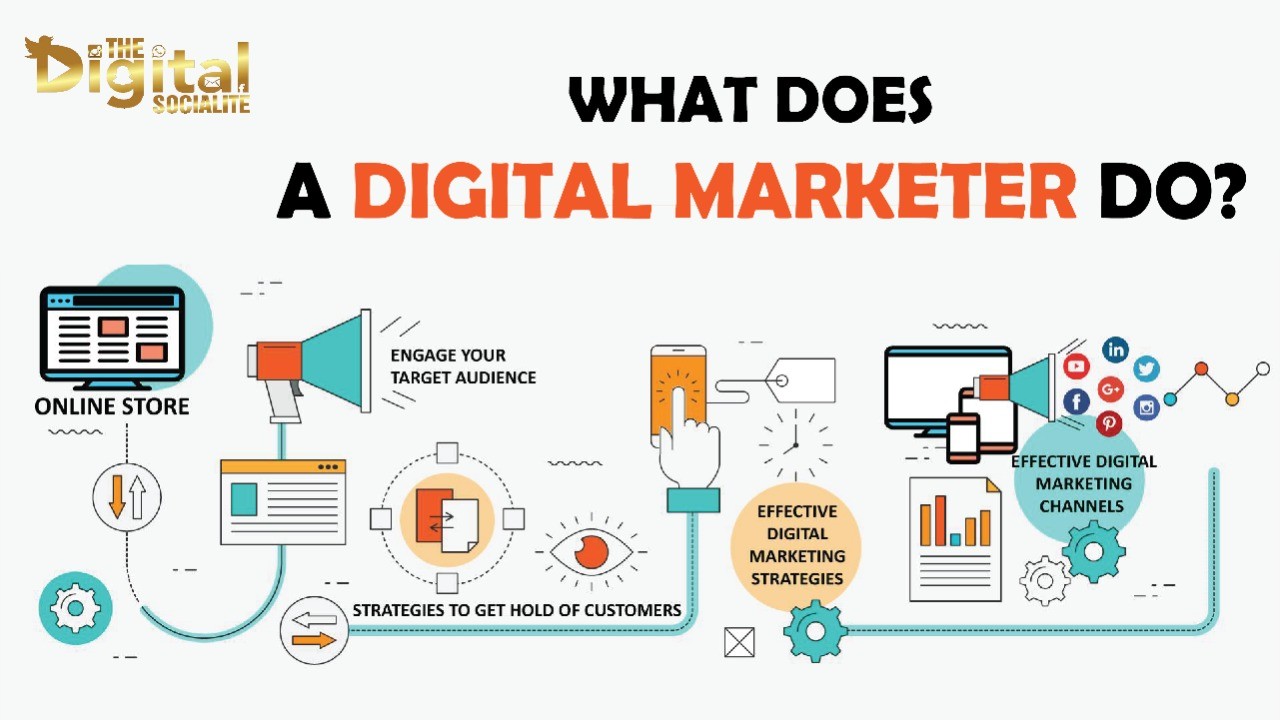
In today’s digital age, marketing has evolved significantly with the rise of digital platforms and technologies. Digital marketing encompasses a wide range of strategies and techniques aimed at promoting products or services using online channels. It has become an essential component for businesses looking to reach their target audiences effectively and efficiently.

Key Components of Digital Marketing

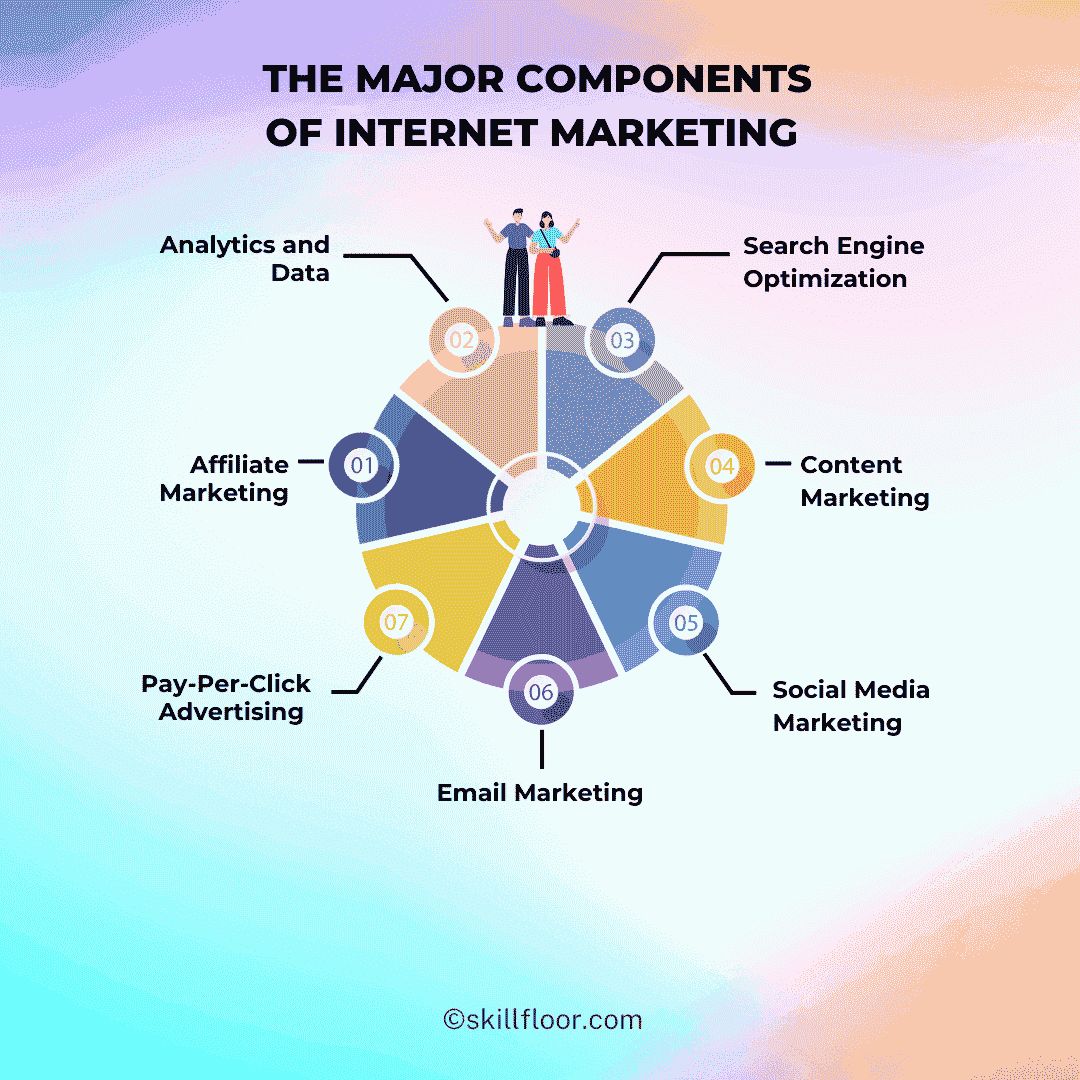
Digital marketing includes various components such as:

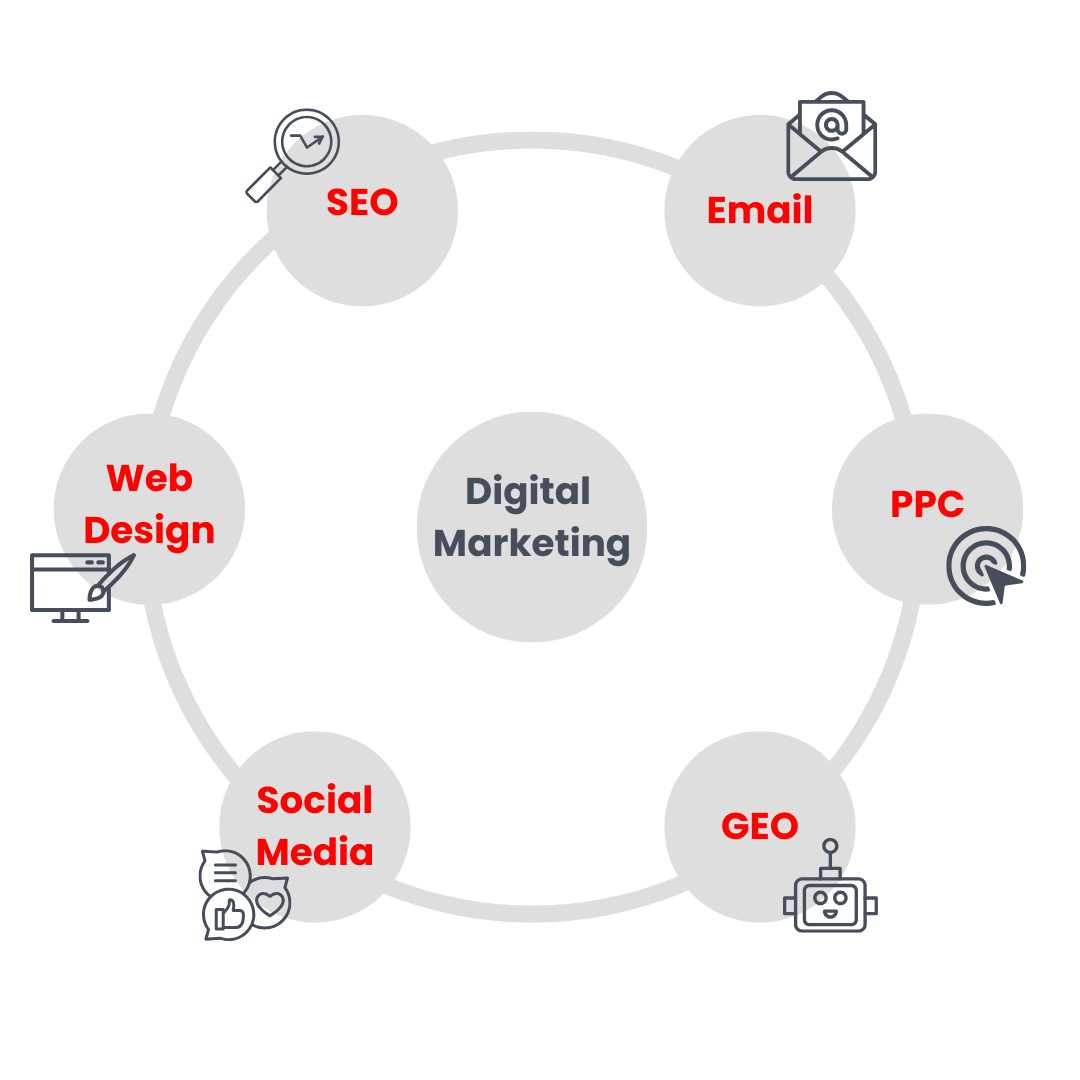
  • Search Engine Optimization (SEO): Optimising websites to improve search engine rankings and increase organic traffic.
  • Pay-Per-Click (PPC) Advertising: Running paid advertising campaigns on search engines or social media platforms to drive targeted traffic.
  • Social Media Marketing: Utilising social media platforms to engage with audiences, build brand awareness, and drive conversions.
  • Email Marketing: Sending targeted emails to prospects and customers to promote products or services and nurture relationships.
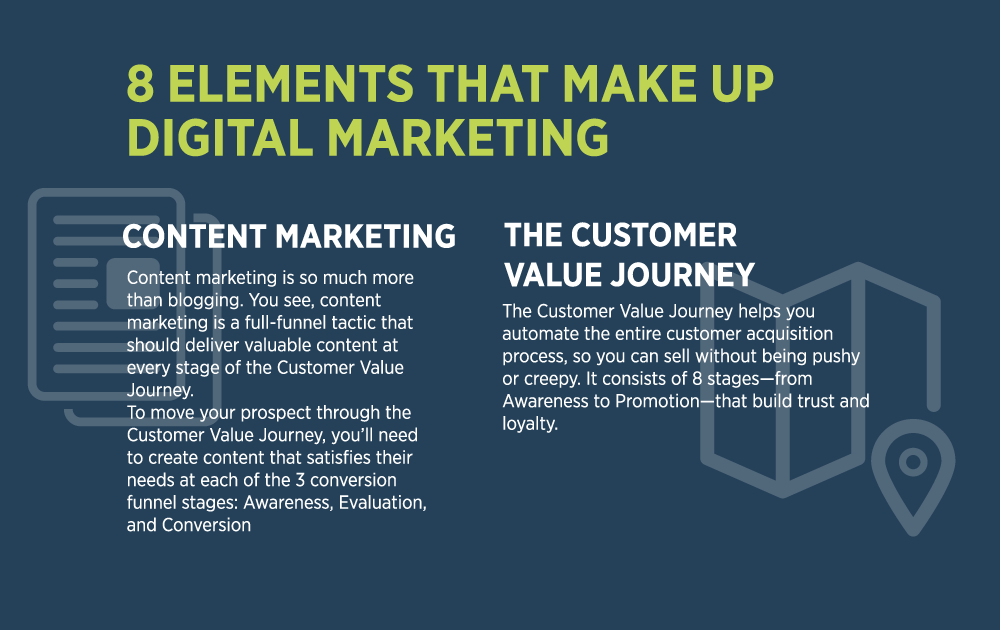
  • Content Marketing: Creating valuable and relevant content to attract and retain a specific audience, ultimately driving profitable customer action.
  • Analytics and Data Analysis: Monitoring and analysing campaign performance to make data-driven decisions for continuous improvement.

The Benefits of Digital Marketing

Digital marketing offers numerous benefits for businesses, including:

  • Increased Reach: With the vast reach of the internet, businesses can connect with a global audience regardless of geographical boundaries.
  • Targeted Advertising: Digital marketing allows businesses to target specific demographics, interests, behaviours, and locations with precision.
  • Cost-Effective Solutions: Compared to traditional marketing methods, digital marketing often provides a more cost-effective way to reach a larger audience.
  • Data-Driven Insights: Through analytics tools, businesses can gain valuable insights into customer behaviour, preferences, and campaign performance for informed decision-making.
  • Innovative Strategies: The dynamic nature of digital marketing allows businesses to adapt quickly to changing trends and consumer preferences for better engagement.

In Conclusion

Digital marketing has revolutionised the way businesses promote their products or services in the digital landscape. By leveraging the power of online channels and data-driven strategies, businesses can enhance their visibility, engage with their target audiences effectively, and drive measurable results. Embracing digital marketing is essential for staying competitive in today’s fast-paced business environment.


9 Essential Tips for Mastering Digital Marketing Strategies

  1. Understand your target audience
  2. Create a strong online presence
  3. Utilize social media effectively
  4. Optimize your website for search engines (SEO)
  5. Invest in pay-per-click advertising (PPC)
  6. Use email marketing to engage with customers
  7. Analyse data to track and improve performance
  8. Focus on quality content creation
  9. Stay updated with the latest digital marketing trends

Understand your target audience

Understanding your target audience is a crucial aspect of digital marketing. By gaining insights into the demographics, behaviours, preferences, and needs of your audience, you can tailor your marketing strategies to effectively engage and connect with them. This understanding allows you to create relevant and compelling content that resonates with your target audience, leading to increased brand awareness, customer loyalty, and ultimately, driving conversions. Investing time in understanding your target audience ensures that your digital marketing efforts are targeted and impactful, resulting in a more successful and sustainable marketing campaign.

Create a strong online presence

Creating a strong online presence is crucial in the realm of digital marketing. By establishing a cohesive and engaging presence across various online platforms, businesses can effectively connect with their target audience, build brand credibility, and increase visibility. A strong online presence not only enhances brand awareness but also fosters trust among consumers, ultimately driving traffic and conversions. Through consistent branding, valuable content creation, and active engagement with followers, businesses can solidify their position in the digital landscape and stand out amidst competition.

Utilize social media effectively

To maximise the impact of your digital marketing efforts, it is crucial to utilise social media effectively. Social media platforms offer a powerful avenue for engaging with your target audience, building brand awareness, and driving conversions. By creating compelling content tailored to each platform, actively interacting with followers, and leveraging analytics to refine your strategy, you can harness the full potential of social media to enhance your brand presence and achieve your marketing goals.

Optimize your website for search engines (SEO)

To maximise your online visibility and attract organic traffic, it is crucial to optimise your website for search engines through effective Search Engine Optimization (SEO) practices. By incorporating relevant keywords, creating high-quality content, improving site speed and user experience, and obtaining backlinks from reputable sources, you can enhance your website’s search engine rankings and increase its chances of being discovered by potential customers. SEO plays a vital role in driving targeted traffic to your site and improving your overall digital marketing performance.

Invest in pay-per-click advertising (PPC)

Investing in pay-per-click advertising (PPC) is a crucial component of a comprehensive digital marketing strategy. With PPC, businesses have the opportunity to target specific audiences, drive relevant traffic to their websites, and achieve measurable results in a cost-effective manner. By carefully selecting keywords, creating compelling ad copy, and monitoring campaign performance, businesses can maximise their ROI and reach potential customers at the right moment in their buying journey. PPC offers a level of control and flexibility that allows businesses to adjust their campaigns in real-time based on data insights, ensuring optimal performance and driving conversions effectively.

Use email marketing to engage with customers

Utilising email marketing is a powerful strategy to engage with customers and nurture relationships effectively. By sending targeted and personalised emails, businesses can communicate directly with their audience, providing valuable content, promotions, and updates. Email marketing allows for direct interaction, encouraging customer loyalty and driving conversions. With the ability to segment email lists based on customer preferences and behaviours, businesses can tailor their messages to resonate with different segments of their audience, ultimately enhancing engagement and fostering long-term relationships.

Analyse data to track and improve performance

In digital marketing, analysing data to track and improve performance is a crucial tip for achieving success. By monitoring key metrics such as website traffic, conversion rates, click-through rates, and engagement levels, businesses can gain valuable insights into the effectiveness of their marketing campaigns. This data-driven approach allows businesses to identify areas for improvement, make informed decisions, and optimise their strategies for better results. Continuous analysis of data enables businesses to adapt to changing trends, refine their tactics, and ultimately enhance their overall digital marketing performance.

Focus on quality content creation

In the realm of digital marketing, a key tip to remember is to focus on quality content creation. Content is the cornerstone of any successful digital marketing strategy, as it serves to engage and resonate with your target audience. By creating high-quality and valuable content that addresses the needs and interests of your audience, you can establish credibility, build trust, and drive meaningful interactions. Whether it’s informative blog posts, engaging social media updates, or compelling videos, prioritising quality content creation can set you apart in a crowded online landscape and help you achieve your marketing goals effectively.

To stay ahead in the ever-evolving landscape of digital marketing, it is crucial to stay updated with the latest trends and innovations. By keeping abreast of emerging technologies, consumer behaviours, and industry developments, businesses can adapt their strategies to remain relevant and competitive. Whether it’s exploring new social media platforms, implementing cutting-edge tools for data analysis, or embracing innovative content formats, staying informed about digital marketing trends is key to driving successful campaigns and engaging with target audiences effectively.

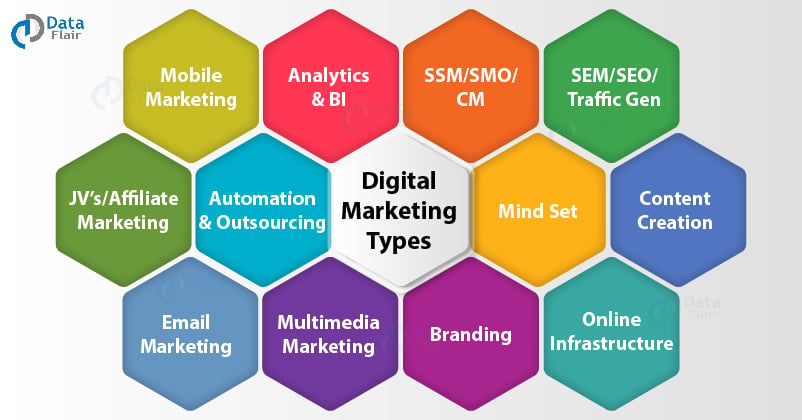
types of digital marketing

Exploring Various Types of Digital Marketing Strategies

The Various Types of Digital Marketing Strategies

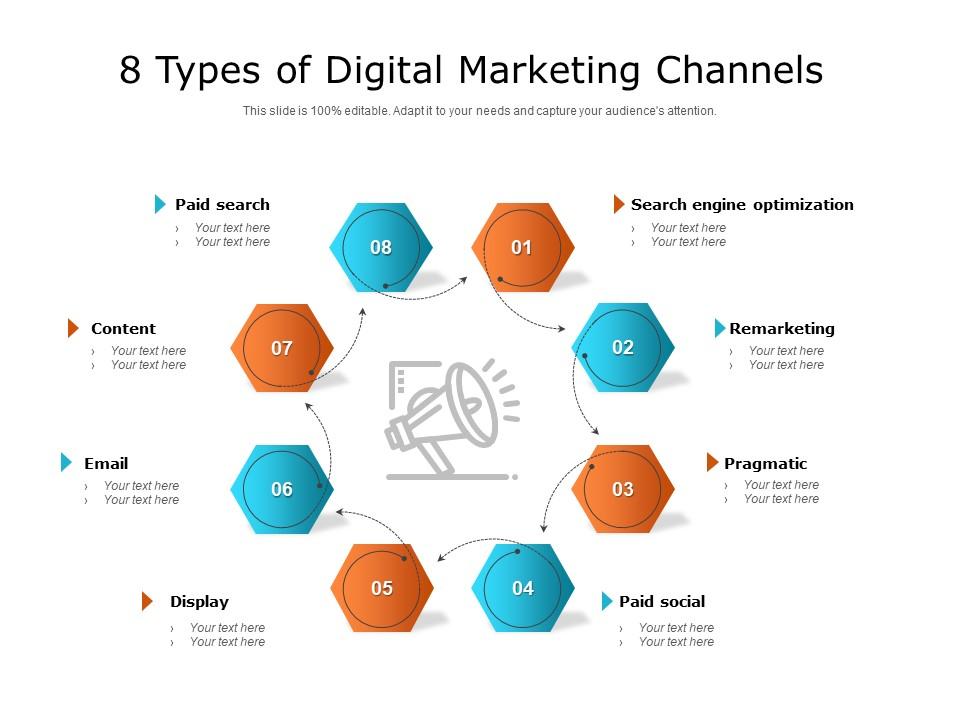
Digital marketing has revolutionised the way businesses promote their products and services in the digital age. With the vast array of online channels available, companies have numerous options to reach their target audience effectively. Here are some of the most common types of digital marketing strategies:

Search Engine Optimization (SEO)

SEO is a crucial digital marketing strategy aimed at improving a website’s visibility on search engine results pages organically. By optimising content, keywords, and website structure, businesses can enhance their online presence and attract more organic traffic.

Pay-Per-Click Advertising (PPC)

PPC advertising involves placing ads on search engines or social media platforms and paying a fee each time a user clicks on the ad. This method allows businesses to target specific audiences based on demographics, interests, and online behaviour.

Social Media Marketing

Social media platforms such as Facebook, Instagram, Twitter, and LinkedIn offer powerful tools for engaging with customers and promoting products or services. Businesses can create targeted campaigns, share valuable content, and interact with their audience in real-time.

Content Marketing

Content marketing focuses on creating and distributing valuable, relevant content to attract and retain a specific audience. This can include blog posts, videos, infographics, e-books, and more. High-quality content helps build brand awareness and establish credibility in the industry.

Email Marketing

Email marketing remains one of the most effective ways to nurture leads and drive conversions. By sending personalised emails to subscribers with relevant offers or information, businesses can build relationships with customers and encourage repeat purchases.

Influencer Marketing

Influencer marketing involves collaborating with popular personalities or industry experts to promote products or services to their followers. Influencers have established credibility with their audience, making them valuable partners for reaching new customers.

Affiliate Marketing

Affiliate marketing is a performance-based strategy where businesses reward affiliates for driving traffic or sales through referral links. This model allows companies to expand their reach through partnerships with bloggers, influencers, or other websites.

In conclusion, digital marketing offers a diverse range of strategies for businesses to connect with their target audience online effectively. By leveraging these tactics strategically, companies can increase brand awareness, drive traffic to their websites, and ultimately boost sales and revenue.


Exploring the Various Types of Digital Marketing: A Comprehensive Guide to Frequently Asked Questions

  1. What are the top 7 types of digital marketing?
  2. What are the 3 types of digital marketing?
  3. What are 7 marketing types?
  4. What are the major types of digital marketing?
  5. What are the 12 types of digital marketing?
  6. What are 7 types of marketing?
  7. What are the 5 of digital marketing?
  8. What are the 8 main categories of digital marketing?
  9. What is the 3 major part of digital marketing?

What are the top 7 types of digital marketing?

When it comes to the top 7 types of digital marketing, businesses have a plethora of strategies at their disposal to enhance their online presence and engage with their target audience effectively. These key digital marketing tactics include Search Engine Optimization (SEO) to boost website visibility, Pay-Per-Click Advertising (PPC) for targeted ad placements, Social Media Marketing for engaging with customers on various platforms, Content Marketing to provide valuable and relevant content, Email Marketing for personalised communication, Influencer Marketing to leverage influential personalities, and Affiliate Marketing for expanding reach through partnerships. By incorporating these diverse strategies into their marketing efforts, businesses can create impactful campaigns that drive results and foster long-term relationships with their customers.

What are the 3 types of digital marketing?

When asked about the three main types of digital marketing, it typically refers to Search Engine Optimization (SEO), Pay-Per-Click Advertising (PPC), and Social Media Marketing. SEO involves optimising websites to improve their visibility on search engine results pages organically. PPC advertising allows businesses to place ads on various online platforms and pay a fee each time a user clicks on the ad. Social Media Marketing involves leveraging social media platforms to engage with audiences, promote products or services, and build brand awareness. These three types of digital marketing play crucial roles in helping businesses reach their target audience effectively in the digital landscape.

What are 7 marketing types?

When it comes to digital marketing, there are several key types that businesses can leverage to enhance their online presence and engage with their target audience effectively. Some of the most prominent digital marketing types include Search Engine Optimization (SEO), Pay-Per-Click Advertising (PPC), Social Media Marketing, Content Marketing, Email Marketing, Influencer Marketing, and Affiliate Marketing. Each of these strategies offers unique benefits and opportunities for businesses to reach and connect with their customers in meaningful ways, ultimately driving brand awareness, traffic, and conversions in the digital landscape.

What are the major types of digital marketing?

One of the most frequently asked questions in the realm of digital marketing is, “What are the major types of digital marketing?” This question often arises as businesses seek to navigate the vast landscape of online marketing strategies. The major types of digital marketing encompass a diverse range of tactics, including search engine optimization (SEO), pay-per-click advertising (PPC), social media marketing, content marketing, email marketing, influencer marketing, and affiliate marketing. Each type offers unique opportunities for businesses to engage with their target audience, drive traffic to their websites, and ultimately achieve their marketing objectives in the digital sphere. By understanding and utilising these key types of digital marketing effectively, businesses can enhance their online presence and reach a wider audience in today’s competitive digital landscape.

What are the 12 types of digital marketing?

When it comes to the diverse landscape of digital marketing, there are numerous strategies that businesses can leverage to achieve their marketing goals. While the exact number may vary, some common types of digital marketing include search engine optimization (SEO), pay-per-click advertising (PPC), social media marketing, content marketing, email marketing, influencer marketing, affiliate marketing, and more. Each of these tactics plays a unique role in engaging with audiences, driving traffic, and increasing brand visibility online. By combining these different types of digital marketing effectively, businesses can create comprehensive and successful online campaigns tailored to their specific objectives.

What are 7 types of marketing?

When exploring the realm of digital marketing, one frequently asked question is, “What are the 7 types of marketing?” The seven key types of digital marketing include Search Engine Optimization (SEO), Pay-Per-Click Advertising (PPC), Social Media Marketing, Content Marketing, Email Marketing, Influencer Marketing, and Affiliate Marketing. Each type plays a unique role in helping businesses connect with their target audience, increase brand visibility, and drive engagement and conversions online. By understanding and utilising these diverse marketing strategies effectively, businesses can create a comprehensive digital marketing plan to achieve their goals in the competitive online landscape.

What are the 5 of digital marketing?

When asked about the five types of digital marketing, it typically refers to the key strategies that businesses can utilise to promote their products or services online effectively. These commonly include Search Engine Optimization (SEO), Pay-Per-Click Advertising (PPC), Social Media Marketing, Content Marketing, and Email Marketing. Each of these methods plays a crucial role in reaching target audiences, driving website traffic, and ultimately converting leads into customers. By combining these digital marketing tactics strategically, businesses can enhance their online presence and achieve their marketing goals in the digital landscape.

What are the 8 main categories of digital marketing?

When exploring the various types of digital marketing, it is common to come across the question: “What are the 8 main categories of digital marketing?” These categories typically include Search Engine Optimization (SEO), Pay-Per-Click Advertising (PPC), Social Media Marketing, Content Marketing, Email Marketing, Influencer Marketing, Affiliate Marketing, and Online PR. Each category plays a unique role in helping businesses connect with their target audience, increase brand visibility, and drive conversions in the digital landscape. Understanding these key categories empowers businesses to develop comprehensive digital marketing strategies that effectively engage customers and achieve their marketing goals.

What is the 3 major part of digital marketing?

In digital marketing, the three major components that form the foundation of a successful online strategy are search engine optimisation (SEO), pay-per-click advertising (PPC), and social media marketing. SEO focuses on improving a website’s visibility in search engine results, while PPC involves placing targeted ads and paying for clicks. Social media marketing utilises platforms like Facebook, Instagram, and Twitter to engage with audiences and promote products or services effectively. These three pillars work together to drive traffic, increase brand awareness, and generate leads in the competitive digital landscape.

digital marketing services company

Elevate Your Brand with a Leading Digital Marketing Services Company

The Power of Digital Marketing Services Companies in Today’s Business Landscape

In the digital age, having a strong online presence is essential for businesses looking to reach and engage with their target audience effectively. This is where digital marketing services companies play a crucial role in helping businesses navigate the ever-evolving digital landscape and achieve their marketing goals.

What Do Digital Marketing Services Companies Offer?

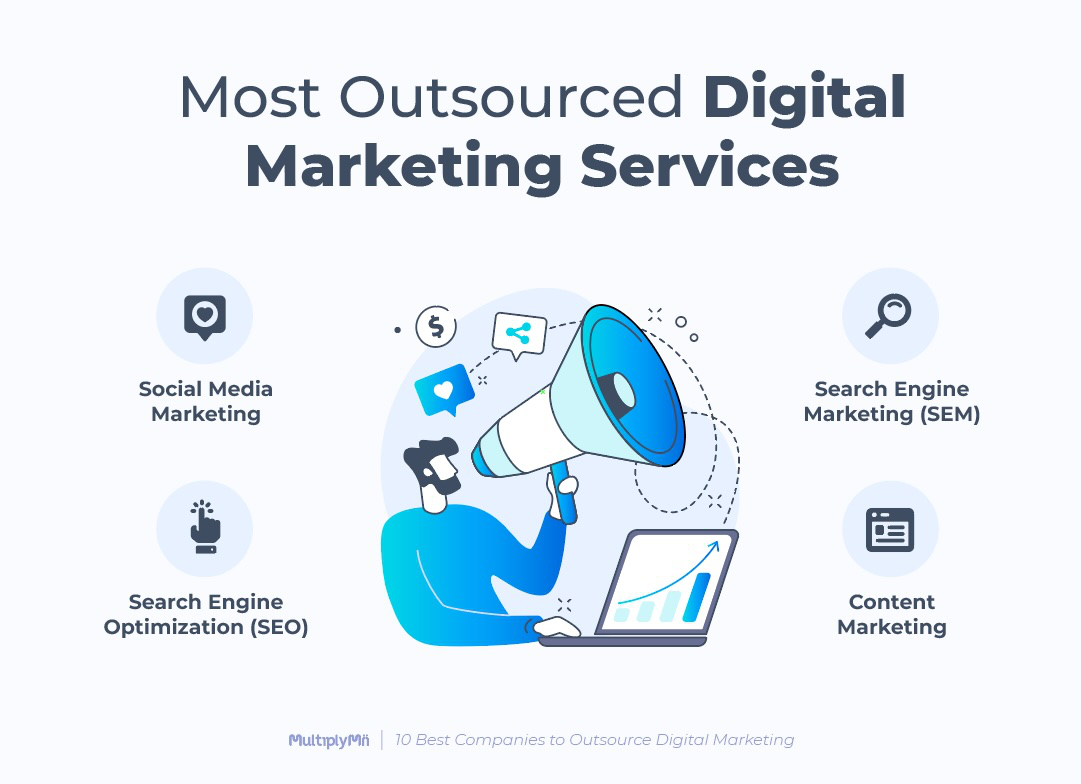
Digital marketing services companies provide a wide range of services designed to enhance a business’s online visibility, attract more customers, and ultimately drive revenue growth. Some common services offered by these companies include:

  • Search Engine Optimization (SEO): Optimising a website to rank higher in search engine results pages, increasing organic traffic and visibility.
  • Pay-Per-Click (PPC) Advertising: Running targeted advertising campaigns to drive immediate traffic to a website and generate leads.
  • Social Media Marketing: Creating and managing social media campaigns to engage with audiences on platforms like Facebook, Instagram, Twitter, and LinkedIn.
  • Email Marketing: Sending personalised emails to nurture leads, promote products or services, and build customer relationships.
  • Content Marketing: Creating valuable and relevant content to attract and retain a clearly defined audience.

The Benefits of Working with a Digital Marketing Services Company

Collaborating with a digital marketing services company offers numerous benefits for businesses seeking to establish a strong online presence:

  • Expertise: Digital marketing professionals have the knowledge and skills needed to develop effective strategies tailored to each client’s unique goals.
  • Data-Driven Approach: These companies leverage data analytics tools to track performance metrics and make informed decisions that drive results.
  • Creative Solutions: They bring fresh perspectives and innovative ideas to help businesses stand out in competitive markets.
  • Saves Time and Resources: Outsourcing digital marketing allows businesses to focus on core operations while experts handle the intricacies of online marketing campaigns.

The Future of Digital Marketing Services Companies

As technology continues to advance rapidly, the role of digital marketing services companies will only become more critical for businesses looking to thrive in the digital landscape. From AI-driven automation tools to personalised customer experiences, these companies will continue evolving their strategies to stay ahead of trends and deliver impactful results for their clients.

In conclusion, partnering with a reputable digital marketing services company can be the key to unlocking your business’s full potential in the digital realm. By harnessing their expertise and resources, you can elevate your brand, reach new audiences, and drive sustainable growth in today’s competitive market environment.


9 Essential Tips for Enhancing Your Digital Marketing Services Company

  1. Understand your target audience to create targeted marketing strategies.
  2. Utilise social media platforms to engage with potential customers.
  3. Invest in search engine optimisation (SEO) to improve online visibility.
  4. Create high-quality content that adds value to your audience.
  5. Offer various digital marketing services to cater to different client needs.
  6. Monitor and analyse key performance indicators (KPIs) regularly for insights and improvements.
  7. Build strong relationships with clients through excellent customer service.
  8. Stay updated on the latest digital marketing trends and technologies.
  9. Collaborate with influencers or other businesses for wider reach.

Understand your target audience to create targeted marketing strategies.

To maximise the effectiveness of your digital marketing efforts, it is crucial to understand your target audience thoroughly. By gaining insights into their demographics, preferences, behaviours, and needs, you can create tailored and targeted marketing strategies that resonate with them on a deeper level. This understanding allows digital marketing services companies to deliver personalised content, engage with the right audience through the most effective channels, and ultimately drive meaningful interactions that lead to increased brand awareness and conversions. By prioritising audience understanding in your digital marketing approach, you can build stronger connections with your target market and achieve better results for your business.

Utilise social media platforms to engage with potential customers.

To maximise your digital marketing efforts, it is essential for a digital marketing services company to leverage social media platforms effectively in order to connect and engage with potential customers. By creating compelling content, interacting with users, and running targeted campaigns on platforms such as Facebook, Instagram, Twitter, and LinkedIn, businesses can build meaningful relationships with their audience, drive brand awareness, and ultimately increase conversions. Social media provides a valuable channel for businesses to share their message, showcase their products or services, and foster a sense of community among followers, leading to long-term customer loyalty and advocacy.

Invest in search engine optimisation (SEO) to improve online visibility.

Investing in search engine optimisation (SEO) is a crucial strategy for any business looking to enhance its online visibility and reach a wider audience. By optimising your website’s content and structure according to search engine algorithms, you can improve your organic search rankings and attract more targeted traffic to your site. A strong SEO strategy not only boosts your online visibility but also establishes credibility with search engines and users alike, ultimately leading to increased brand awareness and potential conversions. Embracing SEO as part of your digital marketing efforts can significantly impact your online presence and help you stay ahead in the competitive digital landscape.

Create high-quality content that adds value to your audience.

Creating high-quality content that adds value to your audience is a fundamental strategy for any digital marketing services company. By producing engaging and informative content that resonates with your target audience, you can establish credibility, build trust, and foster lasting relationships with customers. Whether it’s through blog posts, videos, social media updates, or email newsletters, delivering valuable content not only attracts new leads but also keeps existing customers engaged and loyal. In a competitive digital landscape, quality content serves as a powerful tool to differentiate your brand and drive meaningful interactions that drive business growth.

Offer various digital marketing services to cater to different client needs.

To maximise client satisfaction and effectiveness, a digital marketing services company should offer a diverse range of services tailored to meet the unique needs and objectives of each client. By providing a comprehensive suite of digital marketing services, such as SEO, PPC advertising, social media marketing, email marketing, and content creation, companies can ensure that they can address a wide spectrum of client requirements and preferences. This approach not only demonstrates flexibility and expertise but also enables businesses to create customised strategies that resonate with their target audience and drive tangible results.

Monitor and analyse key performance indicators (KPIs) regularly for insights and improvements.

Monitoring and analysing key performance indicators (KPIs) regularly is a crucial practice for any digital marketing services company. By tracking metrics such as website traffic, conversion rates, click-through rates, and engagement levels, companies can gain valuable insights into the effectiveness of their marketing strategies. This data-driven approach allows them to identify areas for improvement, make informed decisions, and optimise campaigns to achieve better results. Regular KPI analysis not only helps in measuring success but also enables companies to adapt quickly to changing market trends and customer preferences, ultimately driving continuous growth and success in the competitive digital landscape.

Build strong relationships with clients through excellent customer service.

Building strong relationships with clients through excellent customer service is a cornerstone of success for any digital marketing services company. By prioritising exceptional customer service, companies can foster trust, loyalty, and long-term partnerships with their clients. Listening to their needs, providing timely support, and going the extra mile to exceed expectations not only enhances client satisfaction but also sets the foundation for mutual growth and success. Effective communication and a customer-centric approach are key in building enduring relationships that drive positive outcomes for both the company and its clients in the dynamic world of digital marketing.

To thrive in the competitive world of digital marketing, it is crucial for digital marketing services companies to stay updated on the latest trends and technologies. By keeping abreast of industry developments, such as algorithm changes, emerging platforms, and innovative tools, these companies can adapt their strategies to remain relevant and effective in reaching target audiences. Embracing new trends and technologies not only showcases a company’s commitment to innovation but also ensures that they can deliver cutting-edge solutions that drive results for their clients in today’s dynamic digital landscape.

Collaborate with influencers or other businesses for wider reach.

Collaborating with influencers or other businesses can significantly amplify your brand’s reach and engagement in the digital marketing landscape. By partnering with influencers who have a strong online presence and a loyal following, you can tap into their audience and leverage their influence to promote your products or services effectively. Similarly, teaming up with complementary businesses allows you to reach a broader demographic and benefit from shared resources and expertise. These strategic partnerships not only expand your reach but also enhance credibility and trust among consumers, ultimately driving growth and success for your business in the competitive digital market.

digital marketing concepts

Unveiling Essential Digital Marketing Concepts for Success

Digital Marketing Concepts

The Fundamentals of Digital Marketing Concepts

In today’s digital age, understanding key concepts in digital marketing is essential for businesses looking to reach and engage with their target audience effectively. From search engine optimisation (SEO) to social media marketing, here are some fundamental concepts that every marketer should be familiar with:

SEO (Search Engine Optimisation)

SEO is the practice of improving a website’s visibility on search engine results pages through organic (non-paid) methods. By optimising website content and structure, businesses can increase their chances of ranking higher in search engine results, driving more organic traffic to their site.

SEM (Search Engine Marketing)

SEM involves using paid advertising to appear in search engine results pages. This includes pay-per-click (PPC) campaigns that allow businesses to bid on keywords relevant to their products or services and pay when users click on their ads.

Social Media Marketing

Social media marketing involves using social platforms such as Facebook, Instagram, Twitter, and LinkedIn to promote products or services. It includes creating engaging content, running targeted ads, and interacting with followers to build brand awareness and drive conversions.

Content Marketing

Content marketing focuses on creating valuable and relevant content to attract and engage a specific target audience. This can include blog posts, videos, infographics, whitepapers, and more. By providing valuable information, businesses can establish themselves as industry experts and build trust with their audience.

Email Marketing

Email marketing involves sending targeted messages to a list of subscribers with the goal of driving engagement and conversions. This can include promotional offers, newsletters, product updates, and more. Effective email marketing campaigns are personalised, relevant, and provide value to recipients.

Analytics

Analytics is the process of measuring and analysing data from digital marketing efforts to track performance and make informed decisions. By monitoring key metrics such as website traffic, conversion rates, click-through rates, and more, businesses can optimise their strategies for better results.

By understanding these fundamental digital marketing concepts and incorporating them into your overall strategy, you can drive growth for your business online and connect with your target audience in meaningful ways.


Five Essential Tips for Mastering Digital Marketing Strategies

  1. Utilize social media platforms to engage with your audience and promote your brand.
  2. Create high-quality and relevant content to attract and retain customers.
  3. Optimize your website for search engines to improve visibility and drive organic traffic.
  4. Use email marketing campaigns to nurture leads and build relationships with customers.
  5. Track and analyze key performance indicators (KPIs) to measure the success of your digital marketing efforts.

Utilize social media platforms to engage with your audience and promote your brand.

To maximise your digital marketing efforts, it is crucial to leverage social media platforms as powerful tools to interact with your audience and raise awareness of your brand. By engaging with users through compelling content, responding to comments and messages, and running targeted advertising campaigns, you can cultivate a loyal following and drive conversions. Social media provides a direct line of communication with your target market, allowing you to build relationships, showcase your brand’s personality, and ultimately boost your online presence.

Create high-quality and relevant content to attract and retain customers.

Creating high-quality and relevant content is a crucial tip in digital marketing concepts. By producing content that is valuable, informative, and tailored to the needs of your target audience, you can attract and retain customers effectively. Engaging content not only helps in building brand credibility and trust but also encourages customer loyalty and repeat business. Whether it’s through blog posts, videos, social media updates, or email newsletters, delivering content that resonates with your audience can drive engagement, increase brand awareness, and ultimately lead to conversions.

Optimize your website for search engines to improve visibility and drive organic traffic.

To enhance your online presence and attract more visitors, it is crucial to optimise your website for search engines. By implementing effective search engine optimisation (SEO) strategies, you can improve your site’s visibility in search engine results pages and drive organic traffic to your website. This involves enhancing your website’s content, structure, and performance to ensure that it ranks higher in relevant searches, ultimately increasing the likelihood of attracting potential customers who are actively seeking the products or services you offer. By focusing on SEO as a key digital marketing concept, you can boost your online visibility and reach a wider audience in a cost-effective manner.

Use email marketing campaigns to nurture leads and build relationships with customers.

Utilising email marketing campaigns is a powerful strategy in digital marketing to nurture leads and cultivate lasting relationships with customers. By delivering targeted and personalised content directly to subscribers’ inboxes, businesses can engage with their audience on a more intimate level, providing valuable information, promotions, and updates that cater to their specific needs and interests. This proactive approach not only helps in converting leads into customers but also fosters loyalty and trust, ultimately leading to long-term customer relationships built on mutual value and engagement.

Track and analyze key performance indicators (KPIs) to measure the success of your digital marketing efforts.

Tracking and analysing key performance indicators (KPIs) is crucial for evaluating the effectiveness of your digital marketing strategies. By monitoring metrics such as website traffic, conversion rates, click-through rates, and engagement levels, you can gain valuable insights into what is working well and where improvements are needed. These KPIs provide quantifiable data that allows you to make informed decisions, refine your approach, and ultimately maximise the success of your digital marketing campaigns.

digital marketing campaign

Unlocking Success: The Art of Crafting a Strategic Digital Marketing Campaign

The Power of a Successful Digital Marketing Campaign

The Power of a Successful Digital Marketing Campaign

In today’s digital age, a well-executed digital marketing campaign can make all the difference for businesses looking to reach their target audience and drive results. With the vast array of online channels available, from social media to search engines, a strategic digital marketing campaign can help businesses stand out in a crowded marketplace.

Key Components of a Digital Marketing Campaign

A successful digital marketing campaign incorporates various components to create a cohesive and effective strategy. These may include:

  • Search Engine Optimization (SEO): Optimising your website content to rank higher in search engine results pages and attract organic traffic.
  • Pay-Per-Click (PPC) Advertising: Running targeted ads on search engines and social media platforms to drive relevant traffic to your website.
  • Social Media Marketing: Engaging with your audience on platforms like Facebook, Instagram, and Twitter to build brand awareness and foster customer relationships.
  • Email Marketing: Sending personalised emails to nurture leads, promote products/services, and drive conversions.
  • Content Marketing: Creating valuable and relevant content such as blog posts, videos, and infographics to attract and engage your target audience.

The Benefits of a Strong Digital Marketing Campaign

A well-planned digital marketing campaign offers numerous benefits for businesses, including:

  • Increased Brand Visibility: By leveraging various online channels, you can increase your brand’s visibility and reach a wider audience.
  • Targeted Reach: With digital marketing tools, you can target specific demographics, interests, and behaviours to reach the right audience with your message.
  • Data-Driven Insights: Digital marketing allows you to track and measure the performance of your campaigns in real-time, providing valuable insights for future strategies.
  • Cost-Effectiveness: Compared to traditional marketing methods, digital marketing often offers a higher return on investment due to its ability to target audiences more precisely.

In Conclusion

A successful digital marketing campaign is essential for businesses looking to thrive in today’s competitive landscape. By utilising the various tools and strategies available in the digital realm, businesses can connect with their target audience effectively, drive engagement and conversions, and ultimately achieve their business goals.

Contact us today to learn how we can help you create a winning digital marketing campaign for your business!


Essential Tips for Crafting a Successful Digital Marketing Campaign

  1. Clearly define your campaign goals and objectives.
  2. Identify your target audience and tailor your messaging to suit their preferences.
  3. Utilise various digital channels such as social media, email, and search engines for a multi-faceted approach.
  4. Create engaging and relevant content to attract and retain the interest of your audience.
  5. Regularly monitor and analyse key performance indicators (KPIs) to track the success of your campaign.
  6. Optimise your campaign based on data insights to improve its effectiveness over time.
  7. Consider incorporating influencer partnerships or collaborations to extend your reach.
  8. Stay updated with the latest trends in digital marketing to remain competitive in the online landscape.

Clearly define your campaign goals and objectives.

In any digital marketing campaign, it is crucial to clearly define your goals and objectives from the outset. By establishing specific and measurable targets, such as increasing website traffic, generating leads, or boosting brand awareness, you can create a focused strategy that aligns with your overall business objectives. Clear goal-setting not only guides your campaign tactics but also allows you to track progress and evaluate the success of your efforts effectively. This clarity ensures that every aspect of your campaign works towards achieving the desired outcomes, leading to a more impactful and successful digital marketing initiative.

Identify your target audience and tailor your messaging to suit their preferences.

To maximise the effectiveness of your digital marketing campaign, it is crucial to identify your target audience and tailor your messaging to align with their preferences and interests. By understanding the demographics, behaviours, and needs of your audience, you can create content that resonates with them on a personal level, increasing engagement and driving conversions. Customising your messaging to suit the preferences of your target audience not only enhances the relevance of your campaign but also fosters stronger connections with potential customers, ultimately leading to greater success in achieving your marketing objectives.

Utilise various digital channels such as social media, email, and search engines for a multi-faceted approach.

To maximise the effectiveness of your digital marketing campaign, it is crucial to utilise a range of digital channels, including social media platforms, email marketing, and search engines. By adopting a multi-faceted approach that leverages these diverse channels, you can reach a broader audience, engage with potential customers at different touchpoints, and drive better results for your business. Each channel offers unique opportunities to connect with your target audience and deliver tailored messages that resonate with them, ultimately enhancing your brand visibility and boosting your online presence.

Create engaging and relevant content to attract and retain the interest of your audience.

Creating engaging and relevant content is a crucial tip for a successful digital marketing campaign. By crafting content that resonates with your target audience, you can capture their attention, spark their interest, and ultimately retain their engagement over time. Whether it’s informative blog posts, captivating videos, or interactive social media posts, providing valuable content that addresses the needs and interests of your audience is key to building a loyal following and driving meaningful interactions with your brand.

Regularly monitor and analyse key performance indicators (KPIs) to track the success of your campaign.

Regularly monitoring and analysing key performance indicators (KPIs) is crucial in assessing the effectiveness of your digital marketing campaign. By tracking metrics such as website traffic, conversion rates, click-through rates, and engagement levels, you can gain valuable insights into the performance of your campaign and make data-driven decisions to optimise its impact. Monitoring KPIs allows you to identify what is working well and what areas may need improvement, enabling you to adjust your strategies accordingly for better results in achieving your marketing objectives.

Optimise your campaign based on data insights to improve its effectiveness over time.

To enhance the effectiveness of your digital marketing campaign, it is crucial to optimise your strategies based on data insights gathered throughout the campaign. By analysing key metrics such as engagement rates, conversion rates, and audience demographics, you can make informed decisions to refine your approach and maximise results. Continuously monitoring and adjusting your campaign based on data-driven insights allows you to adapt to changing trends, target audience preferences, and market dynamics, ultimately leading to improved performance and increased ROI over time.

Consider incorporating influencer partnerships or collaborations to extend your reach.

Consider incorporating influencer partnerships or collaborations to extend your reach in your digital marketing campaign. By teaming up with influencers who have a strong following and influence in your target market, you can amplify your brand’s message and connect with a wider audience authentically. Leveraging the credibility and reach of influencers can help you increase brand awareness, drive engagement, and ultimately boost conversions. Partnering with the right influencers can add a human touch to your campaign and create meaningful connections with potential customers.

To stay competitive in the ever-evolving online landscape, it is crucial to stay updated with the latest trends in digital marketing. By keeping abreast of emerging technologies, consumer behaviours, and industry best practices, businesses can adapt their strategies to effectively engage their target audience and drive results. Embracing innovation and staying ahead of the curve in digital marketing can give businesses a competitive edge and help them stand out in a crowded digital marketplace.

digital marketing 101

Mastering Digital Marketing 101: A Beginner’s Guide to Online Success

Digital Marketing 101: A Beginner’s Guide

In today’s digital age, having a solid understanding of digital marketing is essential for any business looking to succeed online. Whether you are a small start-up or an established corporation, knowing the basics of digital marketing can help you reach your target audience, drive traffic to your website, and ultimately increase sales. Let’s delve into the fundamentals of digital marketing and explore how you can leverage this powerful tool to grow your business.

What is Digital Marketing?

Digital marketing encompasses all online efforts to promote and sell products or services using various digital channels. These channels include search engines, social media platforms, email, and websites. Unlike traditional marketing methods, digital marketing allows businesses to target specific audiences in a more cost-effective and measurable way.

The Core Components of Digital Marketing

There are several key components of digital marketing that every business should be familiar with:

  1. Search Engine Optimization (SEO): SEO involves optimizing your website to improve its visibility in search engine results pages. By using relevant keywords and creating high-quality content, you can attract organic traffic to your site.
  2. Social Media Marketing: Social media platforms like Facebook, Instagram, and Twitter offer a valuable opportunity to engage with your audience, build brand awareness, and drive traffic to your website.
  3. Email Marketing: Email remains one of the most effective ways to communicate with customers. By sending targeted emails with valuable content or promotions, you can nurture leads and convert them into customers.
  4. Content Marketing: Content marketing involves creating and sharing valuable content such as blog posts, videos, and infographics to attract and retain customers. It helps establish your brand as a thought leader in your industry.
  5. Paid Advertising: Paid advertising allows you to reach a larger audience quickly through platforms like Google Ads or social media ads. You can target specific demographics and track the performance of your ads in real-time.

The Benefits of Digital Marketing

Digital marketing offers numerous benefits for businesses of all sizes:

  • Increased Reach: With digital marketing, you can reach a global audience without the limitations of traditional advertising methods.
  • Cost-Effective: Digital marketing is often more affordable than traditional advertising channels like TV or print media.
  • Measurable Results: Digital marketing allows you to track the performance of your campaigns in real-time and make data-driven decisions based on analytics.
  • Better Targeting: With digital marketing tools, you can target specific demographics based on factors like age, location, interests, and behaviour.

In Conclusion

Digital marketing is an essential tool for businesses looking to thrive in today’s competitive landscape. By understanding the core components of digital marketing and leveraging them effectively, you can connect with your target audience, drive traffic to your website, and ultimately grow your business. Whether you are just starting out or looking to enhance your existing strategies, embracing digital marketing is key to staying ahead in the digital world.


8 Key Advantages of Digital Marketing 101: Expanding Reach, Cutting Costs, and Boosting Engagement

  1. Increased global reach
  2. Cost-effective compared to traditional advertising methods
  3. Measurable results with real-time analytics
  4. Target specific demographics based on various factors
  5. Enhanced brand awareness and visibility online
  6. Ability to engage with customers in real-time through social media
  7. Opportunity to create personalized and targeted marketing campaigns
  8. Flexibility to adjust strategies quickly based on performance data


Navigating the Challenges of Digital Marketing: Overcoming Competition, Algorithm Shifts, Information Overload, and Impersonal Interactions

  1. 1. Overwhelming Competition
  2. 2. Constant Algorithm Changes
  3. 3. Potential for Information Overload
  4. 4. Lack of Personal Touch

Increased global reach

One of the key advantages of digital marketing is the ability to achieve increased global reach. Unlike traditional marketing methods that are often limited by geographical boundaries, digital marketing allows businesses to connect with a diverse audience worldwide. Through online channels such as social media, search engines, and email, companies can expand their reach beyond local markets and target potential customers on a global scale. This enhanced reach not only increases brand visibility but also opens up new opportunities for growth and expansion in international markets.

Cost-effective compared to traditional advertising methods

One significant advantage of digital marketing over traditional advertising methods is its cost-effectiveness. Digital marketing allows businesses to reach a wide audience at a fraction of the cost of traditional advertising channels such as TV or print media. With digital marketing tools, businesses can create targeted campaigns that reach specific demographics, track performance in real-time, and make adjustments based on data analytics. This cost-effective approach not only helps businesses save money but also ensures that their marketing efforts are more efficient and yield better results.

Measurable results with real-time analytics

One significant advantage of digital marketing is the ability to measure results with real-time analytics. Unlike traditional marketing methods, digital marketing allows businesses to track the performance of their campaigns instantly and accurately. By analysing real-time data, businesses can gain valuable insights into customer behaviour, campaign effectiveness, and ROI. This data-driven approach enables businesses to make informed decisions, optimise their strategies on the go, and ultimately improve their overall marketing efforts for better results.

Target specific demographics based on various factors

One of the key advantages of digital marketing is the ability to target specific demographics based on various factors. By leveraging data analytics and online targeting tools, businesses can tailor their marketing campaigns to reach audiences based on factors such as age, location, interests, and behaviour. This level of precision allows companies to deliver personalised messages that resonate with their target demographic, leading to higher engagement rates and increased conversion opportunities. With the ability to segment and target specific audiences effectively, digital marketing enables businesses to maximise the impact of their campaigns and achieve better results in a cost-effective manner.

Enhanced brand awareness and visibility online

Enhanced brand awareness and visibility online are key benefits of digital marketing. By utilising various digital channels such as social media, search engine optimisation, and content marketing, businesses can significantly increase their online presence and reach a wider audience. This increased visibility not only helps in attracting new customers but also reinforces brand credibility and trust among existing ones. Through strategic digital marketing efforts, businesses can establish themselves as industry leaders and stay top-of-mind with their target audience in the competitive online landscape.

Ability to engage with customers in real-time through social media

One significant advantage of digital marketing is the ability to engage with customers in real-time through social media platforms. By utilising social media channels such as Facebook, Twitter, and Instagram, businesses can interact with their audience instantly, respond to queries, address concerns, and build meaningful relationships. This real-time engagement not only fosters trust and loyalty but also provides valuable insights into customer preferences and behaviours, allowing businesses to tailor their marketing strategies for maximum impact.

Opportunity to create personalized and targeted marketing campaigns

One significant advantage of digital marketing is the opportunity it provides to create personalised and targeted marketing campaigns. By leveraging data insights and analytics, businesses can tailor their marketing efforts to specific demographics, interests, and behaviours of their target audience. This level of personalisation not only enhances the customer experience but also increases the effectiveness of marketing campaigns by delivering relevant content to the right people at the right time. Ultimately, this approach leads to higher engagement, conversion rates, and customer satisfaction, making personalised and targeted marketing a powerful tool in the digital marketing landscape.

Flexibility to adjust strategies quickly based on performance data

One significant advantage of digital marketing is its flexibility to adjust strategies swiftly based on performance data. By closely monitoring key metrics such as website traffic, conversion rates, and engagement levels, businesses can quickly identify what is working and what needs improvement. This ability to adapt and refine strategies in real-time allows companies to optimise their campaigns for better results, ultimately leading to more effective and efficient marketing efforts in reaching their target audience.

1. Overwhelming Competition

In the realm of digital marketing, one significant challenge that businesses face is the overwhelming competition present in the digital landscape. With numerous competitors vying for consumers’ attention, standing out and capturing your target audience’s interest can be a daunting task. The saturation of the digital market requires businesses to adopt innovative strategies and unique approaches to differentiate themselves and cut through the noise to effectively engage with their audience.

2. Constant Algorithm Changes

One significant drawback of digital marketing is the constant algorithm changes implemented by search engines and social media platforms. These updates often require businesses to adjust their strategies regularly to maintain visibility and effectiveness. Keeping up with these changes can be time-consuming and challenging, as what works today may not necessarily work tomorrow. This dynamic nature of digital marketing algorithms adds a layer of complexity for businesses striving to stay ahead in the online landscape.

3. Potential for Information Overload

One significant drawback of digital marketing is the potential for information overload. The vast array of digital marketing tools and tactics can lead to a sense of overwhelm, making it challenging to determine where to concentrate your efforts effectively. With so many options available, businesses may struggle to navigate the digital landscape and make informed decisions on which strategies will yield the best results. This can result in wasted resources and a lack of clarity on how to optimise their digital marketing efforts for maximum impact.

4. Lack of Personal Touch

In digital marketing, one significant drawback is the lack of personal touch that traditional marketing methods provide. The absence of face-to-face interactions and personalised experiences can hinder the development of strong customer relationships. Without the ability to engage with customers on a more personal level, businesses may struggle to establish trust and loyalty, potentially impacting their overall success in building lasting connections with their target audience.

coursera digital marketing

Mastering Digital Marketing with Coursera: A Path to Success

The Power of Coursera Digital Marketing Courses

The Power of Coursera Digital Marketing Courses

In today’s digital age, mastering the art of digital marketing is essential for businesses looking to thrive in the online world. Coursera, a leading online learning platform, offers a range of digital marketing courses designed to equip learners with the knowledge and skills needed to succeed in this competitive field.

Why Choose Coursera for Digital Marketing?

Coursera stands out for its high-quality courses created by top institutions and industry experts. The digital marketing courses available on Coursera cover a wide range of topics, including social media marketing, search engine optimization (SEO), content marketing, email marketing, and more.

One of the key advantages of Coursera is its flexibility. Learners can access course materials at their own pace and fit studying around their existing commitments. This makes it ideal for working professionals looking to upskill or individuals seeking a career change into the digital marketing field.

Benefits of Coursera Digital Marketing Courses

By enrolling in Coursera’s digital marketing courses, learners can:

  • Gain practical knowledge and skills directly applicable to real-world scenarios.
  • Learn from industry experts who provide valuable insights and best practices.
  • Earn certifications upon completion to showcase their expertise to potential employers.
  • Join a global community of learners and network with like-minded individuals.

Take Your Digital Marketing Skills to the Next Level

Whether you are a beginner looking to kickstart your career in digital marketing or an experienced professional aiming to stay ahead of industry trends, Coursera’s digital marketing courses offer something for everyone. With engaging content, interactive assignments, and practical projects, you can enhance your skills and propel your career forward in the dynamic world of digital marketing.

Explore Coursera’s digital marketing courses today and unlock your potential in this exciting field!

© 2023 All rights reserved | Coursera Digital Marketing


Essential Information About Coursera’s Digital Marketing Courses: Top FAQs Answered

  1. What is Coursera’s digital marketing course all about?
  2. Who are the instructors for Coursera’s digital marketing courses?
  3. How long does it take to complete a digital marketing course on Coursera?
  4. Are there any prerequisites for enrolling in Coursera’s digital marketing courses?
  5. What topics are covered in Coursera’s digital marketing curriculum?
  6. Do I receive a certificate upon completing a digital marketing course on Coursera?
  7. Can I interact with other learners while taking a digital marketing course on Coursera?
  8. How much does it cost to enrol in a digital marketing course on Coursera?
  9. Are there any job opportunities or career benefits after completing a digital marketing course on Coursera?

What is Coursera’s digital marketing course all about?

Coursera’s digital marketing course is a comprehensive learning experience that delves into the core concepts and strategies of digital marketing in today’s online landscape. Designed by industry experts and top institutions, this course covers a wide range of topics, including social media marketing, SEO, content creation, email campaigns, and more. Participants can expect to gain practical skills and knowledge that are directly applicable to real-world scenarios, equipping them with the tools needed to succeed in the competitive field of digital marketing. Whether you are looking to enhance your existing skills or embark on a new career path, Coursera’s digital marketing course offers valuable insights and resources to help you thrive in the digital realm.

Who are the instructors for Coursera’s digital marketing courses?

Coursera’s digital marketing courses are led by industry experts and top professionals in the field of digital marketing. The instructors bring a wealth of knowledge and practical experience to the courses, ensuring that learners receive high-quality education and valuable insights into the latest trends and best practices in digital marketing. With their expertise and passion for teaching, Coursera’s instructors guide students through the intricacies of digital marketing strategies, tools, and techniques, empowering them to succeed in this dynamic and ever-evolving industry.

How long does it take to complete a digital marketing course on Coursera?

When considering the duration to complete a digital marketing course on Coursera, it typically varies depending on the specific course and the learner’s pace. Coursera offers a range of digital marketing courses with varying lengths and time commitments, ranging from a few weeks to several months. Some learners may choose to dedicate a few hours each week to complete the course, while others may opt for more intensive study schedules. Ultimately, the flexibility of Coursera allows learners to progress at their own speed and convenience, making it accessible for individuals with different time constraints and learning preferences.

Are there any prerequisites for enrolling in Coursera’s digital marketing courses?

Before enrolling in Coursera’s digital marketing courses, it is common for learners to wonder about the prerequisites required for participation. The beauty of Coursera’s digital marketing courses lies in their accessibility to a wide range of individuals, regardless of their background or experience level. While some courses may recommend basic knowledge of marketing concepts, many are designed to cater to beginners with no prior experience in the field. This inclusive approach allows anyone with a passion for digital marketing to embark on a learning journey and acquire valuable skills that can propel their career forward in the ever-evolving digital landscape.

What topics are covered in Coursera’s digital marketing curriculum?

Coursera’s digital marketing curriculum covers a wide range of essential topics to equip learners with the knowledge and skills needed to excel in the field. From social media marketing and search engine optimisation (SEO) to content marketing, email marketing, and digital advertising strategies, the courses delve into key areas that are crucial for success in today’s digital landscape. Learners can expect comprehensive coverage of both foundational concepts and advanced techniques, ensuring they are well-rounded and prepared to tackle the challenges of modern digital marketing.

Do I receive a certificate upon completing a digital marketing course on Coursera?

Upon successfully completing a digital marketing course on Coursera, learners are awarded a certificate to recognise their achievement. These certificates serve as valuable credentials that can be shared on professional platforms, such as LinkedIn, to showcase the newly acquired skills and expertise in digital marketing. Coursera’s certificates are widely recognised in the industry and can enhance learners’ credibility when seeking new career opportunities or aiming to advance in their current roles.

Can I interact with other learners while taking a digital marketing course on Coursera?

When taking a digital marketing course on Coursera, learners have the opportunity to interact with other participants through various means. Coursera’s platform often includes discussion forums, group projects, and peer review assignments that facilitate engagement and collaboration among learners. By interacting with fellow participants, students can exchange ideas, seek feedback, and build a supportive learning community. This interactive aspect not only enhances the learning experience but also allows learners to gain different perspectives and insights from their peers, enriching their understanding of digital marketing concepts and strategies.

How much does it cost to enrol in a digital marketing course on Coursera?

When it comes to enrolling in a digital marketing course on Coursera, the cost can vary depending on the specific course or specialisation you choose. Coursera offers a range of pricing options, including individual course payments, subscriptions that provide access to multiple courses, and financial aid for those who qualify. Additionally, Coursera often provides free trials for certain courses, allowing learners to explore the content before committing financially. It’s recommended to check the pricing details on the Coursera platform for the most up-to-date information on enrolment costs for digital marketing courses.

Are there any job opportunities or career benefits after completing a digital marketing course on Coursera?

Upon completing a digital marketing course on Coursera, learners often wonder about the job opportunities and career benefits that await them. The good news is that Coursera’s digital marketing courses are designed to equip individuals with the knowledge and skills sought after by employers in today’s competitive market. By gaining practical insights into various digital marketing strategies and tools, as well as earning certifications to validate their expertise, learners enhance their employability and open doors to a wide range of job opportunities in the dynamic field of digital marketing. Whether aspiring to work as a social media manager, SEO specialist, content marketer, or digital strategist, completing a digital marketing course on Coursera can significantly boost one’s career prospects and pave the way for exciting professional growth in the ever-evolving digital landscape.

top internet marketing agency

Elevate Your Online Presence with the Top Internet Marketing Agency in the UK

Top Internet Marketing Agency

The Best Internet Marketing Agency for Your Business

In today’s digital age, having a strong online presence is crucial for the success of any business. This is where internet marketing agencies come into play, helping businesses navigate the complex world of digital marketing to reach their target audience effectively. If you’re looking to elevate your online marketing efforts, partnering with a top internet marketing agency can make all the difference.

What Sets a Top Internet Marketing Agency Apart?

A top internet marketing agency stands out for its expertise, innovation, and proven track record of delivering results. These agencies have a deep understanding of the digital landscape and stay ahead of trends to ensure their clients stay competitive in the online market.

Services Offered by Top Internet Marketing Agencies

From search engine optimisation (SEO) and pay-per-click (PPC) advertising to social media management and content marketing, top internet marketing agencies offer a wide range of services to help businesses grow their online presence. These agencies tailor their strategies to meet the unique needs of each client, ensuring maximum impact and return on investment.

Benefits of Working with a Top Internet Marketing Agency

Collaborating with a top internet marketing agency can bring numerous benefits to your business, including:

  • Increase Online Visibility: By implementing effective digital marketing strategies, your business can reach a wider audience and increase brand awareness.
  • Drive Targeted Traffic: Through targeted advertising and SEO techniques, a top agency can drive quality traffic to your website, increasing the likelihood of conversions.
  • Expertise and Guidance: Benefit from the expertise of experienced professionals who understand the nuances of online marketing and can provide valuable guidance tailored to your business goals.
  • Data-Driven Approach: Top agencies rely on data analytics to measure performance and make informed decisions that lead to continuous improvement in your online campaigns.

Choose Wisely for Optimal Results

When selecting an internet marketing agency for your business, it’s essential to do thorough research and choose one that aligns with your goals and values. Look for testimonials, case studies, and client reviews to gauge the agency’s reputation and past successes. By partnering with a top internet marketing agency, you can take your digital marketing efforts to new heights and achieve sustainable growth in today’s competitive online landscape.


Key Insights into Partnering with a Leading Internet Marketing Agency: Top 7 FAQs

  1. What services do top internet marketing agencies offer?
  2. How can a top internet marketing agency help my business grow online?
  3. What sets a top internet marketing agency apart from others?
  4. How do I choose the right internet marketing agency for my business?
  5. What are the benefits of working with a top internet marketing agency?
  6. Can a top internet marketing agency improve my website’s search engine ranking?
  7. How do top internet marketing agencies measure the success of their campaigns?

What services do top internet marketing agencies offer?

Top internet marketing agencies offer a comprehensive range of services designed to enhance a business’s online presence and drive digital success. These services typically include search engine optimisation (SEO) to improve website visibility in search engine results, pay-per-click (PPC) advertising for targeted online campaigns, social media management to engage with audiences across various platforms, content marketing for valuable and relevant content creation, email marketing for direct communication with customers, and analytics to track and measure the performance of digital strategies. By leveraging a combination of these services, top internet marketing agencies help businesses reach their target audience effectively and achieve their online marketing goals.

How can a top internet marketing agency help my business grow online?

A top internet marketing agency can significantly boost your business’s online growth by leveraging their expertise in digital strategies. Through services such as search engine optimisation (SEO), pay-per-click (PPC) advertising, social media management, and content marketing, these agencies can enhance your online visibility, drive targeted traffic to your website, and increase brand awareness. By tailoring their approaches to meet your specific business goals, a top internet marketing agency can provide valuable guidance and insights to maximise your online presence. Their data-driven approach ensures that your online campaigns are continuously refined for optimal performance, ultimately leading to sustainable growth and success in the competitive digital landscape.

What sets a top internet marketing agency apart from others?

A top internet marketing agency distinguishes itself from others through its exceptional expertise, innovative strategies, and proven track record of delivering tangible results. These agencies possess a deep understanding of the ever-evolving digital landscape and stay ahead of trends to ensure their clients remain competitive in the online market. By offering tailored solutions that align with each client’s unique goals and requirements, top internet marketing agencies consistently drive success and maximise return on investment. Their commitment to excellence, creativity, and data-driven approach sets them apart as industry leaders in helping businesses thrive in the digital realm.

How do I choose the right internet marketing agency for my business?

When selecting the right internet marketing agency for your business, it is essential to consider several key factors. Start by assessing the agency’s expertise and track record in delivering successful digital marketing campaigns. Look for agencies that have experience working with businesses similar to yours and can demonstrate tangible results. Additionally, consider the range of services offered by the agency and ensure they align with your specific marketing goals. Transparency, communication, and a collaborative approach are also crucial aspects to look for when choosing an internet marketing agency, as these factors contribute to a successful partnership that drives growth and maximises your online presence.

What are the benefits of working with a top internet marketing agency?

Partnering with a top internet marketing agency offers a myriad of benefits for businesses looking to enhance their online presence. From increasing online visibility and driving targeted traffic to benefiting from expert guidance and a data-driven approach, working with a top agency can significantly boost your digital marketing efforts. These agencies bring a wealth of expertise and experience to the table, ensuring that your online campaigns are strategic, effective, and tailored to meet your specific business goals. By collaborating with a top internet marketing agency, you can unlock the potential for sustainable growth and success in the competitive online landscape.

Can a top internet marketing agency improve my website’s search engine ranking?

Engaging the services of a top internet marketing agency can indeed have a significant impact on improving your website’s search engine ranking. With their expertise in search engine optimisation (SEO) techniques, these agencies can implement strategies to enhance your website’s visibility and relevance in search engine results. By conducting thorough keyword research, optimizing on-page elements, creating high-quality content, and building authoritative backlinks, a top internet marketing agency can help boost your website’s rankings and drive organic traffic to your site. Their data-driven approach and continuous monitoring of performance metrics ensure that your website remains competitive in the ever-evolving digital landscape.

How do top internet marketing agencies measure the success of their campaigns?

Top internet marketing agencies measure the success of their campaigns through a combination of key performance indicators (KPIs) and data analytics. These agencies utilise various metrics such as website traffic, conversion rates, click-through rates, engagement levels, and return on investment (ROI) to evaluate the effectiveness of their campaigns. By tracking and analysing these metrics, top agencies can assess the impact of their strategies, identify areas for improvement, and make data-driven decisions to optimise future campaigns. This analytical approach allows them to demonstrate tangible results to clients and continuously refine their digital marketing efforts for maximum success.

strategic internet marketing services

Unlocking Success: The Power of Strategic Internet Marketing Services

Strategic Internet Marketing Services

The Power of Strategic Internet Marketing Services

In today’s digital age, having a strong online presence is essential for businesses to succeed. Strategic internet marketing services play a crucial role in helping companies reach their target audience, increase brand visibility, and drive conversions. Let’s explore the key benefits of utilising strategic internet marketing services:

Targeted Approach

Strategic internet marketing allows businesses to target specific demographics, interests, and behaviours of their potential customers. By analysing data and consumer insights, marketers can create tailored campaigns that resonate with the target audience, leading to higher engagement and conversion rates.

Enhanced Brand Visibility

Effective internet marketing strategies such as search engine optimisation (SEO), social media marketing, and content marketing can significantly boost a company’s online visibility. This increased visibility not only attracts more traffic to the website but also strengthens brand awareness and credibility in the digital space.

Improved ROI

By strategically allocating resources and focusing on high-return activities, businesses can maximise their return on investment (ROI) through internet marketing services. Whether it’s through pay-per-click (PPC) advertising or email marketing campaigns, a well-planned strategy can yield measurable results and drive business growth.

Data-Driven Decision Making

One of the key advantages of strategic internet marketing is the abundance of data available for analysis. Marketers can track and measure the performance of their campaigns in real-time, allowing them to make informed decisions based on actionable insights. This data-driven approach enables continuous optimisation and refinement of marketing strategies for better results.

Competitive Edge

In today’s competitive landscape, businesses that leverage strategic internet marketing services gain a significant edge over their competitors. By staying ahead of industry trends, adapting to changing consumer behaviour, and implementing innovative digital strategies, companies can position themselves as industry leaders and attract a loyal customer base.

In conclusion, strategic internet marketing services are essential for businesses looking to thrive in the digital age. By adopting a targeted approach, enhancing brand visibility, improving ROI, leveraging data-driven insights, and gaining a competitive edge, companies can achieve sustainable growth and success in the online marketplace.


Essential FAQs About Strategic Internet Marketing Services

  1. What is strategic internet marketing?
  2. Why is strategic internet marketing important for businesses?
  3. How can strategic internet marketing help increase brand visibility?
  4. What are the key components of a successful internet marketing strategy?
  5. How does data analysis play a role in strategic internet marketing services?
  6. What are the common challenges businesses face when implementing internet marketing strategies?
  7. How can businesses measure the effectiveness of their strategic internet marketing campaigns?
  8. Are there different types of strategic internet marketing services available to choose from?

What is strategic internet marketing?

Strategic internet marketing refers to the deliberate planning and execution of online marketing activities with a clear focus on achieving specific business objectives. It involves identifying target audiences, analysing market trends, and developing tailored strategies to reach and engage potential customers effectively. Strategic internet marketing goes beyond basic promotion and advertising by incorporating data-driven insights, continuous evaluation, and adaptation of tactics to maximise results. By aligning online initiatives with overall business goals, strategic internet marketing aims to enhance brand visibility, drive traffic, generate leads, and ultimately increase conversions for sustainable business growth in the digital landscape.

Why is strategic internet marketing important for businesses?

In today’s highly competitive digital landscape, strategic internet marketing plays a vital role in the success of businesses. By implementing a well-thought-out internet marketing strategy, businesses can effectively reach their target audience, increase brand awareness, and drive conversions. Strategic internet marketing allows companies to engage with customers on various online platforms, tailor their messaging to specific demographics, and track the performance of their campaigns in real-time. This data-driven approach not only helps businesses make informed decisions but also enables them to stay ahead of the competition and build a strong online presence. Ultimately, strategic internet marketing is crucial for businesses seeking to expand their reach, enhance brand visibility, and achieve sustainable growth in the digital realm.

How can strategic internet marketing help increase brand visibility?

Strategic internet marketing plays a pivotal role in enhancing brand visibility by utilising targeted digital strategies to reach and engage with the right audience. By implementing techniques such as search engine optimisation (SEO), social media marketing, content creation, and online advertising, businesses can improve their online presence and visibility across various digital channels. Through strategic internet marketing efforts, companies can ensure that their brand appears prominently in search engine results, social media feeds, and relevant online platforms, thereby increasing brand awareness and attracting more potential customers. Consistent and well-planned internet marketing campaigns help establish a strong brand identity, build credibility with the target audience, and ultimately drive traffic to the website or online platforms, leading to increased visibility and recognition in the competitive digital landscape.

What are the key components of a successful internet marketing strategy?

A successful internet marketing strategy comprises several key components that work together to achieve desired outcomes. Firstly, defining clear objectives and target audience is essential to guide the direction of the strategy. Effective use of search engine optimisation (SEO) to improve website visibility and attract organic traffic is crucial. Engaging content creation tailored to the target audience helps build brand credibility and drive conversions. Leveraging social media platforms for audience engagement and brand promotion is another vital component. Email marketing campaigns for nurturing leads and maintaining customer relationships play a significant role in a successful internet marketing strategy. Regular performance analysis, data-driven decision-making, and continuous optimisation are also essential components to ensure the strategy remains effective and adaptable in the dynamic digital landscape.

How does data analysis play a role in strategic internet marketing services?

Data analysis plays a pivotal role in strategic internet marketing services by providing valuable insights that drive decision-making and optimisation. By analysing data related to website traffic, user behaviour, campaign performance, and customer interactions, marketers can identify trends, patterns, and opportunities to refine their strategies for maximum effectiveness. This data-driven approach enables businesses to target the right audience with the right message at the right time, leading to improved engagement, conversions, and ROI. Through continuous monitoring and analysis of data metrics, companies can adapt their internet marketing efforts in real-time, ensuring they stay agile and competitive in the dynamic digital landscape.

What are the common challenges businesses face when implementing internet marketing strategies?

When businesses embark on implementing internet marketing strategies, they often encounter common challenges that can impact their success. One prevalent issue is the ever-evolving digital landscape, which requires businesses to stay updated with the latest trends and technologies to remain competitive. Additionally, defining clear objectives and target audiences, allocating resources effectively, measuring ROI accurately, and ensuring consistent brand messaging across various online channels are key challenges faced by businesses in executing successful internet marketing strategies. Overcoming these hurdles demands strategic planning, continuous monitoring, and a willingness to adapt to changes in the dynamic online environment.

How can businesses measure the effectiveness of their strategic internet marketing campaigns?

Businesses can measure the effectiveness of their strategic internet marketing campaigns through various key performance indicators (KPIs) that align with their specific goals and objectives. Tracking metrics such as website traffic, conversion rates, click-through rates, engagement levels on social media platforms, email open rates, and return on investment (ROI) can provide valuable insights into the success of a campaign. By analysing these metrics and comparing them against predefined benchmarks, businesses can evaluate the impact of their marketing efforts, identify areas for improvement, and make data-driven decisions to optimise future strategies for greater success.

Are there different types of strategic internet marketing services available to choose from?

Yes, there are various types of strategic internet marketing services available to choose from, each catering to different aspects of a comprehensive digital marketing strategy. Some common types include search engine optimisation (SEO) to improve website visibility on search engines, pay-per-click (PPC) advertising for targeted online advertising, social media marketing to engage with audiences on platforms like Facebook and Instagram, content marketing for creating valuable and relevant content, email marketing for personalised communication with customers, and analytics to track and measure the performance of campaigns. By selecting the right mix of these services based on business goals and target audience, companies can create a tailored strategy that maximises their online presence and drives results.

small business online marketing

Unlocking Success: Small Business Online Marketing Strategies for Growth

Small Business Online Marketing

The Power of Online Marketing for Small Businesses

In today’s digital age, having a strong online presence is crucial for the success of small businesses. Online marketing offers a cost-effective way to reach a wider audience, engage with customers, and drive sales. Here are some key strategies that small businesses can leverage to enhance their online marketing efforts:

Website Optimization

A well-designed and user-friendly website is the foundation of any successful online marketing strategy. Ensure that your website is mobile-responsive, loads quickly, and provides relevant and engaging content to visitors.

Search Engine Optimization (SEO)

Optimizing your website for search engines can help improve your visibility in search results and drive organic traffic to your site. Focus on using relevant keywords, creating high-quality content, and building backlinks from reputable sources.

Social Media Marketing

Social media platforms offer small businesses a powerful way to connect with their target audience, build brand awareness, and drive engagement. Create a social media strategy that aligns with your business goals and consistently engage with your followers.

Email Marketing

Email marketing remains one of the most effective ways to nurture leads and convert them into customers. Build an email list of interested prospects and send targeted campaigns that provide value and encourage action.

Pay-Per-Click Advertising (PPC)

PPC advertising allows small businesses to reach potential customers through targeted ads displayed on search engines and social media platforms. Set a budget, select relevant keywords, and monitor the performance of your campaigns to maximize ROI.

Content Marketing

Create valuable and engaging content such as blog posts, videos, infographics, or podcasts to attract and retain customers. Content marketing helps establish your business as an authority in your industry and builds trust with your audience.

In conclusion, small businesses can significantly benefit from implementing a comprehensive online marketing strategy tailored to their unique needs and goals. By leveraging the power of digital channels effectively, small businesses can increase brand visibility, attract new customers, and ultimately grow their business in the competitive online landscape.


6 Essential Online Marketing Tips for Small Businesses in the UK

  1. Create a professional website with clear information about your products or services.
  2. Utilise social media platforms to engage with your audience and promote your business.
  3. Invest in search engine optimization (SEO) to improve your website’s visibility on search engines.
  4. Start an email marketing campaign to reach out to potential customers and keep them informed about your business.
  5. Collaborate with influencers or other businesses for cross-promotion opportunities.
  6. Monitor and analyse the performance of your online marketing efforts to make data-driven decisions for future strategies.

Create a professional website with clear information about your products or services.

Creating a professional website with clear and concise information about your products or services is essential for small businesses looking to establish a strong online presence. A well-designed website not only enhances credibility but also serves as a valuable tool for potential customers to learn about what you offer. By providing detailed information in an easily accessible manner, you can effectively showcase your offerings and attract more visitors to explore your business further.

Utilise social media platforms to engage with your audience and promote your business.

To maximise the impact of your small business online marketing efforts, it is essential to leverage social media platforms effectively. By actively engaging with your audience through platforms such as Facebook, Instagram, and Twitter, you can build meaningful relationships with potential customers, showcase your products or services, and drive brand awareness. Regularly posting relevant content, responding to comments and messages promptly, and running targeted ad campaigns can help you promote your business authentically and connect with your target market in a more personal and interactive way.

Invest in search engine optimization (SEO) to improve your website’s visibility on search engines.

Investing in search engine optimization (SEO) is a crucial step for small businesses looking to enhance their online presence. By optimising your website with relevant keywords, high-quality content, and strategic backlinking, you can improve your website’s visibility on search engines like Google. This targeted approach helps drive organic traffic to your site, increase brand awareness, and ultimately attract more potential customers searching for products or services related to your business. SEO is a cost-effective way to boost your online visibility and stand out in the competitive digital landscape.

Start an email marketing campaign to reach out to potential customers and keep them informed about your business.

Starting an email marketing campaign is a highly effective strategy for small businesses to connect with potential customers and provide them with valuable information about their products or services. By regularly sending targeted emails, businesses can keep customers informed about promotions, new offerings, and industry updates, ultimately building trust and loyalty. Email marketing allows small businesses to engage with their audience directly, drive traffic to their website, and nurture leads towards conversion.

Collaborate with influencers or other businesses for cross-promotion opportunities.

Collaborating with influencers or other businesses for cross-promotion opportunities can be a highly effective strategy for small businesses looking to expand their reach and attract new customers. By partnering with influencers who align with your brand values or teaming up with complementary businesses, you can tap into their existing audience and leverage their credibility to boost your own visibility. This mutually beneficial arrangement not only helps increase brand awareness but also fosters valuable connections within your industry, ultimately driving growth and success for your small business in the competitive online market.

Monitor and analyse the performance of your online marketing efforts to make data-driven decisions for future strategies.

Monitoring and analysing the performance of your online marketing efforts is essential for small businesses looking to thrive in the digital realm. By tracking key metrics such as website traffic, conversion rates, and engagement levels, you can gain valuable insights into what is working well and what areas need improvement. This data-driven approach enables you to make informed decisions when refining your online marketing strategies, ensuring that you allocate resources effectively and maximise the impact of your digital initiatives.