online digital marketing

Unlocking the Potential of Online Digital Marketing Strategies

The Power of Online Digital Marketing

The Power of Online Digital Marketing

In today’s digital age, online digital marketing has become an essential tool for businesses looking to reach and engage with their target audience effectively. With the rise of the internet and social media, traditional marketing strategies have evolved to adapt to the changing landscape.

Online digital marketing encompasses a wide range of tactics and techniques aimed at promoting products or services through digital channels such as websites, social media platforms, search engines, email, and more. This form of marketing offers businesses the opportunity to connect with potential customers in a more targeted and personalised way than ever before.

The Benefits of Online Digital Marketing

One of the key advantages of online digital marketing is its ability to reach a global audience instantly. With just a few clicks, businesses can connect with customers from around the world, breaking down geographical barriers and expanding their reach exponentially.

Furthermore, online digital marketing allows for precise targeting and segmentation of audiences based on demographics, interests, behaviour, and more. This targeted approach ensures that marketing efforts are directed towards those most likely to be interested in what a business has to offer, increasing the chances of conversion.

Key Strategies in Online Digital Marketing

Some key strategies commonly used in online digital marketing include search engine optimisation (SEO), pay-per-click advertising (PPC), social media marketing, content marketing, email marketing, and influencer partnerships. Each strategy plays a unique role in reaching and engaging with target audiences through various digital channels.

The Future of Online Digital Marketing

As technology continues to advance at a rapid pace, the future of online digital marketing holds endless possibilities. From artificial intelligence-driven personalisation to immersive virtual reality experiences, businesses are constantly exploring new ways to captivate audiences and drive meaningful interactions online.

In conclusion, online digital marketing is an indispensable tool for businesses seeking to thrive in today’s competitive marketplace. By leveraging the power of digital channels effectively, businesses can enhance brand visibility, generate leads, increase sales, and build lasting relationships with customers. Embracing online digital marketing is not just an option—it’s a necessity for success in the modern business landscape.


Unlocking Success: 8 Key Benefits of Online Digital Marketing

  1. Global Reach
  2. Targeted Advertising
  3. Cost-Effective
  4. Measurable Results
  5. Increased Engagement
  6. Brand Visibility
  7. Improved Customer Relationships
  8. Competitive Advantage


Challenges in Online Digital Marketing: Navigating Information Overload, Ad Blockers, Privacy Concerns, and More

  1. 1. Information Overload
  2. 2. Ad Blockers
  3. 3. Privacy Concerns
  4. 4. Competition
  5. 5. Rapid Changes
  6. 6. Costly Mistakes

Global Reach

One of the significant advantages of online digital marketing is its unparalleled global reach, allowing businesses to connect with a worldwide audience instantly. Through digital channels such as websites, social media platforms, and search engines, businesses can transcend geographical boundaries and engage with potential customers from diverse corners of the globe in real-time. This instantaneous connection enables businesses to expand their reach exponentially and tap into new markets, driving brand awareness and growth on a global scale.

Targeted Advertising

Targeted advertising is a powerful advantage of online digital marketing, allowing businesses to tailor their messages and promotions to specific demographics, interests, and behaviours of their target audience. By understanding the unique characteristics and preferences of different customer segments, businesses can create highly relevant and personalised campaigns that resonate with their audience on a deeper level. This precision targeting not only increases the likelihood of engagement and conversion but also helps businesses maximise their marketing budget by reaching those most likely to be interested in their products or services.

Cost-Effective

In the realm of online digital marketing, one significant advantage lies in its cost-effectiveness, as it frequently yields a superior return on investment compared to traditional marketing approaches. By leveraging digital channels strategically, businesses can reach their target audience more efficiently and at a lower cost, ultimately maximising their marketing budget and achieving measurable results that contribute to long-term business growth.

Measurable Results

One significant advantage of online digital marketing is the ability to achieve measurable results through real-time tracking and analysis of campaign performance. By utilising various analytics tools and metrics, businesses can monitor the effectiveness of their marketing efforts instantly. This data-driven approach allows for quick adjustments and optimisations to enhance campaign performance, ultimately leading to more targeted and successful outcomes. The ability to track and analyse results in real-time provides valuable insights that help businesses make informed decisions and maximise their return on investment in digital marketing strategies.

Increased Engagement

One significant advantage of online digital marketing is the ability to boost engagement by interacting with customers through a variety of digital channels. Through platforms such as social media, email, websites, and online advertising, businesses can actively engage with their target audience in real-time, fostering meaningful connections and building relationships. This interactive approach not only enhances customer satisfaction but also allows for personalised communication tailored to individual preferences and behaviours, ultimately leading to increased brand loyalty and customer retention.

Brand Visibility

Enhancing brand visibility is a crucial advantage of online digital marketing, allowing businesses to amplify their presence and reach across various online platforms. By strategically utilising digital channels such as websites, social media, search engines, and email, businesses can increase their brand’s exposure to a wider audience. This heightened visibility not only boosts brand recognition but also helps establish credibility and trust among consumers in the digital realm. Ultimately, a strong online presence can lead to greater brand awareness, increased engagement, and ultimately drive conversions for the business.

Improved Customer Relationships

Improved Customer Relationships is a significant advantage of online digital marketing, allowing businesses to build lasting connections with their customers through personalised interactions. By leveraging data analytics and customer insights, businesses can tailor their marketing efforts to meet the specific needs and preferences of individual customers. This personalised approach not only enhances customer satisfaction but also fosters loyalty and trust, ultimately leading to long-term relationships that benefit both the business and the customer.

Competitive Advantage

In the fast-paced and ever-evolving business landscape, one significant advantage of online digital marketing is the ability to stay ahead of competitors by leveraging innovative digital strategies. By embracing digital channels effectively, businesses can differentiate themselves, engage with their target audience in more meaningful ways, and establish a competitive edge in the market. Whether through targeted advertising, personalised content, or data-driven insights, harnessing the power of online digital marketing allows companies to adapt quickly to changing trends and consumer preferences, ultimately positioning themselves as industry leaders and driving sustainable growth.

1. Information Overload

In the realm of online digital marketing, a significant drawback is the issue of information overload. The sheer volume of marketing messages bombarding consumers through various digital channels can lead to a sense of overwhelm. As consumers are inundated with promotional content at every turn, they may become desensitised and inclined to tune out or ignore marketing efforts altogether. This challenge highlights the importance of crafting targeted and engaging content that cuts through the noise to capture and retain the attention of consumers in an increasingly crowded online landscape.

2. Ad Blockers

One significant drawback of online digital marketing is the prevalence of ad blockers among internet users. With the increasing use of ad-blocking software, the visibility and impact of online ads are significantly diminished. This poses a challenge for businesses relying on digital advertising to reach their target audience, as ad blockers prevent ads from being displayed to users who have actively chosen to avoid them. As a result, the effectiveness of online marketing campaigns may be compromised, leading to reduced engagement and conversion rates.

3. Privacy Concerns

Privacy concerns represent a significant drawback of online digital marketing. The collection of user data as part of digital marketing strategies can raise serious privacy issues and lead to potential breaches of trust between businesses and consumers. With the growing emphasis on data protection and privacy regulations, such as GDPR, businesses must navigate the delicate balance between personalising marketing efforts and respecting the privacy rights of individuals. Failure to address these privacy concerns adequately can erode consumer trust and damage brand reputation in the long run.

4. Competition

In the realm of online digital marketing, one significant drawback is the intense competition that businesses face in the crowded online landscape. With numerous companies vying for attention and consumer engagement, standing out amidst a sea of competitors poses a formidable challenge. The need to differentiate one’s brand, products, or services becomes crucial in order to capture the target audience’s interest and loyalty in a fiercely competitive environment.

5. Rapid Changes

One significant drawback of online digital marketing is the rapid pace of change. Trends, algorithms, and best practices in digital marketing evolve swiftly, demanding continuous adaptation and updates to remain relevant in the ever-shifting landscape. This constant need for adjustment can be challenging for businesses to keep up with, requiring ongoing monitoring, learning, and implementation of new strategies to effectively engage with audiences and stay ahead of competitors.

6. Costly Mistakes

Ineffective digital marketing strategies can be a costly conundrum for businesses, as they risk squandering valuable resources and budget on tactics that fail to deliver the desired results. From poorly targeted ads to inefficient campaign management, making mistakes in online digital marketing can not only drain financial resources but also hinder the overall effectiveness of a company’s marketing efforts. It is crucial for businesses to carefully plan and execute their digital marketing strategies to avoid falling into the trap of wasteful spending and missed opportunities for growth.

real estate online marketing

Mastering Real Estate Online Marketing Strategies for Success in the Digital Age

Real Estate Online Marketing

The Power of Real Estate Online Marketing

In today’s digital age, the real estate industry has witnessed a significant shift towards online marketing strategies. With the vast majority of property searches starting on the internet, it has become essential for real estate professionals to establish a strong online presence to reach potential buyers and sellers.

Benefits of Online Marketing for Real Estate

Online marketing offers numerous benefits for real estate agents and agencies. Here are some key advantages:

  • Increased Visibility: By utilising online marketing channels such as social media, search engine optimisation (SEO), and email campaigns, real estate professionals can increase their visibility and reach a wider audience.
  • Targeted Advertising: Online marketing allows for precise targeting of specific demographics, interests, and locations, ensuring that your message reaches the right audience at the right time.
  • Cost-Effective: Compared to traditional marketing methods, online marketing is often more cost-effective and offers a higher return on investment (ROI).
  • Data Analytics: With online marketing tools, real estate professionals can track and analyse data to understand user behaviour, measure campaign performance, and make informed decisions to optimise their strategies.
  • Better Engagement: Through engaging content such as virtual property tours, high-quality images, and informative blogs, online marketing helps create a more immersive experience for potential clients.

Tips for Successful Real Estate Online Marketing

To maximise the effectiveness of your online marketing efforts in the real estate industry, consider implementing the following tips:

  1. Create a Mobile-Friendly Website: Ensure that your website is responsive and optimised for mobile devices to provide a seamless browsing experience for users on smartphones and tablets.
  2. Utilise High-Quality Visuals: Use professional photography and videos to showcase properties effectively and capture the attention of potential buyers.
  3. Leverage Social Media Platforms: Engage with your audience on social media platforms such as Facebook, Instagram, and LinkedIn to build relationships and promote your listings.
  4. Implement SEO Strategies: Optimise your website content with relevant keywords to improve search engine rankings and drive organic traffic to your site.
  5. Create Compelling Content: Publish informative blog posts, property guides, market insights, and other valuable content to establish yourself as an authority in the real estate industry.

In conclusion, real estate online marketing offers unparalleled opportunities for professionals in the industry to connect with clients, showcase properties effectively, and drive business growth. By embracing digital strategies and staying ahead of trends, real estate agents can position themselves for success in today’s competitive market.


Top 9 Frequently Asked Questions About Online Marketing for Real Estate

  1. Is digital marketing good for real estate?
  2. What is the 3 3 3 rule in marketing?
  3. What marketing works best for real estate agents?
  4. Which is the best digital marketing for real estate?
  5. How do you do marketing in real estate?
  6. How can I do digital marketing in real estate?
  7. What type of marketing is best for real estate?
  8. What is internet marketing in real estate?
  9. Does Facebook marketing work for real estate?

Is digital marketing good for real estate?

Digital marketing is highly beneficial for the real estate industry. It offers real estate professionals a powerful platform to showcase properties, engage with potential buyers and sellers, and expand their reach in a competitive market. Through targeted online strategies such as social media advertising, search engine optimisation, and email campaigns, real estate agents can effectively promote listings, build brand awareness, and generate leads. The data-driven nature of digital marketing also allows for precise tracking of performance metrics, enabling professionals to refine their strategies for optimal results. In today’s digital landscape, embracing digital marketing is essential for real estate professionals looking to stay ahead and succeed in an increasingly online-focused industry.

What is the 3 3 3 rule in marketing?

The “3 3 3 rule” in marketing refers to a strategy that involves sending three emails a week, posting on social media platforms three times a day, and updating your blog with new content three times a week. This rule aims to maintain consistent communication with your audience, drive engagement, and establish your brand as a reliable source of information in the competitive real estate market. By adhering to the “3 3 3 rule,” real estate professionals can effectively nurture leads, build relationships with potential clients, and ultimately boost their online presence and visibility.

What marketing works best for real estate agents?

When it comes to determining the most effective marketing strategies for real estate agents, a multi-faceted approach often yields the best results. Successful real estate agents commonly utilise a combination of online and offline marketing tactics to reach a diverse audience and generate leads. Online marketing channels such as social media advertising, search engine optimisation (SEO), email campaigns, and targeted online ads have proven to be highly effective in reaching potential buyers and sellers in today’s digital landscape. Additionally, traditional marketing methods like networking events, direct mail campaigns, and local print advertising can also play a valuable role in building brand awareness and establishing credibility within the community. By employing a comprehensive marketing mix tailored to their target market, real estate agents can maximise their visibility, engage with clients effectively, and ultimately drive business growth.

Which is the best digital marketing for real estate?

When it comes to real estate online marketing, the question of which is the best digital marketing strategy often arises. The answer to this question may vary depending on the specific goals and target audience of a real estate professional or agency. Some popular digital marketing strategies for real estate include search engine optimisation (SEO) to improve online visibility, social media marketing to engage with potential clients, email campaigns to nurture leads, and content marketing to provide valuable information to prospects. Ultimately, the best digital marketing approach for real estate is one that aligns with the business objectives, resonates with the target market, and delivers measurable results in terms of lead generation and conversions.

How do you do marketing in real estate?

Marketing in real estate involves a strategic approach to promoting properties and services to attract potential buyers or sellers. To effectively market in real estate, professionals utilise a combination of online and offline tactics. Online marketing strategies may include creating a user-friendly website, optimising content for search engines, engaging on social media platforms, and utilising email campaigns. Offline marketing efforts often involve traditional methods such as networking events, direct mailers, and signage. By implementing a well-rounded marketing plan that leverages both digital and traditional channels, real estate professionals can reach their target audience effectively and drive business growth.

How can I do digital marketing in real estate?

To effectively implement digital marketing in the real estate industry, professionals can start by developing a comprehensive online marketing strategy tailored to their target audience and business goals. This may involve creating a mobile-friendly website with high-quality visuals of properties, utilising social media platforms for engagement and promotion, implementing SEO strategies to improve online visibility, and producing compelling content such as property guides and market insights. By embracing digital tools and techniques, real estate agents can enhance their online presence, reach a wider audience, and ultimately drive success in today’s competitive market.

What type of marketing is best for real estate?

When considering the most effective marketing strategies for real estate, a combination of online and offline tactics often yields the best results. In today’s digital landscape, online marketing channels such as social media advertising, search engine optimisation (SEO), email campaigns, and virtual property tours play a crucial role in reaching and engaging with potential buyers and sellers. However, traditional marketing methods like networking events, direct mail campaigns, and print advertising should not be overlooked, as they can also contribute to building brand awareness and establishing credibility in the competitive real estate market. By integrating a mix of online and offline marketing approaches tailored to the target audience and property type, real estate professionals can maximise their visibility, attract qualified leads, and ultimately drive successful transactions.

What is internet marketing in real estate?

Internet marketing in real estate refers to the strategic use of online channels and platforms to promote properties, attract potential buyers or tenants, and generate leads for real estate professionals. This multifaceted approach encompasses various digital marketing techniques such as search engine optimisation (SEO), social media marketing, email campaigns, online advertising, and content creation. By leveraging the power of the internet, real estate agents can increase their visibility, target specific audiences effectively, and engage with clients in a more personalised and interactive manner. Internet marketing in real estate plays a crucial role in driving property sales, enhancing brand awareness, and staying competitive in today’s digital landscape.

Does Facebook marketing work for real estate?

When it comes to real estate online marketing, a frequently asked question is, “Does Facebook marketing work for real estate?” The answer is a resounding yes. Facebook marketing can be highly effective for real estate professionals looking to reach a targeted audience, showcase properties, and generate leads. With its extensive user base and powerful advertising tools, Facebook offers real estate agents the opportunity to engage with potential buyers and sellers in a visually appealing and interactive manner. By leveraging features such as targeted ads, engaging content, and lead generation forms, real estate professionals can effectively promote listings, build brand awareness, and drive conversions through Facebook marketing strategies.

digital marketing rmit

Empowering Future Marketers: Digital Marketing Programme at RMIT University

Digital Marketing at RMIT: Empowering Future Marketers

Digital Marketing at RMIT: Empowering Future Marketers

RMIT University is paving the way for the next generation of digital marketers with its cutting-edge Digital Marketing programme. Designed to equip students with the skills and knowledge needed to thrive in today’s rapidly evolving digital landscape, this programme offers a comprehensive education that combines theory with practical experience.

Why Choose Digital Marketing at RMIT?

At RMIT, students are immersed in a dynamic learning environment that encourages creativity, critical thinking, and innovation. The programme covers a wide range of topics, including social media marketing, search engine optimisation (SEO), content marketing, data analytics, and more.

Students have the opportunity to work on real-world projects and campaigns, gaining hands-on experience that prepares them for success in the industry. With access to state-of-the-art facilities and industry-leading instructors, RMIT ensures that graduates are well-equipped to meet the challenges of today’s digital marketing landscape.

The Benefits of Studying Digital Marketing at RMIT

Upon completion of the programme, graduates emerge as skilled digital marketers ready to make an impact in various industries. They possess a deep understanding of consumer behaviour online, strategic planning skills, and the ability to leverage digital tools effectively.

RMIT’s strong industry connections also provide students with networking opportunities and access to internships and job placements. This invaluable exposure allows students to gain practical insights into the workings of the digital marketing field and kickstart their careers with confidence.

Join RMIT’s Digital Marketing Programme Today

If you are passionate about leveraging technology to drive business growth and engage audiences in innovative ways, then RMIT’s Digital Marketing programme is the perfect choice for you. Prepare yourself for a rewarding career in one of the most dynamic and fast-paced industries by enrolling in this exciting programme at RMIT University.

Contact RMIT today to learn more about how you can become a part of this transformative learning experience!


7 Essential Tips for Mastering Digital Marketing at RMIT

  1. Understand your target audience and their preferences.
  2. Create engaging and relevant content for your digital channels.
  3. Utilize social media platforms to reach a wider audience.
  4. Optimize your website for search engines (SEO) to increase visibility.
  5. Use email marketing campaigns to nurture leads and retain customers.
  6. Monitor and analyse data to measure the effectiveness of your digital marketing strategies.
  7. Stay updated with the latest trends and technologies in digital marketing.

Understand your target audience and their preferences.

To excel in digital marketing at RMIT, it is crucial to grasp the significance of understanding your target audience and their preferences. By delving deep into the demographics, behaviours, and interests of your audience, you can tailor your marketing strategies to resonate with them effectively. This insight enables you to create compelling content, deliver targeted campaigns, and build meaningful relationships with your audience, ultimately driving success in the digital landscape.

Create engaging and relevant content for your digital channels.

Creating engaging and relevant content for your digital channels is a crucial tip in digital marketing, especially when studying at RMIT. By crafting content that resonates with your target audience, you can capture their attention, build brand loyalty, and drive meaningful interactions. RMIT’s Digital Marketing programme emphasises the importance of creating compelling content that adds value to users’ online experience, equipping students with the skills to produce impactful material that stands out in today’s competitive digital landscape.

Utilize social media platforms to reach a wider audience.

To maximise your digital marketing efforts at RMIT, it is essential to utilise social media platforms effectively in order to expand your reach and engage with a broader audience. By leveraging the power of platforms such as Facebook, Instagram, Twitter, and LinkedIn, you can connect with prospective students, alumni, industry professionals, and other stakeholders to promote RMIT’s digital marketing programme and showcase the value it offers. Engaging content, targeted advertising campaigns, and strategic use of social media tools can help you amplify your message and attract a diverse audience to explore the opportunities available through RMIT’s innovative digital marketing programme.

Optimize your website for search engines (SEO) to increase visibility.

To enhance your online presence and reach a wider audience, it is crucial to optimise your website for search engines (SEO). By incorporating relevant keywords, improving site structure, and creating high-quality content, you can increase visibility and attract more organic traffic to your website. RMIT’s Digital Marketing programme equips students with the knowledge and skills needed to master SEO techniques and drive measurable results in the competitive digital landscape.

Use email marketing campaigns to nurture leads and retain customers.

Email marketing campaigns are a powerful tool in the digital marketer’s arsenal, especially when it comes to nurturing leads and retaining customers. By crafting targeted and personalised emails, businesses can engage with their audience on a more personal level, providing valuable content, promotions, and updates that keep them interested and informed. Through strategic email campaigns, RMIT students learn how to build strong relationships with leads, convert them into loyal customers, and drive long-term success for businesses in the ever-evolving digital landscape.

Monitor and analyse data to measure the effectiveness of your digital marketing strategies.

Monitoring and analysing data is a crucial aspect of digital marketing strategies taught at RMIT. By tracking key metrics and performance indicators, marketers can gain valuable insights into the effectiveness of their campaigns. This data-driven approach enables students to make informed decisions, optimise their strategies, and achieve measurable results in reaching target audiences and achieving marketing objectives. Through hands-on experience with data analytics tools, students learn how to interpret data accurately, identify trends, and make strategic adjustments to ensure the success of their digital marketing efforts.

To excel in the field of digital marketing at RMIT, it is crucial to stay abreast of the ever-evolving trends and technologies shaping the industry. By keeping yourself updated with the latest advancements in digital marketing, you can adapt your strategies to remain competitive and drive impactful results. Embracing new trends and technologies not only enhances your skill set but also positions you as a forward-thinker in the dynamic world of digital marketing.

digital marketing ads

Unlocking the Potential of Digital Marketing Ads: Strategies for Success

The Power of Digital Marketing Ads

The Power of Digital Marketing Ads

In today’s digital age, the landscape of advertising has shifted dramatically towards online platforms. Digital marketing ads have become a powerful tool for businesses to reach their target audience effectively and efficiently. With the ability to target specific demographics, interests, and behaviours, digital marketing ads offer a level of precision that traditional advertising methods simply cannot match.

Benefits of Digital Marketing Ads

Targeted Reach: One of the key advantages of digital marketing ads is the ability to target specific audiences based on various criteria such as age, location, interests, and online behaviour. This targeted approach ensures that your ads are seen by the right people at the right time.

Cost-Effective: Compared to traditional advertising channels like print or television, digital marketing ads are often more cost-effective. Businesses can set their budget and only pay when their ads are clicked or viewed, making it a cost-efficient option for reaching a large audience.

Measurable Results: Digital marketing ads provide detailed analytics that allow businesses to track the performance of their campaigns in real-time. Metrics such as click-through rates, conversion rates, and return on investment (ROI) can be easily monitored and analysed to optimise ad campaigns for better results.

Trends in Digital Marketing Ads

Video Advertising: Video content continues to dominate the digital landscape, with video ads proving to be highly engaging and effective in capturing audience attention. Short-form videos on platforms like YouTube and social media have become popular choices for advertisers looking to make an impact.

Personalisation: Personalised ads that cater to individual preferences and behaviours are gaining traction in digital marketing. By delivering tailored content to consumers based on their browsing history or interactions with a brand, businesses can create more meaningful connections with their audience.

Mobile Advertising: With the increasing use of smartphones and mobile devices, mobile advertising has become a critical component of digital marketing strategies. Mobile-optimised ads that are designed for smaller screens and quick interactions are essential for reaching consumers on-the-go.

The Future of Digital Marketing Ads

The evolution of technology and consumer behaviour will continue to shape the future of digital marketing ads. Artificial intelligence (AI), augmented reality (AR), and voice search are just a few trends that are expected to influence how businesses create and deliver digital ads in the years to come.

As businesses adapt to these changes and embrace innovative approaches in digital advertising, one thing remains clear – digital marketing ads will remain a vital tool for connecting with audiences in an increasingly competitive online marketplace.


9 Essential Tips for Crafting Effective Digital Marketing Ads

  1. Understand your target audience thoroughly before creating ads.
  2. Use compelling and relevant visuals to grab attention.
  3. Craft concise and clear ad copy that conveys your message effectively.
  4. Include a strong call-to-action (CTA) to prompt user engagement.
  5. Utilize A/B testing to optimize ad performance and effectiveness.
  6. Ensure your ads are mobile-friendly for a seamless user experience.
  7. Monitor and analyse ad metrics regularly to make data-driven decisions.
  8. Consider retargeting strategies to reach users who have shown interest in your products/services.
  9. Stay updated with digital marketing trends and adjust your ad strategies accordingly.

Understand your target audience thoroughly before creating ads.

To maximise the effectiveness of your digital marketing ads, it is essential to have a deep understanding of your target audience before creating any campaigns. By thoroughly researching and analysing the demographics, interests, behaviours, and preferences of your audience, you can tailor your ads to resonate with them on a more personal level. This targeted approach not only increases the chances of engaging potential customers but also enhances the overall impact and success of your advertising efforts. Understanding your target audience allows you to create compelling ad content that speaks directly to their needs and interests, ultimately leading to higher conversion rates and a more significant return on investment for your digital marketing campaigns.

Use compelling and relevant visuals to grab attention.

In the realm of digital marketing ads, using compelling and relevant visuals is a crucial tip to capture the audience’s attention effectively. Visual content has the power to convey messages quickly and engage viewers on a deeper level. By incorporating eye-catching imagery, graphics, or videos that resonate with your target audience, you can create a lasting impact and increase the likelihood of driving conversions. Remember, in the fast-paced online world, captivating visuals are key to standing out amidst the noise and making a memorable impression.

Craft concise and clear ad copy that conveys your message effectively.

Crafting concise and clear ad copy is essential in digital marketing ads to effectively convey your message to your target audience. By keeping your messaging succinct and to the point, you can capture the attention of users quickly and communicate your value proposition clearly. Clear ad copy helps to eliminate any confusion and ensures that potential customers understand the benefits of your product or service at a glance. Remember, in the fast-paced digital world, brevity is key – so make every word count in your ad copy to drive engagement and conversions.

Include a strong call-to-action (CTA) to prompt user engagement.

In the realm of digital marketing ads, incorporating a compelling call-to-action (CTA) is paramount in driving user engagement and encouraging desired actions from your audience. A strong CTA serves as a clear directive that prompts users to take the next step, whether it be making a purchase, signing up for a newsletter, or requesting more information. By crafting an enticing CTA that resonates with your target audience and aligns with your campaign objectives, you can effectively guide users towards conversion and maximise the impact of your digital marketing efforts.

Utilize A/B testing to optimize ad performance and effectiveness.

Utilizing A/B testing is a valuable strategy in digital marketing ads to optimize ad performance and effectiveness. By testing different variations of your ads with small changes in elements such as copy, images, or calls-to-action, you can gather valuable data on what resonates best with your target audience. This data-driven approach allows you to make informed decisions on which ad elements are most effective in driving engagement and conversions, ultimately leading to improved campaign results and a higher return on investment.

Ensure your ads are mobile-friendly for a seamless user experience.

To maximise the effectiveness of your digital marketing ads, it is crucial to ensure that they are mobile-friendly. With the increasing use of smartphones and tablets for browsing the internet, creating ads that are optimised for mobile devices is essential for providing users with a seamless and engaging experience. By designing ads that load quickly, display properly on smaller screens, and have clear call-to-action buttons, businesses can enhance user engagement and drive better results from their mobile advertising campaigns.

Monitor and analyse ad metrics regularly to make data-driven decisions.

Monitoring and analysing ad metrics regularly is crucial in digital marketing ads to make informed, data-driven decisions. By tracking key performance indicators such as click-through rates, conversion rates, and return on investment, businesses can gain valuable insights into the effectiveness of their ad campaigns. This data allows marketers to identify trends, optimise strategies, and allocate resources more efficiently to maximise results. Ultimately, by leveraging data analytics in this way, businesses can refine their digital marketing efforts and achieve greater success in reaching and engaging their target audience.

Consider retargeting strategies to reach users who have shown interest in your products/services.

Consider implementing retargeting strategies as part of your digital marketing ads campaign to effectively reach users who have already shown interest in your products or services. By targeting these potential customers who have visited your website or interacted with your brand in some way, you can stay top-of-mind and encourage them to take the next step towards making a purchase. Retargeting allows you to tailor your ads specifically to this audience segment, increasing the likelihood of conversion and maximising the impact of your advertising efforts.

To maximise the effectiveness of your digital marketing ads, it is crucial to stay informed about the latest trends in the ever-evolving digital landscape and be willing to adapt your advertising strategies accordingly. By keeping abreast of emerging technologies, consumer behaviours, and industry best practices, you can ensure that your ad campaigns remain relevant and impactful. Remember, staying updated with digital marketing trends allows you to stay ahead of the curve and maintain a competitive edge in reaching and engaging your target audience effectively.

paid digital marketing

Unlocking the Potential of Paid Digital Marketing: Strategies for Success

The Power of Paid Digital Marketing

The Power of Paid Digital Marketing

In today’s competitive online landscape, businesses are constantly seeking ways to stand out and reach their target audience effectively. One powerful tool that has revolutionised the way brands connect with customers is paid digital marketing.

Paid digital marketing involves leveraging online advertising platforms to promote products or services through paid placements. This strategy allows businesses to target specific demographics, interests, and behaviours, ensuring that their message reaches the right people at the right time.

Benefits of Paid Digital Marketing

Targeted Reach: With paid digital marketing, businesses can precisely target their ideal customers based on various parameters such as age, location, interests, and online behaviour. This targeted approach increases the likelihood of conversions and maximises ROI.

Immediate Results: Unlike organic strategies that take time to gain traction, paid digital marketing delivers immediate results. Businesses can launch campaigns quickly and start seeing increased website traffic, leads, and sales in a short period.

Measurable Performance: One of the key advantages of paid digital marketing is its measurability. Businesses can track key performance indicators (KPIs) such as click-through rates, conversion rates, and return on ad spend (ROAS) to evaluate the effectiveness of their campaigns and make data-driven decisions for future strategies.

Popular Paid Digital Marketing Channels

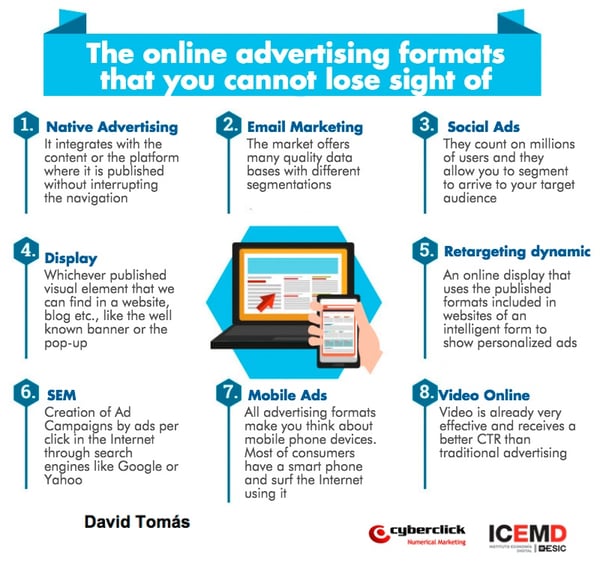
Search Engine Advertising: Platforms like Google Ads allow businesses to bid on keywords related to their products or services and display ads at the top of search engine results pages (SERPs).

Social Media Advertising: Social media platforms such as Facebook, Instagram, Twitter, and LinkedIn offer robust advertising options that enable businesses to target specific audiences based on demographics, interests, and behaviours.

Display Advertising: Display ads appear on websites within ad networks and can be targeted based on user behaviour or website content relevance.

In Conclusion

Paid digital marketing has become an indispensable tool for businesses looking to enhance their online visibility, drive traffic to their websites, and generate leads effectively. By harnessing the power of targeted advertising across various online channels, businesses can achieve remarkable results and stay ahead in today’s competitive digital landscape.


Understanding Paid Digital Marketing: Top 9 Frequently Asked Questions

  1. How to do paid digital marketing?
  2. What is most paid in digital marketing?
  3. Can you get paid for digital marketing?
  4. What are examples of paid marketing?
  5. What is paid digital marketing?
  6. What are paid digital marketing channels?
  7. What is a paid marketing strategy?
  8. What is the paid marketing?
  9. How does a digital marketer get paid?

How to do paid digital marketing?

To effectively engage in paid digital marketing, businesses can follow a strategic approach that involves several key steps. Firstly, it is essential to define clear objectives and identify the target audience to ensure that campaigns are tailored to reach the right people. Researching relevant keywords, demographics, and interests can help in creating targeted ads that resonate with potential customers. Choosing the appropriate digital marketing channels, such as search engine advertising or social media platforms, is crucial for maximising reach and impact. Regular monitoring of campaign performance through analytics and adjusting strategies based on data insights is also vital to optimise results and achieve desired outcomes in paid digital marketing efforts.

What is most paid in digital marketing?

In the realm of paid digital marketing, one of the most significant aspects that businesses invest in is targeted advertising. Targeted advertising allows businesses to tailor their marketing messages to specific demographics, interests, and behaviours, ensuring that their ads reach the right audience at the right time. By investing in targeted advertising, businesses can maximise their ROI by reaching potential customers who are more likely to engage with their products or services, ultimately leading to increased conversions and sales.

Can you get paid for digital marketing?

In the realm of digital marketing, professionals often wonder, “Can you get paid for digital marketing?” The answer is a resounding yes. Digital marketing offers a plethora of career opportunities where individuals can earn a living by leveraging their skills in areas such as social media management, search engine optimisation (SEO), content creation, email marketing, and more. Companies across industries are willing to invest in digital marketing expertise to enhance their online presence, reach their target audience, and drive business growth. As businesses increasingly recognise the value of effective digital strategies, skilled digital marketers are in high demand and can command competitive salaries or fees for their services.

What are examples of paid marketing?

Paid marketing encompasses a variety of strategies and channels that businesses can utilise to promote their products or services through paid placements. Examples of paid marketing include search engine advertising, where businesses bid on keywords to display ads on search engine results pages; social media advertising on platforms like Facebook, Instagram, Twitter, and LinkedIn to target specific audiences based on demographics and interests; display advertising that appears on websites within ad networks and can be targeted based on user behaviour or website content relevance; and influencer marketing, where brands collaborate with influencers to promote their products or services to a larger audience. These examples demonstrate the diverse opportunities available in paid marketing to reach and engage with target customers effectively.

What is paid digital marketing?

Paid digital marketing refers to the practice of using online advertising platforms to promote products or services through paid placements. This strategic approach allows businesses to target specific audiences based on demographics, interests, and online behaviours. By investing in paid digital marketing, businesses can increase their online visibility, drive traffic to their websites, and ultimately generate leads and sales. This method offers immediate results compared to organic strategies and provides measurable performance metrics to evaluate the effectiveness of campaigns. Paid digital marketing has become a vital tool for businesses aiming to reach their target audience effectively in today’s competitive online landscape.

What are paid digital marketing channels?

Paid digital marketing channels encompass a variety of online platforms and mediums through which businesses can promote their products or services by paying for ad placements. These channels include search engine advertising, social media advertising, display advertising, video advertising, email marketing, and more. Each channel offers unique targeting options and formats to reach specific audiences effectively. By utilising a combination of paid digital marketing channels, businesses can maximise their reach, engage with potential customers, and drive conversions to achieve their marketing goals in the competitive online landscape.

What is a paid marketing strategy?

A paid marketing strategy refers to the approach businesses take to promote their products or services through paid advertising channels online. It involves allocating a budget towards targeted advertisements on platforms such as search engines, social media, and display networks to reach specific audiences. By strategically investing in paid marketing tactics, businesses can increase brand visibility, drive website traffic, generate leads, and ultimately boost sales. This method allows companies to leverage data-driven insights and analytics to optimise their campaigns for maximum impact and return on investment in today’s competitive digital landscape.

What is the paid marketing?

Paid marketing, also known as paid digital marketing, refers to the practice of promoting products or services through online advertising channels for a fee. This form of marketing involves businesses paying to display their ads on various platforms such as search engines, social media networks, and websites. Paid marketing allows companies to target specific audiences based on demographics, interests, and behaviours, ensuring that their message reaches the right people at the right time. By investing in paid marketing strategies, businesses can increase brand visibility, drive website traffic, and generate leads effectively in today’s competitive digital landscape.

How does a digital marketer get paid?

In the realm of paid digital marketing, the compensation structure for digital marketers varies depending on the specific role and engagement. Typically, digital marketers can be paid through several methods, including a fixed salary, hourly rates, project-based fees, or performance-based incentives such as commissions or bonuses tied to the success of campaigns. Some digital marketers may also work on a freelance or contract basis, where payment terms are negotiated upfront based on the scope of work and deliverables. Ultimately, how a digital marketer gets paid is determined by factors such as their expertise, experience level, and the nature of the marketing services provided.

social media advertising

Unlocking the Potential of Social Media Advertising: A Guide to Effective Strategies

The Power of Social Media Advertising

The Power of Social Media Advertising

Social media advertising has revolutionised the way businesses connect with their target audience. With the rise of platforms like Facebook, Instagram, Twitter, and LinkedIn, companies now have unprecedented access to a vast pool of potential customers.

One of the key advantages of social media advertising is its ability to target specific demographics with precision. Through advanced targeting options, businesses can tailor their ads to reach users based on factors such as age, location, interests, and online behaviour. This level of targeting ensures that ads are seen by the right people, increasing the likelihood of engagement and conversion.

Furthermore, social media advertising offers unparalleled reach and visibility. With billions of active users across various platforms, businesses can amplify their brand message to a global audience at a fraction of the cost compared to traditional advertising methods. Whether it’s promoting products, driving website traffic, or increasing brand awareness, social media advertising provides a powerful platform for achieving marketing objectives.

In addition to targeting and reach, social media advertising also allows for real-time performance tracking and optimisation. Businesses can monitor key metrics such as click-through rates, conversions, and engagement levels to measure the effectiveness of their campaigns. This data-driven approach enables continuous refinement and improvement to maximise ROI and drive better results over time.

As social media continues to evolve and play an integral role in people’s lives, leveraging its advertising capabilities has become essential for businesses looking to stay competitive in today’s digital landscape. By harnessing the power of social media advertising, companies can engage with their audience on a personal level, build brand loyalty, and drive sustainable growth in an increasingly interconnected world.


Maximising Impact: The Top 7 Advantages of Social Media Advertising

  1. Precise targeting options to reach specific demographics
  2. Cost-effective compared to traditional advertising methods
  3. Global reach with access to billions of active users
  4. Increased brand visibility and awareness
  5. Real-time performance tracking for campaign optimisation
  6. Ability to engage with the audience on a personal level
  7. Facilitates building brand loyalty and trust


Challenges of Social Media Advertising: Navigating Ad Fatigue, Blockers, and Privacy Concerns

  1. 1. Ad fatigue
  2. 2. Ad blockers
  3. 3. Costly competition
  4. 4. Negative feedback
  5. 5. Limited organic reach
  6. 6. Data privacy concerns

Precise targeting options to reach specific demographics

Social media advertising offers a significant advantage through its precise targeting options, allowing businesses to tailor their ads to reach specific demographics with accuracy. By leveraging advanced targeting tools based on factors such as age, location, interests, and online behaviour, companies can ensure that their messages resonate with the right audience segments. This level of precision not only increases the effectiveness of ad campaigns but also enhances engagement and conversion rates by delivering relevant content to the individuals most likely to be interested in their products or services.

Cost-effective compared to traditional advertising methods

Social media advertising offers a significant advantage in terms of cost-effectiveness when compared to traditional advertising methods. Businesses can reach a large and targeted audience on social media platforms at a fraction of the cost of traditional print, TV, or radio ads. With the ability to set specific budgets, track performance metrics in real-time, and adjust campaigns as needed, social media advertising provides a cost-efficient solution for companies looking to maximise their marketing budget and achieve measurable results.

Global reach with access to billions of active users

One of the standout advantages of social media advertising is its unparalleled global reach, granting businesses access to billions of active users across various platforms. This vast audience presents a unique opportunity for companies to amplify their brand message and engage with potential customers on a global scale. By tapping into this extensive user base, businesses can expand their reach far beyond traditional boundaries, increasing brand visibility and opening up new avenues for growth and market expansion.

Increased brand visibility and awareness

Social media advertising offers businesses the opportunity to significantly boost their brand visibility and awareness. By strategically promoting content and ads across popular social platforms, companies can reach a broader audience and increase their brand recognition. This increased visibility not only helps in attracting new customers but also reinforces brand loyalty among existing ones. Through targeted campaigns that showcase the unique value proposition of the brand, businesses can leave a lasting impression on users, ultimately driving engagement and fostering a strong brand presence in the competitive digital landscape.

Real-time performance tracking for campaign optimisation

One significant advantage of social media advertising is the ability to conduct real-time performance tracking for campaign optimisation. By monitoring key metrics such as engagement rates, click-throughs, and conversions in real-time, businesses can make data-driven decisions to adjust their strategies on the fly. This agile approach allows for continuous refinement and improvement of advertising campaigns, leading to better results and a higher return on investment. The ability to track performance in real-time empowers businesses to adapt quickly to changing market conditions and consumer behaviour, ensuring that their advertising efforts remain effective and relevant in a dynamic digital landscape.

Ability to engage with the audience on a personal level

Social media advertising offers businesses the unique advantage of engaging with their audience on a personal level. By leveraging the interactive nature of social platforms, companies can create tailored content that resonates with individual users, fostering a sense of connection and authenticity. This personalised approach not only enhances brand loyalty but also encourages meaningful interactions, feedback, and customer relationships. Through targeted messaging and direct communication, businesses can establish a genuine rapport with their audience, leading to increased trust, engagement, and long-term customer retention.

Facilitates building brand loyalty and trust

Social media advertising serves as a powerful tool in facilitating the building of brand loyalty and trust among consumers. By engaging with audiences on social platforms through targeted and personalised content, businesses can establish meaningful connections that resonate with their customers. Consistent interaction, transparency, and authenticity in communication foster trust, while showcasing brand values and fostering a sense of community help to cultivate lasting loyalty. Through strategic use of social media advertising, companies can nurture relationships with their audience, enhance brand perception, and create a loyal customer base that advocates for their brand.

1. Ad fatigue

One significant drawback of social media advertising is ad fatigue, where users may experience a sense of weariness from encountering repetitive ads on their feeds. This phenomenon can result in decreased engagement levels as individuals become desensitised to the content being promoted. The oversaturation of similar advertisements can lead to a negative user experience, potentially causing users to ignore or scroll past ads altogether. To combat ad fatigue, businesses need to employ strategic ad rotation, creative variation, and audience targeting to ensure that their ads remain fresh and relevant to maintain user interest and maximise campaign effectiveness.

2. Ad blockers

One significant drawback of social media advertising is the prevalence of ad blockers among users. Ad-blocking software has become increasingly popular, allowing individuals to filter out unwanted ads, including those on social media platforms. As a result, businesses investing in social media advertising may find their ads blocked and their reach limited, impacting the effectiveness of their campaigns. This challenge underscores the need for marketers to explore alternative strategies to engage with audiences who actively avoid traditional forms of online advertising.

3. Costly competition

The rise in popularity of social media advertising has brought about a significant challenge for businesses: the escalating costs due to heightened competition. As more companies flock to social media platforms to promote their products and services, the bidding war for ad space intensifies, resulting in inflated advertising expenses. This increased competition makes it harder for businesses, especially smaller ones with limited budgets, to effectively reach their target audience without having to allocate substantial resources towards advertising campaigns. The cost factor poses a notable con of social media advertising, requiring businesses to strategize carefully and optimise their campaigns to achieve cost-effective results amidst the competitive landscape.

4. Negative feedback

In certain instances, social media advertising can be accompanied by negative feedback from users, which has the potential to harm a brand’s reputation. Negative comments or feedback on ads can spread quickly across social platforms, influencing how the public perceives a company or its products. Managing and addressing such feedback effectively is crucial to mitigating any adverse impact on brand image and maintaining a positive online reputation.

5. Limited organic reach

In the realm of social media advertising, one significant drawback is the limited organic reach that businesses face on platforms. With algorithms favouring paid content, organic posts often struggle to gain visibility among users. This shift in prioritisation makes it increasingly challenging for businesses to organically reach their target audience without allocating resources towards paid advertising efforts. As a result, companies must navigate this landscape strategically to ensure their message resonates with their audience effectively, despite the limitations of organic reach on social media platforms.

6. Data privacy concerns

Social media advertising’s reliance on user data for targeting purposes raises significant data privacy concerns. As businesses utilise this data to tailor ads to specific demographics, consumers are increasingly wary of how their personal information is being used. This has led to growing apprehension among users about the protection of their data and the potential implications of targeted advertising on their online privacy. The lack of transparency in data collection practices and the risk of data breaches have fuelled concerns, potentially leading to backlash from consumers who value their privacy rights in the digital age.