boutique digital marketing agency

How to Choose the Right Boutique Digital Marketing Agency

What Is a Boutique Digital Marketing Agency?

A boutique digital marketing agency is a smaller, specialist firm that provides tailored marketing support to businesses. Rather than offering a one-size-fits-all service, a boutique agency typically works closely with each client to understand their goals, audience and challenges.

The word “boutique” suggests a personal, focused approach. It does not necessarily mean an agency only works with small businesses. Boutique agencies may support start-ups, established companies or larger organisations looking for specialist expertise and a more collaborative working relationship.

What Services Might a Boutique Agency Offer?

Services vary from agency to agency. Some concentrate on one area of digital marketing, while others bring several disciplines together. Common services include:

  • Strategy: setting marketing goals, researching audiences and planning campaigns.
  • Search engine optimisation: improving a website’s visibility in relevant search results.
  • Content marketing: creating useful articles, landing pages, email content and other materials.
  • Paid advertising: managing campaigns across search engines and social media platforms.
  • Social media: developing content and campaigns for the channels used by a business’s audience.
  • Website and conversion optimisation: making online experiences clearer and helping more visitors take action.
  • Analytics and reporting: measuring performance and using data to guide future decisions.

Potential Benefits of Working with a Boutique Digital Marketing Agency

A More Personal Working Relationship

With a smaller team, clients may have more direct contact with the people working on their projects. This can make it easier to share feedback, discuss priorities and keep work moving. The experience will depend on the agency’s structure, so it is worth asking who will manage the account and deliver the work.

Tailored Recommendations

A good agency starts by learning about the business, its customers and its objectives. Recommendations should reflect those details rather than simply follow a standard package. This can be particularly useful for businesses with a distinctive offer, a niche audience or limited marketing resources.

Specialist Expertise

Many boutique agencies build their work around particular channels, sectors or types of challenge. That focus can offer access to relevant experience and a deeper understanding of specific marketing needs. Before appointing an agency, ask about its experience and the methods it would use for your particular goals.

Flexibility

A smaller agency may be able to adapt its plans as a business changes. For example, priorities might shift after a new product launch, a change in customer demand or the results of an early campaign. Clear processes and realistic expectations still matter: flexibility should not come at the expense of planning or accountability.

What to Consider Before Choosing an Agency

The right partner should be able to explain how its work will support your business objectives. When comparing agencies, consider the following:

  • Relevant experience: Has the agency worked on similar challenges or with comparable audiences?
  • Services and capabilities: Does it have the skills required, or does it work with trusted specialists?
  • Communication: How often will you meet, and who will be your main point of contact?
  • Measurement: Which results will be tracked, and how will progress be reported?
  • Scope and fees: What is included, what is not, and how are additional requests handled?
  • Working style: Does the agency’s approach suit your team, timescales and decision-making process?

It is also sensible to ask how the agency approaches testing and learning. Digital marketing rarely delivers every answer at the outset. A strong partner will explain what it plans to test, how it will assess the results and when it may recommend a change in direction.

Is a Boutique Agency the Right Choice?

A boutique digital marketing agency may suit a business that values close collaboration, specialist support and a tailored approach. It may be less suitable if a company needs a very large in-house team, extensive services across many countries or round-the-clock support. In those cases, a larger agency or a combination of providers may be a better fit.

Agency size alone does not determine quality. The important questions are whether the team understands your aims, can deliver the work effectively and communicates clearly about progress and results.

Making the Most of the Partnership

Successful agency relationships work both ways. Share your business context, customer insights and internal constraints early on. Agree priorities, responsibilities and measures of success before work begins, and make time to review performance together.

With a clear brief and open communication, a boutique digital marketing agency can become a valuable partner—helping a business make informed marketing decisions, reach the right audience and build sustainable online growth.


Understanding Boutique Digital Marketing Agencies: Key FAQs Answered

  1. What is a boutique digital marketing agency?
  2. What services does a boutique digital marketing agency offer?
  3. How is a boutique digital marketing agency different from a larger agency?
  4. What are the benefits of working with a boutique digital marketing agency?
  5. How much does it cost to hire a boutique digital marketing agency in the UK?
  6. How do I choose the right boutique digital marketing agency for my business?
  7. Can a boutique digital marketing agency work with businesses in any industry?
  8. How long does it take to see results from digital marketing?
  9. How can I measure the success of a boutique digital marketing agency?

What is a boutique digital marketing agency?

A boutique digital marketing agency is a smaller, specialist firm that offers personalised marketing support tailored to each client’s goals, audience and budget. It may focus on particular services, such as SEO, content, social media or paid advertising, or bring several disciplines together. Clients often work closely with a focused team, though the agency’s size and services can vary.

What services does a boutique digital marketing agency offer?

A boutique digital marketing agency may offer a tailored mix of services, including digital strategy, search engine optimisation (SEO), content creation, social media management, paid advertising, email marketing, website design and analytics. Its services vary depending on its areas of expertise, so it’s worth asking how the agency can support your specific goals and which results it will measure.

How is a boutique digital marketing agency different from a larger agency?

A boutique digital marketing agency usually offers a more focused, personal service, with clients often working directly with the specialists delivering their campaigns. A larger agency may have broader resources, bigger teams and a wider range of services, which can suit businesses with complex or international needs. The best choice depends on your priorities: consider the expertise, communication style, capacity and approach that will work best for your business, rather than size alone.

What are the benefits of working with a boutique digital marketing agency?

Working with a boutique digital marketing agency can give your business a more personal, tailored service, with direct access to specialists who take time to understand your goals, audience and challenges. A focused team may also offer greater flexibility, clear communication and expertise in specific channels or sectors. Rather than relying on a standard package, you can work together on a strategy that suits your priorities and budget, with regular reviews to see what is working and where to improve.

How much does it cost to hire a boutique digital marketing agency in the UK?

The cost of hiring a boutique digital marketing agency in the UK depends on the services required, the size of your business and the complexity of your campaigns. As a broad guide, ongoing support may cost around £1,000 to £5,000 or more per month, while one-off projects are usually priced according to their scope. Specialist services, larger campaigns or work across several channels can cost more. Ask for a clear proposal outlining what is included, how results will be measured and whether any additional costs—such as advertising spend—are charged separately.

How do I choose the right boutique digital marketing agency for my business?

Choose a boutique digital marketing agency by looking for a team that understands your business, audience and goals—not just one with an impressive portfolio. Check its experience with similar challenges, ask who will work on your account and clarify which services, deliverables and costs are included. Find out how it measures success, reports results and adapts its approach when campaigns need to change. It’s also important to choose an agency whose communication style suits your team. Compare a few options, ask for relevant case studies and make sure you agree on clear objectives before starting.

Can a boutique digital marketing agency work with businesses in any industry?

Yes, a boutique digital marketing agency can work with businesses across a wide range of industries. Some agencies have experience in several sectors, while others specialise in particular markets. The key is to choose an agency that understands your audience, goals and challenges—or has a clear approach to learning about them. Ask about its relevant experience and how it would tailor its strategy to your business.

How long does it take to see results from digital marketing?

The time it takes to see results from digital marketing depends on your goals, channels and starting point. Paid advertising can generate traffic and enquiries relatively quickly, while SEO and content marketing usually take longer to build momentum and may need several months of consistent work. A boutique digital marketing agency can set realistic expectations, track meaningful measures from the outset and refine the strategy as performance data comes in.

How can I measure the success of a boutique digital marketing agency?

Measure a boutique digital marketing agency’s success against the goals agreed at the start of your partnership. Track relevant metrics such as qualified leads, sales, conversion rates, website traffic, search visibility or return on advertising spend—not just likes or impressions. Ask for regular reports that explain what the figures mean, how results compare with your targets and what the agency plans to improve next. The right measures will depend on your business objectives, and results may take time, so review progress over an agreed period rather than relying on a single campaign or month.

digital marketing agency ads

Digital Marketing Agency Ads: A Practical Guide to Reaching the Right Audience

Digital Marketing Agency Ads: How Paid Advertising Can Help Your Business Grow

Digital marketing agency ads can help businesses reach the right people, generate leads and increase sales. From search engine campaigns to social media promotions, paid advertising gives brands a way to appear in front of potential customers when they are looking for a product, service or solution.

Running effective campaigns involves more than setting a budget and publishing an advert. It takes careful planning, relevant creative, audience insight and regular optimisation. A digital marketing agency can bring these elements together to make advertising more focused and measurable.

What are digital marketing agency ads?

The phrase can refer to two things: adverts created and managed by a digital marketing agency for its clients, or adverts an agency uses to promote its own services. In either case, the fundamentals are similar. A successful campaign needs a clear objective, a well-defined audience, a compelling message and a way to measure results.

Agencies may manage campaigns across platforms such as Google Ads, Microsoft Advertising, Meta, LinkedIn, TikTok and other digital channels. The right mix depends on the audience, the offer and the outcome a business wants to achieve.

Common types of digital advertising

  • Paid search: Search adverts can appear when people look for specific products or services. They are often useful for reaching audiences with a clear and immediate need.
  • Paid social: Adverts on social platforms can introduce a brand, promote an offer or encourage people to take action. Targeting options may include interests, location and other audience characteristics.
  • Display advertising: Image-based adverts can appear across websites and apps, helping businesses build awareness or reconnect with previous visitors.
  • Video advertising: Video can explain a product, demonstrate a service or tell a brand story across social platforms and video networks.
  • Remarketing: Remarketing campaigns show adverts to people who have already visited a website or interacted with a business, subject to platform settings and applicable privacy requirements.
  • Professional network advertising: Platforms such as LinkedIn can help businesses reach specific professional audiences, particularly in business-to-business marketing.

What a digital marketing agency can do

A digital marketing agency can support the full advertising process, from initial research to ongoing campaign management. This may include:

  • Defining campaign goals and key performance indicators.
  • Researching audiences, competitors and search terms.
  • Choosing suitable advertising platforms and formats.
  • Writing advert copy and developing creative assets.
  • Setting up tracking and conversion measurement.
  • Managing budgets, bids and audience targeting.
  • Testing different messages, formats and landing pages.
  • Reviewing performance and recommending improvements.

Good campaign management is an ongoing process. An agency should use performance data to identify what is working, what needs attention and where the budget may be better spent.

How to make digital advertising more effective

Start with a specific objective

Decide what the campaign needs to achieve. The objective might be to increase brand awareness, generate enquiries, sell products or encourage bookings. A clear goal helps determine the right platform, campaign structure and measures of success.

Understand the audience

Effective advertising speaks to the needs and motivations of its intended audience. Consider what potential customers are looking for, what questions they have and what might prevent them from taking action. Audience research can help shape both the advert and the page people visit after clicking it.

Make the message clear

People often see adverts briefly, so the main benefit should be easy to understand. Use straightforward language, explain what makes the offer relevant and include a clear call to action. Avoid promising results that cannot be substantiated.

Connect adverts to relevant landing pages

An advert may attract attention, but the landing page needs to continue the conversation. It should match the advert’s message, provide useful information and make the next step clear. A slow, confusing or unrelated page can undermine an otherwise strong campaign.

Measure meaningful results

Clicks and impressions can help show how an advert is performing, but they do not always reveal its business value. Depending on the campaign, useful measures may include qualified leads, completed purchases, cost per acquisition, return on advertising spend or the quality of enquiries.

Choosing an agency to manage your ads

When comparing agencies, look beyond broad promises. Ask how they will learn about your business, choose platforms, report on results and manage your budget. It is also worth clarifying who owns the advertising accounts, how often performance will be reviewed and what is included in the agency’s fees.

Clear communication matters. A good working relationship should include understandable reporting, realistic expectations and a shared view of what success means. The agency should be able to explain its recommendations in plain language and show how campaign decisions relate to your objectives.

Final thoughts

Digital marketing agency ads can help businesses reach new audiences and turn interest into action, but results depend on strategy as well as spend. The strongest campaigns combine a clear objective, relevant targeting, persuasive creative and a useful destination for the audience.

Whether you manage advertising in-house or work with an agency, regular testing and thoughtful measurement can help you make better decisions over time. Treat paid advertising as part of a wider marketing plan, and ensure each campaign supports a meaningful business goal.


Top 5 Tips for Effective Digital Marketing Agency Advertising

  1. Target a clearly defined audience.
  2. Lead with a measurable client benefit.
  3. Show proof with case studies or results.
  4. Use a clear, specific call to action.
  5. Test and optimise different ad creatives.

Target a clearly defined audience.

Targeting a clearly defined audience helps make your digital marketing agency ads more relevant and effective. Consider who you want to reach, what challenges they face and which platforms they use, then tailor your messaging and creative to their needs. Focused targeting can reduce wasted spend and increase the likelihood of attracting quality enquiries, while regular performance reviews help you refine your audience over time.

Lead with a measurable client benefit.

Lead with a measurable client benefit to show potential customers what your agency can help them achieve. Instead of making broad claims such as “we deliver great marketing”, highlight a specific, evidence-based outcome, such as increasing qualified enquiries, reducing cost per lead or improving online sales. Use clear figures only when they can be substantiated, and explain the context behind them. A concrete benefit makes your advert more credible, helps the right clients recognise its relevance and gives them a clear reason to find out more.

Show proof with case studies or results.

Show proof of your agency’s impact by sharing relevant case studies or results. Explain the client’s challenge, the strategy you used and the outcome, using clear figures where possible, such as increased enquiries, sales or website traffic. Make sure the evidence is accurate, recent and presented with the client’s permission. Specific, credible examples help potential clients understand what your agency can do and build confidence in your advertising claims.

Use a clear, specific call to action.

Use a clear, specific call to action so people know exactly what to do next. Rather than a vague phrase such as “Find out more”, try wording that reflects your goal, such as “Book a free consultation”, “Shop the collection” or “Download the guide”. Make sure the action is easy to understand and matches the advert and landing page.

Test and optimise different ad creatives.

Test and optimise different ad creatives to discover what resonates most with your audience. Experiment with variations in headlines, images, video, calls to action and messaging, while changing one element at a time where possible. Track meaningful results, such as qualified leads or sales, rather than clicks alone, and use what you learn to refine future adverts. Regular testing helps keep campaigns relevant and make better use of your advertising budget.

digital marketing and communication

Digital Marketing and Communication: Building Stronger Connections Online

Digital Marketing and Communication: Building Stronger Connections Online

Digital marketing and communication are closely connected. Marketing helps businesses reach the right people, while communication builds the trust and understanding that turn an audience into a community of customers. When the two work together, a business can share a consistent message, create meaningful experiences and support lasting relationships.

What is digital marketing?

Digital marketing is the promotion of a business, product or service through online channels. These may include websites, search engines, social media, email and digital advertising. The right mix depends on a business’s goals, audience and resources.

Common digital marketing activities include:

  • Search engine optimisation (SEO): Improving a website so it can be found more easily through relevant search results.
  • Content marketing: Creating useful articles, guides, videos and other content for an intended audience.
  • Social media marketing: Sharing content and engaging with people on social platforms.
  • Email marketing: Sending relevant updates, offers and information to people who have chosen to hear from a business.
  • Online advertising: Using paid placements to reach specific audiences or encourage particular actions.

Why communication matters

Digital channels make it possible to communicate quickly and on a large scale. But simply publishing more content does not guarantee that people will notice, understand or trust a message. Effective communication starts with listening: learning what an audience needs, what questions it has and which channels it prefers.

Clear communication can help a business explain what it offers, set realistic expectations and make it easier for customers to take the next step. It also gives people a reason to engage, whether that means asking a question, signing up for updates or making a purchase.

Creating a consistent message

People may encounter a business through a search result, a social media post, an email or its website. Each interaction should feel recognisably connected to the same brand. Consistency does not mean using identical wording everywhere. It means keeping the core message, tone and visual identity aligned while adapting the format to suit each channel.

A useful starting point is to define:

  • Who the business is trying to reach.
  • What those people need or want to know.
  • What makes the business’s offer relevant.
  • What action readers should take next.
  • How the brand should sound across different channels.

Choose channels with purpose

Being active on every digital platform is not always practical or effective. A better approach is to focus on the channels that suit the audience and the business’s objectives. For example, a detailed guide may work well on a website, while a short update may be better suited to social media. Email can be useful for sharing information with subscribers, provided messages remain relevant and easy to manage.

Each channel should have a clear role. A website might provide comprehensive information, social media might support conversation and discovery, and email might keep an opted-in audience informed. Together, these channels can create a more connected customer experience.

Make content useful and accessible

Good digital communication is centred on the audience, not just the organisation. Content should answer genuine questions, use plain language and avoid unnecessary jargon. It should also be accessible: use clear headings, descriptive links, readable layouts and alternative text for meaningful images.

Useful content can take many forms, including how-to articles, FAQs, product information, case studies and short videos. The format matters less than whether the content is accurate, relevant and easy to understand.

Measure what matters

Digital marketing provides data that can help businesses understand how their communications are performing. The right measures depend on the goal. Website visits may indicate interest, while enquiries, sign-ups or sales may offer a clearer view of action taken. Engagement figures can provide context, but they should not be treated as success on their own.

Reviewing results regularly helps a business identify what is working and where improvements may be needed. It is also important to interpret data carefully, taking account of the audience, campaign timing and other factors that could affect performance.

Build trust over time

Trust grows through consistent, honest communication. Businesses should be clear about what they offer, respond thoughtfully to feedback and avoid promises they cannot support. They should also respect people’s privacy and follow applicable data protection and marketing rules, including requirements around consent and unsubscribing from marketing emails.

Not every interaction needs to lead directly to a sale. Helpful advice, timely answers and straightforward information can all contribute to a positive relationship with a brand.

Bringing digital marketing and communication together

Effective digital marketing is more than choosing platforms or publishing campaigns. It is an ongoing process of understanding an audience, sharing useful information, listening to responses and improving the experience. When communication is clear and marketing activity has a defined purpose, businesses can make better use of their digital channels and create stronger connections with the people they serve.


Top 5 FAQs on Digital Marketing and Communication: Understanding Strategies, Costs, and Success Metrics

  1. What is digital marketing and how does it work?
  2. Which digital marketing channels are best for my business?
  3. How can I improve my digital marketing communication?
  4. How much does digital marketing cost?
  5. How can I measure the success of a digital marketing campaign?

What is digital marketing and how does it work?

Digital marketing is the promotion of a business, product or service through online channels such as search engines, websites, social media, email and digital advertising. It works by helping a business reach relevant audiences, share useful or persuasive messages, and encourage actions such as visiting a website, making an enquiry or completing a purchase. By measuring results—such as visits, engagement and conversions—businesses can understand what is effective and refine their marketing over time.

Which digital marketing channels are best for my business?

The best digital marketing channels depend on your business goals, audience and budget. Consider where your customers spend time online and how they prefer to find information: SEO can help people discover your website through search engines, social media can build awareness and encourage conversation, while email can nurture relationships with subscribers. Paid advertising may help you reach a specific audience quickly, but it needs careful planning and monitoring. Rather than trying to use every channel, choose the ones that suit your customers and focus on measuring results so you can refine your approach over time.

How can I improve my digital marketing communication?

To improve your digital marketing communication, start by understanding your audience and the questions, needs and channels that matter to them. Set clear goals, use plain and consistent language, and tailor your message to each platform rather than sharing the same content everywhere. Create useful, accessible content, make the next step clear and respond promptly to comments or enquiries. Finally, review performance regularly—using measures such as engagement, enquiries and conversions—and use what you learn to refine your approach.

How much does digital marketing cost?

The cost of digital marketing varies depending on your goals, the channels you use and the level of support you need. A focused SEO or social media campaign may require a smaller budget than a multi-channel strategy involving paid advertising, content creation and ongoing management. Costs can also depend on how competitive your market is and whether you work with an agency, a freelancer or an in-house team. A good starting point is to set clear objectives and agree a budget, then review performance regularly to understand what is delivering value.

How can I measure the success of a digital marketing campaign?

Measure the success of a digital marketing campaign by comparing its results with the goals set before launch. Choose relevant key performance indicators (KPIs), such as website visits, engagement, enquiries, email sign-ups or sales, and track them using tools such as website analytics and advertising dashboards. Consider both the number and quality of responses, the campaign’s cost and return on investment, and how results compare with previous activity. Reviewing these measures regularly can show what is working and where adjustments may improve performance.

digital marketing google garage

Digital Marketing: A Practical Guide to Google Digital Garage

Digital Marketing and Google Digital Garage: A Practical Guide

Learning digital marketing can feel daunting, especially if you are new to online advertising, search engines and analytics. Google Digital Garage has helped make the subject more accessible by offering online learning designed to build practical digital skills. Whether you run a small business, are looking to improve your CV or simply want to understand how online marketing works, its resources can provide a useful place to start.

What is Google Digital Garage?

Google Digital Garage is Google’s digital-skills learning initiative. It has offered courses and learning resources covering topics such as digital marketing, online business and career development. Course availability and formats can change, so it is worth checking Google’s current learning platforms for the latest options.

Digital marketing courses typically introduce the main ways organisations reach and engage people online. Depending on the course, this may include search engine optimisation (SEO), paid search advertising, social media, email marketing, content creation, online measurement and e-commerce.

What can you learn about digital marketing?

A digital marketing course can help explain how different channels work together. For example, a business might publish useful website content to attract visitors from search engines, promote that content on social media and use analytics to understand which pages are most effective.

  • Search engine optimisation: Learn the fundamentals of making website content easier for search engines and people to understand.
  • Online advertising: Explore how paid campaigns can reach specific audiences and how budgets and results are measured.
  • Social media: Understand how businesses can use social platforms to share content and build relationships with customers.
  • Content marketing: Discover how helpful articles, videos and other resources can support a brand’s marketing goals.
  • Analytics: Learn how website and campaign data can help identify what is working and where improvements may be needed.

Who might benefit?

Google’s learning resources can be useful for beginners, small-business owners, students and people considering a career in marketing. They may also help business owners who want to understand the basics before choosing an agency or investing in advertising.

For those starting out, structured online learning offers a way to explore key concepts at their own pace. For more experienced marketers, introductory material can provide a refresher or help fill gaps in knowledge.

How to get the most from a course

Digital marketing is best learned by putting ideas into practice. As you study, try applying each concept to a real project. This could be your own website, a small business, a community group or a sample campaign.

  1. Set a clear goal. Decide what you want to achieve, such as attracting more website visitors or improving your understanding of SEO.
  2. Take notes and test ideas. Use the course concepts to make small, measurable changes to a website or campaign.
  3. Measure the results. Look at relevant data, such as visits, enquiries or sales, rather than relying only on likes and impressions.
  4. Keep learning. Search engines, advertising platforms and social networks change regularly, so digital marketing skills need ongoing development.

Is a Google Digital Garage certificate enough?

A certificate can show that you have completed a course, but it is only one part of a strong marketing profile. Employers and clients may also look for practical experience, clear communication skills and evidence that you can use data to make informed decisions.

Consider building a small portfolio alongside your studies. You could write a search-friendly article, create a content plan or explain how you would improve a website’s user experience. Be clear about what you did and what you learned, particularly if you are using a practice project rather than work for a client.

Learning is the starting point

Google Digital Garage has helped introduce many learners to digital marketing through accessible online education. Its courses can provide a solid grounding in essential topics, but the greatest value comes from combining learning with practical experience and regular review.

Before enrolling, check Google’s current learning platforms for available courses, course length, assessment details and any certificate information. Then choose a topic that fits your goals and put what you learn into practice.


Frequently Asked Questions About Google Digital Garage and Its Digital Marketing Courses

  1. What is Google Digital Garage and how does it relate to digital marketing?
  2. Is Google Digital Garage free to use?
  3. Does Google Digital Garage offer a digital marketing course?
  4. Can I earn a certificate in digital marketing through Google Digital Garage?
  5. How long does the Google Digital Garage digital marketing course take?
  6. Is the Google Digital Garage certificate recognised by employers in the UK?
  7. What topics are covered in Google Digital Garage’s digital marketing training?
  8. Can beginners learn digital marketing through Google Digital Garage?
  9. How do I enrol in a Google Digital Garage digital marketing course?

What is Google Digital Garage and how does it relate to digital marketing?

Google Digital Garage is Google’s online learning initiative, offering courses and resources to help people develop digital skills. Its digital marketing content introduces topics such as search engine optimisation (SEO), online advertising, social media and analytics, helping learners understand how businesses can reach and engage audiences online. Course availability may change, so check Google’s learning platforms for the latest options.

Is Google Digital Garage free to use?

Yes, Google Digital Garage has offered free online courses and learning resources, including training in digital marketing. Course availability and formats can change, so check Google’s current learning platforms for the latest details, including whether a course or certificate is free.

Does Google Digital Garage offer a digital marketing course?

Yes, Google has offered a free online Fundamentals of Digital Marketing course through Google Digital Garage, covering topics such as search, social media, content and analytics. Course availability and certification details can change, so check Google’s official learning platforms for the latest information.

Can I earn a certificate in digital marketing through Google Digital Garage?

Yes, Google Digital Garage has offered a certificate in digital marketing for learners who complete the relevant course and pass its final assessment. Course availability and certification requirements can change, so check Google’s current learning platform for the latest details before you enrol.

How long does the Google Digital Garage digital marketing course take?

The Google Digital Garage Fundamentals of Digital Marketing course was designed to take around 40 hours to complete. It is self-paced, so you can study in shorter sessions and fit the learning around your schedule. Course availability and content may change, so check Google’s current course listing for the latest details.

Is the Google Digital Garage certificate recognised by employers in the UK?

The Google Digital Garage certificate can be a useful addition to your CV in the UK, as it shows that you’ve completed introductory digital marketing training. However, it isn’t a formal qualification, and recognition varies between employers; many will also look for practical experience and evidence of relevant skills. For the strongest application, pair the certificate with examples of your work and check that the course and certificate are currently available.

What topics are covered in Google Digital Garage’s digital marketing training?

Google Digital Garage’s digital marketing training covers a range of core topics to help learners understand how to promote a business online. Depending on the course, subjects may include search engine optimisation (SEO), paid search advertising, social media, content and email marketing, online shopping, website performance and analytics. Course content can change, so check Google’s current learning platform for the latest syllabus.

Can beginners learn digital marketing through Google Digital Garage?

Yes, beginners can learn the fundamentals of digital marketing through Google Digital Garage’s online learning resources. Courses may cover topics such as search engine optimisation, social media, online advertising and analytics, making them a helpful starting point for building digital skills at your own pace. Course availability and content can change, so check Google’s current learning platforms for the latest options.

How do I enrol in a Google Digital Garage digital marketing course?

To enrol in a Google Digital Garage digital marketing course, visit Google’s current online learning platform and search for available digital marketing courses. Choose a course that suits your needs, then follow the prompts to sign in or create an account and begin learning. Course availability and enrolment steps can change, so check the details shown on Google’s official website before you start.

digital marketing and traditional marketing

Digital Marketing and Traditional Marketing: How to Choose the Right Mix

Digital Marketing and Traditional Marketing: Finding the Right Balance

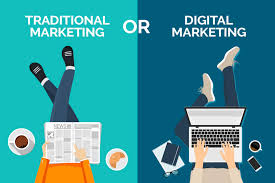
Marketing helps businesses connect with customers, build awareness and encourage people to take action. Today, that can mean anything from a social media campaign to a newspaper advert. While digital marketing has transformed how organisations reach audiences, traditional marketing still has a valuable role to play. Understanding the strengths of each can help businesses choose the right approach.

What is digital marketing?

Digital marketing uses online channels and technologies to promote a business, product or service. Common examples include:

  • Search engine optimisation (SEO)
  • Paid search and online display advertising
  • Social media marketing
  • Email marketing
  • Content marketing, including blogs, video and podcasts
  • Influencer and affiliate marketing

Digital channels allow businesses to reach people while they are browsing, searching, watching or communicating online. Campaigns can often be adjusted quickly, and performance can be measured using data such as website visits, clicks, enquiries and sales.

What is traditional marketing?

Traditional marketing refers to promotional methods that are not primarily online. These include:

  • Television and radio advertising
  • Newspaper and magazine adverts
  • Direct mail and printed leaflets
  • Outdoor advertising, such as billboards and posters
  • Events, sponsorships and in-person promotions

These channels can help a business reach people in their everyday surroundings. A well-placed poster, a memorable radio advert or a useful leaflet can make a brand familiar to a local audience.

Key differences

Reach and targeting

Digital marketing can target audiences by factors such as location, interests, search behaviour and the content they engage with. This can make it useful for reaching specific groups, including customers in a particular area.

Traditional marketing can offer broad exposure. A local newspaper, community event or outdoor advert may reach people who do not follow a business online. However, it can be harder to control exactly who sees a particular campaign.

Measurement

Digital campaigns often provide detailed performance data. Businesses can track how many people viewed an advert, visited a website or completed an action. This information can guide changes to a campaign while it is running.

Traditional marketing can be more difficult to measure precisely. Businesses may use methods such as offer codes, customer surveys or changes in sales to estimate its impact, but results are not always as immediate or detailed.

Cost and flexibility

Digital marketing budgets can vary widely. Some activities, such as creating useful website content, may be developed gradually, while paid advertising requires a set budget. Campaigns can usually be updated or paused relatively quickly.

Traditional marketing costs also vary, depending on the channel, production and placement. Once a print advert has been published or a poster campaign installed, making changes may be more difficult or expensive.

Trust and experience

Digital marketing offers convenience and interactivity. Customers can click through to a website, ask a question or make a purchase. At the same time, online audiences see a large volume of promotional content, so businesses need to earn attention with relevant, helpful communication.

Traditional marketing can create a physical or shared experience. Printed materials, events and broadcast advertising may help a brand feel familiar and tangible. Their effectiveness depends on the audience, the quality of the message and the context in which it appears.

Why businesses may use both

Digital and traditional marketing are not competing choices. Used together, they can support a consistent customer journey. For example, a business could advertise a local event through posters and local press, then use social media and email to share reminders and follow up with attendees.

A campaign might also combine outdoor advertising with a simple web address or QR code, making it easy for people to find more information online. Likewise, digital advertising can promote an in-person service, shop or event to people nearby.

The important thing is to keep the message and branding consistent across channels. Customers should recognise the same business, understand the same offer and know what to do next, wherever they encounter the campaign.

How to choose the right approach

Before selecting channels, consider:

  • Your audience: Where do your customers spend their time, and how do they prefer to receive information?
  • Your objective: Are you aiming to build awareness, generate enquiries, increase sales or encourage repeat business?
  • Your budget: What can you invest in planning, creative work, distribution and ongoing management?
  • Your location: Would local visibility or a wider geographical reach be more useful?
  • Your measures of success: Decide how you will assess results before the campaign begins.

There is no single marketing mix that works for every organisation. A small local business may benefit from a strong local presence supported by a well-maintained website and social media. A business selling nationally may rely more heavily on online channels, while still using print, events or broadcast advertising where they suit its audience.

Conclusion

Digital marketing offers flexibility, interactivity and detailed measurement, while traditional marketing can provide broad visibility and memorable real-world experiences. Both can contribute to business growth when they are chosen with a clear purpose and a good understanding of the audience.

Rather than asking which type of marketing is better, businesses should ask how each channel can help achieve their objectives. A considered combination of digital and traditional marketing can make a brand easier to discover, recognise and trust.


Maximising Impact: The Benefits of Integrating Digital and Traditional Marketing Strategies

  1. Digital marketing can target specific audiences.
  2. Traditional marketing can reach local communities.
  3. Digital campaigns are easy to measure.
  4. Print and broadcast adverts can build brand recognition.
  5. Online campaigns can be updated quickly.
  6. Using both can create a consistent customer journey.


Challenges of Balancing Digital and Traditional Marketing Approaches

  1. Digital marketing can be crowded and requires ongoing effort to stand out.
  2. Traditional marketing can be costly and difficult to measure accurately.
  3. Using both approaches can stretch budgets and make campaigns harder to coordinate.

Digital marketing can target specific audiences.

Digital marketing can target specific audiences by using factors such as location, interests, age group and online behaviour. This helps businesses tailor their messages to people who are more likely to be interested in their products or services, making campaigns more relevant and efficient. Traditional marketing can also reach selected groups through channels such as local newspapers, radio stations or community events, but digital tools often allow for more precise targeting and easier adjustment as a campaign progresses.

Traditional marketing can reach local communities.

Traditional marketing can be an effective way to reach local communities and build familiarity in a specific area. Local newspapers, radio stations, leaflets, posters and community events help businesses connect with people where they live, work and spend their time. This is particularly valuable for shops, restaurants and service providers whose customers are nearby, as well as for organisations looking to raise awareness of a local offer or event.

Digital campaigns are easy to measure.

One of the key advantages of digital marketing is that campaigns are easy to measure. Businesses can track results such as website visits, clicks, enquiries and sales, helping them understand what is working and where improvements are needed. Traditional marketing can be harder to assess, although methods such as offer codes, customer surveys and tracking changes in sales can provide useful clues about a campaign’s impact.

Print and broadcast adverts can build strong brand recognition by putting a business in front of audiences through familiar, widely used channels. A memorable magazine advert, billboard, radio jingle or television campaign can help people recognise a brand and recall it later, particularly when the same message appears consistently over time. These traditional formats can also complement digital marketing, reinforcing a brand’s identity across different touchpoints.

Online campaigns can be updated quickly.

One of the key advantages of digital marketing is that online campaigns can be updated quickly. If an advert is not performing well, a business can adjust its wording, images, audience or budget without waiting for new materials to be printed or distributed. This flexibility makes it easier to respond to customer feedback, changing priorities or current events. Traditional marketing can be slower to change once an advert has been printed, broadcast or installed, although digital updates can also be subject to platform approval times and campaign deadlines.

Using both can create a consistent customer journey.

Using digital and traditional marketing together can create a more consistent customer journey by helping people recognise and connect with a brand across different channels. For example, a customer might first see a poster or newspaper advert, then visit the business’s website or social media page to find out more. When the message, design and offer are consistent at each step, the experience feels familiar and makes it easier for the customer to decide what to do next.

Digital marketing can be crowded and requires ongoing effort to stand out.

One drawback of digital marketing is how crowded online channels have become. Businesses compete constantly for people’s attention across search engines, social media, email and other platforms, so even useful content can be overlooked. Standing out takes ongoing effort: brands need to publish relevant material, engage with their audience, monitor results and adapt their approach. Traditional marketing can also face competition for attention, but digital campaigns often demand frequent updates to remain visible and effective.

Traditional marketing can be costly and difficult to measure accurately.

Traditional marketing can be costly, particularly when it involves television, radio or large-scale print campaigns, where production and placement fees can quickly add up. It can also be difficult to measure accurately: unlike many digital channels, traditional methods do not always provide clear data on who saw an advert or whether it led to a sale. Businesses may need to rely on estimates, customer surveys or changes in sales, making it harder to judge the return on their investment.

Using both approaches can stretch budgets and make campaigns harder to coordinate.

Using both digital and traditional marketing can put pressure on a business’s budget and make campaigns more difficult to coordinate. Each channel may require its own creative materials, specialist support and ongoing management, while keeping the messaging, timing and branding consistent across them takes careful planning. Without clear priorities and communication, costs can rise and campaigns may feel disconnected to customers.

internet marketing agency near me

How to Choose the Right Internet Marketing Agency Near Me

Looking for an Internet Marketing Agency Near Me?

Searching for an “internet marketing agency near me” is a good first step towards finding support with your online growth. Whether you run a local shop, a growing service business or an established company, the right agency can help you reach more of the people who are looking for what you offer.

But choosing an agency involves more than finding one nearby. You’ll want a team that understands your goals, communicates clearly and can show how its work will contribute to your business.

What does an internet marketing agency do?

An internet marketing agency helps businesses attract and convert customers online. Depending on your needs, its services may include:

  • Search engine optimisation (SEO): improving your website’s visibility in search results.
  • Pay-per-click advertising (PPC): managing paid campaigns on platforms such as Google Ads.
  • Social media marketing: planning content and campaigns to connect with audiences on social platforms.
  • Content marketing: creating useful articles, landing pages and other content for your customers.
  • Website design and development: building or improving a website so it works well for visitors and supports your goals.
  • Email marketing: developing campaigns that help you build relationships with customers and encourage repeat business.
  • Analytics and reporting: measuring performance and using the results to guide future activity.

Some agencies offer a broad range of services, while others specialise in areas such as SEO or paid advertising. The best fit depends on what your business needs most.

Why work with a local agency?

A nearby agency may offer the opportunity to meet in person and develop a closer working relationship. It may also have experience working with businesses in your area and understand local audiences, competitors and search behaviour.

However, location is only one factor. Many agencies work effectively with clients across the UK through video calls and online project tools. Consider the agency’s expertise, communication style and approach alongside its location.

How to choose the right agency

Start with your goals

Be clear about what you want to achieve. You might be looking to increase relevant website traffic, generate more enquiries, improve online sales or raise awareness in a particular area. Clear goals make it easier to assess whether an agency’s recommendations are right for you.

Look for relevant experience

Ask whether the agency has worked with businesses facing similar challenges. Case studies and examples can help you understand its approach, but look beyond impressive-sounding claims. Ask what the agency did, how success was measured and what the results meant for the client.

Ask how results will be measured

A trustworthy agency should explain which measures matter and how often it will report on progress. Depending on your goals, useful measures could include qualified enquiries, sales, conversion rates or visibility for relevant searches. Website visits alone may not tell you whether marketing is helping your business.

Understand what is included

Before signing an agreement, check exactly what the proposed service covers. Ask about fees, timescales, reporting, account ownership and any additional costs. Make sure you understand who will do the work and how you’ll communicate with them.

Choose clear communication

Good marketing depends on collaboration. Look for a team that listens to your priorities, explains its recommendations in plain English and is realistic about what can be achieved. Be cautious of guaranteed rankings or promises of instant results, as outcomes depend on many factors and often take time.

Questions to ask before you get started

  • Which services do you recommend for my business, and why?
  • How will you tailor your approach to my audience and objectives?
  • Who will manage my account and carry out the work?
  • How will you report on progress?
  • What will you need from my team?
  • How long might it take to see meaningful results?
  • What happens if my priorities change?

Find an agency that fits your business

Searching for an internet marketing agency near you can help you build a shortlist, but the right choice is the agency that understands your business and can provide a clear, considered plan. Take time to compare expertise, communication and value before making a decision.

With the right support, your online marketing can become a more focused part of your business growth. Start with your goals, ask thoughtful questions and choose a team you can work with confidently.


Advantages of Choosing a Local Internet Marketing Agency: Harnessing Local Expertise and Building Stronger Connections

  1. Local market knowledge
  2. Face-to-face meetings
  3. Faster communication
  4. Tailored marketing strategies
  5. Support for local SEO
  6. Closer working relationships


Potential Drawbacks of Choosing a Local Internet Marketing Agency

  1. A nearby agency may charge higher fees.
  2. Local options may have limited specialist skills.
  3. Proximity doesn’t guarantee better results.
  4. Some agencies may lack experience in your sector.
  5. Small local teams may have limited capacity.
  6. Travel and meetings can add time and cost.
  7. Marketing results can take time to appear.

Local market knowledge

Local market knowledge is a valuable benefit of working with an internet marketing agency near you. A local team may have a better understanding of the area’s customers, competitors, events and regional search habits, helping shape campaigns that feel relevant to your audience. This insight can support more targeted messaging and help your business stand out in the local market.

Face-to-face meetings

Face-to-face meetings: Working with a nearby internet marketing agency makes it easier to meet in person, discuss your goals and build a strong working relationship. A face-to-face conversation can help you explain your business in detail, review ideas together and make sure everyone is clear on the next steps. While many projects can be managed online, having the option to meet locally can make collaboration feel more personal and straightforward.

Faster communication

Faster communication

Working with an internet marketing agency near you can make communication quicker and more straightforward. Being in a similar time zone makes it easier to arrange calls, get timely answers and resolve questions without long delays. If needed, you may also be able to meet face to face to discuss priorities, review campaign progress or make decisions together, helping projects keep moving smoothly.

Tailored marketing strategies

A local internet marketing agency can create tailored marketing strategies around your business goals, audience and local market. Rather than relying on a one-size-fits-all plan, the team can consider what makes your business distinctive, which channels are most relevant and how local customers search for your services. This helps ensure your marketing budget is focused on activities that suit your needs and can be adjusted as your business grows.

Support for local SEO

A nearby internet marketing agency can help your business improve its visibility in local search results. With knowledge of your area and audience, the team can support tasks such as optimising your Google Business Profile, targeting location-specific keywords and building consistent local listings. This can make it easier for nearby customers to find your business when they’re searching for relevant products or services.

Closer working relationships

Closer working relationships

Working with an internet marketing agency near you can make it easier to build a strong, collaborative relationship. Being in the same area may allow for face-to-face meetings, quicker conversations and a better understanding of your local market. Regular, straightforward communication helps the agency get to know your business, respond to changing priorities and shape its marketing support around your goals.

A nearby agency may charge higher fees.

A nearby internet marketing agency may charge higher fees than a provider based further afield, particularly if it has higher operating costs or strong demand for its services. Location alone does not guarantee better value, so compare quotes, check exactly what each package includes and consider the agency’s experience and likely contribution to your business goals. A remote agency could offer similar expertise at a lower cost, while still providing regular support online.

Local options may have limited specialist skills.

One drawback of choosing an internet marketing agency near you is that local options may have limited specialist skills. A nearby agency might offer a convenient, face-to-face service but lack experience in a particular area, such as technical SEO, paid social advertising or marketing automation. Before deciding, check that the team has the expertise your business needs, and consider agencies outside your area if they offer a stronger specialist fit.

Proximity doesn’t guarantee better results.

Choosing an internet marketing agency nearby can make meetings more convenient, but proximity doesn’t guarantee better results. What matters most is the agency’s expertise, understanding of your audience, quality of its strategy and ability to measure progress. A local provider may not be the right fit if its experience or services don’t match your goals, so compare its track record and approach with those of agencies further afield before making a decision.

Some agencies may lack experience in your sector.

A nearby internet marketing agency may not have experience in your sector, even if it understands the local market. This can mean it takes time to learn about your customers, competitors and industry-specific requirements, potentially slowing progress or leading to strategies that don’t quite fit. Before choosing an agency, ask about its experience with businesses like yours and how it would adapt its approach to your sector.

Small local teams may have limited capacity.

A potential drawback of choosing a nearby internet marketing agency is that a small local team may have limited capacity. If several clients need support at the same time, delivery can be slower, and the agency may have fewer specialists available for areas such as SEO, paid advertising or content creation. Before committing, ask who will work on your account, how the team manages busy periods and whether it has the resources to meet your needs as your business grows.

Travel and meetings can add time and cost.

Choosing an internet marketing agency near you can make face-to-face collaboration easier, but travel and in-person meetings may add time and cost for both sides. Regular trips can take time away from day-to-day work, while travel expenses may be reflected in the agency’s fees. Before committing, consider whether meetings need to be held in person or whether video calls and shared online tools could keep communication efficient and costs manageable.

Marketing results can take time to appear.

One potential drawback of working with an internet marketing agency near you is that results can take time to appear. Strategies such as SEO and content marketing often need several months to build momentum, while paid campaigns also require testing and refinement before they perform well. This means your business may not see an immediate increase in enquiries or sales, so it’s important to set realistic expectations, agree on clear progress measures and give the strategy time to develop.

How to Choose a PPC Digital Marketing Agency for Sustainable Growth

How a PPC Digital Marketing Agency Can Help Your Business Grow

Pay-per-click advertising can put your business in front of potential customers when they are actively searching for products or services like yours. But getting strong results takes more than setting a budget and writing a few adverts. A PPC digital marketing agency can help plan, manage and improve your campaigns so your advertising spend is working towards clear business goals.

What is PPC digital marketing?

PPC stands for pay-per-click. It is a form of online advertising where an advertiser typically pays when someone clicks on an advert. PPC campaigns can appear on search engines, social media platforms and other websites. Common examples include Google Ads search campaigns, shopping adverts and paid social campaigns.

Unlike organic marketing, PPC can provide visibility without waiting for search rankings to improve. However, visibility alone is not the same as success. Campaigns need to reach the right people, encourage useful actions and be measured against meaningful outcomes, such as enquiries, sales or bookings.

What does a PPC digital marketing agency do?

A PPC agency helps businesses plan and manage paid advertising. The work may include:

  • Strategy and planning: Setting campaign objectives, identifying audiences and deciding which platforms are suitable.
  • Keyword research: Finding the search terms potential customers use and assessing their relevance and likely cost.
  • Campaign setup: Structuring campaigns, selecting targeting options, setting budgets and configuring adverts.
  • Ad copy and creative: Writing and testing messages, images or other assets to encourage relevant clicks.
  • Landing page recommendations: Reviewing the pages people reach after clicking and suggesting ways to make them clearer and more effective.
  • Tracking and measurement: Setting up conversion tracking to understand which campaigns are generating valuable actions.
  • Ongoing optimisation: Reviewing performance and making informed adjustments to targeting, bids, budgets and creative.
  • Reporting: Explaining what the data shows and how it relates to your business objectives.

Why work with a PPC agency?

Paid advertising platforms offer many settings and features, and they change regularly. An experienced agency can bring structure to campaign management and help avoid common issues, such as targeting too broadly, measuring the wrong actions or spending money on irrelevant clicks.

An agency can also provide an outside perspective. By reviewing your offer, audience and website alongside campaign data, it can help identify practical opportunities to improve performance. The value of this work should be assessed against your objectives, not simply by the number of clicks or impressions an advert receives.

Choosing the right PPC agency

The right agency will depend on your budget, sector, in-house expertise and growth plans. When comparing providers, consider the following questions:

  • How will success be measured? Look for objectives connected to business outcomes, such as qualified leads or profitable sales.
  • What will the agency manage? Confirm which platforms, campaign tasks and reporting are included in its service.
  • Who owns the advertising accounts? Ideally, your business should retain access and ownership of its accounts and data.
  • How often will performance be reviewed? Ask how frequently the team will optimise campaigns and communicate findings.
  • How are fees structured? Agency fees may be fixed, based on a percentage of media spend, or arranged in another way. Make sure you understand what is included.
  • Can the agency explain its approach? A good partner should be able to describe its recommendations clearly, without promising guaranteed results.

What to expect from a PPC campaign

PPC is not always an instant route to profitable growth. Results depend on factors including competition, audience demand, your offer, the quality of your website and the amount of data available. A new campaign may need time to gather useful information before its performance can be assessed properly.

Before launch, agree the campaign’s goals, budget, reporting arrangements and conversion tracking. Once it is running, review both the advertising data and what happens after a click. For example, a high click-through rate may be encouraging, but it will not tell the whole story if visitors are not completing enquiries or purchases.

Making PPC part of a wider marketing strategy

PPC can work alongside search engine optimisation, email marketing, content and social media activity. Paid campaigns may help test which messages or offers attract interest, while insights from other channels can inform audience and keyword choices. A joined-up approach can also make it easier to understand how different marketing activities contribute to a customer’s decision.

Is a PPC digital marketing agency right for your business?

A PPC digital marketing agency may be a good fit if you want specialist support, need to improve existing campaigns or do not have the time or expertise to manage advertising in-house. Before committing, clarify what you want to achieve and how much you can invest in both advertising and agency support.

With clear goals, reliable measurement and regular optimisation, PPC can become a valuable part of your digital marketing mix. The best agency relationship is built on transparent communication, realistic expectations and a shared focus on outcomes that matter to your business.


7 Essential Tips for Selecting a PPC Digital Marketing Agency in the UK

  1. Choose an agency with proven PPC results in your industry.
  2. Set clear goals before launching campaigns.
  3. Ask how the agency measures conversions and return on ad spend.
  4. Check that reports are regular and easy to understand.
  5. Agree on fees, budgets and account ownership upfront.
  6. Look for ongoing testing of keywords, adverts and landing pages.
  7. Ensure the agency follows UK advertising and data protection rules.

Choose an agency with proven PPC results in your industry.

Choose a PPC digital marketing agency with proven results in your industry. A team familiar with your sector is more likely to understand your audience, competitive landscape and sales cycle, helping it develop campaigns that are relevant to your business. Ask for case studies or examples of previous work, and look for evidence of outcomes such as qualified leads, sales or improved return on ad spend—not just clicks and impressions.

Set clear goals before launching campaigns.

Set clear goals before launching a PPC campaign so you know what success looks like and can make informed decisions about your budget. Decide whether you want to generate qualified leads, increase online sales, encourage bookings or raise awareness, then choose measurable targets that support that aim. A PPC digital marketing agency can use these goals to shape campaign settings, select the right metrics and report on results that matter to your business—not just clicks and impressions.

Ask how the agency measures conversions and return on ad spend.

When choosing a PPC digital marketing agency, ask how it tracks conversions and measures return on ad spend (ROAS). A reliable agency should explain which actions count as conversions—such as enquiries, bookings or purchases—and how tracking is set up to record them accurately. It should also show how campaign revenue is compared with advertising costs, while accounting for factors such as lead quality and sales value. Clear, consistent reporting helps you understand whether your campaigns are contributing to meaningful business results, rather than simply generating clicks.

Check that reports are regular and easy to understand.

Choose a PPC digital marketing agency that provides regular, easy-to-understand reports. Clear updates should show how campaigns are performing against your goals, explain key metrics in plain English and highlight what the agency plans to do next. This helps you see where your advertising budget is going, understand what is working and make informed decisions without having to decipher complicated data.

Agree on fees, budgets and account ownership upfront.

Before launching a campaign, agree in writing how the agency’s fees are calculated, what they include and how much will be allocated to advertising spend. Set clear budget limits and confirm who must approve any changes, so there are no surprises. It is also important to establish account ownership upfront: your business should retain access to its advertising accounts and campaign data, even if you later change agency. Clear agreements help build trust and keep control of your PPC investment in your hands.

Look for ongoing testing of keywords, adverts and landing pages.

Look for a PPC digital marketing agency that continually tests keywords, adverts and landing pages rather than relying on a one-off setup. Regular testing helps reveal which search terms attract relevant visitors, which messages encourage people to click and which landing pages turn visits into enquiries or sales. Ask how the agency plans and reports on these tests, and how it uses the findings to improve your campaigns over time.

Ensure the agency follows UK advertising and data protection rules.

When choosing a PPC digital marketing agency, check that it understands and follows UK advertising and data protection requirements. Campaigns should comply with relevant ASA and CAP rules, while personal data must be handled lawfully under UK GDPR and the Data Protection Act 2018. Ask how the agency manages consent, tracking technologies and customer data, and make sure responsibilities are clearly set out in your agreement. This helps protect your business, supports transparent advertising and gives customers greater confidence in how their information is used.

seo internet marketing

SEO Internet Marketing: A Practical Guide to Growing Your Business Online

SEO and Internet Marketing: A Practical Guide to Growing Your Online Presence

SEO and internet marketing help businesses reach people online, attract potential customers and build lasting relationships with their audiences. Used together, they can make it easier for customers to find your business, understand what you offer and take the next step.

What is SEO?

Search engine optimisation (SEO) is the process of improving a website so that it can appear more prominently in relevant, unpaid search results. It involves understanding what people are searching for and making sure your website provides useful, accessible information in response.

SEO is not a quick fix or a guarantee of a particular position in search results. It is an ongoing process that combines sound technical foundations, helpful content and a positive experience for visitors.

What does internet marketing include?

Internet marketing is a broad term for promoting a business through online channels. Depending on your goals and audience, it may include:

  • SEO: Improving visibility in unpaid search results.
  • Content marketing: Creating useful articles, guides, videos and other resources.
  • Paid search advertising: Paying to show adverts for selected search terms.
  • Social media marketing: Sharing content and engaging with audiences on social platforms.
  • Email marketing: Sending relevant updates and offers to people who have chosen to hear from you.
  • Conversion optimisation: Making it easier for website visitors to enquire, subscribe or buy.

These channels work best when they support a clear strategy rather than being treated as separate activities.

How SEO supports your wider marketing

SEO can help your business connect with people who are already looking for information, products or services like yours. Search insights can also reveal the questions customers ask and the language they use. That information can guide your website content, advertising and social media activity.

At the same time, other marketing channels can strengthen your SEO efforts. For example, a useful article promoted through email or social media may reach more readers and earn attention from relevant websites. The aim is not simply to generate clicks, but to offer a consistent and helpful experience wherever people encounter your business.

Key elements of an effective SEO strategy

Understand your audience and search intent

Start by identifying the people you want to reach and what they hope to achieve. Someone searching for general advice may need an informative guide, while someone comparing providers may be looking for clear service details, pricing information or customer reviews.

Choose topics based on genuine customer needs, not just search phrases with high estimated traffic. Relevant visitors are more valuable than large numbers of people who are unlikely to need what you offer.

Create helpful, trustworthy content

Write for people first. Provide clear answers, explain unfamiliar terms and make your content easy to scan. Use descriptive headings and organise information in a logical order. Keep details accurate and review important pages when your services or advice change.

Each page should have a clear purpose. Avoid repeating the same information across multiple pages or adding content solely to include keywords. Search engines aim to surface useful results, and visitors are more likely to trust content that is genuinely relevant to them.

Build a sound technical foundation

Technical SEO helps search engines access and understand your website. Important considerations include:

  • A site structure that is easy to navigate.
  • Pages that work well on mobile devices.
  • Fast, reliable page loading.
  • Secure browsing using HTTPS.
  • Clear page titles and descriptions.
  • Working internal links and helpful error pages.
  • Accessible content, including meaningful image descriptions where appropriate.

Technical improvements should also benefit your visitors. A fast, accessible website is easier for people to use as well as easier for search engines to process.

Earn relevant links and recognition

Links from other websites can help people discover your content and provide useful context about your business. Focus on creating resources worth referencing and building genuine relationships within your sector. Avoid schemes that promise large numbers of links or rely on manipulative tactics, which can put your website at risk.

Measuring results

Choose measures that reflect your business goals. These might include relevant organic visits, enquiries, online sales, newsletter sign-ups or visits to key service pages. Rankings and traffic can offer useful context, but they do not always show whether marketing is contributing to business growth.

Use analytics and search performance tools to identify patterns, check which pages are working and find opportunities to improve. Results can take time, so assess progress over a suitable period rather than reacting to every short-term change.

Common mistakes to avoid

  • Expecting SEO to deliver immediate results.
  • Choosing keywords without considering the visitor’s needs.
  • Publishing large amounts of thin or repetitive content.
  • Ignoring mobile usability, accessibility or page speed.
  • Focusing on rankings while overlooking enquiries and sales.
  • Using misleading claims or buying links to manipulate search results.

Bringing it all together

SEO is an important part of internet marketing, but it is most effective when connected to a broader plan. Begin with clear objectives, understand your audience and create a website that offers useful information and a straightforward experience. Then use relevant marketing channels to help the right people find it.

With regular measurement and thoughtful improvements, SEO and internet marketing can support steady, sustainable growth for your business.


Top 6 Benefits of SEO Internet Marketing for Business Success

  1. Improves visibility in search results.
  2. Attracts relevant website visitors.
  3. Builds trust in your brand.
  4. Supports long-term business growth.
  5. Helps generate more enquiries and sales.
  6. Makes marketing performance measurable.


Challenges in SEO Internet Marketing: Delayed Results, Unpredictable Rankings, Costly Campaigns, and Reputation Risks

  1. SEO can take time to deliver results.
  2. Search rankings can change unexpectedly.
  3. Paid campaigns may become costly.
  4. Poor tactics can harm your website’s reputation.

Improves visibility in search results.

SEO internet marketing can improve your visibility in search results, helping more potential customers discover your business when they look for products, services or information you offer. By creating relevant content and making your website easy for search engines to understand, you can increase the chances of appearing for useful searches and attract more people to your site.

Attracts relevant website visitors.

One of the key benefits of SEO internet marketing is its ability to attract relevant visitors to your website. By creating useful content around the words and questions your potential customers search for, your business can appear when people are actively looking for the products, services or information you provide. This can bring in visitors who are more likely to engage, enquire or make a purchase.

Builds trust in your brand.

SEO internet marketing can help build trust in your brand by making your business easier to find when people search for relevant information, products or services. Helpful, accurate content, a professional website and a positive user experience show potential customers that your business understands their needs. Over time, consistently appearing in relevant search results can strengthen brand recognition and give people greater confidence in choosing you.

Supports long-term business growth.

SEO internet marketing supports long-term business growth by helping your website attract relevant visitors over time. By creating useful content, improving your site and building visibility in search results, you can keep reaching potential customers without relying solely on paid advertising. As your online presence grows, it can generate more enquiries, strengthen trust in your brand and provide a lasting foundation for future growth.

Helps generate more enquiries and sales.

SEO internet marketing can help generate more enquiries and sales by making your business easier to find when potential customers are searching for relevant products or services. By bringing the right people to useful, clear pages—and making it simple for them to get in touch or make a purchase—SEO can turn online visibility into valuable business opportunities.

Makes marketing performance measurable.

One of the key benefits of SEO internet marketing is that its performance can be measured. Analytics tools can show how people find your website, which pages they visit and whether they go on to enquire or make a purchase. By tracking these results over time, businesses can see what is working, identify areas for improvement and make more informed decisions about their marketing budget.

SEO can take time to deliver results.

One drawback of SEO internet marketing is that it can take time to deliver results. Search engines need to discover and assess changes to your website, while building visibility and trust often requires consistent effort over several months. This means SEO may not suit businesses looking for an immediate increase in enquiries or sales, so it’s important to set realistic expectations and consider short-term marketing activity alongside your longer-term SEO work.

Search rankings can change unexpectedly.

One drawback of SEO internet marketing is that search rankings can change unexpectedly. Search engines regularly update their algorithms, and competitors may improve their websites or content, causing your pages to move up or down in results. This can affect website traffic and enquiries, even when you have not made any changes yourself. Regularly reviewing performance and keeping your content useful and up to date can help, but rankings can never be guaranteed.

Paid campaigns can help businesses reach customers quickly, but costs may rise rapidly in competitive markets. If budgets, audience targeting and performance are not monitored carefully, a campaign can spend money without generating enough enquiries or sales to justify the investment. Regularly reviewing results and setting clear spending limits can help keep costs under control.

Poor tactics can harm your website’s reputation.

Poor SEO tactics can harm your website’s reputation and make it harder for customers to trust your business. Practices such as keyword stuffing, buying low-quality links or publishing misleading content may lead to a poor user experience and damage your credibility. Search engines may also reduce a site’s visibility if they consider its methods manipulative. Focusing instead on useful content, honest communication and sustainable optimisation helps protect your reputation over the long term.

outsource digital marketing

Outsource Digital Marketing: A Practical Guide for Growing Businesses

Outsource Digital Marketing: A Practical Guide for Growing Businesses

Digital marketing can help a business reach new customers, build its reputation and grow sales. But managing it well takes time and a mix of skills, from content creation and search engine optimisation to paid advertising and analytics. For many businesses, outsourcing some or all of their digital marketing is a practical way to access that expertise without building a large in-house team.

Outsourcing is not simply handing over your marketing and hoping for the best. The strongest partnerships start with clear goals, open communication and a shared understanding of what success looks like.

What does it mean to outsource digital marketing?

Outsourcing digital marketing means working with an external agency, consultant or specialist to plan and deliver some or all of your online marketing activity. The arrangement can be flexible. You might bring in a specialist for one project, such as a website launch, or appoint a marketing partner to support ongoing campaigns.

Common services include:

  • Search engine optimisation (SEO)
  • Pay-per-click (PPC) and paid social campaigns
  • Social media strategy and management
  • Content strategy, copywriting and design
  • Email marketing and automation
  • Website design, development and conversion optimisation
  • Analytics, reporting and marketing strategy

Why outsource digital marketing?

Access specialist skills

Digital marketing covers a broad range of disciplines, and the platforms and best practices are constantly changing. An external team may bring together specialists with experience across several channels, giving your business access to skills that would be difficult or costly to recruit individually.

Make better use of your time

Planning campaigns, producing content and monitoring results can take up a significant amount of time. Outsourcing some of this work allows your team to focus on customers, products and other priorities, while marketing activity continues to move forward.

Scale support to suit your needs

Your requirements may change over time. You may need extra support for a product launch, seasonal campaign or period of rapid growth, then a lighter level of input afterwards. An outsourced arrangement can often be adjusted more easily than a permanent team.

Bring a fresh perspective

People close to a business can sometimes find it difficult to see its marketing from a customer’s point of view. An external partner can offer an independent perspective, identify opportunities and challenge assumptions constructively.

What should you keep in-house?

Outsourcing does not mean stepping away from marketing altogether. Your business still needs to provide direction, share knowledge and make decisions. Internal teams are often best placed to explain your products, customers, culture and commercial priorities.

A useful approach is to outsource specialist delivery while retaining ownership of the overall business strategy. Agree who is responsible for approvals, customer insight, budgets and reporting before work begins.

How to choose a digital marketing partner

Start with clear objectives

Before approaching agencies or consultants, decide what you want to achieve. For example, you might want to increase qualified enquiries, improve online sales, grow organic search traffic or strengthen customer retention. Clear objectives make it easier to assess whether a potential partner is right for you.

Look for relevant experience

Ask about their experience with businesses like yours, the services they provide and how they approach similar challenges. Case studies can be helpful, but look beyond headline results. Find out what work was carried out, over what period and how success was measured.

Understand how they measure results

Good reporting should connect marketing activity to your business goals. Depending on your objectives, useful measures might include qualified leads, conversion rates, revenue, customer acquisition cost or return on advertising spend. Be wary of relying on surface-level figures, such as impressions or follower counts, without understanding how they contribute to meaningful outcomes.

Check communication and responsibilities

Discuss how often you will meet, who your main contact will be and what information the partner will need from your team. Make sure you understand what is included in the fee, how additional work is approved and who owns assets such as website content, advertising accounts and creative files.

Common challenges to consider

Outsourcing can bring valuable expertise, but it is not an instant fix. Results may take time, particularly in areas such as SEO and content marketing. An external partner will also need accurate information and timely feedback from your business to do their work effectively.

To reduce the risk of misunderstandings, set expectations at the outset. Agree objectives, budgets, timelines, reporting arrangements and decision-making processes. Keep access to your own digital accounts and make sure important knowledge does not sit with one person or provider alone.

Is outsourcing right for your business?

Outsourcing digital marketing may suit businesses that need specialist expertise, want to increase capacity or are not ready to recruit a full in-house team. It can also work well alongside internal staff, with an external partner providing technical support or campaign delivery.

The right arrangement depends on your goals, budget and the skills you already have. Begin by identifying where your marketing needs the most support, then look for a partner who can explain their approach clearly and measure progress against outcomes that matter to your business.

Making outsourcing work

Successful outsourcing is built on collaboration. Share your business goals and customer knowledge, give your partner access to the information they need, and review performance regularly. With clear responsibilities and realistic expectations, an external marketing team can become a valuable extension of your business and help you make more of your digital opportunities.


Six Essential Tips for Successfully Outsourcing Digital Marketing

  1. Set clear goals before outsourcing.
  2. Choose an agency with relevant experience.
  3. Agree budgets, deliverables and timelines upfront.
  4. Keep ownership of your accounts and data.
  5. Schedule regular performance reviews.
  6. Make sure the agency understands your audience and brand.

Set clear goals before outsourcing.

Before outsourcing your digital marketing, set clear goals so you and your chosen partner understand what success looks like. Decide what you want to achieve, such as increasing qualified enquiries, growing online sales or improving website traffic, and agree how progress will be measured. Clear goals help shape the right strategy, focus the budget and make it easier to assess whether your marketing is delivering results.

Choose an agency with relevant experience.

Choose an agency with relevant experience in your industry, audience or type of campaign. They’re more likely to understand your challenges, recognise what resonates with your customers and recommend a practical approach. Ask for examples of similar work and how results were measured, so you can judge whether their experience matches your goals.

Agree budgets, deliverables and timelines upfront.

Agreeing budgets, deliverables and timelines upfront helps keep your outsourced digital marketing on track. Be clear about what work is included, when you expect it to be completed and how much you have allocated, including any additional costs such as advertising spend. Setting these expectations early helps prevent misunderstandings, makes progress easier to review and gives both sides a clear basis for managing changes along the way.

Keep ownership of your accounts and data.

Keep ownership of your digital marketing accounts and data, even when working with an external agency or freelancer. Set up platforms such as Google Analytics, Google Ads and social media accounts in your business’s name, and grant your partner the access they need to do their work. This keeps your records, audiences and campaign history under your control, makes it easier to review performance, and helps ensure a smooth transition if you change providers.

Schedule regular performance reviews.

Schedule regular performance reviews to check whether your outsourced digital marketing is delivering against the goals you agreed. Review key measures such as qualified leads, conversions, website traffic and campaign costs, and discuss what is working, what needs to change and why. Consistent check-ins help you and your marketing partner spot issues early, make informed decisions and keep activity aligned with your business priorities.

Make sure the agency understands your audience and brand.

Before outsourcing your digital marketing, make sure the agency takes time to understand your audience, your brand and what makes your business different. They should be clear about your customers’ needs, your tone of voice and the promises you make, so their campaigns feel consistent and relevant. Share useful customer insights and brand guidelines, and ask how the agency will apply them in its work. The better they understand your business, the more effectively they can create marketing that connects with the right people.

digital marketing services near me

How to Choose Digital Marketing Services Near Me

Finding the Right Digital Marketing Services Near You

Searching for “digital marketing services near me” is often the first step towards finding help with your business’s online growth. Whether you run a local shop, provide professional services or manage a growing company, the right digital marketing partner can help you reach more of the people who matter to your business.

But choosing an agency or specialist involves more than finding the closest address. You’ll want a team that understands your goals, communicates clearly and can show how its work will support your business.

What do digital marketing services include?

Digital marketing covers a range of ways to attract and engage customers online. Depending on your needs, services may include:

  • Search engine optimisation (SEO): Improving your website so it can appear more prominently in relevant search results.
  • Local SEO: Helping nearby customers find your business through local search results, maps and business listings.
  • Pay-per-click advertising: Creating and managing paid campaigns on search engines and other platforms.
  • Social media marketing: Planning content and campaigns to build awareness and connect with your audience.
  • Website design and development: Creating or improving a website so it is useful, accessible and easy to navigate.
  • Content marketing: Producing helpful articles, landing pages and other content that answers customers’ questions.
  • Email marketing: Keeping in touch with customers through relevant updates, offers and information.
  • Analytics and reporting: Measuring performance to understand what is working and where to make improvements.

Why work with a local digital marketing provider?

A nearby provider may offer the opportunity to meet in person and build a closer working relationship. They may also have a better understanding of the local area, the way people search for services there and the competition your business faces.

That said, location alone does not guarantee the right fit. Many digital marketing services can be delivered remotely, so it is worth considering providers beyond your immediate neighbourhood if they have the experience and approach you need.

How to choose the right provider

Before you commit, take time to compare a few providers. These questions can help you decide:

  • Do they understand your goals? A good provider will ask about your customers, priorities and definition of success before recommending a plan.
  • Can they explain their approach? Look for clear, straightforward explanations rather than vague promises or unnecessary jargon.
  • Do they have relevant experience? Case studies or examples can help you understand the kind of work they do. Check that any results are presented in context.
  • How will progress be measured? Agree on useful measures, such as relevant enquiries, website visits or conversions, rather than focusing only on surface-level figures.
  • Are costs and responsibilities clear? Ask what is included, what falls outside the scope and whether there are minimum contract periods or extra fees.
  • Will you have a clear point of contact? Regular communication makes it easier to review progress and adjust plans as your business changes.

Make sure your online presence supports local customers

If you serve a particular town, city or region, your marketing should make that clear. Your website can explain where you work, what areas you cover and how customers can contact you. Accurate business details across your website and online listings can also help people find and recognise your business.

Local marketing should be useful, not just repetitive. Create pages and content that answer genuine customer questions, explain your services clearly and provide a simple next step. Avoid creating multiple near-identical pages solely to target different locations.

Start with a clear plan

You do not need to invest in every digital marketing channel at once. Start by identifying your biggest challenge. You might need more local enquiries, a better-performing website or a clearer strategy for paid advertising. A focused plan can help you prioritise work and understand what your budget is achieving.

When comparing digital marketing services near you, look for a provider that takes the time to understand your business and gives you a realistic, transparent plan. The right partnership should make your marketing easier to understand, easier to measure and better aligned with your goals.


9 Essential Tips for Choosing Local Digital Marketing Services

  1. Search for agencies with strong local reviews.
  2. Check their experience with nearby businesses.
  3. Ask which digital marketing services they offer.
  4. Compare prices and contract terms.
  5. Review case studies and client results.
  6. Look for expertise in local SEO.
  7. Confirm they understand your target audience.
  8. Ask how they report campaign performance.
  9. Choose a team that communicates clearly.

Search for agencies with strong local reviews.

When looking for digital marketing services near you, check local reviews to see what other businesses say about working with an agency. Look for consistent feedback on communication, reliability and the quality of its work, rather than relying on star ratings alone. Recent, detailed reviews can offer a useful picture of the client experience, while thoughtful responses to feedback may show how the agency handles questions or concerns. Use reviews as one part of your research, alongside case studies and an initial conversation.

Check their experience with nearby businesses.

When comparing digital marketing services near you, ask whether the provider has worked with businesses in your area or with a similar audience. Familiarity with the local market can help them understand your customers, competitors and the search terms people use to find services nearby. Ask for relevant examples or case studies, and look for a clear explanation of what the work achieved. This can help you judge whether their experience is a good match for your business.

Ask which digital marketing services they offer.

Ask which digital marketing services each provider offers, as the right support will depend on your goals. Services may include local SEO, website design, pay-per-click advertising, social media, content creation and email marketing. Find out whether they can bring these together into a coherent plan, or focus on the specific areas your business needs most.

Compare prices and contract terms.

Compare prices and contract terms before choosing a digital marketing provider. Ask for a clear breakdown of what each package includes, whether there are extra costs and how performance will be reported. Check the contract length, notice period and any fees for ending the agreement early. The cheapest option may not offer the right support, so compare the value, flexibility and services provided as well as the headline price.

Review case studies and client results.

Review case studies and client results to get a clearer idea of how a digital marketing provider works and whether its experience is relevant to your business. Look for examples involving similar goals, industries or local audiences, and check what the provider did, how success was measured and over what period. Strong case studies explain the context behind the results rather than relying on bold claims alone. If anything is unclear, ask for more detail before deciding.

Look for expertise in local SEO.

When comparing digital marketing services near you, look for expertise in local SEO. A provider with strong local search knowledge can help your business appear in relevant results when nearby customers are looking for the products or services you offer. Ask how they approach your website content, business listings, reviews and location information, and how they’ll measure progress. Their recommendations should be tailored to your area and customers, rather than relying on one-size-fits-all tactics.

Confirm they understand your target audience.

Confirm that a digital marketing provider understands your target audience before you begin working together. They should take time to learn who your customers are, what they need, where they spend time online and what influences their decisions. This understanding helps shape relevant messages, choose the right channels and make better use of your marketing budget. Ask how they’ll research your audience and tailor their approach to your business, rather than relying on a one-size-fits-all plan.

Ask how they report campaign performance.

Ask how the provider reports campaign performance before agreeing to work together. Find out how often you’ll receive updates, which metrics they track and how they connect those results to your business goals. Clear reporting should explain what’s working, what needs improvement and what the next steps are, without relying on confusing jargon or impressive-looking numbers that don’t lead to meaningful enquiries or sales.

Choose a team that communicates clearly.

Choose a team that communicates clearly. A good digital marketing partner should explain its recommendations in plain English, keep you updated on progress and be open about costs, timelines and results. Clear, regular communication helps you understand what’s being done, ask questions and make confident decisions about your marketing.