marketing digital marketing

Unlocking the Potential of Digital Marketing Strategies in Today’s Business Landscape

The Power of Digital Marketing in Today’s Business Landscape

In the fast-paced digital age, traditional marketing strategies are no longer enough to cut through the noise and reach your target audience. This is where digital marketing comes into play, offering businesses a powerful tool to connect with customers, build brand awareness, and drive sales.

What is Digital Marketing?

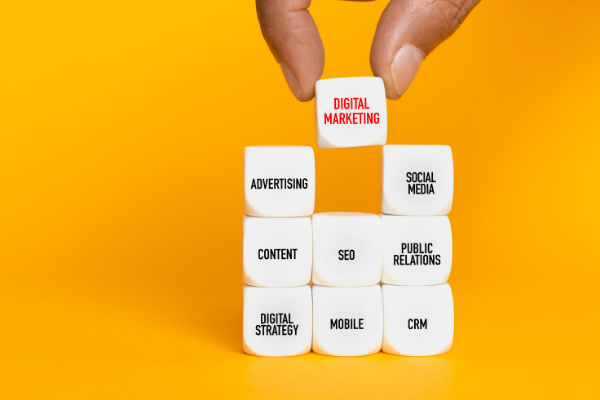
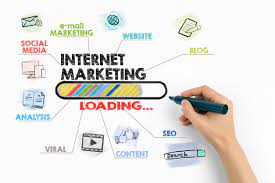
Digital marketing encompasses a wide range of online tactics and channels aimed at promoting products or services through digital technologies. This can include social media marketing, search engine optimisation (SEO), email marketing, content marketing, pay-per-click advertising, and more. The key advantage of digital marketing lies in its ability to reach a global audience quickly and cost-effectively.

The Benefits of Digital Marketing

One of the major benefits of digital marketing is its measurability. Unlike traditional marketing methods, digital campaigns can be tracked and analysed in real time, allowing businesses to adjust their strategies based on data-driven insights. This level of flexibility enables companies to optimise their campaigns for better results and ROI.

Furthermore, digital marketing offers unparalleled targeting capabilities. Through tools like demographic segmentation and behavioural targeting, businesses can tailor their messages to specific audience segments, ensuring that their marketing efforts resonate with the right people at the right time.

The Future of Marketing

As technology continues to evolve at a rapid pace, so too does the field of digital marketing. Emerging trends such as artificial intelligence, voice search optimisation, and influencer marketing are reshaping the way businesses engage with consumers online. By staying abreast of these trends and embracing innovative strategies, companies can stay ahead of the competition and drive growth in an increasingly competitive marketplace.

Conclusion

In conclusion, digital marketing has become an indispensable tool for businesses looking to thrive in today’s digital-first world. By leveraging the power of online channels and data-driven insights, companies can create targeted campaigns that resonate with their audience and drive tangible results. Embracing digital marketing is not just an option – it’s a necessity for any business looking to succeed in the modern marketplace.


Top 11 Frequently Asked Questions About Digital Marketing

  1. What is the salary in digital marketing?
  2. What is digital marketer in marketing?
  3. Do digital marketers make good money?
  4. What is digital marketing example?
  5. What is meant by digital marketing?
  6. What’s an example of digital marketing?
  7. What are the seven types of digital marketing?
  8. What type of marketing is digital marketing?
  9. What are the 4 types of digital marketing?
  10. What is digital marketing in marketing?
  11. Is digital marketing a good career?

What is the salary in digital marketing?

The salary in digital marketing can vary depending on factors such as job role, experience level, location, and the specific industry. Entry-level positions in digital marketing may offer salaries starting from around £20,000 to £30,000 per year, while more senior roles or positions in larger companies can command significantly higher salaries. Digital marketing professionals with specialised skills or certifications, such as SEO specialists or PPC managers, may also earn higher salaries due to the demand for their expertise. Overall, the salary range in digital marketing is broad and offers opportunities for growth and advancement based on individual skills and experience.

What is digital marketer in marketing?

A digital marketer in marketing is a professional who specialises in promoting products or services using various online channels and strategies. Digital marketers are skilled in leveraging digital technologies such as social media, search engines, email, and content marketing to reach target audiences and drive engagement. Their responsibilities may include developing digital marketing campaigns, analysing data to measure campaign performance, and optimising strategies for maximum effectiveness. Digital marketers play a crucial role in helping businesses establish a strong online presence, build brand awareness, and ultimately drive conversions in the ever-evolving digital landscape.

Do digital marketers make good money?

The earning potential for digital marketers can vary depending on factors such as experience, skills, industry, and location. In general, digital marketers have the opportunity to make good money due to the high demand for their expertise in today’s digital-centric business landscape. Those with a strong track record of delivering successful campaigns and staying current with industry trends often command higher salaries and lucrative opportunities. With the right skills and dedication, digital marketers can indeed enjoy a rewarding career with competitive compensation packages.

What is digital marketing example?

Digital marketing encompasses a wide range of strategies and tactics used by businesses to promote their products or services online. An example of digital marketing is social media advertising, where companies leverage platforms like Facebook, Instagram, or LinkedIn to reach their target audience with targeted ads. Another example is search engine optimisation (SEO), which involves optimising a website to rank higher in search engine results pages, increasing visibility and organic traffic. Email marketing is also a common digital marketing example, where businesses send personalised emails to subscribers to promote products, share news, or nurture customer relationships. These examples demonstrate the diverse and effective ways in which digital marketing can be utilised to achieve business goals in the online space.

What is meant by digital marketing?

Digital marketing refers to the use of online channels and digital technologies to promote products or services to a target audience. This encompasses a wide range of tactics such as social media marketing, search engine optimisation (SEO), email marketing, content marketing, pay-per-click advertising, and more. The key advantage of digital marketing lies in its ability to reach a global audience quickly and cost-effectively, allowing businesses to connect with customers in a more targeted and measurable way compared to traditional marketing methods. In essence, digital marketing is about leveraging the power of the internet and technology to engage with consumers, build brand awareness, drive traffic, and ultimately achieve business objectives in the digital realm.

What’s an example of digital marketing?

An example of digital marketing is social media advertising, where businesses leverage platforms like Facebook, Instagram, or LinkedIn to promote their products or services to a targeted audience. Through strategic ad placements and audience segmentation, companies can reach potential customers based on their interests, demographics, and online behaviour. Social media advertising allows businesses to engage with users in a more interactive and personalised way, driving brand awareness, website traffic, and ultimately conversions. This example illustrates how digital marketing utilises online channels to connect with consumers in a cost-effective and measurable manner.

What are the seven types of digital marketing?

In the realm of digital marketing, there are seven key types that businesses often leverage to reach and engage their target audience effectively. These include search engine optimisation (SEO), which focuses on improving a website’s visibility in search engine results; pay-per-click (PPC) advertising, where advertisers pay a fee each time their ad is clicked; social media marketing, which involves promoting products or services on social platforms; content marketing, aimed at creating valuable and relevant content to attract and retain customers; email marketing, utilising email campaigns to communicate with prospects and customers; affiliate marketing, where businesses reward affiliates for driving traffic or sales; and finally, influencer marketing, which involves collaborating with influential individuals to promote products or services. Each type of digital marketing offers unique opportunities for businesses to connect with their audience in meaningful ways and drive results.

What type of marketing is digital marketing?

Digital marketing is a form of marketing that utilises online channels and digital technologies to promote products or services to a target audience. It encompasses a wide range of tactics, including social media marketing, search engine optimisation (SEO), email marketing, content marketing, pay-per-click advertising, and more. Unlike traditional marketing methods, digital marketing leverages the power of the internet to reach a global audience quickly and cost-effectively. With its focus on data-driven insights and measurable results, digital marketing has become an essential tool for businesses looking to engage with consumers in today’s digital-first world.

What are the 4 types of digital marketing?

In the realm of digital marketing, there are four primary types that businesses commonly utilise to reach and engage their target audiences effectively. These include search engine optimisation (SEO), which focuses on improving a website’s visibility in search engine results; social media marketing, where brands leverage platforms like Facebook, Instagram, and Twitter to connect with customers; pay-per-click (PPC) advertising, involving paid ads displayed on search engines and websites; and content marketing, which entails creating valuable and relevant content to attract and retain customers. Each type plays a crucial role in a comprehensive digital marketing strategy, offering unique opportunities for businesses to enhance their online presence and drive success in the digital landscape.

What is digital marketing in marketing?

Digital marketing in marketing refers to the use of online channels and digital technologies to promote products or services to a target audience. It encompasses a wide range of strategies, including social media marketing, search engine optimisation (SEO), email marketing, content marketing, pay-per-click advertising, and more. The goal of digital marketing is to connect with customers in the digital space, build brand awareness, drive website traffic, generate leads, and ultimately increase sales. By leveraging the power of digital platforms and data-driven insights, businesses can create targeted and personalised campaigns that engage consumers effectively in today’s increasingly digital landscape.

Is digital marketing a good career?

The question of whether digital marketing is a good career choice is one that many individuals ponder in today’s digital age. With the increasing importance of online presence and digital strategies for businesses, the demand for skilled digital marketers is on the rise. A career in digital marketing offers diverse opportunities for growth, creativity, and innovation. Professionals in this field have the chance to work across various industries, utilise cutting-edge tools and technologies, and make a significant impact on business outcomes. As the digital landscape continues to evolve, a career in digital marketing presents an exciting and rewarding path for those passionate about leveraging online channels to drive success.

Unlocking the True Digital Marketing Meaning: Strategies for Success

The Meaning of Digital Marketing

The Meaning of Digital Marketing

Digital marketing is a dynamic and ever-evolving field that encompasses all online marketing efforts to promote products or services using digital channels. In today’s digital age, businesses leverage various digital technologies and platforms to connect with their target audience in a strategic and impactful way.

Key Components of Digital Marketing

There are several key components that make up digital marketing:

  • Search Engine Optimization (SEO): SEO involves optimizing your website to improve its visibility in search engine results pages, driving organic traffic.
  • Content Marketing: Content marketing focuses on creating and distributing valuable, relevant content to attract and engage a specific audience.
  • Social Media Marketing: Social media marketing involves promoting your brand and content on social media platforms to increase brand awareness and drive traffic.
  • Email Marketing: Email marketing involves sending targeted emails to prospects and customers to nurture leads and build customer relationships.
  • Pay-Per-Click (PPC) Advertising: PPC advertising allows businesses to place ads on search engines or websites and pay a fee each time the ad is clicked.

The Importance of Digital Marketing

In today’s highly competitive business landscape, digital marketing plays a crucial role in reaching and engaging target audiences effectively. It offers businesses the opportunity to connect with customers in real-time, track performance metrics accurately, and adjust strategies based on data-driven insights.

The Future of Digital Marketing

As technology continues to advance rapidly, the future of digital marketing holds exciting possibilities. Artificial intelligence, machine learning, augmented reality, and other emerging technologies will further revolutionize how businesses interact with consumers online. Staying ahead of these trends will be essential for businesses looking to stay competitive in the digital marketplace.

In conclusion, digital marketing is more than just a buzzword—it is a powerful tool that can help businesses thrive in the digital age by reaching the right audience with the right message at the right time.


Understanding Digital Marketing: Key Roles, Concepts, and Examples Explained

  1. What does a job in digital marketing do?
  2. What does a digital marketer do?
  3. Why is it called digital marketing?
  4. What is digital marketing in easy words?
  5. What is digital marketing example?
  6. What are the 5 key of digital marketing?
  7. What is meant by digital marketing?

What does a job in digital marketing do?

A job in digital marketing involves developing and implementing online strategies to promote products or services, increase brand awareness, and engage with target audiences through various digital channels. Professionals in this field utilise a range of digital marketing techniques such as SEO, content marketing, social media management, email campaigns, and online advertising to drive traffic, generate leads, and ultimately boost conversions for businesses. They analyse data and metrics to measure the effectiveness of campaigns, identify trends, and make informed decisions to optimise marketing efforts. A career in digital marketing requires creativity, analytical skills, adaptability to changing trends, and a deep understanding of consumer behaviour in the online space.

What does a digital marketer do?

A digital marketer is responsible for developing and implementing online marketing strategies to promote products or services through various digital channels. Their role involves creating engaging content, managing social media platforms, executing email campaigns, analysing data to track performance, and optimising digital advertising efforts. Digital marketers work to enhance brand visibility, drive website traffic, generate leads, and ultimately increase conversions. They stay up-to-date with the latest trends in digital technology and consumer behaviour to ensure their marketing efforts are effective and aligned with the overall business goals.

Why is it called digital marketing?

Digital marketing is named as such because it refers to the use of digital technologies and channels to promote products or services to consumers. Unlike traditional marketing methods that rely on physical materials and offline interactions, digital marketing harnesses the power of the internet, mobile devices, social media platforms, and other digital mediums to reach target audiences. The term “digital” highlights the shift towards online strategies and tactics in response to the increasing importance of digital platforms in today’s interconnected world. By leveraging these digital tools, businesses can connect with their audience in a more targeted, measurable, and cost-effective manner, driving engagement and conversions in the digital realm.

What is digital marketing in easy words?

Digital marketing, in simple terms, refers to the use of online channels and platforms to promote products or services. It involves various strategies such as search engine optimization (SEO), social media marketing, email campaigns, and pay-per-click advertising to reach and engage target audiences. Essentially, digital marketing leverages the power of the internet to connect businesses with potential customers in a more targeted and measurable way compared to traditional marketing methods.

What is digital marketing example?

Digital marketing encompasses a wide range of strategies and tactics used by businesses to promote their products or services online. An example of digital marketing could be a company running a targeted Facebook advertising campaign to reach a specific demographic group interested in their products. By creating engaging ad content and leveraging Facebook’s targeting capabilities, the company can effectively connect with potential customers, drive traffic to their website, and ultimately increase sales. This example demonstrates how digital marketing utilises online platforms to engage with audiences in a more personalised and measurable way compared to traditional marketing methods.

What are the 5 key of digital marketing?

In the realm of digital marketing, understanding the five key components is essential for crafting successful online strategies. These components include Search Engine Optimization (SEO), Content Marketing, Social Media Marketing, Email Marketing, and Pay-Per-Click (PPC) Advertising. SEO focuses on improving website visibility in search engine results, while content marketing aims to engage audiences with valuable content. Social media marketing leverages platforms to boost brand awareness, email marketing nurtures customer relationships through targeted campaigns, and PPC advertising enables businesses to drive traffic through paid ads. Mastering these five pillars of digital marketing is crucial for businesses looking to thrive in the digital landscape and connect effectively with their target audience.

What is meant by digital marketing?

Digital marketing refers to the practice of promoting products or services using various online channels and digital technologies. It encompasses a wide range of strategies and tactics aimed at reaching and engaging target audiences through platforms such as search engines, social media, email, and websites. In essence, digital marketing leverages the power of the internet to connect businesses with their customers in a more personalised and interactive manner. By utilising tools like SEO, content marketing, social media advertising, and email campaigns, businesses can enhance their online presence, drive traffic to their websites, and ultimately generate leads and conversions.

digital media

Unleashing the Power of Digital Media: A Guide to Navigating the Digital Landscape

The Impact of Digital Media in Today’s World

The Impact of Digital Media in Today’s World

Digital media has revolutionised the way we communicate, consume information, and interact with the world around us. In this digital age, the influence of digital media is pervasive and continues to shape our lives in profound ways.

What is Digital Media?

Digital media encompasses a wide range of online platforms and technologies that enable the creation, distribution, and consumption of content in various forms such as text, images, videos, and audio. From social media networks to streaming services, digital media has transformed how we connect with others and access entertainment.

The Role of Digital Media in Society

Digital media plays a crucial role in shaping public discourse, sharing news and information, and influencing opinions. Social media platforms have become powerful tools for individuals and organisations to engage with audiences on a global scale.

The Evolution of Digital Marketing

Businesses have embraced digital media as a key component of their marketing strategies. Online advertising, influencer partnerships, and content marketing have become essential tactics for reaching target audiences effectively in the digital realm.

The Future of Digital Media

As technology continues to advance rapidly, the future of digital media holds endless possibilities. Virtual reality (VR), augmented reality (AR), artificial intelligence (AI), and other emerging technologies are poised to redefine how we experience digital content and interact with the digital world.

Conclusion

In conclusion, digital media has become an integral part of our daily lives, transforming how we communicate, consume information, and engage with the world around us. As we navigate this ever-evolving landscape of digital innovation, it is essential to harness the power of digital media responsibly and ethically for the betterment of society.


Top 8 Tips for Mastering Digital Media Engagement and Strategy

  1. 1. Create engaging and relevant content for your target audience.
  2. 2. Use high-quality images and videos to capture attention.
  3. 3. Interact with your audience through comments and messages to build relationships.
  4. 4. Utilize analytics tools to track performance and make data-driven decisions.
  5. 5. Stay updated on the latest trends in digital media to remain competitive.
  6. 6. Collaborate with influencers or other brands for wider reach.
  7. 7. Implement SEO strategies to improve visibility on search engines.
  8. 8. Monitor and respond promptly to feedback to show that you value your audience.

1. Create engaging and relevant content for your target audience.

To maximise the impact of your digital media strategy, it is crucial to create engaging and relevant content tailored specifically for your target audience. By understanding the preferences, interests, and needs of your audience, you can develop content that resonates with them and encourages meaningful interactions. Whether it’s informative articles, captivating visuals, or interactive videos, delivering valuable and engaging content will help strengthen your connection with your audience and drive engagement across digital platforms.

2. Use high-quality images and videos to capture attention.

In the realm of digital media, employing high-quality images and videos is a strategic tip to captivate audience attention effectively. Visually appealing content not only enhances the overall aesthetic of digital platforms but also serves as a powerful tool to engage and retain viewers. By utilising crisp images and compelling videos, businesses can create a memorable and immersive experience for their target audience, ultimately increasing brand visibility and fostering stronger connections with consumers in today’s visually-driven online landscape.

3. Interact with your audience through comments and messages to build relationships.

Interacting with your audience through comments and messages is a valuable tip in the realm of digital media. By engaging with your audience in a meaningful way, you can foster relationships, build trust, and create a sense of community around your brand or content. Responding to comments and messages shows that you value your audience’s input and are willing to listen to their feedback, ultimately strengthening the connection between you and your followers. This interactive approach not only enhances user experience but also helps in building a loyal and engaged online community.

4. Utilize analytics tools to track performance and make data-driven decisions.

Utilising analytics tools to track performance and make data-driven decisions is a crucial tip in the realm of digital media. By leveraging these tools effectively, businesses can gain valuable insights into the performance of their online campaigns, websites, and content. Analysing data allows for a deeper understanding of audience behaviour, preferences, and trends, enabling organisations to make informed decisions that drive success in the digital landscape. Embracing analytics empowers businesses to optimise their strategies, refine their approaches, and ultimately achieve better results in reaching and engaging with their target audience.

To remain competitive in the digital landscape, it is crucial to stay updated on the latest trends in digital media. By keeping abreast of emerging technologies, changing consumer behaviours, and innovative strategies, businesses can adapt and evolve their digital presence to stay ahead of the curve. Being proactive in monitoring and implementing new trends in digital media not only helps organisations maintain relevance but also opens up opportunities for growth and success in a rapidly evolving online environment.

6. Collaborate with influencers or other brands for wider reach.

Collaborating with influencers or other brands is a valuable tip in leveraging digital media for broader outreach and engagement. By partnering with influencers who have a strong online presence and a dedicated following, businesses can tap into new audiences and increase brand visibility. Additionally, collaborating with complementary brands can create synergies that benefit both parties and enhance the overall reach of marketing campaigns. Strategic partnerships in the digital space can amplify brand messaging, foster credibility, and drive meaningful connections with consumers in today’s competitive online landscape.

7. Implement SEO strategies to improve visibility on search engines.

Implementing SEO strategies is essential for enhancing visibility on search engines in the digital landscape. By optimising website content with relevant keywords, meta tags, and quality backlinks, businesses can improve their search engine rankings and attract more organic traffic. A strong SEO strategy not only increases online visibility but also helps in reaching a wider audience and driving sustainable growth in the competitive online market.

8. Monitor and respond promptly to feedback to show that you value your audience.

Monitoring and responding promptly to feedback is a crucial tip in digital media that demonstrates a genuine appreciation for your audience. By actively engaging with feedback, whether positive or negative, you show that you value the opinions and experiences of your audience. This proactive approach not only helps in building trust and loyalty but also allows you to address any concerns or issues promptly, leading to improved relationships with your audience and enhancing the overall effectiveness of your digital media strategy.

digital agency

Unlocking Success: The Power of a Digital Agency in Today’s Business World

The Role of a Digital Agency in Today’s Business Landscape

The Role of a Digital Agency in Today’s Business Landscape

In the fast-paced and ever-evolving digital age, businesses are constantly seeking ways to stay ahead of the competition and connect with their target audience effectively. This is where digital agencies play a crucial role in helping companies navigate the complex world of online marketing and technology.

A digital agency is a team of experts who specialise in various aspects of digital marketing, web design, development, and strategy. These agencies work closely with businesses to create and implement tailored digital solutions that drive growth, increase brand visibility, and enhance online presence.

Services Offered by Digital Agencies:

Digital agencies offer a wide range of services to meet the diverse needs of their clients. Some common services include:

  • Web Design and Development: Creating visually appealing and user-friendly websites that reflect the brand’s identity and engage visitors.
  • Digital Marketing: Developing comprehensive marketing strategies that encompass SEO, social media marketing, email campaigns, PPC advertising, and more to reach target audiences effectively.
  • Content Creation: Producing high-quality content such as blogs, videos, infographics, and social media posts to engage users and drive traffic to websites.
  • Data Analytics: Utilising data-driven insights to track performance metrics, measure ROI, and make informed decisions for future campaigns.
  • Mobile App Development: Designing and developing mobile applications that provide seamless user experiences on smartphones and tablets.

The Benefits of Working with a Digital Agency:

Collaborating with a digital agency offers numerous benefits for businesses looking to establish a strong online presence:

  • Expertise: Digital agencies have specialised knowledge and experience in various areas of digital marketing and technology.
  • Innovation: They stay up-to-date with the latest trends and technologies to deliver cutting-edge solutions for clients.
  • Creative Solutions: Digital agencies bring fresh ideas and creative strategies to help businesses stand out in crowded online spaces.
  • Time-Saving: Outsourcing digital tasks to an agency allows businesses to focus on core operations while experts handle their online presence.
  • Measurable Results: Digital agencies use analytics tools to track performance metrics and provide insights for continuous improvement.

In conclusion, partnering with a digital agency is essential for businesses looking to thrive in today’s competitive digital landscape. By leveraging the expertise of professionals who understand the nuances of online marketing and technology, companies can achieve their goals efficiently and effectively.


Exploring Digital Agencies: 13 Common Questions Answered

  1. Which digital agency is best?
  2. Which is the best digital agency?
  3. What is a digital service agency?
  4. What does a digital agency do?
  5. How many digital agencies are there in the UK?
  6. Is a digital marketing agency legit?
  7. What do digital agencies do?
  8. How do I find a digital agency?
  9. How do I become a digital agency?
  10. What is the goal of a digital agency?
  11. What is a digital agency job?
  12. Who are the Big 6 digital agencies?
  13. How can I start a digital agency?

Which digital agency is best?

When it comes to determining the best digital agency for your specific needs, there is no one-size-fits-all answer. The “best” digital agency will vary depending on factors such as your industry, budget, goals, and the services you require. It is essential to research and evaluate different agencies based on their expertise, track record, client testimonials, and portfolio to find a partner that aligns with your business objectives. Ultimately, the best digital agency for you will be one that understands your unique requirements and can deliver tailored solutions to help you achieve success in the digital realm.

Which is the best digital agency?

When it comes to determining the best digital agency, the answer is not straightforward as it largely depends on the specific needs and goals of a business. The best digital agency for one company may not necessarily be the best fit for another. Factors such as industry expertise, services offered, pricing, track record of success, and client testimonials all play a crucial role in determining the ideal digital agency. It is recommended for businesses to thoroughly research and evaluate different agencies to find one that aligns closely with their objectives and values, ultimately leading to a successful partnership that yields tangible results in the digital realm.

What is a digital service agency?

A digital service agency, also known as a digital agency, is a specialised firm that offers a range of digital services to help businesses establish and enhance their online presence. These agencies typically provide services such as web design, digital marketing, content creation, social media management, and data analytics. By leveraging their expertise in various aspects of the digital landscape, a digital service agency assists businesses in reaching their target audience effectively, increasing brand visibility, and driving growth through tailored online strategies.

What does a digital agency do?

A digital agency is a professional team that specialises in providing a wide range of digital services to help businesses establish and enhance their online presence. From web design and development to digital marketing strategies, a digital agency offers expertise in various areas to help clients reach their target audience effectively. These agencies work closely with businesses to create customised solutions that align with their goals, drive growth, increase brand visibility, and ultimately boost their online success.

How many digital agencies are there in the UK?

The exact number of digital agencies in the UK is difficult to pinpoint due to the dynamic nature of the industry and the constant emergence of new agencies. The UK boasts a vibrant and diverse digital agency landscape, with a multitude of companies offering a wide range of services, from web design and development to digital marketing and e-commerce solutions. As businesses increasingly recognise the importance of establishing a strong online presence, the demand for digital agency services continues to grow, leading to a thriving ecosystem of creative and innovative firms catering to various client needs across different sectors.

Is a digital marketing agency legit?

In the realm of digital marketing, the question of whether a digital marketing agency is legitimate is a common concern for businesses seeking professional assistance in navigating the online landscape. It is crucial for companies to conduct thorough research and due diligence before engaging with any agency to ensure credibility and trustworthiness. Legitimate digital marketing agencies demonstrate their legitimacy through transparent communication, proven track records of successful campaigns, client testimonials, and adherence to industry standards and best practices. By partnering with a reputable and established digital marketing agency, businesses can confidently leverage their expertise to achieve their online marketing goals effectively.

What do digital agencies do?

Digital agencies specialise in providing a wide range of services aimed at helping businesses establish and enhance their online presence. From web design and development to digital marketing strategies, content creation, data analytics, and mobile app development, digital agencies offer tailored solutions to meet the unique needs of their clients. These agencies leverage their expertise in the digital landscape to drive growth, increase brand visibility, engage target audiences effectively, and ultimately help businesses achieve their online goals. By staying up-to-date with the latest trends and technologies, digital agencies play a crucial role in guiding companies through the complexities of online marketing and technology to ensure success in today’s competitive business environment.

How do I find a digital agency?

When looking to find a digital agency, it is essential to start by defining your specific needs and goals for your online presence. Researching online and seeking recommendations from industry peers can help you identify reputable agencies with a track record of success. Consider factors such as the agency’s expertise in your industry, the services they offer, their portfolio of work, and client testimonials. Requesting consultations with potential agencies can also provide valuable insights into their approach and compatibility with your business objectives. Ultimately, selecting a digital agency that aligns with your vision and values will be key to achieving successful outcomes in enhancing your online strategy.

How do I become a digital agency?

To establish a successful digital agency, individuals typically need a combination of skills, experience, and strategic planning. Firstly, gaining expertise in key areas such as digital marketing, web design, content creation, and data analytics is essential. Building a strong portfolio showcasing past projects and successes can help attract potential clients. Additionally, networking within the industry and staying updated on the latest trends and technologies is crucial for staying competitive. Developing a solid business plan outlining services offered, target market, pricing strategies, and marketing tactics is also vital in setting up and growing a thriving digital agency.

What is the goal of a digital agency?

The primary goal of a digital agency is to help businesses thrive in the online sphere by providing tailored digital solutions that enhance brand visibility, engage target audiences, and drive growth. These agencies leverage their expertise in areas such as web design, digital marketing, content creation, and data analytics to create impactful strategies that align with the client’s objectives. By staying abreast of the latest trends and technologies, digital agencies aim to deliver innovative and effective solutions that ultimately lead to increased online presence and business success.

What is a digital agency job?

A digital agency’s job encompasses a wide range of responsibilities focused on helping businesses succeed in the digital realm. From designing and developing websites to creating and executing digital marketing strategies, a digital agency’s role is to enhance a company’s online presence, increase brand visibility, drive traffic, and ultimately boost conversions. These agencies leverage their expertise in areas such as web design, SEO, social media marketing, content creation, and data analytics to provide comprehensive solutions tailored to meet the unique needs of each client. By staying abreast of the latest trends and technologies in the digital landscape, digital agencies play a vital role in guiding businesses towards success in the ever-evolving online world.

Who are the Big 6 digital agencies?

The term “Big 6 digital agencies” refers to some of the largest and most influential digital marketing agencies in the industry. While the specific list may vary depending on sources and criteria, commonly recognised names often include agencies such as WPP, Omnicom, Publicis, Interpublic Group, Dentsu, and Havas. These agencies have established themselves as leaders in the digital marketing space, offering a wide range of services and solutions to help businesses navigate the complexities of online marketing and technology. Their expertise, resources, and global reach make them key players in shaping the digital landscape and driving innovation within the industry.

How can I start a digital agency?

Starting a digital agency requires careful planning and strategic decision-making. To begin, it is essential to define your niche and target market, identifying the specific services you will offer and the audience you aim to serve. Building a strong online presence through a professional website and active social media profiles is crucial for attracting clients. Additionally, acquiring the necessary skills and expertise in areas such as web design, digital marketing, and project management is vital for delivering high-quality services. Networking with industry professionals, attending relevant events, and staying updated on the latest trends in digital technology are also key steps towards establishing a successful digital agency.

marketing and digital marketing

Exploring the Power of Marketing in the Digital Age: A Dive into Digital Marketing Strategies

Marketing and Digital Marketing

The Evolution of Marketing: From Traditional to Digital

Marketing has always been a crucial aspect of business growth and success. Over the years, the landscape of marketing has undergone significant transformations, with the rise of digital marketing revolutionising the way businesses connect with their target audiences.

Traditional Marketing

In the past, traditional marketing methods such as print ads, TV commercials, and billboards were dominant in reaching consumers. While these methods were effective in their time, they often lacked precise targeting and real-time data analysis.

The Rise of Digital Marketing

Digital marketing has emerged as a game-changer in the marketing world, offering businesses new ways to engage with customers online. Through channels like social media, email marketing, search engine optimisation (SEO), and pay-per-click advertising (PPC), companies can now reach specific audiences with tailored messages.

The Benefits of Digital Marketing

  • Targeted Advertising: Digital marketing allows businesses to target their ideal customers based on demographics, interests, and online behaviour.
  • Data-Driven Insights: With digital marketing tools, companies can track and analyse campaign performance in real time, enabling them to make informed decisions about future strategies.
  • Creative Flexibility: Digital platforms offer endless possibilities for creativity through interactive content, videos, and personalised messaging.
  • Global Reach: Unlike traditional marketing which is often limited by geography, digital marketing enables businesses to reach a global audience at a fraction of the cost.

The Future of Marketing

As technology continues to advance at a rapid pace, the future of marketing is likely to be even more intertwined with digital innovations. Artificial intelligence (AI), virtual reality (VR), and voice search are just some of the trends shaping the future landscape of marketing.

In conclusion, while traditional marketing still holds value in certain contexts, it is clear that digital marketing offers unparalleled opportunities for businesses to connect with consumers in today’s digital age. By embracing digital strategies and staying ahead of trends, companies can position themselves for success in an ever-evolving marketplace.


Seven Advantages of Marketing and Digital Marketing in the Modern Era

  1. Targeted advertising based on demographics and online behaviour
  2. Real-time data analysis for campaign performance tracking
  3. Cost-effective compared to traditional marketing methods
  4. Global reach to a vast online audience
  5. Creative flexibility with various digital platforms and content formats
  6. Ability to engage with customers through interactive features
  7. Opportunity for continuous optimization and improvement of marketing strategies


Exploring the Challenges of Marketing: From High Competition to Measurement Dilemmas

  1. 1. High Competition
  2. 2. Information Overload
  3. 3. Costly Investments
  4. 4. Rapid Changes
  5. 5. Privacy Concerns
  6. 6. Negative Feedback Amplification
  7. 7. Measurement Challenges

Targeted advertising based on demographics and online behaviour

Targeted advertising based on demographics and online behaviour is a powerful advantage of digital marketing. By leveraging data insights, businesses can tailor their marketing messages to specific audience segments, ensuring that the right message reaches the right people at the right time. This level of precision allows for more effective campaigns, higher engagement rates, and ultimately, increased return on investment. Digital marketing’s ability to target audiences based on demographics and online behaviour not only enhances the customer experience but also maximises the impact of marketing efforts, driving business growth and success.

Real-time data analysis for campaign performance tracking

Real-time data analysis is a significant advantage of digital marketing, allowing businesses to track campaign performance with precision and immediacy. By leveraging digital tools and analytics, companies can access up-to-the-minute insights into how their marketing efforts are resonating with their target audience. This real-time feedback enables quick adjustments to strategies, ensuring that resources are allocated effectively and optimising the overall impact of the campaign. The ability to monitor and adapt in real-time sets digital marketing apart, offering a level of agility and responsiveness that traditional marketing methods struggle to match.

Cost-effective compared to traditional marketing methods

In comparison to traditional marketing methods, one significant advantage of marketing and digital marketing is their cost-effectiveness. Digital marketing offers businesses the opportunity to reach a wider audience at a fraction of the cost associated with traditional advertising channels such as print ads or TV commercials. With targeted online campaigns, businesses can allocate their budgets more efficiently, track their return on investment in real-time, and adjust strategies as needed, making digital marketing a highly cost-effective solution for reaching and engaging with consumers in today’s competitive marketplace.

Global reach to a vast online audience

One significant advantage of digital marketing is its ability to provide businesses with a global reach to a vast online audience. Unlike traditional marketing methods that are often limited by geographical boundaries, digital marketing allows companies to connect with potential customers worldwide. Through various online channels such as social media, search engines, and email campaigns, businesses can target and engage with diverse audiences across different regions, expanding their brand presence and driving growth on a global scale. This unparalleled reach to a vast online audience enables businesses to increase brand visibility, generate leads, and ultimately boost sales in markets beyond their local reach.

Creative flexibility with various digital platforms and content formats

One significant advantage of digital marketing is the creative flexibility it offers through a variety of digital platforms and content formats. Businesses can explore interactive content, videos, infographics, podcasts, and personalised messaging to engage with their target audience in innovative ways. This flexibility allows companies to experiment with different creative strategies and tailor their messaging to resonate with specific customer segments, ultimately enhancing brand visibility and driving customer engagement.

Ability to engage with customers through interactive features

The ability to engage with customers through interactive features is a significant advantage of marketing, especially in the realm of digital marketing. By incorporating interactive elements such as quizzes, polls, videos, and live chats into campaigns, businesses can create immersive experiences that captivate audiences and encourage active participation. This not only enhances brand awareness and customer engagement but also allows for valuable insights into consumer preferences and behaviours. Interactive features in digital marketing enable businesses to build meaningful connections with their target audience, fostering loyalty and driving conversions in an increasingly competitive online landscape.

Opportunity for continuous optimization and improvement of marketing strategies

One significant advantage of marketing, particularly digital marketing, is the opportunity for continuous optimization and improvement of marketing strategies. With digital tools and analytics, businesses can gather real-time data on campaign performance, audience engagement, and conversion rates. This data-driven approach allows companies to identify what works well and what needs adjustment, enabling them to refine their strategies for better results. By constantly monitoring and analysing metrics, businesses can adapt quickly to changing trends and consumer behaviour, ensuring that their marketing efforts remain effective and competitive in the dynamic digital landscape.

1. High Competition

In the realm of marketing, particularly in the digital sphere, one significant drawback is the intense competition that businesses face. The saturated market and the ever-growing number of companies vying for consumer attention make it increasingly difficult for businesses to differentiate themselves and carve out a unique identity. Standing out amidst the sea of competitors requires strategic thinking, creativity, and a deep understanding of target audiences to effectively cut through the noise and make a lasting impact in a highly competitive landscape.

2. Information Overload

In the realm of marketing and digital marketing, a significant drawback is the issue of information overload. In today’s hyper-connected world, consumers are inundated with a constant stream of marketing messages from various channels. This saturation makes it challenging for businesses to cut through the noise and truly engage their target audience. Capturing and maintaining the attention of consumers amidst this deluge of information requires strategic and thoughtful approaches to ensure that marketing efforts are not lost in the sea of competing messages.

3. Costly Investments

Effective marketing campaigns often demand substantial financial resources, making them a costly investment for businesses. Despite the financial commitment, there is no guarantee of immediate returns in the competitive landscape of marketing and digital marketing. Companies must carefully weigh the potential costs against the expected outcomes to ensure that their investments yield desirable results in the long run.

4. Rapid Changes

In the realm of marketing and digital marketing, one significant drawback is the rapid pace of change in trends and technologies. This constant evolution means that strategies implemented today may become obsolete tomorrow, necessitating continual adaptation and updates to remain competitive in the dynamic marketplace. Keeping up with these rapid changes can be challenging for businesses, requiring a proactive approach to stay ahead of the curve and effectively engage with consumers in an ever-shifting landscape.

5. Privacy Concerns

Privacy concerns represent a significant drawback of digital marketing. With the increasing reliance on consumer data for targeted advertising, businesses often tread a fine line between personalisation and invasion of privacy. The collection and utilisation of sensitive information raise ethical dilemmas regarding consent, transparency, and data security. As consumers become more aware of their digital footprint, addressing these privacy concerns becomes paramount for businesses to maintain trust and credibility in the digital realm.

6. Negative Feedback Amplification

In the realm of marketing and digital marketing, one significant con is the phenomenon of negative feedback amplification. With the prevalence of social media channels, any criticism or negative feedback directed towards a business can quickly gain traction and spread like wildfire online. This rapid dissemination of unfavourable comments has the potential to significantly harm a company’s reputation, as it can reach a wide audience within a short period of time. Managing and mitigating negative feedback in the digital space requires vigilance and proactive strategies to protect brand image and maintain customer trust.

7. Measurement Challenges

Measuring the true impact and return on investment (ROI) of marketing activities, especially in digital channels, presents a significant challenge due to the complexity of attribution models and data sources. Determining the exact contribution of each marketing touchpoint towards a conversion or sale can be intricate, as customers often interact with multiple channels before making a purchase. This complexity can lead to difficulties in accurately assessing the effectiveness of different marketing strategies and allocating resources optimally for maximum impact.

digital marketing techniques

Mastering Effective Digital Marketing Techniques for Online Success

The Power of Digital Marketing Techniques in Today’s Business Landscape

In the fast-paced digital age, traditional marketing strategies are no longer sufficient to capture the attention of modern consumers. Businesses must adapt and embrace innovative digital marketing techniques to stay relevant and competitive in the ever-evolving online landscape.

Search Engine Optimization (SEO)

SEO is a fundamental digital marketing technique that focuses on improving a website’s visibility in search engine results. By optimising website content, keywords, and meta tags, businesses can increase their organic traffic and reach a wider audience. A strong SEO strategy is essential for driving quality traffic and boosting online presence.

Content Marketing

Content marketing involves creating and distributing valuable, relevant content to attract and engage target audiences. From blog posts and videos to social media updates and infographics, compelling content can help businesses build brand awareness, establish authority in their industry, and drive customer engagement.

Social Media Marketing

Social media platforms have become powerful tools for connecting with customers and building brand loyalty. Through targeted social media campaigns, businesses can reach specific demographics, drive website traffic, generate leads, and foster meaningful interactions with their audience. Engaging content that resonates with followers is key to successful social media marketing.

Email Marketing

Email marketing remains a highly effective digital marketing technique for nurturing leads and converting prospects into customers. Personalised email campaigns that deliver relevant content, promotions, and updates can help businesses build relationships with their audience, drive sales conversions, and increase customer retention.

Pay-Per-Click Advertising (PPC)

PPC advertising allows businesses to bid on keywords to display targeted ads on search engines or websites. With PPC campaigns, businesses pay only when users click on their ads, making it a cost-effective way to drive immediate traffic to websites and generate leads. Strategic keyword selection and ad placement are essential for maximising the ROI of PPC campaigns.

Data Analytics

Data analytics plays a crucial role in measuring the effectiveness of digital marketing techniques. By analysing key metrics such as website traffic, conversion rates, click-through rates, and engagement levels, businesses can gain valuable insights into consumer behaviour and preferences. Data-driven decisions enable businesses to refine their digital marketing strategies for optimal results.

In conclusion, digital marketing techniques offer endless possibilities for businesses looking to expand their online reach, engage with customers effectively, and drive business growth. By leveraging the power of SEO, content marketing, social media marketing, email campaigns…


Essential FAQs on Digital Marketing Techniques: A Comprehensive Guide

  1. What is digital marketing and why is it important?
  2. How can search engine optimization (SEO) benefit my business?
  3. What are the key components of a successful content marketing strategy?
  4. How can social media marketing help me reach my target audience?
  5. What are the best practices for email marketing campaigns?
  6. How does pay-per-click (PPC) advertising work and when should I use it?
  7. What role does data analytics play in digital marketing strategies?
  8. How can I measure the success of my digital marketing efforts?
  9. What are some emerging trends in digital marketing techniques?

What is digital marketing and why is it important?

Digital marketing encompasses a range of online strategies and tactics aimed at promoting products or services through digital channels such as websites, social media, email, search engines, and more. It is essential in today’s digital age as it allows businesses to reach a global audience, engage with customers in real-time, track and measure results accurately, and adapt campaigns quickly based on data insights. Digital marketing offers cost-effective ways to connect with target audiences, build brand awareness, drive website traffic, generate leads, and ultimately increase sales conversions. Embracing digital marketing techniques is crucial for businesses to stay competitive, establish a strong online presence, and achieve long-term success in the ever-evolving digital landscape.

How can search engine optimization (SEO) benefit my business?

Search engine optimization (SEO) can greatly benefit your business by improving your online visibility and driving organic traffic to your website. By implementing effective SEO strategies, you can enhance your website’s ranking in search engine results pages, making it easier for potential customers to find you online. Increased visibility means more opportunities for your business to attract qualified leads and convert them into customers. Additionally, a strong SEO presence can help establish credibility and trust with your target audience, ultimately leading to long-term success and sustainable growth for your business in the competitive digital landscape.

What are the key components of a successful content marketing strategy?

A successful content marketing strategy comprises several key components that work together to drive engagement, build brand awareness, and attract and retain customers. Firstly, understanding the target audience is crucial in creating content that resonates with their interests and needs. High-quality, relevant, and valuable content is essential for establishing credibility and authority in the industry. Consistency in publishing content across various platforms helps maintain audience interest and visibility. Utilising SEO techniques to optimise content for search engines enhances discoverability. Moreover, incorporating a mix of formats such as blog posts, videos, infographics, and social media updates can cater to different preferences and increase engagement levels. Monitoring performance metrics and analysing data allows for continuous improvement and adjustment of the content strategy to achieve desired outcomes.

How can social media marketing help me reach my target audience?

Social media marketing is a powerful tool that can help businesses effectively reach their target audience in today’s digital landscape. By leveraging social media platforms such as Facebook, Instagram, Twitter, and LinkedIn, businesses can connect with specific demographics, engage with potential customers, and build brand awareness. Through targeted content creation, strategic ad campaigns, and interactive engagement with followers, businesses can tailor their messaging to resonate with their target audience and drive meaningful interactions. Social media marketing enables businesses to reach a wider audience, increase website traffic, generate leads, and ultimately convert followers into loyal customers by fostering relationships and building trust through authentic communication.

What are the best practices for email marketing campaigns?

When it comes to email marketing campaigns, implementing best practices is essential for achieving success and driving engagement with your audience. Some key best practices include personalisation to make emails more relevant and tailored to individual recipients, segmenting your email lists based on demographics or behaviours to deliver targeted content, creating compelling subject lines that grab attention and encourage opens, ensuring mobile responsiveness for optimal viewing on all devices, and regularly testing and analysing campaign performance to refine strategies and improve results. By following these best practices, businesses can maximise the effectiveness of their email marketing campaigns and enhance customer relationships.

How does pay-per-click (PPC) advertising work and when should I use it?

Pay-per-click (PPC) advertising is a digital marketing technique where businesses bid on keywords to display targeted ads on search engines or websites. When users search for relevant terms, these ads appear prominently, and businesses pay a fee each time someone clicks on their ad. PPC advertising is effective for generating immediate traffic to websites, increasing brand visibility, and driving conversions. Businesses should consider using PPC when they want to reach a specific audience quickly, promote new products or services, increase website traffic, or complement their organic search efforts. By strategically selecting keywords, monitoring campaign performance, and refining ad targeting, businesses can maximise the impact of their PPC campaigns and achieve their marketing goals efficiently.

What role does data analytics play in digital marketing strategies?

Data analytics plays a pivotal role in digital marketing strategies by providing valuable insights into consumer behaviour, preferences, and trends. By analysing data metrics such as website traffic, conversion rates, click-through rates, and engagement levels, businesses can make informed decisions to optimise their marketing campaigns for maximum effectiveness. Data analytics enables businesses to track the performance of their digital marketing efforts, identify areas for improvement, and refine their strategies to better target their audience and achieve measurable results. In today’s competitive online landscape, leveraging data analytics is essential for driving successful digital marketing campaigns and staying ahead of the curve.

How can I measure the success of my digital marketing efforts?

Measuring the success of your digital marketing efforts is essential for evaluating the effectiveness of your strategies and identifying areas for improvement. Key performance indicators (KPIs) such as website traffic, conversion rates, click-through rates, engagement metrics, and return on investment (ROI) can provide valuable insights into the performance of your campaigns. By tracking and analysing these metrics using tools like Google Analytics and social media analytics platforms, you can assess the impact of your digital marketing activities, identify what is working well, and make data-driven decisions to optimise your future strategies for greater success.

In the dynamic realm of digital marketing, businesses are constantly seeking to stay ahead by embracing emerging trends that shape the industry. Some of the key emerging trends in digital marketing techniques include the rise of artificial intelligence and machine learning for personalised customer experiences, the increasing importance of voice search optimization to cater to voice-activated devices, the growing significance of influencer marketing for authentic brand promotion, the adoption of interactive content such as quizzes and polls to enhance user engagement, and the evolution of augmented reality (AR) and virtual reality (VR) experiences for immersive brand storytelling. Embracing these emerging trends can help businesses navigate the ever-changing digital landscape and connect with their target audience in innovative ways.

best digital marketing campaigns 2020

Exploring the Best Digital Marketing Campaigns of 2020

Best Digital Marketing Campaigns of 2020

The Top Digital Marketing Campaigns of 2020

In the ever-evolving world of digital marketing, 2020 saw some remarkable campaigns that captivated audiences, drove engagement, and set new standards for creativity and innovation. Let’s take a look at some of the standout campaigns that made a splash in the digital sphere last year.

Nike: “You Can’t Stop Us”

Nike’s “You Can’t Stop Us” campaign took the world by storm with its powerful message of unity and resilience. Through a series of visually stunning videos featuring athletes from diverse backgrounds, Nike inspired viewers to overcome challenges and push beyond their limits.

Burger King: “Moldy Whopper”

Burger King made waves with its unconventional “Moldy Whopper” campaign, which showcased the beauty of natural ingredients by featuring a decaying Whopper in time-lapse footage. This bold move challenged industry norms and sparked conversations about food quality and freshness.

Dove: “Courage Is Beautiful”

Dove’s “Courage Is Beautiful” campaign celebrated frontline healthcare workers during the COVID-19 pandemic by showcasing their resilience and dedication. Through poignant images and heartfelt messages, Dove honoured these heroes and highlighted the importance of self-care and compassion.

Coca-Cola: “Open Like Never Before”

Coca-Cola’s “Open Like Never Before” campaign encouraged people to embrace change and seize new opportunities in a post-pandemic world. By emphasising unity, optimism, and adaptability, Coca-Cola connected with audiences on a deeper emotional level and inspired hope for the future.

Spotify: “2020 Wrapped”

Spotify’s annual “2020 Wrapped” campaign leveraged user data to create personalised summaries of listeners’ music preferences throughout the year. By offering insights into their listening habits and recommending new content, Spotify engaged users in a fun and interactive way while celebrating their unique tastes.

These are just a few examples of the outstanding digital marketing campaigns that left a lasting impression in 20

As we look ahead to new trends and strategies in the digital landscape, these campaigns serve as inspiration for brands seeking to connect with audiences in meaningful ways.


Top 7 Tips for Crafting Successful Digital Marketing Campaigns in 2020

  1. Focus on creating high-quality and engaging content that resonates with your target audience.
  2. Utilize social media platforms effectively to connect with your audience and build brand awareness.
  3. Implement video marketing strategies as videos have proven to be highly engaging for users.
  4. Optimize your website for mobile devices to ensure a seamless user experience for mobile users.
  5. Personalize your marketing campaigns to cater to the specific needs and preferences of individual customers.
  6. Invest in influencer partnerships to reach a wider audience through trusted personalities in your industry.
  7. Use data analytics to track the performance of your campaigns and make data-driven decisions for better results.

Focus on creating high-quality and engaging content that resonates with your target audience.

To excel in digital marketing campaigns in 2020, it is crucial to prioritise the creation of high-quality and engaging content that truly connects with your target audience. By crafting compelling and relevant content that resonates with the interests, needs, and preferences of your audience, you can capture their attention, build trust, and drive meaningful engagement. In a landscape saturated with information, focusing on delivering valuable and captivating content is key to standing out and forging lasting relationships with your customers.

Utilize social media platforms effectively to connect with your audience and build brand awareness.

To excel in the realm of digital marketing campaigns in 2020, it is crucial to harness the power of social media platforms effectively. By leveraging platforms such as Facebook, Instagram, Twitter, and LinkedIn, businesses can establish direct connections with their target audience, foster engagement, and enhance brand visibility. Through strategic content creation, community engagement, and targeted advertising, brands can not only reach a wider audience but also cultivate a loyal following and strengthen brand awareness in the competitive digital landscape of 2020.

Implement video marketing strategies as videos have proven to be highly engaging for users.

In the realm of digital marketing campaigns in 2020, one key tip that stood out was the effectiveness of implementing video marketing strategies. Videos have emerged as a powerful tool for engaging users and capturing their attention in a crowded online landscape. With their ability to convey messages visually, evoke emotions, and tell compelling stories, videos have become a preferred medium for brands looking to connect with their audiences on a deeper level. By incorporating video content into their digital marketing efforts, businesses can enhance engagement, increase brand visibility, and create memorable experiences that resonate with users long after they have viewed the content.

Optimize your website for mobile devices to ensure a seamless user experience for mobile users.

Optimising your website for mobile devices is crucial to delivering a seamless user experience for mobile users in the realm of digital marketing campaigns in 2020. With the increasing use of smartphones and tablets, ensuring that your website is responsive and user-friendly on mobile platforms is essential for engaging and retaining visitors. By prioritising mobile optimisation, you can enhance accessibility, improve loading times, and ultimately drive higher conversion rates by catering to the needs and preferences of on-the-go users.

Personalize your marketing campaigns to cater to the specific needs and preferences of individual customers.

In the realm of digital marketing campaigns in 2020, a key tip that stood out was the emphasis on personalisation. By tailoring marketing efforts to align with the unique needs and preferences of individual customers, brands were able to forge deeper connections and drive engagement. This approach not only enhances customer experience but also increases the likelihood of conversions and brand loyalty. Personalisation allows businesses to deliver targeted messaging that resonates with consumers on a more personal level, ultimately leading to more meaningful interactions and long-term relationships.

Invest in influencer partnerships to reach a wider audience through trusted personalities in your industry.

Investing in influencer partnerships proved to be a successful strategy for many brands looking to enhance their digital marketing campaigns in 2020. By collaborating with trusted personalities in the industry, businesses were able to expand their reach and connect with a wider audience authentically. Influencers played a key role in building credibility, driving engagement, and creating meaningful connections with consumers, showcasing the power of leveraging influential voices to amplify brand messages effectively.

Use data analytics to track the performance of your campaigns and make data-driven decisions for better results.

Utilising data analytics to monitor the effectiveness of your digital marketing campaigns is crucial for achieving success in 2020. By tracking key performance metrics and analysing data insights, businesses can make informed, data-driven decisions to optimise their strategies and enhance campaign performance. This approach allows marketers to identify what works well, understand audience behaviour, and adjust their tactics accordingly to drive better results and maximise ROI. In a competitive digital landscape, leveraging data analytics is a powerful tool for staying ahead of the curve and achieving measurable success in marketing efforts.

best digital marketing campaigns

Unlocking Success: Exploring the Best Digital Marketing Campaigns of All Time

Best Digital Marketing Campaigns

The Power of Exceptional Digital Marketing Campaigns

In today’s fast-paced digital age, businesses are constantly striving to stand out in the crowded online space. One of the most effective ways to capture audience attention, drive engagement, and boost brand awareness is through innovative digital marketing campaigns.

Key Elements of Successful Campaigns

Successful digital marketing campaigns often share common elements that set them apart from the rest. These include:

  • Creative Content: Compelling and engaging content that resonates with the target audience is crucial for any campaign’s success.
  • Strategic Planning: A well-thought-out strategy that aligns with business goals and target demographics is essential for achieving desired results.
  • Multichannel Approach: Leveraging multiple digital channels such as social media, email marketing, SEO, and PPC can maximise campaign reach and impact.
  • Data-Driven Decisions: Using analytics and data insights to track performance metrics and make informed adjustments throughout the campaign duration.
  • User Experience Focus: Ensuring a seamless user experience across all touchpoints to enhance customer satisfaction and drive conversions.

Examples of Outstanding Campaigns

Several brands have set the bar high with their exceptional digital marketing campaigns. Some notable examples include:

  1. Dove’s Real Beauty Sketches: This campaign challenged societal norms around beauty by showcasing women’s perceptions of themselves versus how others see them, resulting in a powerful message about self-esteem and self-perception.
  2. Oreo’s Daily Twist: Oreo’s 100-day social media campaign featured daily posts with creative twists on current events, pop culture references, and holidays, engaging audiences with timely and relevant content.
  3. Budweiser’s “Whassup?” Campaign: This iconic campaign from Budweiser became a cultural phenomenon with its humorous TV commercials featuring friends saying “Whassup?” while enjoying beer together, creating a memorable brand association.

The Future of Digital Marketing

As technology continues to evolve and consumer behaviours shift, the landscape of digital marketing will also undergo transformations. Brands that embrace innovation, adapt to changing trends, and prioritise delivering value to their audiences will continue to lead the way in creating impactful campaigns that resonate with consumers.


7 Essential Tips for Crafting Successful Digital Marketing Campaigns

  1. Define clear goals and objectives for your digital marketing campaign.
  2. Understand your target audience to create tailored and engaging content.
  3. Utilise various digital channels such as social media, email, and SEO to reach a wider audience.
  4. Monitor and analyse data regularly to track the performance of your campaign.
  5. Optimise your website for mobile devices to enhance user experience.
  6. Engage with your audience through interactive content like polls, quizzes, or live videos.
  7. Stay updated with the latest trends in digital marketing to stay ahead of the competition.

Define clear goals and objectives for your digital marketing campaign.

To create a successful digital marketing campaign, it is essential to define clear goals and objectives from the outset. By establishing specific and measurable targets, such as increasing website traffic, generating leads, or boosting brand awareness, businesses can align their strategies with their desired outcomes. Clear goals not only provide direction for the campaign but also enable marketers to track progress, evaluate performance, and make informed adjustments to optimise results. Setting well-defined objectives ensures that efforts are focused and resources are allocated effectively, ultimately leading to a more impactful and successful digital marketing campaign.

Understand your target audience to create tailored and engaging content.

To craft successful digital marketing campaigns, it is essential to have a deep understanding of your target audience. By gaining insights into their preferences, behaviours, and needs, you can create tailored and engaging content that resonates with them on a personal level. This approach not only enhances the effectiveness of your campaigns but also fosters stronger connections with your audience, ultimately driving better results and building brand loyalty.

Utilise various digital channels such as social media, email, and SEO to reach a wider audience.

To maximise the reach and impact of your digital marketing campaigns, it is essential to leverage a diverse range of digital channels, including social media, email, and SEO. By utilising these channels effectively, you can engage with a broader audience and increase visibility for your brand. Social media platforms offer opportunities for real-time interactions and engagement with users, while email marketing allows for personalised communication directly to subscribers. Additionally, optimising your website for search engines through SEO practices can improve your online visibility and attract organic traffic. Incorporating these digital channels into your strategy can help you reach a wider audience and drive meaningful results for your campaigns.

Monitor and analyse data regularly to track the performance of your campaign.

Monitoring and analysing data regularly is a crucial tip for running successful digital marketing campaigns. By tracking key performance metrics such as engagement rates, conversion rates, website traffic, and ROI, businesses can gain valuable insights into the effectiveness of their campaigns. This data-driven approach allows marketers to identify what is working well and what areas may need improvement, enabling them to make informed decisions and optimise strategies for better results. Regular analysis of campaign data ensures that efforts are focused on activities that drive the desired outcomes, ultimately leading to a more successful and impactful digital marketing campaign.

Optimise your website for mobile devices to enhance user experience.

Optimising your website for mobile devices is a crucial aspect of successful digital marketing campaigns. With the increasing number of users accessing the internet through smartphones and tablets, ensuring a seamless and responsive mobile experience is essential to engage and retain visitors. By prioritising mobile optimisation, businesses can enhance user experience, reduce bounce rates, improve search engine rankings, and ultimately drive conversions. A mobile-friendly website not only caters to the needs of modern consumers but also reflects a brand’s commitment to staying relevant and accessible in today’s mobile-first world.

Engage with your audience through interactive content like polls, quizzes, or live videos.

To create successful digital marketing campaigns, it is essential to actively engage with your audience through interactive content such as polls, quizzes, or live videos. By incorporating these elements into your strategy, you can foster a sense of participation and connection with your target demographic. Interactive content not only captures attention but also encourages audience interaction and feedback, leading to increased brand awareness and loyalty. Embracing these engaging tactics can help elevate your campaigns and leave a lasting impression on your audience in the dynamic digital landscape.

Staying updated with the latest trends in digital marketing is essential for businesses aiming to stay ahead of the competition. By keeping abreast of industry developments, emerging technologies, and shifting consumer preferences, companies can adapt their strategies effectively and remain relevant in a constantly evolving digital landscape. Being proactive in embracing new trends allows businesses to innovate, engage their target audience more effectively, and ultimately gain a competitive edge in the market.

best digital marketing

Unlocking Success: Best Practices for Digital Marketing in the UK

The Power of Digital Marketing: Strategies for Success

In today’s fast-paced and highly competitive business landscape, digital marketing has become a crucial tool for reaching and engaging with target audiences. With the right strategies in place, businesses can effectively promote their products or services, build brand awareness, and drive conversions. Let’s explore some of the best digital marketing practices that can help your business thrive in the digital realm.

Search Engine Optimization (SEO)

SEO is a cornerstone of digital marketing that focuses on improving a website’s visibility in search engine results. By optimising your website’s content and structure according to relevant keywords and best practices, you can increase organic traffic and attract potential customers who are actively searching for your offerings.

Content Marketing

Content is king in the digital world, and a well-crafted content marketing strategy can help you engage with your audience, establish thought leadership, and drive conversions. Whether it’s blog posts, videos, infographics, or social media updates, valuable and relevant content can attract and retain customers while building trust in your brand.

Social Media Marketing

Social media platforms provide businesses with a powerful channel to connect with their target audience on a personal level. By creating compelling social media campaigns, sharing engaging content, and interacting with followers, businesses can boost brand awareness, drive website traffic, and foster customer loyalty.

Email Marketing

Email marketing remains one of the most effective tools for nurturing leads and converting prospects into customers. By delivering personalised messages to subscribers based on their preferences and behaviour, businesses can drive engagement, promote products or services, and generate sales.

Pay-Per-Click Advertising (PPC)

PPC advertising allows businesses to reach their target audience through paid ads displayed on search engines or social media platforms. By bidding on relevant keywords and targeting specific demographics, businesses can drive immediate traffic to their websites and achieve measurable results in terms of clicks, conversions, and ROI.

Analytics and Data-driven Decision Making

Analytical tools provide valuable insights into the performance of digital marketing campaigns by tracking key metrics such as website traffic, conversion rates, click-through rates, and more. By analysing this data regularly and making data-driven decisions based on performance insights, businesses can optimise their strategies for maximum effectiveness.

In conclusion,digital marketing offers businesses unparalleled opportunities to reach their target audience,engage with customers,and achieve measurable results online.Whether you’re just starting out or looking to enhance your existing strategies,implementing these best practiceswould undoubtedly set you on the path to success in the ever-evolving digital landscape.


Top 5 FAQs About Effective Digital Marketing Strategies

  1. What is digital marketing and why is it important?
  2. What are the key components of a successful digital marketing strategy?
  3. How can I measure the effectiveness of my digital marketing efforts?
  4. What are the latest trends in digital marketing that businesses should be aware of?
  5. How can I choose the right digital marketing channels for my business?

What is digital marketing and why is it important?

Digital marketing encompasses a range of online strategies and tactics aimed at promoting products or services through digital channels such as websites, social media, email, search engines, and more. Its importance lies in its ability to reach a vast audience, engage with customers in real-time, and track performance metrics accurately. In today’s digital age, where consumers are increasingly turning to the internet for information and purchases, a strong digital marketing presence is essential for businesses to stay competitive, build brand awareness, drive traffic, generate leads, and ultimately increase revenue. By leveraging the power of digital marketing, businesses can connect with their target audience effectively and adapt to the ever-changing dynamics of the online marketplace.

What are the key components of a successful digital marketing strategy?

A successful digital marketing strategy comprises several key components that work together to achieve desired outcomes. Firstly, a well-defined target audience is essential, as understanding their needs and preferences is crucial for crafting relevant and engaging content. Search engine optimisation (SEO) plays a vital role in improving online visibility and driving organic traffic to the website. Content marketing, including high-quality and valuable content across various channels, helps build brand authority and attract potential customers. Social media engagement allows businesses to interact with their audience, increase brand awareness, and drive website traffic. Email marketing enables personalised communication with subscribers, nurturing leads and converting them into loyal customers. Additionally, effective data analysis and continuous optimisation based on performance metrics are key for refining strategies and achieving long-term success in the dynamic digital landscape.

How can I measure the effectiveness of my digital marketing efforts?

Measuring the effectiveness of your digital marketing efforts is essential for evaluating the success of your strategies and making informed decisions to optimise future campaigns. Key performance indicators (KPIs) such as website traffic, conversion rates, click-through rates, social media engagement, and return on investment (ROI) can provide valuable insights into the impact of your digital marketing initiatives. By analysing these metrics regularly and comparing them against predefined goals, you can determine what is working well and where adjustments may be needed to improve overall performance. Utilising analytics tools and tracking software can help you track and measure the success of your digital marketing efforts accurately, allowing you to refine your approach for maximum effectiveness.

In the dynamic world of digital marketing, staying abreast of the latest trends is essential for businesses aiming to stay competitive and relevant. Some of the current trends that businesses should be aware of include the rise of artificial intelligence and machine learning in personalising customer experiences, the increasing importance of video content for engaging audiences across platforms, the growing significance of voice search optimization with the proliferation of smart devices, and the emphasis on sustainability and ethical practices in brand messaging. By embracing these trends and adapting their strategies accordingly, businesses can effectively connect with their target audience and drive success in today’s digital landscape.

How can I choose the right digital marketing channels for my business?

When it comes to selecting the most suitable digital marketing channels for your business, it is essential to consider your target audience, business goals, and budget constraints. Conducting thorough market research to understand where your audience spends their time online can help you identify the most effective channels to reach them. Additionally, evaluating the strengths and weaknesses of each channel, such as social media, email marketing, SEO, or PPC advertising, can guide you in making informed decisions based on which platforms align best with your business objectives. By testing different channels and monitoring their performance through analytics, you can refine your strategy over time and focus on the channels that yield the best results for your business.

digital marketing in 2022

Navigating the Future: Digital Marketing Trends in 2022

Digital Marketing in 2022: Trends and Strategies

As we move further into the digital age, the landscape of digital marketing continues to evolve at a rapid pace. In 2022, businesses are navigating an increasingly complex environment where technology and consumer behaviour are constantly changing. Here, we explore some of the key trends and strategies that are shaping digital marketing this year.

The Rise of Artificial Intelligence

Artificial Intelligence (AI) is becoming an integral part of digital marketing strategies. From chatbots providing customer service to AI-driven analytics offering insights into consumer behaviour, businesses are leveraging AI to enhance efficiency and personalise customer experiences. In 2022, expect to see more sophisticated AI applications that can predict trends and automate tasks, allowing marketers to focus on strategy and creativity.

Video Content Dominance

Video content continues to dominate digital marketing channels. Platforms like YouTube, TikTok, and Instagram Reels have made video a preferred medium for engaging audiences. In 2022, creating short-form video content that is authentic and relatable will be crucial for capturing attention in a crowded marketplace. Live streaming is also gaining traction as it offers real-time engagement with audiences.

Privacy-First Marketing

With increasing concerns about data privacy, consumers are more conscious about how their information is used. The implementation of regulations such as GDPR has changed how businesses collect and handle data. In 2022, marketers need to prioritise transparency and ensure compliance while building trust with their audience through ethical data practices.

The Importance of Personalisation

Personalisation remains a key trend in digital marketing. Consumers expect tailored experiences that cater to their individual preferences. By leveraging data analytics and customer insights, businesses can create personalised content that resonates with their audience, leading to increased engagement and loyalty.

Omnichannel Marketing Strategies

An omnichannel approach ensures a seamless experience across various platforms and devices. In 2022, integrating online and offline channels will be essential for delivering consistent messaging and enhancing customer journey touchpoints. This strategy not only improves brand visibility but also fosters stronger relationships with customers.

Sustainability in Marketing

Sustainability has become a significant consideration for consumers when choosing brands. Companies are now expected to demonstrate their commitment to environmental responsibility through sustainable practices and transparent communication. Digital marketing campaigns in 2022 should highlight these efforts as part of brand storytelling.

Conclusion

The world of digital marketing in 2022 is dynamic and full of opportunities for those willing to adapt quickly to new trends and technologies. By embracing innovation while prioritising consumer needs and preferences, businesses can effectively navigate this ever-evolving landscape.


Top 6 Digital Marketing Tips for 2022: Boost Engagement and Stay Competitive

  1. Focus on creating high-quality and engaging content to attract and retain customers.
  2. Utilize social media platforms effectively to connect with your target audience.
  3. Optimize your website for mobile devices to enhance user experience and SEO performance.
  4. Implement email marketing campaigns to nurture leads and maintain customer relationships.
  5. Stay updated with the latest digital marketing trends and tools to remain competitive in the market.
  6. Analyse data regularly to track the performance of your digital marketing strategies and make informed decisions.

Focus on creating high-quality and engaging content to attract and retain customers.

In the realm of digital marketing in 2022, a crucial tip is to prioritise the creation of high-quality and engaging content to captivate and retain customers. By crafting compelling content that resonates with your target audience, businesses can establish a strong connection with customers, fostering brand loyalty and driving engagement. In an era where consumer attention is fragmented across various online platforms, delivering valuable and relevant content is key to standing out amidst the digital noise and building lasting relationships with customers.

Utilize social media platforms effectively to connect with your target audience.

In 2022, one key tip for successful digital marketing is to utilise social media platforms effectively to connect with your target audience. With the vast reach and engagement opportunities offered by platforms like Facebook, Instagram, Twitter, and LinkedIn, businesses can establish meaningful connections with their target demographic. By crafting compelling content tailored to each platform and engaging with followers through comments, messages, and live interactions, companies can build brand loyalty, drive traffic to their websites, and ultimately boost conversions. In the competitive digital landscape of 2022, harnessing the power of social media is essential for fostering relationships and staying relevant in the eyes of consumers.

Optimize your website for mobile devices to enhance user experience and SEO performance.

In 2022, one crucial tip for digital marketing success is to optimise your website for mobile devices. With the increasing use of smartphones and tablets, ensuring that your site is mobile-friendly is essential for providing a seamless user experience. Not only does this enhance user satisfaction, but it also boosts your SEO performance, as search engines like Google prioritise mobile-responsive websites in their rankings. By prioritising mobile optimisation, businesses can attract and retain more visitors while improving their online visibility and search engine rankings.

Implement email marketing campaigns to nurture leads and maintain customer relationships.

In 2022, implementing email marketing campaigns is a valuable strategy to nurture leads and cultivate lasting relationships with customers. By delivering targeted and personalised content directly to their inboxes, businesses can engage with their audience on a more intimate level, providing relevant information, promotions, and updates. Email marketing allows for ongoing communication with leads at different stages of the sales funnel, helping to build trust and loyalty over time. By consistently delivering value through email campaigns, businesses can strengthen customer relationships and drive conversions in the competitive digital landscape of 2022.

To stay competitive in the market in 2022, it is essential for businesses to stay updated with the latest digital marketing trends and tools. The digital landscape is constantly evolving, with new technologies and strategies emerging regularly. By keeping abreast of these developments, businesses can adapt their marketing efforts to meet changing consumer behaviours and preferences. Embracing innovation and leveraging cutting-edge tools will not only help businesses stay ahead of the competition but also drive growth and success in the dynamic world of digital marketing.

Analyse data regularly to track the performance of your digital marketing strategies and make informed decisions.

In 2022, it is essential for businesses to analyse data regularly to track the performance of their digital marketing strategies and make informed decisions. By monitoring key metrics such as website traffic, conversion rates, and engagement levels, companies can gain valuable insights into the effectiveness of their campaigns. This data-driven approach enables marketers to identify trends, optimise their strategies in real-time, and allocate resources efficiently to achieve their marketing goals. Regular analysis of data not only helps businesses stay competitive in the digital landscape but also empowers them to adapt quickly to changing market dynamics and consumer preferences.