seo and online marketing

Mastering the Art of SEO and Online Marketing: A Guide to Digital Success

SEO and Online Marketing

The Power of SEO and Online Marketing

In today’s digital age, having a strong online presence is crucial for businesses to succeed. Search Engine Optimization (SEO) and online marketing play key roles in helping businesses reach their target audience, increase visibility, and drive traffic to their websites.

SEO: Enhancing Visibility

SEO is the practice of optimizing your website to rank higher in search engine results pages (SERPs). By using relevant keywords, creating high-quality content, and improving website performance, businesses can improve their visibility online. This increased visibility not only drives more organic traffic to the website but also builds credibility and trust with potential customers.

Online Marketing: Reaching Your Audience

Online marketing encompasses various strategies such as social media marketing, email marketing, pay-per-click advertising, and content marketing. These techniques help businesses connect with their target audience on different digital platforms. By creating engaging content and targeted campaigns, businesses can effectively reach potential customers and drive conversions.

The Synergy of SEO and Online Marketing

When combined, SEO and online marketing create a powerful synergy that maximizes results for businesses. SEO helps improve website visibility and organic traffic, while online marketing strategies amplify this visibility through targeted campaigns on social media and other platforms. This integrated approach not only boosts brand awareness but also drives lead generation and sales.

Conclusion

In conclusion, SEO and online marketing are essential components of a successful digital strategy. By investing in these practices, businesses can enhance their online presence, attract more customers, and ultimately grow their revenue. Embracing the power of SEO and online marketing is key to staying competitive in today’s digital landscape.


Essential FAQs on SEO and Online Marketing: Strategies, Impact, and Measurement

  1. What is SEO and why is it important for online marketing?
  2. How can I improve my website’s SEO?
  3. What are the key elements of a successful SEO strategy?
  4. What is the difference between organic and paid search results?
  5. How does social media marketing impact SEO?
  6. What role does content marketing play in online marketing?
  7. How can email marketing contribute to an effective digital strategy?
  8. What are the benefits of investing in pay-per-click (PPC) advertising?
  9. How can businesses measure the success of their SEO and online marketing efforts?

What is SEO and why is it important for online marketing?

Search Engine Optimization (SEO) is a fundamental aspect of online marketing that focuses on improving a website’s visibility and ranking in search engine results pages. By strategically using relevant keywords, optimizing website content, and enhancing user experience, SEO helps businesses attract organic traffic and reach their target audience more effectively. In the competitive digital landscape, having a strong SEO strategy is crucial for businesses to increase online visibility, build credibility, and drive conversions. Ultimately, SEO plays a vital role in ensuring that businesses can maximise their online presence and achieve long-term success in the ever-evolving world of digital marketing.

How can I improve my website’s SEO?

To enhance your website’s SEO, it is essential to focus on several key areas. Firstly, conducting thorough keyword research and strategically incorporating relevant keywords into your website’s content can improve its visibility in search engine results. Additionally, optimizing meta tags, headers, and image alt text with targeted keywords can further boost your site’s SEO performance. Creating high-quality, engaging content that is valuable to your audience not only improves user experience but also increases the likelihood of earning backlinks from reputable sites. Regularly monitoring and analysing your website’s performance through tools like Google Analytics can help identify areas for improvement and track the effectiveness of your SEO efforts. By implementing these strategies consistently and staying up-to-date with SEO best practices, you can enhance your website’s SEO and drive more organic traffic to your site.

What are the key elements of a successful SEO strategy?

When it comes to developing a successful SEO strategy, several key elements are essential for achieving optimal results. Firstly, thorough keyword research is crucial to identify relevant search terms that align with your target audience’s intent. Creating high-quality, engaging content that incorporates these keywords naturally is another vital element. Additionally, ensuring your website is technically sound, mobile-friendly, and user-friendly plays a significant role in improving search engine rankings. Building high-quality backlinks from reputable sources and regularly monitoring and analysing performance metrics are also critical components of a successful SEO strategy. By integrating these key elements effectively, businesses can enhance their online visibility, attract more organic traffic, and ultimately drive meaningful results in their digital marketing efforts.

What is the difference between organic and paid search results?

When it comes to SEO and online marketing, understanding the difference between organic and paid search results is crucial. Organic search results are listings that appear naturally on search engine results pages (SERPs) based on their relevance to the user’s query. These results are not influenced by payment and are earned through effective SEO practices such as keyword optimization and quality content creation. On the other hand, paid search results are advertisements that appear at the top or bottom of SERPs, marked as “Ad.” Advertisers pay for these placements based on specific keywords or targeting criteria. While organic results provide long-term visibility and credibility, paid results offer immediate visibility and can be a valuable part of a comprehensive online marketing strategy. Understanding how to leverage both organic and paid search results can help businesses effectively reach their target audience and achieve their marketing goals.

How does social media marketing impact SEO?

Social media marketing plays a significant role in impacting SEO by enhancing brand visibility, driving website traffic, and increasing engagement. When businesses actively engage with their audience on social media platforms, they create opportunities for users to share their content, which can lead to backlinks and increased referral traffic to their website. Additionally, social signals such as likes, shares, and comments are considered by search engines as indicators of content relevance and popularity, which can positively influence search engine rankings. By incorporating social media marketing strategies into their SEO efforts, businesses can strengthen their online presence and improve their overall digital marketing performance.

What role does content marketing play in online marketing?

Content marketing plays a pivotal role in online marketing by serving as the foundation for engaging and attracting target audiences. Through strategic creation and distribution of valuable, relevant content, businesses can establish credibility, build brand awareness, and foster relationships with their customers. High-quality content not only helps improve search engine rankings through SEO but also drives traffic to websites, increases conversions, and ultimately contributes to the overall success of online marketing efforts. In essence, content marketing acts as a powerful tool in connecting businesses with their audience and driving meaningful engagement in the digital landscape.

How can email marketing contribute to an effective digital strategy?

Email marketing plays a pivotal role in enhancing an effective digital strategy by providing a direct and personalised channel to engage with customers. Through targeted email campaigns, businesses can deliver relevant content, promotions, and updates to their audience, nurturing relationships and driving conversions. By leveraging email marketing tools to segment subscribers based on their preferences and behaviour, businesses can tailor their messaging for maximum impact. This strategic approach not only helps in building brand loyalty but also contributes to increasing website traffic, generating leads, and ultimately boosting sales. Email marketing’s ability to deliver timely and tailored messages makes it a valuable asset in any comprehensive digital strategy.

What are the benefits of investing in pay-per-click (PPC) advertising?

Investing in pay-per-click (PPC) advertising offers a range of benefits for businesses looking to enhance their online marketing efforts. One key advantage of PPC advertising is its ability to deliver immediate results by driving targeted traffic to a website. With PPC, businesses only pay when a user clicks on their ad, making it a cost-effective way to reach potential customers. Additionally, PPC allows for precise targeting, enabling businesses to tailor their ads to specific demographics, locations, and interests. This level of targeting helps increase the likelihood of conversions and maximise return on investment (ROI) for businesses investing in PPC advertising.

How can businesses measure the success of their SEO and online marketing efforts?

Businesses can measure the success of their SEO and online marketing efforts through various key performance indicators (KPIs) such as website traffic, conversion rates, keyword rankings, and return on investment (ROI). Monitoring website traffic allows businesses to track the number of visitors to their site and identify trends over time. Conversion rates indicate how effectively visitors are being converted into customers or leads. Keyword rankings show where the business ranks in search engine results for specific terms, reflecting the effectiveness of SEO strategies. Finally, ROI analysis helps businesses assess the profitability of their online marketing campaigns by comparing the costs incurred with the revenue generated. By regularly evaluating these metrics, businesses can gain valuable insights into the impact of their SEO and online marketing activities and make informed decisions to optimise their strategies for greater success.

Unlocking the Potential of Digital Marketing with Google

The Power of Google in Digital Marketing

The Power of Google in Digital Marketing

In the realm of digital marketing, Google stands as a colossus, wielding immense influence and offering a plethora of tools and platforms that can help businesses reach their target audiences effectively. From search engine marketing to display advertising, Google has revolutionised the way brands connect with consumers online.

Search Engine Marketing (SEM)

Google’s search engine is the most widely used platform for online searches, making it a crucial channel for businesses to advertise their products or services. With Google Ads, businesses can create targeted campaigns that appear at the top of search results when users enter relevant keywords. This form of SEM allows businesses to reach potential customers at the exact moment they are searching for what they offer.

Display Advertising

Google Display Network offers a vast reach across millions of websites, allowing businesses to showcase their ads in various formats such as banners, videos, and interactive media. This form of display advertising helps businesses increase brand visibility and engage with their target audience through visually appealing content.

Google Analytics

Understanding the performance of digital marketing efforts is essential for optimising strategies and maximising ROI. Google Analytics provides valuable insights into website traffic, user behaviour, and campaign effectiveness. By analysing this data, businesses can make informed decisions to improve their online presence and drive better results.

YouTube Advertising

As one of the largest video platforms globally, YouTube offers a prime opportunity for businesses to reach audiences through video advertising. With options such as TrueView ads and bumper ads, businesses can create engaging video content that captivates viewers and drives brand awareness.

Conclusion

In conclusion, Google plays a pivotal role in digital marketing by offering a diverse range of tools and platforms that empower businesses to connect with their target audience effectively. By leveraging Google’s capabilities in SEM, display advertising, analytics, and video marketing, businesses can enhance their online visibility and achieve their marketing objectives with precision.


Top 5 Google Strategies for Effective Digital Marketing Success

  1. Optimize your website for search engines to improve your Google ranking.
  2. Use Google Ads to reach a larger audience and increase brand visibility.
  3. Create engaging and relevant content to attract and retain customers through Google search results.
  4. Utilize Google Analytics to track website traffic, user behaviour, and campaign performance for data-driven decisions.
  5. Regularly update your Google My Business profile with accurate information to enhance local SEO.

Optimize your website for search engines to improve your Google ranking.

Optimising your website for search engines is a fundamental strategy to enhance your Google ranking and increase visibility online. By implementing SEO best practices such as using relevant keywords, creating high-quality content, and improving site speed and user experience, you can make your website more appealing to search engines like Google. This not only helps drive organic traffic to your site but also boosts your chances of appearing higher in search results, ultimately attracting more potential customers and improving overall digital marketing performance.

Use Google Ads to reach a larger audience and increase brand visibility.

By utilising Google Ads, businesses can expand their reach and enhance brand visibility significantly in the digital landscape. With targeted campaigns that appear prominently in Google search results, companies can connect with a broader audience base precisely when they are actively seeking relevant products or services. This strategic use of Google Ads not only increases brand exposure but also boosts engagement and drives traffic to the business website, ultimately leading to improved conversions and business growth.

Create engaging and relevant content to attract and retain customers through Google search results.

Creating engaging and relevant content is a fundamental tip in digital marketing, especially when utilising Google search results to attract and retain customers. By crafting content that resonates with your target audience’s needs and interests, you can not only capture their attention but also establish credibility and trust. When users find valuable information that meets their queries or solves their problems in Google search results, they are more likely to engage with your brand and return for future interactions, ultimately leading to increased customer loyalty and conversions.

Utilize Google Analytics to track website traffic, user behaviour, and campaign performance for data-driven decisions.

By utilising Google Analytics, businesses can gain valuable insights into their website traffic, user behaviour, and campaign performance. This data-driven approach allows companies to make informed decisions based on real-time information, ultimately leading to more effective digital marketing strategies. By tracking key metrics and analysing user interactions, businesses can optimise their online presence, improve customer engagement, and achieve better results in their marketing efforts.

Regularly update your Google My Business profile with accurate information to enhance local SEO.

Regularly updating your Google My Business profile with accurate information is a crucial tip in digital marketing, particularly for enhancing local SEO. By ensuring that your business details, such as address, phone number, business hours, and services offered, are up-to-date and consistent across all online platforms, you can improve your local search visibility on Google. This practice not only helps potential customers find and contact your business easily but also signals to search engines that your business is active and relevant in the local area, ultimately boosting your local SEO rankings.

digital marketing solutions

Unlocking Success: Transform Your Business with Innovative Digital Marketing Solutions

Digital Marketing Solutions

The Power of Digital Marketing Solutions

In today’s fast-paced and highly competitive business landscape, digital marketing solutions have become essential for companies looking to reach their target audiences effectively. From small businesses to multinational corporations, the digital realm offers a plethora of opportunities to connect with customers, drive engagement, and ultimately boost sales.

What are Digital Marketing Solutions?

Digital marketing solutions encompass a wide range of online strategies and tools designed to promote products or services through digital channels. These solutions can include search engine optimisation (SEO), pay-per-click (PPC) advertising, social media marketing, email campaigns, content marketing, and more. By leveraging these tactics strategically, businesses can enhance their online presence and attract potential customers.

The Benefits of Digital Marketing Solutions

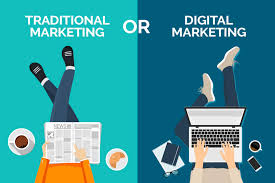
One of the key advantages of digital marketing solutions is their ability to provide measurable results. Unlike traditional marketing methods, digital campaigns offer detailed analytics that allow businesses to track performance metrics in real-time. This data-driven approach enables companies to make informed decisions and adjust their strategies for optimal outcomes.

Moreover, digital marketing solutions are highly cost-effective compared to traditional advertising avenues. With targeted ads and precise audience segmentation, businesses can maximise their marketing budget and achieve a higher return on investment. Additionally, digital campaigns can be easily scaled up or down based on performance metrics and business objectives.

Choosing the Right Digital Marketing Partner

While the benefits of digital marketing solutions are clear, selecting the right partner to implement these strategies is crucial for success. A reputable digital marketing agency with a proven track record of delivering results can help businesses navigate the complexities of the online landscape and develop tailored solutions that align with their goals.

By collaborating with experienced professionals who understand the nuances of digital marketing, companies can unlock new opportunities for growth and stay ahead of the competition in today’s dynamic marketplace.


Mastering Digital Marketing: 7 Essential Tips for Success

  1. Create a strong online presence through website optimisation and search engine optimization (SEO).
  2. Utilize social media platforms effectively to engage with your target audience and build brand awareness.
  3. Implement email marketing campaigns to nurture leads and maintain customer relationships.
  4. Invest in pay-per-click (PPC) advertising for targeted reach and quick results.
  5. Produce high-quality content that is valuable to your audience to drive traffic and establish authority in your industry.
  6. Monitor key performance indicators (KPIs) regularly to track the success of your digital marketing efforts and make data-driven decisions.
  7. Stay updated on the latest digital marketing trends and technologies to remain competitive in the online landscape.

Create a strong online presence through website optimisation and search engine optimization (SEO).

To establish a robust online presence and enhance visibility in the digital realm, it is imperative to focus on website optimisation and search engine optimisation (SEO). By fine-tuning your website to improve user experience, loading speed, and mobile responsiveness, you can create a seamless platform that engages visitors and encourages them to explore further. Additionally, implementing effective SEO strategies such as keyword research, meta tags optimisation, and quality content creation can help your website rank higher in search engine results pages, driving organic traffic and increasing your online visibility to potential customers. Combining website optimisation with SEO techniques is essential for building a strong foundation that supports your digital marketing efforts and maximises your online reach.

Utilize social media platforms effectively to engage with your target audience and build brand awareness.

To maximise the impact of your digital marketing efforts, it is essential to harness the power of social media platforms effectively. By engaging with your target audience on platforms such as Facebook, Instagram, Twitter, and LinkedIn, you can create meaningful connections, foster brand loyalty, and increase brand awareness. Through compelling content, interactive posts, and timely responses to customer interactions, businesses can cultivate a strong online presence that resonates with their audience and drives engagement. Embracing social media as a key component of your digital marketing strategy can yield significant benefits in terms of building relationships with customers and enhancing brand visibility in today’s competitive digital landscape.

Implement email marketing campaigns to nurture leads and maintain customer relationships.

Implementing email marketing campaigns is a powerful strategy in the realm of digital marketing solutions. By utilising targeted emails, businesses can nurture leads, engage with potential customers, and maintain strong relationships with existing clients. Personalised and relevant content delivered directly to the inbox can drive customer engagement and loyalty, ultimately leading to increased conversions and long-term brand advocacy. Email marketing campaigns offer a cost-effective way to stay connected with your audience and provide valuable information that resonates with their needs and preferences.

Invest in pay-per-click (PPC) advertising for targeted reach and quick results.

Investing in pay-per-click (PPC) advertising is a strategic move for businesses seeking targeted reach and rapid results in their digital marketing efforts. By utilising PPC campaigns, companies can display ads to specific audiences based on demographics, interests, and online behaviour. This targeted approach not only increases the likelihood of reaching potential customers but also allows for precise budget control and measurable ROI. With PPC advertising, businesses can quickly generate traffic to their website, increase brand visibility, and drive conversions, making it an effective tool for achieving immediate impact in the competitive online landscape.

Produce high-quality content that is valuable to your audience to drive traffic and establish authority in your industry.

To succeed in digital marketing, it is essential to produce high-quality content that resonates with your target audience and provides value. By creating informative and engaging content, businesses can attract more traffic to their website, increase brand visibility, and establish themselves as authoritative figures in their industry. Valuable content not only helps to drive organic traffic but also fosters trust and credibility among consumers, ultimately leading to long-term relationships and sustainable growth for the business.

Monitor key performance indicators (KPIs) regularly to track the success of your digital marketing efforts and make data-driven decisions.

Monitoring key performance indicators (KPIs) regularly is essential in evaluating the effectiveness of your digital marketing strategies. By tracking metrics such as website traffic, conversion rates, click-through rates, and engagement levels, businesses can gain valuable insights into the performance of their campaigns. This data-driven approach enables companies to identify areas for improvement, make informed decisions, and optimise their marketing efforts for better results. Regularly monitoring KPIs empowers businesses to adapt quickly to changing trends and consumer behaviours in the digital landscape, ultimately leading to increased success and growth.

To stay competitive in the ever-evolving online landscape, it is essential for businesses to stay updated on the latest digital marketing trends and technologies. By keeping abreast of industry developments and innovations, companies can adapt their strategies to meet changing consumer preferences and market dynamics. Embracing new technologies and trends not only allows businesses to engage with their target audience more effectively but also helps them differentiate themselves from competitors. Continuous learning and implementation of cutting-edge digital marketing solutions are key to achieving sustained success in the digital realm.

internet marketing seo

Unlocking the Power of SEO in Internet Marketing Strategies

The Power of SEO in Internet Marketing

The Power of SEO in Internet Marketing

Search Engine Optimization (SEO) plays a crucial role in the world of internet marketing. It is the practice of enhancing your website’s visibility on search engine results pages to drive organic traffic and improve online presence.

SEO involves a combination of strategies and techniques aimed at improving your website’s ranking for relevant keywords that potential customers are searching for. By optimising your site’s content, structure, and performance, you can attract more visitors and increase your chances of converting them into customers.

Benefits of SEO in Internet Marketing:

  • Increased Visibility: By appearing higher in search engine results, your website is more likely to be seen by users searching for products or services related to your business.
  • Targeted Traffic: SEO helps you reach a specific audience interested in what you offer, increasing the likelihood of generating leads and sales.
  • Builds Credibility: A well-optimised website with high rankings conveys trust and authority to users, establishing your brand as a reputable source in your industry.
  • Cost-Effective Marketing: Compared to traditional advertising methods, SEO offers a cost-effective way to attract quality traffic over the long term.
  • Analytics and Insights: SEO tools provide valuable data on user behaviour, keyword performance, and other metrics that can help you refine your marketing strategy for better results.

Key SEO Strategies for Internet Marketing Success:

To harness the power of SEO effectively, consider implementing the following strategies:

  1. Keyword Research: Identify relevant keywords that reflect what your target audience is searching for online.
  2. On-Page Optimization: Optimise your website’s content, meta tags, headings, and images to align with targeted keywords.
  3. Quality Content Creation: Produce engaging and informative content that resonates with users and encourages them to stay on your site.
  4. Link Building: Acquire high-quality backlinks from reputable websites to boost your site’s authority and credibility.
  5. User Experience (UX) Improvement: Ensure that your website is user-friendly, fast-loading, and mobile-responsive for a positive user experience.

In conclusion, SEO is an essential component of successful internet marketing strategies. By investing time and resources into optimising your website for search engines, you can enhance visibility, attract targeted traffic, build credibility, and achieve long-term growth for your business online.


22 Common Questions About SEO and Its Role in Internet Marketing

  1. What is difference between SEO and online marketing?
  2. What is SEO and how it works?
  3. What is SEO example?
  4. What is a SEO in marketing?
  5. How SEO is done?
  6. Why is SEO important in Internet marketing?
  7. How do I use SEO in digital marketing?
  8. How is SEO used in digital marketing?
  9. What are the 4 types of SEO?
  10. What are the 3 types of SEO?
  11. What is SEO and how it will work?
  12. What is SEO marketing for beginners?
  13. What is SEO role in marketing?
  14. What is SEO marketing and how it works?
  15. What is Internet marketing in SEO?
  16. What are the 4 stages of SEO?
  17. How to use SEO in online marketing?
  18. What are the four types of SEO?
  19. How Internet marketing is different from SEO marketing?
  20. What is an example of an SEO?
  21. How much does SEO cost in the UK?
  22. What is SEO for beginners?

What is difference between SEO and online marketing?

In the realm of internet marketing, a common query often arises regarding the distinction between SEO and online marketing. While SEO (Search Engine Optimization) is a specific subset of online marketing, focusing primarily on improving a website’s visibility in search engine results through organic tactics such as keyword optimization and content enhancement, online marketing encompasses a broader spectrum of strategies aimed at promoting products or services over the internet. Online marketing includes various channels such as social media marketing, email marketing, pay-per-click advertising, and content marketing, all working together to drive traffic, generate leads, and increase conversions. In essence, SEO is a vital component of online marketing that contributes to enhancing a website’s search engine rankings and overall digital presence within the larger framework of online promotional activities.

What is SEO and how it works?

Search Engine Optimization (SEO) is a fundamental aspect of internet marketing that focuses on improving a website’s visibility and ranking on search engine results pages. In essence, SEO involves implementing various strategies and techniques to enhance a website’s relevance and authority in the eyes of search engines like Google. This includes optimising website content, meta tags, images, and other elements to align with targeted keywords that users are likely to search for. By improving these elements and acquiring high-quality backlinks from reputable sources, websites can increase their chances of appearing higher in search results, driving organic traffic and ultimately boosting online visibility and engagement.

What is SEO example?

In the realm of internet marketing, a common query often arises: “What is SEO, and can you provide an example?” Search Engine Optimization (SEO) is the practice of enhancing a website’s visibility on search engine results pages through various strategies. An example of SEO in action would be a business optimising its website with relevant keywords, high-quality content, and user-friendly design to rank higher on search engine results for specific search queries. By implementing SEO techniques effectively, businesses can attract more organic traffic and improve their online presence, ultimately leading to increased visibility and potential customer engagement.

What is a SEO in marketing?

In the realm of internet marketing, SEO, which stands for Search Engine Optimization, plays a pivotal role in enhancing a website’s visibility and attracting organic traffic. SEO in marketing refers to the practice of optimising various elements of a website to improve its ranking on search engine results pages for specific keywords relevant to the business or industry. By strategically implementing SEO techniques such as keyword research, on-page optimization, and link building, marketers aim to increase their website’s chances of being discovered by users searching for related products or services online. Ultimately, SEO in marketing is about driving targeted traffic to a website and improving its overall online presence to achieve business objectives.

How SEO is done?

Search Engine Optimization (SEO) is the process of improving a website’s visibility on search engine results pages through various strategies and techniques. SEO is done by conducting thorough keyword research to identify relevant terms that users are searching for, optimizing on-page elements such as meta tags, headings, and content, building high-quality backlinks from reputable sites, improving website performance and user experience, and regularly monitoring and adjusting strategies based on analytics data. Effective SEO involves a combination of technical expertise, content creation, and continuous refinement to enhance a website’s ranking and attract organic traffic from search engines.

Why is SEO important in Internet marketing?

Search Engine Optimization (SEO) is paramount in Internet marketing due to its pivotal role in enhancing a website’s visibility and driving organic traffic. By strategically optimising a site’s content, structure, and performance, SEO helps businesses rank higher on search engine results pages for relevant keywords. This increased visibility not only attracts more visitors but also targets a specific audience interested in the products or services offered. Ultimately, SEO builds credibility, establishes trust with users, and provides a cost-effective marketing strategy that yields long-term benefits for businesses looking to succeed online.

How do I use SEO in digital marketing?

In digital marketing, utilising SEO involves implementing strategies to enhance a website’s visibility and ranking on search engine results pages. To effectively use SEO in digital marketing, businesses should focus on conducting thorough keyword research to identify relevant terms that their target audience is searching for. Optimising website content, meta tags, and headings with these keywords can help improve organic search performance. Additionally, creating high-quality, engaging content that provides value to users can attract more traffic and increase the chances of conversion. Link building, improving website user experience, and monitoring analytics are also key aspects of integrating SEO into a comprehensive digital marketing strategy.

How is SEO used in digital marketing?

SEO plays a vital role in digital marketing by enhancing a website’s visibility and driving organic traffic through search engine results. By strategically implementing SEO techniques such as keyword research, on-page optimization, and link building, businesses can improve their online presence and attract targeted audiences searching for relevant products or services. SEO not only helps websites rank higher in search engine results pages but also builds credibility, increases brand visibility, and ultimately contributes to the overall success of digital marketing campaigns.

What are the 4 types of SEO?

In the realm of internet marketing SEO, one frequently asked question is, “What are the 4 types of SEO?” The four main types of SEO are on-page SEO, off-page SEO, technical SEO, and local SEO. On-page SEO focuses on optimising individual web pages to improve their search engine rankings and attract organic traffic. Off-page SEO involves activities outside the website to enhance its authority and relevance, such as link building. Technical SEO deals with the backend elements of a website to improve its crawling and indexing by search engines. Lastly, local SEO targets specific geographic locations to help businesses appear in local search results and connect with nearby customers effectively. Understanding these different types of SEO is essential for creating a comprehensive digital marketing strategy that drives online success.

What are the 3 types of SEO?

In the realm of internet marketing SEO, it is common to encounter the frequently asked question: “What are the 3 types of SEO?” The three main types of SEO are on-page SEO, off-page SEO, and technical SEO. On-page SEO focuses on optimising individual web pages to improve their search engine rankings and attract organic traffic. Off-page SEO involves activities outside of your website, such as link building and social media marketing, to enhance your site’s authority and credibility. Technical SEO deals with the backend aspects of a website, including site speed, mobile-friendliness, and structured data markup, to ensure optimal performance and indexing by search engines. Understanding and implementing these three types of SEO strategies are essential for a comprehensive approach to improving your online visibility and driving organic traffic to your website.

What is SEO and how it will work?

Search Engine Optimization (SEO) is a fundamental aspect of internet marketing that focuses on improving a website’s visibility and ranking on search engine results pages. SEO works by implementing various strategies and techniques to enhance a website’s relevance and authority in the eyes of search engines like Google. This involves optimising content, meta tags, keywords, and technical aspects of a site to make it more attractive to search engine algorithms. By following best practices and staying up-to-date with the latest trends in SEO, businesses can increase their online presence, drive organic traffic, and ultimately achieve better visibility and higher rankings on search engines.

What is SEO marketing for beginners?

SEO marketing for beginners is a fundamental aspect of digital marketing that focuses on improving a website’s visibility in search engine results pages. Search Engine Optimization (SEO) involves various strategies and techniques aimed at enhancing a website’s relevance and authority to rank higher for specific keywords. For beginners, SEO marketing entails learning how to optimise website content, structure, and performance to attract organic traffic and improve online presence. By understanding the basics of SEO, beginners can create a solid foundation for implementing effective marketing strategies that drive targeted traffic and boost brand visibility in the competitive online landscape.

What is SEO role in marketing?

Search Engine Optimization (SEO) plays a pivotal role in marketing by enhancing a website’s visibility on search engine results pages. SEO helps businesses attract organic traffic by optimising their online presence for relevant keywords. By improving a website’s ranking, SEO increases the likelihood of reaching a targeted audience interested in the products or services offered. Ultimately, SEO contributes to building credibility, increasing brand awareness, and driving valuable traffic that can lead to conversions and business growth in the competitive digital landscape.

What is SEO marketing and how it works?

SEO marketing, also known as Search Engine Optimization marketing, is a fundamental strategy in the realm of digital marketing. It involves optimising a website to improve its visibility on search engine results pages for specific keywords relevant to the business. By implementing various techniques such as keyword research, on-page optimisation, and link building, SEO aims to increase organic traffic and enhance a website’s ranking in search engine algorithms. Ultimately, SEO marketing works by making a website more attractive and accessible to both search engines and users, leading to higher visibility, targeted traffic, and improved online presence for businesses.

What is Internet marketing in SEO?

Internet marketing in SEO refers to the strategies and techniques used to promote a website or online business through search engine optimisation. It involves enhancing a website’s visibility on search engine results pages by targeting specific keywords relevant to the business and industry. Internet marketing in SEO aims to drive organic traffic to a website, increase its online presence, and improve its ranking on search engines like Google. By implementing effective SEO tactics such as keyword research, on-page optimisation, and link building, businesses can attract more visitors, generate leads, and ultimately boost their online success.

What are the 4 stages of SEO?

Understanding the four stages of SEO is crucial for implementing an effective digital marketing strategy. The first stage is the initial assessment, where thorough research and analysis are conducted to identify target keywords, assess competitors, and evaluate the current state of the website. The second stage involves on-page optimization, focusing on refining website content, meta tags, and internal linking structure to improve search engine visibility. Off-page optimization is the third stage, which entails building quality backlinks from authoritative sources to boost domain authority and enhance online reputation. The final stage is continuous monitoring and adaptation, where performance metrics are tracked, algorithms are updated, and strategies are adjusted to maintain and improve search rankings over time.

How to use SEO in online marketing?

Utilising SEO in online marketing involves implementing a range of strategies to enhance a website’s visibility and attract organic traffic from search engines. To effectively use SEO in online marketing, businesses should focus on conducting thorough keyword research to identify relevant terms that their target audience is searching for. Optimising website content, meta tags, and headings with these keywords is essential for improving search engine rankings. Additionally, building high-quality backlinks, creating engaging content, and ensuring a positive user experience on the website are key factors in leveraging SEO for successful online marketing campaigns. By integrating these tactics strategically, businesses can maximise their online presence and reach their desired audience effectively.

What are the four types of SEO?

In the realm of internet marketing SEO, one frequently asked question is: “What are the four types of SEO?” The four main types of SEO are on-page SEO, off-page SEO, technical SEO, and local SEO. On-page SEO focuses on optimizing individual web pages to improve search engine rankings and attract organic traffic. Off-page SEO involves activities outside your website to enhance its online authority and credibility. Technical SEO deals with the technical aspects of a website to ensure it is easily crawlable and indexable by search engines. Lastly, local SEO targets local search results to help businesses connect with nearby customers effectively. Understanding these four types of SEO is essential for creating a comprehensive digital marketing strategy that drives visibility and engagement online.

How Internet marketing is different from SEO marketing?

Internet marketing and SEO marketing are closely related but distinct concepts in the digital realm. Internet marketing encompasses a broader range of strategies and tactics aimed at promoting products or services online, including SEO as one of its components. SEO marketing, on the other hand, specifically focuses on optimising a website to improve its visibility and ranking in search engine results pages. While internet marketing involves various channels such as social media, email marketing, content marketing, and paid advertising, SEO marketing hones in on organic search traffic through targeted keyword optimisation and website enhancements. Both disciplines play crucial roles in driving online success, with internet marketing serving as the overarching strategy and SEO marketing serving as a key tactic within that strategy.

What is an example of an SEO?

An example of SEO (Search Engine Optimization) in internet marketing is the process of optimising a website’s content, structure, and performance to improve its visibility on search engine results pages. For instance, by conducting keyword research and strategically incorporating relevant keywords into website content, meta tags, and headings, a business can increase its chances of ranking higher for specific search queries. Additionally, implementing on-page optimization techniques such as improving site speed, mobile responsiveness, and user experience can further enhance a website’s SEO performance and attract more organic traffic from search engines.

How much does SEO cost in the UK?

When it comes to the cost of SEO services in the UK, the pricing can vary depending on several factors such as the scope of work, the competitiveness of the industry, and the level of expertise required. Generally, SEO services in the UK can range from a few hundred pounds to several thousand pounds per month. It’s important for businesses to consider their specific goals and budget when determining how much to invest in SEO. Working with a reputable agency that offers transparent pricing and customised strategies tailored to your needs can help ensure you get the best value for your investment in improving your online visibility and driving organic traffic to your website.

What is SEO for beginners?

Search Engine Optimization (SEO) for beginners is a fundamental aspect of digital marketing aimed at improving a website’s visibility on search engine results pages. In simple terms, SEO involves implementing strategies and techniques to enhance a website’s content, structure, and performance in order to rank higher for relevant keywords. For newcomers to the world of SEO, it is essential to understand the basics such as keyword research, on-page optimization, and link building. By mastering these foundational concepts, beginners can start their journey towards increasing organic traffic, attracting targeted audiences, and ultimately achieving online success.

seo's

Unlocking the Potential: Maximising Your SEO’s Impact

The Power of SEO: Boosting Your Online Visibility

The Power of SEO: Boosting Your Online Visibility

In today’s digital age, Search Engine Optimization (SEO) has become a crucial tool for businesses looking to enhance their online presence and reach a wider audience. SEO is the practice of optimizing your website to rank higher in search engine results pages, making it more visible to potential customers searching for relevant keywords.

By implementing effective SEO strategies, businesses can significantly increase their organic traffic and improve their online visibility. Here are some key benefits of investing in SEO:

  • Increased Website Traffic: By improving your website’s search engine ranking, you can attract more visitors who are actively searching for products or services related to your business.
  • Enhanced User Experience: SEO involves optimizing your website’s structure and content to make it more user-friendly, resulting in a better overall experience for visitors.
  • Build Trust and Credibility: Websites that appear at the top of search results are often perceived as more trustworthy and credible by users, leading to increased brand reputation.
  • Cost-Effective Marketing: Compared to traditional advertising methods, SEO offers a cost-effective way to drive targeted traffic to your website over the long term.
  • Stay Ahead of Competition: In today’s competitive online landscape, investing in SEO can give you a competitive edge by helping you outrank competitors in search results.

To harness the full power of SEO, it is essential to stay up-to-date with the latest trends and algorithms used by search engines like Google. Regularly updating your website with high-quality content, optimizing for mobile devices, and building quality backlinks are just a few strategies that can help improve your SEO performance.

In conclusion, SEO plays a vital role in boosting your online visibility and driving valuable traffic to your website. By investing in effective SEO strategies, businesses can position themselves for long-term success in the digital marketplace.


Understanding SEO: Key Questions and Insights for Effective Optimisation

  1. What is SEO and why is it important?
  2. How does SEO work?
  3. What are the key components of a successful SEO strategy?
  4. How long does it take to see results from SEO efforts?
  5. Is SEO better than paid advertising?
  6. What are common mistakes to avoid in SEO?

What is SEO and why is it important?

Search Engine Optimization (SEO) is the practice of optimizing a website to improve its visibility in search engine results pages. It involves various techniques such as keyword research, content optimization, and link building to help a website rank higher in search engine listings. SEO is important because it helps businesses attract organic traffic from users actively searching for products or services related to their industry. By enhancing their online visibility through SEO, businesses can increase website traffic, improve user experience, build credibility, and stay ahead of competitors in the digital landscape. Ultimately, investing in SEO can lead to long-term success and growth for businesses online.

How does SEO work?

Search Engine Optimization (SEO) works by improving a website’s visibility and ranking on search engine results pages through various strategies and techniques. SEO involves optimizing website content, meta tags, images, and backlinks to make it more relevant and valuable to search engines like Google. By targeting specific keywords related to the business or industry, SEO helps websites attract organic traffic from users searching for relevant information or products. Additionally, factors such as website speed, mobile-friendliness, and user experience also play a crucial role in SEO success. Ultimately, the goal of SEO is to enhance a website’s online presence, increase its visibility to potential customers, and drive valuable organic traffic for long-term success.

What are the key components of a successful SEO strategy?

When it comes to crafting a successful SEO strategy, several key components play a crucial role in enhancing a website’s visibility and driving organic traffic. These components include keyword research to identify relevant search terms, on-page optimization to ensure that content is structured and tagged correctly, quality link building to establish authority and credibility, mobile-friendliness for improved user experience on different devices, and regular monitoring and analysis of performance metrics to make informed adjustments. By integrating these essential elements into an SEO strategy, businesses can effectively improve their search engine rankings and attract valuable traffic to their websites.

How long does it take to see results from SEO efforts?

Achieving tangible results from SEO efforts is a common concern for many businesses. The timeline for seeing noticeable outcomes from SEO strategies can vary depending on various factors such as the competitiveness of the industry, the current state of the website, and the effectiveness of the implemented SEO tactics. Generally, it may take several months to start seeing significant improvements in search engine rankings and organic traffic. Consistent and strategic SEO efforts, including content creation, technical optimization, and link building, are essential for long-term success in improving online visibility and driving valuable traffic to a website. Patience and persistence are key when it comes to reaping the benefits of SEO initiatives.

Is SEO better than paid advertising?

When comparing SEO to paid advertising, the choice between the two often depends on the specific goals and budget of a business. SEO, or Search Engine Optimization, focuses on improving organic search visibility and driving sustainable, long-term traffic to a website. While it may take time to see results with SEO, the benefits can be significant in terms of cost-effectiveness and building credibility with users. On the other hand, paid advertising offers more immediate results and allows businesses to target specific audiences through paid placements. Ultimately, a combination of both SEO and paid advertising can be a powerful strategy for maximising online visibility and reaching a diverse range of potential customers.

What are common mistakes to avoid in SEO?

When it comes to SEO, there are several common mistakes that businesses should avoid to ensure the effectiveness of their digital marketing efforts. One key mistake is neglecting the importance of keyword research and targeting. Failing to identify and optimise for relevant keywords can hinder a website’s visibility in search engine results. Another mistake is overlooking the importance of quality content creation. Content that is not engaging, informative, or relevant to the target audience can negatively impact a website’s SEO performance. Additionally, neglecting on-page optimization elements such as meta tags, headings, and image alt text can also hinder a website’s ranking potential. By addressing these common mistakes and implementing best practices in SEO strategy, businesses can improve their online visibility and attract more organic traffic to their websites.

internet marketing firm

Unlocking Success: The Role of an Internet Marketing Firm in Digital Growth

The Power of Internet Marketing Firms in Driving Online Success

Internet marketing has become an essential component of any business’s overall marketing strategy in today’s digital age. With the vast reach and influence of the internet, businesses are increasingly turning to internet marketing firms to help them navigate the complex world of online promotion and achieve their goals.

What is an Internet Marketing Firm?

An internet marketing firm is a professional agency that specialises in promoting businesses and brands online. These firms offer a wide range of services, including search engine optimisation (SEO), pay-per-click (PPC) advertising, social media marketing, content creation, email marketing, and more. By leveraging various digital channels, internet marketing firms help businesses increase their online visibility, attract more traffic to their websites, and ultimately drive conversions and sales.

The Benefits of Working with an Internet Marketing Firm

Collaborating with an internet marketing firm can provide businesses with several key advantages:

  • Expertise: Internet marketing firms have a team of experienced professionals who understand the latest trends and best practices in digital marketing. They can develop tailored strategies to help businesses achieve their specific objectives.
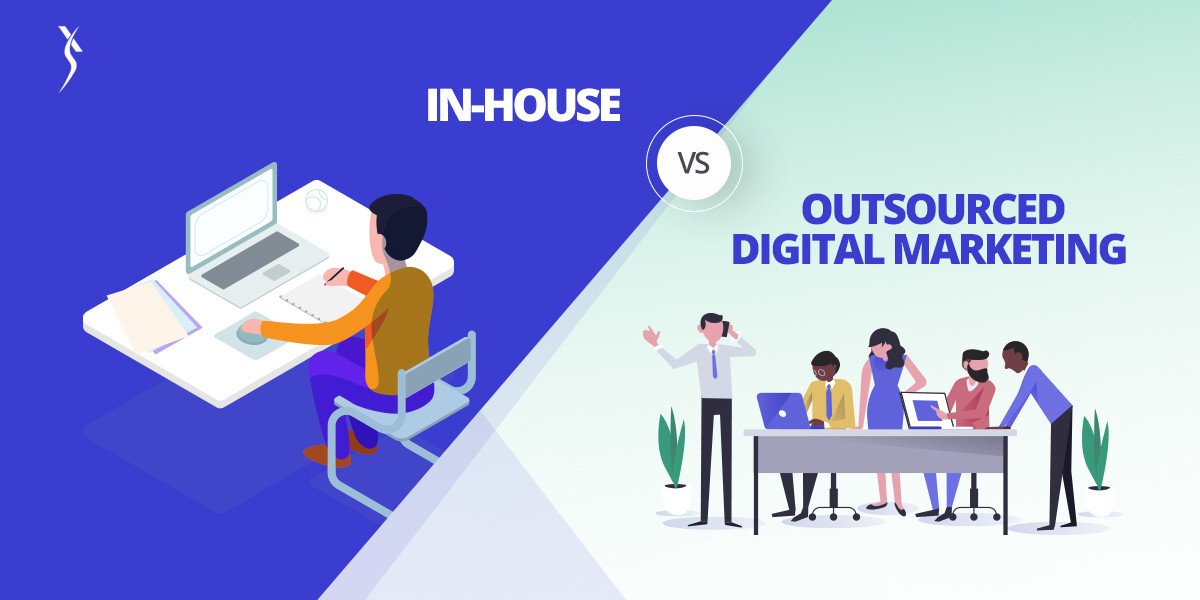
  • Efficiency: Outsourcing your online marketing efforts to a specialised firm allows you to focus on other aspects of your business while experts handle your digital campaigns efficiently and effectively.
  • Measurable Results: Internet marketing firms use analytics tools to track the performance of your campaigns in real-time. This data-driven approach enables them to make informed decisions and optimise strategies for better results.
  • Scalability: Whether you are a small start-up or a large corporation, internet marketing firms can tailor their services to meet your needs and scale as your business grows.

The Future of Online Marketing

As technology continues to evolve rapidly, the landscape of online marketing is constantly changing. Internet marketing firms play a crucial role in helping businesses stay ahead of the curve and adapt to these changes effectively. By harnessing the power of data-driven strategies, engaging content, and targeted campaigns, businesses can maximise their online presence and reach their target audiences more efficiently than ever before.

In conclusion, partnering with an internet marketing firm can be a game-changer for businesses looking to succeed in the competitive digital marketplace. By leveraging the expertise and resources of these specialised agencies, businesses can unlock new opportunities for growth, engagement, and success in the online world.


7 Essential Tips for Boosting Your Internet Marketing Firm’s Success

  1. Understand your target audience and tailor your marketing strategies to their preferences.
  2. Utilize social media platforms effectively to reach a wider audience and engage with potential customers.
  3. Invest in search engine optimization (SEO) to improve your website’s visibility on search engines like Google.
  4. Create high-quality content that is valuable and relevant to your target market to attract and retain customers.
  5. Track and analyse data to measure the effectiveness of your marketing campaigns and make informed decisions for improvement.
  6. Stay updated with the latest trends in internet marketing to remain competitive in the digital landscape.
  7. Build strong relationships with influencers or other businesses for collaborations that can help expand your reach.

Understand your target audience and tailor your marketing strategies to their preferences.

To maximise the effectiveness of your online marketing efforts, it is crucial to have a deep understanding of your target audience and tailor your strategies to align with their preferences and behaviours. By conducting thorough market research and analysing demographic data, businesses can gain valuable insights into what resonates with their audience and how best to engage them. This customer-centric approach not only enhances the relevance and impact of your marketing campaigns but also fosters stronger connections with your target audience, ultimately leading to increased brand loyalty and conversions.

Utilize social media platforms effectively to reach a wider audience and engage with potential customers.

To maximise the impact of your internet marketing efforts, it is crucial to utilise social media platforms effectively. By leveraging the power of platforms such as Facebook, Instagram, Twitter, and LinkedIn, businesses can reach a wider audience and engage with potential customers in a more personalised and interactive manner. Engaging content, strategic posting schedules, and targeted advertising campaigns on social media can help businesses build brand awareness, drive website traffic, and foster meaningful relationships with their target audience. Embracing social media as a key component of your internet marketing strategy can lead to increased visibility, customer engagement, and ultimately, business growth.

Invest in search engine optimization (SEO) to improve your website’s visibility on search engines like Google.

Investing in search engine optimization (SEO) is essential for improving your website’s visibility on search engines like Google. By implementing SEO best practices, such as keyword research, on-page optimization, and link building, you can enhance your website’s ranking in search engine results pages. This increased visibility can drive more organic traffic to your site, attract potential customers actively searching for your products or services, and ultimately boost your online presence and business growth.

Create high-quality content that is valuable and relevant to your target market to attract and retain customers.

Creating high-quality content that is valuable and relevant to your target market is a crucial tip for success when working with an internet marketing firm. By producing content that resonates with your audience’s needs and interests, you can attract and retain customers effectively. Whether it’s informative blog posts, engaging social media updates, or compelling videos, providing valuable content establishes your brand as a trusted source of information in your industry. This not only helps drive traffic to your website but also builds long-term relationships with customers who see the value in what you have to offer.

Track and analyse data to measure the effectiveness of your marketing campaigns and make informed decisions for improvement.

Tracking and analysing data is a crucial aspect of any successful internet marketing campaign. By monitoring key metrics such as website traffic, conversion rates, click-through rates, and engagement levels, businesses can gain valuable insights into the performance of their marketing efforts. This data-driven approach allows businesses to identify what is working well and what areas need improvement, enabling them to make informed decisions to optimise their strategies for better results. By continuously analysing data, internet marketing firms can adapt and refine campaigns to ensure maximum effectiveness and achieve the desired outcomes for their clients.

Staying updated with the latest trends in internet marketing is essential for businesses aiming to remain competitive in the ever-evolving digital landscape. By keeping abreast of emerging technologies, consumer behaviours, and industry innovations, businesses can adapt their online strategies to stay ahead of the curve and connect effectively with their target audiences. Embracing new trends in internet marketing not only enhances brand visibility and engagement but also ensures that businesses are well-positioned to meet the evolving needs and expectations of their customers in today’s dynamic online environment.

Build strong relationships with influencers or other businesses for collaborations that can help expand your reach.

Building strong relationships with influencers or other businesses for collaborations is a valuable tip for internet marketing firms looking to expand their reach and maximise their impact. By partnering with influencers who have a loyal following or collaborating with complementary businesses, firms can tap into new audiences and increase brand visibility. These collaborations not only help in reaching a wider demographic but also lend credibility and authenticity to the firm’s marketing efforts. Establishing meaningful partnerships can lead to mutual benefits, driving engagement, fostering trust, and ultimately contributing to the firm’s overall success in the competitive online landscape.

best digital marketing agencies

Unveiling the Best Digital Marketing Agencies: Elevating Your Online Presence

Best Digital Marketing Agencies

The Top Digital Marketing Agencies Transforming Businesses

In today’s competitive digital landscape, businesses need to partner with the best digital marketing agencies to stand out and reach their target audiences effectively. These agencies utilise cutting-edge strategies, innovative technologies, and creative approaches to help businesses thrive in the online world.

What Makes a Digital Marketing Agency the Best?

The best digital marketing agencies share common characteristics that set them apart from the rest. They have a deep understanding of digital trends, consumer behaviour, and emerging technologies. These agencies are results-driven, data-driven, and customer-focused.

Top Digital Marketing Agencies to Consider:

  1. Digital Giants: Known for their expertise in SEO, PPC, social media marketing, and content creation.
  2. Creative Minds: Specialising in innovative branding strategies, design solutions, and engaging multimedia content.
  3. Data Wizards: Masters of analytics, conversion rate optimisation, and performance tracking to drive ROI.
  4. Social Butterflies: Experts in influencer marketing, community management, and viral campaigns on social platforms.
  5. E-commerce Gurus: Focused on maximising online sales through targeted advertising and conversion optimisation.

The Impact of Choosing the Right Agency

Partnering with the best digital marketing agency can transform your business by increasing brand visibility, driving website traffic, generating leads, and boosting conversions. These agencies have the expertise to develop customised strategies that align with your business goals and deliver measurable results.

Final Thoughts

In conclusion, selecting the right digital marketing agency is crucial for achieving success in today’s competitive marketplace. By choosing a top agency that aligns with your business objectives and values innovation, creativity, and results-driven approaches, you can elevate your brand presence and achieve sustainable growth in the digital realm.


Top 8 Advantages of Leading Digital Marketing Agencies: Expertise, Innovation, and Results

  1. Expertise in the latest digital trends and technologies
  2. Data-driven strategies for targeted marketing campaigns
  3. Creative and innovative approaches to engage audiences
  4. Proven track record of delivering measurable results
  5. Customised solutions tailored to meet specific business needs
  6. Increased brand visibility and online presence
  7. Access to a team of skilled professionals with diverse backgrounds
  8. Continuous monitoring and optimisation for ongoing success


Challenges of Engaging Top Digital Marketing Agencies: Costs, Competition, and More

  1. High costs
  2. Competition
  3. Cookie-cutter solutions
  4. Limited availability
  5. Overwhelming options
  6. Dependency risk

Best digital marketing agencies excel in their expertise in the latest digital trends and technologies, allowing them to stay ahead of the curve and implement cutting-edge strategies for their clients. By staying informed about emerging technologies and industry trends, these agencies can offer innovative solutions that leverage the power of digital platforms to drive engagement, reach target audiences effectively, and achieve measurable results. Their deep knowledge of the digital landscape enables them to adapt quickly to changes and deliver campaigns that are both current and impactful.

Data-driven strategies for targeted marketing campaigns

One significant advantage of partnering with the best digital marketing agencies is their implementation of data-driven strategies for targeted marketing campaigns. By leveraging data analytics and insights, these agencies can precisely identify and reach the right audience segments with tailored messages and offers. This approach not only enhances campaign effectiveness but also maximises return on investment by focusing resources on the most promising opportunities. Data-driven strategies enable businesses to make informed decisions, optimise their marketing efforts, and achieve measurable results in today’s competitive digital landscape.

Creative and innovative approaches to engage audiences

Best digital marketing agencies excel in employing creative and innovative approaches to engage audiences effectively. By thinking outside the box and pushing boundaries, these agencies captivate and resonate with target audiences in unique ways. Whether through compelling storytelling, interactive campaigns, or visually stunning content, their creativity sparks interest and fosters meaningful connections with consumers. This pro sets the best digital marketing agencies apart, allowing them to craft memorable brand experiences that leave a lasting impression on audiences.

Proven track record of delivering measurable results

One significant advantage of partnering with the best digital marketing agencies is their proven track record of delivering measurable results. These agencies have a demonstrated history of implementing effective strategies that drive tangible outcomes for their clients, such as increased website traffic, higher conversion rates, and improved ROI. By leveraging their expertise and experience, businesses can trust that their investment in digital marketing will yield concrete and quantifiable results that contribute to their overall success in the online landscape.

Customised solutions tailored to meet specific business needs

Best digital marketing agencies offer a significant advantage by providing customised solutions tailored to meet specific business needs. By understanding the unique requirements and goals of each client, these agencies can develop targeted strategies that address specific challenges and maximise opportunities for growth. This personalised approach ensures that businesses receive tailored solutions that align with their brand identity, target audience, and overall objectives, ultimately leading to more effective and impactful digital marketing campaigns.

Increased brand visibility and online presence

One significant advantage of partnering with the best digital marketing agencies is the substantial increase in brand visibility and online presence that they can deliver. These agencies have the expertise and tools to strategically position your brand across various digital channels, reaching a wider audience and enhancing brand recognition. By implementing targeted strategies tailored to your business goals, they can help elevate your online visibility, attract more potential customers, and ultimately strengthen your brand’s presence in the competitive digital landscape.

Access to a team of skilled professionals with diverse backgrounds

One significant advantage of partnering with the best digital marketing agencies is gaining access to a team of skilled professionals with diverse backgrounds. These experts bring a wealth of knowledge and experience from various fields such as design, marketing, technology, and analytics. Their diverse perspectives and expertise allow them to develop innovative strategies tailored to meet the unique needs of clients, ensuring a comprehensive approach to digital marketing that drives success and delivers exceptional results.

Continuous monitoring and optimisation for ongoing success

Best digital marketing agencies excel in continuous monitoring and optimisation for ongoing success. By closely tracking campaign performance, analysing data, and making strategic adjustments in real-time, these agencies ensure that your digital marketing efforts remain effective and yield optimal results. This proactive approach allows businesses to stay ahead of the competition, adapt to changing market trends, and maximise their return on investment over time. The commitment to continuous monitoring and optimisation demonstrates the dedication of top digital marketing agencies to delivering sustained growth and long-term success for their clients.

High costs

One significant drawback of opting for the best digital marketing agencies is the high costs associated with their premium services. While these agencies offer top-notch expertise, cutting-edge strategies, and proven results, their price tags may be prohibitive for many businesses, especially smaller enterprises or startups with limited budgets. The expense of engaging the services of the best digital marketing agencies can pose a challenge for businesses seeking to maximise their online presence and reach their target audience effectively while balancing financial constraints.

Competition

Competition can be a significant drawback when considering the best digital marketing agencies. The reputation and popularity of these top agencies often result in a high demand for their services, leading to longer waiting times for clients seeking their expertise. This increased competition can sometimes make it challenging for businesses to secure timely assistance from these sought-after agencies, potentially impacting their ability to execute time-sensitive marketing campaigns or initiatives efficiently.

Some of the best digital marketing agencies may fall into the trap of offering cookie-cutter solutions, which can be a significant drawback. While these agencies may excel in certain areas, relying on standardised approaches may not always cater to the individual and unique needs of each client. This lack of customisation can result in strategies that fail to resonate with target audiences or address specific business challenges effectively. It is essential for businesses to be cautious and seek agencies that prioritise tailored solutions to ensure optimal results and long-term success in the digital landscape.

Limited availability

One significant drawback of the best digital marketing agencies is their limited availability. Due to their reputation for excellence, these agencies may have restricted capacity to onboard new clients promptly, leading to potential delays in project kick-off times. This limitation can be frustrating for businesses seeking immediate assistance with their digital marketing needs and may require careful planning and patience when engaging with these high-demand agencies.

Overwhelming options

With numerous top digital marketing agencies available, choosing the right one can be a daunting task for businesses. The overwhelming options can lead to decision paralysis and uncertainty, making it challenging for companies to identify the agency that best suits their specific needs and goals. It requires thorough research, careful consideration, and a clear understanding of what each agency offers to make an informed choice. This abundance of choices can create confusion and complexity in the selection process, potentially delaying or hindering businesses from leveraging the expertise of a reputable digital marketing agency.

Dependency risk

Dependency risk is a significant con associated with relying on the services of the best digital marketing agencies. Businesses that place excessive dependence on a single top agency for their digital marketing requirements run the risk of encountering challenges if the agency’s performance falters or its availability changes unexpectedly. This over-reliance can leave businesses vulnerable to disruptions in their marketing strategies and may hinder their ability to adapt swiftly to evolving market conditions. Diversifying partnerships and considering contingency plans can help mitigate the potential impact of such dependency risks on businesses’ long-term success in the digital realm.

sem search engine marketing

Unlocking the Potential of SEM: Search Engine Marketing Strategies for Success

The Power of SEM: Search Engine Marketing

The Power of SEM: Search Engine Marketing

Search Engine Marketing (SEM) is a powerful digital marketing strategy that involves promoting websites by increasing their visibility in search engine results pages through paid advertising. SEM encompasses various tactics such as pay-per-click (PPC) advertising, search engine optimisation (SEO), and other techniques to drive targeted traffic to websites.

Key Components of SEM

Pay-Per-Click (PPC) Advertising: PPC ads are a fundamental aspect of SEM where advertisers pay a fee each time their ad is clicked. This model allows businesses to reach their target audience effectively and drive immediate traffic to their websites.

Search Engine Optimisation (SEO): While PPC focuses on paid advertising, SEO aims to improve a website’s organic search rankings. By optimising website content, meta tags, and other elements, businesses can enhance their visibility in search engine results pages without paying for clicks.

The Benefits of SEM

Increased Visibility: SEM helps businesses increase their online visibility and reach a wider audience by appearing at the top of search engine results pages.

Targeted Advertising: With SEM, businesses can target specific keywords and demographics to ensure that their ads are seen by relevant audiences likely to convert into customers.

Measurable Results: SEM provides detailed analytics and tracking tools that allow businesses to measure the performance of their campaigns accurately. This data helps in refining strategies for better results.

Conclusion

In conclusion, Search Engine Marketing is a valuable tool for businesses looking to enhance their online presence and drive targeted traffic to their websites. By leveraging the power of SEM through PPC advertising, SEO strategies, and other tactics, businesses can achieve measurable results and grow their online success.


8 Essential Tips for Successful Search Engine Marketing (SEM) Campaigns

  1. 1. Conduct keyword research to target relevant search terms.
  2. 2. Create compelling and relevant ad copy for your SEM campaigns.
  3. 3. Utilize ad extensions to provide additional information in your ads.
  4. 4. Monitor and analyse campaign performance regularly to make data-driven decisions.
  5. 5. Optimize landing pages for better user experience and higher conversion rates.
  6. 6. Test different ad variations to identify what resonates best with your audience.
  7. 7. Set clear goals and KPIs to track the success of your SEM efforts.
  8. 8. Stay updated on industry trends and algorithm changes to adapt your strategies accordingly.

1. Conduct keyword research to target relevant search terms.

To maximise the effectiveness of your Search Engine Marketing (SEM) strategy, it is crucial to conduct thorough keyword research to target relevant search terms. By identifying and focusing on the keywords that are most relevant to your business or industry, you can ensure that your ads reach the right audience. Understanding the search terms that potential customers use can help you tailor your SEM campaigns to attract qualified leads and drive meaningful traffic to your website. Conducting keyword research is a foundational step in SEM that can significantly impact the success of your digital marketing efforts.

2. Create compelling and relevant ad copy for your SEM campaigns.

Creating compelling and relevant ad copy is a crucial tip for successful Search Engine Marketing (SEM) campaigns. Engaging ad copy that resonates with your target audience can significantly impact click-through rates and conversions. By crafting persuasive and tailored messages that highlight the unique selling points of your products or services, you can attract the attention of potential customers and drive them to take action. Remember, in the competitive landscape of SEM, well-crafted ad copy can make all the difference in capturing the interest of users and ultimately achieving your marketing goals.

3. Utilize ad extensions to provide additional information in your ads.

When implementing Search Engine Marketing (SEM), it is essential to utilise ad extensions to enhance the effectiveness of your ads. By incorporating ad extensions, businesses can provide additional information such as contact details, location, links to specific pages, and more within their ads. This not only makes the ads more informative and engaging but also increases the chances of attracting potential customers who are seeking specific information related to the products or services being advertised. Ad extensions play a crucial role in improving ad visibility and driving higher click-through rates, ultimately contributing to the overall success of SEM campaigns.

4. Monitor and analyse campaign performance regularly to make data-driven decisions.

Monitoring and analysing campaign performance regularly is a crucial tip in Search Engine Marketing (SEM). By consistently reviewing the data and metrics of SEM campaigns, businesses can make informed, data-driven decisions to optimise their strategies effectively. This practice allows for the identification of trends, areas for improvement, and opportunities for growth, ultimately leading to more successful and efficient SEM campaigns.

5. Optimize landing pages for better user experience and higher conversion rates.

When implementing Search Engine Marketing (SEM) strategies, it is crucial to optimise landing pages for improved user experience and increased conversion rates. By ensuring that landing pages are relevant, engaging, and easy to navigate, businesses can enhance the overall user experience and encourage visitors to take desired actions, such as making a purchase or filling out a contact form. Optimised landing pages not only help in capturing the attention of potential customers but also play a significant role in converting leads into valuable conversions, ultimately maximising the effectiveness of SEM campaigns.

6. Test different ad variations to identify what resonates best with your audience.

When implementing Search Engine Marketing (SEM), it is crucial to test different ad variations to determine which resonates best with your target audience. By conducting A/B testing and experimenting with various ad copy, visuals, and calls-to-action, businesses can gain valuable insights into what drives engagement and conversions. This iterative approach allows for continuous improvement and refinement of SEM campaigns to maximise their effectiveness in reaching and appealing to the desired audience.

7. Set clear goals and KPIs to track the success of your SEM efforts.

Setting clear goals and Key Performance Indicators (KPIs) is essential when implementing Search Engine Marketing (SEM) strategies. By defining specific objectives and measurable metrics, businesses can effectively track the success of their SEM efforts. Whether the goal is to increase website traffic, boost conversions, or improve brand awareness, having clear goals and KPIs in place enables businesses to evaluate performance accurately and make informed decisions to optimise their SEM campaigns for maximum impact.

Staying updated on industry trends and algorithm changes is crucial when implementing Search Engine Marketing strategies. By keeping abreast of the latest developments in the digital marketing landscape, businesses can adapt their SEM tactics to align with current best practices and algorithm updates. This proactive approach ensures that campaigns remain effective and relevant, ultimately leading to improved performance and success in reaching target audiences online.

seo marketing digital

Unlocking Success: The Dynamic Intersection of SEO, Marketing, and Digital Strategies

The Power of SEO in Digital Marketing

The Power of SEO in Digital Marketing

In the fast-paced world of digital marketing, Search Engine Optimization (SEO) plays a crucial role in driving organic traffic to websites and increasing online visibility. SEO involves optimizing a website’s content, structure, and user experience to rank higher in search engine results pages (SERPs).

Effective SEO strategies can significantly impact a business’s online presence and overall success. By focusing on relevant keywords, creating high-quality content, and improving site speed and mobile-friendliness, businesses can attract more qualified leads and convert them into loyal customers.

One of the key benefits of SEO is its long-term sustainability. Unlike paid advertising, which stops generating traffic once the budget runs out, SEO efforts can continue to drive organic traffic over time with consistent effort and updates. This makes SEO a cost-effective strategy for businesses looking to establish a strong online presence.

Furthermore, SEO helps build credibility and trust with users. Websites that appear at the top of search results are often perceived as more trustworthy and authoritative by consumers. By consistently providing valuable content and optimizing for user experience, businesses can enhance their reputation and attract more visitors to their site.

As search engines evolve and algorithms become more sophisticated, staying up-to-date with the latest SEO trends is essential for digital marketers. By adapting to changes in search engine algorithms and user behaviour, businesses can maintain their competitive edge and continue to drive organic traffic to their websites.

In conclusion, SEO is a powerful tool that can make a significant impact on a business’s digital marketing efforts. By investing in effective SEO strategies and staying informed about industry trends, businesses can improve their online visibility, attract more qualified leads, and ultimately achieve greater success in the digital landscape.


13 Frequently Asked Questions About SEO in Digital Marketing

  1. Can I do SEO myself?
  2. Does a digital marketer do SEO?
  3. What is better SEO or digital marketing?
  4. How to learn SEO for beginners?
  5. What is SEO in digital marketing?
  6. What is SEO digital media?
  7. What is an example of SEO?
  8. What are the 3 types of SEO?
  9. What is SEO marketing examples?
  10. What are the 4 types of SEO?
  11. Is SEO included in digital marketing?
  12. Which is better SEO or digital marketing?
  13. Can I learn SEO in 10 days?

Can I do SEO myself?

When it comes to SEO marketing in the digital realm, a frequently asked question is, “Can I do SEO myself?” While it is possible for individuals to attempt SEO strategies on their own, it requires a deep understanding of search engine algorithms, keyword research, content optimization, and technical aspects of website structure. SEO is a complex and ever-evolving field that demands continuous learning and adaptation to stay effective. Engaging with professional SEO services can often yield better results as experts have the experience and tools to navigate the intricacies of SEO effectively, ultimately driving more substantial and sustainable organic traffic to your website.

Does a digital marketer do SEO?

In the realm of digital marketing, the question of whether a digital marketer performs SEO is a common one. While digital marketers often encompass a wide range of skills and responsibilities, SEO is indeed a crucial aspect of their toolkit. Digital marketers are typically tasked with developing and implementing comprehensive online strategies to enhance a brand’s visibility and reach its target audience. This includes leveraging SEO techniques to improve a website’s search engine ranking, drive organic traffic, and ultimately achieve marketing objectives. Therefore, it can be said that SEO is an integral part of a digital marketer’s role in today’s competitive online landscape.

What is better SEO or digital marketing?

When comparing SEO and digital marketing, it’s important to understand that they are not mutually exclusive but rather complementary aspects of a comprehensive online strategy. SEO (Search Engine Optimization) is a subset of digital marketing that focuses on improving a website’s visibility in search engine results through organic methods, while digital marketing encompasses a broader range of online tactics such as social media marketing, email campaigns, paid advertising, and content creation. Both SEO and digital marketing play crucial roles in enhancing online presence and driving traffic to websites. While SEO is essential for long-term sustainable growth by improving organic search rankings, digital marketing provides a more holistic approach to reaching and engaging with target audiences through various channels. Ultimately, the effectiveness of each strategy depends on the specific goals and needs of a business, highlighting the importance of integrating both SEO and digital marketing techniques for optimal results in today’s competitive online landscape.

How to learn SEO for beginners?

For beginners looking to learn SEO, there are various resources available to help you understand the fundamentals of Search Engine Optimization. Start by exploring online tutorials, guides, and courses that cover topics such as keyword research, on-page optimization, link building, and analytics. Additionally, joining SEO communities and forums can provide valuable insights and practical tips from experienced professionals in the field. Hands-on practice is key to mastering SEO, so consider working on your own website or collaborating with others to apply your knowledge in real-world scenarios. Continuous learning and staying updated on industry trends will further enhance your skills in SEO marketing digital.

What is SEO in digital marketing?

SEO, which stands for Search Engine Optimization, is a fundamental aspect of digital marketing that focuses on improving a website’s visibility and ranking in search engine results pages (SERPs). In essence, SEO involves implementing various strategies and techniques to enhance a website’s relevance to specific keywords or phrases that users search for online. By optimising content, meta tags, site structure, and other factors, businesses can increase their chances of appearing higher in search results, driving organic traffic and ultimately improving their online presence and visibility to potential customers.

What is SEO digital media?

SEO digital media refers to the practice of optimising digital content, such as websites, blogs, and online platforms, to improve their visibility and ranking on search engine results pages. Search Engine Optimization (SEO) techniques are utilised to enhance the online presence of businesses and individuals by targeting specific keywords, creating high-quality content, and improving website performance. By implementing SEO strategies in digital media, organisations can attract more organic traffic, increase brand awareness, and ultimately drive conversions. SEO digital media plays a crucial role in ensuring that content is easily discoverable by search engines and relevant to users searching for specific information or services online.

What is an example of SEO?

An example of SEO in digital marketing is when a website optimizes its content and structure to rank higher in search engine results for specific keywords or phrases related to its products or services. For instance, a local bakery implementing SEO practices may focus on keywords like “best artisan bread in London” to attract more potential customers searching for that specific product in their area. By incorporating relevant keywords, improving website usability, and earning quality backlinks, the bakery can increase its online visibility and reach a wider audience interested in their offerings. This example showcases how effective SEO strategies can drive organic traffic and enhance a business’s online presence.

What are the 3 types of SEO?

In the realm of digital marketing, understanding the three primary types of SEO is essential for maximising online visibility and driving organic traffic to websites. The first type is on-page SEO, which focuses on optimising individual web pages with relevant keywords, quality content, and meta tags to improve search engine rankings. Off-page SEO, the second type, involves building backlinks from reputable sites, social media engagement, and other external factors to enhance a website’s authority and credibility in the eyes of search engines. Lastly, technical SEO concentrates on improving site structure, speed, and mobile-friendliness to ensure optimal user experience and search engine crawling. By incorporating these three types of SEO into a comprehensive digital marketing strategy, businesses can effectively boost their online presence and attract more qualified leads.

What is SEO marketing examples?

When discussing examples of SEO marketing, it is important to highlight the various strategies and tactics that businesses can implement to improve their online visibility and attract more organic traffic. Some common examples of SEO marketing include keyword research and optimization, creating high-quality and relevant content, improving website structure and navigation, building backlinks from reputable sources, and optimizing for mobile-friendliness. By incorporating these SEO techniques into their digital marketing efforts, businesses can enhance their search engine rankings, drive targeted traffic to their websites, and ultimately achieve their online marketing goals.

What are the 4 types of SEO?

When it comes to SEO marketing in the digital realm, understanding the different types of SEO is essential for a successful online presence. The four main types of SEO are on-page SEO, off-page SEO, technical SEO, and local SEO. On-page SEO focuses on optimizing individual web pages with relevant content, meta tags, and keyword usage. Off-page SEO involves building backlinks and establishing authority through external sources. Technical SEO deals with website performance, structure, and indexing to improve overall site visibility. Local SEO targets geographically specific searches to enhance visibility for local businesses. By incorporating these four types of SEO strategies effectively, businesses can enhance their online presence and attract targeted traffic to their websites.

Is SEO included in digital marketing?

In the realm of digital marketing, a common query often arises: “Is SEO included in digital marketing?” The answer is a resounding yes. Search Engine Optimization (SEO) is an integral component of digital marketing strategies aimed at enhancing online visibility and driving organic traffic to websites. By optimising website content, structure, and user experience to rank higher in search engine results pages (SERPs), SEO plays a vital role in attracting quality leads and improving overall online presence. As such, incorporating SEO into digital marketing efforts is essential for businesses looking to establish a strong online foothold and achieve sustainable growth in the competitive digital landscape.

Which is better SEO or digital marketing?

When comparing SEO and digital marketing, it’s important to understand that they are not mutually exclusive but rather complementary strategies that work together to enhance online visibility and drive traffic. SEO (Search Engine Optimization) is a subset of digital marketing, focusing specifically on optimizing website content to rank higher in search engine results. On the other hand, digital marketing encompasses a broader range of tactics, including SEO, social media marketing, email marketing, and more. While SEO is crucial for organic visibility and long-term sustainability, digital marketing as a whole incorporates various channels to reach and engage with target audiences effectively. Ultimately, the effectiveness of each strategy depends on the specific goals and objectives of the business, highlighting the value of integrating both SEO and digital marketing to achieve comprehensive online success.

Can I learn SEO in 10 days?

Learning SEO in just 10 days can be a challenging task due to the complexity and ever-evolving nature of search engine optimization. While it is possible to gain a basic understanding of SEO principles and techniques within a short timeframe, mastering the intricacies of effective SEO strategy typically requires continuous learning, practice, and adaptation to industry trends. To truly become proficient in SEO and achieve sustainable results, it is recommended to invest time in ongoing education, practical experience, and staying updated with the latest developments in digital marketing. Patience and dedication are key when embarking on the journey to becoming an accomplished SEO practitioner.

top digital marketing companies

Exploring the Top Digital Marketing Companies Setting Industry Standards

Top Digital Marketing Companies

The Best Digital Marketing Companies in the Industry

Digital marketing has become a crucial aspect of any business’s success in today’s digital age. With the ever-changing landscape of online marketing, it’s essential to partner with a reputable digital marketing company to ensure your brand stands out and reaches its target audience effectively. Here are some of the top digital marketing companies that are leading the way:

WebFX

WebFX is a full-service digital marketing agency known for its data-driven approach and innovative strategies. They offer a wide range of services, including SEO, PPC, social media marketing, and web design, to help businesses achieve their online goals.

Neil Patel Digital

Neil Patel Digital is founded by renowned digital marketer Neil Patel and is known for its expertise in content marketing, SEO, and conversion rate optimization. They have worked with numerous Fortune 500 companies and startups alike to drive results through strategic digital campaigns.

Ignite Visibility

Ignite Visibility is a top-rated digital marketing agency that focuses on delivering customised solutions tailored to each client’s unique needs. Their services include SEO, paid media, social media management, and email marketing, all aimed at maximising ROI for their clients.

Disruptive Advertising

Disruptive Advertising specialises in paid advertising services across various platforms such as Google Ads, Facebook Ads, and Amazon Ads. They are known for their data-driven approach and commitment to delivering measurable results for their clients.

Blue Fountain Media

Blue Fountain Media is a digital agency that offers a comprehensive suite of services including web design, branding, content strategy, and digital marketing. They work with clients across various industries to create engaging online experiences that drive conversions and build brand loyalty.

These are just a few of the top digital marketing companies that are setting industry standards and helping businesses succeed in the competitive online landscape. When choosing a digital marketing partner for your business, consider factors such as expertise, track record, and alignment with your goals to ensure you find the right fit for your brand’s needs.


Essential FAQs About Leading Digital Marketing Companies: Services, Selection, and Investment

  1. 1. What services do top digital marketing companies offer?
  2. 2. How can I choose the best digital marketing company for my business?
  3. 3. What are the key factors to consider when selecting a digital marketing agency?
  4. 4. How much does it cost to hire a top digital marketing company?
  5. 5. Can digital marketing companies guarantee results for my business?
  6. 6. What sets top digital marketing companies apart from others in the industry?
  7. 7. How important is it for businesses to invest in digital marketing services?

1. What services do top digital marketing companies offer?

Top digital marketing companies offer a wide range of services tailored to help businesses thrive in the online world. These services typically include search engine optimisation (SEO) to improve website visibility and organic traffic, pay-per-click (PPC) advertising for targeted online campaigns, social media marketing to engage with audiences on popular platforms, content marketing strategies to drive brand awareness and customer engagement, email marketing campaigns for effective communication with leads and customers, as well as web design and development services to create user-friendly and visually appealing websites. Top digital marketing companies combine these services strategically to deliver comprehensive solutions that meet the unique needs of their clients and drive measurable results in the competitive digital landscape.

2. How can I choose the best digital marketing company for my business?

When looking to choose the best digital marketing company for your business, it is essential to consider several key factors. Firstly, assess the company’s expertise and experience in your industry. A digital marketing agency that has a proven track record of success working with businesses similar to yours is more likely to understand your specific needs and deliver effective strategies. Additionally, review their portfolio and client testimonials to gauge the quality of their work and results achieved. Communication and transparency are also crucial – ensure that the agency communicates clearly, sets realistic expectations, and keeps you informed throughout the process. Finally, consider factors such as budget, services offered, and cultural fit to find a digital marketing partner that aligns with your business goals and values.

3. What are the key factors to consider when selecting a digital marketing agency?

When selecting a digital marketing agency, there are several key factors to consider to ensure you choose the right partner for your business needs. Firstly, it is essential to evaluate the agency’s expertise and track record in delivering results within your industry. Look for case studies and client testimonials to gauge their effectiveness. Secondly, consider the range of services offered by the agency and whether they align with your specific goals and objectives. Communication and transparency are also crucial factors – choose an agency that values open communication and keeps you informed throughout the process. Lastly, assess the agency’s approach to data analysis and reporting to ensure that they can provide measurable insights into the performance of your digital campaigns. By carefully considering these factors, you can select a digital marketing agency that is best suited to help you achieve your online marketing goals effectively.

4. How much does it cost to hire a top digital marketing company?

When considering the cost of hiring a top digital marketing company, it is essential to understand that pricing can vary significantly depending on the services required, the scope of the project, and the reputation of the agency. Top digital marketing companies typically offer customised solutions tailored to each client’s specific needs, which can impact pricing. Factors such as the complexity of the campaign, target audience size, desired outcomes, and duration of services all play a role in determining the cost. It is advisable to request quotes from multiple agencies and compare their offerings to find a balance between quality service and budget considerations.

5. Can digital marketing companies guarantee results for my business?

When it comes to the question of whether digital marketing companies can guarantee results for your business, it’s important to understand that while reputable agencies can certainly drive significant growth and success through their expertise and strategies, there are no absolute guarantees in the dynamic world of digital marketing. Factors such as market conditions, competition, and changes in algorithms can all impact the outcomes of a campaign. However, top digital marketing companies will work closely with you to set realistic goals, track progress, and make data-driven adjustments to maximise results and ROI for your business. Transparency, communication, and a collaborative approach are key in achieving success with a digital marketing partner.

6. What sets top digital marketing companies apart from others in the industry?

Top digital marketing companies set themselves apart from others in the industry through a combination of factors that showcase their expertise and effectiveness. These companies often have a proven track record of delivering tangible results for their clients, backed by innovative strategies and data-driven approaches. They stay ahead of the curve by constantly adapting to the ever-evolving digital landscape and leveraging cutting-edge technologies to drive success. Additionally, top digital marketing companies excel in understanding their clients’ unique needs and tailoring bespoke solutions that align with their goals, ultimately leading to enhanced brand visibility, increased engagement, and improved ROI.

7. How important is it for businesses to invest in digital marketing services?

Investing in digital marketing services is crucial for businesses looking to thrive in today’s competitive landscape. In a world where consumers are increasingly turning to online channels to discover and engage with brands, having a strong digital presence is essential for reaching and connecting with target audiences effectively. Digital marketing services offer businesses the opportunity to enhance their visibility, build brand awareness, drive website traffic, generate leads, and ultimately increase sales and revenue. By leveraging the expertise of top digital marketing companies, businesses can stay ahead of the curve, adapt to changing market trends, and achieve sustainable growth in the digital realm.