best digital marketing services

Best Digital Marketing Services: How to Choose the Right Mix for Your Business

Best Digital Marketing Services: How to Choose the Right Mix for Your Business

The best digital marketing services help your business reach the right people, earn their trust and turn interest into action. But there is no single service that works best for every organisation. The right approach depends on your goals, audience, budget and the way customers make decisions.

For some businesses, search engine optimisation (SEO) is a valuable long-term investment. Others may need paid advertising to generate enquiries quickly, or email marketing to build stronger relationships with existing customers. Often, the best results come from combining several services as part of a well-planned strategy.

What are digital marketing services?

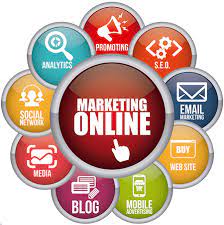
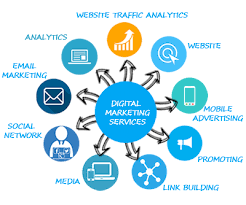
Digital marketing services use online channels to promote a business, product or service. They can include improving your website, increasing visibility in search results, creating useful content, running advertising campaigns and measuring how people interact with your brand.

A good digital marketing plan connects these activities rather than treating them as separate tasks. For example, useful content can support SEO, social media can help distribute that content, and email marketing can encourage interested visitors to return.

SEO: build visibility in search results

SEO helps your website appear when people search online for relevant products, services or information. It can involve improving website content, organising pages clearly, making technical improvements and earning links from reputable sites.

SEO is often a longer-term activity. Results can take time, but well-optimised pages may continue to attract relevant visitors over time. It can be particularly useful for businesses whose customers research their options before getting in touch.

When assessing an SEO service, look for a clear plan based on your audience and business priorities. Be wary of promises of guaranteed rankings: search results are influenced by many factors and cannot be guaranteed by an agency.

Paid search and online advertising: reach people sooner

Paid advertising can put your business in front of potential customers across search engines, social media and other online platforms. Search advertising can reach people actively looking for a particular solution, while display and social campaigns can help introduce your brand to new audiences.

Paid campaigns can be adjusted and measured, making them useful for testing messages and generating traffic within a defined period. However, results depend on more than the advertising budget. Targeting, landing-page quality, campaign structure and ongoing optimisation all matter.

Before investing, decide what success means. It might be online sales, completed forms, phone calls or another meaningful action. Tracking these outcomes helps you understand whether your advertising is delivering value.

Content marketing: give your audience a reason to engage

Content marketing involves creating and sharing useful material, such as articles, guides, videos, case studies and newsletters. Strong content answers customers’ questions, explains your expertise and helps people make informed decisions.

Content can support other parts of your marketing too. A helpful article may bring visitors from search, provide material for social media and give your sales team a useful resource to share with prospective customers.

The best content is created with a clear audience and purpose in mind. Publishing frequently is not enough on its own; material should be accurate, relevant and genuinely useful.

Social media marketing: build awareness and conversation

Social media marketing can help businesses share content, introduce products and take part in conversations with customers. The most suitable platforms depend on where your audience spends time and what you want to achieve.

Organic social media focuses on regular posts and community interaction. Paid social media uses advertising to reach selected audiences and can support specific campaigns. Many businesses use a combination of the two.

A considered social media strategy is more effective than trying to be active everywhere. Choose suitable platforms, set realistic goals and create content that fits each channel.

Email marketing: nurture customer relationships

Email marketing gives businesses a direct way to communicate with people who have chosen to receive updates. It can be used for newsletters, product announcements, useful advice and carefully planned customer journeys.

Effective email marketing is relevant, well-timed and respectful of subscribers’ preferences. Businesses should follow applicable data protection and electronic marketing rules, make it easy to unsubscribe and avoid sending messages that recipients have not agreed to receive.

Website design and conversion rate optimisation

Your website is often where digital marketing activity leads, so it needs to make a good impression and help visitors take the next step. That might mean making a purchase, requesting a quote, booking an appointment or getting in touch.

Website design and conversion rate optimisation (CRO) focus on making the experience clearer and more effective. This can include improving page speed, simplifying navigation, refining calls to action and making forms easier to complete. A well-designed website should also work reliably on mobile devices and be accessible to a broad range of users.

Analytics and reporting: understand what is working

Analytics helps you assess how people find and use your website, and whether your marketing is supporting your goals. Useful reporting connects activity to outcomes rather than focusing only on figures such as impressions or page views.

Before a campaign begins, decide which measures matter. Depending on your objectives, these might include qualified enquiries, sales, cost per lead, repeat purchases or the revenue generated by a campaign. Regular reviews can help you make informed adjustments.

How to choose the best digital marketing services

Start by identifying the challenge you need to solve. Are you looking to increase awareness, attract more relevant website visitors, generate enquiries or improve repeat sales? A clear objective makes it easier to choose suitable services and assess their impact.

  • Understand your audience: Find out what your customers need, where they search and how they prefer to engage with businesses.
  • Set a realistic budget: Consider both the cost of delivering the work and any advertising spend.
  • Check the approach: Look for a provider that explains its recommendations and how the work will be measured.
  • Ask about reporting: Agree on useful measures and how often results will be reviewed.
  • Consider the whole customer journey: Marketing can attract visitors, but your website, service and follow-up also influence whether they become customers.

Choosing a connected approach

The best digital marketing services are not necessarily the most numerous or the most expensive. They are the ones that suit your goals and work together. A business looking for long-term visibility might prioritise SEO and content, while a time-sensitive campaign may benefit from paid advertising. Email marketing and a well-performing website can support both.

Begin with clear objectives, choose services that address them and measure the results. With a considered strategy and regular improvements, digital marketing can help your business build visibility, strengthen customer relationships and support sustainable growth.


Top 5 Tips for Selecting the Best Digital Marketing Services

  1. Choose an agency with proven results in your industry.
  2. Prioritise SEO and useful content to build lasting traffic.
  3. Use paid search and social ads to reach specific audiences.
  4. Track conversions, not just clicks and impressions.
  5. Look for clear reporting, fair pricing and flexible support.

Choose an agency with proven results in your industry.

Choose an agency with proven results in your industry, as it is more likely to understand your audience, market challenges and what motivates customers to take action. Ask to see relevant case studies, examples of previous work and the results achieved, such as increased enquiries, sales or website traffic. A reputable agency should be able to explain how its experience applies to your goals without making unrealistic promises.

Prioritise SEO and useful content to build lasting traffic.

Prioritise SEO and useful content to build lasting traffic to your website. By understanding what your audience is searching for and creating clear, genuinely helpful pages that answer their questions, you can improve your visibility in search results and attract more relevant visitors over time. SEO takes patience, but quality content supported by a well-structured, technically sound website can continue to bring in traffic long after it is published.

Use paid search and social ads to reach specific audiences.

Use paid search and social media advertising to reach people who are most likely to be interested in your products or services. Paid search can connect you with customers actively looking for a solution, while social ads let you target audiences by factors such as interests, location and behaviour. Set clear campaign goals, choose your audience carefully and monitor results so you can refine your adverts and make the most of your budget.

Track conversions, not just clicks and impressions.

Clicks and impressions can show whether your digital marketing is attracting attention, but they don’t reveal whether it is delivering business results. Track conversions—such as purchases, quote requests, bookings or newsletter sign-ups—to understand which campaigns are prompting people to take meaningful action. Set up conversion tracking before a campaign begins, then use the results to identify what is working, refine your approach and focus your budget on activity that supports your goals.

Look for clear reporting, fair pricing and flexible support.

When choosing a digital marketing service, look for clear reporting that shows what work has been done and how it is contributing to your goals. Pricing should be fair, transparent and easy to understand, with any extra costs explained upfront. Flexible support is important too: a good provider will listen to your needs, adapt as your business changes and offer help at a level that suits your team and budget.

digital marketing agency ads

Digital Marketing Agency Ads: A Practical Guide to Reaching the Right Audience

Digital Marketing Agency Ads: How Paid Advertising Can Help Your Business Grow

Digital marketing agency ads can help businesses reach the right people, generate leads and increase sales. From search engine campaigns to social media promotions, paid advertising gives brands a way to appear in front of potential customers when they are looking for a product, service or solution.

Running effective campaigns involves more than setting a budget and publishing an advert. It takes careful planning, relevant creative, audience insight and regular optimisation. A digital marketing agency can bring these elements together to make advertising more focused and measurable.

What are digital marketing agency ads?

The phrase can refer to two things: adverts created and managed by a digital marketing agency for its clients, or adverts an agency uses to promote its own services. In either case, the fundamentals are similar. A successful campaign needs a clear objective, a well-defined audience, a compelling message and a way to measure results.

Agencies may manage campaigns across platforms such as Google Ads, Microsoft Advertising, Meta, LinkedIn, TikTok and other digital channels. The right mix depends on the audience, the offer and the outcome a business wants to achieve.

Common types of digital advertising

  • Paid search: Search adverts can appear when people look for specific products or services. They are often useful for reaching audiences with a clear and immediate need.
  • Paid social: Adverts on social platforms can introduce a brand, promote an offer or encourage people to take action. Targeting options may include interests, location and other audience characteristics.
  • Display advertising: Image-based adverts can appear across websites and apps, helping businesses build awareness or reconnect with previous visitors.
  • Video advertising: Video can explain a product, demonstrate a service or tell a brand story across social platforms and video networks.
  • Remarketing: Remarketing campaigns show adverts to people who have already visited a website or interacted with a business, subject to platform settings and applicable privacy requirements.
  • Professional network advertising: Platforms such as LinkedIn can help businesses reach specific professional audiences, particularly in business-to-business marketing.

What a digital marketing agency can do

A digital marketing agency can support the full advertising process, from initial research to ongoing campaign management. This may include:

  • Defining campaign goals and key performance indicators.
  • Researching audiences, competitors and search terms.
  • Choosing suitable advertising platforms and formats.
  • Writing advert copy and developing creative assets.
  • Setting up tracking and conversion measurement.
  • Managing budgets, bids and audience targeting.
  • Testing different messages, formats and landing pages.
  • Reviewing performance and recommending improvements.

Good campaign management is an ongoing process. An agency should use performance data to identify what is working, what needs attention and where the budget may be better spent.

How to make digital advertising more effective

Start with a specific objective

Decide what the campaign needs to achieve. The objective might be to increase brand awareness, generate enquiries, sell products or encourage bookings. A clear goal helps determine the right platform, campaign structure and measures of success.

Understand the audience

Effective advertising speaks to the needs and motivations of its intended audience. Consider what potential customers are looking for, what questions they have and what might prevent them from taking action. Audience research can help shape both the advert and the page people visit after clicking it.

Make the message clear

People often see adverts briefly, so the main benefit should be easy to understand. Use straightforward language, explain what makes the offer relevant and include a clear call to action. Avoid promising results that cannot be substantiated.

Connect adverts to relevant landing pages

An advert may attract attention, but the landing page needs to continue the conversation. It should match the advert’s message, provide useful information and make the next step clear. A slow, confusing or unrelated page can undermine an otherwise strong campaign.

Measure meaningful results

Clicks and impressions can help show how an advert is performing, but they do not always reveal its business value. Depending on the campaign, useful measures may include qualified leads, completed purchases, cost per acquisition, return on advertising spend or the quality of enquiries.

Choosing an agency to manage your ads

When comparing agencies, look beyond broad promises. Ask how they will learn about your business, choose platforms, report on results and manage your budget. It is also worth clarifying who owns the advertising accounts, how often performance will be reviewed and what is included in the agency’s fees.

Clear communication matters. A good working relationship should include understandable reporting, realistic expectations and a shared view of what success means. The agency should be able to explain its recommendations in plain language and show how campaign decisions relate to your objectives.

Final thoughts

Digital marketing agency ads can help businesses reach new audiences and turn interest into action, but results depend on strategy as well as spend. The strongest campaigns combine a clear objective, relevant targeting, persuasive creative and a useful destination for the audience.

Whether you manage advertising in-house or work with an agency, regular testing and thoughtful measurement can help you make better decisions over time. Treat paid advertising as part of a wider marketing plan, and ensure each campaign supports a meaningful business goal.


Top 5 Tips for Effective Digital Marketing Agency Advertising

  1. Target a clearly defined audience.
  2. Lead with a measurable client benefit.
  3. Show proof with case studies or results.
  4. Use a clear, specific call to action.
  5. Test and optimise different ad creatives.

Target a clearly defined audience.

Targeting a clearly defined audience helps make your digital marketing agency ads more relevant and effective. Consider who you want to reach, what challenges they face and which platforms they use, then tailor your messaging and creative to their needs. Focused targeting can reduce wasted spend and increase the likelihood of attracting quality enquiries, while regular performance reviews help you refine your audience over time.

Lead with a measurable client benefit.

Lead with a measurable client benefit to show potential customers what your agency can help them achieve. Instead of making broad claims such as “we deliver great marketing”, highlight a specific, evidence-based outcome, such as increasing qualified enquiries, reducing cost per lead or improving online sales. Use clear figures only when they can be substantiated, and explain the context behind them. A concrete benefit makes your advert more credible, helps the right clients recognise its relevance and gives them a clear reason to find out more.

Show proof with case studies or results.

Show proof of your agency’s impact by sharing relevant case studies or results. Explain the client’s challenge, the strategy you used and the outcome, using clear figures where possible, such as increased enquiries, sales or website traffic. Make sure the evidence is accurate, recent and presented with the client’s permission. Specific, credible examples help potential clients understand what your agency can do and build confidence in your advertising claims.

Use a clear, specific call to action.

Use a clear, specific call to action so people know exactly what to do next. Rather than a vague phrase such as “Find out more”, try wording that reflects your goal, such as “Book a free consultation”, “Shop the collection” or “Download the guide”. Make sure the action is easy to understand and matches the advert and landing page.

Test and optimise different ad creatives.

Test and optimise different ad creatives to discover what resonates most with your audience. Experiment with variations in headlines, images, video, calls to action and messaging, while changing one element at a time where possible. Track meaningful results, such as qualified leads or sales, rather than clicks alone, and use what you learn to refine future adverts. Regular testing helps keep campaigns relevant and make better use of your advertising budget.

dental internet marketing

Dental Internet Marketing: A Practical Guide for UK Dental Practices

Dental Internet Marketing: A Practical Guide for UK Dental Practices

Dental internet marketing helps a practice reach people who are looking for dental care, explain its services and make it easier for prospective patients to get in touch. It can include a well-designed website, local search engine optimisation (SEO), online advertising, social media and patient communications.

Effective marketing is not simply about attracting more clicks. It should give people clear, accurate information and help them decide whether a practice is right for them. Here are the key areas to consider.

Build a useful, trustworthy website

A practice website is often the first place a prospective patient goes to learn about a dental team. It should be easy to use on a mobile phone, load promptly and make essential details straightforward to find.

Useful information may include:

  • Practice address, opening hours and contact details
  • How to book or enquire about an appointment
  • Information about the dental team and their qualifications
  • Services offered, with clear explanations of who they may suit
  • Accessible information about fees and payment options
  • Whether care is offered privately, through the NHS, or both

Keep service pages informative and balanced. Explain what a treatment involves, where appropriate, and encourage patients to discuss suitability, risks and alternatives with a dental professional. Avoid language that guarantees a particular result.

Improve local visibility

Many people search online for a dentist near their home or workplace. Local SEO can help a practice appear in relevant search results by making its location and services clear to search engines and potential patients.

Start by checking that the practice name, address, telephone number and opening hours are consistent across its website and online listings. A complete business profile on relevant search platforms can also help people find directions, contact the practice and understand what it offers. Keep this information up to date, especially when opening hours or services change.

Location pages can be useful for practices serving more than one area, provided each page contains genuinely helpful, specific information rather than near-identical copy created only to target search terms.

Create helpful dental content

Content can answer common questions and help people feel more prepared before contacting a practice. Articles, FAQs and short videos might cover topics such as routine check-ups, children’s dental care, oral hygiene or what to expect at a consultation.

Good dental content is clear, accurate and written in plain English. It should be reviewed by an appropriately qualified dental professional, particularly when it discusses treatment or health advice. General information should not be presented as a substitute for an individual assessment.

Use online advertising thoughtfully

Paid search and social media advertising can help a practice reach people searching for particular services or looking for a dentist in a defined area. Campaigns work best when they direct people to a relevant page with clear information and a simple next step, such as calling the practice or requesting an appointment.

Set a realistic budget, choose relevant search terms and monitor enquiries as well as clicks. Avoid sensational claims, pressure tactics and wording that could cause unnecessary anxiety. Advertising should accurately reflect the services available and any relevant fees or conditions.

Handle reviews and feedback professionally

Online reviews can influence a person’s decision to contact a practice. Practices can invite feedback in a fair and consistent way, but should not mislead people about how reviews are collected or presented.

When replying to reviews, protect patient confidentiality. Do not confirm that someone is a patient or share details about their care, even if they have posted publicly. A brief, courteous response inviting the person to contact the practice directly is usually more appropriate than discussing their circumstances online.

Use social media with care

Social media can introduce the team, share practice news and point followers towards useful oral health information. A consistent tone and regular, relevant posts are generally more valuable than posting simply for the sake of activity.

Before sharing photographs, videos or patient stories, obtain appropriate consent and consider privacy carefully. Make sure content is respectful, accurate and suitable for a public audience. Social media should complement, rather than replace, clear information on the practice website.

Measure what matters

Tracking performance helps a practice understand which marketing activity is useful. Measures might include relevant website visits, calls, appointment enquiries and the proportion of enquiries that become bookings. Use analytics in line with applicable privacy and cookie requirements, and avoid collecting more personal information than necessary.

Review results regularly, but interpret them in context. A rise in website traffic is not necessarily meaningful if it does not lead to appropriate enquiries or help patients find the information they need.

Keep marketing accurate and compliant

Dental marketing in the UK should be honest, responsible and clear. The General Dental Council’s standards require dental professionals to ensure that advertising is accurate and not misleading, and that claims can be justified. Practices should also consider relevant advertising rules, data protection requirements and guidance on cookies and electronic communications.

Pay particular attention to claims about outcomes, prices, qualifications and specialisms. Make sure any testimonials, before-and-after images or promotional offers are used appropriately, with consent where required and without creating unrealistic expectations. If unsure, seek current guidance from the relevant regulator or a qualified adviser.

Make marketing part of the patient experience

The strongest dental internet marketing is consistent with the care people receive. A clear website, helpful information, responsive communication and respectful follow-up all contribute to a positive experience. By focusing on accuracy, accessibility and patient needs, a practice can build a trustworthy online presence and make it easier for people to take the next step.


18 Common Questions About Dental Internet Marketing: A Guide for Dentists

  1. What marketing tools are used in dentistry?
  2. Why digital marketing is important for dentist?
  3. How do I market my dental business?
  4. What are the 4 Ps of marketing in dentistry?
  5. How can a dentist get more customers?
  6. What is the 2 year rule for dentists?
  7. What is digital marketing for dentists?
  8. What is the 80/20 rule in dentistry?
  9. How much does dental marketing cost?
  10. What is the importance of Internet in dentistry?
  11. How can I promote my dental products?
  12. How can I promote my dental clinic online?
  13. How do I advertise my dental services?
  14. How do you market in the dental industry?
  15. What is dental marketing?
  16. How to do dental digital marketing?
  17. What social media platforms do dentists use?
  18. What is digital marketing in dentistry?

What marketing tools are used in dentistry?

Dental practices use a range of marketing tools to reach and inform patients, including a clear, mobile-friendly website, local SEO and online business listings, search and social media advertising, email newsletters and social media content. Online booking systems, patient management software and analytics tools can also support communication and help practices understand which activities are generating enquiries. Any marketing should be accurate, protect patient privacy and comply with relevant UK regulations and professional guidance.

Why digital marketing is important for dentist?

Digital marketing is important for dentists because it helps local patients find a practice when they search online for dental care. A clear, up-to-date website, useful information about treatments and fees, and accurate local listings can make it easier for people to decide whether to get in touch. Online marketing also gives practices ways to share oral health advice, communicate their services and understand which channels are bringing in enquiries. When it is accurate, responsible and focused on patients’ needs, digital marketing can support a practice’s reputation and long-term growth.

How do I market my dental business?

To market your dental business, start with a clear, mobile-friendly website that explains your services, fees, location and how to book. Improve your local visibility by keeping your online listings accurate and sharing useful, trustworthy dental information on your website and social media. You can also consider local search advertising and invite patients to leave honest reviews, while protecting their privacy when responding. Make sure all claims are accurate, avoid promising treatment outcomes, and review which activities lead to relevant enquiries and appointments.

What are the 4 Ps of marketing in dentistry?

The 4 Ps of marketing in dentistry are Product, Price, Place and Promotion. Product refers to the dental services and patient experience a practice offers; Price covers fees, payment options and how these are communicated; Place means where and how patients access care, including the practice location and online booking; and Promotion includes activities such as a website, local SEO, social media and advertising. Considering all four helps a practice shape a clear, patient-focused marketing strategy.

How can a dentist get more customers?

A dentist can attract more patients by making it easy for local people to find and choose their practice. Keep the website clear, mobile-friendly and up to date, with useful details about treatments, fees, opening hours and how to book. Improve local search visibility, share helpful oral health information and encourage patients to leave honest reviews without pressuring them. Prompt, friendly responses to enquiries can also make a difference. Any marketing should be accurate, protect patient confidentiality and avoid promising treatment outcomes.

What is the 2 year rule for dentists?

There is no general UK “two-year rule” requiring patients to visit a dentist every two years or automatically lose their place at a practice after that time. Check-up intervals are recommended by a dentist according to each patient’s oral health and risk of dental problems, so they may be shorter or longer. If you have heard the phrase in relation to a particular NHS charge, treatment guarantee or practice policy, check the details with the practice, as different rules may apply. Dental marketing should explain such policies clearly and avoid presenting a two-year interval as a universal requirement.

What is digital marketing for dentists?

Digital marketing for dentists is the use of online channels to help a dental practice reach and inform patients. It can include a user-friendly website, local search engine optimisation, online advertising, social media and helpful dental content. The aim is to make it easier for people to find the practice, understand its services and get in touch, while keeping information accurate, clear and compliant with relevant UK advertising and professional standards.

What is the 80/20 rule in dentistry?

In dental internet marketing, the 80/20 rule usually means that around 80% of your online content should be useful, educational or engaging for patients, while no more than 20% should directly promote treatments or offers. For example, a practice might share oral health advice, explain what to expect at a check-up and introduce its team, alongside occasional posts about services or appointment availability. It is a flexible guideline rather than a strict formula, and all content should be accurate, responsible and in line with UK advertising and professional standards.

How much does dental marketing cost?

The cost of dental marketing depends on your goals, location and the services you need. A practice might invest in a website, local SEO, paid advertising, social media or a combination of these, with costs varying according to the work involved and the size of the campaign. Set a budget that suits your practice, ask for a clear breakdown of fees and find out how results will be measured before committing.

What is the importance of Internet in dentistry?

The internet is important in dentistry because it helps patients find local practices, compare services and access clear information about oral health and treatment options. For dental practices, a useful website and accurate online listings make it easier for people to check opening hours, understand fees and get in touch. Online communication can also support patient education and appointment enquiries. Information should be accurate, easy to understand and respectful of patient privacy, so people can make informed decisions and know when to seek personalised advice from a dental professional.

How can I promote my dental products?

You can promote dental products by combining a clear, informative website with relevant content, local search visibility, social media and carefully targeted online advertising. Explain what each product does, who it may be suitable for, how to use it and any important limitations, using accurate, evidence-based claims. Make it easy for customers to find product details and contact you with questions, and invite genuine feedback without pressuring people to leave reviews. If your products are intended for dental professionals, consider industry publications, professional events and targeted campaigns. Ensure all marketing complies with UK advertising, consumer protection and data protection requirements, and seek appropriate regulatory advice for products with medical claims.

How can I promote my dental clinic online?

Promote your dental clinic online by creating a clear, mobile-friendly website with accurate information about your team, treatments, fees, location and how to book. Improve local visibility by keeping your business listings up to date and using relevant location information on your website. Share helpful, professionally reviewed oral health content, and consider targeted search or social media advertising to reach people in your area. Encourage feedback fairly, respond courteously without revealing patient details, and make sure all marketing is truthful, compliant with UK advertising rules and free from promises of guaranteed results.

How do I advertise my dental services?

To advertise your dental services, start with a clear, mobile-friendly website that explains your treatments, fees, team and how to book. Improve your local visibility by keeping your practice details accurate on online listings and sharing useful, professionally reviewed dental information. You can also use local search or social media advertising to reach relevant audiences, making sure every claim is accurate, evidence-based and not misleading. Follow applicable UK advertising, privacy and professional guidance, and protect patient confidentiality when responding to reviews or sharing patient content.

How do you market in the dental industry?

Marketing in the dental industry starts with making it easy for people to find and trust your practice. Build a clear, mobile-friendly website with accurate information about your team, services, fees and how to book, then improve local visibility through search engine optimisation and up-to-date online listings. Helpful, professionally reviewed content, carefully targeted advertising and a thoughtful social media presence can answer common questions and reach prospective patients. Encourage honest feedback, respond without revealing confidential information, and ensure all marketing is accurate, responsible and compliant with relevant UK regulations. Measure enquiries and bookings—not just clicks—to understand what is working.

What is dental marketing?

Dental marketing is the way a dental practice promotes its services and helps people find and choose suitable care. It can include a practice website, local search listings, online advertising, social media and patient communications. Good dental marketing provides clear, accurate information about the team, treatments and fees, while making it easy for people to get in touch. It should be honest, responsible and in line with relevant UK regulations and professional guidance.

How to do dental digital marketing?

Dental digital marketing starts with a clear, mobile-friendly website that explains your services, fees, location and how to book. Improve local visibility by keeping your online listings accurate and using relevant location information, then share helpful, professionally checked content that answers common patient questions. You can also use carefully targeted search or social media advertising and invite patients to leave honest reviews, always protecting their privacy. Track useful outcomes, such as calls and appointment enquiries, and make sure all marketing is accurate, responsible and compliant with UK advertising, data protection and professional guidance.

What social media platforms do dentists use?

Dentists commonly use platforms such as Facebook and Instagram to share practice updates, introduce their team, provide general oral health information and help patients find contact details. Some practices also use LinkedIn for professional networking and YouTube or TikTok for educational videos. The right platforms depend on the practice’s audience, services and capacity to manage accounts consistently. Any posts should be accurate, respectful and mindful of patient confidentiality; never share identifiable patient information or images without appropriate consent.

What is digital marketing in dentistry?

Digital marketing in dentistry is the use of online channels to help a dental practice reach and inform current and prospective patients. It can include a practice website, local search engine optimisation, online advertising, social media, email updates and helpful oral health content. Used thoughtfully, these tools make it easier for people to find a practice, understand its services and get in touch, while all information and claims should remain accurate, responsible and in line with UK regulations.

internet marketing agency near me

How to Choose the Right Internet Marketing Agency Near Me

Looking for an Internet Marketing Agency Near Me?

Searching for an “internet marketing agency near me” is a good first step towards finding support with your online growth. Whether you run a local shop, a growing service business or an established company, the right agency can help you reach more of the people who are looking for what you offer.

But choosing an agency involves more than finding one nearby. You’ll want a team that understands your goals, communicates clearly and can show how its work will contribute to your business.

What does an internet marketing agency do?

An internet marketing agency helps businesses attract and convert customers online. Depending on your needs, its services may include:

  • Search engine optimisation (SEO): improving your website’s visibility in search results.
  • Pay-per-click advertising (PPC): managing paid campaigns on platforms such as Google Ads.
  • Social media marketing: planning content and campaigns to connect with audiences on social platforms.
  • Content marketing: creating useful articles, landing pages and other content for your customers.
  • Website design and development: building or improving a website so it works well for visitors and supports your goals.
  • Email marketing: developing campaigns that help you build relationships with customers and encourage repeat business.
  • Analytics and reporting: measuring performance and using the results to guide future activity.

Some agencies offer a broad range of services, while others specialise in areas such as SEO or paid advertising. The best fit depends on what your business needs most.

Why work with a local agency?

A nearby agency may offer the opportunity to meet in person and develop a closer working relationship. It may also have experience working with businesses in your area and understand local audiences, competitors and search behaviour.

However, location is only one factor. Many agencies work effectively with clients across the UK through video calls and online project tools. Consider the agency’s expertise, communication style and approach alongside its location.

How to choose the right agency

Start with your goals

Be clear about what you want to achieve. You might be looking to increase relevant website traffic, generate more enquiries, improve online sales or raise awareness in a particular area. Clear goals make it easier to assess whether an agency’s recommendations are right for you.

Look for relevant experience

Ask whether the agency has worked with businesses facing similar challenges. Case studies and examples can help you understand its approach, but look beyond impressive-sounding claims. Ask what the agency did, how success was measured and what the results meant for the client.

Ask how results will be measured

A trustworthy agency should explain which measures matter and how often it will report on progress. Depending on your goals, useful measures could include qualified enquiries, sales, conversion rates or visibility for relevant searches. Website visits alone may not tell you whether marketing is helping your business.

Understand what is included

Before signing an agreement, check exactly what the proposed service covers. Ask about fees, timescales, reporting, account ownership and any additional costs. Make sure you understand who will do the work and how you’ll communicate with them.

Choose clear communication

Good marketing depends on collaboration. Look for a team that listens to your priorities, explains its recommendations in plain English and is realistic about what can be achieved. Be cautious of guaranteed rankings or promises of instant results, as outcomes depend on many factors and often take time.

Questions to ask before you get started

  • Which services do you recommend for my business, and why?
  • How will you tailor your approach to my audience and objectives?
  • Who will manage my account and carry out the work?
  • How will you report on progress?
  • What will you need from my team?
  • How long might it take to see meaningful results?
  • What happens if my priorities change?

Find an agency that fits your business

Searching for an internet marketing agency near you can help you build a shortlist, but the right choice is the agency that understands your business and can provide a clear, considered plan. Take time to compare expertise, communication and value before making a decision.

With the right support, your online marketing can become a more focused part of your business growth. Start with your goals, ask thoughtful questions and choose a team you can work with confidently.


Advantages of Choosing a Local Internet Marketing Agency: Harnessing Local Expertise and Building Stronger Connections

  1. Local market knowledge
  2. Face-to-face meetings
  3. Faster communication
  4. Tailored marketing strategies
  5. Support for local SEO
  6. Closer working relationships


Potential Drawbacks of Choosing a Local Internet Marketing Agency

  1. A nearby agency may charge higher fees.
  2. Local options may have limited specialist skills.
  3. Proximity doesn’t guarantee better results.
  4. Some agencies may lack experience in your sector.
  5. Small local teams may have limited capacity.
  6. Travel and meetings can add time and cost.
  7. Marketing results can take time to appear.

Local market knowledge

Local market knowledge is a valuable benefit of working with an internet marketing agency near you. A local team may have a better understanding of the area’s customers, competitors, events and regional search habits, helping shape campaigns that feel relevant to your audience. This insight can support more targeted messaging and help your business stand out in the local market.

Face-to-face meetings

Face-to-face meetings: Working with a nearby internet marketing agency makes it easier to meet in person, discuss your goals and build a strong working relationship. A face-to-face conversation can help you explain your business in detail, review ideas together and make sure everyone is clear on the next steps. While many projects can be managed online, having the option to meet locally can make collaboration feel more personal and straightforward.

Faster communication

Faster communication

Working with an internet marketing agency near you can make communication quicker and more straightforward. Being in a similar time zone makes it easier to arrange calls, get timely answers and resolve questions without long delays. If needed, you may also be able to meet face to face to discuss priorities, review campaign progress or make decisions together, helping projects keep moving smoothly.

Tailored marketing strategies

A local internet marketing agency can create tailored marketing strategies around your business goals, audience and local market. Rather than relying on a one-size-fits-all plan, the team can consider what makes your business distinctive, which channels are most relevant and how local customers search for your services. This helps ensure your marketing budget is focused on activities that suit your needs and can be adjusted as your business grows.

Support for local SEO

A nearby internet marketing agency can help your business improve its visibility in local search results. With knowledge of your area and audience, the team can support tasks such as optimising your Google Business Profile, targeting location-specific keywords and building consistent local listings. This can make it easier for nearby customers to find your business when they’re searching for relevant products or services.

Closer working relationships

Closer working relationships

Working with an internet marketing agency near you can make it easier to build a strong, collaborative relationship. Being in the same area may allow for face-to-face meetings, quicker conversations and a better understanding of your local market. Regular, straightforward communication helps the agency get to know your business, respond to changing priorities and shape its marketing support around your goals.

A nearby agency may charge higher fees.

A nearby internet marketing agency may charge higher fees than a provider based further afield, particularly if it has higher operating costs or strong demand for its services. Location alone does not guarantee better value, so compare quotes, check exactly what each package includes and consider the agency’s experience and likely contribution to your business goals. A remote agency could offer similar expertise at a lower cost, while still providing regular support online.

Local options may have limited specialist skills.

One drawback of choosing an internet marketing agency near you is that local options may have limited specialist skills. A nearby agency might offer a convenient, face-to-face service but lack experience in a particular area, such as technical SEO, paid social advertising or marketing automation. Before deciding, check that the team has the expertise your business needs, and consider agencies outside your area if they offer a stronger specialist fit.

Proximity doesn’t guarantee better results.

Choosing an internet marketing agency nearby can make meetings more convenient, but proximity doesn’t guarantee better results. What matters most is the agency’s expertise, understanding of your audience, quality of its strategy and ability to measure progress. A local provider may not be the right fit if its experience or services don’t match your goals, so compare its track record and approach with those of agencies further afield before making a decision.

Some agencies may lack experience in your sector.

A nearby internet marketing agency may not have experience in your sector, even if it understands the local market. This can mean it takes time to learn about your customers, competitors and industry-specific requirements, potentially slowing progress or leading to strategies that don’t quite fit. Before choosing an agency, ask about its experience with businesses like yours and how it would adapt its approach to your sector.

Small local teams may have limited capacity.

A potential drawback of choosing a nearby internet marketing agency is that a small local team may have limited capacity. If several clients need support at the same time, delivery can be slower, and the agency may have fewer specialists available for areas such as SEO, paid advertising or content creation. Before committing, ask who will work on your account, how the team manages busy periods and whether it has the resources to meet your needs as your business grows.

Travel and meetings can add time and cost.

Choosing an internet marketing agency near you can make face-to-face collaboration easier, but travel and in-person meetings may add time and cost for both sides. Regular trips can take time away from day-to-day work, while travel expenses may be reflected in the agency’s fees. Before committing, consider whether meetings need to be held in person or whether video calls and shared online tools could keep communication efficient and costs manageable.

Marketing results can take time to appear.

One potential drawback of working with an internet marketing agency near you is that results can take time to appear. Strategies such as SEO and content marketing often need several months to build momentum, while paid campaigns also require testing and refinement before they perform well. This means your business may not see an immediate increase in enquiries or sales, so it’s important to set realistic expectations, agree on clear progress measures and give the strategy time to develop.

How to Choose a PPC Digital Marketing Agency for Sustainable Growth

How a PPC Digital Marketing Agency Can Help Your Business Grow

Pay-per-click advertising can put your business in front of potential customers when they are actively searching for products or services like yours. But getting strong results takes more than setting a budget and writing a few adverts. A PPC digital marketing agency can help plan, manage and improve your campaigns so your advertising spend is working towards clear business goals.

What is PPC digital marketing?

PPC stands for pay-per-click. It is a form of online advertising where an advertiser typically pays when someone clicks on an advert. PPC campaigns can appear on search engines, social media platforms and other websites. Common examples include Google Ads search campaigns, shopping adverts and paid social campaigns.

Unlike organic marketing, PPC can provide visibility without waiting for search rankings to improve. However, visibility alone is not the same as success. Campaigns need to reach the right people, encourage useful actions and be measured against meaningful outcomes, such as enquiries, sales or bookings.

What does a PPC digital marketing agency do?

A PPC agency helps businesses plan and manage paid advertising. The work may include:

  • Strategy and planning: Setting campaign objectives, identifying audiences and deciding which platforms are suitable.
  • Keyword research: Finding the search terms potential customers use and assessing their relevance and likely cost.
  • Campaign setup: Structuring campaigns, selecting targeting options, setting budgets and configuring adverts.
  • Ad copy and creative: Writing and testing messages, images or other assets to encourage relevant clicks.
  • Landing page recommendations: Reviewing the pages people reach after clicking and suggesting ways to make them clearer and more effective.
  • Tracking and measurement: Setting up conversion tracking to understand which campaigns are generating valuable actions.
  • Ongoing optimisation: Reviewing performance and making informed adjustments to targeting, bids, budgets and creative.
  • Reporting: Explaining what the data shows and how it relates to your business objectives.

Why work with a PPC agency?

Paid advertising platforms offer many settings and features, and they change regularly. An experienced agency can bring structure to campaign management and help avoid common issues, such as targeting too broadly, measuring the wrong actions or spending money on irrelevant clicks.

An agency can also provide an outside perspective. By reviewing your offer, audience and website alongside campaign data, it can help identify practical opportunities to improve performance. The value of this work should be assessed against your objectives, not simply by the number of clicks or impressions an advert receives.

Choosing the right PPC agency

The right agency will depend on your budget, sector, in-house expertise and growth plans. When comparing providers, consider the following questions:

  • How will success be measured? Look for objectives connected to business outcomes, such as qualified leads or profitable sales.
  • What will the agency manage? Confirm which platforms, campaign tasks and reporting are included in its service.
  • Who owns the advertising accounts? Ideally, your business should retain access and ownership of its accounts and data.
  • How often will performance be reviewed? Ask how frequently the team will optimise campaigns and communicate findings.
  • How are fees structured? Agency fees may be fixed, based on a percentage of media spend, or arranged in another way. Make sure you understand what is included.
  • Can the agency explain its approach? A good partner should be able to describe its recommendations clearly, without promising guaranteed results.

What to expect from a PPC campaign

PPC is not always an instant route to profitable growth. Results depend on factors including competition, audience demand, your offer, the quality of your website and the amount of data available. A new campaign may need time to gather useful information before its performance can be assessed properly.

Before launch, agree the campaign’s goals, budget, reporting arrangements and conversion tracking. Once it is running, review both the advertising data and what happens after a click. For example, a high click-through rate may be encouraging, but it will not tell the whole story if visitors are not completing enquiries or purchases.

Making PPC part of a wider marketing strategy

PPC can work alongside search engine optimisation, email marketing, content and social media activity. Paid campaigns may help test which messages or offers attract interest, while insights from other channels can inform audience and keyword choices. A joined-up approach can also make it easier to understand how different marketing activities contribute to a customer’s decision.

Is a PPC digital marketing agency right for your business?

A PPC digital marketing agency may be a good fit if you want specialist support, need to improve existing campaigns or do not have the time or expertise to manage advertising in-house. Before committing, clarify what you want to achieve and how much you can invest in both advertising and agency support.

With clear goals, reliable measurement and regular optimisation, PPC can become a valuable part of your digital marketing mix. The best agency relationship is built on transparent communication, realistic expectations and a shared focus on outcomes that matter to your business.


7 Essential Tips for Selecting a PPC Digital Marketing Agency in the UK

  1. Choose an agency with proven PPC results in your industry.
  2. Set clear goals before launching campaigns.
  3. Ask how the agency measures conversions and return on ad spend.
  4. Check that reports are regular and easy to understand.
  5. Agree on fees, budgets and account ownership upfront.
  6. Look for ongoing testing of keywords, adverts and landing pages.
  7. Ensure the agency follows UK advertising and data protection rules.

Choose an agency with proven PPC results in your industry.

Choose a PPC digital marketing agency with proven results in your industry. A team familiar with your sector is more likely to understand your audience, competitive landscape and sales cycle, helping it develop campaigns that are relevant to your business. Ask for case studies or examples of previous work, and look for evidence of outcomes such as qualified leads, sales or improved return on ad spend—not just clicks and impressions.

Set clear goals before launching campaigns.

Set clear goals before launching a PPC campaign so you know what success looks like and can make informed decisions about your budget. Decide whether you want to generate qualified leads, increase online sales, encourage bookings or raise awareness, then choose measurable targets that support that aim. A PPC digital marketing agency can use these goals to shape campaign settings, select the right metrics and report on results that matter to your business—not just clicks and impressions.

Ask how the agency measures conversions and return on ad spend.

When choosing a PPC digital marketing agency, ask how it tracks conversions and measures return on ad spend (ROAS). A reliable agency should explain which actions count as conversions—such as enquiries, bookings or purchases—and how tracking is set up to record them accurately. It should also show how campaign revenue is compared with advertising costs, while accounting for factors such as lead quality and sales value. Clear, consistent reporting helps you understand whether your campaigns are contributing to meaningful business results, rather than simply generating clicks.

Check that reports are regular and easy to understand.

Choose a PPC digital marketing agency that provides regular, easy-to-understand reports. Clear updates should show how campaigns are performing against your goals, explain key metrics in plain English and highlight what the agency plans to do next. This helps you see where your advertising budget is going, understand what is working and make informed decisions without having to decipher complicated data.

Agree on fees, budgets and account ownership upfront.

Before launching a campaign, agree in writing how the agency’s fees are calculated, what they include and how much will be allocated to advertising spend. Set clear budget limits and confirm who must approve any changes, so there are no surprises. It is also important to establish account ownership upfront: your business should retain access to its advertising accounts and campaign data, even if you later change agency. Clear agreements help build trust and keep control of your PPC investment in your hands.

Look for ongoing testing of keywords, adverts and landing pages.

Look for a PPC digital marketing agency that continually tests keywords, adverts and landing pages rather than relying on a one-off setup. Regular testing helps reveal which search terms attract relevant visitors, which messages encourage people to click and which landing pages turn visits into enquiries or sales. Ask how the agency plans and reports on these tests, and how it uses the findings to improve your campaigns over time.

Ensure the agency follows UK advertising and data protection rules.

When choosing a PPC digital marketing agency, check that it understands and follows UK advertising and data protection requirements. Campaigns should comply with relevant ASA and CAP rules, while personal data must be handled lawfully under UK GDPR and the Data Protection Act 2018. Ask how the agency manages consent, tracking technologies and customer data, and make sure responsibilities are clearly set out in your agreement. This helps protect your business, supports transparent advertising and gives customers greater confidence in how their information is used.

seo internet marketing

SEO Internet Marketing: A Practical Guide to Growing Your Business Online

SEO and Internet Marketing: A Practical Guide to Growing Your Online Presence

SEO and internet marketing help businesses reach people online, attract potential customers and build lasting relationships with their audiences. Used together, they can make it easier for customers to find your business, understand what you offer and take the next step.

What is SEO?

Search engine optimisation (SEO) is the process of improving a website so that it can appear more prominently in relevant, unpaid search results. It involves understanding what people are searching for and making sure your website provides useful, accessible information in response.

SEO is not a quick fix or a guarantee of a particular position in search results. It is an ongoing process that combines sound technical foundations, helpful content and a positive experience for visitors.

What does internet marketing include?

Internet marketing is a broad term for promoting a business through online channels. Depending on your goals and audience, it may include:

  • SEO: Improving visibility in unpaid search results.
  • Content marketing: Creating useful articles, guides, videos and other resources.
  • Paid search advertising: Paying to show adverts for selected search terms.
  • Social media marketing: Sharing content and engaging with audiences on social platforms.
  • Email marketing: Sending relevant updates and offers to people who have chosen to hear from you.
  • Conversion optimisation: Making it easier for website visitors to enquire, subscribe or buy.

These channels work best when they support a clear strategy rather than being treated as separate activities.

How SEO supports your wider marketing

SEO can help your business connect with people who are already looking for information, products or services like yours. Search insights can also reveal the questions customers ask and the language they use. That information can guide your website content, advertising and social media activity.

At the same time, other marketing channels can strengthen your SEO efforts. For example, a useful article promoted through email or social media may reach more readers and earn attention from relevant websites. The aim is not simply to generate clicks, but to offer a consistent and helpful experience wherever people encounter your business.

Key elements of an effective SEO strategy

Understand your audience and search intent

Start by identifying the people you want to reach and what they hope to achieve. Someone searching for general advice may need an informative guide, while someone comparing providers may be looking for clear service details, pricing information or customer reviews.

Choose topics based on genuine customer needs, not just search phrases with high estimated traffic. Relevant visitors are more valuable than large numbers of people who are unlikely to need what you offer.

Create helpful, trustworthy content

Write for people first. Provide clear answers, explain unfamiliar terms and make your content easy to scan. Use descriptive headings and organise information in a logical order. Keep details accurate and review important pages when your services or advice change.

Each page should have a clear purpose. Avoid repeating the same information across multiple pages or adding content solely to include keywords. Search engines aim to surface useful results, and visitors are more likely to trust content that is genuinely relevant to them.

Build a sound technical foundation

Technical SEO helps search engines access and understand your website. Important considerations include:

  • A site structure that is easy to navigate.
  • Pages that work well on mobile devices.
  • Fast, reliable page loading.
  • Secure browsing using HTTPS.
  • Clear page titles and descriptions.
  • Working internal links and helpful error pages.
  • Accessible content, including meaningful image descriptions where appropriate.

Technical improvements should also benefit your visitors. A fast, accessible website is easier for people to use as well as easier for search engines to process.

Earn relevant links and recognition

Links from other websites can help people discover your content and provide useful context about your business. Focus on creating resources worth referencing and building genuine relationships within your sector. Avoid schemes that promise large numbers of links or rely on manipulative tactics, which can put your website at risk.

Measuring results

Choose measures that reflect your business goals. These might include relevant organic visits, enquiries, online sales, newsletter sign-ups or visits to key service pages. Rankings and traffic can offer useful context, but they do not always show whether marketing is contributing to business growth.

Use analytics and search performance tools to identify patterns, check which pages are working and find opportunities to improve. Results can take time, so assess progress over a suitable period rather than reacting to every short-term change.

Common mistakes to avoid

  • Expecting SEO to deliver immediate results.
  • Choosing keywords without considering the visitor’s needs.
  • Publishing large amounts of thin or repetitive content.
  • Ignoring mobile usability, accessibility or page speed.
  • Focusing on rankings while overlooking enquiries and sales.
  • Using misleading claims or buying links to manipulate search results.

Bringing it all together

SEO is an important part of internet marketing, but it is most effective when connected to a broader plan. Begin with clear objectives, understand your audience and create a website that offers useful information and a straightforward experience. Then use relevant marketing channels to help the right people find it.

With regular measurement and thoughtful improvements, SEO and internet marketing can support steady, sustainable growth for your business.


Top 6 Benefits of SEO Internet Marketing for Business Success

  1. Improves visibility in search results.
  2. Attracts relevant website visitors.
  3. Builds trust in your brand.
  4. Supports long-term business growth.
  5. Helps generate more enquiries and sales.
  6. Makes marketing performance measurable.


Challenges in SEO Internet Marketing: Delayed Results, Unpredictable Rankings, Costly Campaigns, and Reputation Risks

  1. SEO can take time to deliver results.
  2. Search rankings can change unexpectedly.
  3. Paid campaigns may become costly.
  4. Poor tactics can harm your website’s reputation.

Improves visibility in search results.

SEO internet marketing can improve your visibility in search results, helping more potential customers discover your business when they look for products, services or information you offer. By creating relevant content and making your website easy for search engines to understand, you can increase the chances of appearing for useful searches and attract more people to your site.

Attracts relevant website visitors.

One of the key benefits of SEO internet marketing is its ability to attract relevant visitors to your website. By creating useful content around the words and questions your potential customers search for, your business can appear when people are actively looking for the products, services or information you provide. This can bring in visitors who are more likely to engage, enquire or make a purchase.

Builds trust in your brand.

SEO internet marketing can help build trust in your brand by making your business easier to find when people search for relevant information, products or services. Helpful, accurate content, a professional website and a positive user experience show potential customers that your business understands their needs. Over time, consistently appearing in relevant search results can strengthen brand recognition and give people greater confidence in choosing you.

Supports long-term business growth.

SEO internet marketing supports long-term business growth by helping your website attract relevant visitors over time. By creating useful content, improving your site and building visibility in search results, you can keep reaching potential customers without relying solely on paid advertising. As your online presence grows, it can generate more enquiries, strengthen trust in your brand and provide a lasting foundation for future growth.

Helps generate more enquiries and sales.

SEO internet marketing can help generate more enquiries and sales by making your business easier to find when potential customers are searching for relevant products or services. By bringing the right people to useful, clear pages—and making it simple for them to get in touch or make a purchase—SEO can turn online visibility into valuable business opportunities.

Makes marketing performance measurable.

One of the key benefits of SEO internet marketing is that its performance can be measured. Analytics tools can show how people find your website, which pages they visit and whether they go on to enquire or make a purchase. By tracking these results over time, businesses can see what is working, identify areas for improvement and make more informed decisions about their marketing budget.

SEO can take time to deliver results.

One drawback of SEO internet marketing is that it can take time to deliver results. Search engines need to discover and assess changes to your website, while building visibility and trust often requires consistent effort over several months. This means SEO may not suit businesses looking for an immediate increase in enquiries or sales, so it’s important to set realistic expectations and consider short-term marketing activity alongside your longer-term SEO work.

Search rankings can change unexpectedly.

One drawback of SEO internet marketing is that search rankings can change unexpectedly. Search engines regularly update their algorithms, and competitors may improve their websites or content, causing your pages to move up or down in results. This can affect website traffic and enquiries, even when you have not made any changes yourself. Regularly reviewing performance and keeping your content useful and up to date can help, but rankings can never be guaranteed.

Paid campaigns can help businesses reach customers quickly, but costs may rise rapidly in competitive markets. If budgets, audience targeting and performance are not monitored carefully, a campaign can spend money without generating enough enquiries or sales to justify the investment. Regularly reviewing results and setting clear spending limits can help keep costs under control.

Poor tactics can harm your website’s reputation.

Poor SEO tactics can harm your website’s reputation and make it harder for customers to trust your business. Practices such as keyword stuffing, buying low-quality links or publishing misleading content may lead to a poor user experience and damage your credibility. Search engines may also reduce a site’s visibility if they consider its methods manipulative. Focusing instead on useful content, honest communication and sustainable optimisation helps protect your reputation over the long term.

digital marketing services near me

How to Choose Digital Marketing Services Near Me

Finding the Right Digital Marketing Services Near You

Searching for “digital marketing services near me” is often the first step towards finding help with your business’s online growth. Whether you run a local shop, provide professional services or manage a growing company, the right digital marketing partner can help you reach more of the people who matter to your business.

But choosing an agency or specialist involves more than finding the closest address. You’ll want a team that understands your goals, communicates clearly and can show how its work will support your business.

What do digital marketing services include?

Digital marketing covers a range of ways to attract and engage customers online. Depending on your needs, services may include:

  • Search engine optimisation (SEO): Improving your website so it can appear more prominently in relevant search results.
  • Local SEO: Helping nearby customers find your business through local search results, maps and business listings.
  • Pay-per-click advertising: Creating and managing paid campaigns on search engines and other platforms.
  • Social media marketing: Planning content and campaigns to build awareness and connect with your audience.
  • Website design and development: Creating or improving a website so it is useful, accessible and easy to navigate.
  • Content marketing: Producing helpful articles, landing pages and other content that answers customers’ questions.
  • Email marketing: Keeping in touch with customers through relevant updates, offers and information.
  • Analytics and reporting: Measuring performance to understand what is working and where to make improvements.

Why work with a local digital marketing provider?

A nearby provider may offer the opportunity to meet in person and build a closer working relationship. They may also have a better understanding of the local area, the way people search for services there and the competition your business faces.

That said, location alone does not guarantee the right fit. Many digital marketing services can be delivered remotely, so it is worth considering providers beyond your immediate neighbourhood if they have the experience and approach you need.

How to choose the right provider

Before you commit, take time to compare a few providers. These questions can help you decide:

  • Do they understand your goals? A good provider will ask about your customers, priorities and definition of success before recommending a plan.
  • Can they explain their approach? Look for clear, straightforward explanations rather than vague promises or unnecessary jargon.
  • Do they have relevant experience? Case studies or examples can help you understand the kind of work they do. Check that any results are presented in context.
  • How will progress be measured? Agree on useful measures, such as relevant enquiries, website visits or conversions, rather than focusing only on surface-level figures.
  • Are costs and responsibilities clear? Ask what is included, what falls outside the scope and whether there are minimum contract periods or extra fees.
  • Will you have a clear point of contact? Regular communication makes it easier to review progress and adjust plans as your business changes.

Make sure your online presence supports local customers

If you serve a particular town, city or region, your marketing should make that clear. Your website can explain where you work, what areas you cover and how customers can contact you. Accurate business details across your website and online listings can also help people find and recognise your business.

Local marketing should be useful, not just repetitive. Create pages and content that answer genuine customer questions, explain your services clearly and provide a simple next step. Avoid creating multiple near-identical pages solely to target different locations.

Start with a clear plan

You do not need to invest in every digital marketing channel at once. Start by identifying your biggest challenge. You might need more local enquiries, a better-performing website or a clearer strategy for paid advertising. A focused plan can help you prioritise work and understand what your budget is achieving.

When comparing digital marketing services near you, look for a provider that takes the time to understand your business and gives you a realistic, transparent plan. The right partnership should make your marketing easier to understand, easier to measure and better aligned with your goals.


9 Essential Tips for Choosing Local Digital Marketing Services

  1. Search for agencies with strong local reviews.
  2. Check their experience with nearby businesses.
  3. Ask which digital marketing services they offer.
  4. Compare prices and contract terms.
  5. Review case studies and client results.
  6. Look for expertise in local SEO.
  7. Confirm they understand your target audience.
  8. Ask how they report campaign performance.
  9. Choose a team that communicates clearly.

Search for agencies with strong local reviews.

When looking for digital marketing services near you, check local reviews to see what other businesses say about working with an agency. Look for consistent feedback on communication, reliability and the quality of its work, rather than relying on star ratings alone. Recent, detailed reviews can offer a useful picture of the client experience, while thoughtful responses to feedback may show how the agency handles questions or concerns. Use reviews as one part of your research, alongside case studies and an initial conversation.

Check their experience with nearby businesses.

When comparing digital marketing services near you, ask whether the provider has worked with businesses in your area or with a similar audience. Familiarity with the local market can help them understand your customers, competitors and the search terms people use to find services nearby. Ask for relevant examples or case studies, and look for a clear explanation of what the work achieved. This can help you judge whether their experience is a good match for your business.

Ask which digital marketing services they offer.

Ask which digital marketing services each provider offers, as the right support will depend on your goals. Services may include local SEO, website design, pay-per-click advertising, social media, content creation and email marketing. Find out whether they can bring these together into a coherent plan, or focus on the specific areas your business needs most.

Compare prices and contract terms.

Compare prices and contract terms before choosing a digital marketing provider. Ask for a clear breakdown of what each package includes, whether there are extra costs and how performance will be reported. Check the contract length, notice period and any fees for ending the agreement early. The cheapest option may not offer the right support, so compare the value, flexibility and services provided as well as the headline price.

Review case studies and client results.

Review case studies and client results to get a clearer idea of how a digital marketing provider works and whether its experience is relevant to your business. Look for examples involving similar goals, industries or local audiences, and check what the provider did, how success was measured and over what period. Strong case studies explain the context behind the results rather than relying on bold claims alone. If anything is unclear, ask for more detail before deciding.

Look for expertise in local SEO.

When comparing digital marketing services near you, look for expertise in local SEO. A provider with strong local search knowledge can help your business appear in relevant results when nearby customers are looking for the products or services you offer. Ask how they approach your website content, business listings, reviews and location information, and how they’ll measure progress. Their recommendations should be tailored to your area and customers, rather than relying on one-size-fits-all tactics.

Confirm they understand your target audience.

Confirm that a digital marketing provider understands your target audience before you begin working together. They should take time to learn who your customers are, what they need, where they spend time online and what influences their decisions. This understanding helps shape relevant messages, choose the right channels and make better use of your marketing budget. Ask how they’ll research your audience and tailor their approach to your business, rather than relying on a one-size-fits-all plan.

Ask how they report campaign performance.

Ask how the provider reports campaign performance before agreeing to work together. Find out how often you’ll receive updates, which metrics they track and how they connect those results to your business goals. Clear reporting should explain what’s working, what needs improvement and what the next steps are, without relying on confusing jargon or impressive-looking numbers that don’t lead to meaningful enquiries or sales.

Choose a team that communicates clearly.

Choose a team that communicates clearly. A good digital marketing partner should explain its recommendations in plain English, keep you updated on progress and be open about costs, timelines and results. Clear, regular communication helps you understand what’s being done, ask questions and make confident decisions about your marketing.

online marketing services for small businesses

Online Marketing Services for Small Businesses: A Practical Guide

Online Marketing Services for Small Businesses: A Practical Guide

For a small business, online marketing can help you reach new customers, build trust and encourage repeat business. The right approach does not have to involve a large budget or a complicated strategy. It starts with understanding your audience, choosing the channels that suit your goals and making steady improvements over time.

What are online marketing services?

Online marketing services help businesses promote their products or services across digital channels. Depending on your needs, they may include website design, search engine optimisation (SEO), paid advertising, social media management, email marketing and content creation.

Some businesses manage these activities in-house, while others work with an agency or freelancer. A marketing partner can provide specialist skills, help set priorities and give you more time to focus on running your business.

Key online marketing services for small businesses

Website design and optimisation

Your website is often the first place potential customers go to learn about your business. It should explain what you offer, who you help and how to get in touch. A well-designed website should also work smoothly on mobile devices, load quickly and make it easy for visitors to take the next step.

That step might be making a purchase, booking an appointment, requesting a quote or signing up for updates. Clear calls to action and useful, accurate information can make a real difference.

Search engine optimisation

SEO helps improve your website’s visibility in unpaid search results. It can include researching the phrases your customers use, improving website content, organising pages clearly and making technical improvements that help search engines understand your site.

For businesses serving a particular area, local SEO can be especially useful. Keeping your business details consistent online and maintaining a complete local business profile can help nearby customers find you. SEO usually takes time, so it is best viewed as a long-term investment rather than a quick fix.

Paid search and social advertising

Paid advertising can put your business in front of a selected audience more quickly than organic marketing. Search adverts can reach people looking for a particular product or service, while social media adverts can be targeted by factors such as location, interests or behaviours.

Start with a clear objective and a manageable budget. Track what happens after someone clicks, not just how many clicks an advert receives. Enquiries, bookings and sales are more useful measures of success.

Social media marketing

Social media gives small businesses a way to share updates, demonstrate expertise and talk directly with customers. You do not need to be active on every platform. Choose the channels your audience uses and focus on posting useful, relevant content consistently.

A simple plan might include product or service information, answers to common questions, customer stories and behind-the-scenes updates. Responding to comments and messages promptly can help build stronger relationships.

Email marketing

Email is a direct way to stay in touch with people who have chosen to hear from your business. You could use it to share news, helpful advice, special offers or reminders. Keep messages relevant, make them easy to read on a mobile and include a clear next step.

Always collect consent appropriately and make it straightforward for recipients to unsubscribe. Following data protection and electronic marketing rules is an essential part of responsible email marketing.

Content creation and analytics

Useful content—such as articles, guides, videos or case studies—can answer customer questions and show what makes your business distinctive. Analytics can then help you understand which pages and campaigns attract attention and which lead to meaningful results.

How to choose the right services

Begin with your business goals. If you need more local enquiries, local SEO and a clear website may be a sensible starting point. If you are launching a new offer, paid advertising could help you test demand. If customers often return, email marketing may support repeat business.

Before choosing a provider, ask what work is included, how progress will be reported and how success will be measured. Look for clear communication, realistic expectations and a plan that fits your budget. Be cautious of promises such as guaranteed rankings or instant results.

Make your marketing work harder

Online marketing is most effective when its parts support one another. A useful social media post can lead people to a relevant website page; that page can encourage them to enquire or join your mailing list. Review your results regularly, keep what is working and adjust what is not.

With clear goals and the right mix of services, small businesses can build a stronger online presence without trying to do everything at once. Start with the basics, learn from your customers and grow your marketing as your business develops.


Essential Tips for Small Businesses: Maximising Online Marketing Services

  1. Set a clear budget before choosing marketing services.
  2. Choose channels your customers actually use.
  3. Check results with simple, measurable goals.
  4. Ask for transparent pricing and regular reports.
  5. Start small, then invest more in what works.

Set a clear budget before choosing marketing services.

Set a clear budget before choosing online marketing services so you can focus on options that are realistic for your business. Consider both the initial cost and any ongoing fees, and leave room to test and refine your approach. A clear budget also helps you compare providers, prioritise the channels most likely to support your goals and measure whether your marketing is delivering value.

Choose channels your customers actually use.

Choose marketing channels your customers actually use, rather than trying to be everywhere at once. Think about where your audience looks for information, compares options and spends time online, then focus your effort there. For example, a local service business may benefit from a well-maintained Google Business Profile, while a visually led brand might find social media more effective. Concentrating on the right channels helps you use your time and budget wisely, create more relevant content and build stronger connections with potential customers.

Check results with simple, measurable goals.

Set simple, measurable goals so you can see whether your online marketing is making a difference. Rather than aiming to “get more visibility”, track specific outcomes such as website enquiries, online sales, email sign-ups or visits from local search. Choose a time period, check your results regularly and compare them with your starting point. This makes it easier to spot what is working, adjust what is not and spend your marketing budget where it can have the greatest impact.

Ask for transparent pricing and regular reports.

Before choosing an online marketing provider, ask for clear, transparent pricing so you know what is included and whether there are any extra costs. Agree how often you will receive reports and what they will cover, such as website visits, enquiries, sales or campaign performance. Regular, straightforward updates make it easier to see what is working, understand how your budget is being used and decide what to improve next.

Start small, then invest more in what works.

Start with a manageable online marketing budget and test a few activities that match your goals, such as local SEO, email marketing or a small paid advertising campaign. Track meaningful results, including enquiries, bookings and sales, rather than focusing only on likes or clicks. Once you know which channels are bringing in the right customers, invest more in those and scale back what is not delivering. This measured approach helps you make better use of your budget while learning what works for your business.

digital media marketing services

Digital Media Marketing Services: A Guide to Growing Your Business Online

Digital Media Marketing Services: Helping Your Business Get Noticed Online

People discover and engage with businesses across a growing range of digital channels. A clear, consistent marketing approach can help your business reach the right audience, build trust and turn interest into action. Digital media marketing services bring these channels together to support your business goals.

What are digital media marketing services?

Digital media marketing covers the ways businesses use online platforms and content to connect with customers. Depending on your needs, a strategy may include social media, paid advertising, content creation, email marketing, search engine optimisation (SEO) and performance analysis.

These services work best when they form part of a joined-up plan. Rather than treating each channel in isolation, a digital marketing strategy considers how customers find your business, what information they need and what might encourage them to take the next step.

Key digital marketing services

Social media marketing

Social media gives businesses a way to share updates, showcase their work and take part in conversations with their audience. Effective social media marketing starts with choosing platforms that suit your customers and setting a realistic plan for what to publish. Content might include helpful advice, product information, company news or behind-the-scenes updates.

Paid social campaigns can also help put specific messages in front of carefully selected audiences. Clear objectives and regular monitoring help keep campaigns focused.

Content marketing

Useful content can help answer customer questions and demonstrate your expertise. This could include articles, guides, videos, case studies or downloadable resources. Content marketing is most effective when it is relevant to your audience, easy to understand and connected to a wider business objective.

Search engine optimisation

SEO helps improve the visibility of your website in organic search results. It can involve researching the terms your customers use, improving website content and structure, and addressing technical issues that affect how search engines access your site. SEO takes time, but a considered approach can help attract people who are actively looking for information, products or services like yours.

Paid digital advertising

Paid advertising can help businesses reach potential customers through search engines, social networks and other online platforms. Campaigns may be designed to increase awareness, generate enquiries or promote a particular offer. Strong campaigns use relevant targeting and landing pages, with results reviewed against agreed objectives.

Email marketing

Email remains a practical way to keep in touch with people who have chosen to hear from your business. Newsletters, updates and automated messages can share useful information and encourage repeat engagement. Emails should be relevant, well written and sent in line with applicable data protection and marketing rules.

Analytics and reporting

Measurement helps show whether marketing activity is supporting your goals. Depending on the campaign, useful indicators might include website visits, engagement, enquiries, sales or the cost of acquiring a customer. Regular reporting can reveal what is working, where improvements may be needed and how to make informed decisions about future activity.

Why take an integrated approach?

Customers may encounter your business through several channels before making a decision. A coordinated approach helps create a more consistent experience, from a social media post or search result to the information on your website and the follow-up they receive.

Digital marketing can also provide valuable insight into audience behaviour. By reviewing performance and listening to customer feedback, businesses can refine their messaging and focus their resources on the activities most relevant to their goals.

Choosing the right digital marketing support

Before selecting a provider, consider what you want to achieve and which audiences you need to reach. Ask how the proposed services will support those objectives, what success will look like and how progress will be reported. It is also important to understand who will manage the work, how communication will happen and what is included in the service.

Look for a practical strategy rather than a list of channels. The right approach should reflect your business, your customers and your available budget, with room to adapt as you learn more about what works.

Make your next move with confidence

Digital media marketing services can help your business build visibility, communicate its value and create stronger connections with customers. With clear goals, relevant content and regular measurement, online activity can become a more purposeful part of your wider growth plan.


Maximise Business Growth with Digital Media Marketing: 6 Key Advantages

  1. Reach more potential customers online.
  2. Target audiences with greater precision.
  3. Build brand awareness consistently.
  4. Measure results and refine campaigns.
  5. Engage customers across multiple channels.
  6. Support enquiries, sales and business growth.


Challenges of Digital Media Marketing: Delayed Results, Rising Costs, Platform Changes, and Complex ROI Measurement

  1. Results can take time to appear.
  2. Costs may rise without careful budgeting.
  3. Platform changes can disrupt campaigns.
  4. Measuring return on investment can be complex.

Reach more potential customers online.

Digital media marketing services help your business reach more potential customers online by making it easier to connect with people across search engines, social media and other digital platforms. With targeted campaigns and relevant content, you can put your products or services in front of audiences who are more likely to be interested, wherever they are in the UK.

Target audiences with greater precision.

Digital media marketing services can help businesses reach the people most likely to be interested in their products or services. By using factors such as location, interests, online behaviour and demographics, campaigns can be tailored to specific audience groups rather than broadcast widely. This greater precision can make marketing more relevant to potential customers, while helping businesses use their budgets more effectively and measure which messages perform best.

Build brand awareness consistently.

Digital media marketing services help build brand awareness consistently by keeping your business visible across the online channels your audience uses. Regular, relevant content and coordinated campaigns reinforce your message over time, helping people recognise your brand, understand what you offer and remember you when they’re ready to buy.

Measure results and refine campaigns.

Digital media marketing services make it easier to track how campaigns are performing, from website visits and social media engagement to enquiries and sales. By reviewing this data, businesses can see which messages and channels are working well, identify areas for improvement and adjust their campaigns accordingly. This ongoing process helps make better use of marketing budgets and keeps activity aligned with changing customer needs and business goals.

Engage customers across multiple channels.

Digital media marketing services help your business engage customers across the channels they use every day, from search engines and social media to email and your website. By sharing consistent, relevant messages across these platforms, you can meet people at different stages of their journey, make it easier for them to interact with your brand and build stronger, lasting relationships.

Support enquiries, sales and business growth.

Digital media marketing services can help turn online interest into meaningful business results. By reaching relevant audiences with clear, engaging messages and making it easy for them to enquire or buy, your business can generate more opportunities and support sales. Tracking campaign performance also helps identify what works, so you can refine your approach and invest in activities that contribute to sustainable growth.

Results can take time to appear.

One drawback of digital media marketing is that results can take time to appear. Activities such as SEO, content marketing and building an engaged social media following often need consistent effort before they lead to noticeable growth in visibility, enquiries or sales. This means businesses should set realistic expectations, monitor progress over time and avoid judging a strategy too early.

Costs may rise without careful budgeting.

Digital media marketing costs can rise quickly without careful budgeting. Paid advertising, content creation and specialist support may all require ongoing investment, and spending can increase before results become clear. Set a realistic budget, agree priorities and review performance regularly to help keep costs under control and focus investment on the channels that deliver value.

Platform changes can disrupt campaigns.

Platform changes can disrupt digital media marketing campaigns with little warning. Updates to algorithms, advertising rules, targeting options or fees may reduce a campaign’s reach or effectiveness, even when it has been performing well. Businesses can limit the impact by keeping up to date with platform changes, reviewing results regularly and avoiding over-reliance on a single channel.

Measuring return on investment can be complex.

Measuring the return on investment (ROI) of digital media marketing services can be complex because customers often interact with several channels before making a purchase. A campaign may build awareness or encourage repeat visits without leading to an immediate sale, making its contribution harder to isolate. Results can also be affected by factors such as seasonality, changes in demand and the accuracy of tracking tools. Setting clear objectives and using consistent measurement methods can help businesses assess performance, though it may take time to understand the full value of their marketing activity.

online marketing solutions

Online Marketing Solutions: A Practical Guide to Growing Your Business

Online Marketing Solutions: A Practical Guide to Growing Your Business

Online marketing helps businesses reach potential customers, build brand awareness and encourage sales through digital channels. From search engines and social media to email and paid advertising, there are many ways to connect with an audience. The best approach is not to use every channel at once, but to choose the right mix for your goals, customers and budget.

What are online marketing solutions?

Online marketing solutions are the strategies, services and tools businesses use to promote their products or services on the internet. They can include planning a digital strategy, creating content, improving a website, running advertising campaigns and measuring results.

Some businesses manage these activities in-house, while others work with a digital marketing agency or specialist. In either case, effective marketing starts with a clear understanding of who you want to reach and what you want them to do.

Key online marketing channels

Search engine optimisation

Search engine optimisation (SEO) helps improve a website’s visibility in unpaid search results. It can involve researching relevant search terms, creating useful content, improving page structure and making sure a website works well on mobile devices. SEO takes time, but can help attract people who are actively looking for information, products or services.

Pay-per-click advertising

Pay-per-click (PPC) advertising places paid adverts on search engines and other platforms. Businesses typically pay when someone clicks an advert. PPC can bring visitors to a website quickly and allows campaigns to be targeted by factors such as location, interests or search terms. Setting a clear budget and regularly reviewing performance helps keep campaigns focused.

Social media marketing

Social media gives businesses a way to share updates, showcase their work and communicate with customers. The most suitable platforms depend on the audience and the type of business. A consistent schedule, engaging content and genuine interaction are often more effective than simply posting frequently.

Content marketing

Content marketing involves creating and sharing useful material, such as articles, guides, videos or case studies. Good content can answer customer questions, demonstrate expertise and support other marketing activity. It should be created for a clear audience and offer genuine value rather than simply promoting a product.

Email marketing

Email marketing enables businesses to keep in touch with people who have chosen to hear from them. Newsletters, product updates and tailored offers can help build lasting customer relationships. Emails should be relevant, easy to read and sent in line with applicable privacy and marketing rules.

How to choose the right solution

Start by setting specific objectives. These might include increasing enquiries, growing online sales, raising awareness in a particular area or encouraging existing customers to return. Then consider your audience, available budget, internal skills and the time you can commit.

It is also important to understand how different channels work together. For example, an informative article may help attract visitors through search, while social media can help distribute it and email can share it with existing contacts. A joined-up plan makes it easier to deliver a consistent message.

Measure what matters

Tracking results helps show whether your marketing is working and where improvements may be needed. Useful measures could include relevant website visits, enquiries, sales, email sign-ups or the cost of acquiring a customer. The right measures depend on your objectives, so avoid focusing on numbers that do not connect to business outcomes.

Review performance regularly, test changes and use the findings to refine your approach. Online marketing is rarely a one-off task; customer behaviour, platforms and competition can all change over time.

Build a sustainable online marketing plan

Successful online marketing is built on a clear strategy, useful content and ongoing measurement. By choosing channels that suit your audience, setting realistic goals and improving your activity over time, your business can make better use of its digital presence and create stronger connections with customers.


Maximise Your Business Potential: 8 Advantages of Online Marketing Solutions

  1. Reach a wider audience online.
  2. Target customers by location and interests.
  3. Track campaign performance in real time.
  4. Adjust budgets to suit your business.
  5. Build brand awareness across digital channels.
  6. Generate leads and sales around the clock.
  7. Connect with customers through engaging content.
  8. Refine campaigns using measurable results.


Challenges of Online Marketing Solutions: Cost, Time, Competition, and Maintenance

  1. Can be costly to maintain.
  2. Results may take time.
  3. Competition is often intense.
  4. Requires regular monitoring.

Reach a wider audience online.

Online marketing solutions can help your business reach a wider audience than traditional methods alone. With a website, search engines, social media and digital advertising, you can connect with potential customers across the UK and beyond—not just people in your local area. You can also tailor your message to specific audiences, helping your business appear in front of people who are more likely to be interested in what you offer.

Target customers by location and interests.

Online marketing solutions make it possible to target customers by location and interests, helping businesses reach people who are more likely to be interested in their products or services. Campaigns can focus on a particular town, region or service area, while audience settings can reflect relevant interests and preferences. This helps make marketing more relevant, use budgets efficiently and connect with potential customers at the right time.

Track campaign performance in real time.

A key advantage of online marketing solutions is the ability to track campaign performance in real time. Businesses can monitor activity such as website visits, advert clicks, enquiries and sales as it happens, making it easier to see what is working and where improvements may be needed. This timely insight allows campaigns, budgets and messages to be adjusted quickly, helping businesses make informed decisions and use their marketing spend more effectively.

Adjust budgets to suit your business.

Online marketing solutions make it easier to adjust your budget to suit your business. You can start with a modest spend, focus on the channels most likely to reach your audience and increase investment as you see what works. Campaign budgets can also be reviewed and changed as your priorities, cash flow or business needs shift, helping you stay in control of your marketing costs.

Build brand awareness across digital channels.

Online marketing solutions can help your business build brand awareness across digital channels, from search engines and social media to email and online advertising. By sharing a consistent message and useful content where your audience spends time, you can make your brand more familiar, strengthen recognition and stay visible to potential customers as they research their options.

Generate leads and sales around the clock.

Online marketing solutions can help your business generate leads and sales around the clock. Your website, online shop and digital campaigns can reach potential customers even when your team is offline, making it easier for people to discover your services, explore your products and enquire or buy at a time that suits them.

Connect with customers through engaging content.

Online marketing solutions help businesses connect with customers through engaging, useful content that speaks to their interests and needs. Whether it’s an informative article, a helpful video or a social media post, relevant content can encourage people to interact with your brand, build trust and keep your business in mind when they’re ready to make a decision.

Refine campaigns using measurable results.

A key advantage of online marketing is the ability to refine campaigns using measurable results. Businesses can track performance indicators such as website visits, enquiries, sales and advertising costs to see what is working and where changes may be needed. By using this insight to adjust targeting, messaging and budgets, they can make more informed decisions and focus their efforts on the approaches that deliver the greatest value.

Can be costly to maintain.

Online marketing solutions can be costly to maintain, particularly when they involve ongoing advertising spend, specialist support, content creation and regular website updates. Costs may also rise as a business expands its campaigns or adopts new tools. Setting a realistic budget, reviewing performance regularly and focusing investment on the channels that deliver the most value can help keep spending under control.

Results may take time.

One drawback of online marketing is that results may take time. Strategies such as search engine optimisation and content marketing often need consistent effort before they improve visibility, attract visitors or generate enquiries. This means businesses may need patience and ongoing investment, rather than expecting immediate returns. Setting realistic expectations and tracking progress over time can help show whether the approach is moving in the right direction.

Competition is often intense.

One drawback of online marketing is the intense competition for people’s attention. Businesses often target the same audiences across search engines, social media and other digital channels, which can make it harder to stand out. This may drive up advertising costs and mean that gaining visibility takes sustained effort, strong content and a clear point of difference.

Requires regular monitoring.

Online marketing solutions require regular monitoring to remain effective. Campaign performance, customer behaviour and platform algorithms can change, so businesses need to review results, update content and adjust budgets or targeting. This takes time and ongoing attention, and without it, marketing activity may become less effective or spend money without delivering the desired results.