seo internet marketing

SEO Internet Marketing: A Practical Guide to Growing Your Business Online

SEO and Internet Marketing: A Practical Guide to Growing Your Online Presence

SEO and internet marketing help businesses reach people online, attract potential customers and build lasting relationships with their audiences. Used together, they can make it easier for customers to find your business, understand what you offer and take the next step.

What is SEO?

Search engine optimisation (SEO) is the process of improving a website so that it can appear more prominently in relevant, unpaid search results. It involves understanding what people are searching for and making sure your website provides useful, accessible information in response.

SEO is not a quick fix or a guarantee of a particular position in search results. It is an ongoing process that combines sound technical foundations, helpful content and a positive experience for visitors.

What does internet marketing include?

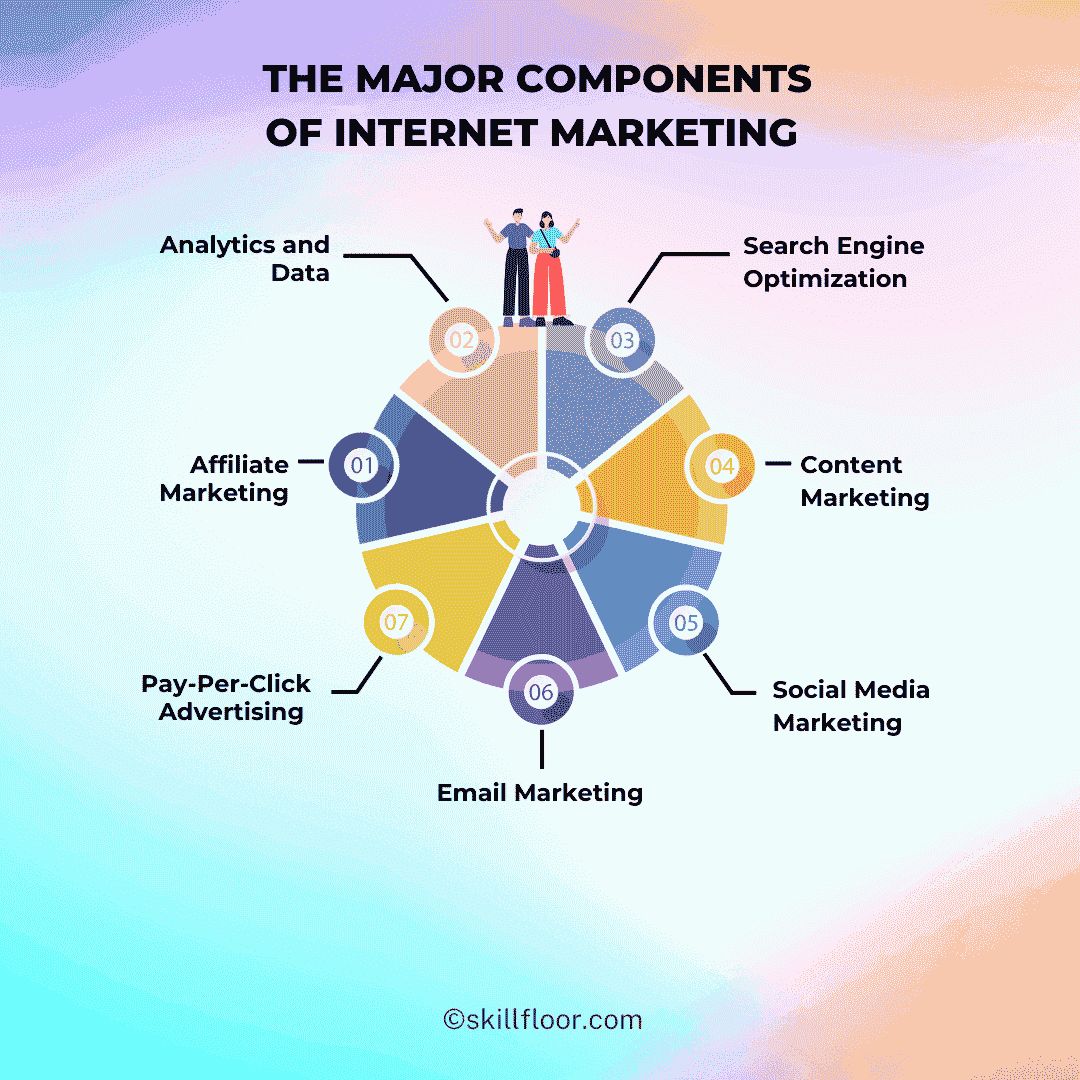
Internet marketing is a broad term for promoting a business through online channels. Depending on your goals and audience, it may include:

  • SEO: Improving visibility in unpaid search results.
  • Content marketing: Creating useful articles, guides, videos and other resources.
  • Paid search advertising: Paying to show adverts for selected search terms.
  • Social media marketing: Sharing content and engaging with audiences on social platforms.
  • Email marketing: Sending relevant updates and offers to people who have chosen to hear from you.
  • Conversion optimisation: Making it easier for website visitors to enquire, subscribe or buy.

These channels work best when they support a clear strategy rather than being treated as separate activities.

How SEO supports your wider marketing

SEO can help your business connect with people who are already looking for information, products or services like yours. Search insights can also reveal the questions customers ask and the language they use. That information can guide your website content, advertising and social media activity.

At the same time, other marketing channels can strengthen your SEO efforts. For example, a useful article promoted through email or social media may reach more readers and earn attention from relevant websites. The aim is not simply to generate clicks, but to offer a consistent and helpful experience wherever people encounter your business.

Key elements of an effective SEO strategy

Understand your audience and search intent

Start by identifying the people you want to reach and what they hope to achieve. Someone searching for general advice may need an informative guide, while someone comparing providers may be looking for clear service details, pricing information or customer reviews.

Choose topics based on genuine customer needs, not just search phrases with high estimated traffic. Relevant visitors are more valuable than large numbers of people who are unlikely to need what you offer.

Create helpful, trustworthy content

Write for people first. Provide clear answers, explain unfamiliar terms and make your content easy to scan. Use descriptive headings and organise information in a logical order. Keep details accurate and review important pages when your services or advice change.

Each page should have a clear purpose. Avoid repeating the same information across multiple pages or adding content solely to include keywords. Search engines aim to surface useful results, and visitors are more likely to trust content that is genuinely relevant to them.

Build a sound technical foundation

Technical SEO helps search engines access and understand your website. Important considerations include:

  • A site structure that is easy to navigate.
  • Pages that work well on mobile devices.
  • Fast, reliable page loading.
  • Secure browsing using HTTPS.
  • Clear page titles and descriptions.
  • Working internal links and helpful error pages.
  • Accessible content, including meaningful image descriptions where appropriate.

Technical improvements should also benefit your visitors. A fast, accessible website is easier for people to use as well as easier for search engines to process.

Earn relevant links and recognition

Links from other websites can help people discover your content and provide useful context about your business. Focus on creating resources worth referencing and building genuine relationships within your sector. Avoid schemes that promise large numbers of links or rely on manipulative tactics, which can put your website at risk.

Measuring results

Choose measures that reflect your business goals. These might include relevant organic visits, enquiries, online sales, newsletter sign-ups or visits to key service pages. Rankings and traffic can offer useful context, but they do not always show whether marketing is contributing to business growth.

Use analytics and search performance tools to identify patterns, check which pages are working and find opportunities to improve. Results can take time, so assess progress over a suitable period rather than reacting to every short-term change.

Common mistakes to avoid

  • Expecting SEO to deliver immediate results.
  • Choosing keywords without considering the visitor’s needs.
  • Publishing large amounts of thin or repetitive content.
  • Ignoring mobile usability, accessibility or page speed.
  • Focusing on rankings while overlooking enquiries and sales.
  • Using misleading claims or buying links to manipulate search results.

Bringing it all together

SEO is an important part of internet marketing, but it is most effective when connected to a broader plan. Begin with clear objectives, understand your audience and create a website that offers useful information and a straightforward experience. Then use relevant marketing channels to help the right people find it.

With regular measurement and thoughtful improvements, SEO and internet marketing can support steady, sustainable growth for your business.


Top 6 Benefits of SEO Internet Marketing for Business Success

  1. Improves visibility in search results.
  2. Attracts relevant website visitors.
  3. Builds trust in your brand.
  4. Supports long-term business growth.
  5. Helps generate more enquiries and sales.
  6. Makes marketing performance measurable.


Challenges in SEO Internet Marketing: Delayed Results, Unpredictable Rankings, Costly Campaigns, and Reputation Risks

  1. SEO can take time to deliver results.
  2. Search rankings can change unexpectedly.
  3. Paid campaigns may become costly.
  4. Poor tactics can harm your website’s reputation.

Improves visibility in search results.

SEO internet marketing can improve your visibility in search results, helping more potential customers discover your business when they look for products, services or information you offer. By creating relevant content and making your website easy for search engines to understand, you can increase the chances of appearing for useful searches and attract more people to your site.

Attracts relevant website visitors.

One of the key benefits of SEO internet marketing is its ability to attract relevant visitors to your website. By creating useful content around the words and questions your potential customers search for, your business can appear when people are actively looking for the products, services or information you provide. This can bring in visitors who are more likely to engage, enquire or make a purchase.

Builds trust in your brand.

SEO internet marketing can help build trust in your brand by making your business easier to find when people search for relevant information, products or services. Helpful, accurate content, a professional website and a positive user experience show potential customers that your business understands their needs. Over time, consistently appearing in relevant search results can strengthen brand recognition and give people greater confidence in choosing you.

Supports long-term business growth.

SEO internet marketing supports long-term business growth by helping your website attract relevant visitors over time. By creating useful content, improving your site and building visibility in search results, you can keep reaching potential customers without relying solely on paid advertising. As your online presence grows, it can generate more enquiries, strengthen trust in your brand and provide a lasting foundation for future growth.

Helps generate more enquiries and sales.

SEO internet marketing can help generate more enquiries and sales by making your business easier to find when potential customers are searching for relevant products or services. By bringing the right people to useful, clear pages—and making it simple for them to get in touch or make a purchase—SEO can turn online visibility into valuable business opportunities.

Makes marketing performance measurable.

One of the key benefits of SEO internet marketing is that its performance can be measured. Analytics tools can show how people find your website, which pages they visit and whether they go on to enquire or make a purchase. By tracking these results over time, businesses can see what is working, identify areas for improvement and make more informed decisions about their marketing budget.

SEO can take time to deliver results.

One drawback of SEO internet marketing is that it can take time to deliver results. Search engines need to discover and assess changes to your website, while building visibility and trust often requires consistent effort over several months. This means SEO may not suit businesses looking for an immediate increase in enquiries or sales, so it’s important to set realistic expectations and consider short-term marketing activity alongside your longer-term SEO work.

Search rankings can change unexpectedly.

One drawback of SEO internet marketing is that search rankings can change unexpectedly. Search engines regularly update their algorithms, and competitors may improve their websites or content, causing your pages to move up or down in results. This can affect website traffic and enquiries, even when you have not made any changes yourself. Regularly reviewing performance and keeping your content useful and up to date can help, but rankings can never be guaranteed.

Paid campaigns can help businesses reach customers quickly, but costs may rise rapidly in competitive markets. If budgets, audience targeting and performance are not monitored carefully, a campaign can spend money without generating enough enquiries or sales to justify the investment. Regularly reviewing results and setting clear spending limits can help keep costs under control.

Poor tactics can harm your website’s reputation.

Poor SEO tactics can harm your website’s reputation and make it harder for customers to trust your business. Practices such as keyword stuffing, buying low-quality links or publishing misleading content may lead to a poor user experience and damage your credibility. Search engines may also reduce a site’s visibility if they consider its methods manipulative. Focusing instead on useful content, honest communication and sustainable optimisation helps protect your reputation over the long term.

online marketing services for small businesses

Online Marketing Services for Small Businesses: A Practical Guide

Online Marketing Services for Small Businesses: A Practical Guide

For a small business, online marketing can help you reach new customers, build trust and encourage repeat business. The right approach does not have to involve a large budget or a complicated strategy. It starts with understanding your audience, choosing the channels that suit your goals and making steady improvements over time.

What are online marketing services?

Online marketing services help businesses promote their products or services across digital channels. Depending on your needs, they may include website design, search engine optimisation (SEO), paid advertising, social media management, email marketing and content creation.

Some businesses manage these activities in-house, while others work with an agency or freelancer. A marketing partner can provide specialist skills, help set priorities and give you more time to focus on running your business.

Key online marketing services for small businesses

Website design and optimisation

Your website is often the first place potential customers go to learn about your business. It should explain what you offer, who you help and how to get in touch. A well-designed website should also work smoothly on mobile devices, load quickly and make it easy for visitors to take the next step.

That step might be making a purchase, booking an appointment, requesting a quote or signing up for updates. Clear calls to action and useful, accurate information can make a real difference.

Search engine optimisation

SEO helps improve your website’s visibility in unpaid search results. It can include researching the phrases your customers use, improving website content, organising pages clearly and making technical improvements that help search engines understand your site.

For businesses serving a particular area, local SEO can be especially useful. Keeping your business details consistent online and maintaining a complete local business profile can help nearby customers find you. SEO usually takes time, so it is best viewed as a long-term investment rather than a quick fix.

Paid search and social advertising

Paid advertising can put your business in front of a selected audience more quickly than organic marketing. Search adverts can reach people looking for a particular product or service, while social media adverts can be targeted by factors such as location, interests or behaviours.

Start with a clear objective and a manageable budget. Track what happens after someone clicks, not just how many clicks an advert receives. Enquiries, bookings and sales are more useful measures of success.

Social media marketing

Social media gives small businesses a way to share updates, demonstrate expertise and talk directly with customers. You do not need to be active on every platform. Choose the channels your audience uses and focus on posting useful, relevant content consistently.

A simple plan might include product or service information, answers to common questions, customer stories and behind-the-scenes updates. Responding to comments and messages promptly can help build stronger relationships.

Email marketing

Email is a direct way to stay in touch with people who have chosen to hear from your business. You could use it to share news, helpful advice, special offers or reminders. Keep messages relevant, make them easy to read on a mobile and include a clear next step.

Always collect consent appropriately and make it straightforward for recipients to unsubscribe. Following data protection and electronic marketing rules is an essential part of responsible email marketing.

Content creation and analytics

Useful content—such as articles, guides, videos or case studies—can answer customer questions and show what makes your business distinctive. Analytics can then help you understand which pages and campaigns attract attention and which lead to meaningful results.

How to choose the right services

Begin with your business goals. If you need more local enquiries, local SEO and a clear website may be a sensible starting point. If you are launching a new offer, paid advertising could help you test demand. If customers often return, email marketing may support repeat business.

Before choosing a provider, ask what work is included, how progress will be reported and how success will be measured. Look for clear communication, realistic expectations and a plan that fits your budget. Be cautious of promises such as guaranteed rankings or instant results.

Make your marketing work harder

Online marketing is most effective when its parts support one another. A useful social media post can lead people to a relevant website page; that page can encourage them to enquire or join your mailing list. Review your results regularly, keep what is working and adjust what is not.

With clear goals and the right mix of services, small businesses can build a stronger online presence without trying to do everything at once. Start with the basics, learn from your customers and grow your marketing as your business develops.


Essential Tips for Small Businesses: Maximising Online Marketing Services

  1. Set a clear budget before choosing marketing services.
  2. Choose channels your customers actually use.
  3. Check results with simple, measurable goals.
  4. Ask for transparent pricing and regular reports.
  5. Start small, then invest more in what works.

Set a clear budget before choosing marketing services.

Set a clear budget before choosing online marketing services so you can focus on options that are realistic for your business. Consider both the initial cost and any ongoing fees, and leave room to test and refine your approach. A clear budget also helps you compare providers, prioritise the channels most likely to support your goals and measure whether your marketing is delivering value.

Choose channels your customers actually use.

Choose marketing channels your customers actually use, rather than trying to be everywhere at once. Think about where your audience looks for information, compares options and spends time online, then focus your effort there. For example, a local service business may benefit from a well-maintained Google Business Profile, while a visually led brand might find social media more effective. Concentrating on the right channels helps you use your time and budget wisely, create more relevant content and build stronger connections with potential customers.

Check results with simple, measurable goals.

Set simple, measurable goals so you can see whether your online marketing is making a difference. Rather than aiming to “get more visibility”, track specific outcomes such as website enquiries, online sales, email sign-ups or visits from local search. Choose a time period, check your results regularly and compare them with your starting point. This makes it easier to spot what is working, adjust what is not and spend your marketing budget where it can have the greatest impact.

Ask for transparent pricing and regular reports.

Before choosing an online marketing provider, ask for clear, transparent pricing so you know what is included and whether there are any extra costs. Agree how often you will receive reports and what they will cover, such as website visits, enquiries, sales or campaign performance. Regular, straightforward updates make it easier to see what is working, understand how your budget is being used and decide what to improve next.

Start small, then invest more in what works.

Start with a manageable online marketing budget and test a few activities that match your goals, such as local SEO, email marketing or a small paid advertising campaign. Track meaningful results, including enquiries, bookings and sales, rather than focusing only on likes or clicks. Once you know which channels are bringing in the right customers, invest more in those and scale back what is not delivering. This measured approach helps you make better use of your budget while learning what works for your business.

traditional and digital marketing

Traditional and Digital Marketing: How to Choose the Right Mix for Your Business

Traditional and Digital Marketing: Finding the Right Balance

Marketing helps businesses reach potential customers, explain what they offer and build lasting relationships. The ways of doing this have expanded considerably: alongside familiar methods such as print advertising and direct mail, businesses can now connect with audiences through websites, search engines, social media and email.

Traditional and digital marketing are sometimes presented as competing approaches. In practice, they can work well together. The right mix depends on a business’s audience, goals, budget and the way its customers prefer to receive information.

What is traditional marketing?

Traditional marketing refers to established channels that generally reach people offline. Common examples include:

  • Newspaper and magazine advertising
  • Television and radio adverts
  • Leaflets, brochures and direct mail
  • Outdoor advertising, such as posters and billboards
  • Events, exhibitions and sponsorship

These channels can help a business build recognition across a local area or reach audiences who may not spend much time online. A well-placed advert, useful leaflet or memorable radio campaign can make a brand easy to recognise.

What is digital marketing?

Digital marketing uses online channels and technologies to promote a business, product or service. It can include:

  • Websites and search engine optimisation (SEO)
  • Paid search and online display advertising
  • Social media marketing
  • Email marketing
  • Online video and content marketing

Digital channels make it possible to reach specific audiences, adapt campaigns quickly and track many aspects of performance. For example, a business can see how many people visited a webpage after clicking an advert, or which email links received the most attention.

Key differences

Audience and reach

Traditional marketing can be effective when a business wants to reach a broad audience in a particular place or through a widely used medium. Digital marketing can offer more precise audience targeting, although its reach depends on the platforms and campaigns selected.

Measurement

Some traditional campaigns are harder to measure directly. Businesses can use tools such as customer surveys, promotional codes or dedicated phone numbers to understand their impact. Digital campaigns often provide more immediate performance data, but figures such as clicks and views do not always show whether a campaign has contributed to meaningful business results.

Cost and flexibility

Costs vary across both approaches. A local leaflet campaign may be affordable for a small business, while a major television campaign can require a substantial budget. Digital campaigns can often be started on a smaller scale and adjusted as results come in, but competition for attention and advertising space can still make them costly.

Customer interaction

Traditional advertising is often one-way: a business shares a message with an audience. Digital channels can make two-way communication easier, allowing customers to comment, ask questions, share content or sign up for updates. That interaction also means businesses need to respond thoughtfully and consistently.

The benefits of combining both approaches

A coordinated marketing plan can use traditional and digital channels to reinforce the same message. For instance, a printed advert might direct readers to a website, while an event could encourage visitors to follow a social media account or join an email list.

Using several relevant channels can help a business connect with people at different points in their decision-making. Someone might first notice a brand on a poster, search for it online later and then visit its website before making an enquiry. Consistent branding and clear messaging make these interactions feel connected.

How to choose the right mix

Before choosing channels, consider a few practical questions:

  • Who are you trying to reach? Think about your customers’ needs, habits and preferred ways of finding information.
  • What do you want to achieve? Objectives might include increasing awareness, generating enquiries, encouraging repeat purchases or promoting a specific offer.
  • Where does your audience spend time? Choose channels based on evidence about your audience rather than assumptions.
  • How will you measure success? Decide in advance which outcomes matter, such as enquiries, sales, event attendance or website visits.
  • Can you deliver consistently? A campaign needs suitable time, resources and follow-up to make the most of the interest it generates.

It is also useful to test ideas on a manageable scale. Review the results, learn what worked and refine the plan. Measurement should focus on meaningful outcomes, not just the number of impressions or clicks.

Conclusion

Traditional and digital marketing each offer useful ways to connect with customers. Traditional channels can provide a tangible presence and reach audiences in specific settings, while digital marketing offers flexible ways to target, communicate and assess performance. Neither approach is automatically right for every business.

The strongest strategy is built around clear goals and a sound understanding of the audience. By choosing relevant channels and keeping the message consistent, businesses can make traditional and digital marketing work together.


Maximise Your Marketing: Integrating Traditional and Digital Strategies for Success

  1. Know your audience before choosing channels.
  2. Use print or radio to build local awareness.
  3. Keep branding consistent across every channel.
  4. Track digital campaigns with clear metrics.
  5. Combine traditional reach with digital follow-up.

Know your audience before choosing channels.

Before choosing marketing channels, take time to understand who you want to reach. Consider your audience’s needs, interests and habits, including where they look for information and how they prefer to communicate. This helps you focus your budget and effort on channels they are more likely to notice and trust, rather than spreading your message too widely. Use customer feedback and campaign results to keep refining your approach.

Use print or radio to build local awareness.

Use print or radio advertising to raise awareness among people in your local area. A well-placed advert in a community newspaper, local magazine or radio station can help your business reach nearby customers and build familiarity. Keep the message clear, highlight what makes your business relevant to the community, and include an easy next step, such as visiting your website or getting in touch.

Keep branding consistent across every channel.

Keep your branding consistent across every channel so customers can recognise and trust your business, whether they see a printed advert, visit your website or find you on social media. Use the same logo, colours, tone of voice and key messages wherever possible, adapting the format to suit each platform without losing your brand’s identity.

Track digital campaigns with clear metrics.

Track digital campaigns using clear metrics that link to your business goals. For example, monitor website visits, enquiries, sales or email sign-ups rather than focusing only on likes and clicks. Set a baseline before a campaign begins, use tracking tools consistently and review results regularly. This helps you understand which channels and messages are working, where to adjust your budget and how digital activity supports your wider marketing efforts.

Combine traditional reach with digital follow-up.

Combine the broad reach of traditional marketing with the precision of digital follow-up. A leaflet, poster, radio advert or event can introduce your business to a wide audience; a clear call to action—such as visiting a dedicated webpage, scanning a QR code or following your social media account—can then guide interested people online. From there, you can share useful information, answer questions and encourage enquiries or purchases. Use trackable links or campaign-specific codes to see which activity brings people to your digital channels and refine your approach over time.

digital media marketing services

Digital Media Marketing Services: A Guide to Growing Your Business Online

Digital Media Marketing Services: Helping Your Business Get Noticed Online

People discover and engage with businesses across a growing range of digital channels. A clear, consistent marketing approach can help your business reach the right audience, build trust and turn interest into action. Digital media marketing services bring these channels together to support your business goals.

What are digital media marketing services?

Digital media marketing covers the ways businesses use online platforms and content to connect with customers. Depending on your needs, a strategy may include social media, paid advertising, content creation, email marketing, search engine optimisation (SEO) and performance analysis.

These services work best when they form part of a joined-up plan. Rather than treating each channel in isolation, a digital marketing strategy considers how customers find your business, what information they need and what might encourage them to take the next step.

Key digital marketing services

Social media marketing

Social media gives businesses a way to share updates, showcase their work and take part in conversations with their audience. Effective social media marketing starts with choosing platforms that suit your customers and setting a realistic plan for what to publish. Content might include helpful advice, product information, company news or behind-the-scenes updates.

Paid social campaigns can also help put specific messages in front of carefully selected audiences. Clear objectives and regular monitoring help keep campaigns focused.

Content marketing

Useful content can help answer customer questions and demonstrate your expertise. This could include articles, guides, videos, case studies or downloadable resources. Content marketing is most effective when it is relevant to your audience, easy to understand and connected to a wider business objective.

Search engine optimisation

SEO helps improve the visibility of your website in organic search results. It can involve researching the terms your customers use, improving website content and structure, and addressing technical issues that affect how search engines access your site. SEO takes time, but a considered approach can help attract people who are actively looking for information, products or services like yours.

Paid digital advertising

Paid advertising can help businesses reach potential customers through search engines, social networks and other online platforms. Campaigns may be designed to increase awareness, generate enquiries or promote a particular offer. Strong campaigns use relevant targeting and landing pages, with results reviewed against agreed objectives.

Email marketing

Email remains a practical way to keep in touch with people who have chosen to hear from your business. Newsletters, updates and automated messages can share useful information and encourage repeat engagement. Emails should be relevant, well written and sent in line with applicable data protection and marketing rules.

Analytics and reporting

Measurement helps show whether marketing activity is supporting your goals. Depending on the campaign, useful indicators might include website visits, engagement, enquiries, sales or the cost of acquiring a customer. Regular reporting can reveal what is working, where improvements may be needed and how to make informed decisions about future activity.

Why take an integrated approach?

Customers may encounter your business through several channels before making a decision. A coordinated approach helps create a more consistent experience, from a social media post or search result to the information on your website and the follow-up they receive.

Digital marketing can also provide valuable insight into audience behaviour. By reviewing performance and listening to customer feedback, businesses can refine their messaging and focus their resources on the activities most relevant to their goals.

Choosing the right digital marketing support

Before selecting a provider, consider what you want to achieve and which audiences you need to reach. Ask how the proposed services will support those objectives, what success will look like and how progress will be reported. It is also important to understand who will manage the work, how communication will happen and what is included in the service.

Look for a practical strategy rather than a list of channels. The right approach should reflect your business, your customers and your available budget, with room to adapt as you learn more about what works.

Make your next move with confidence

Digital media marketing services can help your business build visibility, communicate its value and create stronger connections with customers. With clear goals, relevant content and regular measurement, online activity can become a more purposeful part of your wider growth plan.


Maximise Business Growth with Digital Media Marketing: 6 Key Advantages

  1. Reach more potential customers online.
  2. Target audiences with greater precision.
  3. Build brand awareness consistently.
  4. Measure results and refine campaigns.
  5. Engage customers across multiple channels.
  6. Support enquiries, sales and business growth.


Challenges of Digital Media Marketing: Delayed Results, Rising Costs, Platform Changes, and Complex ROI Measurement

  1. Results can take time to appear.
  2. Costs may rise without careful budgeting.
  3. Platform changes can disrupt campaigns.
  4. Measuring return on investment can be complex.

Reach more potential customers online.

Digital media marketing services help your business reach more potential customers online by making it easier to connect with people across search engines, social media and other digital platforms. With targeted campaigns and relevant content, you can put your products or services in front of audiences who are more likely to be interested, wherever they are in the UK.

Target audiences with greater precision.

Digital media marketing services can help businesses reach the people most likely to be interested in their products or services. By using factors such as location, interests, online behaviour and demographics, campaigns can be tailored to specific audience groups rather than broadcast widely. This greater precision can make marketing more relevant to potential customers, while helping businesses use their budgets more effectively and measure which messages perform best.

Build brand awareness consistently.

Digital media marketing services help build brand awareness consistently by keeping your business visible across the online channels your audience uses. Regular, relevant content and coordinated campaigns reinforce your message over time, helping people recognise your brand, understand what you offer and remember you when they’re ready to buy.

Measure results and refine campaigns.

Digital media marketing services make it easier to track how campaigns are performing, from website visits and social media engagement to enquiries and sales. By reviewing this data, businesses can see which messages and channels are working well, identify areas for improvement and adjust their campaigns accordingly. This ongoing process helps make better use of marketing budgets and keeps activity aligned with changing customer needs and business goals.

Engage customers across multiple channels.

Digital media marketing services help your business engage customers across the channels they use every day, from search engines and social media to email and your website. By sharing consistent, relevant messages across these platforms, you can meet people at different stages of their journey, make it easier for them to interact with your brand and build stronger, lasting relationships.

Support enquiries, sales and business growth.

Digital media marketing services can help turn online interest into meaningful business results. By reaching relevant audiences with clear, engaging messages and making it easy for them to enquire or buy, your business can generate more opportunities and support sales. Tracking campaign performance also helps identify what works, so you can refine your approach and invest in activities that contribute to sustainable growth.

Results can take time to appear.

One drawback of digital media marketing is that results can take time to appear. Activities such as SEO, content marketing and building an engaged social media following often need consistent effort before they lead to noticeable growth in visibility, enquiries or sales. This means businesses should set realistic expectations, monitor progress over time and avoid judging a strategy too early.

Costs may rise without careful budgeting.

Digital media marketing costs can rise quickly without careful budgeting. Paid advertising, content creation and specialist support may all require ongoing investment, and spending can increase before results become clear. Set a realistic budget, agree priorities and review performance regularly to help keep costs under control and focus investment on the channels that deliver value.

Platform changes can disrupt campaigns.

Platform changes can disrupt digital media marketing campaigns with little warning. Updates to algorithms, advertising rules, targeting options or fees may reduce a campaign’s reach or effectiveness, even when it has been performing well. Businesses can limit the impact by keeping up to date with platform changes, reviewing results regularly and avoiding over-reliance on a single channel.

Measuring return on investment can be complex.

Measuring the return on investment (ROI) of digital media marketing services can be complex because customers often interact with several channels before making a purchase. A campaign may build awareness or encourage repeat visits without leading to an immediate sale, making its contribution harder to isolate. Results can also be affected by factors such as seasonality, changes in demand and the accuracy of tracking tools. Setting clear objectives and using consistent measurement methods can help businesses assess performance, though it may take time to understand the full value of their marketing activity.

online marketing solutions

Online Marketing Solutions: A Practical Guide to Growing Your Business

Online Marketing Solutions: A Practical Guide to Growing Your Business

Online marketing helps businesses reach potential customers, build brand awareness and encourage sales through digital channels. From search engines and social media to email and paid advertising, there are many ways to connect with an audience. The best approach is not to use every channel at once, but to choose the right mix for your goals, customers and budget.

What are online marketing solutions?

Online marketing solutions are the strategies, services and tools businesses use to promote their products or services on the internet. They can include planning a digital strategy, creating content, improving a website, running advertising campaigns and measuring results.

Some businesses manage these activities in-house, while others work with a digital marketing agency or specialist. In either case, effective marketing starts with a clear understanding of who you want to reach and what you want them to do.

Key online marketing channels

Search engine optimisation

Search engine optimisation (SEO) helps improve a website’s visibility in unpaid search results. It can involve researching relevant search terms, creating useful content, improving page structure and making sure a website works well on mobile devices. SEO takes time, but can help attract people who are actively looking for information, products or services.

Pay-per-click advertising

Pay-per-click (PPC) advertising places paid adverts on search engines and other platforms. Businesses typically pay when someone clicks an advert. PPC can bring visitors to a website quickly and allows campaigns to be targeted by factors such as location, interests or search terms. Setting a clear budget and regularly reviewing performance helps keep campaigns focused.

Social media marketing

Social media gives businesses a way to share updates, showcase their work and communicate with customers. The most suitable platforms depend on the audience and the type of business. A consistent schedule, engaging content and genuine interaction are often more effective than simply posting frequently.

Content marketing

Content marketing involves creating and sharing useful material, such as articles, guides, videos or case studies. Good content can answer customer questions, demonstrate expertise and support other marketing activity. It should be created for a clear audience and offer genuine value rather than simply promoting a product.

Email marketing

Email marketing enables businesses to keep in touch with people who have chosen to hear from them. Newsletters, product updates and tailored offers can help build lasting customer relationships. Emails should be relevant, easy to read and sent in line with applicable privacy and marketing rules.

How to choose the right solution

Start by setting specific objectives. These might include increasing enquiries, growing online sales, raising awareness in a particular area or encouraging existing customers to return. Then consider your audience, available budget, internal skills and the time you can commit.

It is also important to understand how different channels work together. For example, an informative article may help attract visitors through search, while social media can help distribute it and email can share it with existing contacts. A joined-up plan makes it easier to deliver a consistent message.

Measure what matters

Tracking results helps show whether your marketing is working and where improvements may be needed. Useful measures could include relevant website visits, enquiries, sales, email sign-ups or the cost of acquiring a customer. The right measures depend on your objectives, so avoid focusing on numbers that do not connect to business outcomes.

Review performance regularly, test changes and use the findings to refine your approach. Online marketing is rarely a one-off task; customer behaviour, platforms and competition can all change over time.

Build a sustainable online marketing plan

Successful online marketing is built on a clear strategy, useful content and ongoing measurement. By choosing channels that suit your audience, setting realistic goals and improving your activity over time, your business can make better use of its digital presence and create stronger connections with customers.


Maximise Your Business Potential: 8 Advantages of Online Marketing Solutions

  1. Reach a wider audience online.
  2. Target customers by location and interests.
  3. Track campaign performance in real time.
  4. Adjust budgets to suit your business.
  5. Build brand awareness across digital channels.
  6. Generate leads and sales around the clock.
  7. Connect with customers through engaging content.
  8. Refine campaigns using measurable results.


Challenges of Online Marketing Solutions: Cost, Time, Competition, and Maintenance

  1. Can be costly to maintain.
  2. Results may take time.
  3. Competition is often intense.
  4. Requires regular monitoring.

Reach a wider audience online.

Online marketing solutions can help your business reach a wider audience than traditional methods alone. With a website, search engines, social media and digital advertising, you can connect with potential customers across the UK and beyond—not just people in your local area. You can also tailor your message to specific audiences, helping your business appear in front of people who are more likely to be interested in what you offer.

Target customers by location and interests.

Online marketing solutions make it possible to target customers by location and interests, helping businesses reach people who are more likely to be interested in their products or services. Campaigns can focus on a particular town, region or service area, while audience settings can reflect relevant interests and preferences. This helps make marketing more relevant, use budgets efficiently and connect with potential customers at the right time.

Track campaign performance in real time.

A key advantage of online marketing solutions is the ability to track campaign performance in real time. Businesses can monitor activity such as website visits, advert clicks, enquiries and sales as it happens, making it easier to see what is working and where improvements may be needed. This timely insight allows campaigns, budgets and messages to be adjusted quickly, helping businesses make informed decisions and use their marketing spend more effectively.

Adjust budgets to suit your business.

Online marketing solutions make it easier to adjust your budget to suit your business. You can start with a modest spend, focus on the channels most likely to reach your audience and increase investment as you see what works. Campaign budgets can also be reviewed and changed as your priorities, cash flow or business needs shift, helping you stay in control of your marketing costs.

Build brand awareness across digital channels.

Online marketing solutions can help your business build brand awareness across digital channels, from search engines and social media to email and online advertising. By sharing a consistent message and useful content where your audience spends time, you can make your brand more familiar, strengthen recognition and stay visible to potential customers as they research their options.

Generate leads and sales around the clock.

Online marketing solutions can help your business generate leads and sales around the clock. Your website, online shop and digital campaigns can reach potential customers even when your team is offline, making it easier for people to discover your services, explore your products and enquire or buy at a time that suits them.

Connect with customers through engaging content.

Online marketing solutions help businesses connect with customers through engaging, useful content that speaks to their interests and needs. Whether it’s an informative article, a helpful video or a social media post, relevant content can encourage people to interact with your brand, build trust and keep your business in mind when they’re ready to make a decision.

Refine campaigns using measurable results.

A key advantage of online marketing is the ability to refine campaigns using measurable results. Businesses can track performance indicators such as website visits, enquiries, sales and advertising costs to see what is working and where changes may be needed. By using this insight to adjust targeting, messaging and budgets, they can make more informed decisions and focus their efforts on the approaches that deliver the greatest value.

Can be costly to maintain.

Online marketing solutions can be costly to maintain, particularly when they involve ongoing advertising spend, specialist support, content creation and regular website updates. Costs may also rise as a business expands its campaigns or adopts new tools. Setting a realistic budget, reviewing performance regularly and focusing investment on the channels that deliver the most value can help keep spending under control.

Results may take time.

One drawback of online marketing is that results may take time. Strategies such as search engine optimisation and content marketing often need consistent effort before they improve visibility, attract visitors or generate enquiries. This means businesses may need patience and ongoing investment, rather than expecting immediate returns. Setting realistic expectations and tracking progress over time can help show whether the approach is moving in the right direction.

Competition is often intense.

One drawback of online marketing is the intense competition for people’s attention. Businesses often target the same audiences across search engines, social media and other digital channels, which can make it harder to stand out. This may drive up advertising costs and mean that gaining visibility takes sustained effort, strong content and a clear point of difference.

Requires regular monitoring.

Online marketing solutions require regular monitoring to remain effective. Campaign performance, customer behaviour and platform algorithms can change, so businesses need to review results, update content and adjust budgets or targeting. This takes time and ongoing attention, and without it, marketing activity may become less effective or spend money without delivering the desired results.

digital marketing branding

Unlocking the Potential of Digital Marketing Branding Strategies

The Power of Digital Marketing Branding

The Power of Digital Marketing Branding

In today’s digital age, branding is more important than ever. With the vast amount of information available online, it’s crucial for businesses to establish a strong and memorable brand presence to stand out from the competition. Digital marketing plays a key role in shaping and promoting a brand in the online space.

Building Brand Identity

Digital marketing allows businesses to create a unique brand identity that resonates with their target audience. Through engaging website design, social media campaigns, email marketing, and content creation, companies can convey their values, mission, and personality to potential customers. Consistent branding across all digital channels helps build trust and loyalty among consumers.

Increasing Brand Awareness

One of the primary goals of digital marketing branding is to increase brand awareness. By leveraging various online platforms such as social media, search engines, and display advertising, businesses can reach a wider audience and boost visibility. Strategic digital marketing campaigns can help drive traffic to your website, generate leads, and ultimately convert prospects into loyal customers.

Creating Brand Engagement

Effective digital marketing strategies encourage customer engagement with the brand. Interactive content such as quizzes, polls, live videos, and user-generated content can foster meaningful interactions with your audience. By listening to feedback, responding to comments, and providing valuable information, businesses can build relationships with customers and strengthen brand loyalty.

Measuring Brand Performance

Digital marketing provides valuable data insights that allow businesses to track and measure the performance of their branding efforts. Metrics such as website traffic, click-through rates, conversion rates, social media engagement, and customer feedback can help assess the effectiveness of branding campaigns. By analysing these data points, businesses can refine their strategies for better results.

Conclusion

Digital marketing branding is essential for establishing a strong online presence and connecting with consumers in today’s competitive landscape. By investing in creative branding initiatives across digital channels, businesses can differentiate themselves from competitors, attract new customers, and foster long-term relationships with their target audience.


Essential FAQs on Digital Marketing Branding: Building and Measuring Brand Success

  1. What is digital marketing branding?
  2. Why is branding important in digital marketing?
  3. How can digital marketing help build a brand identity?
  4. What are the key components of successful digital marketing branding?
  5. How does social media impact branding in digital marketing?
  6. What role does content creation play in digital marketing branding?
  7. How can businesses measure the effectiveness of their digital marketing branding strategies?
  8. What are some examples of successful digital marketing branding campaigns?

What is digital marketing branding?

Digital marketing branding encompasses the strategic efforts of businesses to establish and promote their unique identity and values in the online realm. It involves creating a cohesive brand presence across various digital channels such as websites, social media platforms, email campaigns, and online advertising. Through digital marketing branding, companies aim to increase brand awareness, engage with their target audience, and build lasting relationships with customers. By leveraging the power of digital tools and technologies, businesses can effectively communicate their brand story, differentiate themselves from competitors, and leave a memorable impression on consumers in the digital landscape.

Why is branding important in digital marketing?

In the realm of digital marketing, branding holds significant importance as it serves as the foundation upon which businesses can establish a distinct identity and connect with their target audience in a meaningful way. A strong brand presence in the digital landscape not only helps companies differentiate themselves from competitors but also builds trust and loyalty among consumers. By effectively communicating their values, mission, and personality through various online channels, businesses can enhance brand awareness, engage with customers, drive conversions, and ultimately create a lasting impact in the highly competitive digital marketplace.

How can digital marketing help build a brand identity?

Digital marketing plays a pivotal role in building a brand identity by providing businesses with a powerful platform to showcase their unique values, vision, and personality to a global audience. Through strategic use of website design, social media engagement, content creation, and targeted advertising campaigns, businesses can craft a cohesive brand image that resonates with their target market. By consistently delivering compelling messaging and visual elements across various digital channels, companies can establish brand recognition, foster trust with consumers, and differentiate themselves from competitors in the competitive online landscape.

What are the key components of successful digital marketing branding?

When it comes to successful digital marketing branding, several key components play a crucial role in shaping a brand’s online presence. Consistency across all digital channels is paramount, ensuring that the brand message, visuals, and tone remain cohesive and recognisable. Engaging content that resonates with the target audience is essential for building brand awareness and fostering customer loyalty. Utilising data analytics to measure and refine branding strategies allows businesses to make informed decisions and adapt to changing market trends. Interactivity and engagement with customers through social media platforms and personalised experiences help create meaningful connections that strengthen brand relationships. Ultimately, a well-defined brand identity, strategic planning, creativity, and adaptability are key elements that contribute to the success of digital marketing branding efforts.

How does social media impact branding in digital marketing?

Social media plays a significant role in shaping branding within the realm of digital marketing. With its vast reach and influence, social media platforms provide businesses with a powerful tool to connect with their target audience on a more personal level. By engaging users through compelling content, interactive campaigns, and real-time communication, businesses can enhance brand visibility, build brand loyalty, and establish a strong brand identity online. Social media enables brands to humanise their presence, foster meaningful relationships with customers, and leverage user-generated content to showcase authentic brand experiences. Additionally, social media analytics offer valuable insights into audience behaviour and preferences, allowing businesses to tailor their branding strategies for maximum impact and engagement.

What role does content creation play in digital marketing branding?

Content creation plays a crucial role in digital marketing branding by serving as the voice of a brand and engaging with the target audience. High-quality and relevant content not only conveys the brand’s values, messaging, and personality but also establishes credibility and authority in the industry. Through blog posts, videos, social media posts, infographics, and more, businesses can showcase their expertise, address customer needs, and build relationships with their audience. Compelling content that resonates with users can drive brand awareness, increase website traffic, and ultimately lead to conversions. In essence, content creation is the cornerstone of effective digital marketing branding strategies that help businesses connect with consumers on a deeper level.

How can businesses measure the effectiveness of their digital marketing branding strategies?

To determine the success of their digital marketing branding strategies, businesses can employ various metrics and tools to measure effectiveness. Key performance indicators (KPIs) such as website traffic, conversion rates, social media engagement, brand sentiment analysis, and customer feedback are essential in evaluating the impact of branding efforts. By tracking these metrics over time and analysing the data collected, businesses can gain valuable insights into the performance of their digital marketing campaigns and make informed decisions to optimise their branding strategies for better results.

What are some examples of successful digital marketing branding campaigns?

When exploring successful digital marketing branding campaigns, several notable examples come to mind. One such campaign is Nike’s “Just Do It” initiative, which not only solidified the brand’s identity but also inspired and resonated with consumers on a global scale. Another standout example is Coca-Cola’s “Share a Coke” campaign, where personalised bottles with customers’ names sparked social media engagement and strengthened brand loyalty. Additionally, Apple’s consistent and innovative product launches combined with compelling storytelling through their digital marketing efforts have set a benchmark for brand success in the tech industry. These campaigns demonstrate the power of effective digital marketing branding in creating lasting impressions and driving consumer engagement.

social media marketing companies for small business

Elevate Your Small Business with Expert Social Media Marketing Companies

Social Media Marketing Companies for Small Business

Social Media Marketing Companies for Small Business

Social media has become a powerful tool for businesses of all sizes to reach and engage with their target audience. For small businesses, having a strong presence on social media can be a game-changer in terms of brand awareness, customer engagement, and lead generation. However, managing social media effectively requires time, expertise, and resources that many small businesses may not have.

Enter Social Media Marketing Companies

Social media marketing companies specialise in helping businesses create and execute effective social media strategies to achieve their marketing goals. These companies have the knowledge, experience, and tools to navigate the ever-changing landscape of social media platforms and maximise their clients’ online presence.

Benefits for Small Businesses

For small businesses looking to harness the power of social media, partnering with a social media marketing company can offer several key benefits:

  • Expertise: Social media marketing companies have professionals who understand the nuances of each platform and can create tailored strategies that resonate with your target audience.
  • Time Savings: Outsourcing your social media management allows you to focus on other aspects of your business while experts handle your online presence.
  • Cost-Effective Solutions: Many social media marketing companies offer affordable packages designed specifically for small businesses, making professional services accessible.
  • Data-Driven Results: These companies use analytics tools to track performance metrics and adjust strategies accordingly to ensure maximum ROI.

Choosing the Right Partner

When selecting a social media marketing company for your small business, consider factors such as their track record, client testimonials, range of services offered, and alignment with your brand values. Communication is key – make sure you have a clear understanding of what they will deliver and how success will be measured.

In Conclusion

Social media marketing companies can be invaluable allies for small businesses looking to establish a strong online presence and connect with their target audience effectively. By leveraging the expertise and resources of these professionals, small businesses can level the playing field in the competitive digital landscape.

Contact a reputable social media marketing company today to explore how they can help your small business thrive in the world of social media.


7 Essential Tips for Small Businesses: Maximising Success with Social Media Marketing Companies

  1. Define your target audience clearly to tailor your content effectively.
  2. Create a content calendar to ensure consistent posting and engagement.
  3. Utilize various social media platforms to reach a wider audience.
  4. Engage with your followers by responding to comments and messages promptly.
  5. Monitor analytics regularly to track the performance of your campaigns.
  6. Collaborate with influencers or other businesses for cross-promotion opportunities.
  7. Stay updated on social media trends and adjust your strategies accordingly.

Define your target audience clearly to tailor your content effectively.

Defining your target audience clearly is a crucial step in maximising the effectiveness of your social media marketing efforts as a small business. By understanding the demographics, interests, and behaviours of your audience, you can tailor your content to resonate with them on a deeper level. This targeted approach not only increases engagement but also enhances the likelihood of converting followers into customers. Identifying and addressing the specific needs and preferences of your target audience through strategic content creation can help you build stronger relationships and drive meaningful results for your business in the competitive social media landscape.

Create a content calendar to ensure consistent posting and engagement.

Creating a content calendar is a crucial tip for small businesses working with social media marketing companies. By planning and scheduling your content in advance, you can ensure a consistent posting schedule that keeps your audience engaged. A content calendar helps you maintain a strategic approach to your social media efforts, allowing for better organisation, timely responses to trends, and the ability to track the performance of your posts effectively. Consistency in posting not only boosts visibility but also fosters a stronger connection with your followers, ultimately driving growth and success for your small business on social media platforms.

Utilize various social media platforms to reach a wider audience.

To maximise your small business’s online presence, it is essential to utilise a variety of social media platforms effectively. By diversifying your presence across platforms such as Facebook, Instagram, Twitter, LinkedIn, and others, you can reach a broader audience and engage with potential customers who may frequent different channels. Each platform offers unique features and demographics, allowing you to tailor your content and messaging to appeal to a wider range of users. Embracing multiple social media platforms can enhance brand visibility and increase opportunities for growth in the competitive digital landscape.

Engage with your followers by responding to comments and messages promptly.

Engaging with your followers by responding to comments and messages promptly is a crucial aspect of effective social media marketing for small businesses. By actively interacting with your audience, you not only show that you value their input and feedback but also build a sense of community and trust around your brand. Prompt responses demonstrate professionalism and attentiveness, fostering positive relationships with your followers and potentially turning them into loyal customers. Consistent engagement can lead to increased brand visibility, improved customer satisfaction, and ultimately, business growth in the competitive digital landscape.

Monitor analytics regularly to track the performance of your campaigns.

Monitoring analytics regularly is crucial for small businesses working with social media marketing companies. By tracking the performance of your campaigns, you can gain valuable insights into what strategies are working effectively and where adjustments may be needed. Analyzing metrics such as engagement rates, click-through rates, and conversion rates allows you to make data-driven decisions to optimise your social media efforts and maximise your return on investment. Consistent monitoring of analytics ensures that you stay informed about the impact of your campaigns and enables you to refine your approach for greater success in reaching your target audience.

Collaborate with influencers or other businesses for cross-promotion opportunities.

Collaborating with influencers or other businesses for cross-promotion opportunities can be a strategic move for small businesses looking to expand their reach on social media. By partnering with influencers who have a relevant audience or complementary businesses in your industry, you can tap into new demographics and increase brand visibility. These collaborations not only help in reaching a wider audience but also build credibility and trust among potential customers. Leveraging the network and influence of others through cross-promotion can be a cost-effective way to amplify your marketing efforts and drive engagement on social media platforms.

In the realm of social media marketing for small businesses, staying abreast of the latest trends is paramount to success. By continuously monitoring and adapting to evolving social media landscapes, businesses can ensure their strategies remain relevant and effective. Whether it involves embracing new features on platforms or responding to shifting user behaviours, the ability to adjust strategies accordingly allows small businesses to stay competitive and engage with their target audience in meaningful ways.

marketing digital ecommerce

Mastering Digital Marketing Strategies for E-commerce Success

The Power of Digital Marketing in E-commerce

The Power of Digital Marketing in E-commerce

In today’s digital age, e-commerce has revolutionised the way businesses sell products and services online. With the growing competition in the online marketplace, effective digital marketing strategies have become essential for e-commerce success.

Benefits of Digital Marketing in E-commerce

Digital marketing offers e-commerce businesses a plethora of benefits, including:

  • Increased Visibility: Through search engine optimisation (SEO) and pay-per-click (PPC) advertising, e-commerce websites can improve their visibility and attract more potential customers.
  • Targeted Advertising: Digital marketing allows businesses to target specific audiences based on demographics, interests, and online behaviour, resulting in higher conversion rates.
  • Enhanced Customer Engagement: Social media marketing and email campaigns enable e-commerce businesses to engage with customers on a personal level, building brand loyalty and trust.
  • Data-Driven Insights: Digital marketing provides valuable data and analytics that can be used to measure the effectiveness of campaigns, identify trends, and make informed business decisions.
  • Global Reach: With digital marketing, e-commerce businesses can reach a global audience without the limitations of traditional brick-and-mortar stores.

Key Strategies for Success

To maximise the impact of digital marketing in e-commerce, businesses should consider implementing the following key strategies:

  1. Search Engine Optimisation (SEO): Optimising website content for search engines can improve organic traffic and visibility in search results.
  2. Social Media Marketing: Leveraging social media platforms to engage with customers, drive traffic to the website, and promote products effectively.
  3. Email Marketing: Building an email list and sending targeted campaigns to nurture leads, promote new products, and encourage repeat purchases.
  4. Paid Advertising: Investing in PPC advertising on search engines and social media platforms to reach a larger audience and drive immediate results.
  5. Data Analysis: Regularly analysing data from digital marketing campaigns to measure performance, identify areas for improvement, and optimise strategies for better results.

In conclusion, digital marketing plays a crucial role in the success of e-commerce businesses by driving traffic, increasing sales, and building brand awareness. By implementing effective digital marketing strategies tailored to their target audience, e-commerce businesses can stay ahead of the competition and thrive in the competitive online landscape.


Seven Essential Digital Marketing Tips for Boosting Your E-commerce Success

  1. Utilize social media platforms to engage with your audience and promote your products.
  2. Optimize your website for mobile devices to ensure a seamless shopping experience for customers.
  3. Implement email marketing campaigns to reach out to potential customers and encourage repeat purchases.
  4. Use search engine optimization (SEO) techniques to improve the visibility of your online store in search engine results.
  5. Create high-quality content such as blog posts, videos, and infographics to attract and retain customers.
  6. Offer discounts, promotions, and loyalty programs to incentivize purchases and build customer loyalty.
  7. Analyse data from tools like Google Analytics to track performance metrics and make informed decisions for future marketing strategies.

Utilize social media platforms to engage with your audience and promote your products.

To maximise the impact of your digital marketing efforts in e-commerce, it is essential to leverage social media platforms effectively. By actively engaging with your audience on platforms like Facebook, Instagram, and Twitter, you can build relationships, foster brand loyalty, and promote your products or services in a more personalised and interactive way. Sharing engaging content, running targeted ads, and responding to customer inquiries promptly can help create a strong online presence and drive traffic to your e-commerce website, ultimately leading to increased sales and business growth.

Optimize your website for mobile devices to ensure a seamless shopping experience for customers.

To enhance the shopping experience for customers, it is crucial to optimise your e-commerce website for mobile devices. With the increasing use of smartphones and tablets for online shopping, ensuring that your website is responsive and user-friendly on mobile platforms is essential. By providing a seamless and intuitive browsing and purchasing experience on mobile devices, you can cater to the needs of a growing number of mobile shoppers and improve customer satisfaction, ultimately leading to increased sales and conversions.

Implement email marketing campaigns to reach out to potential customers and encourage repeat purchases.

Implementing email marketing campaigns is a powerful strategy in digital marketing for e-commerce businesses. By utilising targeted email campaigns, businesses can effectively reach out to potential customers, nurture leads, and encourage repeat purchases. Personalised and engaging emails can not only drive traffic to the website but also build customer loyalty and increase sales. With the ability to track open rates, click-through rates, and conversions, email marketing provides valuable insights that can be used to refine strategies and optimise results for long-term success in the competitive e-commerce landscape.

Use search engine optimization (SEO) techniques to improve the visibility of your online store in search engine results.

By utilising search engine optimisation (SEO) techniques, e-commerce businesses can enhance the visibility of their online store in search engine results. Implementing SEO strategies such as keyword research, on-page optimisation, and link building can help improve the website’s ranking on search engine results pages, driving organic traffic and increasing the chances of attracting potential customers. By focusing on SEO, businesses can effectively position themselves in front of their target audience and boost their online presence in the competitive e-commerce landscape.

Create high-quality content such as blog posts, videos, and infographics to attract and retain customers.

Creating high-quality content, such as engaging blog posts, informative videos, and visually appealing infographics, is a valuable tip for digital marketing in e-commerce. Compelling content not only attracts potential customers but also helps retain existing ones by providing them with relevant and valuable information. By consistently producing quality content that resonates with the target audience, e-commerce businesses can establish their authority in the industry, build trust with customers, and ultimately drive more traffic and conversions to their online store.

Offer discounts, promotions, and loyalty programs to incentivize purchases and build customer loyalty.

To enhance sales and foster customer loyalty in the realm of digital marketing for e-commerce, it is advisable to implement enticing strategies such as offering discounts, promotions, and loyalty programmes. By providing customers with incentives to make purchases, businesses can not only boost sales but also cultivate a loyal customer base. These initiatives create a sense of value for customers and encourage repeat business, ultimately contributing to long-term success in the competitive e-commerce landscape.

Analyse data from tools like Google Analytics to track performance metrics and make informed decisions for future marketing strategies.

Analysing data from tools such as Google Analytics is a valuable tip for optimising digital marketing strategies in e-commerce. By tracking performance metrics like website traffic, conversion rates, and user behaviour, businesses can gain valuable insights into the effectiveness of their campaigns. This data-driven approach allows for informed decision-making, enabling businesses to refine their marketing strategies, target the right audience more effectively, and ultimately improve overall performance in the competitive e-commerce landscape.

internet marketing services

Elevate Your Business with Expert Internet Marketing Services

Internet Marketing Services

The Power of Internet Marketing Services

In today’s digital age, having a strong online presence is crucial for businesses looking to reach their target audience effectively. Internet marketing services play a vital role in helping companies promote their products or services, engage with customers, and drive growth.

What Are Internet Marketing Services?

Internet marketing services encompass a wide range of strategies and techniques aimed at promoting a business online. This includes search engine optimisation (SEO), pay-per-click advertising (PPC), social media marketing, email marketing, content marketing, and more. These services are designed to increase brand visibility, attract website traffic, generate leads, and ultimately boost sales.

The Benefits of Internet Marketing Services

Utilising internet marketing services offers several advantages for businesses:

  • Increased Online Visibility: By implementing SEO strategies and engaging in online advertising, businesses can improve their visibility in search engine results and reach a larger audience.
  • Targeted Advertising: Internet marketing allows businesses to target specific demographics, interests, and behaviours of potential customers, ensuring that marketing efforts are focused on the right audience.
  • Cost-Effective Solutions: Compared to traditional forms of advertising, internet marketing services often provide a more cost-effective way to promote products and services while delivering measurable results.
  • Data-Driven Insights: With internet marketing tools and analytics, businesses can track the performance of their campaigns in real-time, gather valuable data on customer behaviour, and make informed decisions to optimise their strategies.
  • Improved Customer Engagement: Through social media platforms and email marketing campaigns, businesses can interact with customers directly, build relationships, and foster brand loyalty.

Choosing the Right Internet Marketing Service Provider

When selecting an internet marketing service provider for your business, it’s essential to consider their expertise, experience, track record of success, and alignment with your business goals. A reputable provider will work closely with you to develop a customised strategy that meets your needs and helps you achieve your online marketing objectives.

In conclusion, internet marketing services offer businesses valuable opportunities to enhance their online presence, connect with customers on a deeper level, drive traffic to their websites, and ultimately increase revenue. By leveraging the power of internet marketing strategies effectively, businesses can stay competitive in today’s digital landscape.


Essential Tips for Effective Internet Marketing: Strategies to Boost Your Online Presence

  1. 1. Define your target audience clearly to tailor your internet marketing strategies effectively.
  2. 2. Create a user-friendly website that is easy to navigate and provides valuable content.
  3. 3. Utilize search engine optimization (SEO) techniques to improve your website’s visibility on search engines.
  4. 4. Engage with your audience through social media platforms to build relationships and increase brand awareness.
  5. 5. Invest in online advertising campaigns, such as pay-per-click (PPC) ads, to reach a wider audience.
  6. 6. Monitor and analyse key metrics, such as website traffic and conversion rates, to measure the success of your campaigns.
  7. 7. Implement email marketing campaigns to nurture leads and maintain communication with existing customers.
  8. 8. Stay updated on industry trends and changes in algorithms to adapt your strategies accordingly.
  9. 9. Test different approaches and strategies regularly to identify what works best for your business.

1. Define your target audience clearly to tailor your internet marketing strategies effectively.

Defining your target audience clearly is a crucial tip in internet marketing services as it allows businesses to tailor their strategies effectively. By understanding the demographics, preferences, and behaviours of their target customers, companies can create personalised and targeted marketing campaigns that resonate with their audience. This approach not only increases the chances of reaching the right people but also enhances engagement and conversion rates, ultimately leading to a more successful online marketing effort.

2. Create a user-friendly website that is easy to navigate and provides valuable content.

To maximise the effectiveness of internet marketing services, it is essential to create a user-friendly website that offers a seamless navigation experience and valuable content to visitors. A well-designed website that is easy to navigate not only enhances user engagement but also improves search engine visibility. By providing valuable and relevant content, businesses can establish credibility, attract and retain customers, and ultimately drive conversions. Prioritising user experience through a user-friendly website can significantly impact the success of online marketing efforts.

3. Utilize search engine optimization (SEO) techniques to improve your website’s visibility on search engines.

To enhance your online presence and attract more potential customers, it is essential to utilise search engine optimisation (SEO) techniques. By implementing SEO strategies effectively, you can improve your website’s visibility on search engines like Google, making it easier for users to find your business when searching for relevant keywords. Optimising your website’s content, meta tags, and backlinks can help boost your search engine rankings and drive organic traffic to your site, ultimately increasing your chances of reaching a wider audience and achieving online success.

4. Engage with your audience through social media platforms to build relationships and increase brand awareness.

Engaging with your audience through social media platforms is a crucial tip in internet marketing services. By actively interacting with your followers, responding to comments, and sharing valuable content, you can build strong relationships with your audience. This engagement not only helps foster brand loyalty but also increases brand awareness as satisfied customers are likely to share their positive experiences with others. Social media provides a platform for businesses to humanise their brand, showcase their personality, and create a sense of community among their followers, ultimately leading to higher engagement and long-term customer relationships.

5. Invest in online advertising campaigns, such as pay-per-click (PPC) ads, to reach a wider audience.

To enhance your online visibility and attract a broader audience, consider investing in online advertising campaigns, such as pay-per-click (PPC) ads. By utilising PPC advertising, businesses have the opportunity to target specific demographics, interests, and behaviours of potential customers effectively. This strategy not only increases brand exposure but also drives relevant traffic to your website, ultimately leading to potential conversions and business growth.

6. Monitor and analyse key metrics, such as website traffic and conversion rates, to measure the success of your campaigns.

To ensure the effectiveness of your internet marketing campaigns, it is essential to monitor and analyse key metrics such as website traffic and conversion rates. By tracking these metrics closely, you can gain valuable insights into the performance of your campaigns and determine their impact on your business goals. Monitoring website traffic helps you understand how users interact with your site, while analysing conversion rates provides valuable data on the effectiveness of your marketing strategies in converting visitors into customers. By regularly assessing these key metrics, you can make informed decisions to optimise your campaigns and maximise their success in reaching and engaging your target audience.

7. Implement email marketing campaigns to nurture leads and maintain communication with existing customers.

Implementing email marketing campaigns is a strategic approach to nurturing leads and fostering lasting relationships with current customers. By sending targeted and personalised emails, businesses can engage with their audience, provide valuable content, promote products or services, and drive conversions. Through consistent communication via email, companies can stay top-of-mind with potential leads and encourage repeat business from existing customers. Email marketing campaigns serve as a powerful tool in building brand loyalty and generating long-term customer engagement in the competitive landscape of internet marketing services.

To succeed in internet marketing services, it is crucial to stay informed about industry trends and keep abreast of changes in algorithms. By staying updated, businesses can adapt their strategies effectively to align with the latest developments. This proactive approach not only helps businesses remain competitive but also ensures that their marketing efforts are relevant and impactful in reaching their target audience. Embracing change and staying ahead of the curve are key factors in achieving success in the dynamic world of online marketing.

9. Test different approaches and strategies regularly to identify what works best for your business.

To maximise the effectiveness of your internet marketing efforts, it is crucial to regularly test different approaches and strategies. By experimenting with various techniques, you can gain valuable insights into what resonates most with your target audience and drives the best results for your business. Continuous testing allows you to refine your marketing tactics, optimise performance, and ultimately identify the strategies that work best in achieving your goals. Embracing a culture of experimentation and adaptation can lead to significant improvements in your online marketing campaigns and help you stay ahead in the ever-evolving digital landscape.