full service digital agency

How a Full Service Digital Agency Can Help Your Business Grow

What Is a Full-Service Digital Agency?

A full-service digital agency helps businesses plan, create and improve their presence online. Rather than coordinating several specialist suppliers, a business can work with one team across services such as website design, digital marketing, content creation and analytics.

The exact mix of services varies from agency to agency. The aim, however, is usually the same: to bring different parts of a digital strategy together so they support shared business goals.

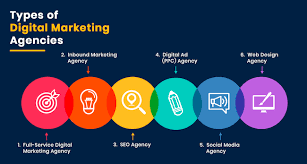
What services can a full-service digital agency provide?

A full-service agency may offer a combination of the following:

  • Strategy: Researching audiences, competitors and opportunities, then setting priorities and measurable objectives.
  • Website design and development: Planning and building websites that are clear, accessible and effective across devices.
  • Search engine optimisation (SEO): Improving a website’s visibility in organic search through technical improvements, useful content and relevant optimisation.
  • Paid media: Planning and managing advertising across search engines, social platforms and other digital channels.
  • Social media: Developing channel plans, creating content and supporting conversations with audiences.
  • Content and creative: Producing copy, photography, video, design and other assets that communicate a brand’s message.
  • Email marketing: Creating campaigns and automated communications to engage customers and support retention.
  • Analytics and reporting: Measuring performance and using the findings to guide improvements.

Why choose a full-service agency?

Working with one agency can make it easier to keep activity aligned. For example, insights from a paid campaign can inform website content, while SEO research can help shape the structure of a new site. When teams share information and work towards the same objectives, each part of a campaign can contribute to the bigger picture.

A single point of contact can also simplify communication and project management. Instead of briefing several separate suppliers, a business may be able to coordinate its work through one account or project team.

Full-service support can be useful for businesses that need help across several channels but do not have the time or in-house expertise to manage every specialism themselves. It can also provide access to a broader range of skills as needs change.

What to look for in an agency

“Full service” can mean different things, so it is worth looking beyond the label. Before choosing an agency, consider:

  • Relevant experience: Does the agency understand your sector, audience or type of challenge?
  • A clear approach: Can it explain how it will understand your goals, recommend activity and measure progress?
  • Joined-up thinking: Do its specialists collaborate, or are services delivered in separate silos?
  • Transparent reporting: Will you be able to see what work has been done and how results are measured?
  • Good communication: Are responsibilities, timings, costs and points of contact clearly explained?
  • The right fit: Does the agency’s working style suit your team and the level of support you need?

Ask for examples of relevant work and find out how success was evaluated. A credible agency should be willing to discuss both its methods and the limitations of what digital activity can achieve.

Is a full-service digital agency right for your business?

The right choice depends on your goals and resources. A business with a small, well-defined requirement may be better served by a specialist agency. If you need connected support across your website, marketing and content, a full-service team may offer a more coordinated approach.

Before starting a conversation, identify the outcomes you want to achieve, the audiences you need to reach and any constraints around budget or timing. This gives an agency a useful starting point and helps you judge whether its recommendations are practical and relevant.

Bringing digital activity together

A full-service digital agency can help businesses make their online activity more coherent, from the first strategic decisions to ongoing optimisation. The value lies not simply in having many services under one roof, but in making those services work together towards clear objectives.

With the right goals, communication and measurement in place, an agency partnership can give a business the expertise and support to build a stronger digital presence over time.


Understanding Full-Service Digital Agencies: Key Questions and Answers for UK Businesses

  1. What is a full-service digital agency?
  2. What services does a full-service digital agency offer?
  3. How can a full-service digital agency help my business grow?
  4. How much does it cost to hire a full-service digital agency in the UK?
  5. What are the benefits of using a full-service digital agency instead of several specialists?
  6. How do I choose the right full-service digital agency for my business?
  7. How long does it take to see results from working with a digital agency?
  8. How does a full-service digital agency measure campaign success?
  9. Can a full-service digital agency work with my in-house marketing team?

What is a full-service digital agency?

A full-service digital agency provides a range of online services under one roof, helping businesses plan, build and improve their digital presence. Depending on the agency, this may include strategy, website design and development, SEO, paid advertising, social media, content creation and analytics. By bringing these skills together, an agency can help ensure each part of a business’s digital activity works towards shared goals.

What services does a full-service digital agency offer?

A full-service digital agency can support a business across a range of online activities, including digital strategy, website design and development, search engine optimisation (SEO), paid advertising, social media, content creation, email marketing and performance analytics. The services available vary between agencies, so it’s worth checking that their expertise matches your goals and that they can bring the different channels together into a clear, joined-up plan.

How can a full-service digital agency help my business grow?

A full-service digital agency can help your business grow by bringing strategy, website design, SEO, paid advertising, social media and content together around your goals. It can identify opportunities to reach the right audience, improve your online experience and turn more visitors into customers. By tracking results across channels and refining activity over time, the agency can help you make informed decisions and focus your budget on what works.

How much does it cost to hire a full-service digital agency in the UK?

The cost of hiring a full-service digital agency in the UK varies depending on the work involved, the agency’s experience and the level of ongoing support you need. A one-off project, such as a website build, may be priced separately, while ongoing services such as SEO, paid advertising and content marketing are often charged as a monthly retainer. Ask for a clear breakdown of fees, deliverables and any third-party costs, and compare proposals based on the value and expertise offered—not price alone.

What are the benefits of using a full-service digital agency instead of several specialists?

Using a full-service digital agency means one team can coordinate your strategy, website and marketing, helping each part work towards the same goals. This can simplify communication, reduce the time spent managing multiple suppliers and make it easier to track performance across channels. You also benefit from a broader mix of expertise under one roof, while avoiding the gaps or duplication that can arise when separate specialists work in isolation.

How do I choose the right full-service digital agency for my business?

To choose the right full-service digital agency, start by defining your business goals, target audience and the support you need. Look for an agency with relevant experience, a clear process and a portfolio that demonstrates the quality of its work. Ask how its specialists collaborate, how it measures results, and what reporting and communication you can expect. Compare proposals carefully, including scope, fees and timings, and choose a team that listens, explains its recommendations clearly and feels like a good fit for your business.

How long does it take to see results from working with a digital agency?

The time it takes to see results depends on your goals, starting point and the services involved. Paid advertising and website improvements may generate early signs of progress, while SEO, brand awareness and sustained audience growth usually take longer. A digital agency should agree clear objectives and milestones with you, report on performance regularly and adjust its approach as the data comes in.

How does a full-service digital agency measure campaign success?

A full-service digital agency measures campaign success against the goals agreed at the outset, using relevant metrics such as website traffic, search visibility, engagement, leads, sales and return on investment. It tracks performance across channels, analyses the results and shares clear reports explaining what is working and where improvements may be needed. The measures used will depend on the campaign: for example, a brand awareness campaign may focus on reach, while a lead-generation campaign may prioritise qualified enquiries and their cost.

Can a full-service digital agency work with my in-house marketing team?

Yes. A full-service digital agency can work alongside your in-house marketing team, providing specialist skills, extra capacity or support for specific projects. The agency can take responsibility for agreed areas of work while your team leads overall strategy, or both teams can collaborate across planning, delivery and reporting. Clear roles, regular communication and shared goals help ensure everyone is working in the same direction.
How to Choose the Right Digital Marketing Partner

How to Choose the Right Digital Marketing Partner

Growing a business online takes more than a presence on social media or a well-designed website. It takes a clear strategy, consistent effort and the ability to understand what is working. A digital marketing partner can bring these elements together, helping your business reach the right people and make more of its online opportunities.

What is a digital marketing partner?

A digital marketing partner works with your business to plan, deliver and improve marketing across digital channels. Depending on your needs, this might include search engine optimisation (SEO), paid advertising, content, social media, email marketing, website design or analytics.

The word “partner” matters. The best relationship is not simply about outsourcing a list of tasks. It is a collaborative process built around your goals, your customers and the realities of your business.

Why work with a digital marketing partner?

Digital marketing can be difficult to manage alongside the day-to-day demands of running a business. A trusted partner can offer specialist skills, an outside perspective and a more joined-up approach to your marketing.

  • Access to expertise: Draw on experience across different channels without needing to build every capability in-house.
  • A clearer strategy: Connect marketing activity to business objectives, rather than relying on disconnected campaigns.
  • More time to focus: Get support with planning and delivery while your team concentrates on its core work.
  • Ongoing improvement: Review performance, learn from the results and refine activity over time.

What should you look for?

A focus on your business goals

Marketing should support a clear outcome, whether that is generating qualified enquiries, increasing online sales or building awareness in a particular market. A good partner will ask questions about your business before recommending channels or tactics.

Clear communication

You should know what is being done, why it is being done and how progress will be reported. Look for straightforward explanations, agreed responsibilities and regular conversations that leave room for questions and feedback.

A joined-up approach

Digital channels often work best when they support one another. For example, useful content can support SEO, while paid advertising can help bring that content to a wider audience. A partner should consider how the different parts of your marketing fit together.

Useful reporting

Reports should help you make decisions, not just present a long list of figures. Ask how performance will be measured and how the results will relate to your objectives. The right measures will depend on the work, but they should give you a meaningful view of progress.

An honest and realistic outlook

Digital marketing takes time, testing and consistent attention. Be cautious of guarantees that sound too good to be true. A reliable partner will explain what is achievable, outline the factors that may affect results and be open about what needs to improve.

Questions to ask before you choose

Before appointing a digital marketing partner, consider asking:

  • How will you learn about our business and customers?
  • Which activities do you recommend, and why?
  • Who will manage our work and keep us updated?
  • How will you measure progress?
  • What will you need from our team?
  • How will the strategy change if results or priorities change?

Make the partnership work

A successful relationship depends on collaboration. Share your business priorities, customer insights and feedback. Agree on realistic goals and make sure everyone understands their role. Your marketing partner should bring expertise and guidance, while your team brings the knowledge and perspective that only comes from being close to the business.

It is also worth reviewing the partnership regularly. Look at what has been delivered, what the results suggest and whether the activity still reflects your priorities. Regular reviews help keep the work relevant as your business and the digital landscape evolve.

Find a digital marketing partner that fits

The right digital marketing partner will do more than carry out individual tasks. They will take the time to understand your business, communicate clearly and help you make informed decisions about your online growth.

Start with your goals, ask thoughtful questions and look for a working relationship based on trust and transparency. With the right support, digital marketing can become a more focused, measurable and valuable part of your business.


Understanding the Role and Responsibilities of a Digital Marketing Partner: Key FAQs Answered

  1. What does it mean to be a marketing partner?
  2. What do marketing partners do?
  3. What is a Google marketing partner?
  4. What is the role of a marketing partner?
  5. What exactly does a digital marketer do?
  6. What is digital marketing partner?
  7. What does a digital marketing person do?
  8. What are the positions on a digital marketing team?
  9. What is the 3-3-3 rule for marketing?

What does it mean to be a marketing partner?

Being a marketing partner means working collaboratively with a business to understand its goals, reach the right audience and support sustainable growth. Rather than simply carrying out individual tasks, a marketing partner helps shape the strategy, recommends suitable channels, delivers agreed activity and reviews performance over time. The relationship is built on clear communication, shared priorities and a good understanding of the business, so marketing decisions are connected to real needs and objectives.

What do marketing partners do?

Marketing partners help businesses plan, deliver and improve their marketing. Depending on your needs, they may provide expertise in areas such as strategy, branding, SEO, paid advertising, content, social media, email campaigns and performance reporting. A good marketing partner takes time to understand your goals and customers, recommends suitable activities and works with your team to measure results and refine the approach.

What is a Google marketing partner?

A Google marketing partner is a company that has met Google’s requirements for the Google Partners programme, which focuses on Google Ads expertise, campaign performance and client growth. Partner status can indicate that an agency has certified professionals and experience managing Google Ads campaigns, but it does not guarantee results or mean Google endorses every service the company provides. Check that the partner’s experience, approach and reporting suit your business needs.

What is the role of a marketing partner?

A marketing partner works alongside your business to plan and deliver marketing that supports your goals. They can provide specialist expertise, help identify the right audiences and channels, manage campaigns, and measure performance. Rather than simply carrying out individual tasks, a good partner takes time to understand your business, communicates clearly and uses results to refine the approach.

What exactly does a digital marketer do?

A digital marketer helps a business reach and engage customers online. Their work may include planning campaigns, creating content, managing social media, improving a website’s visibility in search results, running paid adverts and analysing performance. The exact responsibilities vary depending on the business and its goals, but the aim is to use suitable digital channels to build awareness, attract potential customers and support growth.

What is digital marketing partner?

A digital marketing partner is a person or agency that works with your business to plan, deliver and improve your online marketing. Depending on your goals, they may support areas such as search engine optimisation (SEO), paid advertising, social media, content, email marketing or website development. Rather than simply completing one-off tasks, a good partner takes time to understand your business and customers, recommends suitable strategies and measures progress against agreed objectives.

What does a digital marketing person do?

A digital marketing person helps a business attract and engage customers online. Their work may include planning campaigns, managing social media, creating content, improving a website’s visibility in search results, running online adverts and reviewing performance data. The exact responsibilities vary, but the aim is to reach the right audience, support business goals and improve results over time.

What are the positions on a digital marketing team?

A digital marketing team may include a digital marketing manager or strategist to plan campaigns and coordinate activity, alongside specialists in SEO, paid advertising, social media, content, email marketing, web design and analytics. Larger teams may also have copywriters, designers, developers and account managers, while smaller businesses often combine several roles or work with an external digital marketing partner. The positions needed depend on your goals, budget and the channels you use.

What is the 3-3-3 rule for marketing?

The 3-3-3 rule for marketing has no single agreed definition, but it is often used as a simple reminder to capture someone’s attention quickly, communicate a clear and relevant message, and follow up consistently. In digital campaigns, that can mean using the opening seconds of an advert or post to earn attention, focusing on a few key benefits rather than overwhelming people with information, and planning timely follow-up across suitable channels. The exact interpretation varies, so it is best treated as a practical guideline rather than a fixed marketing formula.

real estate digital marketing agency

How a Real Estate Digital Marketing Agency Can Grow Your Property Business

How a Real Estate Digital Marketing Agency Can Help Your Business Grow

Buying, selling or renting a property often starts online. People browse listings, compare locations and research agents before they make contact. For estate agents, property developers and letting businesses, a strong digital presence can make it easier to reach the right audience and turn interest into enquiries.

A real estate digital marketing agency helps property businesses plan and deliver online marketing. From improving search visibility to promoting property listings, the right approach can help your business stand out in a competitive market.

What Does a Real Estate Digital Marketing Agency Do?

A specialist agency uses digital channels to promote property businesses and their services. Its work may include strategy, content, advertising and performance measurement. Services are usually tailored to the business, its local market and the people it wants to reach.

Search engine optimisation

Search engine optimisation (SEO) helps your website appear in relevant search results. For a property business, this could mean creating useful pages about local areas, improving property descriptions and making sure the website works well on mobile devices.

Local SEO is especially important. Accurate business listings, consistent contact details and helpful location-based content can make it easier for potential clients to find an agent or property service in their area.

Paid search and social advertising

Paid advertising can put property listings or services in front of carefully selected audiences. Search adverts can reach people actively looking for an estate agent, valuation or property, while social media campaigns can introduce a brand or listing to people based on relevant interests and location.

Campaigns should have a clear purpose, such as generating valuation requests, promoting a development or increasing attendance at a viewing. Regular monitoring helps businesses understand which adverts are delivering worthwhile results.

Content and social media

Useful content can help build trust before a prospective client gets in touch. This might include area guides, moving advice, market updates, property videos and answers to common questions. Social media can help distribute this content and give a business a place to share new listings and engage with its community.

Website design and conversion optimisation

A property website should make it simple for visitors to browse listings, find key information and take the next step. Clear navigation, fast loading times and mobile-friendly pages all contribute to a better experience.

Conversion optimisation focuses on encouraging useful actions, such as booking a valuation, requesting details or arranging a viewing. Straightforward enquiry forms and clear calls to action can help reduce friction.

Why Work with a Specialist Agency?

Property marketing has distinct challenges. Buyers and renters may be searching within a specific area, while sellers and landlords may be comparing several local providers. A real estate digital marketing agency can bring together local marketing knowledge, creative skills and data to support these different audiences.

  • Reach the right people: Target campaigns by location, audience and intent.
  • Make listings more visible: Promote properties across relevant search and social channels.
  • Build a stronger local presence: Improve visibility for area-specific searches and services.
  • Use marketing budgets effectively: Track campaign performance and refine activity over time.
  • Keep activity consistent: Coordinate your website, content, advertising and social media.

How to Choose a Real Estate Digital Marketing Agency

Before selecting an agency, consider what your business needs most. You may want more valuation enquiries, better visibility for new homes, increased website traffic or stronger brand awareness in a particular area.

When comparing providers, ask how they would approach your objectives and how they will report on progress. Look for clear communication, realistic expectations and a practical understanding of your audience. It is also useful to establish who will create content, manage campaigns and approve work.

Be wary of guarantees about rankings or results. Digital marketing performance depends on many factors, including competition, budget, website quality and changes in customer behaviour. A good agency should explain its approach and use measurable indicators to assess progress.

Measuring Digital Marketing Performance

Success should be measured against business goals, not just the number of clicks or social media followers. Depending on your objectives, useful measures may include:

  • Qualified valuation, landlord or viewing enquiries
  • Enquiry-to-appointment or enquiry-to-instruction rates
  • Website visits from relevant local searches
  • Cost per lead from paid campaigns
  • Engagement with property listings and area guides
  • Conversions from different marketing channels

Reviewing these measures regularly can reveal what is working and where improvements are needed. It also helps connect marketing activity to wider business outcomes.

Build a Digital Strategy Around Your Business

Effective property marketing is more than posting listings or running occasional adverts. It brings together a useful website, relevant content, targeted campaigns and ongoing analysis. A real estate digital marketing agency can help create a joined-up plan that reflects your goals, market and customers.

With clear priorities and consistent measurement, digital marketing can help your property business attract the right audience, strengthen its local reputation and generate more meaningful enquiries.


Essential FAQs on Real Estate Digital Marketing: Strategies, Platforms, and Best Practices

  1. What are the 4 P’s of marketing in real estate?
  2. Do real estate agents need digital marketing?
  3. What is a real estate marketing consultancy?
  4. What does a real estate marketing agency do?
  5. What is real estate digital marketing?
  6. Which platform is best for real estate advertising?
  7. How does digital marketing help real estate business?
  8. What is digital marketing for real estate?
  9. What is the 3 3 3 rule in marketing?
  10. What is the role of digital marketing in real estate?
  11. How do you do digital marketing in real estate?

What are the 4 P’s of marketing in real estate?

The 4 P’s of marketing in real estate are Product, Price, Place and Promotion. **Product** is the property or service being offered, including its features, condition and location. **Price** means setting a competitive asking price, rent or service fee based on factors such as local demand and comparable properties. **Place** covers where and how the property is presented to potential buyers or tenants, including online listings and local channels. **Promotion** is how it is brought to their attention, using tactics such as professional photography, property portals, social media, search marketing and email campaigns. Together, the 4 P’s help create a clear, consistent marketing plan for reaching the right audience.

Do real estate agents need digital marketing?

Yes. Digital marketing helps estate agents reach people who are searching for properties or property services online. A well-maintained website, local search visibility, social media and targeted advertising can showcase listings, build trust and generate enquiries from buyers, sellers, landlords and tenants. The right approach depends on your audience and goals, but a consistent online presence can help your agency stay visible and competitive in its local market.

What is a real estate marketing consultancy?

A real estate marketing consultancy is a specialist service that helps property businesses plan and improve their marketing. It may assess your brand, audience, local market and existing campaigns, then recommend practical ways to attract buyers, sellers, tenants or investors. Advice can cover areas such as digital strategy, SEO, paid advertising, content, social media and lead generation. Unlike an agency that primarily delivers campaigns, a consultancy may focus on strategy and guidance, although some providers offer both.

What does a real estate marketing agency do?

A real estate marketing agency helps estate agents, property developers and letting businesses attract and engage potential clients. Its services may include search engine optimisation, website design, property photography and video, social media management, paid advertising, email campaigns and content creation. The agency can also track campaign performance and use the results to refine the strategy, with the aim of increasing visibility, generating enquiries and supporting property sales or lettings.

What is real estate digital marketing?

Real estate digital marketing is the promotion of property businesses, services and listings through online channels. It can include search engine optimisation (SEO), paid search and social media advertising, email campaigns, property portals, social media content and website improvements. The aim is to reach people at the right stage of their property journey, build trust and encourage useful actions such as booking a viewing, requesting a valuation or making an enquiry.

Which platform is best for real estate advertising?

There is no single best platform for real estate advertising; the right choice depends on your audience, property type and campaign goals. Google Ads can reach people actively searching for homes, agents or property services, while Facebook and Instagram are useful for showcasing listings through visual content and targeting local audiences. Property portals can also attract high-intent buyers and renters. A real estate digital marketing agency can help you choose the right mix, test campaigns and measure which channels generate the most valuable enquiries.

How does digital marketing help real estate business?

Digital marketing helps a real estate business reach potential buyers, sellers, landlords and tenants where they already spend time: online. Search engine optimisation can improve visibility for local property searches, while paid adverts and social media can promote listings and services to relevant audiences. A well-designed website, useful area guides and engaging property content can build trust and make it easier for people to enquire or book a viewing. By tracking enquiries and campaign performance, businesses can also see which channels are working and make better use of their marketing budget.

What is digital marketing for real estate?

Digital marketing for real estate is the use of online channels to promote property businesses, services and listings. It can include search engine optimisation (SEO), paid search and social media advertising, property portals, email campaigns, video tours and useful website content. The aim is to help estate agents, developers and landlords reach relevant audiences, build trust and generate enquiries such as valuation requests, viewing bookings or sales leads.

What is the 3 3 3 rule in marketing?

There is no single, universally accepted definition of the “3-3-3 rule” in marketing; its meaning can vary between businesses. For a real estate agency, it can be used as a simple planning guide: focus on three key messages, reach prospective clients through three relevant channels, and review results over three weeks. For example, an agency might promote its local expertise, recent sales and free valuations through its website, email and social media, then assess which activity is generating enquiries.

What is the role of digital marketing in real estate?

Digital marketing helps real estate businesses reach potential buyers, sellers, landlords and tenants online. Through search engine optimisation, property portals, social media, email and online advertising, agencies can promote listings, build local visibility and generate enquiries. It also makes it easier to share useful information, such as area guides and market updates, while tracking which channels lead to viewings, valuations or other valuable actions. Done well, digital marketing connects the right people with the right properties and services at the right time.

How do you do digital marketing in real estate?

Digital marketing in real estate starts with understanding your target audience, location and business goals. A real estate digital marketing agency can bring together local SEO, property listings, useful website content, social media and targeted search or social adverts to reach buyers, renters, sellers and landlords. The focus is on making it easy for people to find relevant properties and take the next step, whether that’s booking a viewing or requesting a valuation. Campaigns should be tracked and refined using measures such as qualified enquiries, viewing bookings and cost per lead, so marketing activity supports real business results.

online marketing help

Unlocking Success: How Online Marketing Help Can Transform Your Business

How Online Marketing Help Can Transform Your Business

How Online Marketing Help Can Transform Your Business

In today’s digital age, having a strong online presence is crucial for the success of any business. Online marketing help can be the key to unlocking your business’s full potential and reaching a wider audience. Whether you are a small start-up or an established company, leveraging online marketing strategies can make a significant difference in your growth and profitability.

Benefits of Online Marketing Help

Online marketing help offers a range of benefits that can propel your business forward:

  • Increased Visibility: By implementing effective online marketing strategies, you can increase your brand’s visibility and reach a larger audience.
  • Targeted Advertising: Online marketing allows you to target specific demographics, interests, and behaviours, ensuring that your message reaches the right people.
  • Cost-Effective Solutions: Compared to traditional marketing methods, online marketing is often more cost-effective and provides better ROI.
  • Data-Driven Insights: With online marketing tools, you can gather valuable data and insights about your target audience, allowing you to refine your strategies for better results.
  • Improved Engagement: Engaging with your audience through social media, email campaigns, and other online channels can build stronger relationships and foster customer loyalty.

Types of Online Marketing Help

There are various avenues of online marketing help that businesses can explore to achieve their goals:

  1. Search Engine Optimization (SEO): Optimising your website for search engines can improve your organic visibility and drive more traffic to your site.
  2. Social Media Marketing: Leveraging popular social media platforms to connect with customers, promote products/services, and build brand awareness.
  3. Email Marketing: Sending targeted emails to subscribers to nurture leads, promote offers, and stay connected with customers.
  4. Paid Advertising: Running paid campaigns on search engines or social media platforms to reach a larger audience quickly.
  5. Content Marketing: Creating valuable content such as blogs, videos, infographics etc., to attract and engage with potential customers.

In conclusion, investing in online marketing help is essential for businesses looking to thrive in today’s competitive landscape. By utilising the right strategies and tools, you can enhance your brand’s visibility, engage with customers effectively, and drive growth. If you’re ready to take your business to the next level, consider seeking professional online marketing help to guide you towards success.


18 Frequently Asked Questions About Online Marketing: Strategies, Benefits, and Tools

  1. What is the 3-3-3 rule in marketing?
  2. How can I make my online marketing successful?
  3. How does online marketing help students?
  4. How is online marketing helpful?
  5. What is the best online marketing?
  6. How can I do internet marketing?
  7. How can I get better at online marketing?
  8. How to do online marketing?
  9. What are the benefits of online marketing?
  10. What are the 7 C’s of digital marketing?
  11. How do I start online marketing?
  12. What are the 7 C’s of online marketing?
  13. How does online marketing help a business?
  14. How can I improve online marketing?
  15. What are the 4 types of digital marketing?
  16. How do I get involved in online marketing?
  17. What are the 4 P’s of online marketing?
  18. What is the best tool for online marketing?

What is the 3-3-3 rule in marketing?

The 3-3-3 rule in marketing refers to a strategy where businesses aim to deliver their message clearly, concisely, and consistently across three different platforms, three times a day, for three weeks. This approach emphasises the importance of maintaining a strong and repetitive presence in the digital space to capture and retain audience attention effectively. By adhering to the 3-3-3 rule, businesses can enhance brand visibility, engage with their target audience consistently, and ultimately drive better results in their marketing efforts.

How can I make my online marketing successful?

To make your online marketing successful, it is essential to develop a comprehensive strategy tailored to your business goals and target audience. Start by identifying your target market and understanding their needs and preferences. Utilise a mix of online marketing tools such as search engine optimisation (SEO), social media marketing, email campaigns, and content creation to reach and engage with your audience effectively. Consistent monitoring and analysis of key performance indicators will help you refine your strategies for optimal results. Remember that building trust with your audience through valuable content and personalised interactions is key to long-term success in online marketing.

How does online marketing help students?

Online marketing can be a valuable resource for students looking to enhance their academic and professional pursuits. Through online marketing, students can develop essential skills such as digital communication, content creation, and data analysis, which are highly sought after in today’s job market. Additionally, online marketing provides students with opportunities to showcase their creativity, build personal branding, and even earn income through freelance projects or internships. By leveraging online marketing strategies, students can gain practical experience, expand their networks, and position themselves for success in a competitive digital world.

How is online marketing helpful?

Online marketing is incredibly helpful for businesses in today’s digital landscape. By leveraging online marketing strategies, businesses can significantly boost their visibility, reach a larger audience, and engage with customers on various platforms. Online marketing allows for targeted advertising, cost-effective solutions, and data-driven insights that enable businesses to refine their strategies for optimal results. Through techniques such as search engine optimisation (SEO), social media marketing, email campaigns, and paid advertising, businesses can enhance their online presence and effectively promote their products or services to the right audience. Ultimately, online marketing help empowers businesses to connect with customers in meaningful ways and drive growth in a competitive market environment.

What is the best online marketing?

When it comes to the frequently asked question, “What is the best online marketing?” the answer may vary depending on the specific goals and target audience of a business. The effectiveness of online marketing strategies can be influenced by factors such as industry, budget, and desired outcomes. Some businesses may find success with search engine optimisation (SEO) to improve their website’s visibility, while others may benefit more from social media marketing to engage with their audience. Ultimately, the best online marketing approach is one that aligns with a business’s objectives and resonates with its target market, leading to increased brand awareness, customer engagement, and ultimately, business growth.

How can I do internet marketing?

To embark on internet marketing, it is essential to start by defining your goals and target audience. Conduct research to understand your market and competitors, then develop a comprehensive strategy that utilises various online marketing channels such as SEO, social media, email campaigns, and content marketing. Consistent monitoring and analysis of your campaigns’ performance will help you refine your approach and maximise results. Seeking guidance from experts or online resources can also provide valuable insights to navigate the dynamic landscape of internet marketing effectively.

How can I get better at online marketing?

To improve your online marketing skills and effectiveness, it is essential to stay informed about the latest trends and strategies in the digital landscape. Start by conducting research, attending webinars, and following industry experts to gain valuable insights. Experiment with different online marketing tools and techniques to understand what works best for your business. Analyse data and metrics to track the performance of your campaigns and make data-driven decisions. Continuous learning, adaptation, and testing are key to getting better at online marketing and achieving success in reaching your target audience effectively.

How to do online marketing?

When it comes to the frequently asked question, “How to do online marketing?” the answer lies in understanding the various strategies and tools available to promote your business effectively on digital platforms. Online marketing encompasses a range of techniques such as search engine optimisation (SEO), social media marketing, email campaigns, paid advertising, and content creation. By developing a comprehensive online marketing strategy tailored to your business goals and target audience, you can enhance your brand’s visibility, engage with customers, drive traffic to your website, and ultimately achieve success in the competitive online landscape.

What are the benefits of online marketing?

One of the most frequently asked questions about online marketing is, “What are the benefits of online marketing?” Online marketing offers a multitude of advantages for businesses seeking to expand their reach and engage with their target audience effectively. From increased brand visibility and targeted advertising to cost-effective solutions and data-driven insights, online marketing can transform a business’s growth trajectory. By leveraging various online marketing strategies such as SEO, social media marketing, email campaigns, paid advertising, and content marketing, businesses can enhance their online presence, connect with customers on a deeper level, and drive sustainable growth in today’s digital landscape.

What are the 7 C’s of digital marketing?

The 7 C’s of digital marketing are a comprehensive framework that outlines key principles for successful online marketing strategies. These include Customer, Cost, Convenience, Communication, Consistency, Creativity, and Culture. Understanding and applying these principles can help businesses effectively engage with their target audience, deliver value-driven content, maintain brand consistency across channels, and foster a positive brand culture in the digital landscape. By incorporating the 7 C’s into their digital marketing efforts, businesses can enhance customer relationships, drive engagement, and achieve sustainable growth in the competitive online market.

How do I start online marketing?

To embark on your online marketing journey, the first step is to define your goals and target audience. Conduct thorough research to understand your market and competition. Establish a strong online presence through a well-designed website and active social media profiles. Utilise search engine optimisation (SEO) techniques to improve your website’s visibility. Develop a content strategy that resonates with your audience and showcases your expertise. Consider email marketing campaigns to engage with potential customers. Monitor and analyse your results to refine your strategies for continuous improvement. Remember, starting online marketing is about taking consistent actions towards building brand awareness, driving traffic, and converting leads into customers.

What are the 7 C’s of online marketing?

The 7 C’s of online marketing are crucial principles that guide businesses in creating effective digital strategies. These include Customer-centricity, Content, Consistency, Clarity, Creativity, Credibility, and Conversion. Customer-centricity emphasises understanding and meeting the needs of the target audience. Content focuses on delivering valuable and engaging information to attract and retain customers. Consistency ensures a unified brand message across all online channels. Clarity involves clear communication to convey the brand’s message effectively. Creativity helps businesses stand out in a crowded digital landscape. Credibility builds trust with customers through authentic and reliable content. Conversion aims to turn leads into loyal customers through strategic marketing tactics. Mastering these 7 C’s can significantly enhance a business’s online marketing efforts and drive success in the digital realm.

How does online marketing help a business?

Online marketing plays a crucial role in helping businesses thrive in the digital landscape. By leveraging various online marketing strategies such as search engine optimisation (SEO), social media marketing, email campaigns, and paid advertising, businesses can significantly increase their online visibility, attract targeted traffic, engage with their audience effectively, and ultimately drive growth and profitability. Online marketing help enables businesses to reach a wider audience, build brand awareness, generate leads, and establish strong customer relationships in a cost-effective and measurable way. It empowers businesses to stay competitive, adapt to changing market trends, and achieve their marketing goals efficiently in today’s highly digitalised world.

How can I improve online marketing?

To improve your online marketing efforts, it is essential to focus on a few key areas. Start by conducting a thorough analysis of your current online presence, including your website, social media channels, and digital advertising campaigns. Identify areas for improvement and set clear goals for what you want to achieve with your online marketing strategy. Utilise tools such as search engine optimisation (SEO) to enhance your website’s visibility in search results, engage with your target audience through compelling content and social media interactions, and track the performance of your campaigns to make data-driven decisions for continuous improvement. By staying informed about the latest trends and best practices in online marketing, you can refine your approach and drive better results for your business.

What are the 4 types of digital marketing?

In the realm of online marketing help, understanding the four main types of digital marketing is essential for devising effective strategies to promote businesses in the digital space. The four primary types of digital marketing include Search Engine Optimization (SEO), Social Media Marketing, Email Marketing, and Paid Advertising. Each type plays a crucial role in reaching and engaging with target audiences, driving website traffic, and ultimately, boosting brand visibility and growth. By harnessing the power of these digital marketing channels, businesses can enhance their online presence and connect with customers in meaningful ways.

How do I get involved in online marketing?

To get involved in online marketing, start by educating yourself on the various aspects of digital marketing, such as search engine optimisation (SEO), social media marketing, email marketing, and content creation. Consider taking online courses or attending workshops to gain a solid understanding of these concepts. Next, create a strong online presence for yourself by building a professional website and engaging with social media platforms relevant to your target audience. Networking with industry professionals and seeking mentorship can also provide valuable insights and guidance as you navigate the world of online marketing. Remember to stay updated on industry trends and best practices to ensure your online marketing efforts are effective and successful.

What are the 4 P’s of online marketing?

The 4 P’s of online marketing, also known as the marketing mix, refer to Product, Price, Place, and Promotion. These fundamental elements play a crucial role in shaping a successful online marketing strategy. Product focuses on what you offer to your target audience, Price involves setting competitive pricing strategies, Place determines where and how you make your product or service available online, and Promotion involves the tactics used to communicate with and attract customers. By understanding and effectively implementing the 4 P’s of online marketing, businesses can create a comprehensive plan to drive engagement, generate leads, and ultimately achieve their marketing goals in the digital realm.

What is the best tool for online marketing?

When it comes to online marketing, the question of the best tool is a common one among businesses seeking to enhance their digital presence. The answer to this question largely depends on the specific goals and needs of each individual business. There is a wide range of tools available for online marketing, including email marketing platforms, social media management tools, analytics software, SEO tools, and more. The best tool for online marketing is often one that aligns closely with the business’s objectives and allows for effective targeting, measurement, and engagement with the target audience. Conducting thorough research and seeking expert advice can help businesses identify the most suitable tool to achieve their online marketing goals successfully.

digital marketing agency pricing

Decoding Digital Marketing Agency Pricing: A Guide for Businesses

Digital Marketing Agency Pricing

The Ins and Outs of Digital Marketing Agency Pricing

When it comes to hiring a digital marketing agency, understanding pricing structures is crucial for businesses looking to maximise their online presence. Digital marketing agency pricing can vary significantly based on factors such as services offered, level of expertise, and the scope of the project.

Factors Influencing Pricing

One key factor that affects digital marketing agency pricing is the range of services provided. Agencies may offer a variety of services including search engine optimisation (SEO), pay-per-click (PPC) advertising, social media management, content creation, email marketing, and more. The more comprehensive the services package, the higher the cost is likely to be.

Another important consideration is the level of expertise and experience of the agency. Established agencies with a proven track record of delivering successful campaigns may charge higher fees compared to newer agencies or freelancers.

Pricing Models

Digital marketing agencies typically offer pricing models based on different structures:

  • Hourly Rate: Some agencies charge an hourly rate for their services. This model works well for projects with varying levels of complexity or those requiring ongoing maintenance.
  • Project-Based: For specific projects with defined deliverables and timelines, agencies may offer a fixed price. This allows clients to budget more accurately for their digital marketing needs.
  • Performance-Based: In some cases, agencies tie their fees to the performance metrics of a campaign. This model incentivises the agency to deliver results that align with the client’s goals.

Negotiating Pricing

When engaging with a digital marketing agency, it’s essential to discuss pricing openly and negotiate terms that work for both parties. Be clear about your budget constraints and desired outcomes to ensure a mutually beneficial partnership.

Conclusion

Digital marketing agency pricing can vary widely depending on factors such as services offered, expertise level, and pricing models. By understanding these factors and engaging in transparent discussions with potential partners, businesses can find an agency that meets their needs while staying within budget.


Top 5 Advantages of Digital Marketing Agency Pricing: Flexibility, Transparency, and More

  1. 1. Flexibility
  2. 2. Transparency
  3. 3. Scalability
  4. 4. Performance-driven
  5. 5. Cost-effective


Challenges in Evaluating Digital Marketing Agency Pricing: Transparency Issues, Hidden Costs, Overpricing, and Comparison Difficulties

  1. Lack of Transparency
  2. Hidden Costs
  3. Overpricing
  4. Difficulty in Comparison

1. Flexibility

Digital marketing agency pricing provides a valuable advantage in its flexibility, offering a range of pricing models to accommodate diverse project requirements and budgets. Whether clients prefer an hourly rate for ongoing support, a fixed price for specific projects, or a performance-based structure tied to campaign outcomes, the flexibility of digital marketing agency pricing ensures that businesses can choose the model that best aligns with their goals and financial constraints. This adaptability allows clients to tailor their investment in digital marketing services to suit their unique needs, making it easier to achieve effective results within their desired budget parameters.

2. Transparency

One significant advantage of digital marketing agency pricing is transparency. Pricing structures within these agencies are usually clear and straightforward, enabling clients to have a comprehensive understanding of what they are paying for. This transparency empowers clients to make informed decisions about the services they require, ensuring that they receive value for their investment and fostering a trusting relationship between the agency and the client.

3. Scalability

One significant advantage of digital marketing agency pricing is scalability. Agencies have the flexibility to adjust pricing according to the scale of the project, allowing businesses to receive customised solutions that align with their budget constraints. This means that whether a business is looking for a small-scale campaign or a large-scale marketing initiative, the agency can tailor their services and pricing accordingly, ensuring that clients get the most value for their investment.

4. Performance-driven

One significant advantage of digital marketing agency pricing is its performance-driven nature. By implementing pricing models that link fees to specific performance metrics, agencies are motivated to deliver tangible results that directly align with the objectives set by the client. This incentivisation ensures that agencies are focused on achieving measurable outcomes, ultimately leading to a more effective and successful digital marketing campaign.

5. Cost-effective

One significant advantage of digital marketing agency pricing is its cost-effectiveness. By outsourcing digital marketing services, businesses can tap into specialised expertise and resources without the hefty investment required to maintain an in-house team. This cost-saving benefit allows businesses to allocate their budget more efficiently, benefiting from professional digital marketing services tailored to their needs while keeping expenses in check.

Lack of Transparency

Lack of transparency is a significant con when it comes to digital marketing agency pricing. Some agencies may not offer clear breakdowns of their pricing structures, leaving clients in the dark about what they are paying for and why. This lack of transparency can lead to confusion, uncertainty, and potentially strained client-agency relationships. Without a clear understanding of how costs are allocated and what services are included, clients may find it challenging to assess the value they are receiving from the agency. Clarity and openness in pricing are essential for building trust and ensuring a mutually beneficial partnership between digital marketing agencies and their clients.

Hidden Costs

Hidden Costs: Clients may encounter unexpected additional charges that were not initially disclosed, resulting in budgetary concerns. Some digital marketing agencies may include hidden costs for services or resources that were not clearly outlined in the initial pricing agreement. This lack of transparency can lead to frustration and financial strain for clients who are caught off guard by these unforeseen expenses, impacting the overall trust and satisfaction in the client-agency relationship. It is important for clients to thoroughly review and clarify all potential costs upfront to avoid any surprises down the line.

Overpricing

Some digital marketing agencies may fall into the trap of overpricing their services, charging higher fees that are not justified by the quality or scope of their offerings. This practice can lead to inefficiencies as businesses may end up paying more than necessary without receiving commensurate value in return. Overpricing can create barriers to entry for smaller businesses looking to leverage digital marketing services, limiting their ability to compete effectively in the online landscape. It is essential for businesses to carefully evaluate pricing structures and ensure that they are getting a fair deal that aligns with their specific needs and budget constraints.

Difficulty in Comparison

Navigating the conundrum of digital marketing agency pricing poses a significant challenge for clients due to the lack of standardisation across the industry. With each agency offering unique pricing structures and packages, direct comparisons become intricate, making it arduous for clients to assess the true value for money. The difficulty in comparison not only complicates decision-making processes but also hinders clients from making informed choices that align with their budget and objectives.

online digital marketing agency

Unlocking Success: The Role of an Online Digital Marketing Agency

The Power of Online Digital Marketing Agencies

The Power of Online Digital Marketing Agencies

In today’s digital age, having a strong online presence is crucial for businesses looking to reach their target audience and drive growth. This is where online digital marketing agencies play a vital role in helping businesses navigate the complex world of digital marketing and achieve their goals.

What is an Online Digital Marketing Agency?

An online digital marketing agency is a team of experts who specialise in using various digital channels and strategies to promote a brand, product, or service online. These agencies have the knowledge and experience to create tailored digital marketing campaigns that can effectively reach and engage with the target audience.

The Benefits of Working with an Online Digital Marketing Agency

There are several benefits to partnering with an online digital marketing agency:

  • Expertise: Digital marketing agencies have a team of professionals with expertise in various aspects of digital marketing, including SEO, social media, content marketing, email marketing, and more.
  • Cost-Effective: Hiring an agency can be more cost-effective than hiring an in-house team as you only pay for the services you need.
  • Data-Driven Strategies: Digital agencies use data and analytics to track the performance of campaigns and make data-driven decisions to optimise results.
  • Creative Solutions: Agencies bring fresh ideas and creative solutions to the table, helping businesses stand out in a crowded online landscape.

How Online Digital Marketing Agencies Can Help Your Business

Online digital marketing agencies offer a range of services to help businesses achieve their goals:

  • Search Engine Optimisation (SEO): Improving website visibility on search engines like Google through keyword optimisation, content creation, and link building.
  • Social Media Marketing: Engaging with target audiences on platforms like Facebook, Instagram, Twitter, and LinkedIn to build brand awareness and drive traffic.
  • Email Marketing: Building relationships with customers through targeted email campaigns that deliver personalised content.
  • Paid Advertising: Running targeted ads on platforms like Google Ads or social media channels to reach specific audiences based on demographics, interests, and behaviours.

In Conclusion

In conclusion, partnering with an online digital marketing agency can give your business the edge it needs to succeed in today’s competitive online landscape. With their expertise, creative solutions, and data-driven strategies, these agencies can help you reach your target audience effectively and grow your business online.

Contact an online digital marketing agency today to explore how they can help take your business to the next level!


Top 5 Advantages of Partnering with an Online Digital Marketing Agency

  1. Expertise in various digital marketing strategies
  2. Cost-effective compared to hiring an in-house team
  3. Data-driven approach for campaign optimization
  4. Access to creative solutions and fresh ideas
  5. Ability to reach target audiences effectively


Challenges of Engaging an Online Digital Marketing Agency: Cost, Control, Communication, and Dependency

  1. Cost
  2. Lack of Control
  3. Communication Challenges
  4. Dependency

Expertise in various digital marketing strategies

An online digital marketing agency offers a valuable advantage through its expertise in various digital marketing strategies. With a team of professionals well-versed in areas such as SEO, social media, content marketing, email campaigns, and more, these agencies are equipped to craft tailored and effective digital marketing campaigns that can successfully engage with target audiences and drive results for businesses. Their diverse skill set ensures that businesses have access to comprehensive and up-to-date strategies to navigate the ever-evolving digital landscape with confidence.

Cost-effective compared to hiring an in-house team

One significant advantage of partnering with an online digital marketing agency is its cost-effectiveness when compared to hiring an in-house team. By outsourcing your digital marketing needs to an agency, you can save on the expenses associated with recruiting, training, and maintaining a full-time team of digital marketing professionals. This allows businesses to access a diverse range of expertise and services at a fraction of the cost, making it a practical and efficient solution for companies looking to maximise their online presence without breaking the bank.

Data-driven approach for campaign optimization

One key advantage of partnering with an online digital marketing agency is their data-driven approach to campaign optimization. By leveraging data and analytics, these agencies can track the performance of marketing campaigns in real-time, allowing them to make informed decisions and adjustments to enhance effectiveness. This strategic use of data ensures that marketing efforts are continuously refined and optimised for maximum impact, ultimately leading to better results and return on investment for businesses.

Access to creative solutions and fresh ideas

One of the key advantages of partnering with an online digital marketing agency is gaining access to a wealth of creative solutions and fresh ideas. These agencies bring a diverse team of professionals with innovative perspectives and expertise in the latest digital trends. By collaborating with an agency, businesses can benefit from out-of-the-box thinking and unique strategies that can help them stand out in the competitive online landscape, ultimately driving engagement and achieving their marketing goals.

Ability to reach target audiences effectively

One of the key advantages of partnering with an online digital marketing agency is their ability to reach target audiences effectively. Through data-driven strategies and expertise in various digital channels, these agencies can tailor marketing campaigns to specifically target and engage with the desired demographic. By understanding the behaviours and preferences of the target audience, digital marketing agencies can create impactful campaigns that resonate with potential customers, ultimately driving higher conversion rates and maximising the return on investment for businesses.

Cost

One significant drawback of hiring an online digital marketing agency is the cost involved. For small businesses operating on limited budgets, the expense of engaging the services of a digital marketing agency can be prohibitive. The fees charged by these agencies for their expertise and services may pose a financial challenge, making it difficult for smaller enterprises to afford comprehensive digital marketing strategies that could potentially benefit their online presence and growth.

Lack of Control

When businesses opt to collaborate with an online digital marketing agency, they may encounter the con of experiencing a lack of control over their marketing strategies and campaigns. Entrusting these crucial aspects to an external agency can sometimes lead to a sense of detachment from the decision-making process, potentially resulting in concerns about aligning with the company’s core values and objectives. This loss of direct oversight may pose challenges for businesses seeking to maintain a tight grip on their marketing efforts and ensure that they resonate authentically with their brand identity.

Communication Challenges

Communication challenges can be a significant con when working with an online digital marketing agency. Miscommunication or a lack of clear communication between the business and the agency can result in misunderstandings and ineffective campaigns. Without effective communication channels in place, key messages may get lost in translation, leading to wasted time, resources, and ultimately impacting the success of the digital marketing efforts. It is crucial for both parties to establish open and transparent communication to ensure alignment on goals, expectations, and strategies for a fruitful collaboration.

Dependency

One significant downside of working with an online digital marketing agency is the risk of dependency. Businesses that rely heavily on the agency for all their digital marketing needs may find themselves limited in terms of internal growth and expertise. Over-reliance on the agency can hinder the development of in-house capabilities and knowledge, potentially leaving the business vulnerable if there is a need to transition away from the agency in the future. It is important for businesses to strike a balance between leveraging external expertise and building internal capacity to ensure long-term sustainability and adaptability in the ever-evolving digital landscape.

internet marketing experts

Mastering Online Success: The Role of Internet Marketing Experts

The Role of Internet Marketing Experts in Driving Online Success

In today’s digital age, the importance of internet marketing experts cannot be overstated. With the vast and ever-evolving landscape of online marketing, businesses rely on these experts to navigate the complexities and drive success in the digital realm.

What Do Internet Marketing Experts Do?

Internet marketing experts are professionals who specialise in promoting businesses, products, or services online. They possess a deep understanding of various online marketing strategies, tools, and platforms to help businesses reach their target audience effectively.

These experts utilise a range of techniques such as search engine optimisation (SEO), pay-per-click (PPC) advertising, social media marketing, email marketing, content creation, and more to enhance a company’s online visibility and attract potential customers.

The Benefits of Hiring Internet Marketing Experts

Businesses that enlist the services of internet marketing experts stand to gain numerous benefits, including:

  • Expertise: Internet marketing experts bring specialised knowledge and skills to the table, ensuring that your online campaigns are executed effectively.
  • Targeted Strategies: These professionals develop tailored strategies based on your business goals and target audience, maximising your online reach and engagement.
  • Optimisation: By constantly monitoring and analysing campaign performance, internet marketing experts can make data-driven adjustments to optimise results and ROI.
  • Stay Ahead of Trends: Keeping up-to-date with the latest trends and technologies in digital marketing is crucial for success online. Internet marketing experts ensure that your strategies remain relevant and competitive.

The Future of Internet Marketing

As technology continues to advance and consumer behaviour evolves, the role of internet marketing experts will only become more critical. Businesses must adapt to changing trends and embrace innovative strategies to stay ahead in the digital landscape.

In conclusion, internet marketing experts play a vital role in driving online success for businesses. Their expertise, targeted strategies, optimisation efforts, and trend awareness are invaluable assets in achieving growth and visibility in the competitive world of digital marketing.


Top 20 FAQs About Leading Internet Marketing Experts

  1. Who is the best Internet marketer in the world?
  2. What is online marketing specialist?
  3. Who is the best Internet marketing guru?
  4. Who is the best marketing expert?
  5. Who is the expert of digital marketing?
  6. What does an internet marketing specialist do?
  7. Who is the top digital marketer?
  8. What is the 3 3 3 rule in marketing?
  9. What is a marketing expert called?
  10. What are the 6 areas of Internet marketing?
  11. Who is the digital marketing expert in the world?
  12. Who is the No 1 digital marketer in the world?
  13. Who is the most famous digital marketer?
  14. Who is the father of Internet marketing?
  15. Who is the best digital marketing expert?
  16. What is an online marketing expert?
  17. Who are the marketing experts?
  18. What is a internet marketing Specialist?
  19. Who is an online marketing expert?
  20. Who is the No 1 digital marketer?

Who is the best Internet marketer in the world?

The question of who the best Internet marketer in the world is a subjective one, as expertise and success in internet marketing can vary based on individual goals, industries, and regions. There are several renowned figures in the digital marketing industry who have achieved significant success and recognition for their innovative strategies and impactful campaigns. However, determining the “best” Internet marketer ultimately depends on specific criteria such as industry focus, target audience, campaign objectives, and overall impact on the digital landscape. It is essential to consider that what works best for one business may not necessarily be suitable for another, highlighting the diversity and complexity of internet marketing expertise.

What is online marketing specialist?

An online marketing specialist is a professional with expertise in various digital marketing strategies and tools aimed at promoting businesses, products, or services on the internet. These specialists possess a deep understanding of online platforms such as search engines, social media, email, and websites to drive targeted traffic and engagement. Their role involves developing and implementing tailored online marketing campaigns to increase brand visibility, attract potential customers, and ultimately achieve business objectives. Online marketing specialists stay abreast of industry trends and analytics to continuously refine their strategies for optimal results in the dynamic landscape of digital marketing.

Who is the best Internet marketing guru?

When it comes to identifying the best Internet marketing guru, the answer may vary depending on individual perspectives and needs. The term “guru” implies a high level of expertise and influence in the field of Internet marketing. Different experts may excel in specific areas such as SEO, social media marketing, content creation, or email marketing. It is essential for businesses to research and identify an Internet marketing guru who aligns with their goals, values, and requirements to achieve the desired results in their online marketing efforts.

Who is the best marketing expert?

When it comes to determining the “best” marketing expert, it is essential to consider that expertise in marketing is subjective and can vary based on individual needs and preferences. The best marketing expert for one business may not necessarily be the best for another. Factors such as industry experience, track record of success, innovative strategies, and alignment with specific business goals all play a crucial role in identifying the most suitable marketing expert. It is recommended to research and evaluate different experts based on their qualifications, past achievements, and compatibility with your business objectives to find the right fit for your marketing needs.

Who is the expert of digital marketing?

The title of “expert in digital marketing” is not held by a single individual, but rather by professionals who have demonstrated in-depth knowledge and experience in various aspects of digital marketing. These experts typically possess a strong understanding of online strategies, tools, and platforms, allowing them to effectively promote businesses and drive success in the digital realm. They stay updated on industry trends, continuously refine their skills, and adapt to the ever-changing landscape of digital marketing to deliver optimal results for their clients. The expertise of a digital marketing expert is characterised by a combination of practical experience, strategic thinking, creativity, and a data-driven approach to achieving online goals.

What does an internet marketing specialist do?

An internet marketing specialist plays a crucial role in helping businesses thrive in the digital realm. These professionals are adept at developing and implementing strategic online marketing campaigns to enhance a company’s visibility, attract potential customers, and drive conversions. From search engine optimisation (SEO) to social media marketing, email campaigns, and pay-per-click (PPC) advertising, an internet marketing specialist utilises a range of tools and techniques to reach target audiences effectively. By analysing data, monitoring campaign performance, and staying abreast of industry trends, these specialists ensure that businesses stay competitive and achieve their online marketing goals.

Who is the top digital marketer?

The question “Who is the top digital marketer?” is a common query in the realm of internet marketing. The answer to this question can vary depending on individual perspectives and criteria for evaluating digital marketers. In the fast-paced and dynamic world of digital marketing, there are numerous talented professionals who have made significant contributions to the field. From industry influencers and thought leaders to innovative strategists and creative minds, identifying the top digital marketer is subjective and often depends on specific expertise, achievements, and impact within the industry.

What is the 3 3 3 rule in marketing?

The 3 3 3 rule in marketing refers to a strategic approach that involves sending three emails a week, posting on social media platforms three times a day, and updating your website with new content three times a week. This rule emphasises consistency and frequency in engaging with your audience across different online channels to maintain visibility, build relationships, and drive traffic to your business. By following the 3 3 3 rule, businesses can establish a strong online presence and stay top-of-mind with their target audience, ultimately leading to increased brand awareness and customer engagement.

What is a marketing expert called?

A marketing expert is commonly referred to as a “marketing specialist” or a “marketing professional.” These individuals possess in-depth knowledge and expertise in various marketing strategies and techniques, allowing them to develop and execute effective campaigns to promote products, services, or businesses. Marketing experts play a crucial role in helping companies reach their target audience, increase brand awareness, and drive sales through innovative and data-driven marketing initiatives. Their skills and insights are instrumental in navigating the dynamic landscape of digital marketing and achieving success in today’s competitive market environment.

What are the 6 areas of Internet marketing?

In the realm of internet marketing, there are six key areas that experts focus on to drive successful online campaigns. These areas include search engine optimisation (SEO), which involves enhancing a website’s visibility in search engine results; pay-per-click (PPC) advertising, where businesses pay for ad placements based on user clicks; social media marketing, utilising platforms like Facebook and Instagram to engage with audiences; content marketing, creating valuable and relevant content to attract and retain customers; email marketing, sending targeted messages to subscribers for promotional purposes; and analytics, measuring and analysing data to track campaign performance and make informed decisions for future strategies. Internet marketing experts leverage these areas strategically to maximise online presence and achieve business objectives effectively.

Who is the digital marketing expert in the world?

The question of who is the ultimate digital marketing expert in the world is a subjective one, as the field of digital marketing is vast and continually evolving. There are numerous highly skilled professionals and thought leaders in the industry who have made significant contributions and achieved remarkable success. From renowned experts like Neil Patel and Rand Fishkin to emerging talents breaking new ground, the digital marketing landscape is rich with expertise and innovation. Ultimately, the title of “digital marketing expert” may vary depending on individual perspectives, experiences, and areas of specialisation within this dynamic and competitive field.

Who is the No 1 digital marketer in the world?

The question “Who is the No 1 digital marketer in the world?” is a common query that often sparks debate and curiosity within the digital marketing community. With the dynamic and ever-changing nature of the digital landscape, identifying a definitive No 1 digital marketer can be subjective and challenging. Many industry leaders and influencers have made significant contributions to the field, each excelling in different aspects of digital marketing such as SEO, social media, content creation, or email marketing. Ultimately, the title of the No 1 digital marketer may vary depending on individual perspectives and criteria used to evaluate expertise and impact in the industry.

Who is the most famous digital marketer?

The question “Who is the most famous digital marketer?” often sparks curiosity among those seeking inspiration and guidance in the realm of internet marketing. While there are several prominent figures in the digital marketing industry who have made significant contributions and garnered widespread recognition, it is challenging to pinpoint a single individual as the most famous. Digital marketing experts such as Neil Patel, Gary Vaynerchuk, Rand Fishkin, and Seth Godin are renowned for their expertise, innovative strategies, and thought leadership in the field. Each of these professionals has carved a distinct path to success, leaving a lasting impact on the digital marketing landscape and inspiring aspiring marketers worldwide.

Who is the father of Internet marketing?

The title of “father of Internet marketing” is often attributed to Gary Thuerk, who is known for sending the first unsolicited mass email in 1978. This event marked the beginning of email marketing as a powerful tool for reaching potential customers online. While Thuerk’s actions were controversial at the time, they paved the way for the development of modern internet marketing strategies and techniques that continue to shape the digital landscape today.

Who is the best digital marketing expert?

The question of who is the best digital marketing expert is subjective and can vary depending on specific criteria and individual preferences. In the ever-evolving field of digital marketing, there are numerous experts who excel in different aspects of online promotion, such as SEO, social media, content marketing, and more. The best digital marketing expert for one business may not necessarily be the best fit for another, as success in digital marketing often depends on aligning expertise with the unique needs and goals of a particular company. It is essential to research and consider factors such as experience, track record, industry knowledge, and client testimonials when determining the most suitable digital marketing expert for your specific requirements.

What is an online marketing expert?

An online marketing expert is a professional with specialised knowledge and skills in promoting businesses, products, or services on digital platforms. These experts are well-versed in a variety of online marketing strategies, such as search engine optimisation (SEO), pay-per-click (PPC) advertising, social media marketing, email campaigns, content creation, and more. Their primary role is to develop and implement tailored marketing strategies to enhance a company’s online presence, attract targeted audiences, and ultimately drive conversions and business growth. Online marketing experts stay abreast of industry trends and best practices to ensure their clients achieve maximum visibility and success in the competitive online landscape.

Who are the marketing experts?

Marketing experts are professionals with a deep understanding of the intricacies of promoting businesses, products, or services to target audiences effectively. They possess a wealth of knowledge in various marketing strategies, tools, and platforms that enable them to craft tailored solutions to meet the unique needs of their clients. Marketing experts excel in areas such as market research, branding, advertising, digital marketing, and consumer behaviour analysis. Their expertise lies in developing comprehensive marketing plans that drive brand awareness, engagement, and ultimately, business growth in today’s competitive online landscape.

What is a internet marketing Specialist?

An internet marketing specialist is a professional who specialises in leveraging various online marketing strategies and tools to promote businesses, products, or services on the internet. These specialists possess a deep understanding of digital marketing techniques such as search engine optimisation (SEO), pay-per-click (PPC) advertising, social media marketing, email marketing, content creation, and more. Their expertise lies in developing targeted campaigns that resonate with the target audience, driving online visibility and engagement for their clients. Internet marketing specialists play a crucial role in helping businesses navigate the complex digital landscape and achieve their online goals effectively.

Who is an online marketing expert?

An online marketing expert is a professional with specialised knowledge and skills in promoting businesses, products, or services effectively in the digital realm. These experts possess a deep understanding of various online marketing strategies, tools, and platforms such as SEO, PPC advertising, social media marketing, email campaigns, and content creation. They leverage their expertise to develop targeted strategies tailored to a business’s goals and target audience, driving online visibility and engagement. With a keen eye on data analysis and trend awareness, online marketing experts continually optimise campaigns to deliver tangible results and maximise return on investment in the fast-paced world of digital marketing.

Who is the No 1 digital marketer?

The question of who is the No 1 digital marketer is a subjective one, as the field of digital marketing is vast and diverse, with many talented professionals excelling in different areas. While there may not be a definitive answer to this question, several individuals have gained recognition for their expertise and contributions to the industry. Digital marketers such as Neil Patel, Rand Fishkin, and Ann Handley are often regarded highly for their knowledge, experience, and innovative approaches to online marketing. Ultimately, determining the “No 1” digital marketer depends on individual perspectives and criteria for success in this dynamic field.

online marketing agency near me

Discover Your Local Online Marketing Agency Near Me for Personalised Solutions

Online Marketing Agency Near Me

The Benefits of Choosing an Online Marketing Agency Near You

When it comes to promoting your business online, working with a local online marketing agency can offer numerous advantages. By choosing an agency that is located near you, you can benefit in several ways:

Personalised Service

Being able to meet face-to-face with your online marketing team allows for more personalised service. You can discuss your goals, preferences, and concerns in person, leading to a better understanding of your business needs.

Local Knowledge

A local online marketing agency is likely to have a good understanding of the local market dynamics and consumer behaviour. This knowledge can be invaluable when creating targeted campaigns that resonate with your local audience.

Quick Response Times

Having an agency nearby means quicker response times to any queries or issues that may arise. You can easily schedule meetings or get assistance whenever you need it, ensuring a smooth and efficient collaboration.

Supporting the Local Economy

By choosing a local online marketing agency, you are also supporting businesses in your community. Building strong relationships with local service providers can have a positive impact on the local economy.

Building Trust and Long-Term Relationships

Face-to-face interactions foster trust and help build long-term relationships with your online marketing agency. This trust is essential for successful collaborations and ensures that your business goals are aligned with the strategies implemented by the agency.

Find Your Ideal Online Marketing Partner Nearby

If you are looking for an online marketing agency near you, consider exploring the options available in your area. A local agency can provide tailored solutions that cater to your specific needs and help you achieve success in the digital landscape.

Contact a nearby online marketing agency today to discover how they can elevate your online presence and drive growth for your business.


Advantages of Choosing a Local Online Marketing Agency: Personalised Service and Community Engagement

  1. Personalised service tailored to your specific business needs.
  2. Easy face-to-face communication for better understanding and collaboration.
  3. Quick response times for any queries or issues that may arise.
  4. Local knowledge of market dynamics and consumer behaviour for targeted campaigns.
  5. Convenient access to in-person meetings and consultations.
  6. Supporting the local economy by choosing a nearby agency.
  7. Building trust and long-term relationships through face-to-face interactions.
  8. Opportunity to participate in local networking events and activities with the agency.
  9. Enhanced accountability and transparency due to proximity.


Challenges of Local Online Marketing Agencies: Navigating Limited Options and Higher Costs

  1. Limited Options
  2. Higher Costs
  3. Lack of Specialisation
  4. Dependency on Location
  5. Limited Scalability
  6. Risk of Bias

Personalised service tailored to your specific business needs.

When choosing an online marketing agency near you, one significant advantage is the personalised service tailored to your specific business needs. By being able to meet face-to-face with your local marketing team, you can have in-depth discussions about your goals, preferences, and challenges. This direct interaction allows the agency to gain a comprehensive understanding of your unique requirements and develop customised strategies that align perfectly with your business objectives. The personalised approach ensures that the services provided are specifically crafted to meet your individual needs, leading to more effective and targeted marketing campaigns that resonate with your target audience.

Easy face-to-face communication for better understanding and collaboration.

Having an online marketing agency near you offers the benefit of easy face-to-face communication, leading to better understanding and collaboration. Being able to meet in person with your marketing team allows for more direct and clear exchanges of ideas, feedback, and strategies. This personal interaction fosters a deeper level of understanding between you and the agency, ultimately enhancing the collaborative process and ensuring that your business goals are effectively translated into successful marketing campaigns.

Quick response times for any queries or issues that may arise.

One significant benefit of choosing an online marketing agency near you is the quick response times for any queries or issues that may arise. With a local agency, you can expect prompt assistance and efficient communication, ensuring that your concerns are addressed in a timely manner. This immediate support not only enhances the overall collaboration experience but also helps in resolving any potential issues swiftly, allowing your online marketing campaigns to stay on track and achieve optimal results.

Local knowledge of market dynamics and consumer behaviour for targeted campaigns.

Having a local online marketing agency near you provides the benefit of tapping into their deep understanding of market dynamics and consumer behaviour specific to your area. This local knowledge allows the agency to create targeted campaigns that resonate with your local audience, increasing the effectiveness and relevance of your marketing efforts. By leveraging their insights into the preferences and behaviours of consumers in your region, the agency can tailor strategies that connect with potential customers on a more personal level, ultimately driving better results for your business.

Convenient access to in-person meetings and consultations.

Having a local online marketing agency near you offers the convenience of easy access to in-person meetings and consultations. Being able to meet face-to-face with your marketing team allows for more direct communication, personalised discussions, and the opportunity to build a strong working relationship. This convenience not only saves time but also enables a deeper understanding of your business goals and ensures that strategies are aligned with your vision.

Supporting the local economy by choosing a nearby agency.

By selecting a nearby online marketing agency, you are not only investing in the growth of your own business but also contributing to the prosperity of the local economy. Supporting local agencies fosters a sense of community and helps sustain businesses in your area, creating a ripple effect that benefits the entire neighbourhood. By choosing to work with a nearby agency, you are not just receiving quality services tailored to your needs, but also actively participating in the economic development of your community.

Building trust and long-term relationships through face-to-face interactions.

Building trust and fostering long-term relationships through face-to-face interactions is a significant advantage of working with an online marketing agency near you. The ability to meet in person allows for deeper connections to be formed, enhancing communication, understanding, and collaboration. Face-to-face meetings create a sense of transparency and reliability, ultimately strengthening the bond between the client and the agency. This personal touch not only builds trust but also paves the way for enduring partnerships based on mutual respect and shared goals.

Opportunity to participate in local networking events and activities with the agency.

An advantage of having a local online marketing agency nearby is the opportunity to participate in local networking events and activities with the agency. By engaging in these events, businesses can establish valuable connections within the community, expand their network, and gain insights into local trends and opportunities. This direct involvement allows for meaningful interactions that can lead to collaborative ventures, increased visibility, and a deeper understanding of the local market landscape.

Enhanced accountability and transparency due to proximity.

Having an online marketing agency near you enhances accountability and transparency in the collaboration process. Proximity allows for easier communication and regular face-to-face meetings, fostering a strong sense of accountability on both sides. This close proximity also promotes greater transparency as clients can easily check on the progress of their campaigns and have direct access to the agency’s team, ensuring a clear understanding of strategies and results.

Limited Options

When considering a local online marketing agency near you, it’s important to be aware of the potential limitation of limited options. Unlike larger agencies, a local agency may have a smaller pool of resources and expertise at their disposal. This could impact the range of services offered and the depth of knowledge available for complex or specialised projects. It’s essential to weigh the benefits of proximity with the potential trade-offs in terms of resources and capabilities when choosing an online marketing agency in your vicinity.

Higher Costs

When considering the option of working with a local online marketing agency near you, one significant drawback to keep in mind is the potential for higher costs. Local agencies may charge premium rates compared to remote or larger agencies due to their proximity and the possibility of limited competition in the area. This can impact your marketing budget and may require careful consideration of cost-effectiveness when choosing a local agency for your online marketing needs.

Lack of Specialisation

When considering an online marketing agency near you, one potential drawback to keep in mind is the lack of specialisation. A nearby agency may not possess specialised knowledge in certain niche industries or specific digital marketing strategies. This limitation could impact the effectiveness of your campaigns if your business operates within a niche market that requires specific expertise. It is important to assess whether the agency’s generalist approach aligns with your business needs and goals before making a decision on partnering with them for your online marketing efforts.

Dependency on Location

Dependency on Location: While the proximity of a local online marketing agency can have its advantages, such as personalised service and quick response times, it can also create a dependency on face-to-face meetings. In today’s digital age, where virtual communication is prevalent and efficient, the need for in-person meetings may not always be necessary or the most effective use of time. Relying too heavily on physical proximity for collaboration can limit flexibility and hinder productivity, especially when virtual meetings and communication tools offer viable alternatives for effective collaboration regardless of location.

Limited Scalability

One drawback of opting for a local online marketing agency near you is the limited scalability they may offer. Smaller local agencies might find it challenging to expand their services effectively to accommodate the increasing demands of your business as it grows. This limitation in scalability could potentially hinder the agency’s ability to provide the necessary resources and support required for larger-scale campaigns or projects, impacting the overall effectiveness of your digital marketing strategies.

Risk of Bias

When opting for an online marketing agency located nearby, one must be cautious of the risk of bias. The proximity of the agency may result in recommendations influenced by local trends or personal relationships rather than objective analysis. This bias could potentially hinder the effectiveness of marketing strategies and limit the ability to explore innovative and data-driven approaches that are truly tailored to meet the business’s unique needs. It is important to remain vigilant and ensure that decisions are based on thorough research and strategic planning rather than proximity alone to mitigate the risk of biased recommendations.

digital media companies

Exploring the Evolution of Digital Media Companies in the UK

Digital Media Companies

The Rise of Digital Media Companies

Digital media companies play a crucial role in today’s interconnected world, shaping how we consume information, entertainment, and connect with one another. These companies leverage technology to deliver content across various digital platforms, revolutionising the way we interact with media.

Impact on Traditional Media

With the advent of digital media companies, traditional forms of media such as newspapers, radio, and television have had to adapt to the changing landscape. Digital media offers immediacy, interactivity, and personalisation that traditional media struggles to match. This shift has forced traditional media outlets to embrace digital strategies to stay relevant in the modern age.

Diversification of Content

Digital media companies have opened up new avenues for content creation and consumption. From streaming services providing on-demand entertainment to social media platforms enabling user-generated content, the digital space offers a diverse range of content for audiences worldwide. This diversity has empowered creators and consumers alike, fostering a rich and dynamic media environment.

Challenges and Opportunities

While digital media companies have brought about significant advancements in how we engage with content, they also face challenges such as data privacy concerns, fake news proliferation, and algorithmic biases. However, these challenges present opportunities for innovation and improvement in areas like transparency, ethical practices, and user empowerment.

The Future of Digital Media Companies

As technology continues to evolve rapidly, digital media companies must adapt to meet the changing needs and expectations of audiences. The future holds exciting possibilities for immersive experiences, artificial intelligence-driven content recommendations, virtual reality storytelling, and more. By embracing innovation and staying attuned to audience preferences, digital media companies can continue shaping the future of media consumption.


Top 5 Essential Tips for Thriving in the Digital Media Industry

  1. Stay updated with the latest digital trends and technologies.
  2. Focus on creating high-quality and engaging content for your audience.
  3. Build a strong online presence through social media and other digital platforms.
  4. Invest in data analytics to understand your audience better and improve your strategies.
  5. Collaborate with influencers and other brands to expand your reach and grow your network.

To thrive in the dynamic landscape of digital media companies, it is essential to stay updated with the latest digital trends and technologies. By continuously monitoring industry developments and embracing emerging technologies, companies can remain relevant, innovative, and competitive in a rapidly evolving digital ecosystem. Adapting to new trends not only enhances the quality of content and services offered but also enables companies to anticipate and meet the changing needs and preferences of their audience. Embracing a culture of learning and adaptation ensures that digital media companies stay ahead of the curve and continue to drive growth and success in the digital sphere.

Focus on creating high-quality and engaging content for your audience.

In the realm of digital media companies, a key tip for success is to prioritise the creation of high-quality and engaging content tailored to your target audience. By focusing on delivering content that is not only informative but also captivating and relevant, companies can establish a strong connection with their audience, foster brand loyalty, and drive meaningful engagement. Quality content has the power to resonate with viewers, spark conversations, and leave a lasting impression, ultimately contributing to the overall success and growth of a digital media company in today’s competitive landscape.

Build a strong online presence through social media and other digital platforms.

Building a strong online presence through social media and other digital platforms is essential for digital media companies to reach and engage with their target audience effectively. By leveraging the power of social media networks, such as Facebook, Twitter, Instagram, and LinkedIn, along with other digital platforms like YouTube and TikTok, companies can amplify their brand visibility, connect with followers in real-time, share engaging content, and drive traffic to their websites. A robust online presence not only enhances brand awareness but also fosters community engagement and encourages audience interaction, ultimately leading to increased brand loyalty and business growth in the competitive digital landscape.

Invest in data analytics to understand your audience better and improve your strategies.

Investing in data analytics is a crucial tip for digital media companies looking to enhance their understanding of their audience and refine their strategies effectively. By leveraging data-driven insights, companies can gain valuable information about audience preferences, behaviours, and trends. This knowledge allows for targeted content creation, personalised marketing campaigns, and strategic decision-making that aligns with the needs and interests of their audience. Ultimately, investing in data analytics empowers digital media companies to optimise their operations and deliver more impactful and engaging experiences to their target audience.

Collaborate with influencers and other brands to expand your reach and grow your network.

Collaborating with influencers and other brands is a strategic tip for digital media companies looking to expand their reach and grow their network. By partnering with influencers who have a strong online following, companies can tap into new audiences and leverage the influencer’s credibility to promote their products or services. Additionally, collaborating with complementary brands can help create synergistic marketing campaigns that benefit all parties involved. These partnerships not only increase visibility but also provide opportunities for cross-promotion and mutual growth in the competitive digital landscape.