How an Internet Marketing Specialist Can Help Your Business Grow

What Does an Internet Marketing Specialist Do?

An internet marketing specialist helps businesses attract, engage and convert customers online. They plan and manage digital campaigns, use data to measure performance and identify ways to improve results. Depending on a business’s goals, their work may cover search engines, social media, email, paid advertising and website content.

The role of an internet marketing specialist

Internet marketing brings together several channels and disciplines. A specialist may focus on one area, such as search engine optimisation (SEO), or coordinate activity across a broader digital strategy. Their role is to connect the right message with the right audience, then use evidence to understand what is working.

Typical responsibilities include:

  • Researching audiences, competitors and relevant search terms
  • Planning and managing digital marketing campaigns
  • Improving website content and user journeys
  • Creating or coordinating email and social media activity
  • Managing paid search and social advertising
  • Monitoring website traffic, leads, sales and other key metrics
  • Reporting results and recommending improvements

Key areas of internet marketing

Search engine optimisation

SEO aims to improve a website’s visibility in organic search results. This can involve researching keywords, improving page content, addressing technical issues and earning relevant links from other websites. SEO is a long-term activity: results often take time and depend on the competitiveness of a market.

Paid advertising

Paid campaigns can help a business reach potential customers through search engines, social media and other digital platforms. An internet marketing specialist may select audiences, write adverts, manage budgets and test different approaches. Regular monitoring helps keep campaigns relevant and makes it easier to see whether advertising is delivering value.

Content and social media

Useful content can answer customers’ questions, explain a service and build trust. Specialists may plan articles, landing pages, videos or social posts as part of a wider content strategy. The best format and channel depend on the audience and the purpose of the campaign.

Email marketing

Email can help businesses nurture relationships with existing and prospective customers. Campaigns might include newsletters, service updates or automated messages. Good practice includes sending relevant content, respecting consent and providing a clear way to unsubscribe.

Why businesses work with an internet marketing specialist

Online marketing channels change quickly, and it can be difficult for businesses to keep up while managing day-to-day operations. A specialist can bring focused knowledge, help prioritise activity and make better use of available time and budget.

They can also help ensure that different channels support the same business objectives. For example, a search campaign, a landing page and a follow-up email should work together to make the customer journey clear and consistent.

How to choose the right specialist

Look for someone who takes time to understand your business, customers and goals before recommending tactics. A good specialist should be able to explain their approach in plain language, describe how progress will be measured and set realistic expectations.

When comparing providers, consider:

  • Relevant experience: Have they worked with similar businesses or challenges?
  • Clear objectives: Can they connect their proposed activity to measurable business goals?
  • Transparent reporting: Will you understand what has been done and what the results mean?
  • Ethical practice: Do they follow platform rules and respect privacy and marketing permissions?
  • Communication: Are they responsive and clear about responsibilities, costs and timelines?

Measuring success

Success should be measured against the purpose of the campaign. Website visits may matter for an awareness campaign, while enquiries, bookings or sales may be more important for a conversion-focused one. Useful measures can include conversion rate, cost per lead, return on advertising spend and repeat customer activity.

Numbers need context. A rise in traffic is not necessarily valuable if visitors are not relevant, and a campaign may need time to produce meaningful results. Regular analysis helps a specialist understand performance and make informed adjustments.

Building a stronger online presence

An internet marketing specialist can help a business make its online activity more focused, consistent and measurable. The strongest results usually come from a clear strategy, a good understanding of customers and ongoing testing rather than a one-off campaign. With the right expertise and realistic objectives, digital marketing can become a practical part of sustainable business growth.


9 Essential Tips for Excelling as an Internet Marketing Specialist

  1. Understand your target audience.
  2. Set clear, measurable goals.
  3. Build strong SEO skills.
  4. Create useful, engaging content.
  5. Use analytics to guide decisions.
  6. Test campaigns regularly.
  7. Keep up with platform changes.
  8. Respect privacy and data laws.
  9. Communicate results clearly.

Understand your target audience.

Understanding your target audience is essential for an internet marketing specialist. Research who your customers are, what they need and how they make decisions, then use those insights to shape your messaging, content and choice of channels. The more relevant your marketing feels to the people you want to reach, the more likely it is to earn their attention and encourage them to take action.

Set clear, measurable goals.

Set clear, measurable goals before launching an internet marketing campaign so you can judge whether it is delivering results. Rather than aiming to “get more traffic”, set a specific target, such as increasing relevant website visits by 15% over three months or generating 20 qualified enquiries each month. Clear goals help an internet marketing specialist choose the right channels, allocate your budget effectively and track progress, while giving you a sound basis for refining the strategy.

Build strong SEO skills.

Building strong SEO skills is essential for an internet marketing specialist. A solid understanding of keyword research, on-page optimisation, technical SEO and link building can help improve a website’s visibility in search results and attract more relevant visitors. SEO is constantly evolving, so keep up with search engine updates, practise analysing performance data and focus on creating useful content that meets people’s needs.

Create useful, engaging content.

An internet marketing specialist should create useful, engaging content that answers customers’ questions and gives them a reason to spend time with your business. Focus on what your audience needs, whether that’s practical advice, clear explanations or helpful product information, and present it in an appealing format. Relevant, well-written content can build trust, encourage people to explore your website and support your wider marketing goals.

Use analytics to guide decisions.

Use analytics to guide decisions by regularly reviewing how people find and use your website, which campaigns generate enquiries or sales, and where potential customers drop off. Focus on metrics that relate to your business goals, rather than traffic alone, and use the insights to refine your content, targeting and budget. Testing changes over time helps an internet marketing specialist understand what works and make more informed, effective decisions.

Test campaigns regularly.

Test your internet marketing campaigns regularly to find out what resonates with your audience and what could work better. Try different headlines, images, calls to action or audience segments, changing one element at a time where possible. Track the results against clear goals, such as enquiries or sales, and use what you learn to refine future campaigns. Regular testing helps you make informed decisions and get more from your marketing budget.

Keep up with platform changes.

Keep up with platform changes to make sure your internet marketing strategies remain effective. Search engines and social media platforms regularly update their algorithms, tools and advertising policies, which can affect how your content reaches people. Follow official announcements and trusted industry sources, then review your campaigns and analytics to see whether any adjustments are needed.

Respect privacy and data laws.

An internet marketing specialist should respect privacy and data protection laws at every stage of a campaign. This means collecting only the information a business genuinely needs, explaining clearly how it will be used, storing it securely and obtaining valid consent where required—for example, before sending marketing emails or using non-essential cookies. Following UK GDPR and PECR requirements helps protect customers, build trust and reduce the risk of complaints or penalties.

Communicate results clearly.

An internet marketing specialist should communicate results clearly, using straightforward language and focusing on the measures that matter to the business. Explain what the data shows, how campaign activity contributed to the results and where there is room to improve. Clear, regular updates help clients understand the value of their investment and make informed decisions about what to do next.
internet marketing agency near me

How to Choose the Right Internet Marketing Agency Near Me

Looking for an Internet Marketing Agency Near Me?

Searching for an “internet marketing agency near me” is a good first step towards finding support with your online growth. Whether you run a local shop, a growing service business or an established company, the right agency can help you reach more of the people who are looking for what you offer.

But choosing an agency involves more than finding one nearby. You’ll want a team that understands your goals, communicates clearly and can show how its work will contribute to your business.

What does an internet marketing agency do?

An internet marketing agency helps businesses attract and convert customers online. Depending on your needs, its services may include:

  • Search engine optimisation (SEO): improving your website’s visibility in search results.
  • Pay-per-click advertising (PPC): managing paid campaigns on platforms such as Google Ads.
  • Social media marketing: planning content and campaigns to connect with audiences on social platforms.
  • Content marketing: creating useful articles, landing pages and other content for your customers.
  • Website design and development: building or improving a website so it works well for visitors and supports your goals.
  • Email marketing: developing campaigns that help you build relationships with customers and encourage repeat business.
  • Analytics and reporting: measuring performance and using the results to guide future activity.

Some agencies offer a broad range of services, while others specialise in areas such as SEO or paid advertising. The best fit depends on what your business needs most.

Why work with a local agency?

A nearby agency may offer the opportunity to meet in person and develop a closer working relationship. It may also have experience working with businesses in your area and understand local audiences, competitors and search behaviour.

However, location is only one factor. Many agencies work effectively with clients across the UK through video calls and online project tools. Consider the agency’s expertise, communication style and approach alongside its location.

How to choose the right agency

Start with your goals

Be clear about what you want to achieve. You might be looking to increase relevant website traffic, generate more enquiries, improve online sales or raise awareness in a particular area. Clear goals make it easier to assess whether an agency’s recommendations are right for you.

Look for relevant experience

Ask whether the agency has worked with businesses facing similar challenges. Case studies and examples can help you understand its approach, but look beyond impressive-sounding claims. Ask what the agency did, how success was measured and what the results meant for the client.

Ask how results will be measured

A trustworthy agency should explain which measures matter and how often it will report on progress. Depending on your goals, useful measures could include qualified enquiries, sales, conversion rates or visibility for relevant searches. Website visits alone may not tell you whether marketing is helping your business.

Understand what is included

Before signing an agreement, check exactly what the proposed service covers. Ask about fees, timescales, reporting, account ownership and any additional costs. Make sure you understand who will do the work and how you’ll communicate with them.

Choose clear communication

Good marketing depends on collaboration. Look for a team that listens to your priorities, explains its recommendations in plain English and is realistic about what can be achieved. Be cautious of guaranteed rankings or promises of instant results, as outcomes depend on many factors and often take time.

Questions to ask before you get started

  • Which services do you recommend for my business, and why?
  • How will you tailor your approach to my audience and objectives?
  • Who will manage my account and carry out the work?
  • How will you report on progress?
  • What will you need from my team?
  • How long might it take to see meaningful results?
  • What happens if my priorities change?

Find an agency that fits your business

Searching for an internet marketing agency near you can help you build a shortlist, but the right choice is the agency that understands your business and can provide a clear, considered plan. Take time to compare expertise, communication and value before making a decision.

With the right support, your online marketing can become a more focused part of your business growth. Start with your goals, ask thoughtful questions and choose a team you can work with confidently.


Advantages of Choosing a Local Internet Marketing Agency: Harnessing Local Expertise and Building Stronger Connections

  1. Local market knowledge
  2. Face-to-face meetings
  3. Faster communication
  4. Tailored marketing strategies
  5. Support for local SEO
  6. Closer working relationships


Potential Drawbacks of Choosing a Local Internet Marketing Agency

  1. A nearby agency may charge higher fees.
  2. Local options may have limited specialist skills.
  3. Proximity doesn’t guarantee better results.
  4. Some agencies may lack experience in your sector.
  5. Small local teams may have limited capacity.
  6. Travel and meetings can add time and cost.
  7. Marketing results can take time to appear.

Local market knowledge

Local market knowledge is a valuable benefit of working with an internet marketing agency near you. A local team may have a better understanding of the area’s customers, competitors, events and regional search habits, helping shape campaigns that feel relevant to your audience. This insight can support more targeted messaging and help your business stand out in the local market.

Face-to-face meetings

Face-to-face meetings: Working with a nearby internet marketing agency makes it easier to meet in person, discuss your goals and build a strong working relationship. A face-to-face conversation can help you explain your business in detail, review ideas together and make sure everyone is clear on the next steps. While many projects can be managed online, having the option to meet locally can make collaboration feel more personal and straightforward.

Faster communication

Faster communication

Working with an internet marketing agency near you can make communication quicker and more straightforward. Being in a similar time zone makes it easier to arrange calls, get timely answers and resolve questions without long delays. If needed, you may also be able to meet face to face to discuss priorities, review campaign progress or make decisions together, helping projects keep moving smoothly.

Tailored marketing strategies

A local internet marketing agency can create tailored marketing strategies around your business goals, audience and local market. Rather than relying on a one-size-fits-all plan, the team can consider what makes your business distinctive, which channels are most relevant and how local customers search for your services. This helps ensure your marketing budget is focused on activities that suit your needs and can be adjusted as your business grows.

Support for local SEO

A nearby internet marketing agency can help your business improve its visibility in local search results. With knowledge of your area and audience, the team can support tasks such as optimising your Google Business Profile, targeting location-specific keywords and building consistent local listings. This can make it easier for nearby customers to find your business when they’re searching for relevant products or services.

Closer working relationships

Closer working relationships

Working with an internet marketing agency near you can make it easier to build a strong, collaborative relationship. Being in the same area may allow for face-to-face meetings, quicker conversations and a better understanding of your local market. Regular, straightforward communication helps the agency get to know your business, respond to changing priorities and shape its marketing support around your goals.

A nearby agency may charge higher fees.

A nearby internet marketing agency may charge higher fees than a provider based further afield, particularly if it has higher operating costs or strong demand for its services. Location alone does not guarantee better value, so compare quotes, check exactly what each package includes and consider the agency’s experience and likely contribution to your business goals. A remote agency could offer similar expertise at a lower cost, while still providing regular support online.

Local options may have limited specialist skills.

One drawback of choosing an internet marketing agency near you is that local options may have limited specialist skills. A nearby agency might offer a convenient, face-to-face service but lack experience in a particular area, such as technical SEO, paid social advertising or marketing automation. Before deciding, check that the team has the expertise your business needs, and consider agencies outside your area if they offer a stronger specialist fit.

Proximity doesn’t guarantee better results.

Choosing an internet marketing agency nearby can make meetings more convenient, but proximity doesn’t guarantee better results. What matters most is the agency’s expertise, understanding of your audience, quality of its strategy and ability to measure progress. A local provider may not be the right fit if its experience or services don’t match your goals, so compare its track record and approach with those of agencies further afield before making a decision.

Some agencies may lack experience in your sector.

A nearby internet marketing agency may not have experience in your sector, even if it understands the local market. This can mean it takes time to learn about your customers, competitors and industry-specific requirements, potentially slowing progress or leading to strategies that don’t quite fit. Before choosing an agency, ask about its experience with businesses like yours and how it would adapt its approach to your sector.

Small local teams may have limited capacity.

A potential drawback of choosing a nearby internet marketing agency is that a small local team may have limited capacity. If several clients need support at the same time, delivery can be slower, and the agency may have fewer specialists available for areas such as SEO, paid advertising or content creation. Before committing, ask who will work on your account, how the team manages busy periods and whether it has the resources to meet your needs as your business grows.

Travel and meetings can add time and cost.

Choosing an internet marketing agency near you can make face-to-face collaboration easier, but travel and in-person meetings may add time and cost for both sides. Regular trips can take time away from day-to-day work, while travel expenses may be reflected in the agency’s fees. Before committing, consider whether meetings need to be held in person or whether video calls and shared online tools could keep communication efficient and costs manageable.

Marketing results can take time to appear.

One potential drawback of working with an internet marketing agency near you is that results can take time to appear. Strategies such as SEO and content marketing often need several months to build momentum, while paid campaigns also require testing and refinement before they perform well. This means your business may not see an immediate increase in enquiries or sales, so it’s important to set realistic expectations, agree on clear progress measures and give the strategy time to develop.

outsource digital marketing

Outsource Digital Marketing: A Practical Guide for Growing Businesses

Outsource Digital Marketing: A Practical Guide for Growing Businesses

Digital marketing can help a business reach new customers, build its reputation and grow sales. But managing it well takes time and a mix of skills, from content creation and search engine optimisation to paid advertising and analytics. For many businesses, outsourcing some or all of their digital marketing is a practical way to access that expertise without building a large in-house team.

Outsourcing is not simply handing over your marketing and hoping for the best. The strongest partnerships start with clear goals, open communication and a shared understanding of what success looks like.

What does it mean to outsource digital marketing?

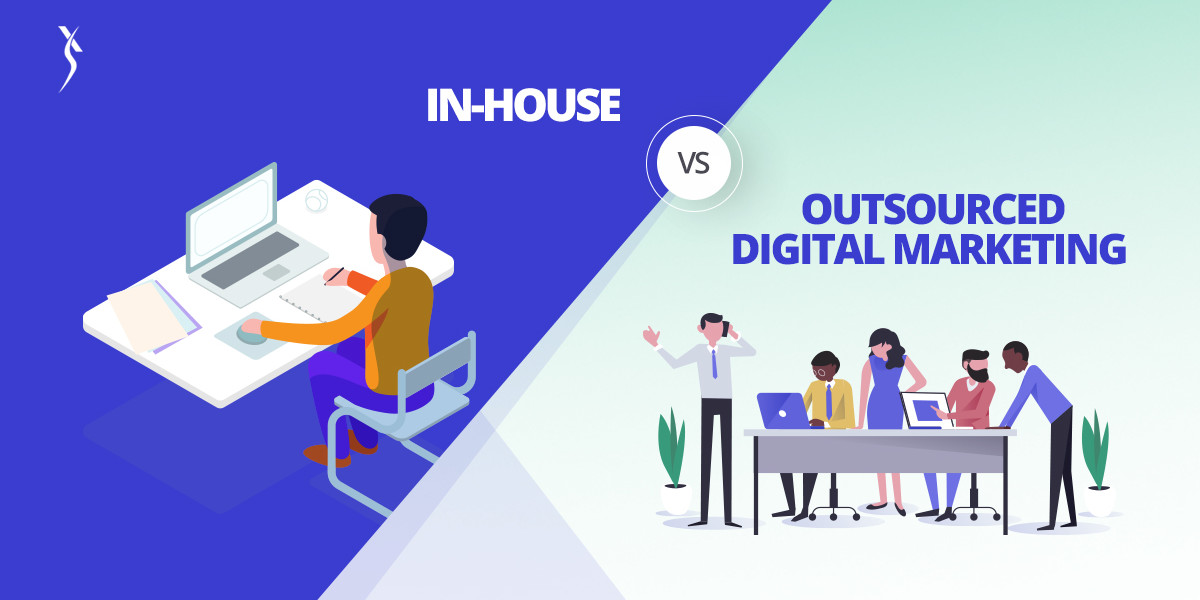
Outsourcing digital marketing means working with an external agency, consultant or specialist to plan and deliver some or all of your online marketing activity. The arrangement can be flexible. You might bring in a specialist for one project, such as a website launch, or appoint a marketing partner to support ongoing campaigns.

Common services include:

  • Search engine optimisation (SEO)
  • Pay-per-click (PPC) and paid social campaigns
  • Social media strategy and management
  • Content strategy, copywriting and design
  • Email marketing and automation
  • Website design, development and conversion optimisation
  • Analytics, reporting and marketing strategy

Why outsource digital marketing?

Access specialist skills

Digital marketing covers a broad range of disciplines, and the platforms and best practices are constantly changing. An external team may bring together specialists with experience across several channels, giving your business access to skills that would be difficult or costly to recruit individually.

Make better use of your time

Planning campaigns, producing content and monitoring results can take up a significant amount of time. Outsourcing some of this work allows your team to focus on customers, products and other priorities, while marketing activity continues to move forward.

Scale support to suit your needs

Your requirements may change over time. You may need extra support for a product launch, seasonal campaign or period of rapid growth, then a lighter level of input afterwards. An outsourced arrangement can often be adjusted more easily than a permanent team.

Bring a fresh perspective

People close to a business can sometimes find it difficult to see its marketing from a customer’s point of view. An external partner can offer an independent perspective, identify opportunities and challenge assumptions constructively.

What should you keep in-house?

Outsourcing does not mean stepping away from marketing altogether. Your business still needs to provide direction, share knowledge and make decisions. Internal teams are often best placed to explain your products, customers, culture and commercial priorities.

A useful approach is to outsource specialist delivery while retaining ownership of the overall business strategy. Agree who is responsible for approvals, customer insight, budgets and reporting before work begins.

How to choose a digital marketing partner

Start with clear objectives

Before approaching agencies or consultants, decide what you want to achieve. For example, you might want to increase qualified enquiries, improve online sales, grow organic search traffic or strengthen customer retention. Clear objectives make it easier to assess whether a potential partner is right for you.

Look for relevant experience

Ask about their experience with businesses like yours, the services they provide and how they approach similar challenges. Case studies can be helpful, but look beyond headline results. Find out what work was carried out, over what period and how success was measured.

Understand how they measure results

Good reporting should connect marketing activity to your business goals. Depending on your objectives, useful measures might include qualified leads, conversion rates, revenue, customer acquisition cost or return on advertising spend. Be wary of relying on surface-level figures, such as impressions or follower counts, without understanding how they contribute to meaningful outcomes.

Check communication and responsibilities

Discuss how often you will meet, who your main contact will be and what information the partner will need from your team. Make sure you understand what is included in the fee, how additional work is approved and who owns assets such as website content, advertising accounts and creative files.

Common challenges to consider

Outsourcing can bring valuable expertise, but it is not an instant fix. Results may take time, particularly in areas such as SEO and content marketing. An external partner will also need accurate information and timely feedback from your business to do their work effectively.

To reduce the risk of misunderstandings, set expectations at the outset. Agree objectives, budgets, timelines, reporting arrangements and decision-making processes. Keep access to your own digital accounts and make sure important knowledge does not sit with one person or provider alone.

Is outsourcing right for your business?

Outsourcing digital marketing may suit businesses that need specialist expertise, want to increase capacity or are not ready to recruit a full in-house team. It can also work well alongside internal staff, with an external partner providing technical support or campaign delivery.

The right arrangement depends on your goals, budget and the skills you already have. Begin by identifying where your marketing needs the most support, then look for a partner who can explain their approach clearly and measure progress against outcomes that matter to your business.

Making outsourcing work

Successful outsourcing is built on collaboration. Share your business goals and customer knowledge, give your partner access to the information they need, and review performance regularly. With clear responsibilities and realistic expectations, an external marketing team can become a valuable extension of your business and help you make more of your digital opportunities.


Six Essential Tips for Successfully Outsourcing Digital Marketing

  1. Set clear goals before outsourcing.
  2. Choose an agency with relevant experience.
  3. Agree budgets, deliverables and timelines upfront.
  4. Keep ownership of your accounts and data.
  5. Schedule regular performance reviews.
  6. Make sure the agency understands your audience and brand.

Set clear goals before outsourcing.

Before outsourcing your digital marketing, set clear goals so you and your chosen partner understand what success looks like. Decide what you want to achieve, such as increasing qualified enquiries, growing online sales or improving website traffic, and agree how progress will be measured. Clear goals help shape the right strategy, focus the budget and make it easier to assess whether your marketing is delivering results.

Choose an agency with relevant experience.

Choose an agency with relevant experience in your industry, audience or type of campaign. They’re more likely to understand your challenges, recognise what resonates with your customers and recommend a practical approach. Ask for examples of similar work and how results were measured, so you can judge whether their experience matches your goals.

Agree budgets, deliverables and timelines upfront.

Agreeing budgets, deliverables and timelines upfront helps keep your outsourced digital marketing on track. Be clear about what work is included, when you expect it to be completed and how much you have allocated, including any additional costs such as advertising spend. Setting these expectations early helps prevent misunderstandings, makes progress easier to review and gives both sides a clear basis for managing changes along the way.

Keep ownership of your accounts and data.

Keep ownership of your digital marketing accounts and data, even when working with an external agency or freelancer. Set up platforms such as Google Analytics, Google Ads and social media accounts in your business’s name, and grant your partner the access they need to do their work. This keeps your records, audiences and campaign history under your control, makes it easier to review performance, and helps ensure a smooth transition if you change providers.

Schedule regular performance reviews.

Schedule regular performance reviews to check whether your outsourced digital marketing is delivering against the goals you agreed. Review key measures such as qualified leads, conversions, website traffic and campaign costs, and discuss what is working, what needs to change and why. Consistent check-ins help you and your marketing partner spot issues early, make informed decisions and keep activity aligned with your business priorities.

Make sure the agency understands your audience and brand.

Before outsourcing your digital marketing, make sure the agency takes time to understand your audience, your brand and what makes your business different. They should be clear about your customers’ needs, your tone of voice and the promises you make, so their campaigns feel consistent and relevant. Share useful customer insights and brand guidelines, and ask how the agency will apply them in its work. The better they understand your business, the more effectively they can create marketing that connects with the right people.

leading digital marketing agency

How to Choose a Leading Digital Marketing Agency for Your Business

What Makes a Leading Digital Marketing Agency?

Choosing a digital marketing agency is an important decision for any business looking to grow online. The right partner can help you reach the people who matter, strengthen your brand and turn digital activity into meaningful results. But what sets a leading digital marketing agency apart?

A strategy built around your business

Effective digital marketing starts with understanding your business: your goals, your audience and the challenges you face. Rather than relying on a one-size-fits-all package, a strong agency develops a strategy that reflects your priorities and gives every activity a clear purpose.

That means setting realistic objectives, choosing the right channels and agreeing how progress will be measured. Whether the focus is building awareness, generating enquiries or increasing online sales, the plan should connect your marketing activity to your wider business goals.

Joined-up digital expertise

Digital channels work best when they support one another. Search engine optimisation, paid advertising, content and social media can each play a valuable role, but disconnected campaigns may lead to inconsistent messaging and missed opportunities.

A leading digital marketing agency looks at the bigger picture. It considers how customers discover a brand, what information they need and what might encourage them to take the next step. This joined-up approach can create a clearer, more consistent experience across your website and marketing channels.

Clear communication and useful reporting

Good communication is essential to a successful agency relationship. You should know what work is being done, why it matters and how it is performing. Reports should do more than list figures: they should explain what the results mean and what could be improved next.

Transparency also means being realistic. Digital marketing takes time, and results can vary depending on factors such as competition, budget and the condition of your website. A trustworthy agency will set clear expectations and discuss both progress and challenges openly.

Continual improvement

The digital landscape changes constantly. Search behaviour evolves, platforms introduce new features and customer expectations shift. A leading agency keeps learning, tests ideas thoughtfully and adapts its recommendations as new information becomes available.

Rather than treating a campaign as a set-and-forget activity, the agency should review performance regularly. This helps identify what is working, where there is room to improve and how marketing investment can be used more effectively.

Finding the right agency for you

The best digital marketing agency is not necessarily the biggest or the one making the boldest promises. Look for a team that takes time to understand your business, explains its approach clearly and can show how its work will support your objectives.

Ask how success will be measured, who will manage your account and how often you will review progress. A strong working relationship is built on shared goals, honest conversations and a clear understanding of what happens next.

Choose a partner focused on progress

A leading digital marketing agency combines strategic thinking, practical expertise and clear communication. Most importantly, it focuses on helping your business make steady, measurable progress online.

When you find an agency that understands your ambitions and is prepared to work collaboratively, digital marketing can become a valuable part of your long-term growth.


Top 7 Strategies for Leading a Successful Digital Marketing Agency

  1. Set clear goals and priorities.
  2. Hire curious, adaptable people.
  3. Keep clients informed and involved.
  4. Use data to guide decisions.
  5. Encourage creativity and testing.
  6. Invest in ongoing training.
  7. Measure results and share learnings.

Set clear goals and priorities.

Set clear goals and priorities before choosing a leading digital marketing agency. Be specific about what you want to achieve, whether that is increasing brand awareness, generating more enquiries or improving online sales. Agree which goals matter most, how success will be measured and what timescales are realistic. This gives the agency a clear direction, helps focus your budget on the work with the greatest potential impact and makes it easier to assess progress together.

Hire curious, adaptable people.

A leading digital marketing agency hires curious, adaptable people who are keen to learn and comfortable responding to change. Digital platforms, customer behaviour and marketing techniques evolve constantly, so a team that asks questions, explores new ideas and learns from results is better placed to spot opportunities and solve problems. Adaptability also helps the agency tailor its approach to each client, rather than relying on the same formula for every brief.

Keep clients informed and involved.

A leading digital marketing agency keeps clients informed and involved at every stage of a campaign. Regular updates, clear reporting and open conversations help clients understand what work is being done, how it is performing and what the next steps are. By inviting feedback and involving clients in key decisions, an agency can keep its strategy aligned with changing business goals and build a stronger, more collaborative partnership.

Use data to guide decisions.

A leading digital marketing agency uses data to guide decisions, not guesswork. By tracking relevant measures such as website visits, enquiries, conversions and campaign costs, it can see what is working and where improvements are needed. The agency should interpret these insights in the context of your business goals, then use them to refine campaigns, focus investment and make informed recommendations. Regular, clear reporting helps everyone understand progress and decide on the next steps.

Encourage creativity and testing.

Encourage creativity and testing by giving your digital marketing team room to explore fresh ideas while measuring what works. A leading agency doesn’t rely on assumptions or repeat the same approach indefinitely; it tests different messages, creative formats and channels, then uses the results to refine campaigns. This balance of imagination and evidence can uncover new ways to engage your audience, improve performance and make better use of your marketing budget.

Invest in ongoing training.

Investing in ongoing training helps a leading digital marketing agency keep its skills and knowledge up to date as platforms, technologies and customer behaviour change. By making time for professional development, its team can apply current best practice, explore new opportunities and make informed recommendations. This benefits clients through more relevant strategies and a stronger ability to adapt when the digital landscape shifts.

Measure results and share learnings.

A leading digital marketing agency measures results against clear objectives and shares what it learns along the way. Regular, easy-to-understand reporting shows which activities are working, where there is room to improve and how performance compares with your goals. By using these insights to refine campaigns and explain the next steps, an agency helps your business make informed decisions and get more value from its marketing investment.

digital marketing for real estate agents

Digital Marketing for Real Estate Agents: A Practical Guide for Estate Agents

Digital Marketing for Estate Agents: A Practical Guide

For estate agents, a strong digital presence can help attract new instructions, connect buyers and renters with suitable properties, and build trust in the local market. The most effective approach is not simply to advertise everywhere. It is to reach the right people with useful, accurate information and make it easy for them to take the next step.

From local search and property portals to social media and email, each channel can play a part in a joined-up digital marketing strategy.

Start with a clear digital strategy

Before investing in marketing, decide what you want it to achieve. Your priorities might include winning more valuation appointments, increasing enquiries for particular properties, growing your landlord portfolio or improving awareness in a specific area.

Set measurable objectives, such as the number of qualified enquiries, valuation bookings or completed registrations you want to generate. These give you a clearer way to assess which activities are working and where your budget is best spent.

Make your website work harder

Your website is often one of the first places prospective clients go to find out about your agency. It should be easy to use on mobile, load quickly and make essential information simple to find.

Useful features include:

  • Clear property search and filtering
  • High-quality photographs, floor plans and virtual tours
  • Prominent contact details and enquiry forms
  • Information about your sales, lettings and valuation services
  • Local guides and advice for buyers, sellers, landlords and tenants
  • Accessible design and straightforward navigation

Make the next step clear on every key page. A visitor looking at a property may want to arrange a viewing, while a homeowner may be ready to request a valuation.

Build visibility in local search

Estate agency is closely tied to location, so local search engine optimisation (SEO) is particularly valuable. When people search online for an estate agent or property in their area, a well-maintained website and business profile can help your agency be found.

Keep your business name, address, telephone number and opening hours consistent across your website and online directories. Claim and update your Google Business Profile, adding accurate service information, recent photographs and relevant updates. Encourage clients to leave honest reviews, and respond to feedback professionally.

Your website can also answer the questions people ask when making property decisions. Create useful pages for the towns, neighbourhoods or areas you serve, and include genuinely helpful information rather than simply repeating location names. Local market updates, school and transport information, and guides to the buying or renting process can all provide value.

Create property marketing that informs and inspires

Online property listings are often a prospective buyer’s or tenant’s first introduction to a home. Clear, accurate particulars help people understand what is on offer and decide whether to enquire.

Use well-lit photography and make sure images represent the property fairly. Floor plans can help viewers understand the layout, while video and virtual tours offer another way to explore a home. Write descriptions that highlight practical details as well as appealing features, and ensure that important information is accurate and easy to understand.

Good presentation matters, but trust matters too. Avoid exaggerated claims or details that could give people a misleading impression. Review listings regularly so that availability, pricing and property information remain up to date.

Use social media with purpose

Social media can help estate agents build local recognition and keep in touch with their community. It is most effective when it offers more than a stream of property listings.

Consider sharing a mix of content, such as:

  • New instructions and recently sold or let properties
  • Short property tours and behind-the-scenes videos
  • Local events, businesses and neighbourhood highlights
  • Practical advice for sellers, buyers, landlords and tenants
  • Team news and client stories, shared with permission
  • Answers to common questions about the property process

Choose platforms that suit your audience and the type of content you can produce consistently. Reply to comments and messages promptly, and make sure any advertising is clearly presented as advertising.

Reach the right audience with paid advertising

Paid search and social advertising can help promote a valuation service, a new development or a property with a particular audience in mind. Search advertising can reach people actively looking for an estate agent or property service, while social campaigns can introduce your brand to people in selected locations.

Start with a specific objective and a defined budget. Use relevant landing pages, clear calls to action and carefully chosen targeting. Track enquiries and their quality, not just clicks or impressions. If a campaign attracts attention but few suitable leads, review the audience, message and landing page before increasing spend.

Stay in touch through email marketing

Email can help you maintain relationships with past clients and nurture people who are still deciding what to do. A useful newsletter might include local market insights, new instructions, moving advice or landlord updates.

Segment your contacts where possible, so people receive information relevant to their interests. For example, buyers, sellers, landlords and tenants may need different updates. Make sure your email activity follows applicable data protection and electronic marketing requirements, and give recipients a clear way to manage their preferences or unsubscribe.

Turn enquiries into conversations

Digital marketing can generate interest, but prompt and helpful follow-up is what turns many enquiries into real conversations. Make sure enquiries from your website, portals and social channels are monitored and assigned to someone who can respond.

A customer relationship management (CRM) system can help your team keep track of enquiries, viewing requests, valuation leads and follow-ups. Use it to provide a consistent service, while keeping personal information secure and collecting only what is needed.

Measure, learn and improve

Review performance regularly to understand what is contributing to your business goals. Useful measures may include:

  • Website visits and the pages people view
  • Calls, form submissions and valuation requests
  • Enquiries generated by each marketing channel
  • Viewing bookings and the quality of leads
  • Email engagement and unsubscribe rates
  • The cost of acquiring a qualified enquiry or instruction

Use analytics in line with relevant privacy requirements, and avoid relying on a single metric. A campaign with fewer enquiries may still be valuable if it reaches people more likely to instruct your agency.

Put trust at the centre of your marketing

Property decisions are significant, so people need to feel that they can rely on the information and advice they receive. Keep property details accurate, use client testimonials only with permission, and be clear about fees, services and next steps. Make sure marketing and data-handling practices meet the rules that apply to your business.

Build a consistent presence

Effective digital marketing for estate agents is an ongoing effort. A useful website, strong local visibility, engaging property content and responsive follow-up work best when they support one another. Begin with clear goals, focus on the channels your audience uses and review the results regularly.

By being helpful, consistent and transparent online, estate agents can strengthen local relationships and make it easier for future clients to choose their services.


Maximising Real Estate Success: The Top 5 Benefits of Digital Marketing for Agents

  1. Reach more local buyers, sellers, landlords and tenants.
  2. Generate enquiries around the clock.
  3. Showcase properties with engaging photos and videos.
  4. Build trust through reviews and useful advice.
  5. Measure results and focus your marketing budget.


Challenges of Digital Marketing for Estate Agents: Costs, Competition, and Changing Landscapes

  1. Can be costly to maintain.
  2. Competition for online attention is high.
  3. Results may take time to appear.
  4. Leads can be poor quality.
  5. Platforms and algorithms change frequently.
  6. Negative reviews can affect reputation.
  7. Marketing requires ongoing time and expertise.

Reach more local buyers, sellers, landlords and tenants.

Digital marketing helps estate agents connect with more local buyers, sellers, landlords and tenants by reaching people where they already search, browse and spend time online. Local SEO, targeted social media campaigns and useful area-specific content can put your agency in front of people looking for property or expert advice nearby. This wider local reach can build awareness, attract relevant enquiries and help you stay connected with the community.

Generate enquiries around the clock.

Digital marketing helps estate agents generate enquiries around the clock, even when the office is closed. A well-designed website, property listings and online enquiry forms let prospective buyers, tenants, sellers and landlords browse information and get in touch whenever it suits them. This makes it easier to capture interest outside normal working hours, so the team can follow up promptly the next day.

Showcase properties with engaging photos and videos.

Engaging photos and videos help estate agents bring properties to life online, giving potential buyers and tenants a better sense of each home before they book a viewing. High-quality images can highlight attractive features, while video tours offer a more immersive look at the layout and feel of a property. This can capture attention, encourage more relevant enquiries and help listings stand out in a competitive market.

Build trust through reviews and useful advice.

Digital marketing gives estate agents practical ways to build trust before a client even gets in touch. Honest online reviews offer prospective sellers, buyers, landlords and tenants insight into other people’s experiences, while useful advice—such as local market updates, viewing tips and clear guides to the moving process—shows that your agency understands their needs. By responding professionally to feedback and sharing accurate, helpful information consistently, you can strengthen your reputation and make people more confident about choosing your services.

Measure results and focus your marketing budget.

Digital marketing makes it easier for estate agents to see which activities are delivering results. By tracking enquiries, valuation requests and completed instructions across channels, you can identify where your most valuable leads come from and focus your budget on what works. Regularly reviewing performance also helps you spot underperforming campaigns early, make informed adjustments and avoid spending money on marketing that isn’t reaching the right audience.

Can be costly to maintain.

Digital marketing can be costly for estate agents to maintain, particularly when it involves paid advertising, professional photography, website updates, email platforms and specialist support. These expenses can add up over time, while results may take a while to appear. Without a clear budget and regular checks on performance, it can be difficult to know which activities are generating worthwhile enquiries and where to focus spending.

Competition for online attention is high.

Competition for online attention is high, making it difficult for estate agents to stand out among property portals, local competitors and promoted social media content. Even well-presented listings can be overlooked if they are not reaching the right audience, so agents may need to invest time and budget in strong photography, engaging content and targeted advertising. Without a clear point of difference and a consistent strategy, marketing efforts can get lost in the noise.

Results may take time to appear.

One drawback of digital marketing for estate agents is that results may take time to appear. Strategies such as improving search rankings, building a social media following and earning trust through useful content usually need consistent effort before they generate a noticeable increase in enquiries or instructions. This can be challenging when an agency needs leads quickly, so it is important to set realistic expectations, monitor progress and balance longer-term marketing with activities that may deliver results sooner.

Leads can be poor quality.

One drawback of digital marketing for estate agents is that it can generate poor-quality leads. Online adverts and enquiry forms may attract people who are browsing casually, are not ready to move, or fall outside the agency’s target area or budget range. Sorting through these enquiries takes time and can distract staff from serious buyers, sellers, landlords and tenants. Clear advertising, well-designed forms and prompt qualification questions can help agents focus on the prospects most likely to become clients.

Platforms and algorithms change frequently.

One challenge of digital marketing for estate agents is that platforms and algorithms change frequently. Updates to search engines and social media can affect which listings and posts people see, sometimes reducing reach or increasing advertising costs without warning. Agents need to keep up with these changes, review performance regularly and adapt their strategies, which can take time and resources away from other parts of the business.

Negative reviews can affect reputation.

Negative reviews can quickly affect an estate agent’s reputation, as prospective clients often check online feedback before choosing who to trust with a sale, purchase or tenancy. Even a small number of critical comments may create doubts, particularly if they go unanswered or appear alongside repeated complaints. Agents can help limit the impact by responding promptly and professionally, addressing genuine concerns and encouraging satisfied clients to share honest feedback.

Marketing requires ongoing time and expertise.

Digital marketing requires ongoing time and expertise, which can be challenging for busy estate agents already managing viewings, valuations and client enquiries. Creating engaging content, updating property listings, responding to online messages and monitoring campaign performance all need regular attention. Without the right skills or a consistent commitment, marketing can become ineffective or fall behind competitors. Agents may need to invest in training, specialist software or external support, adding to the overall cost.

marketing b2b

Marketing B2B: A Practical Guide to Reaching Business Customers

B2B Marketing: How to Reach the Right Businesses and Build Lasting Relationships

B2B marketing, or business-to-business marketing, is the process of promoting products and services to other organisations rather than directly to individual consumers. It can help businesses attract new customers, build trust with decision-makers and create long-term commercial relationships.

Effective B2B marketing is about more than generating leads. It requires a clear understanding of the organisations you want to reach, the challenges they face and how your business can help solve them.

How B2B Marketing Differs from B2C

B2B and B2C marketing share many of the same principles, but they often involve different buying journeys. A consumer may make a purchase independently and quickly. A business purchase can involve several people, a longer evaluation period and more detailed consideration of cost, risk and return on investment.

As a result, B2B marketing often focuses on:

  • Reaching specific sectors, organisations and professional roles
  • Explaining how a product or service addresses a business need
  • Building credibility through evidence, expertise and clear communication
  • Supporting buyers throughout a longer decision-making process

Start with a Clear Understanding of Your Audience

Before choosing marketing channels, define who you want to reach. Consider the types of organisations that are most likely to benefit from your offer, including their size, location, industry and stage of development.

It is also important to understand the people involved in the buying decision. A finance director, a technical specialist and a senior manager may all care about different things. One may prioritise cost, another ease of implementation, and another the impact on wider business goals.

Researching these audiences helps you create useful messages rather than relying on broad claims. Customer interviews, sales conversations, website analytics and market research can all reveal what potential buyers need to know.

Develop a Strong Value Proposition

Your value proposition should explain, in straightforward language, who you help, what you help them do and why your approach is worth considering. It should connect your product or service to a real business outcome.

For example, instead of simply listing features, explain how those features could save time, reduce complexity or help a client make a better-informed decision. Be specific where you can, and support claims with relevant evidence such as case studies, customer feedback or data.

Choose the Right B2B Marketing Channels

There is no single channel mix that works for every business. The right approach depends on your audience, offer, budget and sales process. Common B2B marketing channels include:

  • Website and search engine optimisation: A useful, well-structured website helps potential customers understand your offer and find you through relevant searches.
  • Content marketing: Articles, guides, webinars and reports can answer buyer questions and demonstrate your expertise.
  • Email marketing: Relevant, permission-based emails can keep your business in touch with prospects and customers over time.
  • Social media: Professional networks can help you share insights, join industry conversations and build awareness.
  • Events and webinars: In-person and online events provide opportunities to share knowledge and speak directly with potential buyers.
  • Paid advertising: Search and social advertising can help you reach selected audiences, provided campaigns are carefully targeted and measured.

Rather than trying to use every channel, focus on the ones your audience uses and where your business can offer something valuable.

Create Content for Each Stage of the Buying Journey

Potential customers need different information at different points in their decision-making process. Someone exploring a problem may value an introductory guide, while a buyer comparing suppliers may need a detailed service overview or a case study.

A balanced content plan can include educational material to build awareness, practical resources to help buyers assess their options and clear information about your services to support a purchasing decision. Make sure each piece of content has a useful purpose and a clear next step.

Align Marketing and Sales

B2B marketing works best when marketing and sales teams share an understanding of the target audience, the customer journey and what makes a lead ready for a sales conversation. Agree on how leads will be defined, passed between teams and followed up.

Regular communication can also help marketing teams learn which messages resonate, what objections come up in sales conversations and where prospects tend to lose interest. Those insights can guide improvements to campaigns and content.

Measure What Matters

Measuring activity helps you understand whether your marketing is contributing to business goals. Useful measures may include website enquiries, qualified leads, event registrations, email engagement, conversion rates and the time it takes to move from initial contact to a sale.

Some B2B results take time to become clear, particularly where sales cycles are long. Look beyond short-term clicks and impressions to assess the quality of leads, the influence of marketing on opportunities and the value of customer relationships over time.

Build Trust Through Consistency

B2B buyers need to feel confident that a supplier understands their requirements and can deliver what it promises. Consistent messaging, helpful communication and realistic claims all contribute to that confidence.

Keep your website and sales materials accurate, respond to enquiries promptly and make it easy for prospective customers to find relevant information. After a sale, continue to support clients and listen to their feedback. Strong customer relationships can lead to repeat business, referrals and valuable insight.

Making B2B Marketing Work for Your Business

Successful B2B marketing combines audience insight, a clear value proposition, relevant content and well-chosen channels. It also depends on regular measurement and a willingness to refine your approach as you learn more about your customers.

Start with the needs of the businesses you want to serve. When your marketing helps them understand a challenge and make a confident decision, it can create a solid foundation for sustainable growth.


Essential FAQs on B2B Marketing: Categories, Types, and Strategies

  1. What are the 4 basic categories in B2B markets?
  2. What are the four types of B2B marketing?
  3. What does B2B mean in marketing?
  4. What is the best marketing for B2B?
  5. What are the 4 types of B2B marketing?
  6. What is the 3-3-3 rule in sales?
  7. What does B2B mean marketing?
  8. What are the types of B2B marketing?
  9. What is B2B and examples?

What are the 4 basic categories in B2B markets?

The four basic categories in B2B markets are producers, resellers, governments and institutions. Producers buy goods and services to create their own products or support their operations; resellers purchase products to sell on to other businesses or consumers; government organisations buy what they need to provide public services; and institutions, such as schools, universities and charities, purchase goods and services to fulfil their specific purposes. These categories help businesses understand who their customers are and tailor their marketing to each group’s needs.

What are the four types of B2B marketing?

There isn’t one universally agreed set of four types of B2B marketing, but four common approaches are content marketing, which shares useful expertise to attract and educate potential customers; account-based marketing, which targets selected businesses with tailored campaigns; relationship marketing, which builds trust and encourages long-term partnerships; and channel marketing, which works with distributors, resellers or other partners to reach business buyers. Many companies combine these approaches to suit their audience, sales cycle and goals.

What does B2B mean in marketing?

In marketing, B2B means “business-to-business”. It describes the promotion and sale of products or services from one business to another, rather than to individual consumers. For example, a software company marketing its platform to retailers is using B2B marketing. The focus is on understanding business needs, reaching relevant decision-makers and showing how an offering can help an organisation achieve its goals.

What is the best marketing for B2B?

There’s no single best marketing approach for every B2B business; the right strategy depends on your audience, goals and sales cycle. A strong starting point is to understand your ideal customers, communicate a clear value proposition and share useful content that helps decision-makers solve real problems. Combine relevant channels—such as search engine optimisation, email, LinkedIn, events and targeted advertising—and work closely with your sales team to nurture leads. Measure results against meaningful goals, such as qualified enquiries and sales opportunities, then refine your approach based on what works.

What are the 4 types of B2B marketing?

The four common types of B2B marketing are producer marketing, reseller marketing, government marketing and institutional marketing. Producer marketing targets businesses that use products or services to make their own goods or deliver services. Reseller marketing focuses on wholesalers and retailers that buy products to sell on. Government marketing involves supplying public-sector organisations, while institutional marketing serves organisations such as schools, hospitals and charities. These categories describe who the buyer is; the right marketing approach will depend on their needs, decision-making process and purchasing requirements.

What is the 3-3-3 rule in sales?

The 3-3-3 rule in sales does not have one universally accepted definition, but it is sometimes used as a simple guide for prospecting: spend around three minutes researching a potential customer, write three relevant and personalised points in your message, and follow up up to three times. In B2B marketing, the principle is to make outreach specific and useful rather than generic, while following up politely and respecting the prospect’s preferences. Check how your team defines the rule, as its meaning can vary between organisations.

What does B2B mean marketing?

In marketing, B2B means “business-to-business”: the promotion of products or services from one business to another, rather than directly to individual consumers. B2B marketing aims to reach the people involved in a company’s buying decisions, explain how an offering can meet their organisation’s needs, and build trust throughout what may be a longer decision-making process.

What are the types of B2B marketing?

B2B marketing includes a range of approaches, such as content marketing, search engine optimisation (SEO), email marketing, social media, paid advertising, events and webinars, public relations, and account-based marketing (ABM). Businesses often combine several of these methods to reach decision-makers, share useful information and build trust throughout a longer buying process. The best mix depends on your audience, goals and budget.

What is B2B and examples?

B2B stands for “business-to-business” and describes transactions where one business sells products or services to another, rather than directly to individual consumers. Examples include a software company providing accounting tools to firms, a wholesaler supplying stock to retailers, or a marketing agency managing campaigns for a business. B2B purchases often involve several decision-makers and focus on meeting business needs such as improving efficiency, reducing costs or supporting growth.

how to do digital marketing

How to Do Digital Marketing: A Practical Guide to Growing Your Business

How to Do Digital Marketing: A Practical Guide

Digital marketing helps businesses reach and engage customers through online channels. It can include search engines, social media, email, websites, online advertising and more. The best results come from choosing the right mix of channels, understanding your audience and improving your activity over time—not simply posting everywhere.

Whether you run a small business or are developing a larger marketing plan, these steps can help you get started.

Set clear marketing goals

Begin by deciding what you want your digital marketing to achieve. A clear goal gives your activity direction and helps you judge whether it is working.

Your goals might include:

  • Increasing sales or bookings
  • Generating enquiries or leads
  • Building awareness of your business
  • Growing an email subscriber list
  • Encouraging repeat purchases

Make goals specific and measurable. For example, instead of aiming to “get more website traffic”, you might aim to increase relevant organic visits by 15% over the next six months.

Understand your audience

Effective marketing starts with knowing who you want to reach. Consider what your ideal customers need, what problems they are trying to solve and how they choose between different options.

Useful sources of insight include customer conversations, sales enquiries, reviews, website analytics and research into your market. You can use this information to create audience profiles covering factors such as customers’ needs, interests, location and preferred ways of finding information.

Focus on useful insights rather than assumptions. A clear understanding of your audience will help you choose suitable messages, channels and offers.

Make your website work hard

Your website is often the place where people decide whether to take the next step. Make sure it clearly explains what you offer, who it is for and what visitors should do next.

Check that your website:

  • Works well on mobile phones and tablets
  • Loads quickly and is easy to navigate
  • Uses clear, helpful language
  • Includes prominent calls to action, such as “Get a quote” or “Book a consultation”
  • Provides accurate contact details and relevant trust signals
  • Can be used by people with different access needs

Review important pages regularly, especially those that attract visitors from search, social media or advertising.

Create useful content

Content marketing means creating and sharing material that helps your audience. This could include service pages, articles, videos, guides, case studies, email newsletters or social posts.

Start with the questions customers ask most often. Explain your products or services clearly, share practical advice and show how your business can help. Good content should be accurate, original and written for people—not just created to include keywords.

Plan content around your business goals and publish at a pace you can maintain. A small number of useful, well-presented pieces is often more valuable than frequent posts with little substance.

Improve your visibility in search

Search engine optimisation (SEO) helps people find your website when they look for relevant products, services or information. SEO is a long-term activity, but some fundamentals can make a strong start:

  • Research the words and questions your audience uses when searching
  • Write clear page titles and headings that accurately describe each page
  • Create helpful content that answers genuine questions
  • Use descriptive links between related pages on your site
  • Keep your business information accurate and consistent, particularly for local searches
  • Make your website fast, mobile-friendly and easy for search engines to understand

Avoid tactics that promise quick rankings through keyword stuffing or artificial links. Focus on building a useful website and a good experience for visitors.

Choose social media channels carefully

You do not need to be active on every social media platform. Choose the channels your audience uses and that suit your business. For example, a visually led brand may benefit from image or video platforms, while a business selling to other organisations might prioritise professional networks.

Share a balanced mix of content, such as advice, updates, product information and behind-the-scenes material. Make time to respond to comments and messages. Social media is most effective when it supports genuine communication, not just one-way promotion.

Use email marketing thoughtfully

Email can help you build relationships with people who have chosen to hear from your business. You might send useful updates, new content, event invitations or relevant offers.

Keep emails focused and make it easy for readers to understand why they are receiving them. Use a clear subject line, include a straightforward way to unsubscribe and only send marketing emails where you have the appropriate permission or other lawful basis. In the UK, businesses must follow applicable data protection and electronic marketing rules, including UK GDPR and the Privacy and Electronic Communications Regulations (PECR).

Consider paid advertising

Paid digital advertising can help you reach a defined audience or promote a specific offer. Options include search adverts, social media adverts, display advertising and sponsored content.

Before spending money, decide what action you want people to take and how you will measure it. Start with a controlled budget, test different audiences and messages, and check that the landing page matches the advert. Pause or adjust campaigns that are not delivering useful results.

Measure what matters

Use analytics and platform reporting to understand how people find and interact with your marketing. Choose measures that relate to your goals rather than focusing only on figures such as likes or page views.

Depending on your objectives, useful measures could include:

  • Qualified enquiries and conversion rate
  • Sales, bookings or revenue
  • Cost per lead or cost per sale
  • Relevant website visits and search visibility
  • Email sign-ups, clicks and unsubscribes
  • Repeat purchases or customer retention

Make sure tracking is configured appropriately and respect people’s privacy choices. If you use cookies or similar technologies, check the rules that apply and provide suitable information and controls.

Test, learn and improve

Digital marketing works best as an ongoing cycle. Review your results regularly, identify what is performing well and make one or two considered changes at a time. You could test different headlines, images, calls to action or audience groups.

Give changes enough time to produce meaningful data, but do not continue investing in activity that consistently fails to support your goals. Keep a record of what you try and what you learn.

Build a simple digital marketing plan

A practical plan does not need to be complicated. Write down:

  1. Your main business and marketing goals
  2. The audience you want to reach
  3. The channels most likely to reach that audience
  4. The content or campaigns you will create
  5. Your budget, responsibilities and timescales
  6. The measures you will use to assess progress

Start with a manageable number of activities, do them consistently and refine your approach using evidence. By combining clear goals, useful content, suitable channels and regular measurement, you can build digital marketing that supports sustainable business growth.


Mastering Digital Marketing: 7 Essential Tips for Success

  1. Set clear, measurable marketing goals.
  2. Know your audience and tailor your messages.
  3. Create useful, engaging content consistently.
  4. Optimise your website for mobile and search.
  5. Use social media channels your audience prefers.
  6. Test adverts and emails, then refine them.
  7. Track results and focus on what works.

Set clear, measurable marketing goals.

Set clear, measurable marketing goals so you know what your digital activity is working towards and can assess its impact. Rather than aiming to “get more customers”, choose a specific target, such as increasing online enquiries by 15% over the next three months or growing your email subscribers by 200. Make sure each goal is relevant to your business, has a timescale and can be tracked using reliable data. This will help you focus your time and budget on the marketing activities most likely to make a difference.

Know your audience and tailor your messages.

Know your audience and tailor your messages to their needs, interests and priorities. Think about the questions they ask, the challenges they face and what matters when choosing a product or service. Use these insights to create relevant content and choose the channels they are most likely to use. A clear, personal message is more likely to capture attention, build trust and encourage people to take the next step.

Create useful, engaging content consistently.

Create useful, engaging content consistently to give your audience a reason to pay attention and return to your business. Share helpful advice, answer common questions and explain how your products or services can meet customers’ needs. Choose formats that suit your audience—such as articles, videos, email updates or social media posts—and follow a realistic schedule you can maintain. Focus on quality and relevance rather than posting for the sake of it, and use audience feedback and performance data to improve what you create.

Optimise your website for mobile and search so people can find you and use your site easily, wherever they are. Make sure pages load quickly, text is easy to read on smaller screens and navigation is straightforward. Use clear page titles, descriptive headings and helpful content that answers the questions your audience is searching for. A fast, accessible, mobile-friendly website creates a better experience for visitors and can support your visibility in search results.

Use social media channels your audience prefers.

Choose the social media channels your audience already uses, rather than trying to be active on every platform. Find out where your customers spend their time and what kind of content they engage with, then focus your efforts there. This helps you share relevant posts, build stronger connections and make better use of your time and budget.

Test adverts and emails, then refine them.

Test different versions of your adverts and emails to find out what resonates with your audience. Try changing one element at a time, such as the headline, image, subject line or call to action, and compare results using relevant measures like clicks, enquiries or sales. Use what you learn to refine future campaigns, while giving each test enough time and reach to produce meaningful results.

Track results and focus on what works.

Track your digital marketing results to understand which activities are bringing in valuable visits, enquiries or sales. Choose measures that match your goals, such as conversion rates, cost per lead or repeat purchases, and review them regularly. Put more time and budget into the channels and messages that perform well, and adjust or stop those that do not. Keep testing small changes so you can build on what works and make better-informed decisions over time.

paid online marketing

Unlocking Success: The Impact of Paid Online Marketing Strategies

The Power of Paid Online Marketing

The Power of Paid Online Marketing

In today’s digital age, paid online marketing has become a crucial strategy for businesses looking to reach their target audience and drive conversions. With the vast number of users spending hours online every day, leveraging paid online marketing can significantly boost brand visibility and engagement.

Benefits of Paid Online Marketing

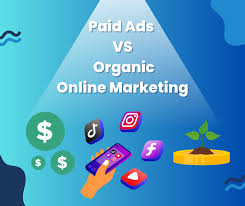
Targeted Reach: Paid online marketing allows businesses to target specific demographics, interests, and behaviours of their audience, ensuring that their ads are seen by the right people at the right time.

Instant Results: Unlike organic marketing efforts that take time to gain traction, paid online marketing delivers instant results in terms of website traffic, leads, and sales.

Measurable ROI: With tools like Google Analytics and social media insights, businesses can track the performance of their paid campaigns in real-time and measure the return on investment accurately.

Types of Paid Online Marketing

Search Engine Marketing (SEM): This involves placing ads on search engine result pages based on specific keywords relevant to your business. Google Ads is a popular SEM platform.

Social Media Advertising: Platforms like Facebook, Instagram, Twitter, and LinkedIn offer robust advertising options to target users based on their demographics, interests, and online behaviour.

Display Advertising: Banner ads placed on websites or mobile apps can help increase brand awareness and drive traffic to your website through visual content.

Tips for Successful Paid Online Marketing Campaigns

To make the most out of your paid online marketing efforts, consider the following tips:

  • Set Clear Goals: Define your objectives – whether it’s increasing website traffic, generating leads, or boosting sales – to tailor your campaigns accordingly.
  • Create Compelling Ad Copy: Craft engaging ad copy with strong calls-to-action that resonate with your target audience.
  • A/B Testing: Experiment with different ad creatives, targeting options, and landing pages to identify what works best for your audience.
  • Monitor Performance: Regularly monitor key metrics like click-through rates (CTR), conversion rates, and cost per acquisition (CPA) to optimise your campaigns for better results.

In Conclusion

Paid online marketing offers businesses a powerful way to amplify their online presence and drive meaningful results in a competitive digital landscape. By leveraging targeted strategies across various platforms, businesses can connect with their audience effectively and achieve their marketing goals efficiently.


Understanding Paid Online Marketing: Answers to 8 Common Questions

  1. What is paid online marketing?
  2. How does paid online marketing differ from organic marketing?
  3. What are the benefits of investing in paid online marketing?
  4. Which platforms offer paid online marketing opportunities?
  5. How can businesses measure the effectiveness of their paid online marketing campaigns?
  6. What budget should businesses allocate for paid online marketing?
  7. Are there any best practices to follow when running a paid online marketing campaign?
  8. Can businesses target specific audiences with paid online marketing?

What is paid online marketing?

Paid online marketing refers to the practice of promoting products or services on digital platforms through paid advertising methods. This form of marketing involves businesses investing in online ads to reach their target audience and drive desired actions, such as website visits, lead generation, or sales. Paid online marketing encompasses various channels, including search engine marketing (SEM), social media advertising, display advertising, and more. By allocating budget towards paid campaigns, businesses can enhance their online visibility, engage with potential customers effectively, and achieve measurable results in terms of brand awareness and conversions.

How does paid online marketing differ from organic marketing?

Paid online marketing differs from organic marketing in the way it involves paid advertising to promote products or services on digital platforms. While organic marketing focuses on building a brand’s online presence through content creation, SEO, and social media engagement without direct payment for visibility, paid online marketing relies on investing in targeted ads to reach specific audiences quickly. Paid strategies offer immediate results and precise targeting options, allowing businesses to control their messaging and reach a broader audience effectively. In contrast, organic marketing requires time and consistent effort to build credibility and visibility through non-paid channels. Both approaches complement each other in a comprehensive digital marketing strategy, with paid online marketing providing a more immediate impact and organic efforts fostering long-term growth and brand loyalty.

What are the benefits of investing in paid online marketing?

Investing in paid online marketing offers a multitude of benefits for businesses seeking to enhance their digital presence and drive results. One key advantage is the ability to target specific demographics, interests, and behaviours of the audience, ensuring that ads reach the right people at the right time. Paid online marketing also provides instant results in terms of increased website traffic, leads, and sales, unlike organic efforts that may take time to yield outcomes. Furthermore, businesses can measure the return on investment accurately through tools like Google Analytics and social media insights, enabling them to track performance in real-time and make data-driven decisions for future campaigns.

Which platforms offer paid online marketing opportunities?

Various digital platforms provide paid online marketing opportunities for businesses to reach their target audience effectively. Some popular platforms include Google Ads, which offers search engine marketing (SEM) options to display ads on Google search result pages, and social media platforms like Facebook, Instagram, Twitter, and LinkedIn that provide robust advertising solutions to target users based on their demographics and interests. Additionally, display advertising on websites and mobile apps can also be utilised to increase brand visibility through visual content. By leveraging the diverse opportunities offered by these platforms, businesses can enhance their online presence and drive conversions through strategic paid marketing campaigns.

How can businesses measure the effectiveness of their paid online marketing campaigns?

Businesses can measure the effectiveness of their paid online marketing campaigns through various key performance indicators (KPIs) that provide valuable insights into the campaign’s performance. Metrics such as click-through rates (CTR), conversion rates, return on ad spend (ROAS), cost per acquisition (CPA), and overall return on investment (ROI) allow businesses to track and analyse the impact of their campaigns. By monitoring these KPIs closely and using tools like Google Analytics or social media insights, businesses can assess the success of their paid online marketing efforts, make data-driven decisions for optimisation, and ultimately achieve their marketing objectives efficiently.

What budget should businesses allocate for paid online marketing?

When it comes to determining the budget for paid online marketing, businesses should consider several factors such as their industry, target audience, marketing goals, and the competitiveness of the digital landscape. There is no one-size-fits-all answer to this question as budgets can vary significantly depending on the specific needs and objectives of each business. It is advisable for businesses to conduct thorough research, analyse past performance data, and set clear objectives to determine an appropriate budget that aligns with their overall marketing strategy and expected ROI. Additionally, businesses should be prepared to adjust their budget based on campaign performance and market dynamics to maximise the effectiveness of their paid online marketing efforts.

Are there any best practices to follow when running a paid online marketing campaign?

When running a paid online marketing campaign, it is essential to follow best practices to maximise its effectiveness. Some key guidelines include setting clear and measurable goals, conducting thorough audience research to target the right demographics, creating compelling ad copy with strong calls-to-action, continuously monitoring and analysing campaign performance metrics, and regularly optimising based on data-driven insights. By adhering to these best practices, businesses can enhance the success of their paid online marketing campaigns and achieve their desired outcomes efficiently.

Can businesses target specific audiences with paid online marketing?

In the realm of paid online marketing, businesses have the valuable capability to target specific audiences with precision and efficiency. By utilising advanced targeting tools and data analytics offered by platforms such as Google Ads and social media advertising channels, businesses can tailor their marketing campaigns to reach audiences based on demographics, interests, behaviours, and even online interactions. This targeted approach not only enhances the relevance of ads but also increases the likelihood of engaging with potential customers who are more likely to convert. Ultimately, the ability to target specific audiences is a key advantage of paid online marketing that empowers businesses to maximise their reach and impact in today’s digital landscape.

social media marketing companies for small business

Elevate Your Small Business with Expert Social Media Marketing Companies

Social Media Marketing Companies for Small Business

Social Media Marketing Companies for Small Business

Social media has become a powerful tool for businesses of all sizes to reach and engage with their target audience. For small businesses, having a strong presence on social media can be a game-changer in terms of brand awareness, customer engagement, and lead generation. However, managing social media effectively requires time, expertise, and resources that many small businesses may not have.

Enter Social Media Marketing Companies

Social media marketing companies specialise in helping businesses create and execute effective social media strategies to achieve their marketing goals. These companies have the knowledge, experience, and tools to navigate the ever-changing landscape of social media platforms and maximise their clients’ online presence.

Benefits for Small Businesses

For small businesses looking to harness the power of social media, partnering with a social media marketing company can offer several key benefits:

  • Expertise: Social media marketing companies have professionals who understand the nuances of each platform and can create tailored strategies that resonate with your target audience.
  • Time Savings: Outsourcing your social media management allows you to focus on other aspects of your business while experts handle your online presence.
  • Cost-Effective Solutions: Many social media marketing companies offer affordable packages designed specifically for small businesses, making professional services accessible.
  • Data-Driven Results: These companies use analytics tools to track performance metrics and adjust strategies accordingly to ensure maximum ROI.

Choosing the Right Partner

When selecting a social media marketing company for your small business, consider factors such as their track record, client testimonials, range of services offered, and alignment with your brand values. Communication is key – make sure you have a clear understanding of what they will deliver and how success will be measured.

In Conclusion

Social media marketing companies can be invaluable allies for small businesses looking to establish a strong online presence and connect with their target audience effectively. By leveraging the expertise and resources of these professionals, small businesses can level the playing field in the competitive digital landscape.

Contact a reputable social media marketing company today to explore how they can help your small business thrive in the world of social media.


7 Essential Tips for Small Businesses: Maximising Success with Social Media Marketing Companies

  1. Define your target audience clearly to tailor your content effectively.
  2. Create a content calendar to ensure consistent posting and engagement.
  3. Utilize various social media platforms to reach a wider audience.
  4. Engage with your followers by responding to comments and messages promptly.
  5. Monitor analytics regularly to track the performance of your campaigns.
  6. Collaborate with influencers or other businesses for cross-promotion opportunities.
  7. Stay updated on social media trends and adjust your strategies accordingly.

Define your target audience clearly to tailor your content effectively.

Defining your target audience clearly is a crucial step in maximising the effectiveness of your social media marketing efforts as a small business. By understanding the demographics, interests, and behaviours of your audience, you can tailor your content to resonate with them on a deeper level. This targeted approach not only increases engagement but also enhances the likelihood of converting followers into customers. Identifying and addressing the specific needs and preferences of your target audience through strategic content creation can help you build stronger relationships and drive meaningful results for your business in the competitive social media landscape.

Create a content calendar to ensure consistent posting and engagement.

Creating a content calendar is a crucial tip for small businesses working with social media marketing companies. By planning and scheduling your content in advance, you can ensure a consistent posting schedule that keeps your audience engaged. A content calendar helps you maintain a strategic approach to your social media efforts, allowing for better organisation, timely responses to trends, and the ability to track the performance of your posts effectively. Consistency in posting not only boosts visibility but also fosters a stronger connection with your followers, ultimately driving growth and success for your small business on social media platforms.

Utilize various social media platforms to reach a wider audience.

To maximise your small business’s online presence, it is essential to utilise a variety of social media platforms effectively. By diversifying your presence across platforms such as Facebook, Instagram, Twitter, LinkedIn, and others, you can reach a broader audience and engage with potential customers who may frequent different channels. Each platform offers unique features and demographics, allowing you to tailor your content and messaging to appeal to a wider range of users. Embracing multiple social media platforms can enhance brand visibility and increase opportunities for growth in the competitive digital landscape.

Engage with your followers by responding to comments and messages promptly.

Engaging with your followers by responding to comments and messages promptly is a crucial aspect of effective social media marketing for small businesses. By actively interacting with your audience, you not only show that you value their input and feedback but also build a sense of community and trust around your brand. Prompt responses demonstrate professionalism and attentiveness, fostering positive relationships with your followers and potentially turning them into loyal customers. Consistent engagement can lead to increased brand visibility, improved customer satisfaction, and ultimately, business growth in the competitive digital landscape.

Monitor analytics regularly to track the performance of your campaigns.

Monitoring analytics regularly is crucial for small businesses working with social media marketing companies. By tracking the performance of your campaigns, you can gain valuable insights into what strategies are working effectively and where adjustments may be needed. Analyzing metrics such as engagement rates, click-through rates, and conversion rates allows you to make data-driven decisions to optimise your social media efforts and maximise your return on investment. Consistent monitoring of analytics ensures that you stay informed about the impact of your campaigns and enables you to refine your approach for greater success in reaching your target audience.

Collaborate with influencers or other businesses for cross-promotion opportunities.

Collaborating with influencers or other businesses for cross-promotion opportunities can be a strategic move for small businesses looking to expand their reach on social media. By partnering with influencers who have a relevant audience or complementary businesses in your industry, you can tap into new demographics and increase brand visibility. These collaborations not only help in reaching a wider audience but also build credibility and trust among potential customers. Leveraging the network and influence of others through cross-promotion can be a cost-effective way to amplify your marketing efforts and drive engagement on social media platforms.

In the realm of social media marketing for small businesses, staying abreast of the latest trends is paramount to success. By continuously monitoring and adapting to evolving social media landscapes, businesses can ensure their strategies remain relevant and effective. Whether it involves embracing new features on platforms or responding to shifting user behaviours, the ability to adjust strategies accordingly allows small businesses to stay competitive and engage with their target audience in meaningful ways.