marketing strategy

Crafting an Effective Marketing Strategy for Business Growth

The Importance of a Strong Marketing Strategy

The Importance of a Strong Marketing Strategy

In today’s competitive business environment, a well-defined marketing strategy is essential for the success of any company. A marketing strategy outlines the approach a business will take to promote its products or services to its target audience effectively. It serves as a roadmap that guides all marketing efforts and helps achieve specific business objectives.

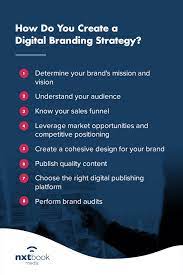
Key Components of a Marketing Strategy

A robust marketing strategy typically includes the following key components:

  • Market Research: Understanding the market landscape, including competitors, customer needs, and industry trends.
  • Target Audience: Identifying and defining the ideal customer segments that the company aims to reach.
  • Unique Selling Proposition (USP): Communicating what sets the company’s products or services apart from competitors.
  • Messaging and Positioning: Crafting compelling messages that resonate with the target audience and positioning the brand effectively in the market.
  • Marketing Channels: Determining the most effective channels (such as social media, email, SEO, etc.) to reach and engage with customers.
  • Budget and Timeline: Allocating resources efficiently and setting clear timelines for implementation.

The Benefits of an Effective Marketing Strategy

An effective marketing strategy offers numerous benefits to a business, including:

  • Increased Brand Awareness: A well-crafted strategy helps raise brand visibility and recognition among target audiences.
  • Customer Engagement: Engaging marketing campaigns foster stronger relationships with customers and encourage loyalty.
  • Sales Growth: A targeted approach can lead to increased sales conversions and revenue generation.
  • Competitive Advantage: By differentiating itself in the market, a company can gain a competitive edge over rivals.
  • Data-Driven Decisions: Regular monitoring and analysis of marketing performance allow for data-driven decision-making and continuous improvement.

In Conclusion

A strong marketing strategy is not just a plan; it is a vital tool for businesses looking to thrive in today’s dynamic marketplace. By investing time and resources into developing a comprehensive strategy tailored to their unique goals and audience, companies can position themselves for long-term success and growth.


Essential Insights into Crafting and Understanding Effective Marketing Strategies

  1. What is a marketing strategy and why is it important?
  2. How do you develop an effective marketing strategy?
  3. What are the key components of a successful marketing strategy?
  4. How can market research help in shaping a marketing strategy?
  5. What role does digital marketing play in a modern marketing strategy?

What is a marketing strategy and why is it important?

A marketing strategy is a comprehensive plan that outlines how a business will promote its products or services to its target audience effectively. It serves as a roadmap guiding all marketing efforts and plays a crucial role in achieving specific business goals. A well-defined marketing strategy helps businesses identify their target market, differentiate themselves from competitors, and communicate their unique value proposition to customers. By outlining the tactics and channels to be used, setting clear objectives, and allocating resources efficiently, a strong marketing strategy can drive brand awareness, customer engagement, and ultimately lead to increased sales and business growth. In essence, a solid marketing strategy is essential for businesses looking to establish a strong market presence and achieve sustainable success in today’s competitive landscape.

How do you develop an effective marketing strategy?

Developing an effective marketing strategy involves a systematic approach that begins with thorough market research to understand the target audience, competitors, and industry trends. It is essential to define clear objectives and goals that align with the overall business vision. Crafting a unique selling proposition (USP) that differentiates the brand from competitors is crucial. Tailoring messaging and positioning to resonate with the target audience helps in creating impactful marketing campaigns. Selecting the most suitable marketing channels and allocating resources effectively are key steps in implementing the strategy. Regular monitoring, analysis, and adaptation based on performance data are necessary for continuous improvement and success in achieving desired outcomes.

What are the key components of a successful marketing strategy?

When considering the key components of a successful marketing strategy, several crucial elements come to light. Market research plays a fundamental role in understanding the competitive landscape, customer needs, and industry trends. Identifying and defining the target audience is paramount for tailored messaging and effective engagement. A clear Unique Selling Proposition (USP) helps differentiate the brand from competitors. Crafting compelling messaging, selecting appropriate marketing channels, allocating resources efficiently, and setting clear timelines are all essential components that collectively contribute to the success of a well-rounded marketing strategy.

How can market research help in shaping a marketing strategy?

Market research plays a crucial role in shaping a marketing strategy by providing valuable insights into the market landscape, consumer behaviour, and competitor activities. By conducting thorough market research, businesses can gain a deeper understanding of their target audience’s needs, preferences, and pain points. This information enables companies to tailor their marketing strategies to effectively reach and engage with their customers. Moreover, market research helps identify emerging trends, assess the competitive environment, and uncover new opportunities for growth. Ultimately, leveraging the findings from market research allows businesses to make informed decisions, refine their messaging, and develop strategies that resonate with their target market, leading to more successful marketing campaigns and overall business success.

What role does digital marketing play in a modern marketing strategy?

In the realm of modern marketing strategy, digital marketing plays a pivotal role in shaping the way businesses connect with their target audience. With the increasing reliance on digital platforms and technologies, incorporating digital marketing into a comprehensive strategy has become essential for reaching and engaging customers effectively. Through channels such as social media, email campaigns, search engine optimisation (SEO), and online advertising, businesses can enhance brand visibility, drive customer engagement, and generate leads in a cost-effective manner. Digital marketing enables companies to leverage data analytics to track performance metrics, refine strategies based on insights, and stay agile in responding to market trends swiftly. Embracing digital marketing as a core component of a modern marketing strategy empowers businesses to adapt to the ever-evolving landscape and connect with consumers in meaningful ways that drive growth and success.

email marketing

Unlocking the Potential of Email Marketing: Strategies for Success

The Power of Email Marketing

The Power of Email Marketing

Email marketing remains one of the most effective tools in a marketer’s arsenal. With the rise of social media and other digital channels, some may overlook the impact that a well-crafted email campaign can have on engaging and converting audiences.

Building Relationships

One of the key strengths of email marketing is its ability to nurture relationships with your audience. By delivering relevant and valuable content directly to their inbox, you can establish trust and credibility over time. Personalised emails that address the recipient by name and cater to their interests are more likely to resonate with them.

Driving Conversions

Email marketing is also a powerful tool for driving conversions. Whether you’re promoting a new product, offering a discount, or inviting recipients to an event, emails can be tailored to encourage action. By including clear calls-to-action and tracking performance metrics, you can measure the success of your campaigns and make data-driven decisions for future strategies.

Increasing Brand Awareness

Consistent communication through email helps reinforce your brand identity in the minds of your audience. By maintaining a cohesive visual style and tone across your emails, you can strengthen brand recognition and differentiate yourself from competitors. Sharing valuable content such as blog posts, case studies, or customer testimonials can further position your brand as an industry leader.

Best Practices for Email Marketing

  • Segmentation: Divide your email list into segments based on demographics, behaviour, or preferences to deliver targeted content.
  • A/B Testing: Experiment with different subject lines, content formats, and send times to optimise engagement rates.
  • Maintain Compliance: Ensure that your emails comply with data protection regulations such as GDPR to build trust with recipients.
  • Analyse Results: Monitor key performance indicators like open rates, click-through rates, and conversion rates to evaluate the effectiveness of your campaigns.

In conclusion, email marketing continues to be a valuable tool for engaging audiences, driving conversions, and increasing brand awareness. By leveraging its potential through strategic planning, personalisation, and analytics, businesses can unlock the full power of email as part of their digital marketing strategy.


Five Key Advantages of Email Marketing: Cost-Effective, Targeted, Measurable, Brand-Strengthening, and Engaging

  1. Cost-effective
  2. Targeted messaging
  3. Measurable results
  4. Brand reinforcement
  5. High engagement


Challenges of Email Marketing: Overcoming Spam Risks, Visual Limitations, Deliverability Issues, and Standing Out

  1. Risk of being marked as spam
  2. Limited visual impact
  3. Dependence on email deliverability
  4. Difficulty in standing out

Cost-effective

Email marketing offers a cost-effective solution for businesses to connect with a wide audience when compared to traditional marketing channels. With minimal overheads and the ability to reach a large number of recipients instantly, email campaigns provide an efficient way to deliver targeted messages and promotions without the high costs associated with print or broadcast advertising. This affordability makes email marketing a valuable tool for businesses looking to maximise their marketing budget and achieve measurable results.

Targeted messaging

Email marketing’s ability to deliver targeted messaging is a game-changer in the realm of digital communication. By tailoring content to recipient demographics and behaviour, businesses can create personalised and relevant messages that resonate with their audience on a deeper level. This level of customisation not only enhances engagement but also increases the likelihood of conversions as recipients feel understood and valued. The power of targeted messaging lies in its capacity to deliver the right message to the right person at the right time, ultimately driving stronger connections and results for brands.

Measurable results

Email marketing offers a significant advantage in its ability to provide measurable results through detailed analytics. By tracking performance metrics such as open rates, click-through rates, conversion rates, and more, businesses can gain valuable insights into the effectiveness of their email campaigns. This data allows marketers to identify what resonates with their audience, refine their strategies accordingly, and ultimately improve the outcomes of future campaigns. The ability to measure and analyse results empowers businesses to make data-driven decisions that maximise the impact of their email marketing efforts.

Brand reinforcement

Email marketing plays a crucial role in brand reinforcement by consistently delivering a unified message, visuals, and content with every email sent. By maintaining a cohesive brand identity across all communications, businesses can strengthen brand recognition and loyalty among their audience. This consistency helps differentiate the brand from competitors and builds trust with recipients, ultimately solidifying the brand’s position in the minds of consumers.

High engagement

Email marketing offers a significant advantage in terms of high engagement due to the direct delivery of emails to the recipient’s inbox. This direct communication channel increases the likelihood of interaction as emails are personalised and tailored to the recipient’s preferences. By reaching audiences directly in their inbox, businesses can capture attention, drive engagement, and foster meaningful relationships with their target audience, ultimately leading to higher conversion rates and increased brand loyalty.

Risk of being marked as spam

One significant drawback of email marketing is the risk of being marked as spam. When email campaigns are ineffective or when businesses bombard recipients with excessive emails, there is a high probability of recipients flagging these emails as spam. This action not only diminishes the chances of reaching the intended audience but also jeopardises the sender’s reputation. Once marked as spam, future emails from the sender are more likely to be filtered out or sent directly to the recipients’ spam folders, hindering the effectiveness of email marketing efforts. It is crucial for businesses to carefully consider their email frequency and content to avoid falling victim to this conundrum.

Limited visual impact

One significant drawback of email marketing is its limited visual impact compared to platforms like social media. Due to constraints on design and interactivity within email formats, the ability to create visually engaging content is restricted. This limitation can hinder the overall user experience and may lead to decreased engagement from recipients who are accustomed to more visually stimulating content on other digital channels. As a result, businesses must carefully consider how to maximise the impact of their emails through compelling copywriting and strategic use of visuals within the constraints of the medium.

Dependence on email deliverability

Dependence on email deliverability poses a significant challenge in email marketing. Factors such as spam filters and technical issues can hinder the successful delivery of your emails to recipients’ inboxes, thereby limiting the reach and effectiveness of your campaigns. Despite crafting compelling content and implementing targeted strategies, the unpredictability of email deliverability remains a constant concern for marketers, highlighting the importance of monitoring deliverability metrics and refining practices to enhance the chances of reaching the intended audience.

Difficulty in standing out

In the realm of email marketing, a significant challenge lies in the difficulty of standing out amidst the sea of messages flooding individuals’ inboxes on a daily basis. With the sheer volume of emails vying for attention, it becomes increasingly tough to capture and maintain the interest of recipients. Crafting compelling and distinctive content that cuts through the noise and resonates with the audience is essential yet daunting in a landscape where competition for visibility is fierce. Marketers must navigate this conundrum by employing creative strategies and personalisation techniques to ensure their messages are not lost in the deluge of emails clamouring for attention.

social media marketing

Elevating Your Brand with Effective Social Media Marketing Strategies

The Power of Social Media Marketing

The Power of Social Media Marketing

Social media has revolutionised the way businesses connect with their audience. With billions of users actively engaging on platforms like Facebook, Instagram, Twitter, and LinkedIn, social media marketing has become an essential tool for reaching and engaging with potential customers.

Building Brand Awareness

One of the key benefits of social media marketing is its ability to increase brand visibility and awareness. By creating compelling content and engaging with your audience on social platforms, you can build a strong brand presence that resonates with your target market.

Driving Traffic and Conversions

Social media channels provide businesses with a powerful way to drive traffic to their websites and convert leads into customers. By strategically promoting your products or services through targeted ads and engaging posts, you can attract potential customers and encourage them to take action.

Engaging with Your Audience

Effective social media marketing is not just about broadcasting messages; it’s also about building relationships with your audience. By actively responding to comments, messages, and feedback on social platforms, you can create a sense of community around your brand and foster loyalty among your followers.

Measuring Success

One of the advantages of social media marketing is the ability to track and measure the performance of your campaigns in real-time. By monitoring key metrics such as engagement rates, click-through rates, and conversion rates, you can gain valuable insights into what is working well and make data-driven decisions to optimise your strategy.

Conclusion

Social media marketing offers businesses a unique opportunity to connect with their audience in a more personal and meaningful way. By leveraging the power of social platforms effectively, businesses can increase brand awareness, drive traffic and conversions, engage with their audience, and measure the success of their campaigns. Embracing social media marketing as part of your overall digital strategy can help you stay competitive in today’s fast-paced digital landscape.


Top 9 Frequently Asked Questions About Social Media Marketing for Businesses

  1. What is social media marketing?
  2. Why is social media marketing important for businesses?
  3. Which social media platforms are best for marketing?
  4. How can businesses use social media to increase brand awareness?
  5. What are the benefits of using paid advertising on social media?
  6. How can businesses measure the effectiveness of their social media marketing efforts?
  7. What are some common mistakes to avoid in social media marketing?
  8. How often should businesses post on social media?
  9. Is influencer marketing effective in social media strategies?

What is social media marketing?

Social media marketing refers to the strategic use of social media platforms to promote a brand, product, or service. It involves creating and sharing content that engages with the target audience, building relationships, and driving desired actions. By leveraging the reach and interactivity of platforms such as Facebook, Instagram, Twitter, and LinkedIn, businesses can increase brand awareness, generate leads, drive website traffic, and ultimately boost sales. Social media marketing is a powerful tool that allows businesses to connect with their audience on a more personal level and build a loyal community of followers.

Why is social media marketing important for businesses?

Social media marketing is crucial for businesses in today’s digital landscape for several reasons. Firstly, it provides a powerful platform to increase brand visibility and connect with a vast audience of potential customers. By engaging with followers through compelling content and interactive posts, businesses can build brand awareness and loyalty. Additionally, social media marketing allows businesses to drive website traffic, generate leads, and ultimately increase sales through targeted advertising and strategic campaigns. Furthermore, the real-time nature of social media enables businesses to receive instant feedback from customers, helping them to adapt and improve their marketing strategies effectively. Overall, social media marketing plays a vital role in enhancing brand presence, fostering customer relationships, and driving business growth in the competitive online market.

Which social media platforms are best for marketing?

When considering which social media platforms are best for marketing, it is essential to assess your target audience and business objectives. Each platform offers unique features and demographics that can influence the effectiveness of your marketing efforts. For businesses targeting a younger demographic, platforms like Instagram and Snapchat may be more suitable due to their visual nature and popularity among younger users. On the other hand, LinkedIn is ideal for B2B marketing and professional networking. Facebook remains a versatile option with a broad user base, while Twitter is great for real-time engagement and news updates. Ultimately, the best social media platforms for marketing will depend on your specific goals, target audience, and content strategy.

How can businesses use social media to increase brand awareness?

Businesses can leverage social media to enhance brand awareness by creating engaging and relevant content that resonates with their target audience. By consistently sharing valuable information, showcasing their unique selling points, and actively engaging with followers through comments and messages, businesses can establish a strong online presence. Additionally, utilising targeted advertising on social platforms allows businesses to reach a wider audience and attract potential customers who may not have been aware of their brand previously. By fostering meaningful interactions and building relationships with followers, businesses can effectively increase brand visibility and recognition in the competitive digital landscape.

What are the benefits of using paid advertising on social media?

Using paid advertising on social media offers a range of benefits for businesses looking to enhance their online presence and reach a targeted audience effectively. One key advantage is the ability to increase brand visibility and reach a larger audience beyond organic posts. Paid ads allow businesses to target specific demographics, interests, and behaviours, ensuring that their message reaches the right people at the right time. Additionally, paid social media advertising can drive traffic to websites, generate leads, boost conversions, and ultimately contribute to achieving business objectives. With detailed analytics and tracking tools, businesses can measure the performance of their paid campaigns in real-time and make data-driven decisions to optimise their marketing strategies for maximum impact.

How can businesses measure the effectiveness of their social media marketing efforts?

Businesses can measure the effectiveness of their social media marketing efforts through various key performance indicators (KPIs) that provide valuable insights into the impact of their strategies. Metrics such as engagement rates, reach, click-through rates, conversion rates, and return on investment (ROI) can help businesses assess the success of their campaigns. By tracking these metrics and analysing the data collected, businesses can understand what is working well and make informed decisions to optimise their social media marketing efforts for better results. Regular monitoring and evaluation of these KPIs are essential for businesses to gauge the effectiveness of their social media strategies and make adjustments as needed to achieve their marketing goals.

What are some common mistakes to avoid in social media marketing?

When it comes to social media marketing, there are several common mistakes that businesses should avoid to maximise the effectiveness of their efforts. One key mistake is inconsistency in posting content, as irregular updates can lead to a loss of audience engagement. Another common error is neglecting to tailor content for each platform, as what works on one social media site may not resonate with users on another. Additionally, overlooking the importance of engaging with followers and responding promptly to comments and messages can hinder building meaningful relationships with the audience. Lastly, failing to track and analyse performance metrics can make it challenging to understand what strategies are working and where improvements are needed. By being mindful of these pitfalls and taking proactive steps to address them, businesses can enhance their social media marketing outcomes and better connect with their target audience.

How often should businesses post on social media?

Determining the ideal frequency for posting on social media is a common query among businesses navigating the digital landscape. While there is no one-size-fits-all answer, the key lies in finding a balance that resonates with your audience. Consistency is crucial to maintaining engagement, but bombarding followers with excessive posts can lead to fatigue. It’s essential to understand your target demographic, monitor engagement metrics, and test different posting schedules to identify what works best for your specific brand and audience. By adapting and refining your posting frequency based on real-time data and feedback, you can strike the right chord with your followers and maximise the impact of your social media marketing efforts.

Is influencer marketing effective in social media strategies?

Influencer marketing has emerged as a powerful tool in social media strategies, offering a unique way to reach and engage with target audiences. Collaborating with influencers who have a loyal following can help businesses amplify their brand message and increase credibility among consumers. By leveraging the influence and authenticity of these individuals, businesses can tap into new markets, drive engagement, and ultimately boost conversions. However, the effectiveness of influencer marketing in social media strategies depends on various factors such as choosing the right influencers, aligning their values with your brand, and measuring the impact of campaigns accurately. When executed strategically, influencer marketing can indeed be a valuable asset in enhancing brand visibility and connecting with customers in a more authentic manner.

advertisements

Unlocking the Potential: The Impact of Advertisements in Today’s Market

The Power of Advertisements

The Power of Advertisements

Advertisements play a crucial role in today’s highly competitive business landscape. They are not just about promoting products or services; they are powerful tools that can influence consumer behaviour, shape perceptions, and drive brand awareness. In a world inundated with information, advertisements serve as a way for businesses to cut through the noise and connect with their target audience.

Informing and Educating

Advertisements are not just about selling. They also serve as a means to inform and educate consumers about new products, services, or innovations. Through advertisements, businesses can highlight the unique features and benefits of their offerings, helping consumers make informed purchasing decisions.

Building Brand Identity

Effective advertisements can help build a strong brand identity. By consistently communicating key messages and values through various advertising channels, businesses can create a distinct brand image that resonates with their target audience. A strong brand identity fosters trust and loyalty among consumers, setting businesses apart from their competitors.

Influencing Consumer Behaviour

Advertisements have the power to influence consumer behaviour in significant ways. Through strategic messaging and creative visuals, advertisers can create desire, evoke emotions, and prompt action among consumers. Whether it’s encouraging a purchase, driving website traffic, or increasing brand engagement, well-crafted advertisements have the potential to drive desired outcomes.

Adapting to Digital Trends

In today’s digital age, advertisements have evolved beyond traditional print and broadcast media. Digital advertising channels such as social media ads, search engine marketing, and influencer partnerships offer businesses new opportunities to reach their target audience in more personalised ways. By leveraging data analytics and targeting capabilities, businesses can deliver tailored advertisements that resonate with specific consumer segments.

Conclusion

Advertisements are powerful tools that enable businesses to communicate with their audience effectively. Whether it’s raising awareness, driving sales, or building brand loyalty, well-executed advertising campaigns can yield tangible results for businesses of all sizes. By understanding the impact of advertisements and staying abreast of evolving trends in the advertising landscape, businesses can leverage this powerful tool to achieve their marketing objectives.


Understanding Advertisements: Key Questions and Insights

  1. What is the purpose of advertisements?
  2. How do advertisements influence consumer behaviour?
  3. What are the different types of advertising channels?
  4. How can businesses measure the effectiveness of their advertisements?
  5. What role do advertisements play in building brand identity?
  6. How have digital trends impacted advertising strategies?
  7. Are there regulations governing advertising content?
  8. What are some common advertising techniques used by businesses?
  9. Can advertisements be tailored to target specific audience segments?

What is the purpose of advertisements?

The purpose of advertisements is multifaceted, serving as a vital tool for businesses to communicate with their target audience, raise brand awareness, promote products or services, and ultimately drive sales. Beyond mere promotion, advertisements aim to inform and educate consumers about the unique features and benefits of offerings, creating a connection that can influence purchasing decisions. Additionally, advertisements play a crucial role in building brand identity and fostering consumer loyalty by conveying key messages and values consistently. In essence, the primary goal of advertisements is to engage with consumers effectively, shape perceptions, and ultimately contribute to the success and growth of businesses in a competitive market landscape.

How do advertisements influence consumer behaviour?

Advertisements have a significant impact on consumer behaviour by leveraging persuasive messaging, emotional appeals, and strategic placement to influence purchasing decisions. Through advertisements, businesses can create brand awareness, shape perceptions, and trigger emotional responses that drive consumers to take action. By highlighting the benefits of products or services, addressing consumer needs and desires, and fostering a sense of urgency or exclusivity, advertisements can effectively sway consumer preferences and encourage them to make informed purchasing choices. Additionally, through targeted advertising campaigns across various channels, businesses can reach specific audience segments with tailored messages that resonate with their interests and preferences, further influencing their buying behaviour.

What are the different types of advertising channels?

There are various types of advertising channels that businesses can utilise to reach their target audience effectively. Traditional advertising channels include television, radio, print media, and outdoor advertising such as billboards. In the digital realm, businesses can leverage online advertising channels like social media platforms, search engines, display ads, email marketing, and influencer partnerships to connect with consumers in a more targeted and interactive manner. Each advertising channel offers unique advantages and caters to different audience preferences, allowing businesses to diversify their marketing efforts and maximise their reach across various platforms.

How can businesses measure the effectiveness of their advertisements?

Businesses can measure the effectiveness of their advertisements through various metrics and analytics tools. One common approach is to track key performance indicators (KPIs) such as conversion rates, click-through rates, and return on investment (ROI). By analysing these metrics, businesses can assess the impact of their advertisements on driving desired actions, such as sales or website visits. Additionally, conducting A/B testing and customer surveys can provide valuable insights into the effectiveness of different ad creatives or messaging strategies. Ultimately, by leveraging data-driven insights and feedback mechanisms, businesses can refine their advertising efforts to maximise impact and achieve their marketing goals.

What role do advertisements play in building brand identity?

Advertisements play a pivotal role in building brand identity by serving as a powerful tool for businesses to communicate their unique values, messaging, and personality to their target audience. Through strategic and consistent advertising campaigns, businesses can establish a distinct brand image that resonates with consumers, differentiates them from competitors, and fosters brand recognition and loyalty. By crafting compelling narratives, visuals, and messaging in advertisements, businesses can shape how consumers perceive their brand, ultimately influencing consumer attitudes and behaviours towards the brand. Effective advertisements not only reinforce the brand’s positioning but also create a lasting impression that contributes to long-term brand building and success.

The evolution of digital trends has significantly transformed advertising strategies in recent years. The rise of digital platforms, social media, and online technologies has provided businesses with new avenues to reach and engage their target audience in more personalised and interactive ways. Digital advertising allows for precise targeting based on consumer demographics, interests, and behaviours, enabling businesses to deliver tailored messages to specific segments. Moreover, the availability of real-time data analytics has empowered advertisers to measure campaign performance accurately and adjust strategies in real time for optimal results. As a result, digital trends have revolutionised advertising strategies by offering greater flexibility, efficiency, and effectiveness in reaching consumers in today’s interconnected world.

Are there regulations governing advertising content?

In the realm of advertising, regulations governing advertising content play a vital role in ensuring ethical practices and consumer protection. These regulations are designed to maintain fairness, accuracy, and transparency in advertising messages. Various governing bodies and authorities set guidelines to prevent deceptive or misleading advertisements that could potentially harm consumers or unfairly influence their purchasing decisions. Adhering to these regulations is not only a legal requirement but also a moral obligation for businesses to uphold integrity and trust in their advertising practices. By understanding and complying with the regulations governing advertising content, businesses can build credibility, foster consumer confidence, and contribute to a more ethical marketplace.

What are some common advertising techniques used by businesses?

Businesses employ a variety of advertising techniques to capture the attention of their target audience and drive engagement. Some common advertising techniques include storytelling, celebrity endorsements, emotional appeal, humour, scarcity tactics, and social proof. Storytelling allows businesses to create a narrative around their brand or product, making it more relatable to consumers. Celebrity endorsements leverage the influence of well-known personalities to endorse a product or service. Emotional appeal aims to evoke specific emotions in consumers to establish a connection with the brand. Humour can be used to entertain and create a memorable impression. Scarcity tactics create a sense of urgency by highlighting limited availability or time-sensitive offers. Social proof involves showcasing testimonials, reviews, or endorsements from satisfied customers to build trust and credibility. By utilising these techniques effectively, businesses can craft compelling advertisements that resonate with their target audience and drive desired outcomes.

Can advertisements be tailored to target specific audience segments?

Yes, advertisements can indeed be tailored to target specific audience segments. In today’s digital age, businesses have access to advanced targeting tools and data analytics that allow them to create personalised advertising campaigns tailored to reach specific demographics, interests, behaviours, and preferences of their target audience. By leveraging this capability, advertisers can deliver relevant and engaging content that resonates with different audience segments, increasing the effectiveness and impact of their advertising efforts. Customising advertisements to suit the needs and characteristics of specific audience segments not only enhances engagement but also improves the likelihood of driving desired actions and conversions.

advertising

Mastering the Art of Effective Advertising Strategies

The Power of Advertising: Shaping Consumer Perceptions

The Power of Advertising: Shaping Consumer Perceptions

Advertising is a powerful tool that businesses use to communicate with their target audience, promote their products or services, and ultimately drive sales. It plays a crucial role in shaping consumer perceptions and influencing purchasing decisions.

One of the key benefits of advertising is its ability to create brand awareness. Through strategic advertising campaigns, companies can introduce their brand to a wide audience and establish a strong presence in the market. Consistent and compelling advertising helps build brand recognition and loyalty among consumers.

Moreover, advertising allows businesses to highlight the unique selling points of their products or services. By showcasing the features and benefits of what they offer, companies can differentiate themselves from competitors and attract potential customers. Effective advertising conveys a clear message that resonates with the target audience, prompting them to take action.

In today’s digital age, advertising has evolved beyond traditional mediums such as print and television to encompass online channels like social media and search engines. Digital advertising offers greater targeting capabilities, allowing businesses to reach specific demographics with precision. This personalised approach enhances the effectiveness of advertising campaigns and maximises return on investment.

Furthermore, advertising plays a significant role in driving consumer behaviour. By creating engaging and persuasive content, advertisers can influence how consumers perceive a product or service. Cleverly crafted advertisements have the power to evoke emotions, trigger desires, and prompt immediate action, leading to increased sales and revenue for businesses.

In conclusion, advertising is an indispensable tool for businesses looking to connect with consumers, build brand awareness, drive sales, and stay ahead in a competitive marketplace. By harnessing the power of advertising effectively, companies can shape consumer perceptions, influence purchasing decisions, and ultimately achieve their marketing objectives.


Understanding Advertising: Key Questions and Concepts Explained

  1. What is advertisement and its types?
  2. Why is the advertising?
  3. How do you explain advertising?
  4. What is advertising and example?
  5. What is known as advertising?
  6. What do you mean advertising?
  7. What are the means of advertising?
  8. What are types of advertising?
  9. Which is an advertisement?
  10. What is the main purpose of advertising?
  11. What is the difference between marketing and advertising?
  12. What are the 5 principles of advertising?

What is advertisement and its types?

Advertising is a strategic communication tool used by businesses to promote their products or services to a target audience. It involves creating persuasive messages and delivering them through various channels to attract and engage consumers. There are several types of advertising, including print advertising in newspapers and magazines, broadcast advertising on television and radio, digital advertising on websites and social media platforms, outdoor advertising on billboards and posters, and more. Each type of advertising serves different purposes and caters to specific audience preferences, allowing businesses to reach their target market effectively and achieve their marketing goals.

Why is the advertising?

The question “Why is advertising?” is frequently asked as it delves into the fundamental purpose and significance of advertising in the business world. Advertising serves as a vital communication tool that enables companies to reach their target audience, promote their products or services, and build brand awareness. By investing in advertising, businesses can differentiate themselves from competitors, attract new customers, and ultimately drive sales. Advertising plays a crucial role in shaping consumer perceptions, influencing purchasing decisions, and maintaining a competitive edge in the market. In essence, advertising is essential for businesses to connect with consumers, convey their unique value proposition, and achieve their marketing objectives effectively.

How do you explain advertising?

Explaining advertising involves highlighting its role as a strategic communication tool used by businesses to promote their products or services to a target audience. Advertising encompasses various mediums, such as print, television, digital platforms, and more, to convey persuasive messages that aim to influence consumer behaviour and drive sales. It is a creative process that involves crafting compelling content and visuals to capture the attention of consumers and differentiate a brand from its competitors. Ultimately, advertising serves as a bridge between businesses and consumers, helping to build brand awareness, establish credibility, and ultimately achieve marketing objectives in a competitive marketplace.

What is advertising and example?

Advertising is a strategic communication tool used by businesses to promote their products or services to a target audience. It involves creating and delivering persuasive messages through various channels to influence consumer behaviour and drive sales. An example of advertising can be seen in television commercials where companies showcase their products in a visually engaging way while highlighting key benefits to attract potential customers. Through creative storytelling and compelling visuals, advertising aims to capture the attention of consumers, create brand awareness, and ultimately encourage them to make a purchase decision.

What is known as advertising?

Advertising is the strategic communication process through which businesses promote their products or services to a target audience. It involves creating and disseminating persuasive messages through various channels, such as print, television, radio, online platforms, and social media, with the aim of influencing consumer behaviour and driving sales. Advertising is known for its ability to build brand awareness, differentiate products from competitors, and ultimately generate revenue for companies. By crafting compelling messages that resonate with consumers, advertising plays a vital role in shaping perceptions and creating a lasting impact in the minds of the audience.

What do you mean advertising?

Advertising refers to the strategic communication efforts employed by businesses and organisations to promote their products, services, or brand to a target audience. It encompasses a wide range of marketing activities aimed at creating awareness, generating interest, and ultimately driving consumer action. Through various channels such as print, television, radio, online platforms, and more, advertising seeks to convey persuasive messages that highlight the unique selling points of a product or service. By leveraging creative content and effective storytelling, advertising plays a vital role in influencing consumer perceptions, shaping brand identity, and ultimately contributing to business growth and success.

What are the means of advertising?

There are various means of advertising that businesses can utilise to reach their target audience and promote their products or services effectively. Traditional advertising methods include print media such as newspapers and magazines, broadcast media like television and radio, as well as outdoor advertising through billboards and signage. In the digital age, online advertising has become increasingly popular, encompassing channels such as social media platforms, search engines, email marketing, and display ads. Each advertising medium offers unique advantages in terms of reach, targeting capabilities, and engagement levels, allowing businesses to choose the most suitable means to connect with their desired audience and achieve their marketing goals.

What are types of advertising?

There are various types of advertising that businesses can utilise to reach their target audience and promote their products or services effectively. Some common forms of advertising include traditional methods such as print ads in newspapers and magazines, television commercials, radio spots, and outdoor billboards. In the digital realm, businesses can leverage online advertising channels like social media ads, search engine marketing, display banners, email marketing, and influencer partnerships to engage with consumers in a more targeted and interactive manner. Each type of advertising has its own strengths and advantages, allowing businesses to choose the most suitable platforms to communicate their message and achieve their marketing goals.

Which is an advertisement?

An advertisement is a promotional message or communication that aims to inform, persuade, or remind consumers about a product, service, or brand. It can take various forms, such as print ads in newspapers or magazines, commercials on television or radio, online banners on websites, sponsored posts on social media platforms, and more. Advertisements are designed to grab the attention of the target audience and convey a specific message that promotes the benefits or features of the advertised offering. Ultimately, the goal of an advertisement is to influence consumer behaviour by encouraging people to take a desired action, such as making a purchase or visiting a website.

What is the main purpose of advertising?

The main purpose of advertising is to communicate with target audiences, promote products or services, and drive consumer engagement and sales. Advertising serves as a powerful tool for businesses to create brand awareness, differentiate themselves from competitors, and influence consumer perceptions. By conveying compelling messages through various channels, such as print, television, digital media, and social platforms, advertising aims to attract attention, generate interest, and ultimately persuade individuals to take desired actions, whether it be making a purchase or engaging with a brand. In essence, the primary goal of advertising is to achieve marketing objectives by effectively reaching and resonating with the intended audience.

What is the difference between marketing and advertising?

The key distinction between marketing and advertising lies in their scope and purpose. Marketing encompasses a broader set of activities that involve identifying customer needs, creating products or services that meet those needs, determining pricing strategies, and developing channels for distribution. It is a strategic process that focuses on understanding the market, target audience, and competition to create a comprehensive plan for achieving business goals. On the other hand, advertising is a specific component of marketing that involves promoting products or services through paid messages across various media channels to reach and influence the target audience. While marketing sets the overall direction and strategy, advertising plays a tactical role in executing specific campaigns to communicate with customers and drive sales.

What are the 5 principles of advertising?

When exploring the question of the five principles of advertising, it is essential to delve into the core foundations that guide successful advertising strategies. These principles typically include clarity in messaging to convey a compelling and concise brand message, creativity to capture audience attention and differentiate from competitors, consistency in branding to establish a strong identity and build brand recognition, targeting the right audience through effective market segmentation and research, and measurement of advertising effectiveness through analytics and key performance indicators. By adhering to these principles, advertisers can create impactful campaigns that resonate with their target audience and drive desired outcomes.

Enhancing Your Digital Strategy with Expert Online Marketing Consulting Services

The Power of Online Marketing Consulting Services

In today’s digital age, having a strong online presence is crucial for the success of any business. With the vast array of marketing strategies available, navigating the online landscape can be overwhelming. This is where online marketing consulting services come into play.

Online marketing consulting services offer businesses expert guidance and support in developing and executing effective digital marketing strategies. Whether you are a small start-up or a well-established company, leveraging the expertise of online marketing consultants can help you maximise your online reach and drive growth.

Benefits of Online Marketing Consulting Services

Strategic Planning: Online marketing consultants work closely with businesses to develop customised strategies that align with their goals and target audience. By conducting thorough research and analysis, consultants can identify opportunities for growth and create a roadmap for success.

Digital Advertising: From pay-per-click campaigns to social media advertising, online marketing consultants have the expertise to optimise your advertising efforts for maximum ROI. They can help you reach your target audience effectively and efficiently through targeted campaigns.

Search Engine Optimisation (SEO): Improving your website’s visibility on search engines is essential for driving organic traffic. Online marketing consultants can provide SEO audits, keyword research, and content optimisation strategies to boost your search engine rankings.

Social Media Management: Maintaining an active presence on social media platforms is key to engaging with your audience and building brand awareness. Online marketing consultants can develop social media strategies tailored to your business objectives and manage your social media accounts effectively.

Choosing the Right Online Marketing Consultant

When selecting an online marketing consultant for your business, it is essential to consider their experience, track record, and approach to digital marketing. Look for consultants who have a proven history of delivering results for clients in your industry and who demonstrate a deep understanding of current digital trends.

By partnering with a reputable online marketing consultant, you can gain valuable insights into the ever-evolving world of digital marketing and stay ahead of the competition. Invest in professional guidance today to unlock the full potential of your online presence and drive sustainable growth for your business.


Maximising Success: Six Essential Tips for Effective Online Marketing Consultancy

  1. Understand your client’s business goals and target audience thoroughly.
  2. Offer tailored online marketing strategies based on the client’s needs and budget.
  3. Stay updated with the latest digital marketing trends and tools to provide effective solutions.
  4. Provide regular performance reports and analytics to track the success of campaigns.
  5. Communicate clearly and regularly with clients to ensure transparency and trust.
  6. Continuously evaluate and adjust strategies to improve results and ROI.

Understand your client’s business goals and target audience thoroughly.

To maximise the effectiveness of online marketing consulting services, it is essential to have a deep understanding of your client’s business goals and target audience. By thoroughly comprehending the objectives and aspirations of the business, consultants can tailor strategies that align with these goals and drive meaningful results. Similarly, gaining insight into the target audience allows for the creation of targeted campaigns that resonate with potential customers, ultimately leading to increased engagement and conversions. Understanding both the business goals and target audience is fundamental in crafting successful online marketing strategies that deliver tangible outcomes for clients.

Offer tailored online marketing strategies based on the client’s needs and budget.

By offering tailored online marketing strategies based on the client’s specific needs and budget, online marketing consulting services can provide a personalised approach to digital growth. This customised strategy ensures that resources are optimally allocated to achieve the client’s objectives effectively and efficiently. Whether it involves targeted advertising, search engine optimisation, or social media management, aligning the strategy with the client’s budget ensures a cost-effective solution that maximises results and delivers a strong return on investment.

To excel in the field of online marketing consulting services, it is essential to stay updated with the latest digital marketing trends and tools. By keeping abreast of industry developments, consultants can offer clients innovative and effective solutions that align with current best practices. Embracing new technologies and strategies allows consultants to adapt to the ever-changing digital landscape, ensuring that they provide valuable insights and recommendations that drive success for their clients.

Provide regular performance reports and analytics to track the success of campaigns.

To ensure the effectiveness of online marketing consulting services, it is essential to provide regular performance reports and analytics to track the success of campaigns. By monitoring key metrics and analysing data insights, businesses can gain valuable feedback on the performance of their digital marketing strategies. These reports not only help in assessing the impact of campaigns but also enable consultants to make data-driven decisions for continuous improvement and optimisation. Regular reporting and analytics play a crucial role in measuring ROI, identifying areas for enhancement, and ultimately achieving long-term success in online marketing efforts.

Communicate clearly and regularly with clients to ensure transparency and trust.

Effective communication is key in the realm of online marketing consulting services. By communicating clearly and regularly with clients, consultants can establish transparency and build trust throughout the collaboration process. Keeping clients informed about progress, strategies, and results fosters a strong client-consultant relationship, ensuring that goals are aligned and expectations are met. Transparent communication not only enhances client satisfaction but also paves the way for successful outcomes in the dynamic world of digital marketing.

Continuously evaluate and adjust strategies to improve results and ROI.

To maximise the effectiveness of online marketing consulting services, it is crucial to continuously evaluate and adjust strategies to enhance results and return on investment (ROI). By monitoring key performance indicators and analysing data, businesses can identify areas for improvement and make informed decisions to optimise their digital marketing efforts. This iterative approach allows for agility in responding to market trends and consumer behaviour, ultimately leading to greater success in achieving business objectives through online marketing initiatives.

online digital marketing

Mastering the Art of Online Digital Marketing: Strategies for Success in the Digital Age

The Power of Online Digital Marketing

In today’s digital age, online marketing has become a crucial tool for businesses looking to reach and engage with their target audience. With the increasing number of internet users worldwide, the opportunities for businesses to connect with potential customers online are endless. Online digital marketing encompasses a wide range of strategies and tactics that can help businesses build brand awareness, drive traffic to their websites, and ultimately increase sales.

Key Components of Online Digital Marketing

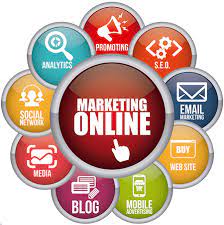
Online digital marketing includes various components such as search engine optimisation (SEO), pay-per-click (PPC) advertising, social media marketing, email marketing, content marketing, and more. Each component plays a unique role in helping businesses achieve their marketing goals.

Search Engine Optimisation (SEO)

SEO is the practice of optimising your website to rank higher in search engine results pages. By improving your website’s visibility in search engines like Google, you can attract more organic traffic and increase your chances of reaching potential customers who are actively searching for products or services related to your business.

Pay-Per-Click (PPC) Advertising

PPC advertising involves placing ads on search engines or other platforms and paying a fee each time someone clicks on your ad. This form of advertising allows businesses to target specific keywords or demographics and drive targeted traffic to their websites quickly.

Social Media Marketing

Social media has become a powerful tool for businesses to connect with their audience, build relationships, and promote their products or services. Platforms like Facebook, Instagram, Twitter, and LinkedIn offer various advertising options that allow businesses to reach their target audience effectively.

Email Marketing

Email marketing involves sending commercial messages to a group of people via email. This form of marketing is highly effective for nurturing leads, promoting new products or services, and keeping customers engaged with your brand over time.

The Benefits of Online Digital Marketing

There are numerous benefits to incorporating online digital marketing into your overall marketing strategy. Some key advantages include:

  • Increased Brand Visibility: By implementing online digital marketing strategies, you can enhance your brand’s visibility and reach a wider audience online.
  • Targeted Advertising: Online digital marketing allows you to target specific demographics or interests, ensuring that your message reaches the right people at the right time.
  • Measurable Results: With online digital marketing tools like analytics and tracking software, you can measure the success of your campaigns in real-time and make data-driven decisions to improve performance.
  • Cost-Effective: Compared to traditional forms of advertising, online digital marketing is often more cost-effective and offers a higher return on investment (ROI).

In Conclusion

Online digital marketing has revolutionised the way businesses promote their products and services in the digital age. By leveraging the power of SEO, PPC advertising, social media marketing, email campaigns, and other strategies, businesses can connect with their audience in meaningful ways and drive tangible results for their bottom line. Embracing online digital marketing is essential for staying competitive in today’s fast-paced business environment.


Understanding Online Digital Marketing: Key Strategies, Platforms, and Success Metrics for Businesses

  1. What is online digital marketing and why is it important for businesses?
  2. What are the key components of online digital marketing strategies?
  3. How can search engine optimisation (SEO) benefit my business’s online presence?
  4. What social media platforms are most effective for online digital marketing?
  5. How can businesses measure the success of their online digital marketing campaigns?

What is online digital marketing and why is it important for businesses?

Online digital marketing refers to the use of various online channels and strategies to promote products or services, engage with target audiences, and drive business growth. It encompasses a wide range of tactics such as search engine optimisation (SEO), pay-per-click (PPC) advertising, social media marketing, email campaigns, content creation, and more. Online digital marketing is crucial for businesses in today’s digital landscape as it allows them to reach a larger audience, increase brand visibility, generate leads, and ultimately boost sales. By leveraging the power of online platforms and tools, businesses can connect with their target customers in a more targeted and cost-effective manner compared to traditional marketing methods. Embracing online digital marketing is essential for staying competitive and relevant in an increasingly digital world.

What are the key components of online digital marketing strategies?

When it comes to online digital marketing strategies, understanding the key components is essential for success. The primary components include search engine optimisation (SEO), pay-per-click (PPC) advertising, social media marketing, email marketing, content marketing, and data analytics. SEO focuses on improving website visibility in search engine results, while PPC advertising involves paid ads to drive targeted traffic. Social media marketing leverages platforms like Facebook and Instagram to engage with audiences. Email marketing involves sending commercial messages via email to nurture leads. Content marketing aims to create valuable content for the target audience. Lastly, data analytics helps measure and optimise campaign performance for better results in online digital marketing efforts.

How can search engine optimisation (SEO) benefit my business’s online presence?

Search engine optimisation (SEO) plays a crucial role in enhancing your business’s online presence by improving your website’s visibility in search engine results pages. By implementing SEO best practices such as keyword optimisation, quality content creation, and technical enhancements, your website is more likely to rank higher for relevant search queries. This increased visibility not only drives organic traffic to your site but also boosts brand credibility and trust among users. Ultimately, a strong SEO strategy can lead to increased website traffic, higher conversion rates, and long-term success for your business in the competitive online landscape.

What social media platforms are most effective for online digital marketing?

When it comes to online digital marketing, businesses often wonder which social media platforms are most effective for reaching their target audience. The choice of social media platforms depends on various factors such as the nature of the business, target demographics, and marketing goals. However, some of the most commonly effective platforms for online digital marketing include Facebook, Instagram, Twitter, LinkedIn, and Pinterest. Each platform offers unique features and audience demographics that can be leveraged to create engaging content, build brand awareness, drive website traffic, and generate leads. It is essential for businesses to understand their target audience and choose the social media platforms that align best with their marketing objectives to maximise their online presence and engagement.

How can businesses measure the success of their online digital marketing campaigns?

Businesses can measure the success of their online digital marketing campaigns through various key performance indicators (KPIs) that provide valuable insights into campaign performance and effectiveness. Metrics such as website traffic, conversion rates, click-through rates, engagement levels on social media platforms, email open rates, and return on investment (ROI) are commonly used to evaluate the impact of digital marketing efforts. By tracking and analysing these KPIs, businesses can assess the reach, engagement, and conversion rates of their campaigns, allowing them to make data-driven decisions to optimise future strategies and maximise results.

internet marketing agency

Empowering Your Business Growth: The Role of an Expert Internet Marketing Agency

The Role of an Internet Marketing Agency in Boosting Your Online Presence

In today’s digital age, having a strong online presence is crucial for businesses looking to reach their target audience and stay ahead of the competition. This is where an internet marketing agency plays a vital role in helping businesses navigate the complex world of digital marketing and maximise their online visibility.

What Does an Internet Marketing Agency Do?

An internet marketing agency specialises in developing and implementing strategies to promote a business’s products or services online. This involves a range of activities, including search engine optimisation (SEO), pay-per-click (PPC) advertising, social media marketing, content creation, email marketing, and more.

By leveraging these digital channels effectively, an internet marketing agency can help businesses drive traffic to their websites, generate leads, increase sales, and build brand awareness in the competitive online landscape.

The Benefits of Hiring an Internet Marketing Agency

There are several key benefits to partnering with an internet marketing agency:

  • Expertise: Internet marketing agencies have a team of professionals with expertise in various digital marketing disciplines. They stay up-to-date with the latest trends and best practices to deliver effective strategies tailored to your business goals.
  • Time-Saving: Outsourcing your digital marketing efforts to an agency frees up your time to focus on other aspects of your business. Letting experts handle your online presence allows you to concentrate on core operations.
  • Cost-Effective: Hiring an internet marketing agency can be more cost-effective than hiring an in-house team. Agencies have the tools and resources needed for successful campaigns without the overhead costs associated with hiring full-time employees.
  • Data-Driven Results: Internet marketing agencies use data analytics to track and measure the performance of campaigns. This data-driven approach allows for continuous optimisation and improved results over time.

In Conclusion

An internet marketing agency plays a crucial role in helping businesses establish a strong online presence and reach their target audience effectively. By leveraging the expertise of professionals in the field, businesses can enhance their digital strategy, drive growth, and stay competitive in today’s fast-paced digital landscape.

If you’re looking to take your online presence to the next level, consider partnering with an internet marketing agency to unlock new opportunities for success in the digital realm.


Comprehensive Guide to Common Queries About Internet Marketing Agencies

  1. Who is the best digital marketing agency?
  2. What are internet marketing services?
  3. What is an Internet marketing agency?
  4. Who are the big 4 ad agencies?
  5. Who are the big 5 advertising agencies?
  6. What is an online marketing agency?
  7. How much should I pay a digital marketing agency?
  8. How much does a digital marketing agency charge?
  9. What is TMD marketing?
  10. What is internet marketing example?
  11. What is an internet marketing business?
  12. How much does it cost to do marketing on the internet?
  13. What are the 6 areas of Internet marketing?
  14. What is an online marketing company?
  15. What is media marketing agency?
  16. What is an example of an online agency?
  17. How many digital marketing agencies are there in the UK?
  18. How do I start an Internet marketing agency?
  19. Which agency is best for digital marketing?
  20. What does a media marketing agency do?
  21. Which company is best in digital marketing?
  22. Which is the best digital marketing agency?
  23. Is digital marketing legal in the UK?
  24. What does a marketing agency do?
  25. What is an agency in digital marketing?
  26. Who is the best online marketing company?
  27. What does an Internet marketing agency do?
  28. What is Internet marketing called?

Who is the best digital marketing agency?

When it comes to determining the best digital marketing agency, the answer can vary depending on specific needs and objectives. The best agency for one business may not necessarily be the best fit for another. Factors such as industry expertise, track record of success, range of services offered, client testimonials, and budget considerations all play a role in selecting the right digital marketing partner. It’s essential for businesses to research and evaluate various agencies to find one that aligns with their goals and values, ultimately leading to a successful and productive partnership in achieving online marketing objectives.

What are internet marketing services?

Internet marketing services encompass a range of strategies and techniques designed to promote a business’s products or services online. These services may include search engine optimisation (SEO) to improve website visibility in search engine results, pay-per-click (PPC) advertising for targeted online campaigns, social media marketing to engage with audiences on various platforms, content creation for valuable and relevant information, email marketing for direct communication with customers, and more. Internet marketing services aim to enhance a business’s online presence, drive traffic to its website, generate leads, increase sales, and build brand awareness in the competitive digital landscape. By utilising these services effectively, businesses can reach their target audience and achieve their marketing goals in the online world.

What is an Internet marketing agency?

An internet marketing agency is a specialised firm that offers a range of services to help businesses promote their products or services online. These agencies leverage various digital marketing strategies, such as search engine optimisation (SEO), pay-per-click (PPC) advertising, social media marketing, content creation, email marketing, and more, to enhance a business’s online presence and reach its target audience effectively. By utilising the expertise of professionals in the field, an internet marketing agency assists businesses in driving traffic to their websites, generating leads, increasing sales, and building brand awareness in the competitive online landscape.

Who are the big 4 ad agencies?

In the realm of advertising, the term “Big 4 ad agencies” typically refers to four major global advertising agencies known for their significant influence and reach in the industry. These agencies are WPP, Omnicom Group, Publicis Groupe, and Interpublic Group (IPG). Collectively, they hold a substantial market share and work with a wide range of clients on advertising campaigns across various media channels. Their expertise and extensive networks make them key players in shaping the landscape of modern advertising and marketing strategies.

Who are the big 5 advertising agencies?

When it comes to the big players in the advertising industry, the term “Big 5” often refers to five major global advertising agencies known for their vast influence and reach. These agencies are WPP, Omnicom Group, Publicis Groupe, Interpublic Group, and Dentsu Group. Each of these agencies has a significant presence in the advertising world, working with a wide range of clients across various industries to create impactful and memorable campaigns that resonate with audiences worldwide.

What is an online marketing agency?

An online marketing agency is a professional service provider that specialises in developing and implementing digital marketing strategies to promote businesses and their offerings on the internet. These agencies utilise a range of online channels, such as search engines, social media platforms, email campaigns, and content creation, to enhance a company’s online presence, drive targeted traffic to their website, generate leads, increase sales, and ultimately boost brand visibility and awareness in the competitive online landscape. By leveraging their expertise in various digital marketing disciplines, an online marketing agency helps businesses navigate the complexities of the digital world and achieve their goals effectively in today’s interconnected marketplace.

How much should I pay a digital marketing agency?

Determining the cost of hiring a digital marketing agency can vary depending on various factors such as the scope of services required, the size of your business, and the level of expertise needed. Pricing structures can range from monthly retainers to project-based fees or performance-based models. It’s essential to discuss your specific goals and budget with potential agencies to receive tailored quotes that align with your objectives. Investing in a reputable digital marketing agency that offers transparent pricing and delivers measurable results can be a valuable asset in achieving your online marketing goals effectively.

How much does a digital marketing agency charge?

When it comes to the cost of hiring a digital marketing agency, the fees can vary depending on several factors such as the scope of services required, the size of your business, and the level of expertise needed. Digital marketing agencies typically offer a range of pricing models, including monthly retainers, project-based fees, and performance-based pricing. It’s important to discuss your specific needs with potential agencies to get a clear understanding of their pricing structure and how it aligns with your budget and goals. Remember that investing in a reputable digital marketing agency can yield significant returns in terms of increased online visibility, lead generation, and overall business growth.

What is TMD marketing?

TMD marketing, also known as Targeted Marketing Development, is a strategic approach used by internet marketing agencies to tailor marketing campaigns specifically to target audiences based on demographic, behavioural, or psychographic factors. This personalised approach allows businesses to reach the right customers with the right message at the right time, leading to higher engagement and conversion rates. TMD marketing involves in-depth research and analysis to understand the preferences and behaviours of target audiences, enabling businesses to create more effective and impactful marketing strategies that drive results.

What is internet marketing example?

An example of internet marketing is the use of social media platforms such as Facebook, Instagram, and Twitter to promote products or services online. Businesses can create engaging content, run targeted advertising campaigns, and interact with their audience to increase brand awareness, drive website traffic, and generate leads. By leveraging the power of social media channels, businesses can reach a wider audience and engage with potential customers in a more interactive and personalised way, ultimately leading to increased sales and business growth.

What is an internet marketing business?

An internet marketing business is a company that specialises in promoting products or services online through various digital channels. These businesses leverage strategies such as search engine optimisation (SEO), pay-per-click (PPC) advertising, social media marketing, content creation, email campaigns, and more to help clients increase their online visibility and reach their target audience effectively. Internet marketing businesses play a crucial role in assisting companies in navigating the complex world of digital marketing and developing tailored strategies to enhance their online presence, drive traffic to their websites, generate leads, and ultimately boost sales and brand awareness in the competitive online landscape.

How much does it cost to do marketing on the internet?

One of the most frequently asked questions about internet marketing agencies is, “How much does it cost to do marketing on the internet?” The cost of internet marketing can vary significantly depending on factors such as the scope of services required, the size of the target audience, the competitiveness of the industry, and the goals of the marketing campaign. Internet marketing agencies typically offer a range of pricing options, from fixed packages to customised solutions tailored to meet specific budget requirements. It is essential for businesses to discuss their needs and objectives with an internet marketing agency to determine a cost-effective strategy that aligns with their budget and delivers measurable results.

What are the 6 areas of Internet marketing?

Internet marketing encompasses a wide range of strategies and tactics aimed at promoting businesses online. The six key areas of Internet marketing include search engine optimisation (SEO), pay-per-click (PPC) advertising, social media marketing, content marketing, email marketing, and influencer marketing. Each of these areas plays a crucial role in enhancing a business’s online visibility, driving traffic to their website, engaging with their target audience, and ultimately converting leads into customers. By leveraging these diverse Internet marketing channels effectively, businesses can create a comprehensive digital strategy that maximises their online presence and boosts their overall success in the competitive digital landscape.

What is an online marketing company?

An online marketing company, also known as an internet marketing agency, is a professional firm that specialises in promoting businesses and their products or services through various digital channels. These companies utilise a range of online strategies such as search engine optimisation (SEO), pay-per-click (PPC) advertising, social media marketing, email campaigns, and content creation to help businesses increase their online visibility, attract more customers, and achieve their marketing goals in the competitive online landscape. By leveraging the expertise of an online marketing company, businesses can enhance their digital presence and reach their target audience effectively in today’s digital age.

What is media marketing agency?

A media marketing agency is a specialised firm that focuses on creating and implementing strategic marketing campaigns across various media channels to promote a brand, product, or service. These agencies leverage different forms of media, such as television, radio, print, digital platforms, and social media, to reach and engage with target audiences effectively. By utilising the power of media channels, a media marketing agency helps businesses enhance their visibility, build brand awareness, drive customer engagement, and ultimately achieve their marketing objectives in a dynamic and competitive landscape.

What is an example of an online agency?

An example of an online agency is Digital Marketing Agency Ltd., a leading internet marketing agency that specialises in providing comprehensive digital solutions to businesses looking to enhance their online presence. With a team of experts skilled in SEO, PPC advertising, social media marketing, and content creation, Digital Marketing Agency Ltd. helps clients achieve their digital marketing goals and drive measurable results. Their client-centric approach and track record of success make them a prime example of an effective online agency dedicated to helping businesses succeed in the competitive digital landscape.

How many digital marketing agencies are there in the UK?

The exact number of digital marketing agencies in the UK is constantly changing due to the dynamic nature of the industry. With the increasing demand for digital marketing services, there are numerous agencies operating across the UK, ranging from small boutique firms to large full-service agencies. While it is challenging to provide an exact figure, it is safe to say that there is a diverse and competitive landscape of digital marketing agencies in the UK, offering a wide range of services to cater to the needs of businesses looking to enhance their online presence and reach their target audience effectively.

How do I start an Internet marketing agency?

Starting an internet marketing agency requires careful planning and strategic execution. To begin, you should conduct thorough market research to understand the industry landscape, identify your target audience, and assess your competition. Next, define your services and unique value proposition to differentiate yourself in the market. Establishing a strong online presence through a professional website and active social media profiles is essential for attracting potential clients. Building a network of industry contacts and leveraging referrals can also help kickstart your agency. Finally, focus on delivering high-quality services, staying updated on digital marketing trends, and continuously refining your strategies to ensure long-term success in the competitive internet marketing industry.

Which agency is best for digital marketing?

When considering which agency is best for digital marketing, it is essential to look for a company that aligns with your specific business goals and needs. The best agency for digital marketing will have a track record of success in delivering results for clients in your industry, a team of skilled professionals with expertise in various digital marketing disciplines, a transparent and collaborative approach to working with clients, and a commitment to staying up-to-date with the latest trends and technologies in the ever-evolving digital landscape. Conducting thorough research, reading client testimonials, and scheduling consultations can help you determine which agency is the best fit to help you achieve your digital marketing objectives effectively.

What does a media marketing agency do?

A media marketing agency specialises in creating and executing strategic marketing campaigns across various media channels to promote a business’s products or services. These agencies leverage traditional media (such as television, radio, print) as well as digital platforms (including social media, online advertising, email marketing) to reach and engage with target audiences effectively. By developing tailored strategies and content that resonate with consumers, a media marketing agency helps businesses enhance their brand visibility, drive customer engagement, and ultimately achieve their marketing goals in today’s competitive landscape.

Which company is best in digital marketing?

When it comes to determining the best company in digital marketing, the answer can vary depending on specific business needs and goals. There are several top digital marketing agencies known for their expertise, innovative strategies, and successful track records in helping businesses achieve online success. Conducting thorough research, reading client testimonials, and evaluating case studies can help identify a digital marketing agency that aligns with your objectives and delivers the results you seek. Ultimately, the best company in digital marketing is one that understands your unique requirements, offers tailored solutions, and demonstrates a proven ability to drive growth and engagement in the ever-evolving digital landscape.

Which is the best digital marketing agency?

When it comes to determining the best digital marketing agency, the answer can vary depending on individual business needs and goals. The best agency for one company may not necessarily be the ideal choice for another. Factors to consider when evaluating digital marketing agencies include their expertise in specific areas such as SEO, PPC, social media marketing, content creation, and overall industry experience. It is essential to research and compare agencies based on their track record, client testimonials, case studies, and the alignment of their services with your business objectives to find the right fit that can deliver results tailored to your unique requirements.

Digital marketing is legal in the UK as long as it complies with relevant laws and regulations governing data protection, consumer rights, and advertising standards. Businesses engaging in digital marketing activities must adhere to the General Data Protection Regulation (GDPR) guidelines to ensure the lawful processing of personal data. Additionally, digital marketing campaigns must be transparent, honest, and not misleading to consumers. By following these legal requirements, businesses can leverage the power of digital marketing effectively while staying compliant with UK regulations.

What does a marketing agency do?

A marketing agency specialises in developing and implementing strategies to promote a business’s products or services through various online and offline channels. These agencies work closely with clients to understand their goals and target audience, creating tailored marketing campaigns that drive brand awareness, generate leads, increase sales, and ultimately grow the business. From digital marketing tactics such as SEO, PPC advertising, social media management, content creation, and email marketing to traditional advertising methods like print and TV campaigns, a marketing agency offers a comprehensive range of services to help businesses achieve their marketing objectives effectively.

What is an agency in digital marketing?

An agency in digital marketing is a professional service provider that specialises in creating and implementing strategic online marketing campaigns for businesses. These agencies utilise various digital channels such as search engines, social media, email, and content marketing to promote a company’s products or services to a targeted audience. By leveraging their expertise in areas like SEO, PPC advertising, and social media management, digital marketing agencies help businesses enhance their online visibility, attract potential customers, and ultimately drive growth and success in the competitive digital landscape.

Who is the best online marketing company?

When it comes to determining the best online marketing company, the answer can vary depending on specific needs and objectives. The best online marketing company for one business may not necessarily be the best fit for another. Factors such as industry expertise, track record of success, range of services offered, and client testimonials all play a role in identifying the most suitable online marketing company. It is essential for businesses to conduct thorough research, compare options, and consider their unique requirements before selecting an online marketing company that aligns with their goals and values.

What does an Internet marketing agency do?

An Internet marketing agency specialises in developing and implementing strategies to promote a business’s products or services online. This involves a range of activities, including search engine optimisation (SEO), pay-per-click (PPC) advertising, social media marketing, content creation, email marketing, and more. By leveraging these digital channels effectively, an Internet marketing agency can help businesses drive traffic to their websites, generate leads, increase sales, and build brand awareness in the competitive online landscape. The agency’s expertise lies in crafting tailored digital marketing campaigns that align with the client’s goals and target audience, ultimately maximising their online visibility and impact.

What is Internet marketing called?

Internet marketing is commonly referred to as online marketing or digital marketing. It encompasses a range of strategies and tactics used to promote products or services on the internet. Internet marketing leverages various online channels such as search engines, social media platforms, email, and websites to reach target audiences and drive engagement. By utilising these digital channels effectively, businesses can increase brand visibility, generate leads, and ultimately boost sales in the competitive online landscape.

international digital marketing

Mastering the Art of International Digital Marketing: Strategies for Global Success

The Power of International Digital Marketing

In today’s interconnected world, businesses are no longer limited by geographical boundaries when it comes to reaching their target audience. International digital marketing has emerged as a powerful tool for companies looking to expand their global footprint and connect with customers around the world.

One of the key advantages of international digital marketing is its ability to transcend physical barriers and engage with diverse audiences in different countries. Through strategic use of online channels such as social media, search engine optimisation (SEO), email marketing, and content creation, businesses can tailor their messages to resonate with specific cultural nuances and preferences.

Moreover, international digital marketing offers a cost-effective way for companies to promote their products or services on a global scale. Compared to traditional marketing methods like print advertising or TV commercials, digital marketing allows for precise targeting and measurement of campaign performance, enabling businesses to optimise their strategies for maximum impact.

Successful international digital marketing requires a deep understanding of local markets, languages, and consumer behaviours. By conducting thorough market research and leveraging data analytics tools, businesses can identify opportunities for growth and develop targeted campaigns that speak directly to the needs and interests of their international audience.

Furthermore, international digital marketing enables companies to build brand awareness and credibility on a global level. By establishing a strong online presence across multiple countries, businesses can enhance their reputation and attract new customers who may have never been exposed to their brand otherwise.

In conclusion, international digital marketing presents an exciting opportunity for businesses to expand their reach beyond borders and connect with audiences worldwide. By harnessing the power of digital technology and embracing cultural diversity, companies can unlock new growth opportunities and drive success in the global marketplace.


Top 5 Tips for Effective International Digital Marketing Strategies

  1. Understand cultural differences and tailor your content accordingly.
  2. Localize your website and digital assets for different markets.
  3. Utilize social media platforms popular in the target countries.
  4. Consider language nuances and idioms when creating content.
  5. Stay up-to-date with international SEO trends and best practices.

Understand cultural differences and tailor your content accordingly.

To succeed in international digital marketing, it is crucial to acknowledge and respect cultural differences and nuances in various markets. By understanding the unique preferences, values, and behaviours of different audiences, businesses can tailor their content and messaging to resonate effectively with each target demographic. This personalised approach not only enhances engagement and relevance but also demonstrates a commitment to building authentic connections with consumers around the world.

Localize your website and digital assets for different markets.

To maximise the effectiveness of your international digital marketing efforts, it is crucial to localise your website and digital assets for different markets. By tailoring your content, language, and design to resonate with the cultural preferences and expectations of specific regions, you can create a more engaging and relevant experience for your target audience. Localisation goes beyond mere translation; it involves adapting your messaging and imagery to reflect the nuances of each market, ultimately enhancing user engagement and driving conversions. Investing in localisation demonstrates a commitment to understanding and connecting with customers on a personal level, leading to increased brand loyalty and success in diverse global markets.

To maximise the effectiveness of international digital marketing efforts, it is essential to utilise social media platforms that are popular in the target countries. By understanding the social media preferences and behaviours of specific regions, businesses can tailor their content and engagement strategies to resonate with local audiences. This approach not only helps to increase brand visibility and engagement but also fosters stronger connections with potential customers in different cultural contexts.

Consider language nuances and idioms when creating content.

When delving into international digital marketing, it is crucial to consider language nuances and idioms when crafting content for different target audiences. Understanding the subtleties of language in various regions can make a significant impact on how your message is received and interpreted by potential customers. By incorporating local idioms and cultural references appropriately, businesses can establish a deeper connection with their international audience and convey their message in a way that resonates authentically with local communities.

To succeed in international digital marketing, it is crucial to stay up-to-date with international SEO trends and best practices. Search engine optimisation plays a vital role in ensuring that your online content is discoverable by global audiences. By keeping abreast of the latest developments in international SEO, such as localised keyword research, multilingual content optimisation, and geo-targeting strategies, businesses can improve their visibility in search engine results across different countries and languages. This proactive approach to SEO not only enhances website traffic and conversions but also helps businesses stay competitive in the ever-evolving digital landscape.

digital product marketing

Mastering the Art of Digital Product Marketing: Strategies for Success in the Online World

The Power of Digital Product Marketing

The Power of Digital Product Marketing

In today’s digital age, the success of a product often hinges on its marketing strategy. Digital product marketing has emerged as a powerful tool for businesses to reach their target audience, drive engagement, and ultimately boost sales.

Understanding Digital Product Marketing

Digital product marketing involves promoting and selling products or services using online channels such as websites, social media, email campaigns, and search engine optimisation (SEO). This approach allows businesses to connect with consumers in a more targeted and measurable way compared to traditional marketing methods.

The Benefits of Digital Product Marketing

One of the key benefits of digital product marketing is its ability to reach a global audience quickly and cost-effectively. With the right strategies in place, businesses can increase brand awareness, generate leads, and convert prospects into loyal customers.

Furthermore, digital product marketing provides valuable data insights that can be used to refine marketing campaigns and improve overall performance. By analysing metrics such as website traffic, conversion rates, and customer behaviour, businesses can make informed decisions to enhance their marketing efforts.

Effective Strategies for Digital Product Marketing

To succeed in digital product marketing, businesses must employ a variety of strategies tailored to their target audience and goals. These may include:

  • Content Marketing: Creating valuable and engaging content that resonates with the target audience.
  • Social Media Marketing: Leveraging popular social platforms to connect with customers and drive brand visibility.
  • Email Marketing: Sending targeted emails to nurture leads and encourage repeat purchases.
  • Paid Advertising: Using paid channels such as Google Ads or social media ads to reach a wider audience.
  • Search Engine Optimisation (SEO): Optimising website content to improve search engine rankings and attract organic traffic.

In Conclusion

Digital product marketing offers endless possibilities for businesses looking to expand their reach and drive growth. By embracing digital channels and implementing effective strategies, companies can position themselves for success in today’s competitive marketplace.


Comprehensive Guide to Digital Product Marketing: Addressing 26 Key Questions

  1. What are the example of digital products?
  2. What are the 7 P’s of digital marketing?
  3. What are 4 P’s in digital marketing?
  4. How the 4 P’s are used in digital marketing?
  5. What is an example of a digital product?
  6. How do you market a product using digital marketing?
  7. What is a digital marketing example?
  8. What is a digital product and examples?
  9. What are the four types of digital marketing?
  10. How to do a digital marketing of any product?
  11. What are examples of digital products?
  12. What are the 4 P’s of digital marketing?
  13. How do you promote a digital product?
  14. What are the seven types of digital marketing?
  15. What is a digital product example?
  16. What is Digital Marketing example?
  17. What is digital product in marketing?
  18. What are the most profitable digital products?
  19. What’s an example of a digital product?
  20. What’s an example of digital marketing?
  21. What is digital product strategy?
  22. What are the 4 types of digital marketing?
  23. What are the 3 types of digital marketing?
  24. What is digital marketing product?
  25. Which is are example of digital marketing?
  26. What is digital marketing and example?

What are the example of digital products?

Digital products encompass a wide range of offerings that are intangible and exist in the digital realm. Examples of digital products include software applications, e-books, online courses, digital music or videos, mobile apps, webinars, podcasts, and digital artwork. These products are created and distributed electronically, allowing users to access them instantly from their devices such as computers, smartphones, or tablets. Digital products offer convenience, scalability, and often provide a unique user experience that traditional physical products cannot replicate.

What are the 7 P’s of digital marketing?

The 7 P’s of digital marketing refer to the key elements that businesses need to consider when developing their digital marketing strategies. These include Product (the goods or services being offered), Price (the cost of the product), Place (where and how the product is distributed), Promotion (how the product is promoted to target audiences), People (understanding and engaging with the target customers), Process (the procedures involved in delivering the product), and Physical Evidence (the tangible aspects that support the product or service). By carefully addressing each of these P’s, businesses can create comprehensive and effective digital marketing campaigns that resonate with their audience and drive success in the competitive online landscape.

What are 4 P’s in digital marketing?

The 4 Ps in digital marketing refer to Product, Price, Place, and Promotion. These fundamental components form the core framework for developing a successful digital marketing strategy. Product focuses on creating a valuable offering that meets customer needs, while Price involves setting competitive pricing to attract target audiences. Place refers to the distribution channels used to reach customers effectively, and Promotion encompasses the various tactics employed to raise awareness and drive engagement with the product or service in the digital realm. By carefully considering and integrating these 4 Ps into their digital marketing efforts, businesses can enhance their online presence and achieve their marketing objectives efficiently.

How the 4 P’s are used in digital marketing?

In digital marketing, the traditional marketing concept of the 4 P’s (Product, Price, Place, and Promotion) has been adapted to suit the online landscape. Each of the 4 P’s plays a crucial role in shaping digital marketing strategies. Product refers to how businesses position and present their offerings online, ensuring they meet customer needs and stand out in a competitive market. Price involves setting competitive pricing strategies that resonate with online consumers. Place focuses on the various digital channels and platforms where products are made available to customers, such as websites, social media, and e-commerce marketplaces. Promotion entails leveraging digital tools like social media advertising, email campaigns, and search engine optimisation to create awareness and drive engagement for products or services in the online space. By effectively utilising the 4 P’s in digital marketing strategies, businesses can enhance their online presence and achieve their marketing objectives successfully.

What is an example of a digital product?

A digital product is any intangible asset or service that is delivered electronically, typically through online platforms or software applications. An example of a digital product could be an e-book, a mobile app, a subscription-based streaming service like Netflix, or a software tool such as Adobe Photoshop. These products are created and distributed digitally, allowing users to access them instantly and conveniently through their devices. Digital products have become increasingly popular in today’s digital economy due to their scalability, ease of distribution, and ability to cater to diverse consumer needs.

How do you market a product using digital marketing?

To successfully market a product using digital marketing, businesses must first identify their target audience and understand their preferences and behaviours. Utilising a mix of digital channels such as social media, email campaigns, search engine optimisation (SEO), and content marketing is essential to reach and engage with potential customers effectively. Crafting compelling and relevant content tailored to the target audience’s needs, running targeted advertising campaigns, and analysing data to refine strategies are key components of a successful digital product marketing approach. By leveraging the power of digital tools and platforms strategically, businesses can enhance brand visibility, generate leads, and drive conversions in today’s competitive online landscape.

What is a digital marketing example?

A common example of digital marketing is the use of social media platforms such as Facebook, Instagram, or Twitter to promote products or services. Businesses can create engaging posts, run targeted advertising campaigns, and interact with their audience to increase brand visibility and drive customer engagement. By leveraging the vast reach and targeting capabilities of social media channels, companies can effectively showcase their offerings to a specific demographic or interest group, ultimately leading to increased sales and brand loyalty.

What is a digital product and examples?

A digital product is any intangible asset or service that is delivered electronically, typically through the internet or other digital channels. Examples of digital products include e-books, software applications, online courses, mobile apps, streaming services like Netflix, and digital downloads such as music or video content. These products are created and distributed digitally, offering convenience and accessibility to consumers worldwide. Digital products play a significant role in today’s economy, providing innovative solutions and entertainment options to users across various industries.

What are the four types of digital marketing?

In the realm of digital product marketing, understanding the four key types of digital marketing is essential for crafting a comprehensive strategy to promote products effectively online. The four main types include search engine optimisation (SEO), pay-per-click advertising (PPC), social media marketing, and email marketing. SEO focuses on improving a website’s visibility in search engine results, while PPC involves paying for ads that appear when specific keywords are searched. Social media marketing utilises platforms like Facebook and Instagram to engage with audiences, and email marketing involves sending targeted messages to subscribers. By leveraging these diverse approaches, businesses can maximise their digital presence and connect with their target customers in meaningful ways.

How to do a digital marketing of any product?

When it comes to digital marketing of any product, the key lies in developing a comprehensive strategy that leverages various online channels to reach and engage with the target audience effectively. To start, businesses should identify their target market and understand their preferences and behaviours. Creating compelling and relevant content is essential to attract and retain customers. Utilising social media platforms, email campaigns, search engine optimisation (SEO), and paid advertising can help increase brand visibility and drive conversions. Regularly analysing performance metrics and adapting strategies based on data insights is crucial for continuous improvement in digital product marketing efforts.

What are examples of digital products?

Digital products encompass a wide range of offerings that are intangible and exist in the digital realm. Examples of digital products include e-books, online courses, software applications, mobile apps, digital music and videos, webinars, podcasts, templates, and digital artwork. These products are created and distributed electronically, allowing consumers to access them instantly from their devices. Digital products have become increasingly popular due to their convenience, scalability, and ability to reach a global audience with minimal overhead costs.

What are the 4 P’s of digital marketing?

In the realm of digital marketing, the concept of the 4 P’s refers to Product, Price, Place, and Promotion. These fundamental principles serve as a framework for businesses to develop effective marketing strategies in the digital landscape. Product entails understanding and crafting offerings that meet consumer needs, while Price involves setting competitive prices that reflect value. Place focuses on selecting the right channels to reach target audiences, and Promotion encompasses tactics to communicate and engage with customers effectively online. By leveraging the 4 P’s of digital marketing, businesses can create cohesive and impactful campaigns that drive success in today’s competitive market environment.

How do you promote a digital product?

Promoting a digital product involves a strategic approach to reach and engage with the target audience effectively. To promote a digital product successfully, businesses can utilise a variety of marketing tactics such as content marketing, social media promotion, email campaigns, paid advertising, and search engine optimisation. By creating compelling and relevant content that resonates with the target audience, leveraging social media platforms to increase brand visibility, sending targeted email campaigns to nurture leads, investing in paid advertising channels to reach a wider audience, and optimising website content for search engines, businesses can effectively promote their digital products and drive engagement that leads to increased sales and brand loyalty.

What are the seven types of digital marketing?

In the realm of digital product marketing, understanding the seven key types of digital marketing is crucial for crafting effective strategies to promote products and engage with target audiences. These seven types encompass various online channels and tactics, including search engine optimisation (SEO), social media marketing, content marketing, email marketing, pay-per-click (PPC) advertising, affiliate marketing, and influencer marketing. Each type offers unique opportunities to connect with consumers, drive traffic to websites, and ultimately boost sales. By leveraging a combination of these digital marketing approaches, businesses can enhance their online presence and achieve their marketing objectives effectively.

What is a digital product example?

A digital product example is any product or service that is delivered or accessed electronically, typically through digital channels such as the internet or mobile devices. Examples of digital products include e-books, software applications, online courses, streaming services like Netflix, and digital downloads such as music or video content. These products are intangible and can be easily distributed and consumed online, making them convenient for both businesses and consumers in today’s digital landscape.

What is Digital Marketing example?

Digital marketing encompasses a wide range of strategies and tactics used to promote products or services online. An example of digital marketing is social media advertising, where businesses create targeted ads to reach specific audiences on platforms like Facebook, Instagram, or LinkedIn. These ads can be tailored based on demographics, interests, and behaviours to increase engagement and drive conversions. Social media advertising is just one of many examples of how digital marketing leverages online channels to connect with consumers in a more personalised and measurable way.

What is digital product in marketing?

In the realm of marketing, a digital product refers to any intangible offering that is created and distributed through digital channels. This can encompass a wide range of products, such as software applications, e-books, online courses, subscription services, and digital downloads. Digital products are designed to be accessed and consumed online, providing convenience and accessibility to consumers. In the context of digital product marketing, businesses leverage various online strategies to promote and sell these offerings to their target audience effectively. By understanding the unique characteristics and benefits of digital products, marketers can tailor their approaches to drive engagement, conversions, and ultimately achieve success in the digital marketplace.

What are the most profitable digital products?

When it comes to digital product marketing, the question of “What are the most profitable digital products?” is a common one. The profitability of digital products can vary depending on various factors such as market demand, target audience, pricing strategy, and competition. Generally, some of the most profitable digital products include software applications, online courses, e-books, subscription-based services, and digital downloads like music and templates. However, the key to success lies in identifying a niche market, delivering high-quality content or services, and implementing effective marketing strategies to maximise profitability in the digital landscape.

What’s an example of a digital product?

In the realm of digital product marketing, an example of a digital product is a mobile application (app) that offers a range of functionalities or services to users on their smartphones or tablets. These apps can serve various purposes, such as entertainment, productivity, communication, or e-commerce. Businesses often develop and market these digital products to cater to specific user needs and preferences, leveraging strategies like app store optimisation, user acquisition campaigns, and ongoing updates to enhance user experience and drive engagement.

What’s an example of digital marketing?

An example of digital marketing is social media advertising, where businesses promote their products or services on platforms like Facebook, Instagram, or Twitter to reach a targeted audience. Through engaging ad campaigns, businesses can showcase their offerings to potential customers based on demographics, interests, and online behaviour. Social media advertising allows companies to enhance brand visibility, drive traffic to their websites, and ultimately increase sales by leveraging the vast reach and interactive nature of social platforms in the digital realm.

What is digital product strategy?

Digital product strategy refers to the comprehensive plan and approach that businesses develop to effectively design, create, and market their digital products or services. It involves defining clear objectives, identifying target audiences, conducting market research, and outlining the steps needed to achieve success in the digital realm. A solid digital product strategy encompasses elements such as product positioning, feature prioritisation, user experience design, pricing strategies, and ongoing product iteration based on data-driven insights. By crafting a well-thought-out digital product strategy, businesses can maximise their chances of creating products that resonate with customers and drive business growth in the competitive online landscape.

What are the 4 types of digital marketing?

In the realm of digital product marketing, there are four primary types of digital marketing strategies that businesses often utilise to promote their products or services effectively. These include search engine optimisation (SEO), which focuses on improving a website’s visibility in search engine results; social media marketing, where businesses engage with their audience on platforms like Facebook, Instagram, and Twitter; pay-per-click (PPC) advertising, involving paid ads displayed on search engines and social media platforms; and content marketing, which entails creating and distributing valuable content to attract and engage target customers. Each of these digital marketing approaches plays a crucial role in helping businesses reach their target audience and achieve their marketing objectives.

What are the 3 types of digital marketing?

In the realm of digital product marketing, there are three main types of digital marketing strategies that businesses commonly utilise to promote their products or services online. These include search engine optimisation (SEO), which focuses on improving a website’s visibility in search engine results; social media marketing, which involves leveraging social platforms to engage with audiences and build brand awareness; and pay-per-click (PPC) advertising, where businesses pay for their ads to appear when users search for specific keywords or phrases. Each of these digital marketing approaches plays a crucial role in reaching and engaging target audiences effectively in the digital landscape.

What is digital marketing product?

A digital marketing product refers to a tangible or intangible offering that is designed to promote and sell products or services using online channels. It encompasses a range of strategies and techniques aimed at reaching target audiences through digital platforms such as websites, social media, email campaigns, and search engine optimisation. Digital marketing products play a crucial role in enhancing brand visibility, driving customer engagement, and ultimately increasing sales in the competitive landscape of the digital age.

Which is are example of digital marketing?

Digital marketing encompasses a wide range of strategies and tactics aimed at promoting products or services online. Examples of digital marketing include search engine optimisation (SEO), pay-per-click advertising (PPC), social media marketing, email marketing, content marketing, influencer partnerships, affiliate marketing, and online PR campaigns. Each of these methods plays a crucial role in reaching target audiences, driving engagement, and ultimately converting leads into customers in the digital landscape.

What is digital marketing and example?

Digital marketing encompasses a wide range of online strategies and tactics used by businesses to promote their products or services to a digital audience. An example of digital marketing is social media advertising, where companies leverage platforms like Facebook, Instagram, or LinkedIn to reach their target customers with targeted ads based on demographics, interests, and online behaviour. By utilising social media advertising, businesses can increase brand awareness, drive website traffic, and ultimately boost sales by engaging with their audience in a more personalised and interactive way compared to traditional advertising methods.